Would you like to be a healer who works with plants? An herbalist, pharmacist, or doctor? Is this a viable career choice? Will it bring happiness and contentment?
The job duties include collecting and making medicines, prescribing herbs, and conducting ceremonies. The hours may be long and irregular, seasonal and fluctuating. You will spend many hours in the garden talking to plants and cutting them down. You will commit to serving the community you live in.
To make medicines, you use plant parts with strong ‘active ingredients’. You use seeds, leaf, bark, flowers, fruits, root, and sap. There are many ways of taking medicinal plants and their products into ones body:
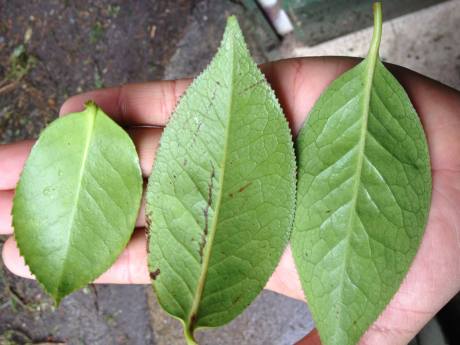
Through the mouth:
Infusion – plant steeped in hot water. For example, drinking tea.
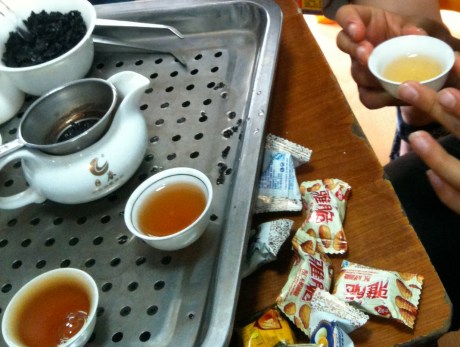
Decoction – plant cooked and boiled and strained. How about a cup of coffee?
Tinctures – plant put in alcohol or other medium because its chemicals do not dissolve in water. Put little drops on the tongue.
Lozenges/pills: plant chopped little and stuffed in pill form, sometimes with some filler material. Swallow with water.
Smoked – plant rolled in paper, leaf, or put in a pipe, burned and inhaled.
Through the skin:
Plant extracts are mixed with creams, oils, then rubbed on the body.
Through the nose:
snuffs – powdered plants are sniffed up the nostrils.
incense –plant parts are burned and smelled.
aromatherapy – plant flower or oils are smelled.
oxygen therapy – breathe deeply in the forest.
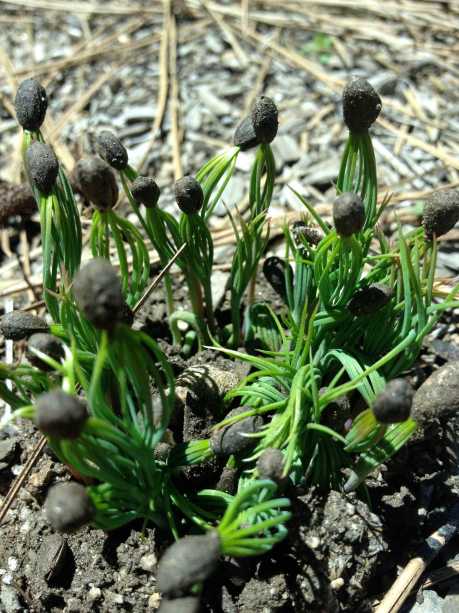
Thr0ugh the eyes:
Colorful and geometric shapes bring order to the senses and joy to the heart. Nature’s structures are grounded and grounding.
In the olden days, everybody was an herbalist of some sort. Most people knew plants for basic home remedies. A plant for head aches, another for sleeplessness. Walk out the door, grab a sprig or pinch a leaf. Soak it in hot water; drink it three times a day. There were grandmas who were knowledgeable about women and children’s health problems, and an elder who went into trance now and then with some encouragement.
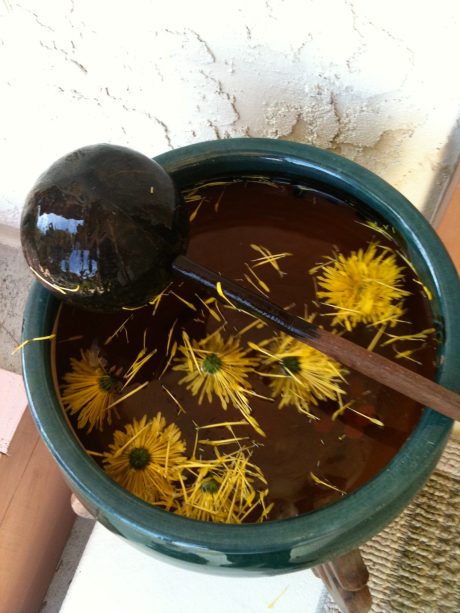
Now, as before, it is a good skill to be able to identify the various plants found in one’s garden and be able to use them when needed. In the garden are beautiful flowers that can kill you, red juicy fruits that will paralyze you, and non descript, drab green leaves that might cure you.
Herbalism is concerned with plants and their specific chemical properties. Herbalism is an extension of cooking, and one of the oldest occupations of humankind. Skeptical people who have not had much nature education like to ask, “Yeah, but does it work? Herbalism is like, something from the medieval ages, isn’t it? Apothecaries and witchdoctors?” Well, nobody asks, “Does coffee work? Does cocaine anesthesia work? Can overdoses of sugar make you diabetic? Do oranges have vitamin C? Did Captain Cook cure scurvy by drinking leafy teas?” And so on and so forth…
Here are some examples of plants (and fungi) and the body parts where they exert their chemistry and influence. Plants are everywhere! They are sold at the pharmacy and in cafes, synthetically mimicked in pharmaceuticals, used in hospitals, and growing in lawns and gardens. These are not prescriptions for experimentation, just a list to start feeling connected to plants.
Musculoskeletal system:
Muscle pain: camphor tree wood & leaf Cinnamomum camphora (Tiger balm), Eucalyptus leaf oil
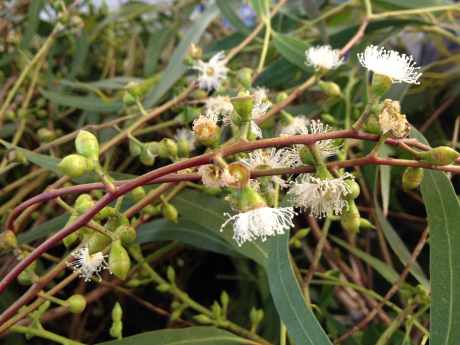
Nervous system:
Pain: willow bark Salix species, opium poppy latex sap Papaver somniferum
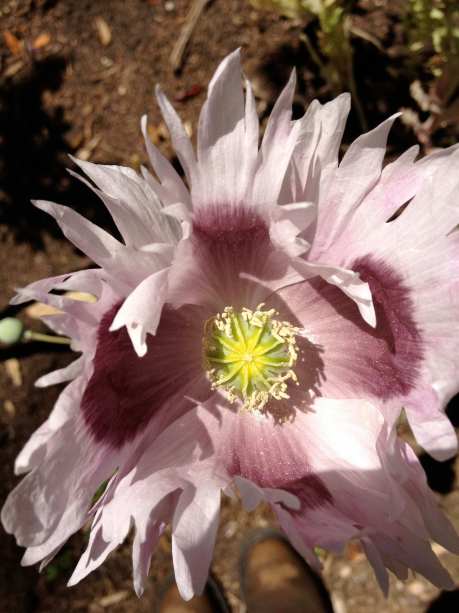
Sleeplessness: valerian root Valeriana officinalis, Chamomile flowers and leaf Matricaria chamomila
Drowsiness: Tea leaf Camellia sinensis, Coffee seeds Coffee arabica, Mate leaf Ilex paraguariensis, Betel nut Areca catechu, Yoco bark Paullinia yoco, Guayusa leaf Ilex guayusa
External injuries:
Small cuts/wounds: Calendula flowers Calendula officinalis, Tea tree leaf oil Melaleuca alternifolia
Burns: Aloe vera leaf gel
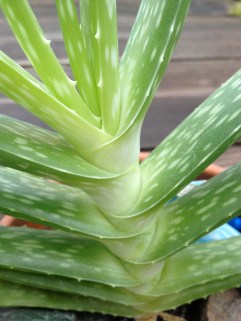
Digestive system:
Constipation: Plantain seeds Plantago species (‘Metamucil’), prune juice Prunus species.
This is Plantago asiatica.
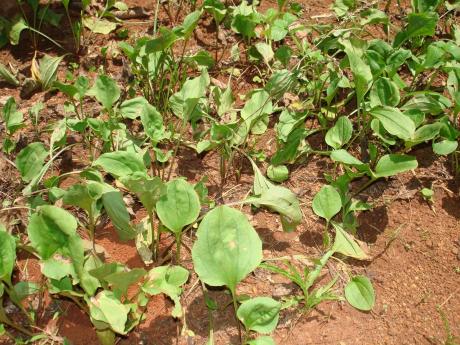
Nausea and motion sickness: Ginger rhizome Zingiber officinale
Indigestion: peppermint leaf Mentha x piperita
Liver damage: milk thistle seed Silybum marianum
Respiratory system:
Asthma: Ephedra sinensis stem and branches
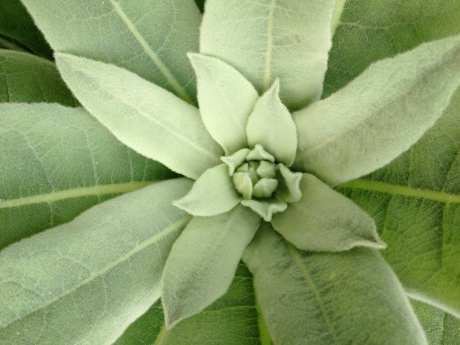
Throat irritation and cough, expectorant: Loquat leaf Eriobotrya japonica and
Mullein leaf Verbascum thapsus:
Circulatory system:
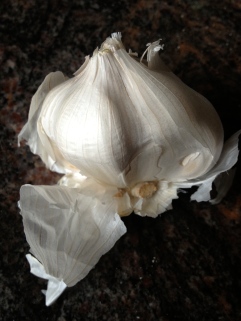
Congestive heart failure: garlic bulbs Allium sativum
Heart arrhythmia:: foxglove leaf Digitalis purpurea
Immune deficiencies and maintenance:
“adaptogen”: ginseng root Panax ginseng
Improve immunity: Ling-zhi mushroom Ganoderma lucidum
Microbial diseases:
malaria: Cinchona tree bark Cinchona species
Cancer:
Leukemia: Madagascar periwinkle leaf Catharanthus roseus
Ovarian: Pacific yew tree bark Taxus brevifolia
Spiritual-religio emotional-mind:
addiction: iboga Tabernathe iboga
ego-isolation, lack of connection to nature: Psilocybe and kin
Herbalism gets a bad rap because, around these parts, there is usually no license necessary to practice the art and the science. There is the danger that you do not identify a plant correctly and get really sick or worse. Plus, the use of herbs get intertwined with love potions and tiger bones, costumed singing and dancing, rituals in the woods and other general silliness.
Nevertheless, the power of belief and the mediation of the mind between the inner and outer worlds are true phenomenon. All cultures developed medicinal practices starting with plants. Here is a glimpse into a small portion of cultural theories and cosmologies that affect herbal efficacy:
Western: Disease is caused or influenced by external agents (pollution, exposure to poisonous or carcinogenic substances, viruses, bacteria, mosquitoes, diet), as well as internal circumstances (genetics, stress, trauma, diet). Curative drugs work on the molecular level – specific chemicals attack viruses, bacteria, cholesterol. There are medicines that augment or decrease existing levels of neurotransmitters, hormones, enzymes, and so on. Plants are used in conjunction with surgery, chemotherapy, other pharmaceuticals, and psychotherapy.

African: Humans are players in a world of spirits. Healing takes place when a person understands their life as a story, reflects upon its meaning, and gains wisdom in the process. You graduate, and live not only for today, but begin to see into the future. There is a constant exchange of energy between the spiritual and material realms. These forces can inhabit (mount) people and override or defy physical and material laws. Plants are sacred, and form a part of these mediums. Herbs are used in conjunction with divination, cleansing, drumming, spirit possession, and story telling.
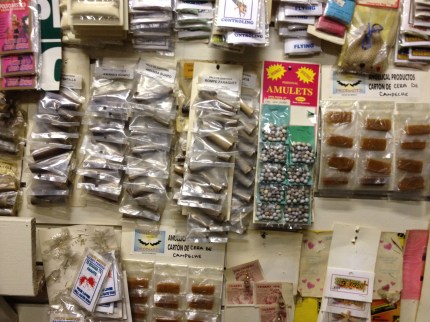
Chinese: Humans are conduits for energy that runs in channels throughout the body and universe. If conduits are blocked or not flowing, disease results. All modes of therapy seek to free up the “chi” and maintain health and harmony, within and with-out. Anger, frustration, and bitterness stored in the body become poison, and cause sickness. All plants are useful. Herbs are used in conjunction with exercise, massage, acupuncture, moxibustion, and meditation.
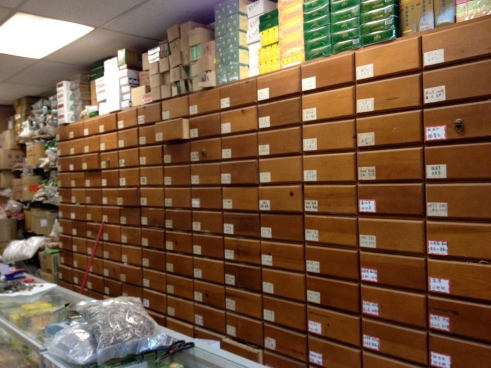
Latin: Disease can have its source in ones behavior in the community at large. Recognized disease states are susto, nervios, envidia, and egoismo. This is to say, a person who is selfish and eyes others with jealousy, is sick. A person who is fearful of the world, and isolated from neighbors, friends, and family, is ill. Curative processes would bring the sick person back to health via celebration, penitence, warm and caring people, and forgiveness.
Native American: The world we inhabit is an illusion. A parallel world is accessed in dreams, visions, and through guides who bridge the distinct worlds. The cause of disease is malevolent spirits shooting darts, throwing spears, and casting webs. These spirits dwell in the forests, deserts, or in towns. They work to destroy others and the world. The job of the medical practitioner is to go into the spirit world and attack and repel the source of evil. Plants are beings with consciousness and spirit; they are teachers and allies. Herbs are used in conjunction with songs, prayers, chants, ceremonies, fasting, and incense.
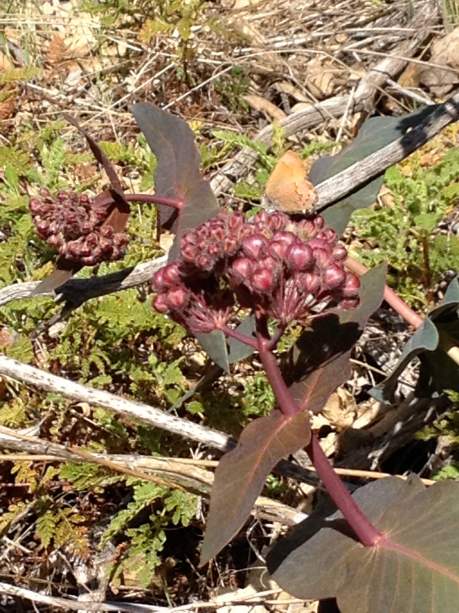
Milkweed in the mountains for Asclepias the healer:
Be conscientious and be careful! A poisonous plant killed the Chinese medicine emperor Shen Nung five thousand years ago. The plants are not joking around! When engaged in the very serious study of medicinal plants. Beware of:
• The importance of dosage and frequency of use. A little of something can be beneficial, while too much can be a detriment to health. Sugar in small doses is sweetness and energy for muscles to use. In large constant doses sugar is a slow poison that causes diabetes and other ailments. Ritual use of tobacco by native people of the Americas is not the same as recreational or addictive use of cigarettes.
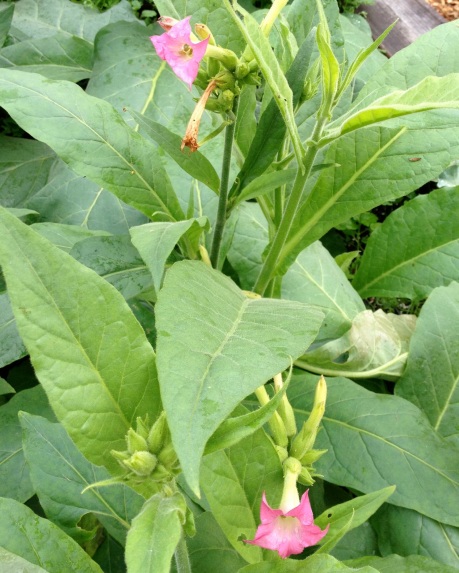
The plant Nicotiana has sticky leaves and showy tubular flowers:
• Each person is unique, and has different constitution and genetics. Everyone will react differently to a plant food or drug. Even twins are not the same. For some, alcohol lightens the mood and leads to singing and cheerful behavior. For others, its use leads to crippling addiction, broken homes and livers. Some people are allergic to peanuts and shellfish, others less so or not at all.
• Addiction has a physical component, and a large mind state component. You can become addicted to any number of things. That is to say, even if an activity provides no beneficial effect, an addict will do it repetitively, on impulse, over and over again. Actions are performed in boredom and in fear. At times, it leads to the breaking of ancestral bonds that tie communities together.
• There is difficulty in standardizing dosage and potency in plants due to soil conditions, time of harvesting, processing, and adulteration. Fresh herbs are usually preferred over old herbs that have been sitting on a shelf. Herbs gathered in focus and prayer may work better than herbs gathered in hatred. With experience, you will recognize and utilize proper timing and methods.
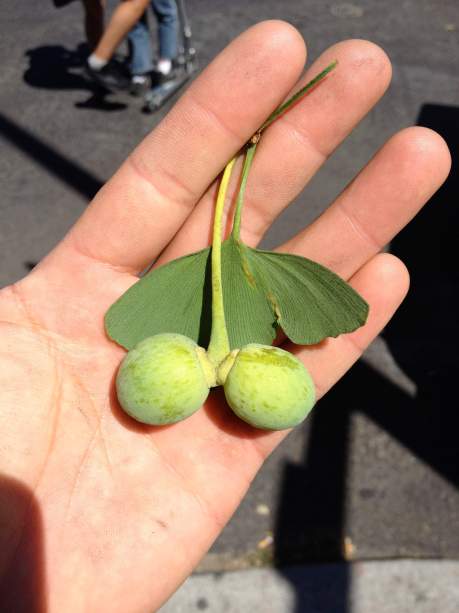
This was a happy day when I found a female ginkgo tree laden with fruit. How does it smell when ripe?
• There are possible side effects of multiple alkaloids or chemicals when taking either one herb or a combination of herbs. Side effects can be minimal and beneficial, or dangerous. Do not under estimate the power of plants.
• Find out what conditions are able to be self-medicated and what conditions require professional medical care. If sick, give the body time to rest and heal. Acknowledge the power as well as the limits of modern day medicines.
• “Natural” and “organic” do not necessarily mean non-toxic, beneficial, or good. Natural and organic substances encompass strychnine, arsenic, nicotine, mercury, and other possible poisons.
• The distinction between foods, medicines, and poisons is best seen as a continuum – a long line of substances, each folding and doubling back on one another. Plants do not read our books, and do not always fit into discrete and definite categories or taxonomies. If you box them up, the plants may disappoint you.
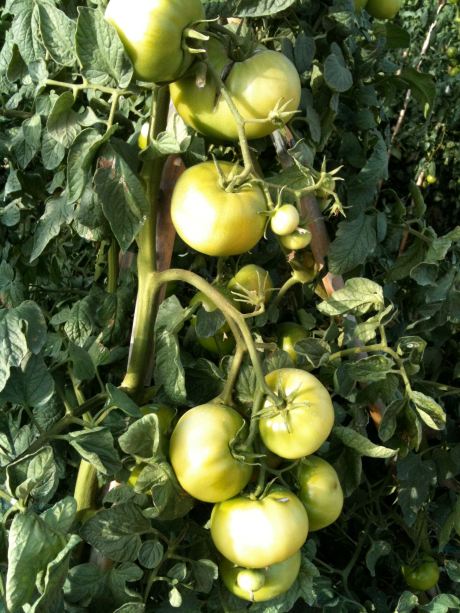
What part of this plant do you eat, the fruit or the leaves? Which one is tasty and edible, which part is poisonous?
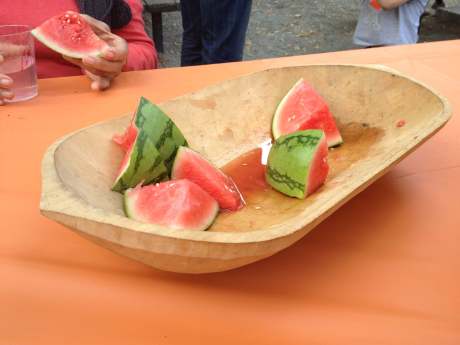
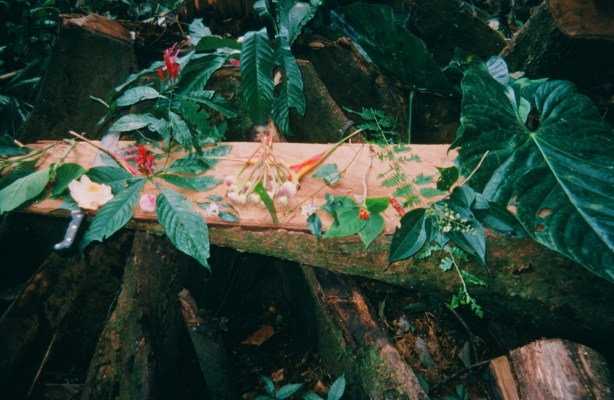
• Its all about plants. From drug wars across borders to sugar cane plantations and coffee farms, the currency is plant chemicals. Forms change; leaves and flowers are transformed into crystals and pastes, gums and powders. From the best-run surgical rooms to the thatched huts in the jungle, the medicines are also plants. Some put you out cold for a surgery, while others will light up the body cells in rainbow arcs. A respect for plants and their power, and a plant – human relationship based on cooperation and goodwill, will best bring about health of individuals, communities, and societies. Here is some food for the angels:










 Mission Azul