Archives for category: Food and drug plants

This story is about drinking the vine of the soul from dusk to dawn.  It is dedicated to the brave people of the Siecopai culture, to the unguragui and chambira palms, and to the wantas scavenging for forest fruits in the night.

When the sun lit up the day, these pictures flashed before me.  There are three stories in one.  The first is a gathering of people around a ceremonial fire.  The second is about cells and the scientific mind.  In the third we enter the realm of jaguars and anacondas.

Part I:  Ceremony

C’mon, let’s go!  By the side of the trail, three hawthorn trees with berries stand tall.

Image

Let’s make camp by the river.  Clear wings of dragonflies glide and spin along the banks.

Image

Orange spotted blue butterflies hop from sand spit to sand spit.  Crows dive, tumble, and even out.

Image

We greet the dude who chants, blows, and sings all night.  Ho ho ho!

Image

We share a smile with friends who hold down the corners: turtle, fox, and hummingbird.
Image

This is Hawk, the black sun dancer who loves Indian stories.

Image

It was our first wedding anniversary, a full moon by the gushing river.  Que romantica!
Image

We drank a bitter potion of jungle vines, leaves, and flowers.

Image

We sat still on round pebbles watching the flicker of flames.

Image

Part II:  The cell

This is the membrane that lets stuff in and out – the lipid bilayer made of hydrophilic and hydrophobic heads.  Stay in balance!

Image

These are various parts inside the cell – the powerhouse, the dump, the makers of proteins…

Image    Image    Image

Here is the nucleus:  the safe house of the secret code.  Shhhhhhh……..

Image

The helical twists we know and love.  Elegant design, endless variation.

Image

Here comes the virus!  Don’t let it replicate!

Image

Part III:  Jaguars and anacondas

The rainbow serpent, protector of the universe, gets ready for transformation.

Image

Thousands of tigres y culebras are wrapped in gold, running back and forth.  They are laughing in a crystalline sky of chimes.

Image

Between the sun and the shade, Jaguar lies in camouflage.

Image

Jaguar’s whiskers sense unusual activity on the river rocks.

Image

Jaguar opens her mouth and sharp teeth, she gets ready to tear it up!

Image

Eagle claws, take me to the sky!  Grab hold.

Image

The Indian lodge!  I am here!  But how do you sing the universe into form and pattern?  Why is the setting sun black?  How do you keep the gates open?  I want to learn more.

Image

No!  Not into the bowels of excrement.  The storage vault of the spirit – the chipped and scarred, charred and broken.  Release the worms inside!

Image

Gotta hang by your toes.  This part is painful.  Drain the brain.  Fill it with love.

Image

Anda!  Una escritora Chilena guapita.  Too bad she is married and not your age.  Run free!

Image

And that was the end.  Wish I could explain it better.  Well, hope you enjoyed this story.

Image

CACOHUITOYAI!

In the old times, plants important to human cultures were attributed to divine forces.  Stories articulated these simple themes:  plants are heaven’s gift to people; people and plants are one; plants are energy beings with power and knowledge.  In the end of the stories, there was usually something to be learned about wisdom, and the place of human beings in the cosmos.  Here are a couple of plants whose origins reach way back into mythical time:

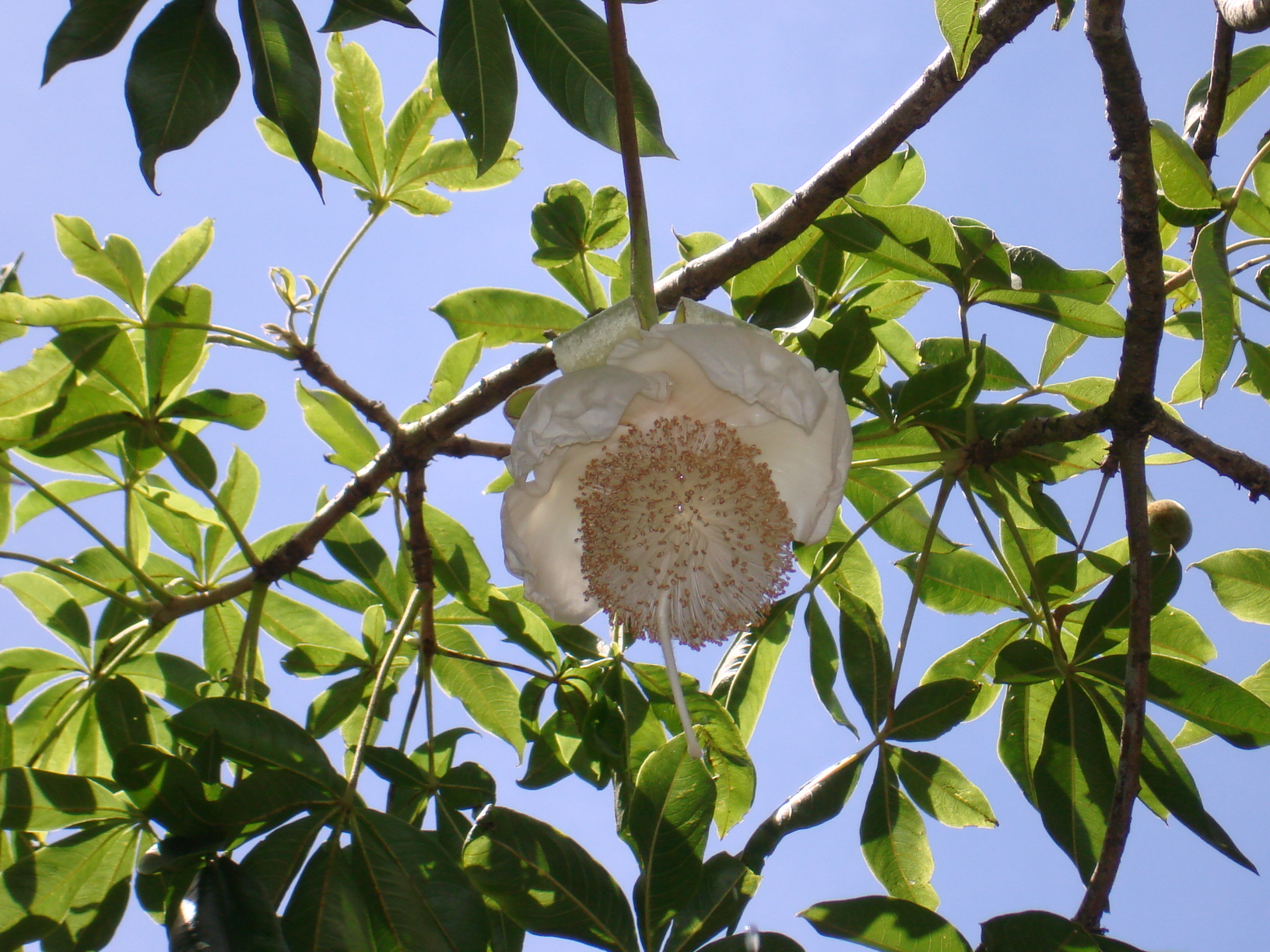
BAOBAB:

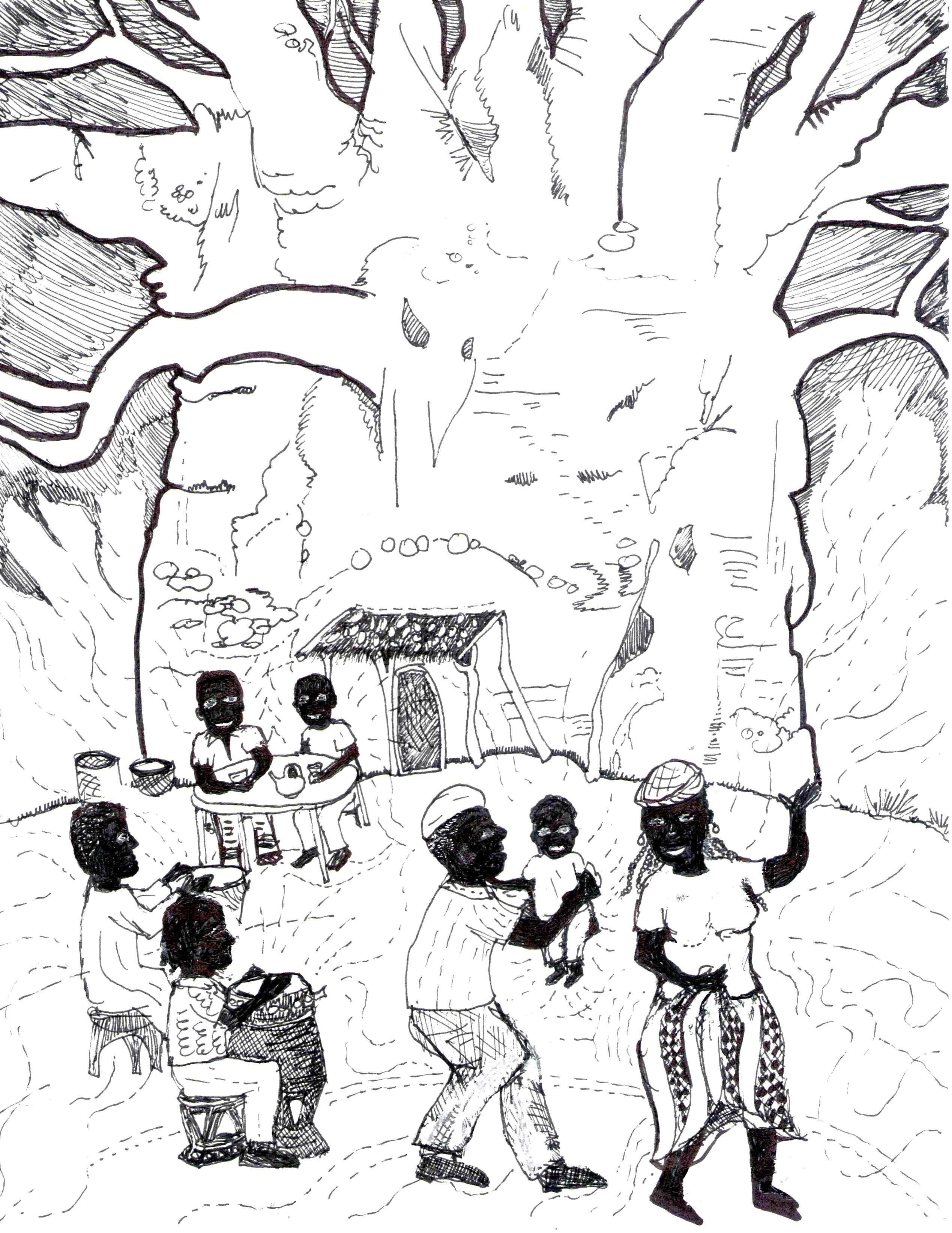
The baobab tree sprouted and grew up by a mirrored lake.  Baobab saw his own reflection, and he did not like what he saw.

Baobab desired the showy red flowers of the flame tree.  He was jealous of the palm’s slender and regal form.   He wanted the shiny and smooth skin of mahogany, not his own wrinkly elephant hide bark.  Night and day, Baobab complained and complained to the Creator.

Image

Creator was tired of listening to Baobab’s whining.  The creator gave the tree to hyena.  Hyena pulled Baobab from his roots, and planted him upside down.

Image

Thereafter, Baobab quietly served humanity, and gathered the community together for all the important events.

Image

Know silence.  Respect elders.  Create unity.

Image

YAGE:

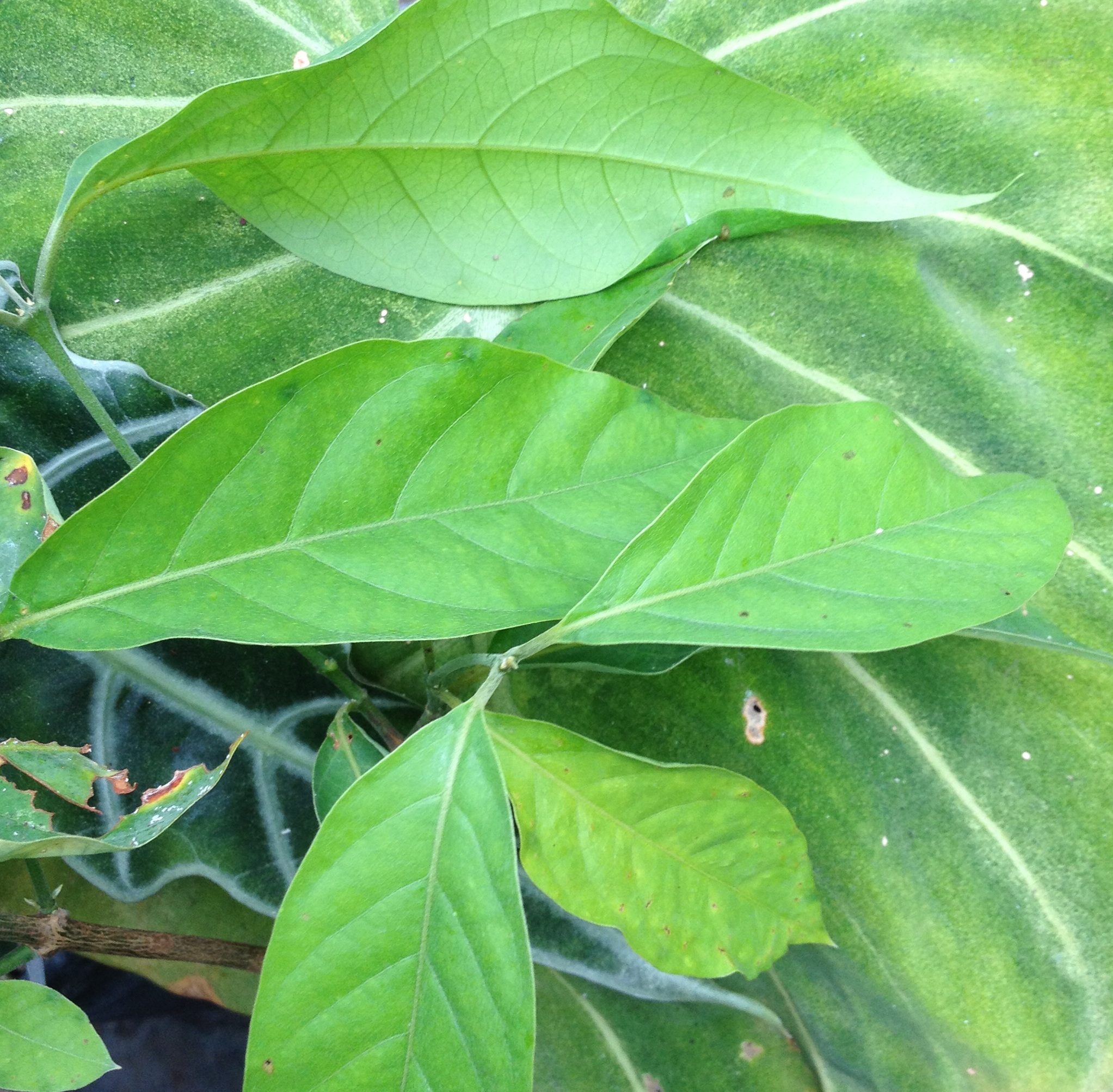
The vine of the soul sprouted from the blood of the rainbow serpent’s tail.

Image

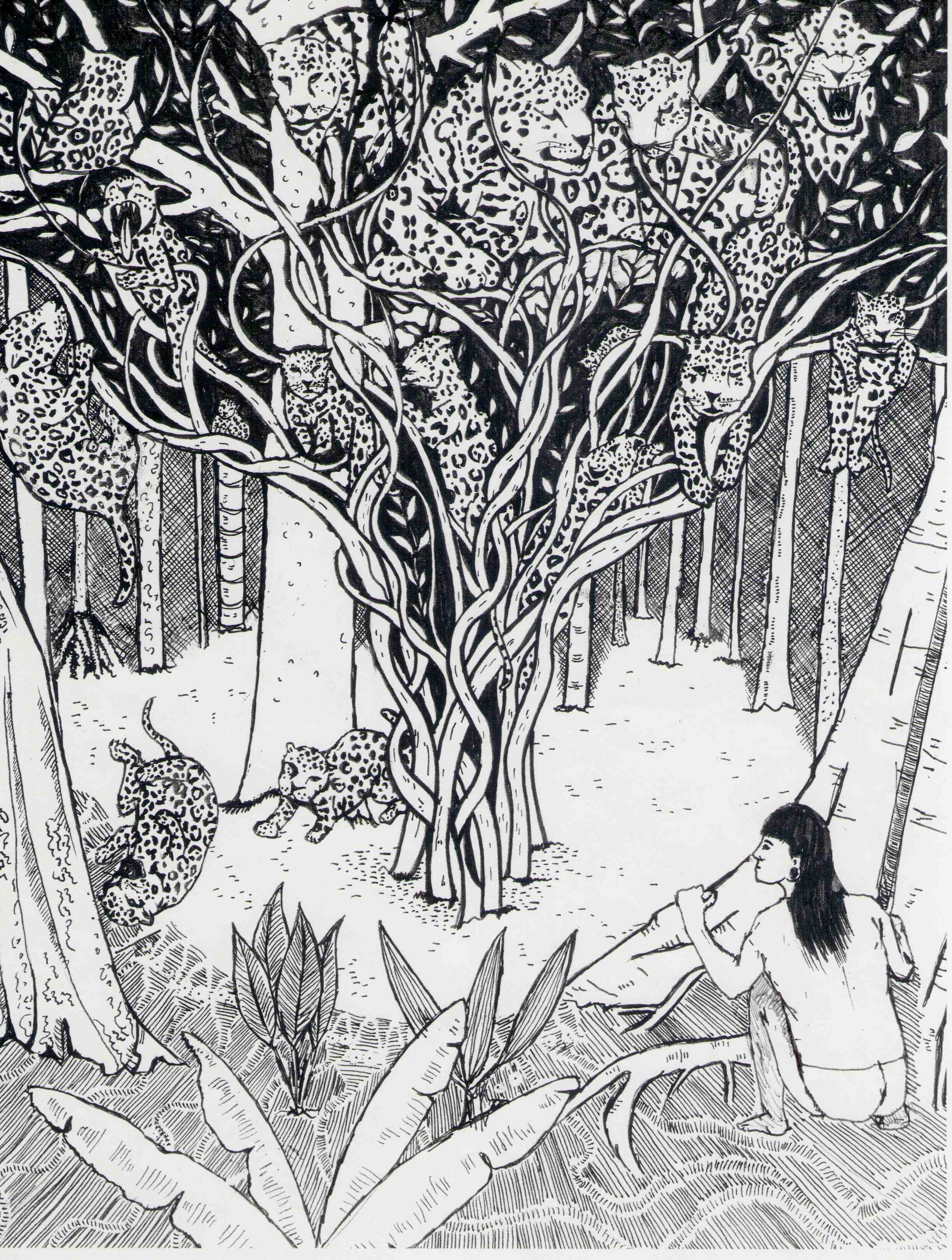
As it grew, it gathered power and attracted the jaguars of the forest.

Image

The spirit of  yage is so strong that it can carry you into the realm of the dead, or up to the sky to converse with the spirits in the milky way.

Use this plant, if at all, with caution and respect.  If you use the vine in anger and greed, your life and that of others will be ruined.

Working in the garden growing vegetables is a grounding experience.  The hands move soil and the smell of mints and sages knock you back into the earth.  Thinking like a plant, you follow the sun, and work within the limits of your unique climate and geography.  Pulling a carrot or cutting some chard after many quiet hours of labor is an exercise in thankfulness.

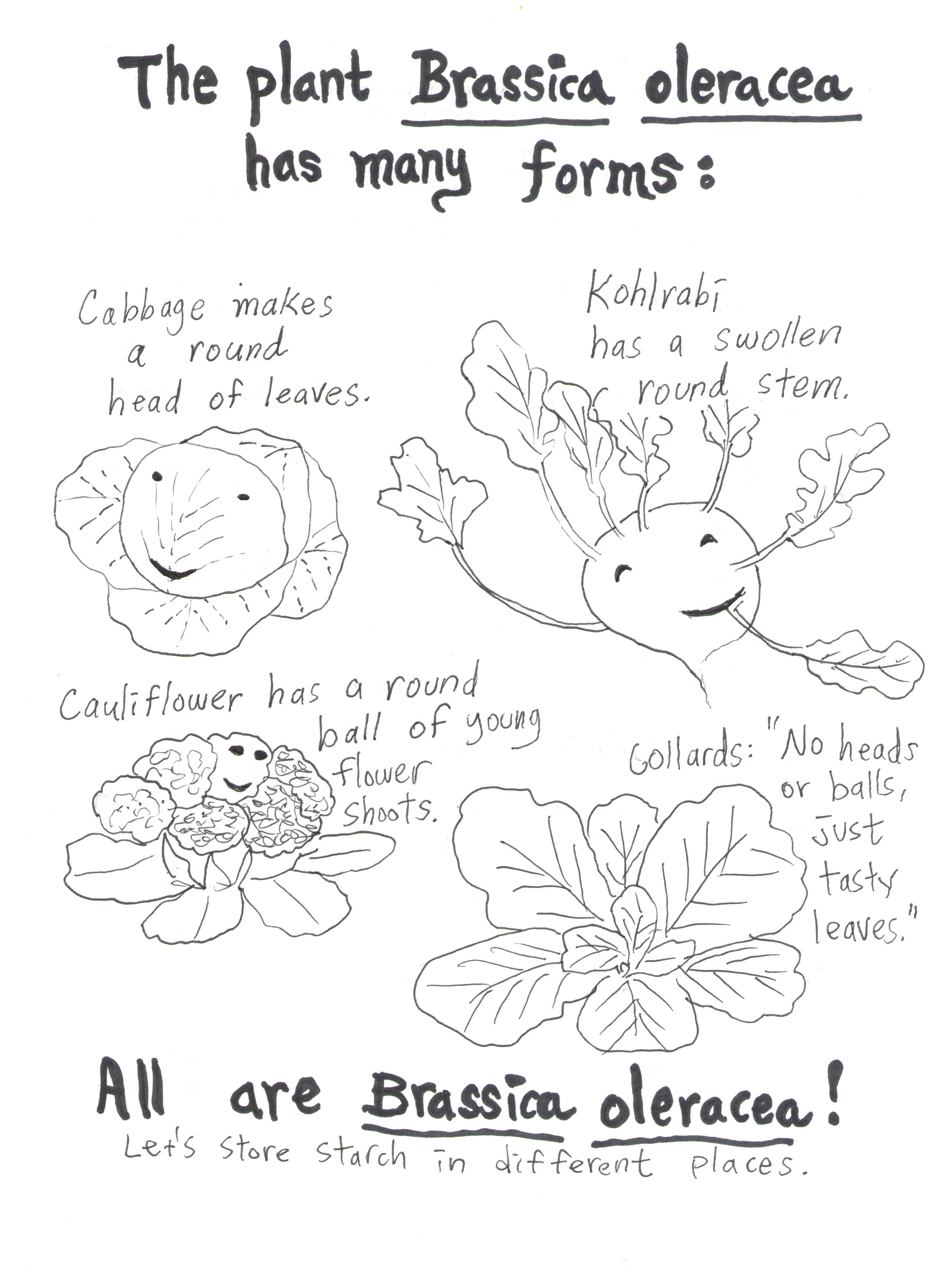
One of my favorite garden crops is a group of cruciferous vegetables known by many different common names.  It encompasses coleslaw and sauerkraut, fresh tossed kale salad and creamy cauliflower soups.

Image

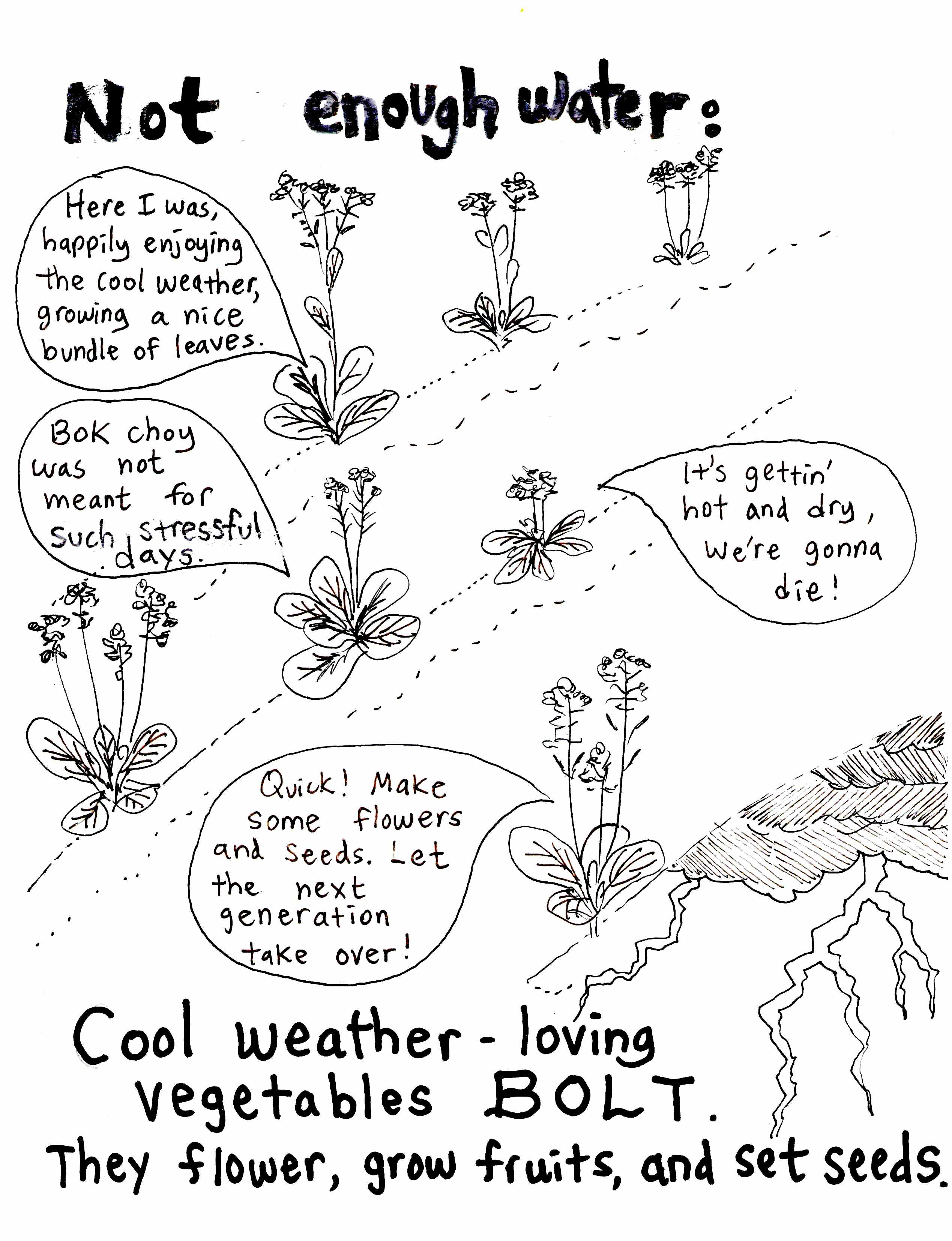
There is always some uncertainty in growing vegetables.  When do you put seeds in the ground?  Is there going to be a heat wave?  What happens if snails attack?!

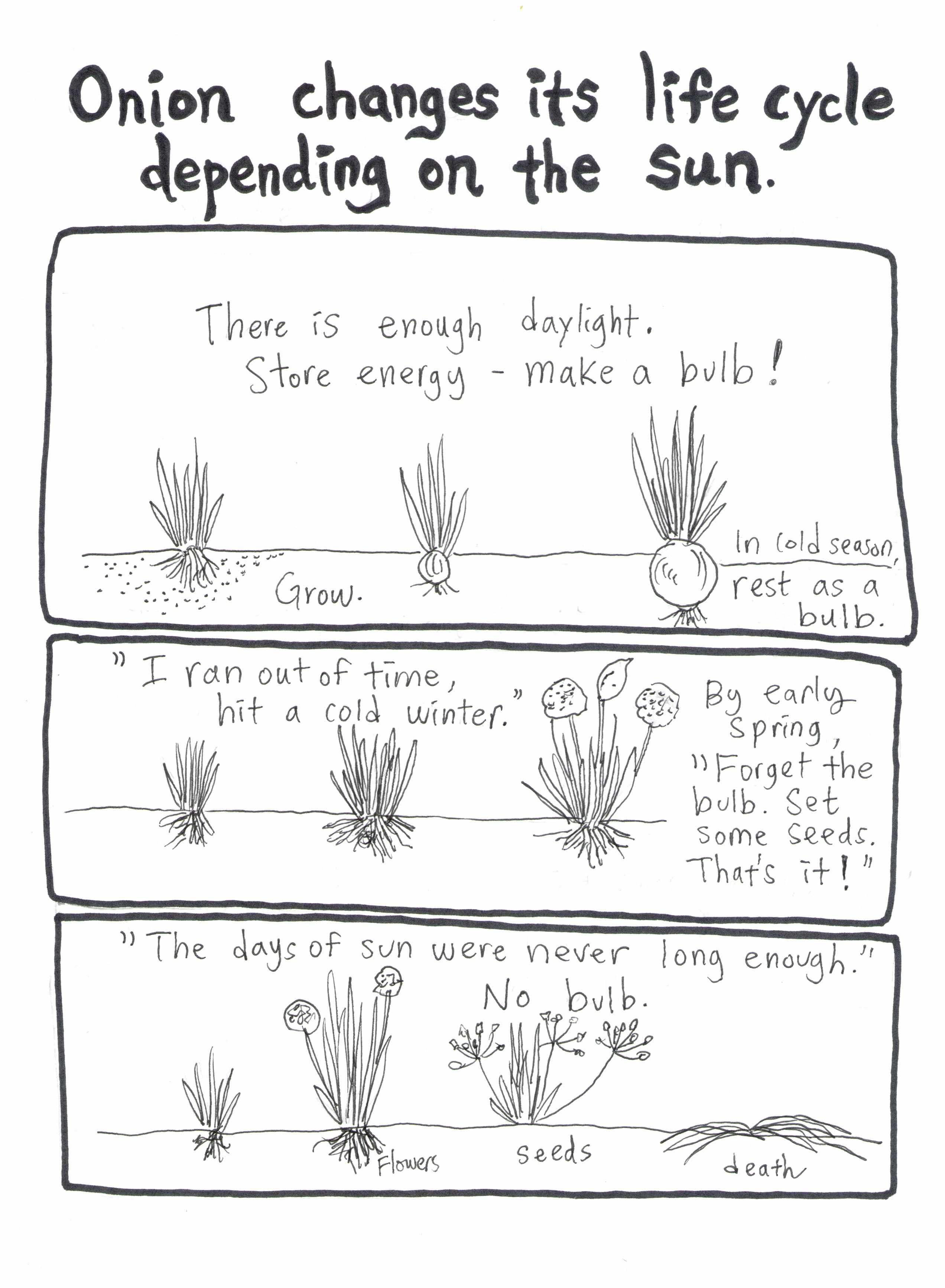
The bulb onion lives for around two years; it is are called a biennial.  We harvest them when the bulb is big and then sliced them up.  Depending upon our skill and luck as a gardener, our plans can succeed, or not.

Image

Plants live a balanced life with varying strategies for survival.  There are mechanisms for coping with conditions that are not suitable for growing leaves:

Too cold?  Go dormant!  Rest until the sun returns!  Go alpine!  Get low low low!

The cherry tree cultivar ‘Akebono’ has massive blooms in San Francisco’s Golden Gate Park in March and April.  It is known as a flowering cherry.  But the cherries we eat do not grow around these parts.  Gotta go somewhere with a warmer summer.  June, July, August – at the road side farmer’s market!

Image

The sun and heat make fruits fill with sugars.  In my dreams I see bright fields of winding green leaves and snaking tendrils, watermelons and honeydews ripening on the ground.

The opposite is also true for other types of fruit trees.  They need the cold, the chill, and the frost to make the jump into spring.  A period of winter rest says, “Okay, it’s safe now, send out flowers, bees are coming for a visit.”  Imagine that you put out buds and shoots before it’s time, and a cold snap comes and kput!  Kills all the young growth.  Oh well, better luck next year!

Image

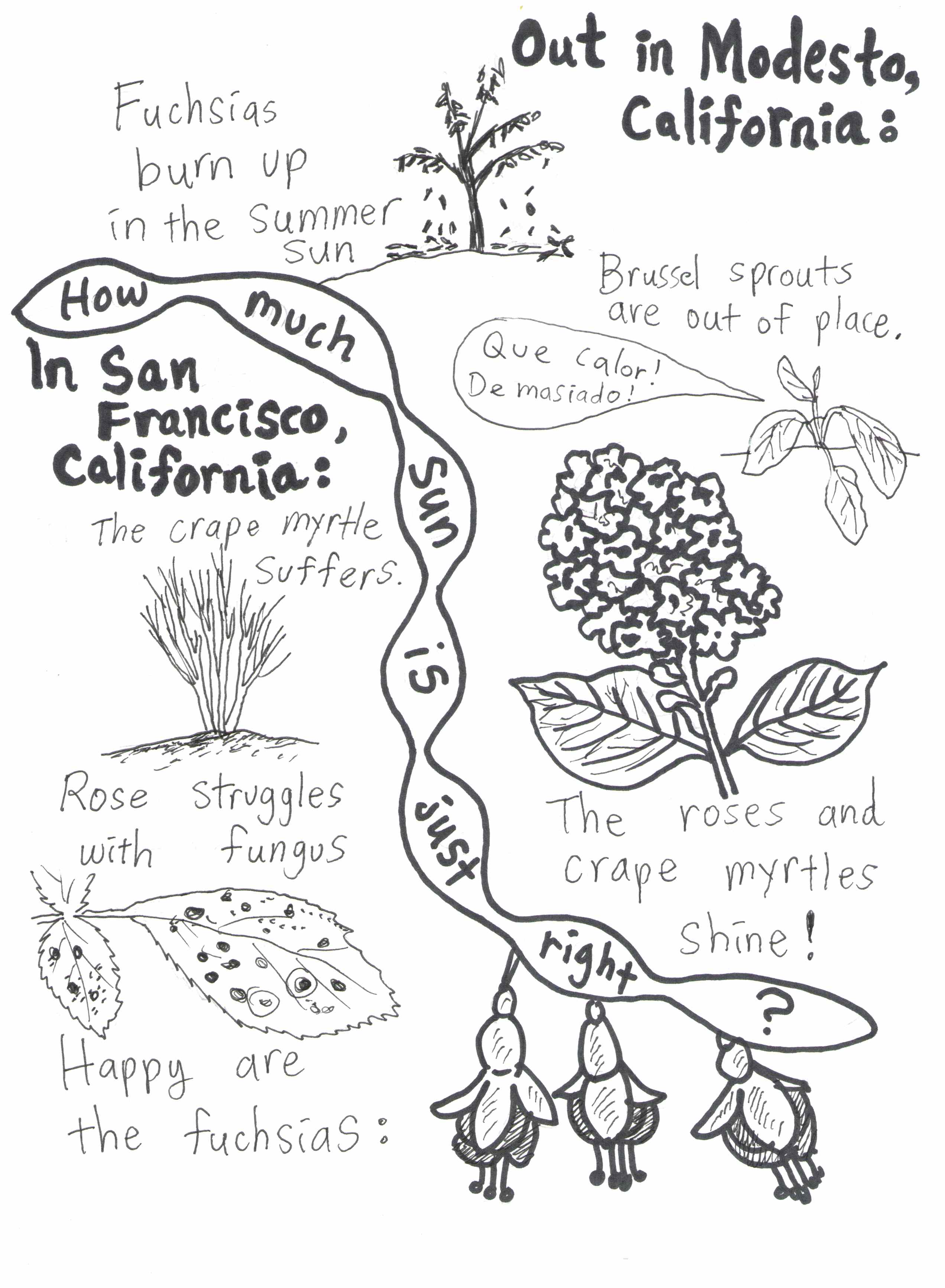
There are zone maps to help gardeners determine when and where to grow what plant.  These maps take many factors into account:  how cold it gets in winter, drying winds that blow out to sea, valley sinks of cold air, creeping low fog, dripping wet heat, and so on.  Apply existing knowledge, but do not be afraid to experiment, that is part of the fun.  Find your window of opportunity to put seeds into the ground and smile with flowers.   Where is the best spot for the maiden hair fern?  In other words, how do I best mimic its natural habitat – the shade and protection of oak trees, a meandering creek, and wet soils?

Image

Say hello to the sun, receive the blessings of pure light.  Catch!

In Taiwan it was common in the old days to chew a palm nut to stay alert and awake.  Coffee was not yet imported and popular, tea was drunk in more relaxed company.  Tobacco, well that is another story.  The Areca palm is one of the cash crops, planted in large plantations or in a vacant lot next to your house along with some bananas.

Image

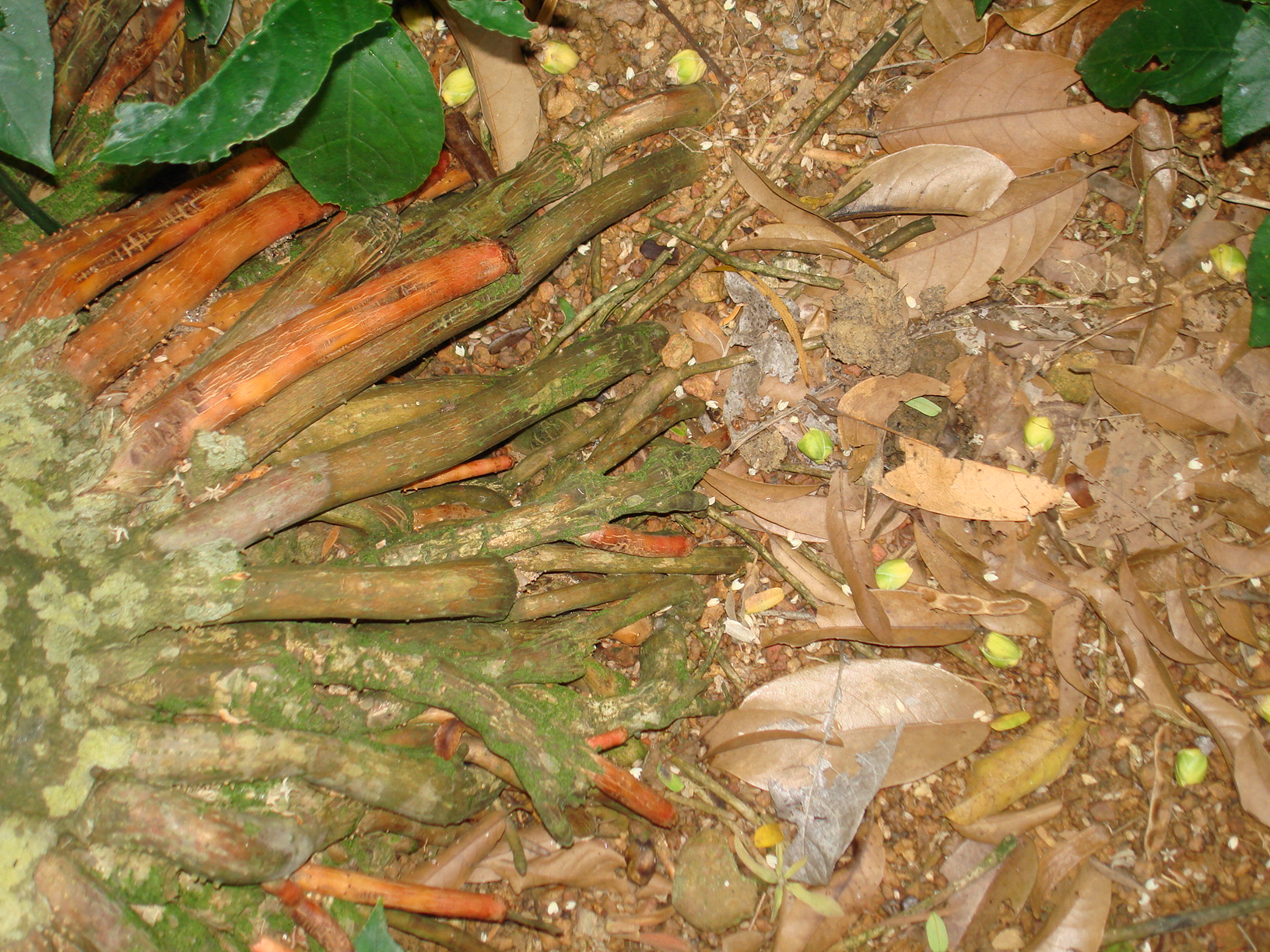
The palm is called bing lang in mandarin Chinese, Areca catechu is its scientific name.  It has nice stilt roots.Image

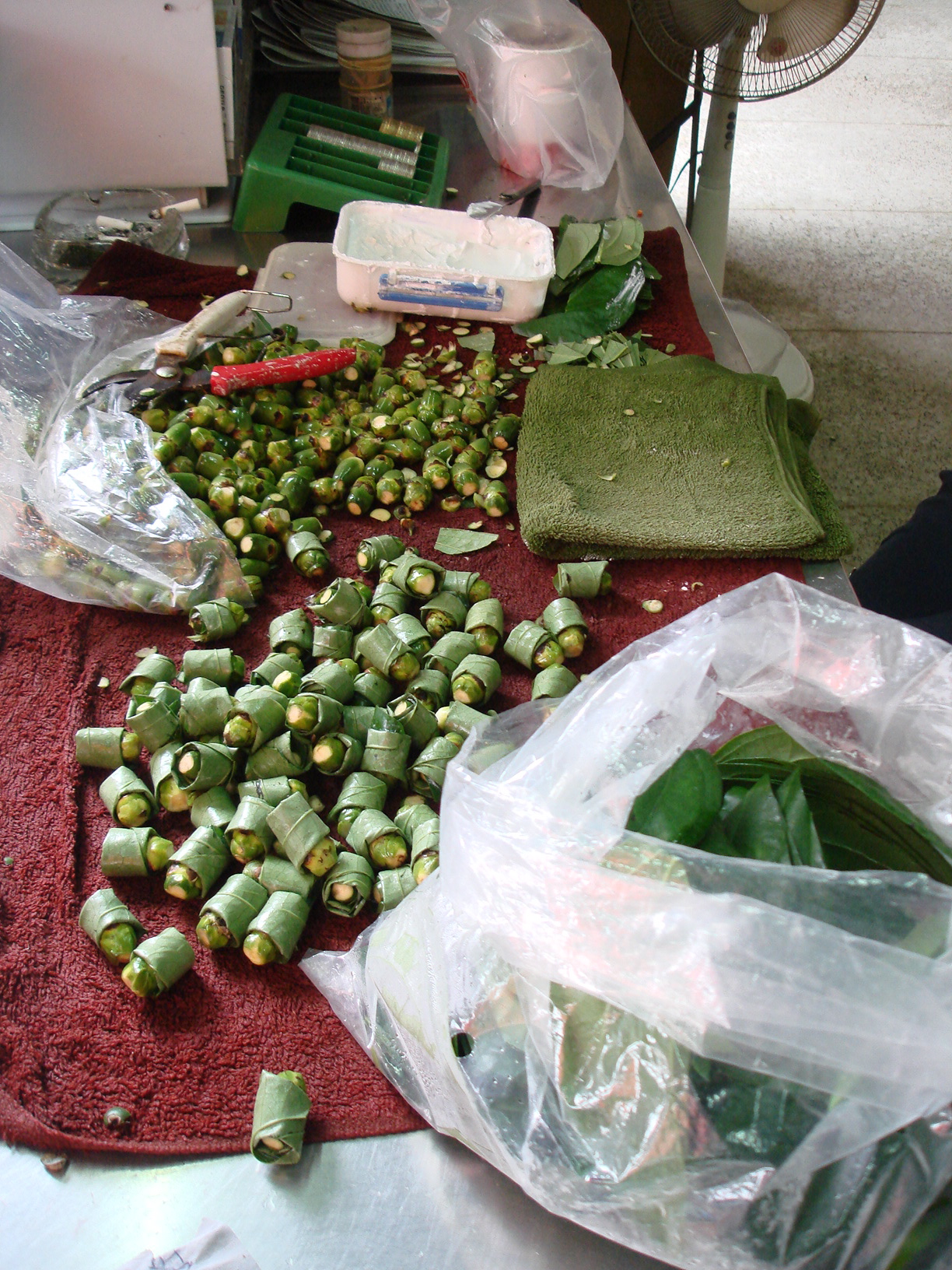
Where you see large neon displays on the street, that is where the bing lang stands are.  There is usually a female store keeper, ‘dressed to impress’, wrapping up the not quite ripe palm nuts in the betel leaf, while dabbing a bit of lime paste in the package.  The betel leaf is heart shaped; its botanical name is Piper betle.  Other species of Piper plants include the pepper (black and white pepper are from the same plant), as well as the Polynesian brew kava kava.

Image

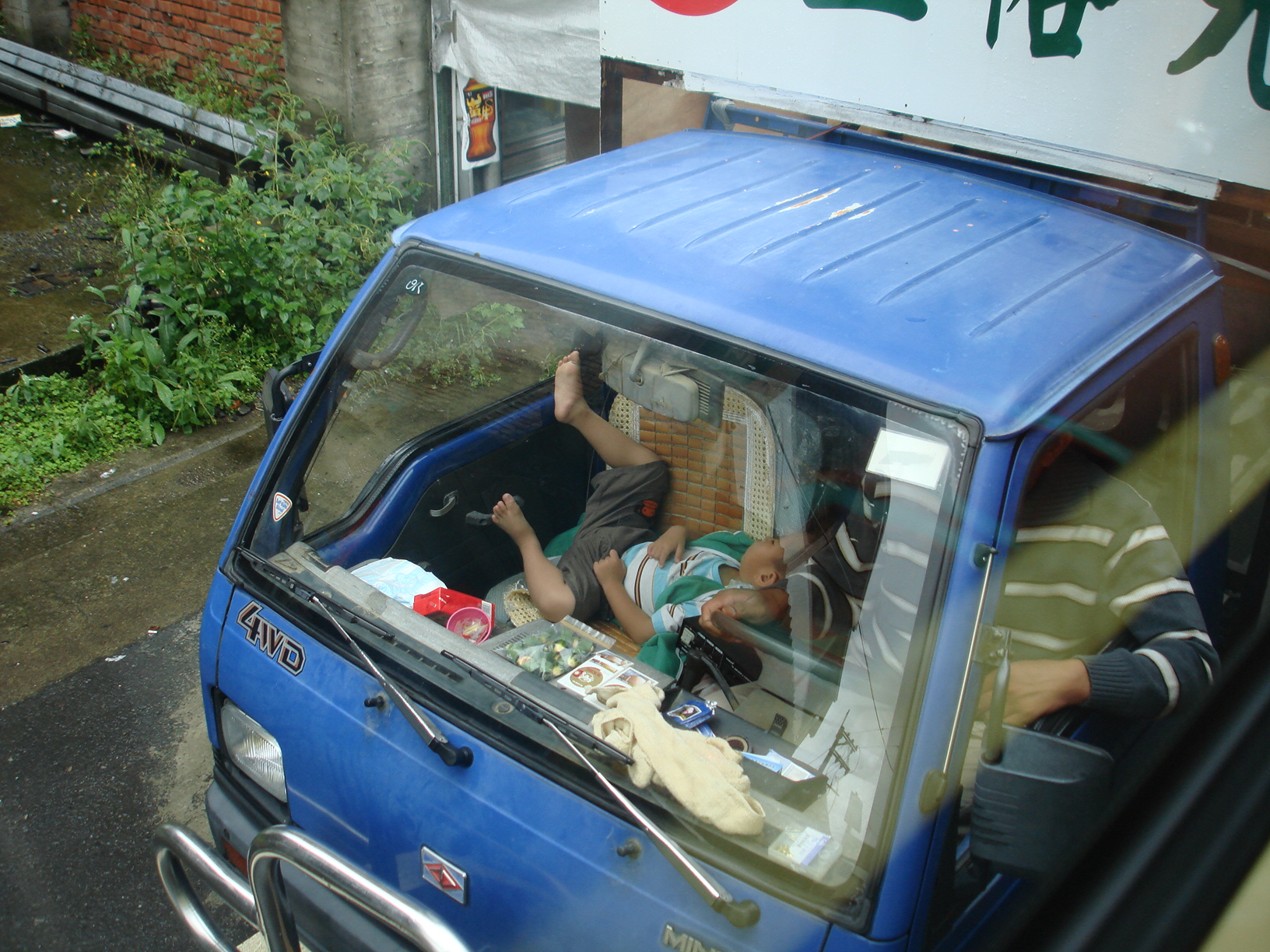
After you take a few chews a great warmth swarms over your body, as does a feeling of vigor and power.  It is as if a small southeast Asian typhoon was inside.  The leaf and nut are not swallowed, but sucked on and passed from cheek to cheek.  Then you gotta spit.  The spit is red.  There is a lot of spitting, out the window or on the sidewalk.  Check out the dashboard – another 200 kilometers to go…

Image

Well, that is part of the reason for the decline of betel nut chewing.  The sidewalks were all stained red.  Besides, spitting is not really an acceptable aspect of civilized modern culture.  Street cameras were installed, fines were levied.  The taxi cab drivers still chew, but ppttuiiii into cups.  Other pills, drinks, and remedies have now over taken this particular plant and human relationship.

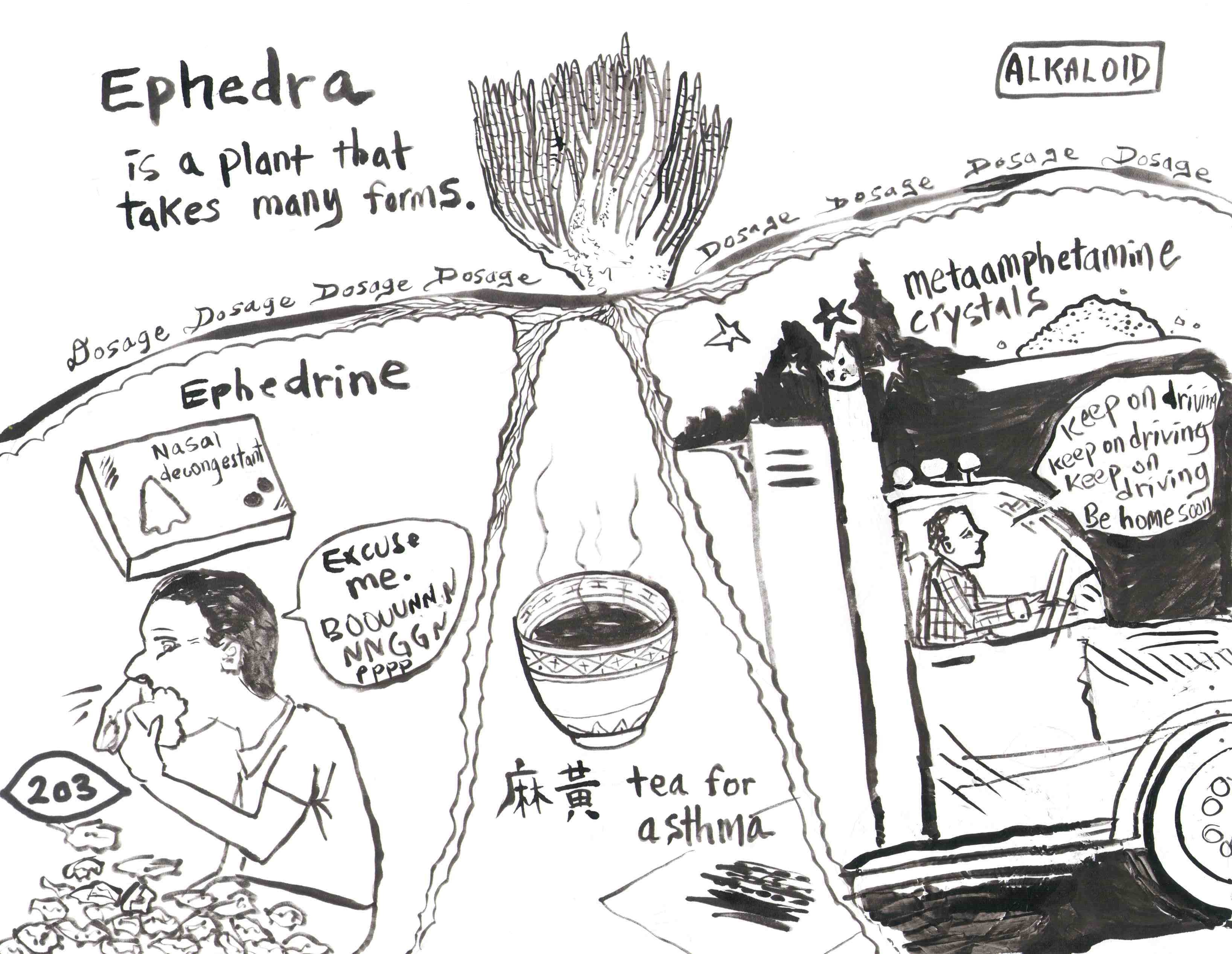
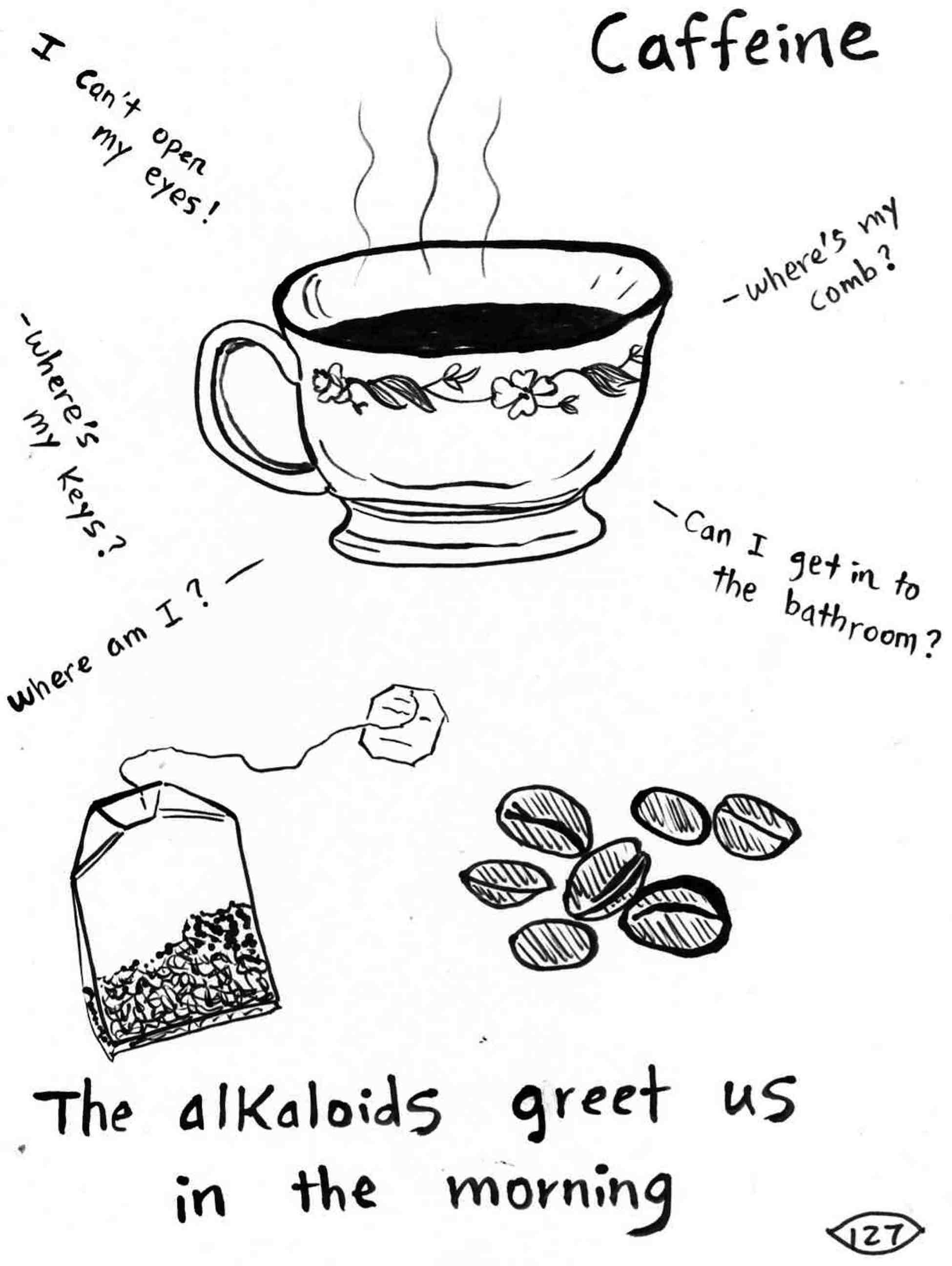
What is consistent through time is the use of plant based chemicals in different forms to stay alert, whether in war time situations or in day to day working life.  With any such substance, there is always the danger of addiction and abuse.  Beware of dosage, reflect on your mind state.  Maintain a healthy balance.

Image

Image

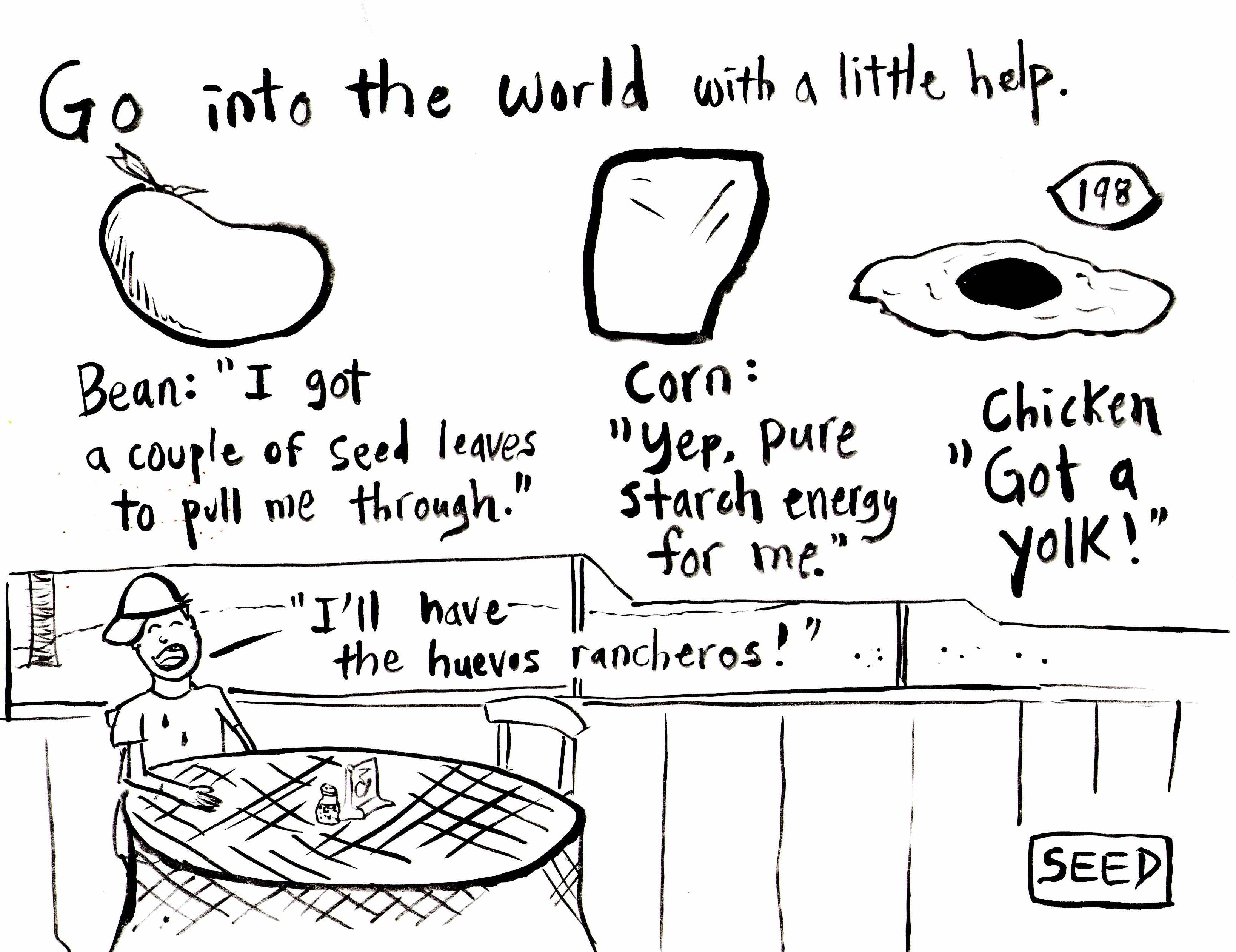
Seeds are fantastic little pods of life.  Aside from the tiny plant embryo which becomes the sprout and roots, most life pods carry a bit of food energy to help them get started.  That way, the plant babies have a jump on things before they get their leaves up into the sun and sky.  The carbohydrates that fuel the little sprouts are also fuel for us.  Noodles and rice, oat cereal and corn bread, yum!  Yolks in eggs do the same for the baby chicks.  And a plate of Mexican food after some watery shacks and nasal drip, the best!

Image

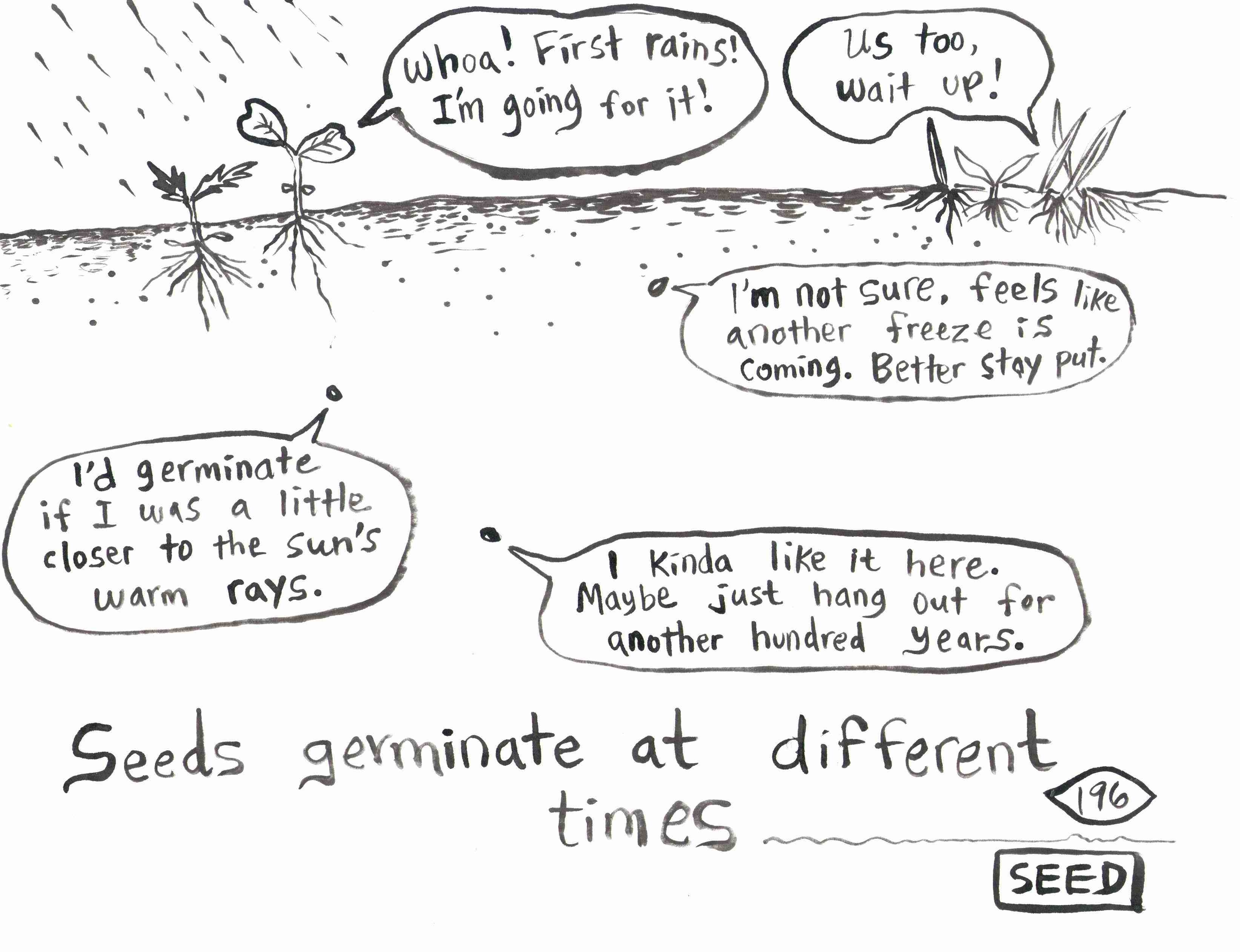
Seeds go into a sort of coma state if it is not too wet, not too warm, or if they are surrounded by some kind of sterile and inert material.  So an icy glacier, a peat bog, or a no oxygen mud hole can be a seed’s home for a long time.  We got some real weedy bean type plant relatives around these parts called Brooms.  Some are French, others are Scottish.  They are said to hang out in the dirt for over eighty years or more, waiting for the right moment to bust open and go for it.  Maybe longer, who knows?  I mean, what’s another year if you’ve been sitting around for fifty already?  Or a hundred?  Oh, one more thing – the brooms have a real hard seed coat which protects their innards.

Image

Roots never cease to amaze me, especially when I am trying to dig up an old and mostly rotten tree and the roots are still holding on tight and strong.  There are many plants in the tropics with roots high above the ground.  The screw pine is one familiar to Hawaiians and fiber weavers in south east Asia also.

Image

Our economies, geographies, and stories are bound up in the layers of bark and tubes of woody shrubs and trees.  The Amazonian rubber trees bridge World War II and the plantations in tropical Asia.  Sugar maples flavor the pancakes and the northern woods.  Chiclet chews and blows, while Myrrh infuses the air with the rituals of birth and resurrection.  Take the time to learn the trees in your neighborhood!

Image