Third party surrogates are all the rage these days. The other day I ran into a bunch of ecology and botany students from the university in the botanical garden, using phone apps to identify plants they did not know. Snap a picture, get a name. Easy. And if the computer could not identify it, oh well, forget it. Move on, its probably not important. Funny. Did you touch the plant? Smell it? Acknowledge its existence as a life form?
The data bases of botanical gardens, and modern day herbariums, have become digitized, following along with all the rest of our society. Yes it is organized and the facts are all there, but the entries to specific plants read like a dismembered body that is scattered and incoherent. A lot of human data was sacrificed for that computer accuracy and efficiency. Basically you fall into an internet spider web with no center, that you click here then there then click some more. It will tell no tales until the circuit is complete, and you go on a walkabout. It does not work because the intermediary between the sun and the plants is a person.
If I was getting to know a collection of plants in the garden, what I want to know would be: Where did it came from, and how did it fare in the field or in the container? Who collected the seed and on what mountain, what time of the year? Was it propagated from seed or cutting or layering? Who did the work of caring for it? What made it special? Did it die of old age, disease, gophers, slugs, or neglect? Was it human or natural causes? How do the species and varieties differ in morphology, in cultivation? And so on.
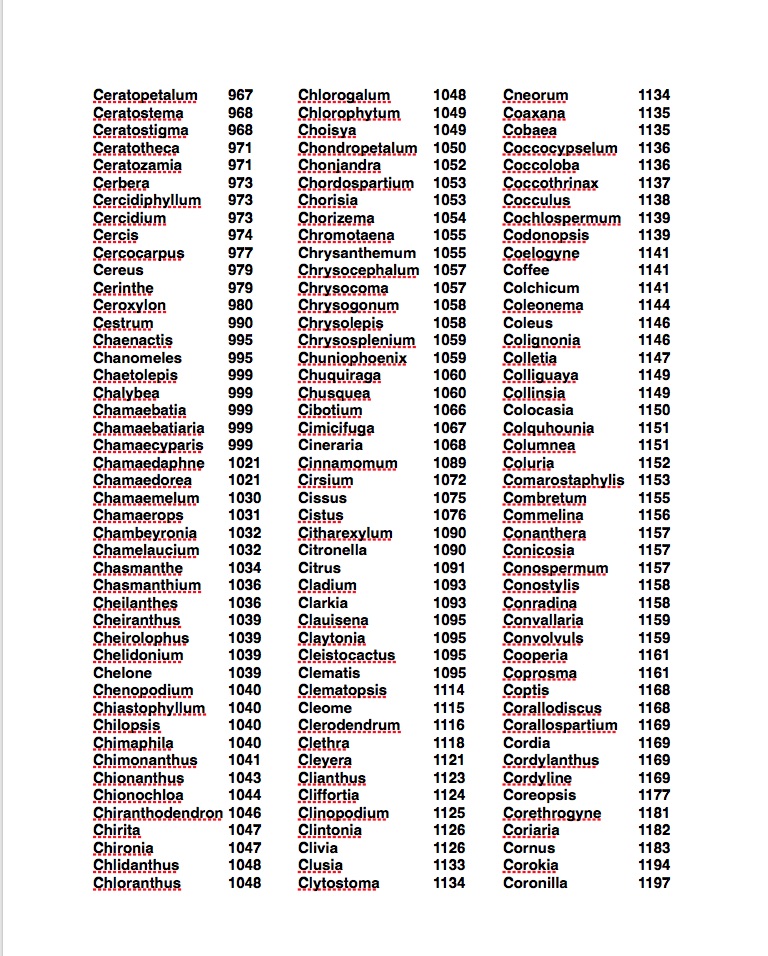
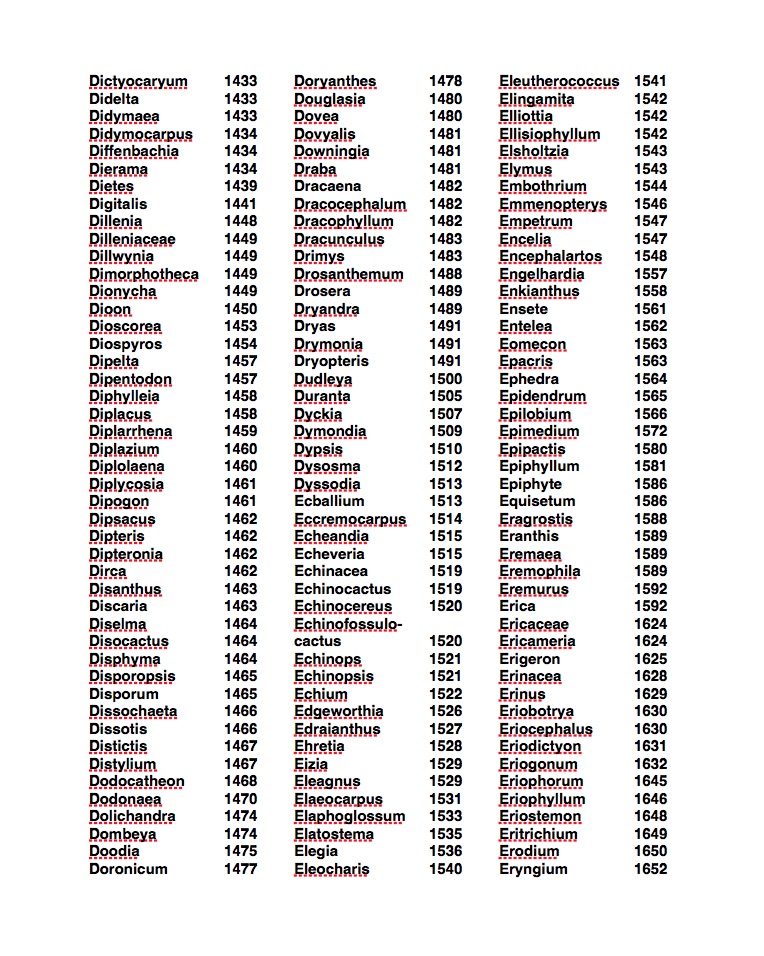
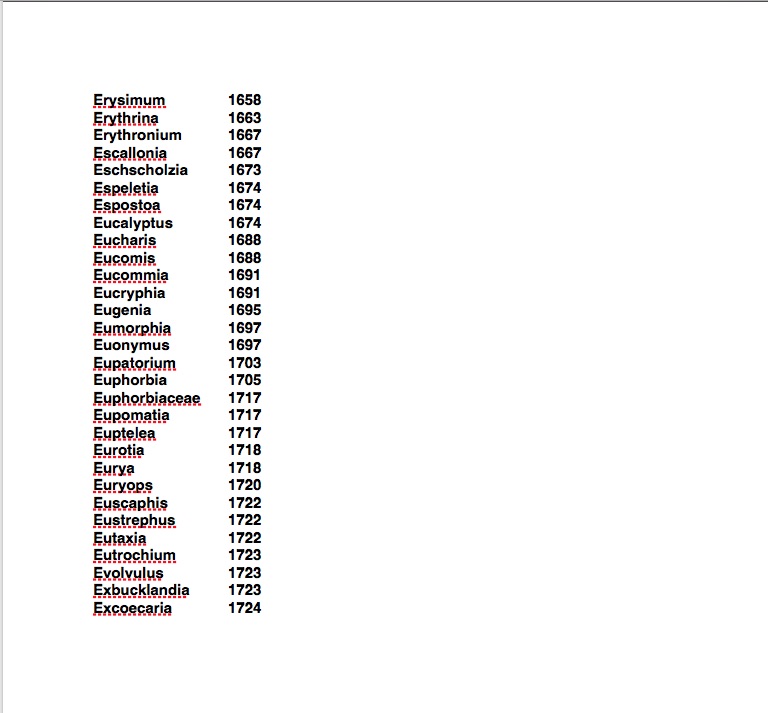
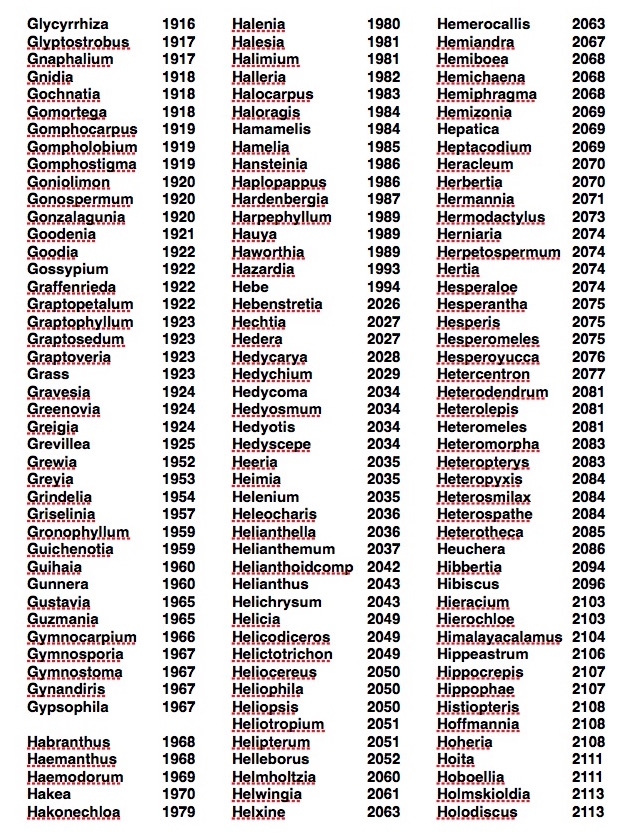
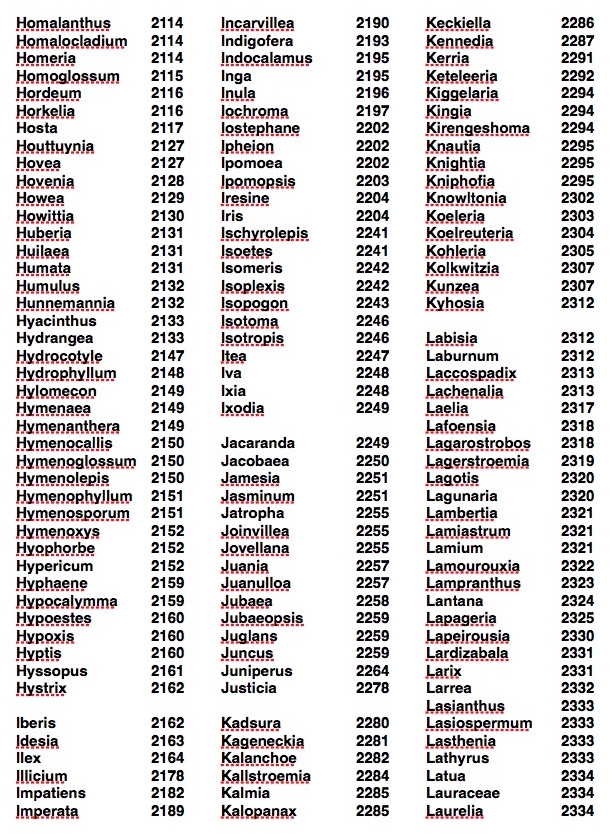
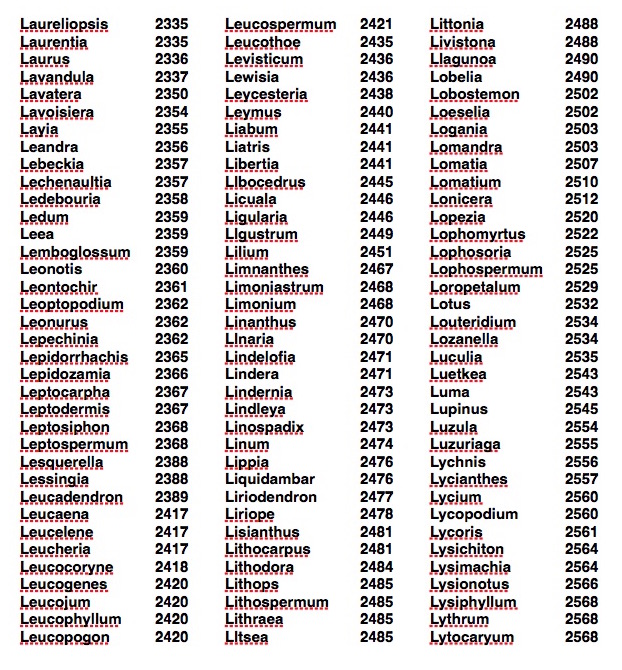
Here are the plant collection records from our local botanical garden, from about eight years ago. Thank you curators of the past! Plants are listed in an old fashioned manner such that they tell a story. If you are interested in a particular plant genus, use the table of contents to figure out what page it is on, and then scroll to the proper spot in the pdf to read the entry. Its likely the resolution is better if you download the collection document altogether. Then, if you are so inclined, find the beds they lived in, and go looking for them in the garden. Well, heres a start. Off we go on a botanical adventure. First, the A’s and B’s. More to come.


Here’s how the plants came to be in the garden:

During the winter of early December we hightailed it to the ranchos of central California
as ol man Colin describes it, the land takes you back in time to the 1800’s
rolling undulations of hills covered by annual grasses and cow trails
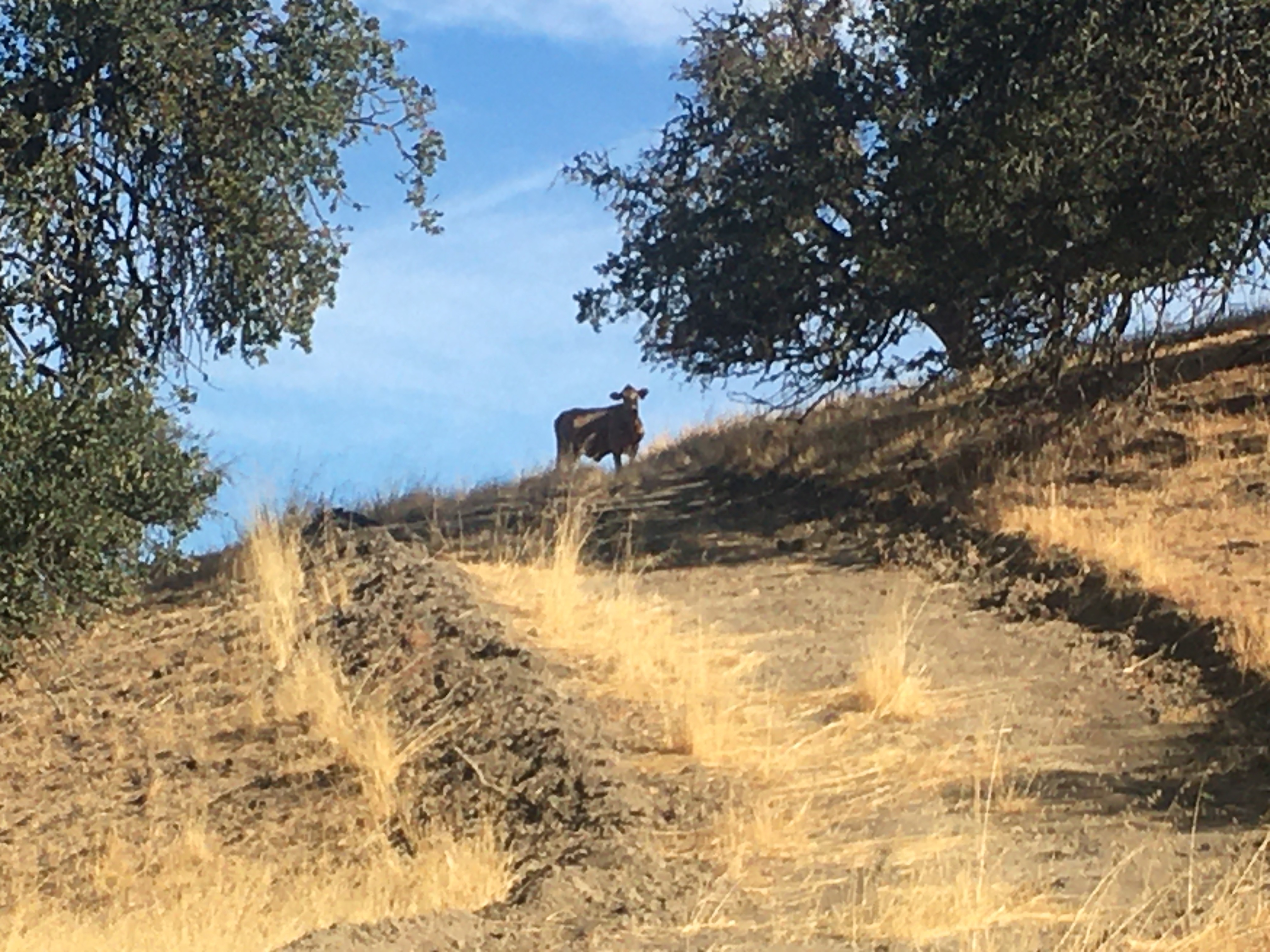
punctured by oak trees and an occasional pine
broad dry creek beds of broom thickets and tree tobacco on the fringe
and way upland
thick dense fragrant booming alive chaparral
buzzing with bees on sage, wooly yerba santa shrubs, and unstoppable chamise
doe bedded down in the shade
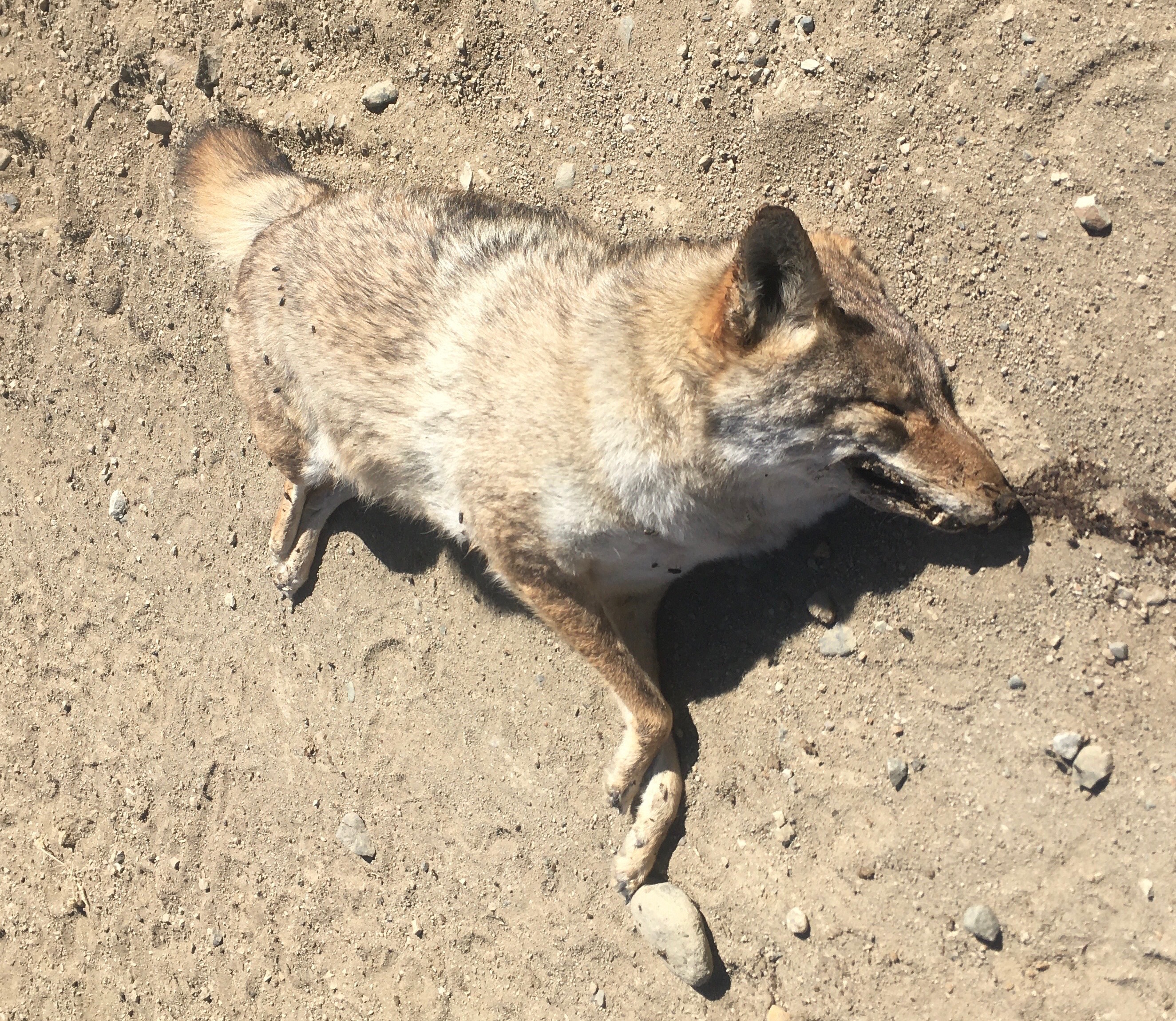
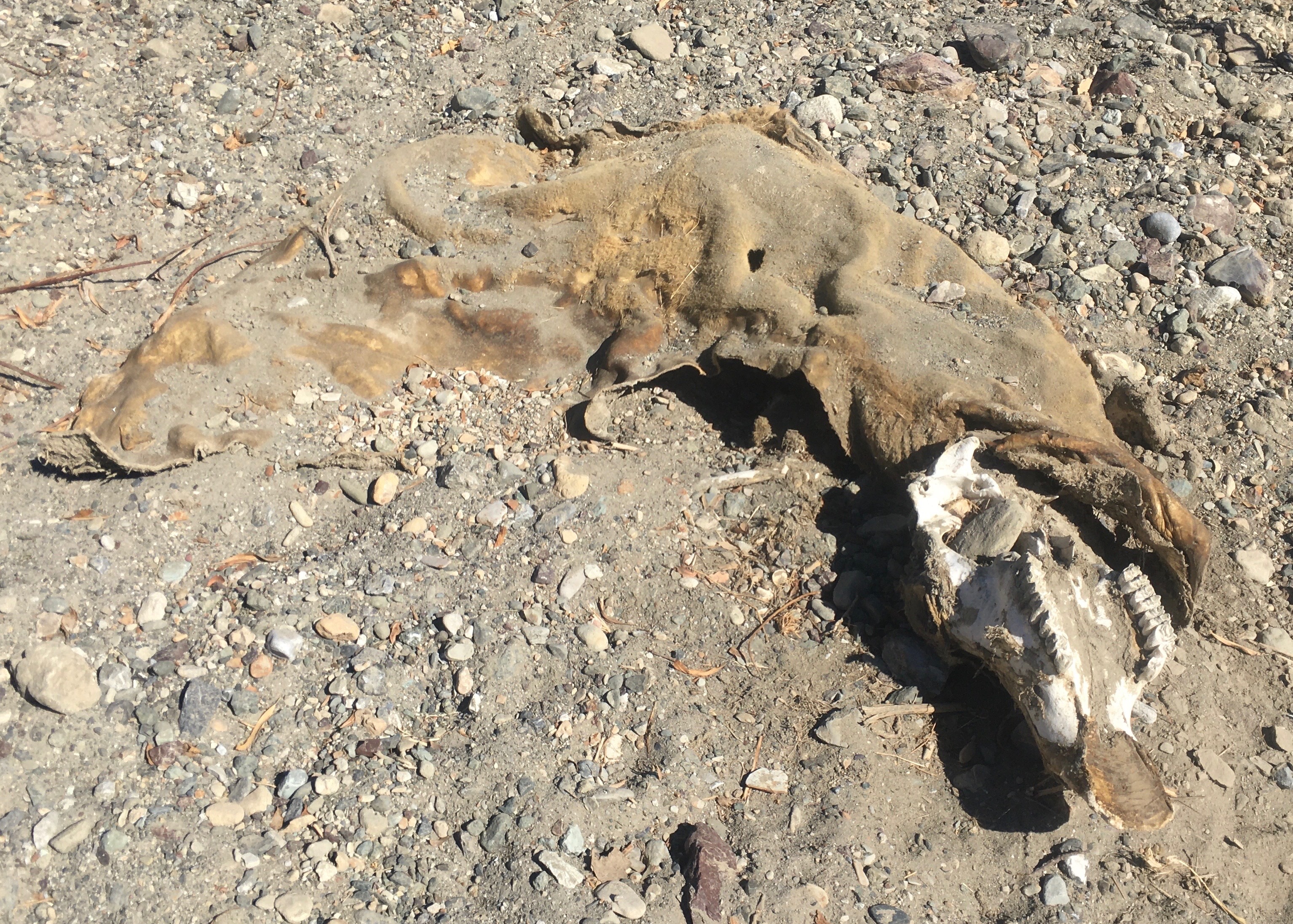
on the trail was a dead coyote, bloating in the sun,
no obvious wounds or bleeding
nobody would touch it or scavenge it, not even the vultures
not sure why
kid says ‘ it looks like a dog!’, it sure does
Quail hunting season this past year ran from October 16th to January 30th in our zone. And for Dove, the season was November 13th through December 27th.
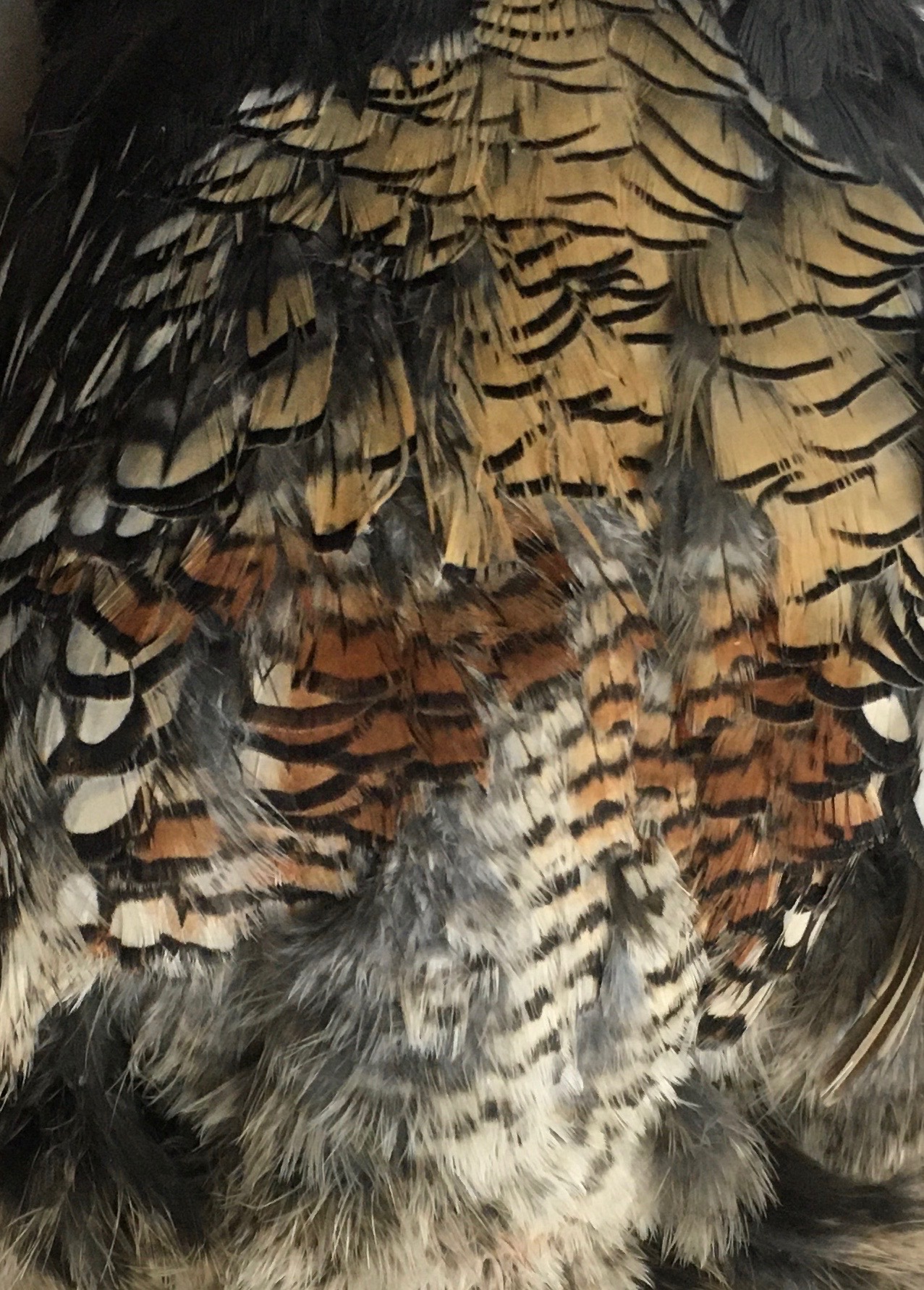
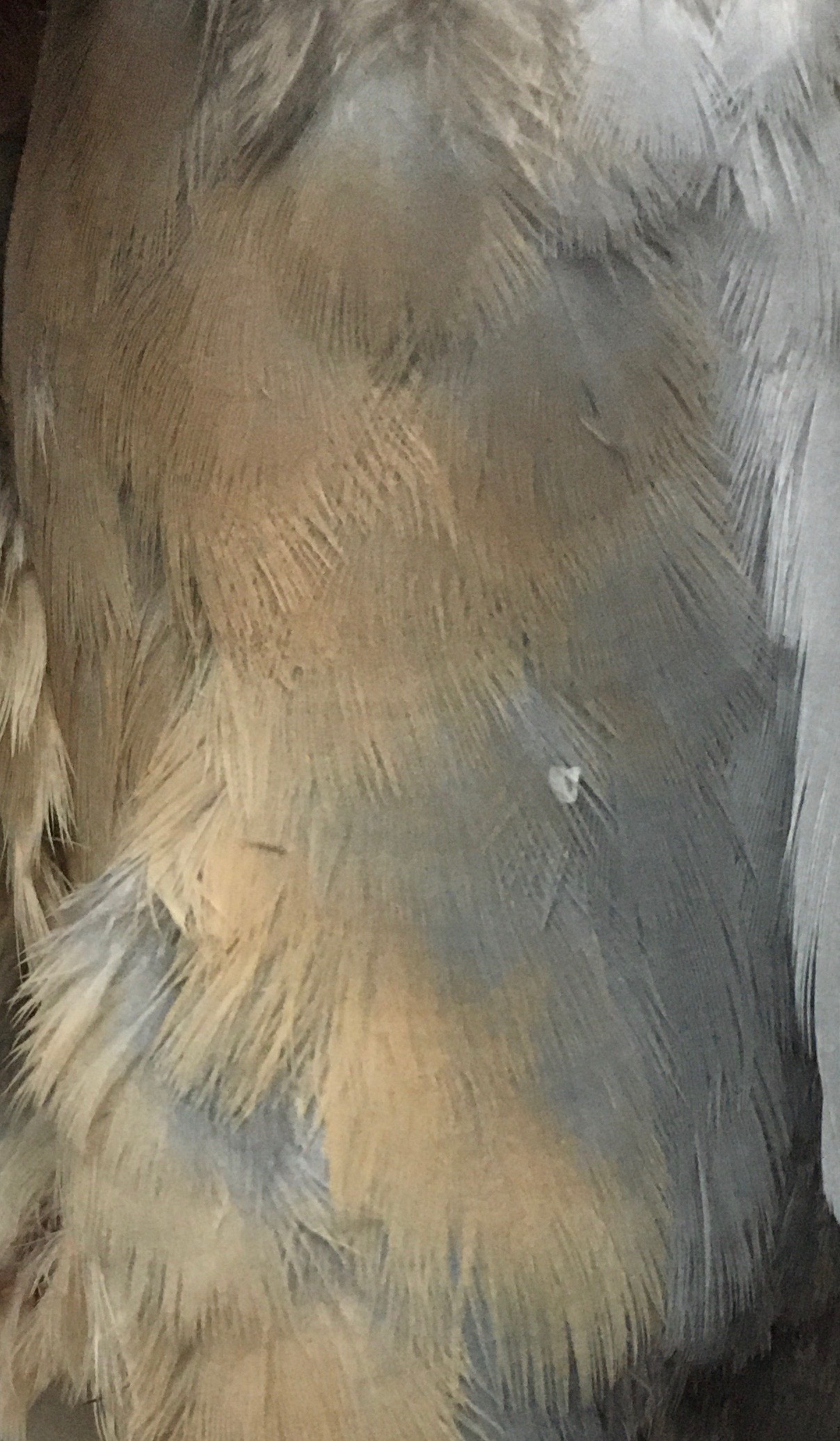
Like always, I was curious about what they had been eating. This way, you know where to look for em next time. It is the same with hunting mushrooms – what trees is it growing next to? It is the same with lingcod – what is in its stomach? Octopus?! Again?! The chunky, muscle bound, buff tough little bird is the California quail. The skinnier smaller one is the dove, a white winged dove to be precise.

What is in its crop? Well the dove had only one kind of seed it seems, and the crop was loaded! No wonder it was just sitting there and not flying off.

The quail had fewer seeds, but had a bit more variety in its diet in terms of seed selection.
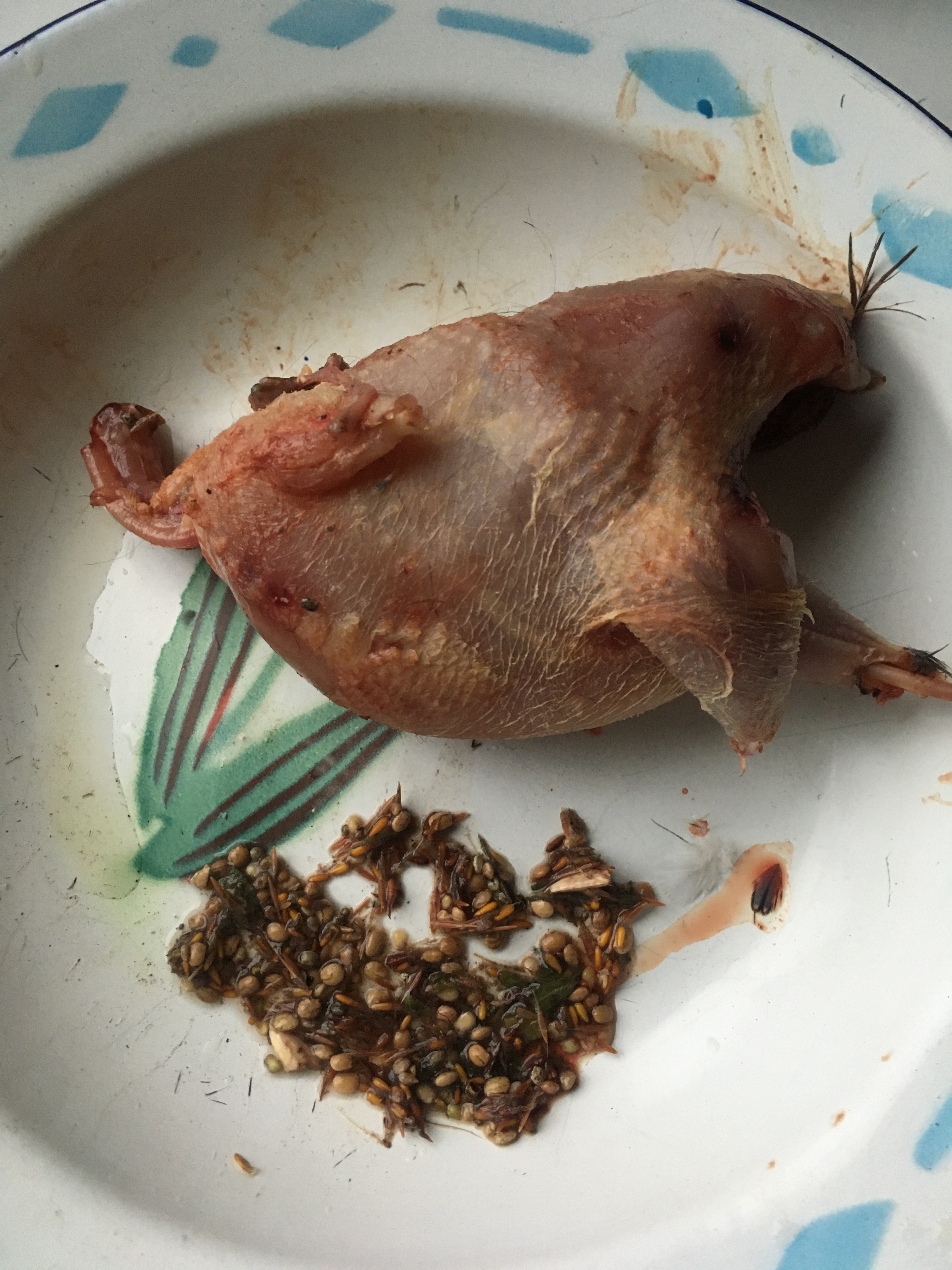
Brought the seeds to class and had the students sow em. Lets see what comes up!
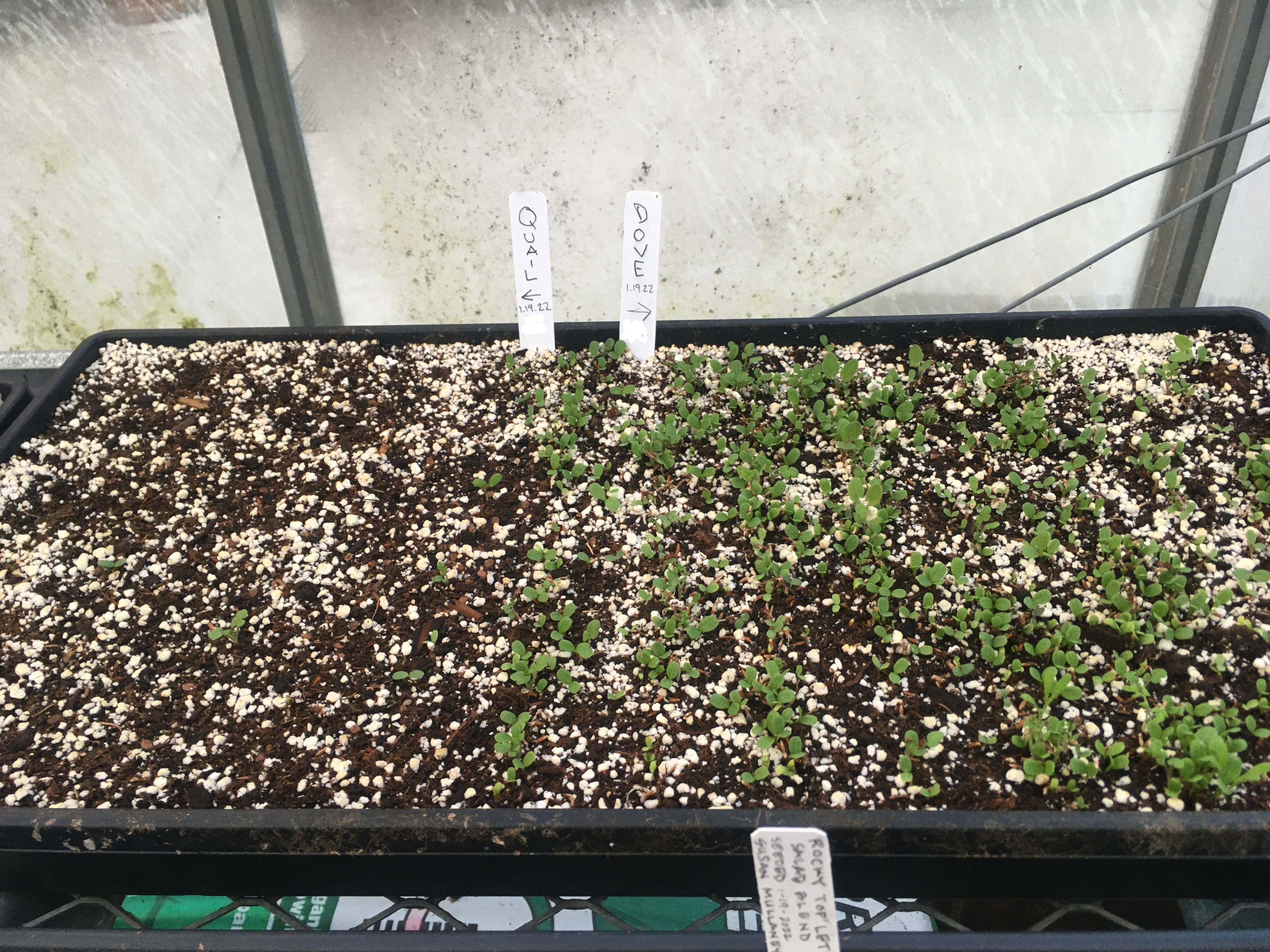
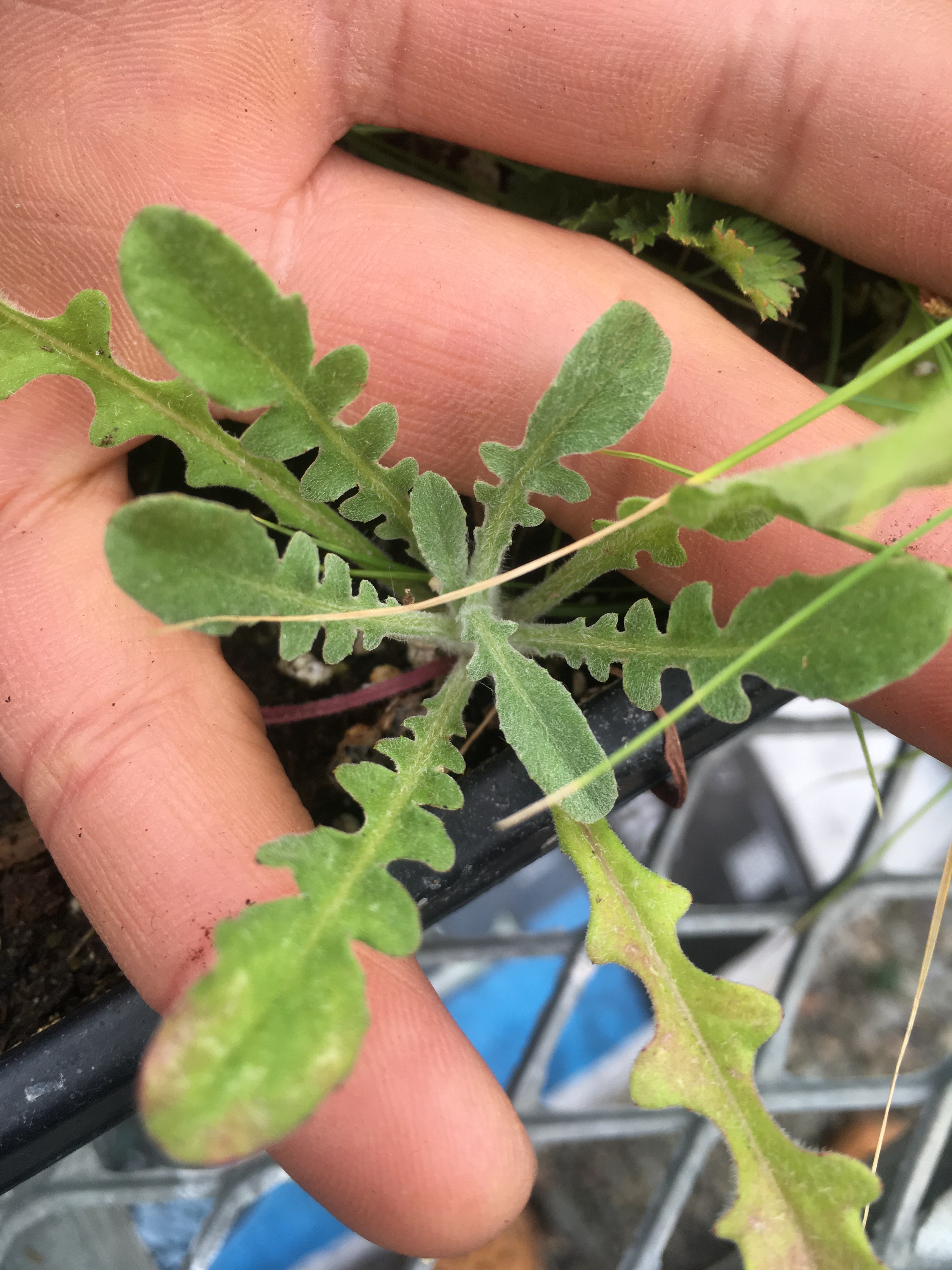
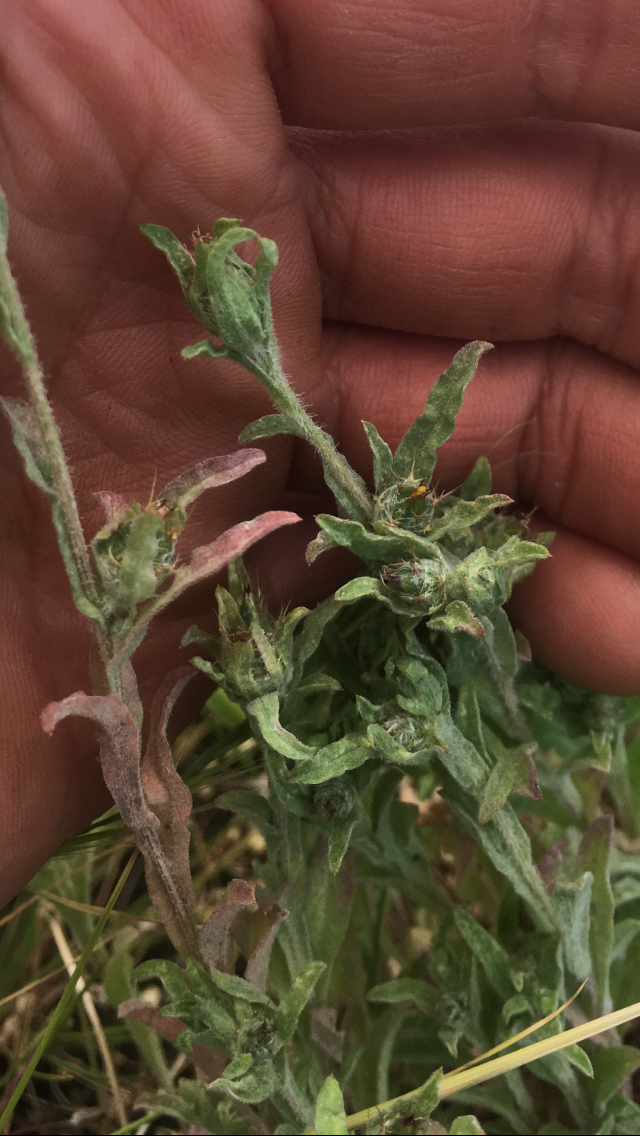
On the dove side, seeds came up quick. The leaves look comp-ish like a dandelion or a thistle or something. Wait for it. Wait for it. The flowers – bit of a tinge of purple spines and yellowish flowers. Internet ID taxonomy seems to point towards the Maltese star thistle Centaurea melitensis. Okay, we got one!

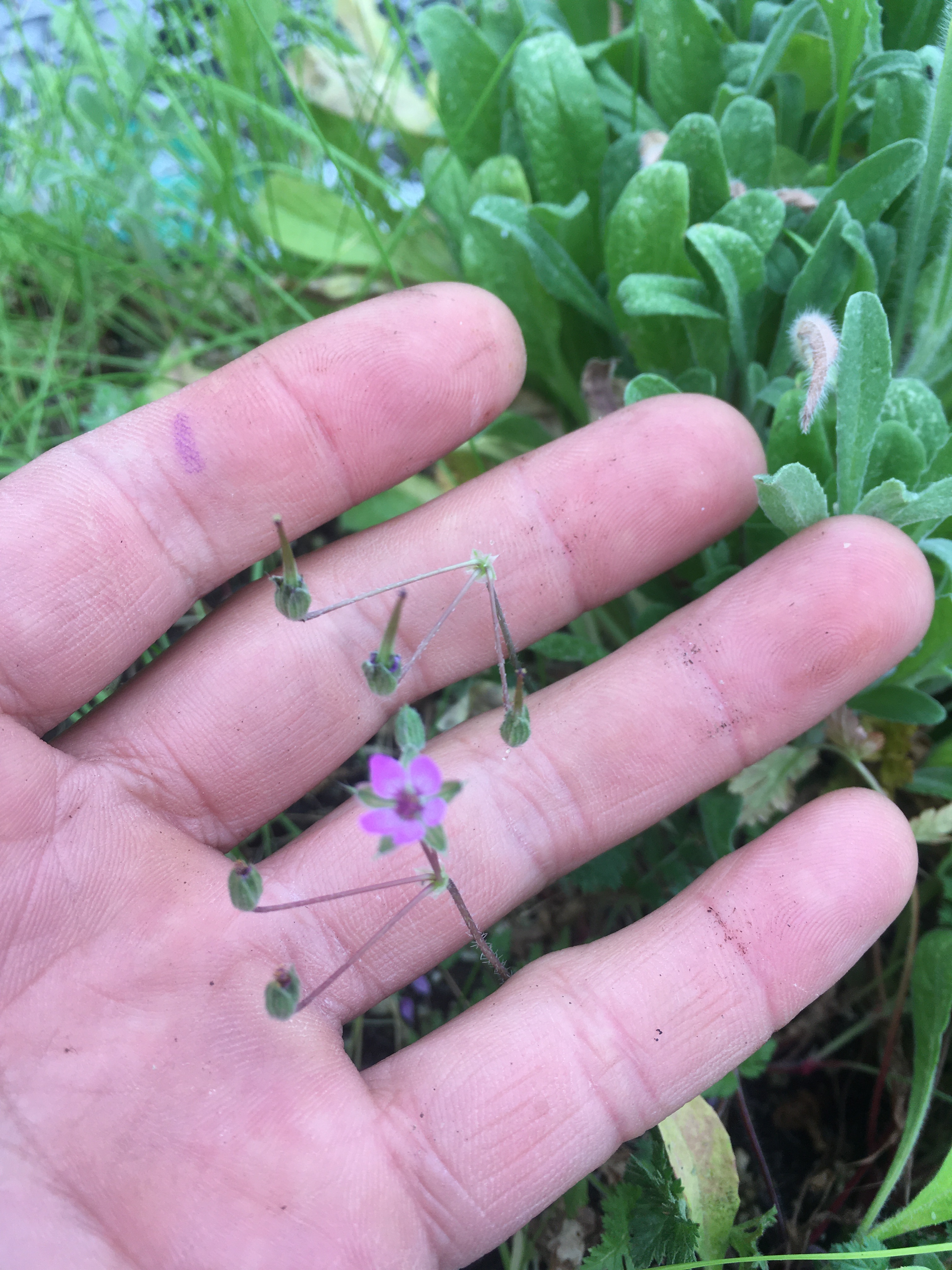
On the quail side it was a lot more sparse and irregular. Yes theres the pink five petaled flower of a geranium family thing with the typical crane’s bill looking fruits. Reddish stems. Lets go with the redstem filaree Erodium cicutarium. That is the plant ol master Bob Patterson of Plant Taxonomy class would say, ‘comes in with the cattle’.
Another one was the cant forget about it, scorpionoid coiling tail inflorescence with orange flowers. Not white flowers, that would be Cryptantha, but orange, so Amsinckia. I know my old teachers would be proud to know that the words ‘gynobasic style’ are still forever stuck in my brain. You know or have seen this family of plants already. I know you have. Does forget me not, tower of jewels, borage or comfrey ring a bell? Anyhow, lets call it the common fiddleneck, Amsinckia intermedia. Well maybe it is Amsinckia menziesii, but my eyes are such that I find it hard to differentiate between flowers 4-7 mm long and 7-11 mm long. LOL. What a terrible taxonomist!
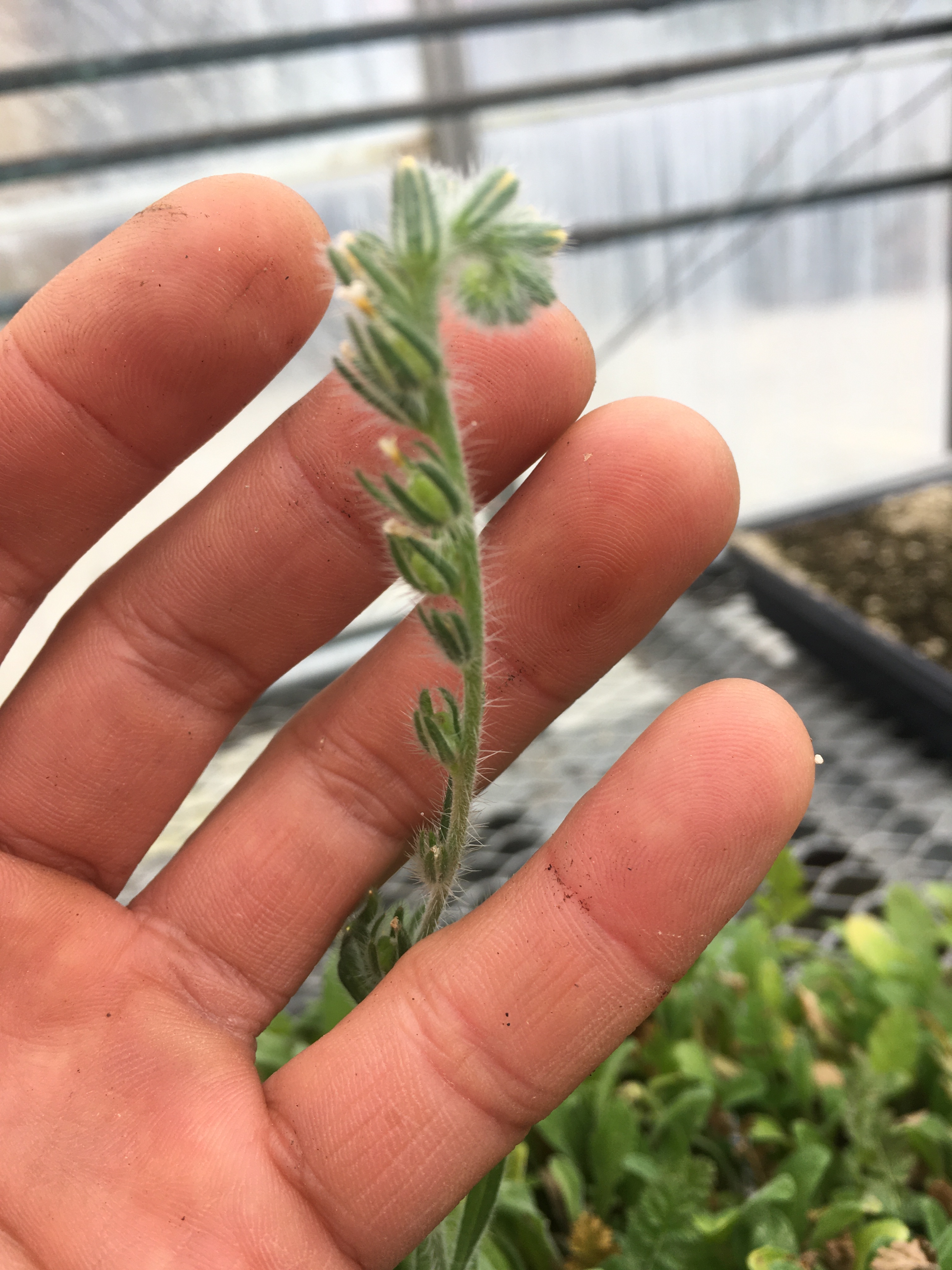
Last but not least, a bunch of thin grasses were in the quail seed plot. They look like fescues. Why? How? I’m working on it – communicating the basic gestalt of such things in simple language and drawings… For now, best determination is Festuca bromoides.

Well thats all for now. Pretty limited sample, but neat to see what comes up always. And don’t worry about the star thistle, I won’t plant it in the garden. Cant wait to go back in time again…
Back in the day when I worked downtown as a park and recreation center supervisor we would hold weekly safety meetings. The purpose of this was to make sure employees were aware of the hazards that were a part of day to day work, and to prevent injuries and accidents as best as possible. The topics we covered included how to cleanup rat feces without breathing in the dust and hantavirus, how to address folks feeding the pigeons in the children’s playgrounds, personal protective equipment to wear while weed whipping dog poo embedded turf areas, and more.
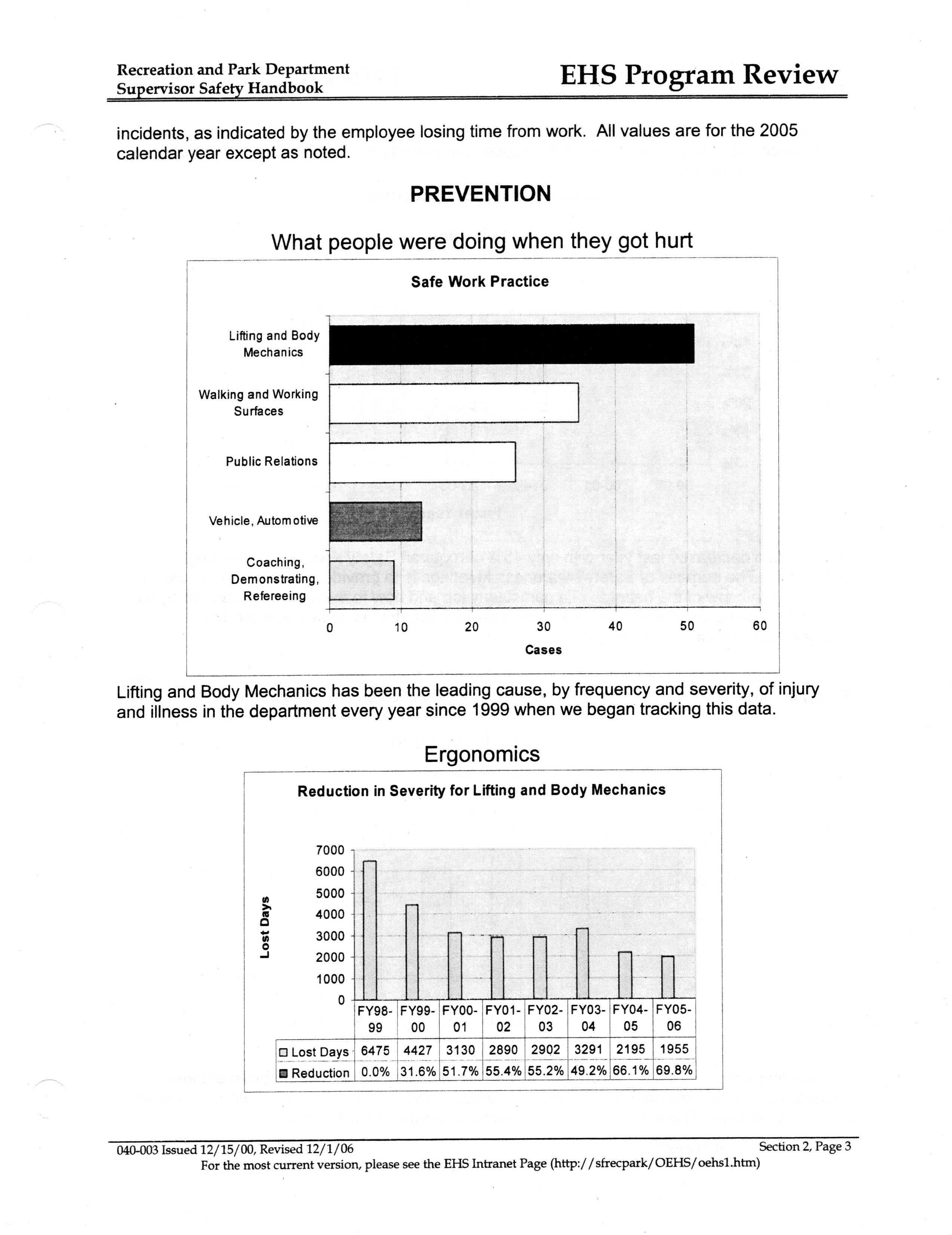
As you can imagine, physical work over time takes a toll on the body. In particular, it punishes the weak part of the body chain which is the connections and joints. These injuries can be one time acute, like you were lifting a four hundred pound rock with co workers and they dropped the rock but you did not. Communication. Communication. In other cases, the injury is from repetitive use, like the clenching and loosening of the hand and forearm muscles as you are pollarding thousands of young sycamore tree sprouts. Or sitting in an unnatural position at a desk clicking away staring at a screen. The muscles and tendons don’t like the awkward stuck positions and the inflammation begins.
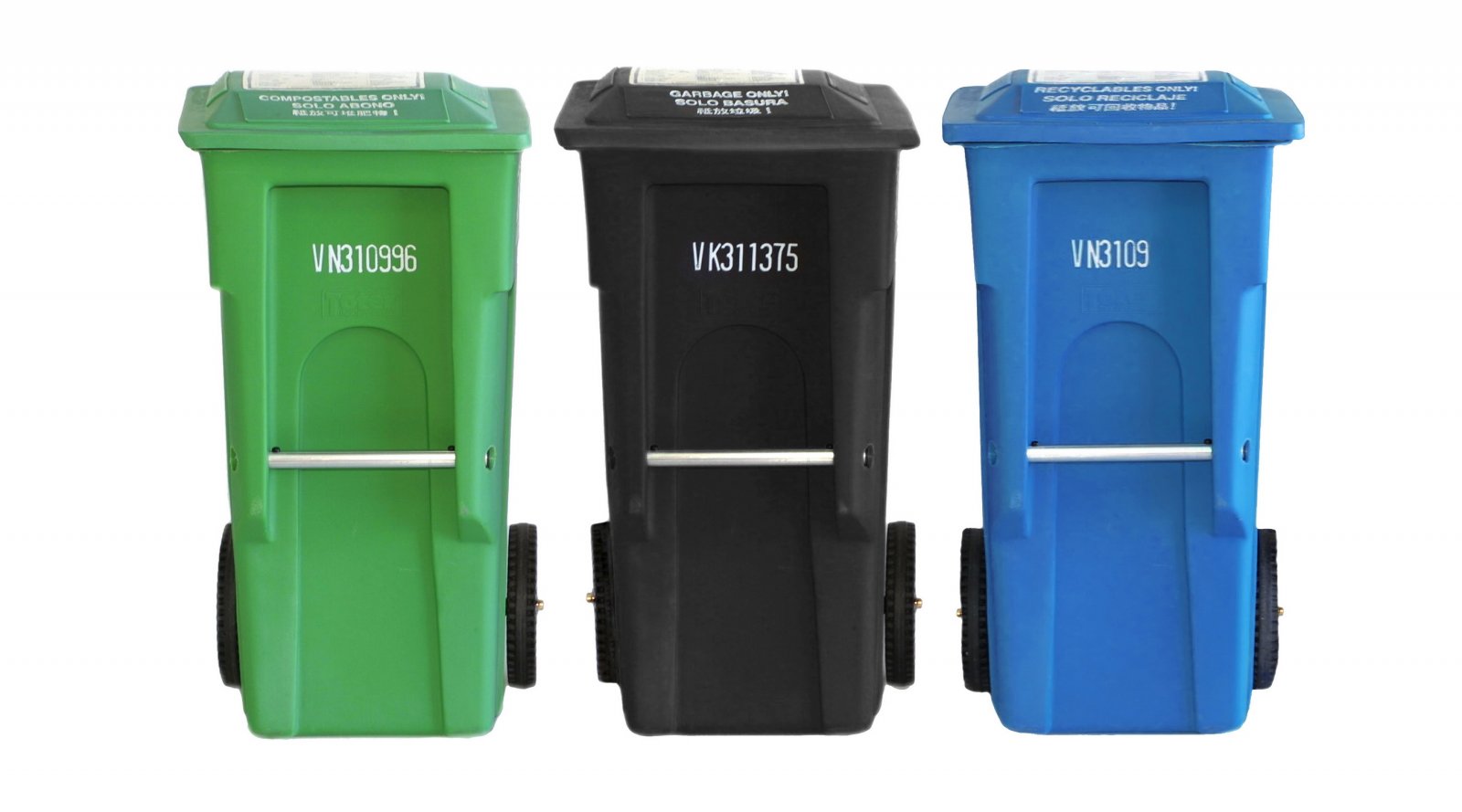
In the old times garbage collectors had to heave the cans over their shoulders and bring it to the dump truck. Remember that? That is pretty heavy work. Now imagine doing that after three hundred patrons to the park have deposited three hundred bags of wet dog poop in bags, all in the same can. Yup it gets really burdensome. The worst part is that people dont seem to realize the can is all full and they just keep throwing crap higher and higher in the can when they could be more considerate and walk a block or two to another can. Oh well. So these new plastic rolling bins, and the garbage truck’s hydraulic arms that pick them up, are an improvement. Still, even with the wheels on the bins, you gotta be aware of body mechanics and subtle twists to get the angles right in maneuvering.
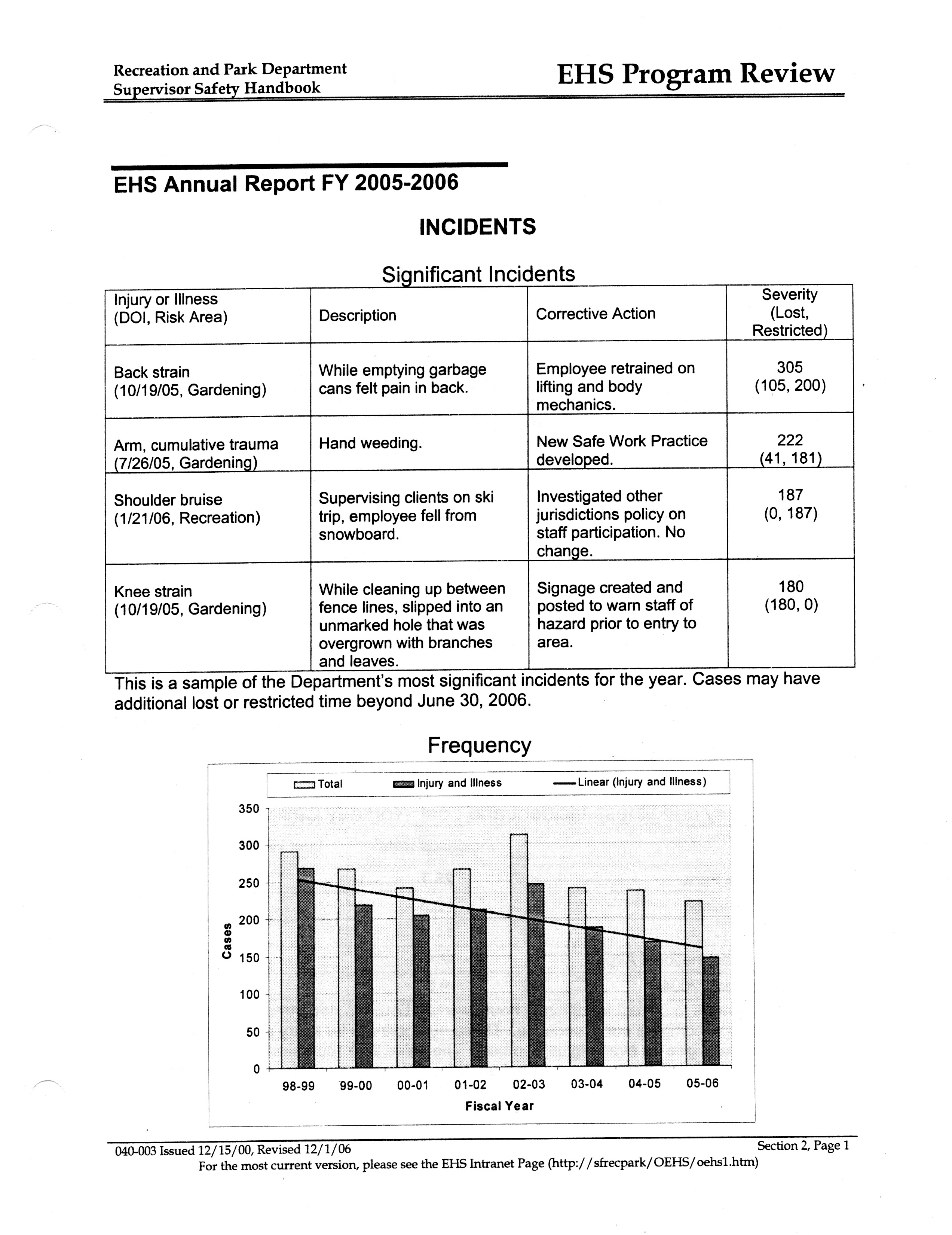
Ergonomics and body mechanics is huge. Ideally every gardener would also be some kind of yogi or pilates expert or martial artist. That is what it takes. You dont have to have that ironman ironwoman 2% body fat, sinew and lean type of body. We are not riding bikes and swimming in a time based competition. We are using hoes and shovels, on our knees planting, climbing trees and cutting wood. You do need to know your own body well, and know how to move and use it in a happy way. That is all. Early morning when the muscles are not warmed up, take it easy. Friday afternoon right about when work week is about to end, take it easy. No rush. Stay focussed. Breathe. While the injury list below cites a specific activity when the injury occurred, keep in mind that sometimes, the stress and wear and tear are cumulative. Its not so much that the simple act of changing a light bulb busted out the shoulder. Its more that yesterday you did four hours with a power hedger on a 10 foot ladder cutting a hedge. The day before that was an event where you emptied fifty cans of garbage. The day before that you wore a backpack blower for three hours blowing off the paths. And the management does not hire more new people or help; they like to keep labor tight and have you on a short leash. So on and so forth. You have to learn to pace yourself for the long haul. You are number one.
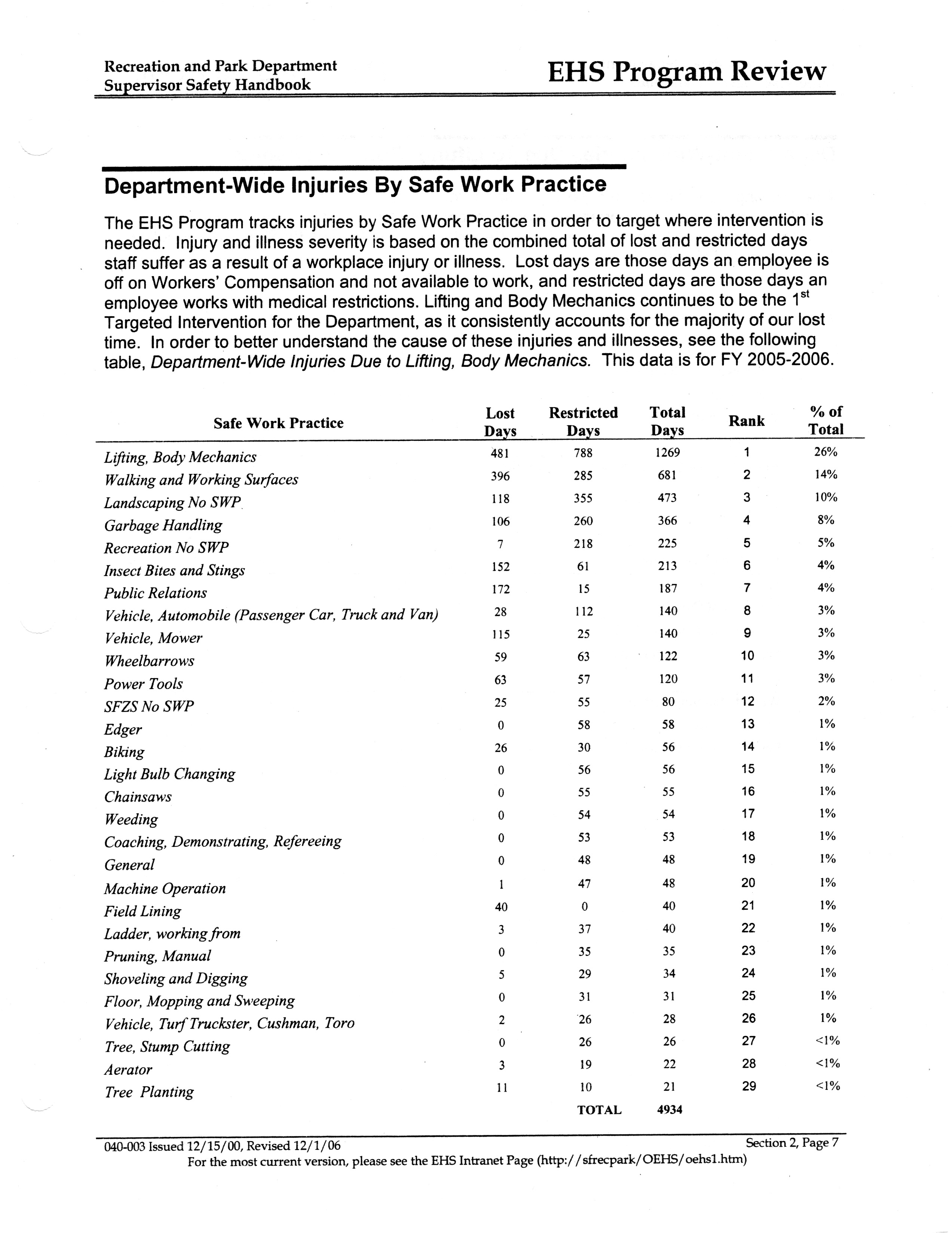
There are dozens of dangers that can injure you on the job, while you are in the landscape. It is not a ‘controlled’ environment. Some risks are natural, like stinging wasps. Paper wasp nests around here get about as big as a watermelon. They are pretty easy to spot hanging off the trees. Stay away, or remove it if it may cause problems for the public.

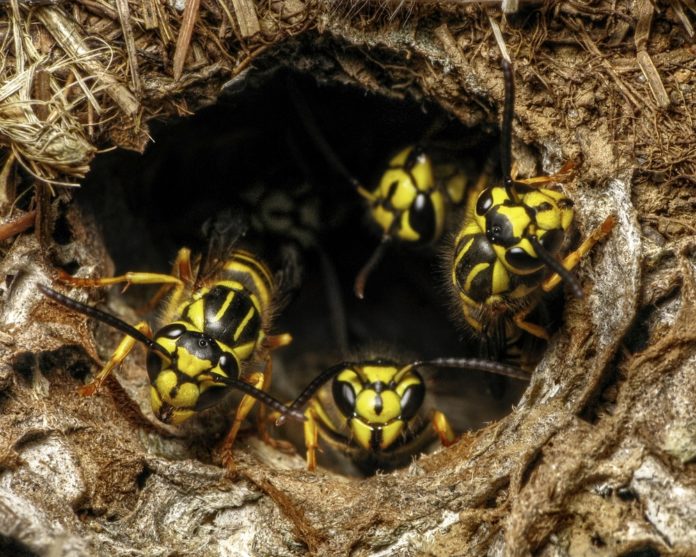
Not so easy to see sometimes are the yellow jacket wasp nests that are in the ground, often obscured by a mat of ivy or a thicket of dried up grass and thistles. If you are paying attention you might be able to prevent an encounter. What you would observe is a steady stream of little yellow and black insects coming and going in the shafts of sunlight. Otherwise, you may step right on the nest and only acknowledge their presence when they are swarming up your pant legs and jabbing you like crazy with their stingers. Hopefully you are not allergic. If yes, then do carry that epinephrine pen needle and know how to use it.
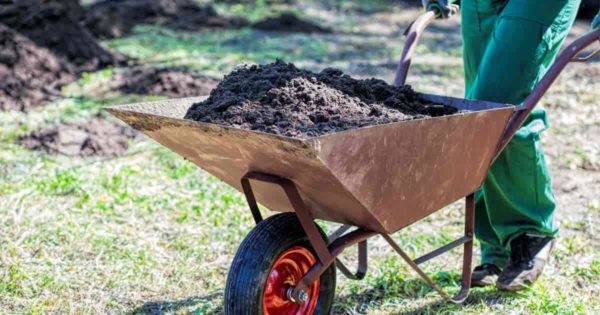
A common piece of equipment we use daily as gardeners is the wheelbarrow. It is a great invention that enables you to leverage relatively heavy weights with a little effort and some balance. You can go darn near anywhere with a wheelbarrow! Watch out that you do not overload it. If you are loading light fluffy dry wood chips, you can probably fill it to the top. But, if you are loading gravel, wet decomposed granite, or dense clay soils, go easy! Especially if you have to go through hilly uneven terrain, over and under barricades and ramps, and navigate muddy wheel sinking low spots. Again, this is not like in a gym with restricted up down repetitive motions. It is weights with all manners of squiggly warpage twisty turn arounds. Pay attention.
Like everything over time, we have improved on the design of the wheelbarrow. The same advice applies though, do not overload. Its like pruning – its easy to cut, but remember that you have to pick it all up and clean the site afterwards. Sure you can load the plastic bin with four hundred pounds, but then can you push it up the narrow trailed 45 degree slope? Who won the race – the rabbit or the turtle?

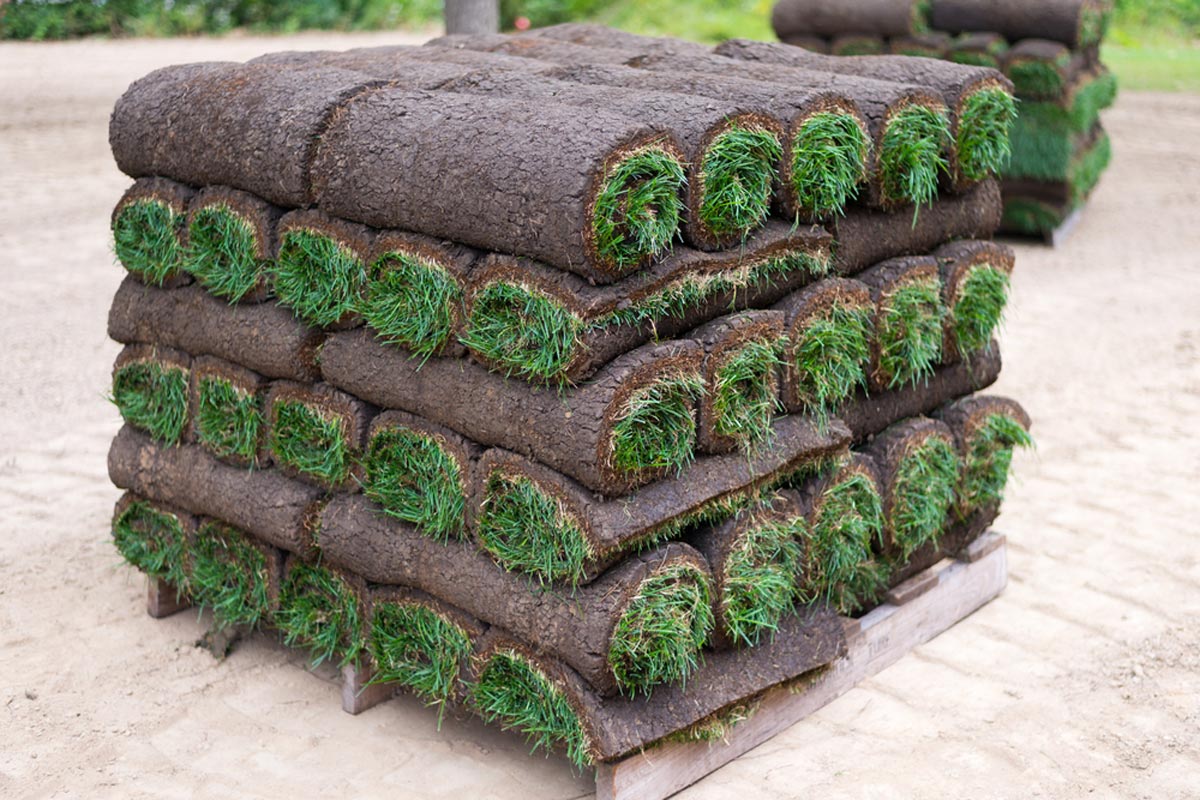
A common injury comes from lifting and carrying weights in the garden. Bricks, Sonoma field stones, bags of concrete, plants in fifteen gallon cans, six one-gallon cans gripped by six fingers, and more. It is a balance to get the work done, but to stay healthy and not get hurt. Youth is great, so is age and experience. Sod with the clay soils of the valley are heavy. One or two rolls, no problems. A palette, its okay. A few palettes everyday for weeks on end. A few palettes of sod going from the driveway in the front yard, up the stairs, through the house, down the stairs, and repeat repeat. That is where endurance, strength and patience comes in.
A few years back it is said that our mayor went to Paris, made a deal with a French company, and then had these toilets installed all around town. They are great for spots with abundant tourists and few restroom facilities. You put a quarter in it, and have a peaceful spot for a few moments to do your business. Then walk back out to check the amazing views at Twin Peaks. In some parts of town, however, they are galleries for junkies and hoes to engage in business. Part of the work routine for us downtown was picking up hypodermic needles. Lots of them. Some days the toilet cleaning workers would leave the needles on top of our garbage cans. The workers likely did not carry the red sharps containers, or just forgot. At least they did not throw the needles into the garbage where it would have pierced the plastic bag and leaked out the contents therein. Of course removing the dirty needles from easy public access was first priority at 6:30 am, cause the last thing you want is some kid on a field trip to the museums grabbing a used needle and playing with it. Both my gardener and supervisor before me were stung by needles as they were picking up leafy debris with gloved hands. So the advice now is – do not pick stuff up with your hands! Use a rake, a scoop, a dust pan. If you do get poked, go to the hospital, get checked out. Its usually nothing, but then again, nice to be conservative in such situations.


The theme is repetition. Even something as simple as grading online can cause injuries. You like what?! How is that possible? You are a lazy paper pushing teacher! You are just weak and
out of shape! Perhaps. But the sheer amount of clicking these days is pretty staggering. Over pandemic times I know of more than a handful of people that messed up their bodies by being on a computer all the time. Your mind wants to do this and that, do it perfectly. Respond to every dumb email and followup up on every bit of new software. But the body is not equipped nor accustomed to such sedentary limited twitching motions. But what can we do? We are all in the same riverine flow of data. So rest, use a standing desk, go for a walk in between intense concentrating six hour desk sessions.
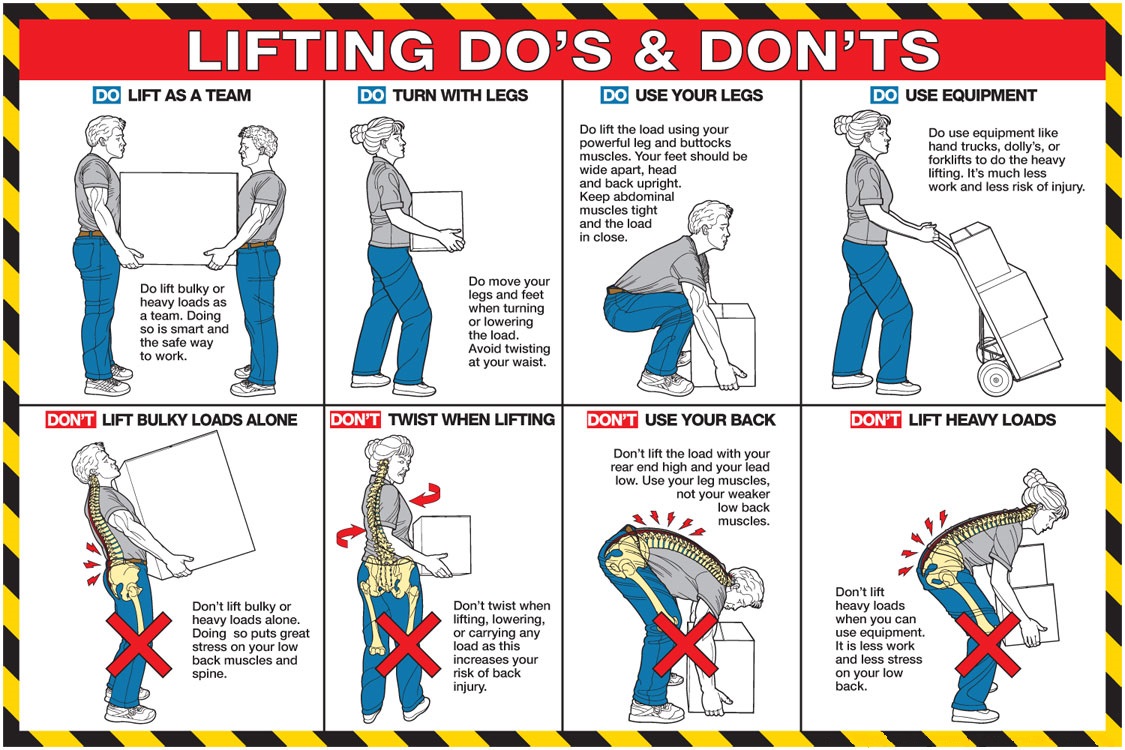
Heres some useful charts and pictures I found online with regards to how to use your body wisely. They are great tips. Even more important than the ideal postures though is that your mind and body are working in unison, that you are present in your physical activities. That you are aware of yourself and your surroundings. Because in the garden, the ground is not flat, the loads are not evenly distributed symmetrical shapes, the light and shadows can play with your vision, and there are surprises everyday.
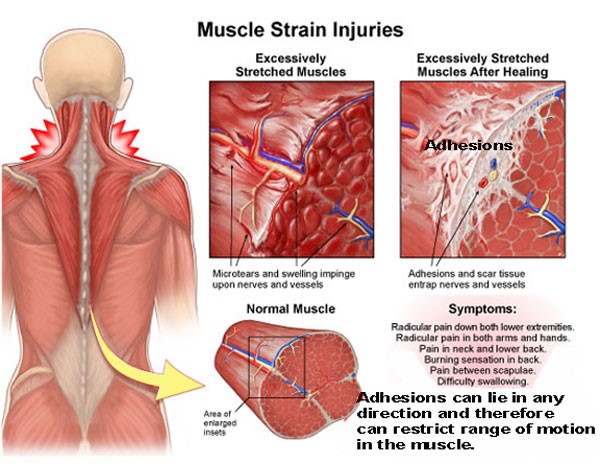
Well here we go. Sooner or later something is going to tear or rip or crack or bulge. It is the price of engagement. After a storm you can see the branches and their fibers and torsion as they resisted but still came undone.

The same thing with the human body. If you are an omnivore and have not yet butchered or cooked flesh then it is time to do so. That way you can learn how the parts are fitted together, and distinguish between the strands of meat, the harder nuggets on the ends of the bones, the stubborn white ropes of tendons that segway into muscle fibers, and that thin veil layer of fascia that you dont see present anymore in the cut meat cubes and slabs at the grocery stores. By examining the structure of mammalian tissues, you will see and feel the same material at work in your body as you go about the yard doing this and that. Little stuff (hurts and sprains) around our house is cured with ice, or rest, or some icy hot tiger balm substance. Otherwise there is a whole host of remedies and doctors ranging from orthopedic surgeons to chiropractors to physical therapists to steroids to acupuncturists and on and on. That is much beyond our scope of discussion in talking about safety and injuries in the garden.

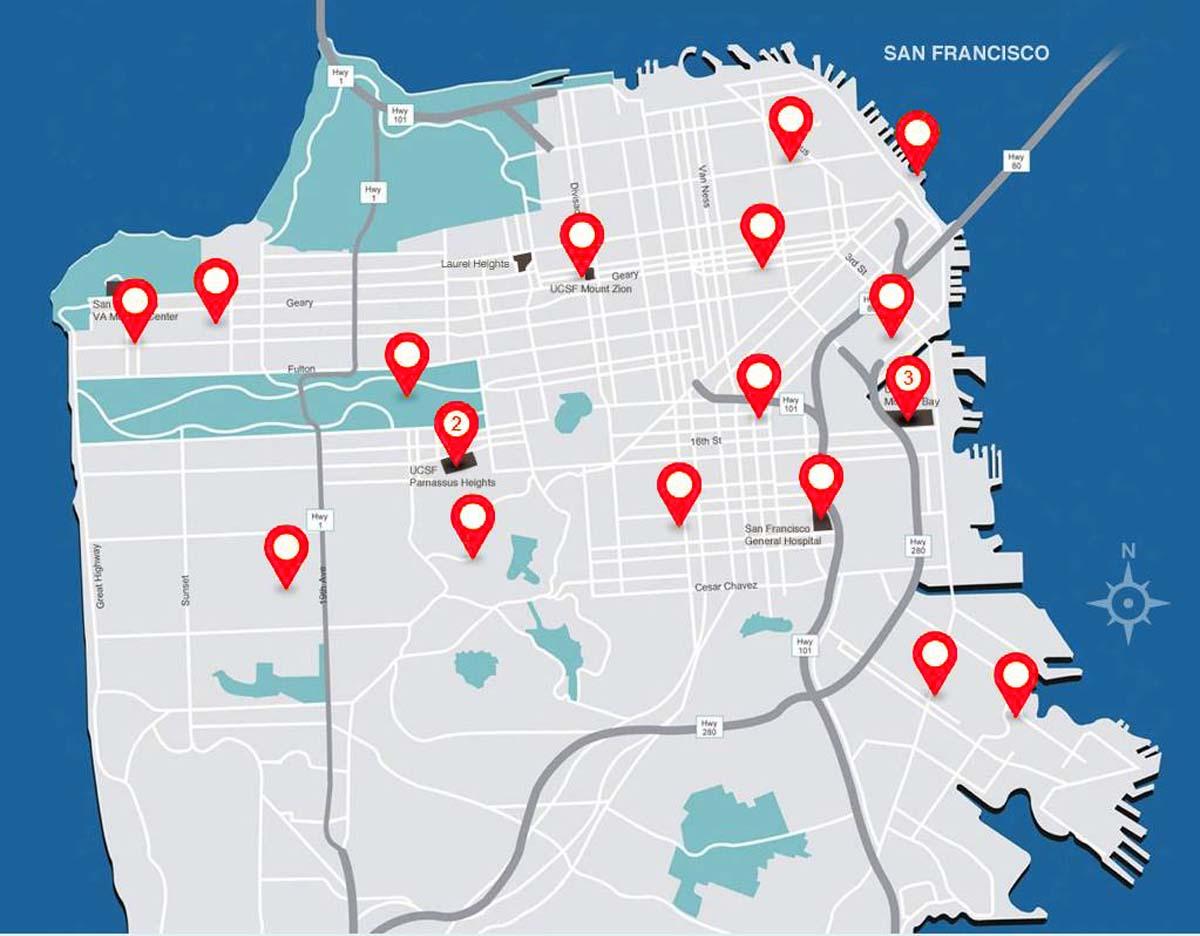
Well, every crew I know, or have worked for, has a map in the truck of the local hospitals, just in case. Ideally you already know this by heart cause if something does go down, you hate to be googling information while someone is in pain and in need of medical attention. Well, good luck out there and BE SAFE!!! In spite of it all, enjoy the garden!