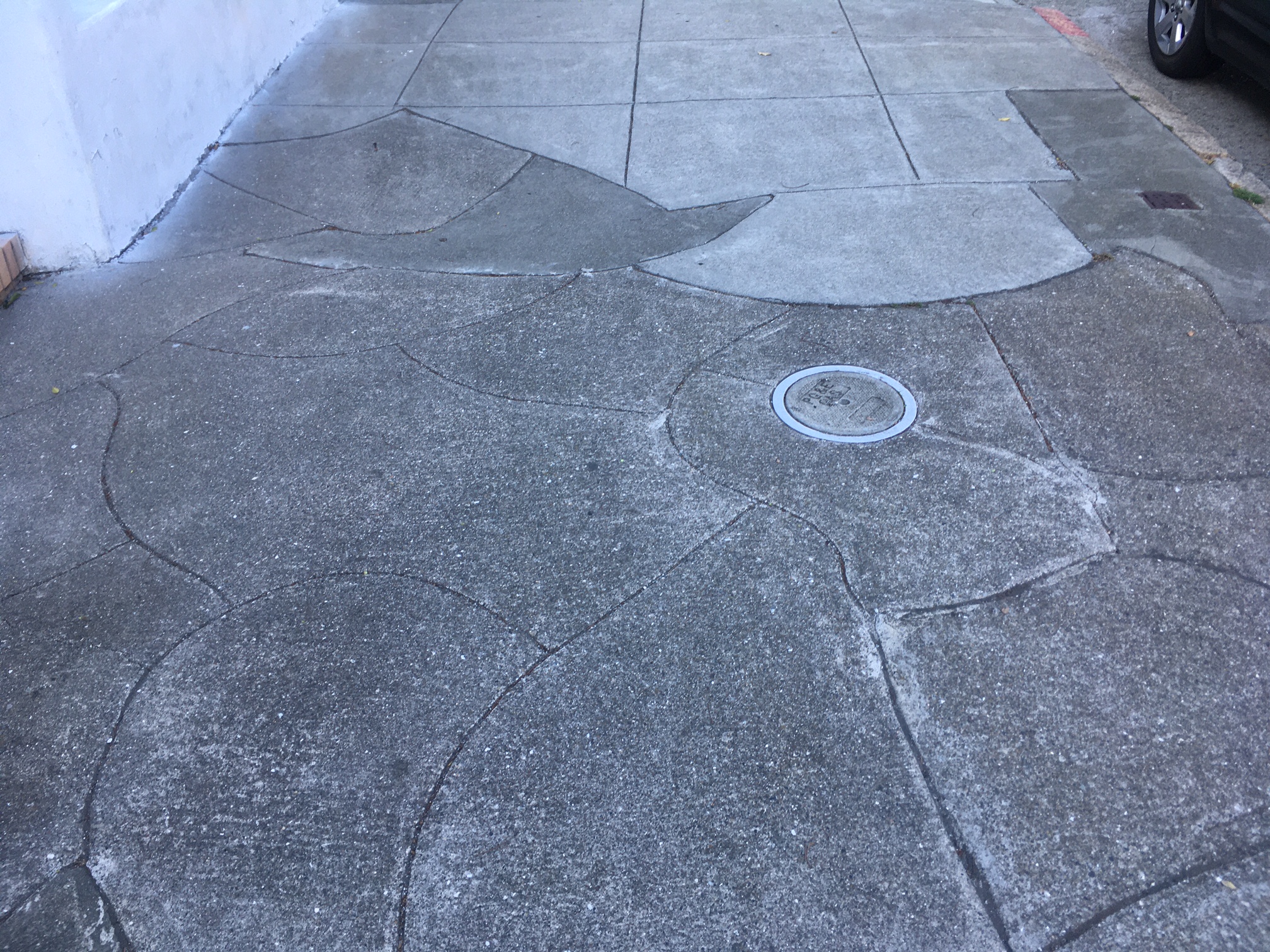
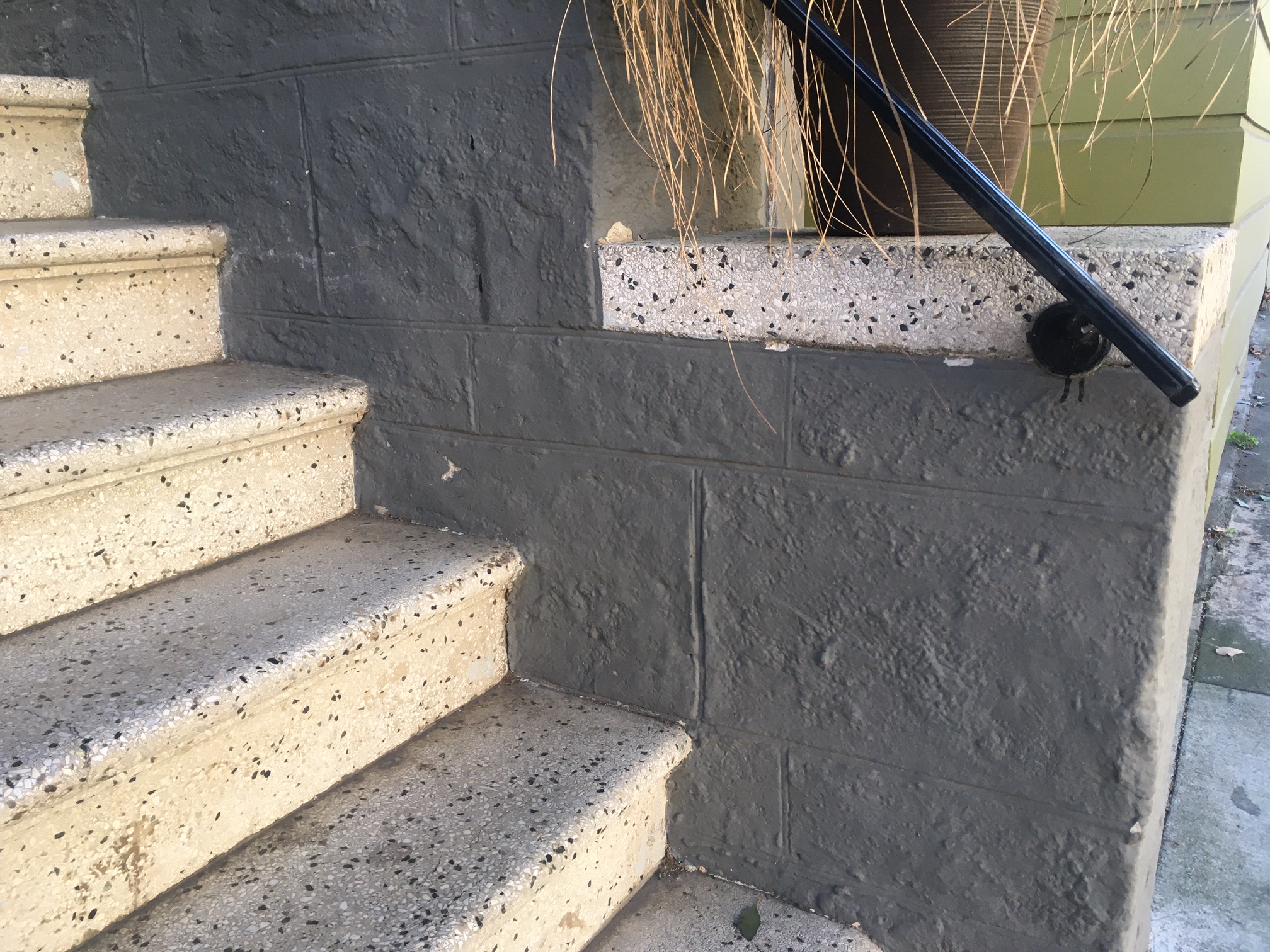
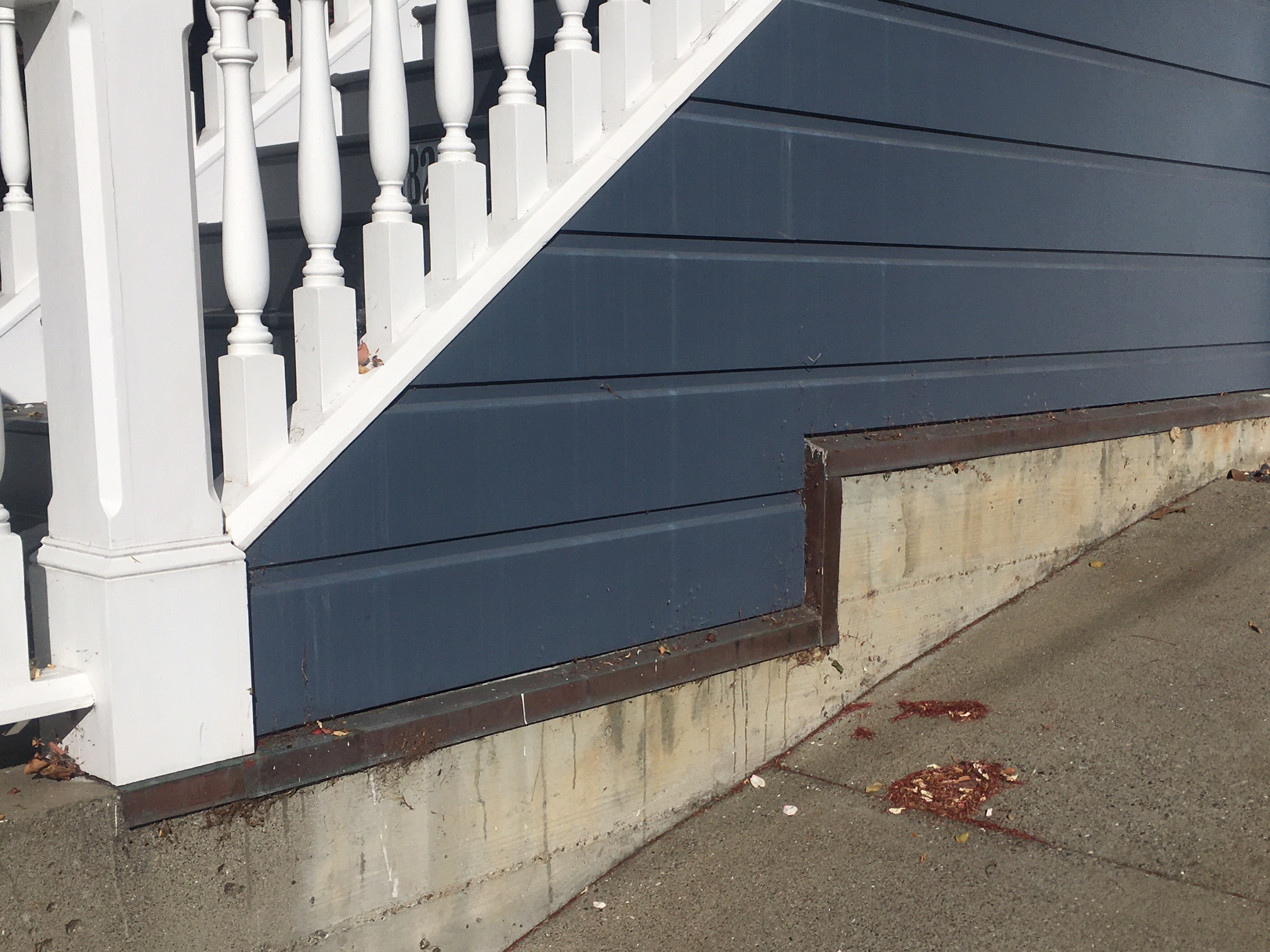
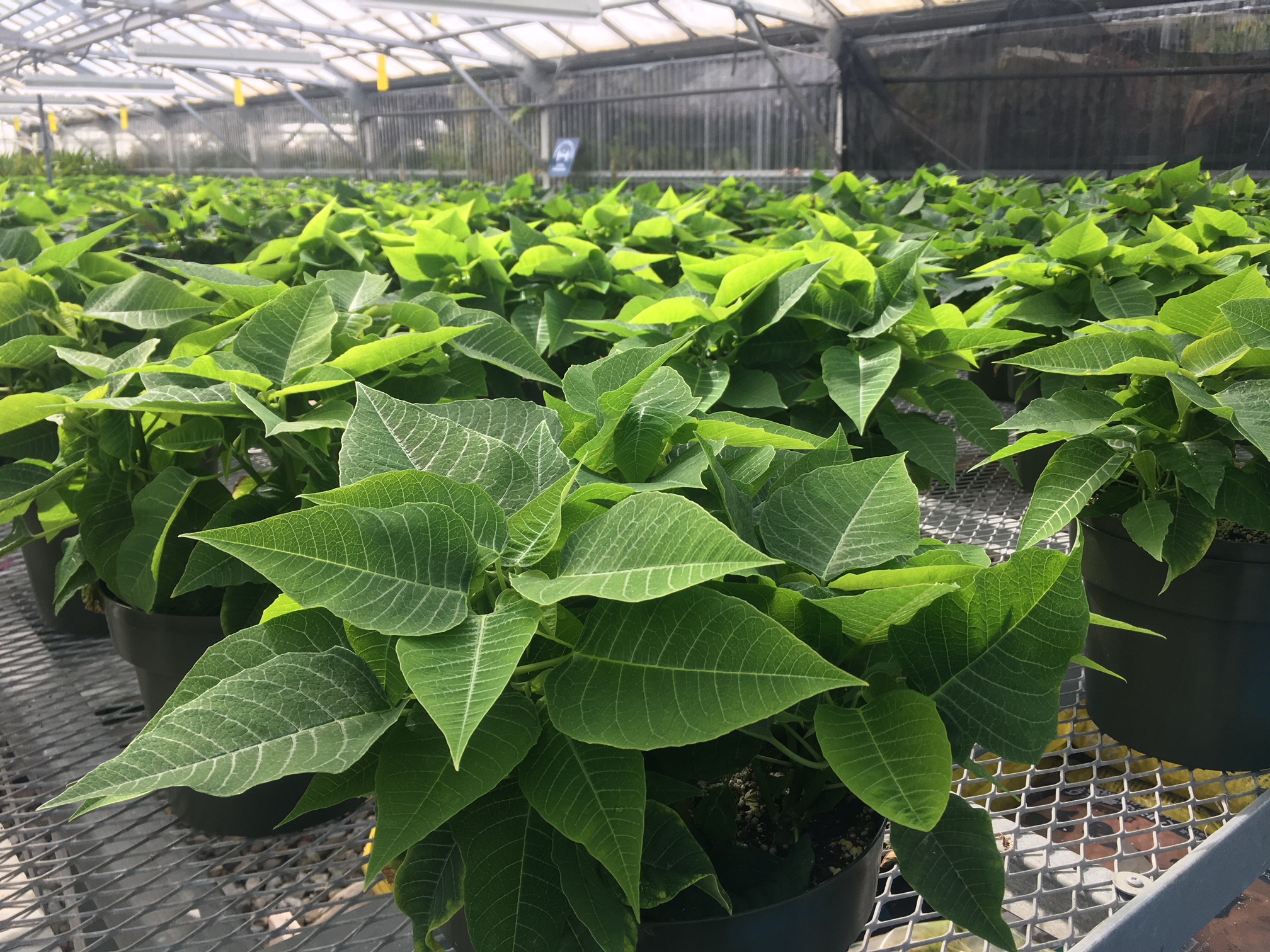
Theres a few lessons all wrapped up together here Here are the main ideas:
Many things run in a circle or circuit round and round (reap what you sow, the circle of life, all that blah blah blah)
In a system, things often break at the junction or the connection. (only as strong as your weakest link)
The more moving parts, the more likely things will break, especially when under pressure or tension, or due to use and fatigue over time. (Nothing lasts forever, ‘its not the years, honey. its the mileage’)
Circuits and analogies:
Water enters the house at pressure, water leaves through the sewer pumps and gravity provide the push and drain
blood leaves the heart through the arteries, returns through the veins the heart and muscles provide the pumps when you are alive you feed on plants and animals and on bits of minerals and metal when you die you feed little animals and plants and go back to the earth
in irrigation, theres a circuit between the timer controller and the valve electricity goes round and round turn on, turn off, turn on, turn off timer controller to solenoid to valve and back again in a loop
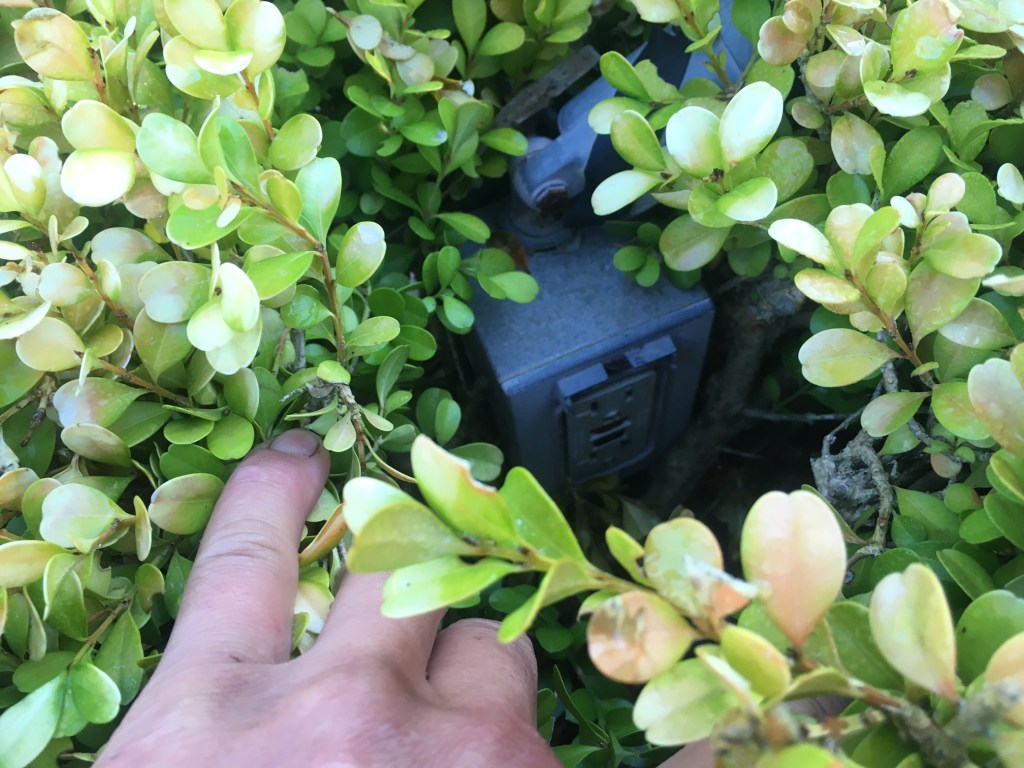
Lotta different colored wires, but they all finish the circuit together. In this case along the green common wires:
At the junction analogies:
when you turn fifty sixty seventy years old its knees and hips and shoulder replacements at the joints if you are a butcher without a bandsaw where do you cut? where the bones meet, cut right through the ligaments a few tiny cuts, and bend it back using the bones themselves as leverage and the point as an anchor to work off of
Where do a lot of accidents happen? at the intersection or along a straightaway? where people meet, or where people are off by themselves? wheres is a fight more likely to happen? down at the bar or the nightclub, or in the cabin in the woods? where will you hear the most interesting stories? where people of all the same gender class height and weight gather or where there is a mix of experiences and life challenges?
Where do we trouble shoot irrigation problems? at the valves opening and closing between fittings and connections where two wires are twisted together where the copper meets the brass, or where the brass meets the plastic at the spot with the rubber washer, the plastic flange, the teflon tape at the junction
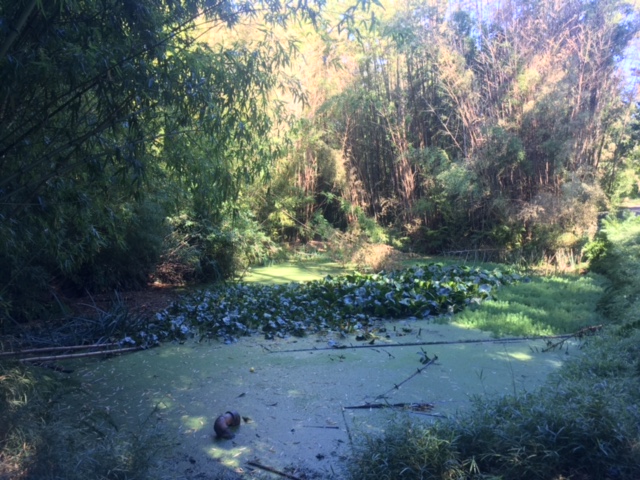
Here, a waterproof silicon filled connector was not used. So over time water snuck up in there and algae and mosses started to grow:
Moving parts analogies:
I have a little fillet knife a leather covered rapala blade from finland it is the oldest tool I own, about 36 years old its still in fine shape, a blade of stainless steel and a hardwood handle been through the salt and sand and countless fish still works great, no moving parts metal is a bit thinner from filing it sharp, but other than that never had a problem with it
from there we move on to the pruning shears with some nuts and bolts and on up to chainsaws and mowers small machines with moving parts small machines that work well if you take care of them keep em oiled, keep em sharp
In landscape irrigation: that gate valve maybe it crusted over from not being used for fifteen years metal parts all rusted into one another That ball valve maybe it got used too much kids playing with it, on off on off maybe there was high pressure in the pipes 100, 120, 150 pounds per square inch of pressure all that water hammering and stopping and going finally messed up the valve
water carrying lime and iron and bacterial speck sediments full of clogs rats chewing on wires wetness and algae seeping into the electrical wire connectors rain filling up the irrigation box with poor drainage there is a lot happening in the garden where it is not dry and clean and pest free where the sun’s UV lights are beaming during the day, tearing apart atom chains and that cold wetness chill creeps in at night, making things weak and brittle and rotten
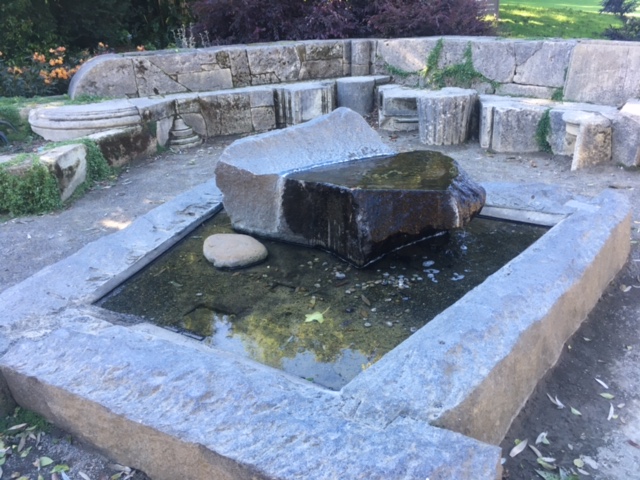
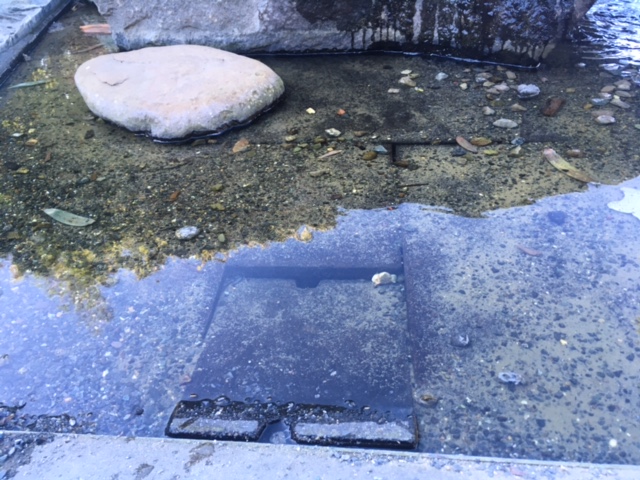
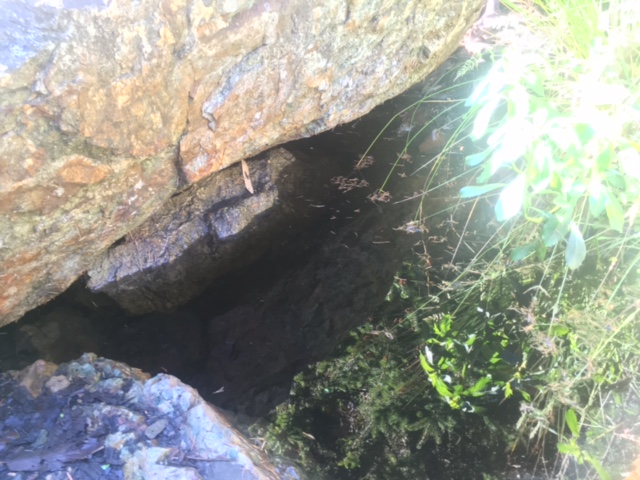
Theres some irrigation boxes that are sitting in soil with poor drainage. Often clay hardpans. This is the result:
its amazing with all that is happening stuff works as well as it does until some catastrophic event that is why you build safeguards and repetition and redundancy into the system that is why, if you can, keep it simple and elegant Function is the design
There is a thing called natural contours of the land it slopes and dips and curves this way and that around here with the uplift of tectonic plates flowing rivers and up down of the seas there is not a whole lot of just plain flat land it goes high low everywhere
in olden times that bottom spot where the water gathered would be mostly rushes and sedges, and a sprinkling of horsetails and ferns on the sides of the hills would be coyote bushes and their friend sticky monkey flower as you reached the drier well drained ridges that might turn to grasslands of lupines, and outcrops of sedimentary red rocks
As people settle they prefer flat usable space to walk on, to place a table on they want to build a house that is not tilted a house with a proper foundation so they move the dirt and rock around and change the grade from a slope to a level one the places around town that were too steep or wet to build on, they left them until the engineers could catch up with 15’ tall rebarred retaining walls heavy equipment and pile drivers going deep into the rock to hold back the dirt that wanted to fall down dirt that wanted to recline and rest into a relaxed repose
if you build a retaining wall you cut the soil away, erect a wall, and fill in the pockets behind it you want to make sure the wall is strong and does not tumble forward due to the weight of the soil and water in dry times that soil seems somewhat stable but when wet it becomes a fairly dynamic weight load and will collapse that wall in a second if the wall is not well anchored and sunk deep if the wall does not have some way to release the pressure building up behind it
another way around the same problem of flat usable space is to go above ground, not below it so you pour some concrete footings or piers attach some wooden posts to em, and go high this way you do not have to do much excavation and the water falls in between the deck lumber to the earth below and keeps going down the hill while you can sip your morning brew and enjoy your piece of pastry on the nice level redwood deck
Look around and you will see lots of slopes and how we have transformed the landscape to make it fit our lives plumb and level, flat consistent and regular horizontal and vertical, not diagonal
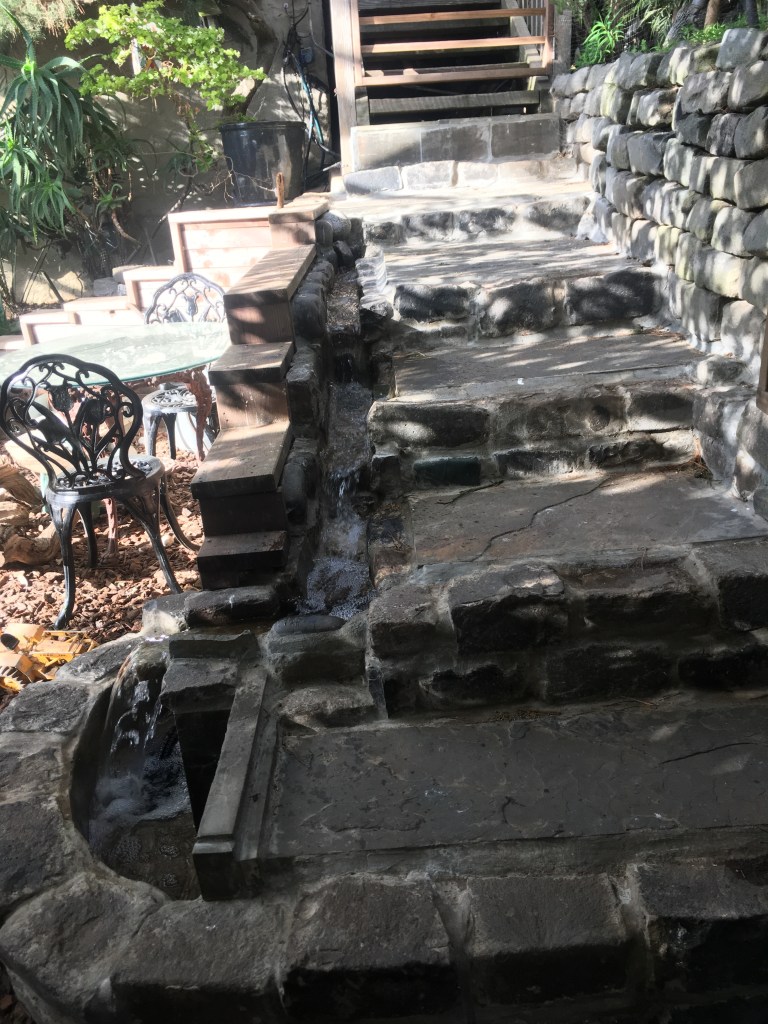
To navigate the levels, you still need to get from one to another the usual method is make stairs or ramps indoors, architects have a recipe for how big the steps are, and how high each step is tread is where you place your foot, rise is the height between the steps 2R + T = 26, R is rise, T is tread so if your tread is 12”, your rise is 7”, and so on, this is about middle ground average fit if your feet are 14” long, then you want a bigger tread than that obviously you would not want a tread that is 4”, and a rise that is 11”… you do not want just the tip of your foot on that step
Also, you want the step rises to be consistent as you walked up or down the stairs nothing trips up a person more than a step with a rise of 2”, then 4”, then 3”… its not an obstacle course you are building, just a way to get from one elevation to the next
in the landscape, you do not always have to follow the architect’s indoor recipe you can have a long sinewy gentle set of stairs, each with a two foot tread, and two inch rise stairs that wind slowly down to the lakeside you can have stairs that double as seats, serving as an amphitheater for the performance in the garden below or you can have a set of stairs like in the japanese garden of golden gate park, with a rise of over 12”, in order that you pay penance and suffer before your reach the top that is a pagoda or a shrine so the goals, and hence the rules, in the garden are a bit more flexible and variable also we are not as constrained or rigid or boxy as far as stairs are concerned
To measure the slope its pretty basic the rise over the run gives you a number so for example, sewer pipes in the house, plumbers lay that pipe with a pitch of 1/4” per foot that way dish water and poop run out the house, and do not sit there so 1/4” over 12” (one foot) is… take out the calculator .0208333333, that is around .o2, that is a 2% slope you can express the slope as a number, or a fraction, or as a percentage you can express in in degrees also say, a forty five degree slope is a rise/run ratio of 1:1, or 100% slope it dont matter, the numbers and names change but the slope is the same if you are in town and looking for a steep street go to 22nd Street between Church and Vicksburg in Noe Valley that is a slope of .315, or 31.5% slope, looks like a roller coaster
When you are walking on a lawn, what are the grasses you are stepping on? Well if you pull up a piece on the edge it might look something like this. With a white bottom sheath and upper parts of leaf blades and leaf stems.
Being an observant plants person, you want to identify the grass. Take a look to see if the emerging leaves come out folded or in a round roll. You can roll it back and forth between your fingers to figure it out. Like this one in the round:
Or like this folded:
Then you want to look closer. Bend that leaf back. Check the veins on the leaf – are they prominent throughout, or is just the middle vein showing? Where the leaf bends back there might be more tiny structures to examine. A little thing called a ligule, or some little ears that hang off of it called auricles. Check out the clear membranous ligule and long clasping auricles on this annual rye grass:
Behind these plant parts is the collar on the back. Sorry dont have any pictures of those here. But they are worthwhile also in narrowing down the name of the grass you are looking at. Sometimes it is the flowers and seeds that will clue you in. The cute lil inflorescences of annual blue grass ( Poa annua) are hard to miss once you keep an eye out for them. They so short that they flower and fruit and drop seeds before the mower can get to them. Plus they are often a bright light green:
While you are staring at the lawn for sure you will see the green leaves and some dead leaves too. If that builds up you have some thatch to take care of.
Unless you are super manicured and on top of things, the lawn will likely have a bunch of other plants other than grasses growing in it. Heres a sample of them. How many of these do you know? Do you know their medicinal or ornamental uses? Or their scientific names? Or how to make a daisy chain?
Learn the common lawn daisy, buttercup, clover, dock, and plantain. Plantain (Plantago) not plantain like the banana you cook to eat.
And of course before you start mowing better take care of the droppings. If the spinning blades hit em you gonna have a mess:
There is one grass around here that is the super weed. It is called Erharta. As you go around exploring you will for sure see it. In some of the older golf courses they have given up trying to get rid of it. Just try to keep it out of the fairway and in the roughs, mowed:
Here it is again. Grasses, rodents and flies – three creatures that just dominate.
Better get on it. Spring is coming and the grass is growing. Here are a handful of mowers to get the job done. Learn the difference between a reel mower and a rotary mower. Reel not Real. Also look to see the power source for the mower. Is it electric battery, electric plug in, or is it some kind of fuel? Is it straight unleaded gas, or is it gas with some oil added in it. In other words, is it 2 cycle or 4 cycle?
And once in a while you run into a fly mow that levitates on a bed of air. What is that about!?
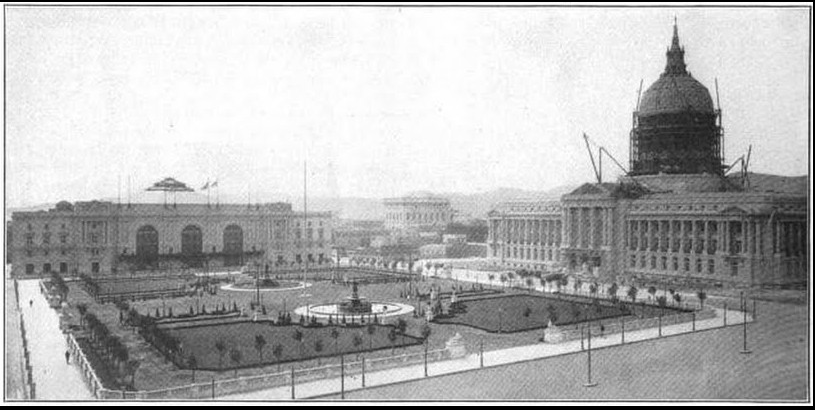
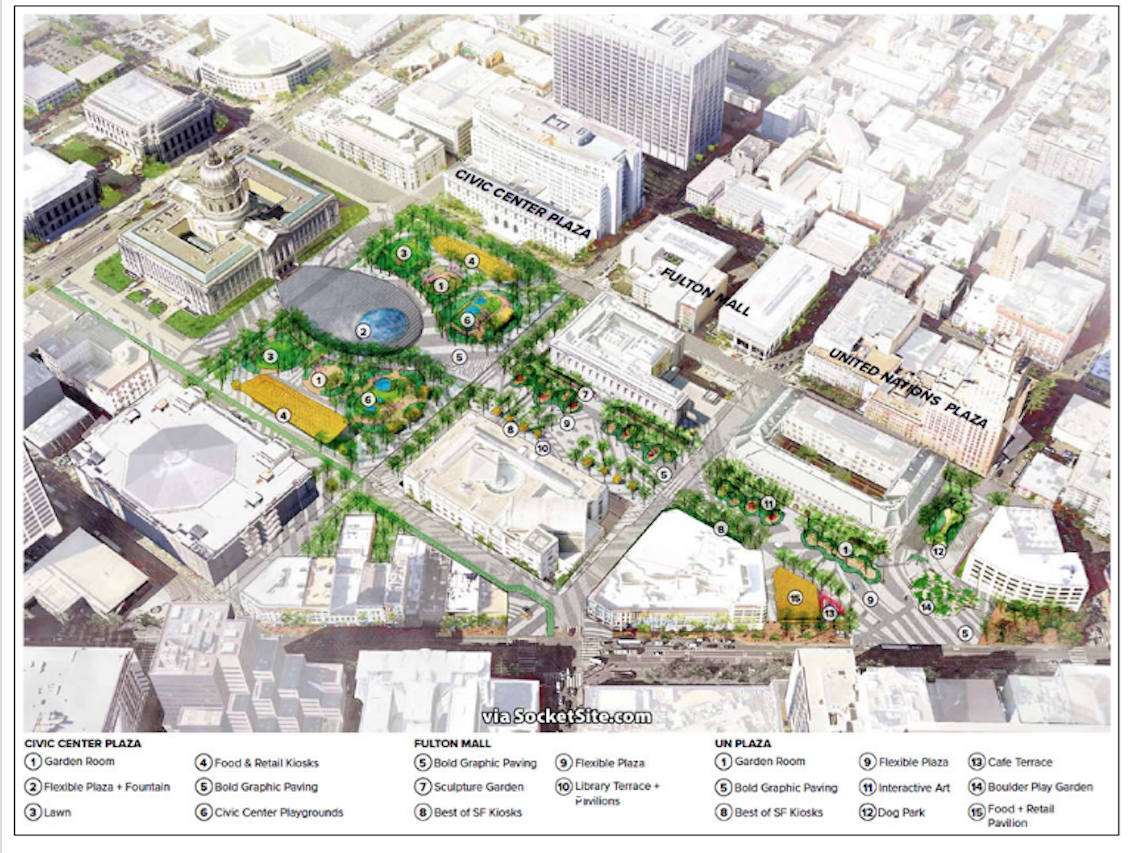
Back in the day, working down at Civic Center, we would mow the lawns on the plaza, and also around City Hall and the main library. This middle section was once a lawn. And before that, a reflecting pool. Now, it is just decomposed granite:
This is the mower that would be used once a week. Irrigate five days. Let it dry a day. Then mow. Change it up if its been raining, or if big events are happening on the plaza.
Sometimes you would want to dethatch or groom the turf:
And after the demonstration or parade or protest or gathering, it would be wise to alleviate the compaction in the root zone of the grasses and give them some air with an aerator:
At the childrens playground on the plaza, there was kids playing on the artificial turf. It still requires maintenance, just not the mowing and watering variety:
Drifted on down to Golden Gate Park, so that I could show you bent grass. A real peculiar grass that tolerates being mowed real short. It is the grass they use on putting greens, and also on the lawn bowling greens. Mowing height, that is a good topic for discussion:
The pull chord broke on the Snapper mower, gotta fix it. More later…
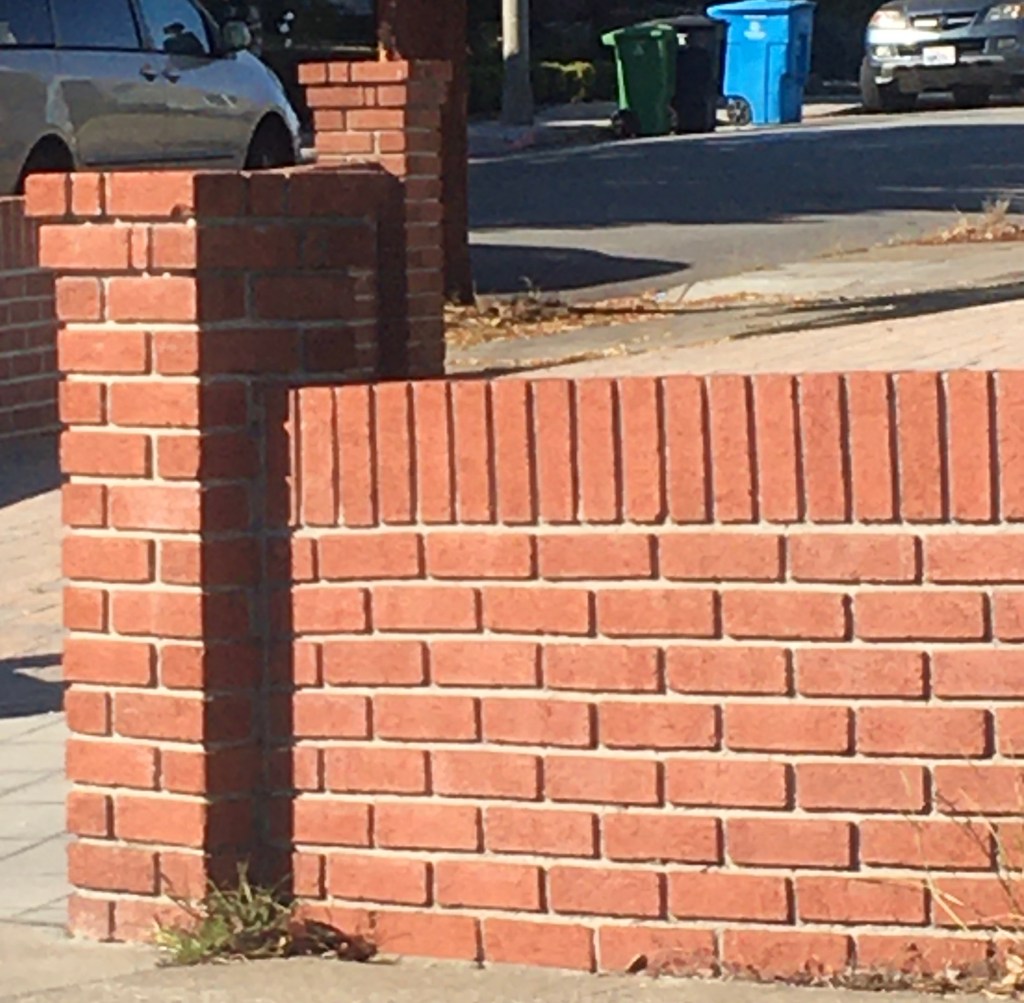
Once you settled down, and had a cow or two and some sheep, then you would draw a line on the earth. This side is mine, that side is yours. This side is private, that side is common. And in the olden times, you’d have to figure a way out so that your cow would not go over to the other side. Cows can be obstinate and free ranging, but not as bad as bison with regards to just pushing things over and going wherever they wanted to go. When you weigh a ton, and number about 30 million, that is what you do…
This is how the idea of a hedge, a hedgerow of intertwined vegetation forming a barrier and boundary came to be. A nice tangle of hardwoods like ash and oak, mingling with the blackberry bramble. Rabbits and songbirds darting in and out all along it. Took a while to grow up into a mature row though. For a whiles in the 1800’s in America, nurseries sold a whole lot of osage orange for this purpose. Awful poky, difficult to work with plant; good for making archery bows though. Tough and flexible wood. Like all things in nature, a hedgerow requires maintenance. Parts may die and have to be replanted. Some sections need cutting back. You would retwine and braid branches back into the hedge to keep it tight and still serve its function.
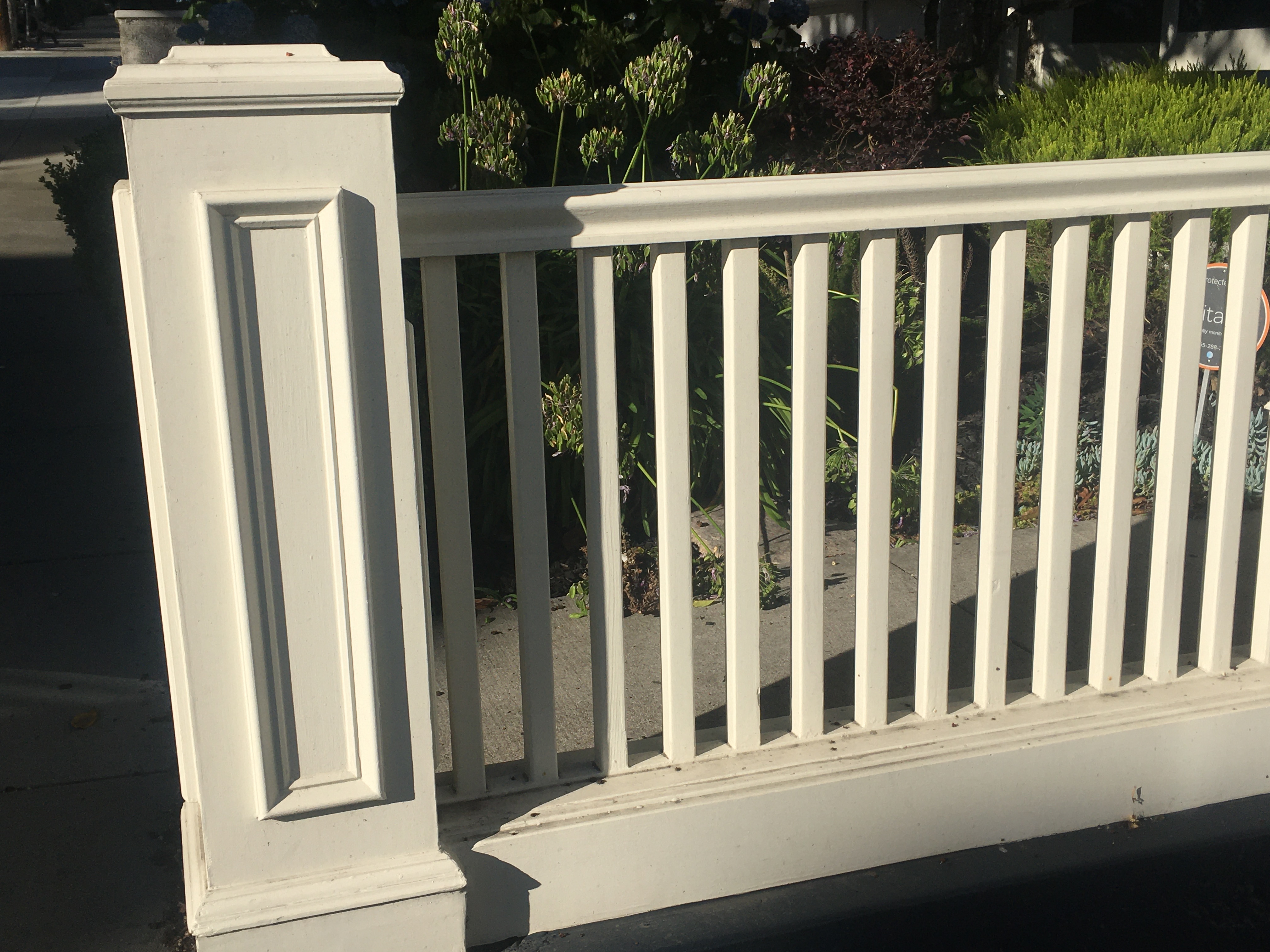
If you had the time and labor, building a stonewall could serve the same purpose. As could a long line of a ditch and dike. Serve double duty as boundary and irrigation. Fences, thats another good concept. In the winter time, before all the spring chores would pile on thick – that was the time to ‘mend the fences’ with your neighbors. Make sure it was intact and doing its job. Fill in those holes dug by fox and coyote and badger. Take out the rotten parts, rebuild.
In another part of the world, you’d be wise to fence out the lions, and protect your herd of cattle. You might do this with a long row of aloes, perhaps the large robust Aloe arborescens, that lines much of the 19th Avenue median strip in San Francisco. Stick it in the ground, let it grow into a thicket. That way you are not startled at night by the bellows of a heifer. That way you do not wake up being dragged along the dirt, with your head clamped inside of a lion’s jaws.
More recently, the amazon natives have stopped moving around and taken to staying in one place. Now they hold titles and land rights to the territories they have inhabited for thousands of years. To demarcate the land, some have planted rows of spiny palms along the boundary line. Otherwise, how else would you show that some outsiders snuck in and logged your forest? Or poached all of your peccaries? Or eroded your river banks looking for gold? GPS is another useful tool they’ve been using to acknowledge where limits and boundaries lie.
While hedge rows have persisted in some places, in most areas it has been replaced with more and more simple styles of fencing. Fencing that went up easier and took less maintenance than a living thing. Fencing that clearly marked private and public land. A hundred fifty years ago, you could ride your horse from Texas to Wyoming, it being wide open country. Nowadays every inch of soil has been accounted for. Its all owned and taxed and belongs to somebody.
In towns, with people in tight quarters, hedges and fences still serve a function. As a screen for privacy, as a wind block, as an ornamental feature. And us, as gardeners, keep it in check so that the hedge does not totally cover the window, block the view, or look straggly and unkempt. Or, as a landscape contractor, we mix concrete for the posts, and line up all the boards for nailing or screwing. That’s the job.
Some common questions related to hedges are:
What are good hedge plants? How closely do you plant to make a hedge? What size plants do you buy? (one gallon, five gallon, fifteen gallon…) What do you do if part of the hedge dies and the nursery does not have one big enough to replace it? Can you cut it back to bare wood? How often can I shear it? My boxwood’s green leaves are turning red, is that normal? Can the roots of the hedge invade my foundation? Is bamboo a good hedge plant?
Some questions that pertain to fences are:
What is a good wood for outdoor fencing? What kind of screws should I use for pressure treated lumber? How tall can I make it? What is legal? What is the spacing between fence posts? How deep should the fence post holes be dug? How do I keep deer and skunks and raccoons out of my yard? and so on…
Knowledge of plants is essential for survival, that is what it comes down to. Plus it is a lot of fun to be outdoors doing walkabouts and working with the animals and plants, rocks and rivers. Here we will share with you a couple of cultures and how they approach plant propagation. It is the text that accompanies an earlier blog entry of photos from last year: https://missionazul.com/2020/01/16/120-gardening-propagation-1/
Subsistence slash and burn agriculture in the Amazon: Back in the day, after marriage, we thought it would be neat to see the amazon jungle for our honeymoon; to visit the grandmother load of plant diversity so to speak. We had been inspired by botanists like Alwyn Gentry working out of Missouri, Richard Schultes from Harvard, and of course the native peoples who safeguard the plants. We made it down to Siecopi territory in Ecuador and met up with some gringoes doing their apprenticeships, folks named Luke Weiss, Jonathon Weisberger, and Luke Hass. Here is a painting I did of the trip later:
Plants grow really well int that steady tropical warmth and light. The Siecopi Secoya peoples practice slash and burn agriculture. That means you chop everything down in a plot, pile it then burn it and ash for fertilizer. Y’all have heard about how rainforest soils are notoriously poor and thin. Well this way you can at least get a year or two production in before you got to move on to another spot. Its not like you can buy in yards of manure or guano down in the jungle. When we were there the generation that is about our age were stoked to have chainsaws to make the work easier. Otherwise you just go at it with a machete, and if it took three days to take down a tree with that wedge cut motion that is what you did. Imagine before metal tools people did just the same but with a stone head and a lashed wooden handle. That is how you get pretty crazy strong working in the forest. In some burned plots folks just tucked seeds into that charred earth. Seeds of plants like the peach palm chonta duro or maybe ungurahui palm used to flavor the chicha drink. Figure if you move around and come back five, ten, fifteen years later there’d be a nice grove to harvest from. Or you could come back and hunt it at night when the pacas come around sniffing for ripe fallen fruits. In other cases the burned plot is planted with cassava, manioc. In the Mexican markets around here manioc is the waxy brown root crop that is called yuca in Spanish. You like – yuca? Like joshua trees? No, that is another plant, spelled with two c’s – yucca.
My wife and I had tragically failed to cross the swollen river in the canoe, one of them local style dugouts with less than one inch from the waterline to the gunwhale. Had a capsize and luckily further downriver swam to the edge of the Agua Rico and got some help. Wife went back in another canoe with the old wise man Cesareo while I traipsed through the trails and got a good glimpse at local agriculture. Came across a plot of manioc tended by the women, looking all uniform and orderly; no weeds. So that is the challenge always when growing food plants, keeping pests at bay and production up. Later on we will talk about disease resistant cultivars, selective breeding for particular traits, and so on. The amazonians solve this dilemma by growing a plant that is poisonous, then leaching and removing the poison as part of the food processing later. This is a good and practical strategy for a place with a multitude of hungry creatures. Come to think of it, California natives did the same with acorns from oak trees. And they burned plots too to cultivate tobacco up by the Klamath River in nor cal.
Another neat concept the Secoya have is regarding the origin of plants. There are many plants there that are intimately tied to the culture but which do not occur in nature. They are so called ancient cultivars that are exclusively grown and propagated by people. The plants do not set seed or grow wild. These plants are always propagated asexually, by cuttings, or division. Caapi vines, snake bite sedge tubers, all come to mind. Of course the Secoya explanation for this is mythical, that these plants come to them as gifts from spirit beings. That is why they only grow in relationship with humans. From a forest management angle, it would be easy, after you harvest some lianas, to stick a few pieces in the ground next to a tree that the vine could climb. This way you are continuously gardening for future generations and ensuring that useful plants are growing all around.
If you want to read or understand more about this culture you can follow up by reading or watching the work of a couple of those apprentices we met. Jonathon wrote a book about his experiences called Rainforest Medicine https://rainforestmedicine.net/the-book/. Luke Weiss has been cultivating the bitter morning beverage that is a caffeine rich vine called yoco, and working with the conservation group called Amazon Frontlines to pass on botanical knowledge. A whiles back he did a shaman conference tour in England with his grandfather in law Don Delfin, you can watch the action here: https://vimeo.com/44294679. Here: https://www.mensjournal.com/adventure/american-shaman-the-incredible-story-of-lucas-weiss-20160201/ and here: https://www.amazonfrontlines.org/who/team/. The other Luke, Luke Hass, has been patiently moving huge boulders and melding himself into the leatherwood hills of the east bay. Last time I saw him he was walking alongside some heifers with a drawing notebook and beer in hand.
Settled agriculture in southern Spain: The forest folks in the amazon traditionally moved around, following game animals and staying mobile. These days of course they are living in more permanent towns, working jobs for the cash economy, and buying goods in a market. Well this sort of gradual settled pattern of life happened all around the world. Once you could secure and store food, then you have the time and leisure to work on any number of other pursuits, from the arts to politics to engineering and so on. In almost every case, it is a balance of carbs and proteins that provides this foundation – rice and soy, corn and beans, potatoes and quinoa, taro and pigs, wheat and chick peas. And always, there are ritual stimulants and depressants involved – tea, coffee, alcohol, yoco, kava, tobacco, khat, coca, cola nut. All plant products.
Propagation wise, to be able to produce plant products year after year, you have to have a consistent supply of water and irrigation. This usually means dams and aqueducts, pumps and wells. In some places this led to the development of water wheels and turbines, terraced paddies, and aquaponic systems like chinampas of the Aztecs.
In southern Spain, small farmers still use the irrigation system that was introduced by the Moors from northern Africa sometime after 711 AD. My nephew Miguel he works as a city water distributor in his small town. An aguador it is called. There are four distributors total. Their job is to go to all the different farms and sell them an allotted amount of water (timed) for a fee. The water comes from the town reservoir and source called El Nacimiento. So you are working all night long opening and closing small canal gates that lead to all the different farms. You get to know every farmer really well in your sector; many become friends, and some even offer hunting privileges and such. The water flood irrigates an orchard or field, or it is stored onsite in a tank to be pumped out as needed. It is pretty hectic because you are on the move every hour or two, and people get upset if they don’t get the water for their crops. Plus if there is a back up or a pump breaks or leak happens then you gotta reschedule everybody down the line and the heat makes everyones nerves start to fray.
The crops that are grown are appropriate for a mediterranean climate. My uncle he grows potatoes and tomatoes. He used to be a pig farmer, but that is another story. Potatoes are bought in as seed potatoes from the Dutch, in 50 kg bags. So the origin is asexual production, likely lab grown micropropagation. At the end of the season that 50 kg has been converted to 1500 kgs of starch, filling plastic crates high on the truck. About a 30 times return in weight. Tomatoes are bought as starts; last summer he was growing two varieties thats it. Nearby neighbors got orchards of oranges and olives, lemons and occasionally loquats cherimoyas pomegranates and figs too. The latest crop craze has been the planting of avocado trees with the hope of a big return on the fruits. Unfortunately they do require quite a bit more water, and are susceptible to the cold if the temperature drops. Agricultural inspectors and extension agents do come by; they offer tips or check on the status of a pestiferous moth. Labor and market prices are another concern. Uncle is tough and strong, but getting on up in age. At some point you just cannot climb up and down the truck, or bend down to haul another crate. Would you like to work all day in the heat for little money? Or would you rather work in an air conditioned restaurant or office? Maybe the Moroccan immigrants can be hired to help with the harvest if they are around? And what happens if after all that work, add in the cost of fuel, fertilizer, pesticides, and they pay you only fifteen cents a kilo? Or less… So it is not an easy gig, the work of a small farmer.
If you look at the crops grown in the area, few are truly indigenous to the place. Theres wild asparagus in the woods, and wild chamaerops palm fruits, but they are sparse, far and in between. The production plants originate from trade and travel. The citrus trace their roots to Marco Polo and Asia, the tomatoes and potatoes to the Andes, and olives to somewhere by Asia Minor which is present day Turkey. This is what people do – move plant parts around. And plants, if they are happy in their new surroundings, thrive with a little care and attention.
As a small farmer working in a market economy, you are not the seed collector and saver, the breeder, nor the germinator, you are the grower. You are one specialist in a stratified system. In another part of southern Spain, where Clint Eastwood filmed all his westerns, is the town of Almeria on the coast. There you will find big time producers of food crops like peppers and eggplants, all grown in huge massive greenhouses. Some say the biggest concentration of greenhouses in the world. Combine a nice long growing season, maritime influence, steady temperatures, and a convenient European market. Take a look, here is one link: https://www.france24.com/en/europe/20191018-organic-farming-supersized-an-imperfect-solution-for-the-planet. The climatic and geographical characteristics of Almeria are similar to the ones that put cannabis and the emerald triangle of northern California on the map as well. Not too hot, not too cold, nice little breeze.
Over time, the tendency for farmers has been to automate and get bigger. The work is hard, the profit margin is thin. This pattern is what you see here in the Midwest or in the Central Valley of California. Check out some farm machinery videos on youtube and you will be amazed or shocked at the power and efficiency of modern agriculture. This is why seeds and propagation are so important, and are such a huge business.
New developments in propagation We have been propagating plants throughout the course of humanity. Some methods such as grafting are recorded from some six thousand years ago. Many of our basic techniques remain unchanged. These days, if you are growing a plant or buying a plant you want it to be healthy, clean of disease, and be successful, whether in producing underground tubers or blooming with a pretty flower. You want a plant product that performs consistently and without problems. So in the twentieth century, that has been the direction of plant propagation.
Steam sterilization of soil was used since the early 1900’s. At Park Nursery in Golden Gate Park and at City College we still have the remains of such systems. Soils can be overheated, and end up killing all the beneficial bacteria and microbes that are present in the soil, and ruining the physical structure too. Nowadays, modern steaming and disinfecting methods kill the insects and weeds and pathogens but do not kill the soil. Some people have taken this one step further and eliminated soil media altogether, growing plants in sterile type media with fertilizer water flowing over the roots. This is called hydroponics. One example is vertical farming in large warehouses filled with LED lights, all the work done by robots. Not sure if this is the future but it is certainly one direction society is taking with venture capital dollars.
Manipulation of plant growth using plant hormones is another modern invention. These substances were isolated around the 1930’s. Over the years, we have learned more about them and their applications. Whether to help initiate root growth on cuttings, produce vegetative somatic embryos, or keep a plant compact in stature, these are extremely useful substances. In class we will likely use a solution of gibberellic acid-3 to induce stubborn dormant seeds to germinate. This in addition to using smoke and fire treatments to germinate fire adapted species.
Micropropagation is a technique pioneered in the twentieth century. It is growing plants in a test tube on a medium that would induce the cells to divide and grow. Not only are you then able to grow identical uniform plants, but you are also able to eliminate viruses and pathogens in this process by excising or cutting from only clean pieces of material. The orchids you see at Trader Joes or Costco? Micropropagation.
Greenhouse growing has enabled many plants to grow in places that were previously out of their range. Important in the greenhouse are the mist and fog systems that improved root growth and cutting success, as well as supplementary bottom heat. Ventilation and heating, lighting, and beneficial insects have all helped open whole new worlds indoors with regards to plant propagation.
Genetic modification is another change in this last century with regards to plant breeding. Perhaps y’all have heard of GMO’s and the crops resistant to roundup, or crops that produce their own bacterial insecticide called Bt. This development follows millennia of plant selection and breeding, but it is done in a lab using DNA transferred from one organism to another, not using old fashioned pollination fertilization and seed sowing techniques. Heres the word from the FDA: https://www.fda.gov/food/agricultural-biotechnology/gmo-crops-animal-food-and-beyond . As human culture evolves, as do the plants and numerous microbes that interact with us. It is a continuous and dynamic process that does not stop. The ultimate gauge of our success will be the health of communities, and their relationship with the plant world. Stay tuned, the saga is ongoing!