Archives for category: Uncategorized

Plant Pathology

Key terms and concepts in order of appearance

abiotic vs biotic disorders; vector carriers; the plant disease triangle;
monocultures; pathogens and infection; mycorrhizal, parasitic, saprophytic lifestyles; antibiotics; Integrated Pest Management; mechanical, chemical, biological and cultural control; disease resistant varieties; overhead water; plant pathogen specificity; bacterial pathogens; viruses; variegation.

Plant pathology

Plant pathology is primarily concerned with fungus, bacteria, and viruses. We will talk about their life style and life cycle in a bit. First some prehistory.
Plants like all creatures get sick and die. We have observed this since ancient times. Spots and blotches and the smell of rot. Wilted seedlings, distorted and twisted foliage. Scabbed and mildewed fruits. In the old times, before microscopes, we were not able to identify the microorganism that caused the disease. But, we could certainly see their symptoms and effects. And we learned that wet weather at harvest time, followed by some warm nights, was sure to end up spoiling the crops. On a large scale, a disease outbreak is called an epidemic. And if people were dependent on this one food crop, and the crop failed, famine was not far behind. Then its fighting, migration, and aberrant behaviors like cannibalism and genocide.
Plants have been fending off attack from pathogenic organisms for hundreds of thousands of years. This is why there are protective things like bark, pine pitch, oils in the lavender and rosemary, and latex canals in the stems. In other cases, plants would form beneficial alliances with certain fungi, which would allow them to fend off attack from other harmful and virulent fungi. Plants in a given population would be diverse in their genome, and hence harbor resistance against malevolent forces. So if one went down for this or that, the others might survive and pass on their beneficial traits. Nature’s workings – kinda like putting your eggs in a bunch of baskets to ensure survival, just in case.

Plants live within a comfort range that is based on their place of origin and evolution. Some like clay, others like sand. Some don’t mind sitting in water all day long, others want it always well drained. Some like it hot and tropical, others like it cool. These environmental factors we call abiotic. A – biotic = not of a living thing origin. These are things like temperature, humidity, water and light needs, and soil nutrients. If a plant is not living within its happy range, it gets stressed out. It can die, or become more susceptible to attack by creatures that ‘sense it is weak’. There are hordes of hungry creatures constantly on the prowl for food. It is like the motif of the snake eating its own tail. Nature is not all harmony and peace, it is a constant feeding frenzy.

An interesting relationship between plants and people grew out of the process of domestication and agriculture. In the wild, plants are tough, independent, loaded with spines and poisons and alkaloids, and relatively restricted to a certain area. But with humans cultivating them, they gave up a lot of their own defenses, and went cosmopolitan. They became softer, tastier, and unable to cope on their own. Rather than being individuals living in a jungle or a meadow or on a mountain top, they became a huge monoculture of clones living in rows with nothing else in between. And so this made them extra susceptible to ever present pathogens that were specific in their targets and always looking out for ‘easy game’ and ‘low hanging fruit’.

The pathogens are tiny and move easily. Anything that moves the pathogen from here to there is called a vector. Vectors can be abiotic – like the wind or water. Or they can be biotic – of a living thing – like animals or people. Pathogens can enter through the breathing pores of a plant, through the irrigation water and the roots, or through a cut, an opening, on the plant’s body. The most common biotic vector in town is a probably a gardener armed with a pair of pruners going from neighborhood to neighborhood. Or a gardener spreading pathogenic soil amendments. Or rodents chewing and tunneling and running hither and tither. Vectors that move disease worldwide are things like the ballast water of ships that is sucked in and pumped out of the sea at various ports; the wood pallet beneath the imported furniture with hitchhiking insects; and the spores carried in the muddy grooves of a pair of hiking boots.

Once the pathogen gets inside the plant, then it is infection and invasion. Take over, feed, move on. The disease wants to keep spreading and disseminating some more. It may form reproductive type structures that further its colonization, and disperse when the timing is favorable. The disease cycle can be stopped or wind down a bit if there is a freeze, a fire, or if the pathogen itself comes under attack by another pathogen. It does its thing, and fades into the background. The diseases are always around, but just do not exhibit themselves and take control unless the environment is suitable, and the hosts are weak and susceptible. This is known as the plant disease triangle of a successful infection.

In order to understand plant pathology we will describe a few local examples, and their solution or cures, if any. We will start with fungi. For some reason, as important as fungi are, people don’t pay much attention to them. Aside from the mycophiles who adore truffles and winter forays for chanterelles in the woods, most people are pretty much blind or ignorant of fungi. Or look upon them with great disgust and fear. They are a major and ancient group of organisms that date back probably a billion years. They, along with plants, make life possible on our planet.

Then you ask people – “Do you drink beer? Do you eat leavened bread? Bread that is puffy?” And they are like, “Sure!”. Well the yeast that makes that all happen is – a fun gi. And that alcohol? Thats its waste product. People like “What?! I’m drinking what?!”

Fungi are the primary cause of plant disease, in the ballpark at 80% of all plant diseases. On a more positive note, they also form a symbiotic relationship with plant roots and they help each other survive. These fungi are known as mycorrhizal fungi, and this mutualistic enterprise is said to occur in around 90-95% of all land plants. So it is not all bad, the scale tips towards working together.

Plus, along with soil bacteria, fungi are our primary source of life saving antibiotics. Think about that word – anti biotic. A substance that kills or is against living stuff. Chemical weaponry that fighting creatures use on one another, now re appropriated for use by us. Pretty cool stuff.

One fungus that eats trees around here is the oak root fungus. It infects trees through the roots. Its body of fine white strands of threads of cells takes over the vascular system of the tree and feeds and feeds. Eventually it clogs the tree all dead. So in the beginning it is like a thief – a parasite, it takes takes and takes while the host is alive. Then when the host dies, the fungus starts to eat its dead body too. It becomes a saprophyte, eating dead stuff to live. Two distinct life styles. Not all the fungi are this versatile, some are restricted to one or the other…

In the winter time, the oak root fungus sends up fruits to disseminate its seeds, so to speak. Except in fungi the fruit is called a mushroom, and the seeds are not seeds, they are spores. The easiest way to see spores is to take that portobello or white mushroom from the store and lay it gills side down on a piece of white paper overnight. Then you can see it drop all its spores. What color are the spores? (LAB)

The oak root fungus mushrooms are densely colonial and emerge in great numbers all together in the wet humid months. They drop their white spores that float out on the wind, hopefully to find another plant victim and continue the cycle.

So then if you are a gardener, a tree lover, what do you do? What are your options for dealing with such an “enemy”? Here are some of the scenarios:

If the soil dried up, the pathogen would not be able to spread so easily. If we did not irrigate the lawns and soils of Golden Gate Park, the pathogen would not be so abundant. But we are not turning back the clock and letting the sand dunes take over again. The water regime is here to stay, more or less. Nor is it feasible to remove all the soil and truck in brand new soil. Good luck, no go. So we are sorta stuck, abiotic factors wise.

If we removed the mushrooms every time they popped up, that might cut down the spread of the infection. A teeny wittle bit. But the actual organism is underground in the soil and in all the buried wood and roots. So even if you could get every mushroom before it opened to release its spores, taking away the mushroom does little to the actual organism.

Couldn’t we just kill them all and poison the fungus? No is the answer. It would be hard to treat and spray the soil to that extent. Unless you want to live in a hell of poison and gaseous death. People would be keeling over long before the fungus raised the white flag. Plus the fungus would likely come right back without repeated over and over again spray regime. Even then…

If we ate the oak root fungus, that could keep its population down. We would have to promote it as the most fashionable and cool thing to do. They are edible and pretty tasty. Plus there are a lot of them. As for whether they have accumulated heavy metals or other toxins present in the urban environment – not sure, pass. Probably best to be moderate or conservative if you plan on eating them regularly. Likely not the best of plans…

Okay to tally thus far. And inoculate you with this broad concept of dealing with pests called Integrated Pest Management. We do not control the abiotic factor known as the weather. We cannot stop the wind, eradicate the tides, or fight the climate. If you war against the earth’s forces you are sure to lose. We can adapt to changes, and help make the planet a livable happy place, but the mentality that somehow you are going to ‘win’ does not cut it. Life is life, not a game. It is not the appropriate metaphor for the pickle that we finds ourselves in.

In Integrated Pest Management, there are four basic methods for controlling pests. These are ways to keep pests at a tolerable threshold so that life can go on and we are not starving and dying, nor having cockroaches for overlords. When you remove the mushrooms by hand or with a tool, that is classified as mechanical control. When you spray stuff on em to kill them, that is chemical control. And when you or another animals eats the pest, that is biological control. With fungus, given its tenacity and power, our best general strategy is cultural control. These comprise preventive measures that minimize the growth and spread of these creatures.

There are many plants naturally resistant to oak root fungus. So ideally, we would only plant these plants. This is one method for how we manage many or most of our orchards of citrus and nuts, and our plantations of banana, potato, and so on. Plant the variety that is not going to get sick, the ones that are immune and are not so susceptible to the particular disease pathogen.

Another fungal disease that is common in our garden worth discussing is one called powdery mildew. It looks like well, a bunch of white powder on the surface of the leaves. Unlike the oak root fungus, this fungus does not make a mushroom. It does, however, make a little sac of spores for dispersal purposes.

In the garden, powdery mildew spores are floating around in the air, coming in with the summer fog, and if they should land on a tasty wet zucchini leaf on a nice warm day… They will germinate and grow, and then it is feeding time!

So lets run through our options. Protest the fog and activate the movement to ban low clouds full of moisture. Uh no. Invent a massive filter and fan to clean all the outdoor air of every single pathogen spore. Also no. Try to stick to things that are actually feasible and practical. Scrape every leaf clean by hand? No. How about a spray of some kind? Well you can kill the spores before they germinate, but once the fungus is in and feeding, it is hard to eliminate with the chemicals. Chemicals are best used as a preventive, not as a cure. Biological control wise, there are bugs that do like to eat powdery mildew, but it would be a stretch to have enough of them around to make a dent. So where are we? Back to the cultural preventive controls. If your leaves are not wet, then spores have less of a chance of germinating. If you keep the area clean of old dead leaves full of spores, less likelihood of infections. So keep overhead watering to a minimum, keep leaves dry, clean up the dead stuff full of spores, and plant your zucs with airy open spacing in a sunny spot. Thats about the best we can do.

Fungus is down. Next up is bacteria. Tag team duo.
One of the bacterial diseases that strikes plants around here is called fireblight. When a plant gets infected its branches look all burned and turn black. The vector or carrier can be insects flying from tree to tree, the rain splashing bacteria, or a gardener making open wounds with a dirty saw.

Many pathogens are specific in who they attack and feed on. This is called plant pathogen specificity. Fireblight is partial to members of the rose family. The rose family (Rosaceae is the proper name for the family) has many many members, not just the roses. Fruit and nut tree wise – almonds plums cherry peaches apples pears nectarines loquats quince medlar are all in this family. Berry wise – blackberry raspberry strawberry. Ornamental wise there is Spiraea Potentilla Geum firethorn and hawthorn. Weed wise there is Cotoneaster. The most common ones we see with infections around town are the street trees like ornamental pear or flowering plum. One day it looks healthy and happy. The next day a shoot or a branch is all inflamed and darkened. Sometimes a sore of a canker forms. And more die back down the line. Followed by more goopy ooze and more bacteria…

Bacteria are funny creatures of an ancient lineage. They are everywhere. Again, they get a bad rap with the antibacterial soaps and anti bacteria wipes and solutions that kill 99.9% of all bacteria. Truth is most of them are helpful and beneficial and we would be dead without them. Whether as members of our own intestinal fauna, or as members in the soil responsible for recycling and nutrient cycles and exchanges, bacteria have important jobs and deserve our recognition and respect.

That said, I did not like the staphylococcus bacteria that gave me swollen bloated limbs and brought me to the brink of sepsis then amputation twice. Nor do I enjoy seeing my bag of potatoes in the cabinet succumb to bacterial soft rot and ooze all over the place with that stinky nasty smell. Still, I do not intend to go to war against all bacteria. That would for sure be a losing battle.

In the yard, if fireblight is present on a rosaceous plant, we cut off the infected limbs and try to contain the infection. If you cover the wound with a clay slip, that may be helpful. Maybe. And we disinfect our tools in between uses with lysol spray, or a little propane torch, or alcohol. That is about all we do. Bacteria like warm and humid conditions, and feed and multiply once they somehow get a foothold into their prey and host.

In humans, when we have bacterial infections, we use antibiotics like penicillium or amoxycillin or clindamycin, depending on the type of bacteria and the location of the infection. The source of all of our antibiotics are fungi and soil bacteria. These medicines are liquid substances that fungus and bacteria use to repel one another in their competition for food – bits of decayed leaves or the skin of a gopher. In the recent past, before the invention of antibiotics, peoples would use natural substances of a similar effect to treat wounds. These included things like honey, plant oils and resins, clays.

There are some rare instances where we will inject tree trunks with antibiotics also. But this is usually not done because it is expensive and does not always work. So we live with our companion and occasional foe with awareness and caution. Bacteria.

Last one – viruses. Then we all go home to rest
okay ‘higher’ fungi grows as little threads from a spore
finds a compatible mate amongst four distinct sexes
forms a massive pulsating underground network called mycelium
and congeals together into a shroom to spread more spores

bacteria divides itself over and over again
and it become stronger, more diverse, and more resistant
by exchanging bits of genetic material with each other
so no sex, just a little hand-off time to time
they come in all shapes and sizes
and move around together beating their little tails

virus

Size: super little

Lifestyle: get in, get em to make more of me, everybody out.

Structure: a secret instruction code surrounded by a protein armor that functions as a spy, camouflage, and attack organ.

Effect on the plant: If the plant is working on making virus bits rather taking care of its basic duties, then the machinery is gonna get gunked up and malfunction. Viral infection results in leaf splotting mosaic patterns that are not green in color, rings of dead tissues on the stems, stunted plants that look like a permanent wax museum bonsai, and leaves curling and twisted with tiny gouged holes like it had been hit with tiny size #20 shot if there was such a thing.

Vectors and manner of dispersal: insects with a mouth and a gut full of the virus, feeding and spreading, feeding and spreading. A gardener grafting a scion piece to a rootstock piece, inadvertently serving as an in between. A farmer touching and cutting plants while walking through the crops. A tiny round worm in the soil sucking here, then sucking there. Virus hiding out in the seeds, and going where the seeds go.

Specificity: Not sure. For the most part as far as we sorta know, plant viruses stick with plants, and do not infect animals and humans. More work needs to be done to elucidate results…

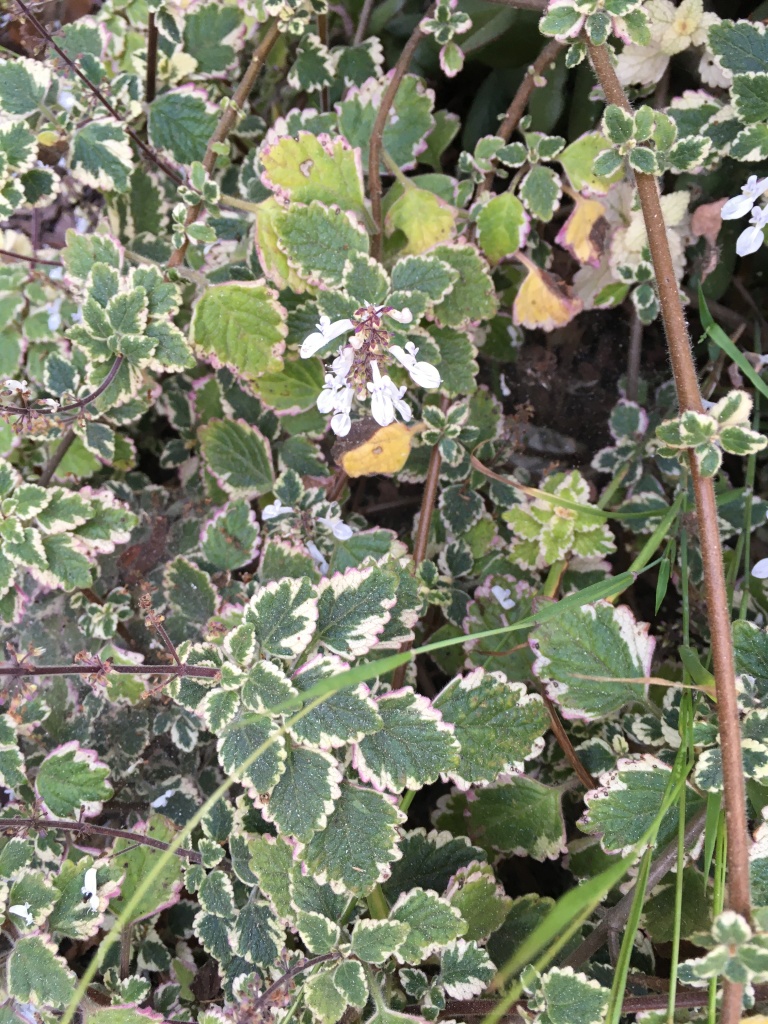
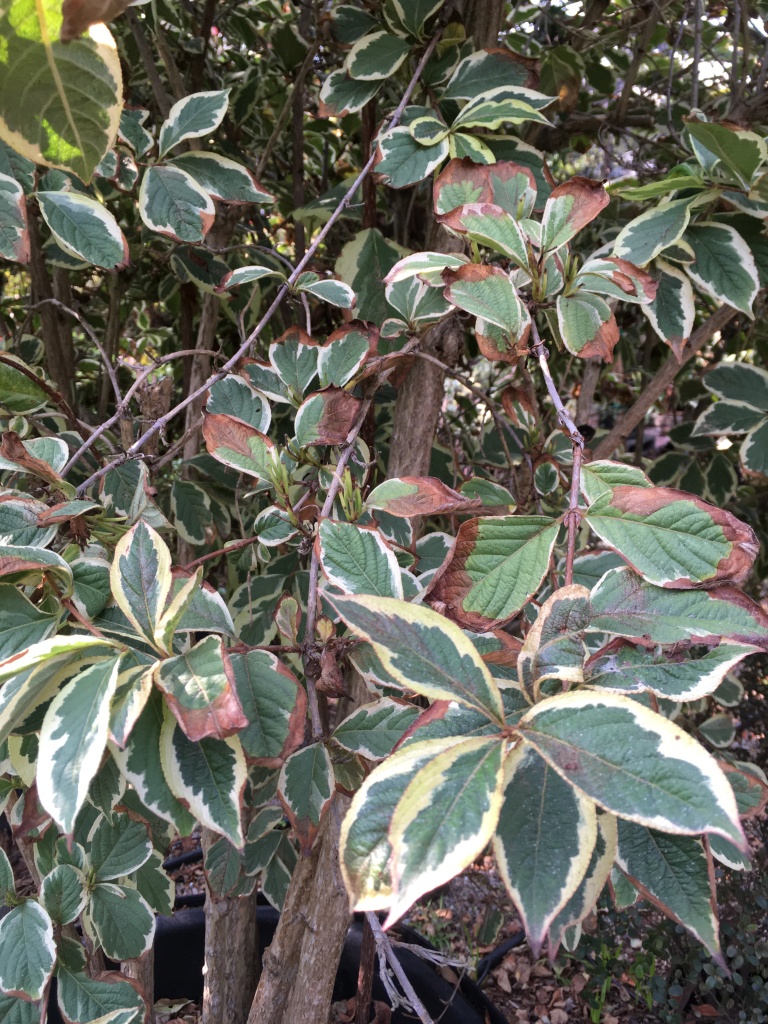
Application: biotech companies using plant viruses as messengers and bosses to inject into plants and have them perform specific functions. Purposely encouraging plant viruses that create cool looks like ‘red tulip flower streaked with white’, “lime orange New Zealand flax foliage”, “spotted snake plant” and “polka dot yellow griselinia”. Sometimes this is called variegation.

Herbaceous perennials

This is a good time of the year
to work on the herbaceous perennials
summer is coming to an end
food has been made and stored
flowers are spent

What is an herbaceous perennial?
well for one it is herbaceous
herbaceous in botany horticulture speak
means the plant stays bendy and squishy,
soft tissues that do not harden and become stiff and rigid
herbaceous, not woody
shrubs and trees – they are woody, not herbaceous
most grasses and rushes – herbaceous
bulbs and corms – herbaceous
blue bells, columbines, delphiniums, coneflowers and poppies
all herbaceous

Herbaceous is different from an herb, like a kitchen herb
herbaceous is different from herb, like street corner slang for cannabis
herbaceous is not a particular plant, it is a description for a plant tissue type and structure

Perennial means it lives for more than a a couple of years
could be five
could be one hundred
so relatively long lived

Some herbaceous perennials
come from a place with cold winters
so they are accustomed to tucking themselves back into the earth
underground, for a spell
hanging low during the cold period when the sun is low in the sky
and there is ice and snow cover

Other herbaceous perennials
come from a place with hot hot summers
in order to survive
they die back, go dormant, and take a rest from photosynthesis
when the sun is hitting hard, and there is hardly any water
be still and quiet

There are also herbaceous perennials
that are evergreen in foliage
they are green and persistent year round
happy in our mild coastal climate
getting by just fine with the occasional winter rains

As maintenance gardeners and plant lovers
working on the herbaceous perennials
you may –
(1) deadhead old flowers
(2) remove the brown and spent foliage
(3) rejuvenate the plant by cutting it all back to the ground
(4) collect seed and store it in an envelope to grow later
let’s go to the field and give it a go

Deadheading is removing the faded spent browning flowers
with the hope that by removing them, the plant will send up more flowers
for us to enjoy
this works because the plant wants to make seeds and reproduce
by taking away the faded flowers with the just-beginning-to-form fruits
you have frustrated the plant in its reproductive endeavor
so it will try again, provided there is sufficient water light and warmth
to keep going

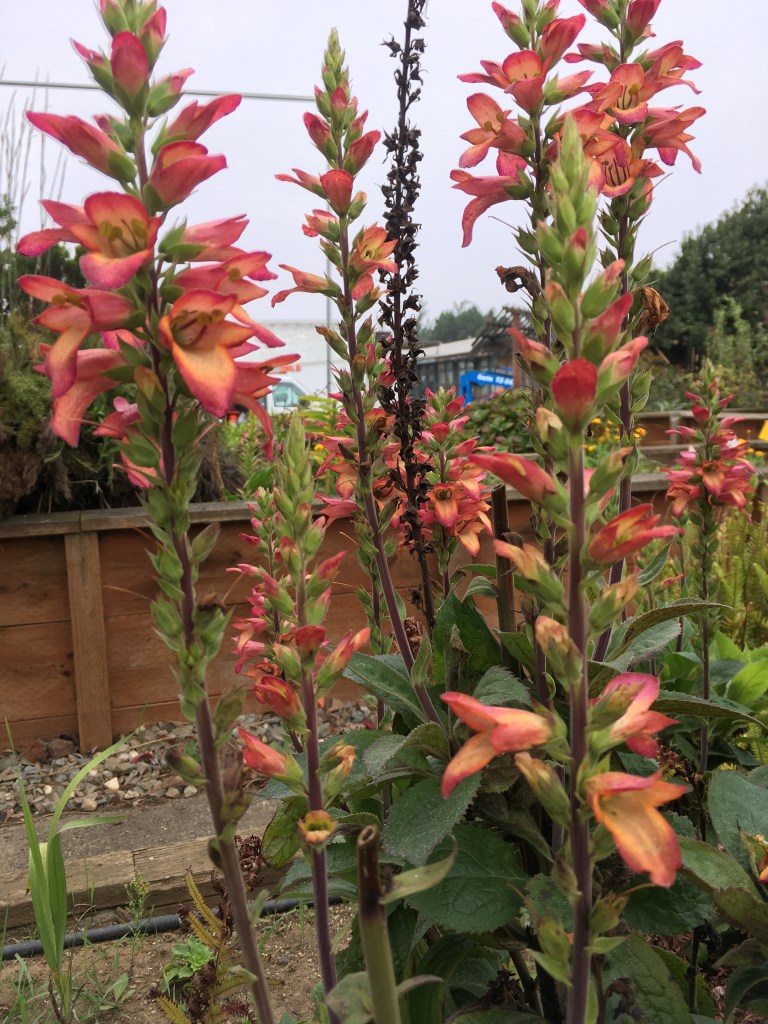
Here is Digiplexis in action
you can see some cut flower stalks of past deadheading
you can also see that the plant sent up more flowers to achieve its end goals

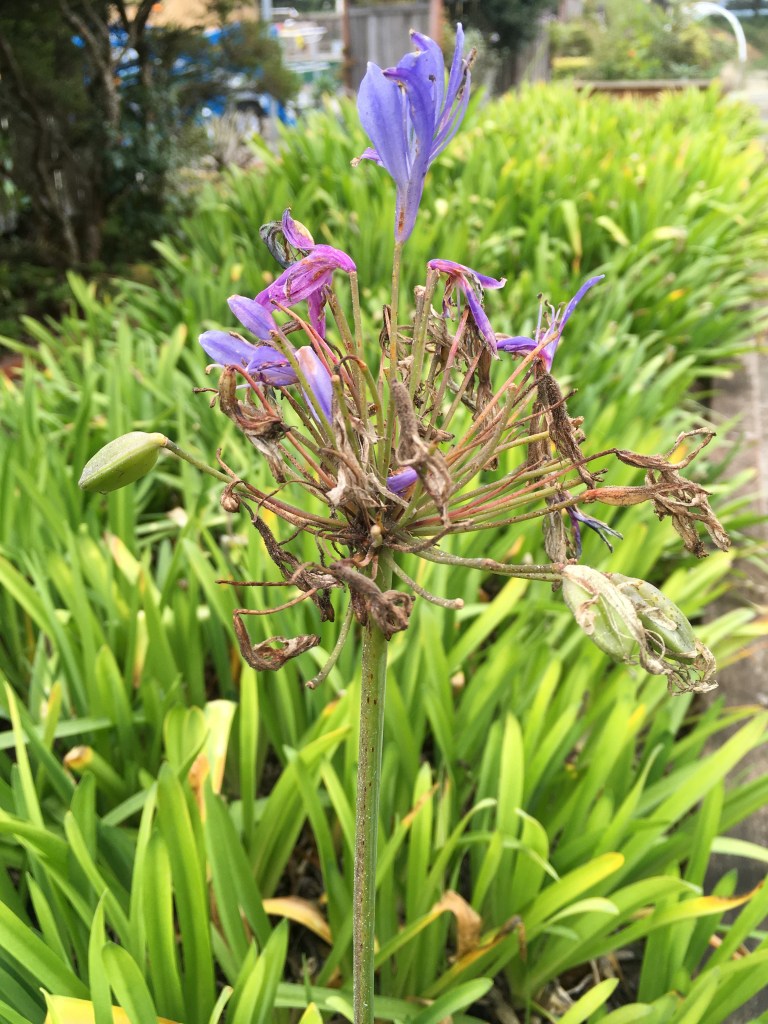
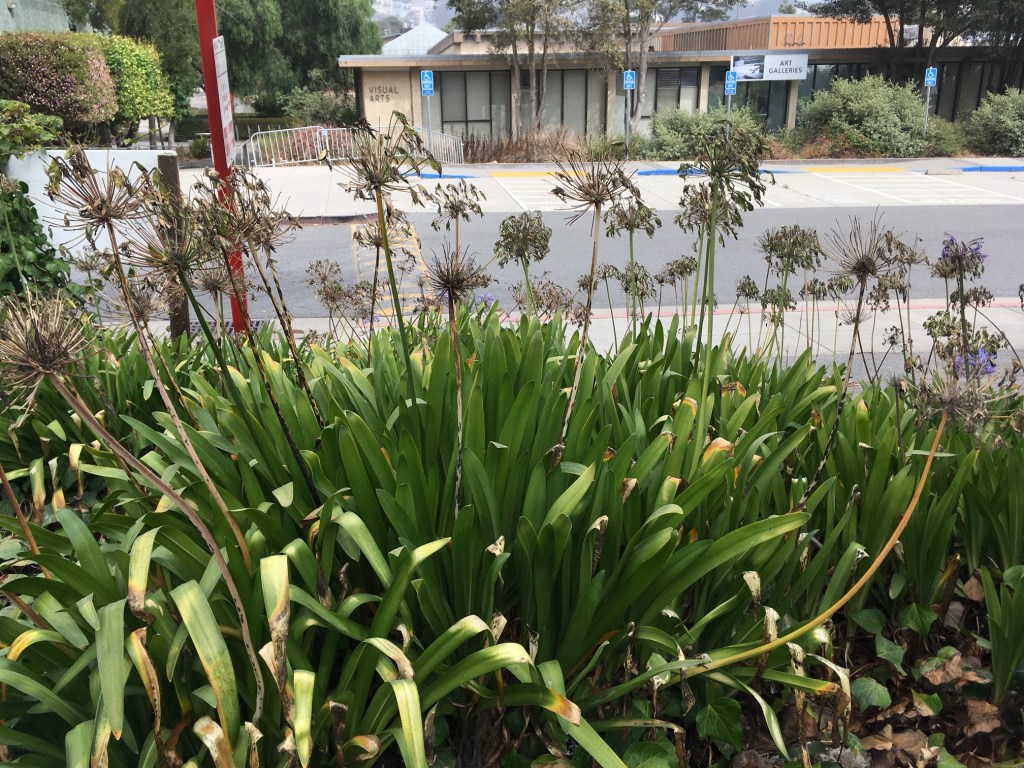
This one is Agapanthus
watch the flowers drop off one by one
observe the fruits start to swell up with seeds
seeds that start off white, then turn black with age
okay here’s plenty of work
deadhead em anytime!

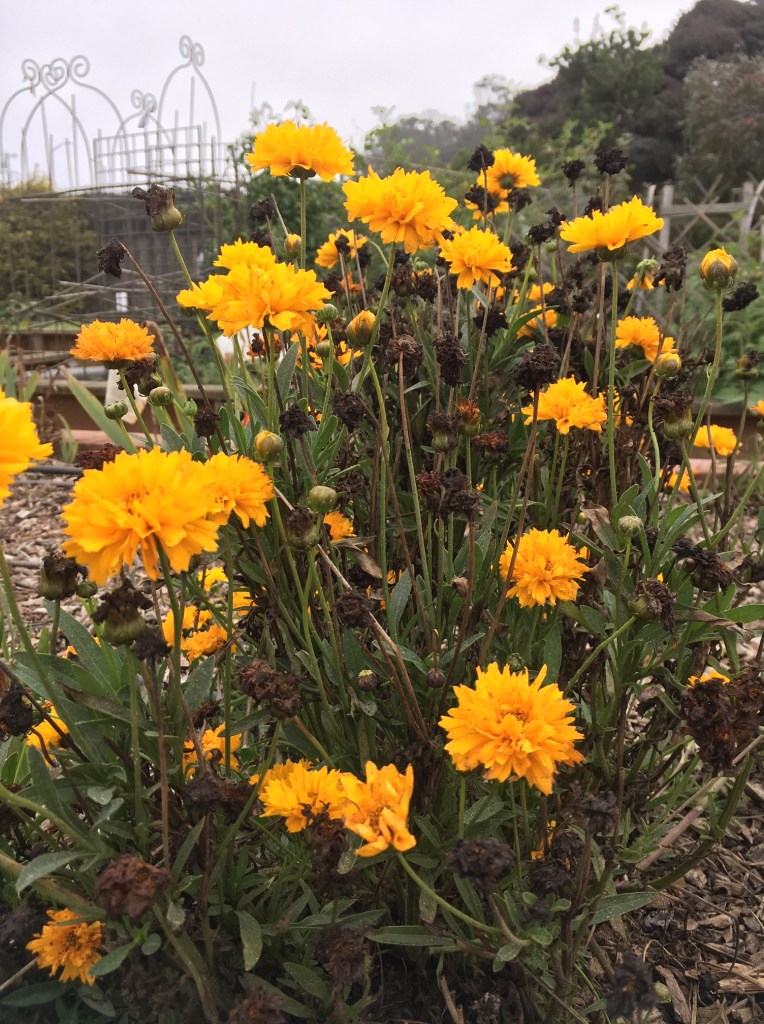
Now when you see a shasta daisy, or a coreopsis
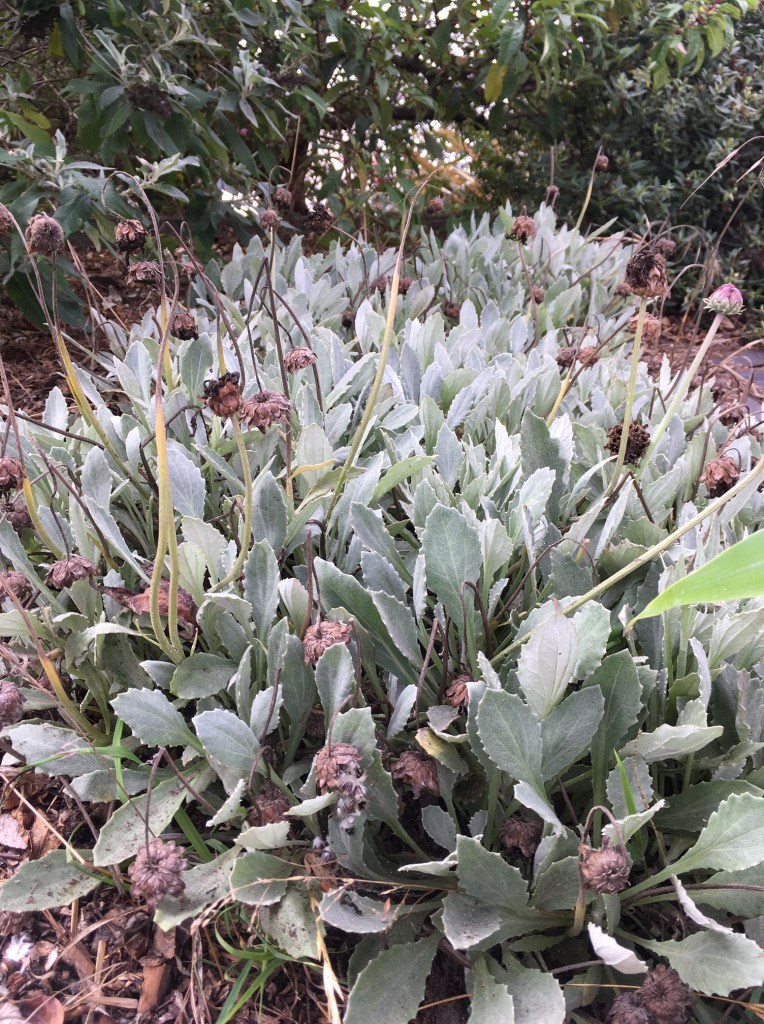
or a california buckwheat, or an osteospermum
you know what to do
to keep the flowers comin’

When you remove the brown and spent foliage
it just looks cleaner and taken care of
like a gardener has been through there
this patch of Chasmanthe is all finished for the year, the corms have retired
these little colonies have been shrouded for most of the summer
would be good to take a pair of pruners to em
or snip them with a pair of really sharp shears at the right angle

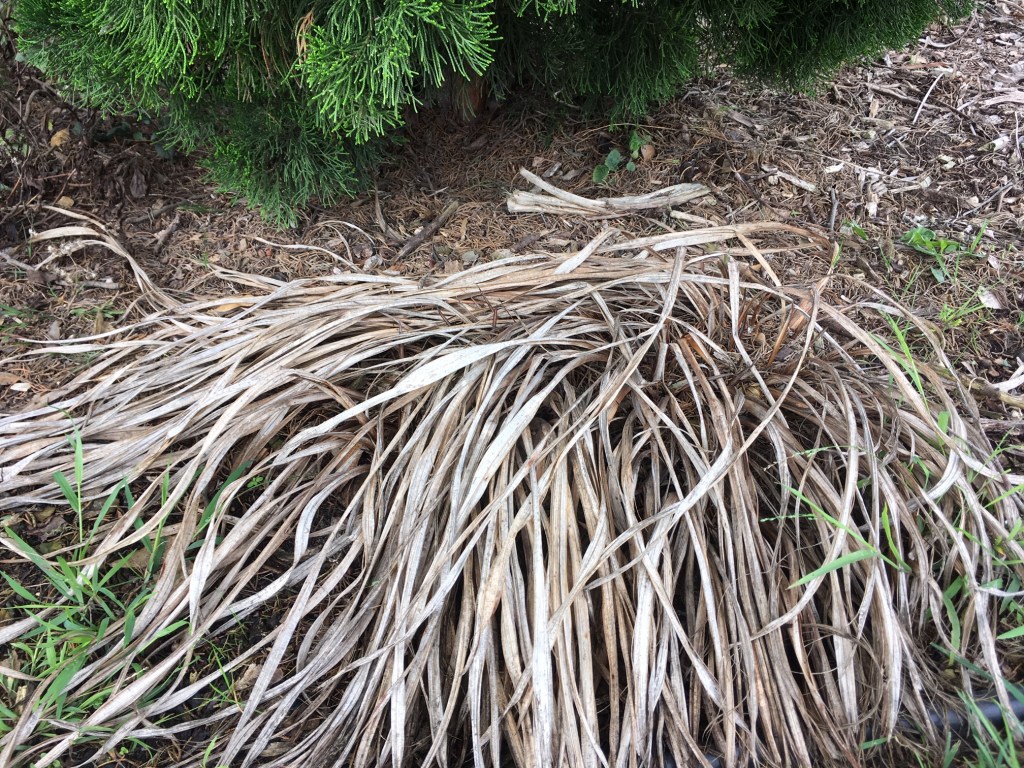
This swathe of grasses is also all done, dropped its seed, just a fiber skeleton left
but these grasses dont actually belong in this lecture
cause they are not perennials, they are annuals – mostly oats Avena

Like with this daylily
you just reach in and pull out all that brown dead stuff
and the plant perks up a bit

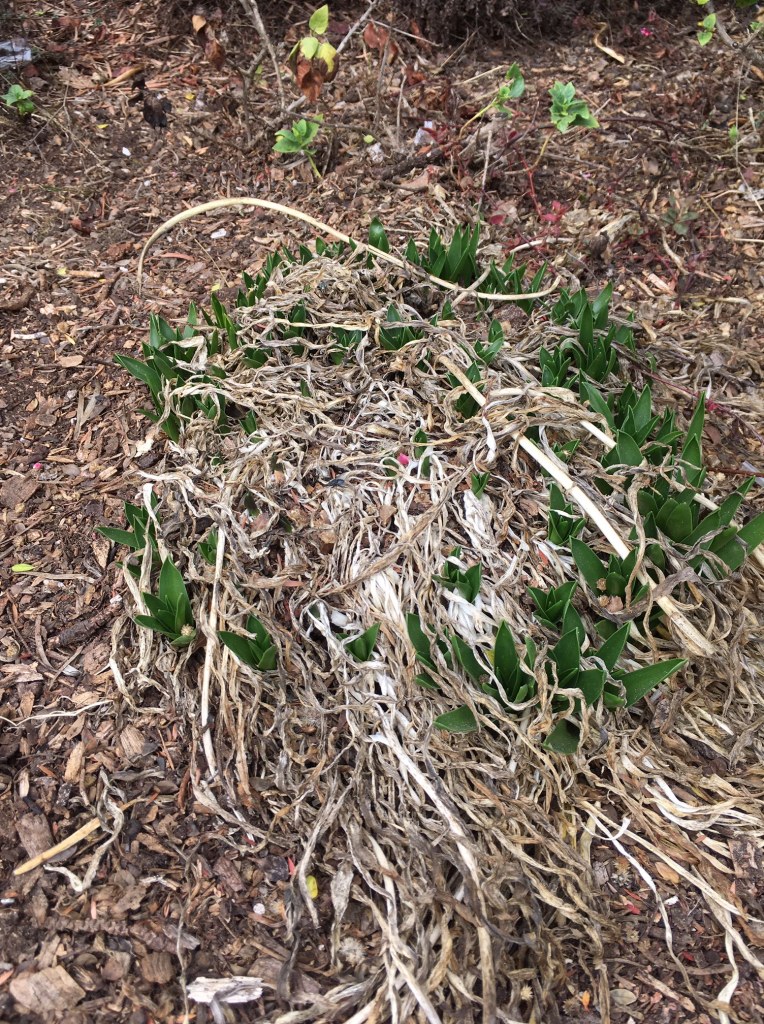
Like with this clump of Scilla bulbs
see the gardener’s touch?

Only thing is, sometimes you gotta wait it out
ideally, if nobody is complaining, you wait until the plants’ leaves go all brown by themselves before you dive in with pruners
that way the plant pulls all the green goodness back down into its underground parts
and stores it for next year
if you cut them prematurely, that is – interrupting its natural cycle
it is kinda like dropping a couple of hundred dollar bills on the ground as you walk away from the bank, having just made a withdrawal
if you are able to, follow nature’s rhythm, don’t force it

That said, in nature, even the dead brown leaves serve a purpose

they act like a blanket of insulation

shielding and protecting the parts below

during hard times

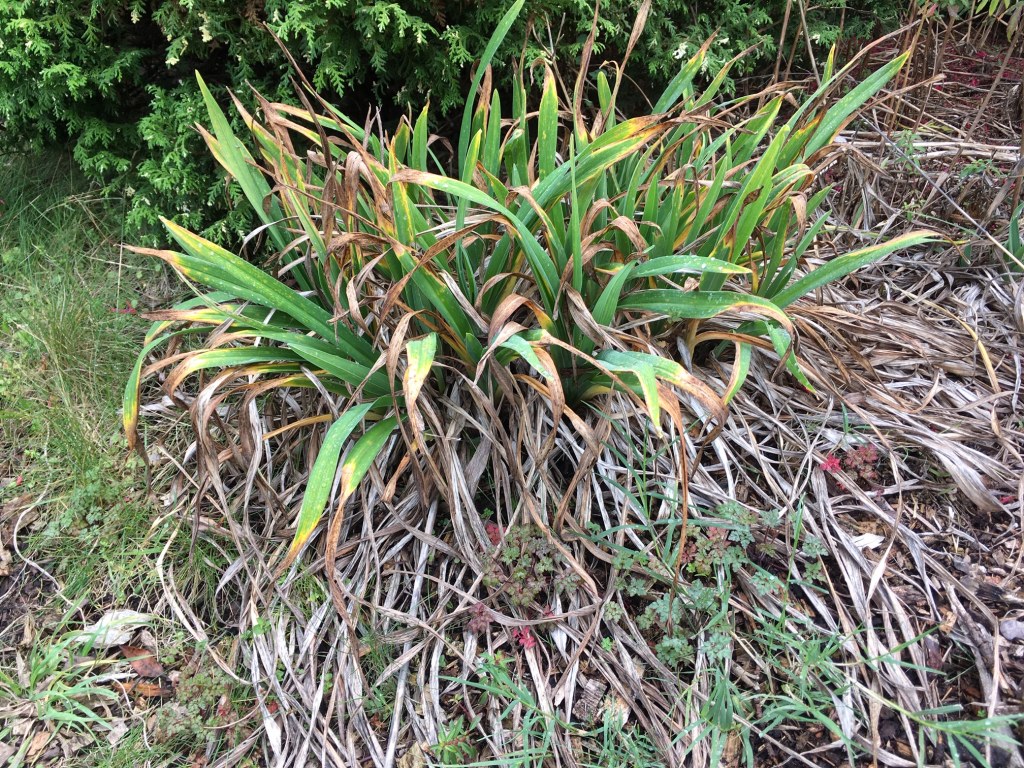
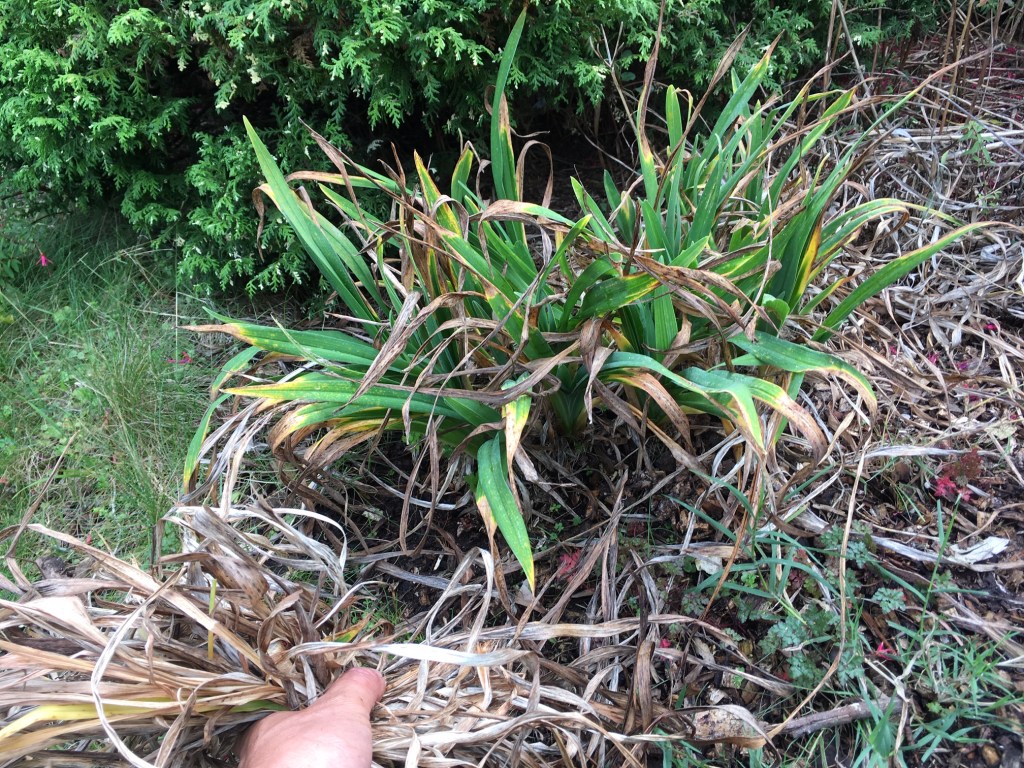
As it dries up, down into the ground go the irises:

When the plant is all done
then you go in
for example, this Alstroemeria, see the difference a few minutes of gardening makes?

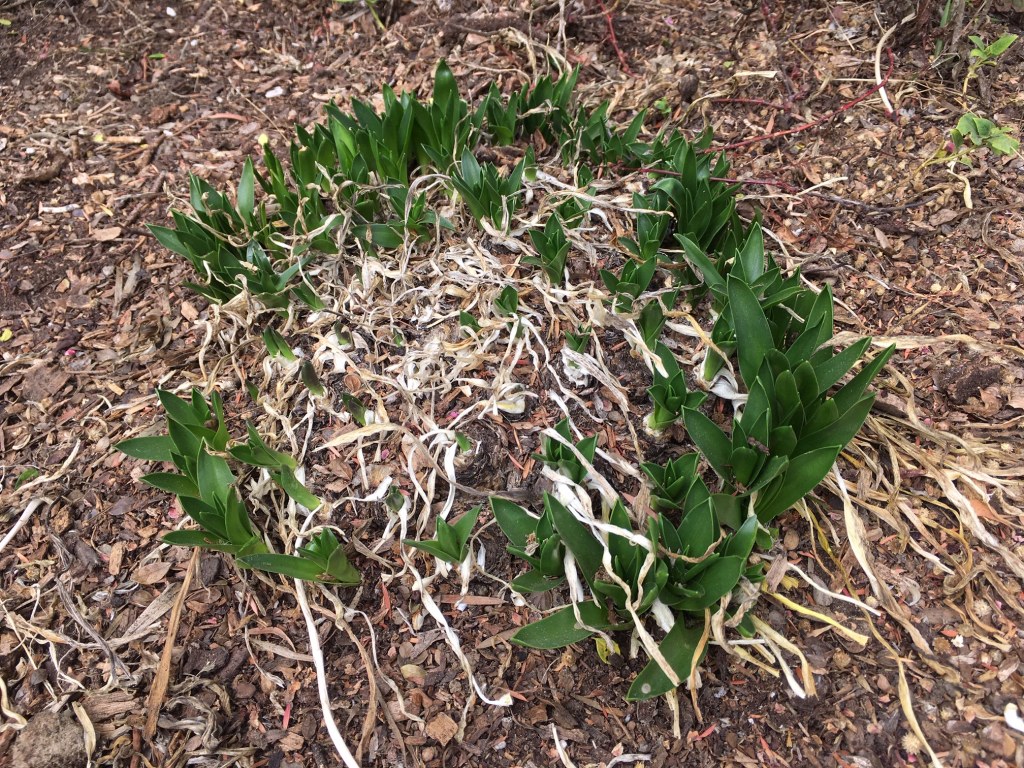
Sometimes though, you came a little too late, and the plant already started its next growth cycle
like this other patch of Alstroemeria around the corner –

you can still work on it, just try not to yank and cut all the fresh growth

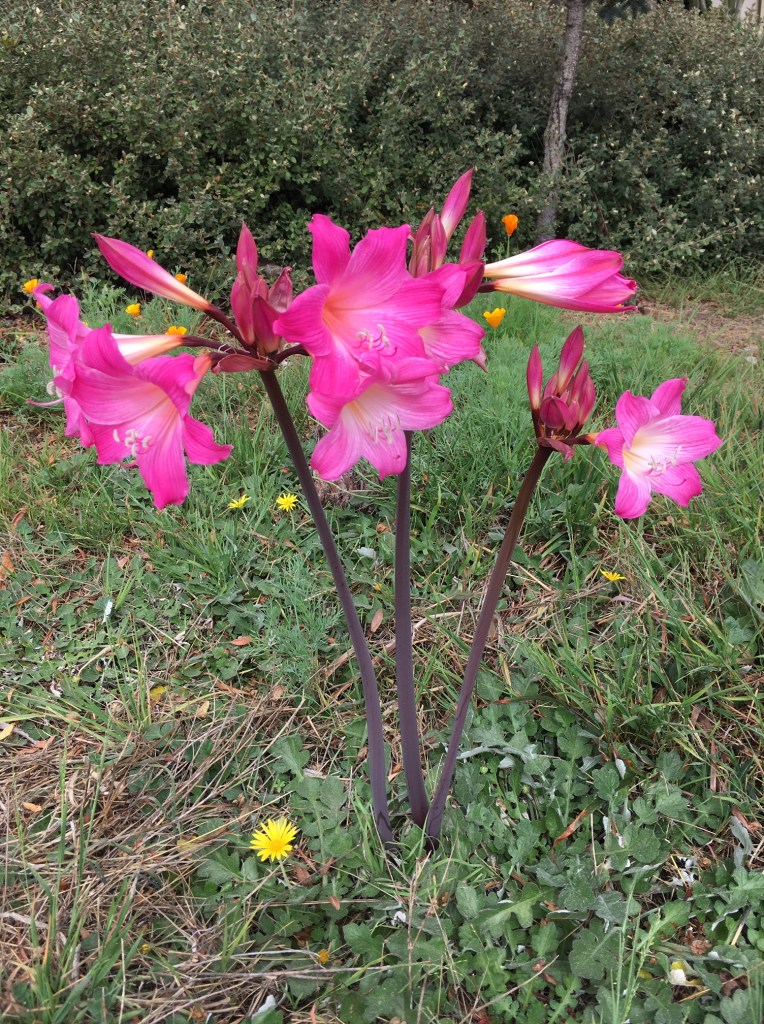
These Amaryllis belladonna are still blooming:

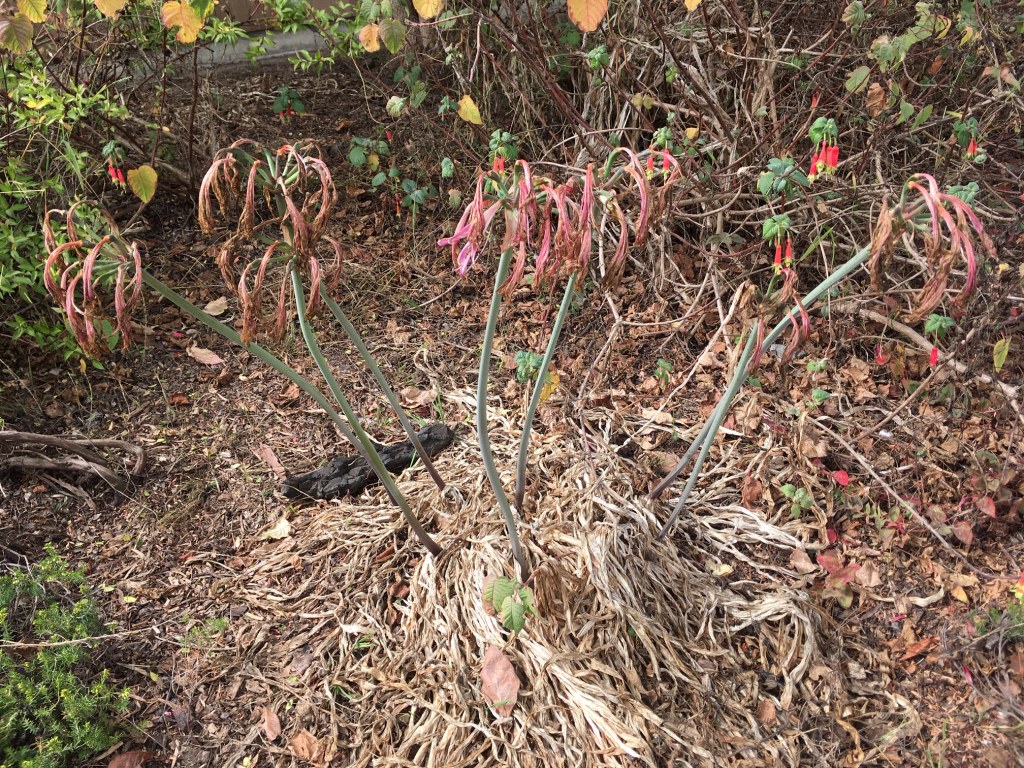
This Amaryllis has that look that says
“That’s it, I’m all done. Lemme rest”
unless you want to save the seed, this is when you can go in and cut it all down


So that next August September it will look like this again

Maybe you are a maintenance gardener
who is secretly harboring wishes
to be a nursery person or a master propagator
well then you want to keep an eye out on the fruits
and start to collect seeds
while you are in the garden

Collecting seeds is almost the total opposite of deadheading
if you want to have germinating plant babies
you have to leave the maturing fruits
the fruits will tell you when they are ready to be harvested
usually when they turn brown
you will have to put up with people saying things like
“Why you leave that? Its so ugly?”
or “Cut it down already, theres no more flowers, are you lazy or what?”
usually, I just shrug, smile, and wait, and wait some more

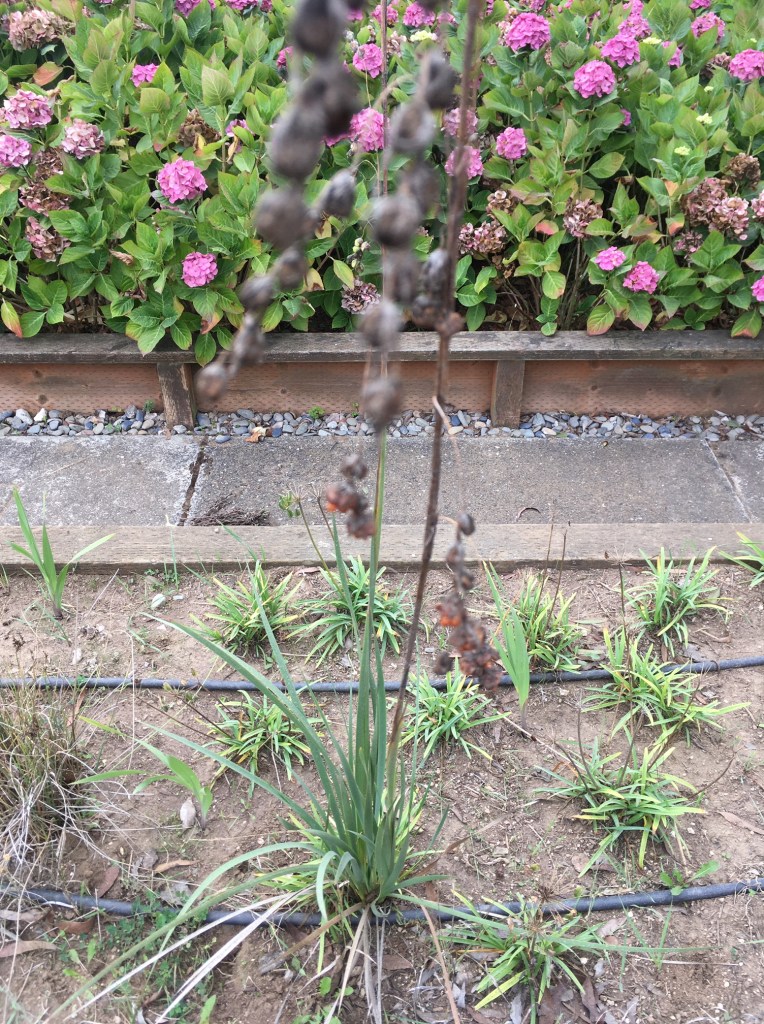
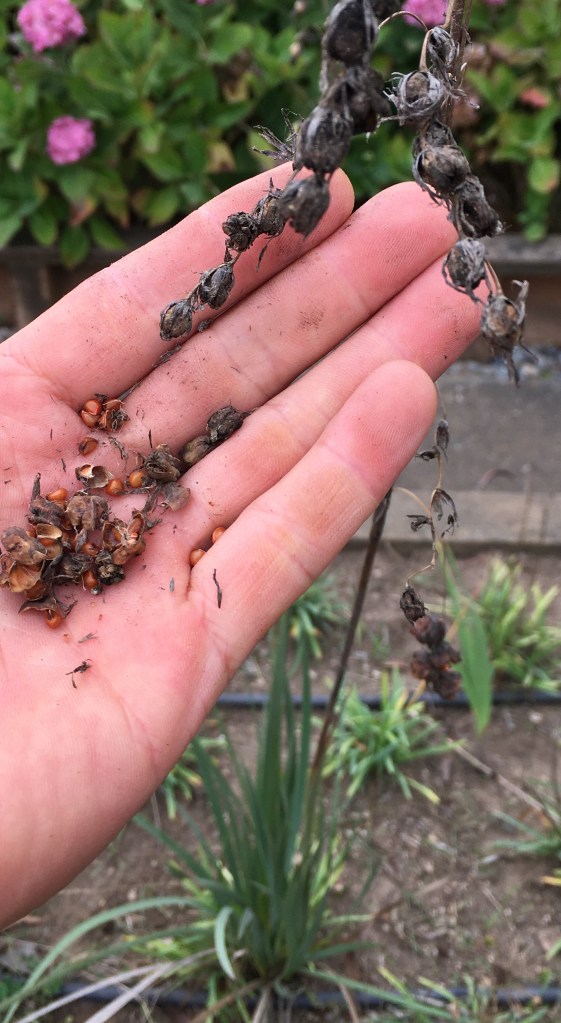
Wait until I can get a handful of the fairy’s fishing wand Dierama seeds:

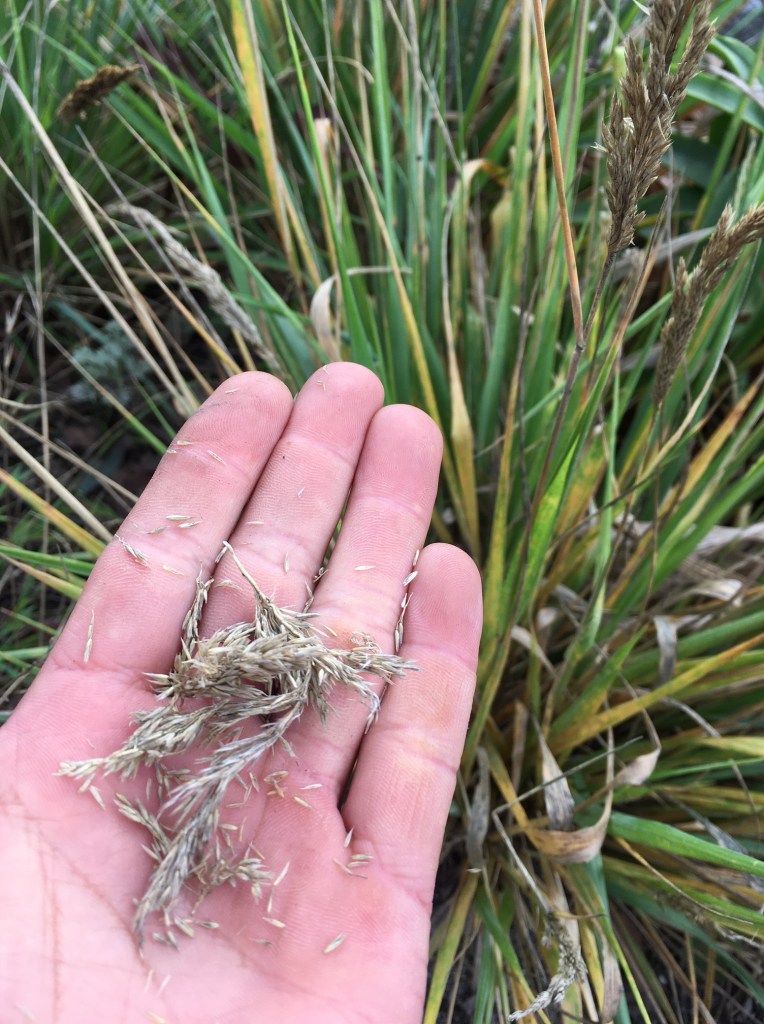
Until I can fill an envelope with nutka reed grass Calamagrostis seed

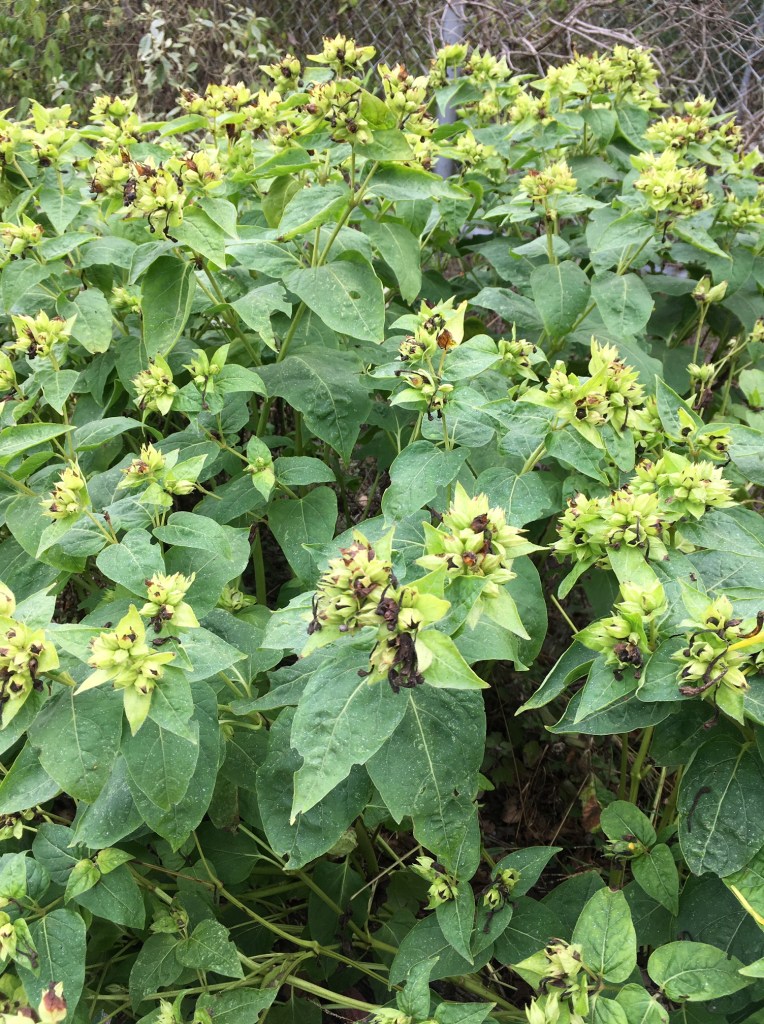
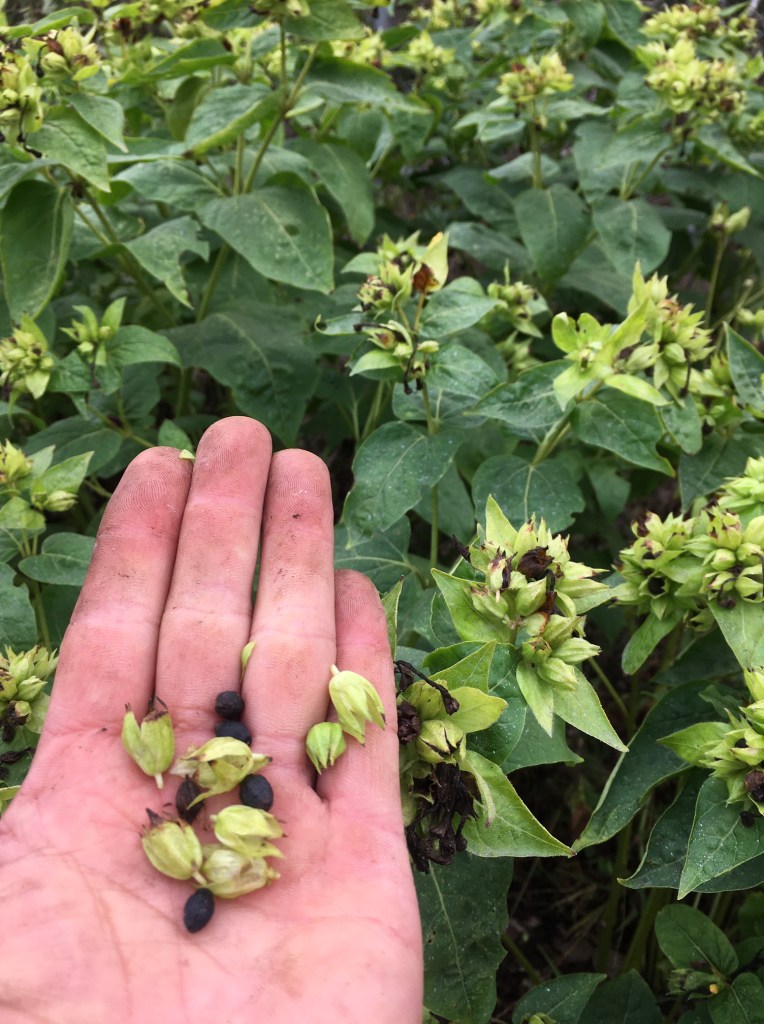
Until my pouch is chock full of four o’clocks MIrabilis

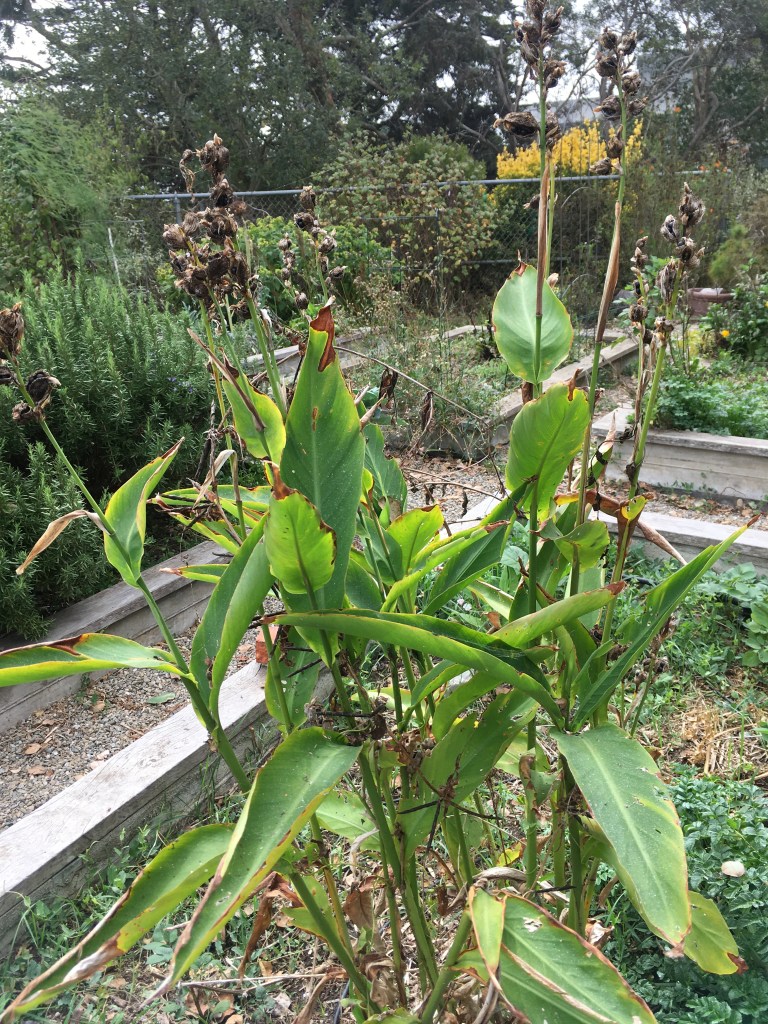
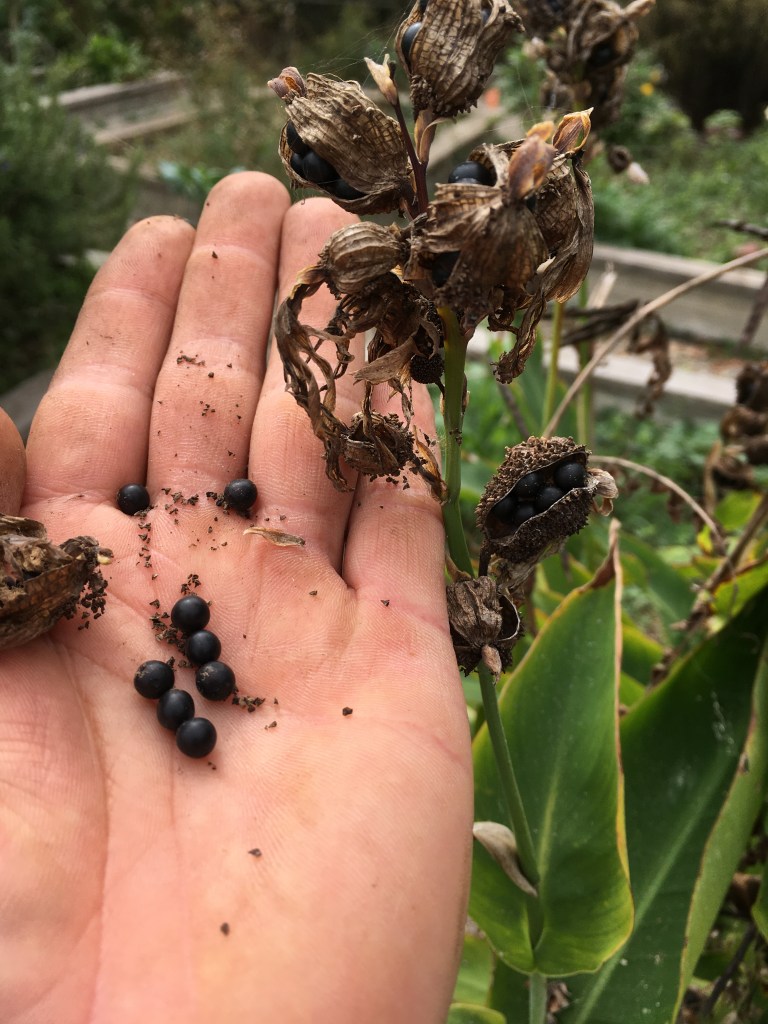
Until Canna edulis’ perfect spherical seeds literally drop from the open capsules

This then completes the life cycle of the plant
and your training as a gardener
if you understand how all this works

Once in a while its challenging to resist
the urge to cut the plant all the way down to the ground
especially when –
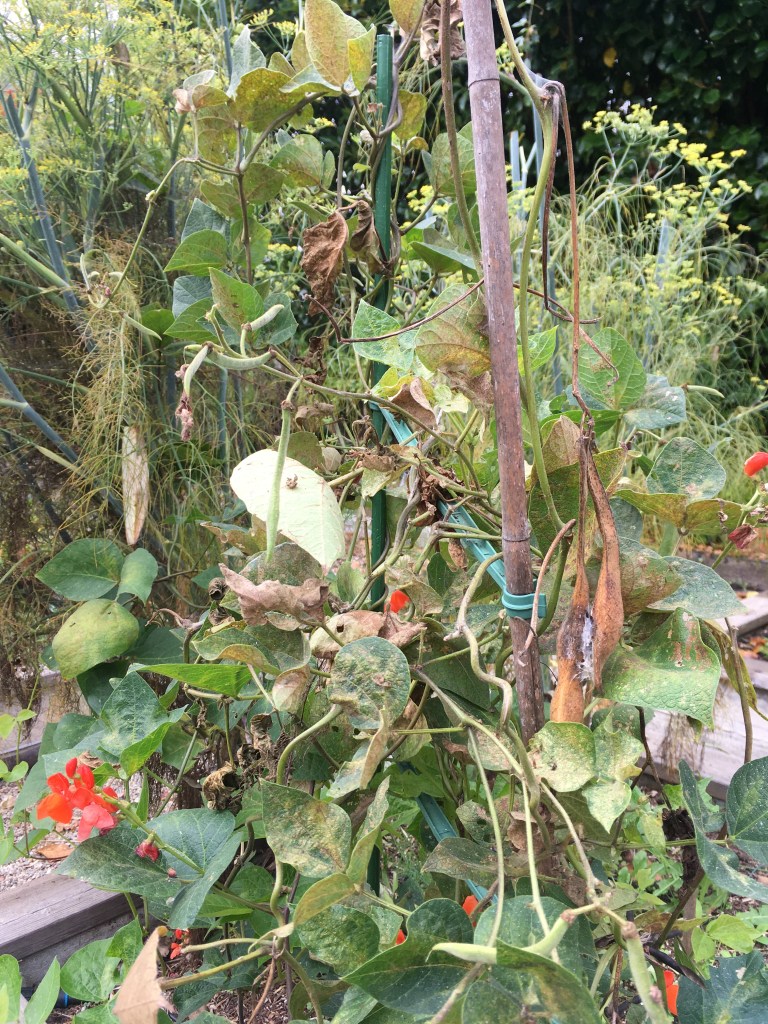
the plant’s leaves are full of mildew
its leaves are tattered and bug eaten
rust is pervasive
and frankly, the plant is making you look like a terrible gardener
but then you open a seed pod or two
and discover the reward for all that hard work and patience and tolerance
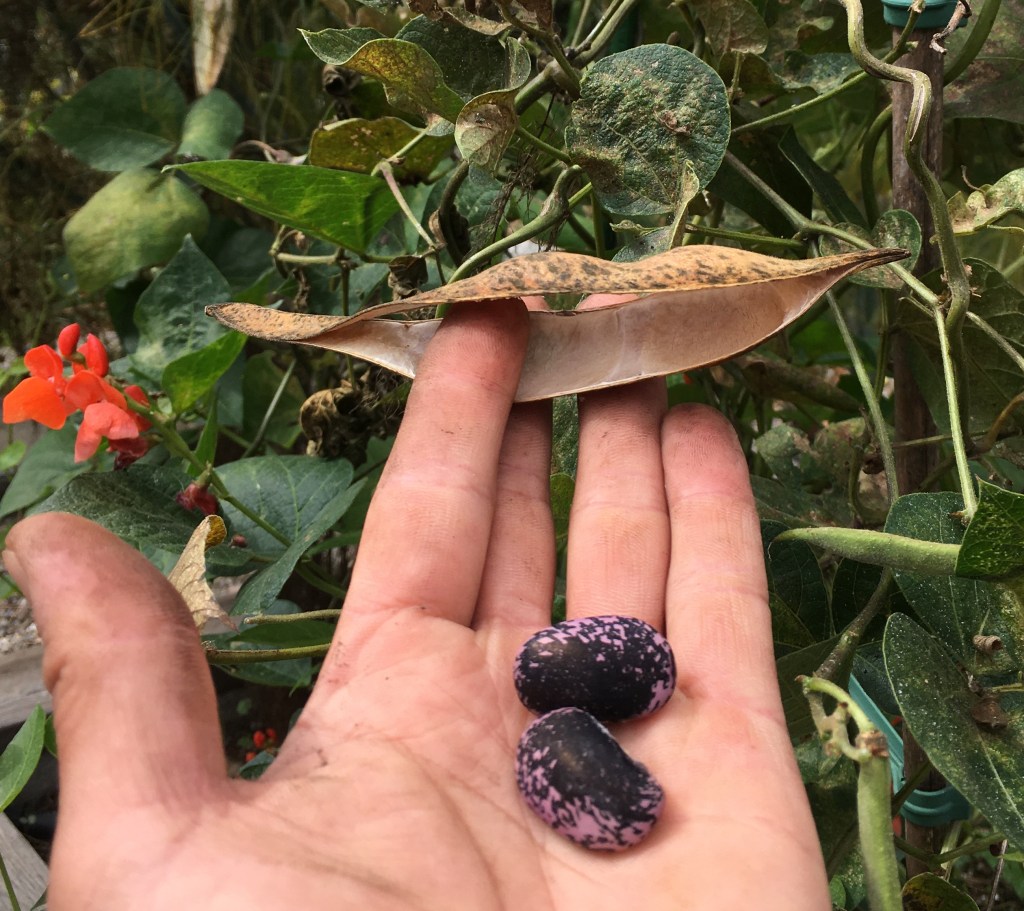
well there it is! Red runner beans in purple and black

Hold up! I know that it’s not looking so good, but please don’t cut it down yet! what are those things at the axils of the leopard lily?! look like teeny baby bulbs with roots?! do you think I might be able to grow them?!!!!?

A tidbit about potting mixes:

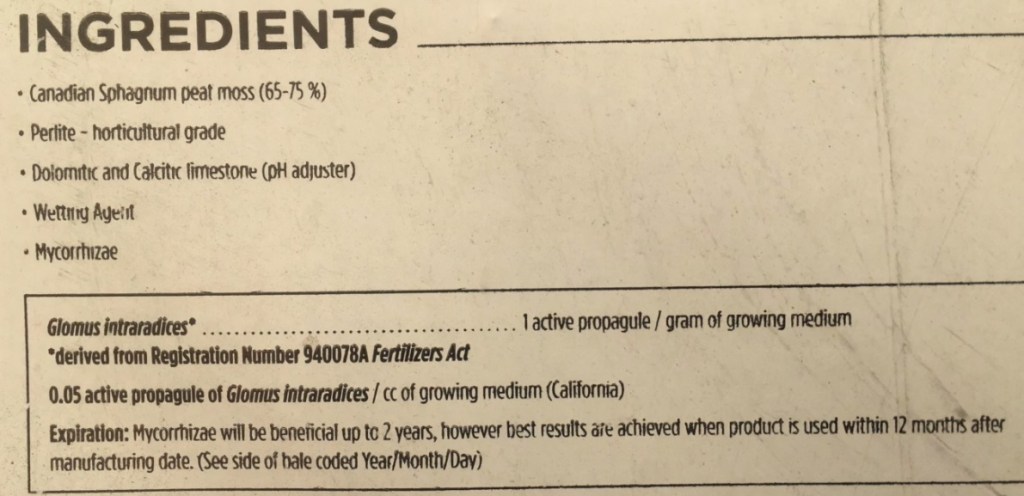
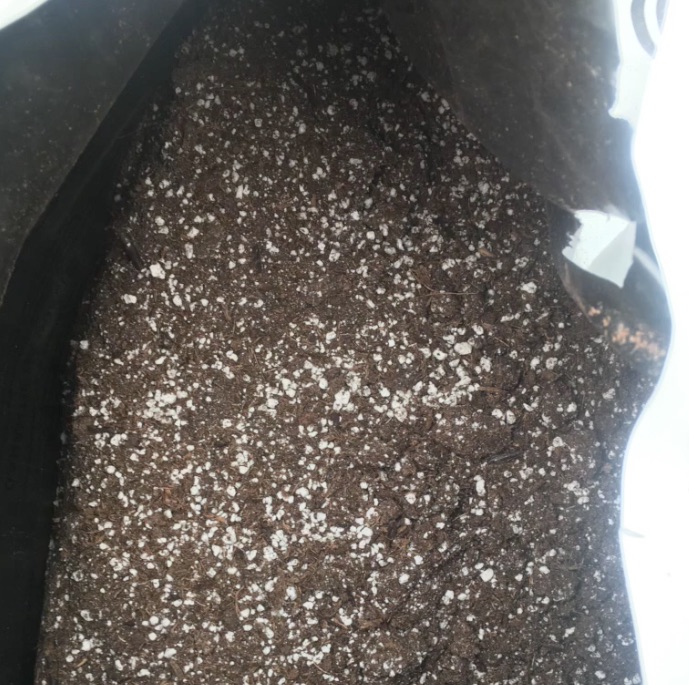
The stuff we are growing the poinsettias in is called Pro Mix. This is from the back of the package. Check out other brands of potting mixes – many have similar ingredients.

Canadian sphagnum peat moss comes to us from bogs, coniferous forests, and wet tundras of the north. Over eons it can build up thick in such places as mosses grow, live, then die. It is able to absorb a lot of water; hence in the olden times it was commonly used for diapers or for wound dressing. It is also useful as tinder, or to burn for fuel. These days it is mined to be used as potting mix. It is acidic in pH, in the 3.0 -4.5 range.

Perlite is the little white exploded expanded volcanic rock used to aid in drainage and aeration and keep the soil mix permeable. This ensures that the plant roots are happy and not sitting in wet goopiness.

Dolomitic and calcitric limestone are added to balance the acidic peat. Limestone is pH 7.5 -8.0 and basic. Most plants like a pH of about 5.5 – 6.0 – 7.0.

Some plants prefer an acidic soil: rhododendrons and ericas (pH 4.5 – 5.5), or the oblong leaf sundews (pH 3.7 – 5.3). There are also other plants that like it more basic and alkaline like the Pinguicula butterworts (pH 7.0-8.0). It is important to keep the pH of your soil within a certain range, otherwise nutrients can become unavailable to plant roots. You can test your soil’s pH with a slurry method, using a pH meter or paper test strips.

Wetting agents are chemicals added to help the water to infiltrate and evenly wet the soil mix. It does this by breaking apart the ‘stickiness’ of water (lowering its surface tension). A common wetting agent when we use when watering street trees is Dawn dish soap. If you do not use a wetting agent, you may see the water just sort of roll off the soil. This is because water is cohesive and prefers being bound to itself rather than breaking apart and going into the pores and cracks of the soil.

Mycorrhizae is fungus root. The species in this package is “Glomus intradices 1 active propagule/gram”, which is about 27,216 spores per 60 pound bag of potting mix. So this is a relatively new additive to potting mixes. What scientists found out is that in nature, plants are working with partners underground – fungi. Plants give the fungi some of the sugars they make from photosynthesis, and in return fungi bring the plants water and nutrients they collect from all around. A mutually beneficial symbiotic relationship. There are fungus that live on and around the plant roots, as well as fungi that live inside the roots. Glomus lives inside and in between the root cells.

The whole idea is that by inoculating the potting soil with these fungus spores, the spores will grow into a network of fungal threads around the roots. it will then help the plant improve its nutrient and water holding ability, and increase the intake of of nutrients like phosphorous. By the way, Glomus intradices was recently renamed to Rhizophagus irregularis. On the package, it says “do not sterilize or pasteurize”, likely because that would probably kill the fungal spores.

If you want to learn the different names and kinds of hard materials we use in the landscape, best to go to the rock yard or the lumber yard. They showcase all the gravels pebbles decking flagstones bricks boulders and blocks and such you could ever dream of.

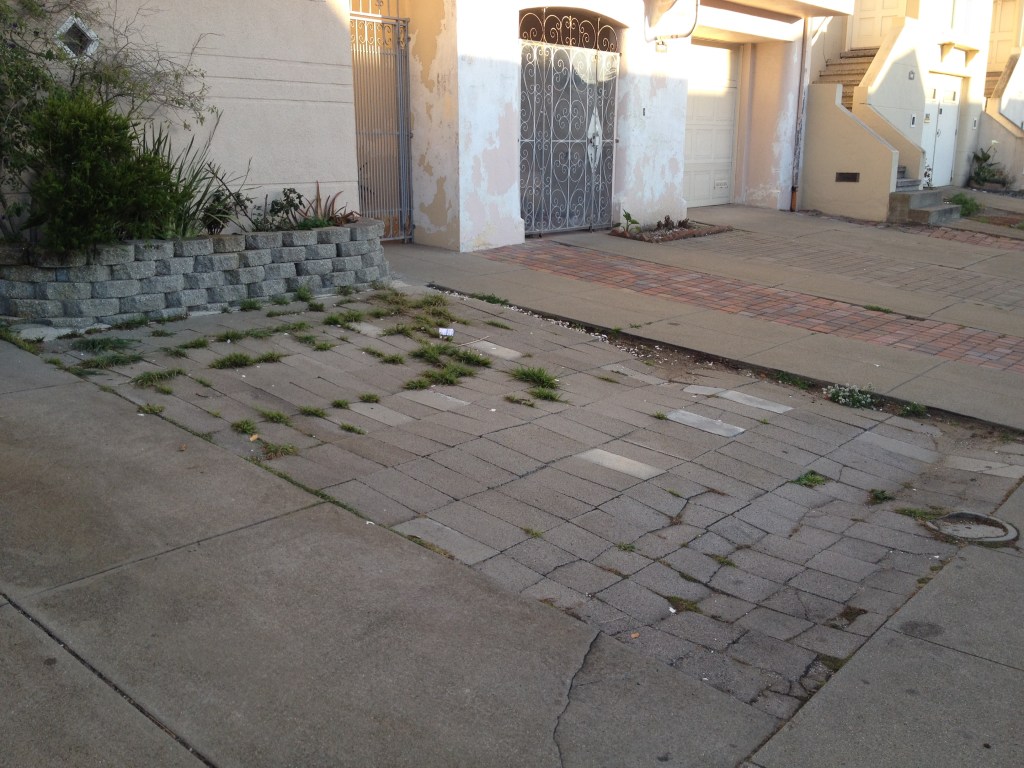
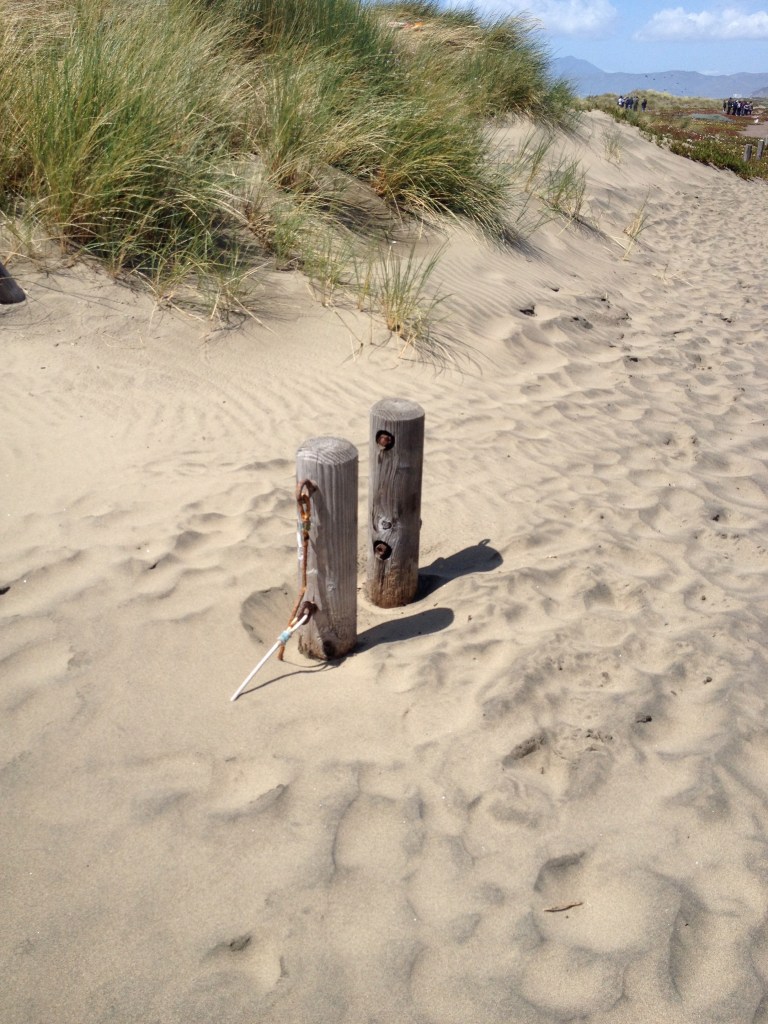
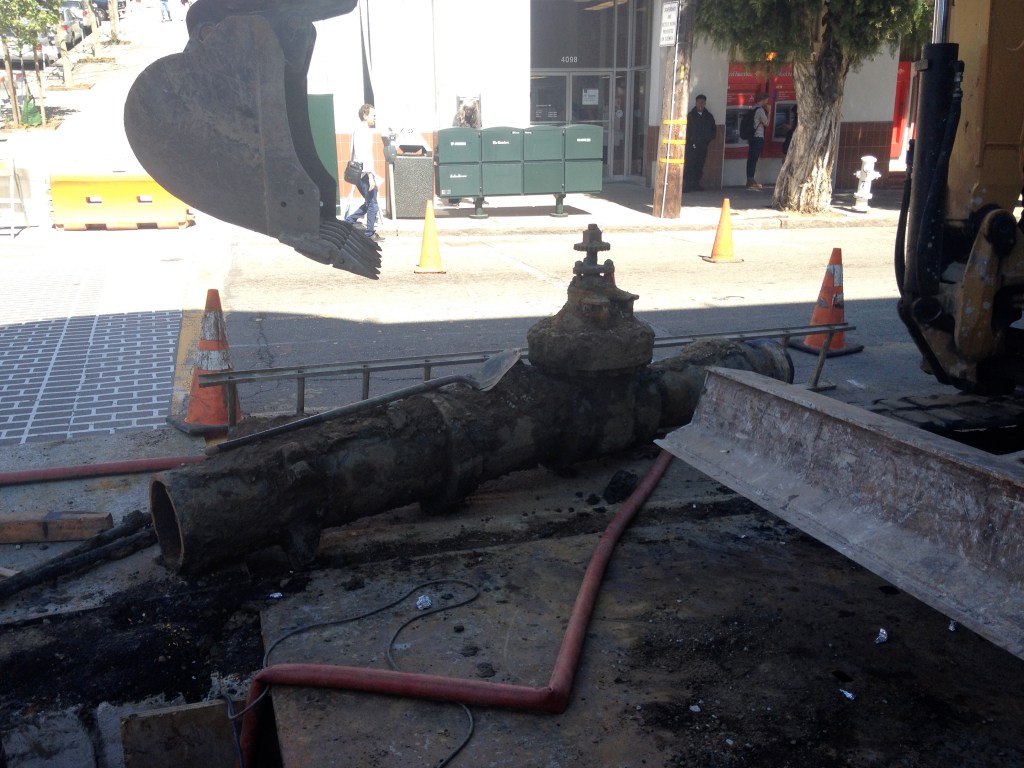
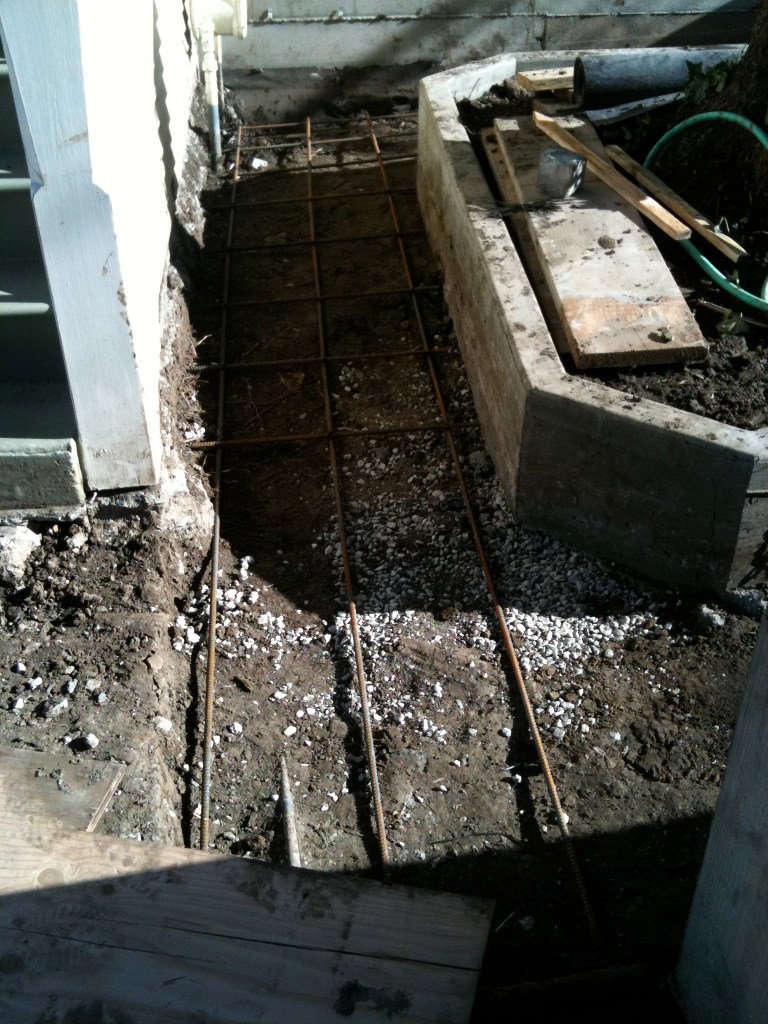
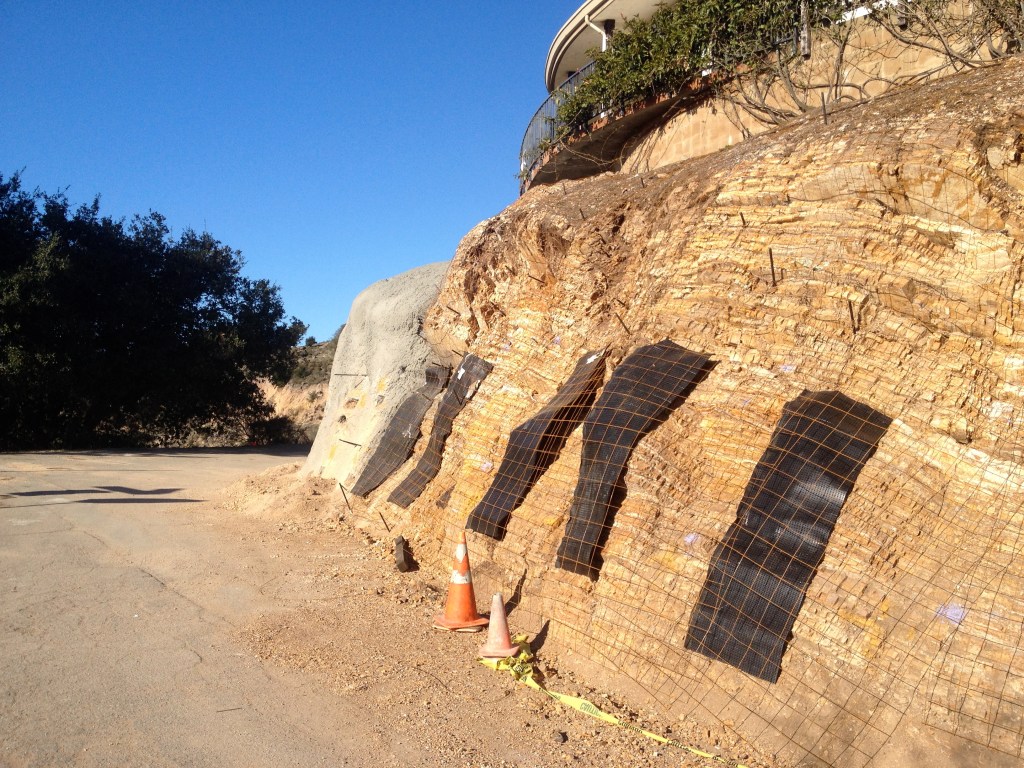
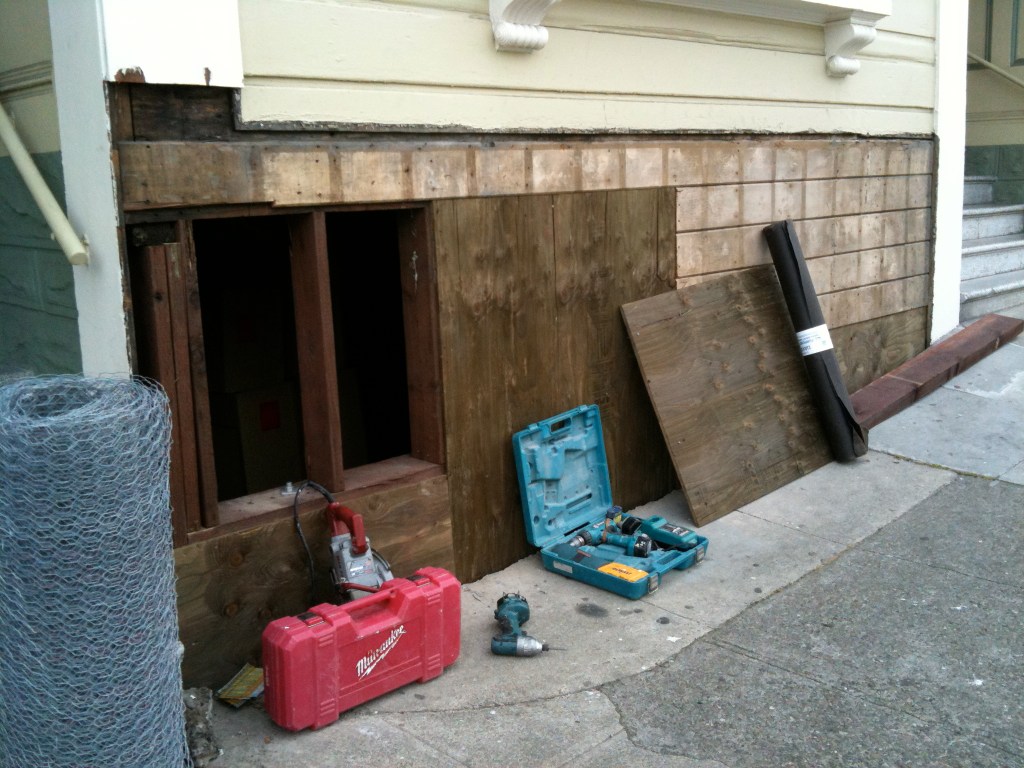
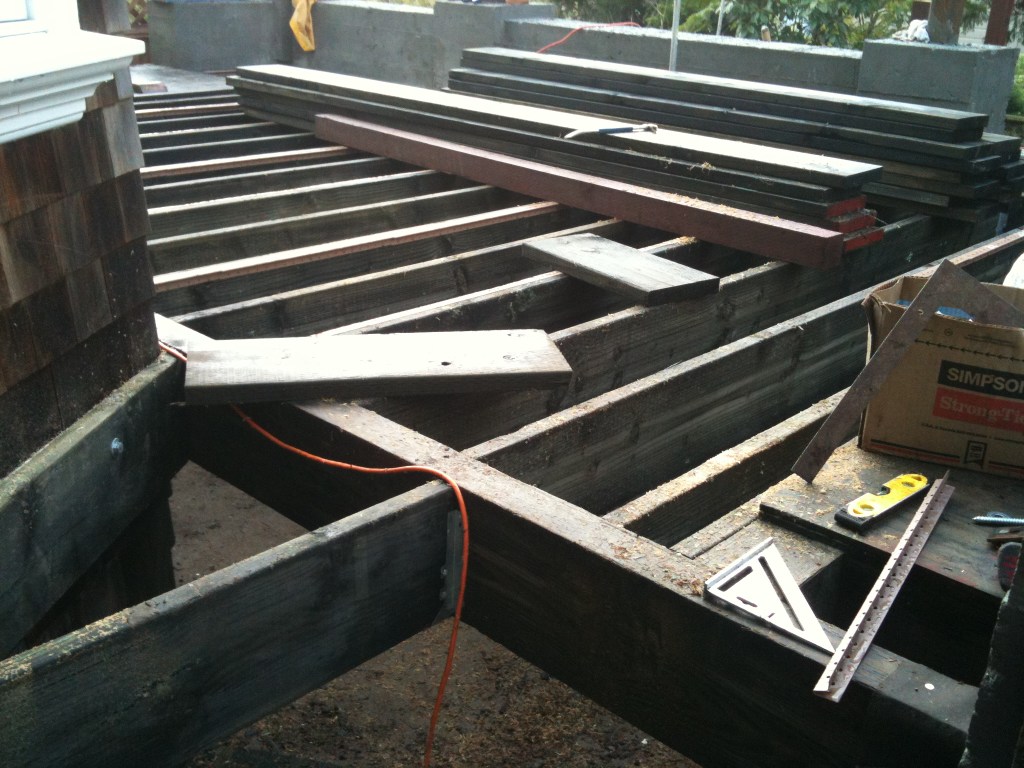
If you want to see how things hold up over time, go walk around the neighborhoods and parks and see the hardscape in action. How they weather, how they perform with use. If you want to see how things are built, then you will have to sneak a peek during the construction phase. Here’s a few pictures to get started. With the caveat that the whole world is your classroom if you keep your eyes open and have your observation skills honed razor sharp.

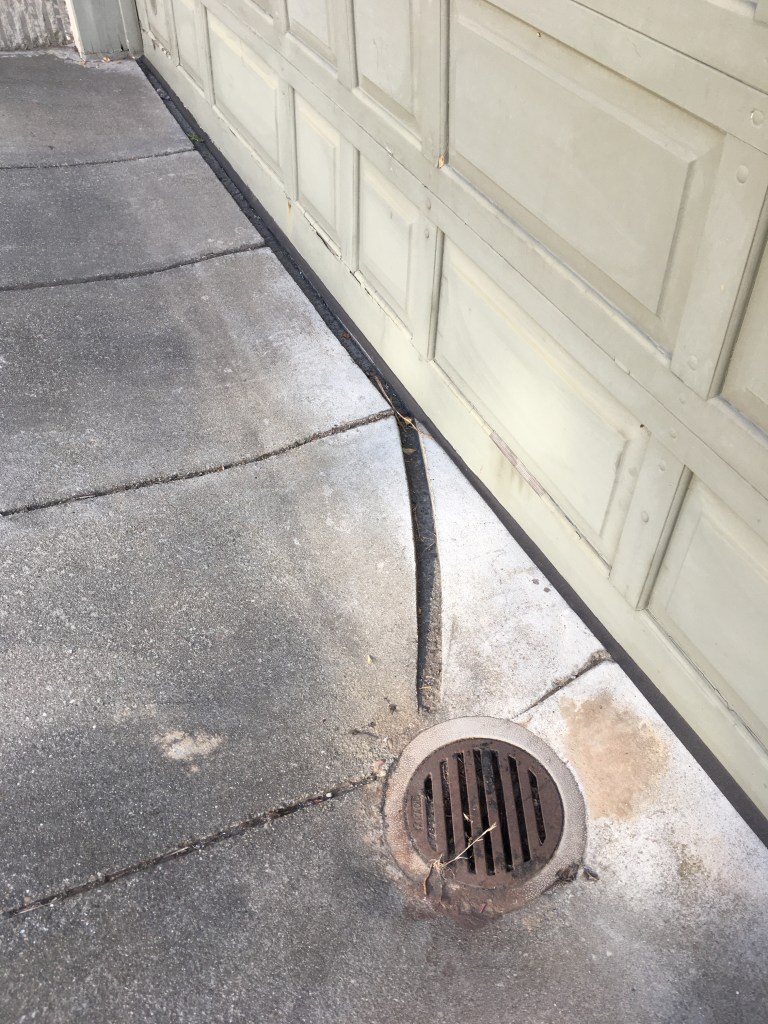
What happens to a concrete paver driveway if the base was not prepped properly, then water and earth move in the layers below?

What happens to a retaining wall over time if the weight of soil and water is too great and there is no way the wall can release that pressure? (The wall is not permeable in any way)

What are two ways to make a raised bed planter? Which one is permeable?

What about a new modular type system for building a retaining wall that is faster and easier than hauling huge blocks of heavy material or making a massive wooden form?

Dry stacked is the retaining wall made with no mortar. This way it is permeable and allows built up pressure to be released.

How do you make a curved concrete structure?

What happens to four foot tall fence posts or trail posts in a windy and sandy area?

What lies underground where tree roots go?

Who invades my beautifully done stepping stones and walkways?

How do you give strength to a concrete structure like a slab or a wall? What kind of a skeleton must it have?

Can you tell the difference between pressure treated lumber and regular lumber?

What kind of edging is used here? How many different kinds of hardscape do you see?

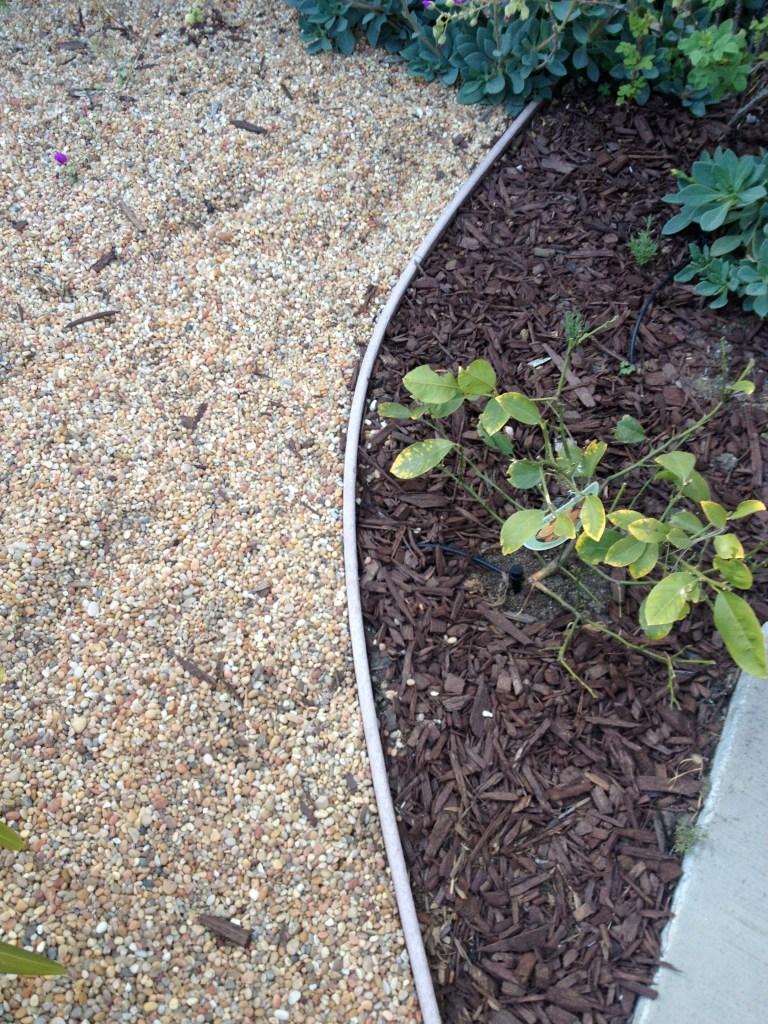
And here? What kind of edging? What might be a potential problem with small round pebbles as a hardscape surface? Do you see the two areas (mulch and pebbles) as staying discrete over time?

Is the decking attached to the house? Is there appropriate flashing? Will it hold the weight of a thousand pound pizza oven imported from Italy? And all the people gathered there to partake of the bounty?

Is the flagstone on a stable base? Will the surface drain well when the first rains hit? Is it thick enough to be durable and not snap? Does it sit flat and even so that theres no tripping hazard, especially after a few glasses of wine and some fresh baked pizza? Are the joints between the flagstone filled with sand or grout? Is the flagstone mortared to a concrete slab? Permeability and drainage!

What grows on the wood walkway that sits under the shade, with overhead irrigation and rainfall?

How do you like the always green, never needs mowing turf?

For some reason student was having difficulty

seeing the parts of a flower

mainly the female and male parts

this is part of the challenge of online instruction

whereby something relatively simple

becomes complicated

whereby a lab exercise that is fun and shared

becomes an exercise in isolation, clicking and wondering

anyhow

flowers are still blooming everywhere

so do a walkabout, make some new friends

I went around and took pictures of flowers to show you

was going to label them all, but that would take all the fun and challenge away now wouldn’t it?!

take a good look, keep an eye out for the male stamens

and the female pistil with the ovary at the base

males can be few to numerous, with a bit of fuzz look to them cause of the pollen, you are looking for a long oval with a slit more or less

females are in the center

the tip is sometimes a little club, or divided into a fork, or a cross, or partitioned further

also note that the timing is sometimes staggered

that is to say, the males may be ripe and mature, while the female is hardly developed

in another flower, the males may have already faded and dried, along with the petals, while the females are just starting

we will start with a few pictures labelled

then the rest is up to you. good luck finding the sex parts on flowers:

The following flowers

I skipped em

cause the parts are easy to see in person with a razor blade and a hand lens

not so easy for me to show you online

The rose family is tricky

cause theres sometimes a whole lotta pistils all cluttered together

plus the way the breeders hybridize em

the parts can be a mess to discern

heres a couple of rose family flowers:

Once in a while you run into one of these around town

a princess flower

We will end this entry

with a puff of plant sperm pollen

aaaahhhhcccchhhhooooooooooooo!