Archives for category: Uncategorized

Compost and recycling in the garden

Everything goes in a circle

whether you like it or not

whether you acknowledge it or not

whether it is right or wrong or correct or left or front and center


In general

old timers do not like to waste stuff

stuff like food or building materials

because food was precious and scarce and took a lot of work to hunt or grow

because cutting a tree down, hauling it, milling it and drying it into lumber took weeks and months

because every little nail had to be hammered and forged

so then old timers became thrifty, economical, or saving, what have ya wanna call it

if you have tried to grow just one tomato and eat it, you know what I am talking about

its not easy, none of it was easy

everyday survival


These days

thanks to the industrial revolution, global trade, cheap labor, container ships, and so on

there is an abundance of stuff

some good stuff that lasts, lotta stuff so cheap it doesn’t matter if it lasts or not

when it breaks or crumbles or rots

just go buy another one…

so the leftover junk, flotsam and jetsam, day olds and spoiled

all end up in the dump of human civilization

piles dug deep into the earth

mounds of garbage spread far and wide


In nature, everything is used, nothing is wasted


Road kill possum by the guard rail:

turkey vultures are circling

raven is picking at the head

flies are swooshing down laying eggs, ants are carting off pieces of fur and fat


Tree falls down in the forest:

a crack and a thump

fungus is tearing it apart

beetles and termites are having a picnic

bacteria is scrambling for bits


Oil rig scaffold left in the ocean:

becomes a place to live

for creatures like barnacle mussel limpet and algae

drifting migrating spores and larvae find their way onto the steel

settle down, make their homes, and there they dwell

happily ever after


In nature, everything erodes, everything decays

nothing is ever lasting and permanent

she loves to take things apart


Headlands on the northern coast:

arches crags and thirty thousand ton boulders

so rock steady and firm, seemingly immutable

but

let the heat bake em

let the waves batter them incessantly

let the sands scratch and scuff, pepper and graze

and the crust underneath shifts and rolls, twists and subsides

and the formations change

within ten years, within twenty years, within the span of a human life span

you go back for a visit and you are like – what?! 

I don’t remember it like this?! 

this used to be….

well not anymore…


Monuments and buildings:

the pride of Mesopotamia

the glory of Rome

the greatest architecture of all millennium

million dollar mansions

then

revolution or downfall or lack of upkeep and maintenance

war and disease followed by pestilence

then it is abandoned, given up, forgotten

doesn’t take long

for spider, mouse, and cockroach to set up shop

for white rot and brown rot, tropical highs and riverine floods to work together

for screws to come loose, for rebar to rust throughout, for cables to untie, for a leak to spring

for a skeleton of a frame to meld, melt, and congeal back into the earth


Old chevy by the seashore:

salt wind and sand blasting it

iron burning in the air and wetness soaking thru

in a hundred years, what’s left?

maybe some rubber, some plastic, some foam

who remembers what model it was? 

why somebody left it at the beach?

where did the memories go?  all gone


In nature, everything comes around again


Who would have thought

that dead plants submerged

with heat and pressure and time

would end up as oil

and fuel our society and culture

maybe in twenty million years

all that plastic will be deposits

of oil again

until then – there it floats, drifts with the wind, goes up to the sky in low pressures

comes down with the hurricanes and monsoon rains


Who would have imagined

that mercury used to capture gold bits

back in the 1850 gold rush days

would flow downstream from the mountains

and still be in the sediment of the bay today

with the mud and the crabs and the tangled fish nets

how is it possible

that mercury would be filtered, sucked up, and become a part of

shrimp and sea anemone and clam

then taken in by sturgeon shark ray and people too

pooped out, then returned to the earth and sea

going around and around, in and out, in and out


Who can fathom

this endless cycle

of sunrises and sunsets

full moons and new moons

high water marks and low tide pools

going in circles orbits rotations

pretty amazing

all around


Ideally, in the garden, you practice composting, or at least use compost

cause it is great stuff for growing plants!

specifically – for growing domesticated food plants like radishes turnips swiss chard and the like


Compost is the end result of nature breaking down

then mixing with the soil

forming a thick layer of spongy rich growing medium for plants

bits of leaves, peels, seeds, branches, bone, flesh, and so on

in a matrix of fungus bacteria protozoa algae


Compost is the once-alive organic material that has been passed through the bodies and guts of

earthworm millipede pill bug round worm springtail and mite

it is a process that requires the basics of life – water and air, warmth and time

without any of those components, it does not proceed


In the tropical rainforest, matter decomposes quickly

somebody lays a turd, creatures are on it

cause one animal’s turd is another animal’s food

in the cold tundra where it does not rain

it takes a long long time for anything to break down

it just ain’t happening

you can leave a banana peel in the arctic

figure it’ll decompose in no time

but nope, it just sits there, and sits there, and sits there some more…

frozen most of the time

wondering when some bug or mushroom threads are coming to tear it apart

to release the potassium and magnesium and manganese

it had stored in its lifetime


So when we make compost

we are mimicking nature, and speeding up the process by which raw materials

become a useful agricultural or horticultural or natural product

Try to grow a carrot in rocky hard soil

what do the roots do?  do they grow well?

then, grow a carrot in loose cultivated material full of compost

what then, is the shape of the root?

aha!  compost!!!

alright then, let’s get to work

make some piles of fish skins, moldy cheese, rotting limes

add a truck full of brown oak leaves and chipped up elm branches

and a few wheel barrows of lawn clippings

if you’re lucky, bonus for some pond weeds or rinsed off kelp from the seashore

wet it down, turn it time to time to give it some air

give the feeding organisms some good ol’ oxygen to breathe

then like all things, be patient and wait for nature to do her thing

pretty simple, very useful


Like any  fisherman or rancher or farmer or gardener will tell ya

mother nature does not waste

mother nature always wins

mother nature is a loop

old timers be like

what goes around, comes around…

that is how it is

that is how it always will be…

Your instructor Gus Broucaret always gives this funny story out as a handout to the class.  Yes he is a gardener who has mowed and hedged all his life; but this story is reflective of his thoughts about the matter.

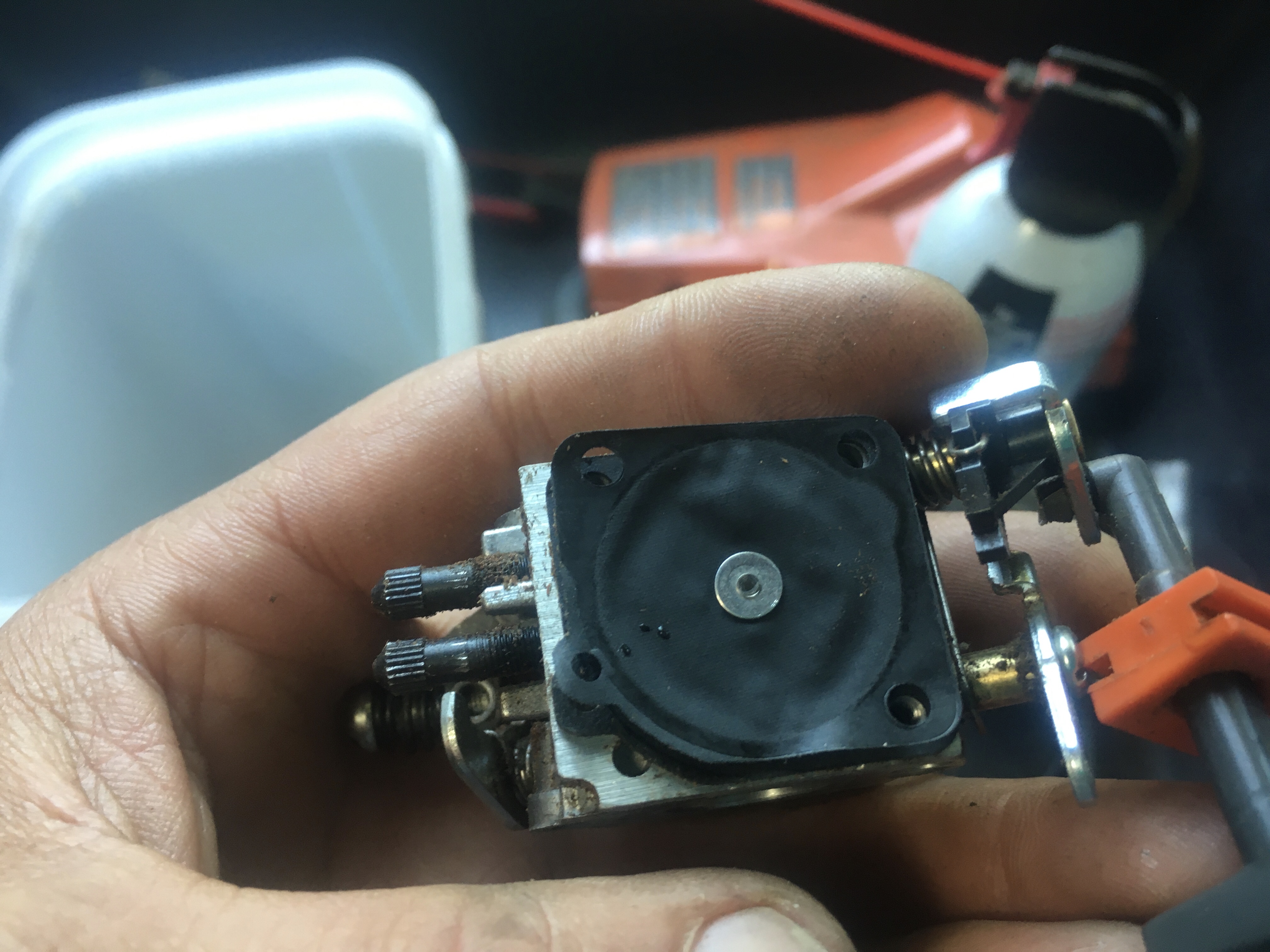
 

Humans and small internal combustion engines

IMG_5809

Both do work and need fuel and maintenance over time

we will compare and contrast similar moving parts and functions

Small engines have an air filter made of wire screens or foam or cloth

it filters the dust and particle bits that would otherwise clog your engine

Humans got an air filter its called nose hairs and mucus

they catch the gunky stuff that would otherwise clog your respiratory system

Small engines have a fuel filter

it cleans the fuel so that the fuel burns cleanly

and stores the yuck yuck that would gunk up your machinery

humans have two filters

one filters the blood and makes piss, that one is called the kidney filter

the other also filters the blood of poisons and hazards, it is called a liver

Small engines use fuel to perform work

in some engines, fuel is pure unleaded gasoline ( a four cycle engine)

in others, it is pure unleaded mixed with some oil ( a two cycle engine)

gasoline is millions years old fossilized plants crud

black crude oil heated and refined into the stuff we pump at the gas station

humans eat plant foods for fuel

or we eat the animals that ate the plants for fuel

we use the glucose from rice, wheat, oats, sugars, and beer

we also use the glucose broken down from fats

for fuel

its all the same stuff more or less,

carbon spiced with nitrogen, lined with hydrogen

Small engines have pistons that go up and down

pistons driven by the combustion explosion of fuel and air

this up down energy can be converted into going around and around energy

with a crankshaft and a sprocket

this makes the chain on the chainsaw go around and around

or makes the cutting blade on the mower go in circles

humans pump their legs up and down running or walking

their shoulders rotate forwards and backwards as they swim and row and throw balls

the mechanisms are muscles joints, tendons and ligaments

as fuel is burned inside the cells

work is the end result of both systems

Small engines have a spark plug which causes a tiny explosion

electrical spark that ignites the mixture of the air and fine droplets of fuel

kaboom

humans need air oxygen and fuel to do work as well

this reaction happens in the process called cellular respiration

in the presence of oxygen

glucose fuel turns into ATP and carbon dioxide

ATP is the energy within all cells

it enables cells to grow and move, take stuff in and take stuff out, and replicate genetic material

Small engines get rid of the unburned spent fuel through the  exhaust valve

Humans get rid of unused food, fluids, and gases – poo and pee and farts – outa holes called the urethra and anus

one is at the end of the bladder, the other is at the end of the rectum

Small engines have a switch called a choke

When it is flipped (the air is then choked), more fuel is drawn in

making a richer fuel mixture when starting the engine

engine cold, hard to start – more fuel

pull that cord!

later, engine warm, no need to choke it no more

sometimes there is a a little rubber bulb thing called a primer

this does the same thing – press it a few times – squirt squirt

more fuel for the start

Humans don’t have any such equivalent

the closest thing is a boost of caffeine in the morning, coffee or tea or yoco

to get a person moving and started on a day’s work

choking yourself in the morning as you get up

does not usually jump start the ATP’s

it would just turn you blue and deprived

Another valve that small engines have is called a throttle

it regulates the amount of air and fuel entering the engine, inside the carburetor

if you give it more throttle, the engine goes vroom vroom

the symbol on the machine goes from turtle to rabbit

vroom vroom

this is kinda like when you blow the bellows on a fire in the forge

give it some more air while smelting iron nugget ores

exposing more of that coke or coal fuel to burn

or blow blow blow on that kindling to start the camp fire

air and fuel

For people to get more air, hence more cellular respiration

you breathe deeper all the way down to the flap of muscle called a diaphragm

either hyperventilate and pack your system with oxygen before a dive

or slow and deep yogi style to slow down your heart rate

regulating the air inside your system

last but not least is the carburetor

a small device that blends the air and fuel mixture for an internal combustion engine

blending and mixing the  air flow

making sure there is the correct amount of fuel – fine and even

to get it all ready for the spark plug to light it up and explode it into work

in humans this is probably the stomach or further down the digestive tract

where food is acidified and churned

where food fuel is broken down into small pieces to be absorbed and used

or stored as energy for later

not equivalent, but something similar in action

thats all for now

kinda the same

but very different

good luck working with the

small engines named

blower, string trimmer, chain saw, hedger

mower, rototiller, aerator, stump grinder, chipper and shredder

snow blower,  brush cutter, ditch digger trencher, auger, pressure washer

or perhaps you have gone electric…

hahahahah

well then this is old timey stuff for you

next time, we can chat about volts and amps

chargers and cables

deep cycles and reserve capacities…

We are going to examine a few styles of gardens:  Spanish Moorish, Chinese, wild and native Californian, arid and dry xeriscape, San Francisco eclectic, and a touch of Europe to close.  As we go, consider the climate culture and mythology of the particular region, the function and use, the audience and client, the maintenance and care over time, the plant selection and placement, and the materials.  Okay here we go!

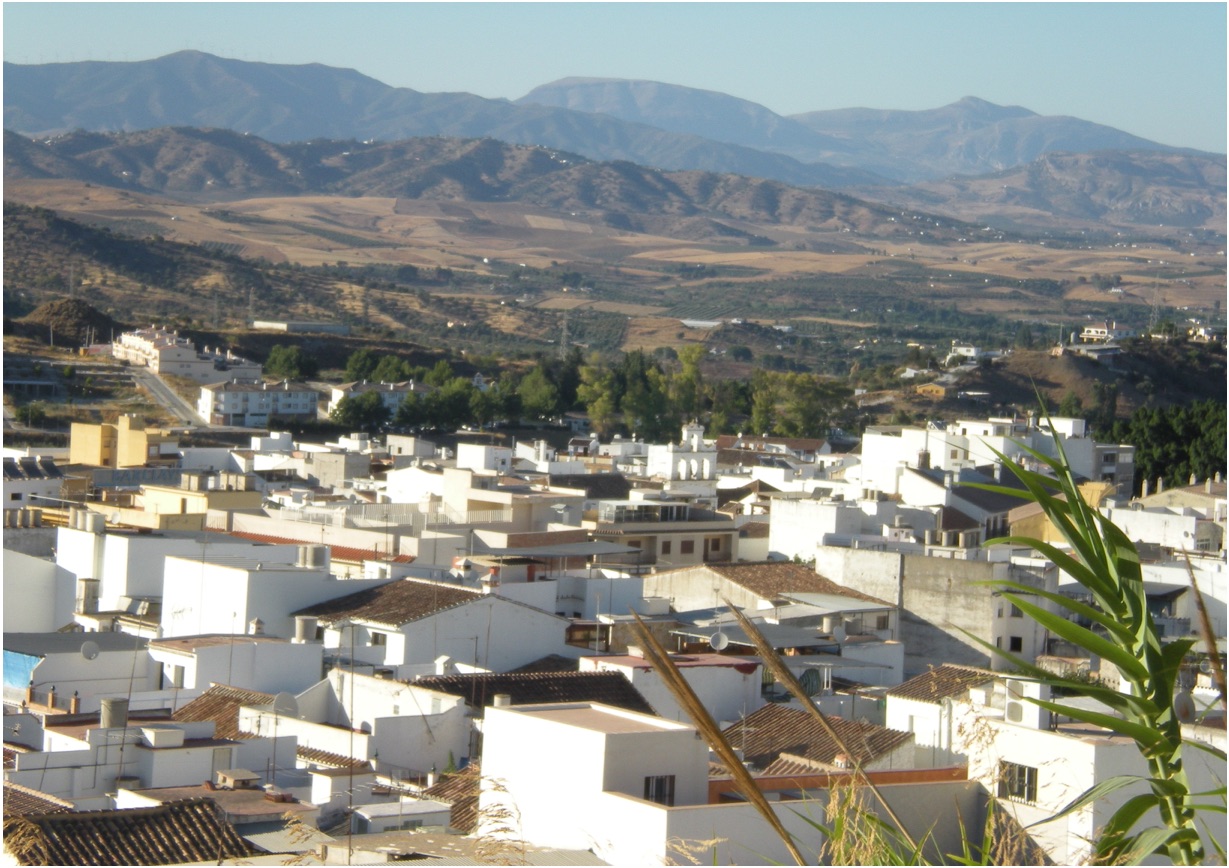
Oh its so hot in the south!  Olive trees dot the hills, thick white walled houses built of mountain boulders clay and mud, lime whitewash, tile roofs. Fennel and giant reed grass on fallow land next to grazing goats on oats.

spain1

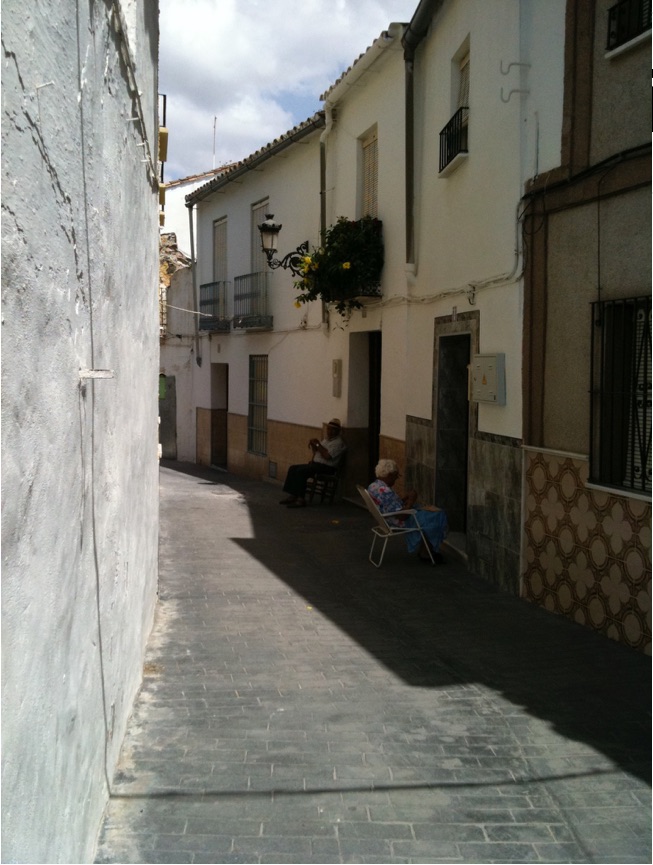
Ride your donkey out to the farm to work.  Come home on the narrow streets, tether the burro up, go inside for a siesta.  Its so hot.  Old folks be outside in the shade, chatting away, telling jokes, gossiping, watching the kids play in the streets, keepin’ an eye out.

spain 2

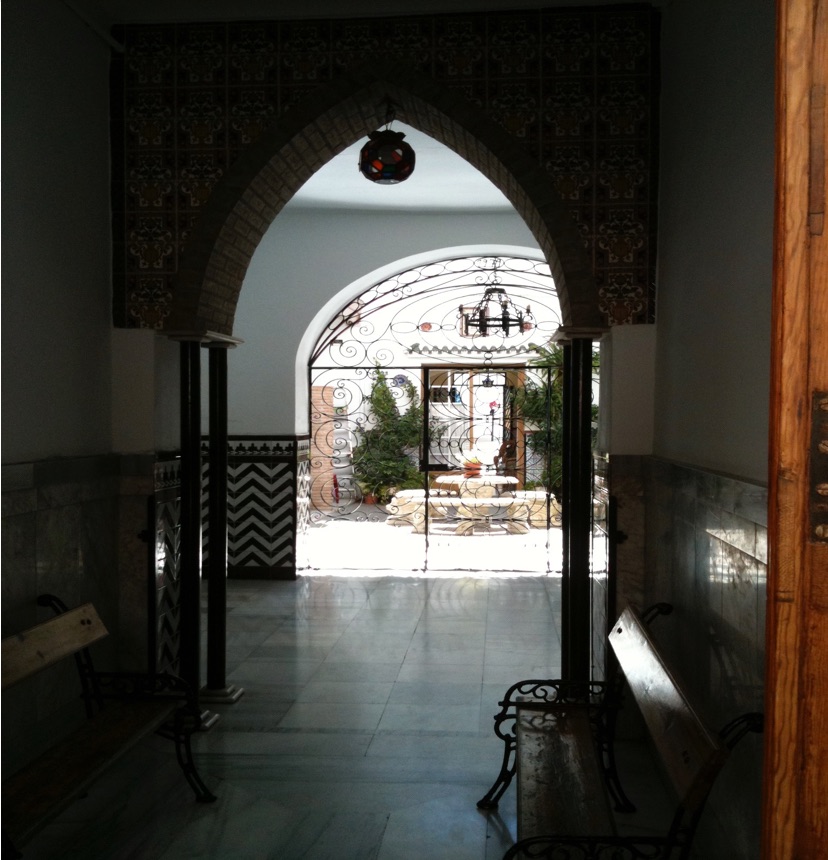
The garden, the courtyard, the sanctuary is inside, beyond the arches and tile work.

spain3

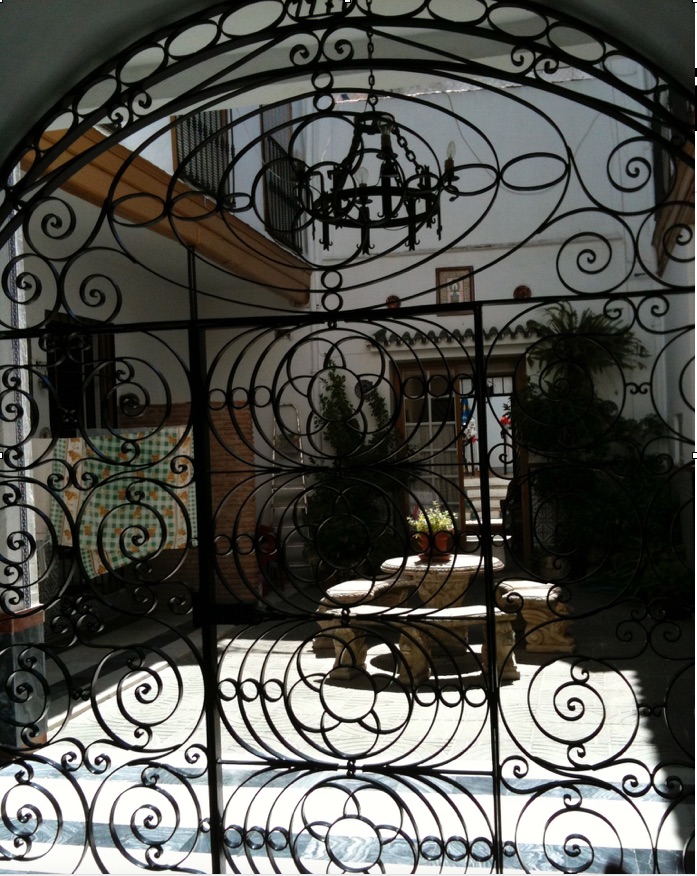
Wrought iron gates, a table for afternoon snack time, and plants that will tolerate the shade, the heat, the container culture.  Palms, ferns, leafy aroids, and some begonias.  In a sunny spot, pelargoniums.  The garden is a place of beauty, a space of tranquility somewhere between the home and the utilitarian work place.

spain 4

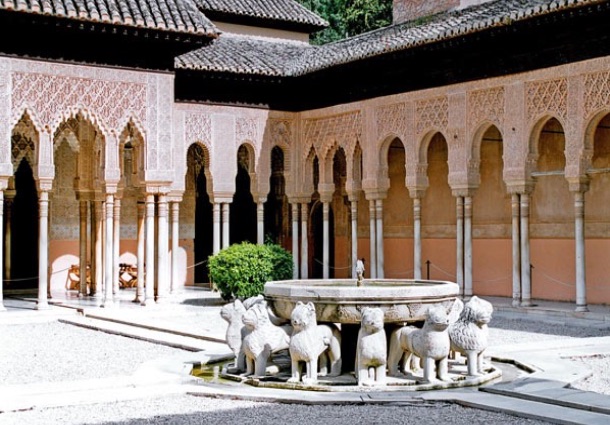
Much influence in the south comes from the African Arabic moors who crossed over the strait of Gibraltar back in the day.  Nine plus miles of sea separates the two continents – Europe and Africa.  In the garden, this means ornate carvings honoring the prophet and Allah, horseshoe arches, water fountains that run down the middle, and an abundance of  roses, fragrant herbs, and fruit trees the likes of pomegranates and figs.  Tiles like these:

spain 5

Patios like this.  Aside from the intricate architecture and formal style of plantings, note that the garden often depicts symbols of power or totems of mythology.  In this case, it is a ring of lions in the castle known as the Alhambra in Granada.

spain 6

Okay.  Leaving the Mediterranean California-like climate of Spain and headed off to the subtropical realm of south China and Taiwan Formosa.  No more dry and hot.  Now for the wet and sticky.  Fogged up glasses and clingy t shirts.

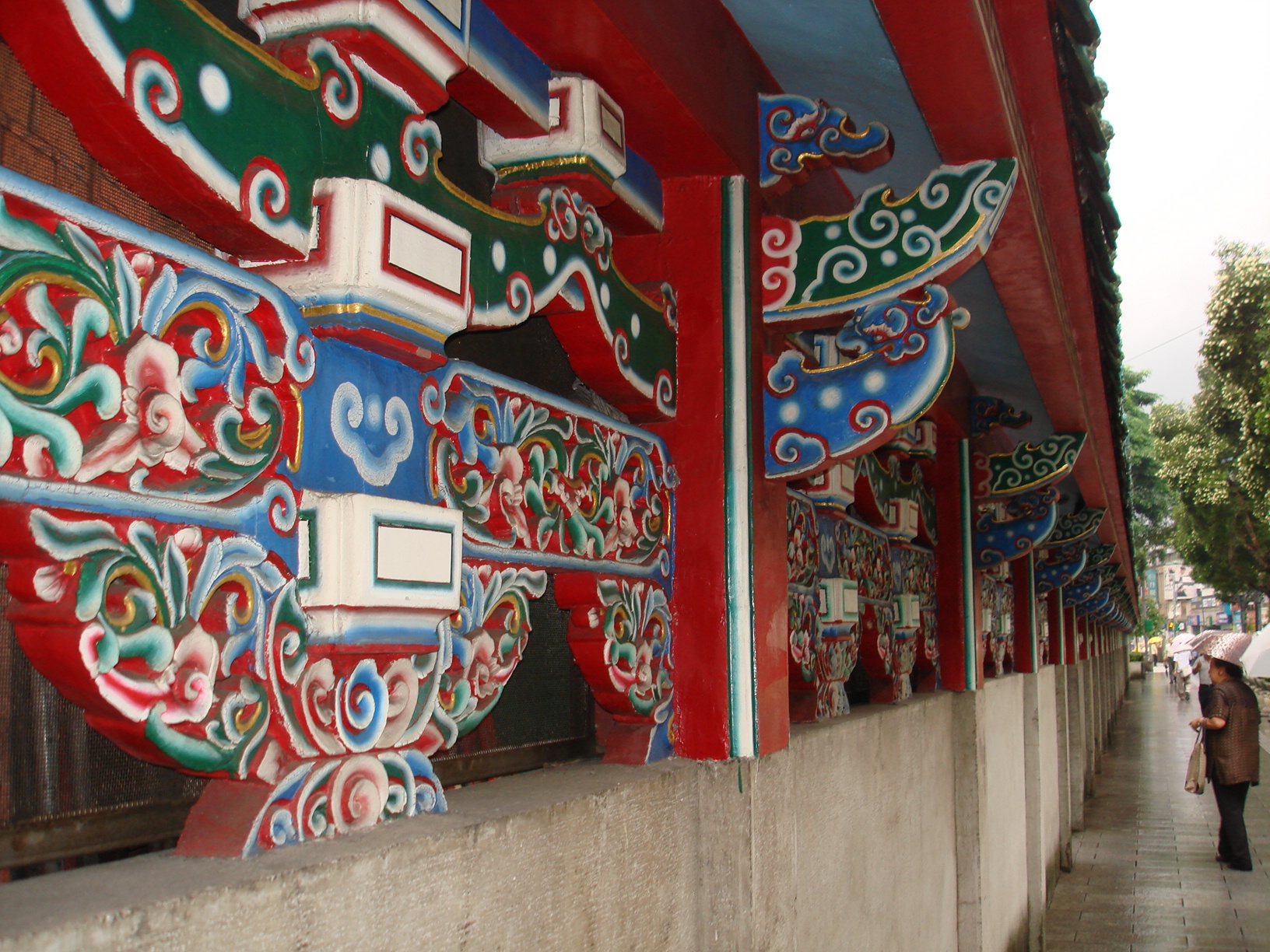
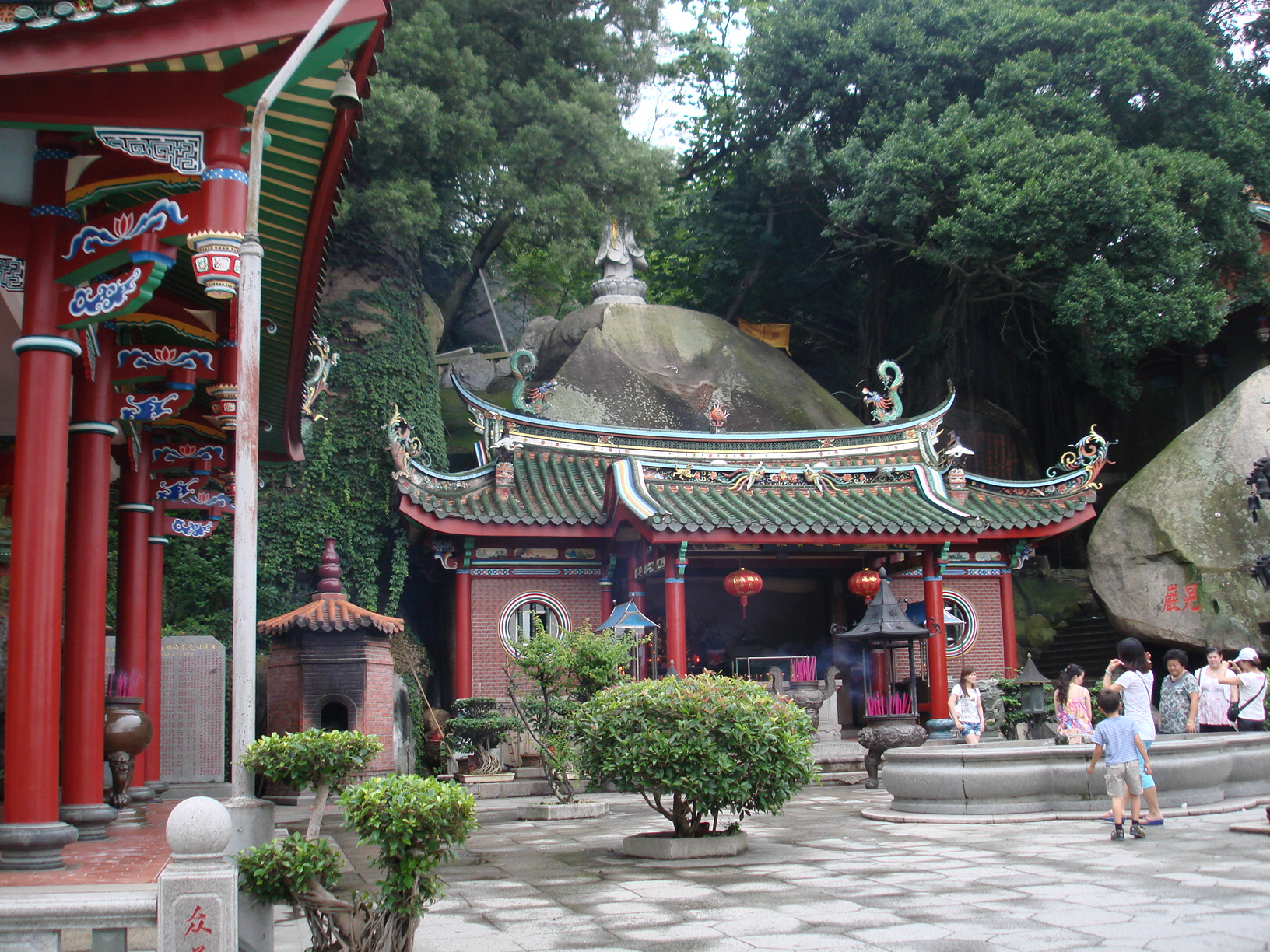
At the Dragon mountain temple, the buildings are colorful and florific.  The carvings – always more carvings and tiled roofs…

china 1

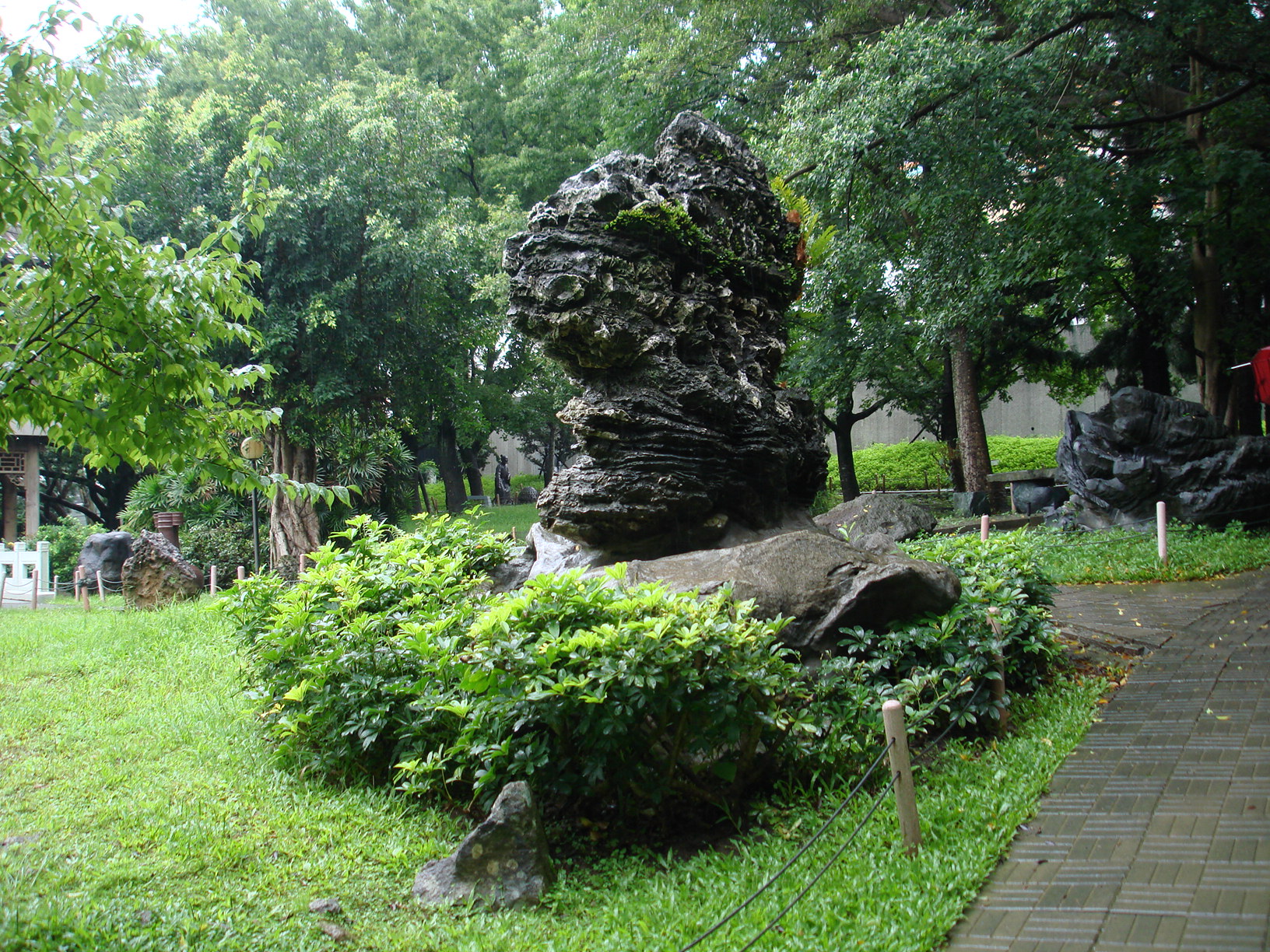
Strolling through the garden, you come across this rock on a pedestal.  A rock on a pedestal?  All craggy and pitted, with ferns and moss crawling all over it?  Yes the Chinese have a very different aesthetic when it comes to their values and sense of harmony in the universe.  Stay off the lawn!

china2

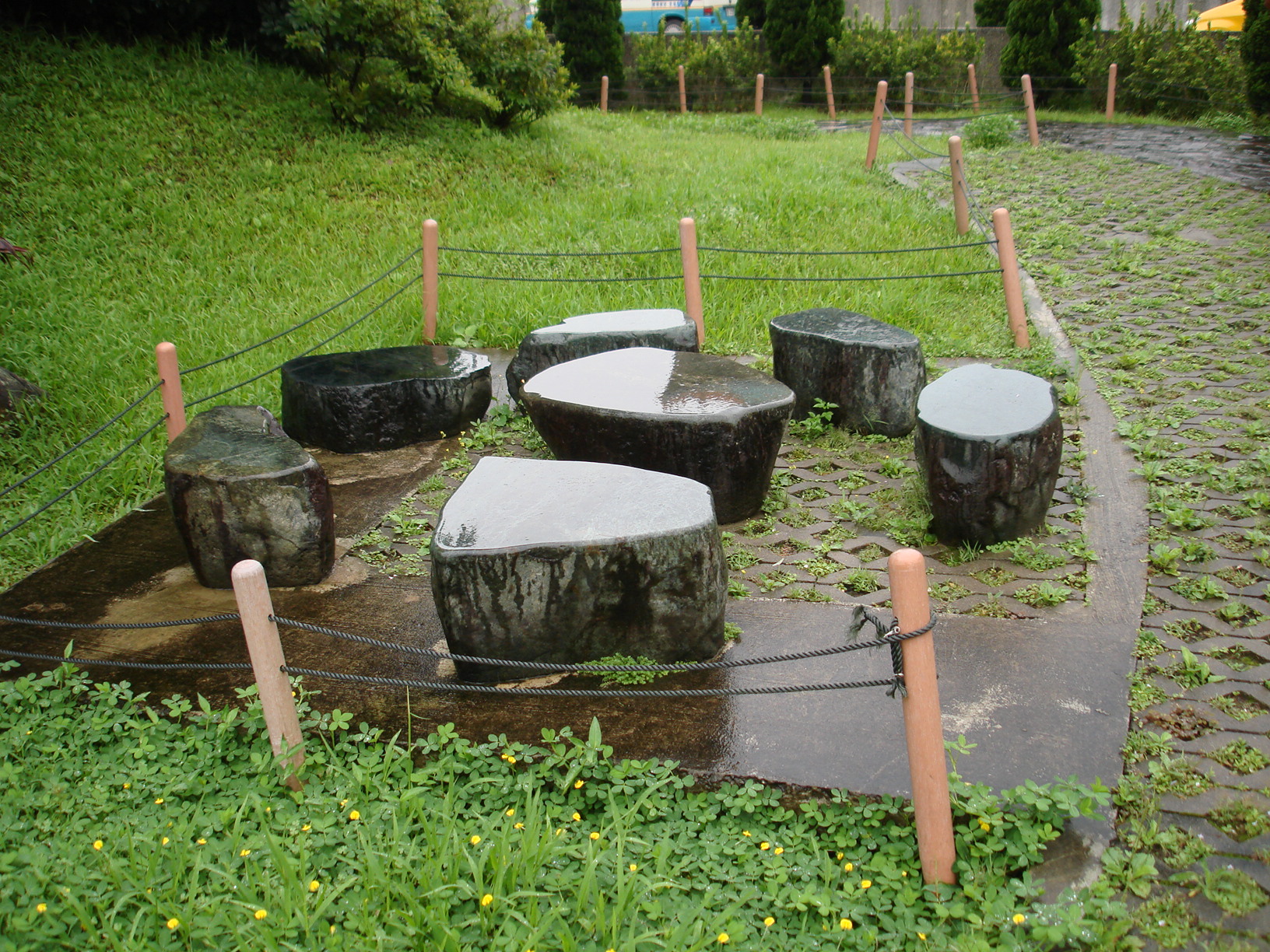
All that walking makes you mighty tired.  Let’s sit down for a bit.  Well, here’s a little nook.  But these seats.  This table.  Fresh soaked from a monsoon rain.  Smooth but so ‘unrefined’.  So simple.  Look like stumps of a tree, like straight outa the quarry with a polish and buff.  As if some rock or mountain spirit still dwelled within.  Hmmm…

china3

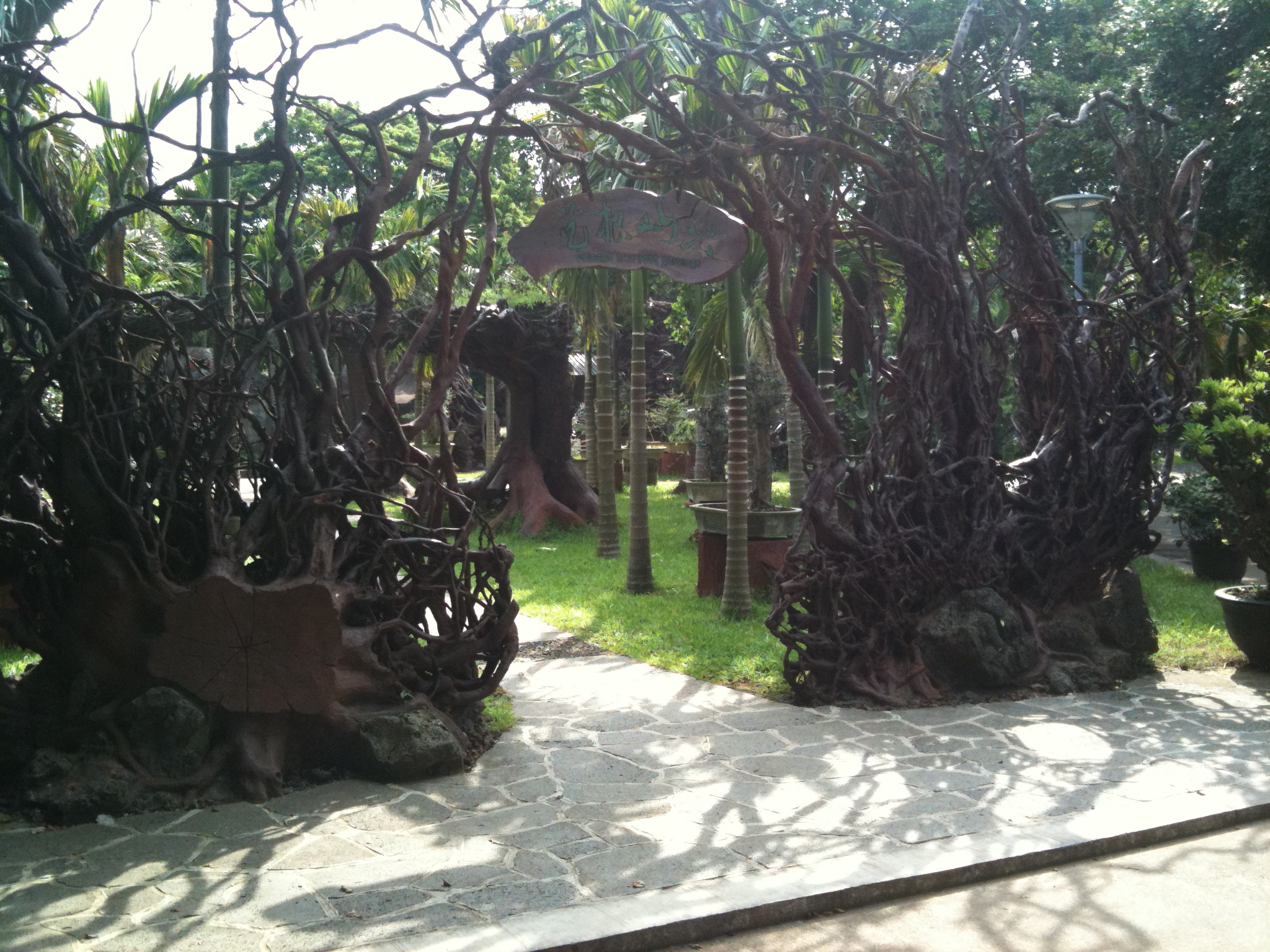
The taxi cab driver said “This is a good place, it is full of magic and nature spirit and if you are sincere and good the volcano mountain will grant your wishes and answer your prayers.”  We like “ok”.  Then, at the entrance to the mountain was these. Roots.  Yeah.  Roots.  Not quite the symmetrical archway with neatly trimmed ivy.  No this is a very different style.

china 4

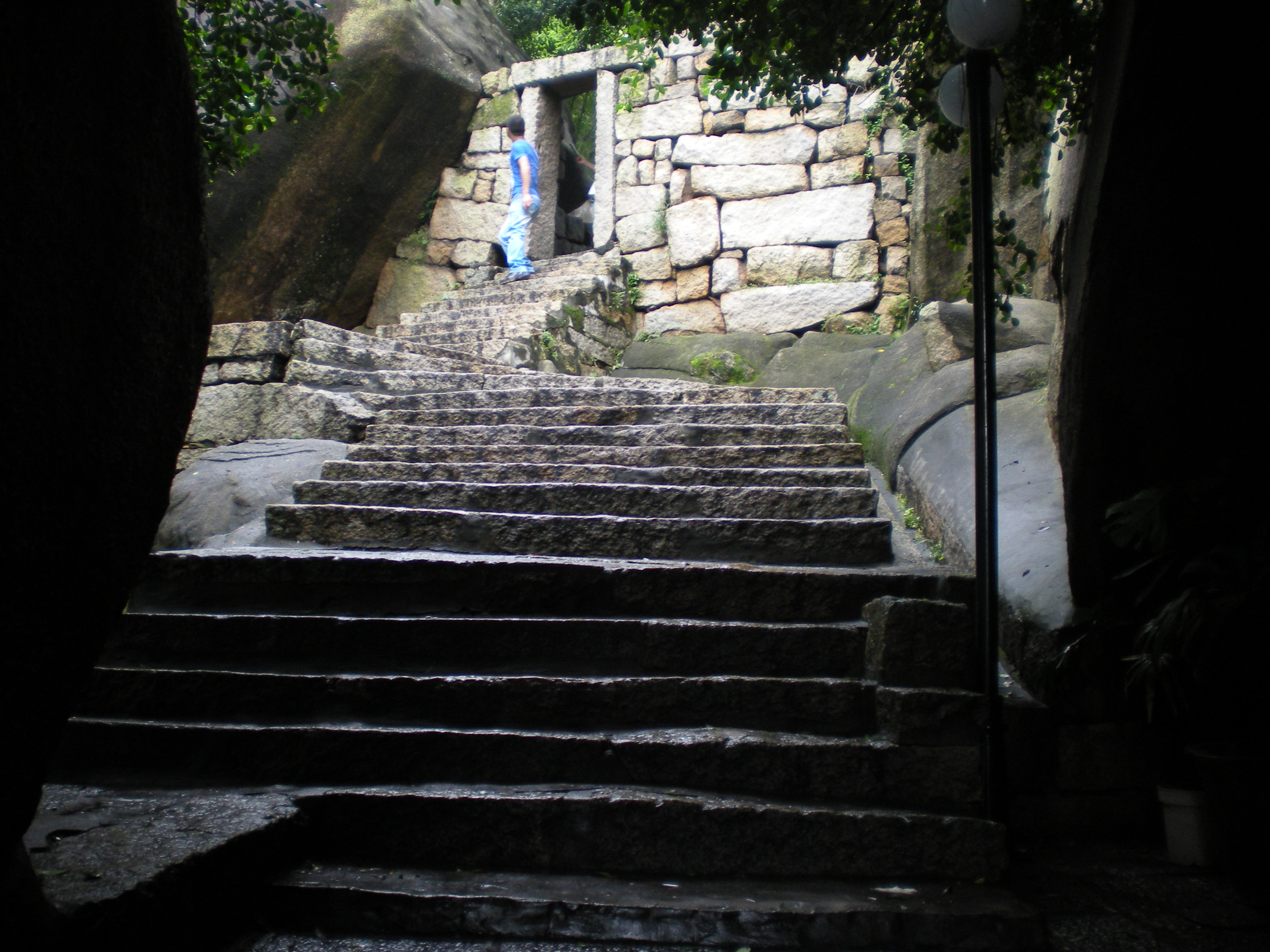
So if that is the wood work, what about the stone work?  Show us some dry stacked retaining walls or stairs.  In the casual but labor intense look.  In granite.  Wobbly, side to side drainage, following the contours of the mountain all the way up without dynamiting the whole thing flat or cutting it only in straight angles.  Built by hand.  Hmmm…

china6

This must be the land of dragons.  On the roof lines, in the curves of the rocks and bends in the trails.  Up there on the big rock, hidden, the statue is Matsu.  The goddess of the sea, protector of fishermen and sailors.  Back in Spain, she is known as the Virgin of Carmen, queen of the seas.  Notice how there is painted and carved writing on the rocks.  It is not looked down upon as graffiti, nor is it seen as somehow sacrilegious to pure and unspoiled pristine nature.  It is one and the same.  There is no conflict.

china7

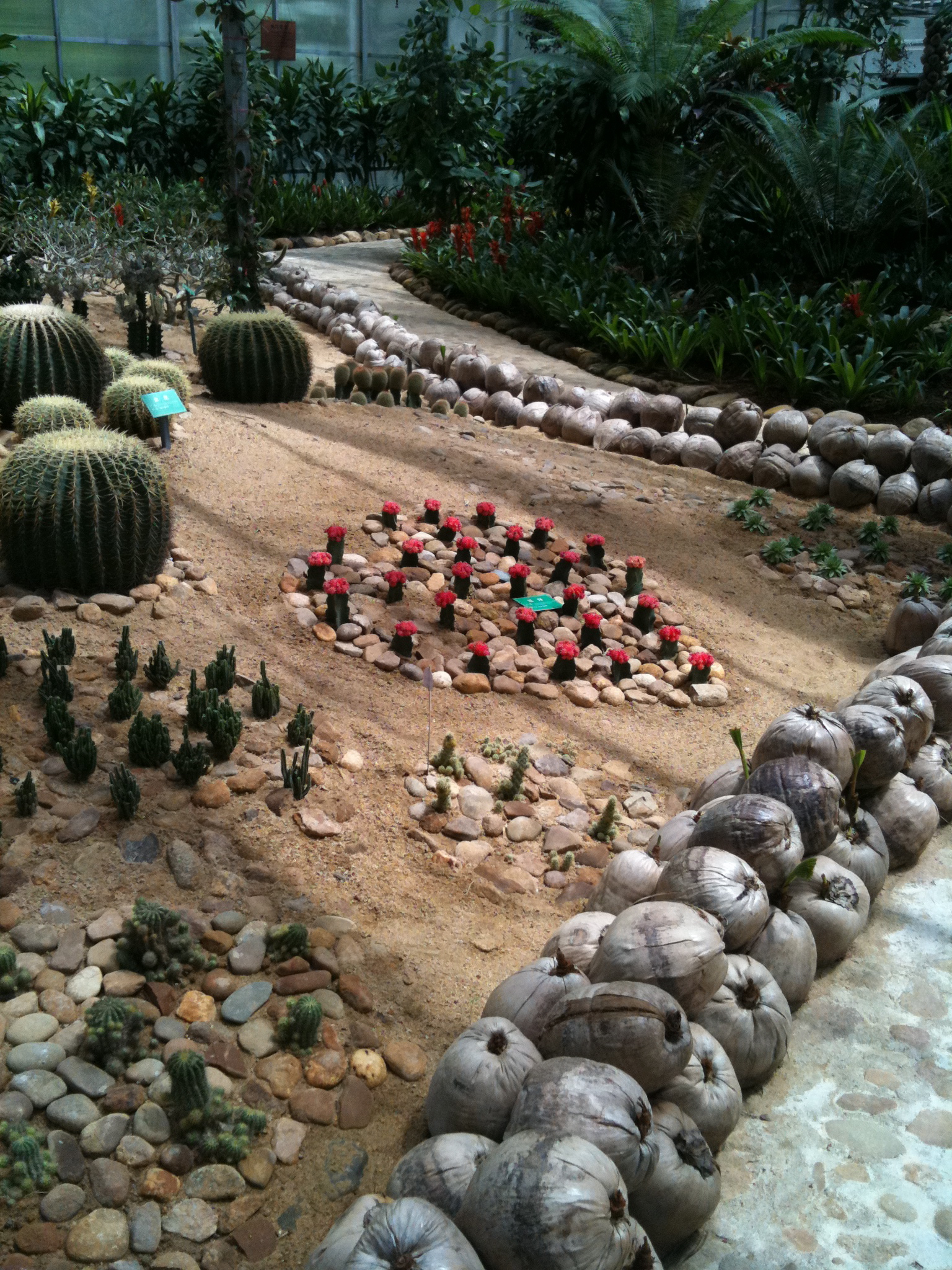
Before leaving Asia, saw this strange path liner to share with you.  Remember that in design, a demarcation between spaces – between the lawn and the flower bed, or between the orchard and the perennials – is essential both as an aesthetic border, but also to establish that line of maintenance.  So in wet humid zones, it is hard to keep cactus alive outdoors.  The constant moisture leads to rot and death quickly.  In order to showcase them, one must plant them inside of a greenhouse.  Not so much to keep em warm, but to keep them dry.  Here was one such greenhouse with an interesting use of a plant as a path liner in lieu of say redwood bender board or a metal strip tacked into the ground.  After they sprout, outside you go!

china 8

Of late, because of a number of factors, the dry and arid landscape has become more popular.  You go to a fancy neighborhood, and the lawn has been replaced with succulents, cacti, and ginger colored gravels.  The annual show and sale of the Cactus and Succulent Society in Golden Gate Park – once it was a fringe specialist nerd hobby.  Now it is lines out the door jam packed with people all coveting another small poky thing from the deserts of Chile or a webby squat little guy from the high mountains of the Alps.  Many of these plants are ideal for our area.  They are relatively low maintenance and require little irrigation.  Many seem to like the well drained sands of the western parts of San Francisco.  Most would probably like a little bit more sun, a little bit more heat.  But in general, they tolerate the cool summers here.  They are beautiful creatures.

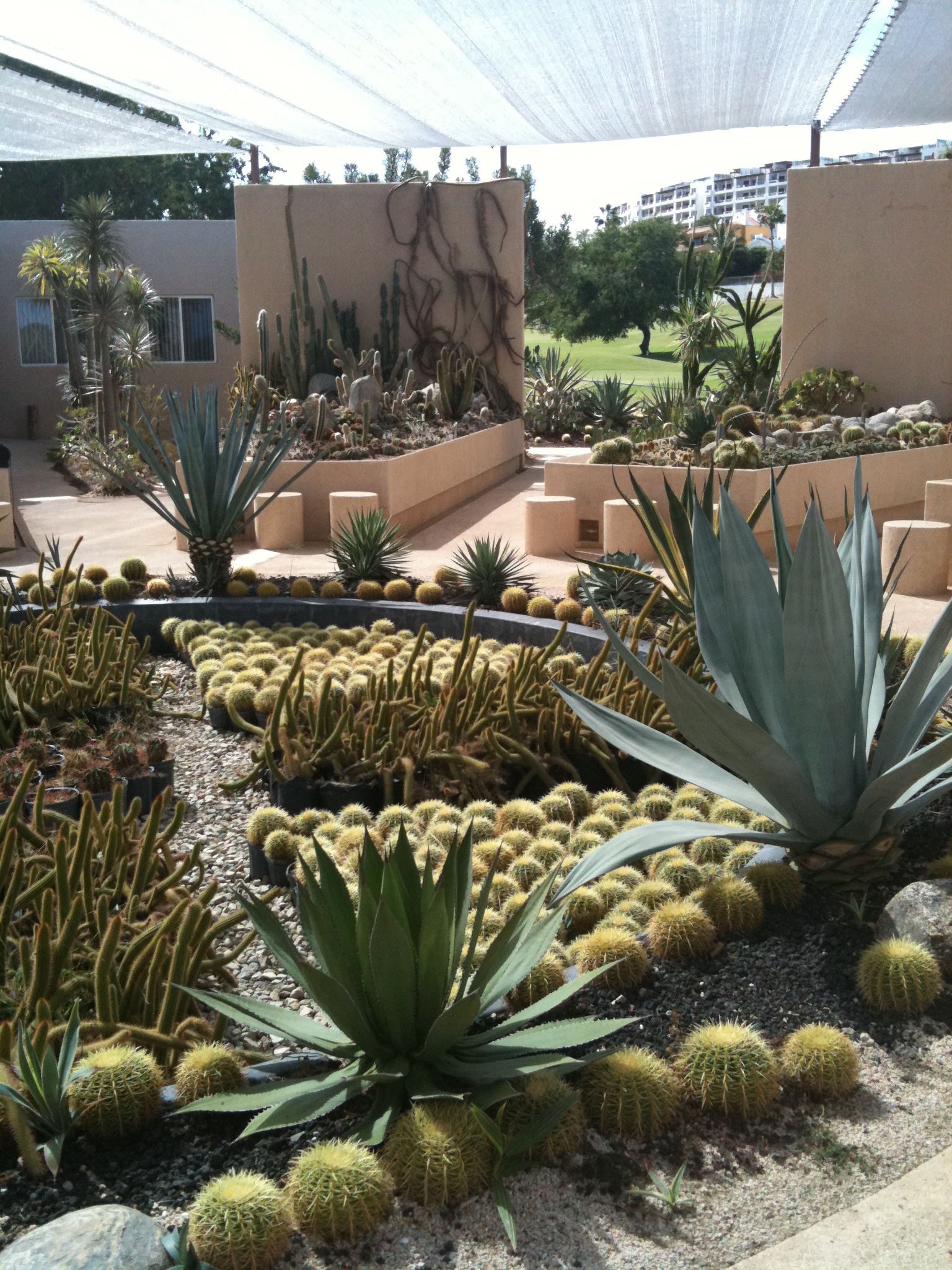
It is important to go and meet plants in different places, on their own terms, so that you can learn to culture and grow them appropriately.  This way you will understand the diversity and specificity of particular groups, and be able to plant them in the right place as a designer.   At Cacti Mundo botanic garden in San Jose del Cabo Baja Mexico is a nice display.  Notice the shade cloth stretched over the top.  Shade?  Cactus?  What?  You mean cactus can be burned by too much sun?!  Yes.  On the other end of the spectrum, some cacti  grow in wet foggy high altitude forests in the crotches of trees!  ?!?!  So match the natural ecology of the plant with the cultivated garden where you want it to grow.  Usually  you cant just ram a style down nature’s throat cause that is what you want.  Figure out the forces you are dealing with.  Then harmonize with her and the garden will sparkle.
dry2

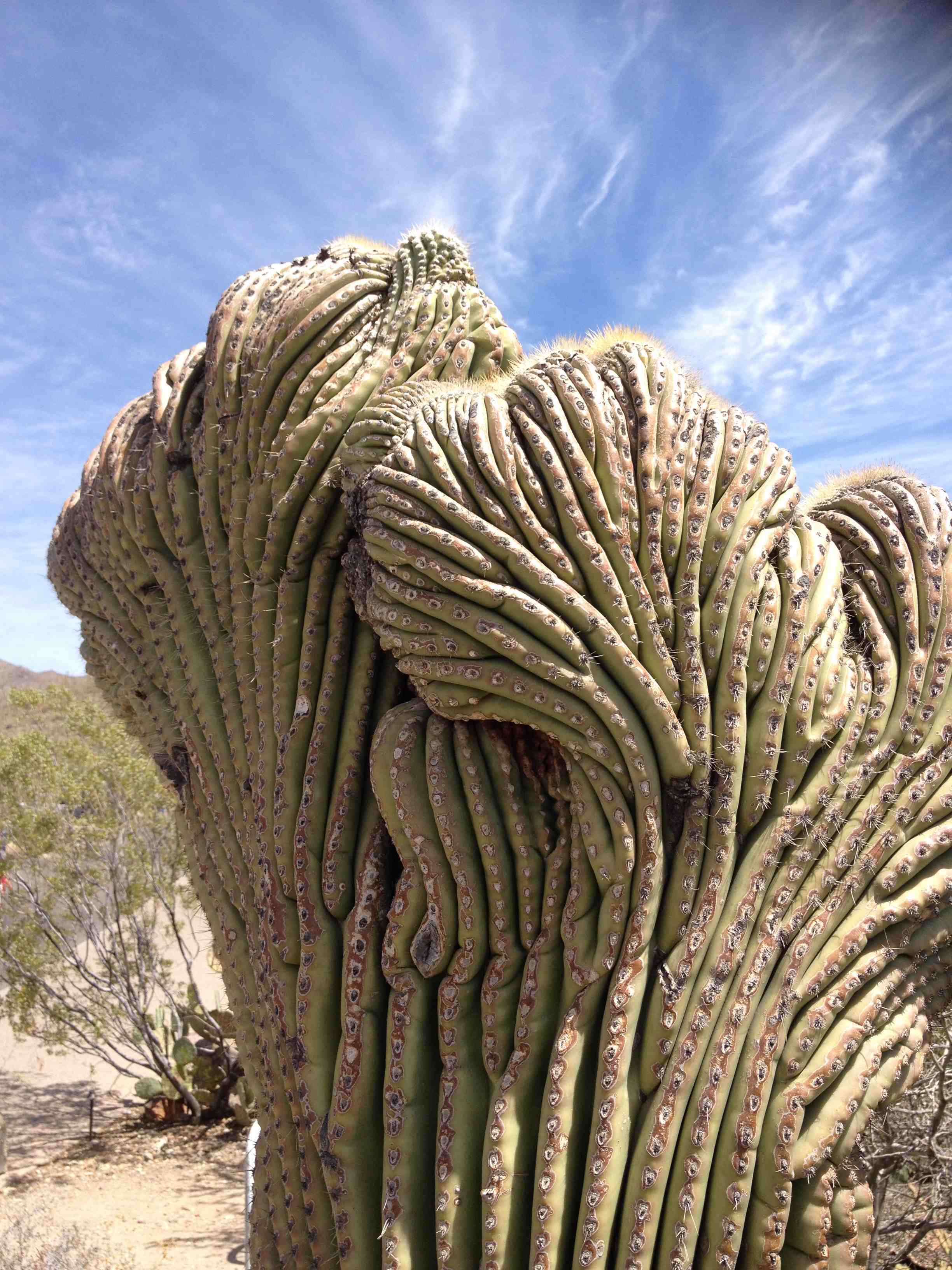
Yeah something like this.  This would be a nice centerpiece for a dry garden style landscape…  Well San Francisco, with its fog and wind, is not really the Sonora Desert.  Growth is going to be slow.  Rot and hard calluses will be an issue.  Then the pests that sit in those wet soggy little wounds and feed and feed…

dry3

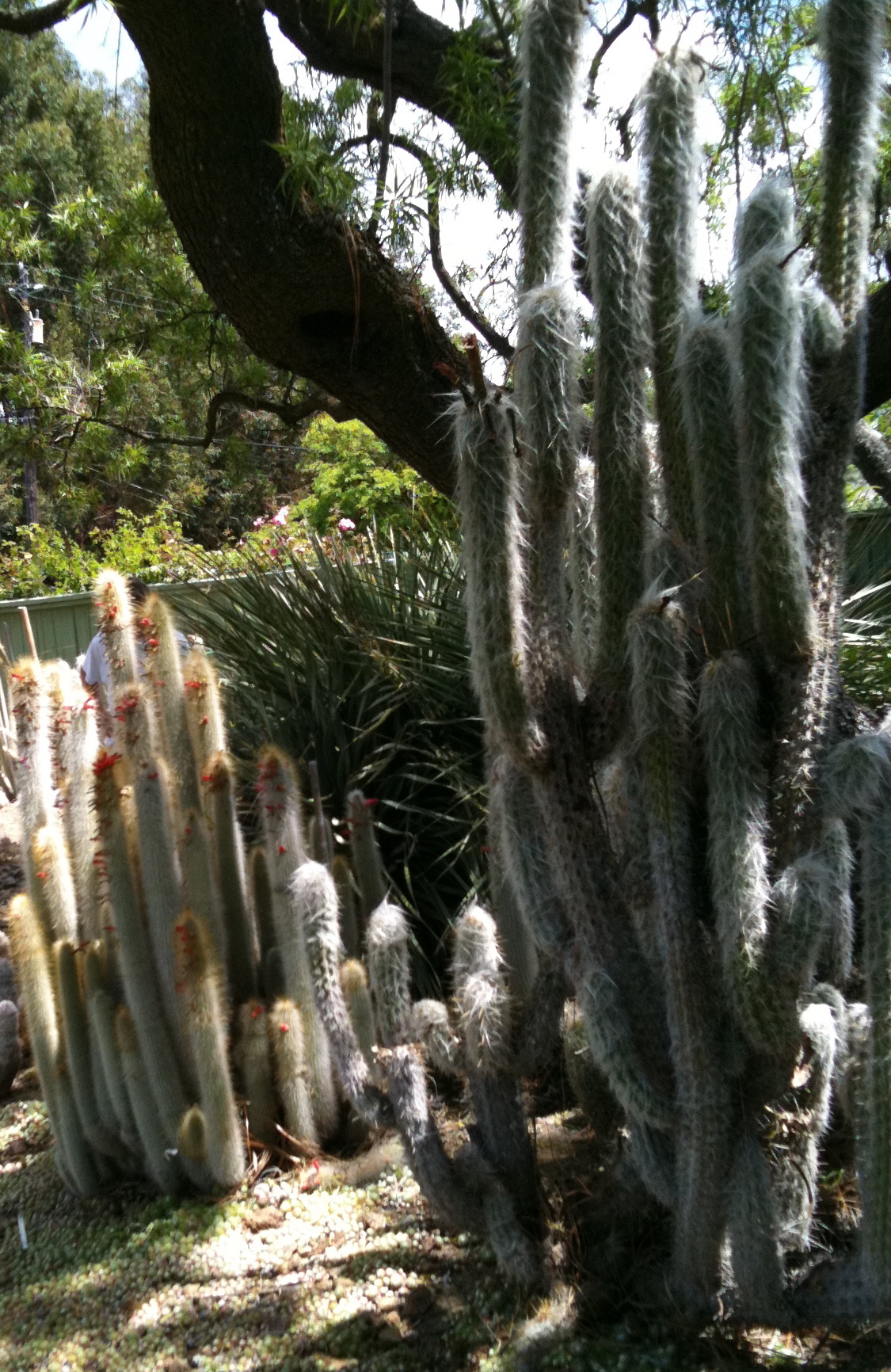
Around here.  A nice lady named Ruth Bancroft really got into it.  There is a garden for this style of landscaping in Walnut Creek close to Berkeley and Richmond and Oakland on the eastern shores of the San Francisco Bay.  It works!  Go check it out!  Heard that back in the day, establishing the garden in clay soil, drainage and wetness was a problem.  Cacti do not like those wet goopy roots.  So they mounded the soil, added tons of volcanic rock pumice, and made it work.  Established the plantings.  Looks like:

arid5

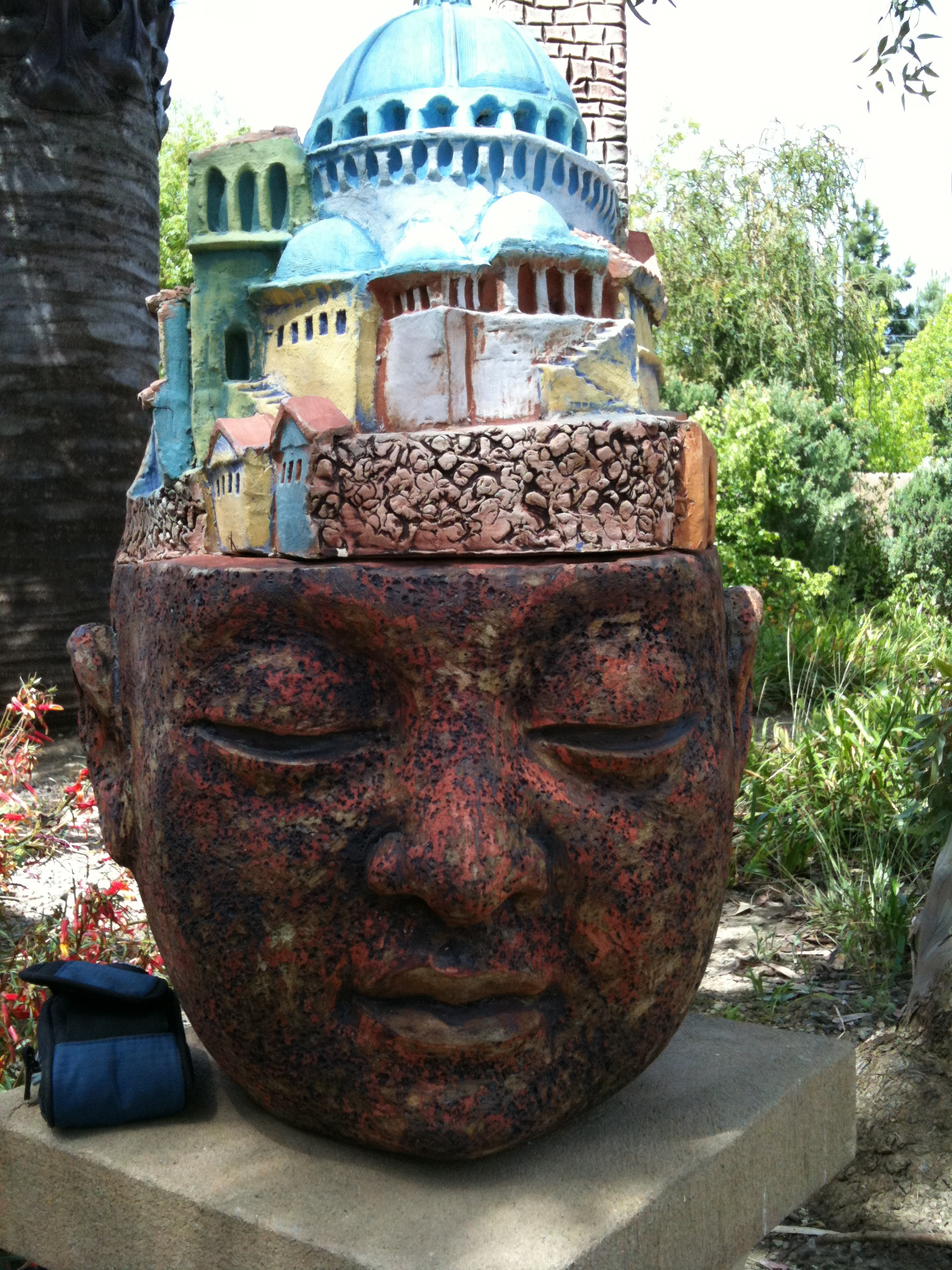
With a garden of fantastic forms and unusual flowers, what kind of hardscape and cultural symbols do you match it with?  Well that is the modern dilemma.  No more lions and dragons and rigid symmetry.  Try some art, ceramics, and a touch of whimsy.

arid7

Coming round home again.  Native plants are another ‘style’ or fashion or trend that has hit hard in the last ten or fifteen years or so.  Once relegated to enthusiastic weed warriors and grizzled folks hauling around a tome of Jepson Manual Vascular Plants of California, natives are now used everywhere.  These days, every landscape architect’s plan – full of natives.  So lets go back to the inspiration and the source and see why this style is making a come back.

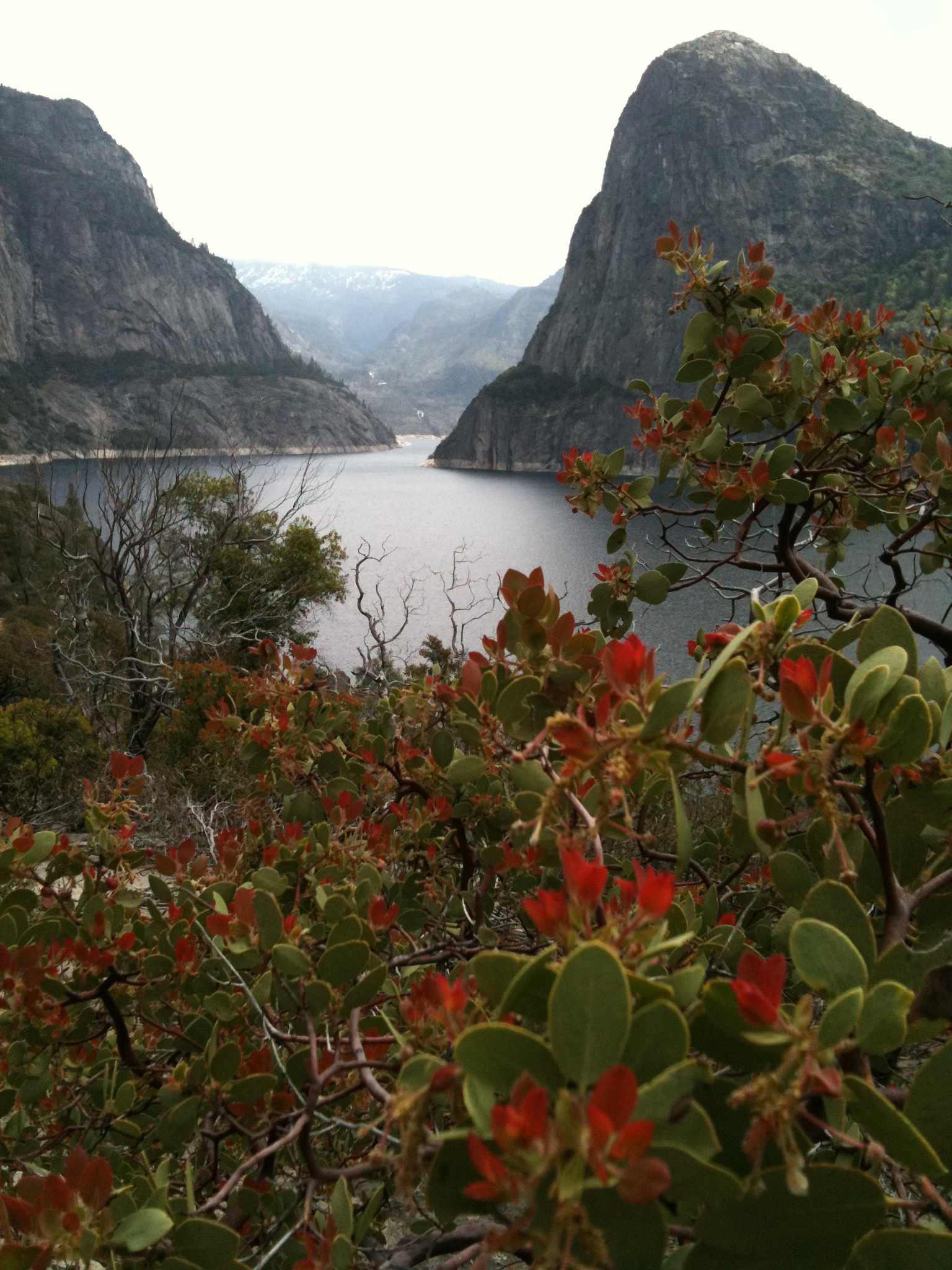
This here in the mountains is the water source for San Francisco and some of the surrounding cities as well.  In the foreground, bear berry manzanita.

ca2

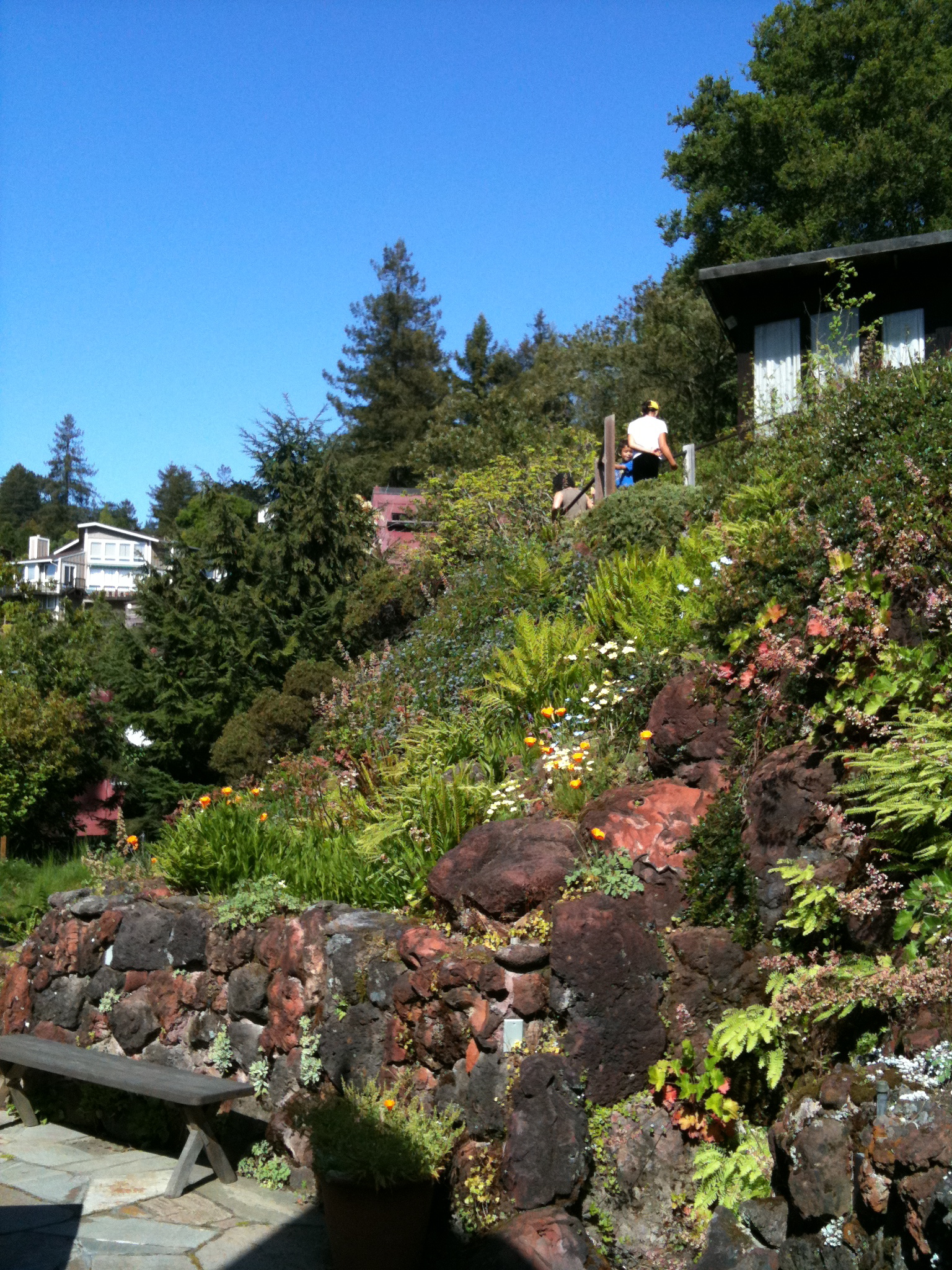
In the garden then, one tries to replicate or imitate or mimic this ‘look’.  This natural and fluid and at ease feel.  My old buddy Luke Hass who took care of Jenny Fleming’s native plant garden in the hills gave us a tour of their epic native plant garden which took decades to grow and mature.  One of the funny things he mentioned was that a favorite part of the garden was a beautiful manzanita growing over the swimming pool out of the rocks.  It had the arching form, peeling magenta brown skin, and branching structure which took your breath away.  And it had not been planted by humans, a little bird probably planted it back in the day and it grew and grew!  Took forty years for it to look good.  Wasn’t even part of the original ‘design’.  So let that be a lesson to all y’all designers with clients who want their garden to look good ‘right now’!  ‘Right away!  I’ll pay top dollar!’  Mosses and lichens take time.  Dense knits of ferns and grasses take time.  A garden takes time.

CA1

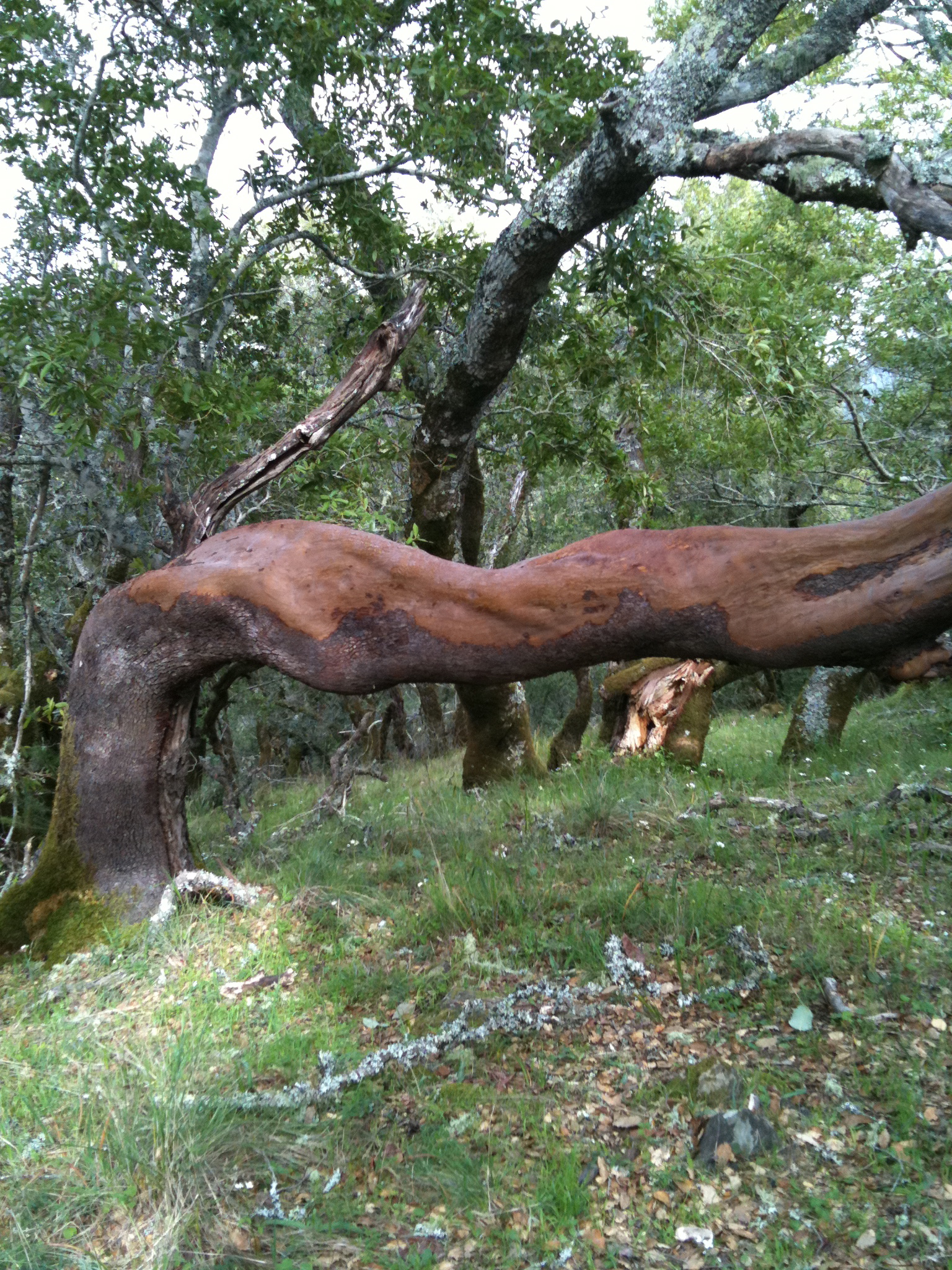
Start to see the exquisite strangeness of nature, one that is not set in design rules that say ‘no you cant do that.’  Nature says ‘?’  Or she shakes her head and in the clearing of oaks and redwoods this madrone gestures like this:

ca3

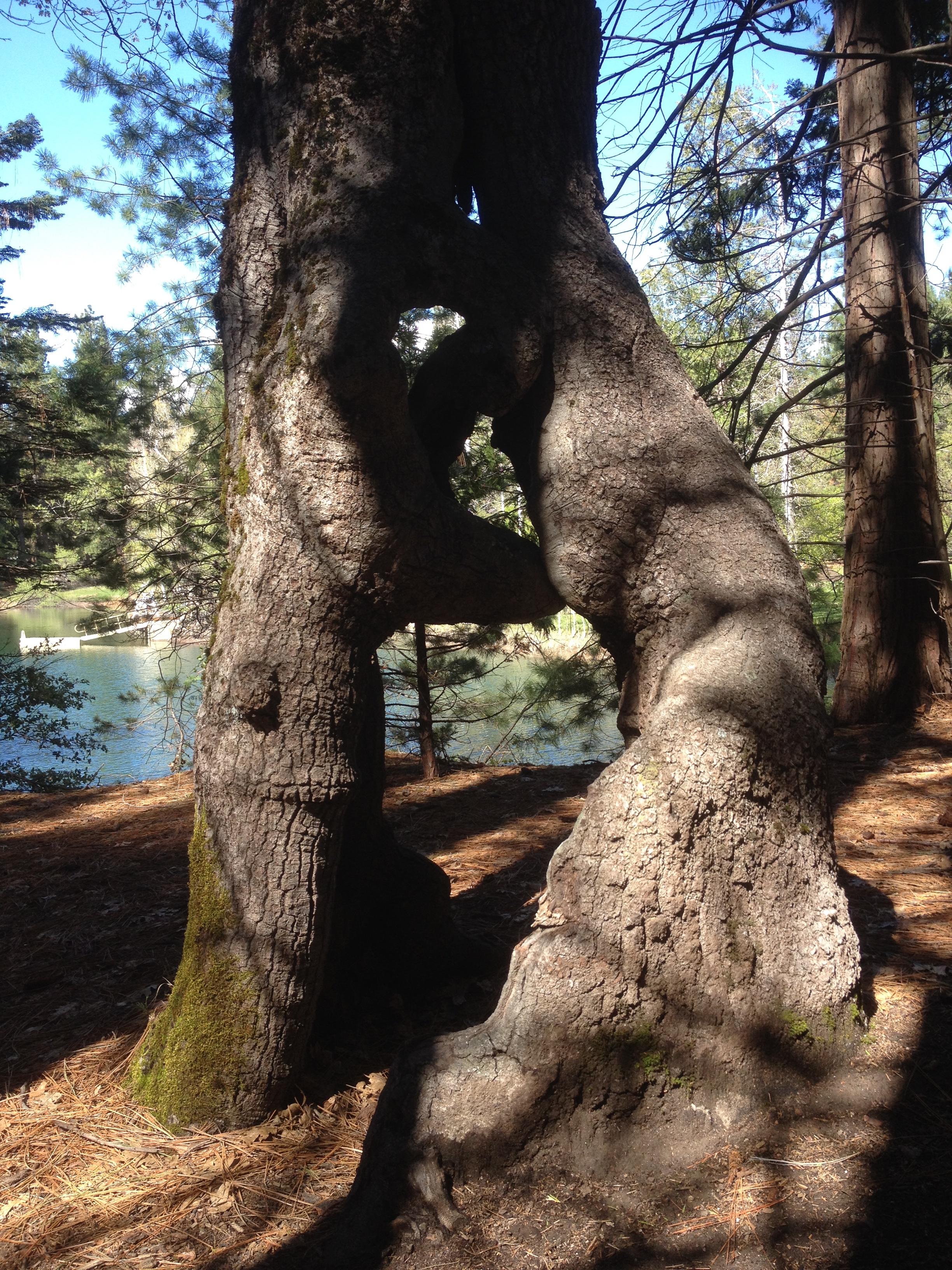
Or, the oak tree in the mountains forgot to listen to the arborists.  And survived in spite of:

ca4

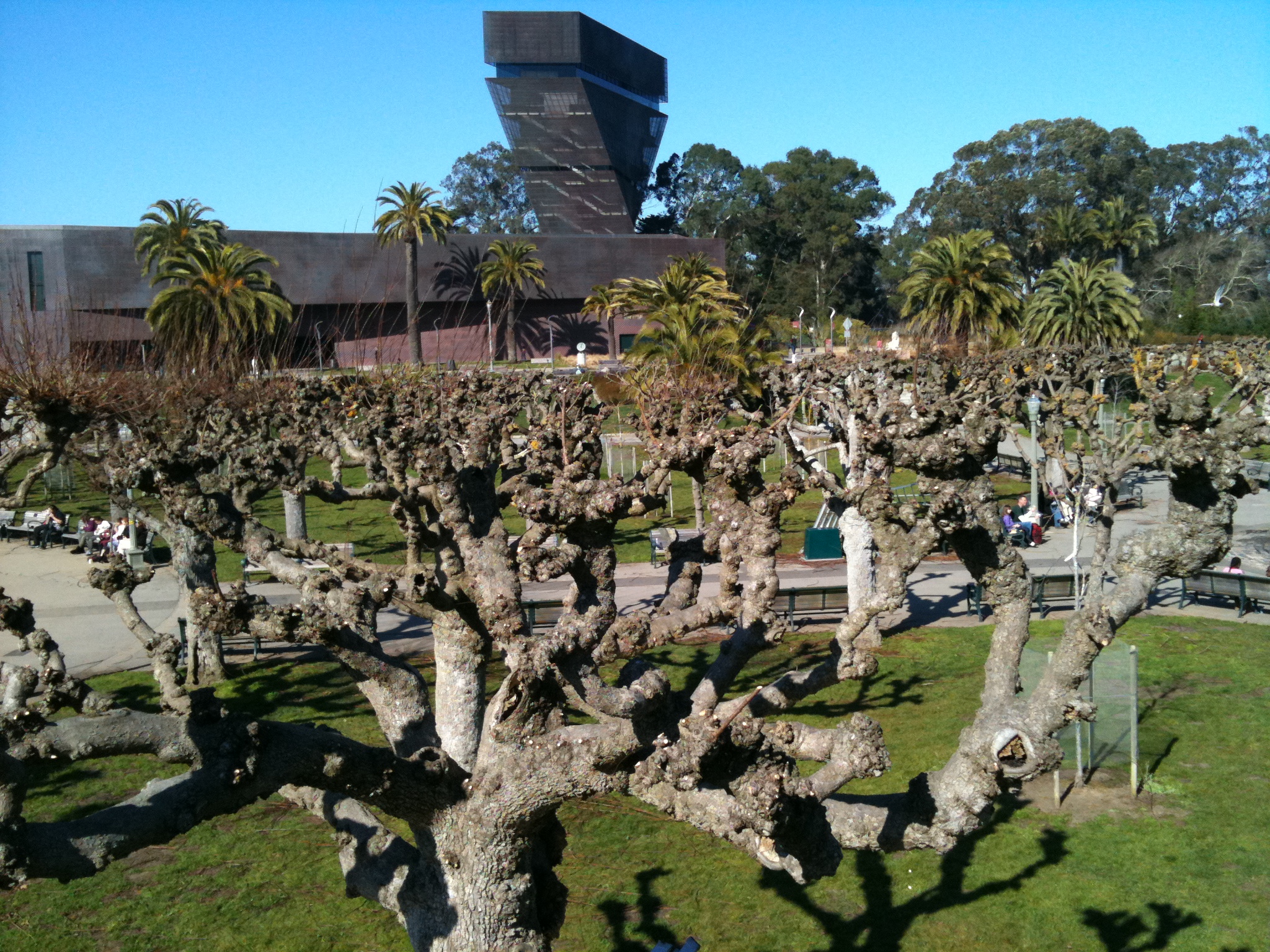
Okay a little off topic.  Back to styles and local color.  San Francisco eclectic is a combination of the myriad of tastes and flavors of the bay area.  In the concourse of Golden Gate Park you have the plane sycamores in a pollarded French kings style, the palm trees reminiscent of southern California or the desert springs of the middle east.  And the new DeYoung Art Museum with its copper clad patina skin and tower into the sky.  Modern?!
sf1

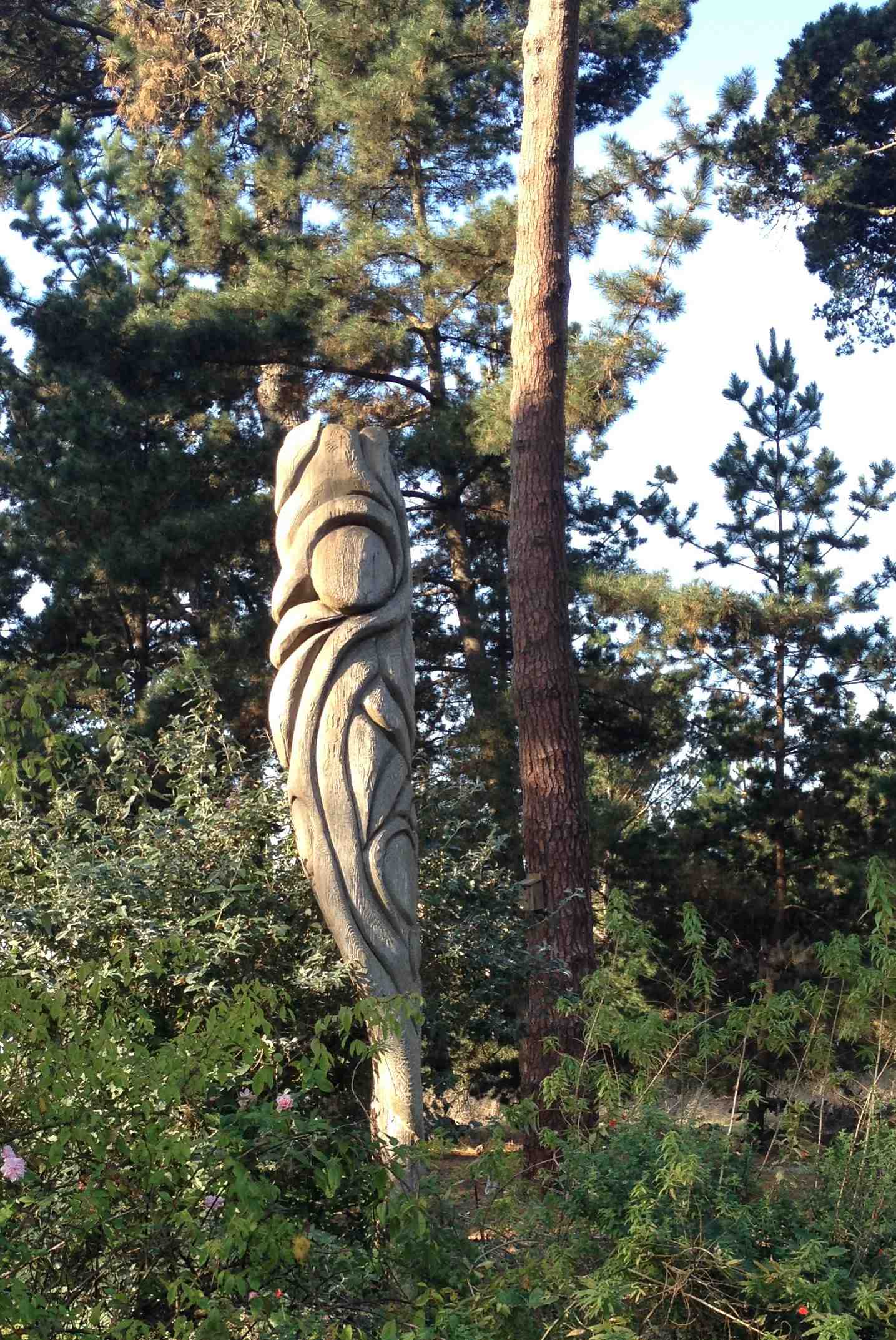
How about Shane Eagleton’s wood sculpture, his ‘acupuncture  needle for the earth’?  Set in the children’s garden of the San Francisco Botanical Garden.  Where does this fit in on the spectrum of garden styles?

sf4

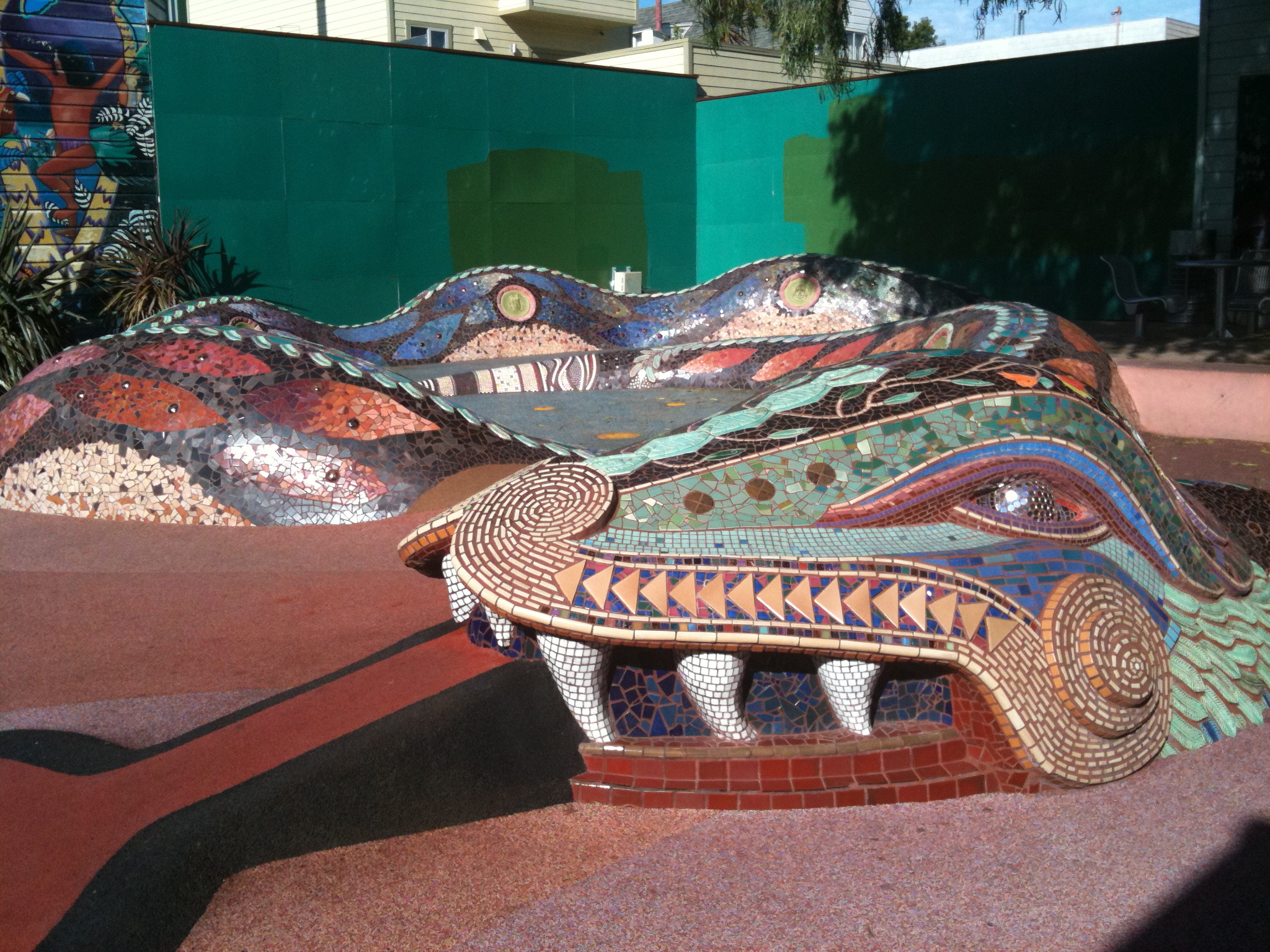
On 24th Street in the Mission, a little mini park sits.  Thanks to the efforts of the community, Aztec mythology, and landscape architects from the City i.e. Marvin Yee, the park got a make over and a plumed serpent for kids to ride on in their fantastic voyage in the garden.

sf5

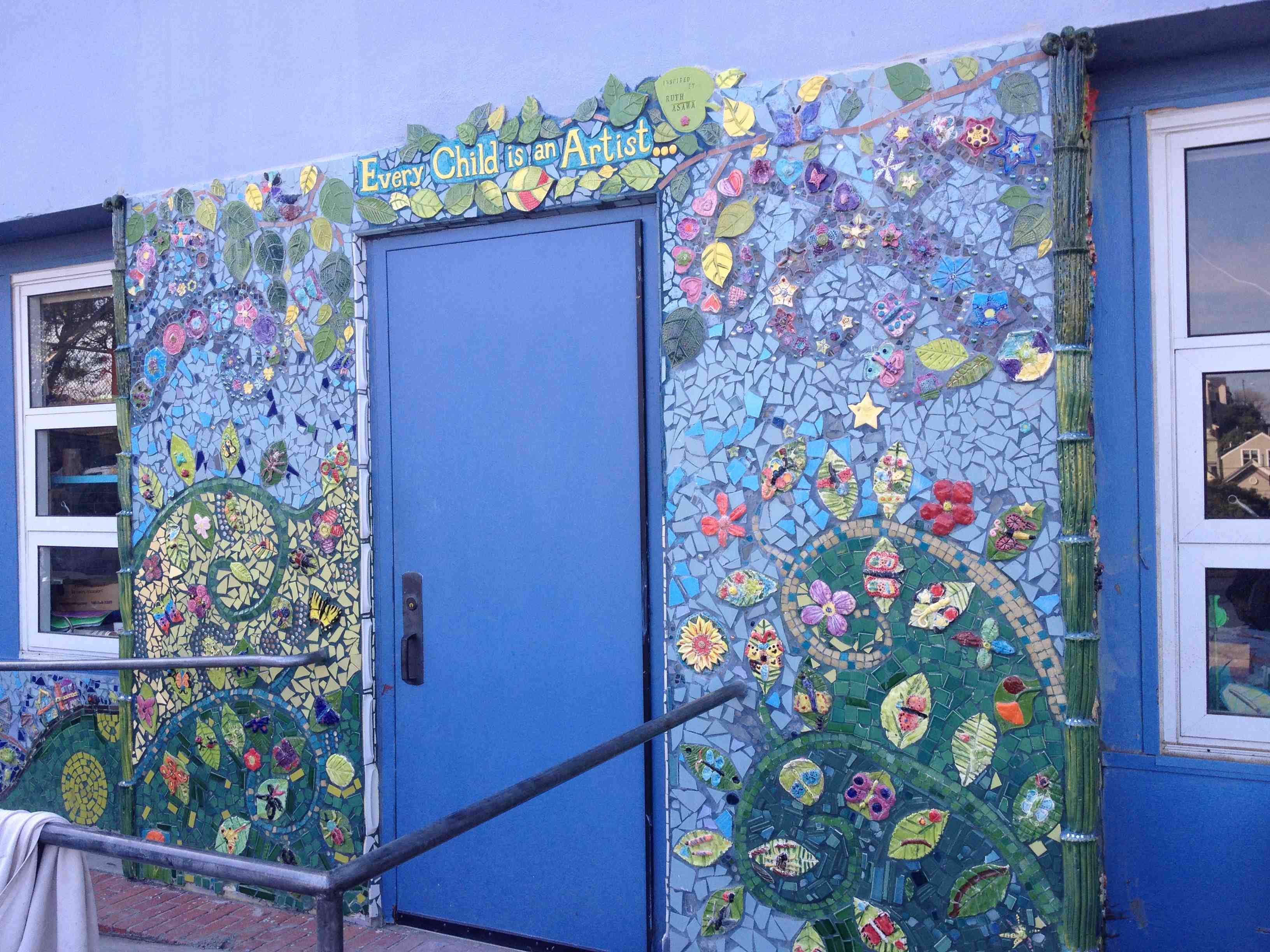
Tiled mosaics are a great addition to any garden space.  They are durable and vibrant, and spice up that ten foot tall gray concrete wall with some stories and happiness.  Artist extraordinaire Dan Stingle had this to say at a local elementary school:

sf7

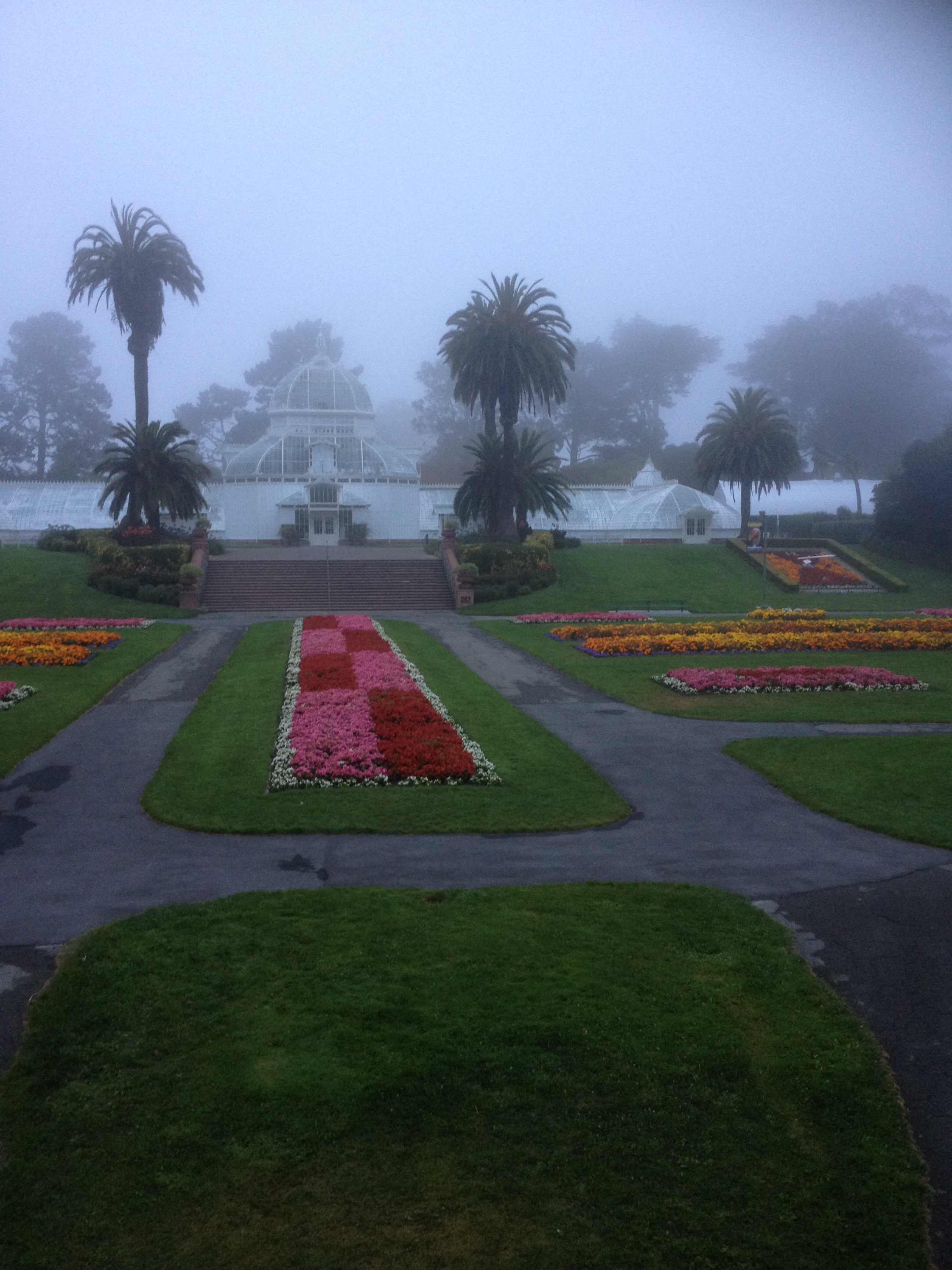
A  style that has had tremendous and major influence in garden design comes to us from Europe.  It is the formal garden of medieval kings and queens, lords bishops and nobles.  Symmetry, straight and clean lines, attention to detail.  It is  represented minisculey here at the Conservatory Valley in some beds of annuals, well mowed lawn, and a big glass Victorian age greenhouse:

eu8

The symbols and underlying mythology and origins are shown here, at the top of City Hall in front of the Civic Center Joseph Alioto Performing Arts Piazza.  Nice caduceus!:


9

Okay.  Heres the assignment.  Look up 1) Versailles orangerie 2) the Potager garden (kitchen garden) at Villandry, and 3) the gardens at Filoli in Woodside.  Google images and associated texts.  Compare and contrast these formal gardens with another style.  Either a style covered here in this blog, or one in the text.   Maybe the gardens of Mesopotamia or Egypt, or the gardens of the Incas.  Think about the plants used, the hardscapes of stone or wood or ceramics, the overall layout, and the cultural symbols.  Who was the audience?  What was the purpose of the garden?  In addition, discuss the maintenance (high, medium or low) and labor (highly paid professionals, serfs, slaves, etc.).  Lastly, tell me which one you liked better, and why.  About two page essay, typed or handwritten.  Due date announced in class…

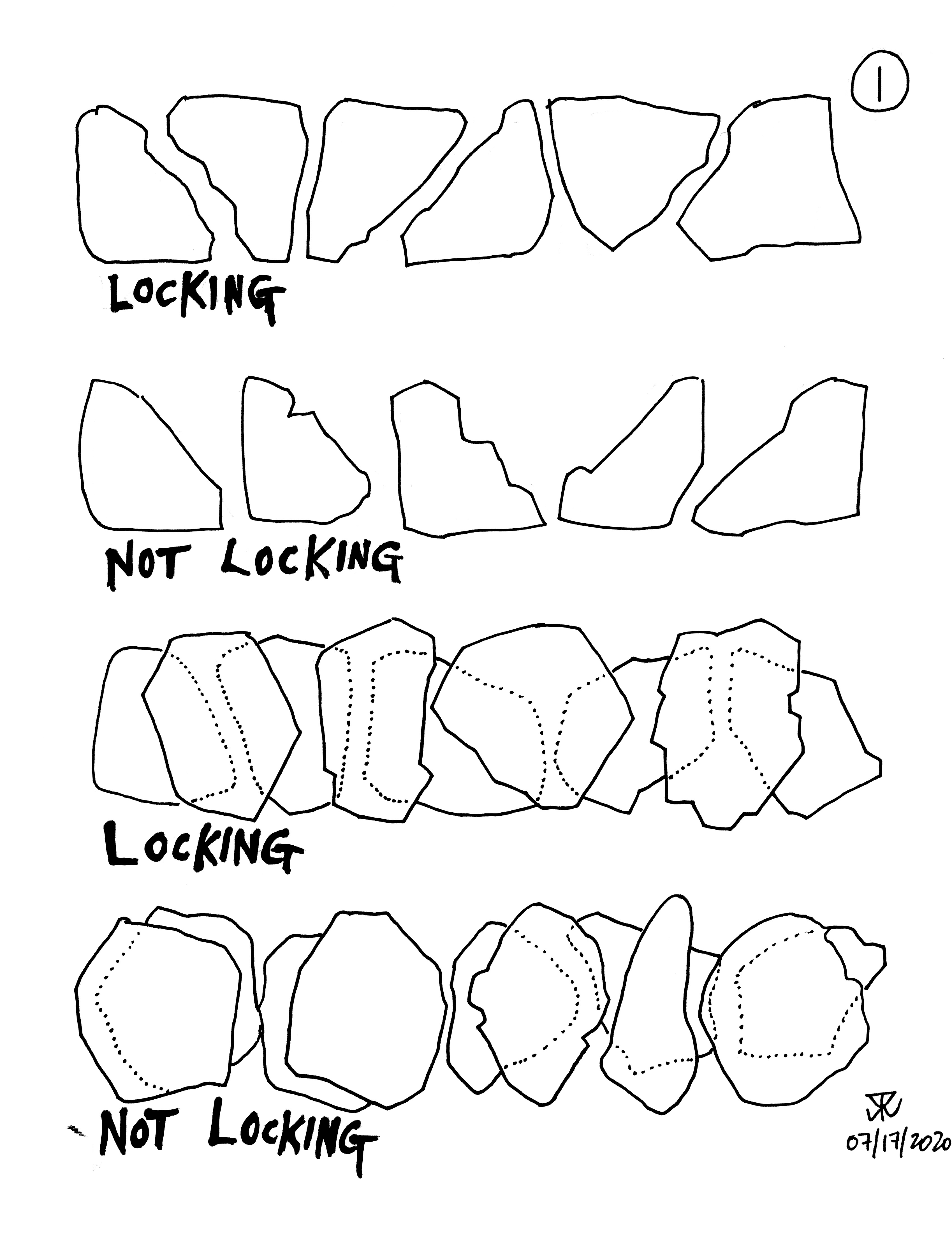
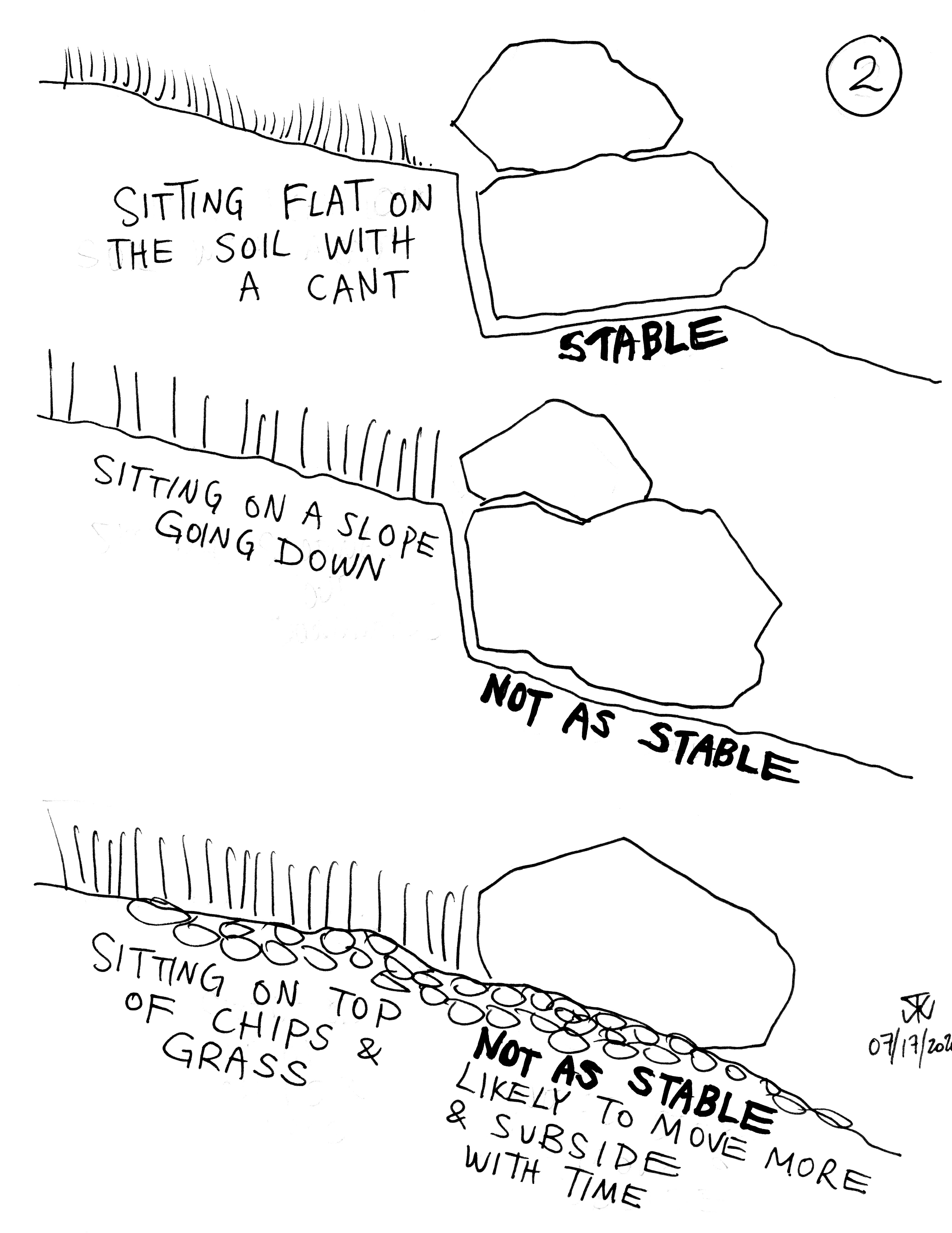
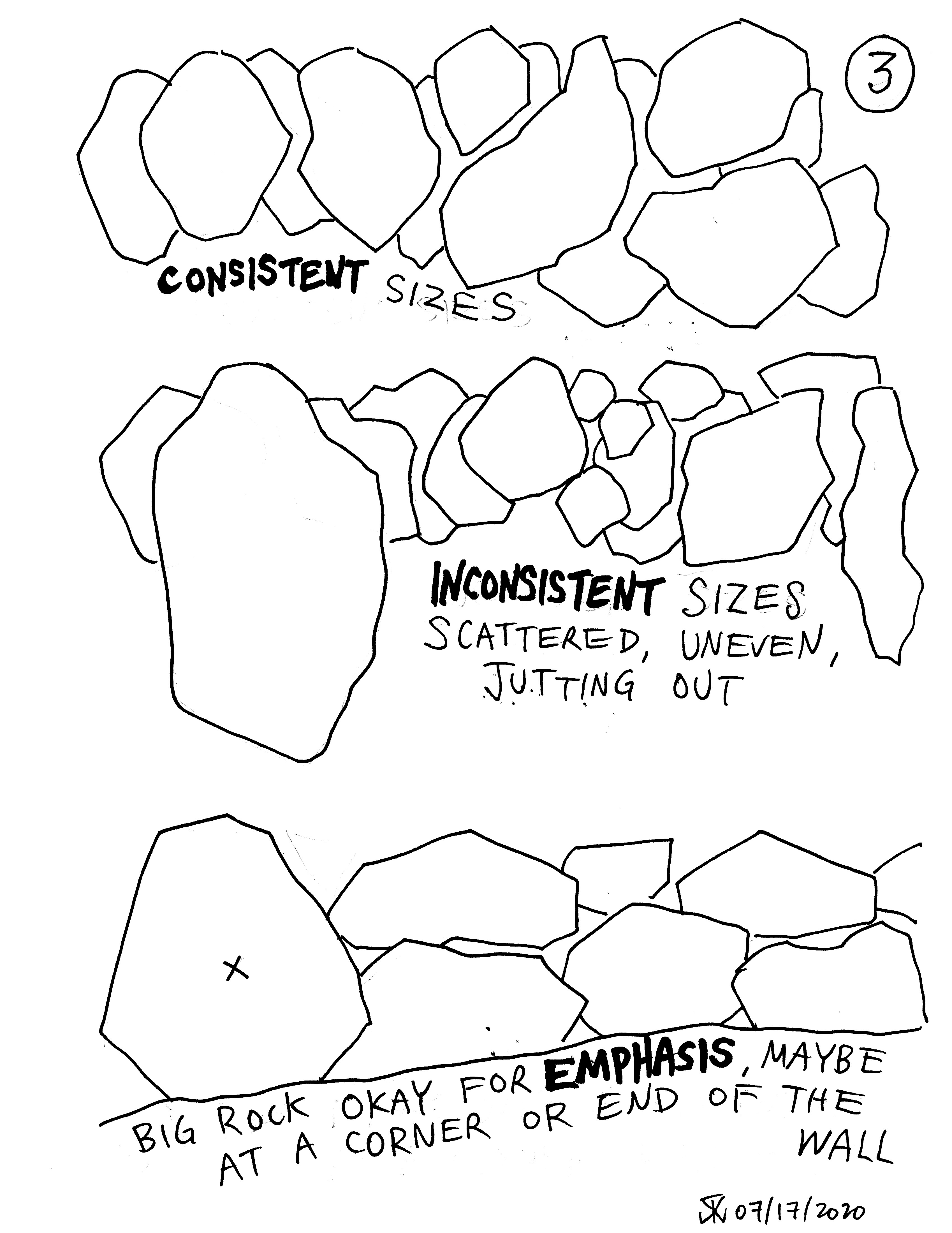
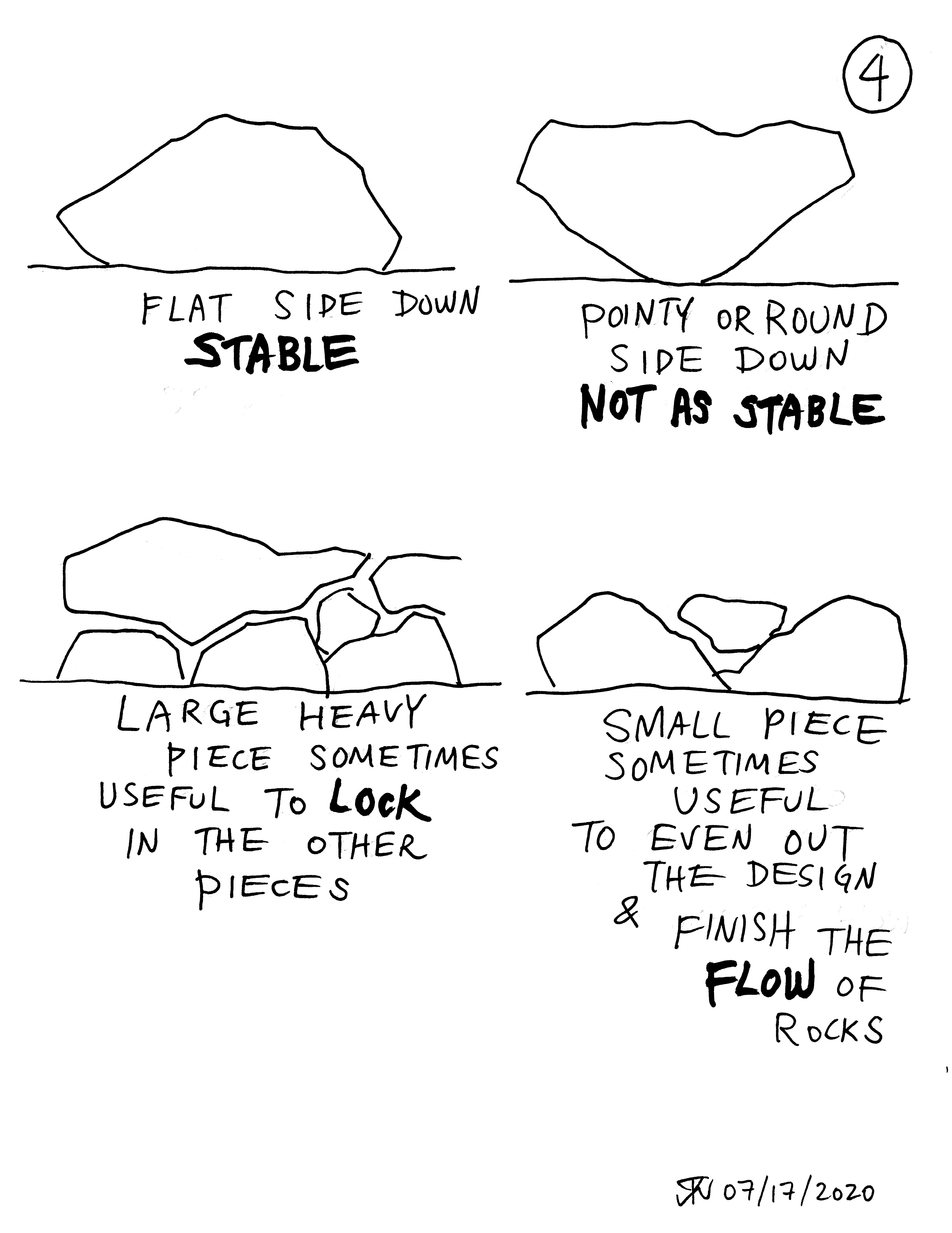
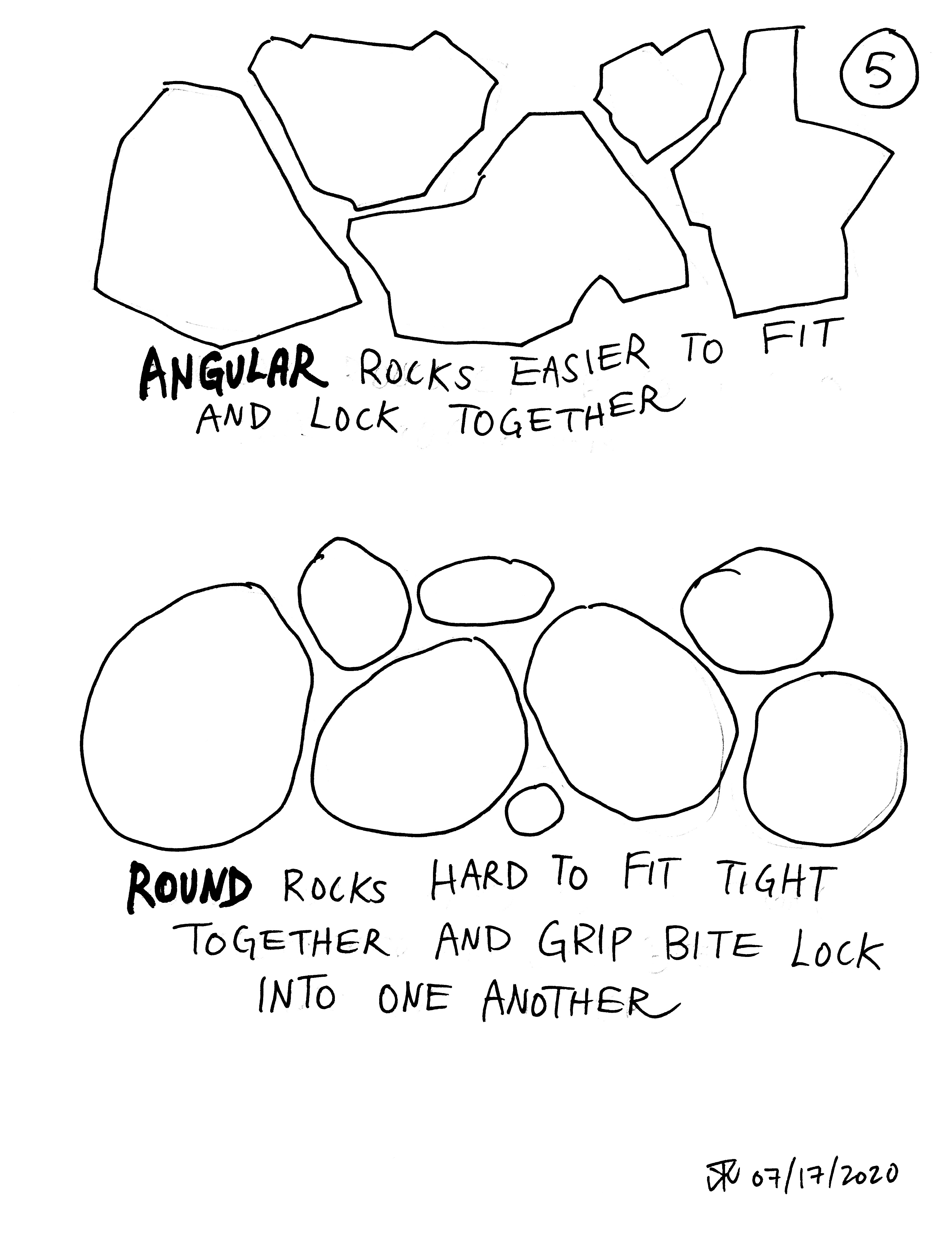
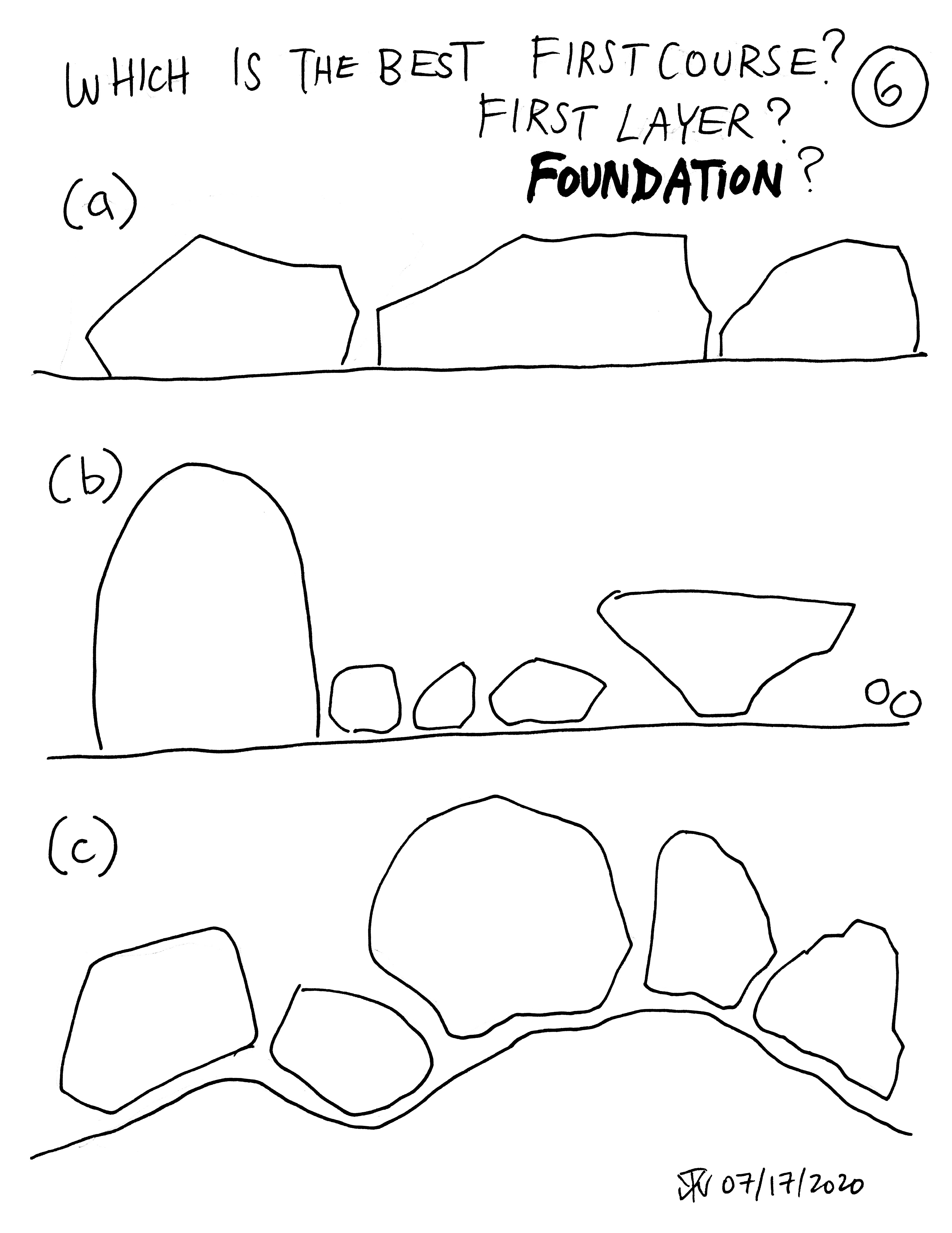
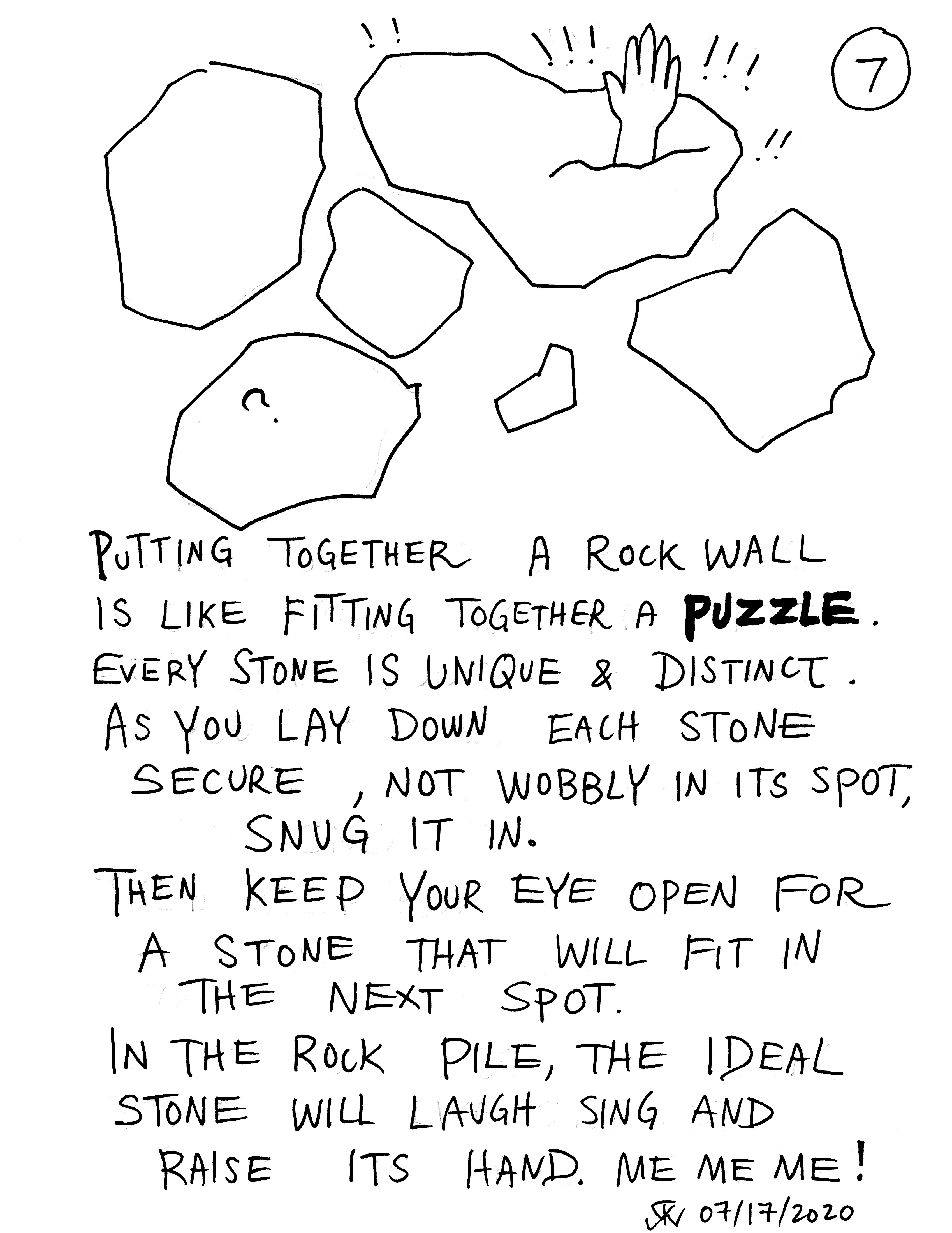
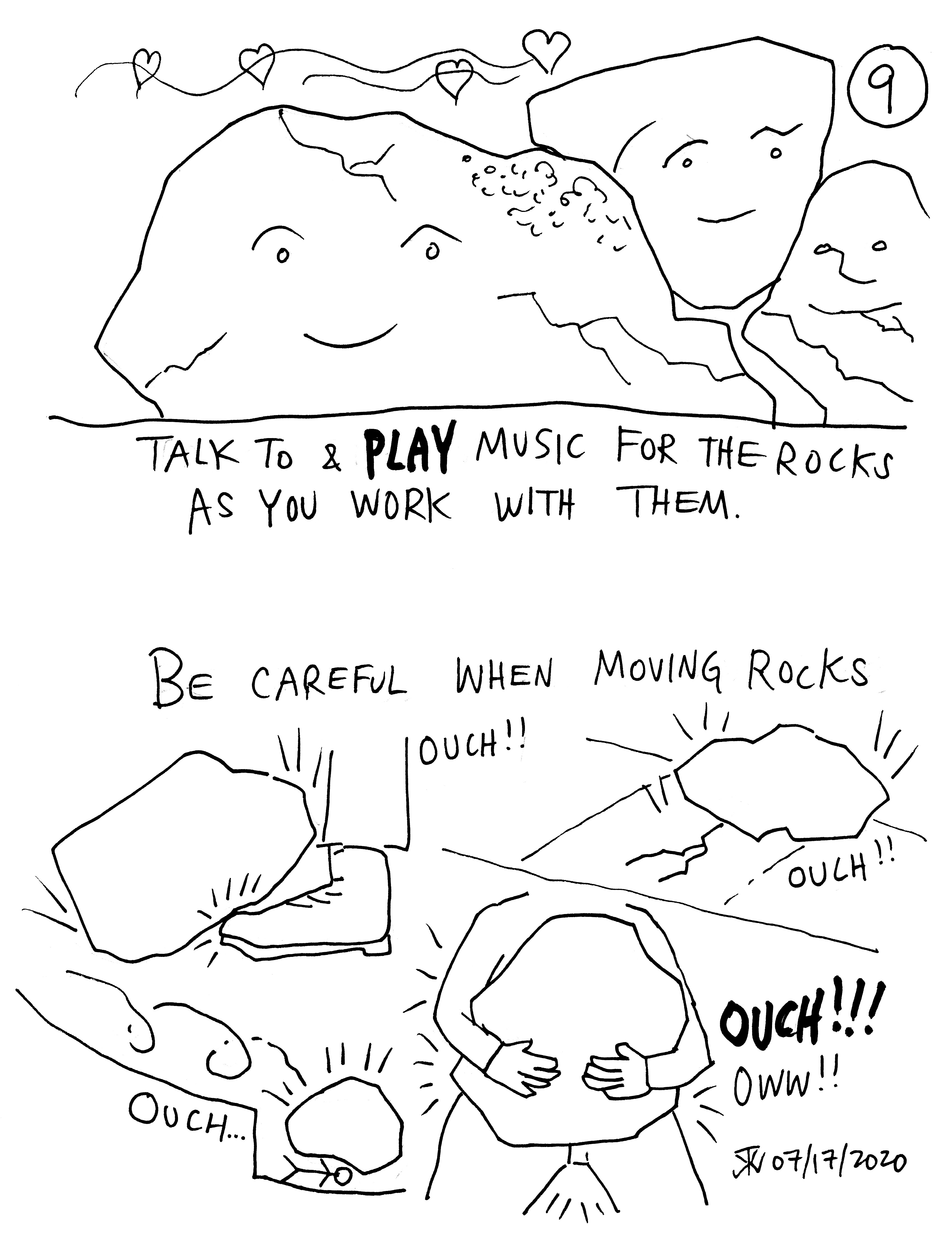
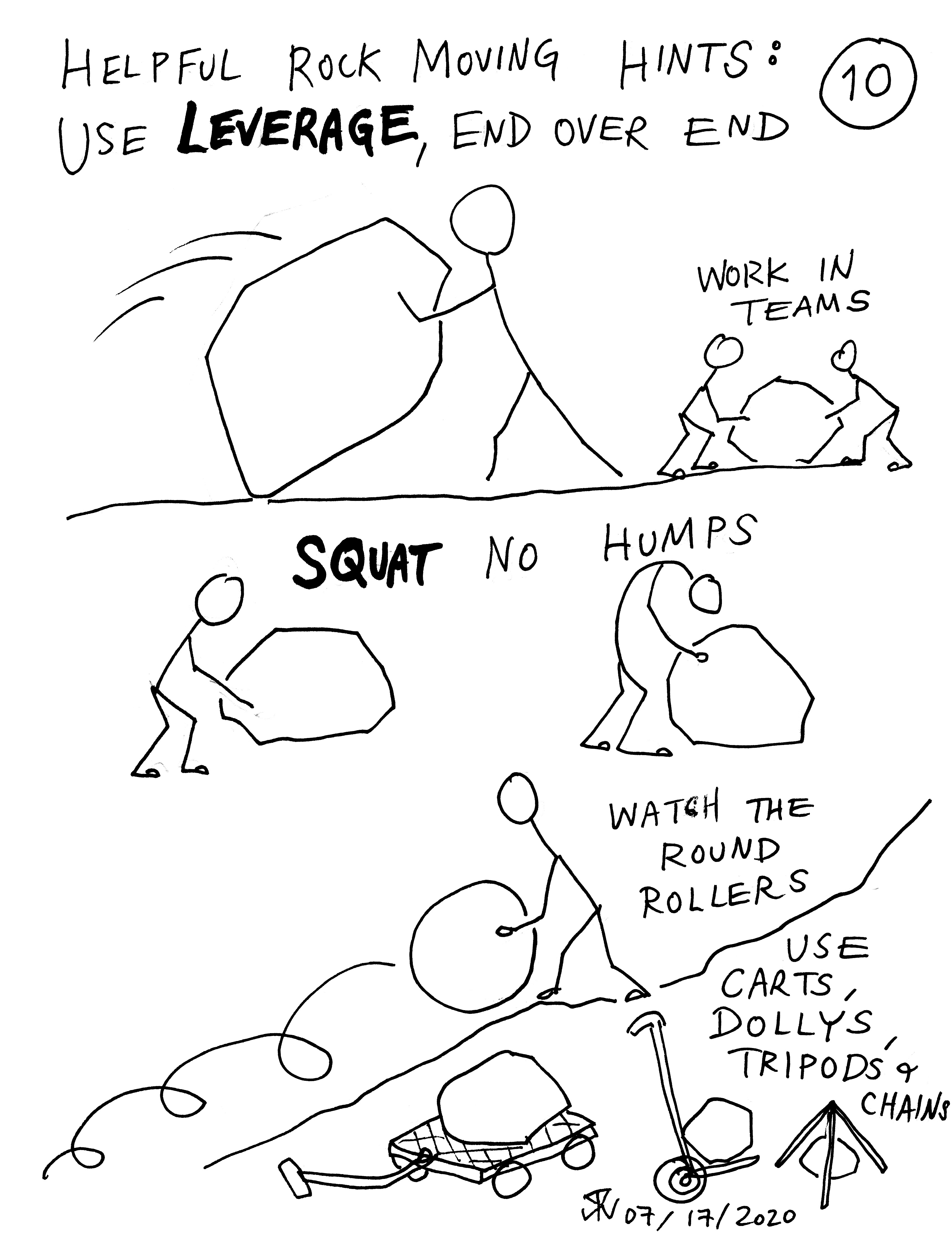
Sooner or later in the course of gardening and landscaping, you may be asked to build a retaining wall of natural rocks using something like Sonoma field stone.  The task is pretty daunting at first, moving and positioning those five ten twenty hundred tons of stones that got delivered on a palette in a wire basket.  Once you get into the rhythm and flow of it though, it is a darn right pleasant exercise that takes you straight to the high mountain terraces, ancient island cairns and way markers, neolithic rock mounds, and foundations for a mud straw home.  Here’s a few pictures to help on the way:

rock1


rock2


rock3


rock4


rock5


rock6


rock7


rock8


rock9


rock10

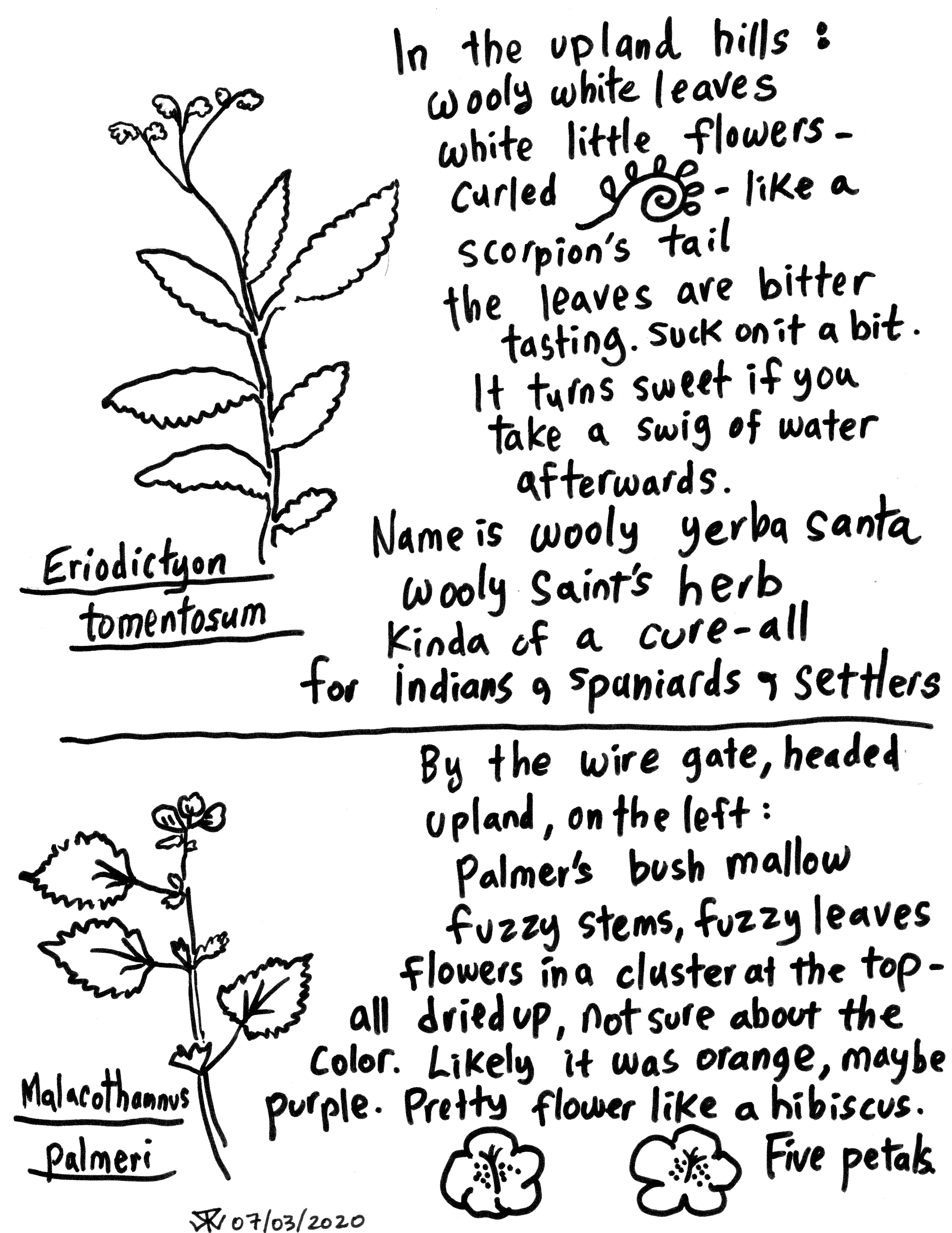
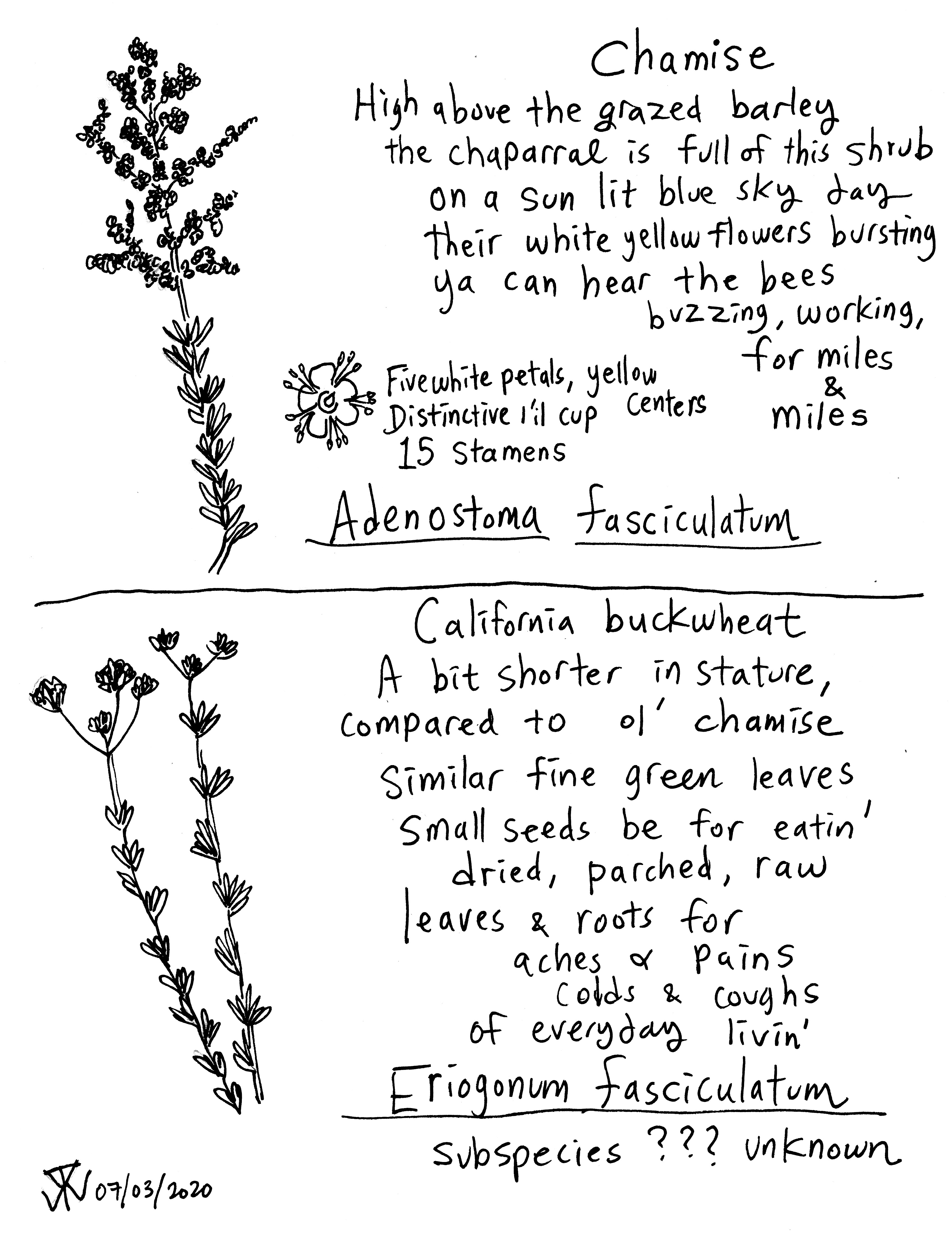
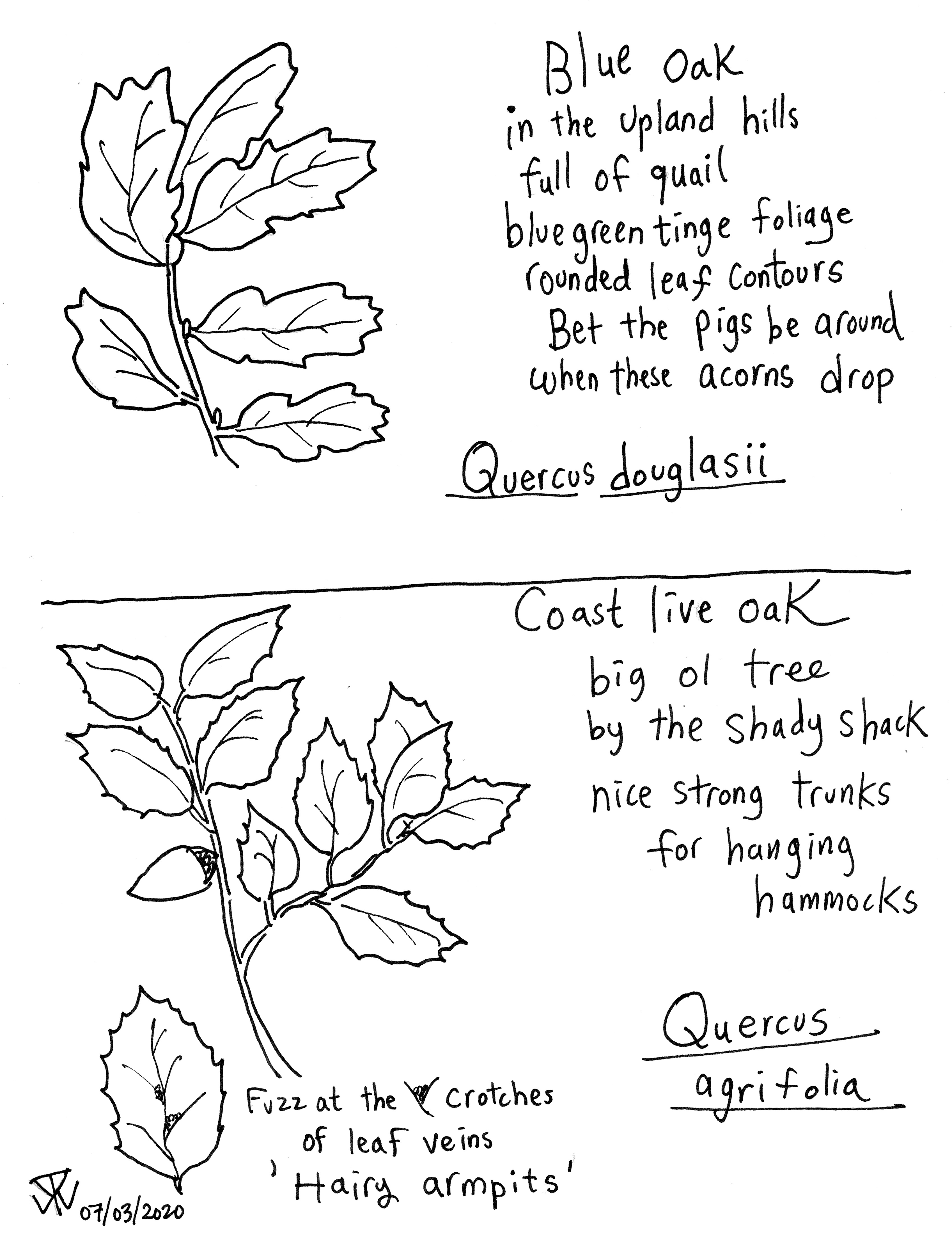
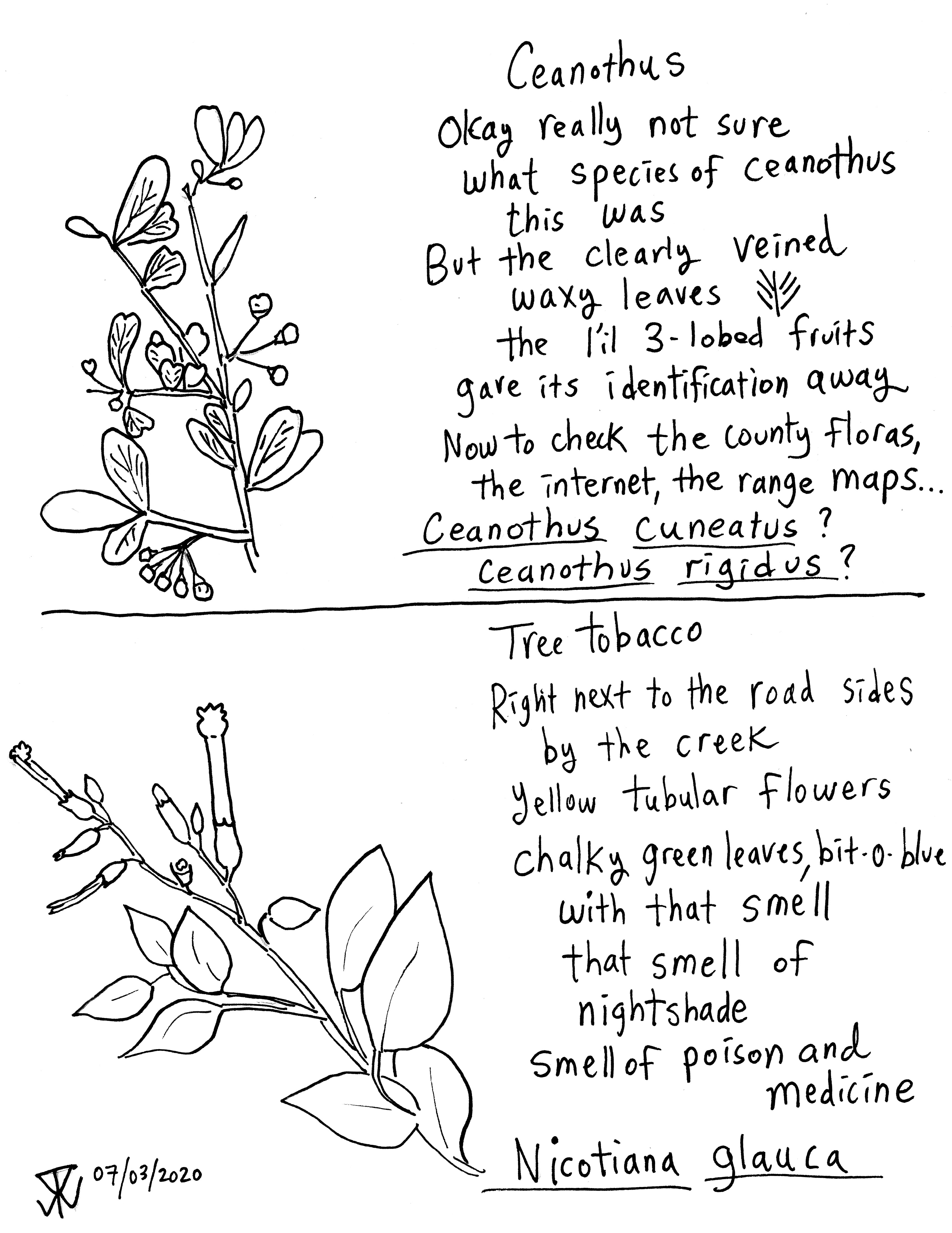
Was dreaming about the chaparral of Monterey County, wedged south of the Salinas River Valley.  Brown blond hills dotted with puffs of green.  These were some of the plants that I saw:

prsa1


prsa2


prsa3


prsa4