This slideshow takes us from the farms then matorral of southern Spain to the nurseries and ornamental gardens of California. We are focussed on two species of lavender – Lavandula pinnata and Lavandula multifida. Along the way we encounter taxonomic confusion and mish mash, botanical verbiage, and reach a somewhat satisfactory ending.
There’s this ancient symbol of a snake eating its own tail. It depicts that cycle of birth and death, creation and destruction, that we are all engaged in day to day. It merrily sums up compost and recycling.
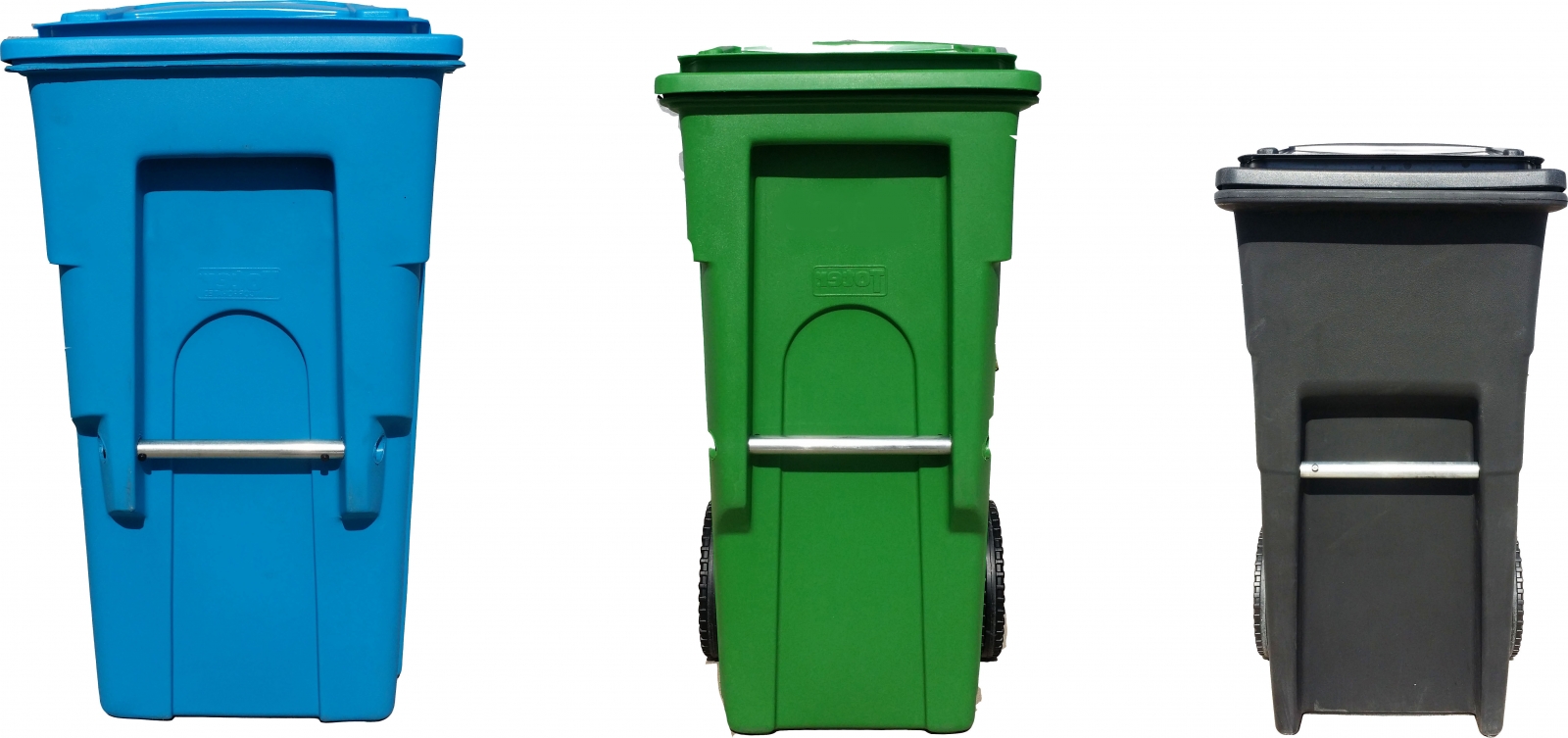
In San Francisco we separate out our garbage into three bins. The black bin is for garbage that gets buried in the ground, landfill.
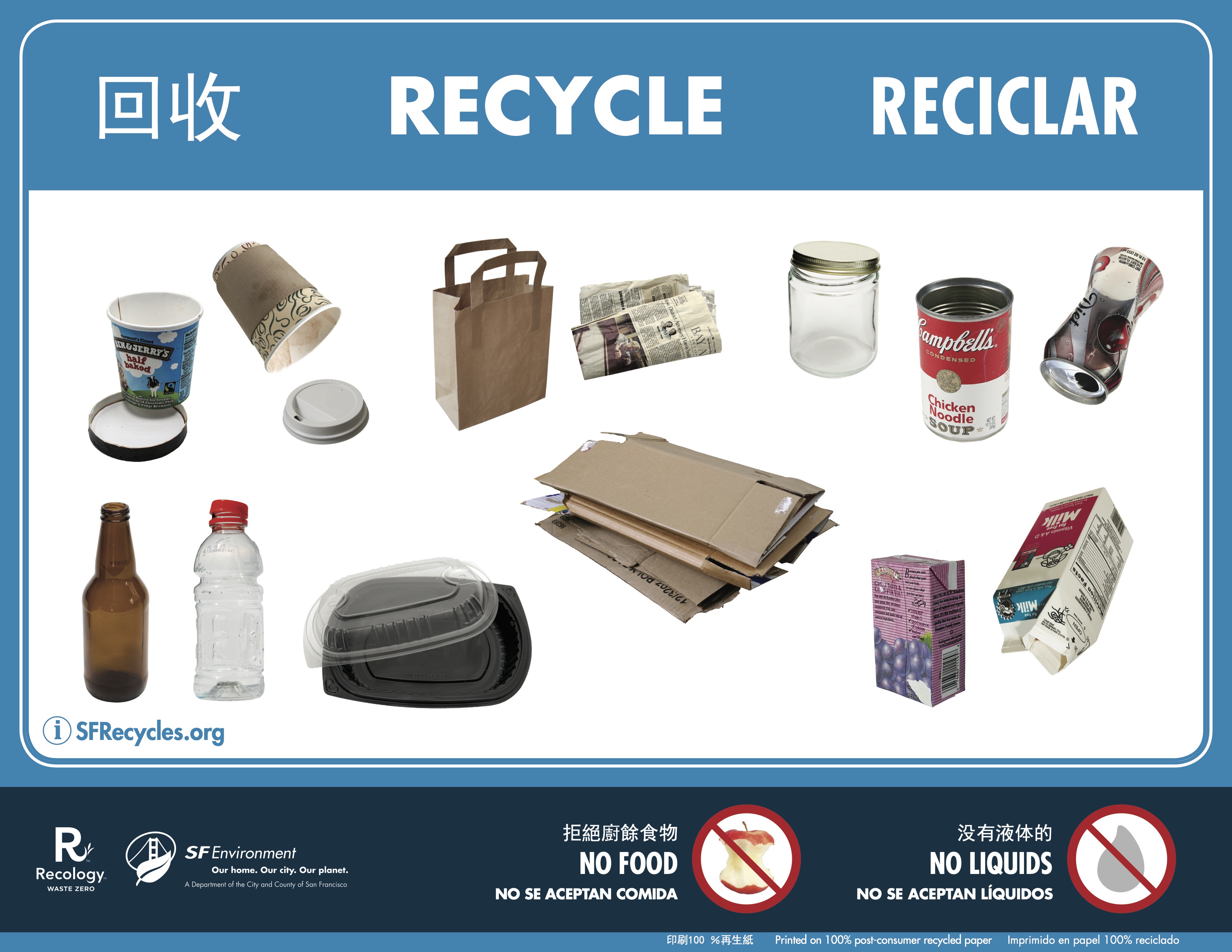
Blue is for goods that will go, hopefully, to be recycled:
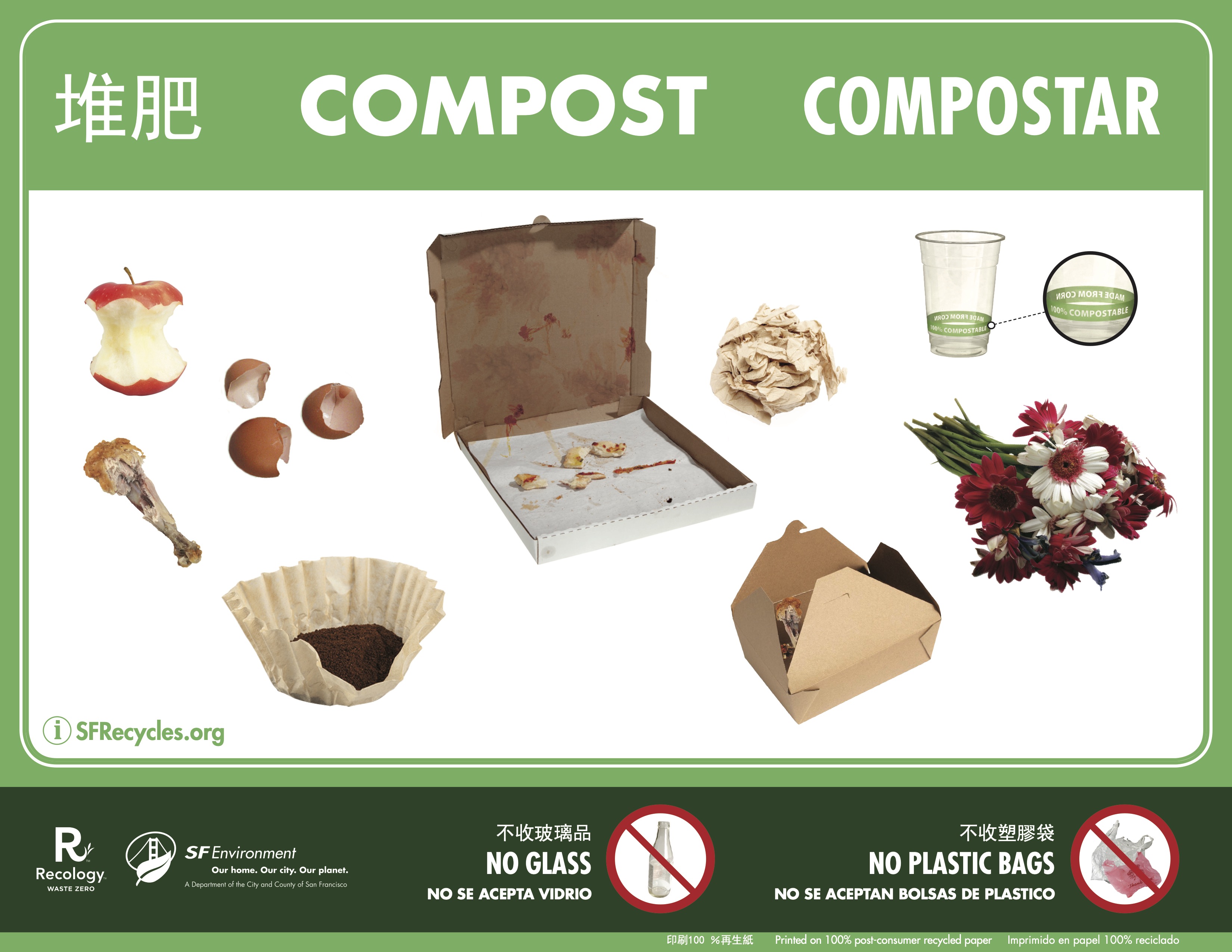
Green bin is organic waste, to be made into compost. Meats are okay, plastics are not.
In parts of the far north High Arctic where reindeer go on walkabouts and eat lichens off the tundra, it is cold and dry, desert like in a way. There is not much biological decomposition happenin’, and stuff breaks down verrrrrrrry slowwwwwwwly.
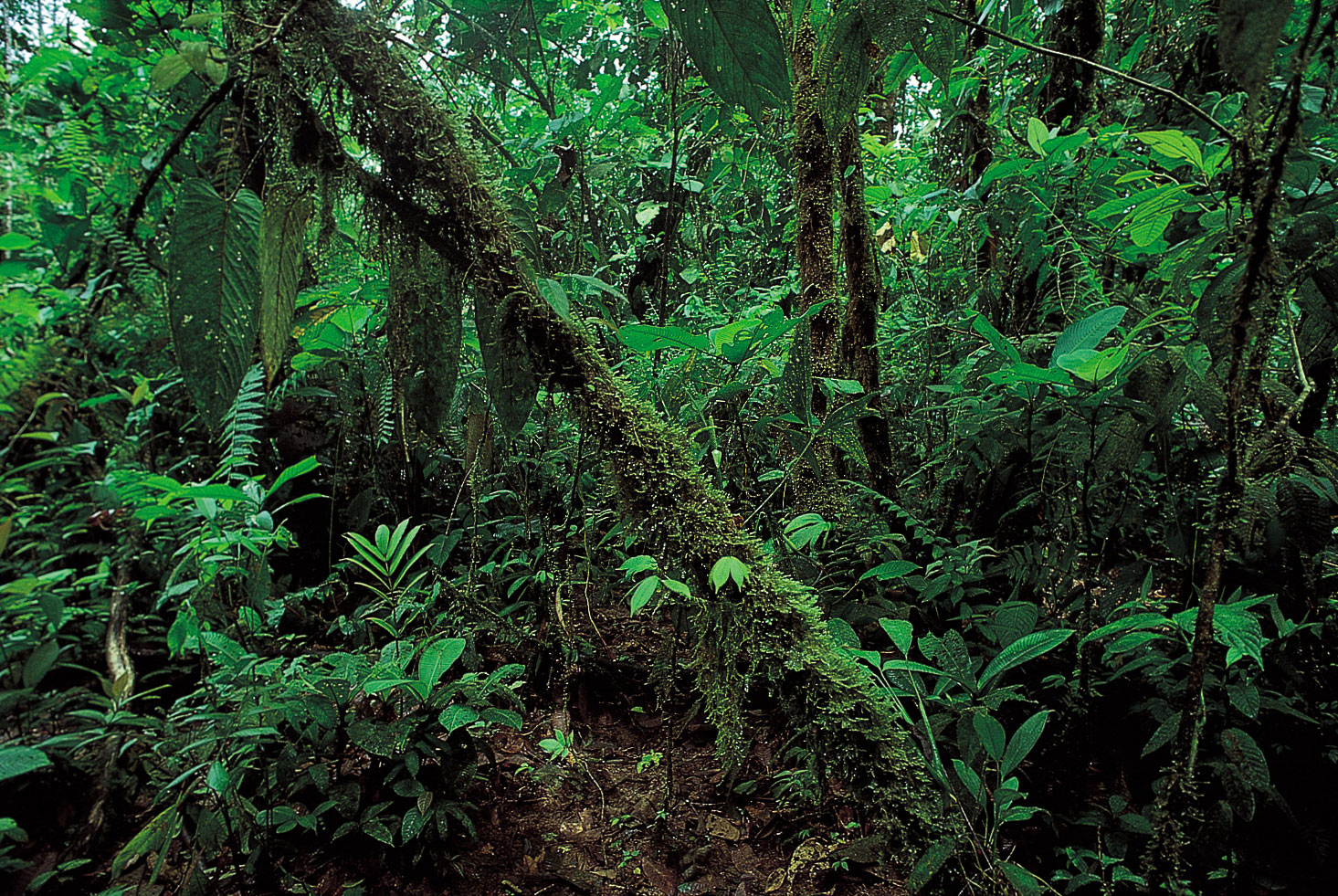
In the moist tropical jungle where it is hot, humid and wet, stuff breaks down super fast. Organic matter does not get a chance to sit around. Fungus, bacteria, worms and all the rest of em hungry creatures descend on every speck of mineral, skin and bone, leaf log and twig, and eat it. It’s all food.
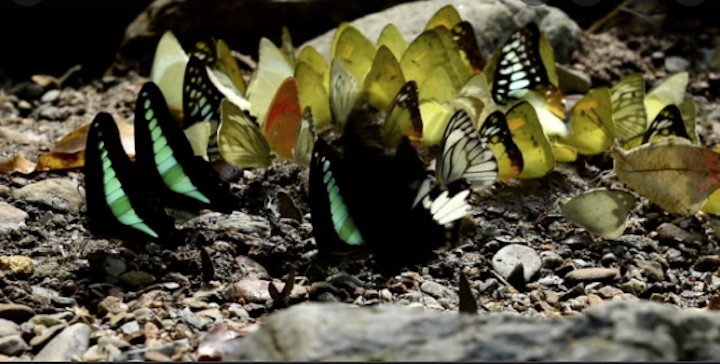
Butterflies in the tropics often gather around puddles of salts. A favorite activity of entomologists collecting specimens is to take a piss, and watch the butterflies all come in for treats.
They say the tropical soils are really poor in nutrients. The water, rains and floods leach it poor. No organic matter stays around long enough to build it up so to speak, like in the soils around the flood plains of a river like the Mississippi or the Nile. Yeah there’s a lot of tall green plants in the jungle,, but the soil is thin and not that thick black richness of accumulated millennia.
However, in the Amazon basin, there is a super rich soil associated with native peoples and the massive agricultural systems of olden days manioc, palms, chocolate, sweet potatoes, peppers, tobacco, and so on. The soil is called terra preta de Índio. It is dark in color, rich in carbon, and full of nutrients.
In the Pacific Northwest of big trees that live hundreds and thousands of years, imagine all the leaves and cones and bits of branches that fall and accumulate on the ground! It all slowly breaks down into massive spongy mats of… compost and organic matter.
In the soil of these giants live fungus. Fungus’ body looks like little white threads. It is eating the downed wood. Fungi are the ultimate recycler. They turn chunky pieces into fine lil bits, and make the nutrients available for plants to suck up.
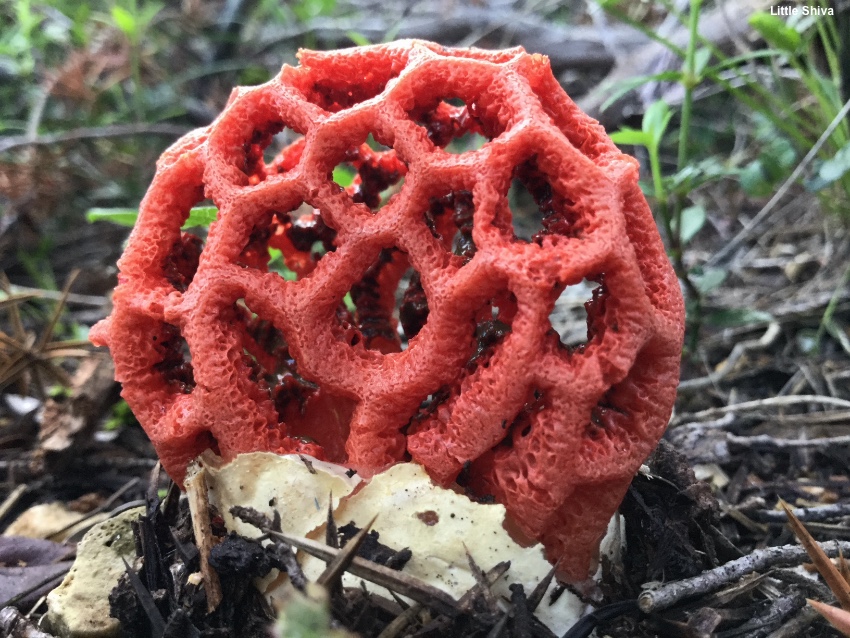
Some fungus have a mushroom that smells stinky and carriony. This stinkhorn is one such mushroom. It is common around here on wood chip mulch, and looks like a lattice of red and orange with goopy sticky olive poo colored mass inside. Flies love em!
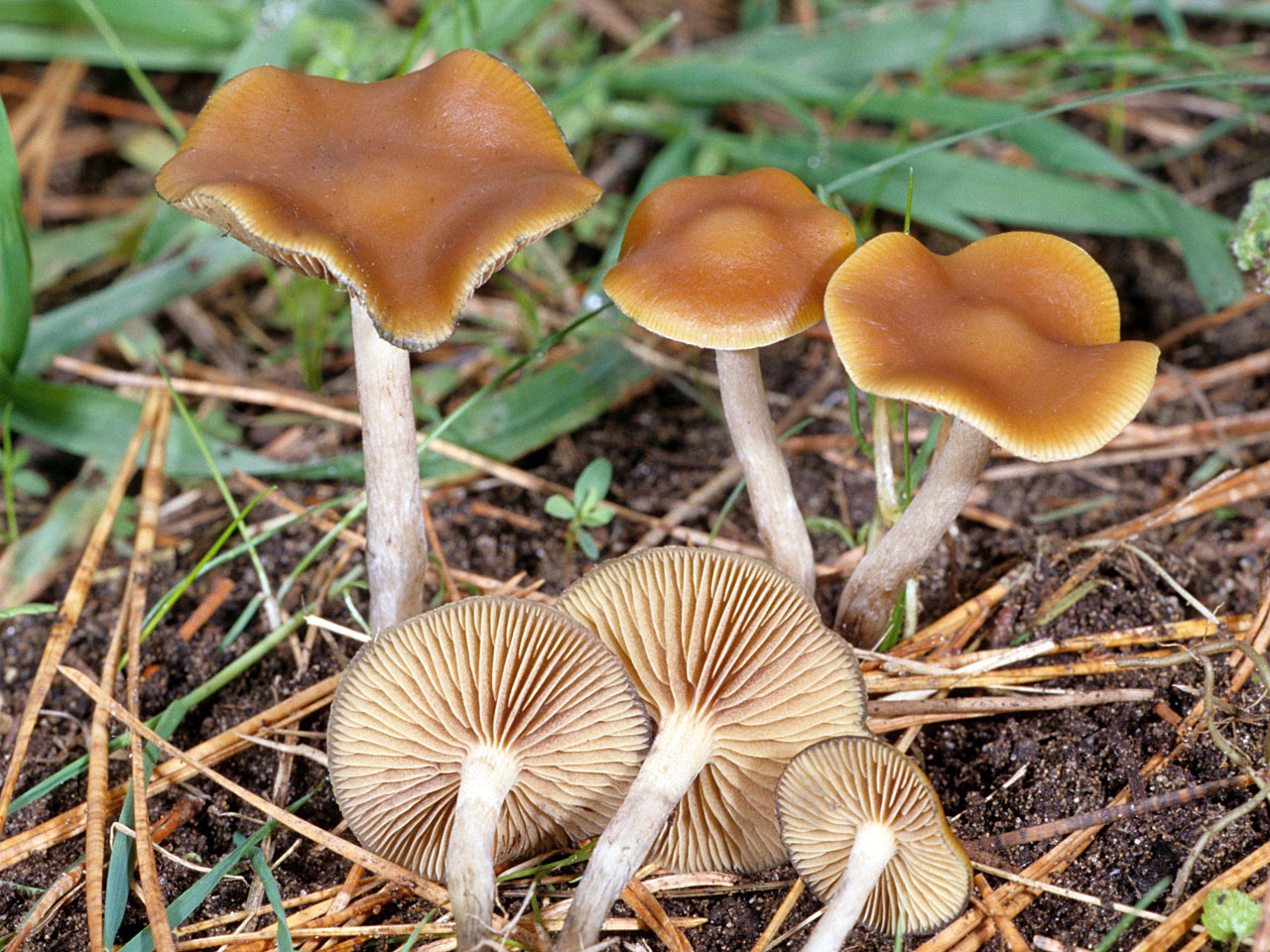
Another common mushroom around here is a potent magic mushroom that enjoys eating eucalyptus twigs and chips. If you touch or bruise it it turns blue.
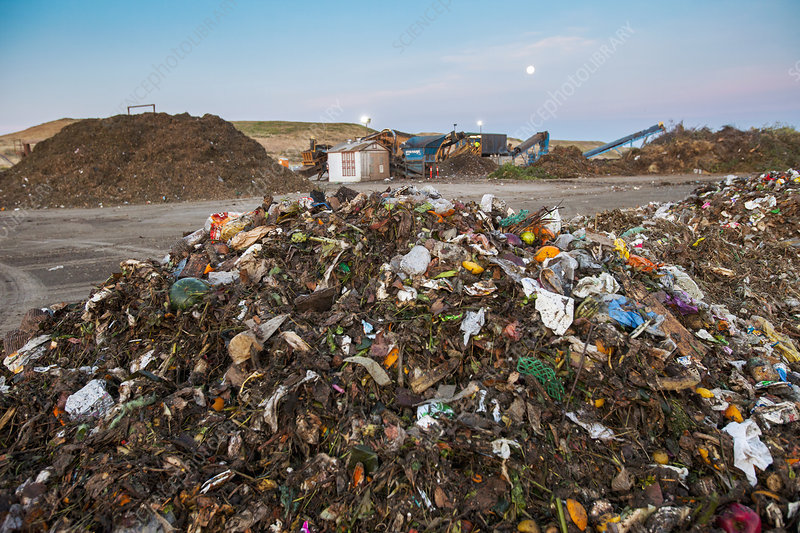
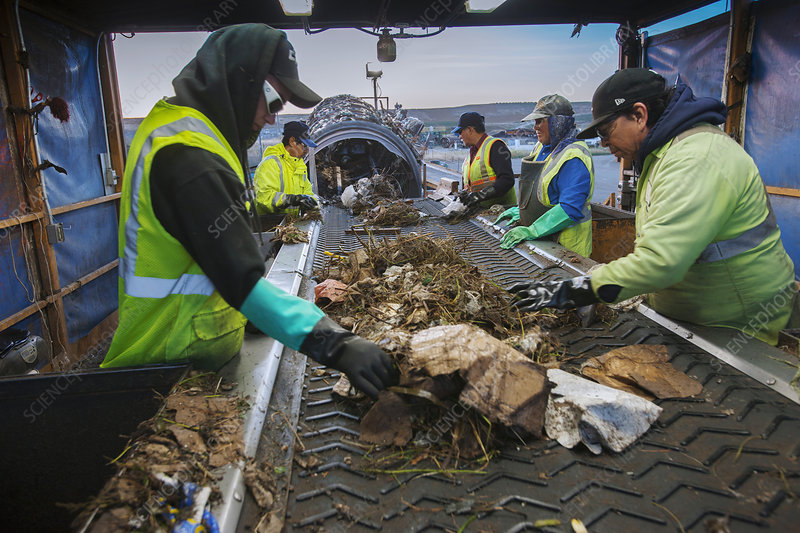
Anyhow. That’s all for nature making compost on her own. We do the same thing, but in a composting facility like out at Vacaville. See all the banana peels, moldy oranges, rotten avocados, carrot tops, and spoiled ribs?
Folks got to sort through it, cause some people do not know what is organic and what is not, and what to throw in the green bin and what not to.
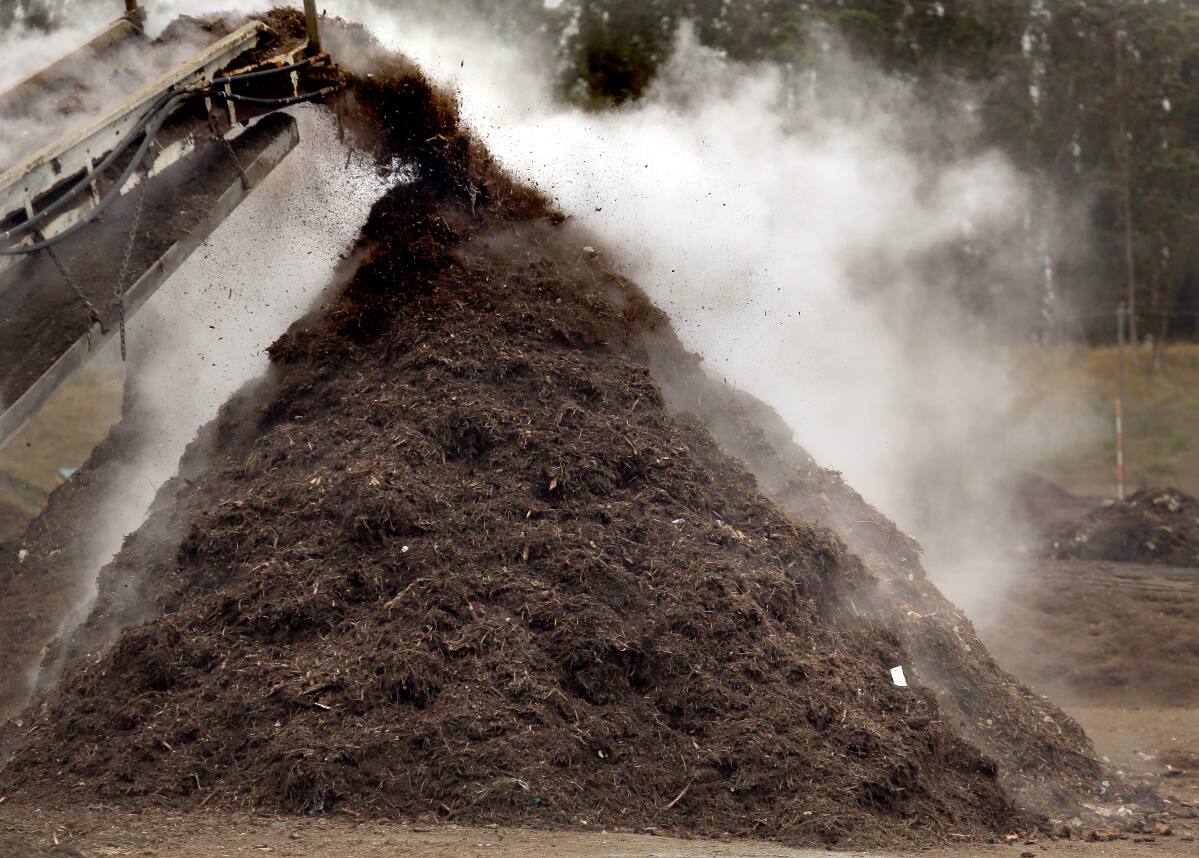
The stuff from the city green bin is mixed with brown carbony branchy material and stacked in long rows. It is watered and aerated too. There is so much biological activity (bacteria and fungus feeding and spawning) that the whole pile gets really hot! Then it is turned also by loaders.
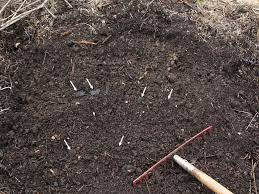
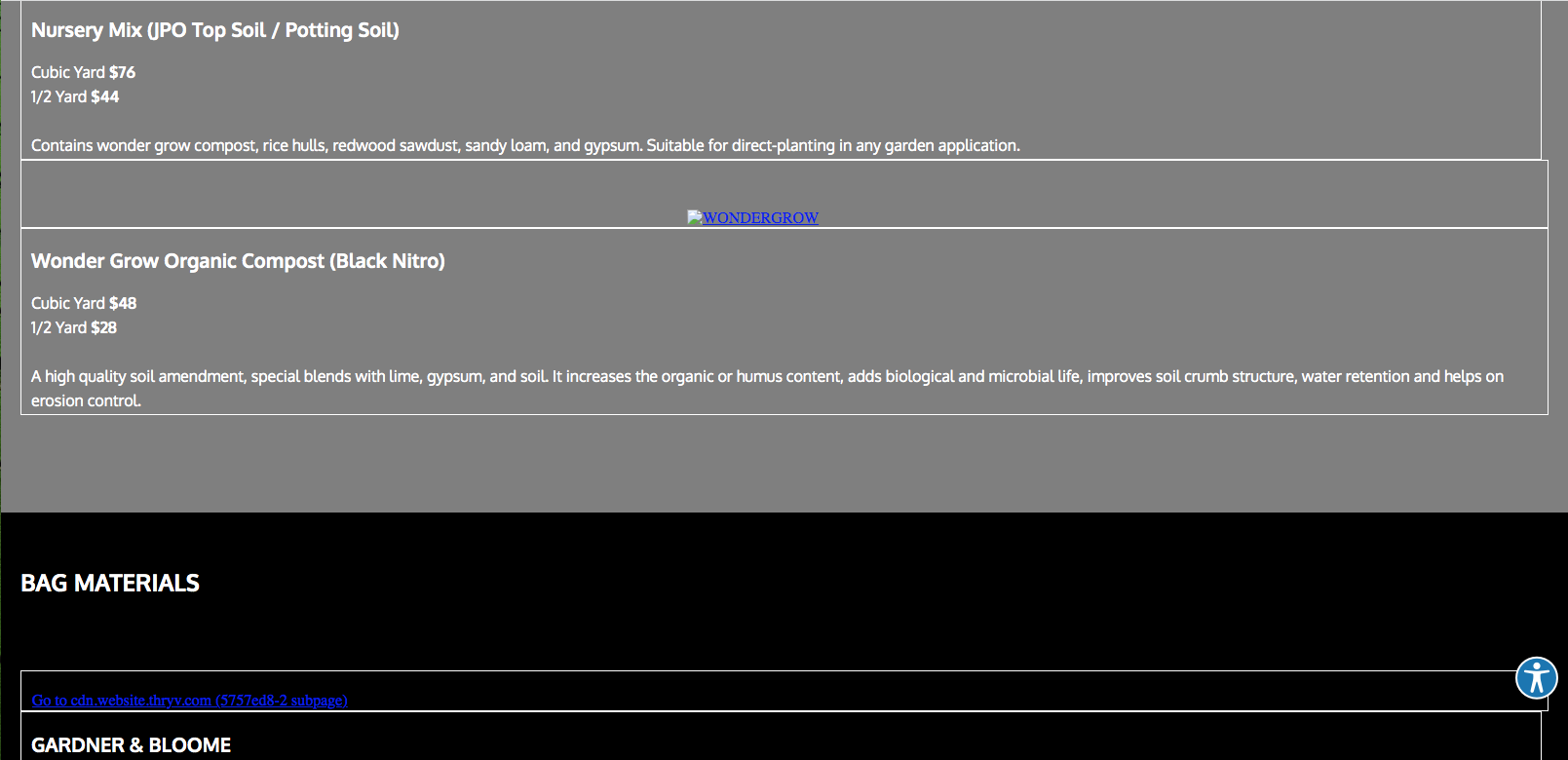
After a while, all the stinky sticky yuck food and organic waste is turned into this dark brown black material that is great for vegetable gardens, vineyards, and farms. Sometimes it is sold at the local landscaping stone and mulch yard too:
Some folks try to make compost in their own garden. These black tubs were fashionable for a while around here. But to be honest, they did not work too good. A good compost needs air (turning or aerating), needs to heat up and cook, and ought to be in a place where it can get some sun. Like anything in the garden, it needs care and attention. Most of these black plastic bins would end up in a dark corner of the garden filled with slugs or rats. Not compost.
This here is a compost system based on bins that work. Oftentimes there’s three or more wired bins side by side. Check out Garden for the Environment, at 7th and Lawton Avenue, if you want to take an excellent workshop on composting.
At Alemany Farm, they make a fantastic compost too with horse manure and weeds and such. Here’s a worker watering the pile. Water makes everything come alive!
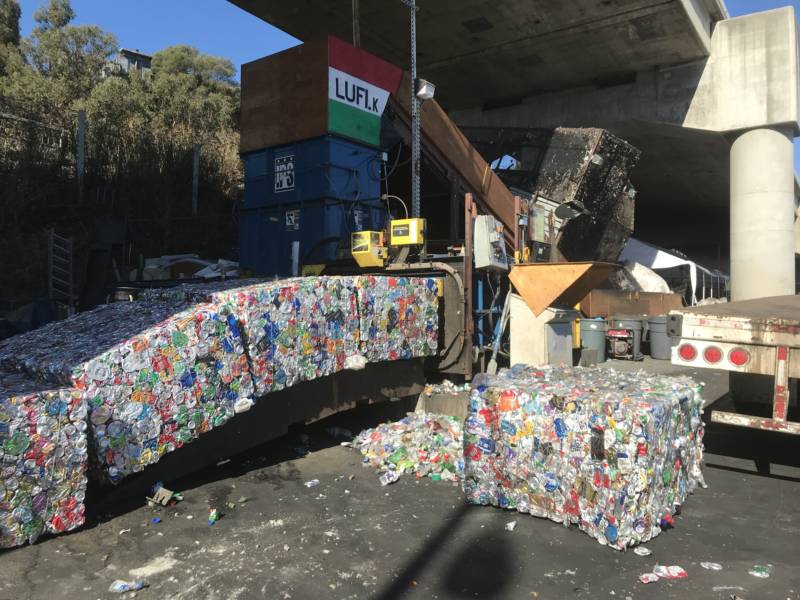
Alright, that’s all for composting. Onto recycling. Out on Bayshore Boulevard, there is a recycling yard. Folks come with bags or truck fulls and sell aluminum or cardboard or other such ‘recyclables’ for a lil money.
Or you can drive it down to the dump off of Tunnel Avenue:
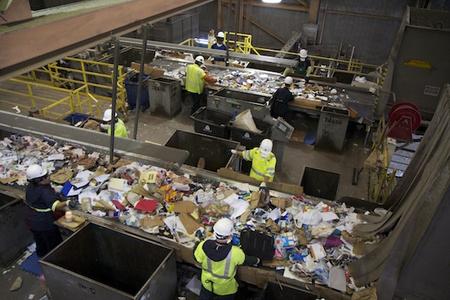
Like the compost, it’s gotta get sorted.
Aluminum fetches top dollar. It comes from an ore. Everything comes from the earth and returns to earth in some way shape or form.
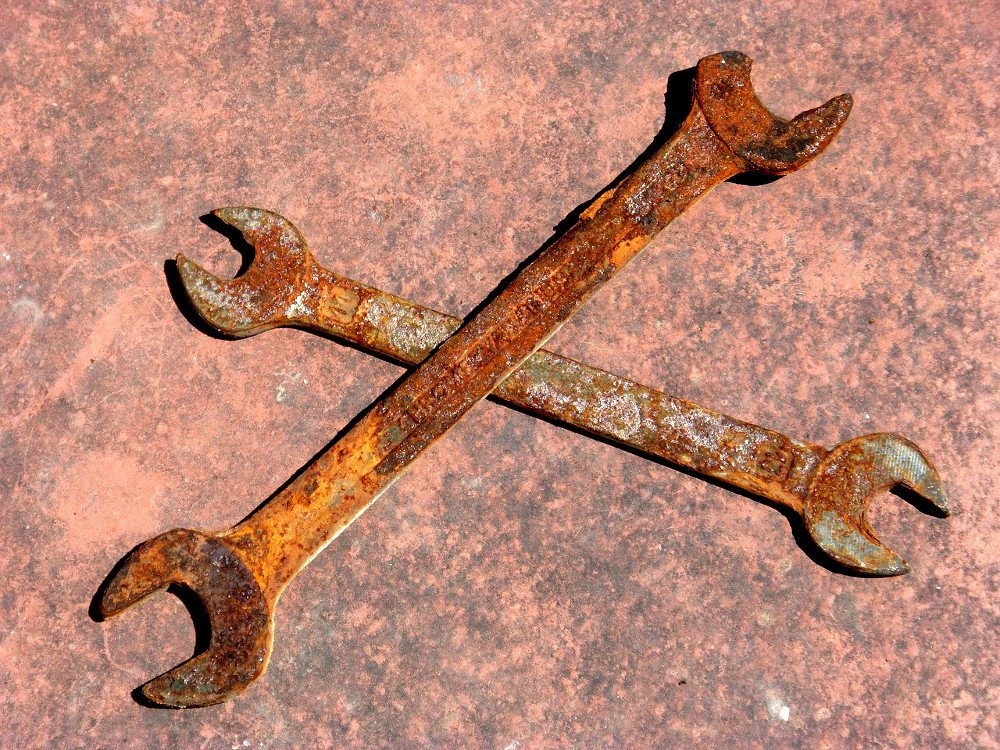
You see steel come apart all the time as rust. If a tools sits around, slowly it binds with the oxygen in the air and kaput away it goes. Ashes to ashes dust to dust.
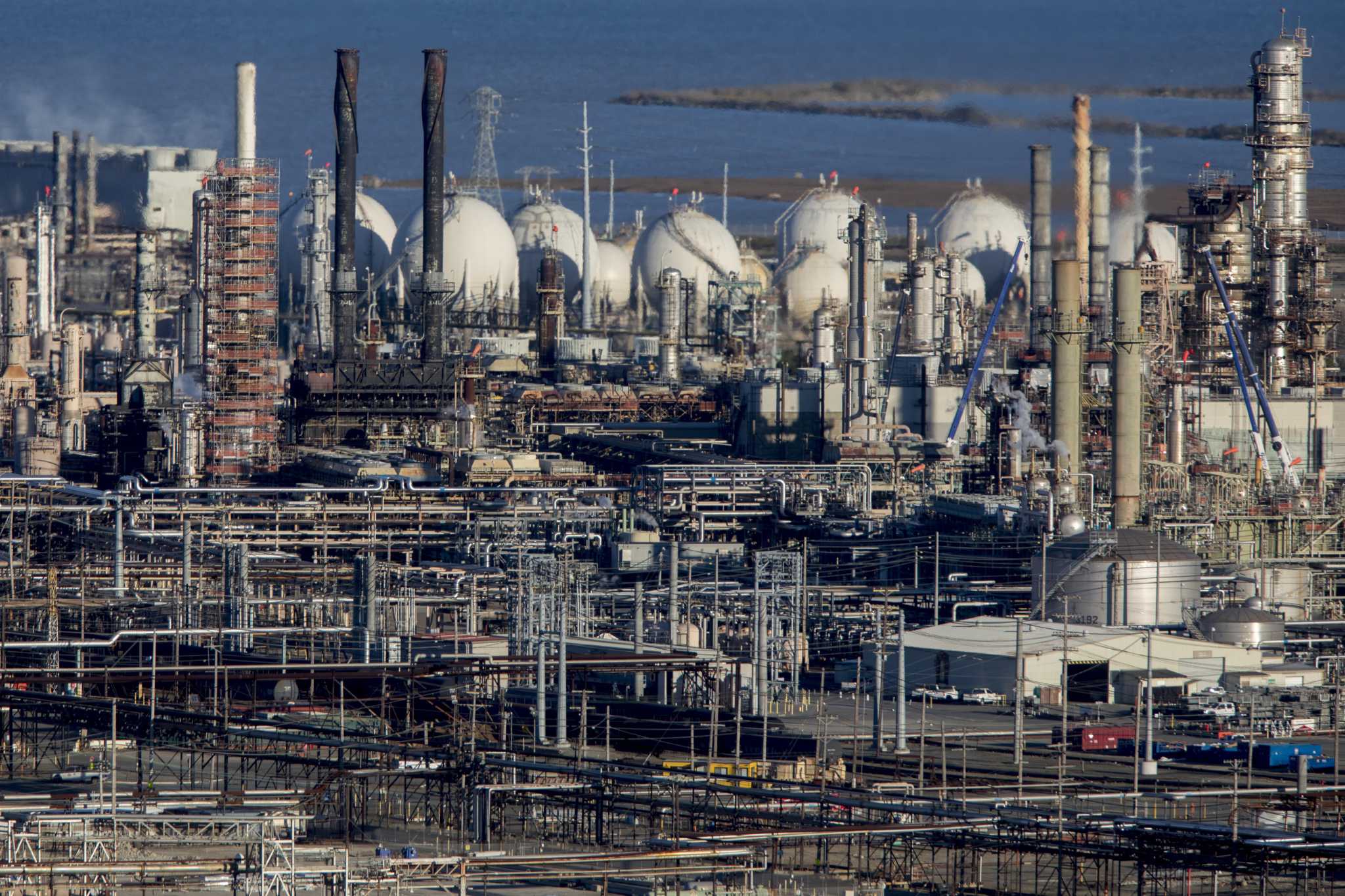
Where do plastics come from? Well they are millions of years old plants and animals turned to black goo and gas. At the refinery, there is a stream of polymers that emerge from the cooking refining process. That is where the plastics come from.
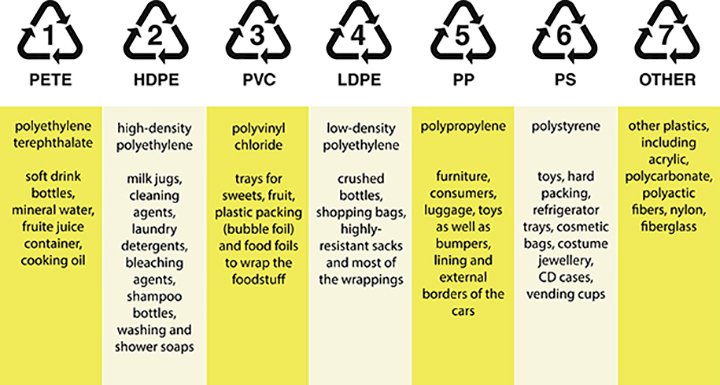
Plastics. There’s just a few basic types you are already familiar with. (1) Polyethylene terephthalate is that nice warm polyester fleece you wear while working in the garden. (3) PVC is that white or gray, schedule 40 or 80, irrigation pipe we use. The one you put together with primer and glue, the smell that makes you a lil woozy. (4) low density polyethylene is the drip irrigation pipe, also known as ‘poly’ pipe. We commonly use the 1/2 ” or 1/4″ tubing, connected with compression fittings. (5) Polypropylene plastic you might know as a car bumper or syringe. (6) An example of polystyrene is that cheap cooler type styrofoam material great for making hyper tufa containers for a rock garden planting. It is light and takes the glue and cement easily.
Here is HDPE (2):
China used to take all or much of our plastic recycling ten or fifteen years back. Then they got tough on pollution and air quality in the cities and no longer accept it. Think it now goes to like Vietnam or other Asian countries where it is likely burned or maybe buried. Not sure. We sure go through a lot of this stuff.
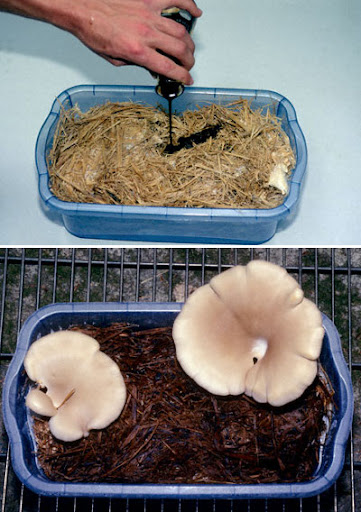
Maybe somebody will eat plastics? That is tricky since the long chains of atoms are so tightly bonded. That said, there is tales of microbes in the oceans who have taken a liking to the stuff we dump so readily. After all, as tough as the stuff is, it’s still carbon hydrogen in chains and rings. And there’s some fungal scientists engaged in experiments of bioremediation, using fungus to clean up oil spills and such. This here is oyster mushrooms feeding on motor oil or similar substance.
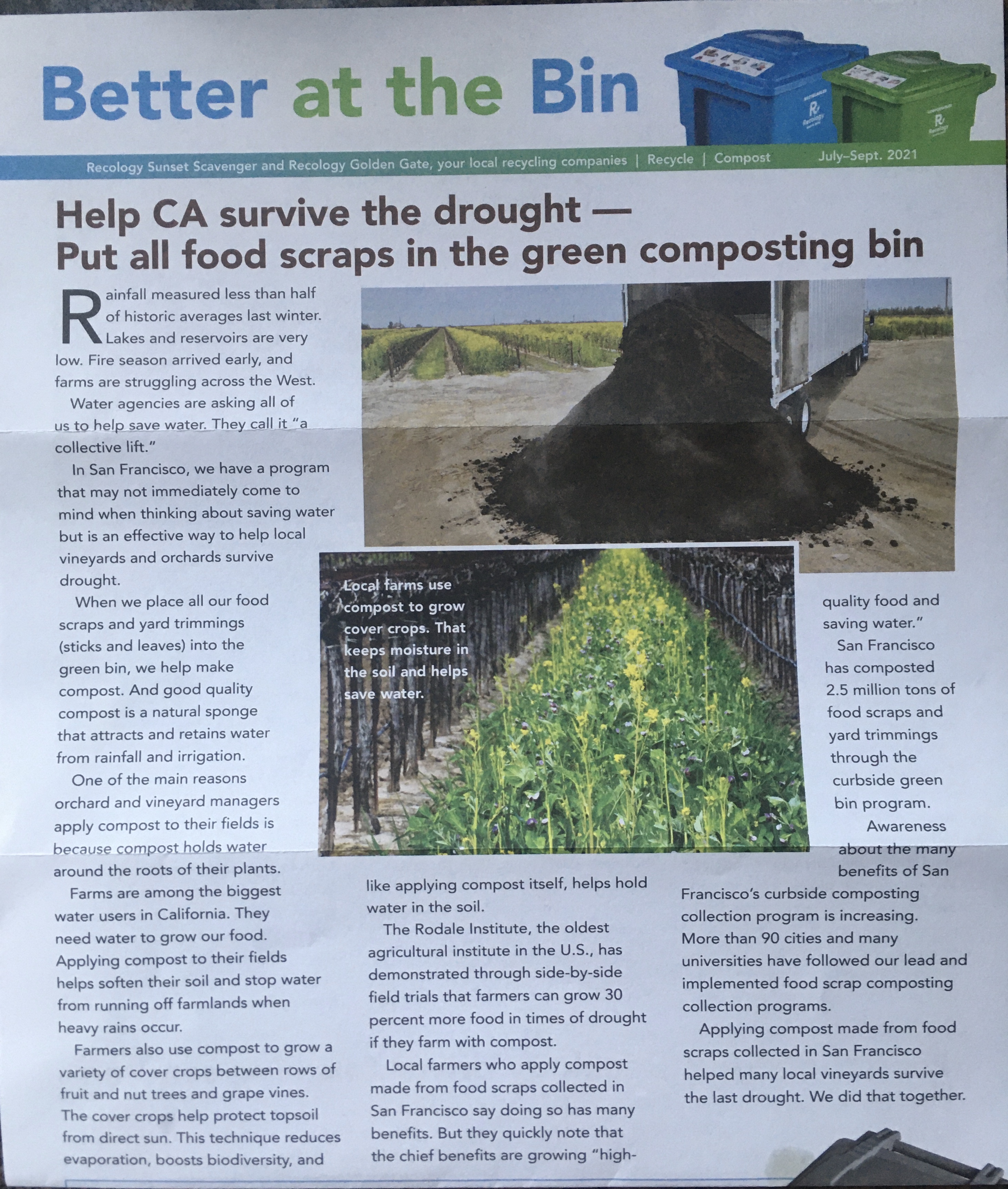
And the last word from our local company that knows this topic better than anyone:





























































 Mission Azul