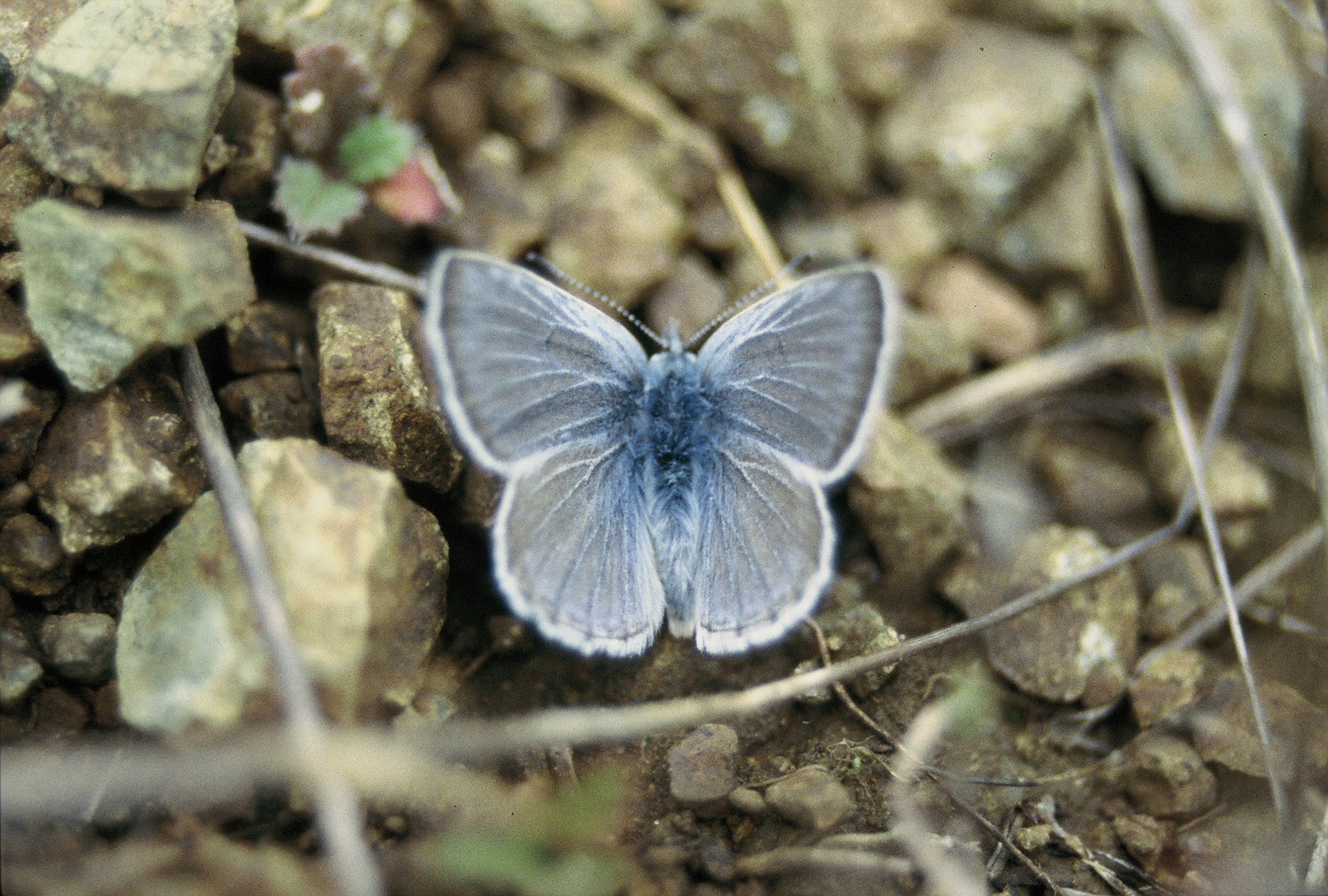
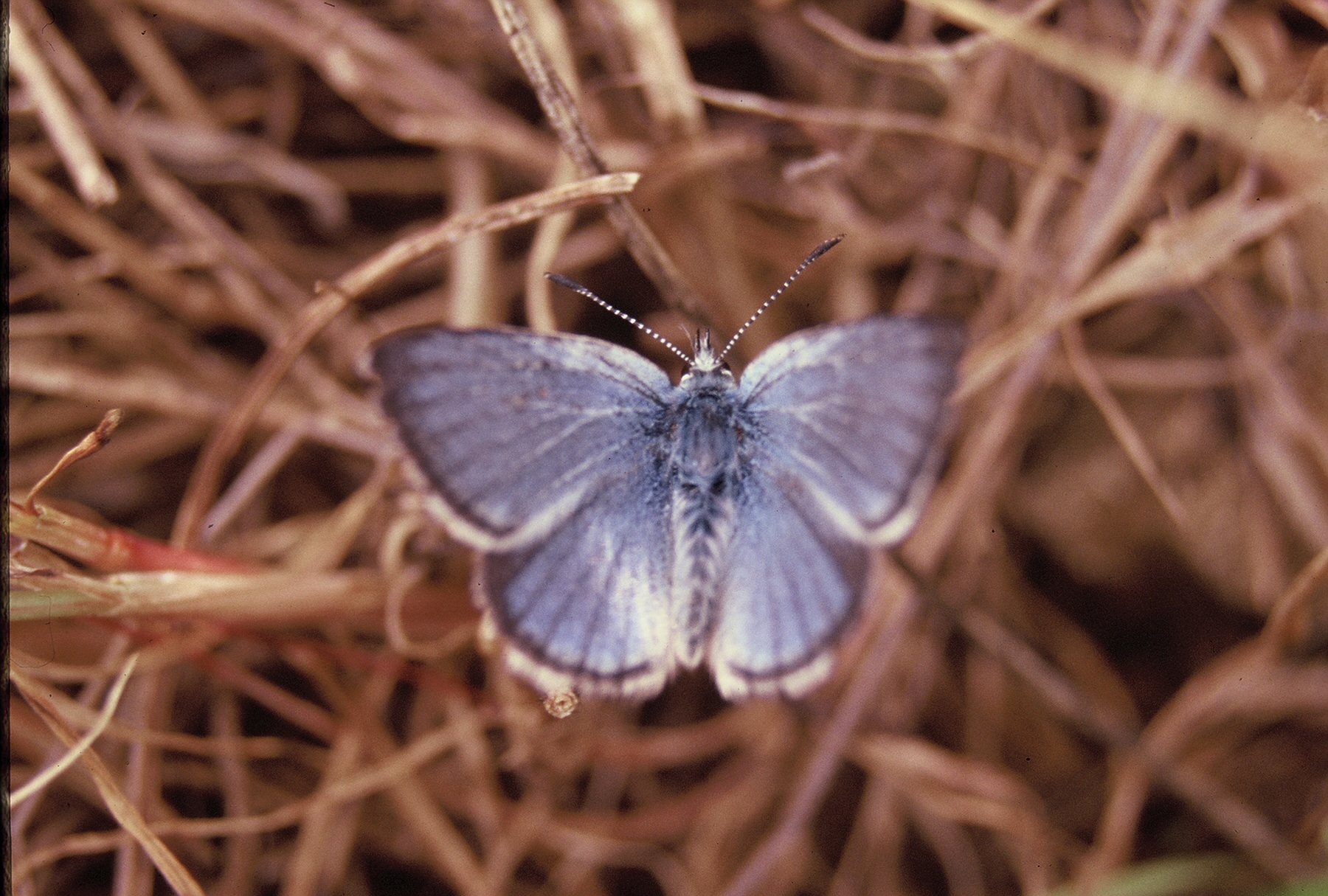
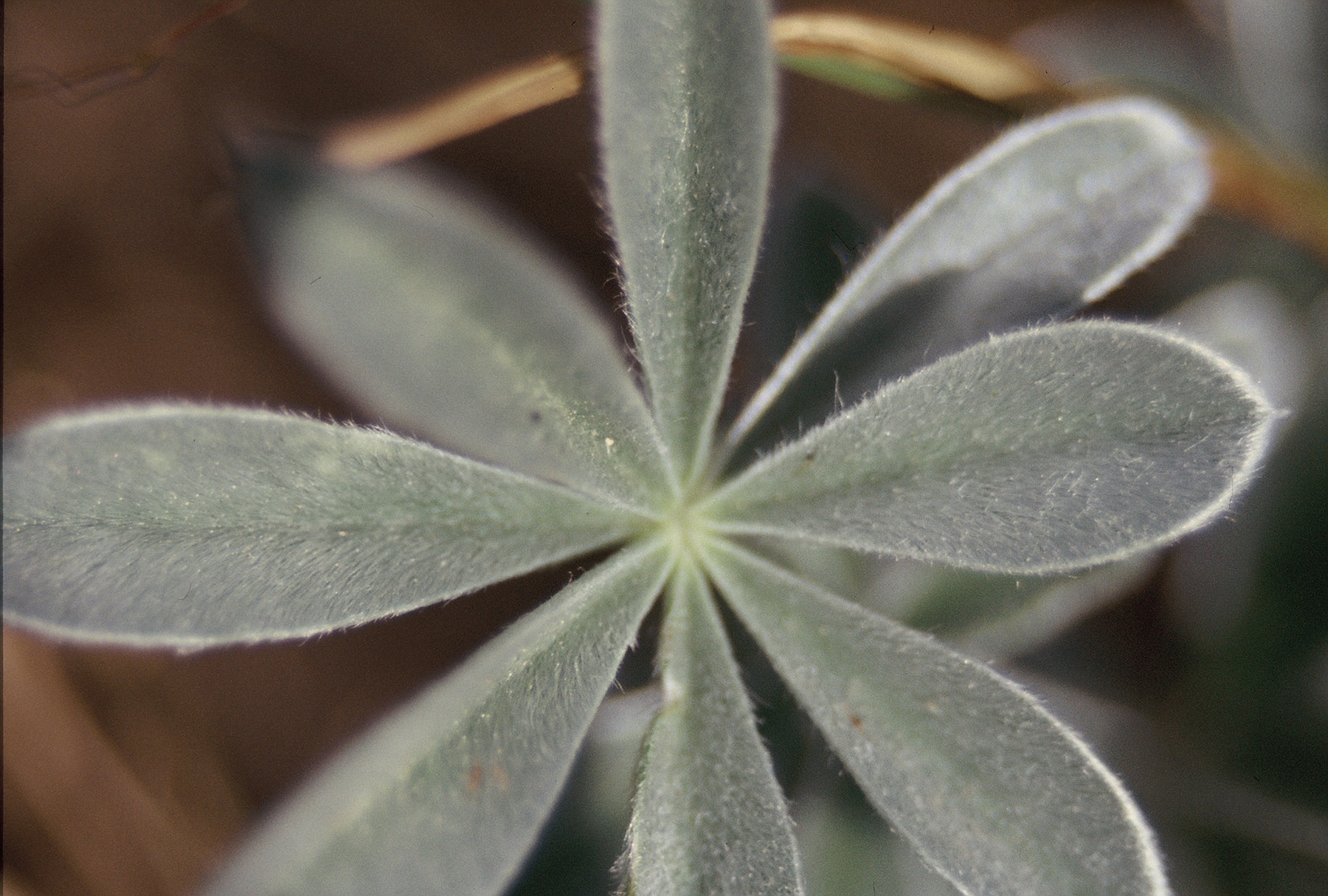
The Mission Blue butterfly lays eggs only on lupines. Lupines are the butterfly’s ‘host’ plant – the plant that the caterpillars feed on with their chewing mouthparts. Lupine seeds come in a little pod or ‘fruit’ technically called a legume. They all look something like this:
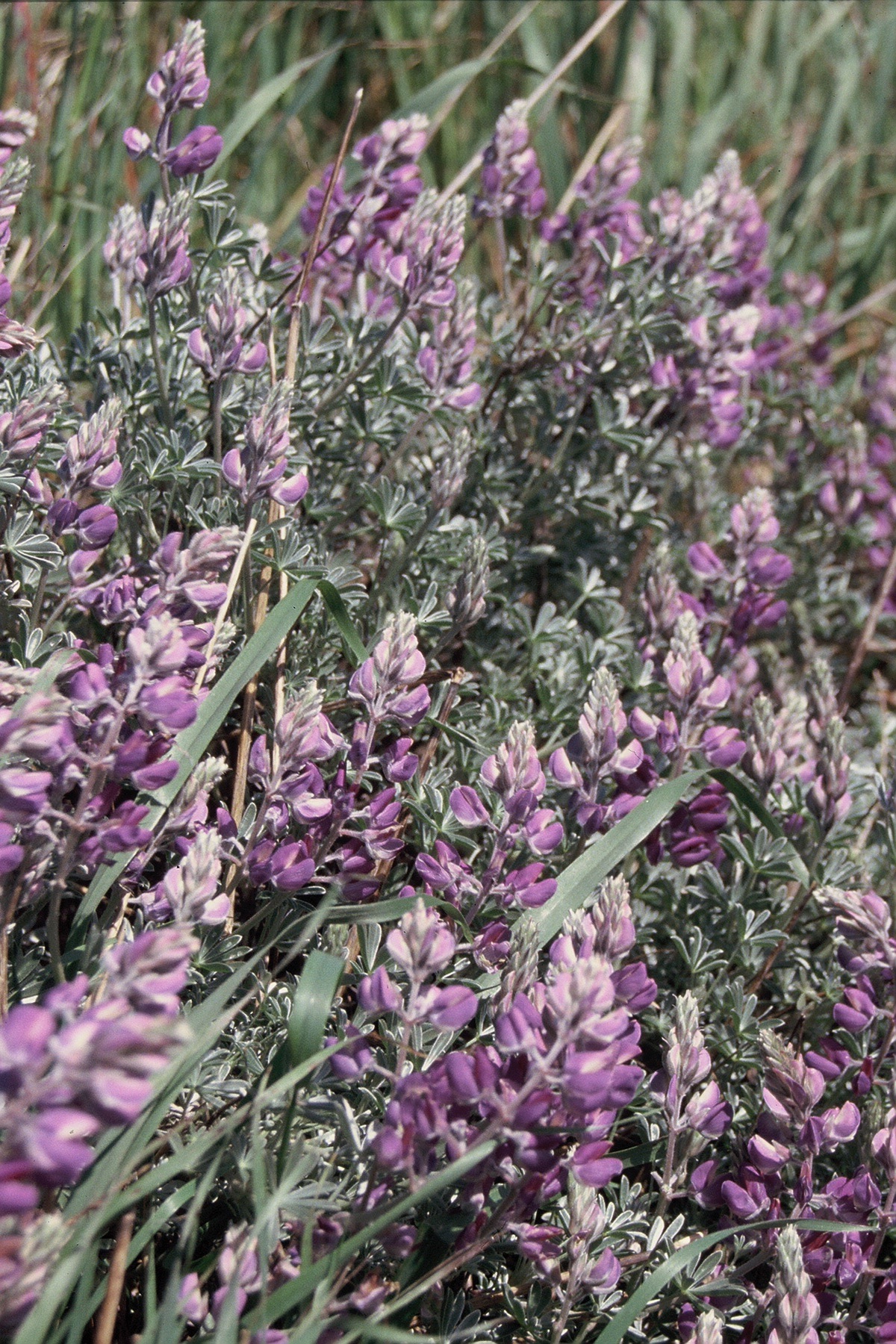
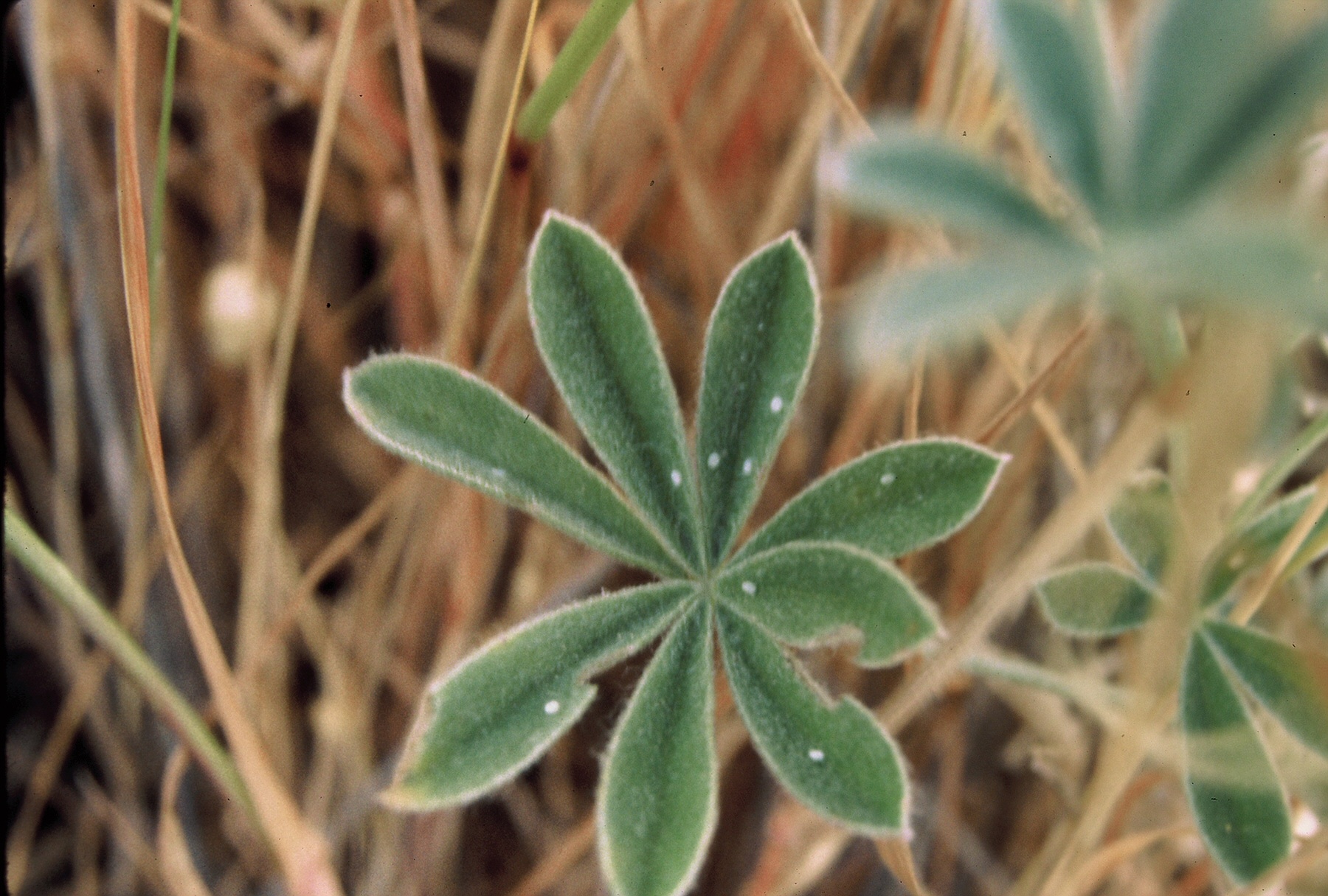
The larvae feed on lupine leaves and stems, and blend in well with the hairy leaves. Four lupine species have been observed with Mission Blue eggs. Three are perennial lupines, and one is an annual lupine. The silver lupine Lupinus albifrons is short and low in stature, with purple flowers. It can get a woody base and branches. It has a taller and bushier look-a-like cousin down in the sand dunes called Lupinus chamissonis. Lupinus albifrons though is found in the rocky thin upland grassland soils, occasionally forming large patches in scrapes, road cuts, and eroding cliffs. Heres it is:

Another lupine that Mission Blues favor for egg laying is the summer lupine, Lupinus formosus. This lupine is not as common as silver lupine, and its leaves are green. And yes it is hairy. It is a bit more rhizomatousy sprawly in habit, and does not develop the basal woodiness.

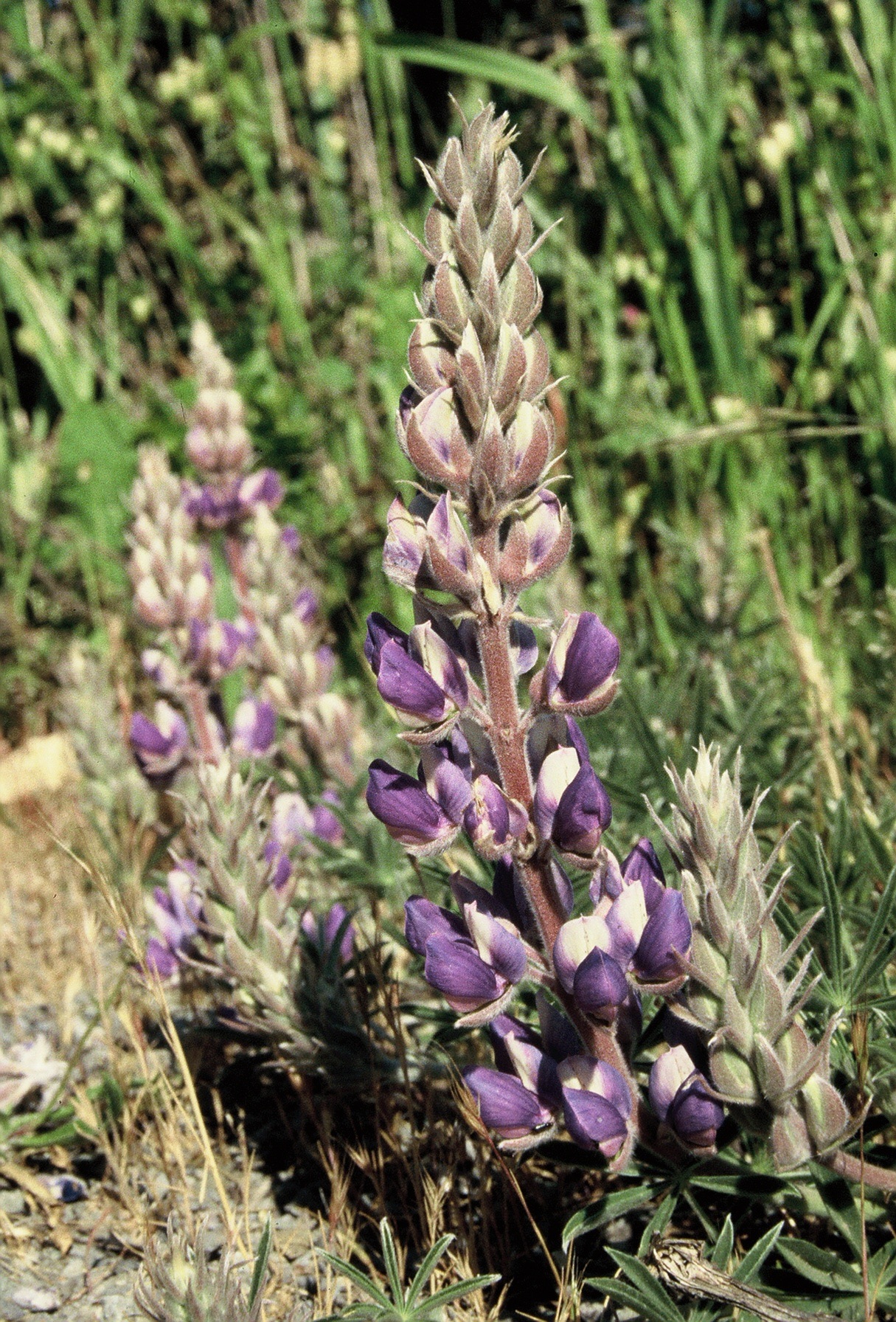
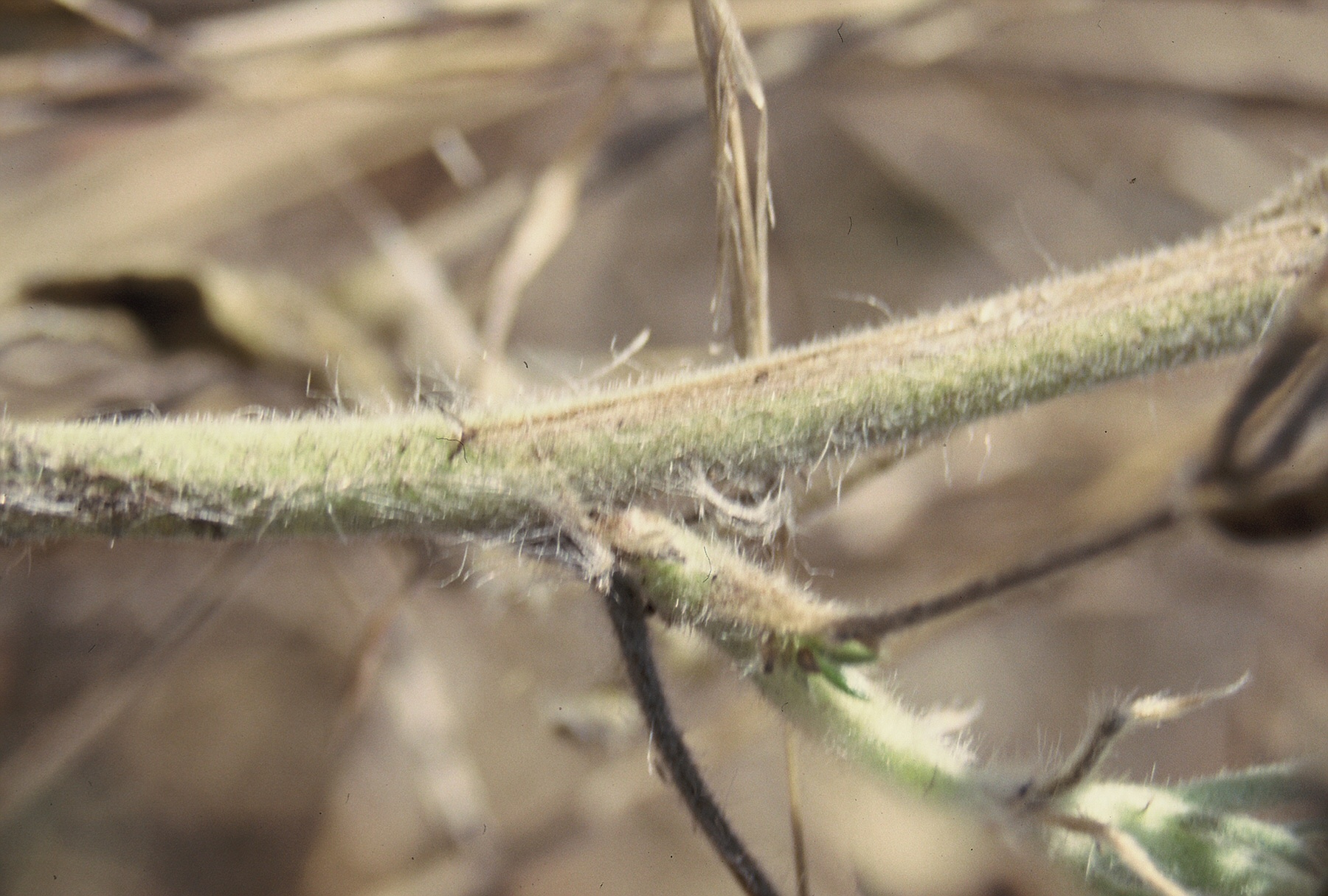
The third perennial lupine sometimes utilized by Mission Blue butterflies is the varied lupine, Lupinus variicolor. It is called varied because the flowers change colors from whitish to pinkish to purplish. It has distinctive reddish stems:

Once in a while you find a Mission Blue butterfly egg on an annual lupine. Survival wise this is not so good for the butterfly. If you are a young larva that goes to sleep at the base of an annual lupine, the lupine will likely not be there when you wake up hungry the year after. Still…. This is an annual lupine called sky lupine Lupinus nanus:

There are places on San Bruno Mountain where the different species of lupine grow together. This is up near the summit by Radio Ridge:

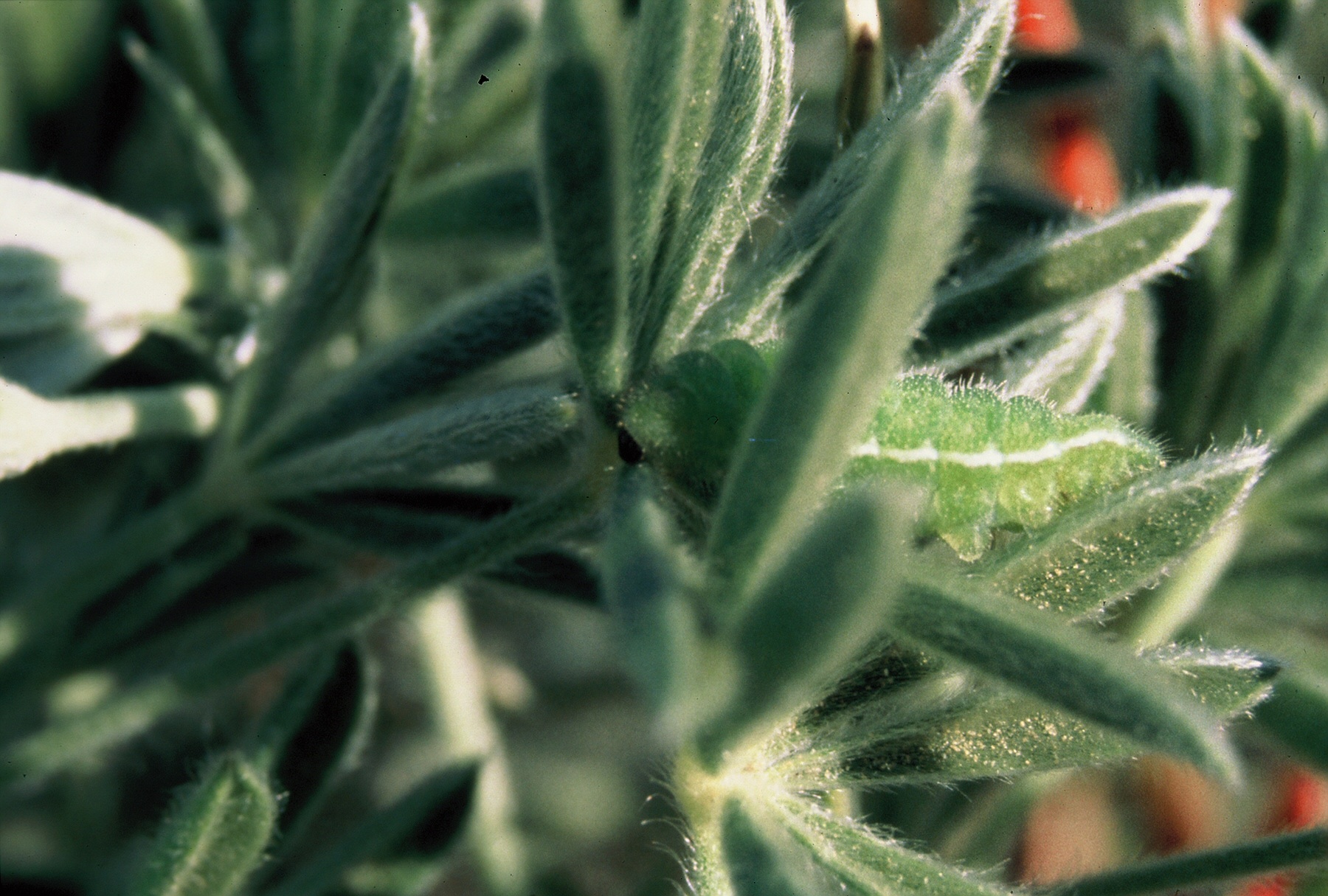
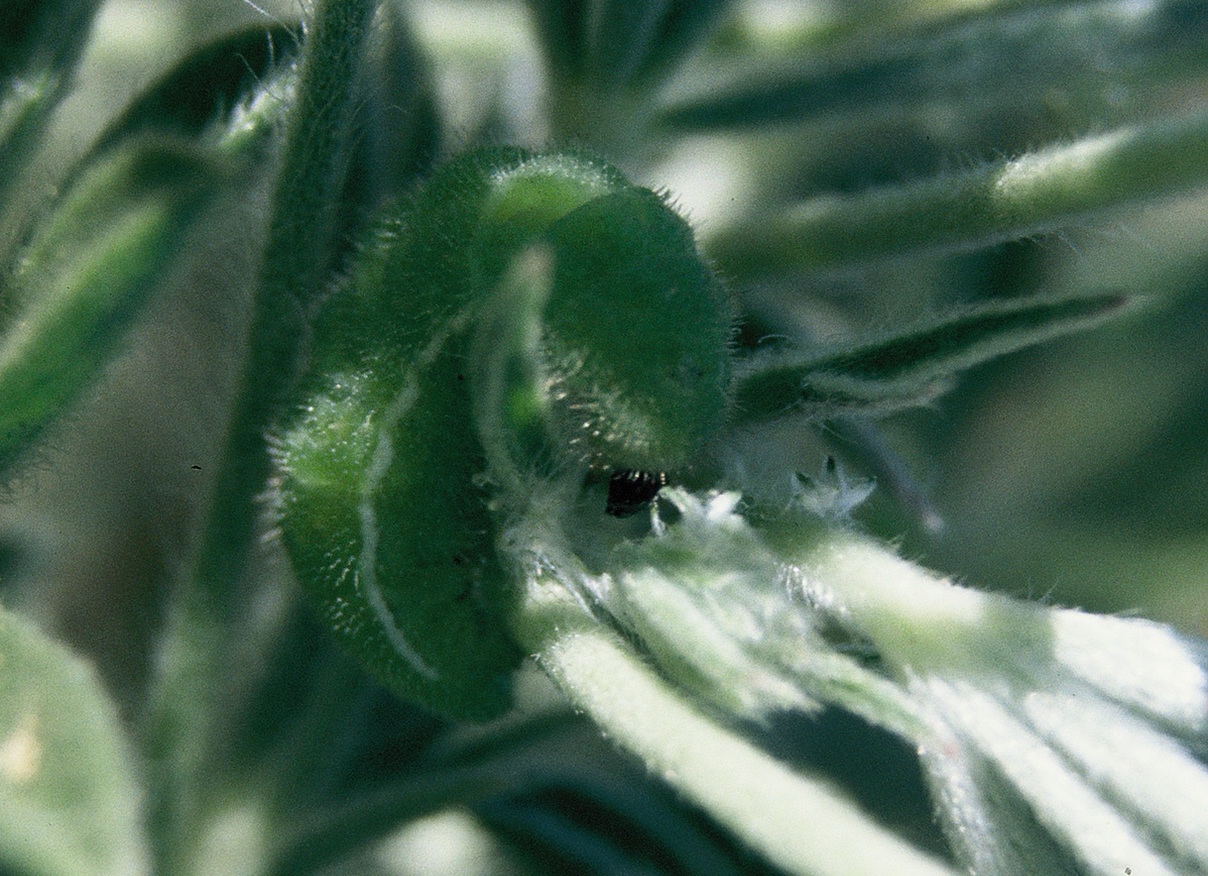
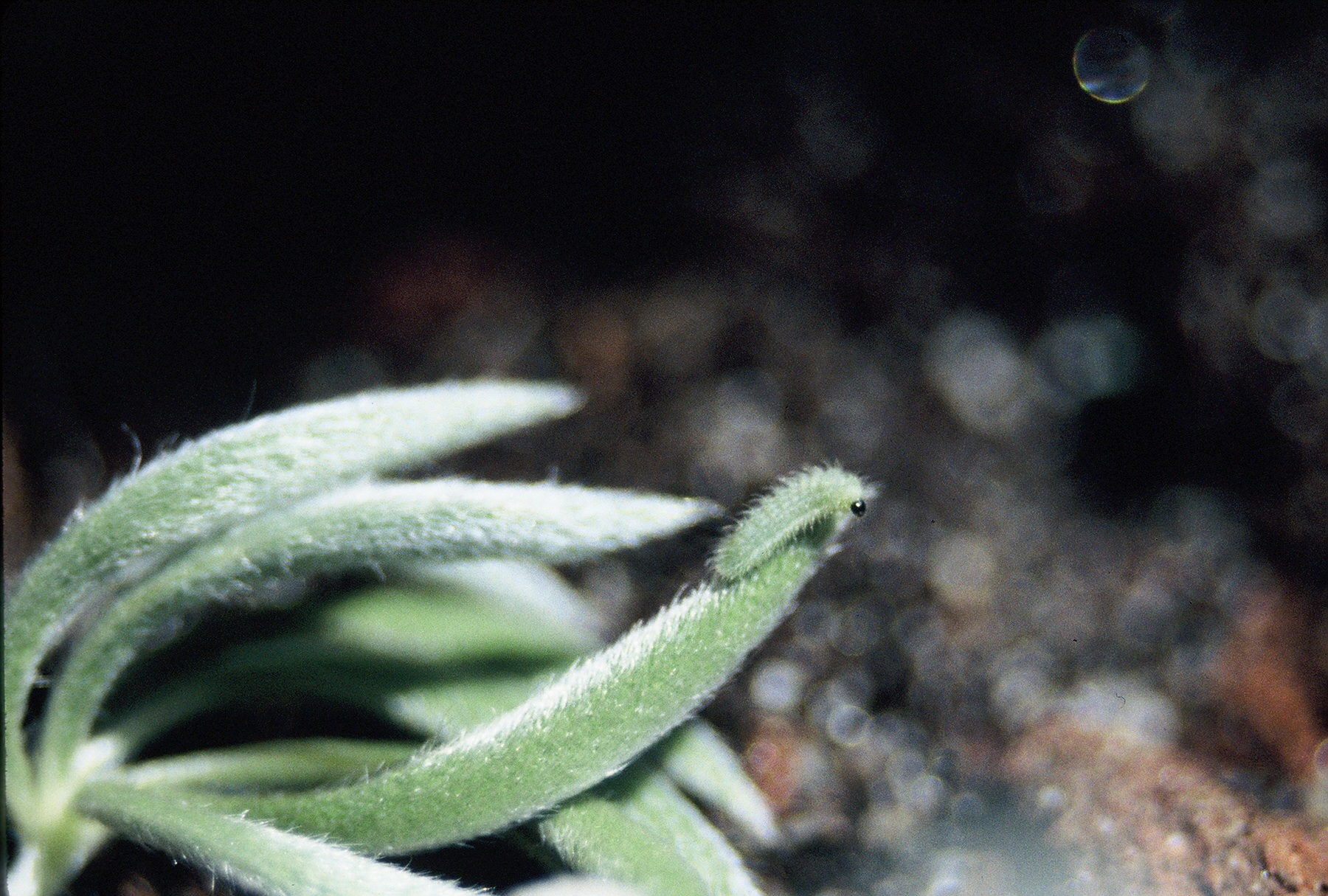
Around early February, the Mission Blue larvae that hatched last year wake from a deep sleep and rest called diapause. They are hungry and begin to feed on lupines. The larvae have a green lumpy body with a white stripe, and a tiny black head tucked under the armored caterpillar skin. They sure do look a bit like a lupine leaf.

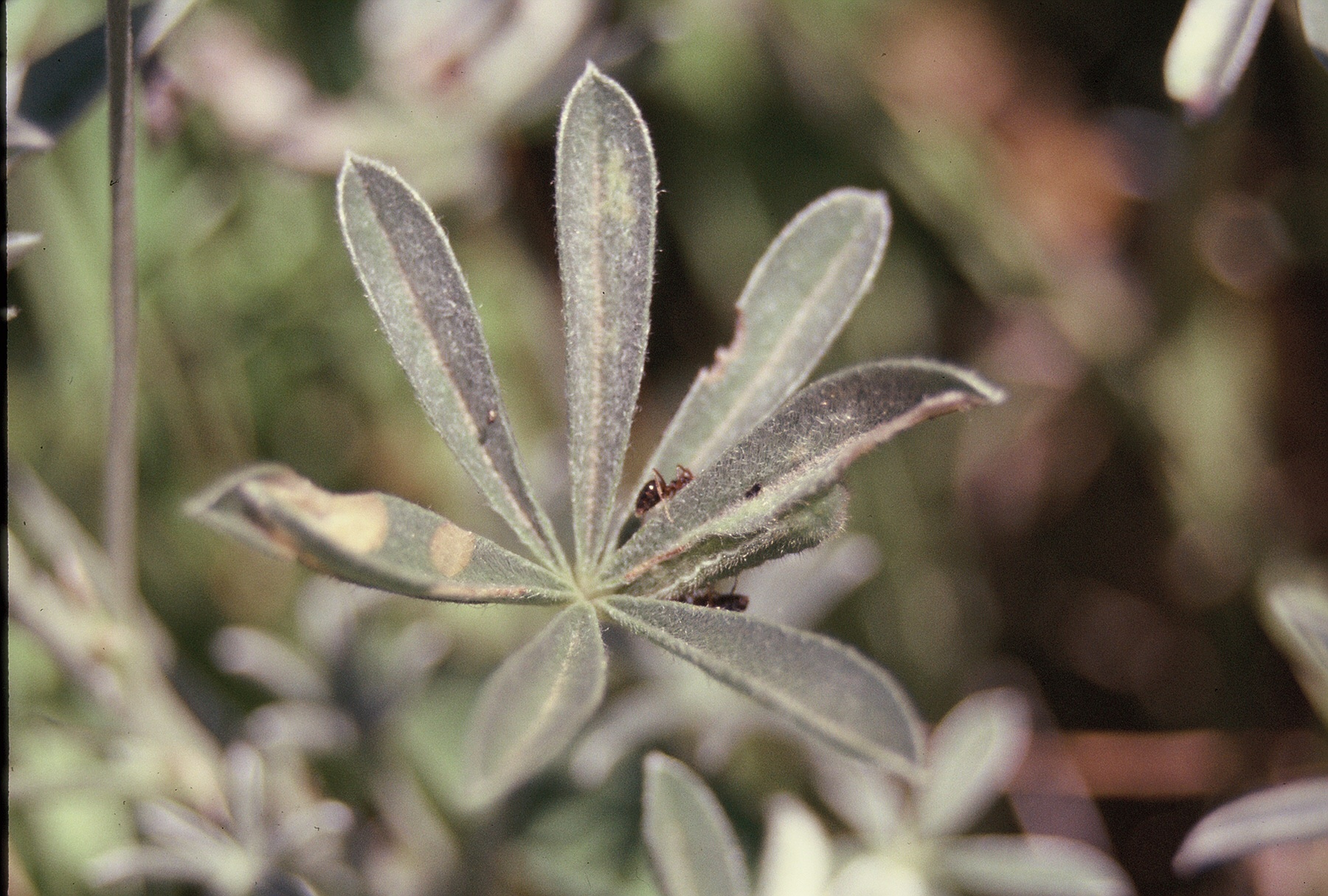
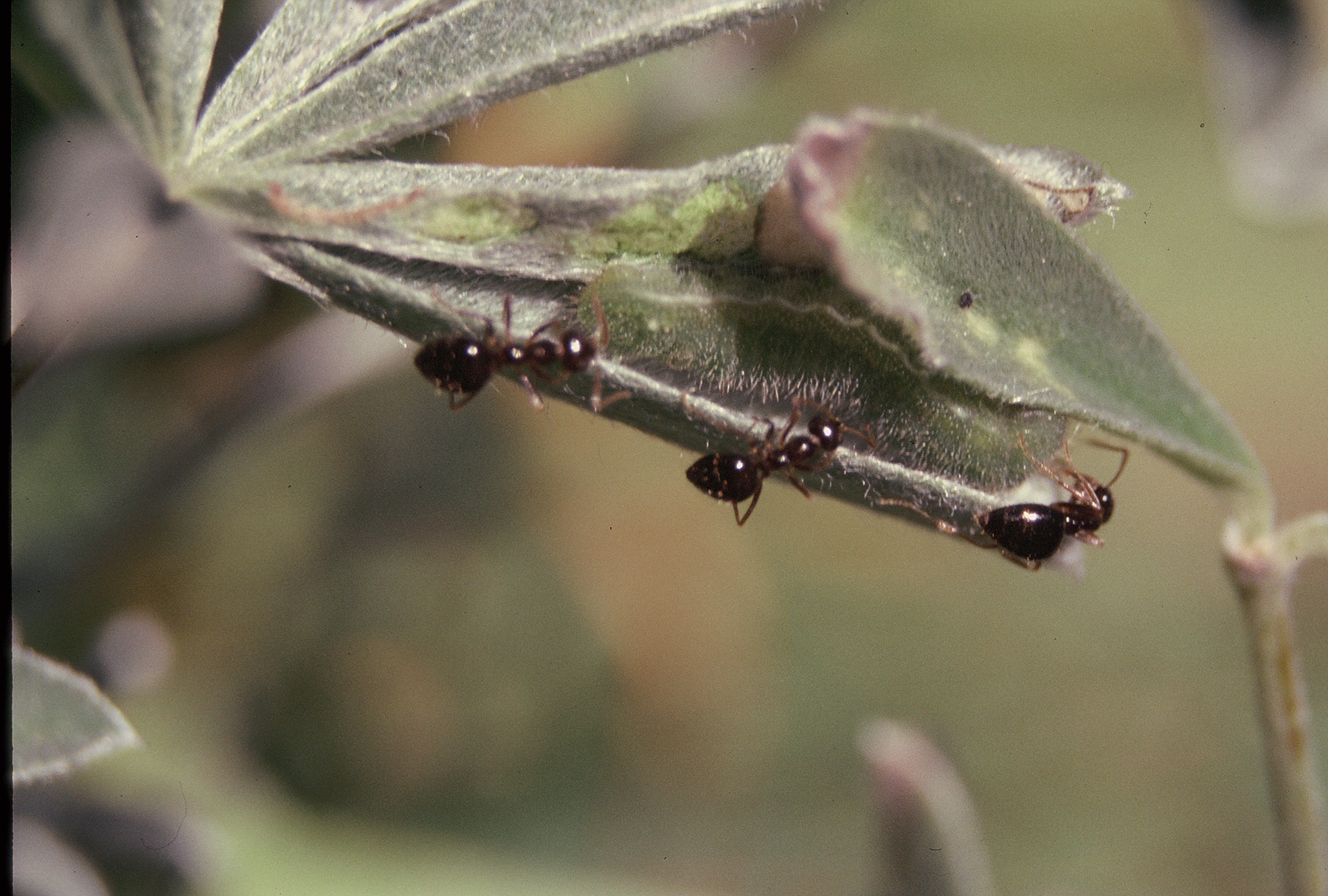
Often, ants are walking back and forth on top of the larvae, gathering sugary protein-rich secretions and in turn, protecting the larvae from predators. Sometimes you notice the ants and the feeding damage on the leaves, before you see the caterpillars. The two ant species I found on the larvae were Prenolepis imparis and Formica lasioides. Not together at the same time – one species or the other working in mutualistic symbiosis with the larvae. Babysitters and guardians you might call them.

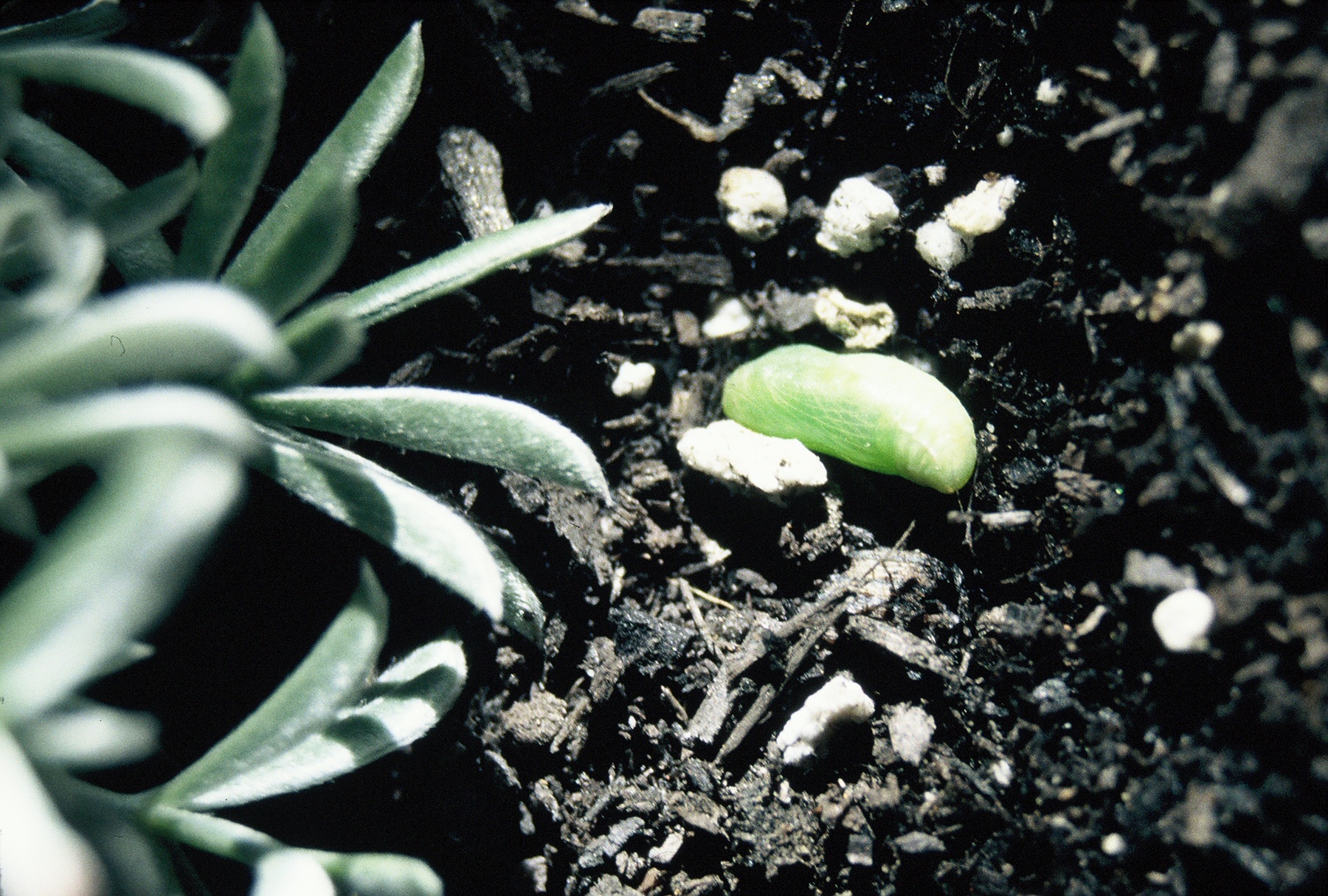
Larvae shed their skins as they grow, and soon form a small green chrysalis where they transform and undergoes metamorphosis.

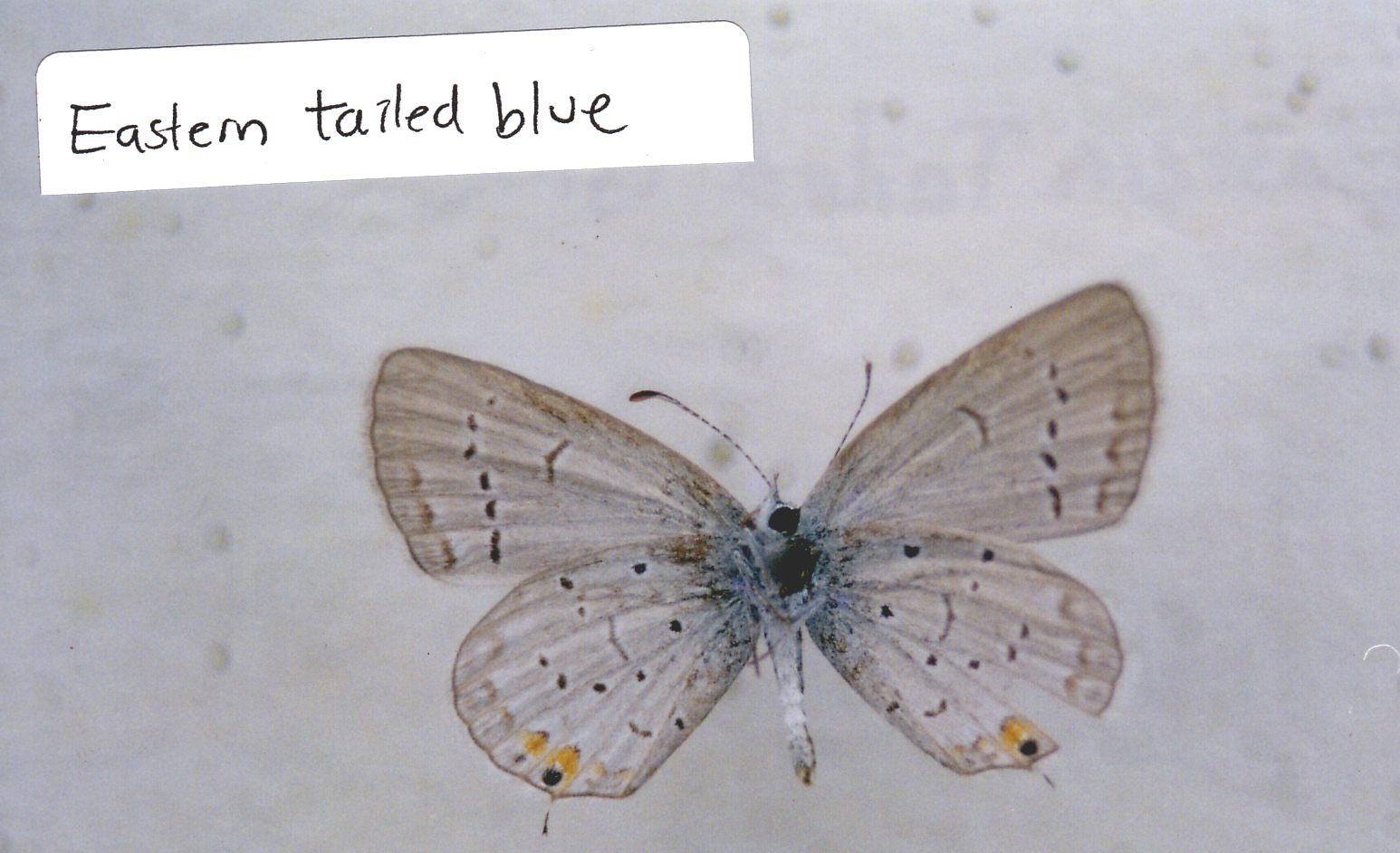
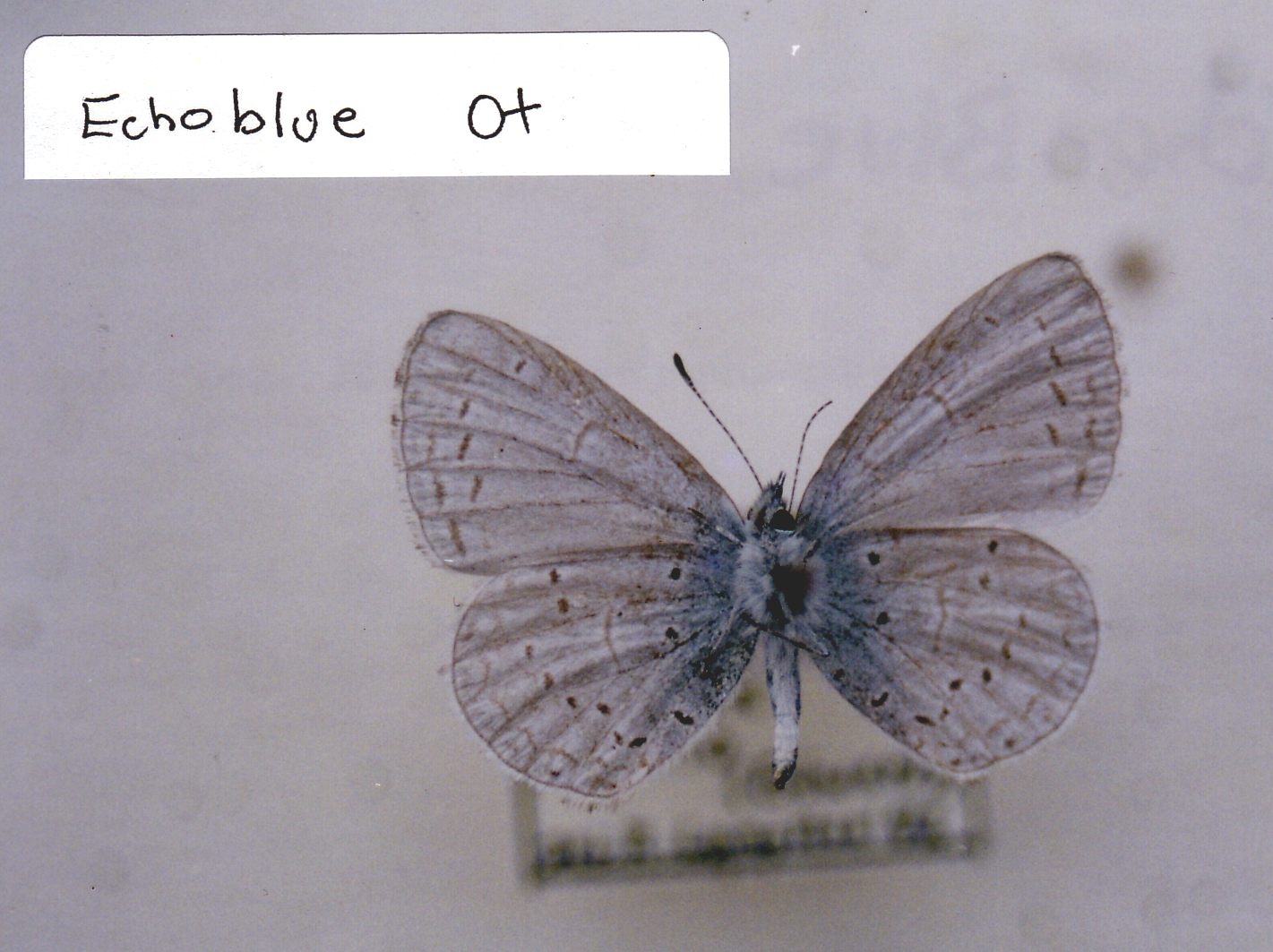
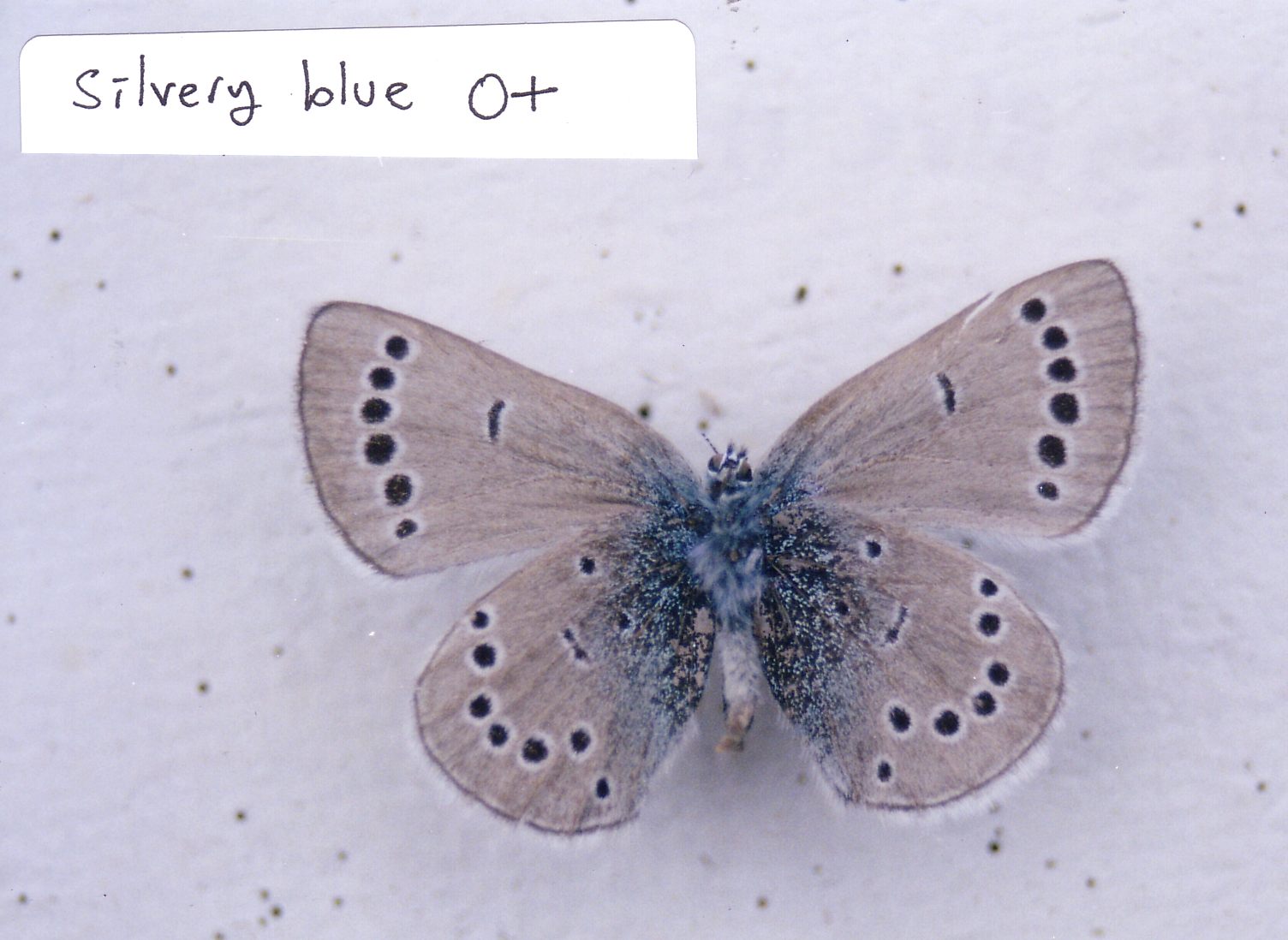
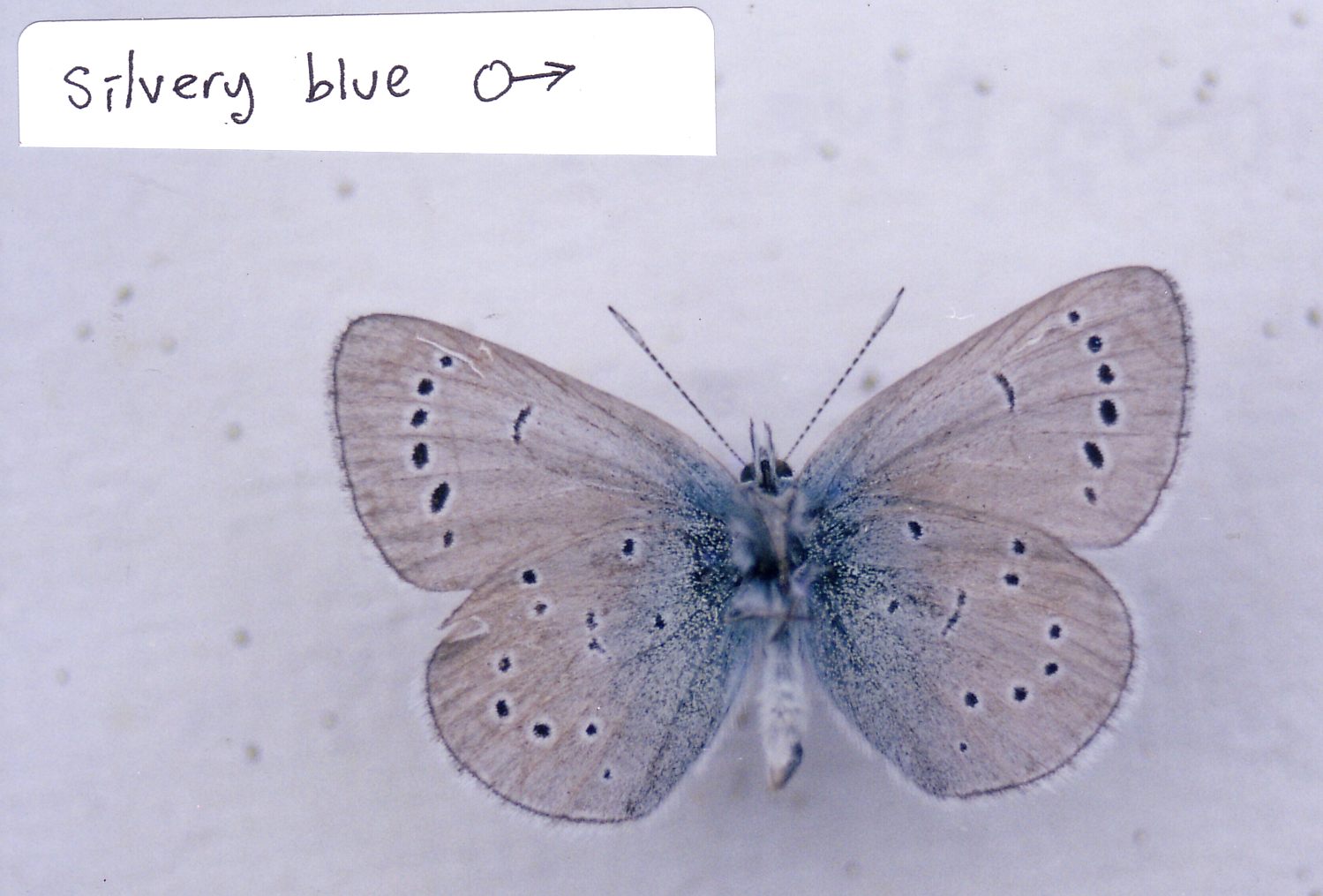
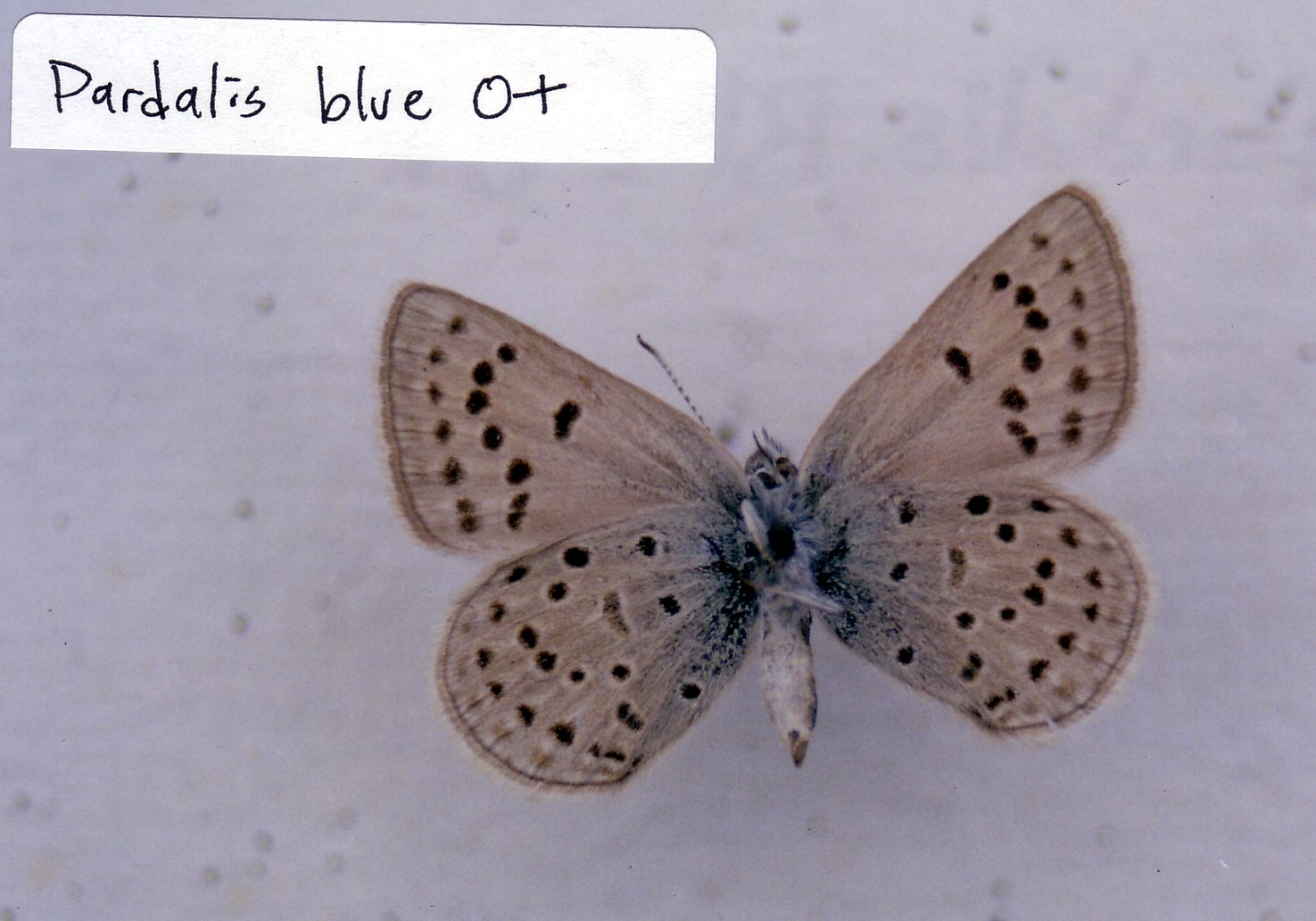
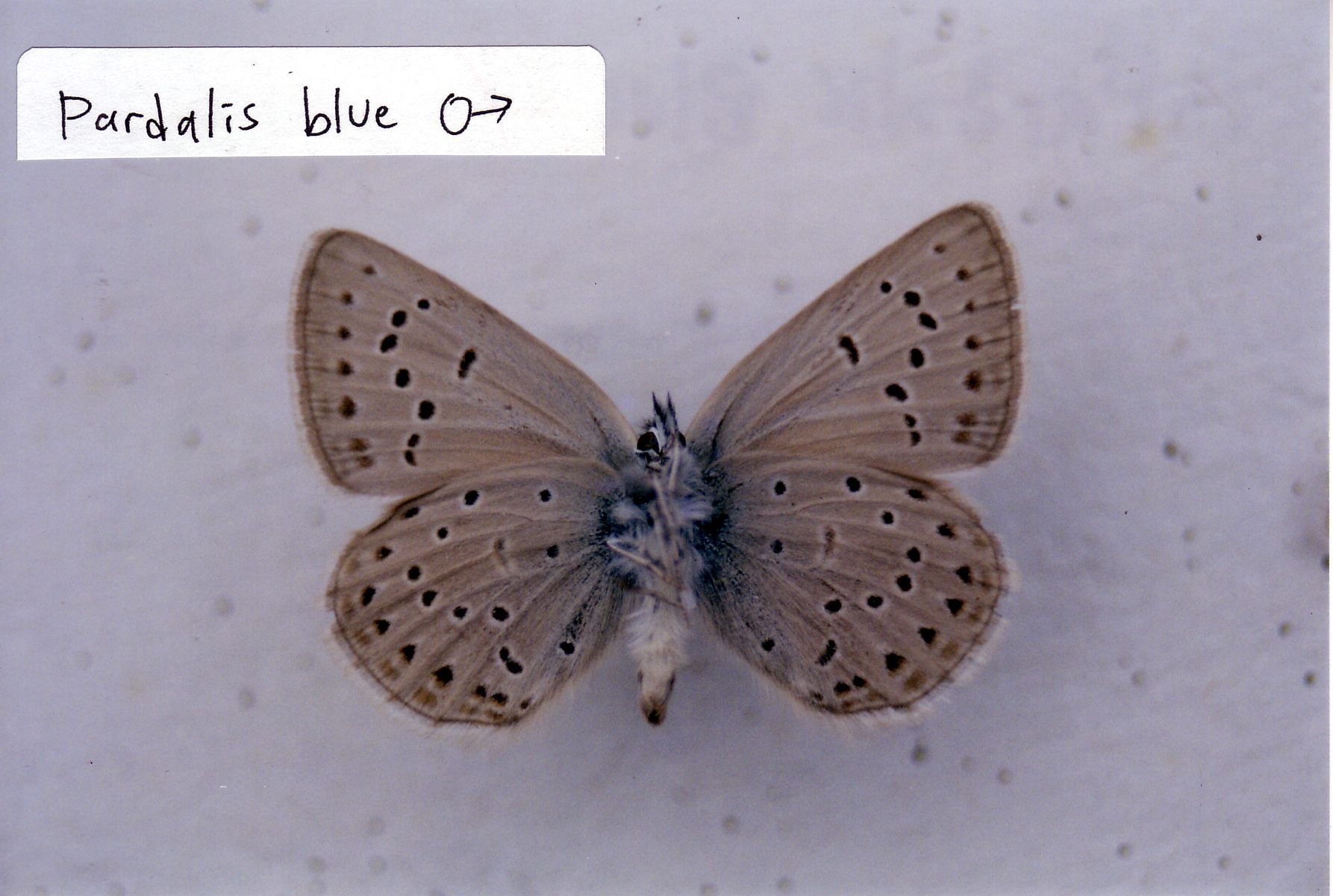
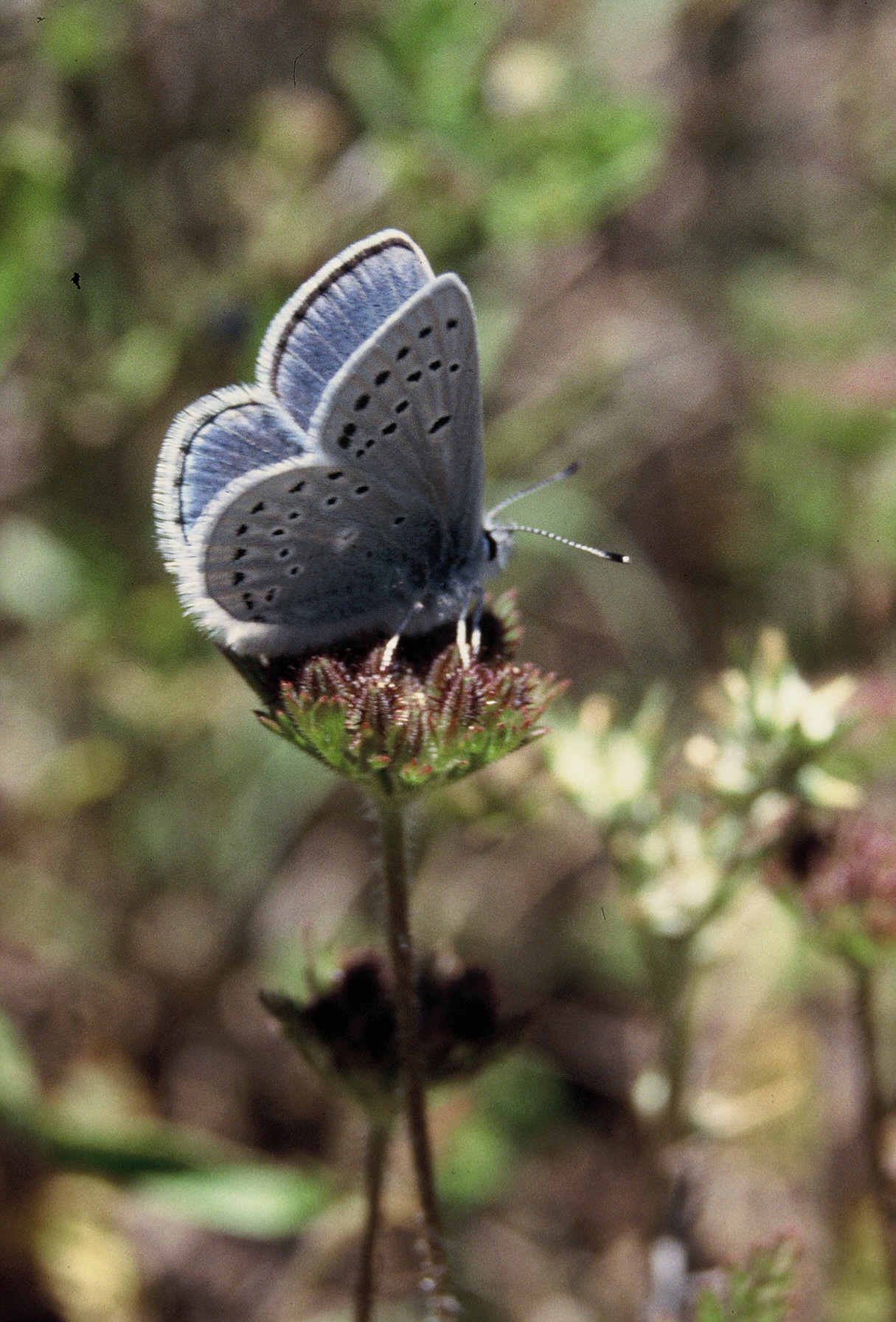
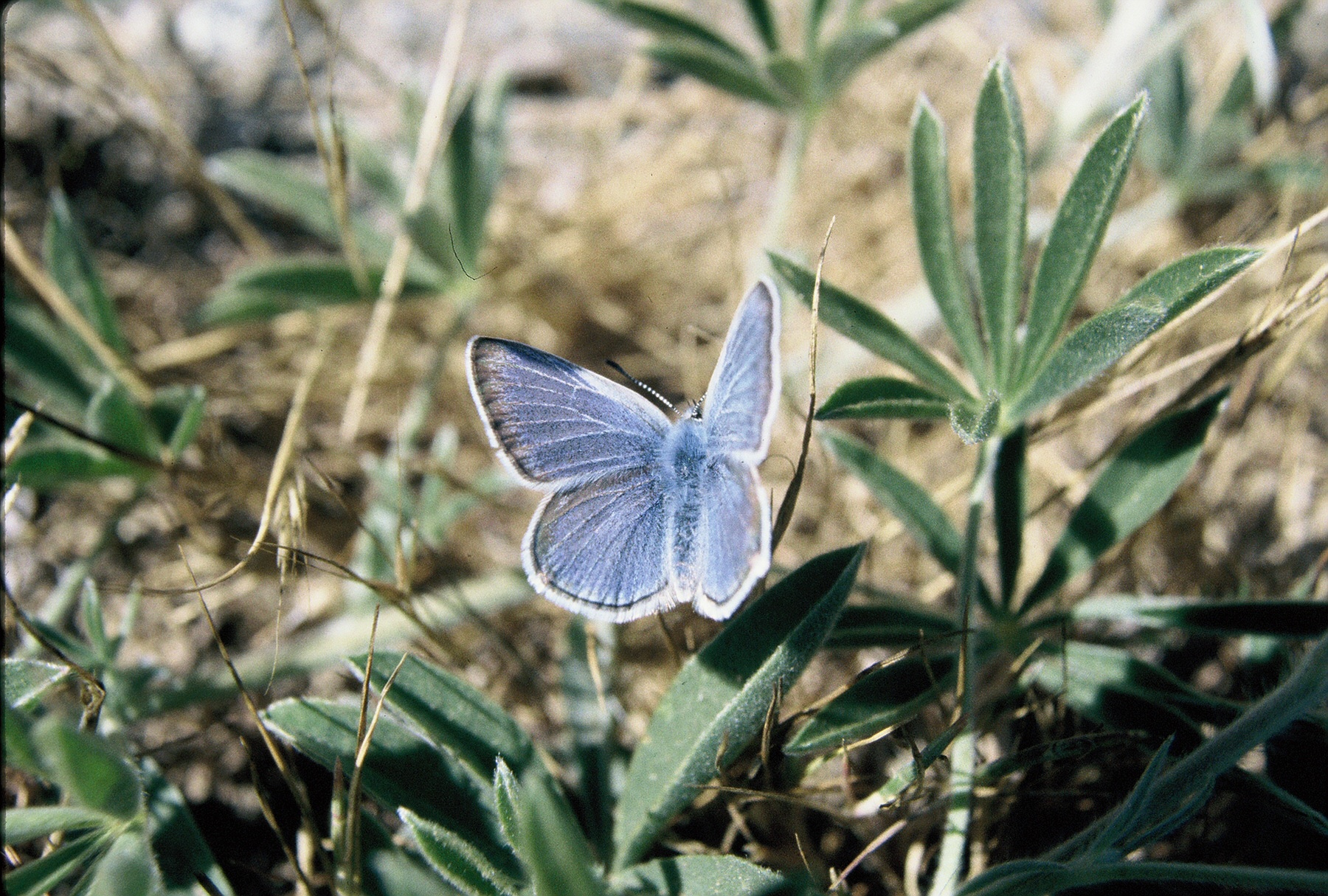
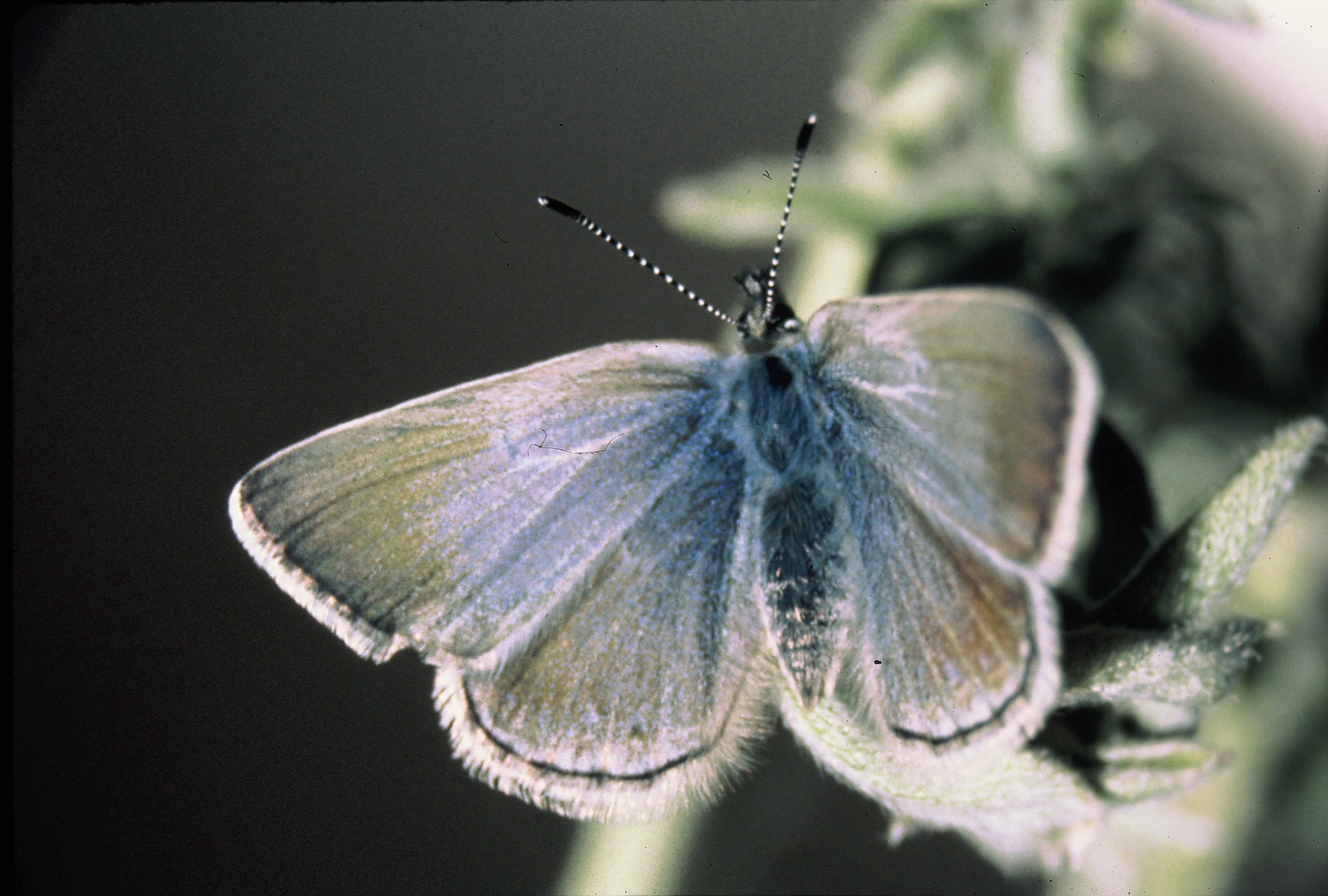
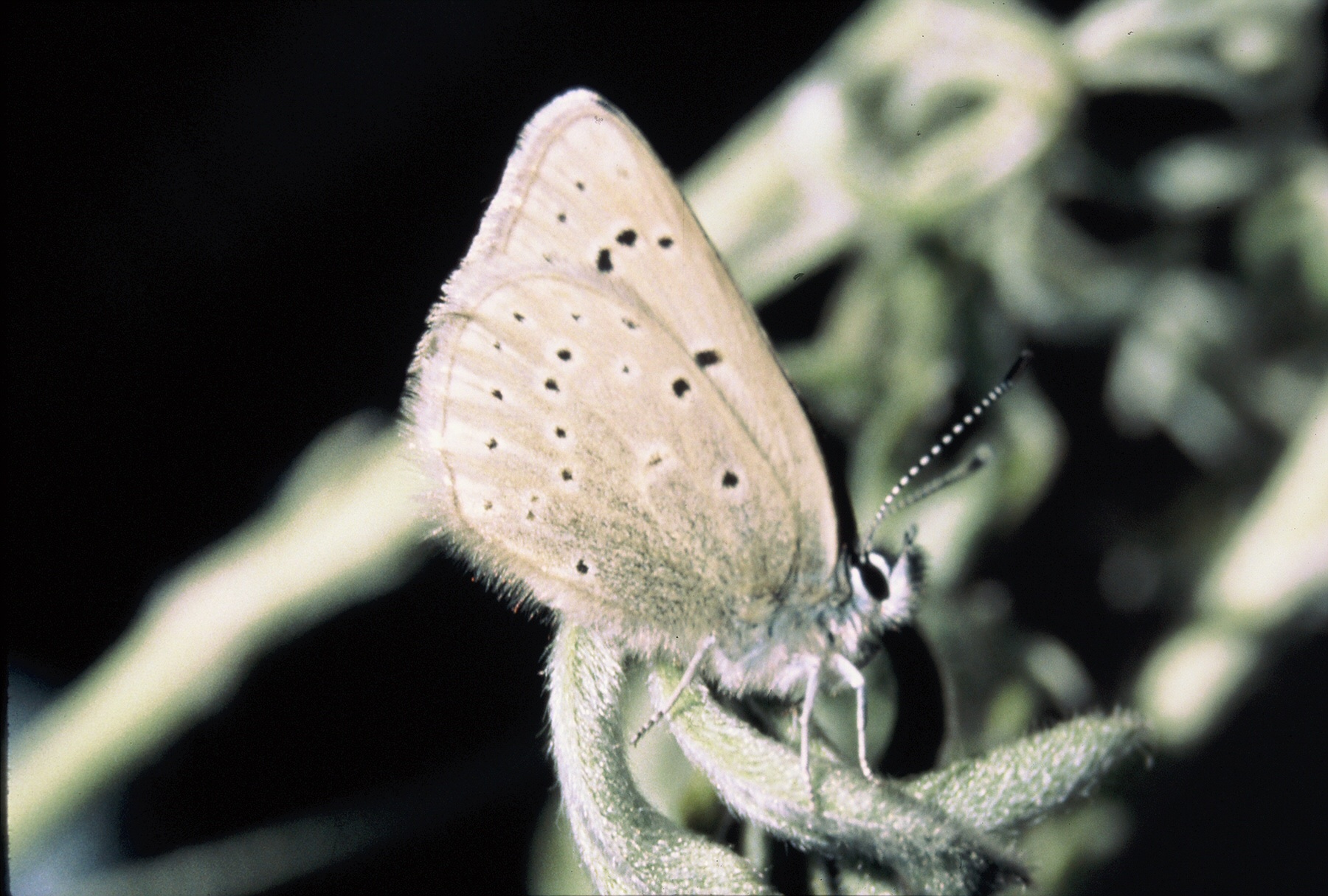
In a couple of weeks, they emerge as adults with wings. Males are mostly bright blue with borders of white and black, whereas the females have a bit more brown on the topside of the wings. Both are grayish on the underside with a couple rows of irregular black dots.

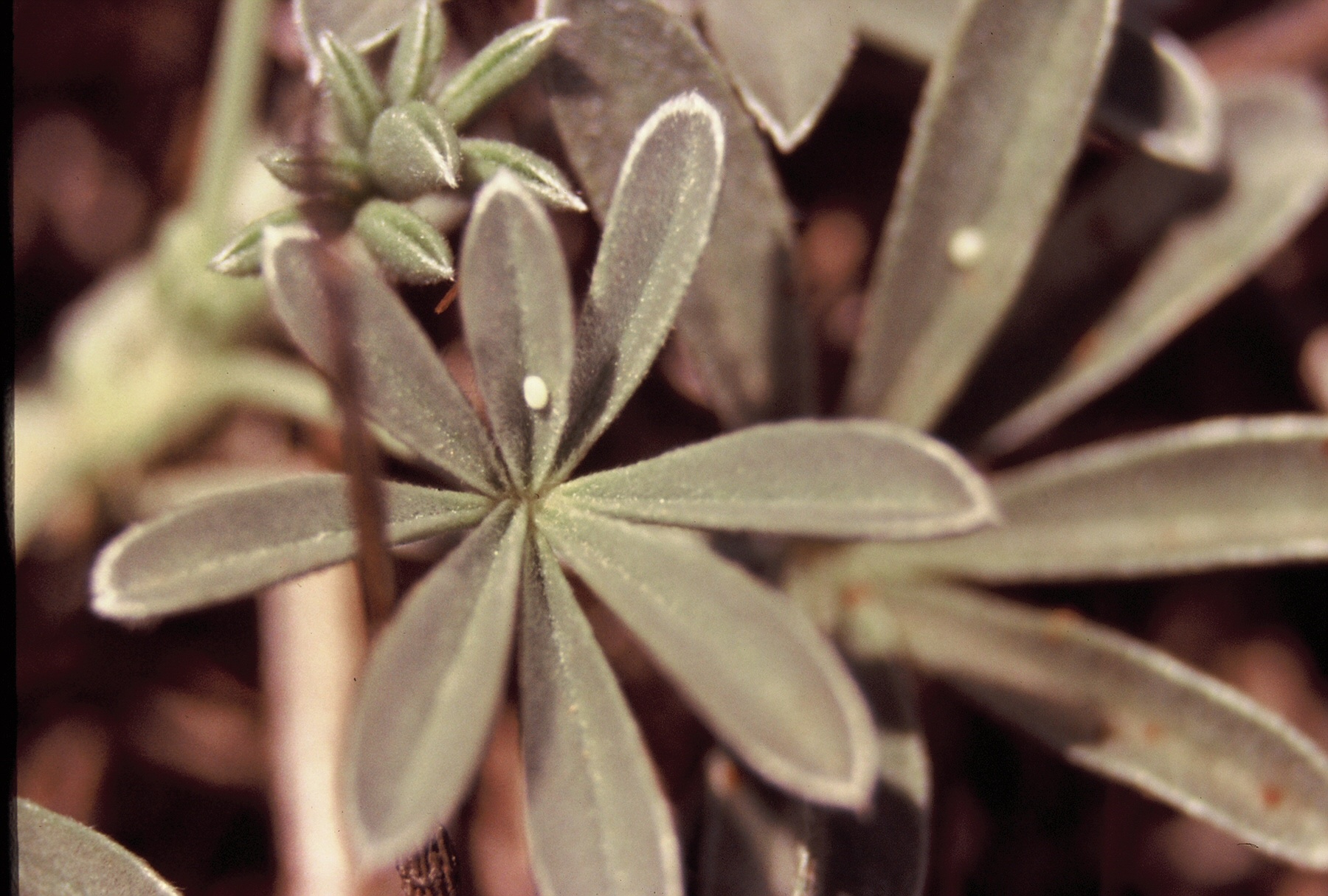
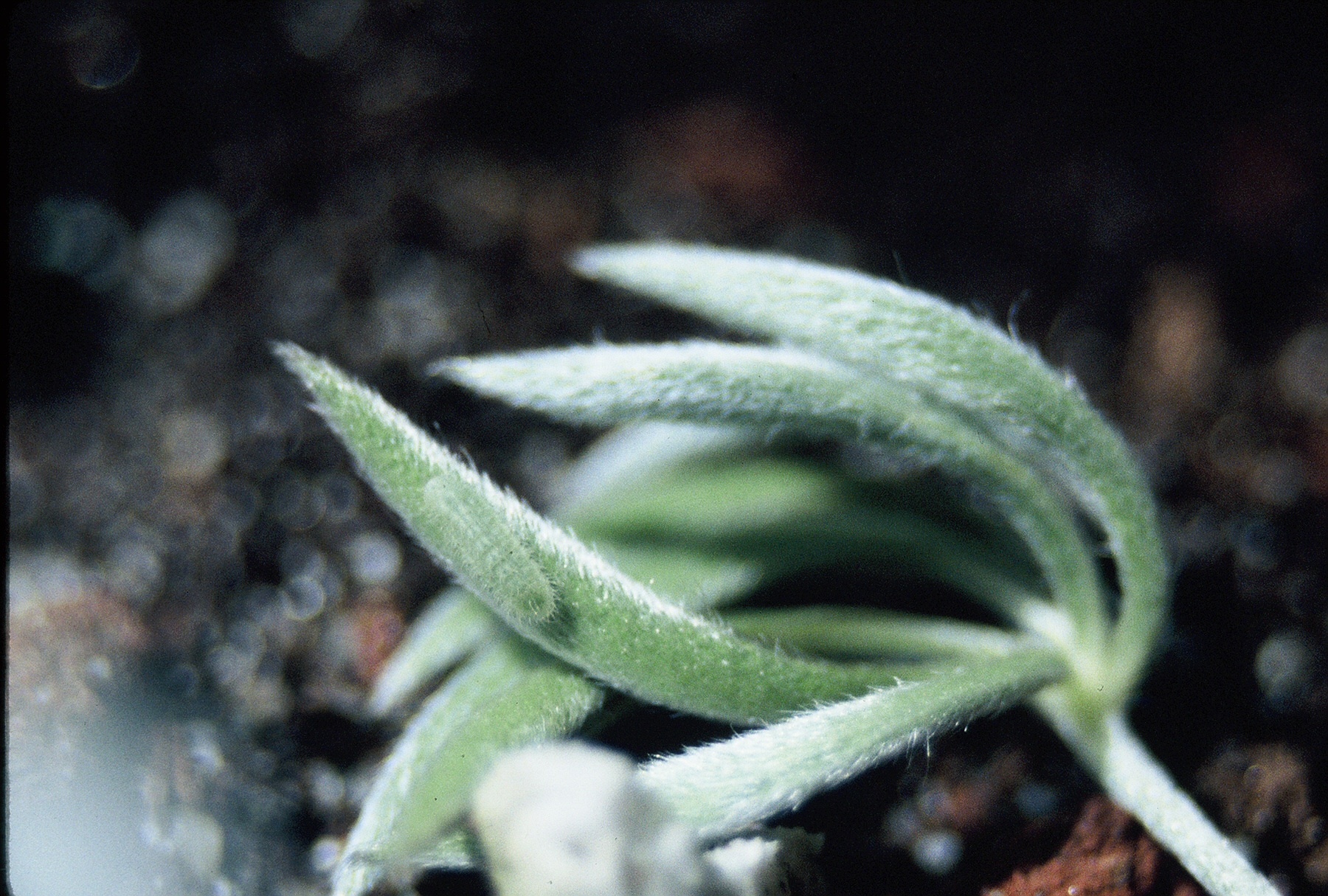
Adults fly from Mid March until the end of July – feeding on floral nectars, mating, and laying eggs on lupines. Their preferred lupine to lay eggs on include the silver lupine Lupinus albifrons, and the summer lupine Lupinus formosus. The eggs are white, and sorta resemble a little biscuit.

By mid-summer, adult butterflies have died, while the perennial lupines have dispersed their seeds and begun their dry summer rest period. The little white eggs hatch into tiny Mission Blue larvae, and they feed for a bit. It can be hard to spot them at this stage.

Not too long thereafter, the larvae go down to the ground to begin their period of inactivity until next year.