CALIFORNIA COUNTIES

County Meaning or gist and origin

Where the Spaniards rode their horses along the coast to establish missions, lots of places received the names of saints:
San Francisco: Saint Francis
San Benito: Saint Benedict
Santa Clara: Saint Clare
San Mateo: Saint Matthew
San Luis Obispo: Saint Louis Bishop
Santa Barbara: Saint Barbara
San Bernardino: Saint Bernard
San Joaquin: Saint Joachim
San Diego: Saint Diego

Some counties got named for people:
Kern: Named for Edward Kern, artist, explorer and map maker
Lassen: Named for Peter Lassen, rancher and prospector
Humboldt: Named for Alexander Von Humboldt, epic scientist
Glenn: Named for Hugh J. Glenn, big time wheat farmer
Stanislaus: Named for the baptized name of native chief Estanislao
Marin: Named for the baptized name of Chief Huicmuse – of the sea
Mendocino: Named for Antonio de Mendoza, first ruler of New Spain colony
Solano: Named for the Catholic Father Francisco Solano and the native
chief who was baptized with the same name

A bunch of counties got names of objects; words in Spanish, English, Galician, or native languages:
Santa Cruz: Holy cross
Nevada: Snow capped
Mariposa: Butterfly
El Dorado: Gold
Sacramento: Sacrament or Lord’s Supper
Calaveras: Skull
Plumas: Feathers
Orange: Orange
Monterey: Mountain king
Trinity: The Christian Godhead of the Father, Son, and Holy Spirit
Madera: Wood
Imperial: The empire, relating to
Los Angeles: Angels
Ventura: Good luck and fortune
Kings: Kings
Placer: Deposit of precious minerals
Inyo: Place of great spirits
Tulare: Sedge and reeds
Alameda: Public walkway and promenade
Fresno: Ash tree
Merced: Mercy and grace
Amador: Lover
Sutter: Shoe maker or cobbler
Napa: Fairy valley
Yuba: Maidu village named by the Spanish for the abundant grapes ubas

These counties are named for their geography:
Contra Costa: Opposite coast
Lake: Lake
Alpine: Of the high mountains
Riverside: By the river
Del Norte: Of the north
Sierra: Chain of mountains, like a saw
Butte: A hill with a flat top and steep sides off by itself

A few counties are the names of native peoples who inhabit the area:
Modoc: Folks from Northwest California and Southwest Oregon
Shasta: Folks from Northern California by the big tall volcanic mountain
Colusa: Colus is the name of a native tribe living on the west side of the
Sacramento River, of the Wintun peoples
Mono: Native Paiute people who live by Mono to Owen Lake

Lastly, some county names are ultimately mystery and lost to history:
Tehama: Land of shallow rivers, salmon and floods?
Siskiyou: Bob-tailed horse or six stones???
Sonoma: Moon or nose???
Tuolumne: Many stone houses or straight up steep or ???
Yolo: Full of rushes or the name of a chief???
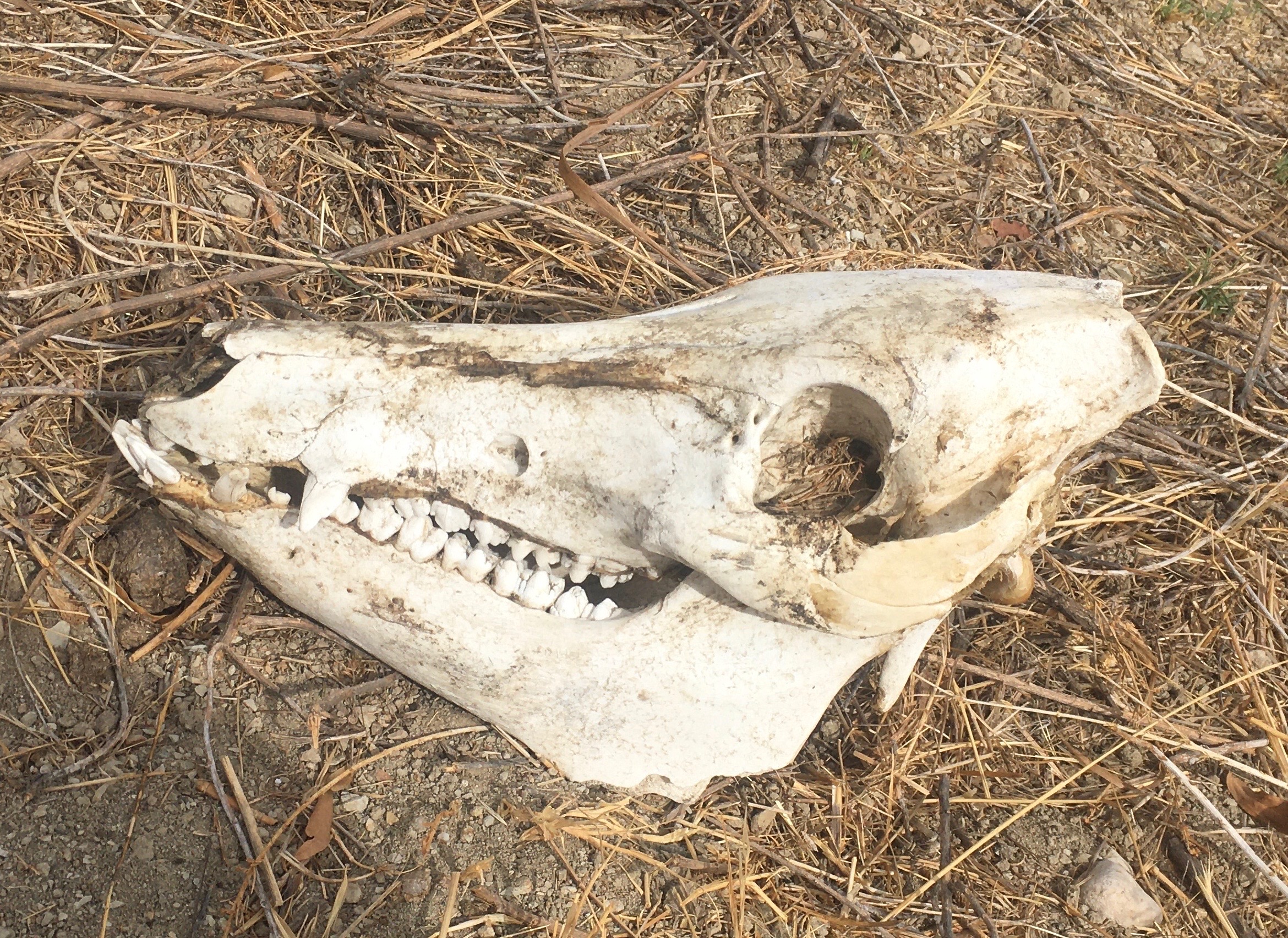
Well got tapped to do a talk out at San Francisco Botanical Garden

they wanted to hear about the ethnobotany of old time peoples before there was a california

a time when there was just a bunch of mountains and deserts and winding rivers through swampy grasslands

what plants did people eat?

how did they get by without metal tools and lighters?
what was their relationship with the land and all them animals?

To be honest, I really dont know much about the subject

so gonna just wing it

hopefully you do better than me –

Go on a walkabout on the plateau

come easy off the mesa scooting on rocky slides

do this for a dozen years or more and the earth will come alive and you can talk to her

ask her yourself what it means to be native and grounded

by this time, the plants will all want to chime in also

they a talkative bunch

and you can listen to their sunlit chatter giggles too

just dont get kingfisher and mockingbird started,

otherwise you’ll be there day and night day and night

While you are present and in active observation

take some notes, write a scientific paper for posterity

then twist a basket full of agave rope

and play a billowy tune on the elderberry flute

Wish I could tell you more but like I said

I’m a beginner too

still learning the difference between a tar weed and a gum weed

still making uneven splits of back and forth roots

sigh

this is as far as I’ve got, enjoy!

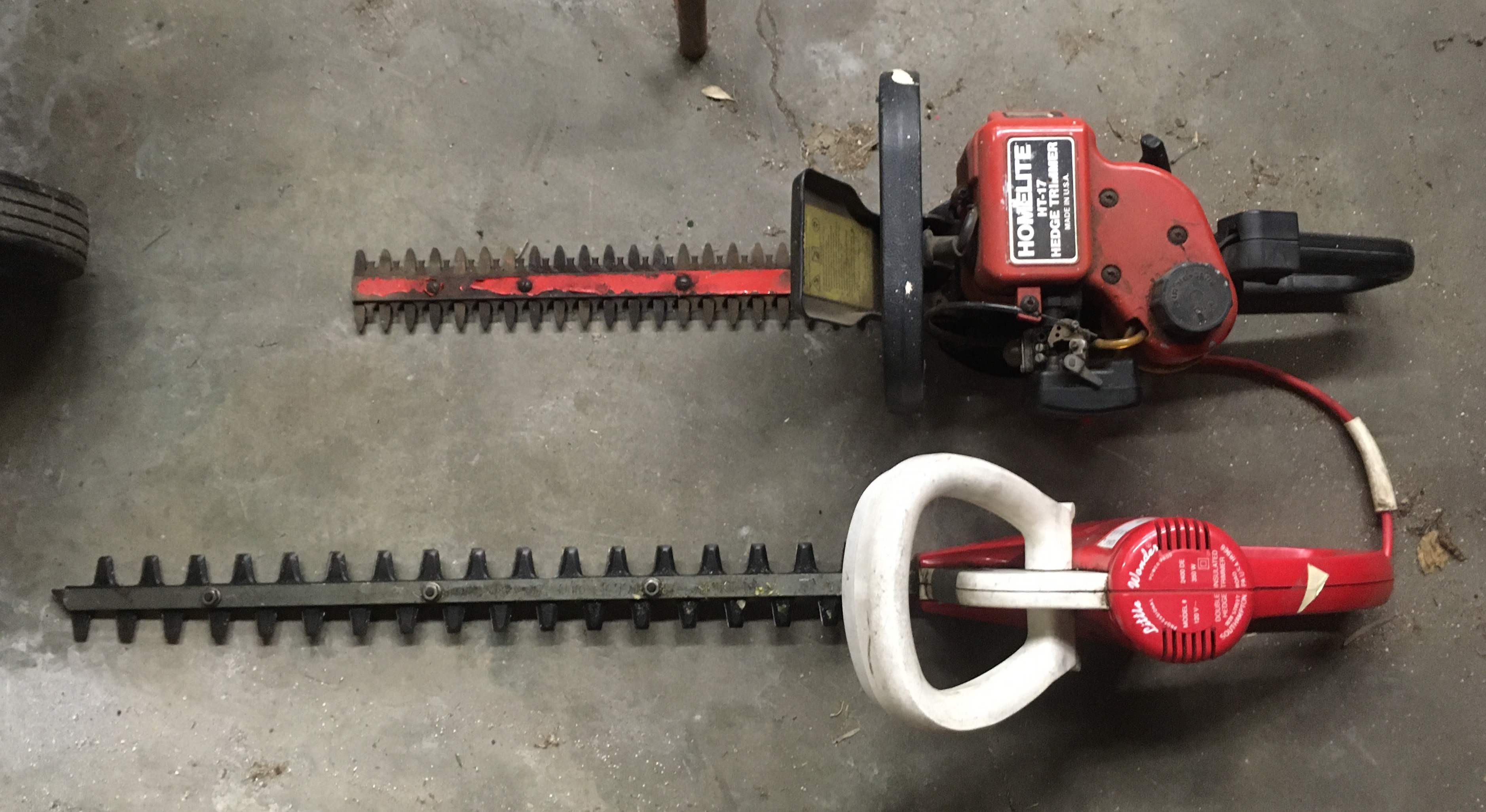
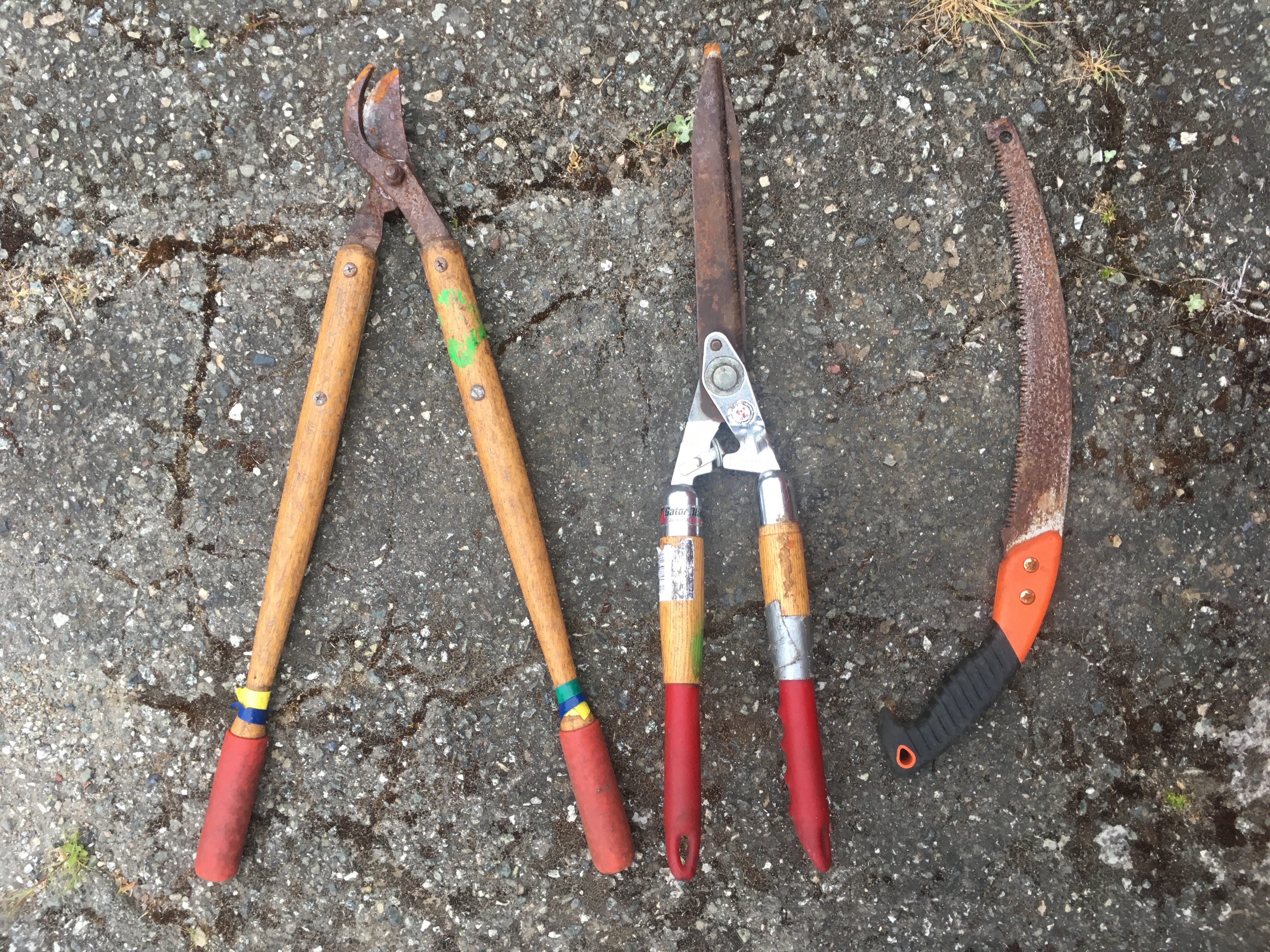
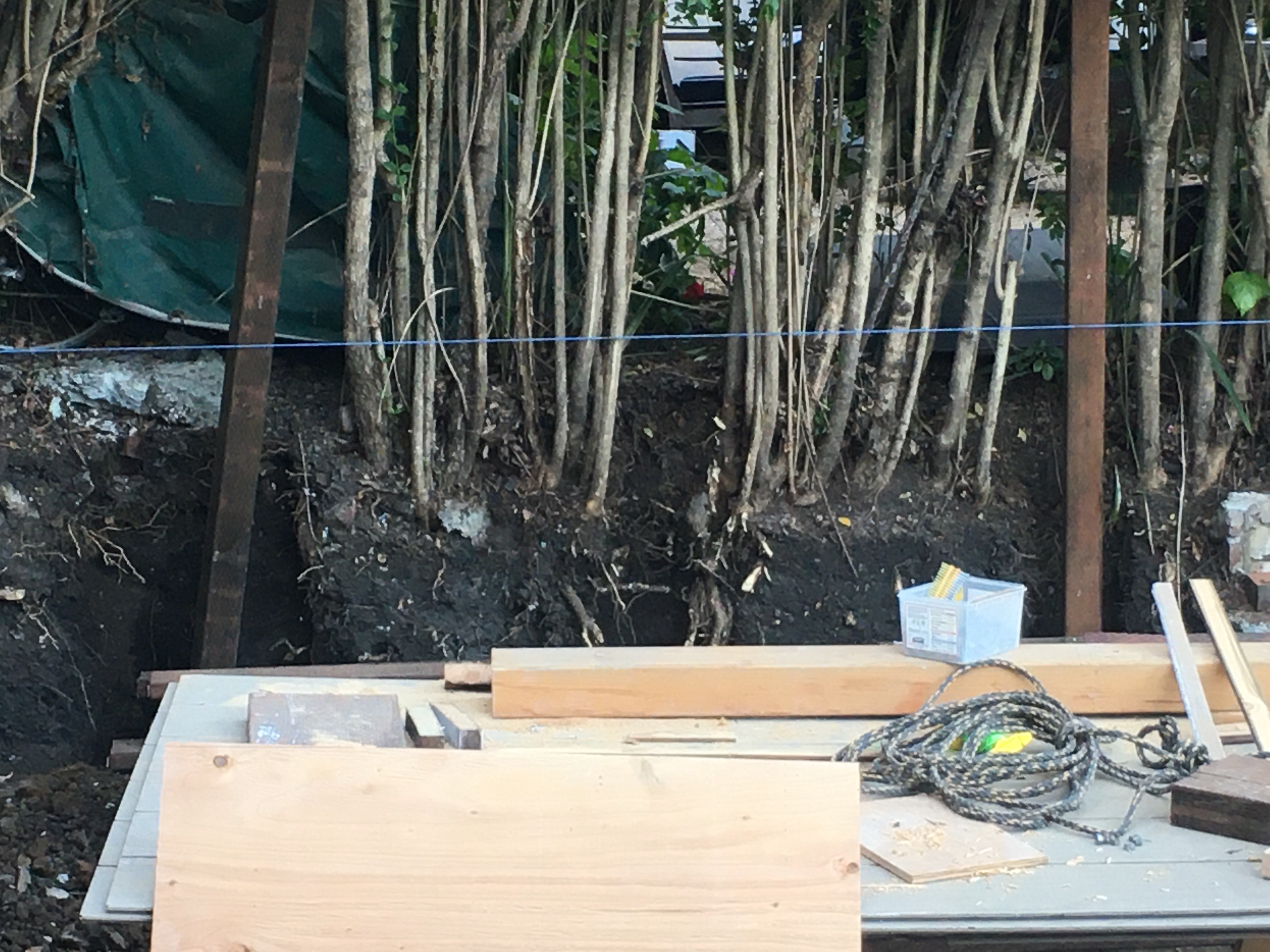
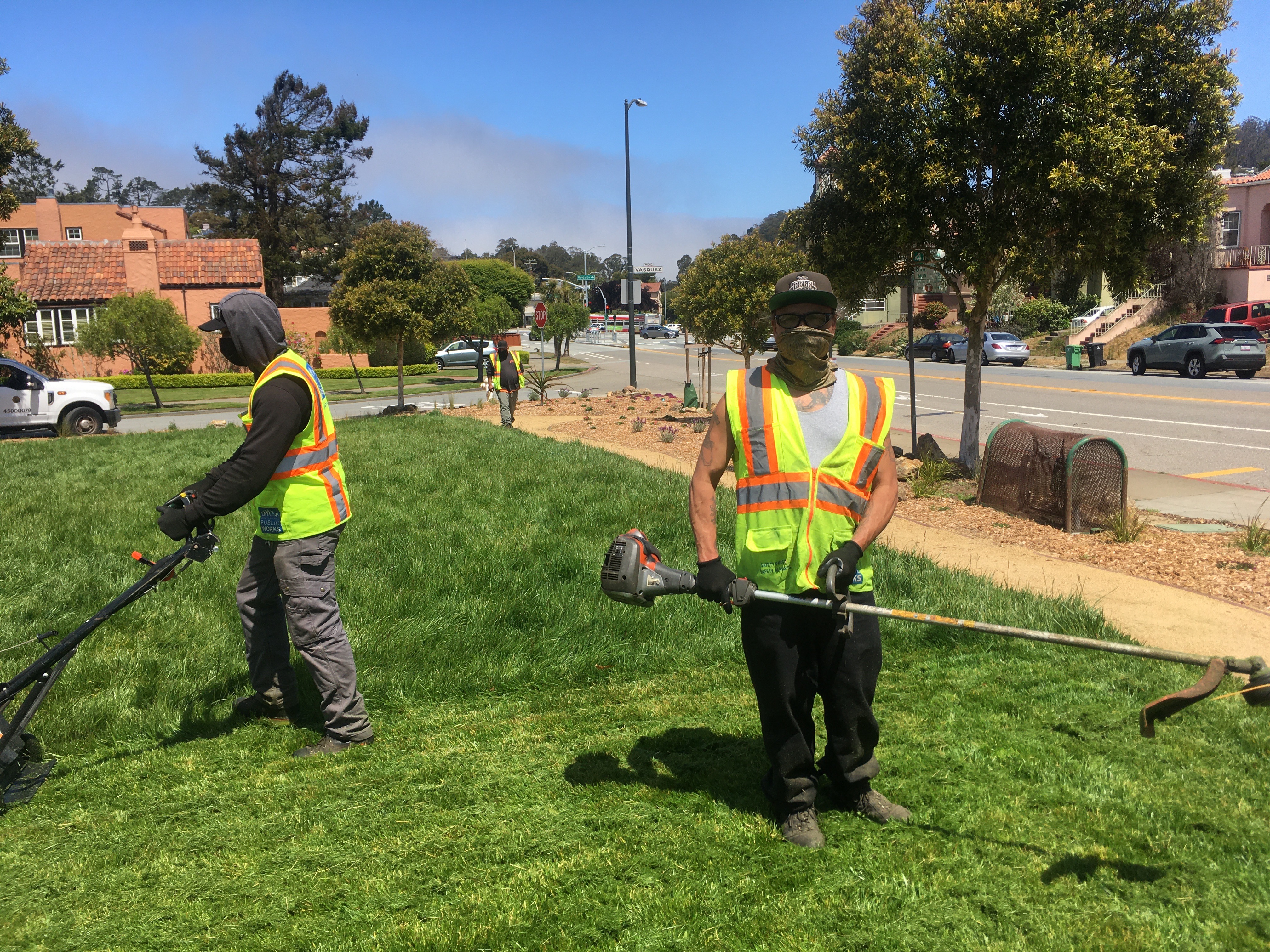
This is the pictorial part of the OH53 Maintenance class ‘tool, equipment and supplies final’ for the spring semester. It is grouped by the topics we covered in class. Please refer to the written exam questions in order to answer with correct responses. Thank you.

Fences & hedges

  1. Two kinds of hedgers:

2. Pruning and hedging hand tools:

3. Polypropylene line and posts

Grasses & turf care

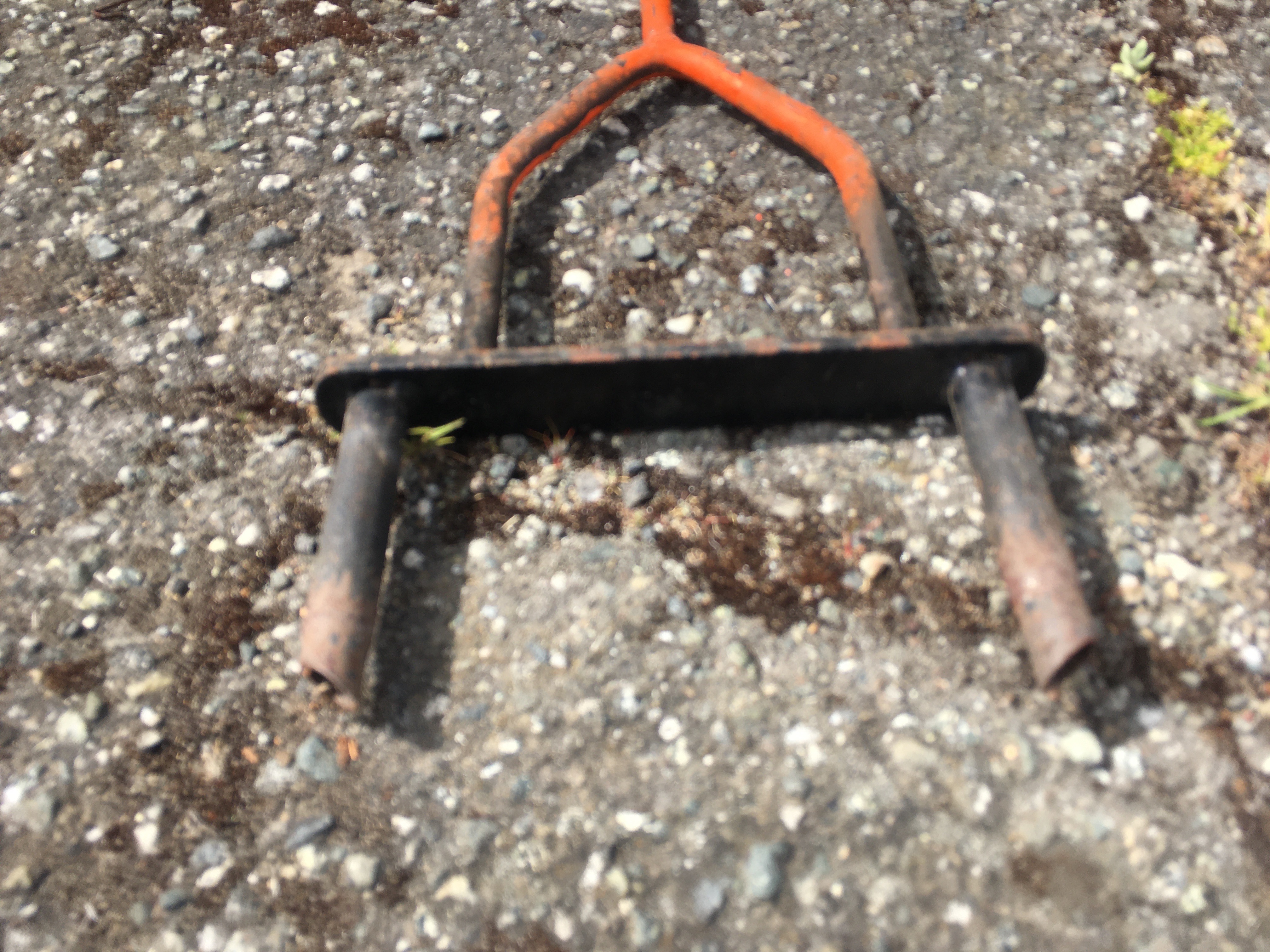
4. Sean and power tool

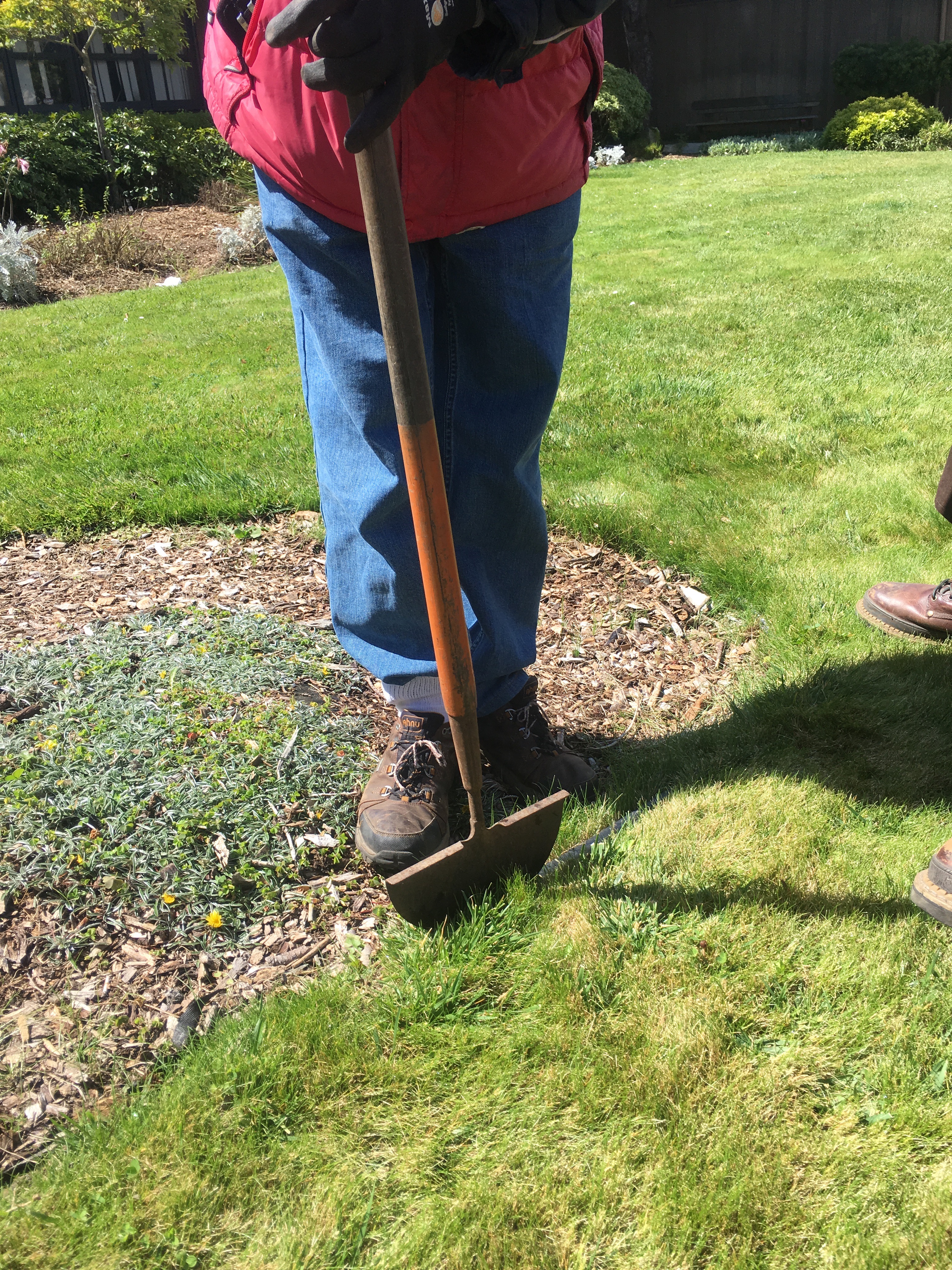
5. Ulu-like hand tool:

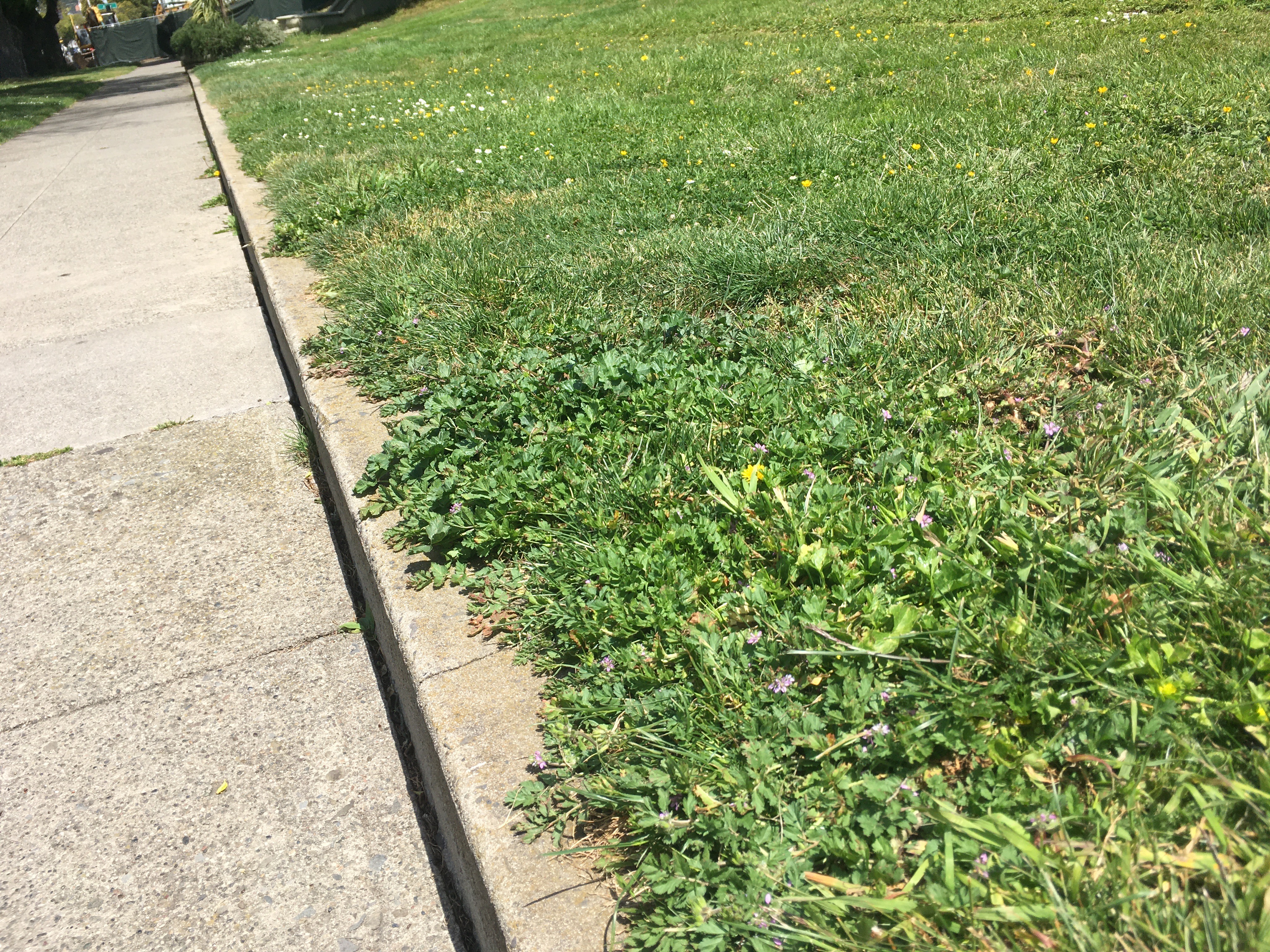
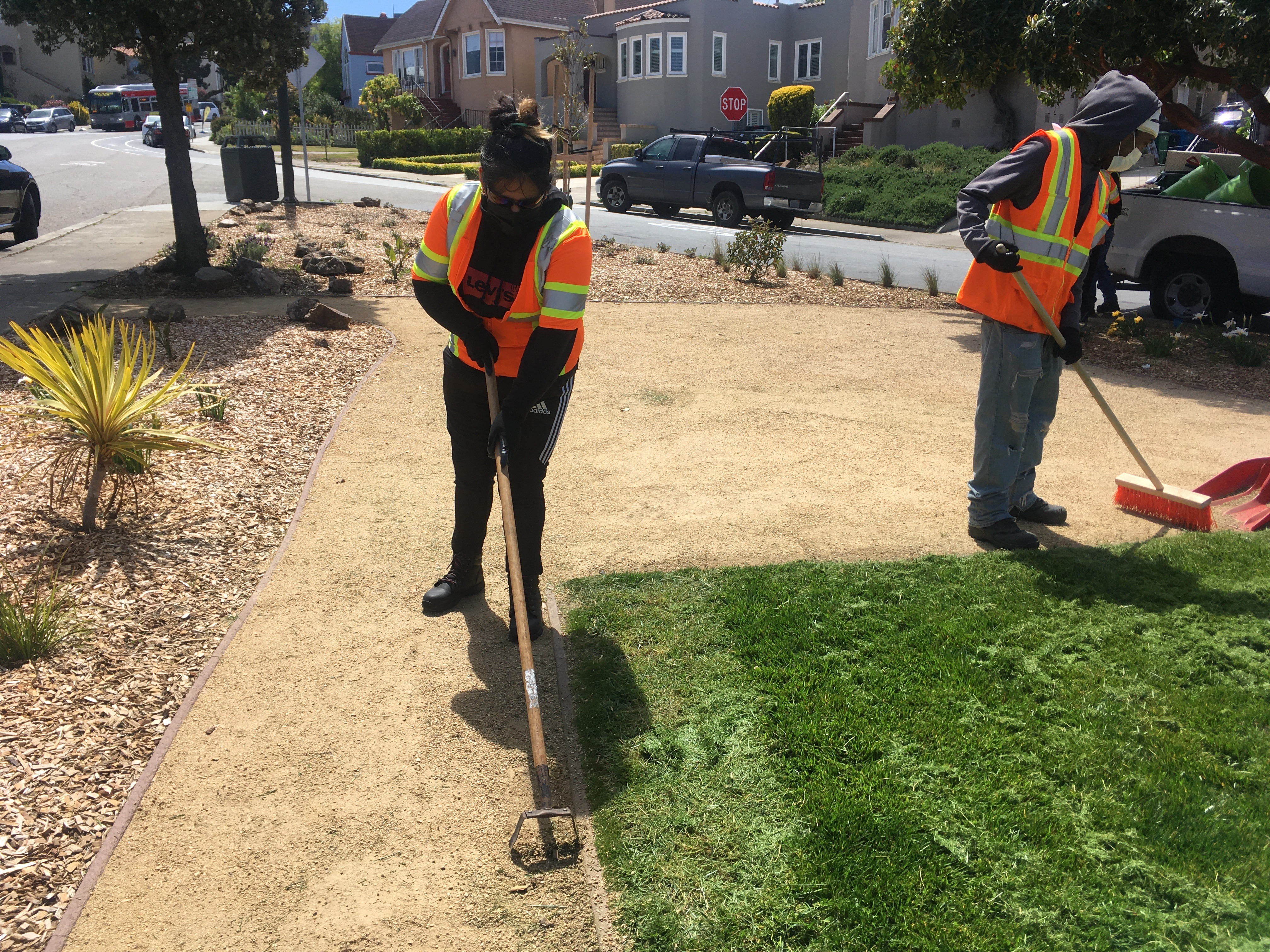
6. Turf and sidewalk

7. Lawn care tool

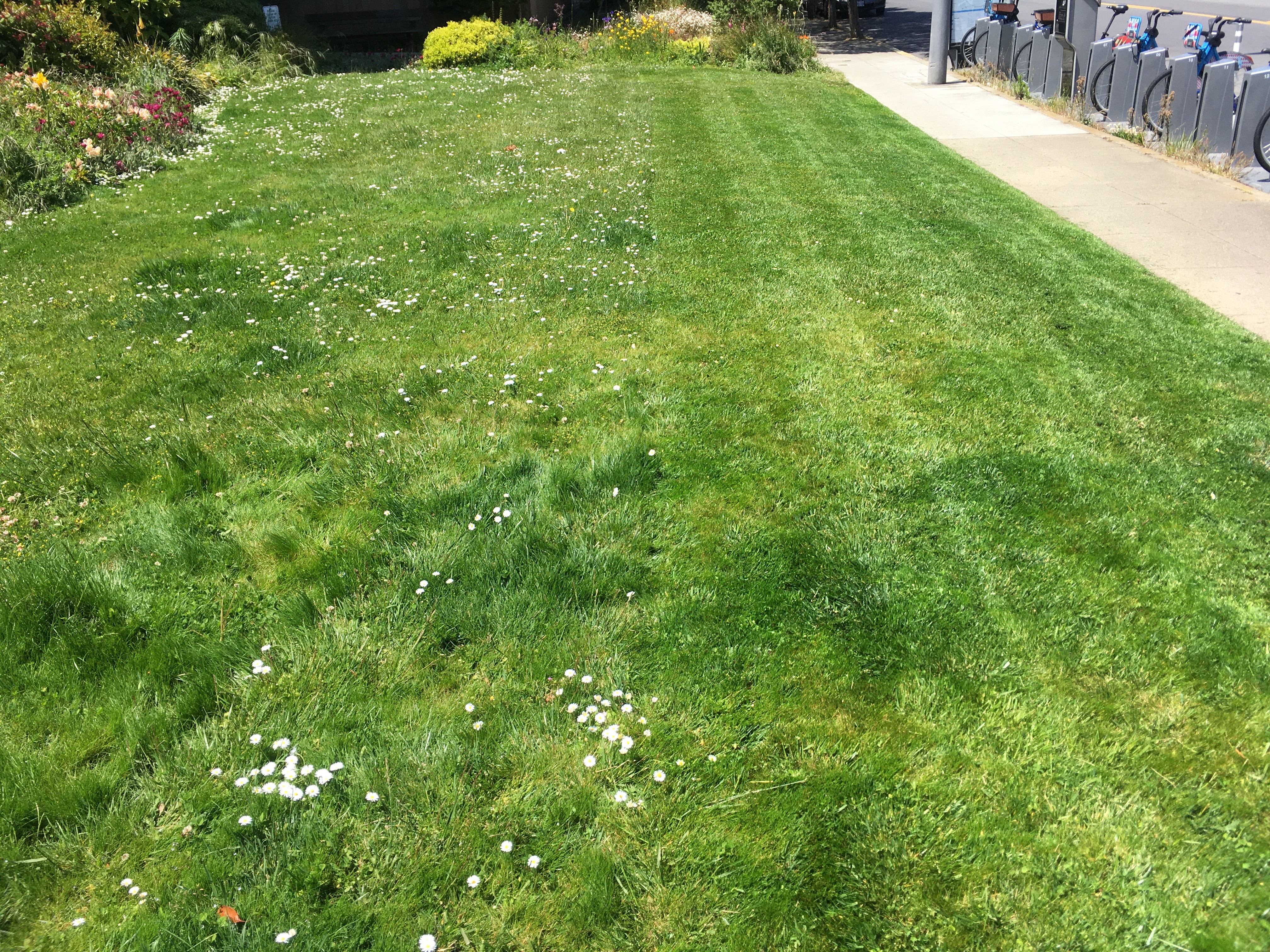
8. Half mowed lawn

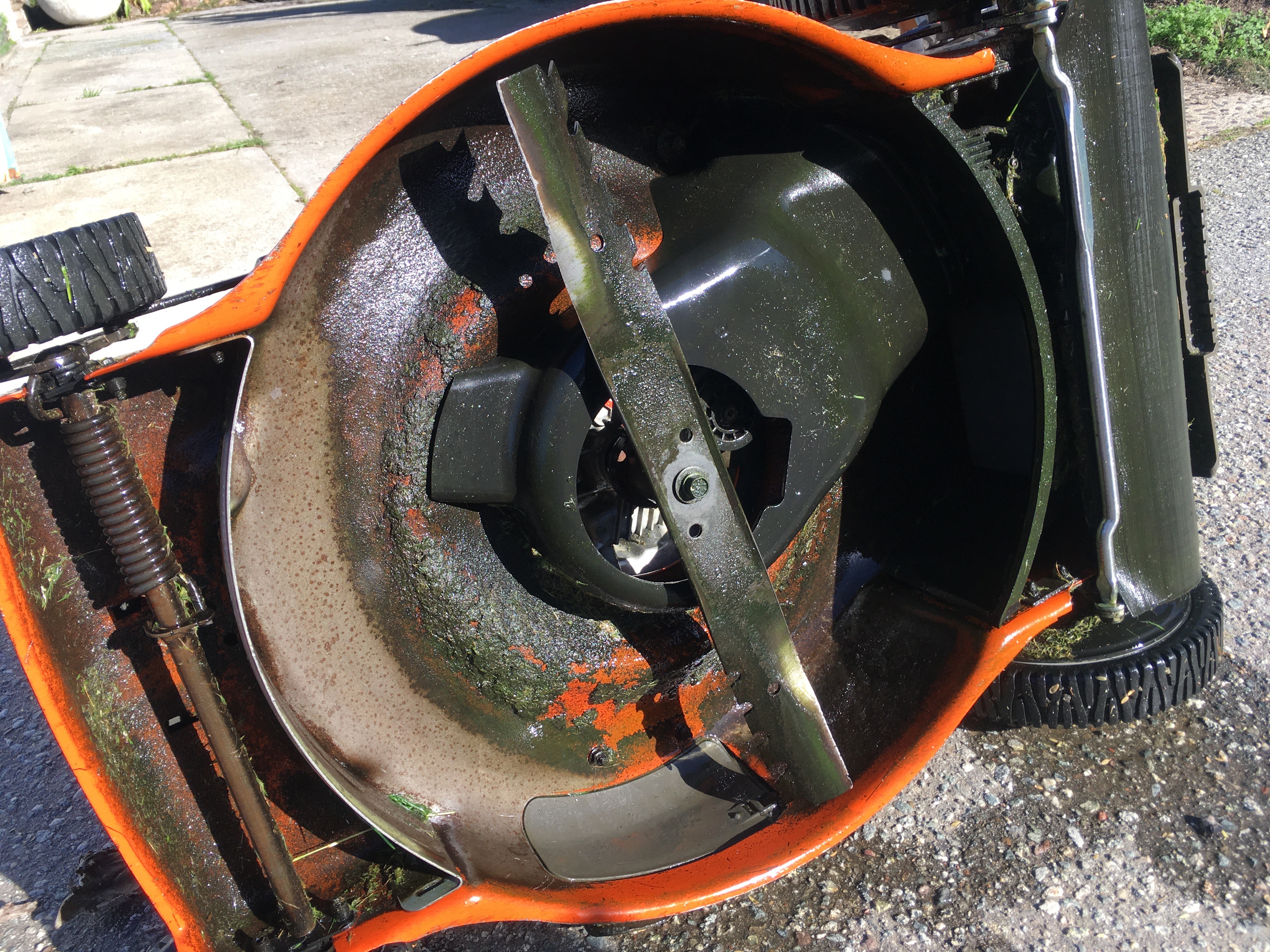
9. Mower blades

10. Weeding tool

11. Cutting implement under the mower

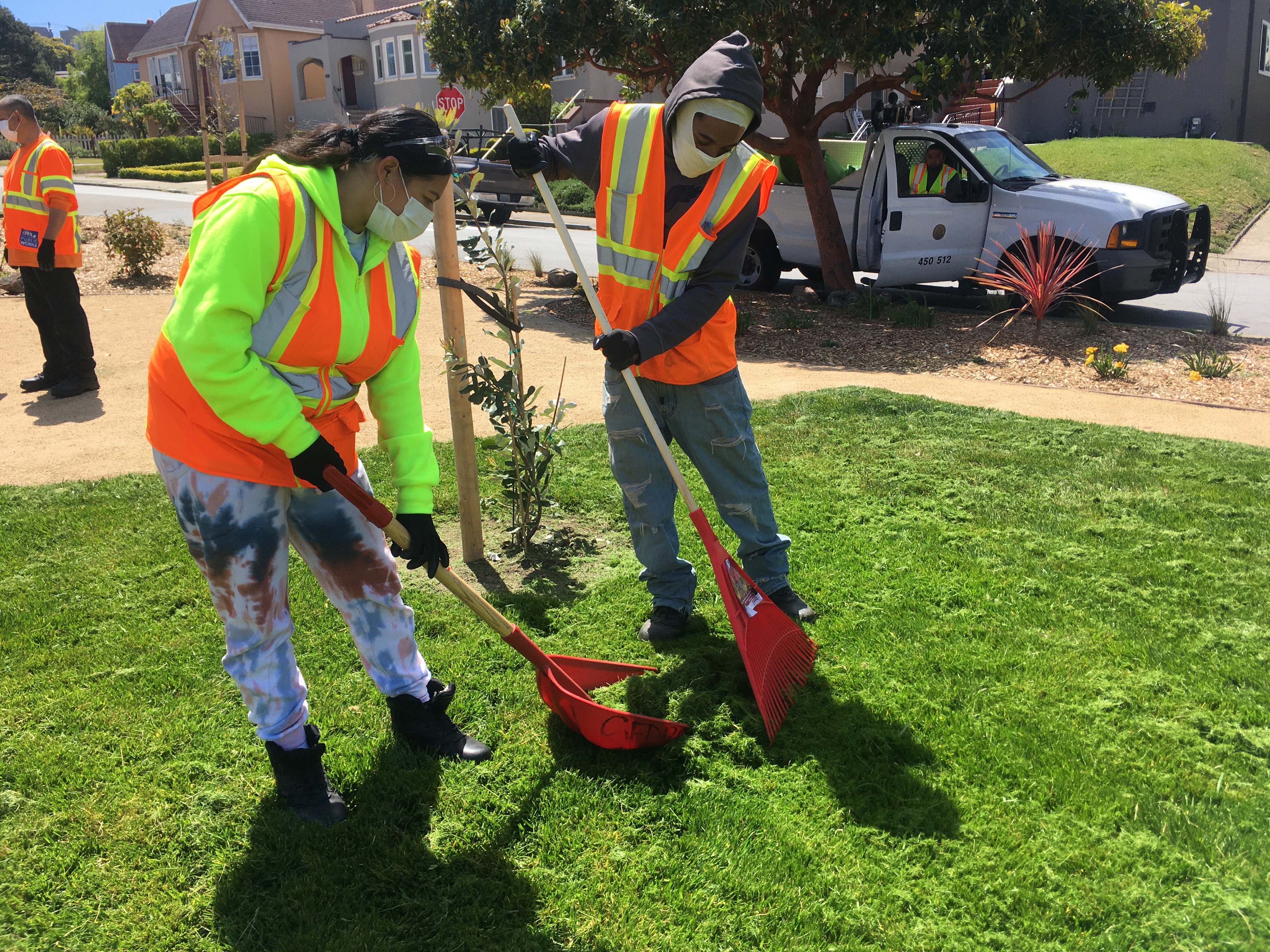
12. Tools to collect grass clippings

Two versus four cycle

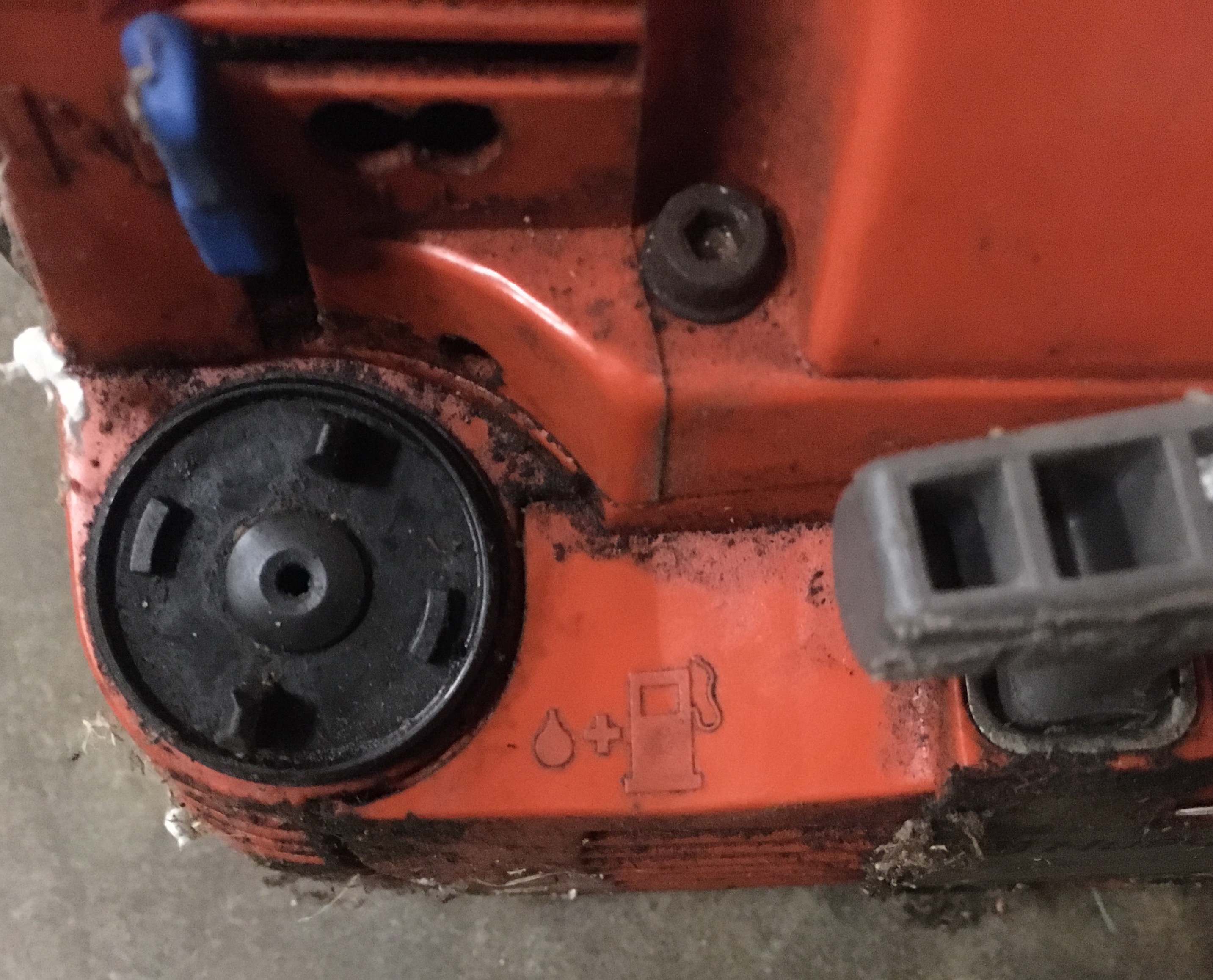
13. Symbol next to broken fuel cap

14. 2 cycle oil and gas cans

15. An orange switch and some symbols

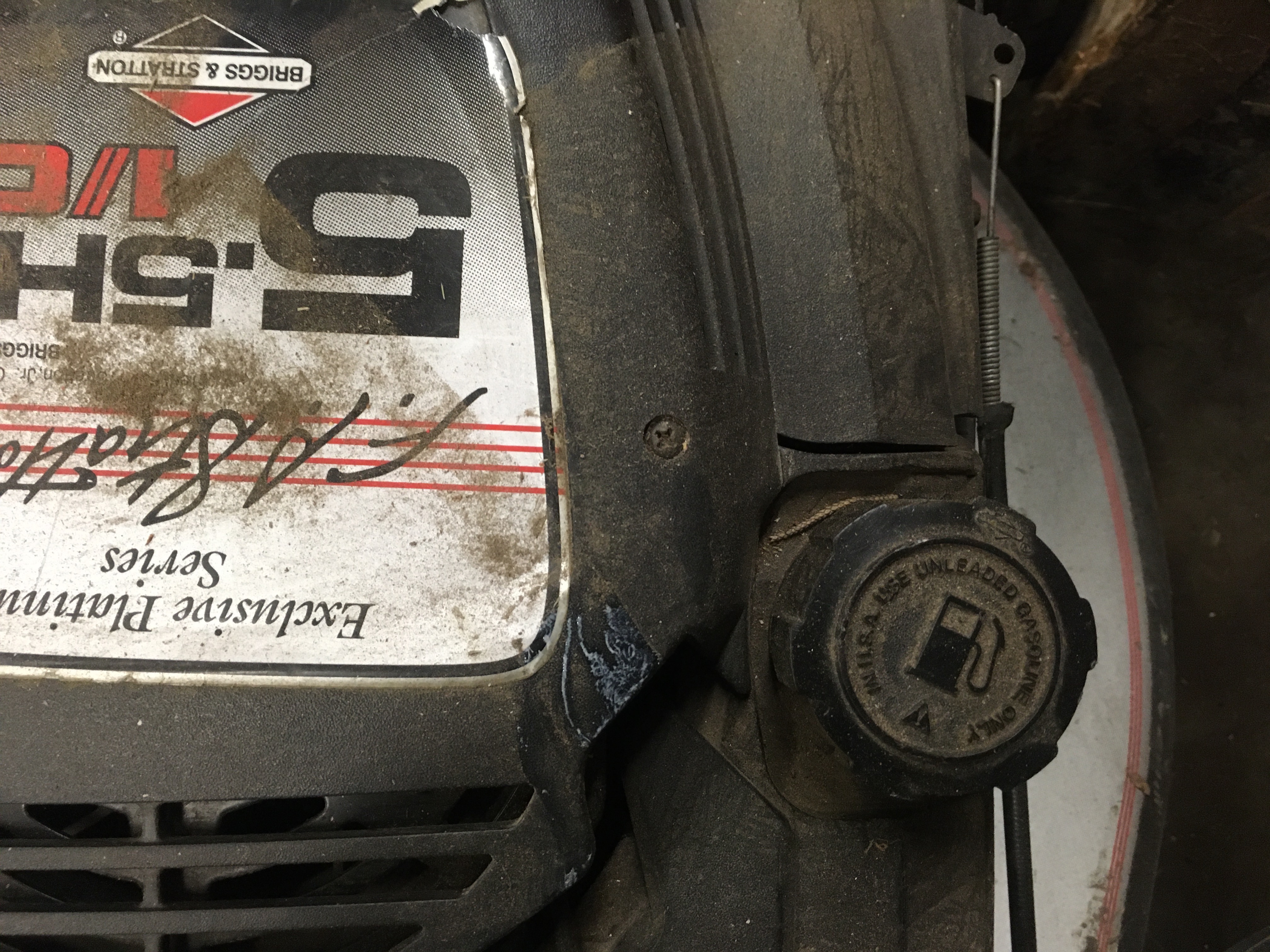
16. A fuel cap with a symbol and letters on it

17. A fuel cap with letters on it

Bulbs

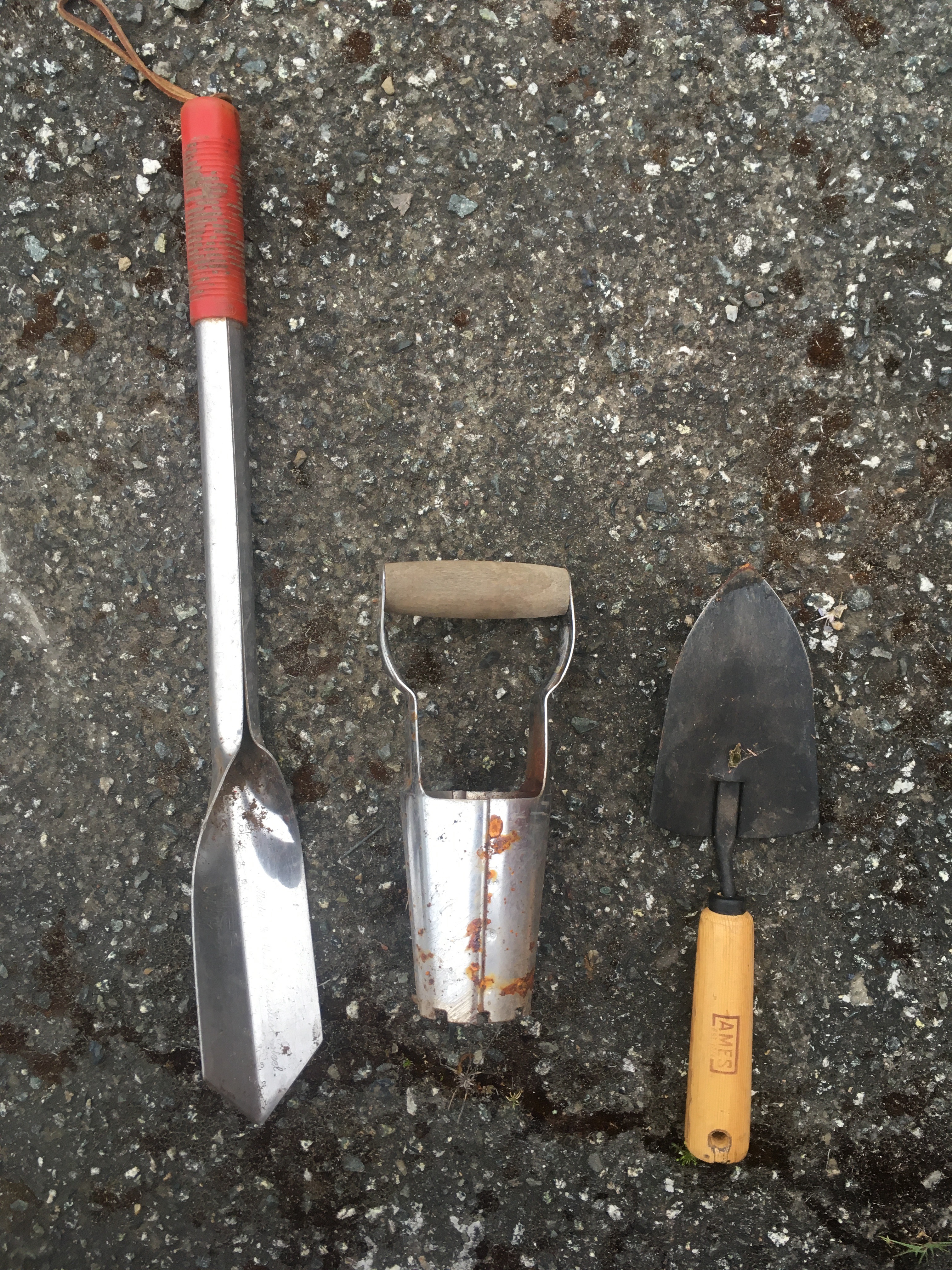
18. Three kinds of hand tools for digging

Fertilizers

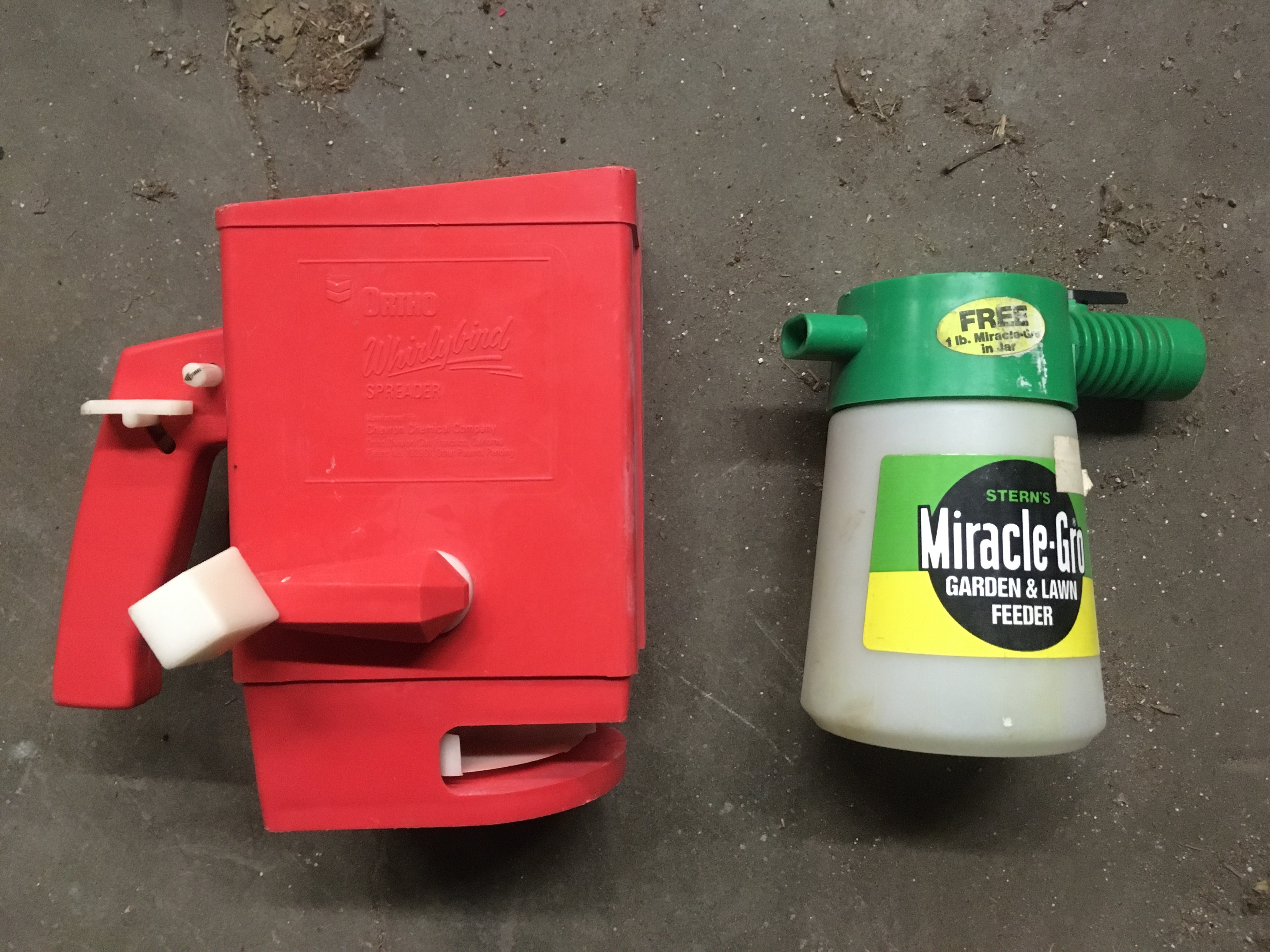
19. A rectangular and a round plastic container

20. A large plastic rectangular bucket

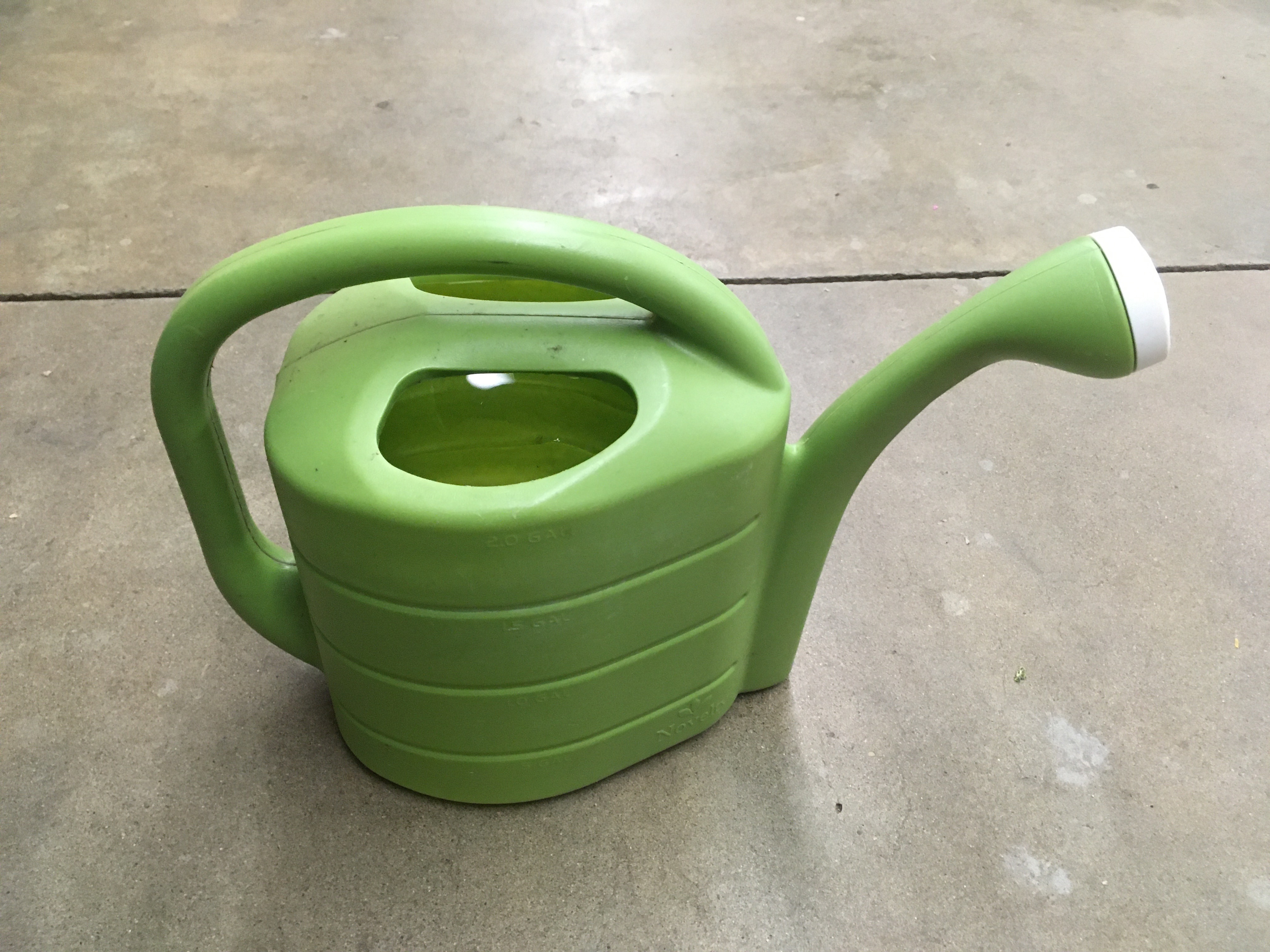
21. A green plastic can with a spout

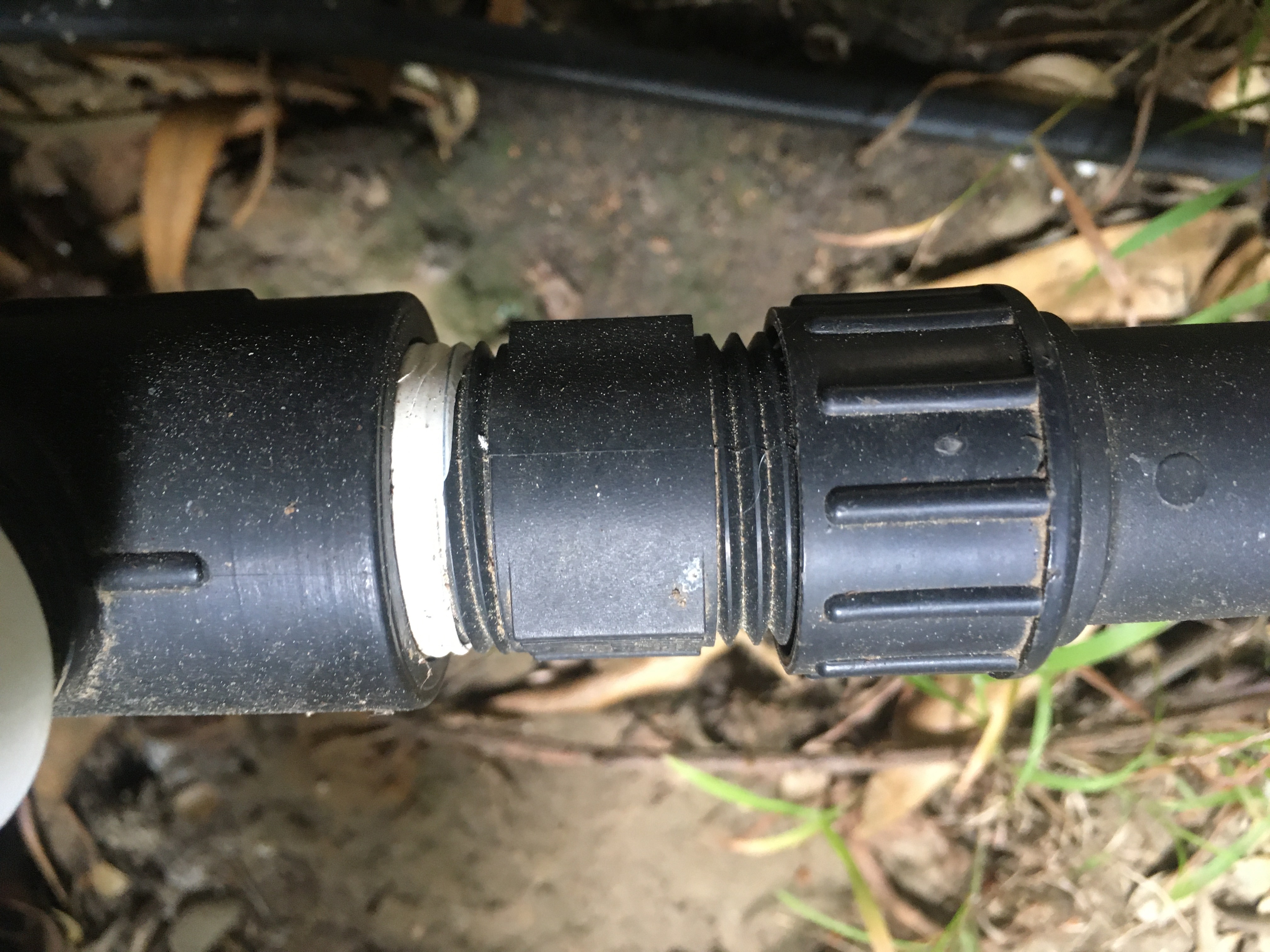
Unions, connections, and intersections

22. The round white piece inside one end of the hose

23. The connection between plastic parts

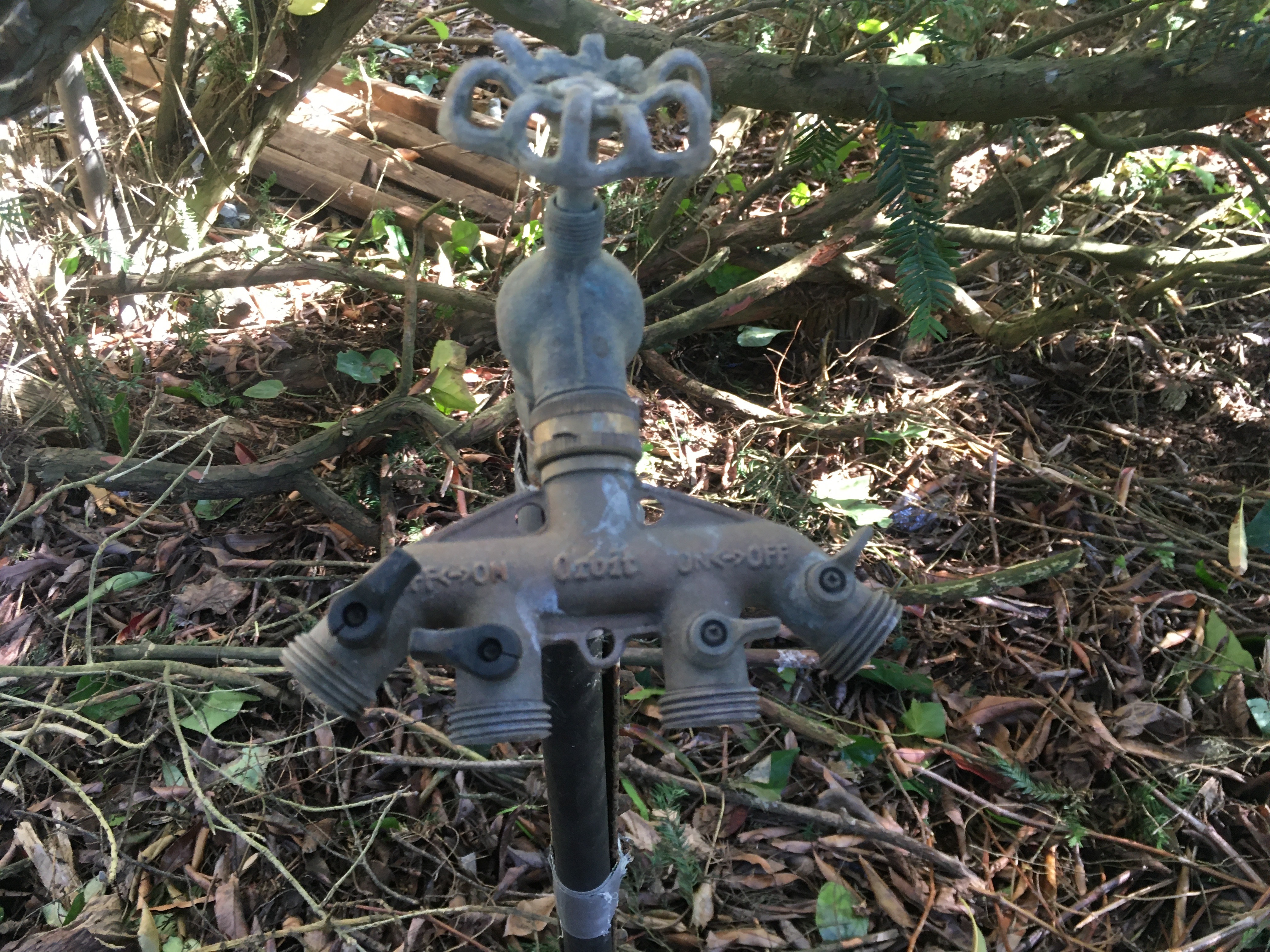
24. A hose bib with multiple connections

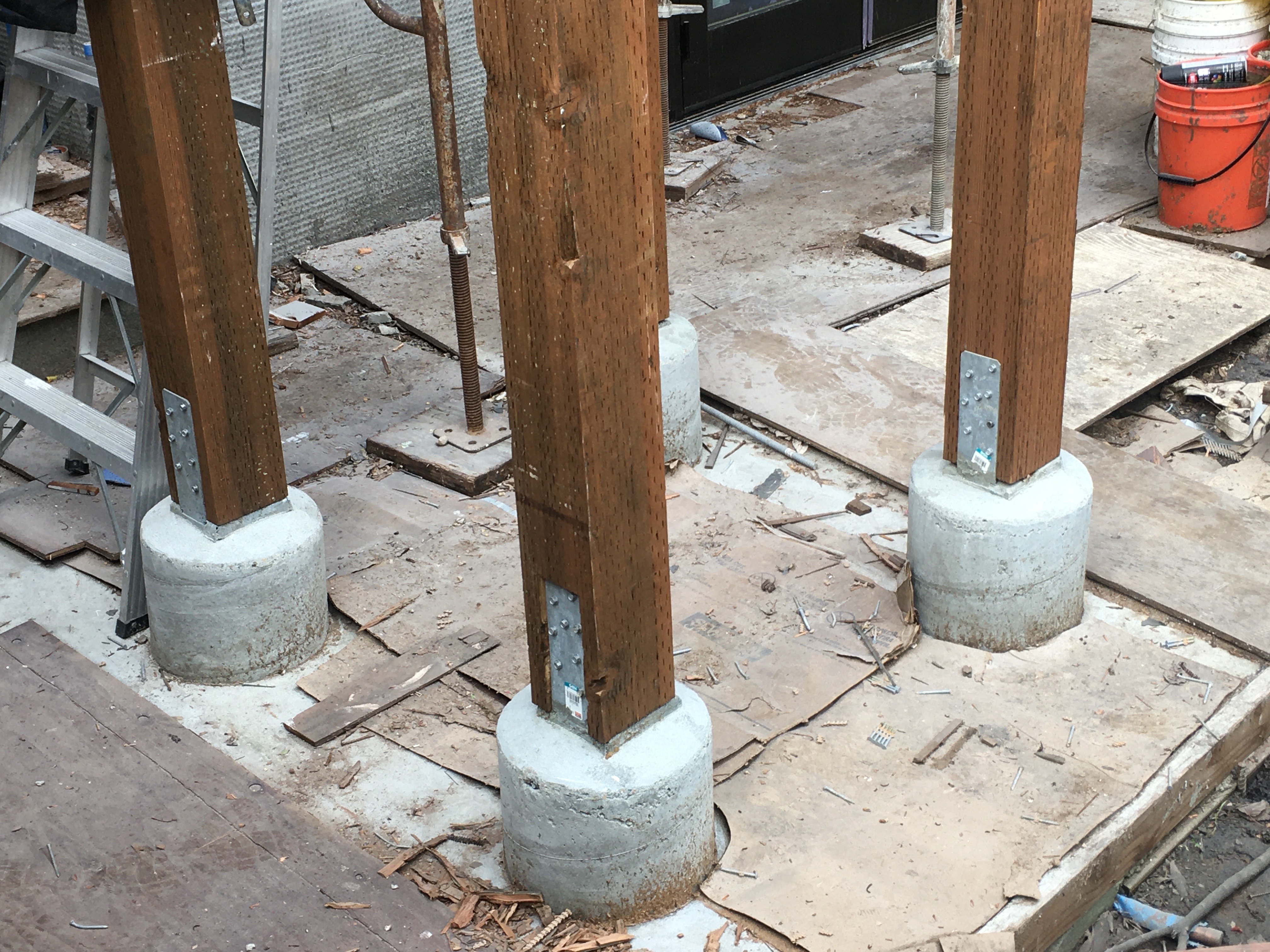
25. Where the pressure treated lumber meets the concrete

26. The black membrane/cloth between the soil and the pressure treated lumber

27. Between the concrete pavers on top and the soil underneath

Valves & irrigation

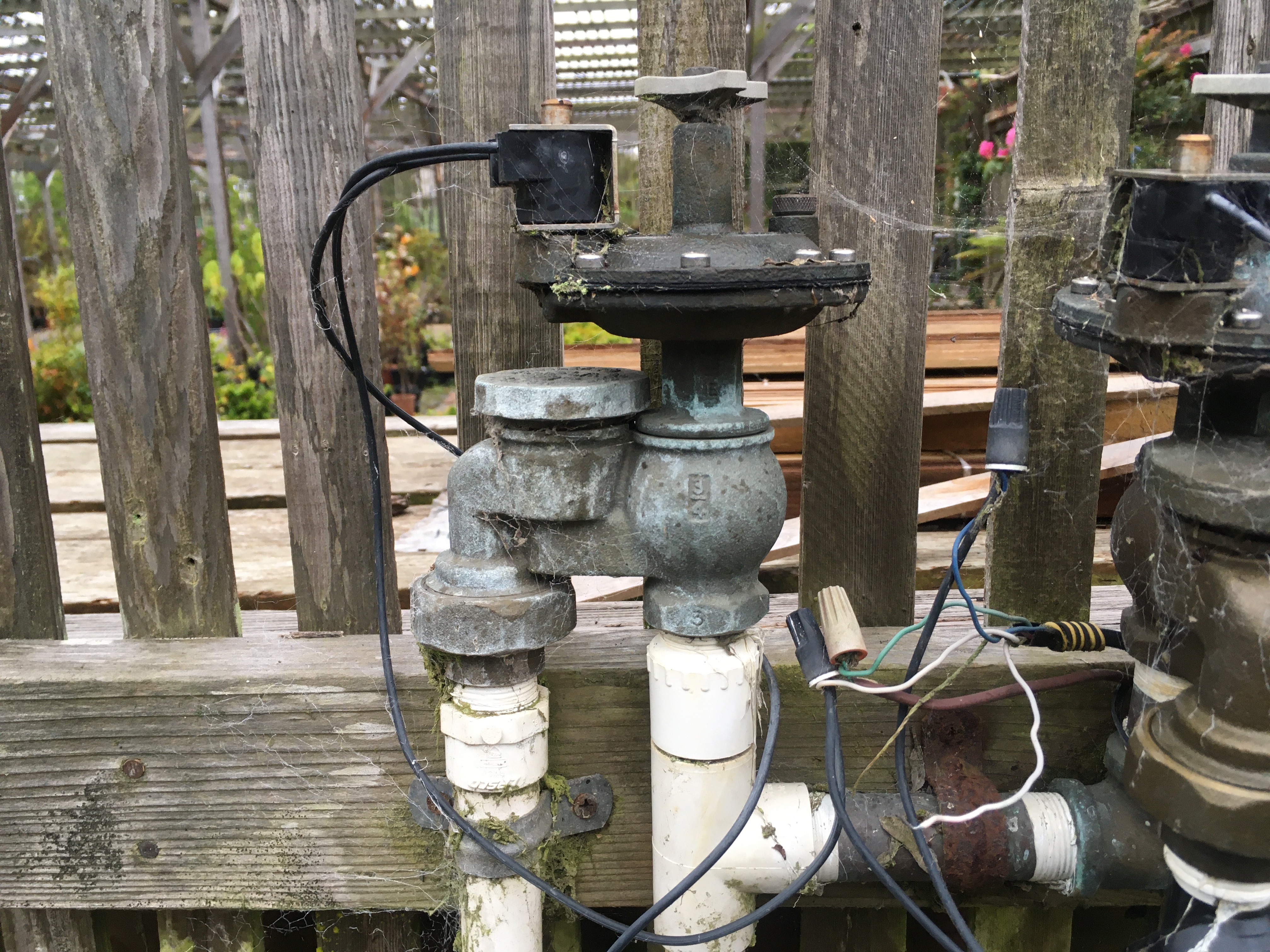
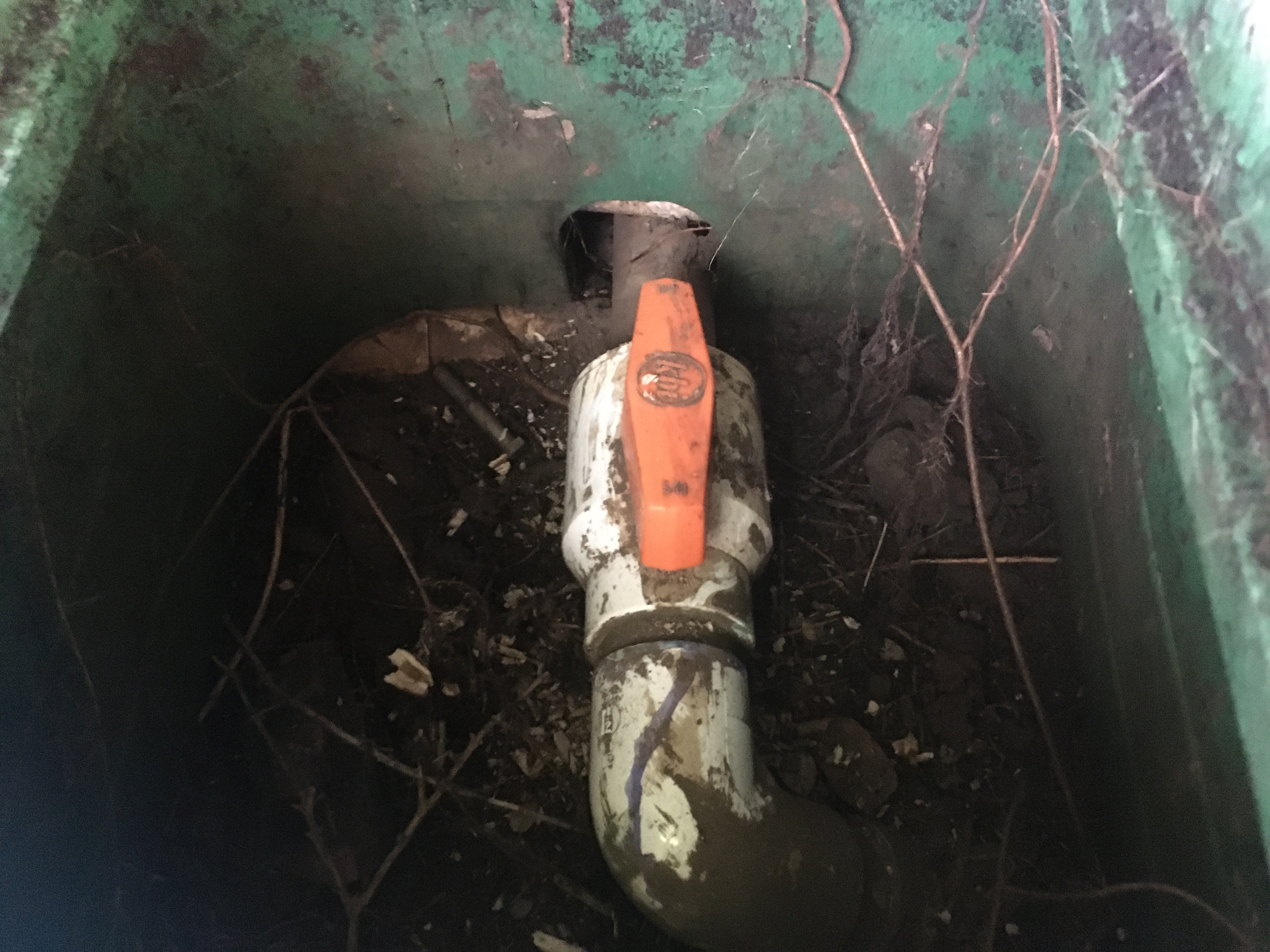
28. The two white PVC pipes underneath the remote control valve

29. The brass piece threaded onto the hose bib

30. The valve inside an irrigation box

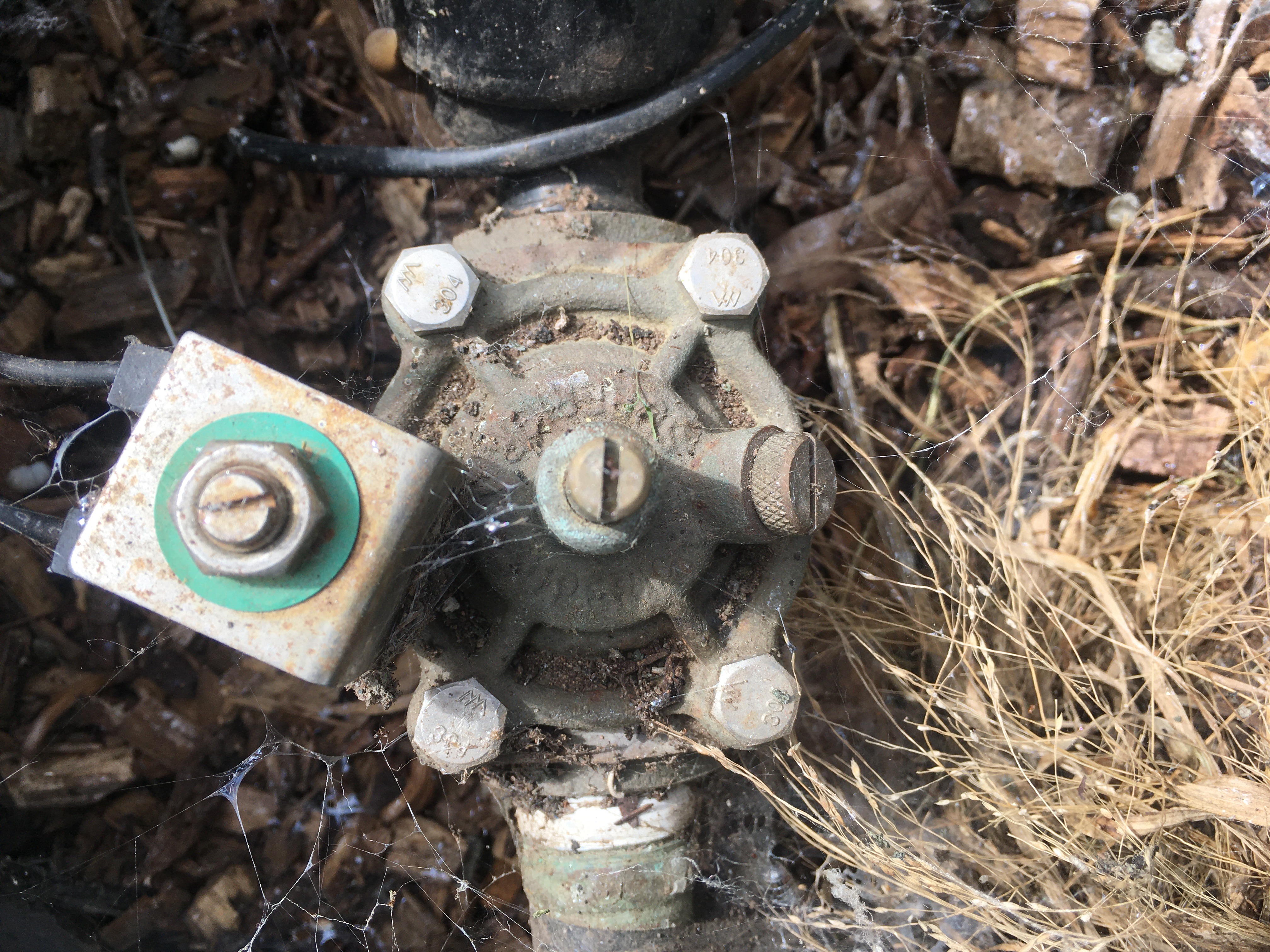
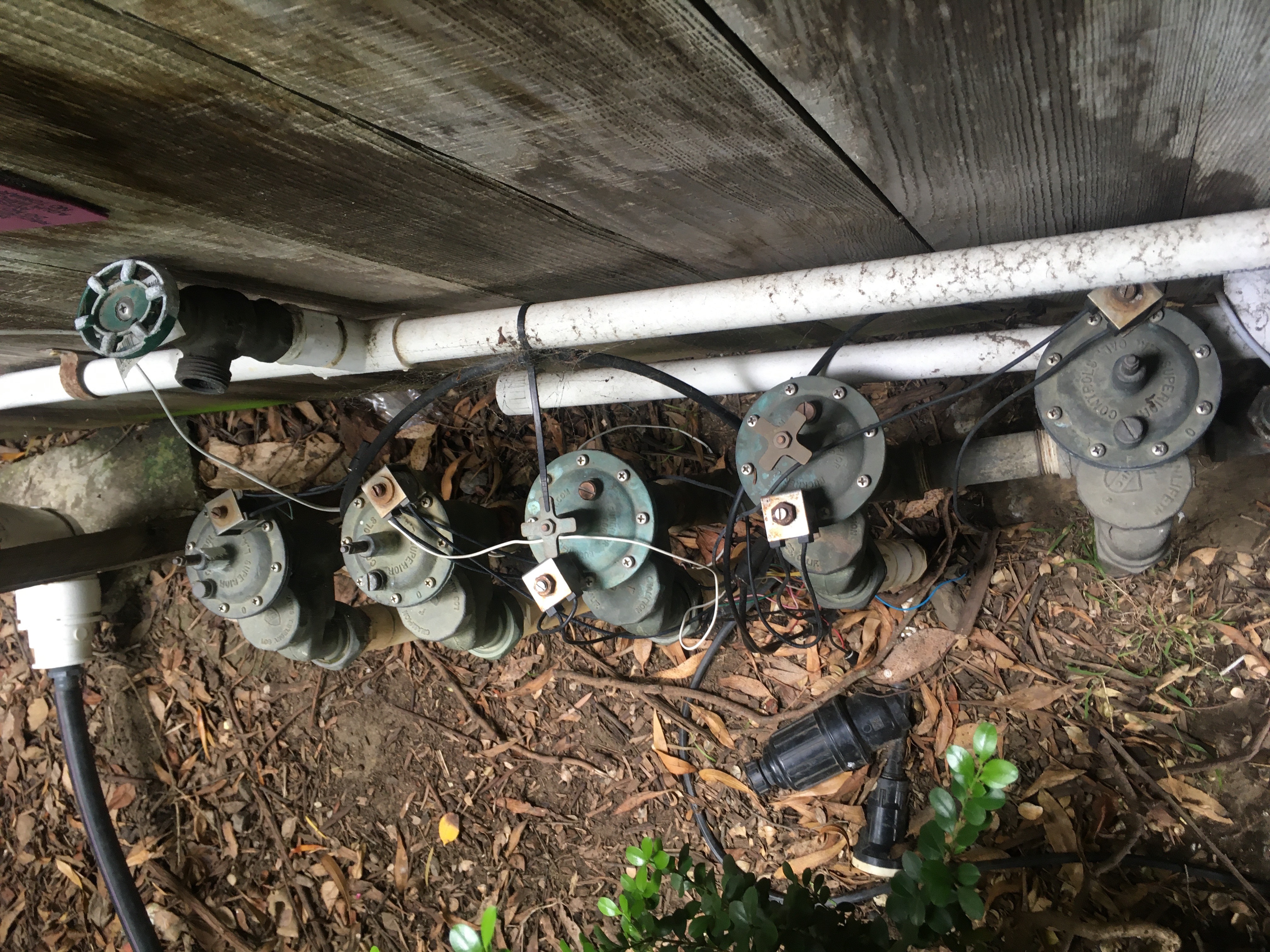
31. The round knob with a green circle on the left, the round knob with xxxx markings on the right

32. The pipe and the hose bib

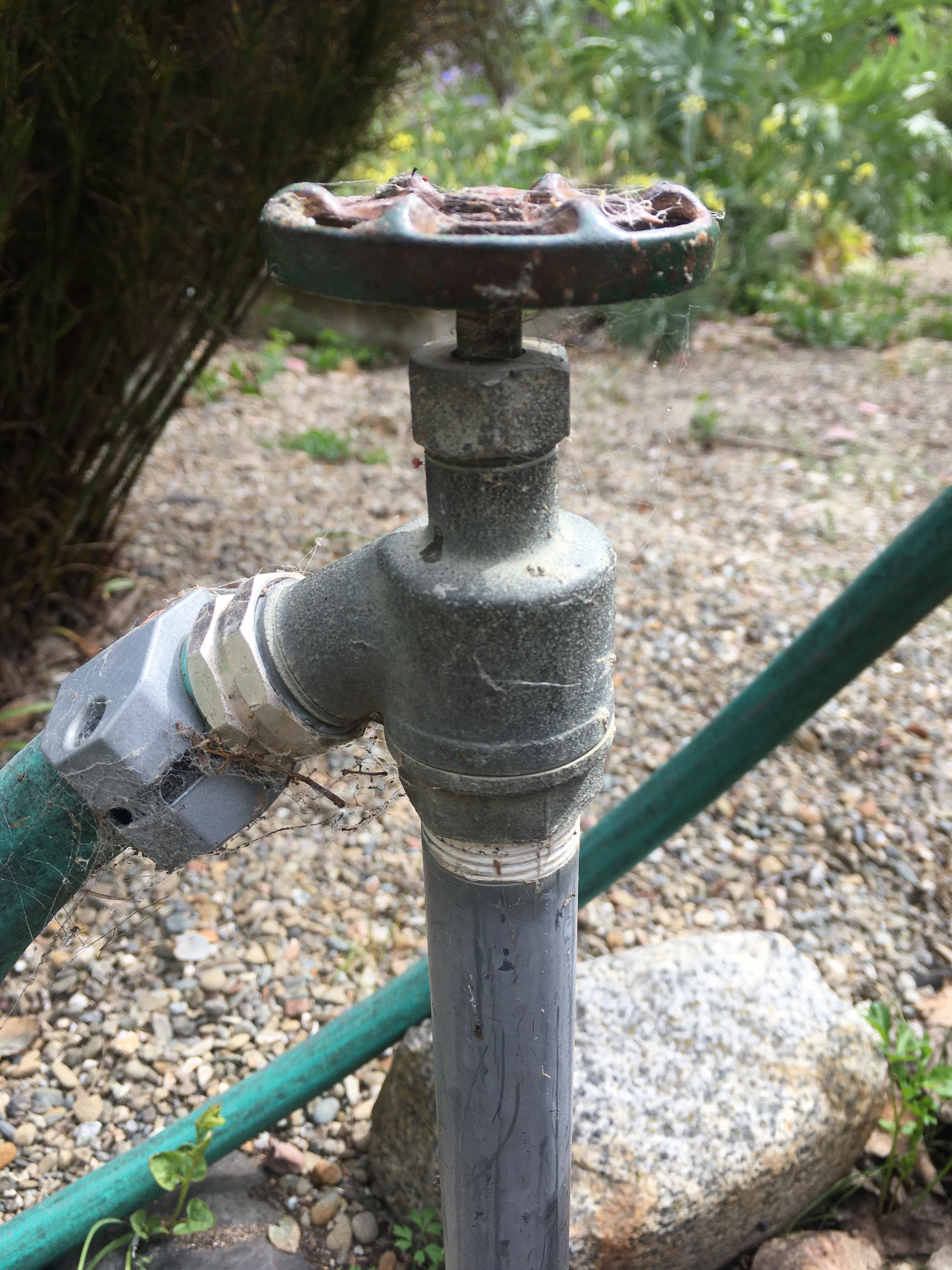
33. The plastic pipe connected to the hose bib

34. Remote control valves in a series

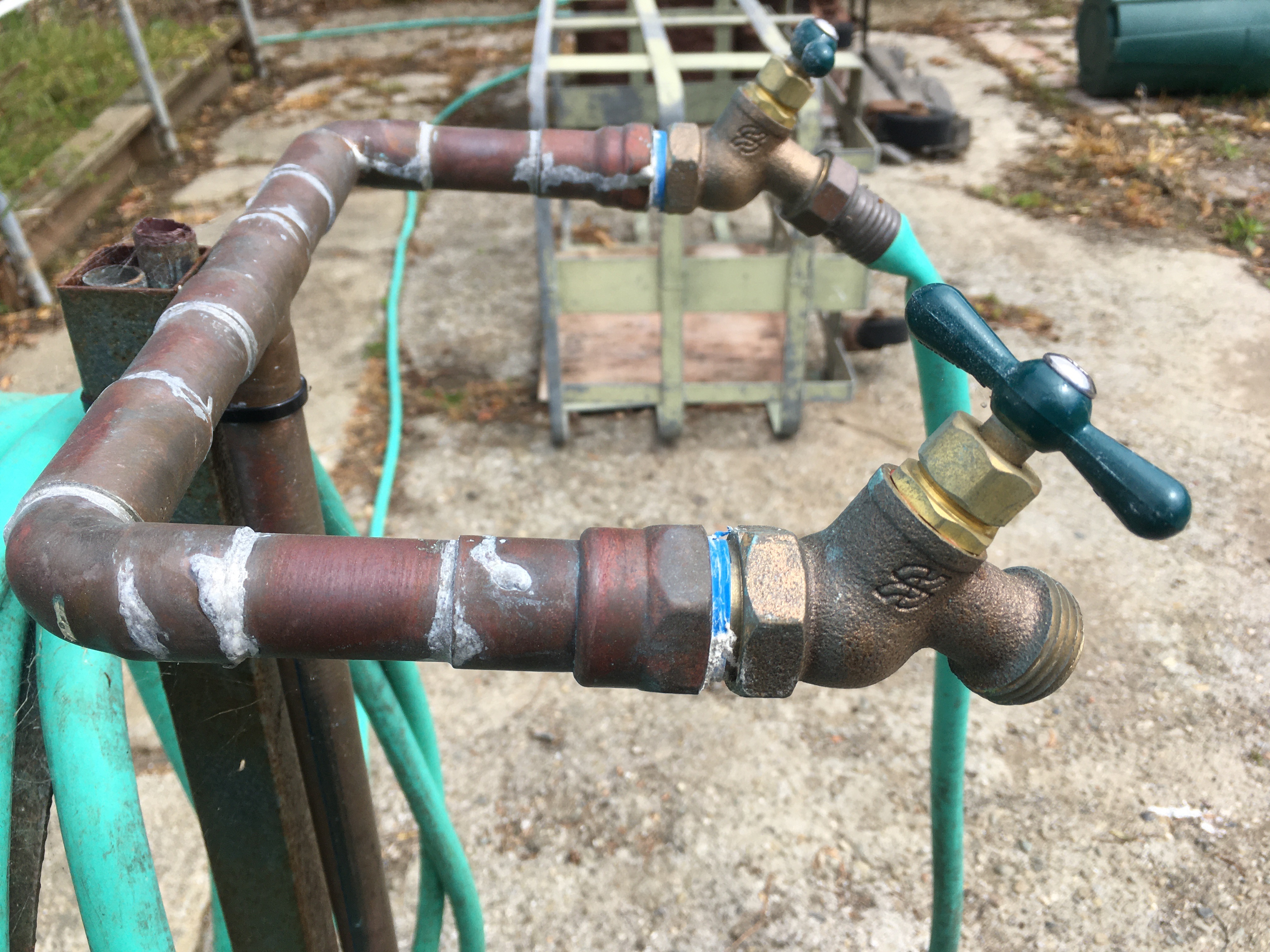
35. Hose bib

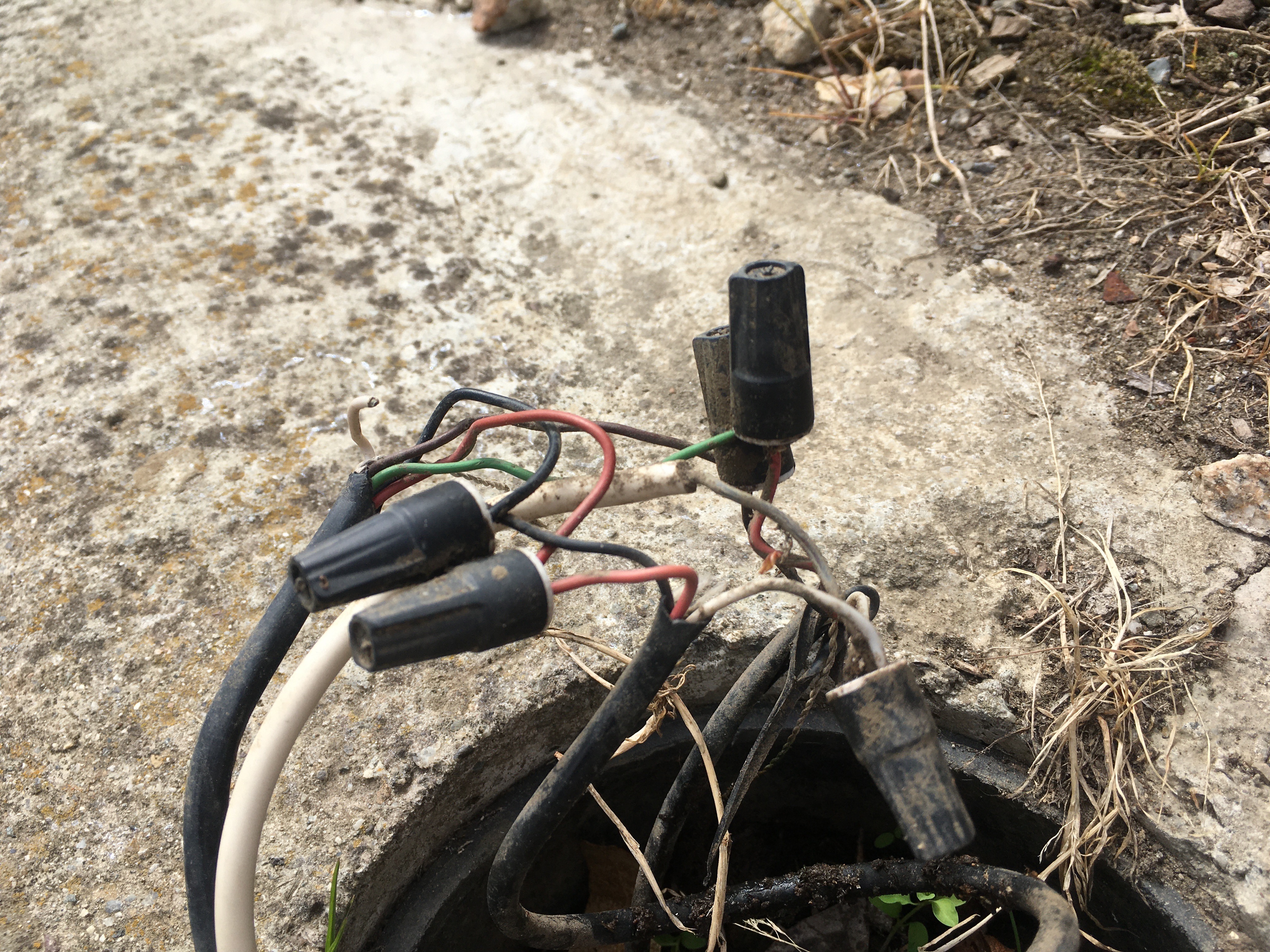
36. The connection between the wires

37. The connection between the hose and the quick coupler

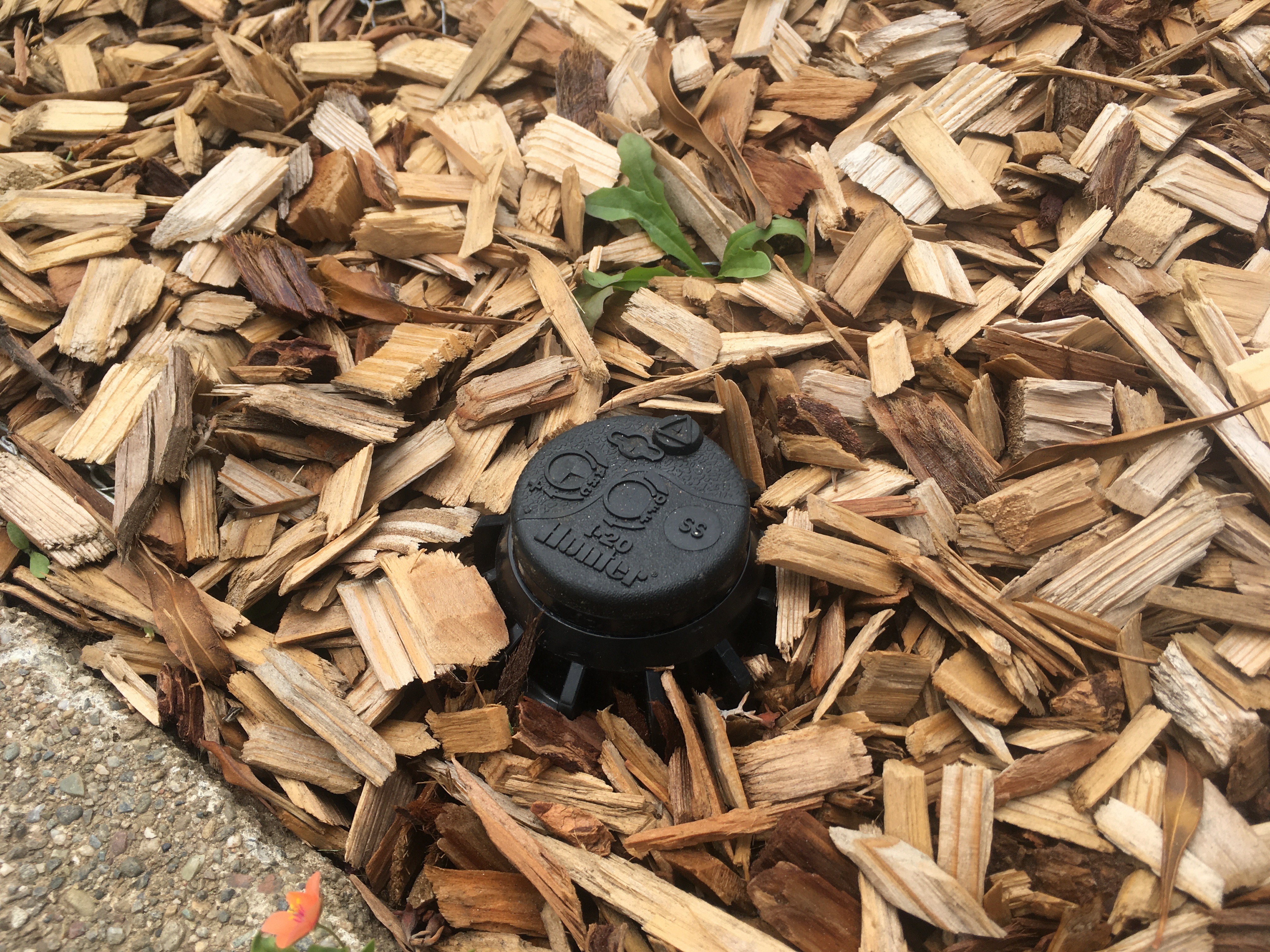
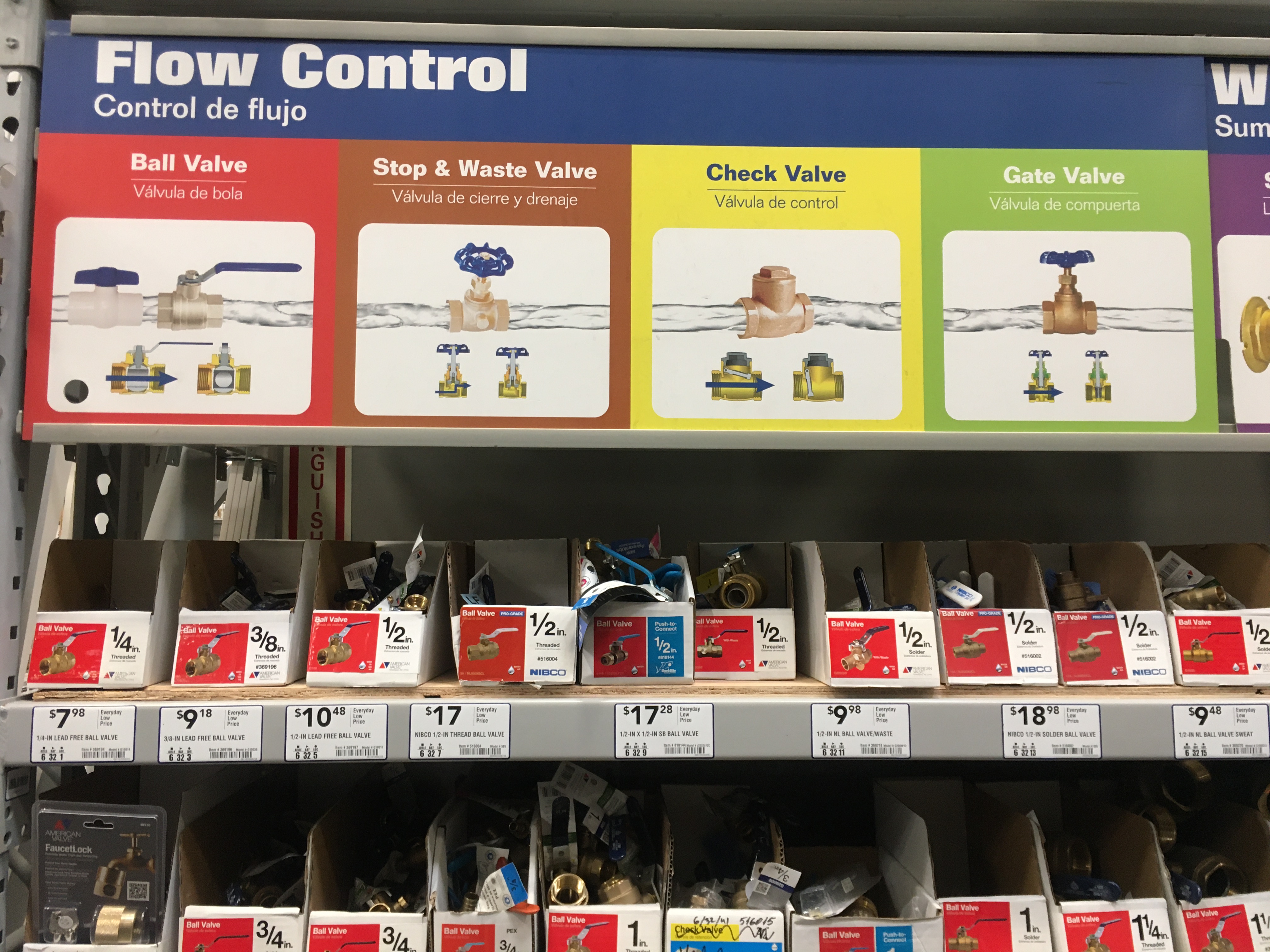
38. A Hunter I-20 sprinkler

39. Some valves in a cage

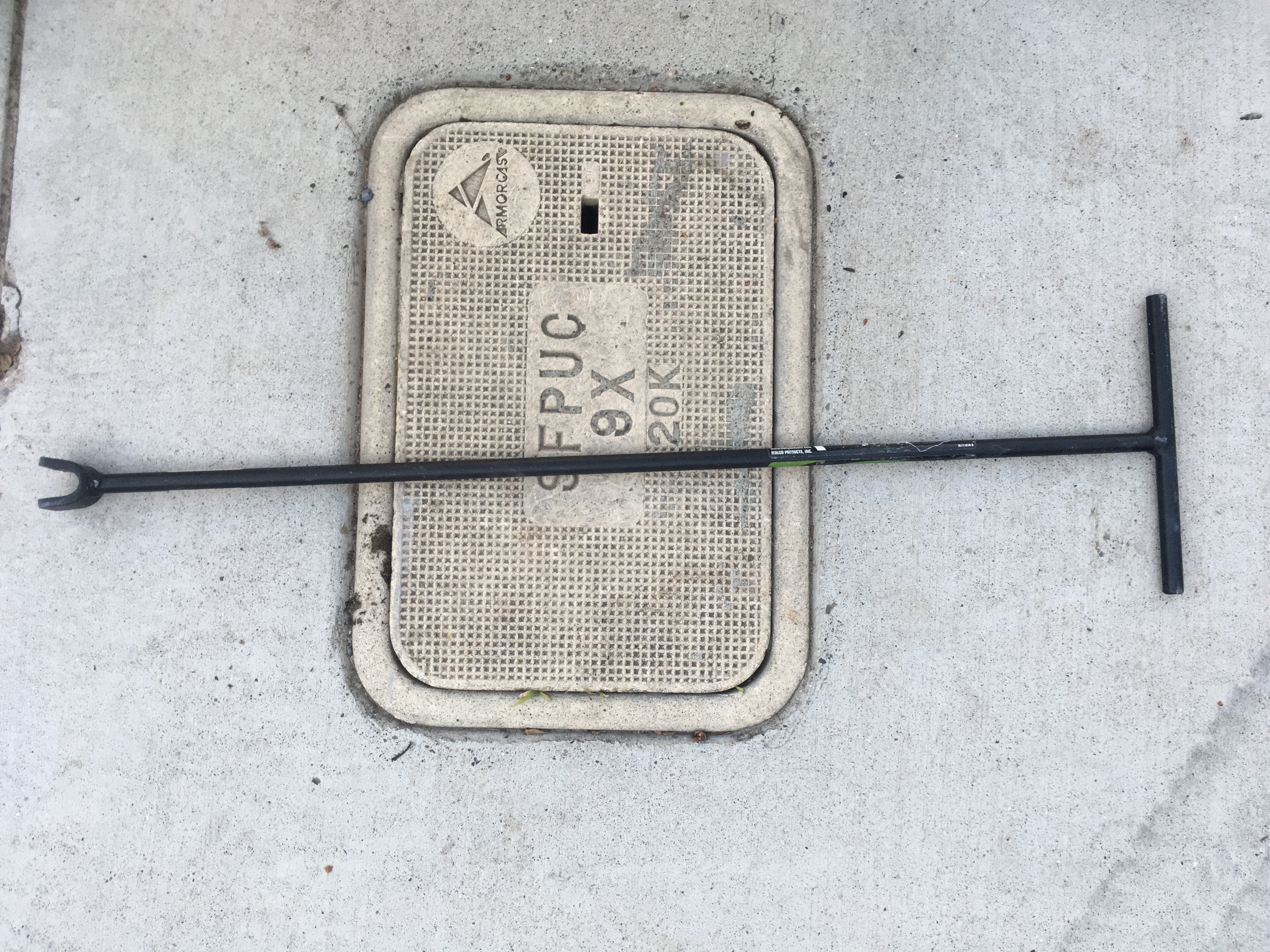
40. A metal T shaped tool and a box that says SFPUC

41. Different styles of valves

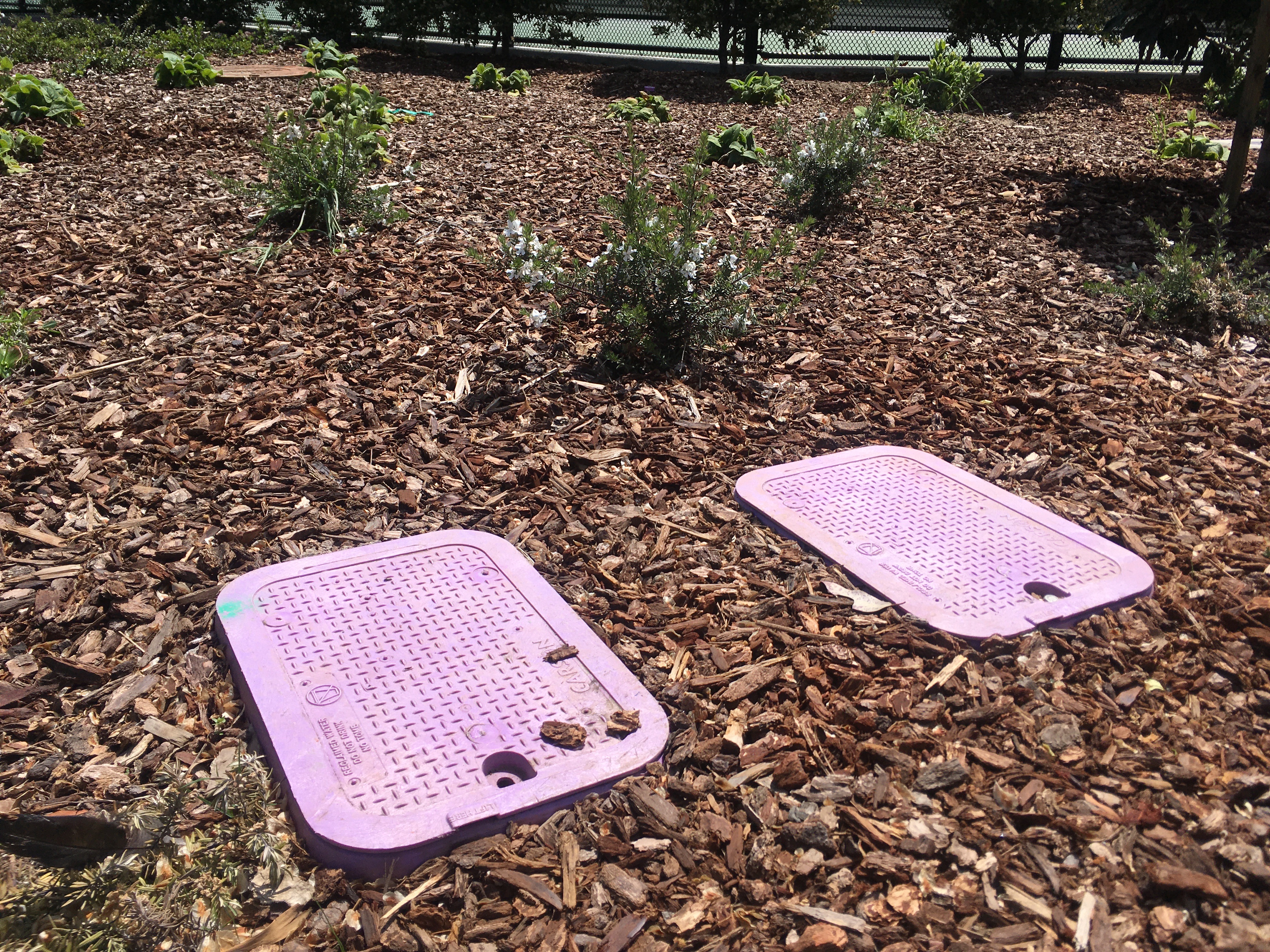
42. Two irrigation boxes

43. The white bucket at the upper left corner mounted on the electric power pole

44. A broke piece of plastic inside a brass hose bib

45. The brass pieces between the hose bib and the hose

46. A meter to measure PSI

47. A white plastic PVC fitting

Mammal and bird pests

48. A green trap made of metal

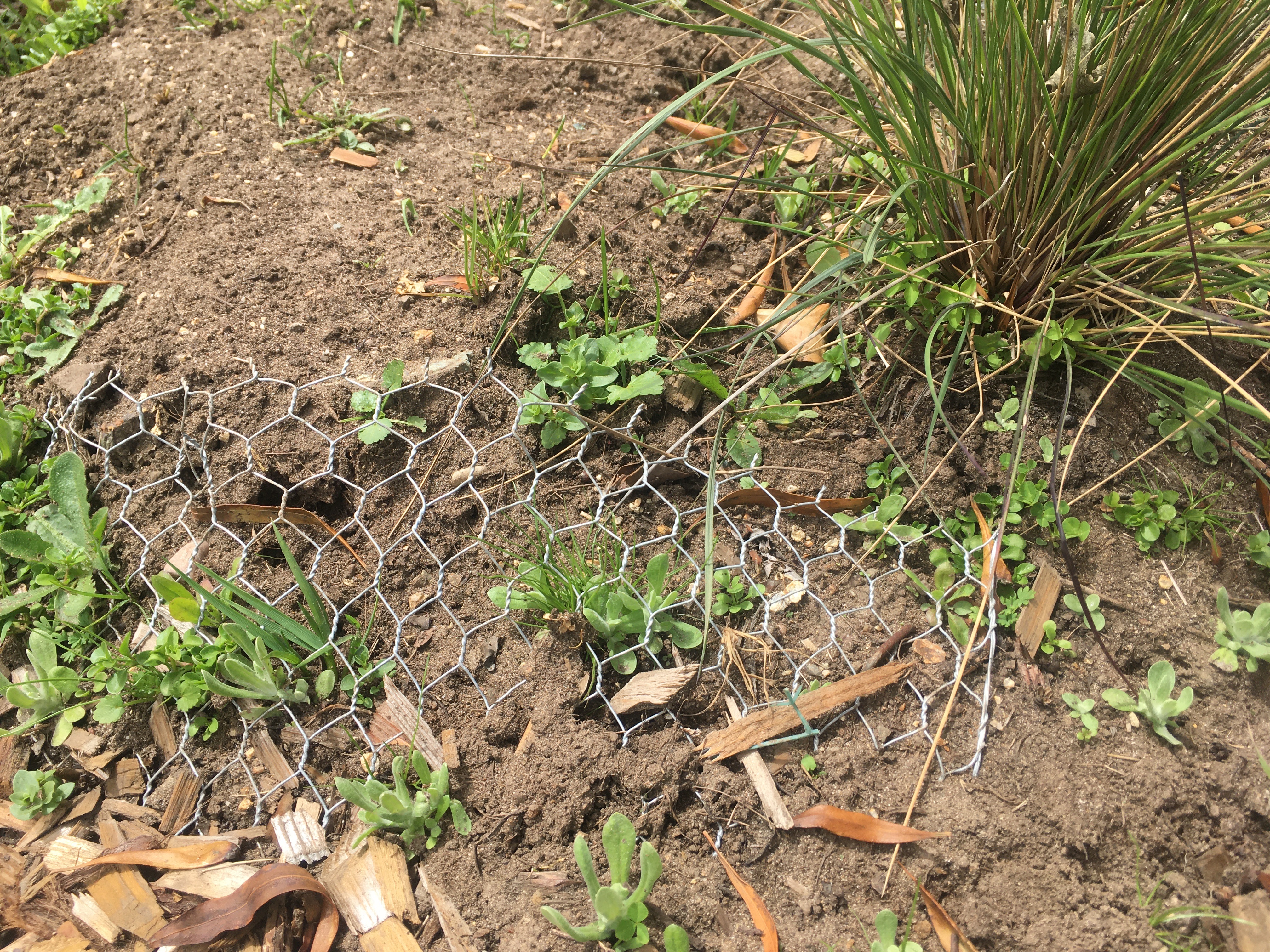
49. Metal mesh wire on the ground

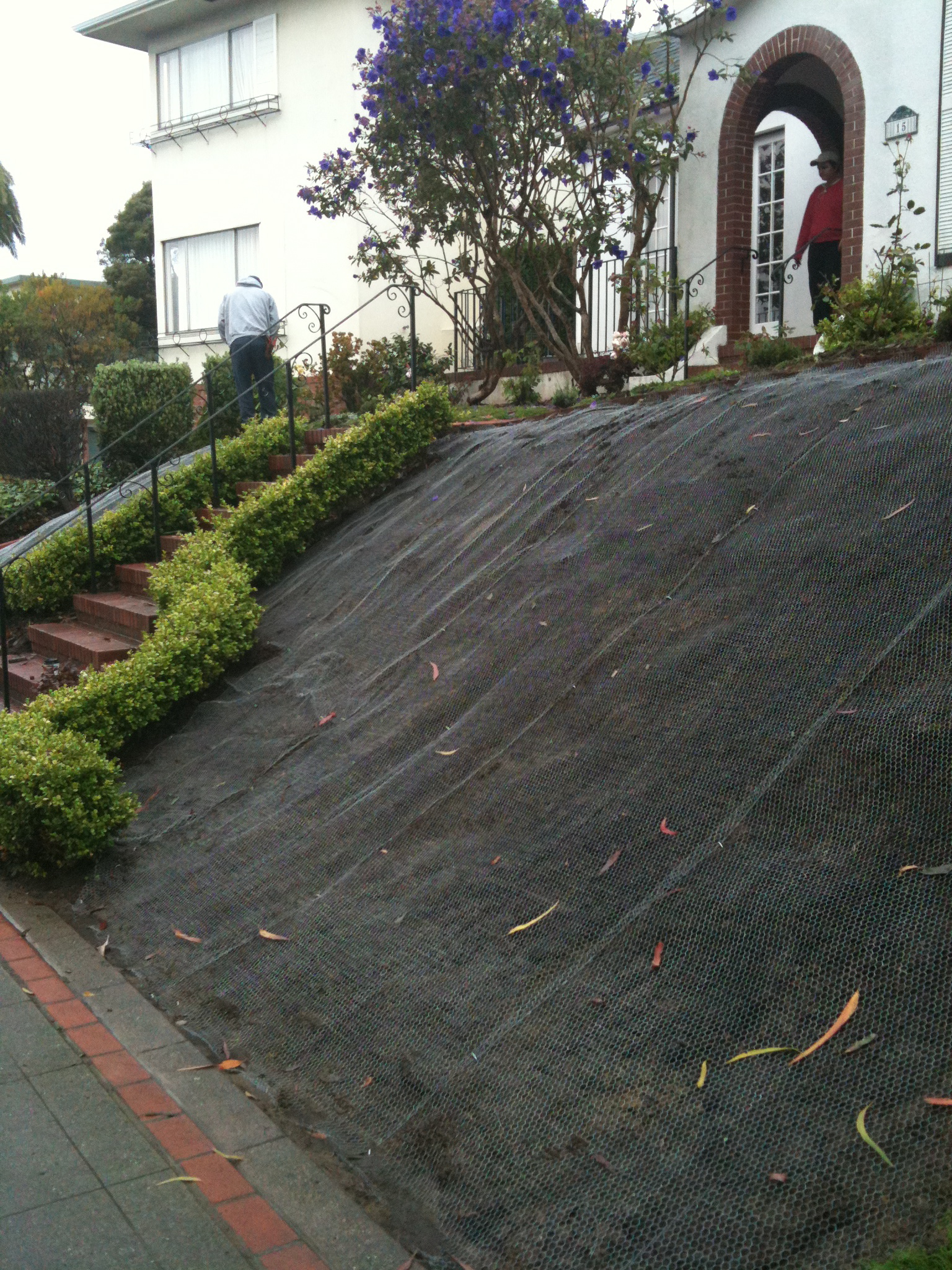
50. Metal mesh wire on a lawn slope

51. Rat and mouse poison

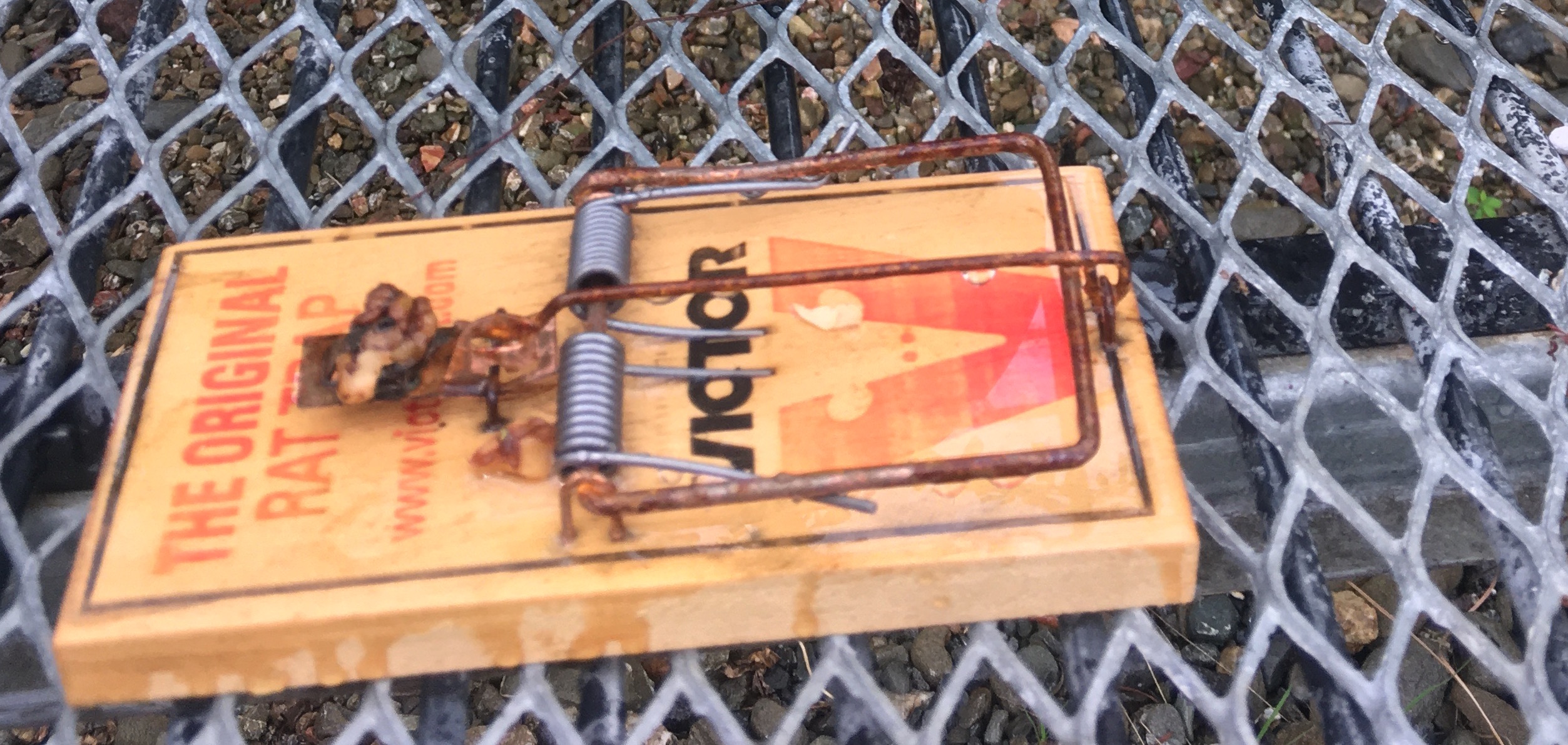
52. Rat trap

Herbicides & fungicides

53. Round plastic container with tubing

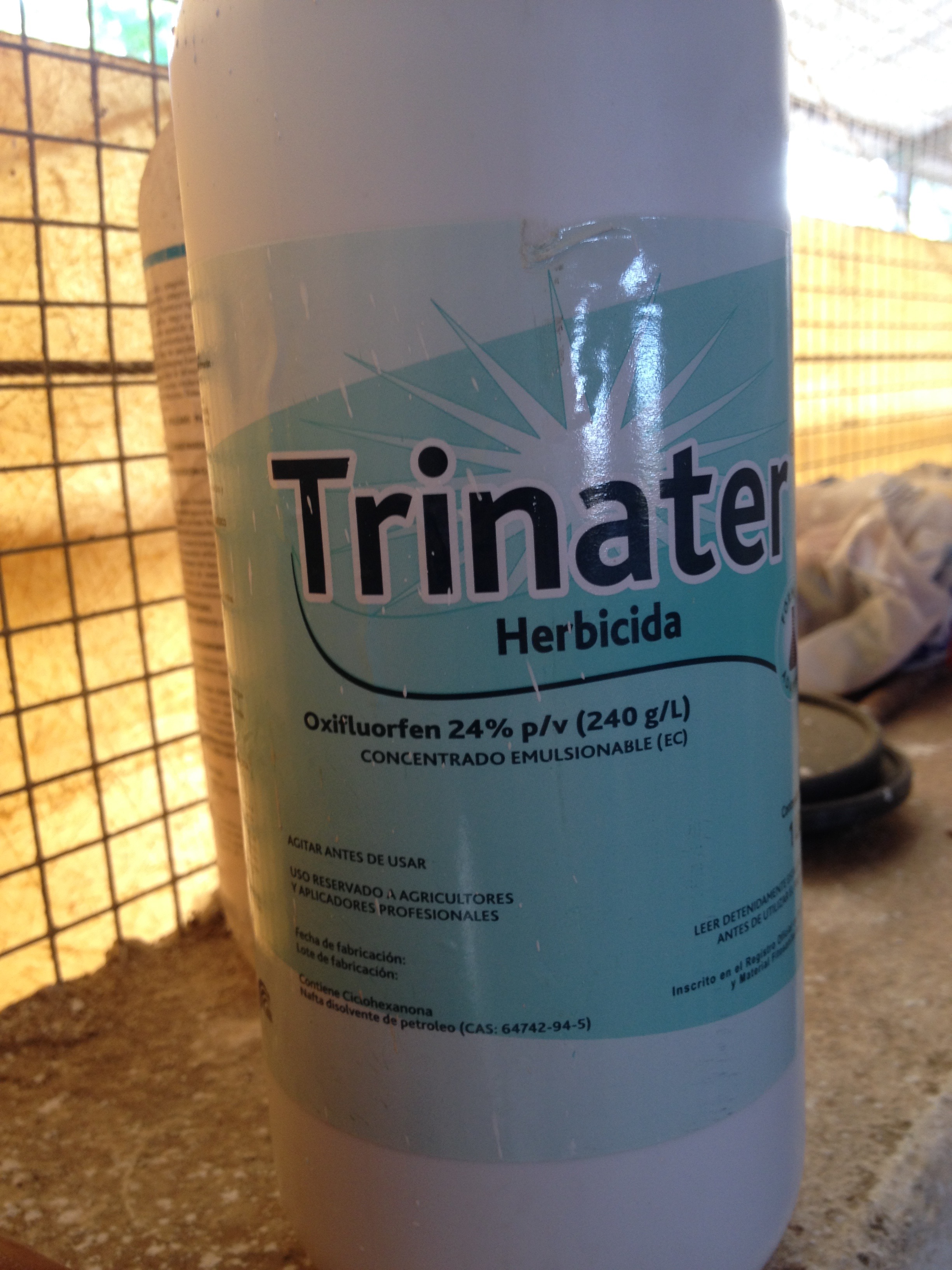
54. Trinater herbicide

55. Weedrot herbicide

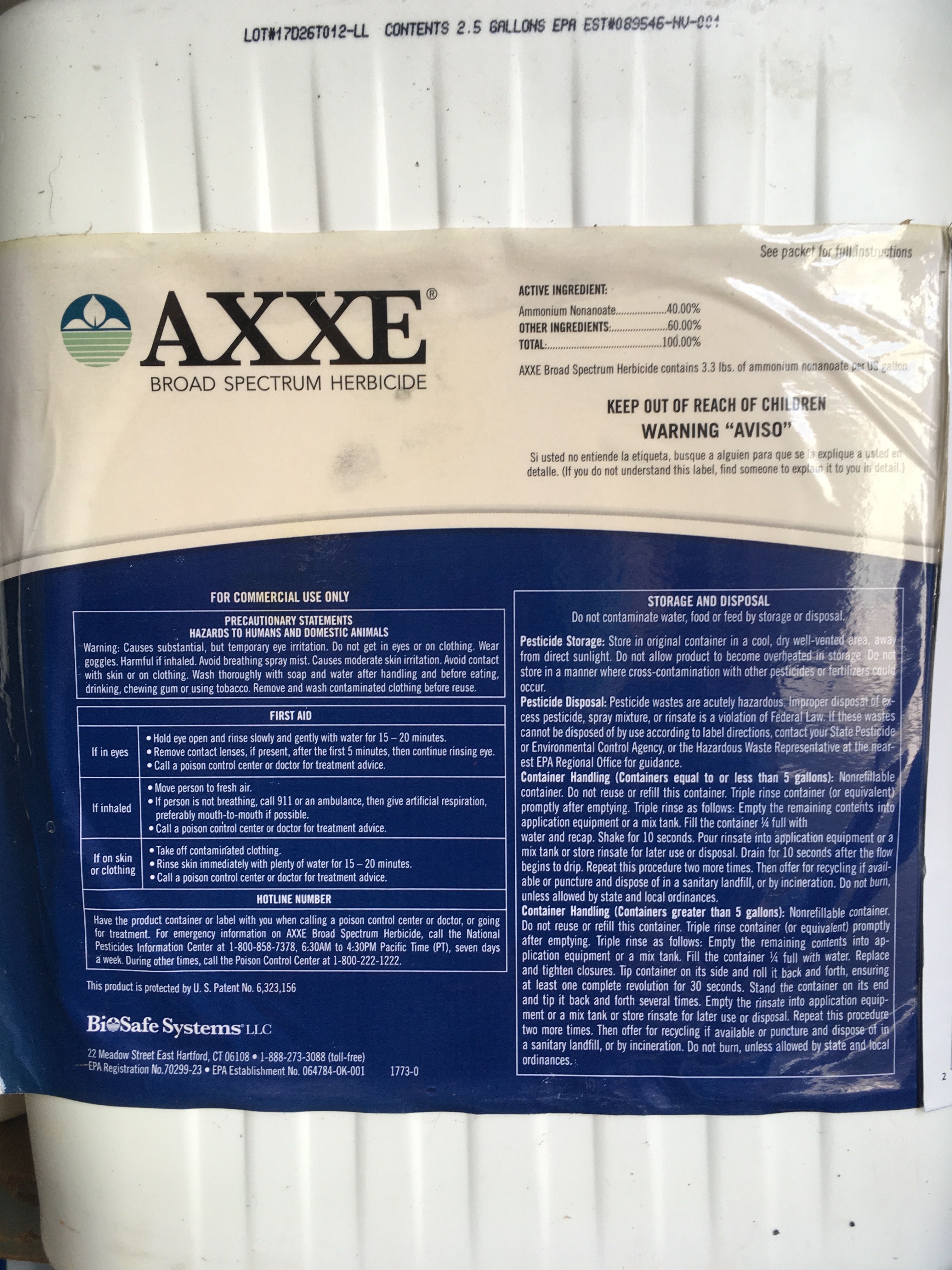
56. Axxe herbicide

57. Crabgrass and broadleaf weed killer

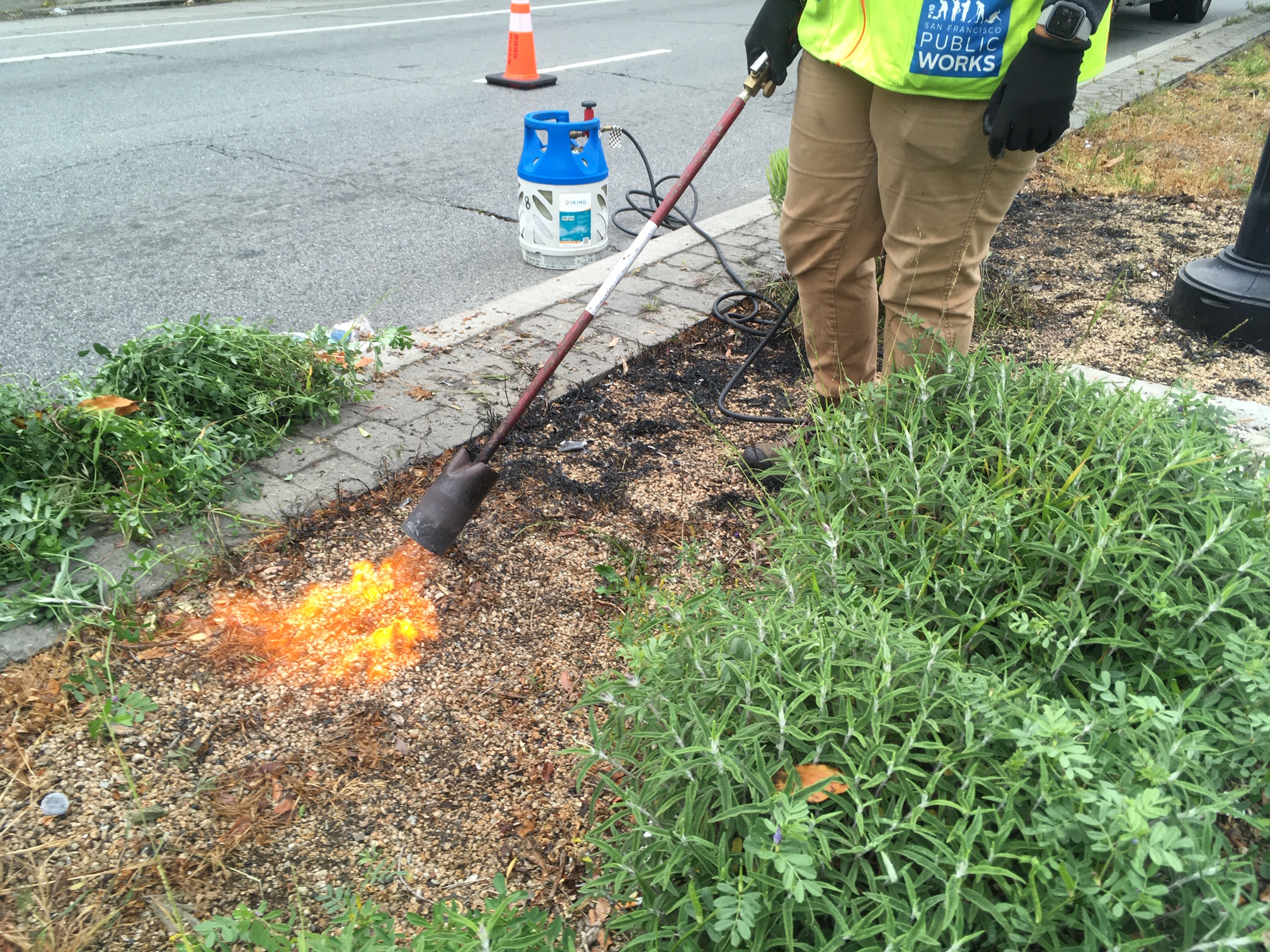
58. Sarai the working supervisor doing weed control

Rhododendrons and camellias

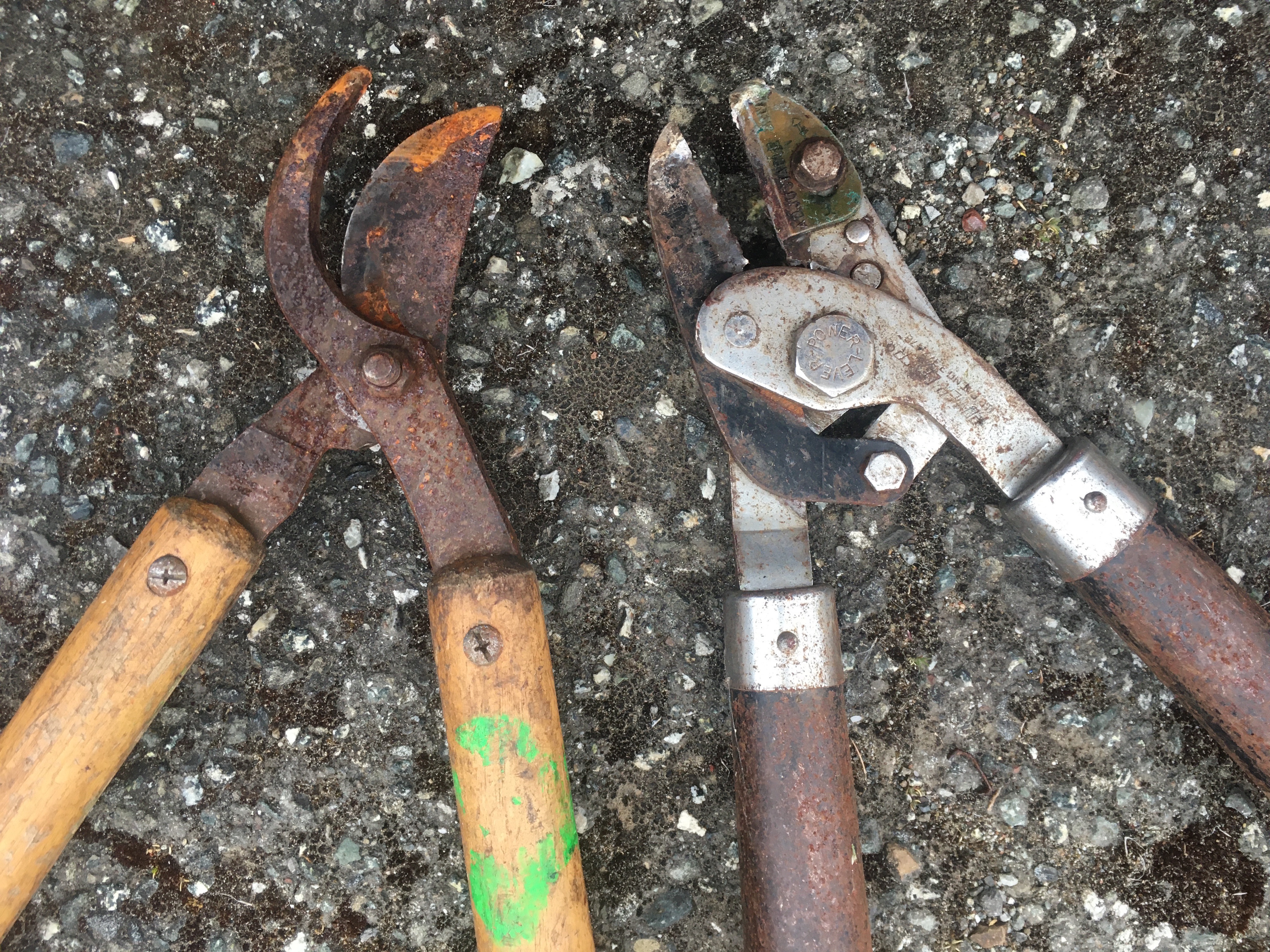
59. Two kinds of loppers

Tires

60. P265/70R16

61. DOT M3JC KC9X 4614

Handles

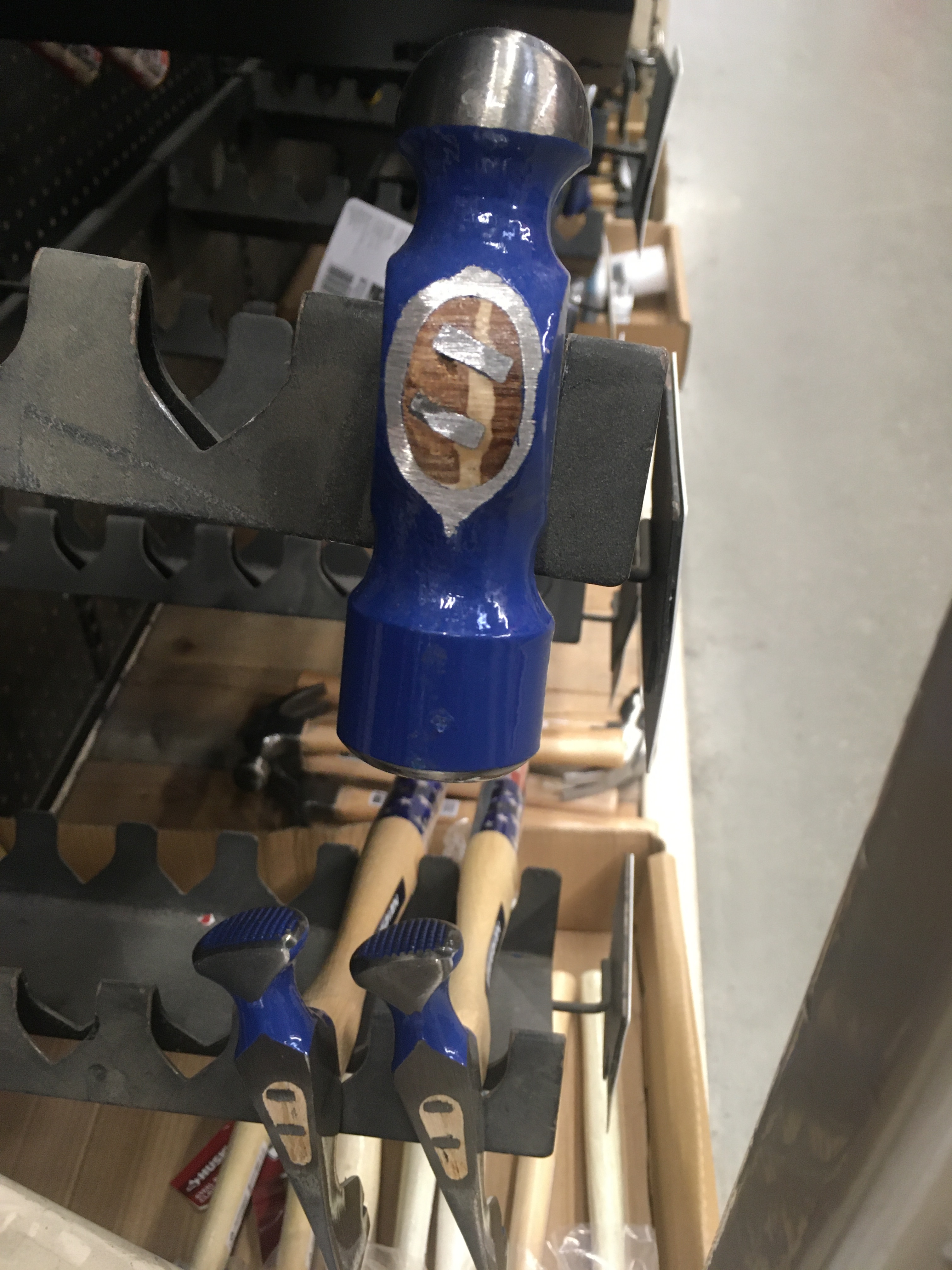
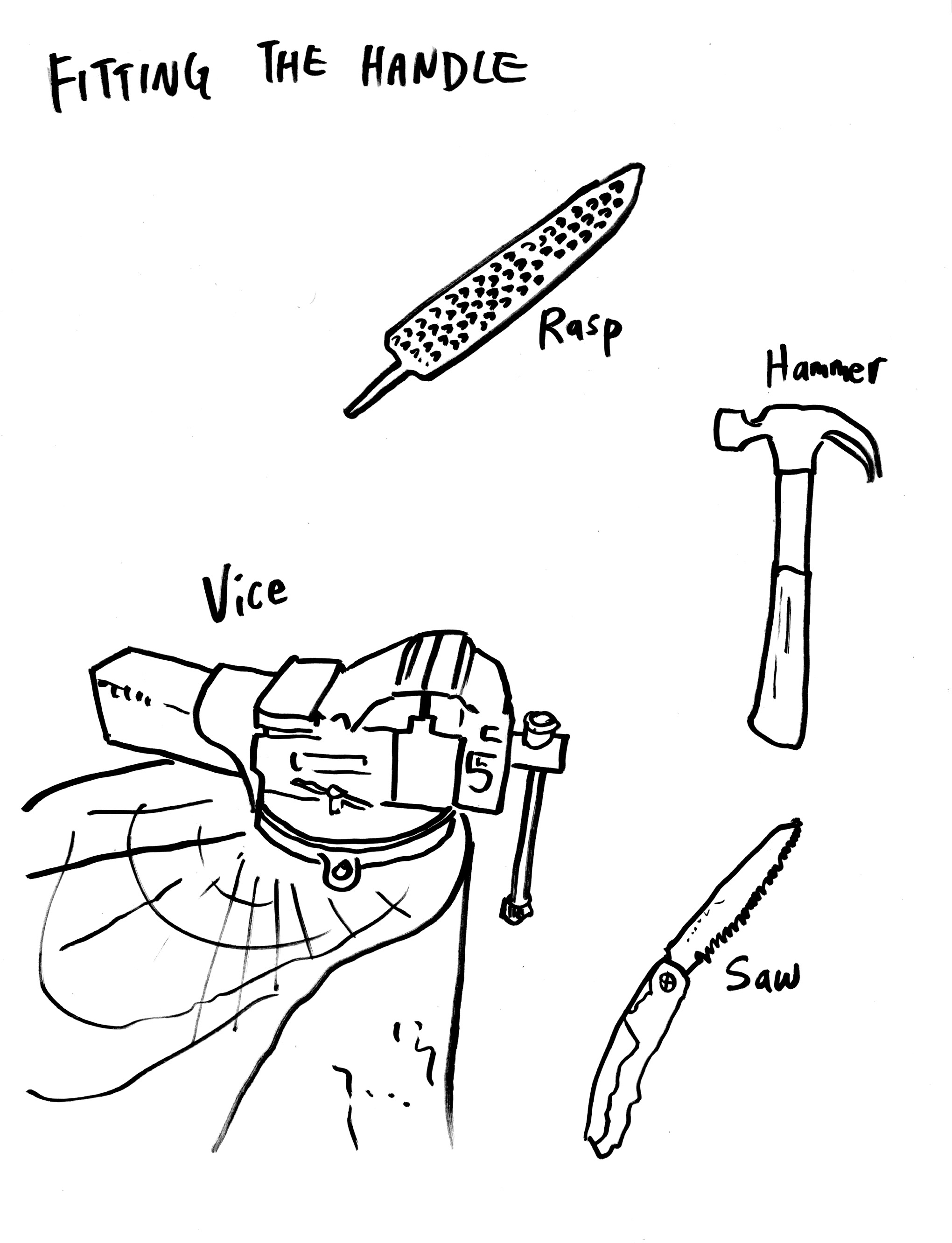
62. Rectangular metal pieces stuck in the top of the hardwood handle of the ball peen hammer

63. Using a straight piece of metal to twist a metal post into the soil

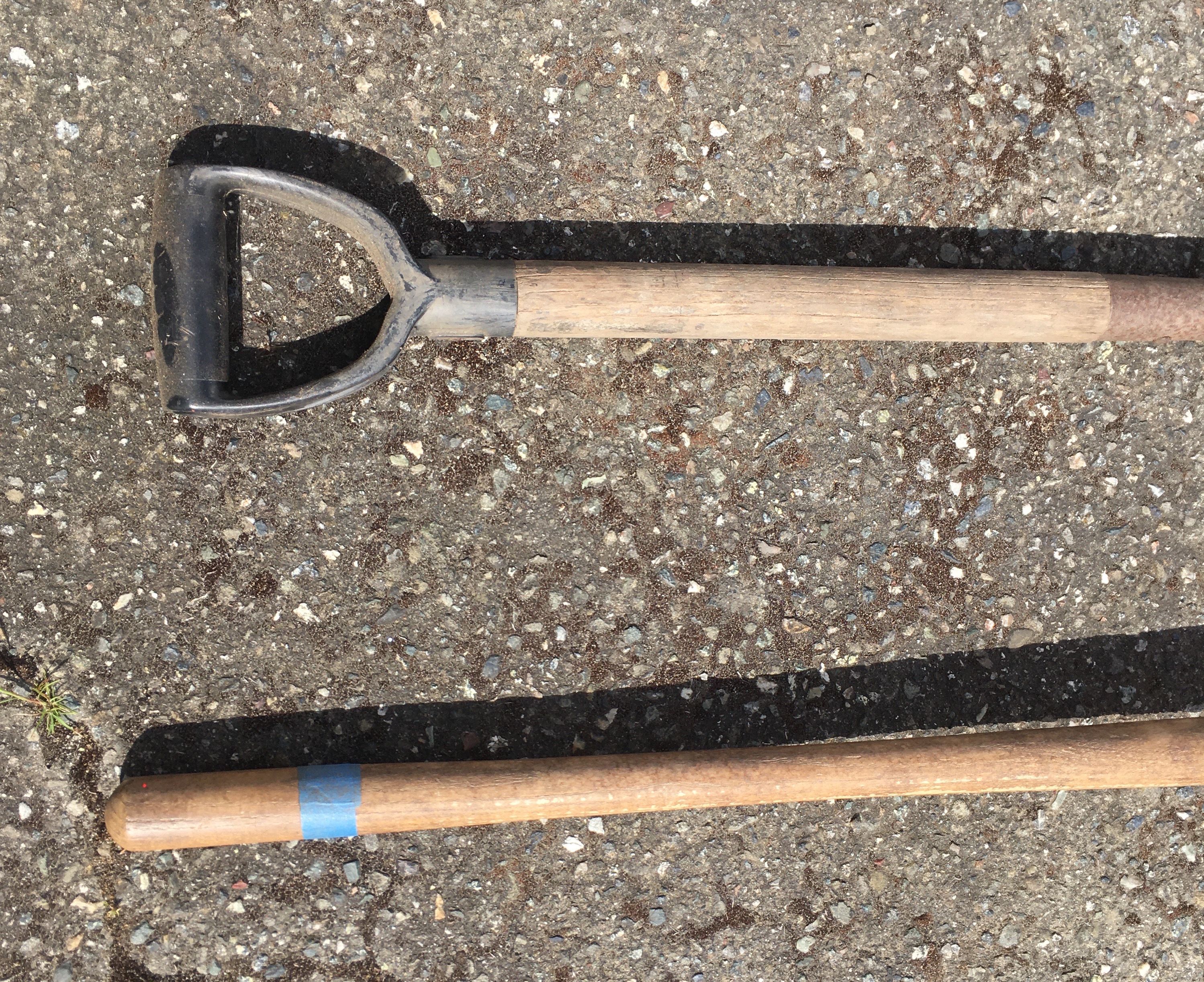
64. Two kinds of handles

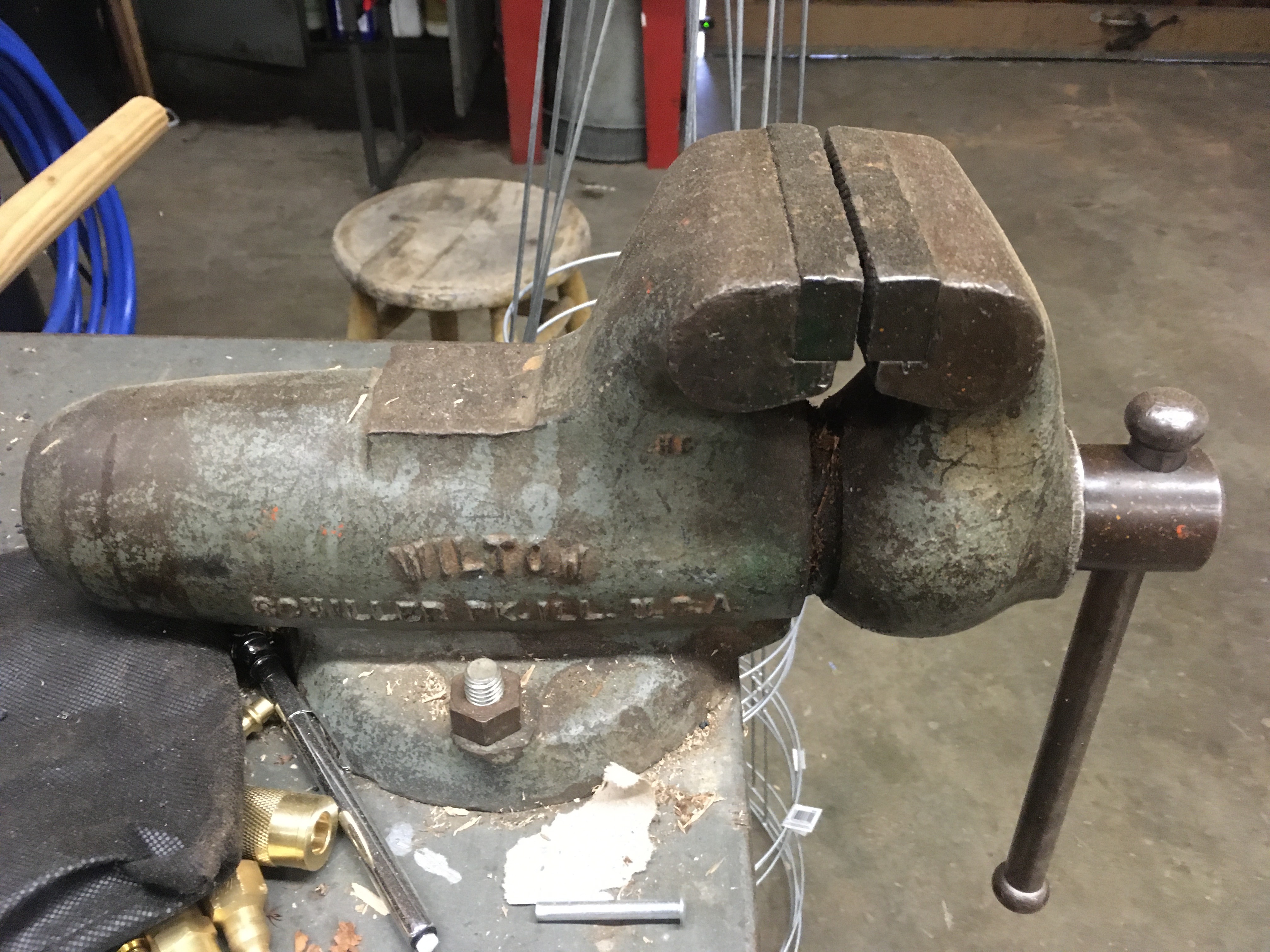
65. A hunk of steel bolted to the metal table

Planting & selection

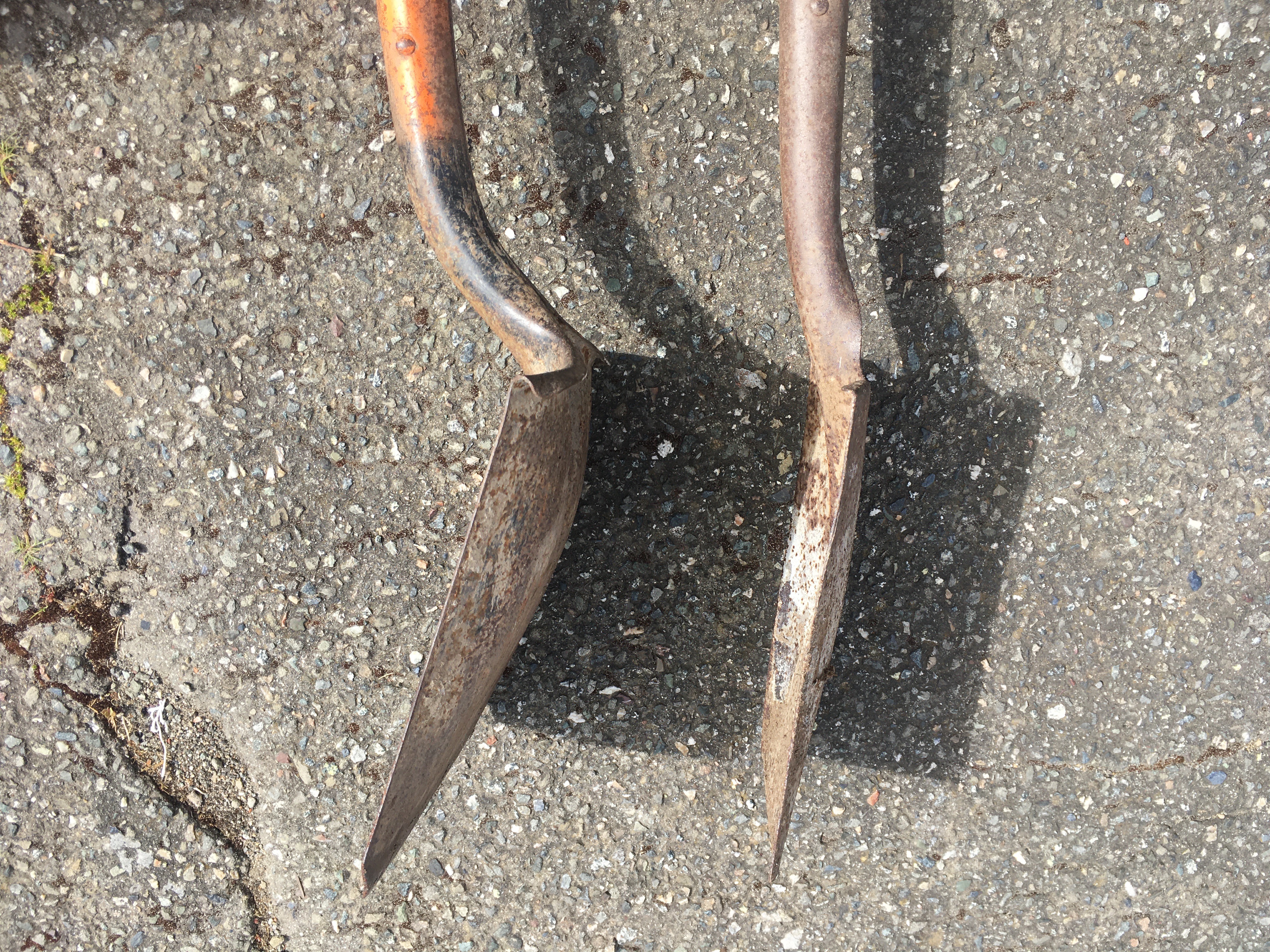
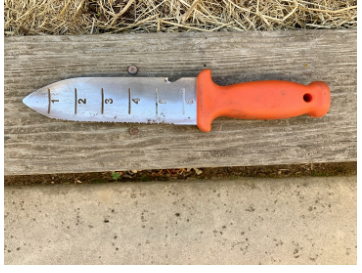
66. Sideview of two metal hand tools

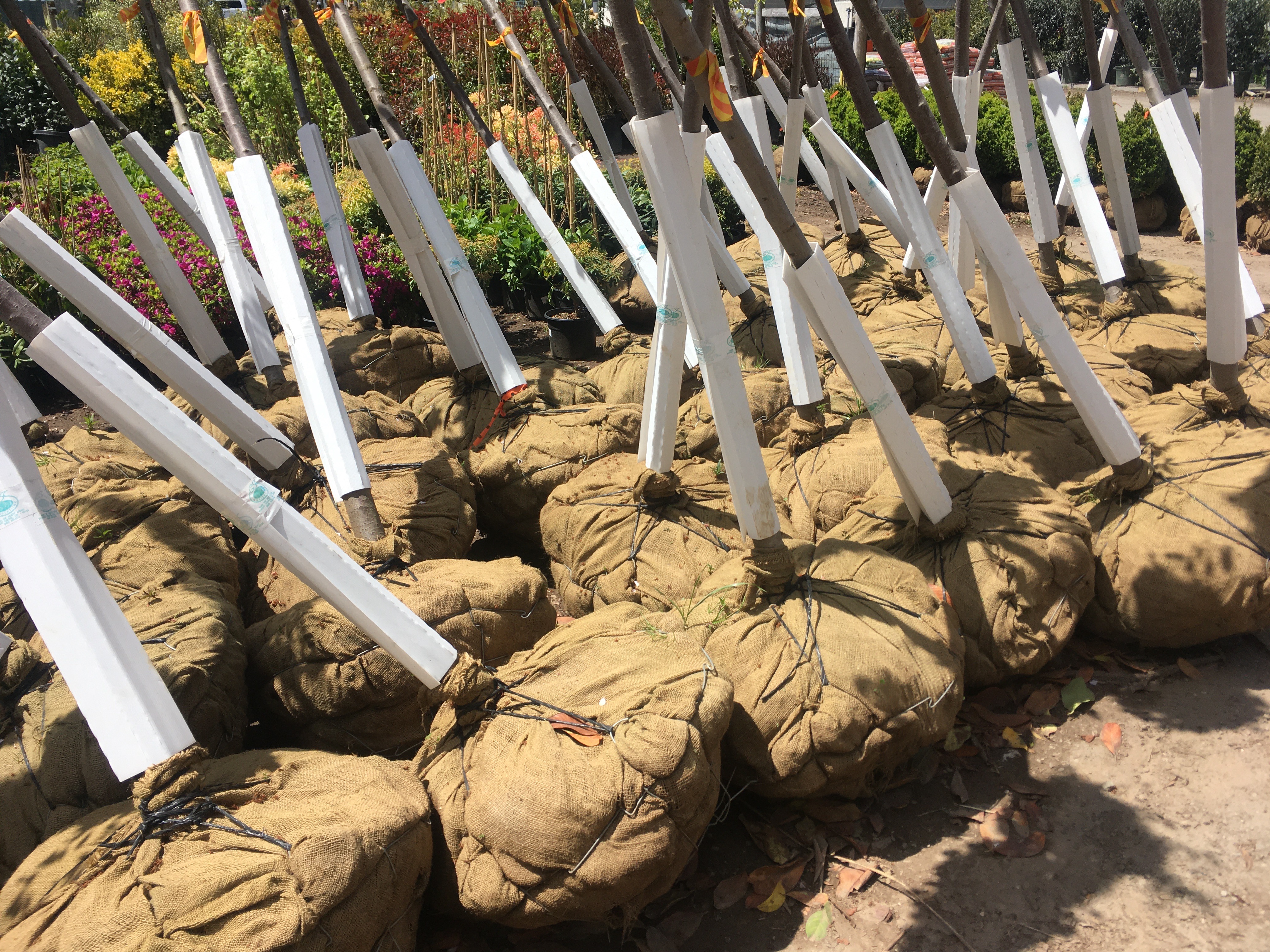
67. Trees with plastic collars wrapped with fabric and rope

68. Three kinds of shovels

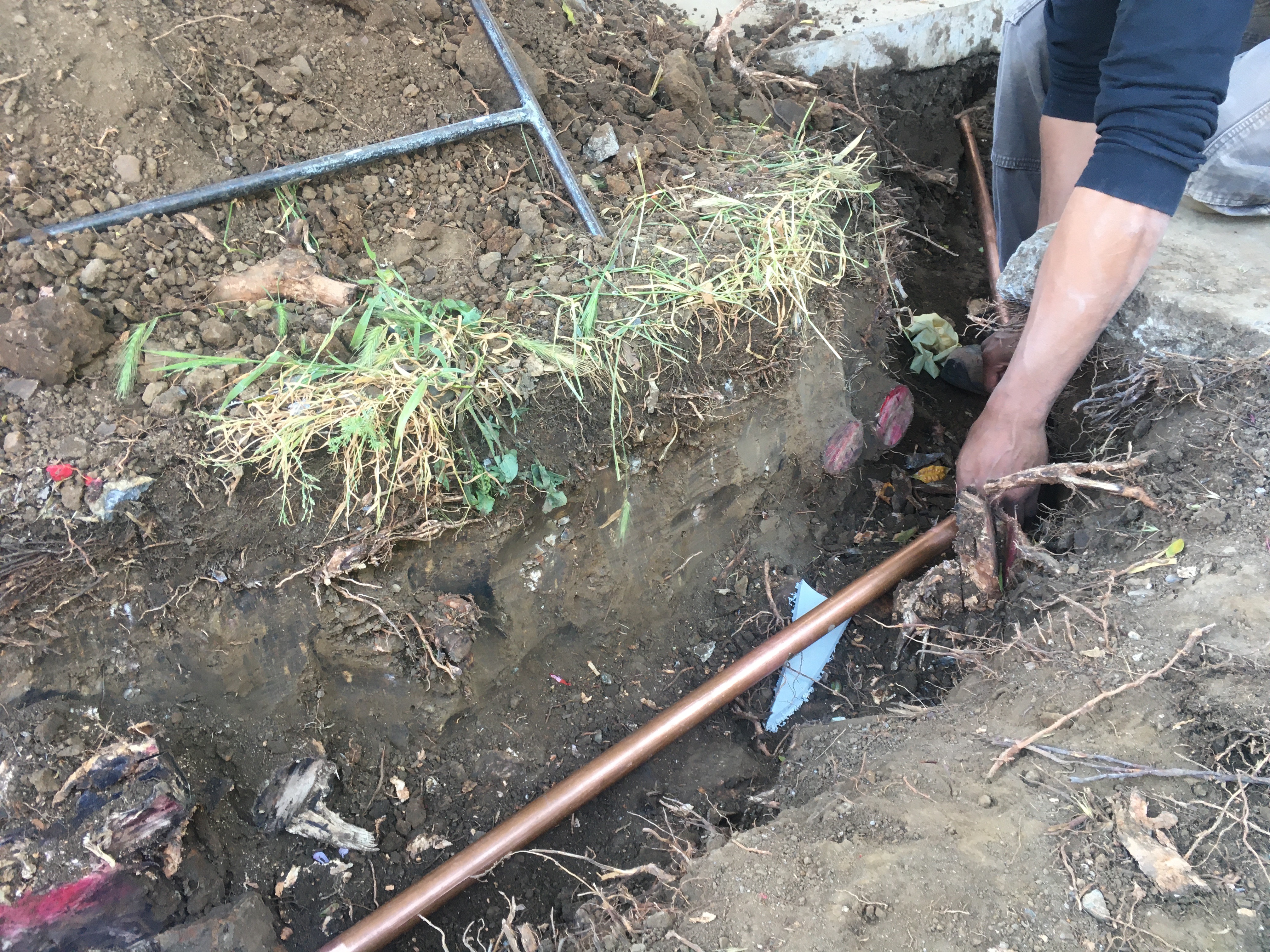
69. Putting in a new copper water pipe next to a tree

Ladders & pole tools

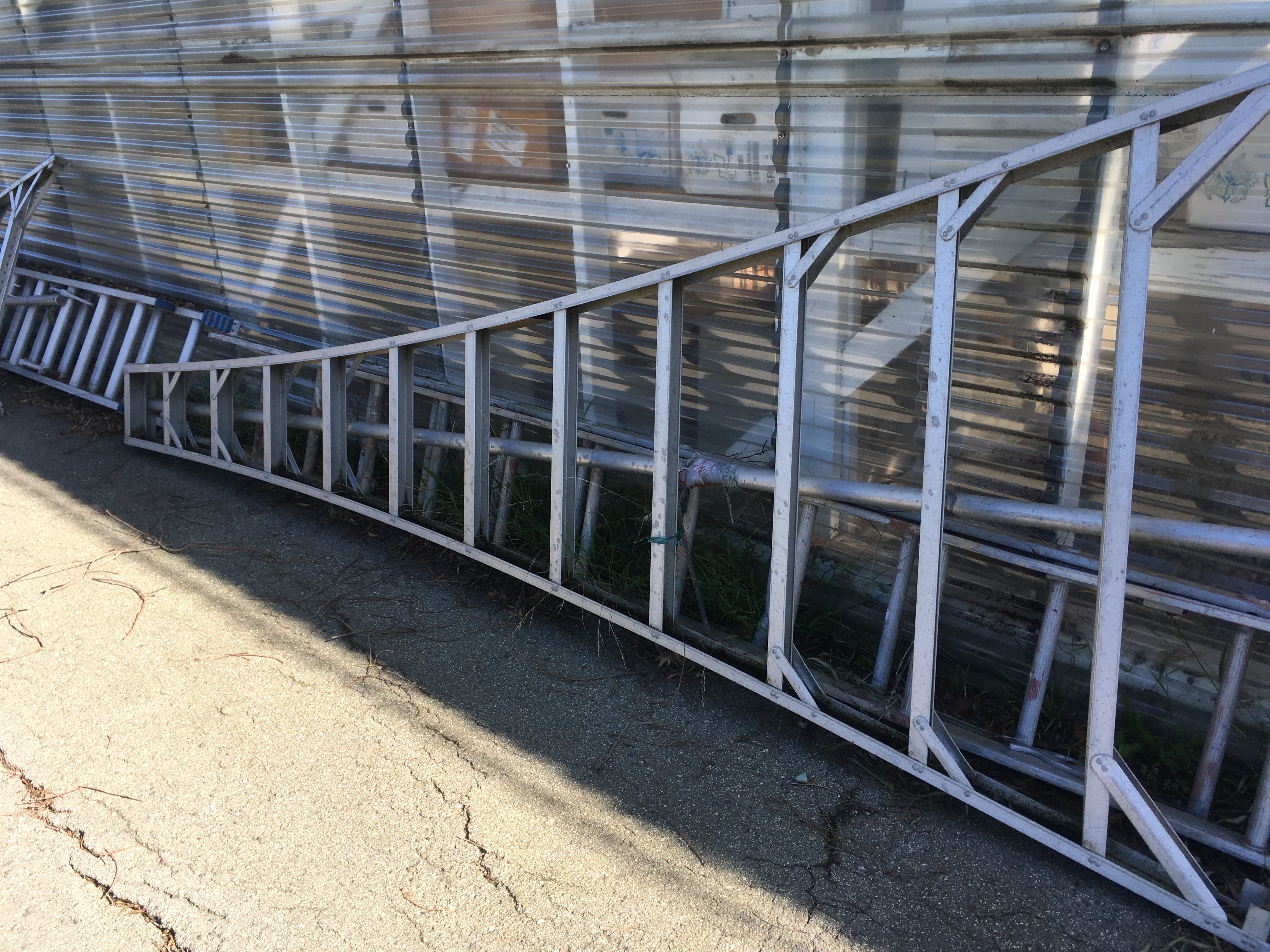
70. Two kinds of ladders

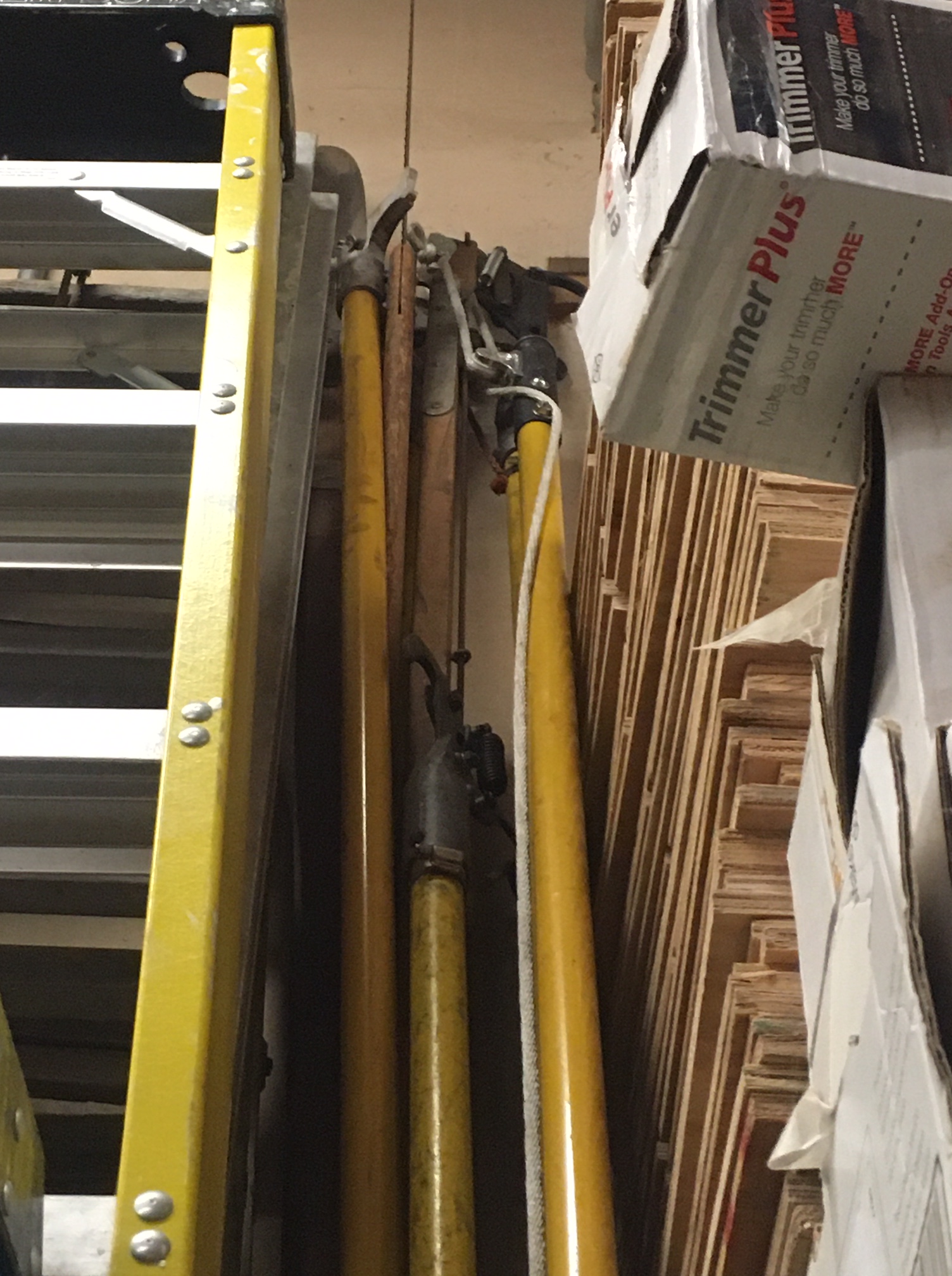
71. Pole pruners with poles made of two different kinds of material

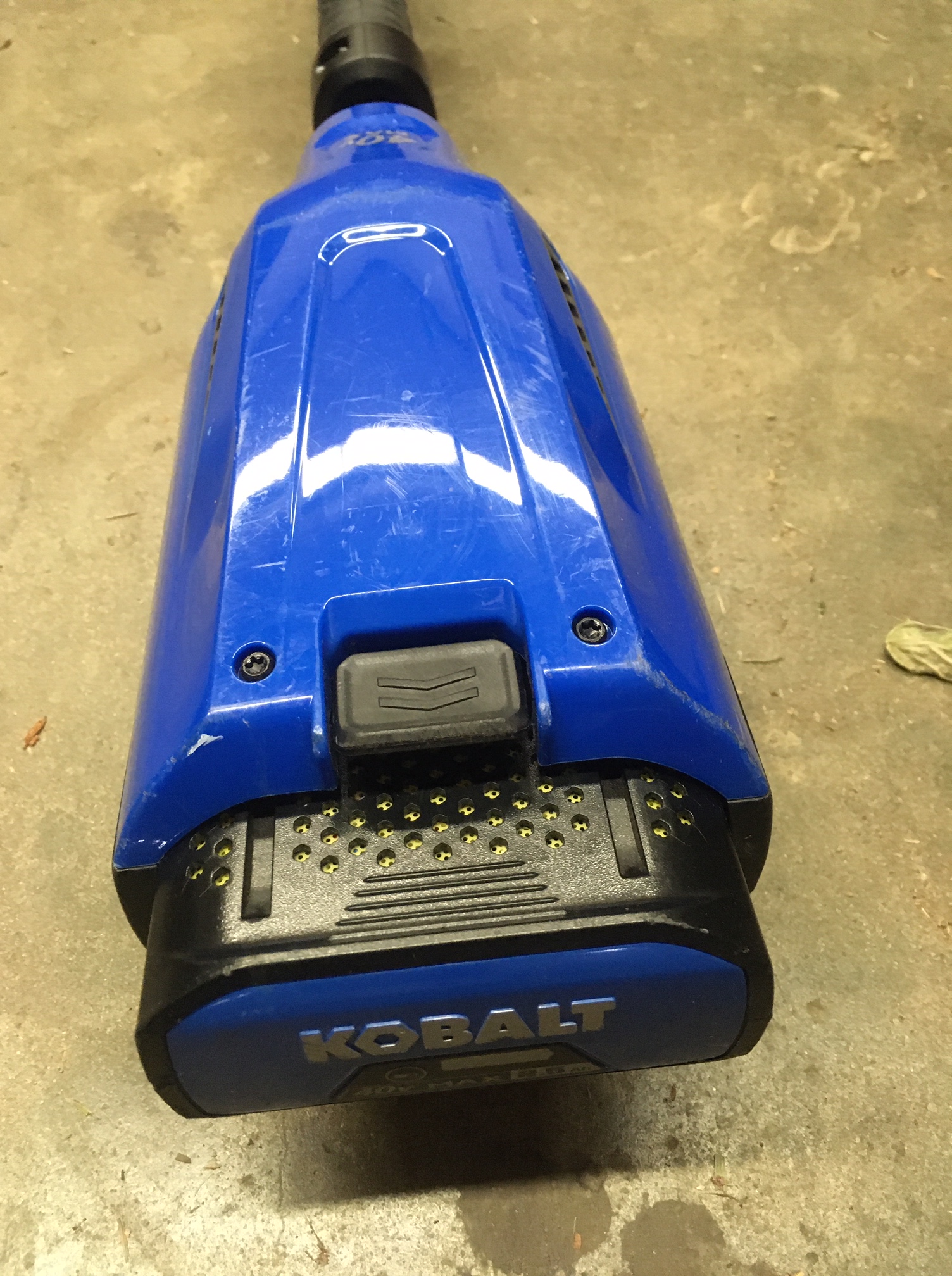
72. Battery of an electric pole saw

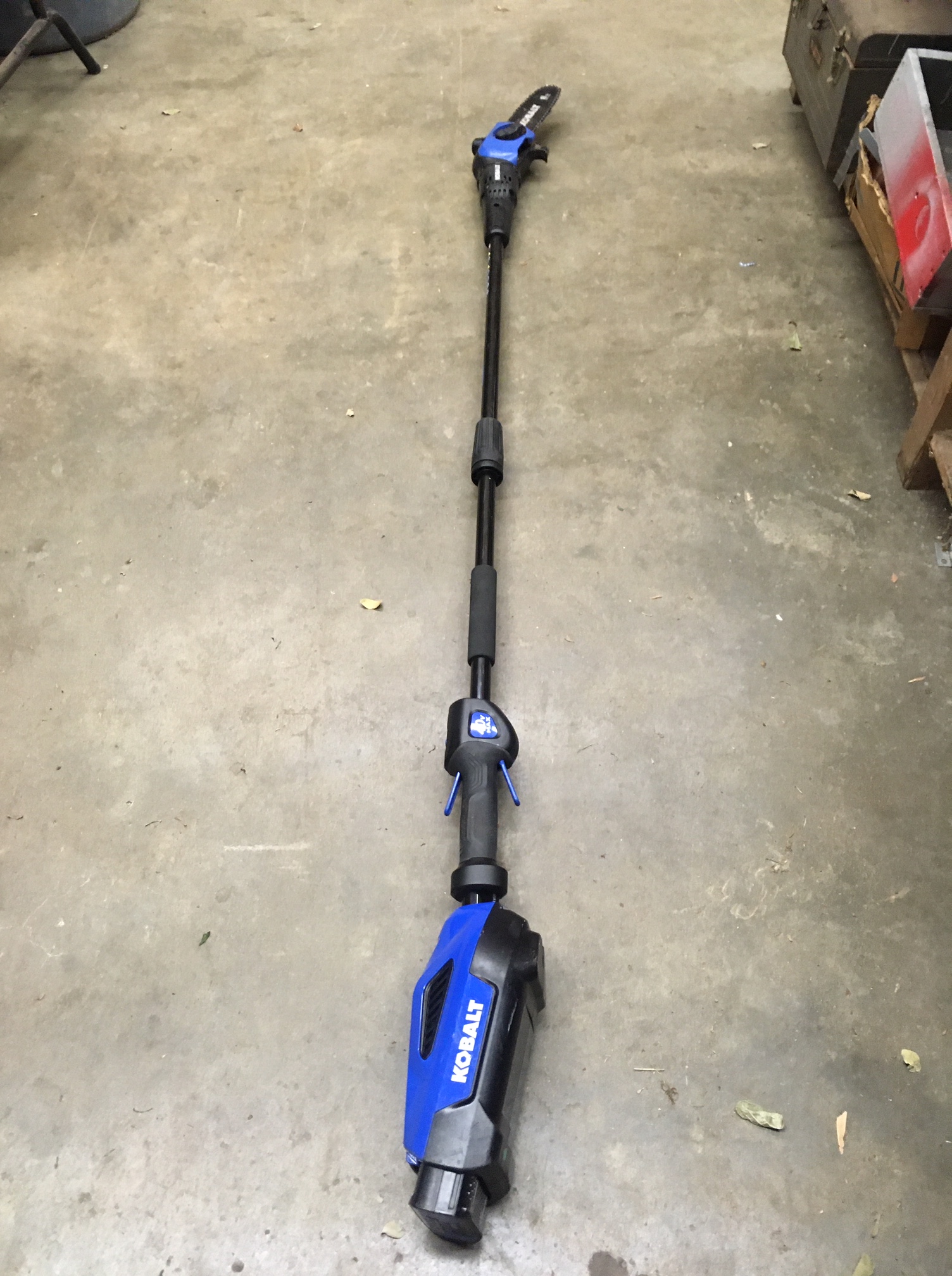
73. An electric pole saw (chainsaw on a stick)

Safety & injury

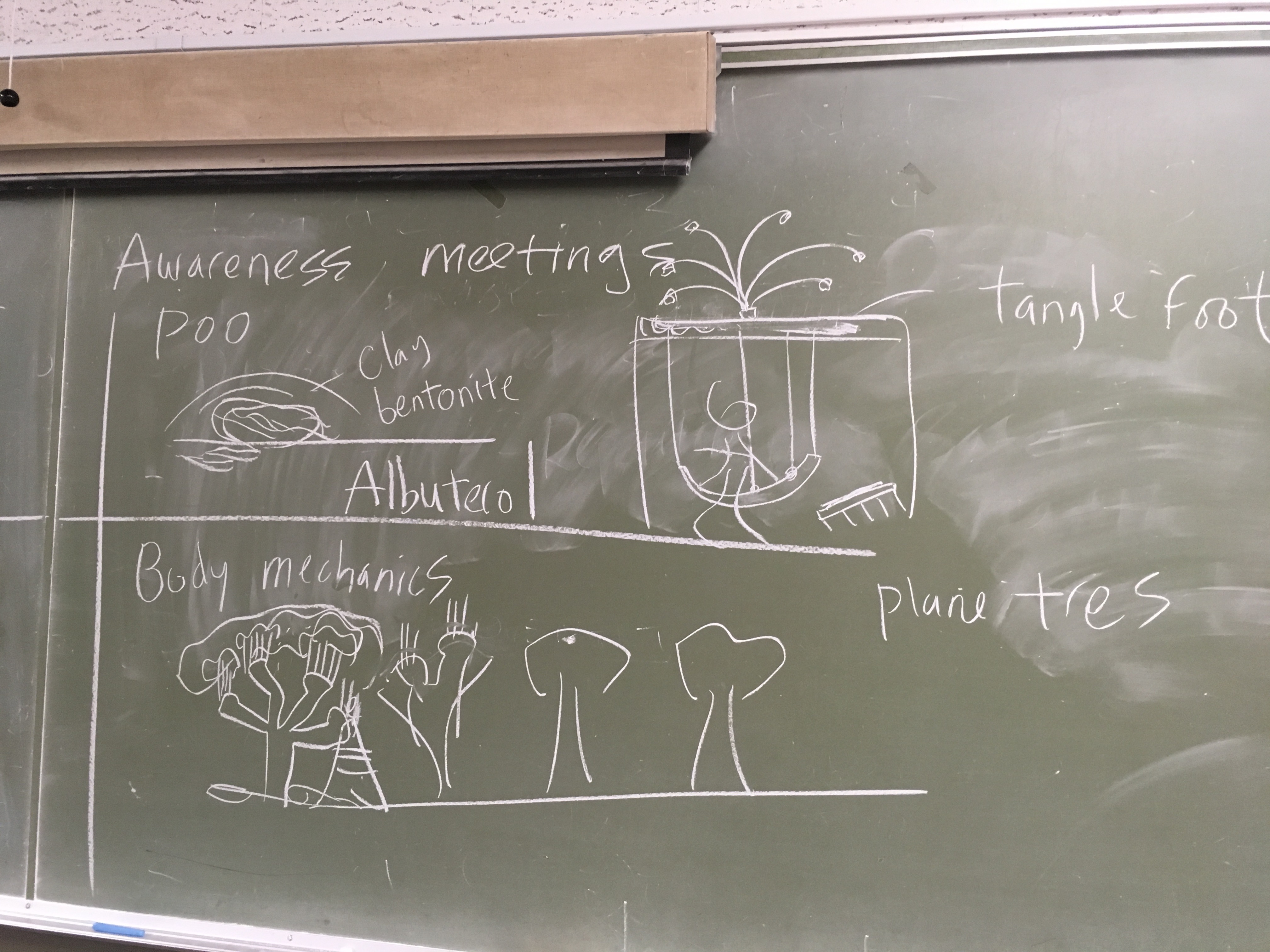
74. Poo, bentonite clay, albuterol, tangle foot, daddi long leg bird be gone bird deterrent

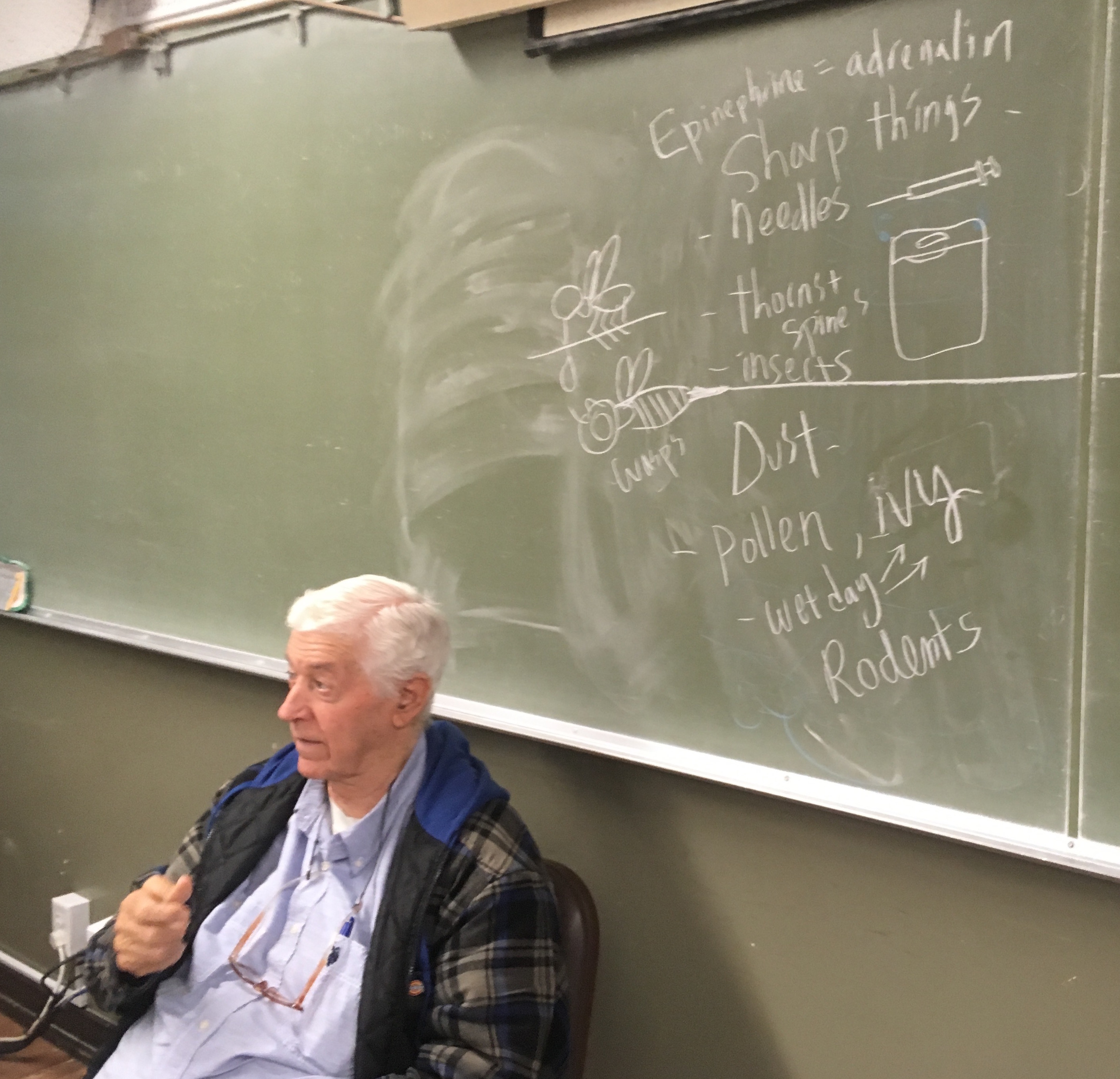
75. Epinephrine, hypodermic needle, poisonous and injurious plants, stinging insects, dust, pollen, rodent feces

76. Epi pen

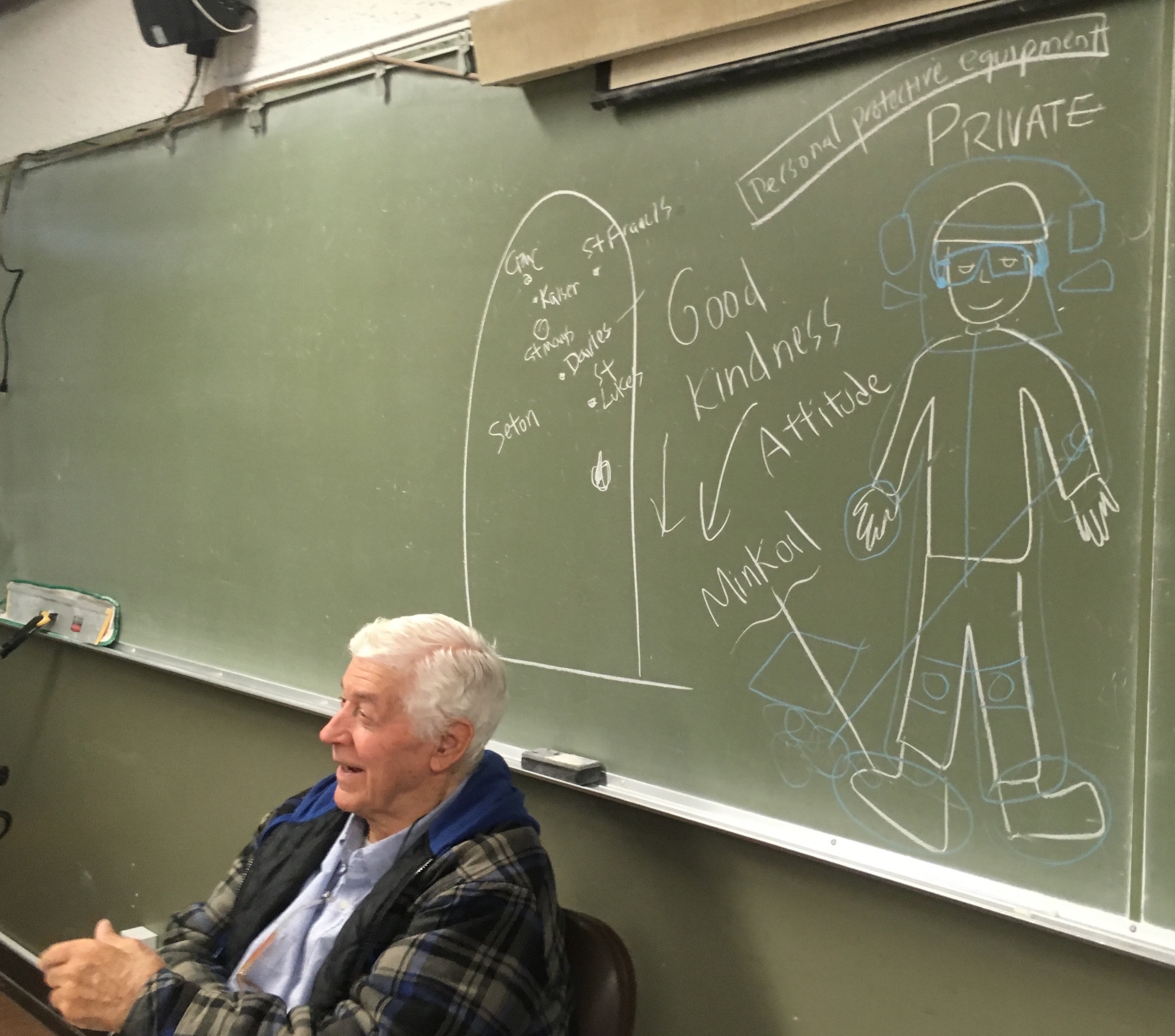
77. Map of San Francisco, personal protective equipment, mink oil

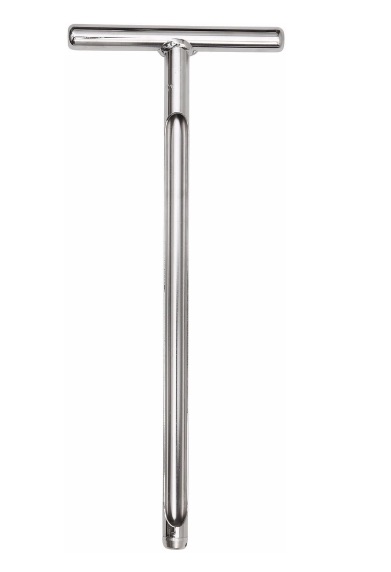
78. T shaped metal tool

79. Students’ favorite tool

This is a visual snap shot of our field trip to see Filoli Garden in Woodside, California. Thank you to Kate Nowell, Horticulture Production Manager, for hosting us. Thank you to Jim Salyards, Director of Horticulture, for welcoming us, and also thank you to all the field horticulture staff who shared their knowledge of the gardens with us.

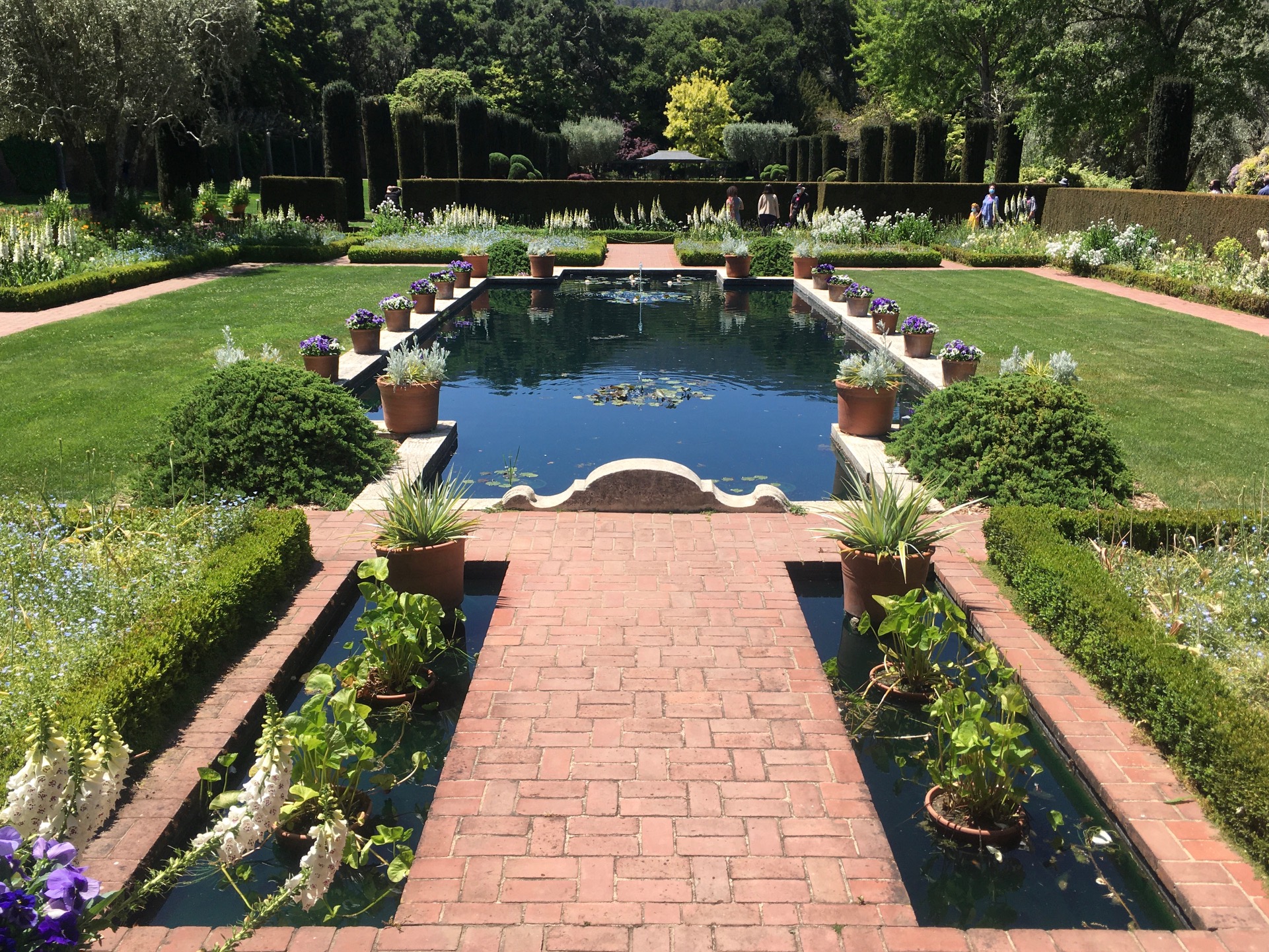
Filoli is a historic estate garden that is now a public garden managed by the National Trust for Historic Preservation. There are many distinct gardens and styles within. If you were to classify it, you could call it something like European formal meets oak woodlands, weathered in the California-casual rancho grassland heat.

Geometry and symmetry are primary in a formal garden. You want to acknowledge that the universe is ordered and structured and as such, the garden and its shapes are a reflection of this.

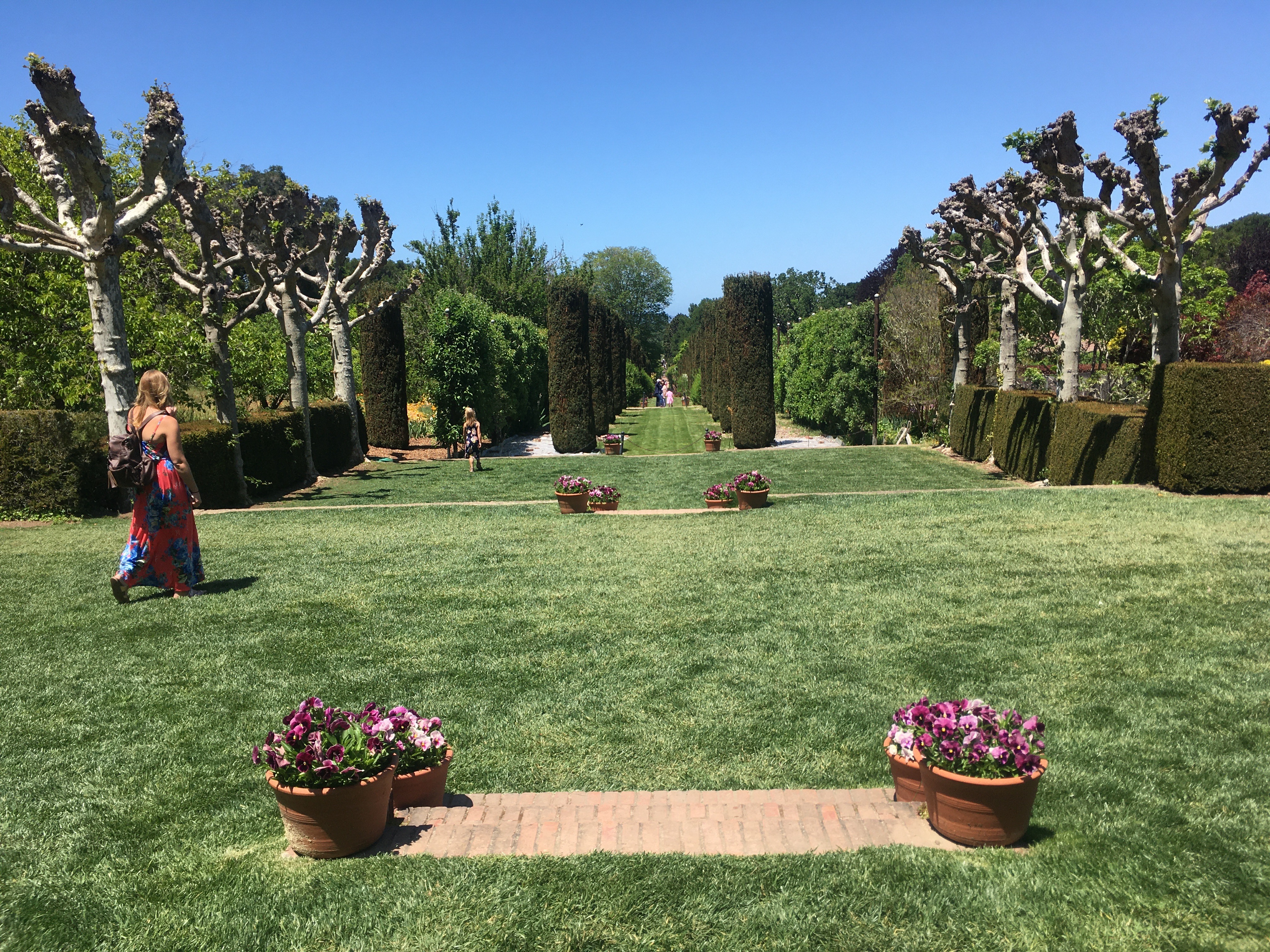
An important element in this world built with squares, rectangles and crosses are the axis of view lines that stretch straight across the entire garden. You want to be in a high place, survey and see the distant edge of your territories. As if you were the sun that traversed the sky.

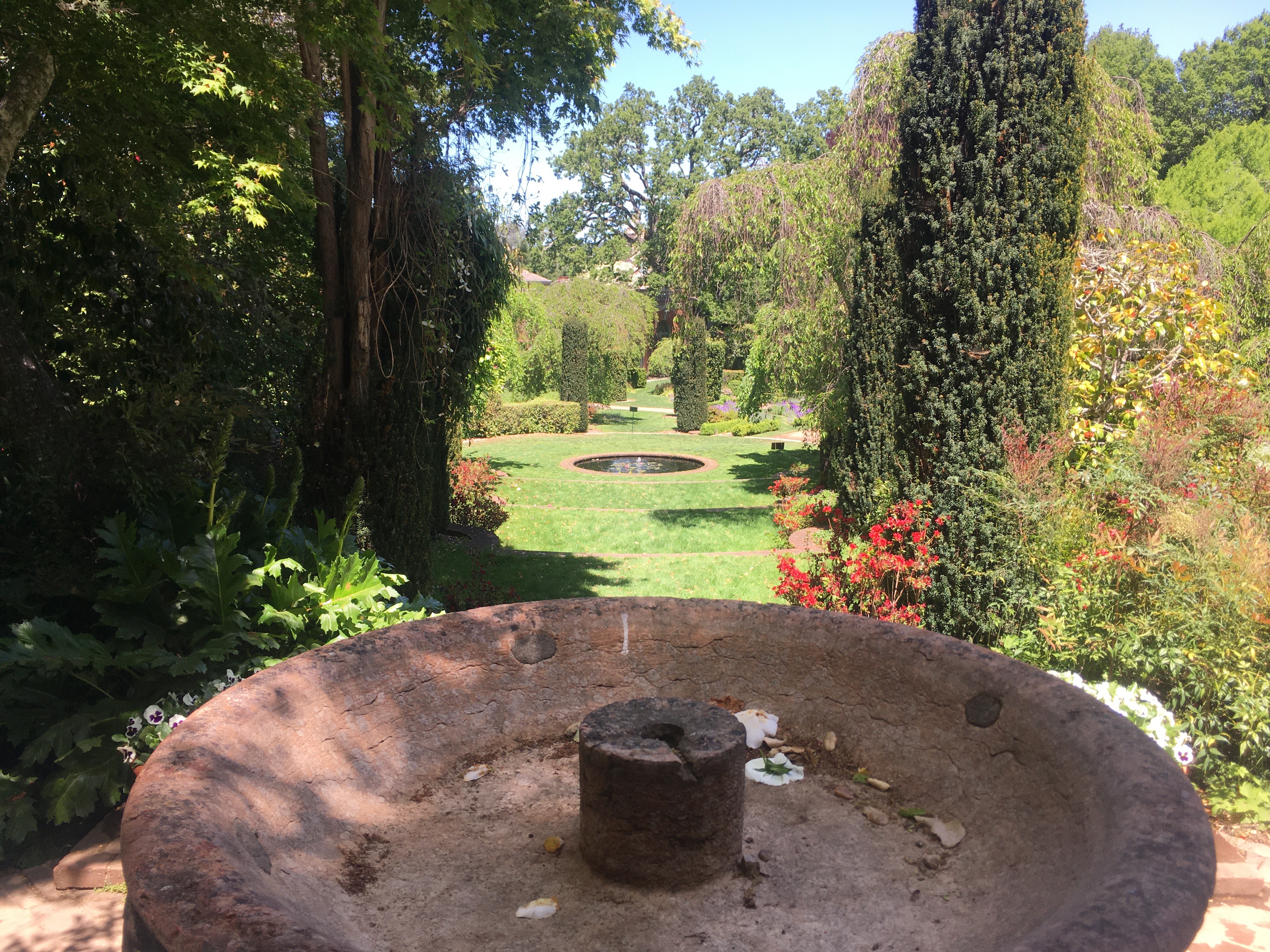
From one garden room to the next, there is the transition that is a portal to the next mystery. The gates, the arches, the vines and steps all serve to ornament and shroud the junction. The doorways and walls bridge distinct and disparate spaces into a whole.

The lines and colors are simple and minimal. Clean, not fuzzy. This is exemplified in flat expanses of mowed green lawn coupled with well-trimmed upright point-to-the-sky yew trees, framed with horizontal hedges laser cut in their perfection.

The borders are accentuated and patterned. The edges divide the walking path from the beds; the low fences separate the humans from the plants. Again, there is the emphasis on where different elements meet and come together.

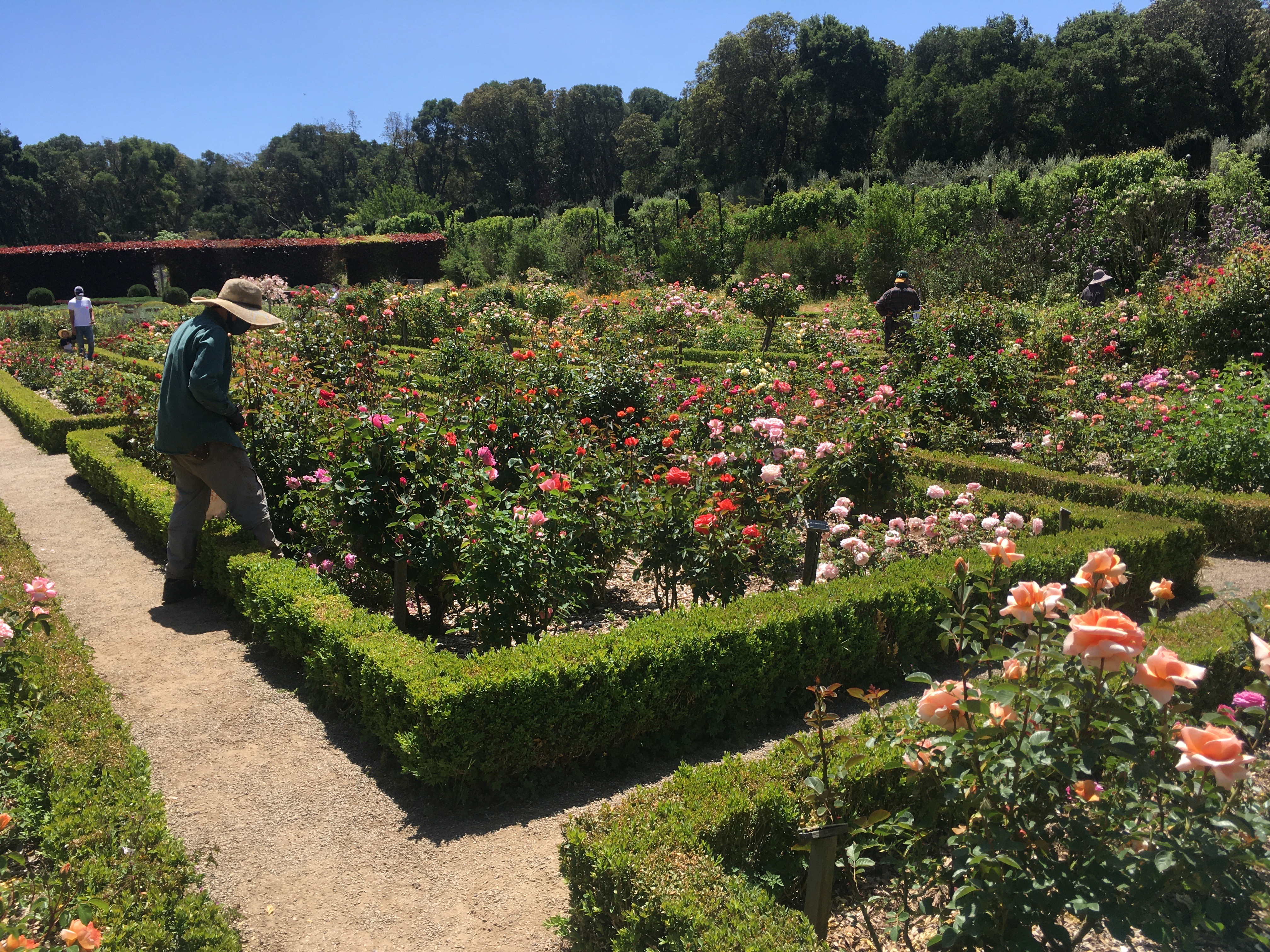
Inside the boxwood frames, roses and annual colors are featured at Filoli. Their care and maintenance encompass ground preparation, planting, weeding, pruning, and pest control. Plus, there is the switching out of blooms for spring summer and fall as hyacinth leaves fade to yellow and tulip petals drop and start to form fruits.

The formal garden of intricately winding hedges comes to us from the elaborate and embellished worlds of sixteen seventeen eighteen century Italy France England and thereabouts. Its as if you are touring a manor or a castle or the palace grounds and all of a sudden you get woven into a renaissance tapestry.

At the center of a formal garden, there is often a water feature. This can be a pond or a fountain. Water is the source of life. No water – no garden, no people.

Age and antiquity are a part of this garden. Truth be told it is hard to find well cared for old plants in California gardens. Filoli has some wonderful old oaks, as well as thick and nicely pruned wisterias that have been trained up the brick walls. Patience, time and commitment is what makes a great garden.

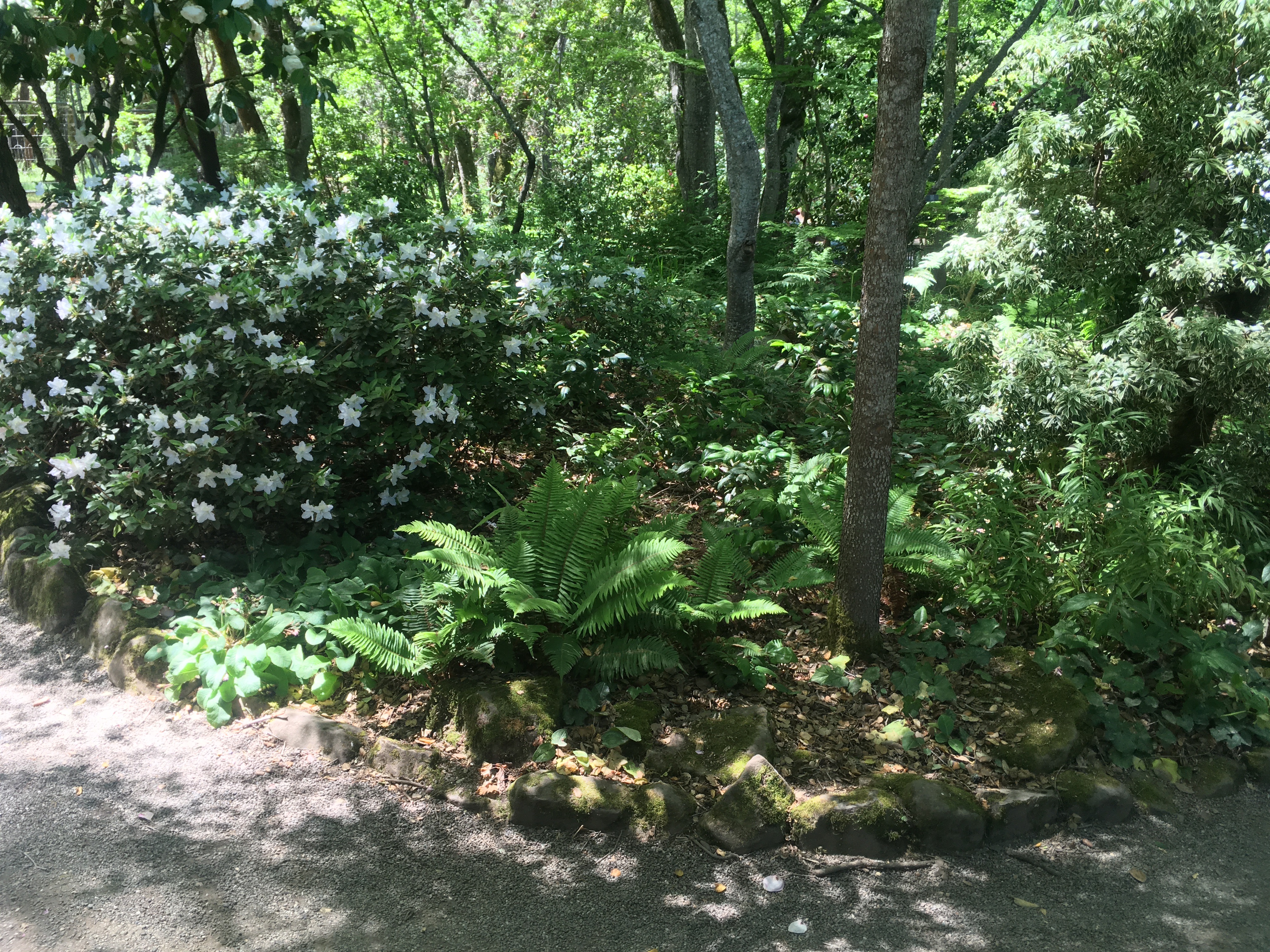
There is a woodland garden that is a respite from the heat. Here you will find the understory plants of ferns and mosses, as well as the larger woody plants that were brought from China Japan and India to Scotland Wales and Ireland at the turn of the 19th century by explorers named George Forrest and Ernest Wilson. The plants are rhododendrons, camellias, maples, and azaleas.

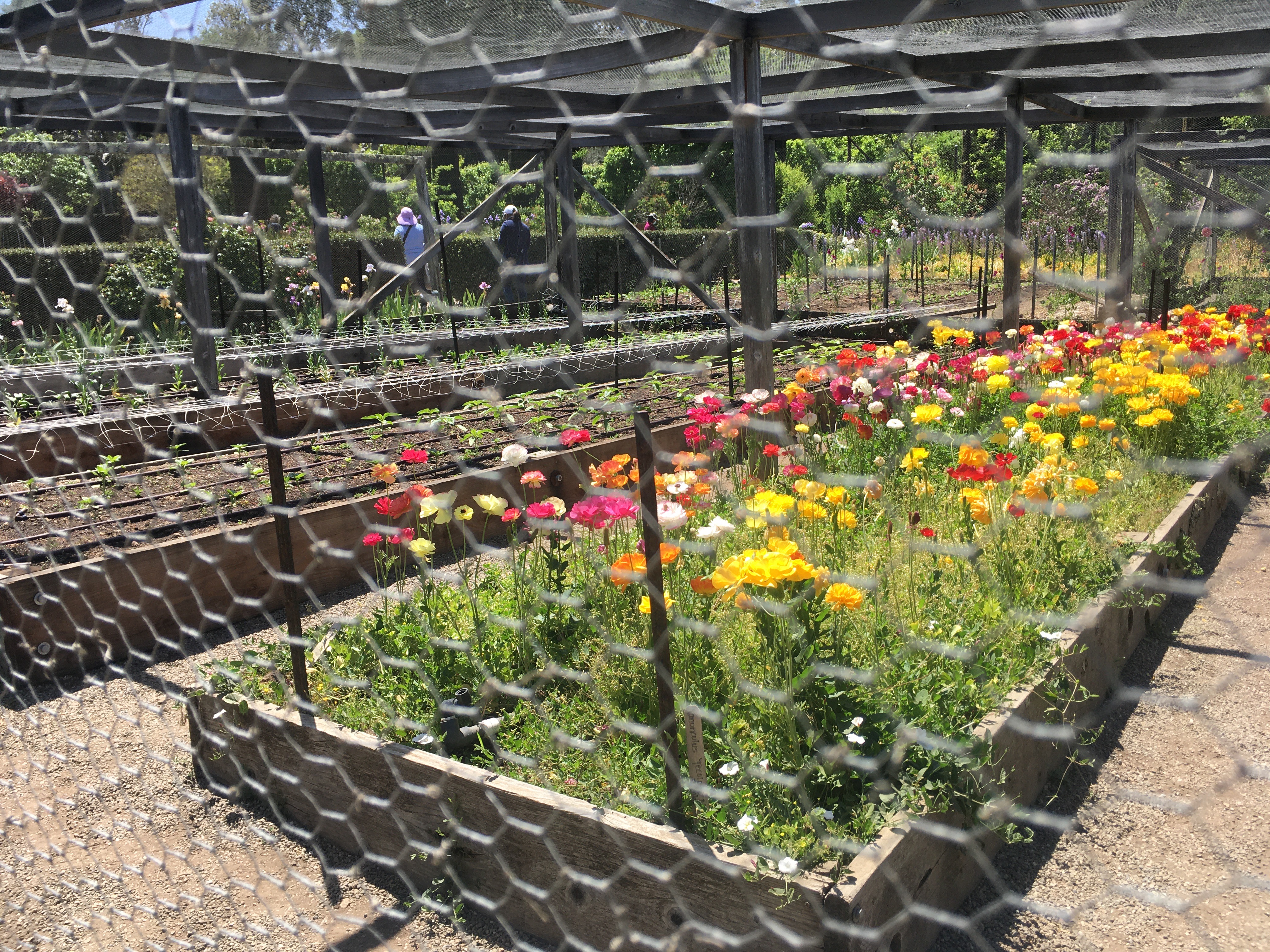
As a nod and hark to the agricultural past, Filoli is not only about formal ornamentals. The staff also do cut flowers, and are working on a vegetable garden. In a sense, we have come full circle. For a while there, the attitude was – ‘Who wants to see a bunch of potatoes and cabbages? I just want a pretty display’. Now, the attitude is – ‘Lets showcase and appreciate all of it!’. This encompasses food crops, as well as lessor known native plants and sometimes forgotten pollinator plants.

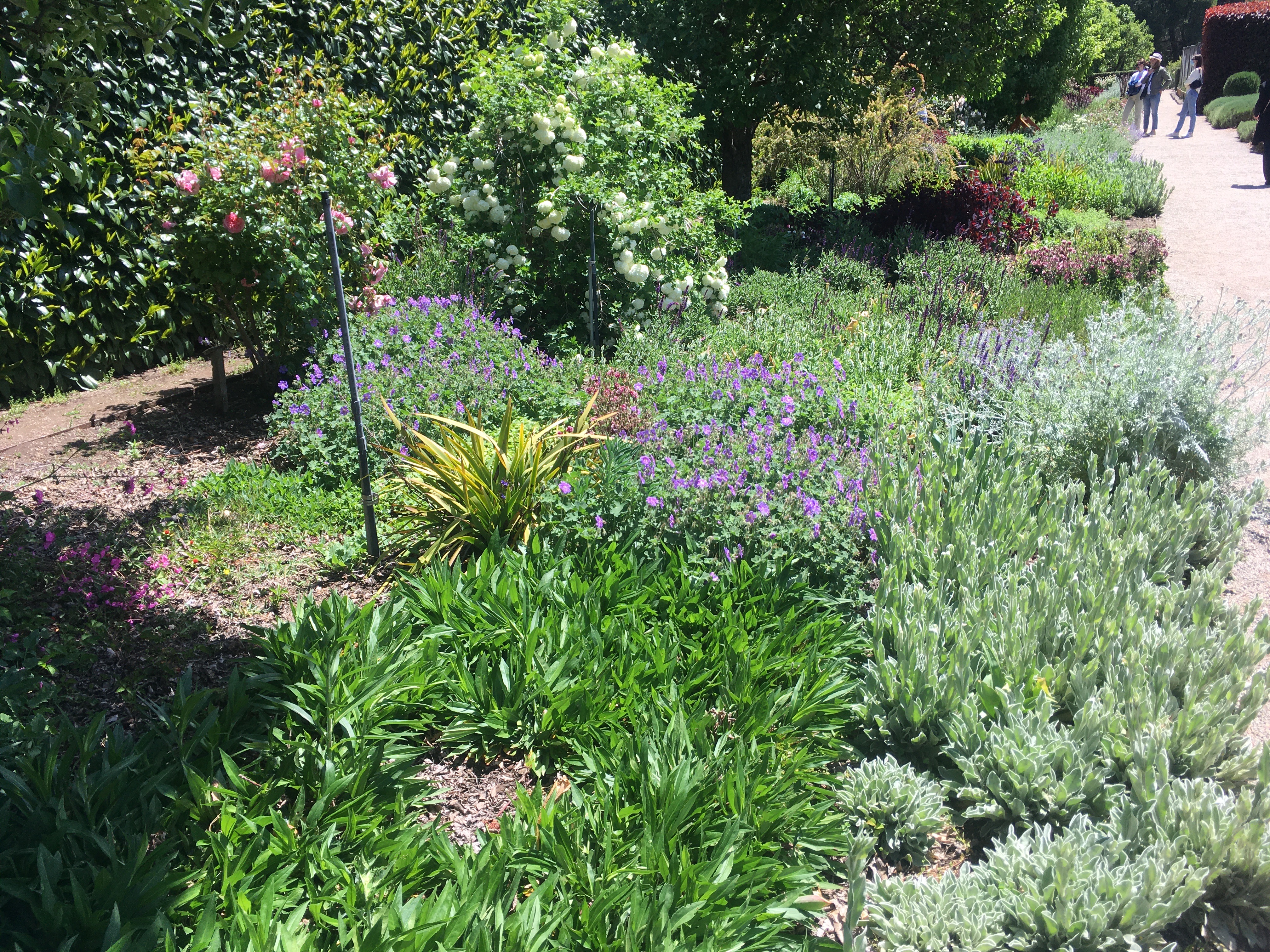
A number of perennials are featured, providing plentiful nectar and pollen for the local bumble, solitary, and honey bee. They add diversity and charm to an already over the top garden scene.

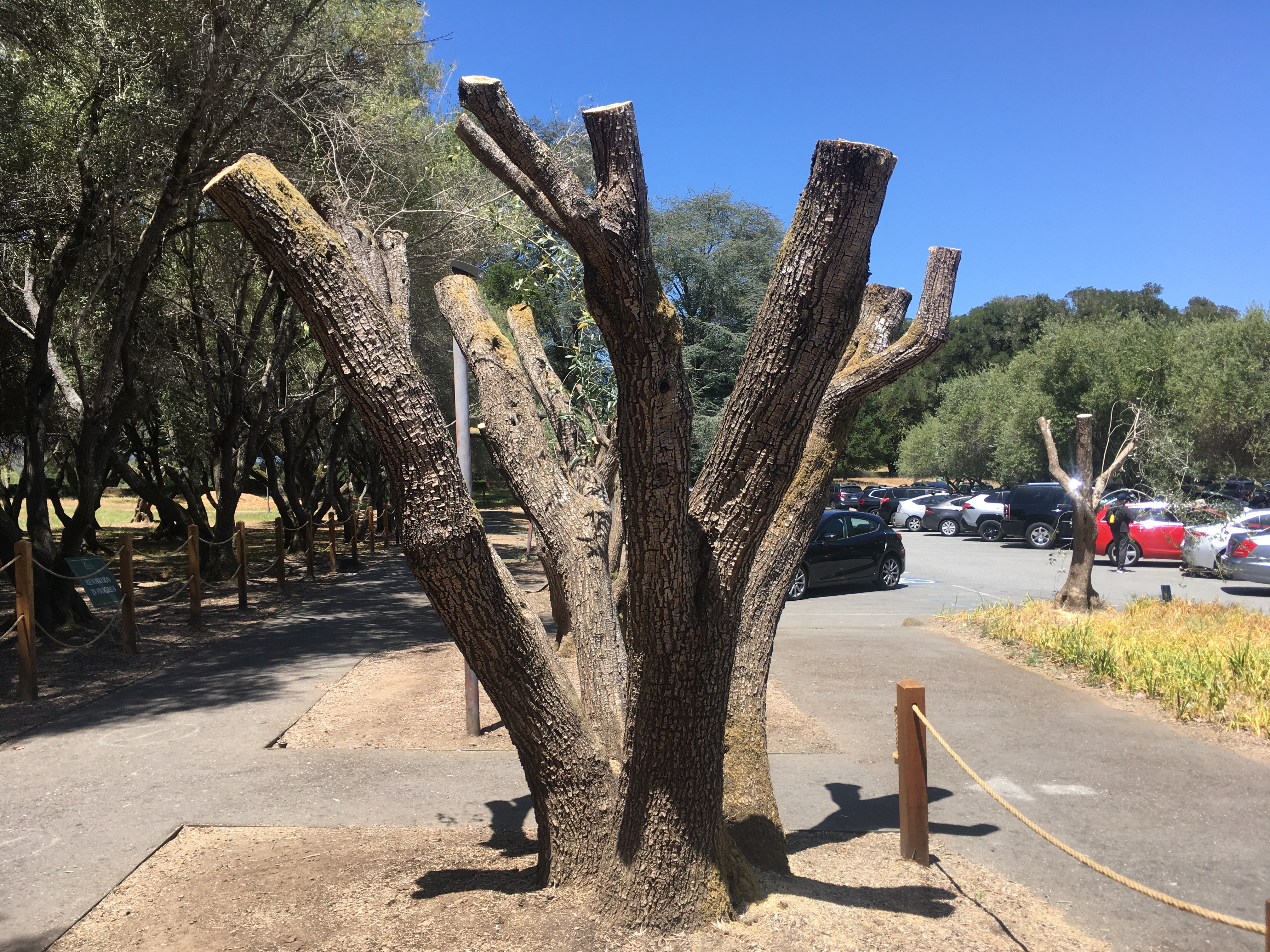
A nice mediterranean crop is olives, for oil and for fruit. These trees are hard pruned; and in this process will slowly return to being a production orchard. Sun drenched and well cared for trees will make good fruit, not gangly trees that are shading each other out.

For space consideration, it is useful to make the most of whatever space you got. Hence espaliered fruit trees running along a fence or a wire. This is an old old idea that goes back to the time of pharaohs and Sumerian dynasties. The apples and pears were barely forming on the day of our visit, but that is another reason to come back again in the summer and fall!

Well, thats about all for a quick look. This ain’t nothing compared to actually seeing the garden in person. If you get the chance to visit, GO!!! Pay attention to the work involved, and all of the details in the designs.

Some stats: Sixteen acres of formal gardens, twelve horticulture staff. High maintenance. Most plant production is all done onsite – growing annuals from seeds, potting up and dividing, making floral arrangements, composting, etc. Theres opportunities for summer internships and jobs. Check their website! Get involved!

And in the fenced orchard on the side was this lil fellow, going into a hole. ( It is a gopher snake). Until the next trip!

Hanging out in the duff beneath a yew tree, doing push ups at the edge of the pasture. A garden is bliss.