



City College of San Francisco
why I love thee
an ode to a Community College
In the state of California
we got three tiers of ‘higher education’ in the public sector
at the tops is the UC, University of California – four year schools
in the middle is the State University – four year schools
at the bottom is the Community College – two year schools
Academically speaking,
UCs are for the 3.8, 3.9 to 5.0 GPAs kids with a bunch of extras
the State Universities are for students in the A’s and B’s range
and the Community Colleges, well, anybody can go there
I went to two UCs for my undergraduate education
the best part of both of them was their proximity to the ocean
one was close to Black’s Beach
the other was close to Steamers Lane
that is where I got my education
during dawn patrol
and afternoon glass off
in the sea
I took classes in ecology evolution and conservation
but there was a huge disconnect between academia and real world
we never did any walkabouts around the neighborhood looking at weeds or flowers
or picked up garbage on the beach for ‘environmental justice’
worked in a park for ‘labor studies’ or went after poachers for ‘conservation’
class was a lot of theories, graphs, statistics, and verbose language
things I did not understand whole bodily, things I still do not grasp
I also took some art classes at the UC
again, I have forgotten the content amidst the crowd of 300, but remember well
a kind black lady with colorful clothes named Faith Ringgold
and images of wild yam cults and elegantly carved ashanti stools
For graduate school, I went to a State University
to be exact – San Francisco State University
the best part of the curriculum were the field trips
excursions to the icy-morning mountains, to the shot-up road sign deserts,
overnights to the wet-tent-at-night woodlands, to the sweat-up-your-neck foothills
voyages with professors named Patterson, Hafernik, Desjardin, Parker, and Blair
so vivid were the blooms, and so colorful the fruits! And the animals!!
this is how I fell in love with the flora and fauna
of a valley, of a grassland, of a washed out gully in the sands
I was happy to wander around with classmates, observe and see things as they are
For work, I have taught at a Community College for the past sixteen years
I teach horticulture, which is gardening, landscaping, tree and nursery work
the ambiance is real different from the other two institutions
the students are of a different sort, and the teaching is much more applied
it is not much of a social and hang out recreational place; it is not the ‘college experience’
theres nobody laying around on manicured lawns
theres no ragers at a frat house
theres limited ra-ra-ra at sports stadiums with everyone wearing matching colors
but, it is a place of learning – a place that prepares you for working in the world
it is more to my liking as a person; it fits
I appreciate the diversity of the students, I like their sincerity of being
Now, you might be thinking or saying
‘community college is for the dummies that couldn’t get into…’ or
‘community college is for a poor kid that can’t afford…’ or
‘community college is just a stepping stone so that you can transfer to a…’
well…maybe you are correct
From my view, the students are a lot smarter, and wiser
at the community college
maybe not always test taking smart or sit still smart
the kinda young person know-everything-whipper-snapper-smart
caume laud this or honor that smart
but the students are hand smart, experience smart, tactile skills smart
smart in the ways of the world smart
sometimes wise in the ways of good and evil wise
this is so, because there are all kinds of different people
who attend our community college
it is a COMMUNITY college
here, you are not gaming for a piece of diploma paper
with a similar cohort of peers
instead, you are actively and closely engaged with people
of varying backgrounds and strengths
in understanding the world and finding your place in it
Who wants to learn about flowers? And trees? Well,
we got high end well educated professionals like my dentist,
the doctor from the free clinic, and the patent law lawyer
there’s an army scout who knows the weight of an abrams tank,
a twenty year Navy pilot, and the electrical engineer on an aircraft carrier
we got machinists and diesel mechanics who have done time with heavy heavy equipment
as well as folks who’ve spent time in jail cells contemplating, reflecting
and, theres a lil’ bit ragged student who’s been dreaming while sleeping on the cold sidewalk
there’s bunches of nurses and medics who want to care for a living thing that doesn’t talk back
as well as a two or three master’s degrees therapist who is tired of the droning quality of human self pity and inaction
into the mix, throw in a retired chemist
add an architect discovering nature’s structures, and
stir in some managers, supervisors of 10, 20, 100, 1000 subordinates
plus
there is that whole generation of students who have been raised on computers, videos and screens, students who have never acknowledged the three dimensional sentient and conscious creatures on our planet, youth who ignore the blur of greenery all over the land
and, theres a whole lot of students with a bachelors degree and a student loan
students who for four years did not know what they were studying or why they were studying it, and now do not know what to do
to be gainfully employed – maybe you can do something with nature? something that brings joy to your heart? something to cultivate beauty in our society?
… try the horticulture and floristry department!
Seems that the rightful place of a Community College is –
at the center of the community, a college for folks young and old
a place that gathers everybody together and improves our day to day world
one seed, one sprout, one or two cotyledons at a time
there not a whole lotta other countries where such a place exists
everywhere else people are enamored with that kind of hierarchy that puts everybody in a slot on a ladder, and you can’t climb up cause you are stuck on your rung
this is America
we want a just and kind society that is a big ol pie
everybody anybody who puts in their best effort can come get a slice of
apple pie, cherry pie, maybe rhubarb pie
The community college is a great idea, a grand experiment,
it is a temple for lifelong learning and a roundhouse of civic in-person interaction
it would be a darn shame
if it were to be snuffed out, gutted, squeezed, and relegated to the chop chop ax by
uncaring people
theres no better place to learn to smilie with all of mother nature’s creation,
there’s no more worthwhile crew of students
than at
City College of San Francisco!!!

Blackberry
I like weeds because they are tough survivors
plus they are job security because I am a gardener
my favorite weed is the himalayan blackberry spread by birds eating the berries and dropping the seeds
blackberry seeds grow into huge thick canes and impassable thickets
tips touch the dirt, grow more roots, and up they go again arching into the sky
to remove them by hand
you need a good pair of gloves and a spade

Find the roots, they look like this
you want to get the whole nugget, not only cut the top
if you just cut the canes, it resprouts and hunkers down for the fight
so dig all around about eight ten inches deep
use the spade like a spear in a cutting motion
watch out for buried pipes and conduits
it is extra difficult when the blackberry root is tangled inside a tree root

When you pull the big root out of the earth it looks something like this

or this
try to get as much of the root as possible
that will slow it down over time
our goal is not total eradication, just management and some control
in localized place
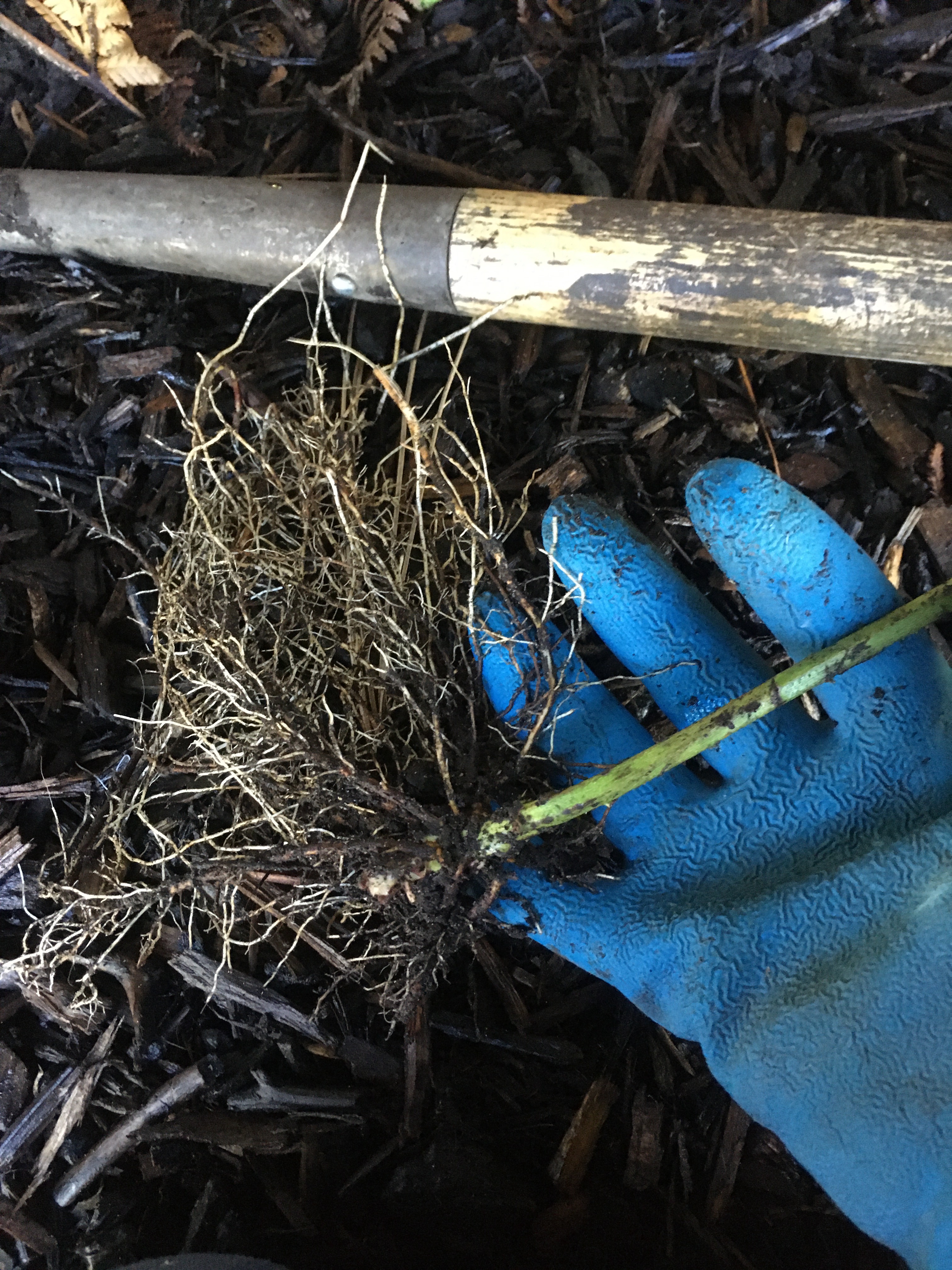
if you tug on the small end of the vine
where a young stem touched down and rooted
the roots may be white and fibrous
these fine branching roots are usually pretty easy to pluck from moist soil
they havent yet grown that obstinate woody hunk of anchorage

if you are lucky and you pull out the whole vine
it is a happy and satisfying feeling
like you battled a small beast and won
bloody cuts on your arms
make sure you soap and clean it later
all the way up the forearms past the elbows

then its time to pack em up
you fold the vine back and forth
same as you would for a 100’ climbing rope or an outdoor extension cord
at the end of the vine I like to use the thin apical stem to tie it together in a neat manner
so bundle it across perpendicular to the bundle
the spines grab itself and holds it all tight for easy transport
you do this for a bit and pretty soon its a whole burlap full of the stuff
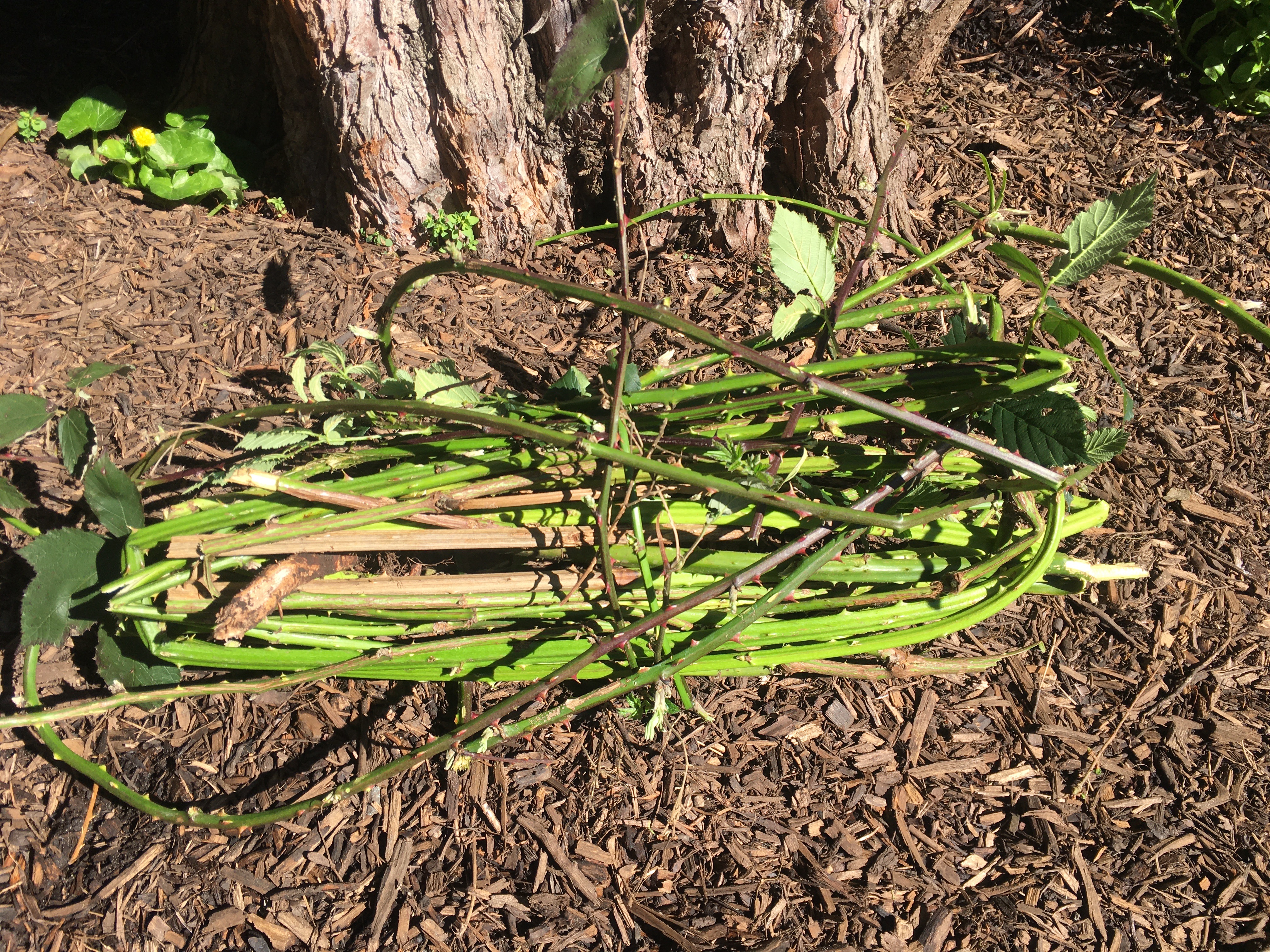
thats it!
I weed algerian ivy in the same way
make little packages of weeds
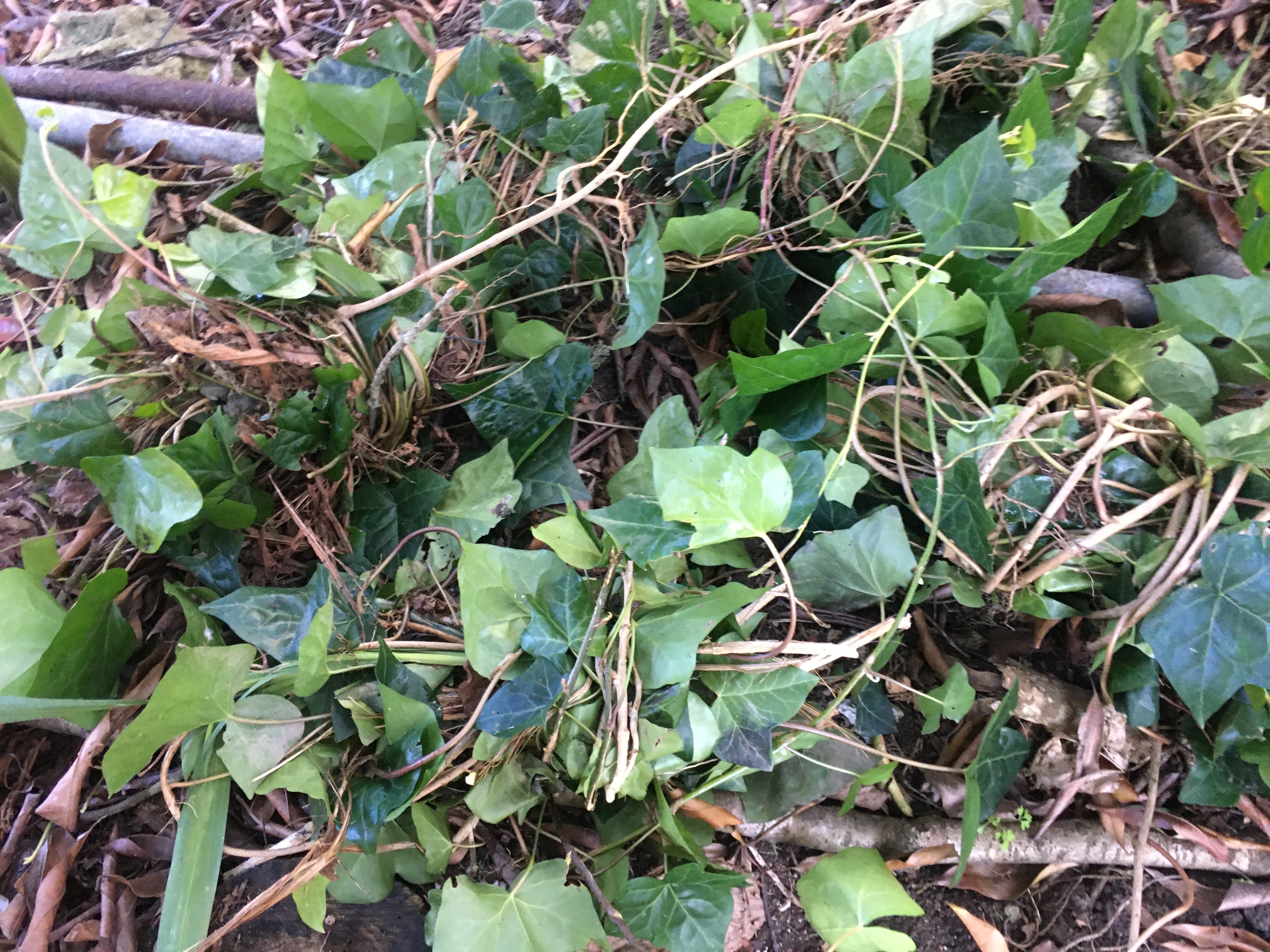
the ivy pulls easier than blackberry
but it is not as fun or as exciting
because ivy does not put up a fight as hard as good ol
Rubus discolor Rubus armeniacus
my favorite weed
Propagation: Native California plants
Well forgot to press the record button on zoom
hence here is an abbreviated version of the lecture
for folks who were not able to be present
In a discussion of native vs nonnatives
exotics naturalized and invasive species
its bound to be rolled up with cultural perspectives and mindsets
the emotional attitudes we have towards nature and boundaries
right and wrong
as well as what is ‘supposed’ to be there
that is – the chasm between our expectations and dreams
and reality
rather than get bogged down in the language or minutiae or dichotomous keys
or struggle with the depression that seems to latch itself onto downward trends
we are just going to move forward and see where this takes us
with regards to the propagation of california native plants
Theres three parts to this lecture
One talks about the growing of plants for restoration
and the jobs therein
Two is about some local native plant nurseries, and the challenges we run into
as we try to cultivate the wild as ornamental garden plants
and this lecture ends with a few shots of good ol time california grass lands ranch lands
The structure of this lecture is a loosey goosey style of story telling
some anecdotes seem to have no point at all
others wrap around at ya when you can see the whole picture
like a golden eagle at 800 feet
scouting for rodents
okay, press start

In the old times working for the city in habitat restoration
we would sometimes work alongside and subcontract with a company called
shelterbelt builders
they did large scale type native plant restorations
bulldozers rerouting streams or channels
pounds and pounds of herbicide
erosion control and hand weeding
followed by the planting of thousands and thousands of native plants
plants that were once common, now not so much
one of the owners his name is Mark Heath
aside from weeding all day long and managing workers to stay on task
he taught the hunters education program for fish and game, now fish and wildlife
at the lake merced rod and gun club
where folks would practice shotgunning clays and meet to chat about the regs
well that club is no more lost the lease
no more lead in the lake
no more hunters ed in san francisco, gotta drive out to richmond or down the peninsula
the number of hunters is going down, so say the charts and numbers and fees collected
its all online now
meat as food
its all an abstraction and a non-thought
or some kinda savage activity they do in an inland empire, not on the coast
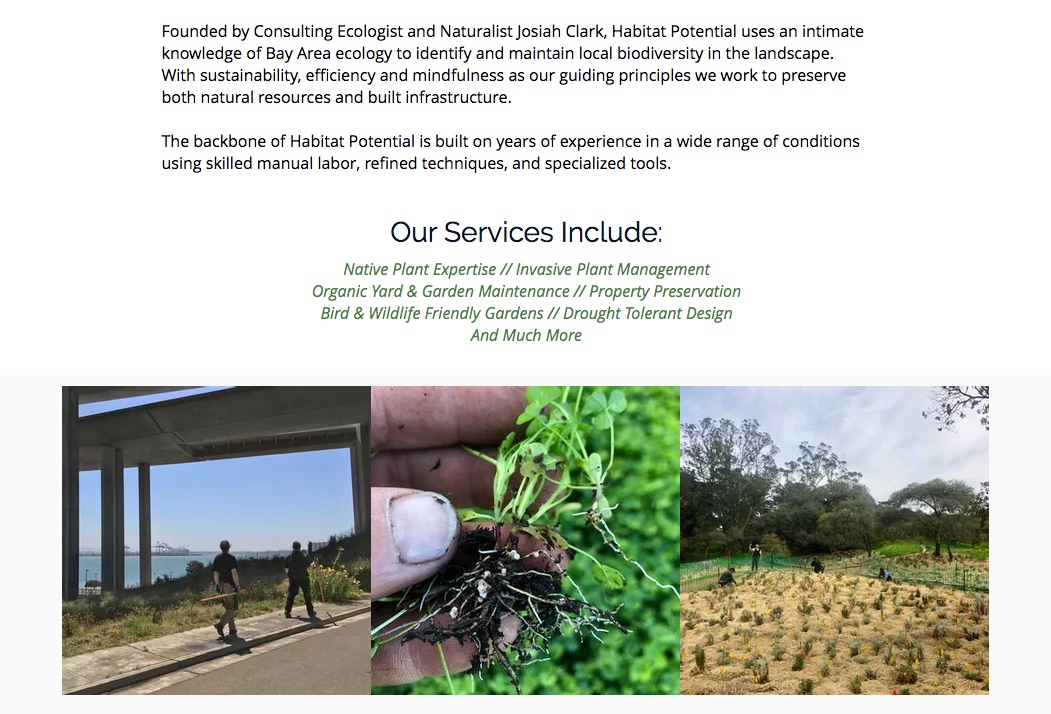
Another fellow that was our bird intern at the time was a locally born and raised nature nut
his name is Josiah Clark
as the years built
he too ended up with his own restoration company
doing the wet and dirty and soggy work
of crouching on your knees, cleaning out pots
and wrestling with eight foot brooms with two inch trunks
slashing and grinding weeds out of the earth
havent seen him in a bit
only scrolled through his facebook posts
an eternal photo stream of crab carapaces and salmon scales and kayaks dipping into the sun
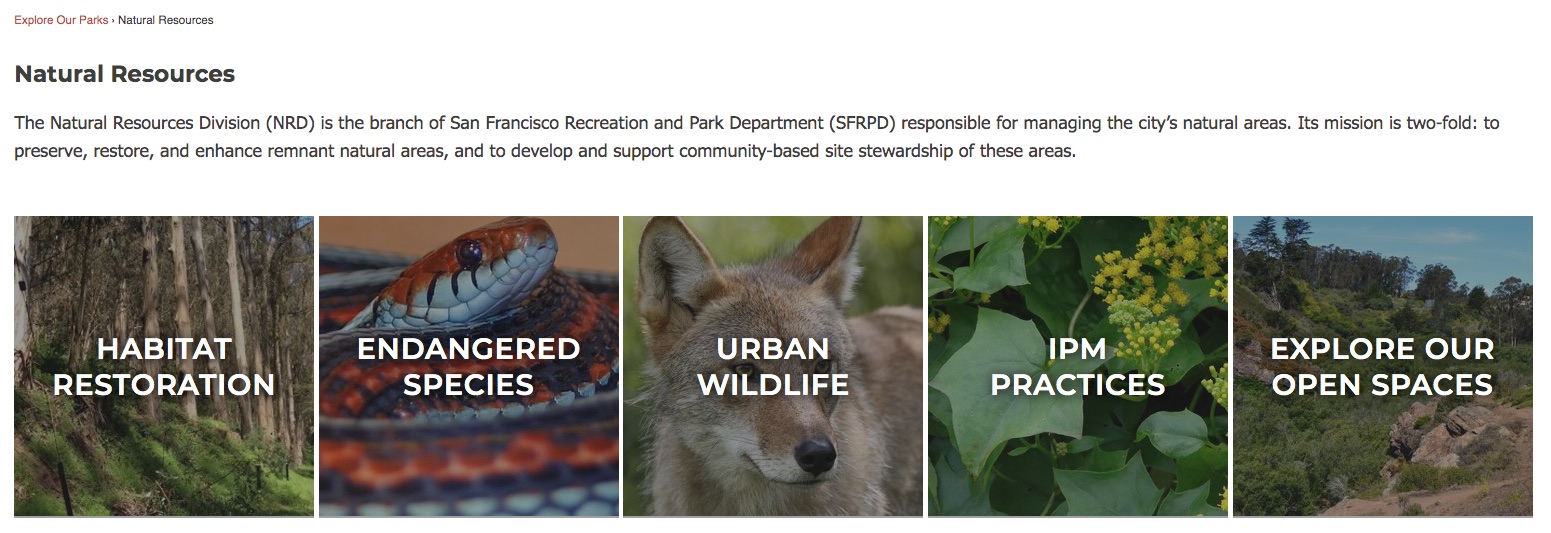
The folks I am most familiar with are the city’s restoration crew
where I clocked in and out of hours and seasons
they was once called natural areas program
I liked the name cause the acronym spelled NAP
nothing like ten minutes of shut eye after lunch
and in spanish it was programa de areas naturales
it spelled PAN
that is the weird greek nature goat god patron of shepherds
but they rebranded themselves in recent years to a more proper sounding name
natural resources division now
always change
the division is responsible for all the wild areas throughout town and a little beyond also
spots once too steep or rocky or outa the way to build on
places with names like twin peaks or mt davidson and mclaren park
the goal is
to conserve the natural flora, deal with pest and threats
and navigate the sticky and calamitous world of peoples needs
balancing it with those of nature
really messy business
the dirt of mud holes and sap of pines holds no candle up to
the grime of town hall meetings and internet lobs of spit n manure
yet still, the tenacity and persistence of plants outlasts
all the frustrations and unruliness of human follies
by thousands of years
some of the old timers are still there
tucked in the emergency hospital where dirty harry was taken to back in the day
811 Stanyan by the panhandle of golden gate park
the boss is LB Wayne, some kinda great horned owl of an athenian lady
crew was C Campbell, R Zebell, L DeMeo and friends
hanging with em everyday reminded me of a foray in the hills
with bear, badger and antelope on the trail
scramble up the chert rock, ease down the switchback
between the burlaps tarps edged with poison oak
and the endless seeds drilled into your socks
days flowed like lightning
if you want to work in the division, get in as a gardener through sfgov.org
then slowly snake your way in
with hard work and solid knowledge
about the awns of a purple needle grass or the peduncle on a yellow composite flower
One of my favorite spots was working at twin peaks
for the obvious reasons –
it was really cold, windy and full of steep falling rocks
plus I enjoyed wide expanses of lupine grasslands
if you go to the peak, on the hillside, in the diagonal sediments,
you will find bunch grasses there
a native bunchgrass with rough leaves and a relatively wide blade
nutka reed grass
in nature, it is specific in its ecological preference
north side of the mountain, above 400’ elevation
thats it
so remember that – plants are specific and particular beings
they like what they like
thats it
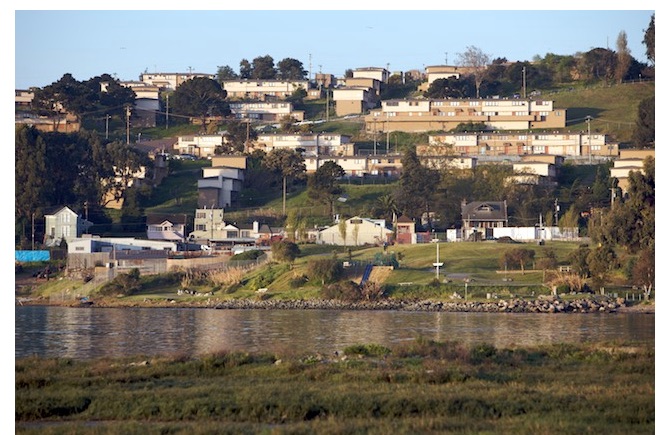
Another of my favorite places was out in the southeast of san francisco
the neighborhood known as the bayview and hunters pointe
it is the site of old time candlestick stadium
it is the location of the naval shipyard active from about 1940 -1975
it is the launch spot for fishing the bay for leopard sharks and halibuts
with the natural resource division, we would drive the big green ford 350 double cabs out to
indian basin, bayview hill, and herons head parks
to do restoration work in wetlands and amidst a grove of islais cherry trees
weeding and planting
we’d be working down the hill from the housing projects with black and brown folks
we’d be working on the blue green rock outcrops of serpentine
or on the open white sparkling sands of the bay side beaches,
while garbage and RVs with peeling panels swirled in the cul de sac dead end street
There is an organization called california native plant society, they are active throughout the state
they educate people about the native plants, and protect their homes
our local chapter is called yerba buena, named for a little sprawling groundcover of a mint

Anyhow one of their members is named Margo Bors
she is one great observer of nature and photographer too
so one day she is wandering out there in hunters pointe, comes across one then two then more
of a mariposa lily, a shimmering yellow lily with a bulb
a bulb that around here, only grows on that serpentine rock, our state rock
wow that is an amazing find!
there was only one other previous recorded site of this plant in the wild in san francisco
also on serpentine rock
so in a neglected patch of unexplored forgotten urban world
a paved land of almost a million people crushing it
nature is still there doing its thing
plant maybe been there for 200, 300, 1000 years, or more
growing bulbs, making flowers and seeds, dying back in the summer heat into the rocks
just chilling, kinda oblivious to all that is going on all around
the lesson here is that some wild plants have adapted over eons
and can tolerate soils too toxic for other plants
soils lacking in nitrogen, but full of heavy metals like chromium and nickel
some wild plants need and prefer this sort of soil to survive, otherwise its lights out
so unless you can recreate the exact soil conditions in cultivation
you will not succeed
dont even try to compete with time and geology
know that life is ephemeral, and if we run the plant out of town, its gone forever
the oldest living thing at the end of this peninsula –
a short flower four inches tall that comes out to play a couple of months a year
now that you know about it
what do you do? multiple choice question:
a) go instagram it selfie it and stampede it
b) pimp it out as a tourist attraction, make t shirts and hire the local folks as tour guides
c) dig it out of the ground and sell it to the highest bidder
d) pretend you never heard about this, go about your business as usual with the knowledge that somewhere in the world there is still ancient magic and mystery
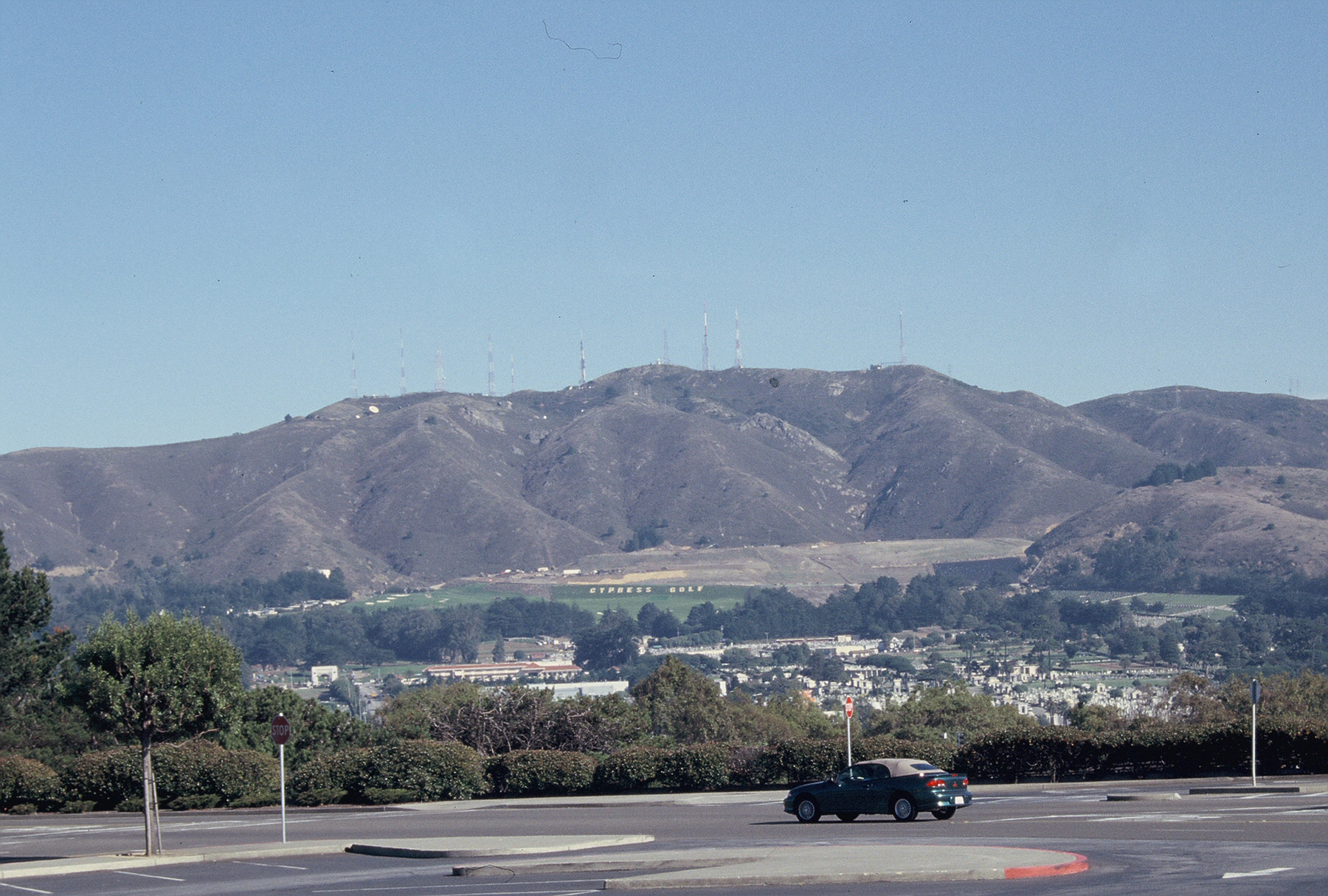
The last place I describe here is a lump of a rock of a short lil mountain called
san bruno mountain
if you came to the bright lights of the City flying on an airplane
then drove north on highway 101 from the airport with the bay at three o’clock,
you’ve passed right by it
but probably never thought to go up there to look around
i mean, whats there to see? its a dried up nothingness, boring east west range
no majestic trees, no casino, no shows, no bison or elk or big horned sheep
just a ugly hill that would have been better scalped for rock fill
or flattened for high end development
you are probably right
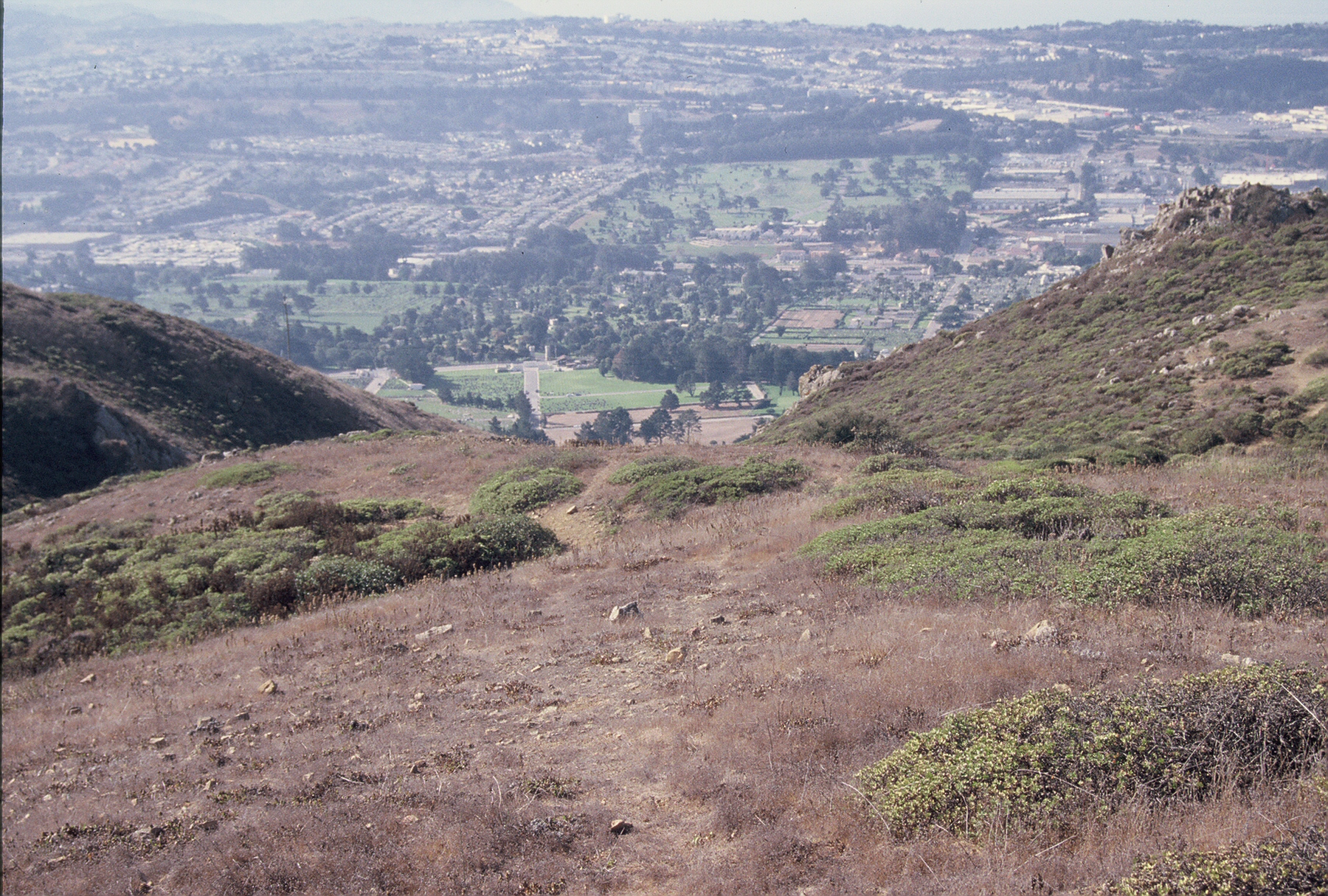
Got involved in san bruno mountain because I was in graduate school studying biology
and there was a small blue butterfly there my advisor sent me to work on
on the summit you can look west to the city of colma
and the acres of cemeteries and the old dump below
meanwhile check the pacific ocean for whitecaps and whales

Or you can look east and north towards visitacion valley and mclaren park
one day I was out there as usual above this place called dead cow ravine
watching the blue butterflies land on the compound leaflets of lupines
there was nobody as far as the eye could see, just grass and flittering wings
all of a sudden the road, guadalupe canyon parkway, filled with hundreds of cars
thousands of people
I walked over and said hey whats going on?
they told me that the geneva towers, section 8 public housing, was gonna get blown up
then there was a kaboom of implosion and a whole lotta hooting and clapping
then everybody left again
and I went back to counting eggs
on the hot dry hillside in solitude
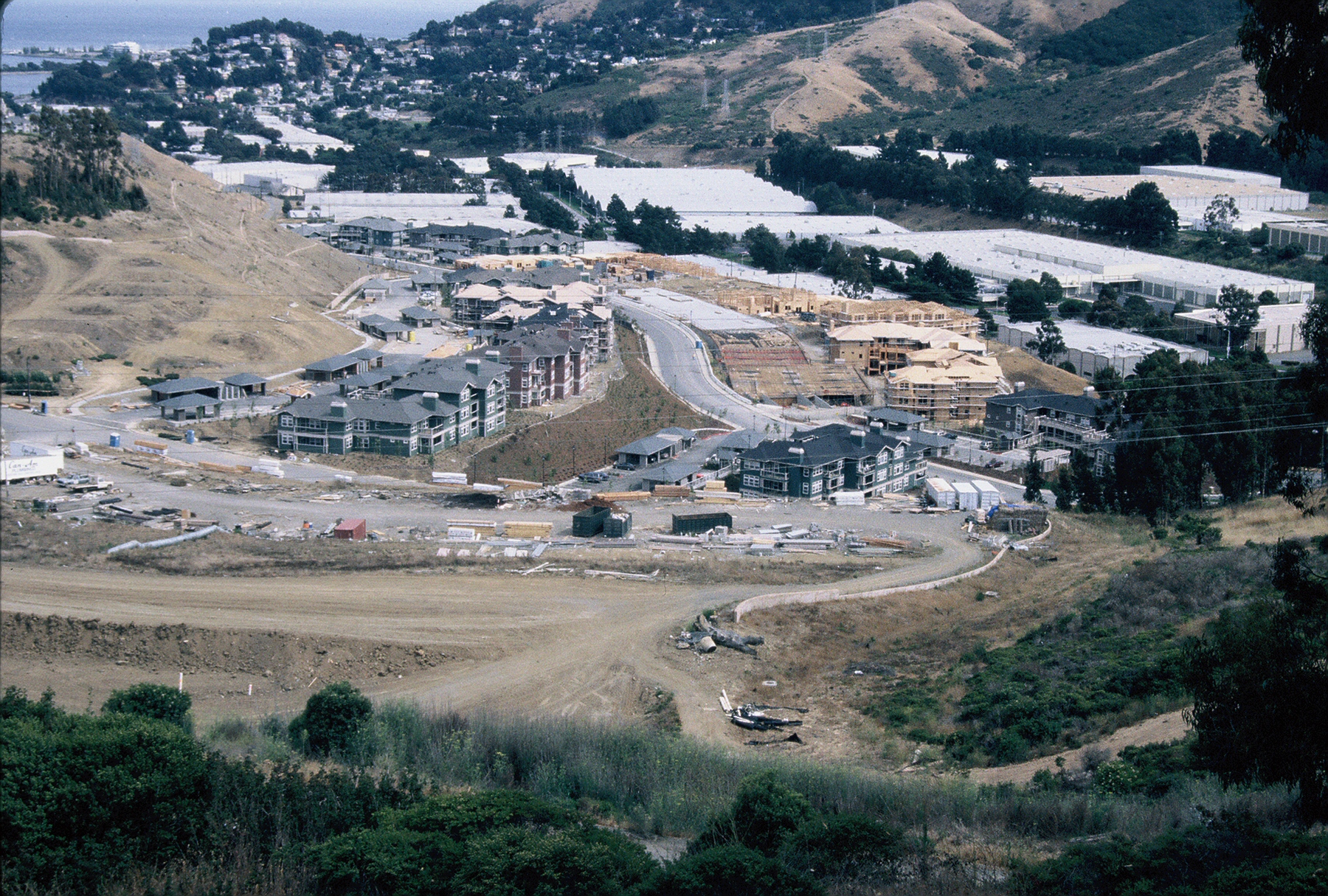
This one part of the mountain
was thick with blues
dense aggregations of butterfly eggs and larvae
it was a low elevation, protected not windy spot
rocky thin soils
full of silver lupine lupinus albifrons, and summer lupine lupinus formosus
it was the best spot on the whole mountain for these butterflies
then came the fencing and the dozers and then it was all gone
there was no memorial or gravestone or remembrance or songs for the dead
just a handful of street signs with names of now gone butterflies
I watched it happen, but did not think much of it
just so used to human progress and changes in the landscape
accustomed to the might of machinery and power of civilization
blue butterflies versus humans
I know what tribe i belong to, and it sure aint
some little bug

Around this same time, it became popular to mitigate for these losses through a practice called
restoration
that is to say, if you plowed one area, you could then plant it with native plants in another one
and be done with it
tit for tat, one thing for another
hence, over time, growing native plants for restoration became a ‘thing’
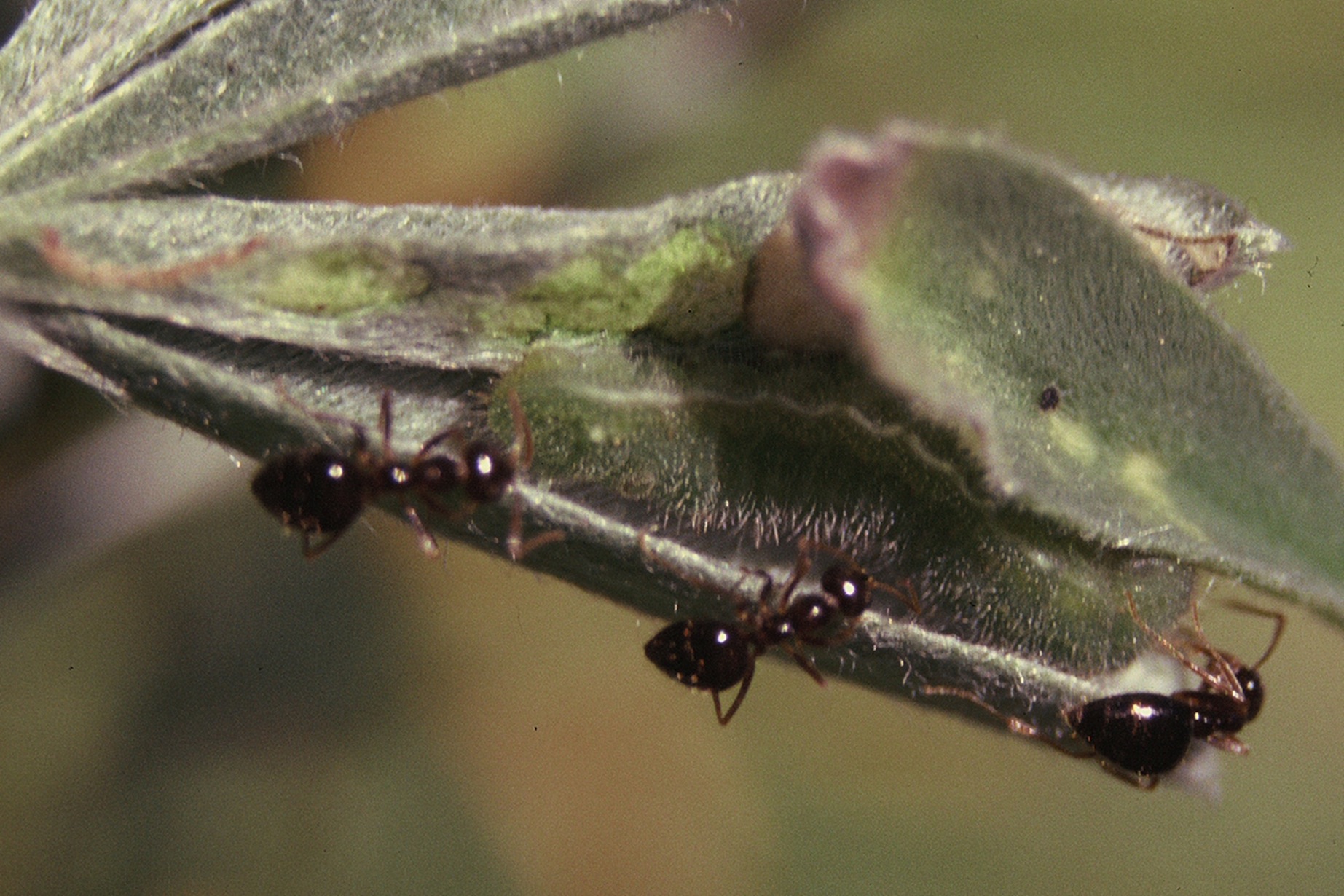
The mission blue butterfly is a funny creature
cause the lupine eating larvae get baby sat and protected by an ant
not just any ol black ant, argentine ant, common hang out in your refrigerator ant
it cooperates with a couple of species of native ants, a couple of species out of the some thirty ant species on san bruno mountain
one is named formica lasioides, another is named prenolepis imparis
that is the general problem with all these endangered species
they have a bunch of specific connections and specialized niches and narrow ways of living
you start cutting this connection, then sever that one
push em and push em till they are at the edge of holding on
then real quick they are all gone
and its hard to bridge those connections back again, because they are dependent on one another
they are not a field of hybrid corn
more like a basket or tapestry made of materials you cannot buy on amazoncom
thats the rub
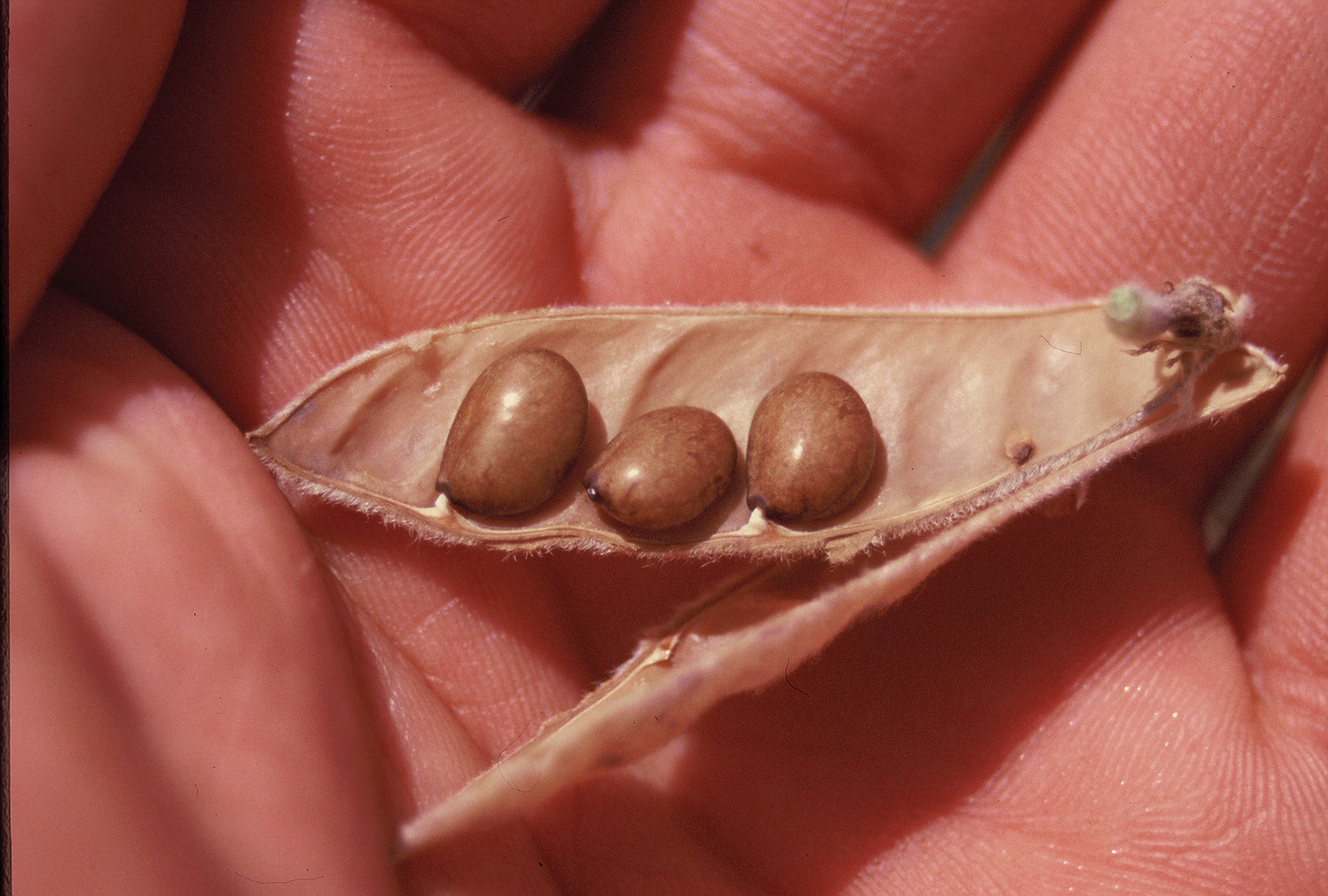
Lupines have a legume fruit
and that banner wings keel sorta look to its flowers, like a pea or a bean
they are nitrogen fixers,
and their tender young seedling leaves are much sought after by nursery slugs and snails
to germinate well, they need some help with that hard seed coat
scarification
in nature, they like those thin hard rocky drained soils where not many other plants can survive
say a fresh road cut, or a gouged quarry, or the side of a hot sunny ridge with some grasses
in nature, they got long long long roots that go deep deep deep into the rocks
in nature, they can be long lived if living in these demanding circumstances
hunker down, be quiet, you the boss
in cultivation, with that nice rich soft loamy soil and people handling them all the time
they grow fast, burst then die – short lived
‘this is not my place, not used to this. let me get done and explode my seeds outa here!’
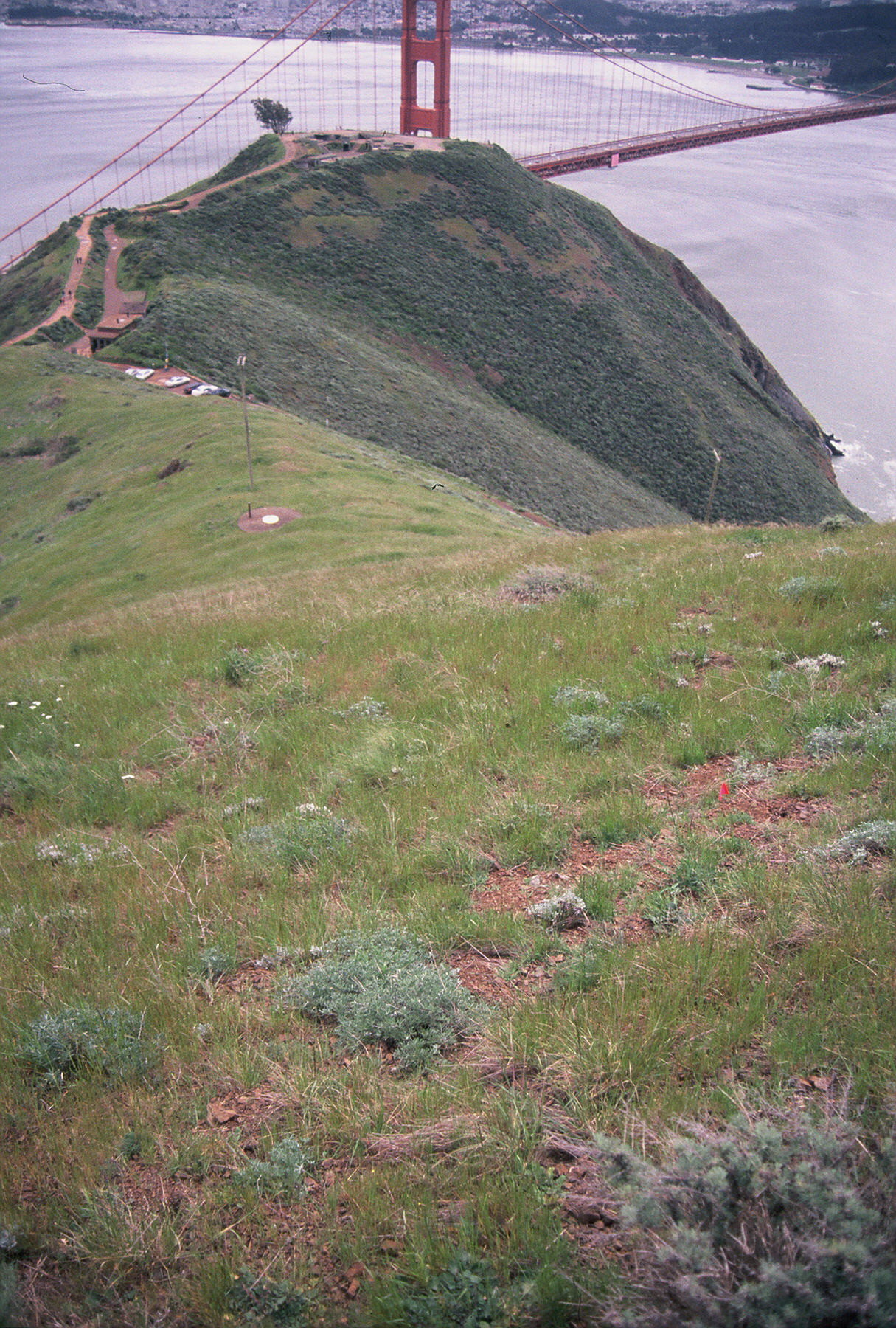
As the years passed, I ended up surveying for these butterflies all over
both north and south of san bruno mountain
in other places they were spotty and low in distribution and population
the lupines and the insects both enjoy those low hills that used to be grasslands
the grassland valleys of the mission district
the district that was yelamu ohlone, spanish, polish, irish then latino and hipster tech
change, always change, lulls then more waves

The learning point to understand is that this diversity we witness today was of an ancient form
and a product of a way of life
yes it was managed, but it was not planted and maintained like a garden of today
the plants were wild and took care of themselves
a once in a while fire was nice, but as a whole, they were a community of close knit beings
plucked and persevered from the hardness of life
one out of a thousand or two that survived to adulthood
you dont have to baby them, or maintain them, give them fertilizer
they are tough and adapted to specific places
and when they blink out and die, i doubt if they have regrets or change of hearts or self pity
they come in as they go out
totally in the zone
There are a number of local nurseries that will help you as you cultivate the wild
both within and without
some countries, notably England, has long recognized the horticultural beauty and potential
of california native plants
us, on the whole, have come late to the game
still gushing about the boxwood hedges and topiary, while others had long gone native
One nursery to visit is in the southeast sf, a commercial nursery for native plants: bay natives

Another nursery is somewhere near the eucalyptus forest by UCSF. They grow for both restoration, as well as for the garden. That is a common pattern – expanding your business, widening your audience. Mt sutro native plant nursery.
The federal government, working with local organizations, also has its foot in the game
they fund a number of native plant nurseries all along this pacific coast
growing plants for the sand dunes, for the redwood forests
growing for the coastal scrub of the uplands, and the riparian zones by mountain lake and lobos creek
these are not commercial nurseries that sell plants
they are for restoration only, and gladly take volunteers
As lovers of plants in the garden, there are a few problems to surmount in propagation
one is pests that like sweet juicy underground storage parts like bulbs
rats, gophers, and their kin
so you may have to grow such plants in a screened container or raised bed of stone
or in a buried terra cotta pot
and you wanna remember to make sure they do not receive irrigation in the summertime
keep them dry, keep them from rot
the best garden to go see such plants are at Tilden Botanical Garden in Berkeley
or the wild gardens, so to speak, ring mountain in marin or the lost coast of mendocino
Another cool plant that seems to flunk out in cultivation is the tree poppy dendromecon
its something about the soil
what dendromecon likes is hard and clay and crap
hot and dry on the top of a ridge
close to the soaring condors like at pinnacles park
they do not want that peaty barky perlite potting soil from 4 cubic foot bags, fluffy, airy
So the difficulty in cultivation can be pests, or soils, or temperatures and the need for cold
we have collected seed and tried to grow this awesome dogwood from the sierran mountains
cornus nuttallii, the pacific dogwood
with little success, here on the bay area coast
it is simply too mild here, and the plant suffers and dies
it misses its mountain home and snow, maybe it even misses its buddies the incense cedar and ponderosa pine and sugar pine and the manzanita scat of bears
no luck, maybe you can give it a go and try
let us know how it goes
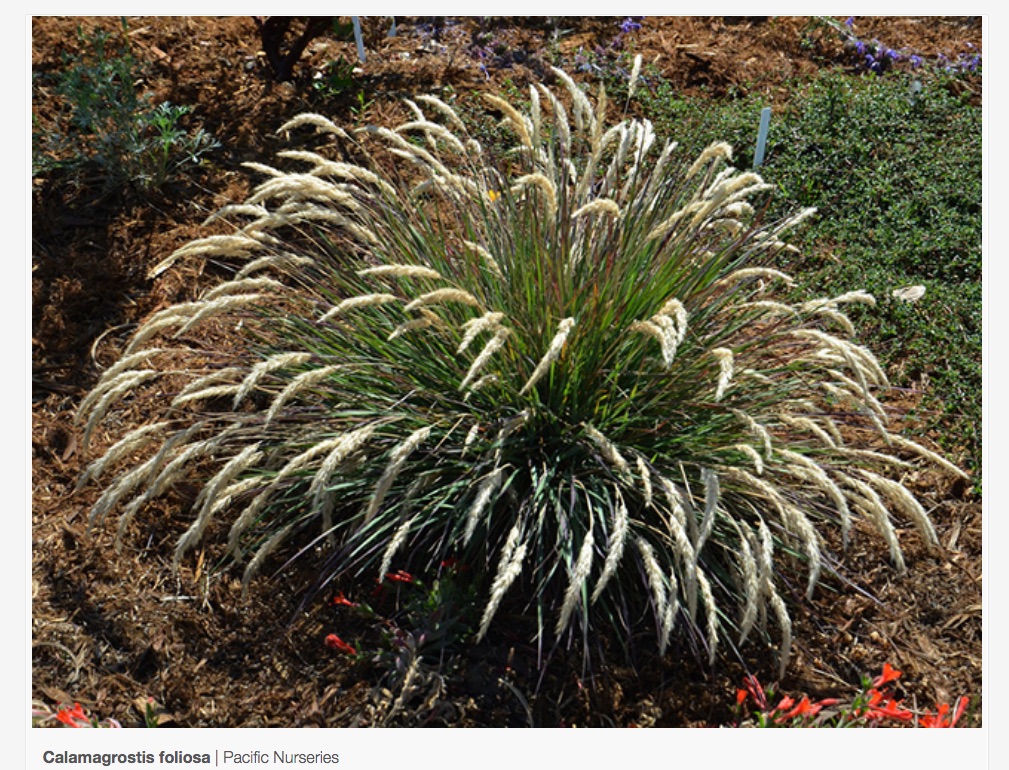
Some native plants take well to cultivation
and with the wild meadow of grasses look that is in fashion still
grasses take center stage
with their billowing inflorescences
and steady vegetative presence
you can find a number of such species
down at our local wholesale nursery at the foot of san bruno mountain – pacific nursery
When I got to san francisco
went to work weeding at the botanical garden
in cape province south africa with the nerines
and also out back in the nature trail with the cattails and red legged frog
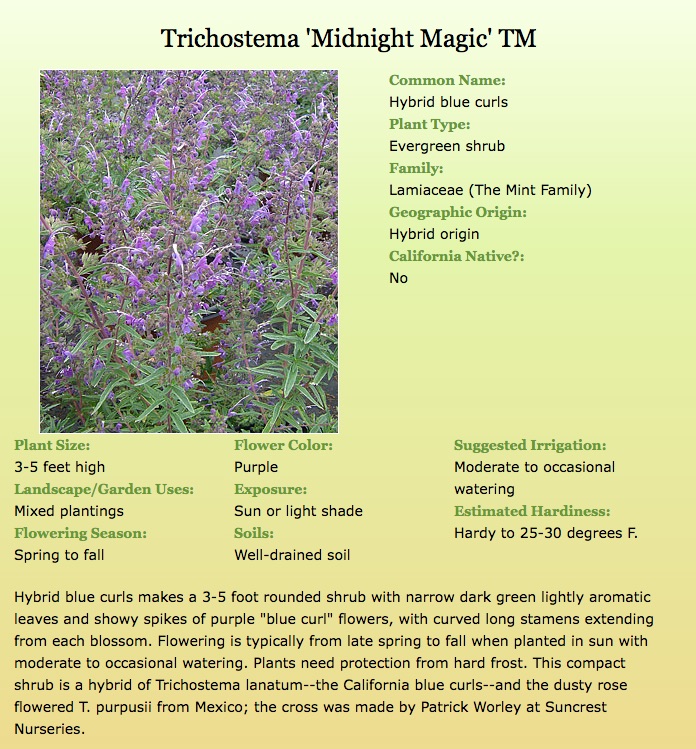
on the slope there next to white sage was a plant of wooly blue curls
trichostemma lanatum from southern california
this is one beautiful plant!
thing is, again, it does not last long, and fades in the garden
then somebody, a breeder down at suncrest, hybridized it with a mexican species
its progeny settled down, and took a liking to being
domesticated
it grows happily next to the oregano and wisteria, keeps blooming, stays alive
and suncrest got to name the culitvar, trade mark it, and make a a lil profit
to funnel back into more experiments, crossing this with that, seeing what comes up
that is the patient and time consuming process of plant breeding
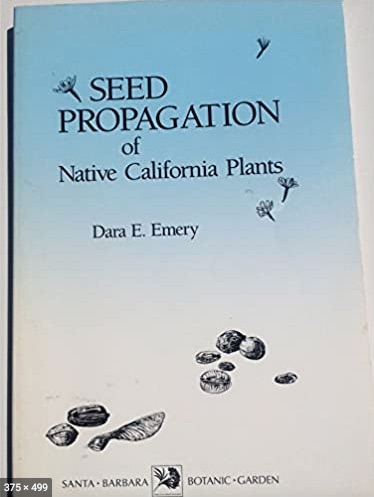
Hopefully this gets you excited and down the obsidian strewn path of native plant propagation
must read is from this Dara Emery, where he chronicles seed treatments
Another nice book is this one by Marjorie Schmidt – ‘growing california native plants’. Theres tons of other great books out there by folks like Bart O’Brien, Glenn Keator, and Judith Larner Lowry. All knowledgeable people writing from a botanical and field perspective.
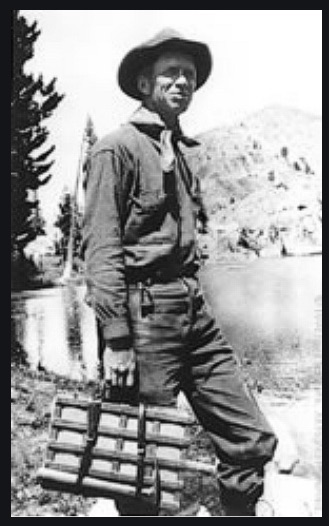
Once you are on this track
its likely that you will be doing a lot of walkabouts in the countryside
seeing how plants grow in their native community and intact habitats
maybe even collecting seed and bringing unheard of wild plants into cultivation
to be successful, you will need guides
our go to person is Willis Linn Jepson and his Jepson Manual: vascular plants of california
a two three inch tome with bout 6,000 native plant species therein
you got a lifetime to learn em
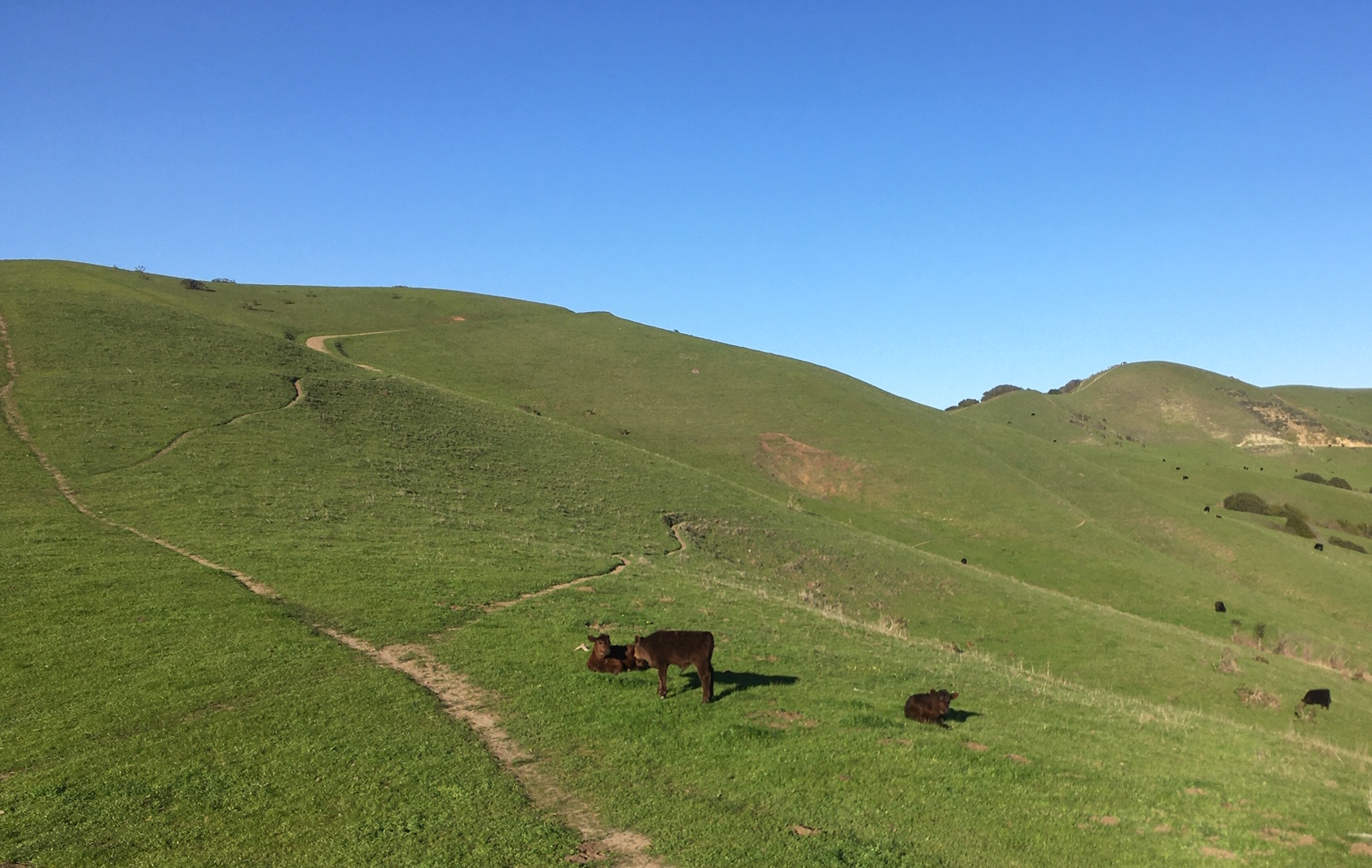

then, as you are hiking next to red angus calves and staring at the lowly plants below
you may see erodium the little cousin of garden geraniums
you may see clovers the nitrogen fixing fodder
and amidst these plants brought by the newcomers you may see an old time cali native –
the little fringed red maid aka Calandrinia ciliata, still blooming its little head off as they say
you may think back to the street islands in SF, planted with that pretty succulent from chile
Calandrinia spectabilis is it? thats its name, yup, rock purslane
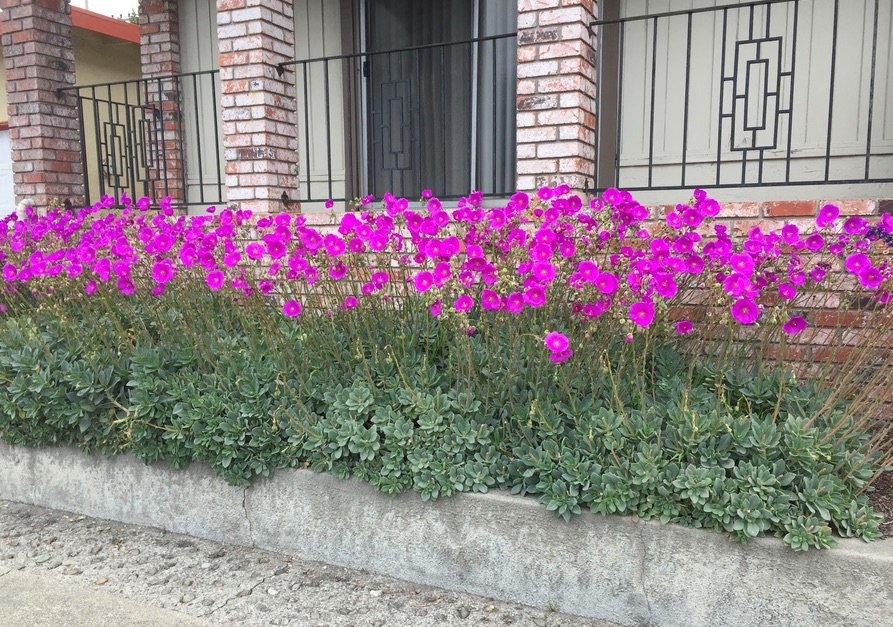
they are both calandrinias
they both have five bright petals, two cute short sepals
and you are like, well one is a perennial, another is an annual
one is a succulent, the other is not
one is from north america, the other from south america
but they are relatives, kin at some point in evolutionary history
and maybe, if you take the pollen from one, and brush it on the other
something might happen
or maybe nothing happens, probably nothing happens…
they are too different, but
who knows?!
until you try it and do it
nobody knows!
this is the challenge of propagation
taking a step off into the unknown
g luck!
Irrigation valves etc

Theres a few lessons all wrapped up together here
Here are the main ideas:
Many things run in a circle or circuit round and round
(reap what you sow, the circle of life, all that blah blah blah)
In a system, things often break at the junction or the connection.
(only as strong as your weakest link)
The more moving parts, the more likely things will break, especially when under pressure or tension, or due to use and fatigue over time.
(Nothing lasts forever, ‘its not the years, honey. its the mileage’)
Circuits and analogies:
Water enters the house at pressure, water leaves through the sewer
pumps and gravity provide the push and drain
blood leaves the heart through the arteries, returns through the veins
the heart and muscles provide the pumps
when you are alive you feed on plants and animals and on bits of minerals and metal
when you die you feed little animals and plants and go back to the earth
in irrigation, theres a circuit between the timer controller and the valve
electricity goes round and round
turn on, turn off, turn on, turn off
timer controller to solenoid to valve and back again in a loop
Lotta different colored wires, but they all finish the circuit together. In this case along the green common wires:

At the junction analogies:
when you turn fifty sixty seventy years old
its knees and hips and shoulder replacements
at the joints
if you are a butcher without a bandsaw
where do you cut?
where the bones meet, cut right through the ligaments
a few tiny cuts, and bend it back
using the bones themselves as leverage
and the point as an anchor to work off of
Where do a lot of accidents happen?
at the intersection or along a straightaway?
where people meet, or where people are off by themselves?
wheres is a fight more likely to happen?
down at the bar or the nightclub, or in the cabin in the woods?
where will you hear the most interesting stories?
where people of all the same gender class height and weight gather
or where there is a mix of experiences and life challenges?
Where do we trouble shoot irrigation problems?
at the valves opening and closing
between fittings and connections
where two wires are twisted together
where the copper meets the brass, or where the brass meets the plastic
at the spot with the rubber washer, the plastic flange, the teflon tape
at the junction
Here, a waterproof silicon filled connector was not used. So over time water snuck up in there and algae and mosses started to grow:

Moving parts analogies:
I have a little fillet knife
a leather covered rapala blade from finland
it is the oldest tool I own, about 36 years old
its still in fine shape, a blade of stainless steel and a hardwood handle
been through the salt and sand and countless fish
still works great, no moving parts
metal is a bit thinner from filing it sharp, but other than that
never had a problem with it
from there we move on to the pruning shears with some nuts and bolts
and on up to chainsaws and mowers
small machines with moving parts
small machines that work well if you take care of them
keep em oiled, keep em sharp
In landscape irrigation:
that gate valve
maybe it crusted over from not being used for fifteen years
metal parts all rusted into one another
That ball valve
maybe it got used too much
kids playing with it, on off on off
maybe there was high pressure in the pipes
100, 120, 150 pounds per square inch of pressure
all that water hammering and stopping and going finally messed up the valve
water carrying lime and iron and bacterial speck sediments full of clogs
rats chewing on wires
wetness and algae seeping into the electrical wire connectors
rain filling up the irrigation box with poor drainage
there is a lot happening in the garden
where it is not dry and clean and pest free
where the sun’s UV lights are beaming during the day, tearing apart atom chains
and that cold wetness chill creeps in at night, making things weak and brittle and rotten
Theres some irrigation boxes that are sitting in soil with poor drainage. Often clay hardpans. This is the result:

its amazing with all that is happening
stuff works as well as it does
until some catastrophic event
that is why you build safeguards and repetition and redundancy into the system
that is why, if you can, keep it simple and elegant
Function is the design
Does it work? Is it working?
 Mission Azul