This is the pictorial part of the OH53 Maintenance class ‘tool, equipment and supplies final’ for the spring semester. It is grouped by the topics we covered in class. Please refer to the written exam questions in order to answer with correct responses. Thank you.

Fences & hedges

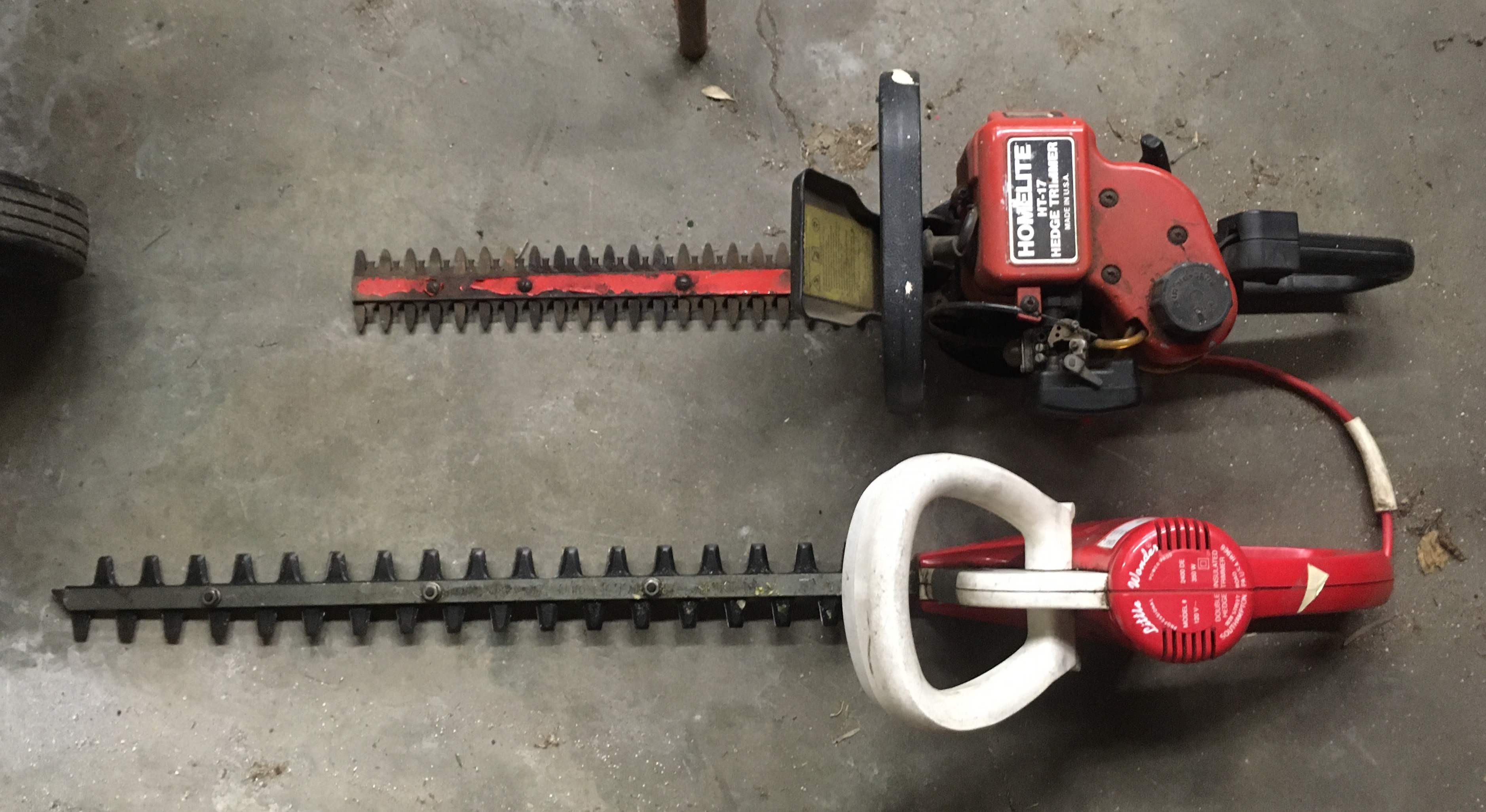
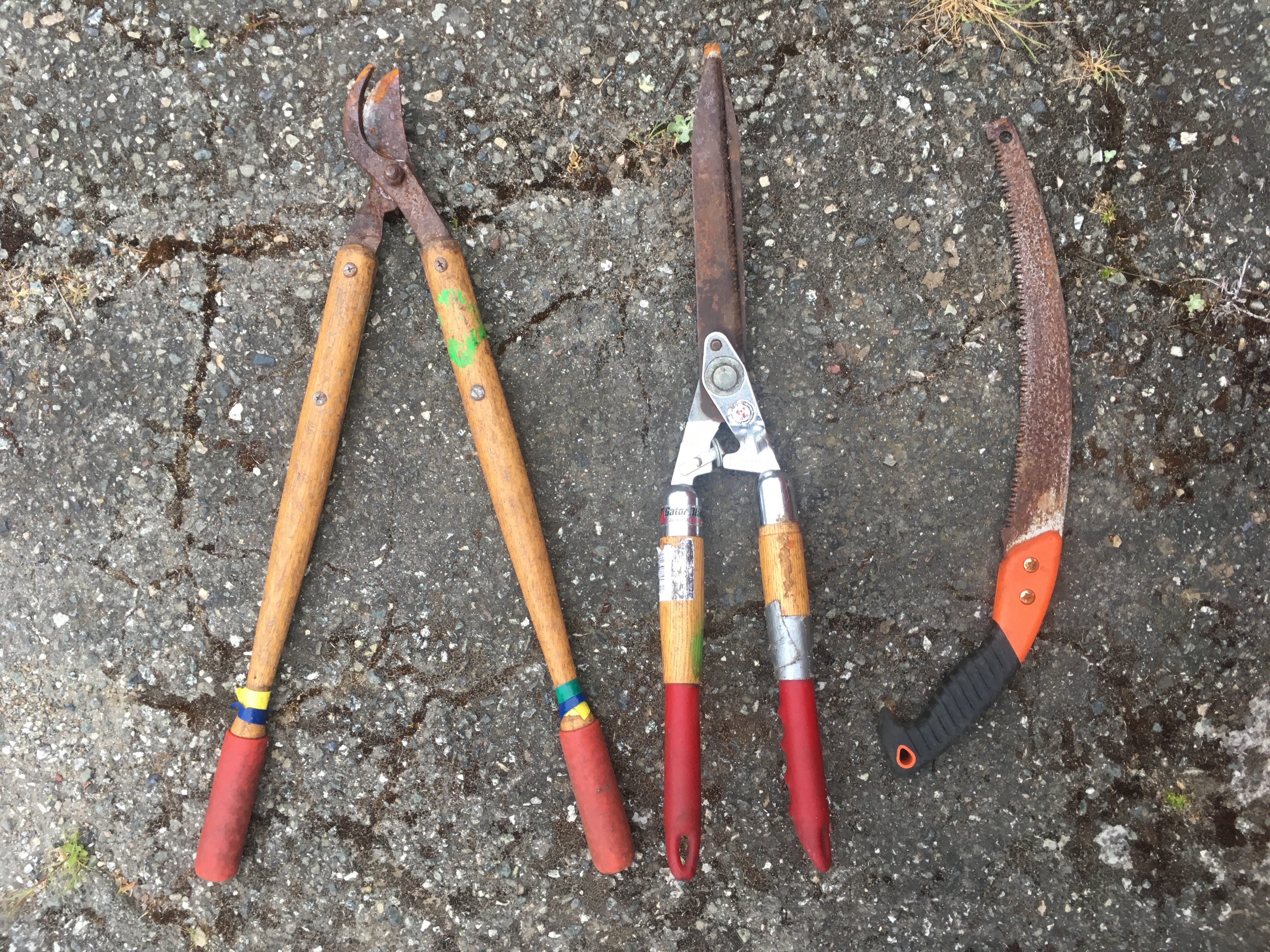
  1. Two kinds of hedgers:

2. Pruning and hedging hand tools:
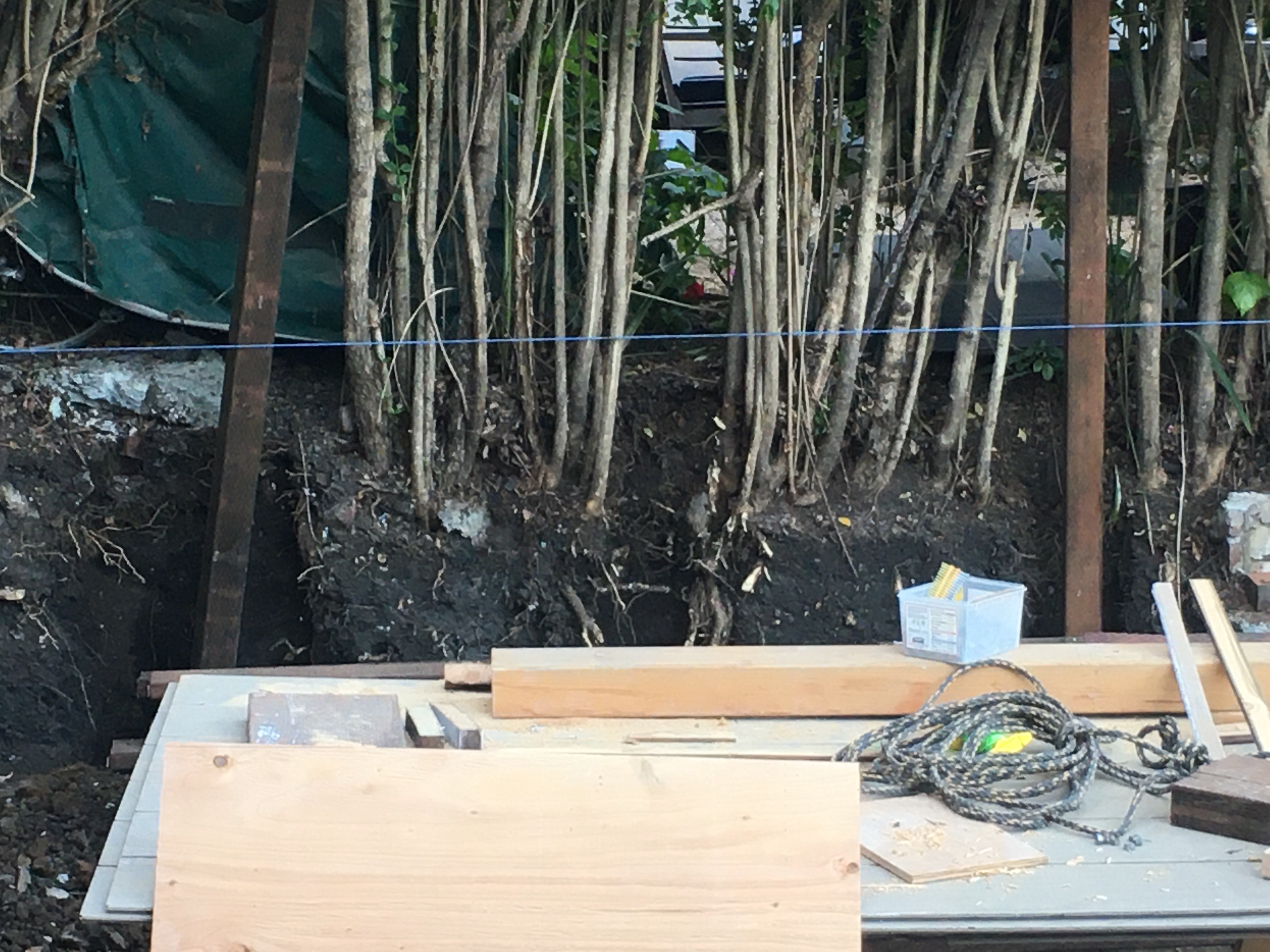
3. Polypropylene line and posts
Grasses & turf care

4. Sean and power tool
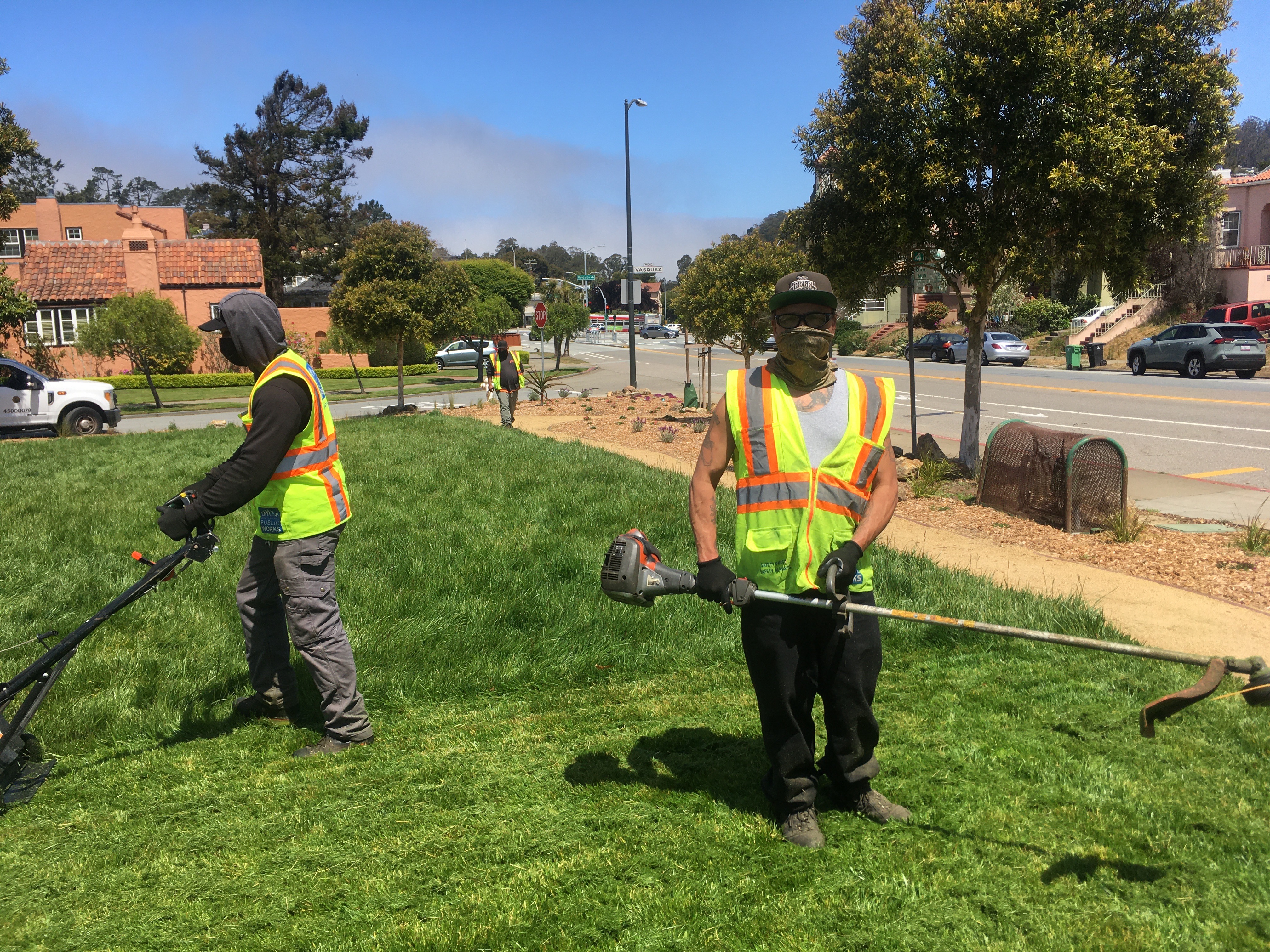
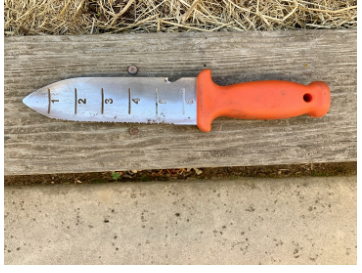
5. Ulu-like hand tool:
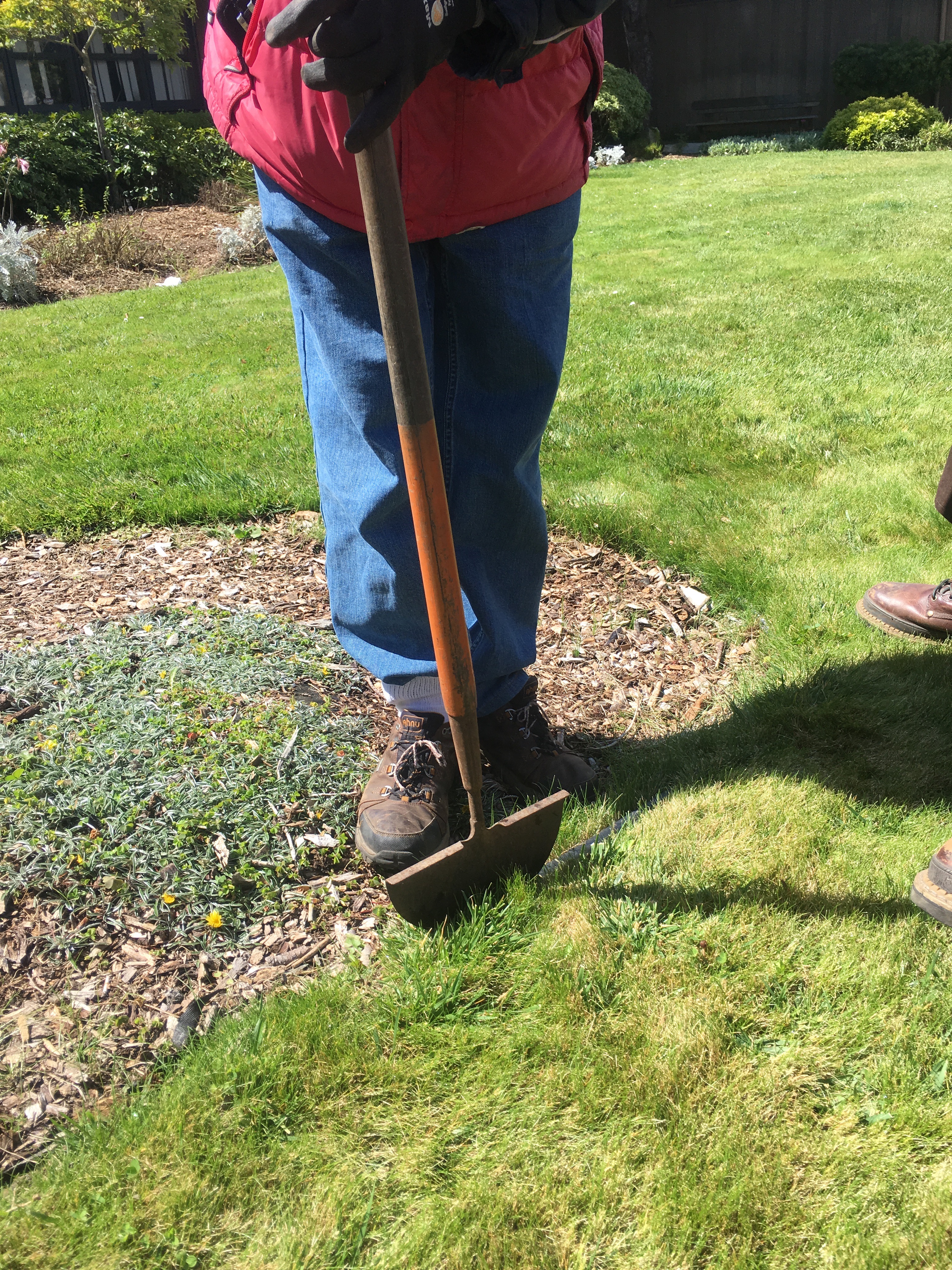
6. Turf and sidewalk
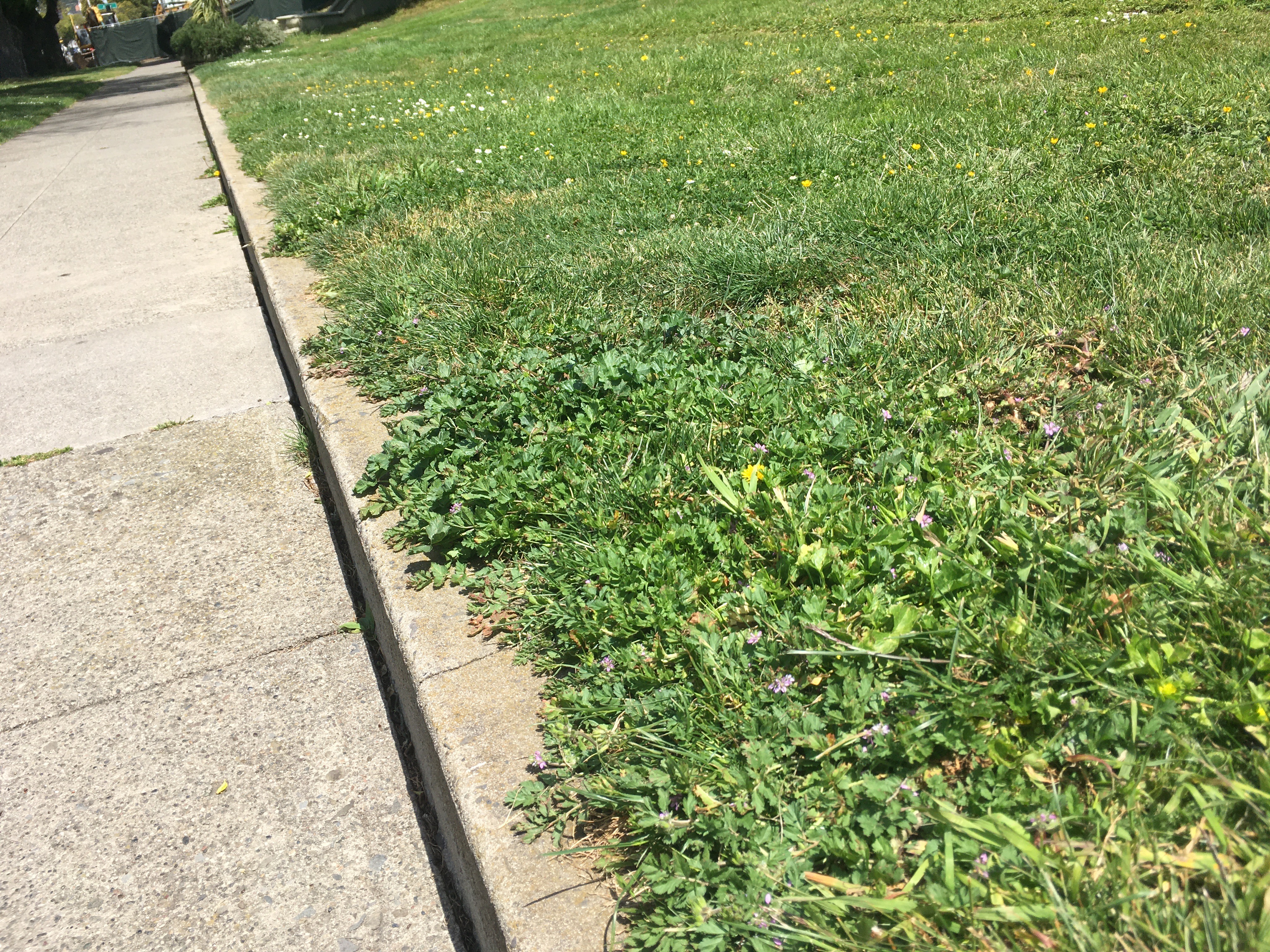
7. Lawn care tool
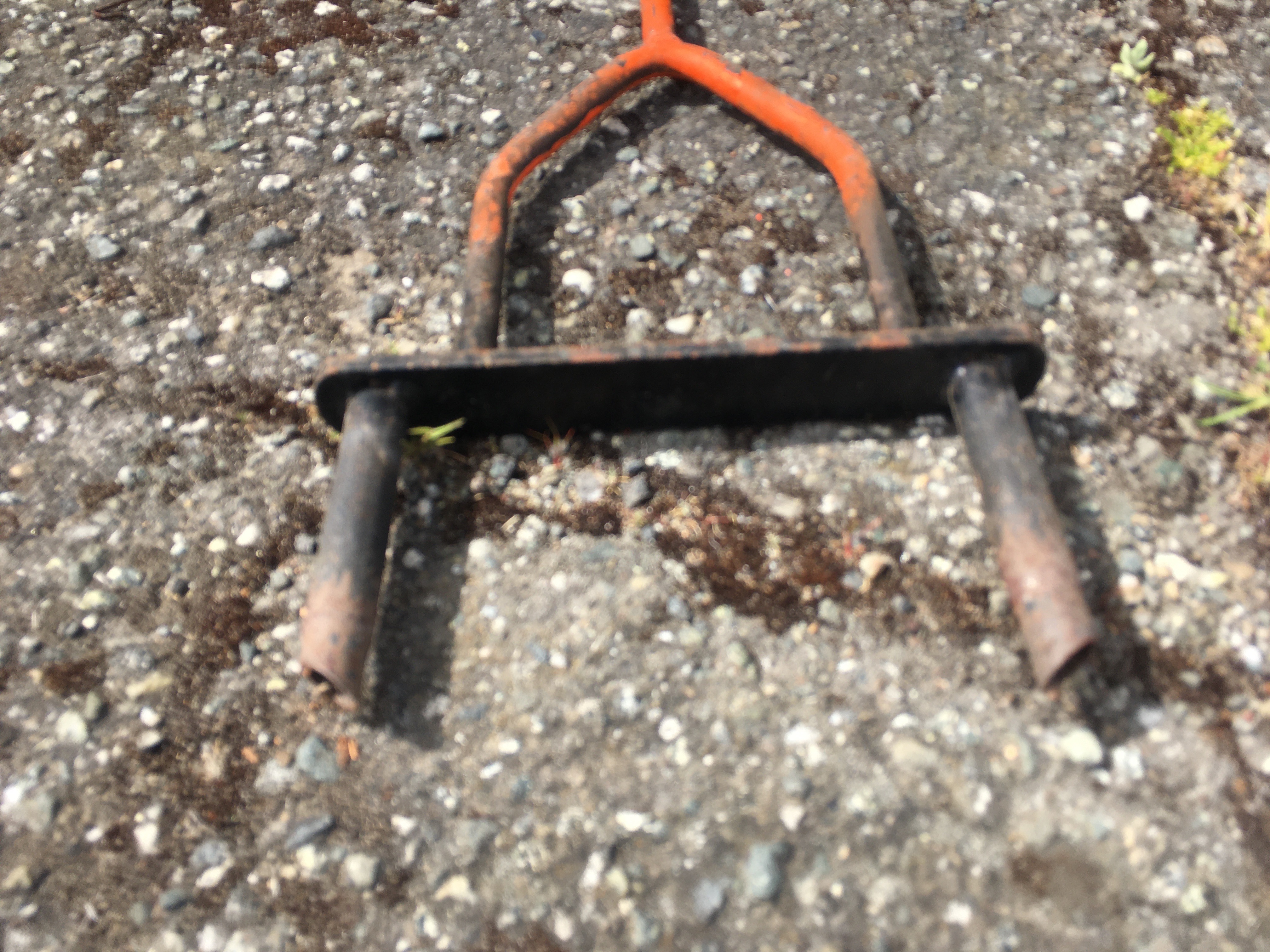
8. Half mowed lawn
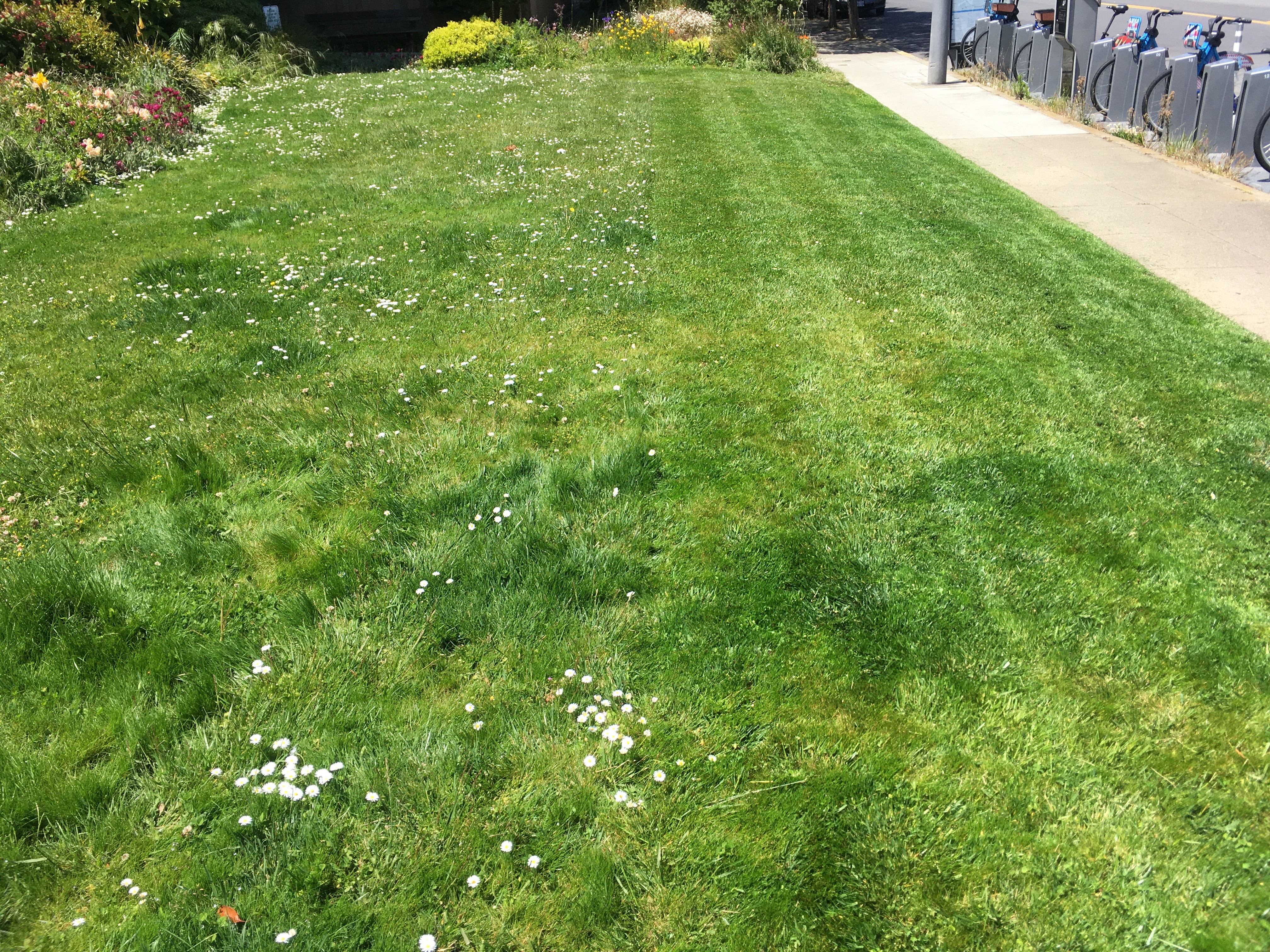
9. Mower blades

10. Weeding tool
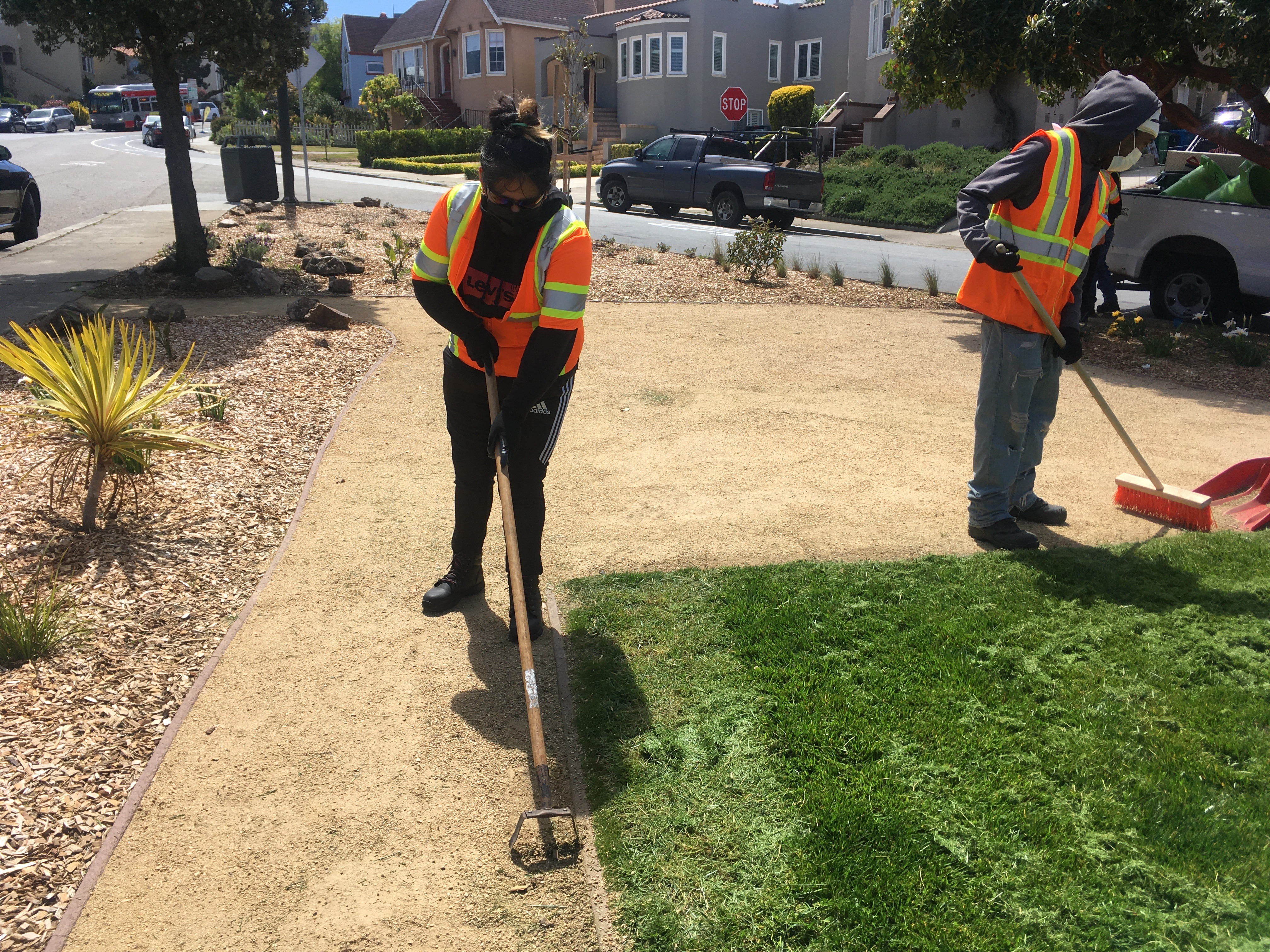
11. Cutting implement under the mower
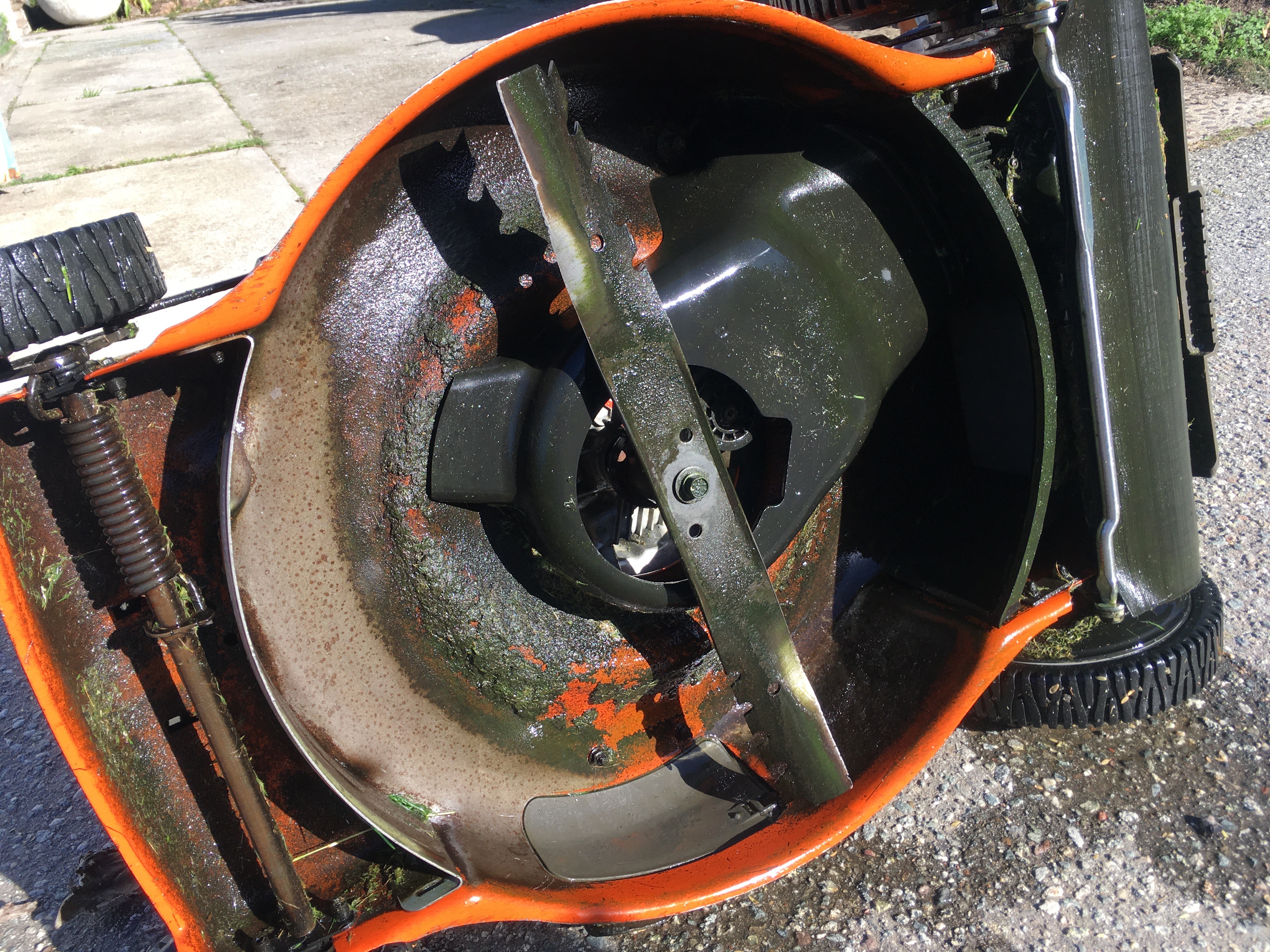
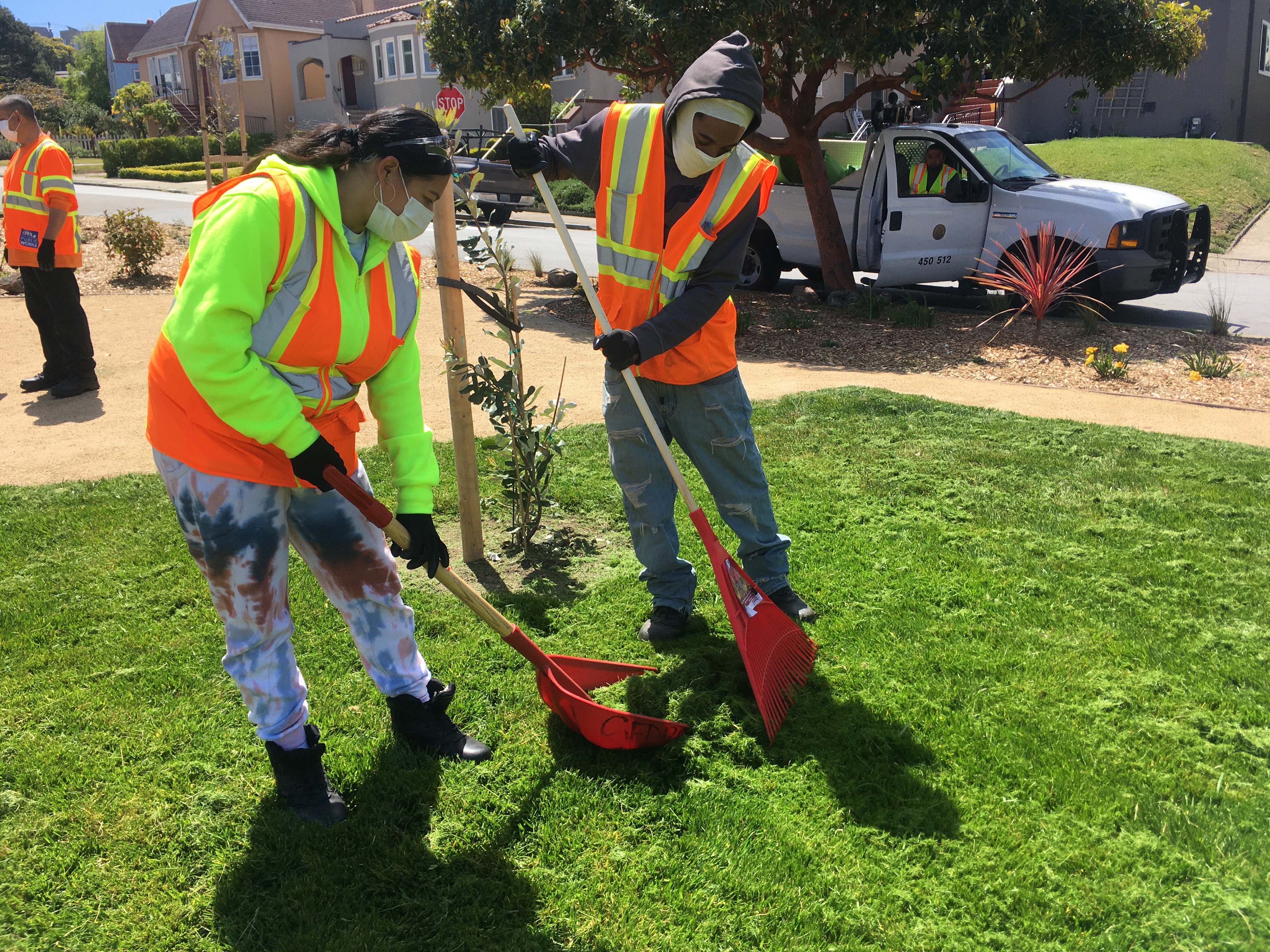
12. Tools to collect grass clippings
Two versus four cycle

13. Symbol next to broken fuel cap
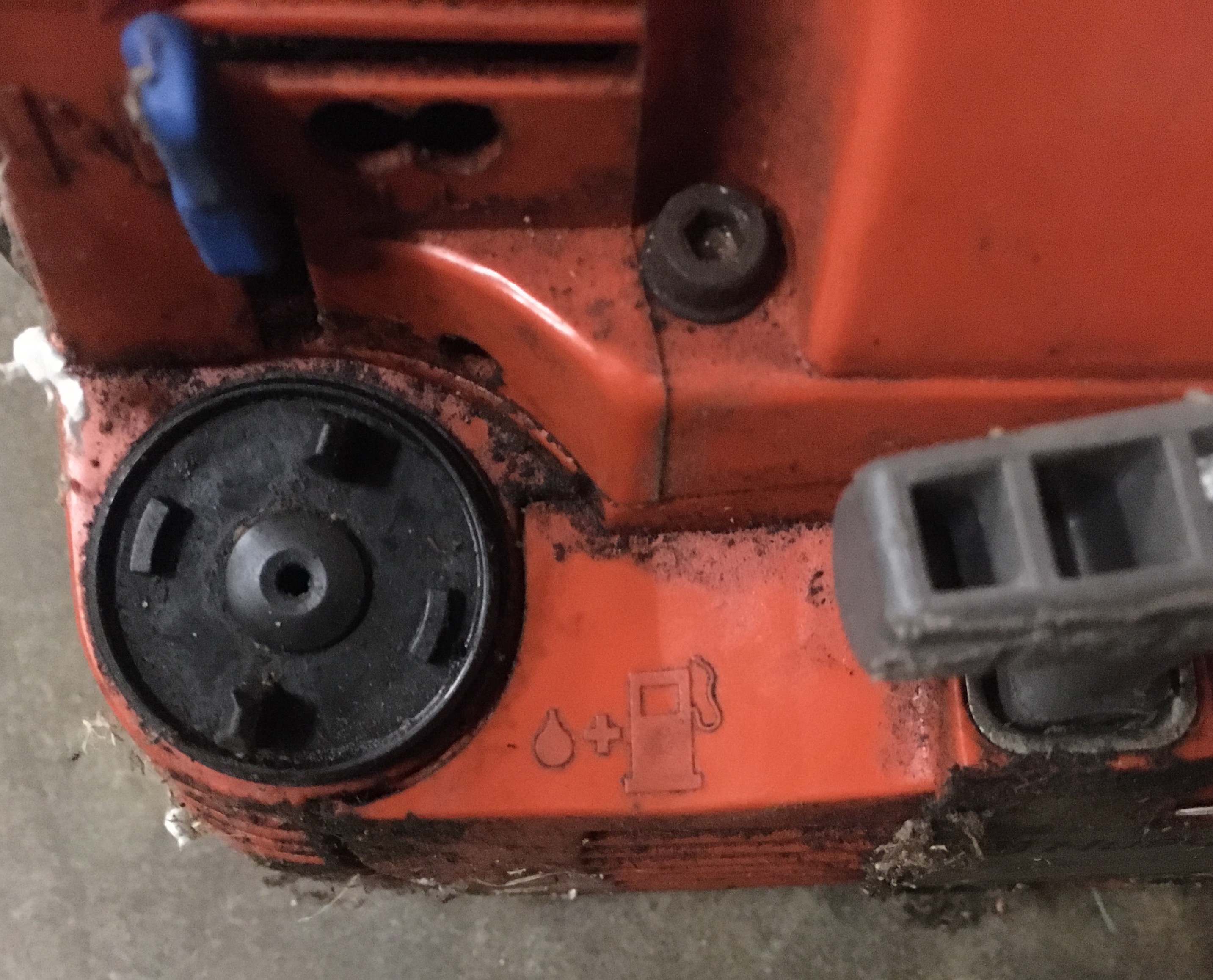
14. 2 cycle oil and gas cans

15. An orange switch and some symbols

16. A fuel cap with a symbol and letters on it
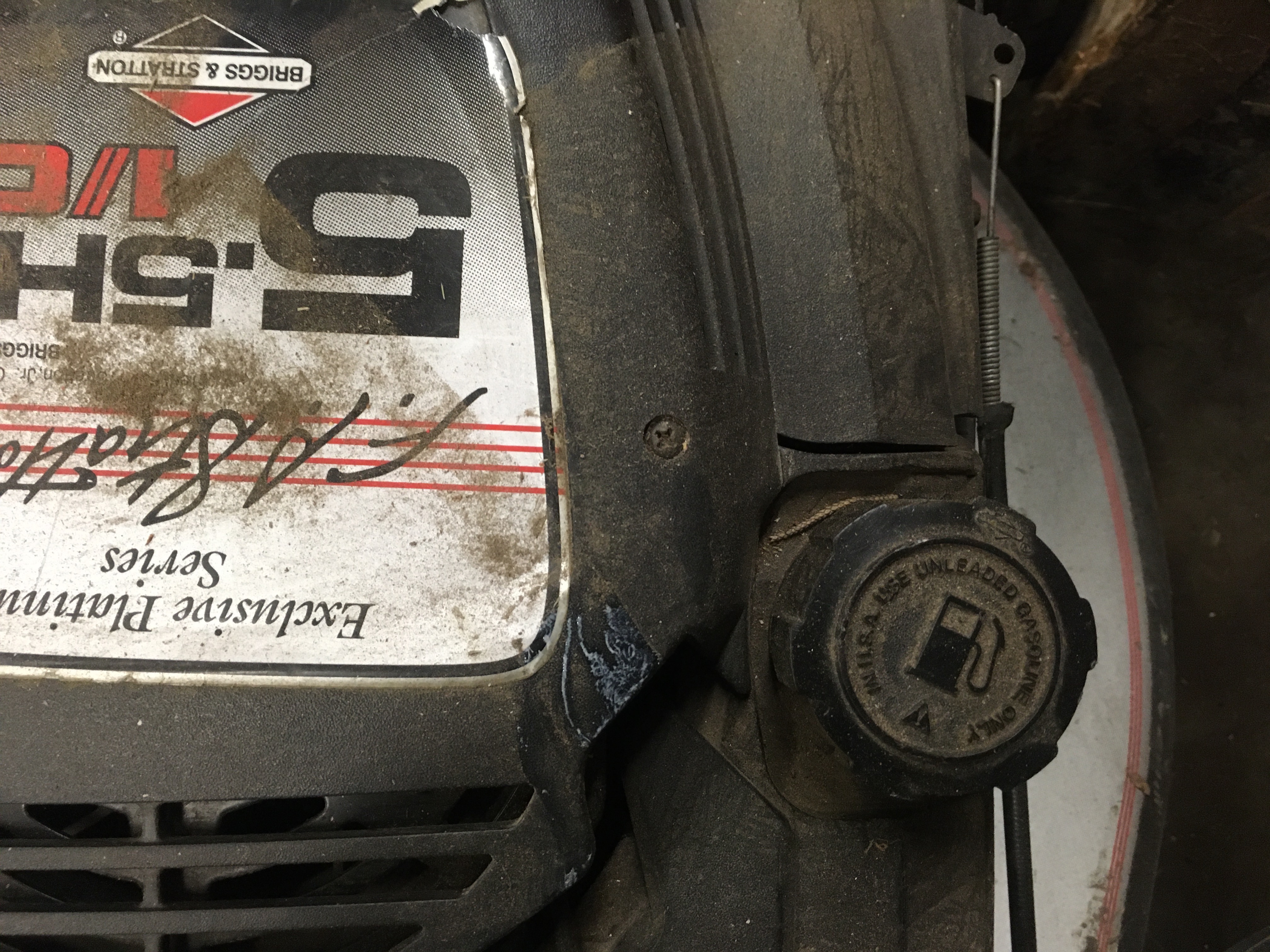
17. A fuel cap with letters on it

Bulbs

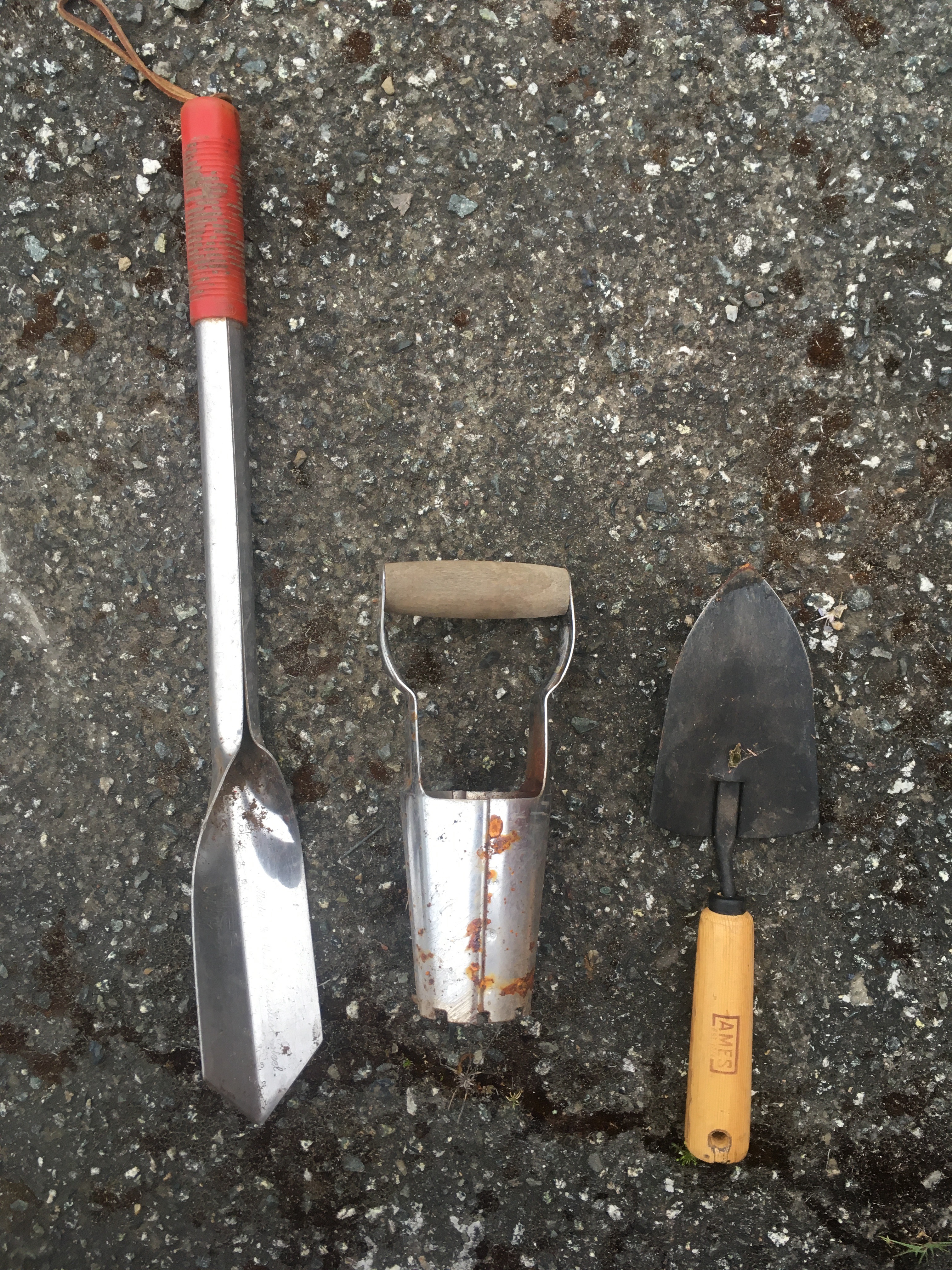
18. Three kinds of hand tools for digging
Fertilizers

19. A rectangular and a round plastic container
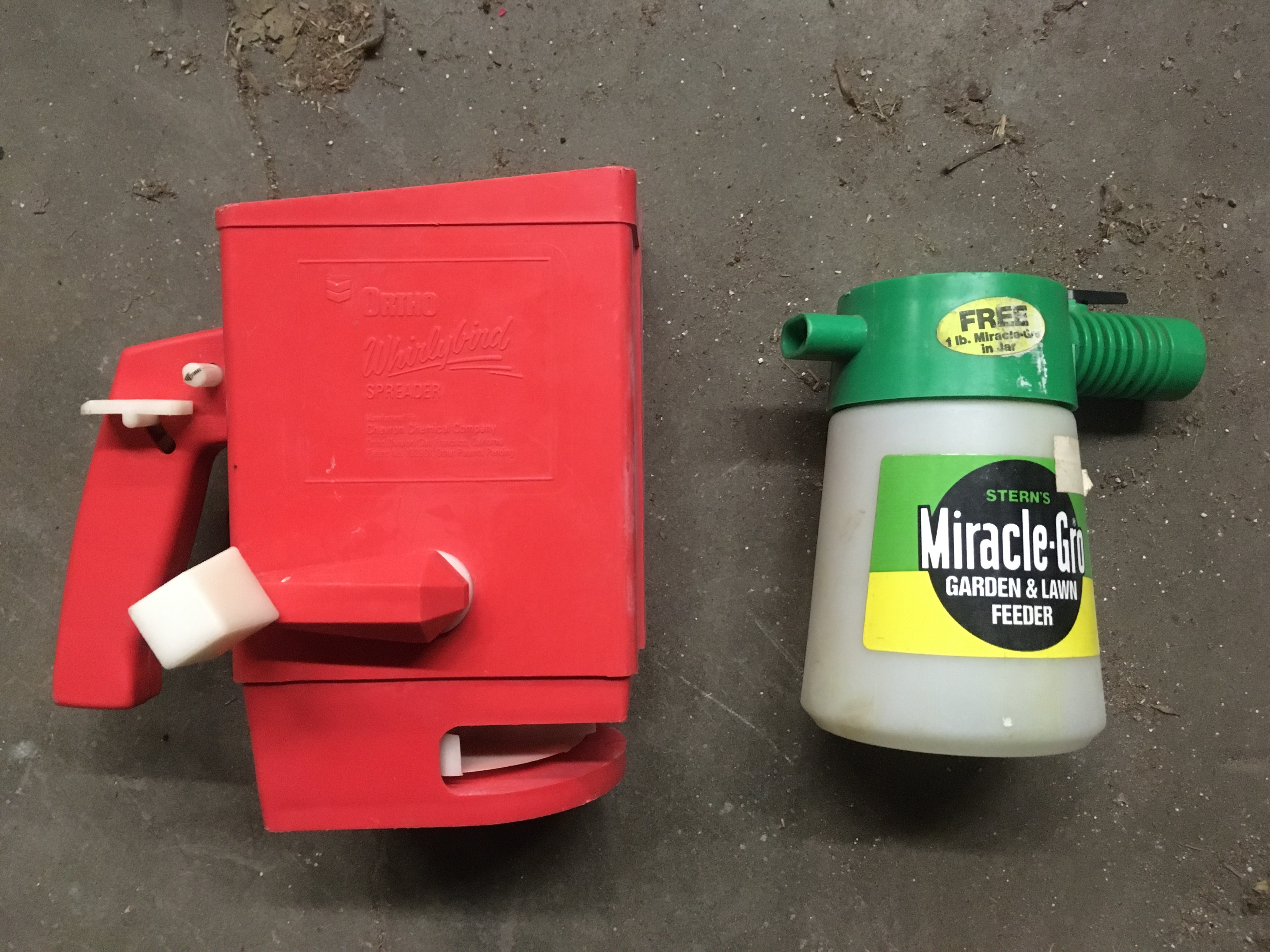
20. A large plastic rectangular bucket

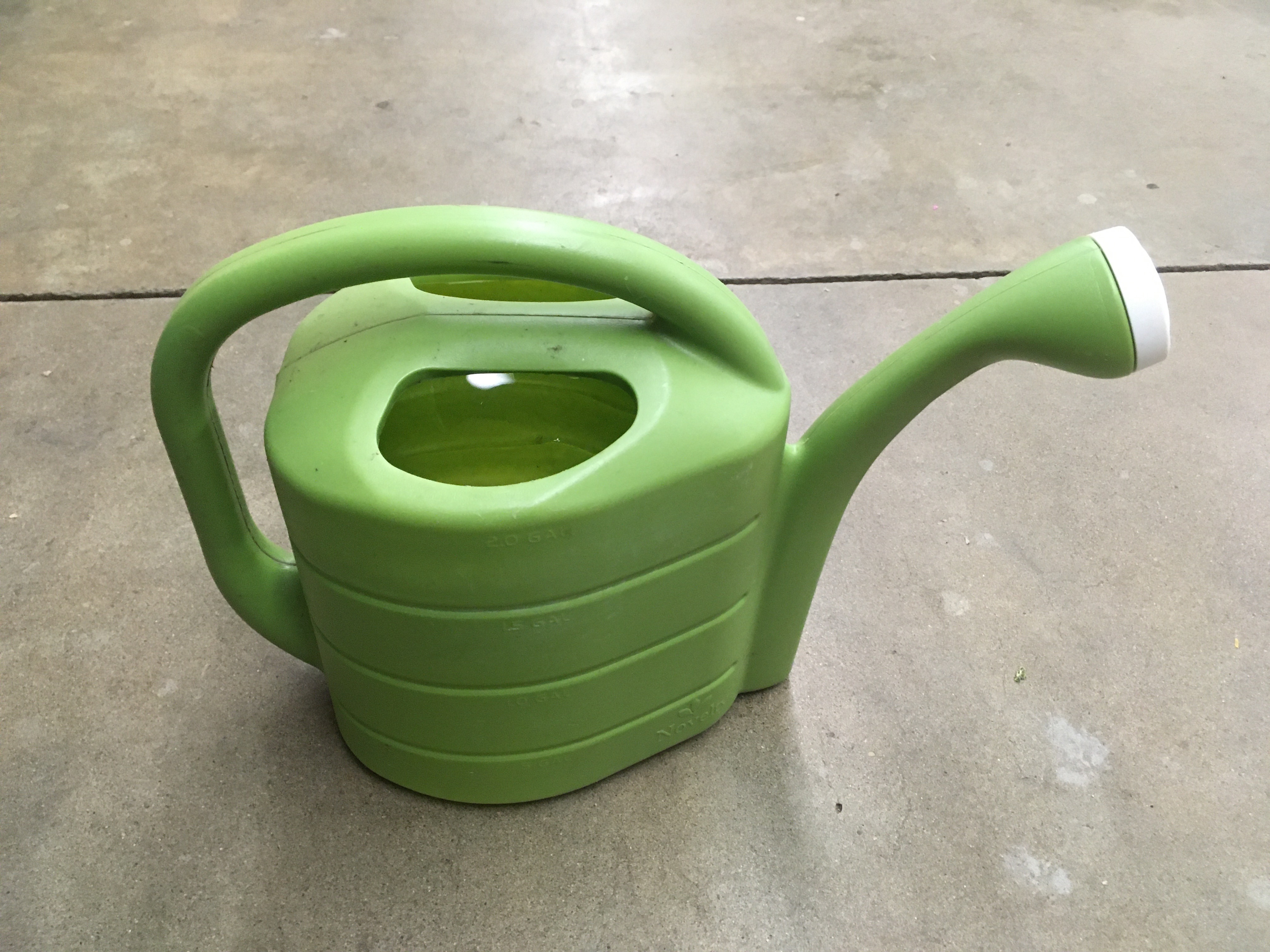
21. A green plastic can with a spout
Unions, connections, and intersections

22. The round white piece inside one end of the hose

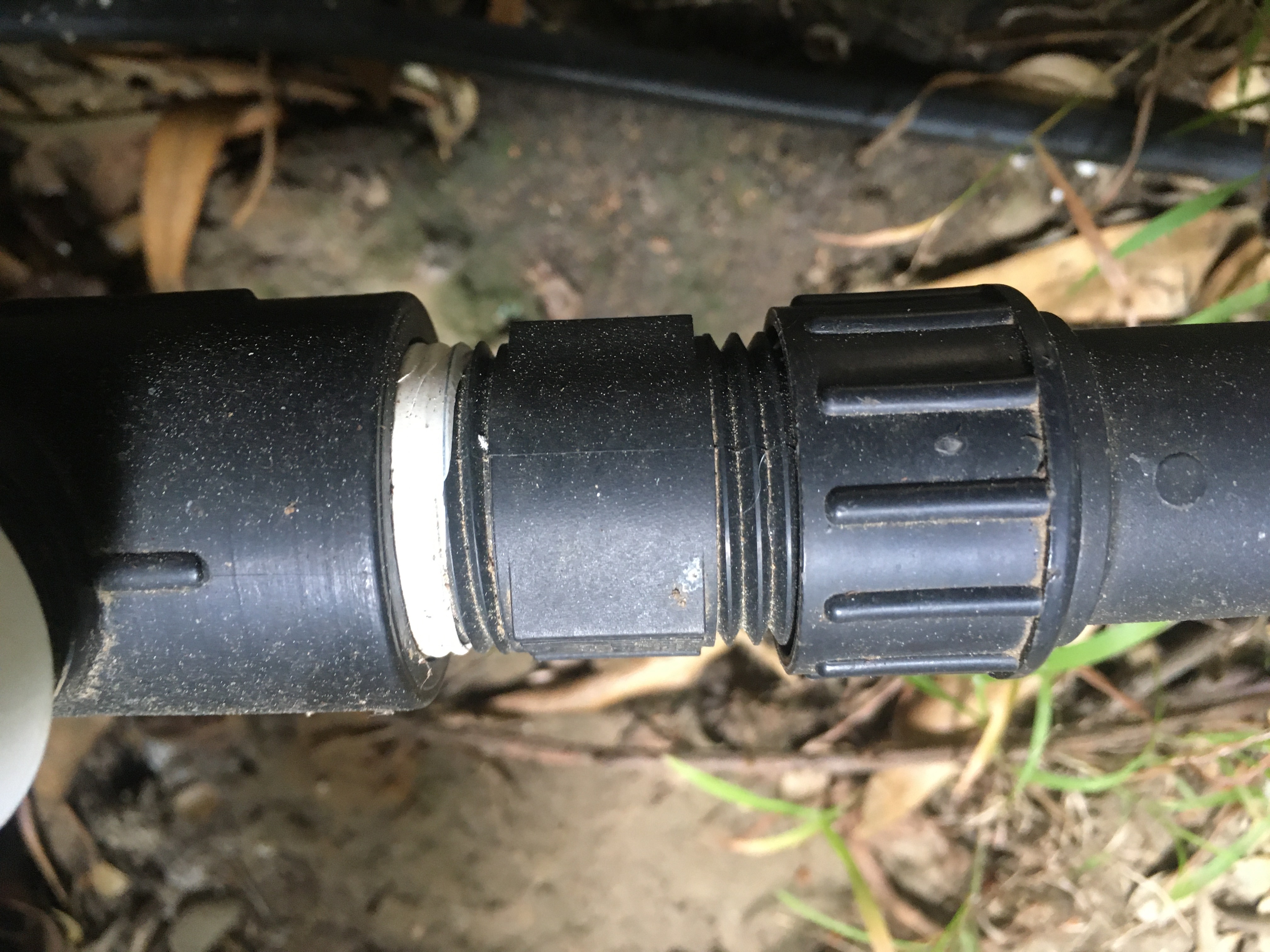
23. The connection between plastic parts
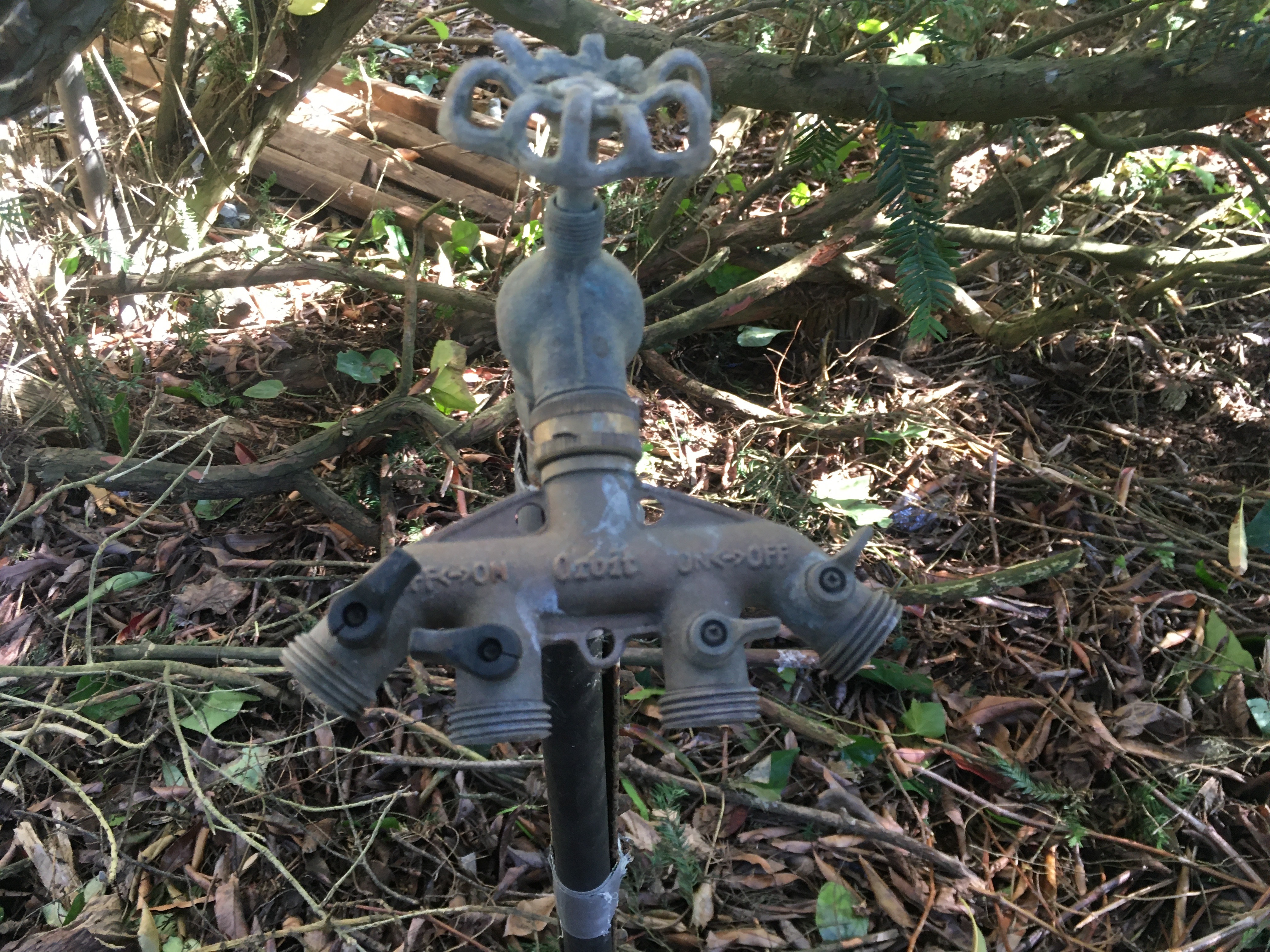
24. A hose bib with multiple connections
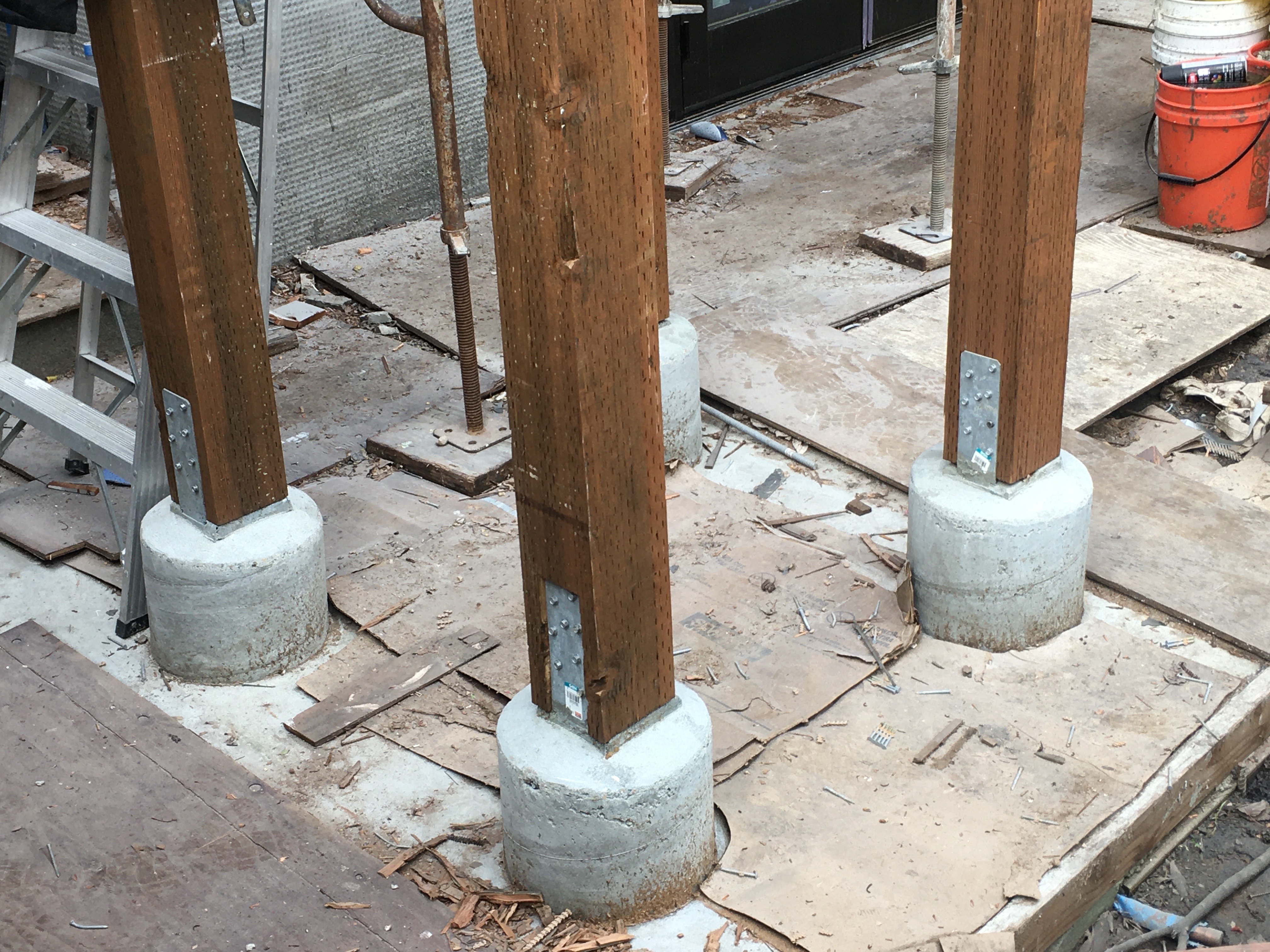
25. Where the pressure treated lumber meets the concrete
26. The black membrane/cloth between the soil and the pressure treated lumber

27. Between the concrete pavers on top and the soil underneath

Valves & irrigation

28. The two white PVC pipes underneath the remote control valve
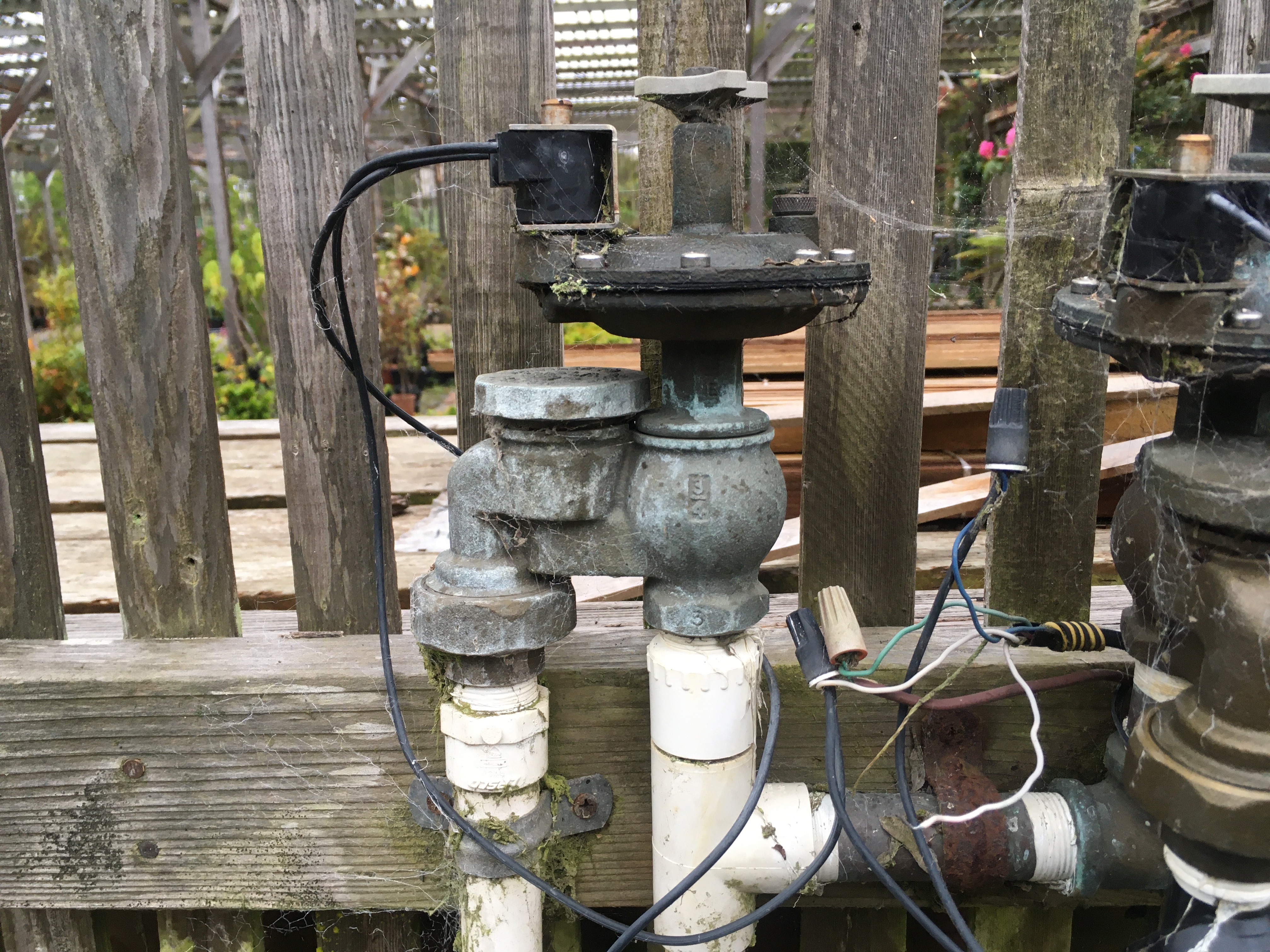
29. The brass piece threaded onto the hose bib

30. The valve inside an irrigation box
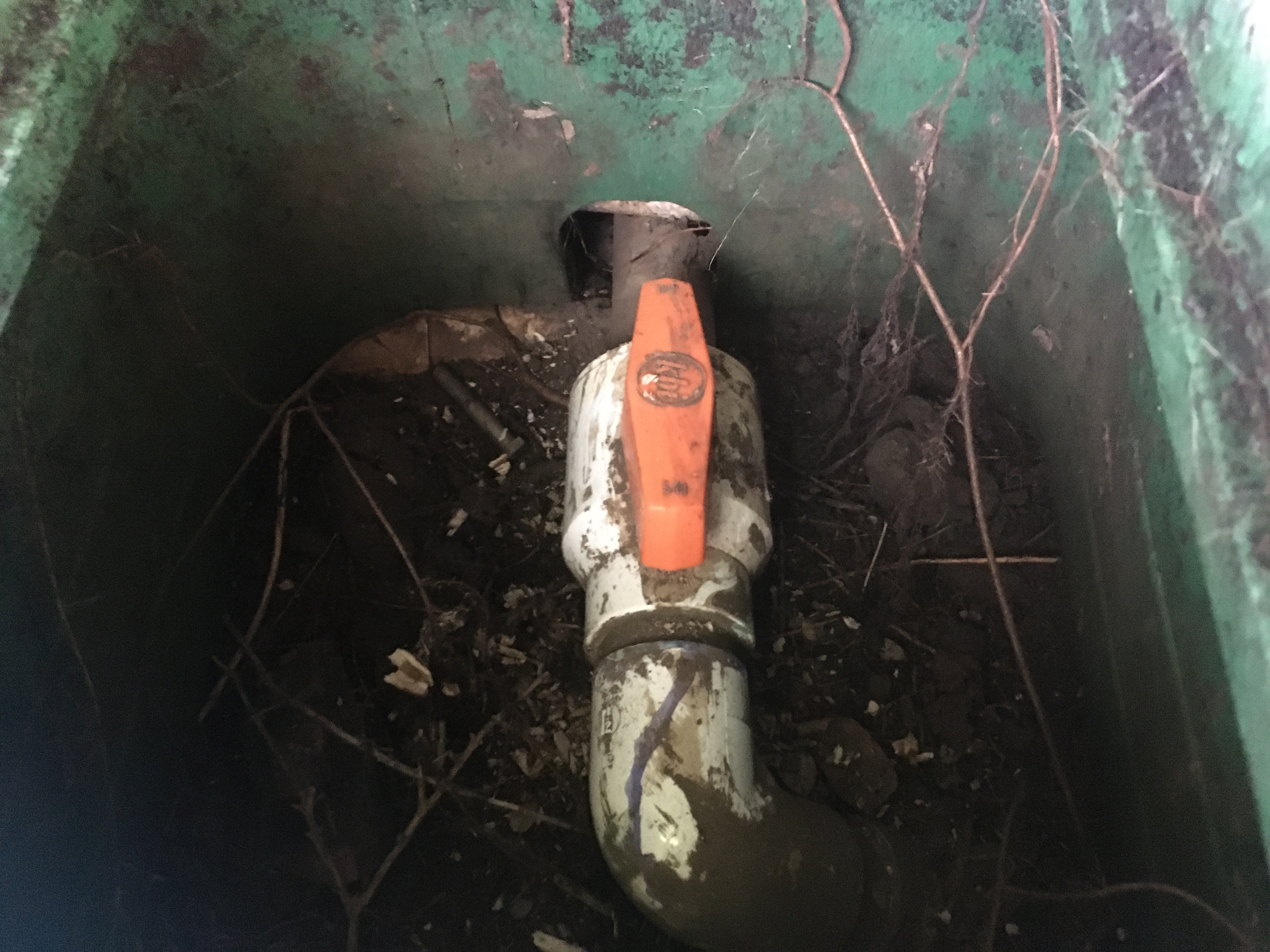
31. The round knob with a green circle on the left, the round knob with xxxx markings on the right
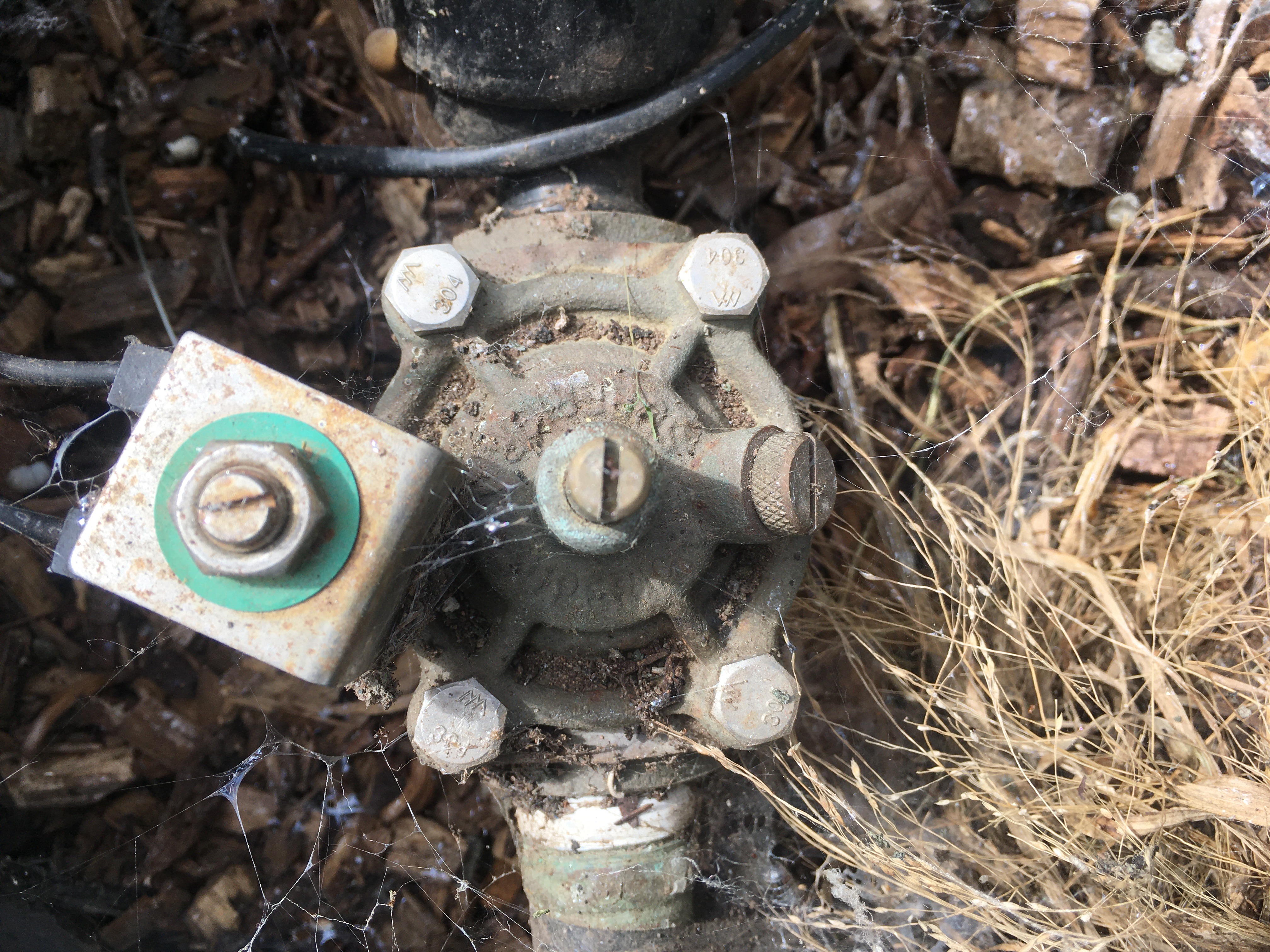
32. The pipe and the hose bib
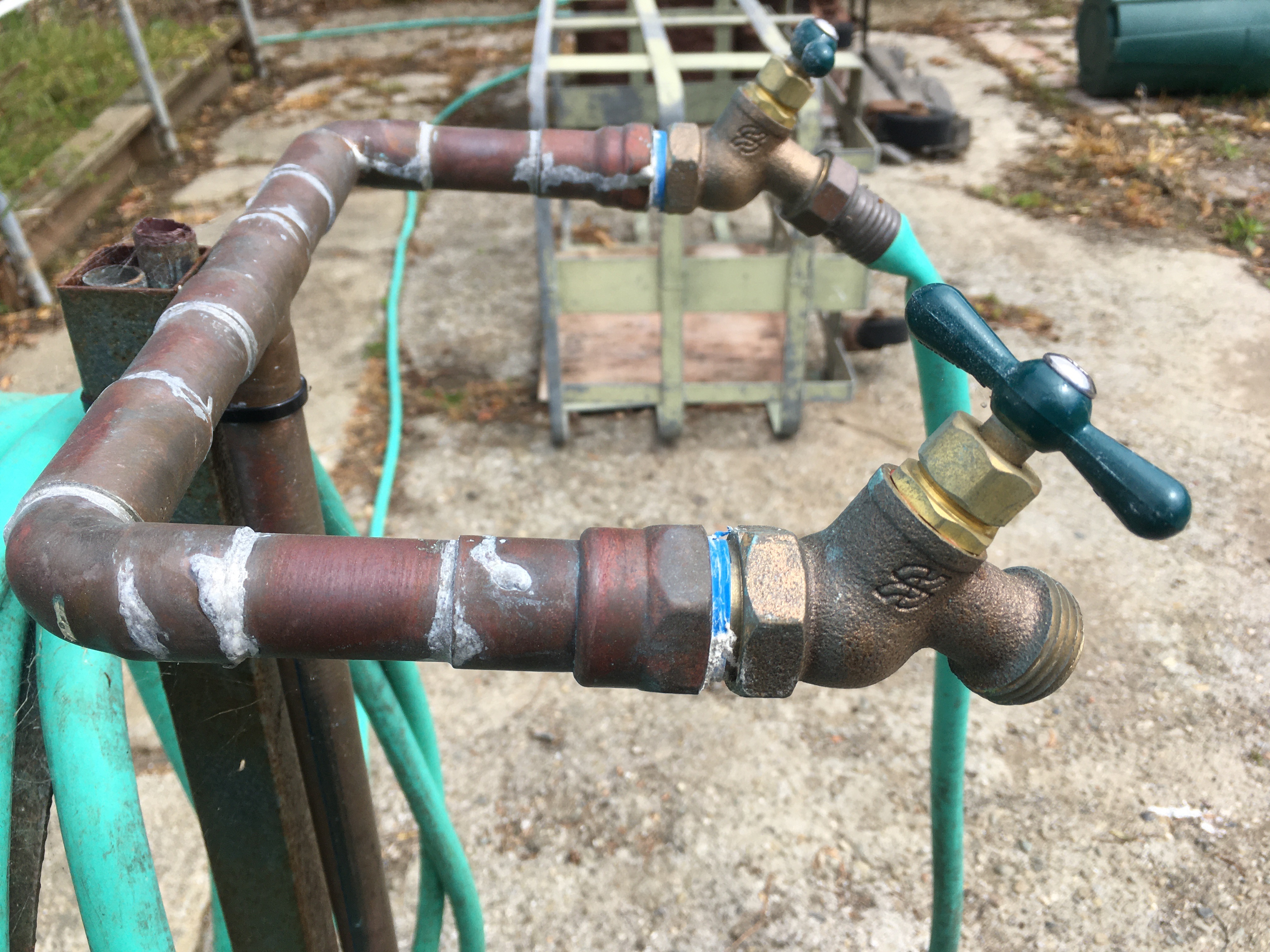
33. The plastic pipe connected to the hose bib
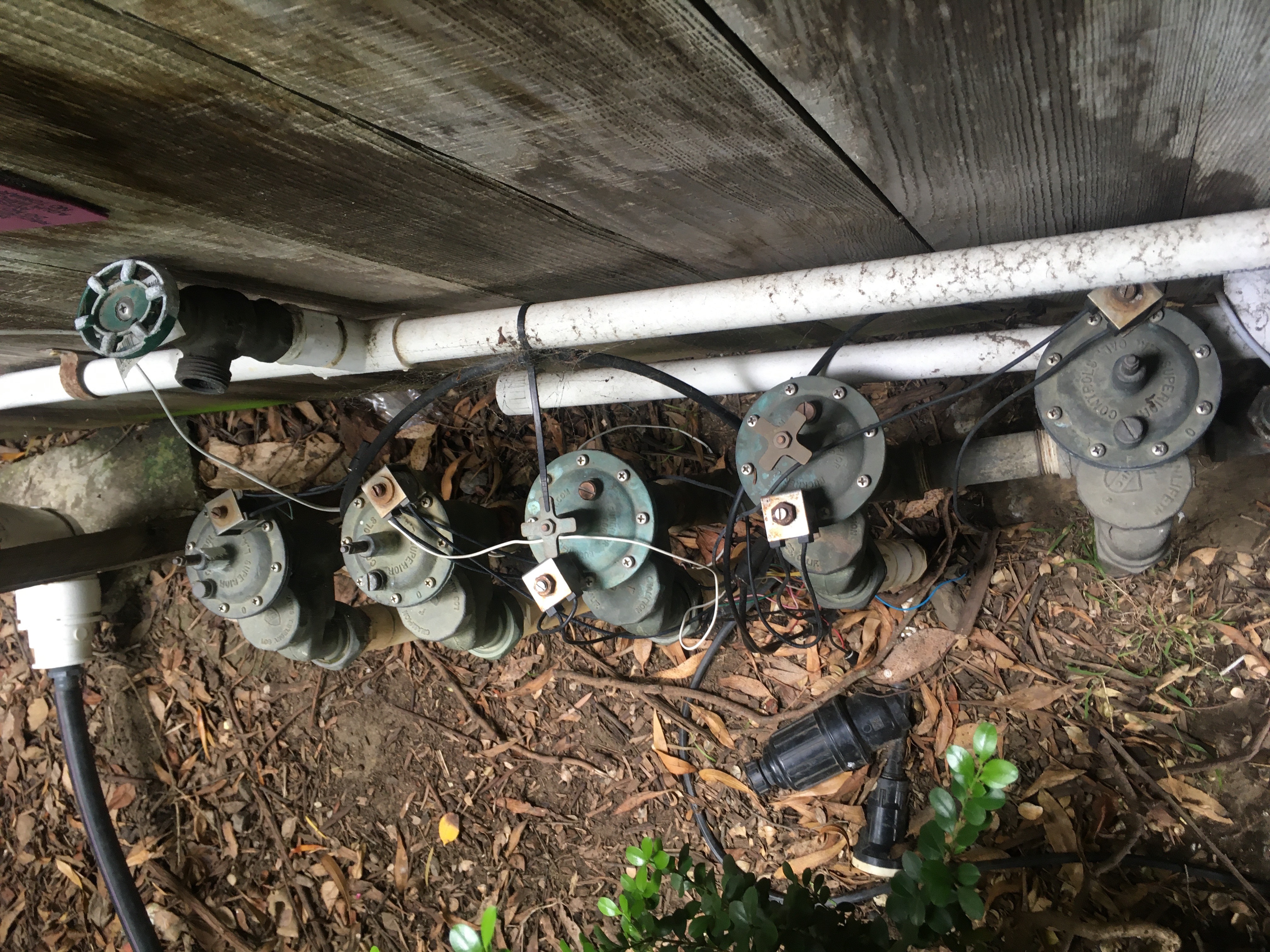
34. Remote control valves in a series
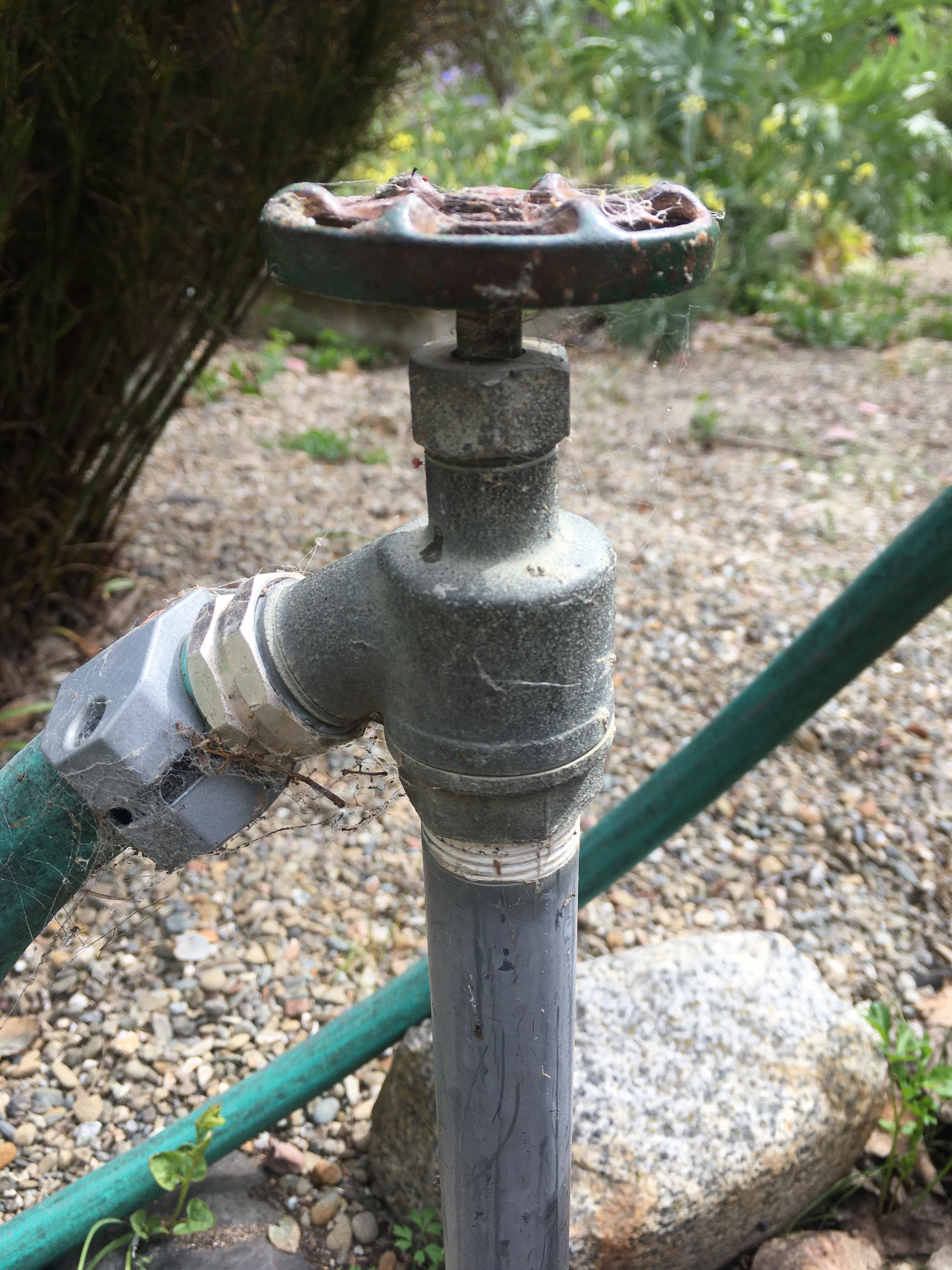
35. Hose bib

36. The connection between the wires
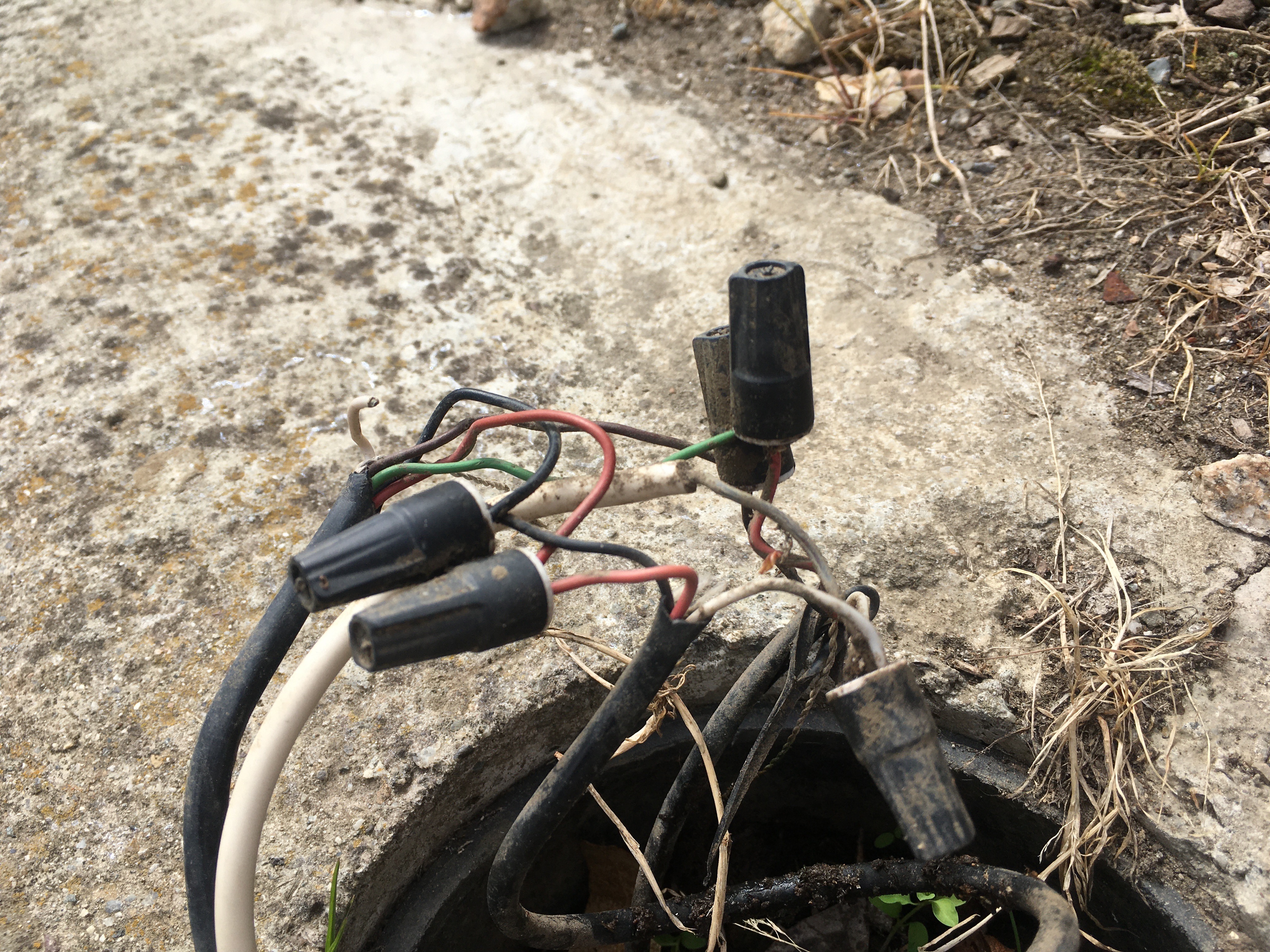
37. The connection between the hose and the quick coupler

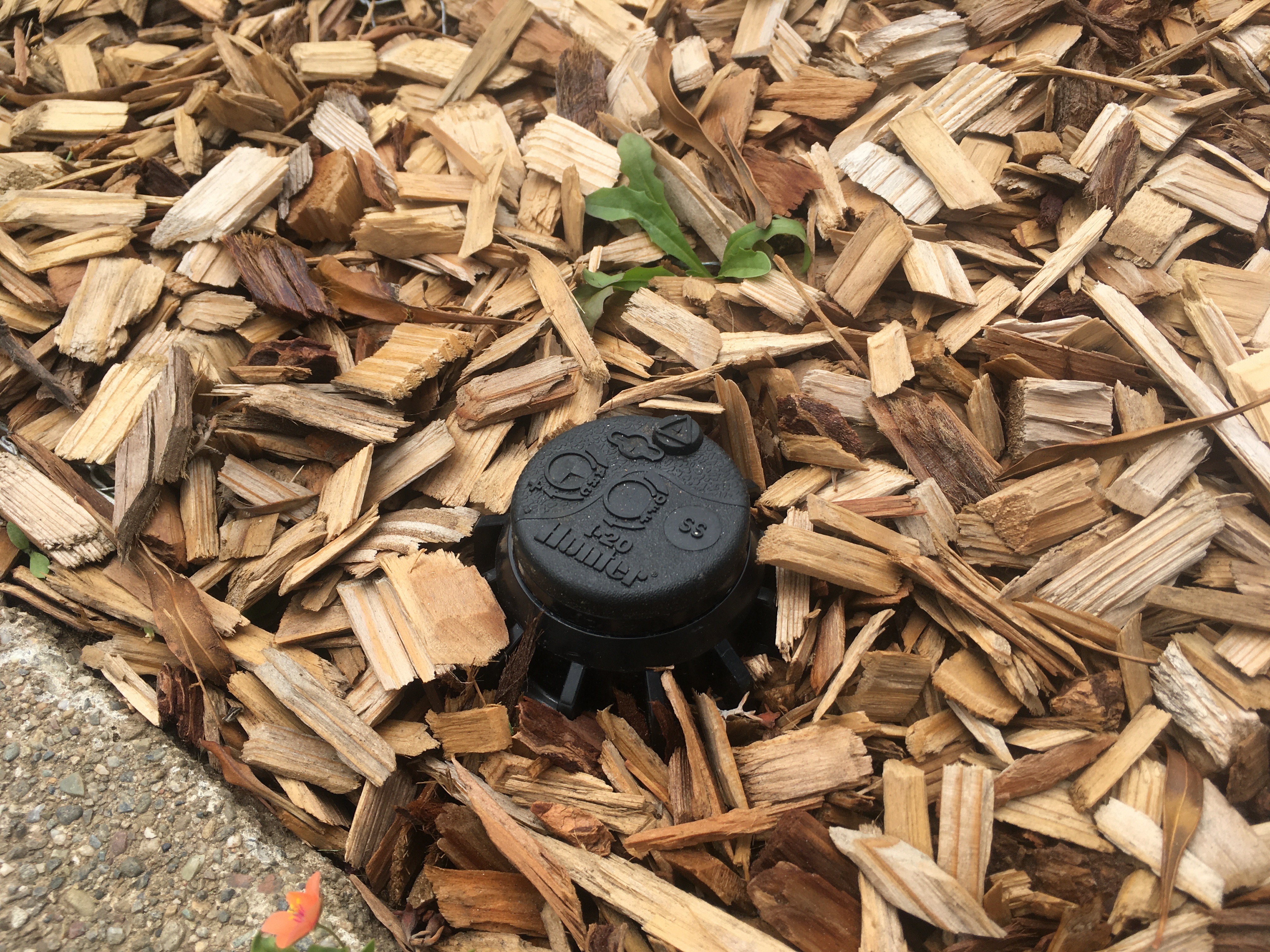
38. A Hunter I-20 sprinkler
39. Some valves in a cage

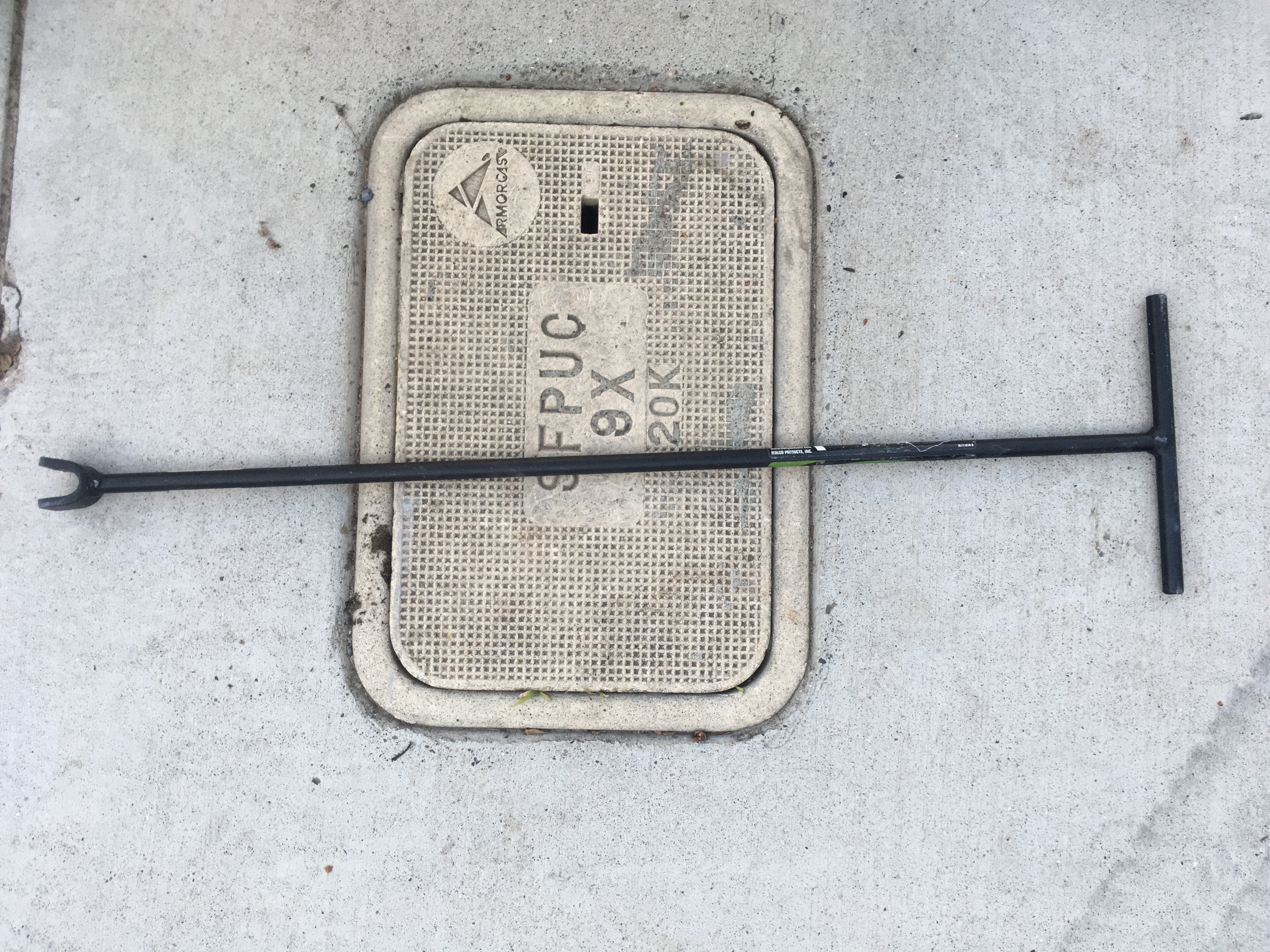
40. A metal T shaped tool and a box that says SFPUC
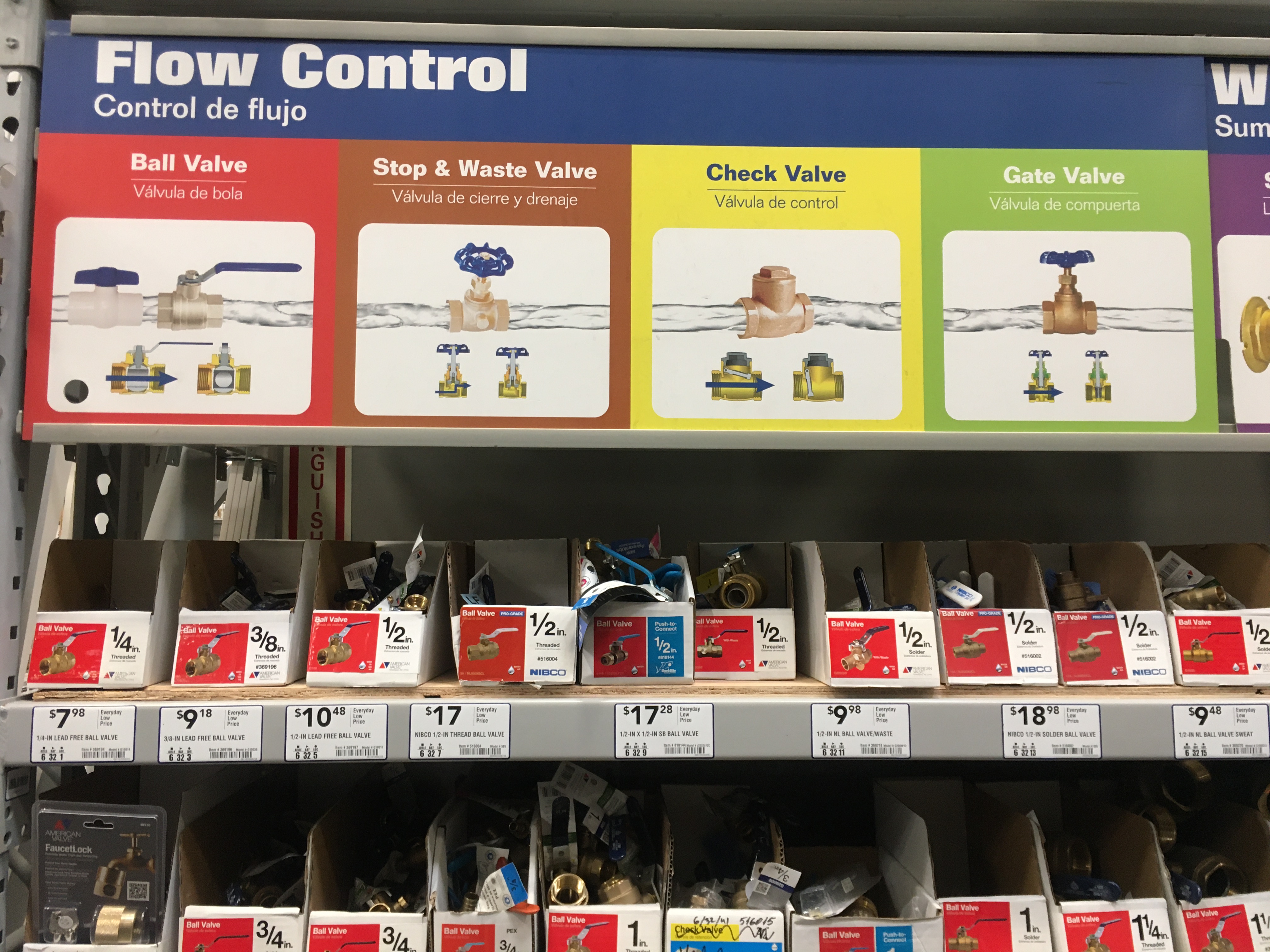
41. Different styles of valves
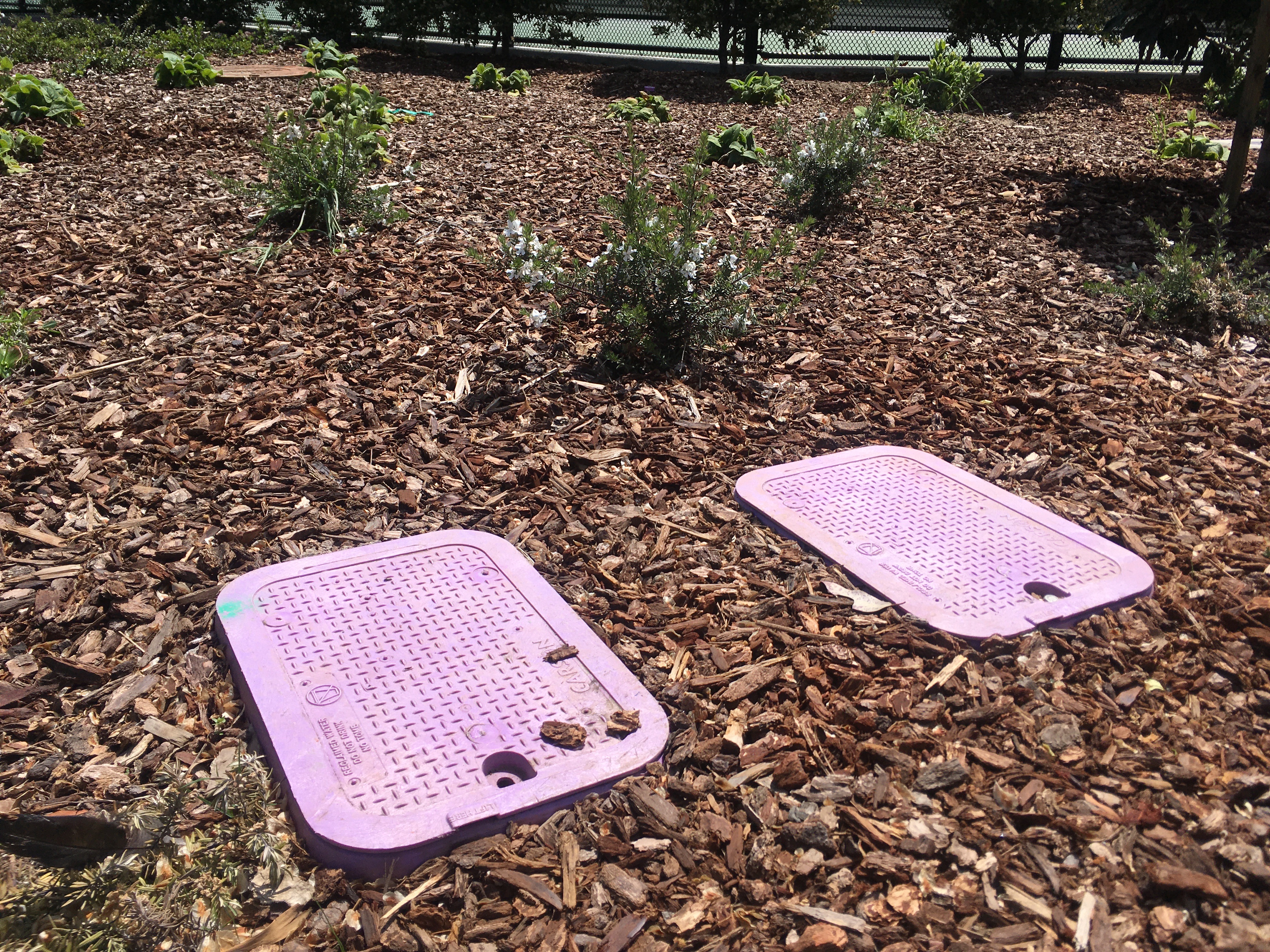
42. Two irrigation boxes
43. The white bucket at the upper left corner mounted on the electric power pole

44. A broke piece of plastic inside a brass hose bib

45. The brass pieces between the hose bib and the hose

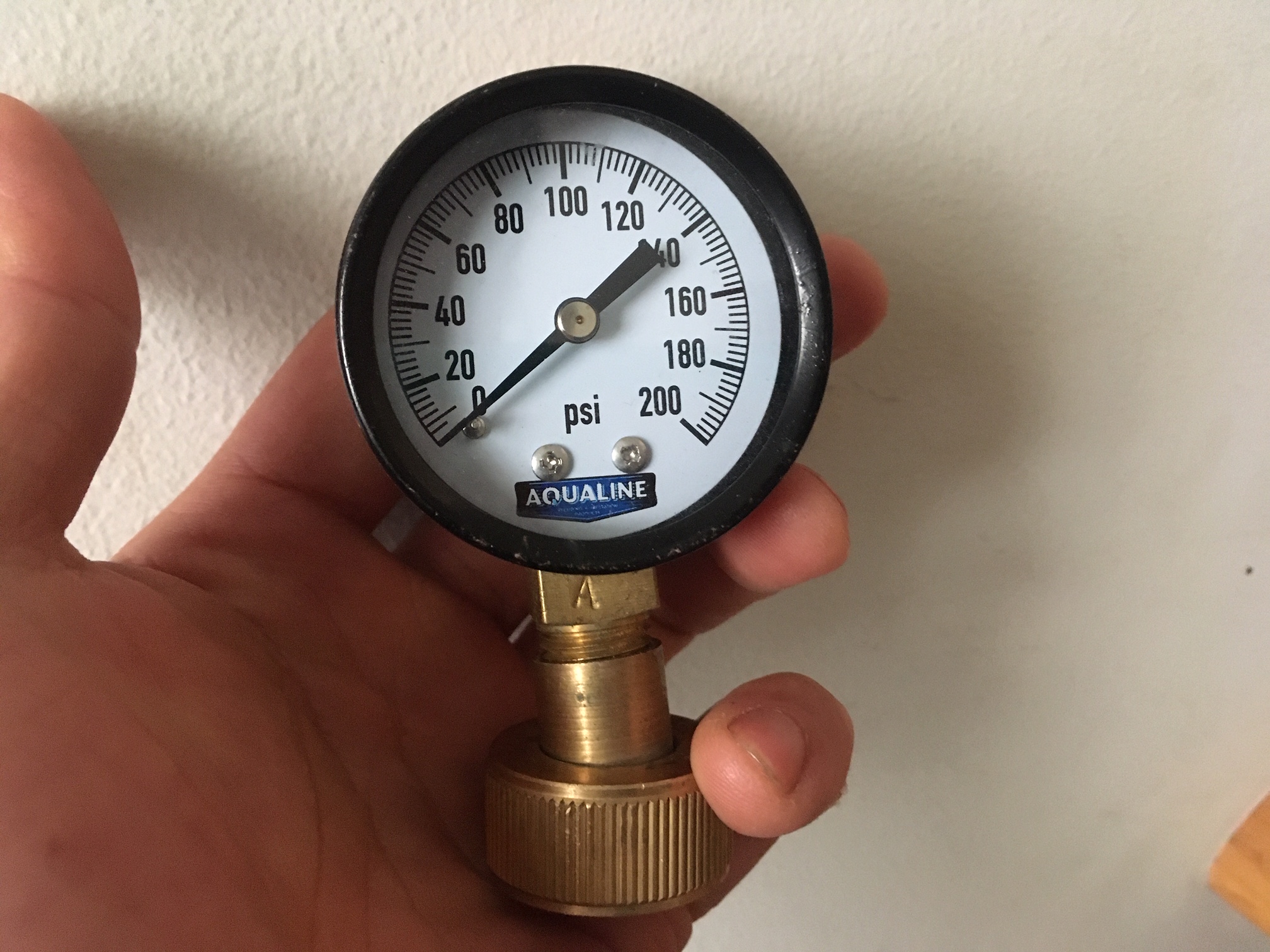
46. A meter to measure PSI
47. A white plastic PVC fitting

Mammal and bird pests

48. A green trap made of metal

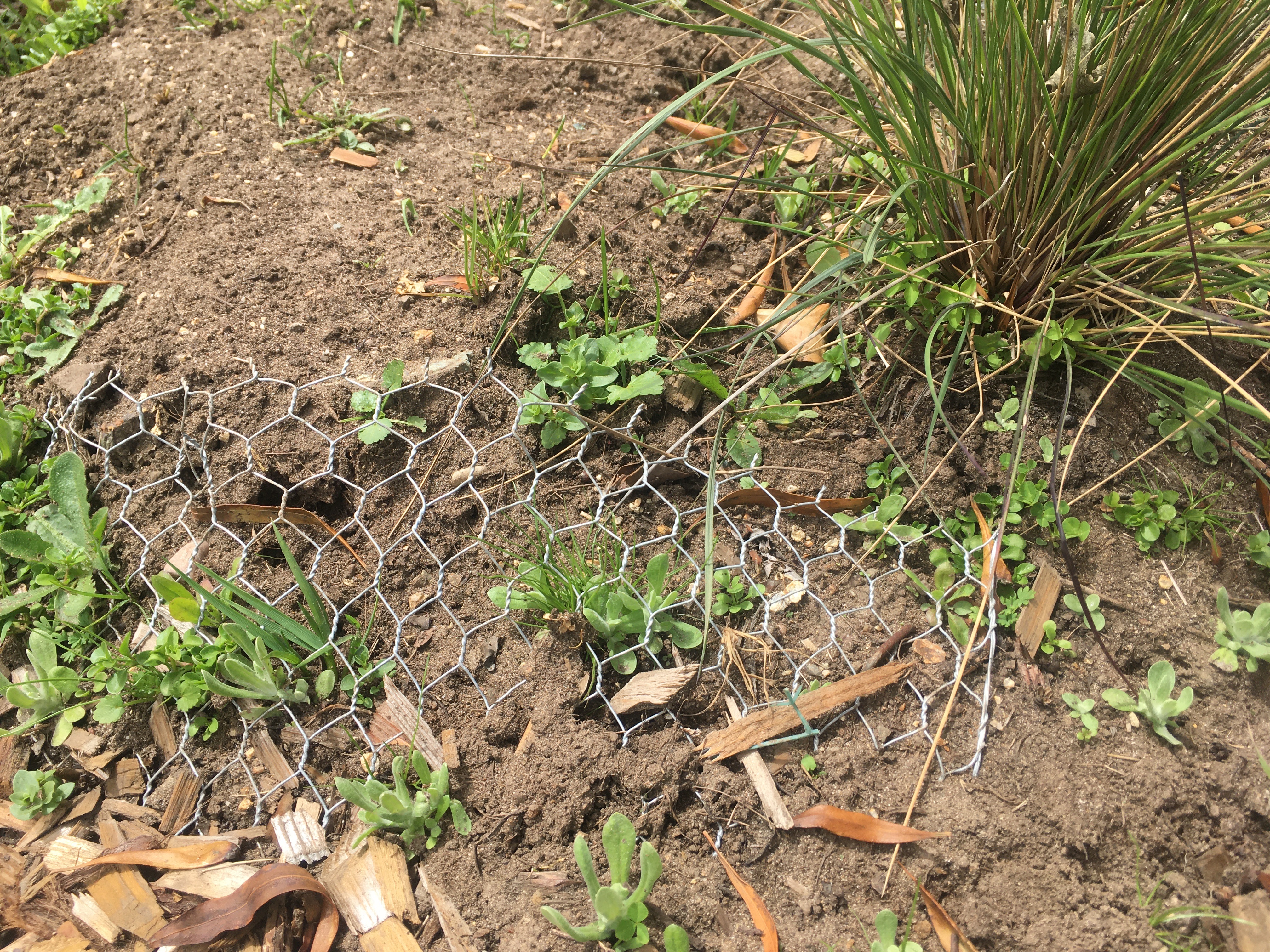
49. Metal mesh wire on the ground
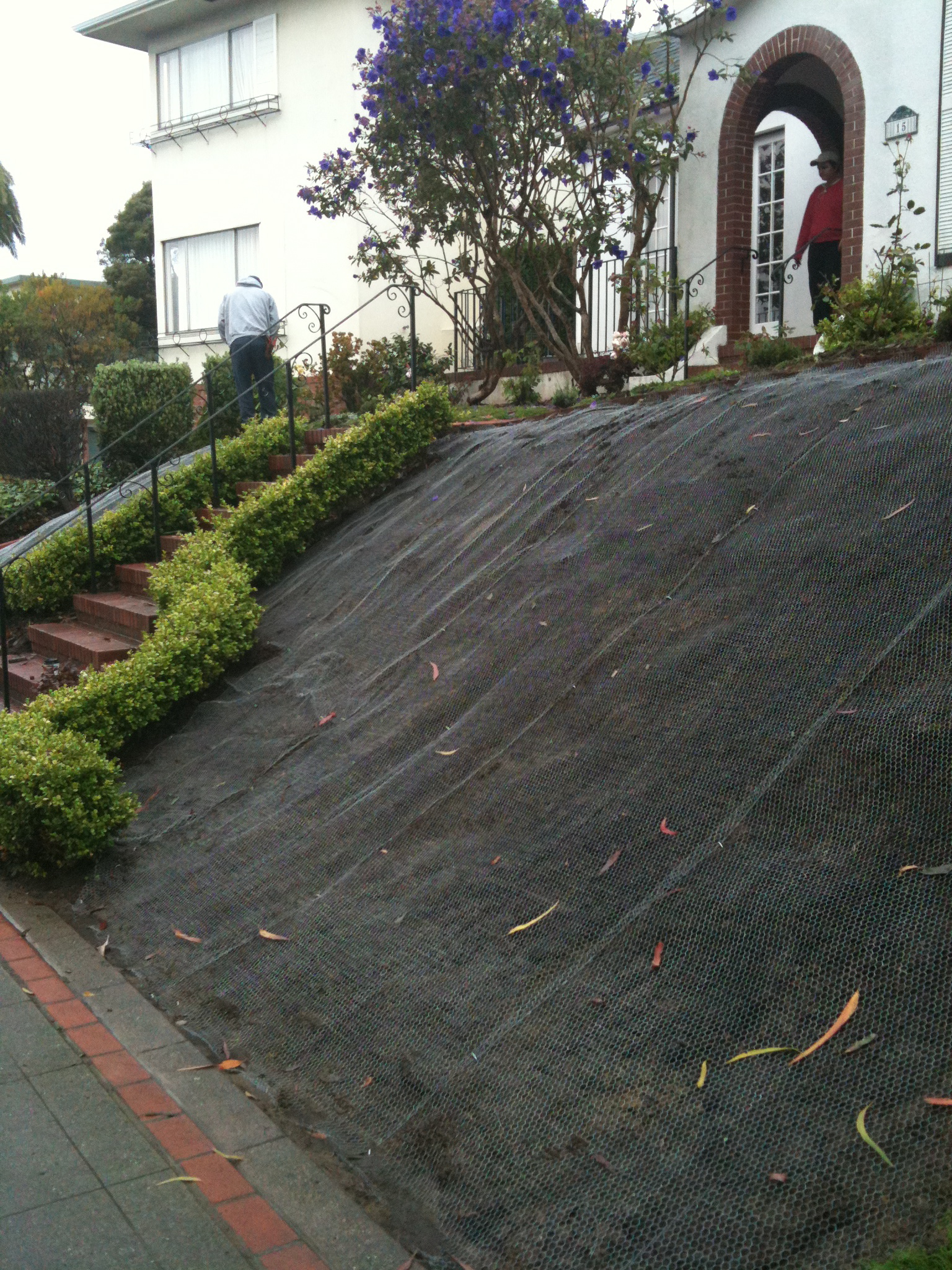
50. Metal mesh wire on a lawn slope
51. Rat and mouse poison

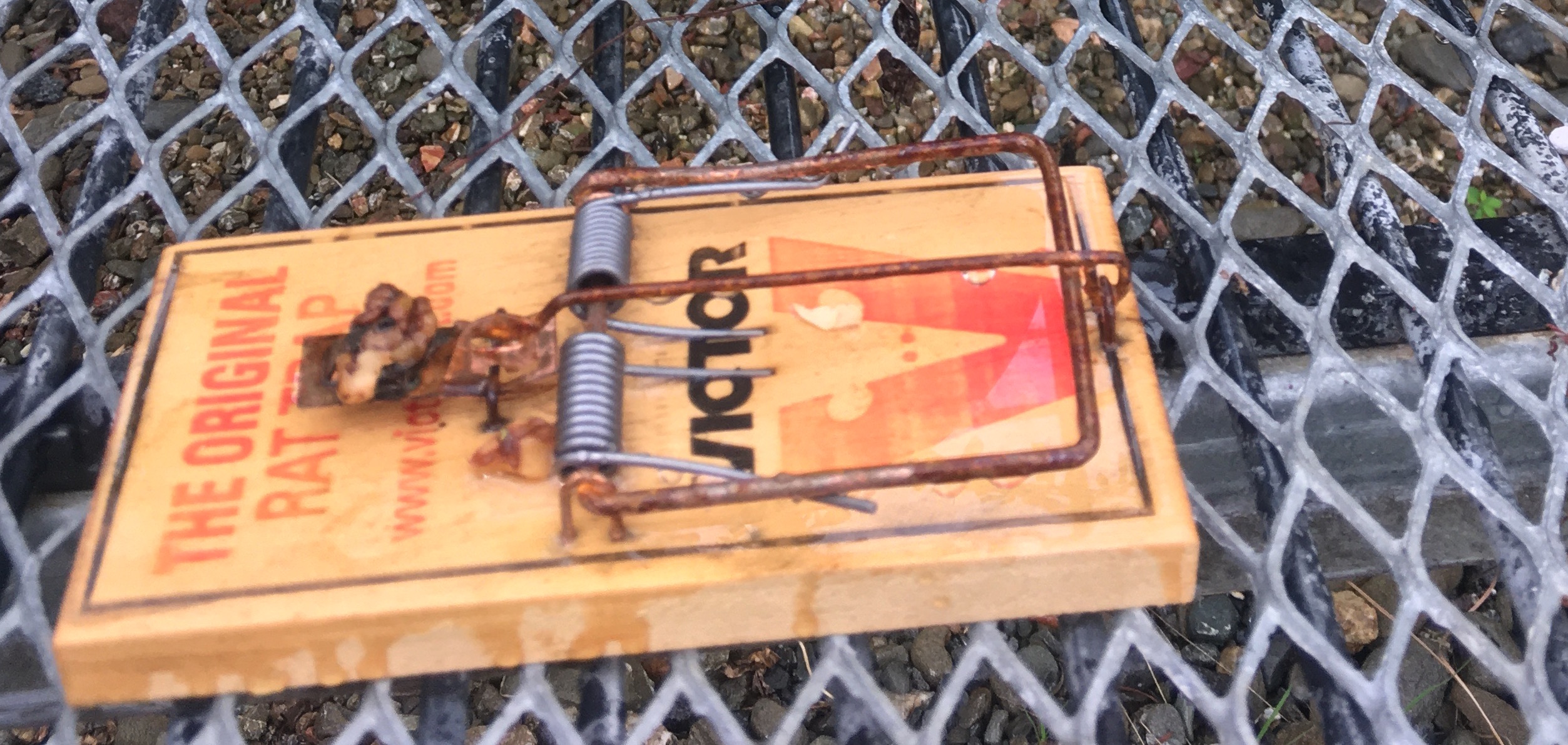
52. Rat trap
Herbicides & fungicides

53. Round plastic container with tubing

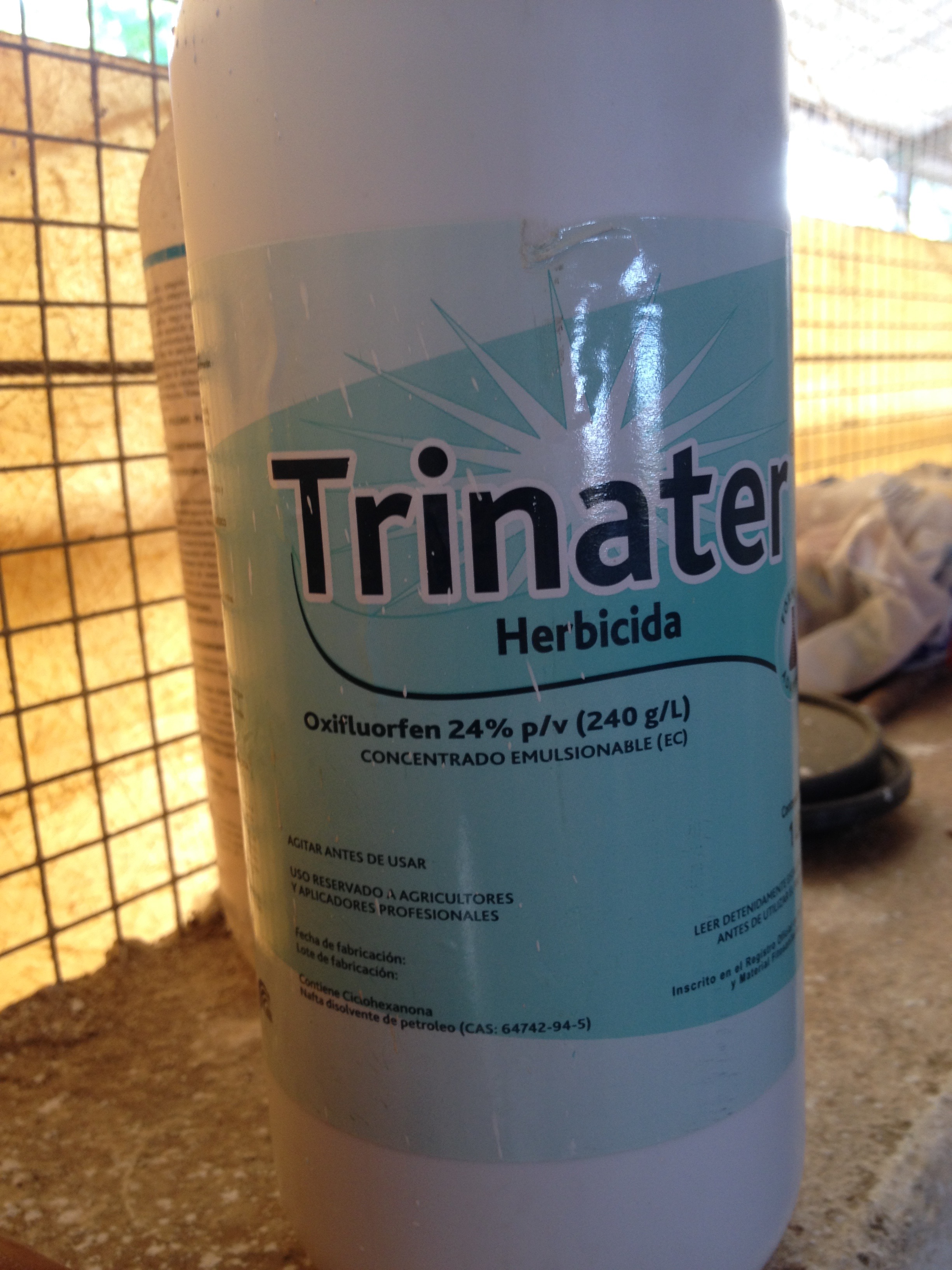
54. Trinater herbicide
55. Weedrot herbicide

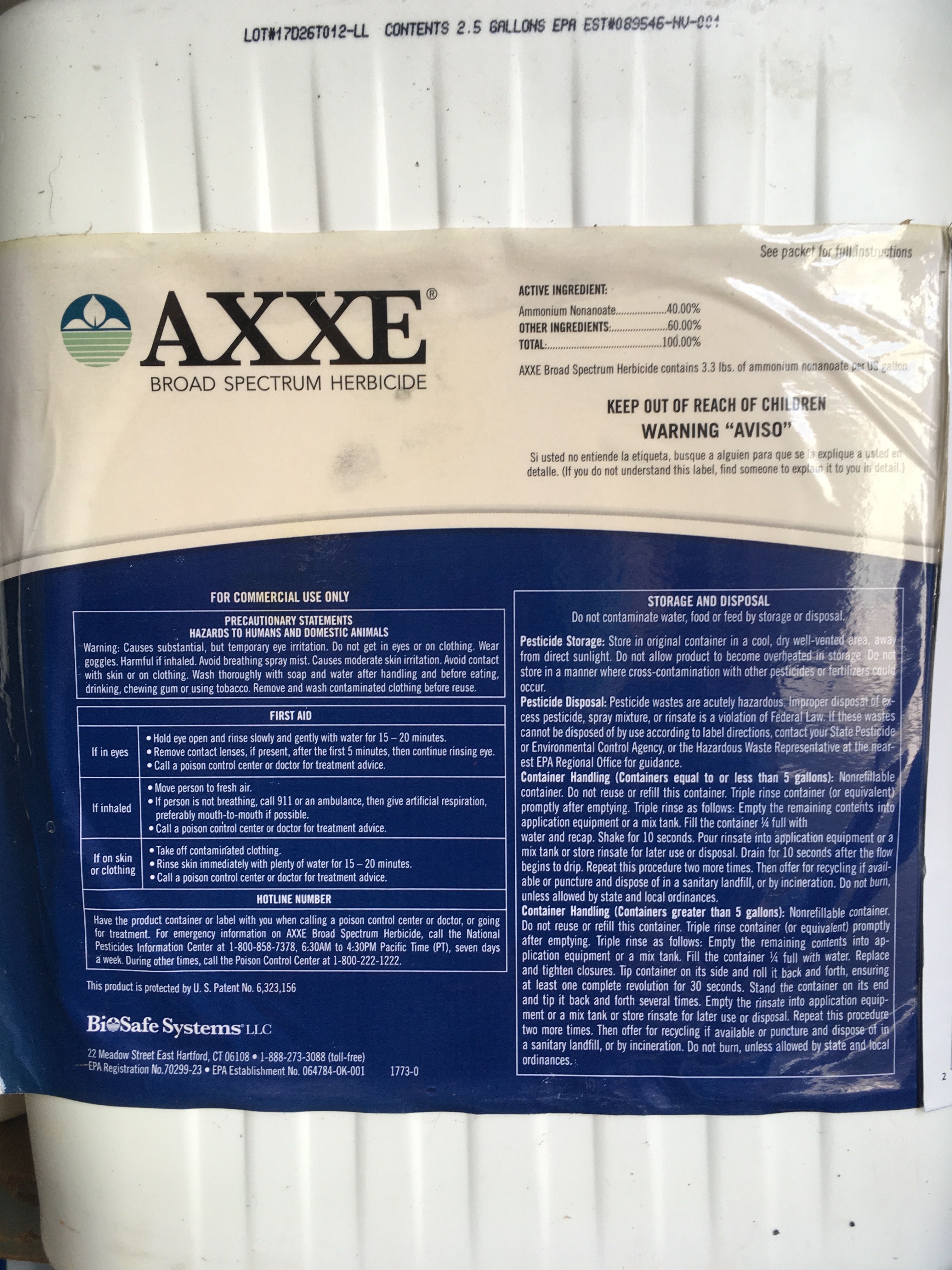
56. Axxe herbicide
57. Crabgrass and broadleaf weed killer

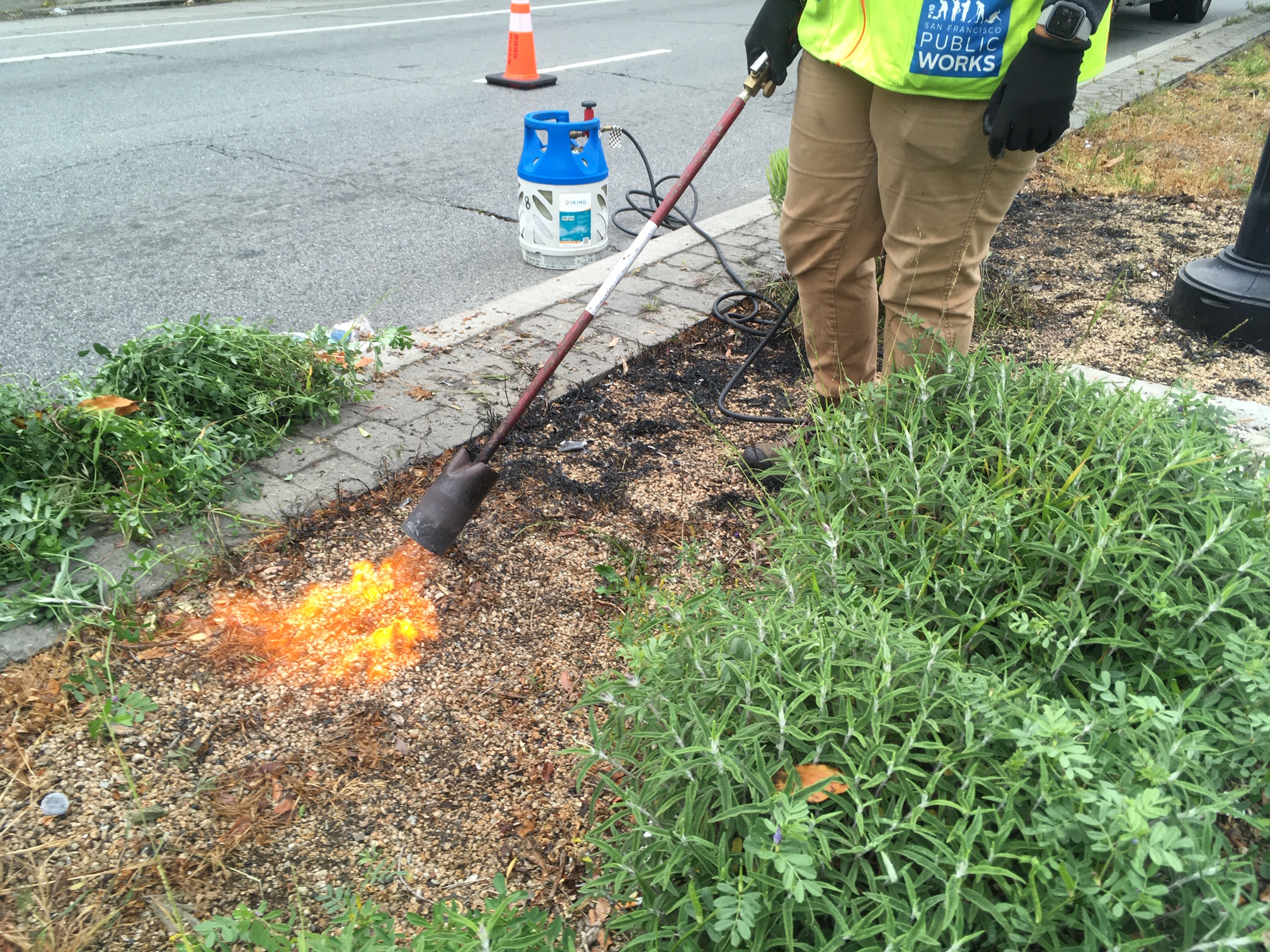
58. Sarai the working supervisor doing weed control
Rhododendrons and camellias

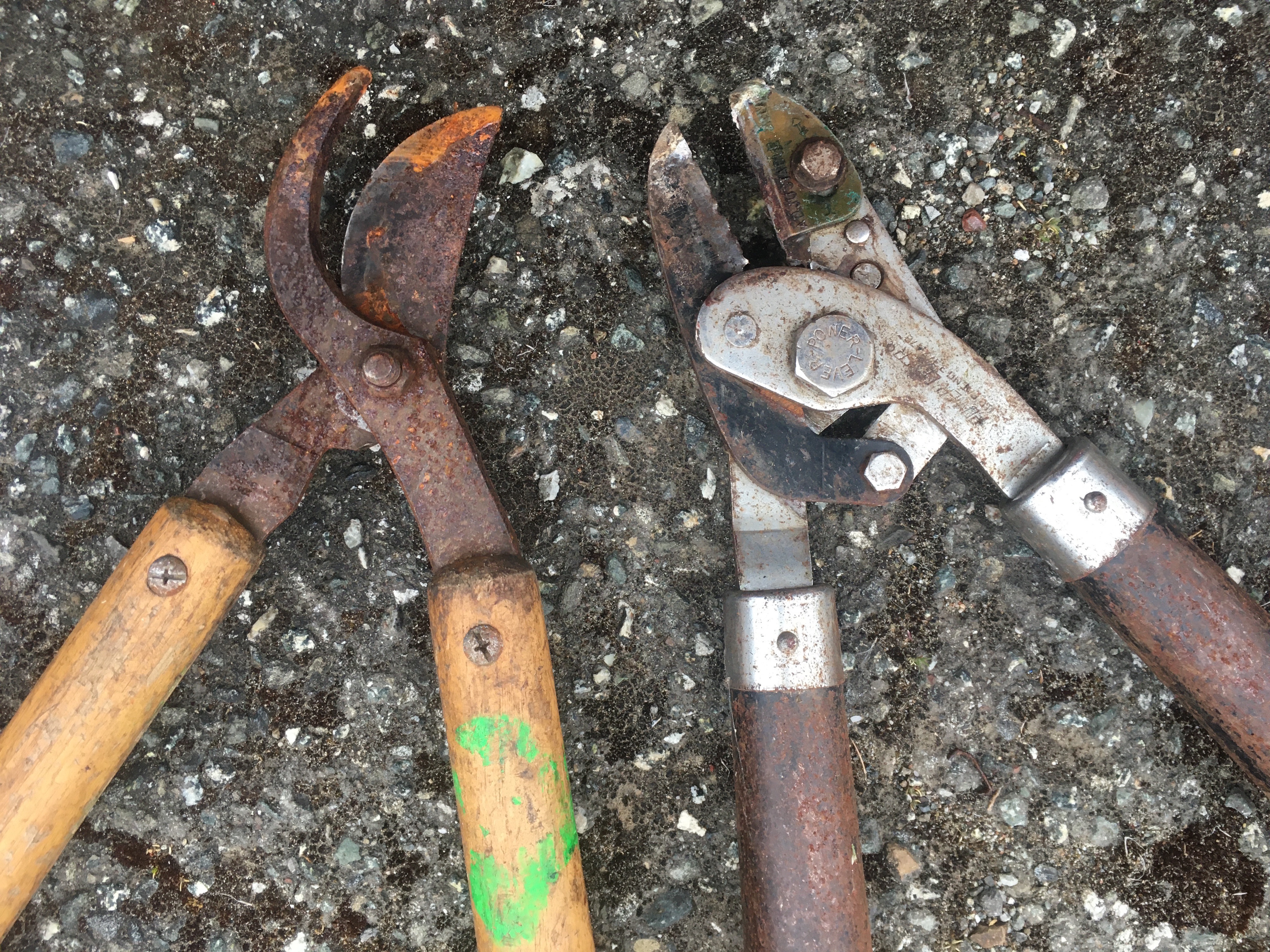
59. Two kinds of loppers
Tires

60. P265/70R16

61. DOT M3JC KC9X 4614

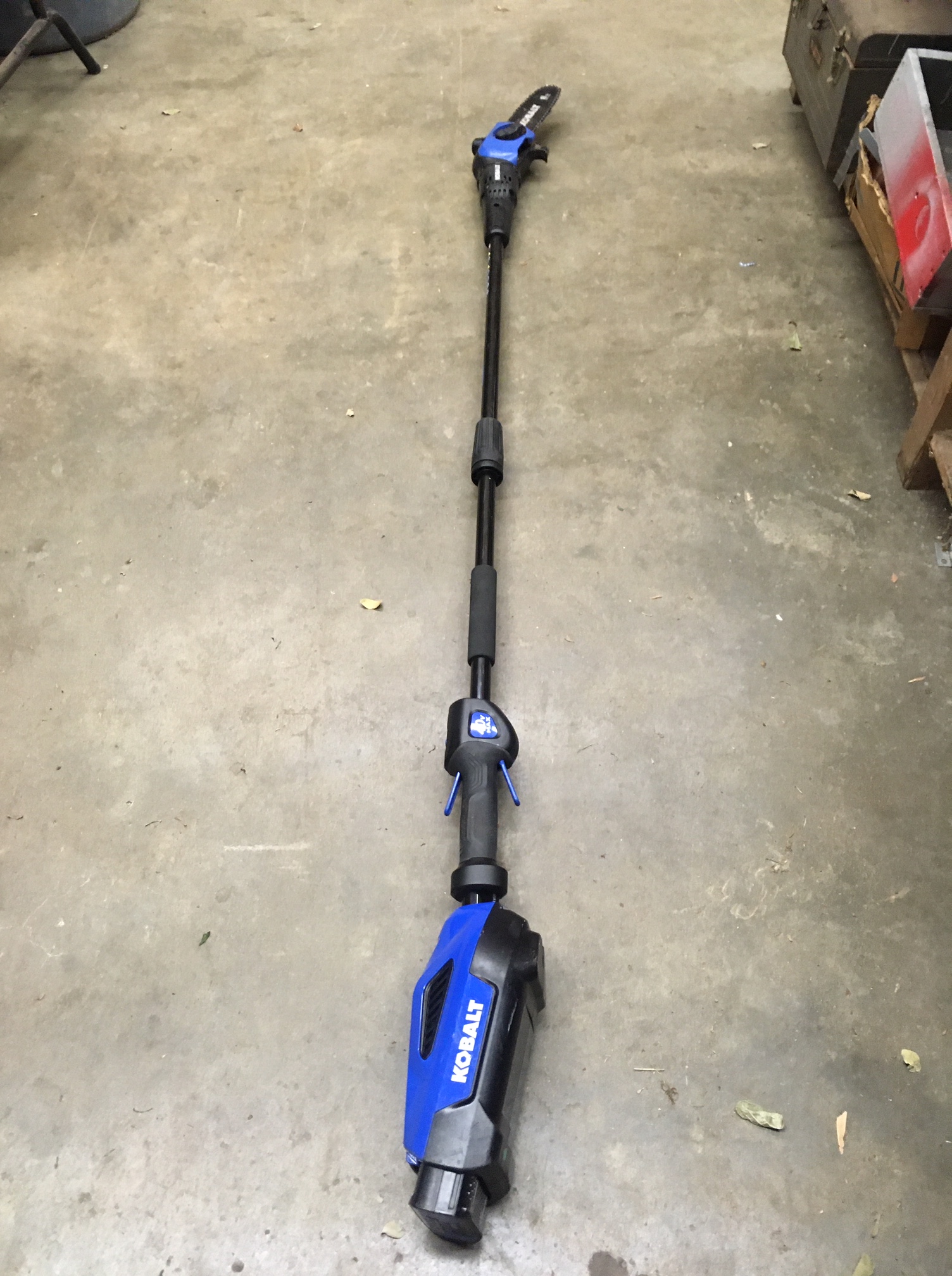
Handles

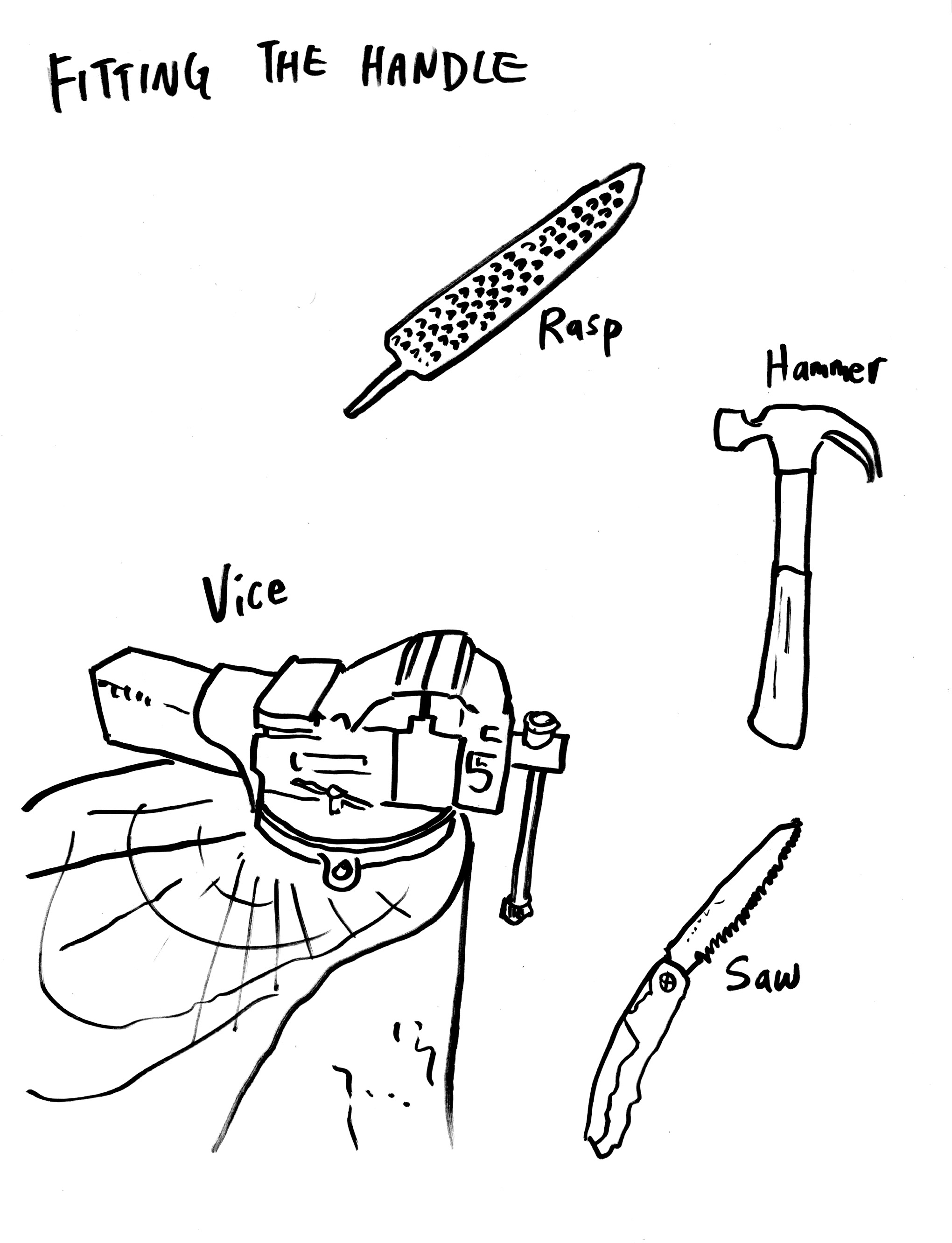
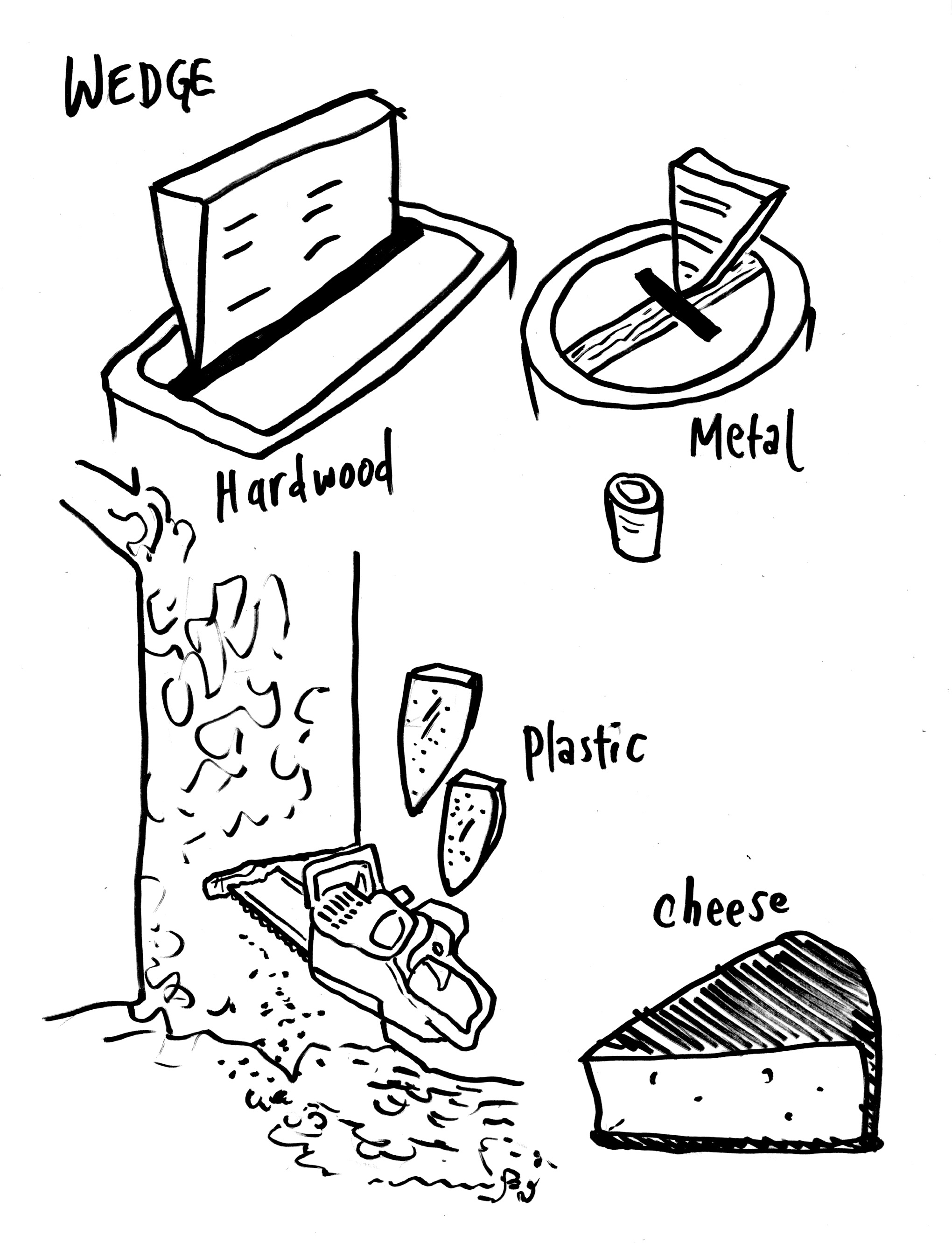
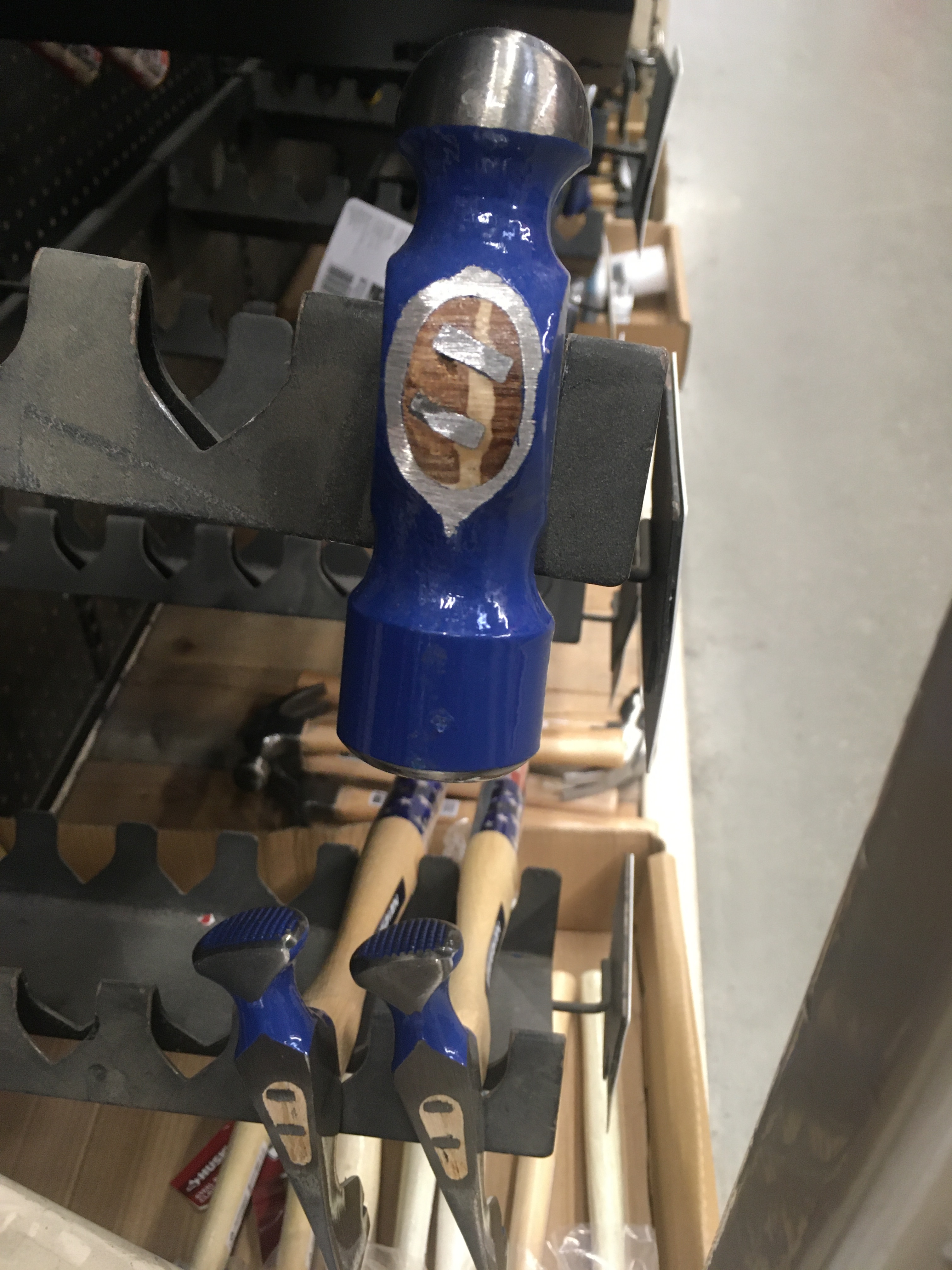
62. Rectangular metal pieces stuck in the top of the hardwood handle of the ball peen hammer
63. Using a straight piece of metal to twist a metal post into the soil

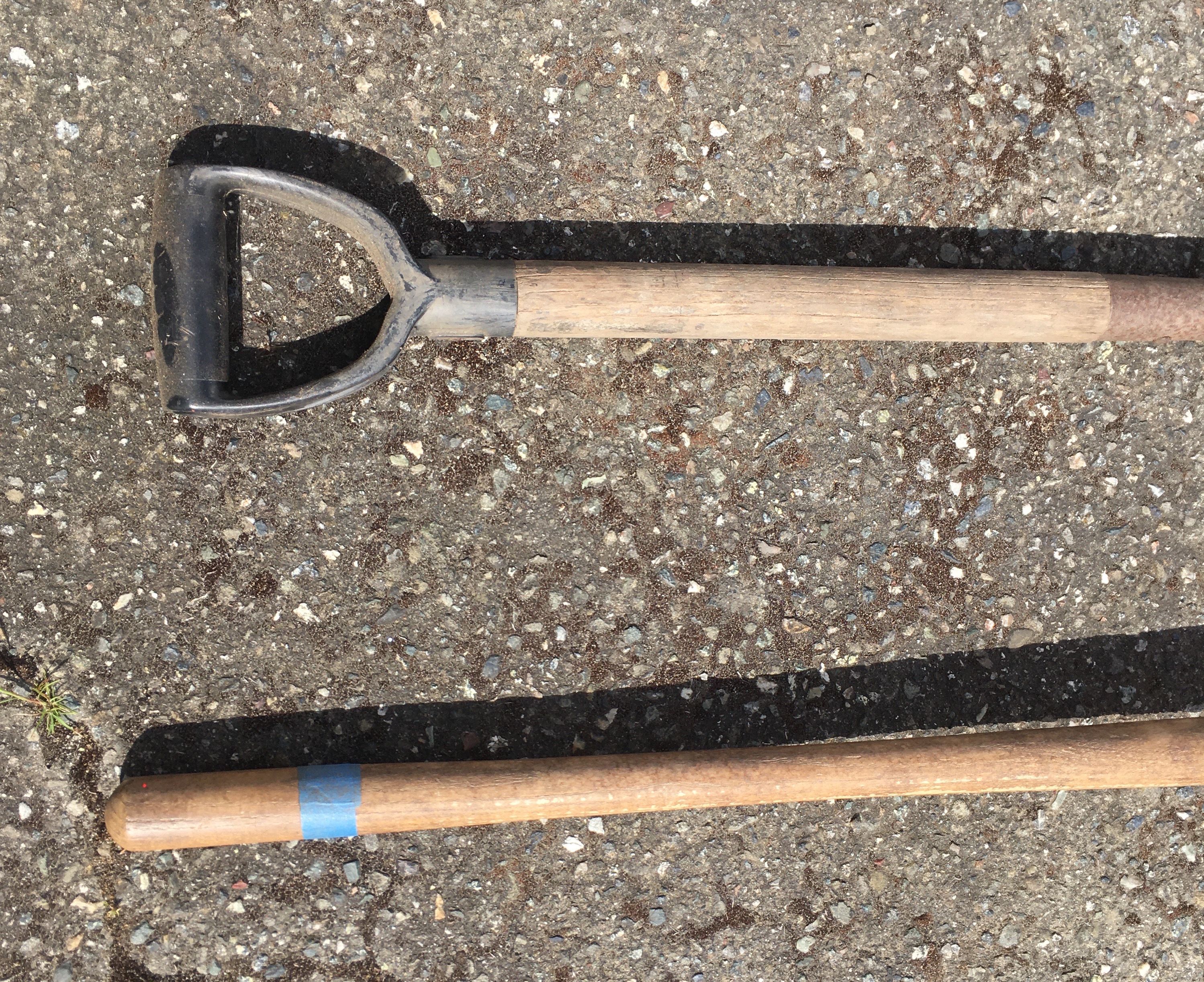
64. Two kinds of handles
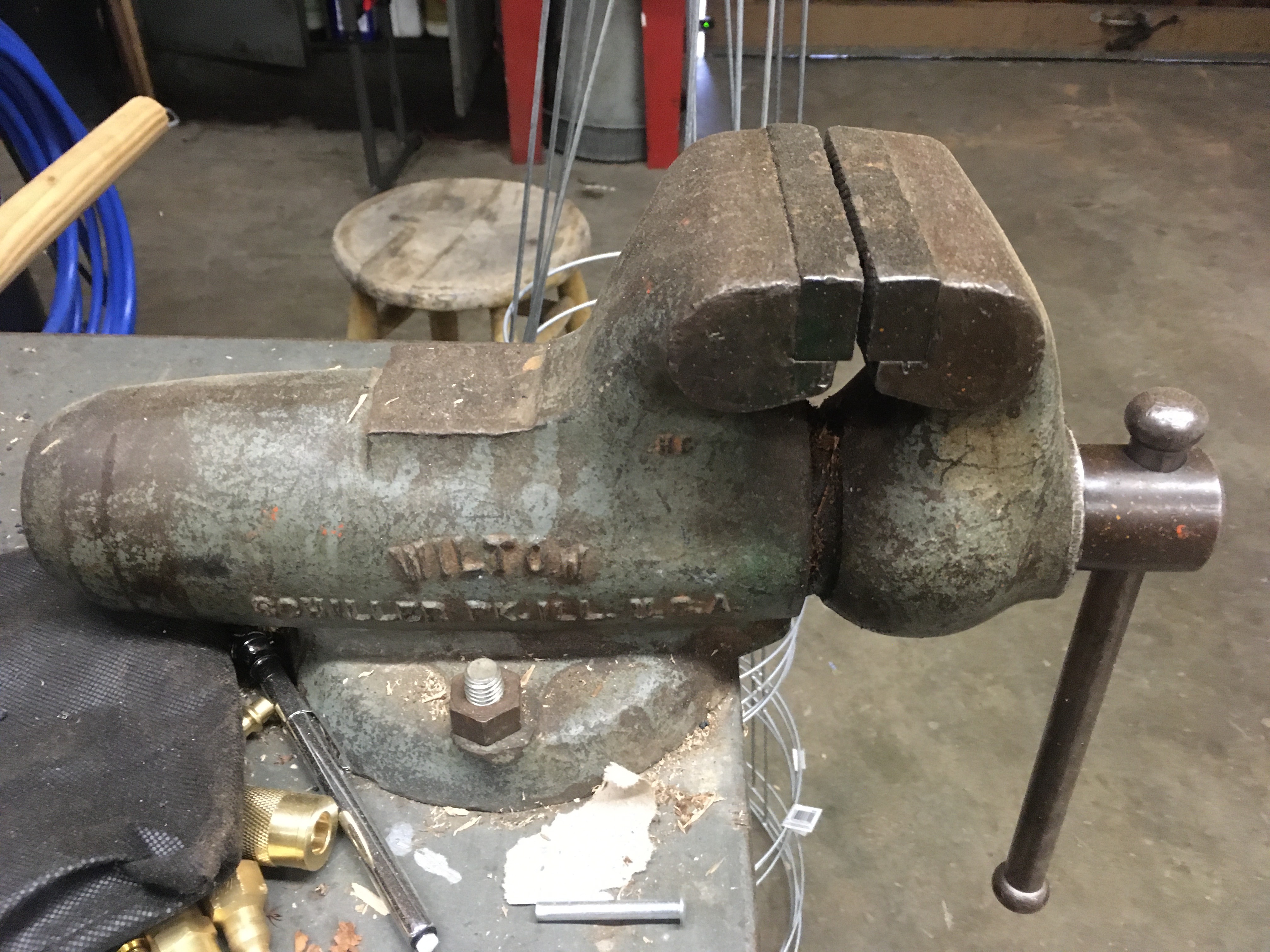
65. A hunk of steel bolted to the metal table
Planting & selection

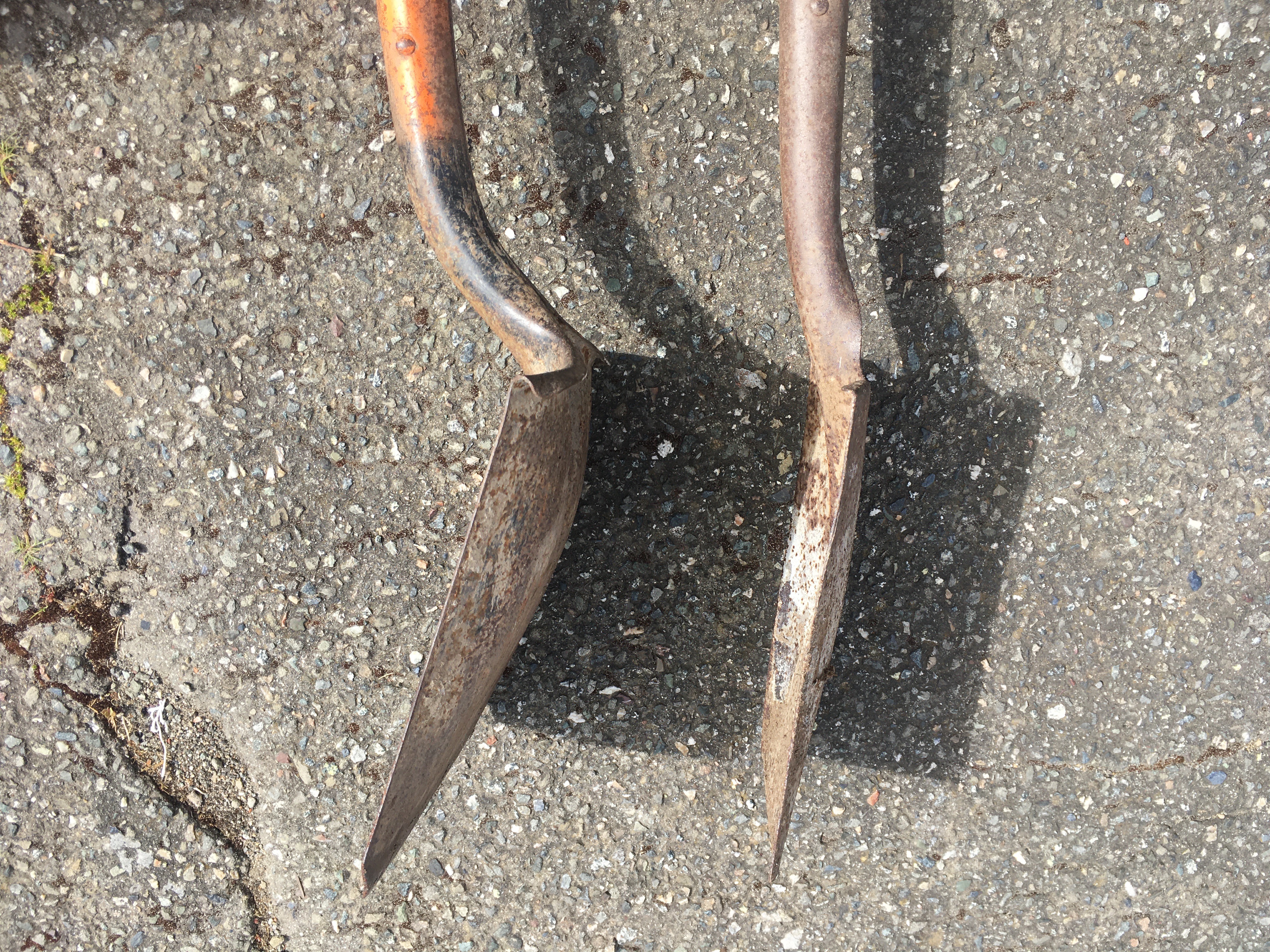
66. Sideview of two metal hand tools
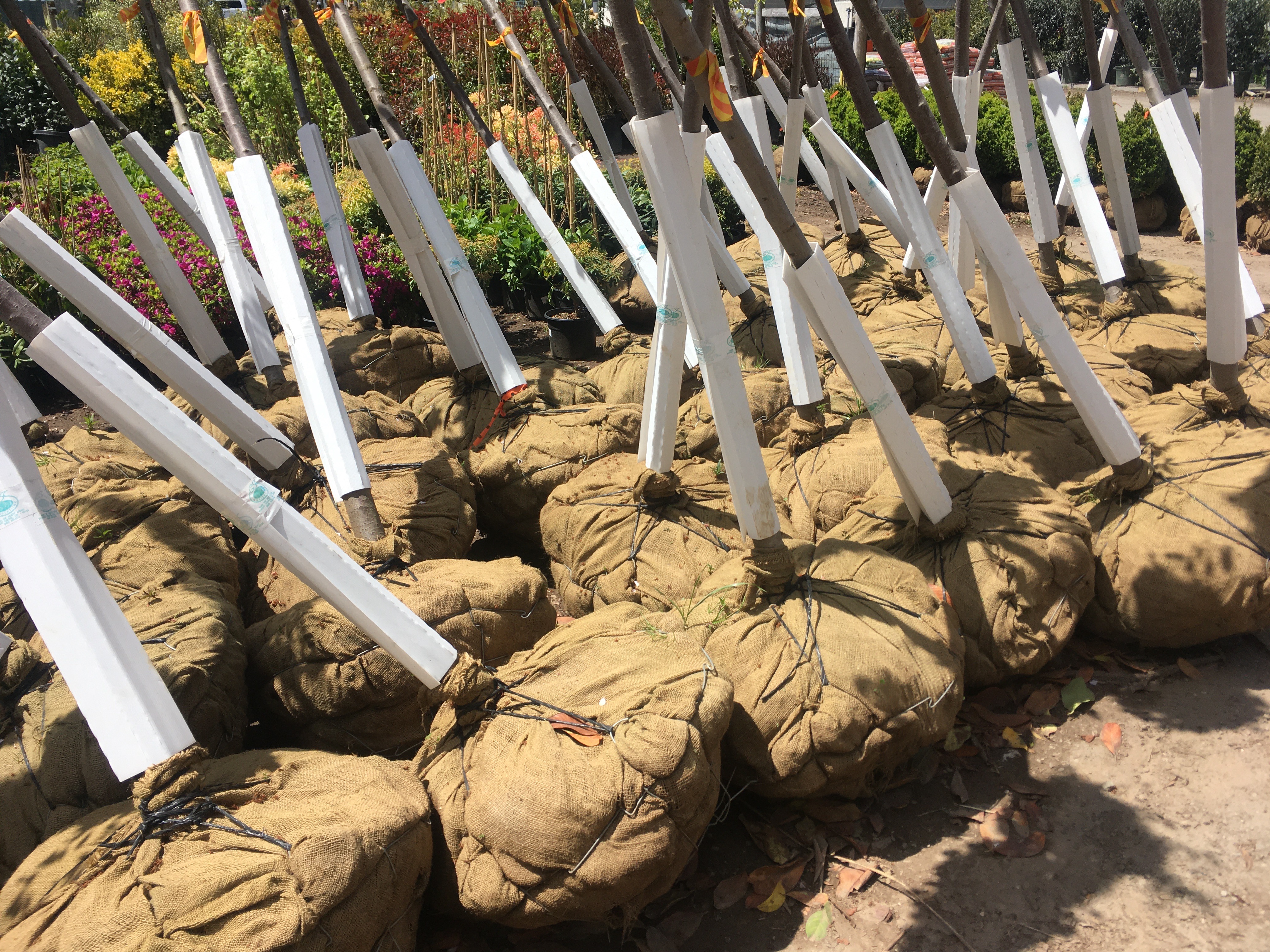
67. Trees with plastic collars wrapped with fabric and rope
68. Three kinds of shovels

69. Putting in a new copper water pipe next to a tree
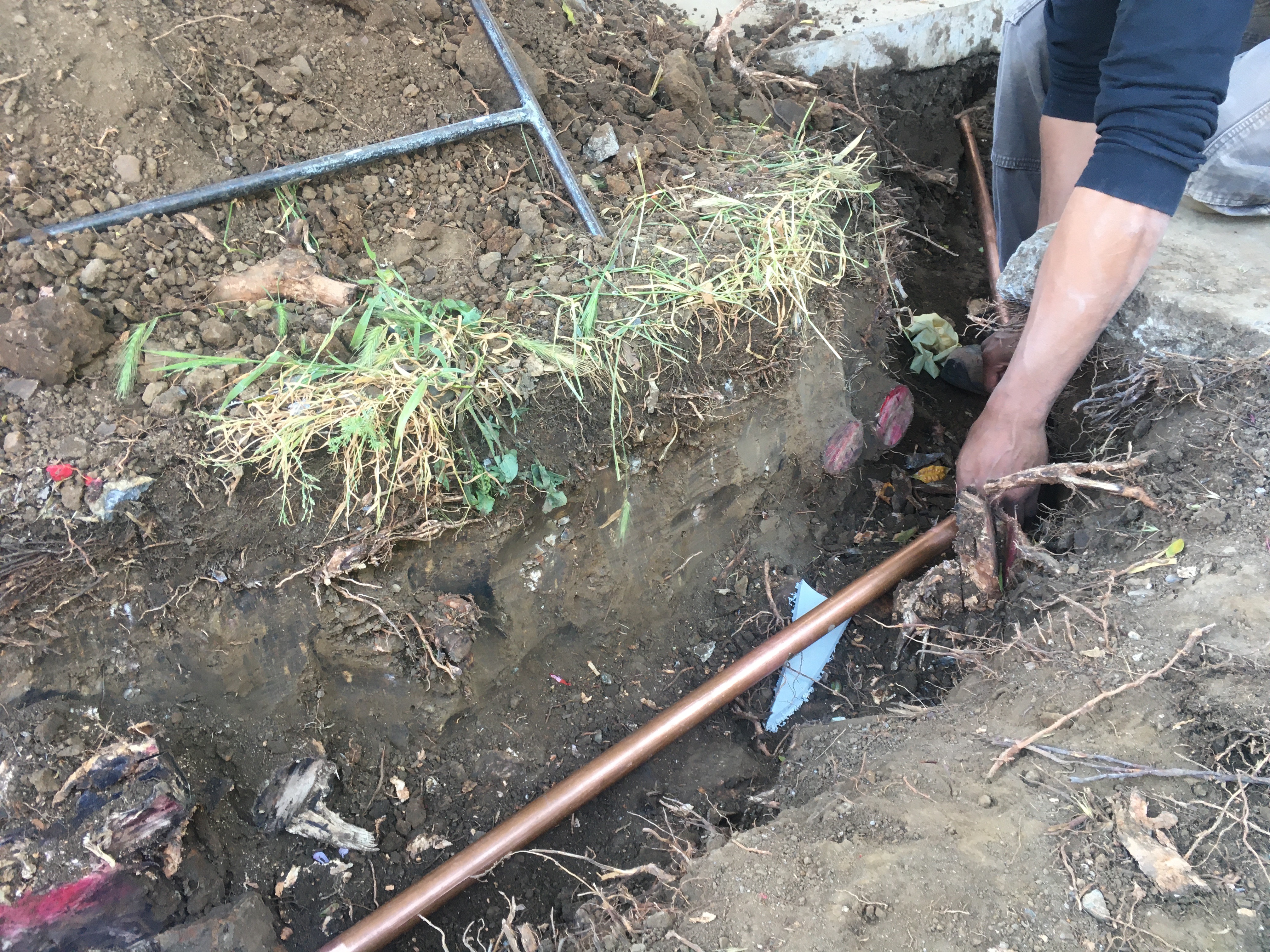
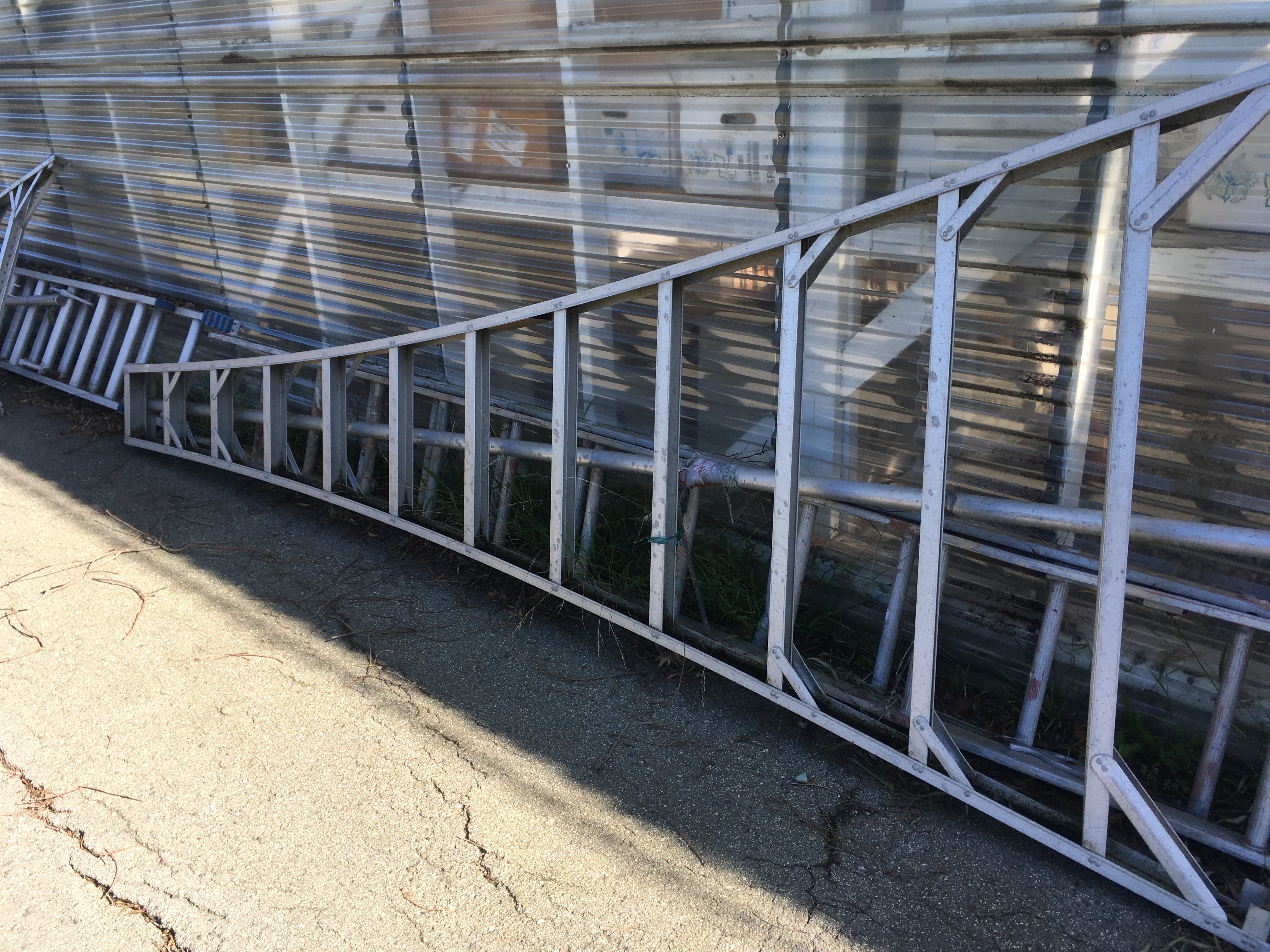
Ladders & pole tools

70. Two kinds of ladders
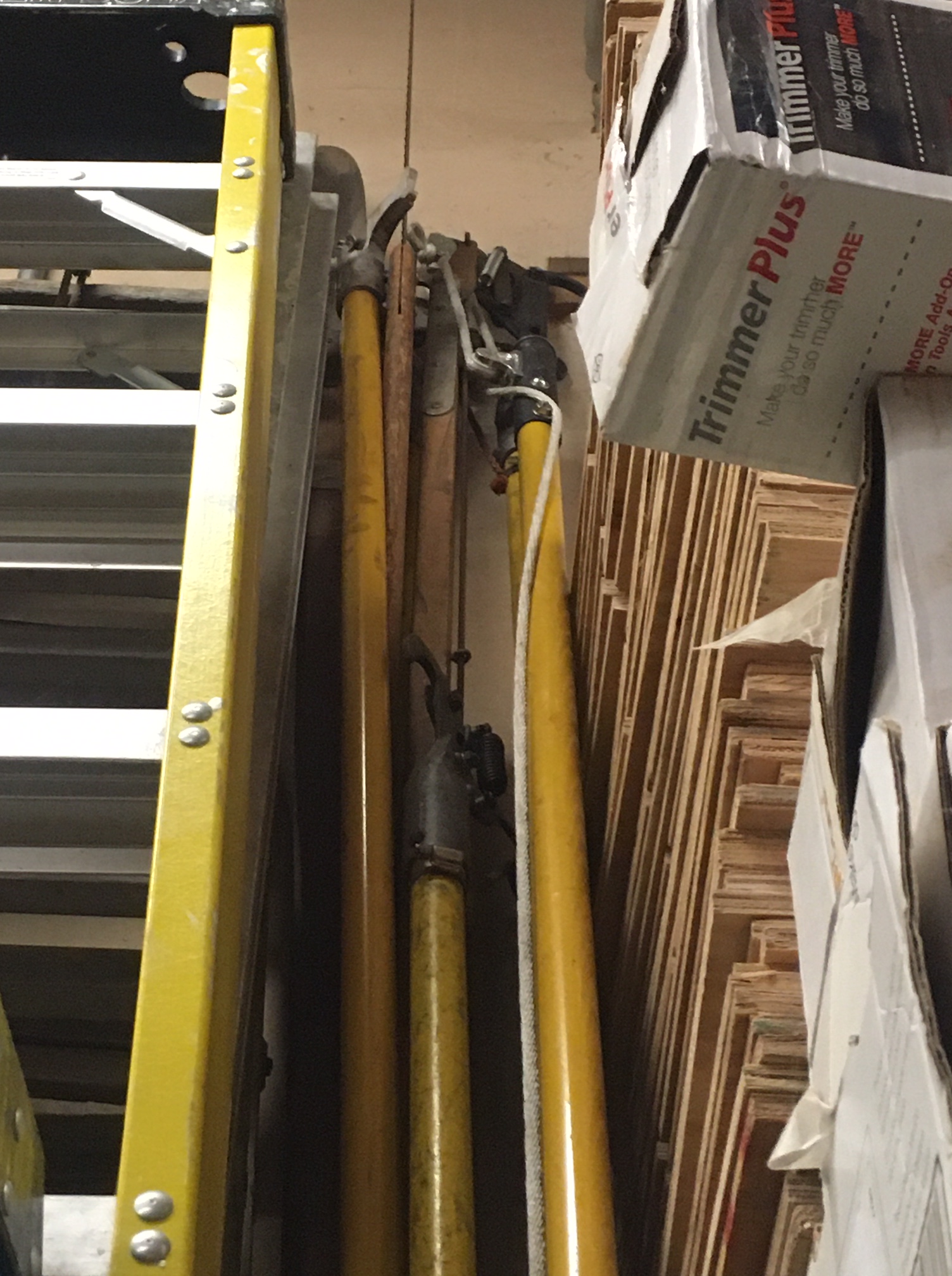
71. Pole pruners with poles made of two different kinds of material
72. Battery of an electric pole saw
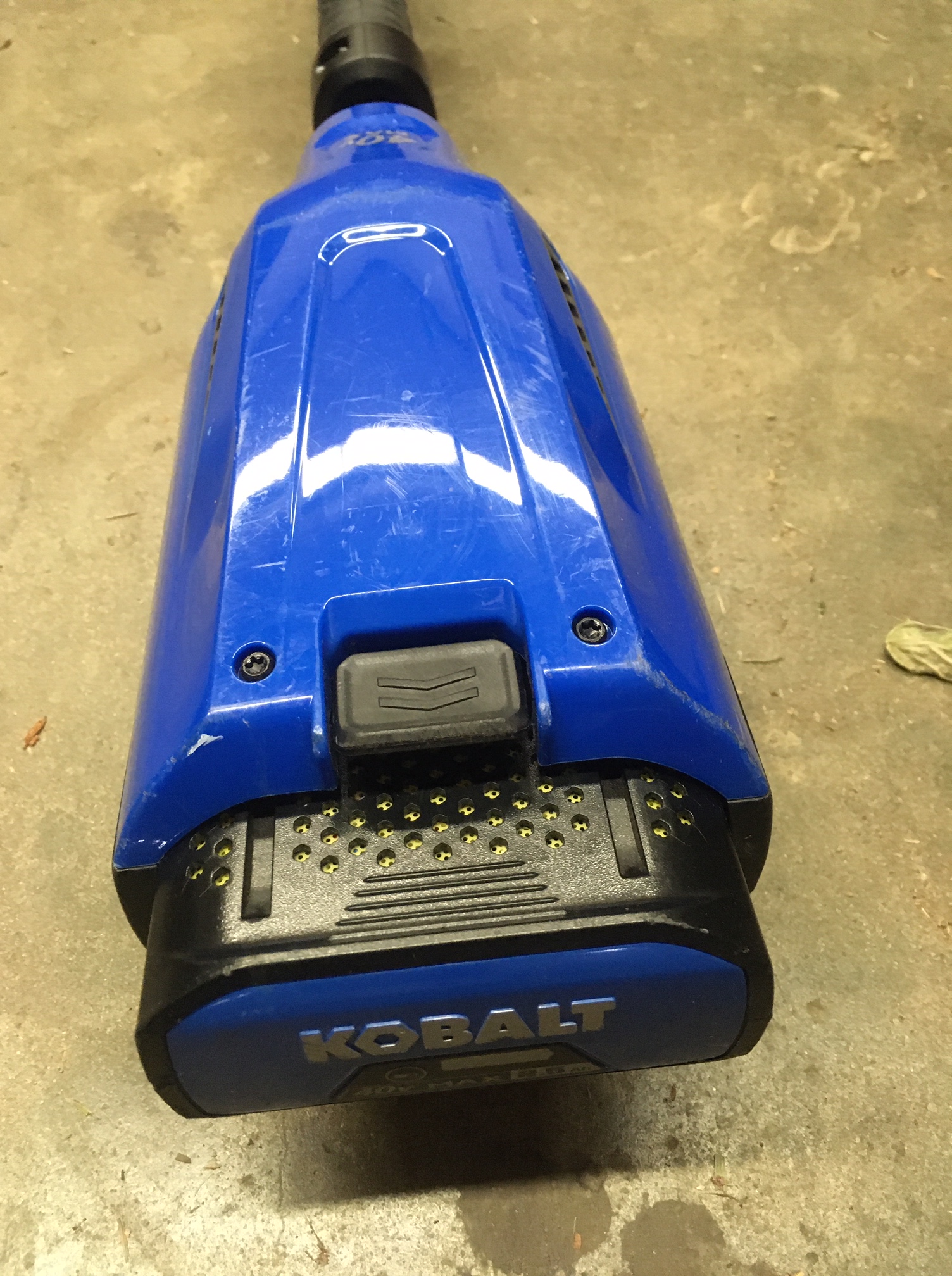
73. An electric pole saw (chainsaw on a stick)
Safety & injury

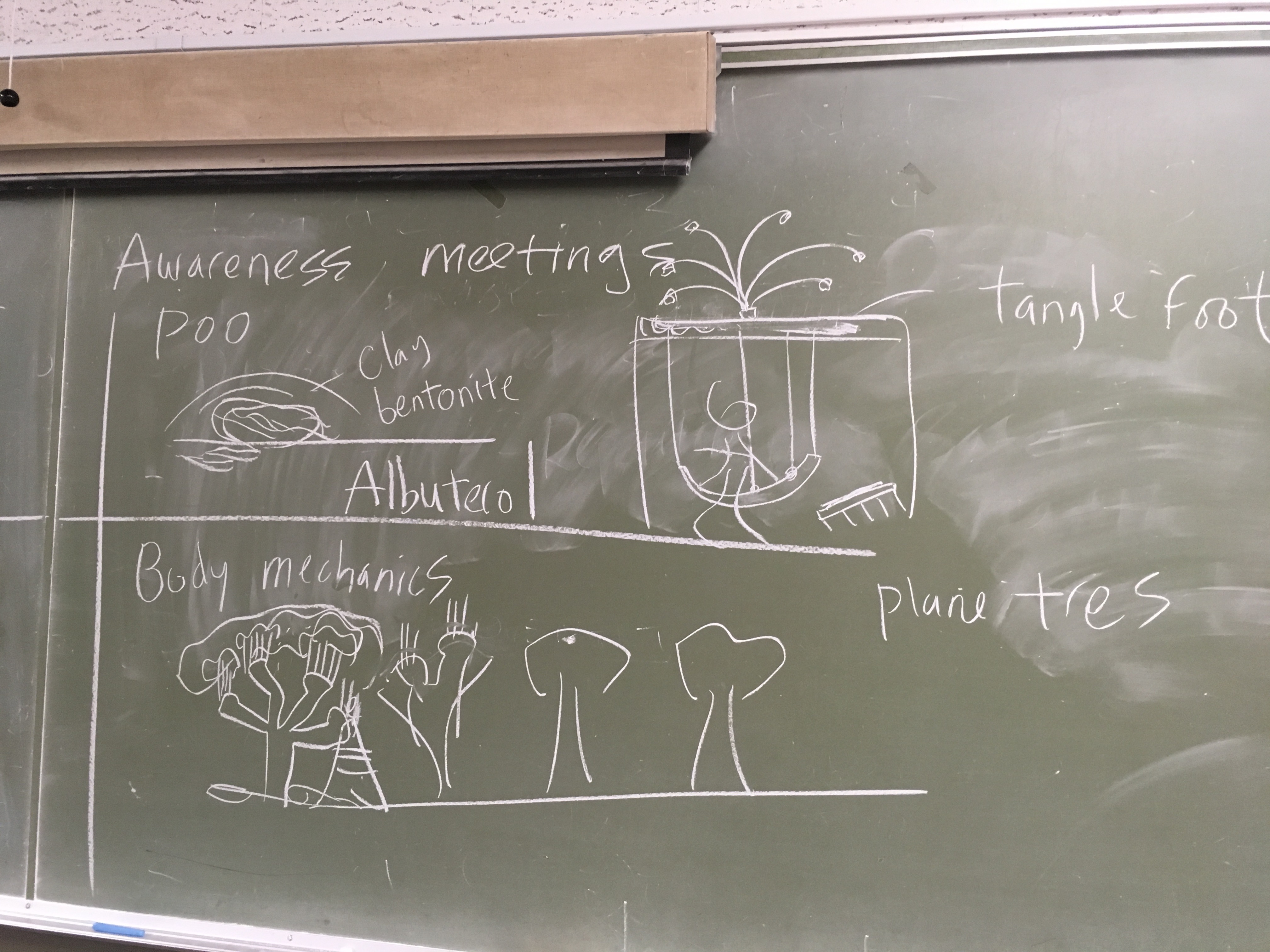
74. Poo, bentonite clay, albuterol, tangle foot, daddi long leg bird be gone bird deterrent
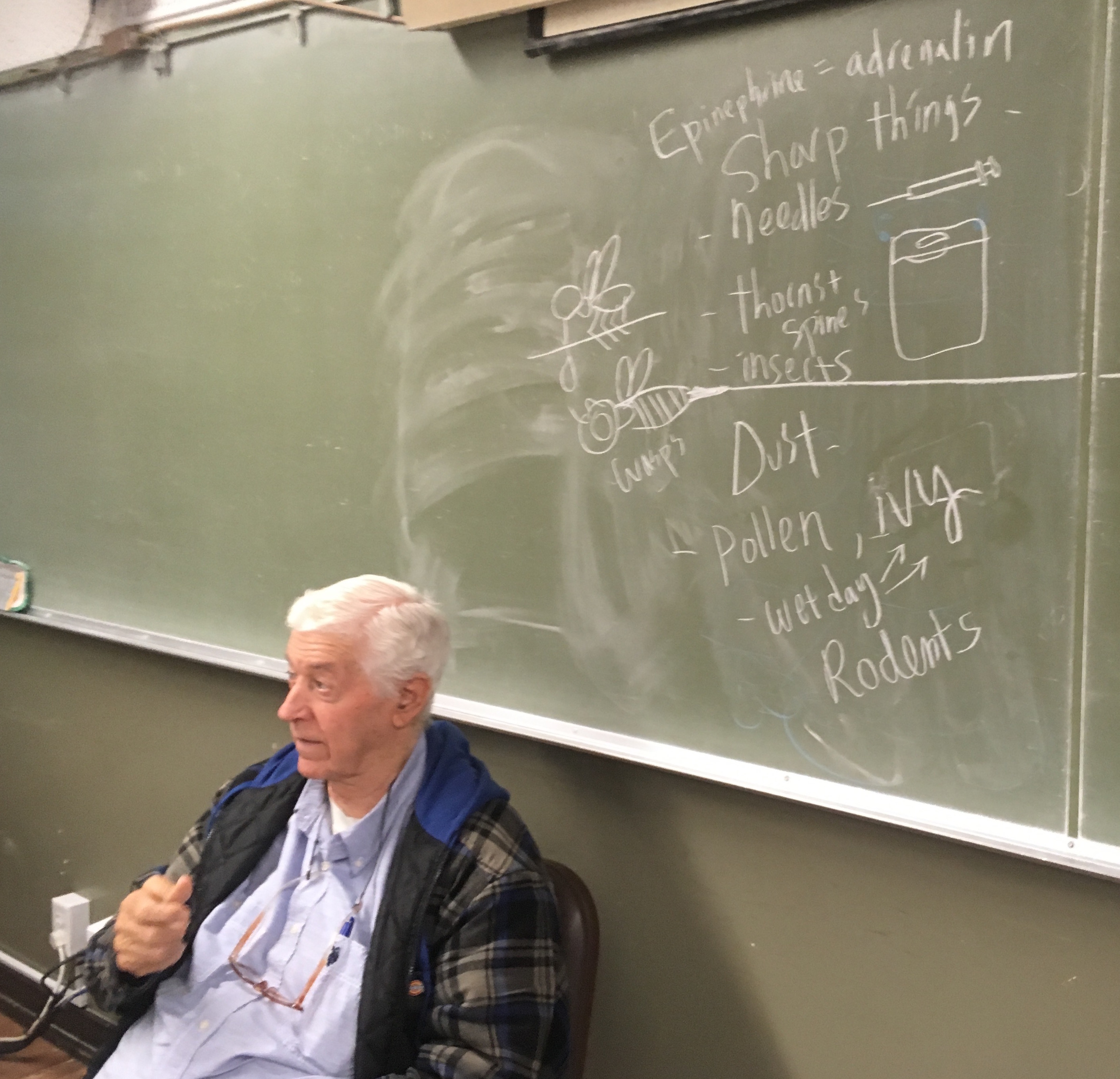
75. Epinephrine, hypodermic needle, poisonous and injurious plants, stinging insects, dust, pollen, rodent feces
76. Epi pen

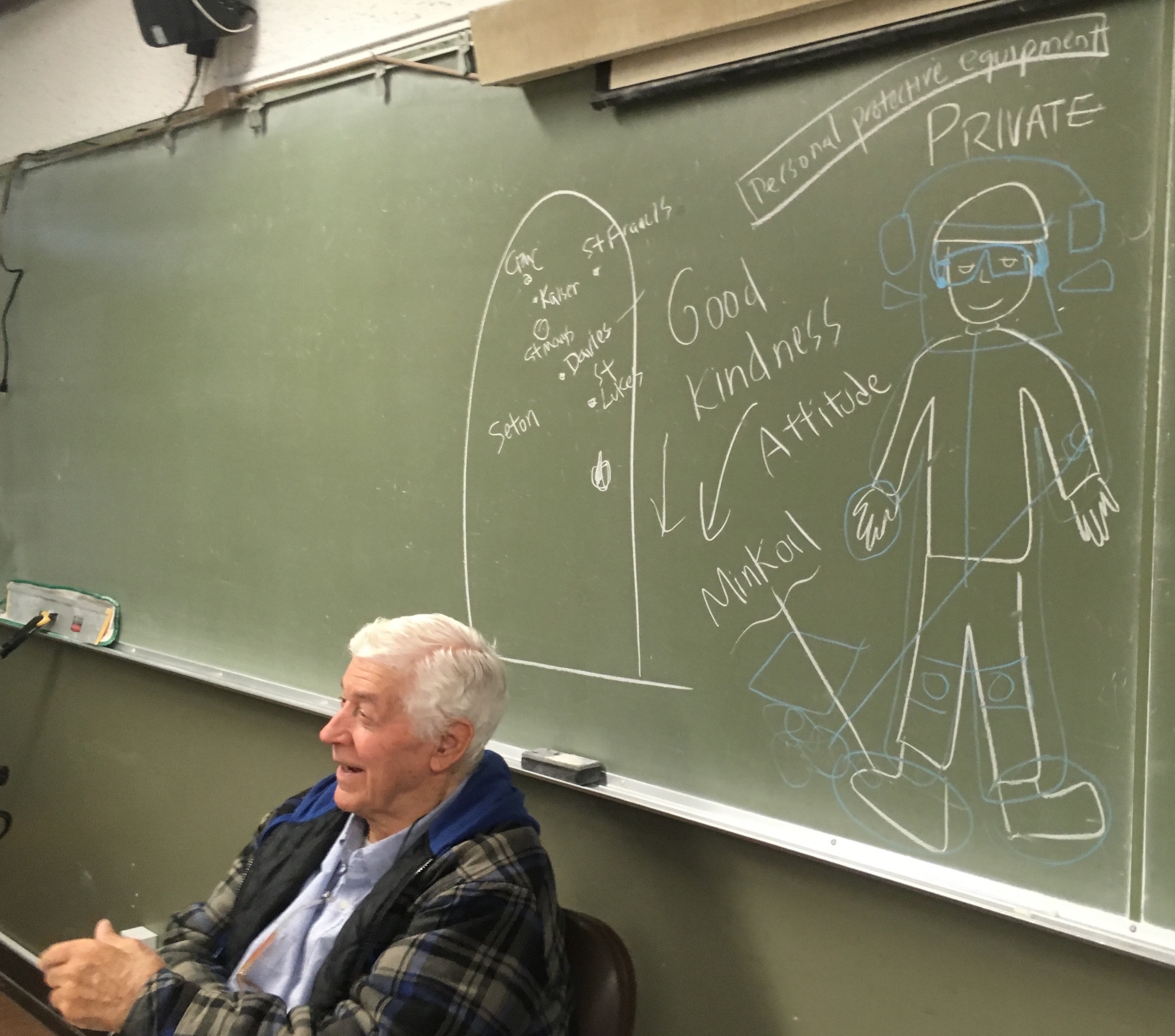
77. Map of San Francisco, personal protective equipment, mink oil
78. T shaped metal tool
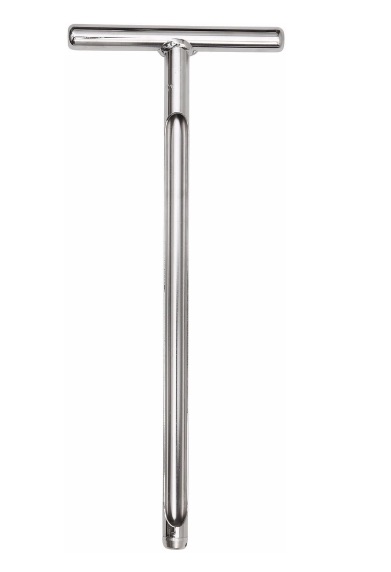
79. Students’ favorite tool

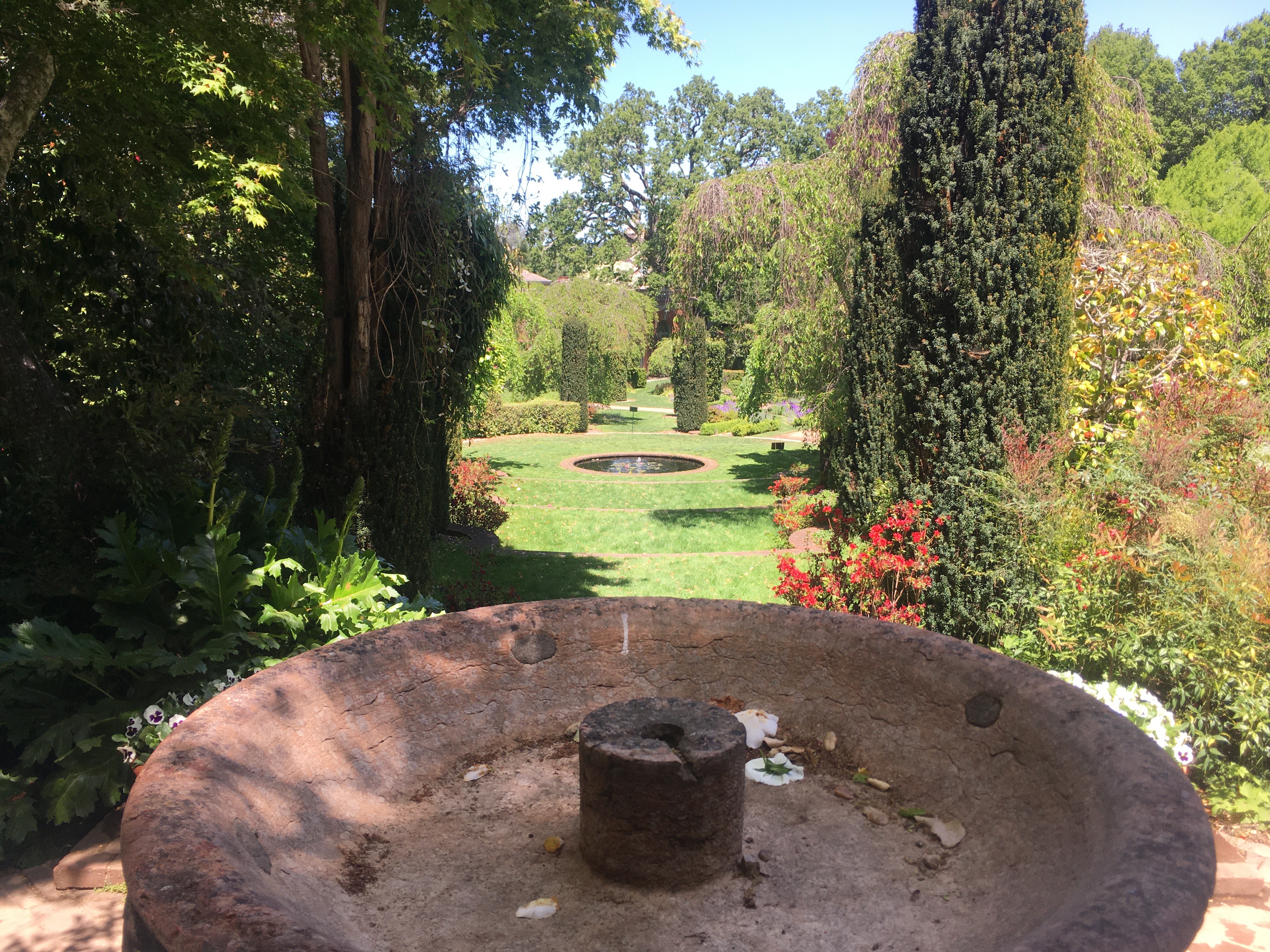
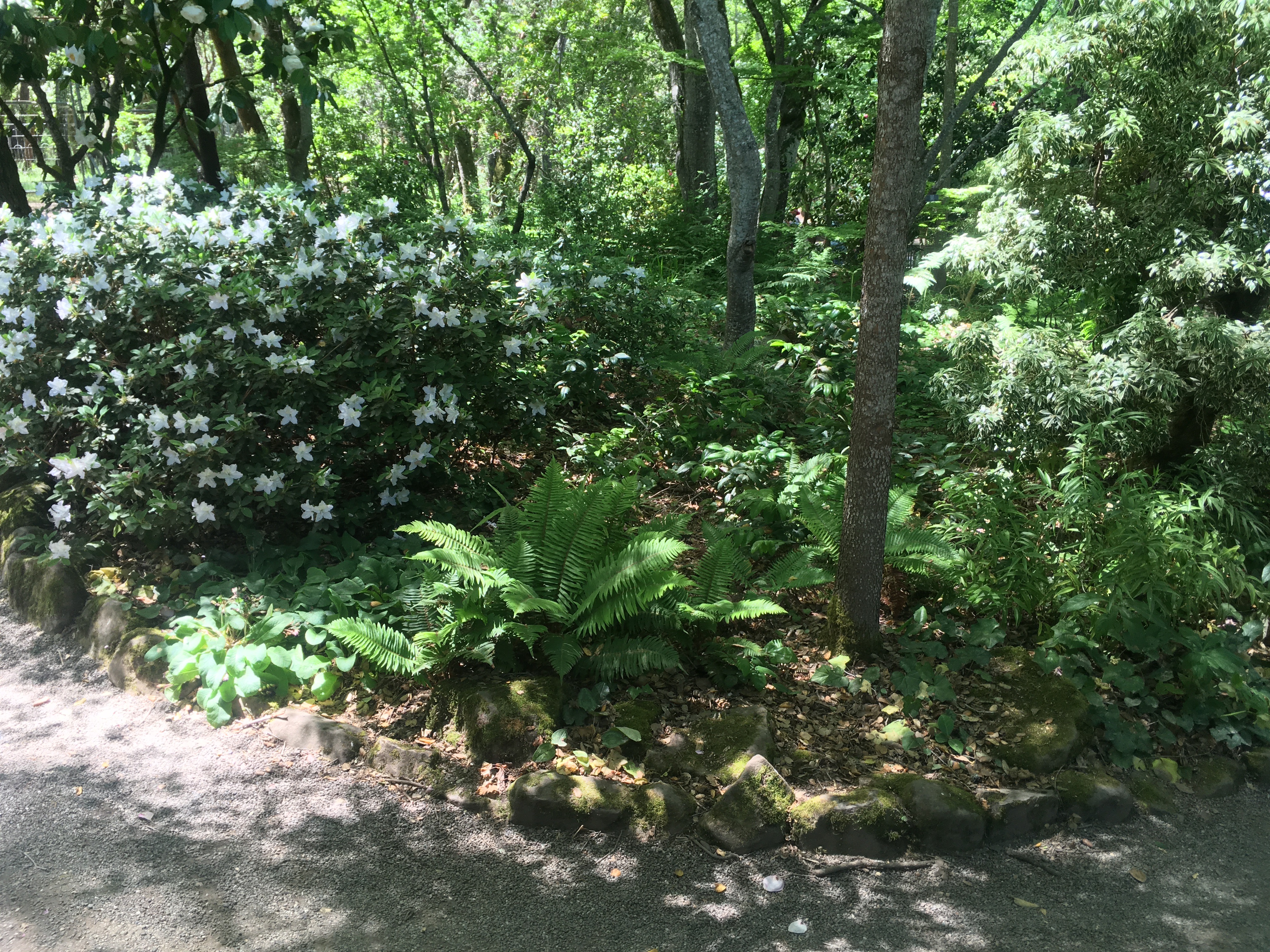
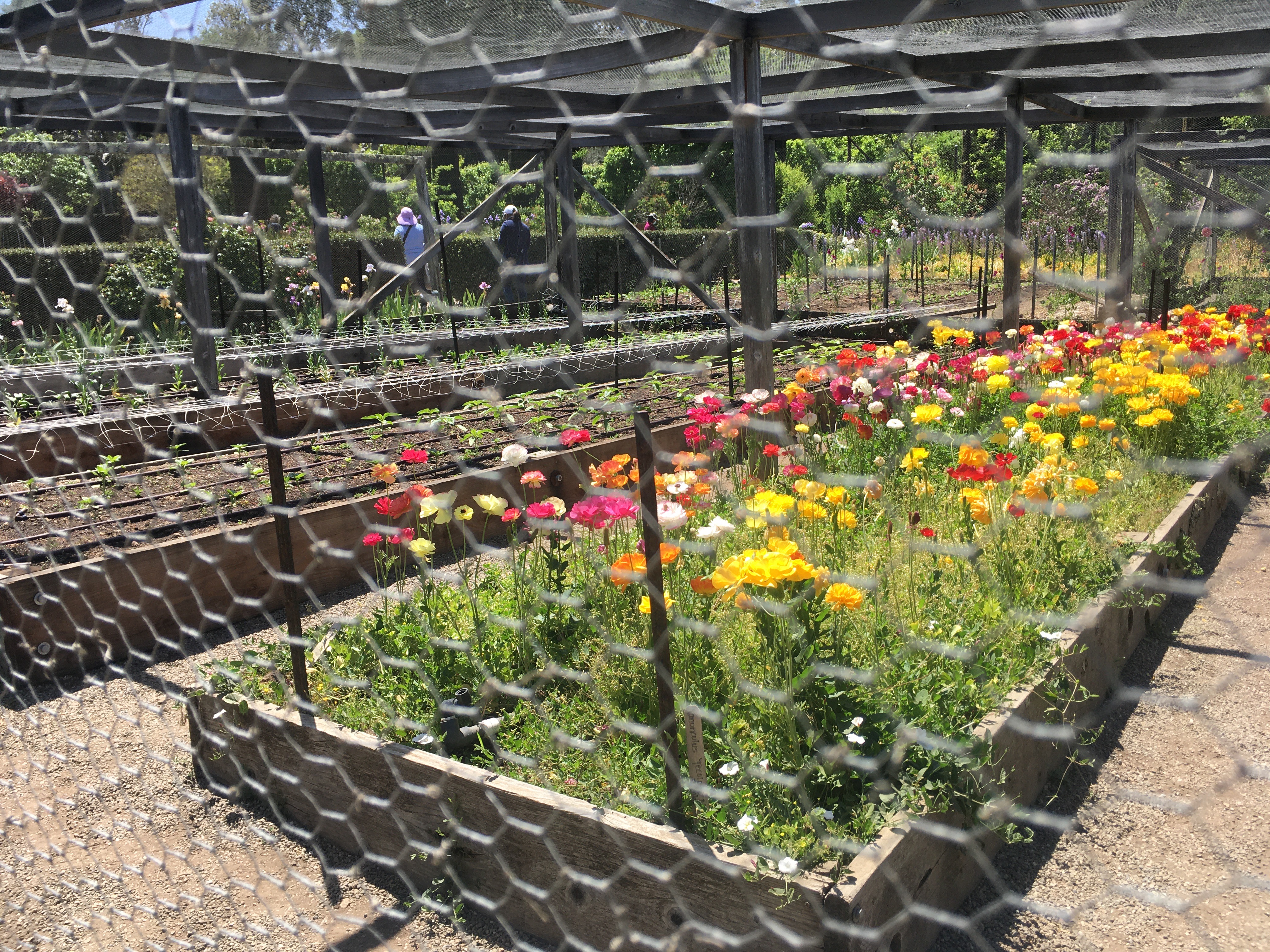
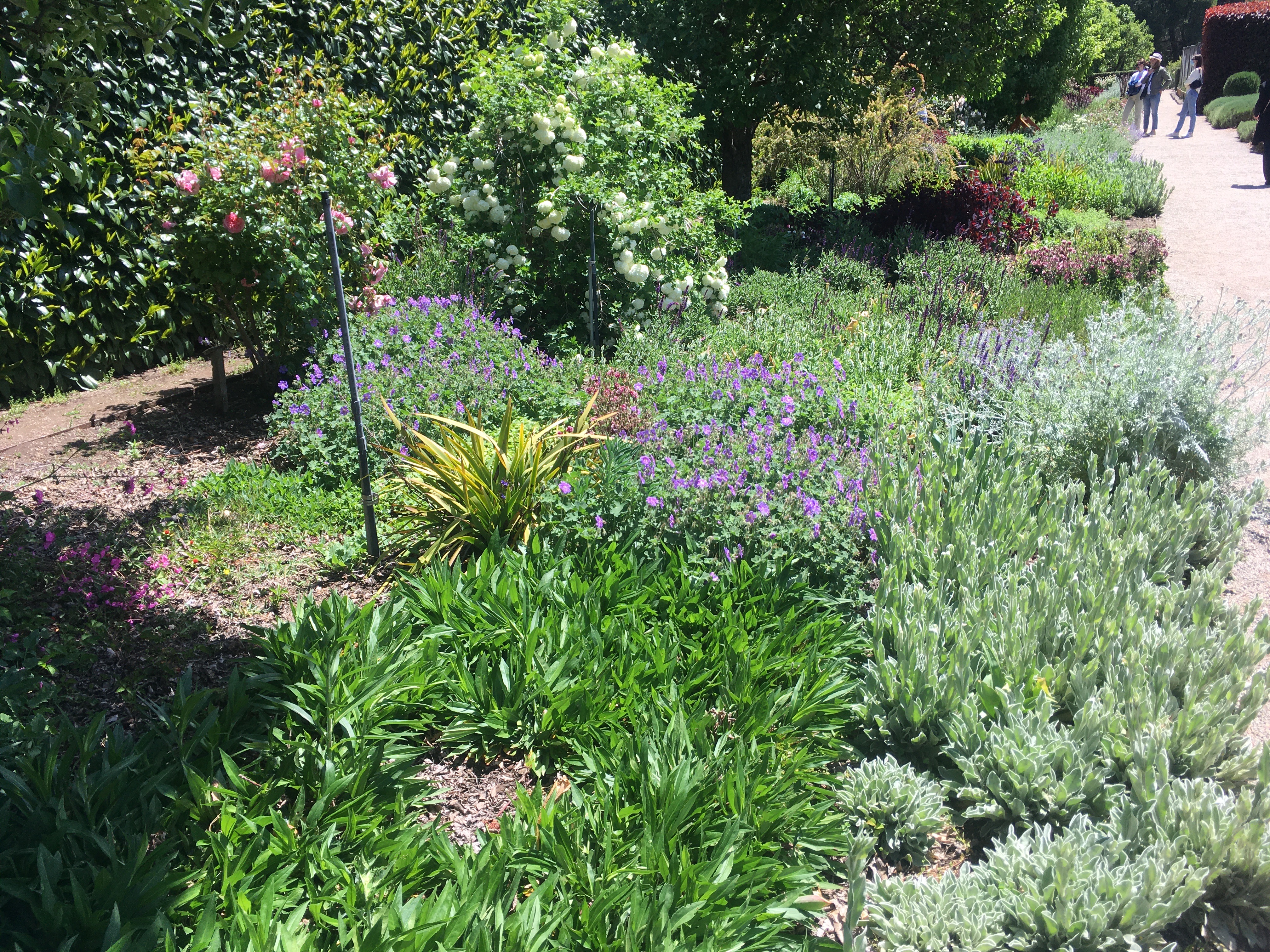
This is a visual snap shot of our field trip to see Filoli Garden in Woodside, California. Thank you to Kate Nowell, Horticulture Production Manager, for hosting us. Thank you to Jim Salyards, Director of Horticulture, for welcoming us, and also thank you to all the field horticulture staff who shared their knowledge of the gardens with us.

Filoli is a historic estate garden that is now a public garden managed by the National Trust for Historic Preservation. There are many distinct gardens and styles within. If you were to classify it, you could call it something like European formal meets oak woodlands, weathered in the California-casual rancho grassland heat.

Geometry and symmetry are primary in a formal garden. You want to acknowledge that the universe is ordered and structured and as such, the garden and its shapes are a reflection of this.

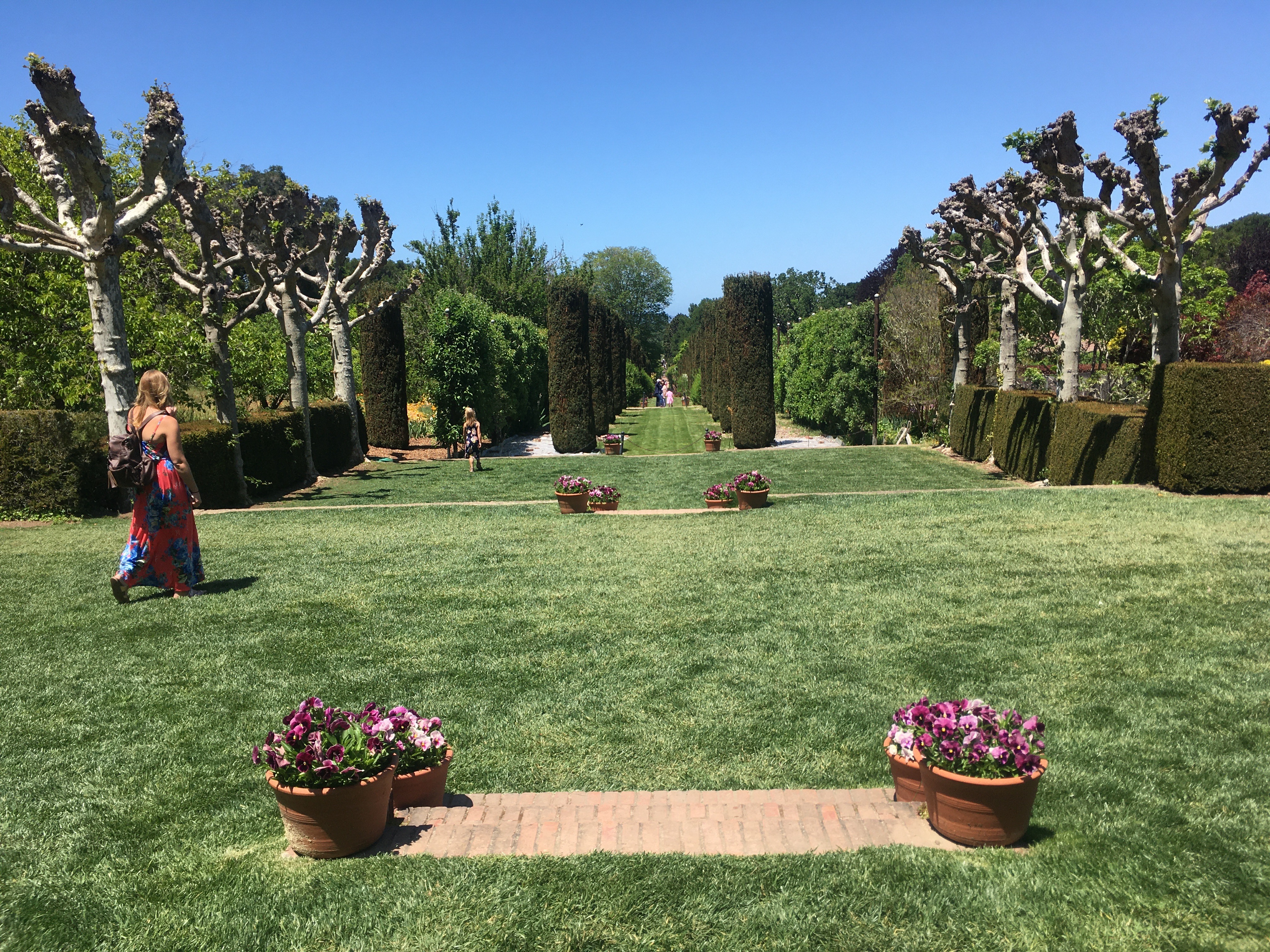
An important element in this world built with squares, rectangles and crosses are the axis of view lines that stretch straight across the entire garden. You want to be in a high place, survey and see the distant edge of your territories. As if you were the sun that traversed the sky.

From one garden room to the next, there is the transition that is a portal to the next mystery. The gates, the arches, the vines and steps all serve to ornament and shroud the junction. The doorways and walls bridge distinct and disparate spaces into a whole.

The lines and colors are simple and minimal. Clean, not fuzzy. This is exemplified in flat expanses of mowed green lawn coupled with well-trimmed upright point-to-the-sky yew trees, framed with horizontal hedges laser cut in their perfection.

The borders are accentuated and patterned. The edges divide the walking path from the beds; the low fences separate the humans from the plants. Again, there is the emphasis on where different elements meet and come together.

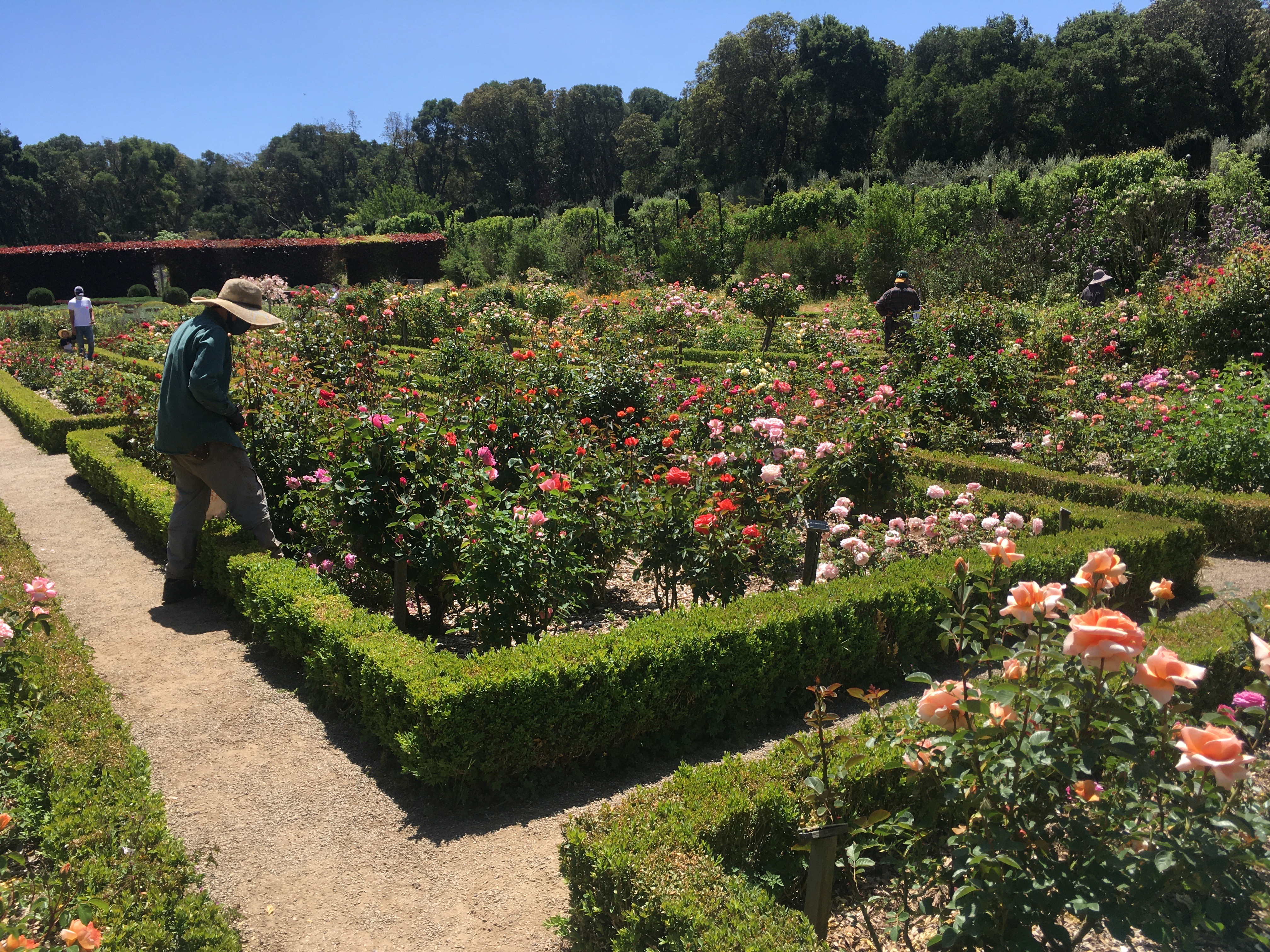
Inside the boxwood frames, roses and annual colors are featured at Filoli. Their care and maintenance encompass ground preparation, planting, weeding, pruning, and pest control. Plus, there is the switching out of blooms for spring summer and fall as hyacinth leaves fade to yellow and tulip petals drop and start to form fruits.

The formal garden of intricately winding hedges comes to us from the elaborate and embellished worlds of sixteen seventeen eighteen century Italy France England and thereabouts. Its as if you are touring a manor or a castle or the palace grounds and all of a sudden you get woven into a renaissance tapestry.

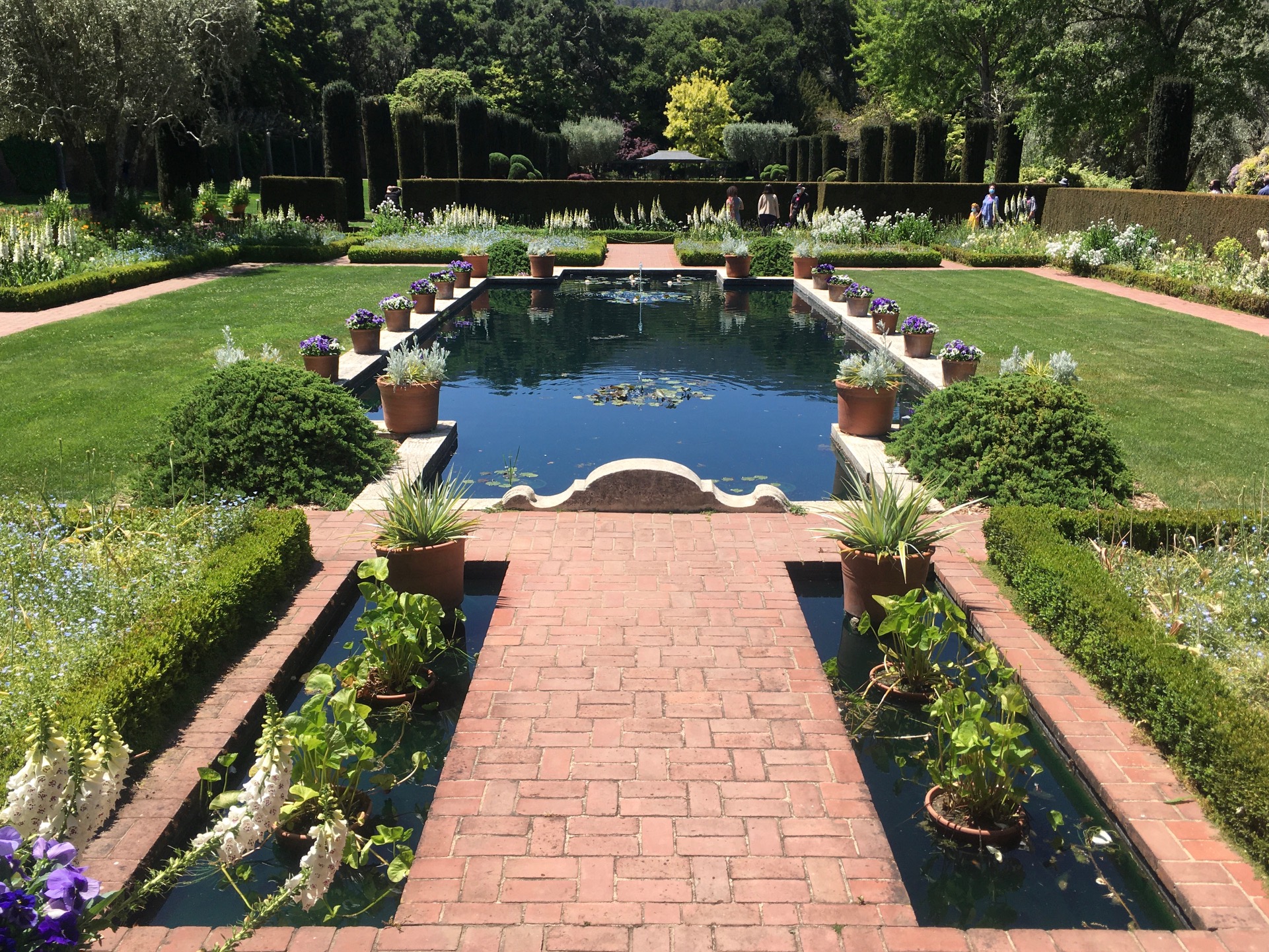
At the center of a formal garden, there is often a water feature. This can be a pond or a fountain. Water is the source of life. No water – no garden, no people.

Age and antiquity are a part of this garden. Truth be told it is hard to find well cared for old plants in California gardens. Filoli has some wonderful old oaks, as well as thick and nicely pruned wisterias that have been trained up the brick walls. Patience, time and commitment is what makes a great garden.

There is a woodland garden that is a respite from the heat. Here you will find the understory plants of ferns and mosses, as well as the larger woody plants that were brought from China Japan and India to Scotland Wales and Ireland at the turn of the 19th century by explorers named George Forrest and Ernest Wilson. The plants are rhododendrons, camellias, maples, and azaleas.

As a nod and hark to the agricultural past, Filoli is not only about formal ornamentals. The staff also do cut flowers, and are working on a vegetable garden. In a sense, we have come full circle. For a while there, the attitude was – ‘Who wants to see a bunch of potatoes and cabbages? I just want a pretty display’. Now, the attitude is – ‘Lets showcase and appreciate all of it!’. This encompasses food crops, as well as lessor known native plants and sometimes forgotten pollinator plants.

A number of perennials are featured, providing plentiful nectar and pollen for the local bumble, solitary, and honey bee. They add diversity and charm to an already over the top garden scene.

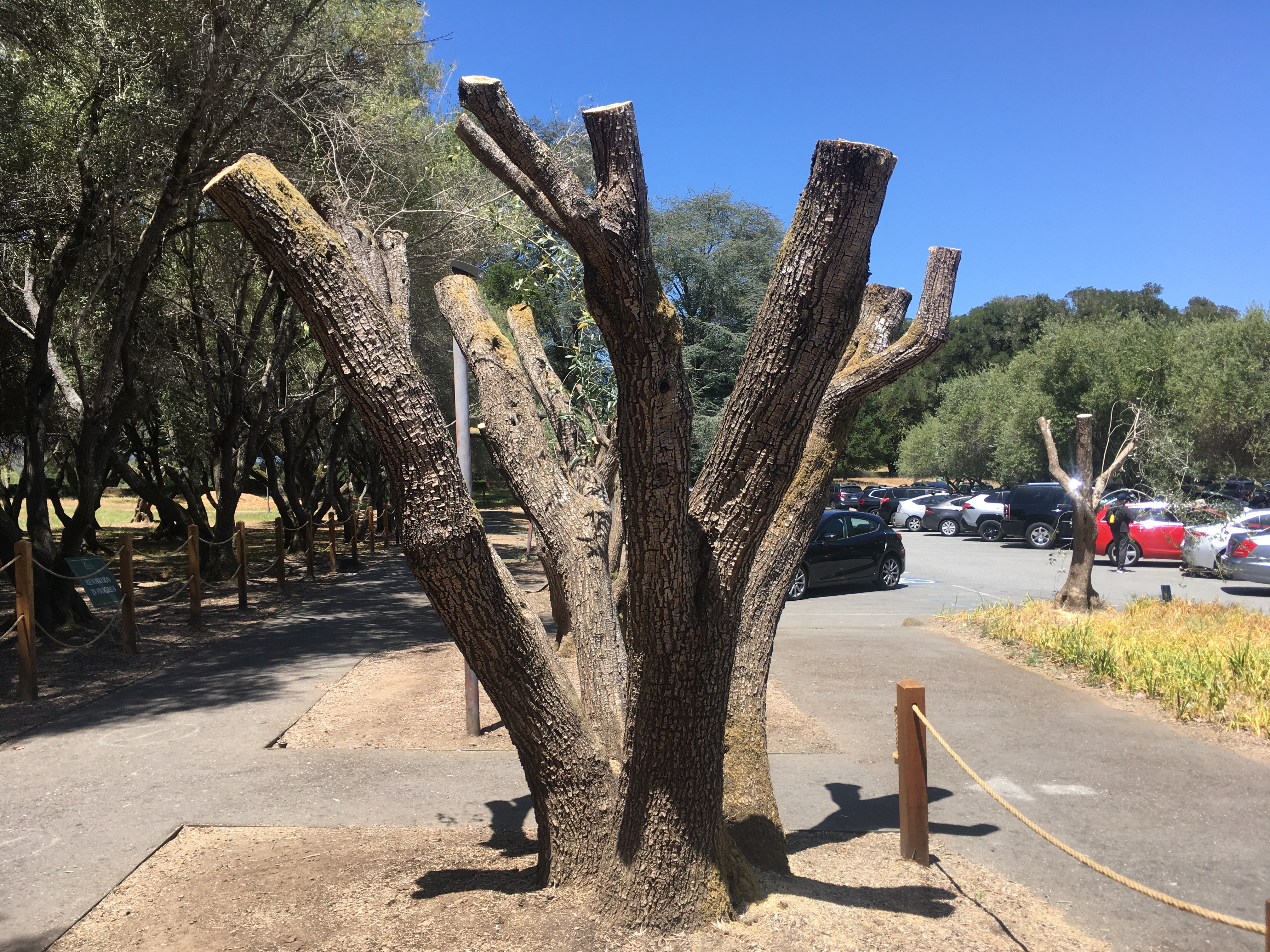
A nice mediterranean crop is olives, for oil and for fruit. These trees are hard pruned; and in this process will slowly return to being a production orchard. Sun drenched and well cared for trees will make good fruit, not gangly trees that are shading each other out.

For space consideration, it is useful to make the most of whatever space you got. Hence espaliered fruit trees running along a fence or a wire. This is an old old idea that goes back to the time of pharaohs and Sumerian dynasties. The apples and pears were barely forming on the day of our visit, but that is another reason to come back again in the summer and fall!

Well, thats about all for a quick look. This ain’t nothing compared to actually seeing the garden in person. If you get the chance to visit, GO!!! Pay attention to the work involved, and all of the details in the designs.

Some stats: Sixteen acres of formal gardens, twelve horticulture staff. High maintenance. Most plant production is all done onsite – growing annuals from seeds, potting up and dividing, making floral arrangements, composting, etc. Theres opportunities for summer internships and jobs. Check their website! Get involved!

And in the fenced orchard on the side was this lil fellow, going into a hole. ( It is a gopher snake). Until the next trip!

Hanging out in the duff beneath a yew tree, doing push ups at the edge of the pasture. A garden is bliss.

City College of San Francisco
why I love thee
an ode to a Community College

In the state of California
we got three tiers of ‘higher education’ in the public sector
at the tops is the UC, University of California – four year schools
in the middle is the State University – four year schools
at the bottom is the Community College – two year schools

Academically speaking,
UCs are for the 3.8, 3.9 to 5.0 GPAs kids with a bunch of extras
the State Universities are for students in the A’s and B’s range
and the Community Colleges, well, anybody can go there

I went to two UCs for my undergraduate education
the best part of both of them was their proximity to the ocean
one was close to Black’s Beach
the other was close to Steamers Lane
that is where I got my education
during dawn patrol
and afternoon glass off
in the sea
I took classes in ecology evolution and conservation
but there was a huge disconnect between academia and real world

we never did any walkabouts around the neighborhood looking at weeds or flowers
or picked up garbage on the beach for ‘environmental justice’
worked in a park for ‘labor studies’ or went after poachers for ‘conservation’
class was a lot of theories, graphs, statistics, and verbose language
things I did not understand whole bodily, things I still do not grasp
I also took some art classes at the UC
again, I have forgotten the content amidst the crowd of 300, but remember well
a kind black lady with colorful clothes named Faith Ringgold
and images of wild yam cults and elegantly carved ashanti stools

For graduate school, I went to a State University
to be exact – San Francisco State University
the best part of the curriculum were the field trips
excursions to the icy-morning mountains, to the shot-up road sign deserts,
overnights to the wet-tent-at-night woodlands, to the sweat-up-your-neck foothills
voyages with professors named Patterson, Hafernik, Desjardin, Parker, and Blair
so vivid were the blooms, and so colorful the fruits! And the animals!!
this is how I fell in love with the flora and fauna
of a valley, of a grassland, of a washed out gully in the sands
I was happy to wander around with classmates, observe and see things as they are

For work, I have taught at a Community College for the past sixteen years
I teach horticulture, which is gardening, landscaping, tree and nursery work
the ambiance is real different from the other two institutions
the students are of a different sort, and the teaching is much more applied
it is not much of a social and hang out recreational place; it is not the ‘college experience’
theres nobody laying around on manicured lawns
theres no ragers at a frat house
theres limited ra-ra-ra at sports stadiums with everyone wearing matching colors
but, it is a place of learning – a place that prepares you for working in the world
it is more to my liking as a person; it fits
I appreciate the diversity of the students, I like their sincerity of being

Now, you might be thinking or saying
‘community college is for the dummies that couldn’t get into…’ or
‘community college is for a poor kid that can’t afford…’ or
‘community college is just a stepping stone so that you can transfer to a…’
well…maybe you are correct

From my view, the students are a lot smarter, and wiser
at the community college
maybe not always test taking smart or sit still smart
the kinda young person know-everything-whipper-snapper-smart
caume laud this or honor that smart
but the students are hand smart, experience smart, tactile skills smart
smart in the ways of the world smart
sometimes wise in the ways of good and evil wise
this is so, because there are all kinds of different people
who attend our community college

it is a COMMUNITY college
here, you are not gaming for a piece of diploma paper
with a similar cohort of peers
instead, you are actively and closely engaged with people
of varying backgrounds and strengths
in understanding the world and finding your place in it

Who wants to learn about flowers? And trees? Well,
we got high end well educated professionals like my dentist,
the doctor from the free clinic, and the patent law lawyer
there’s an army scout who knows the weight of an abrams tank,
a twenty year Navy pilot, and the electrical engineer on an aircraft carrier
we got machinists and diesel mechanics who have done time with heavy heavy equipment
as well as folks who’ve spent time in jail cells contemplating, reflecting
and, theres a lil’ bit ragged student who’s been dreaming while sleeping on the cold sidewalk
there’s bunches of nurses and medics who want to care for a living thing that doesn’t talk back
as well as a two or three master’s degrees therapist who is tired of the droning quality of human self pity and inaction
into the mix, throw in a retired chemist
add an architect discovering nature’s structures, and
stir in some managers, supervisors of 10, 20, 100, 1000 subordinates

plus
there is that whole generation of students who have been raised on computers, videos and screens, students who have never acknowledged the three dimensional sentient and conscious creatures on our planet, youth who ignore the blur of greenery all over the land
and, theres a whole lot of students with a bachelors degree and a student loan
students who for four years did not know what they were studying or why they were studying it, and now do not know what to do
to be gainfully employed – maybe you can do something with nature? something that brings joy to your heart? something to cultivate beauty in our society?
… try the horticulture and floristry department!

Seems that the rightful place of a Community College is –
at the center of the community, a college for folks young and old
a place that gathers everybody together and improves our day to day world
one seed, one sprout, one or two cotyledons at a time
there not a whole lotta other countries where such a place exists
everywhere else people are enamored with that kind of hierarchy that puts everybody in a slot on a ladder, and you can’t climb up cause you are stuck on your rung
this is America
we want a just and kind society that is a big ol pie
everybody anybody who puts in their best effort can come get a slice of
apple pie, cherry pie, maybe rhubarb pie

The community college is a great idea, a grand experiment,
it is a temple for lifelong learning and a roundhouse of civic in-person interaction
it would be a darn shame
if it were to be snuffed out, gutted, squeezed, and relegated to the chop chop ax by
uncaring people
theres no better place to learn to smilie with all of mother nature’s creation,
there’s no more worthwhile crew of students
than at
City College of San Francisco!!!

Blackberry

I like weeds because they are tough survivors
plus they are job security because I am a gardener
my favorite weed is the himalayan blackberry spread by birds eating the berries and dropping the seeds
blackberry seeds grow into huge thick canes and impassable thickets
tips touch the dirt, grow more roots, and up they go again arching into the sky
to remove them by hand
you need a good pair of gloves and a spade

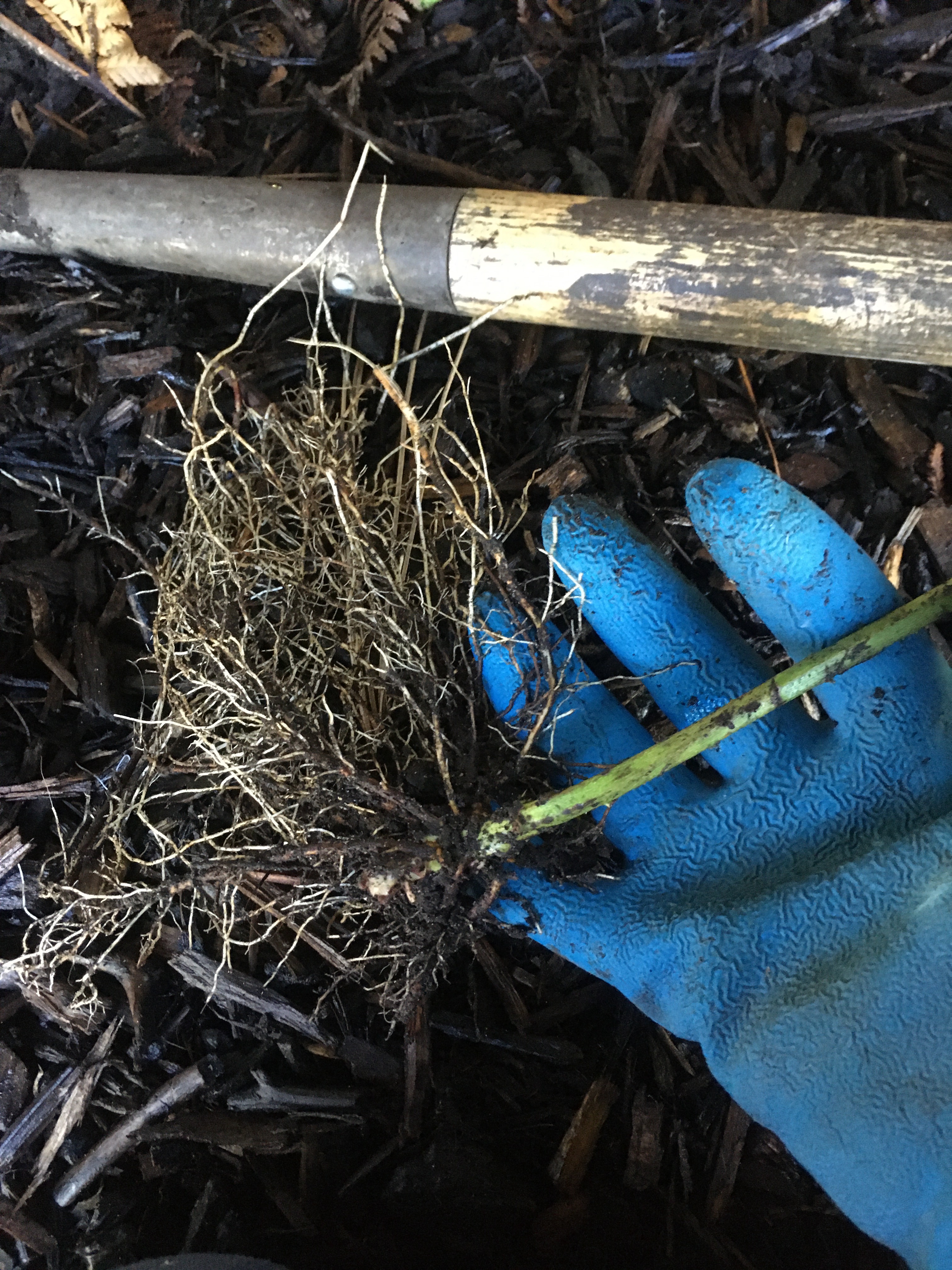
Find the roots, they look like this
you want to get the whole nugget, not only cut the top
if you just cut the canes, it resprouts and hunkers down for the fight
so dig all around about eight ten inches deep
use the spade like a spear in a cutting motion
watch out for buried pipes and conduits
it is extra difficult when the blackberry root is tangled inside a tree root

When you pull the big root out of the earth it looks something like this

or this
try to get as much of the root as possible
that will slow it down over time
our goal is not total eradication, just management and some control
in localized place

if you tug on the small end of the vine
where a young stem touched down and rooted
the roots may be white and fibrous
these fine branching roots are usually pretty easy to pluck from moist soil
they havent yet grown that obstinate woody hunk of anchorage

if you are lucky and you pull out the whole vine
it is a happy and satisfying feeling
like you battled a small beast and won
bloody cuts on your arms
make sure you soap and clean it later
all the way up the forearms past the elbows

then its time to pack em up
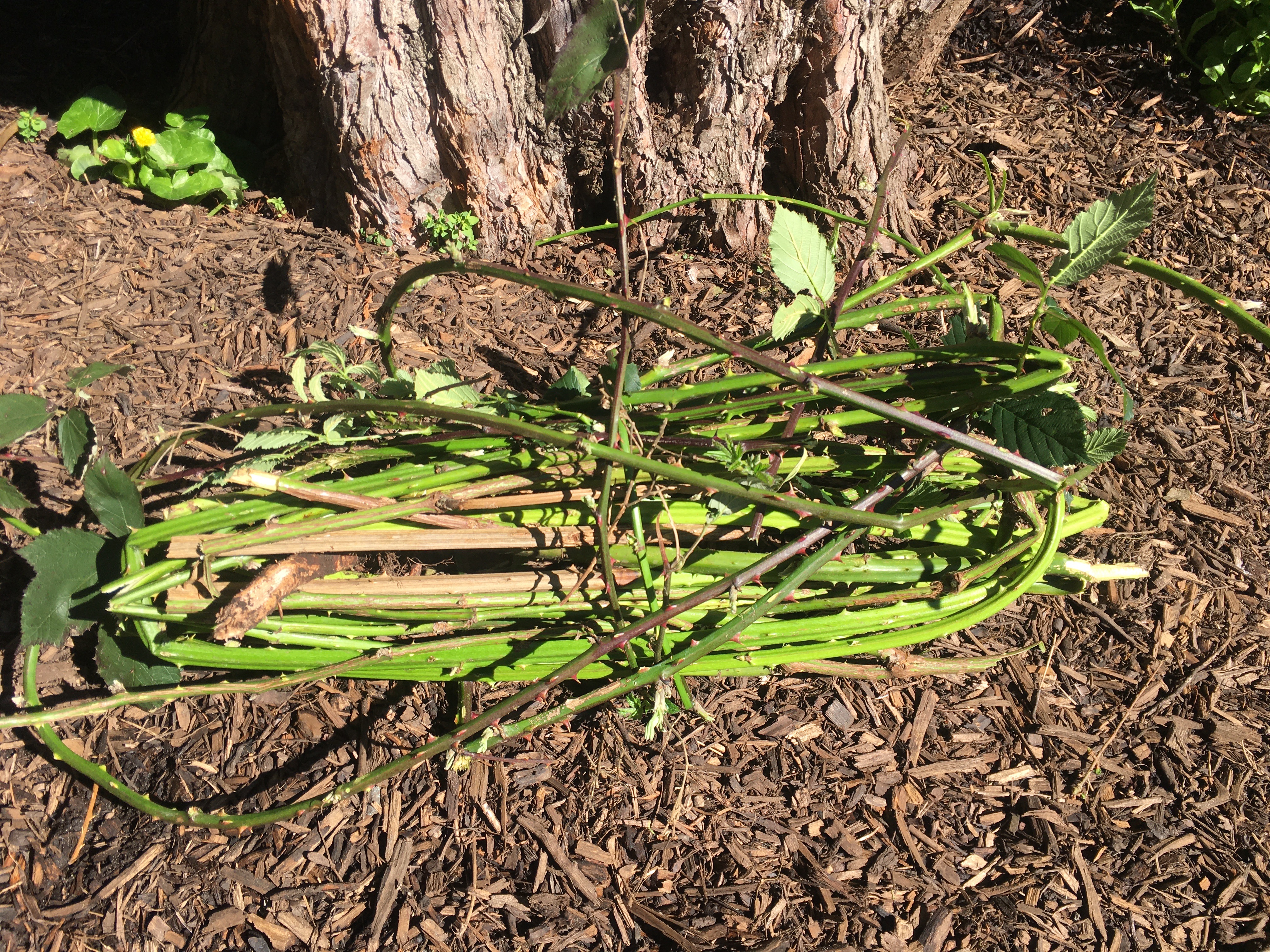
you fold the vine back and forth
same as you would for a 100’ climbing rope or an outdoor extension cord

at the end of the vine I like to use the thin apical stem to tie it together in a neat manner
so bundle it across perpendicular to the bundle
the spines grab itself and holds it all tight for easy transport
you do this for a bit and pretty soon its a whole burlap full of the stuff

thats it!
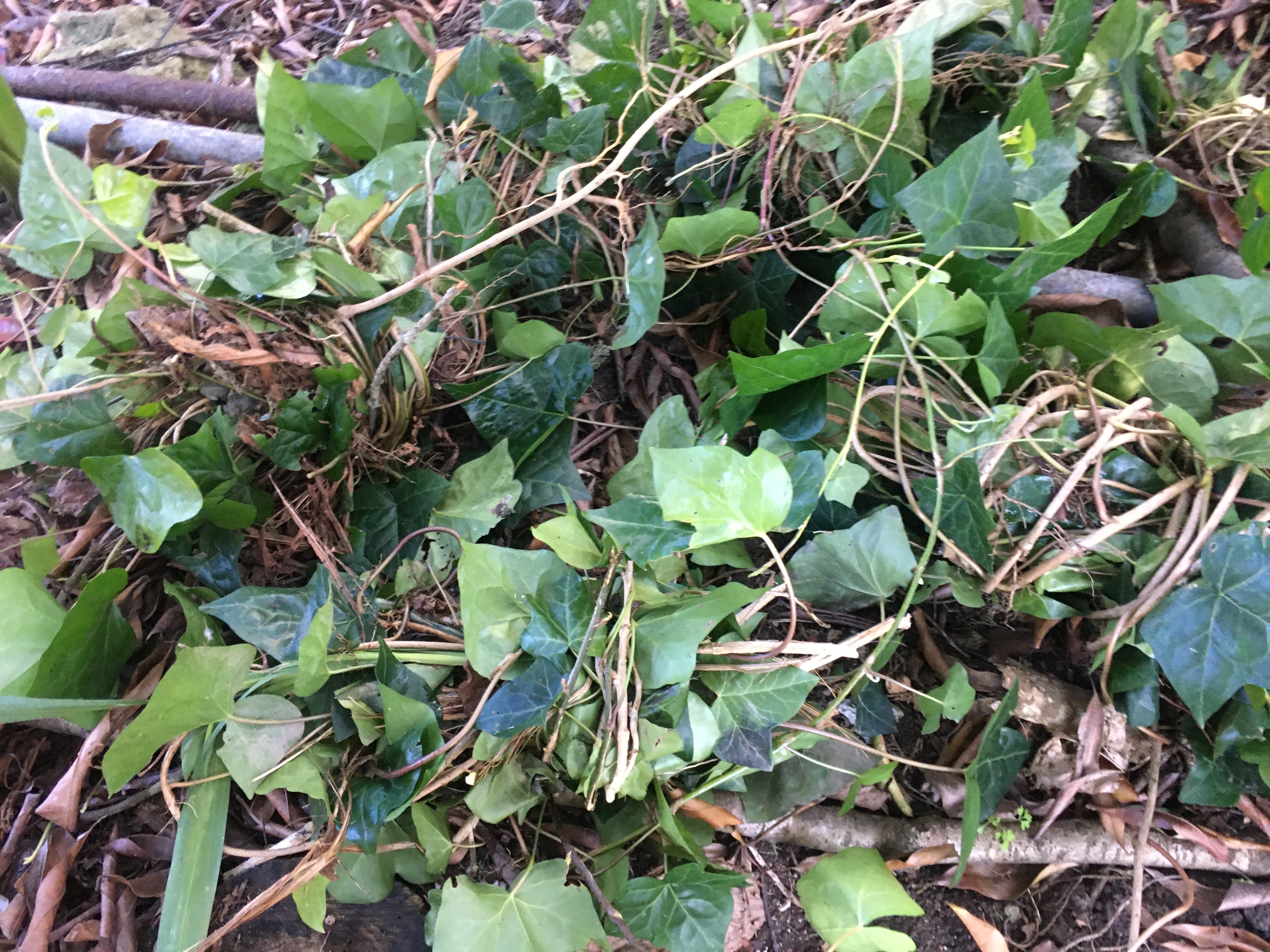
I weed algerian ivy in the same way
make little packages of weeds


the ivy pulls easier than blackberry
but it is not as fun or as exciting
because ivy does not put up a fight as hard as good ol
Rubus discolor Rubus armeniacus
my favorite weed