Herbaceous perennials

This is a good time of the year
to work on the herbaceous perennials
summer is coming to an end
food has been made and stored
flowers are spent

What is an herbaceous perennial?
well for one it is herbaceous
herbaceous in botany horticulture speak
means the plant stays bendy and squishy,
soft tissues that do not harden and become stiff and rigid
herbaceous, not woody
shrubs and trees – they are woody, not herbaceous
most grasses and rushes – herbaceous
bulbs and corms – herbaceous
blue bells, columbines, delphiniums, coneflowers and poppies
all herbaceous

Herbaceous is different from an herb, like a kitchen herb
herbaceous is different from herb, like street corner slang for cannabis
herbaceous is not a particular plant, it is a description for a plant tissue type and structure

Perennial means it lives for more than a a couple of years
could be five
could be one hundred
so relatively long lived

Some herbaceous perennials
come from a place with cold winters
so they are accustomed to tucking themselves back into the earth
underground, for a spell
hanging low during the cold period when the sun is low in the sky
and there is ice and snow cover

Other herbaceous perennials
come from a place with hot hot summers
in order to survive
they die back, go dormant, and take a rest from photosynthesis
when the sun is hitting hard, and there is hardly any water
be still and quiet

There are also herbaceous perennials
that are evergreen in foliage
they are green and persistent year round
happy in our mild coastal climate
getting by just fine with the occasional winter rains

As maintenance gardeners and plant lovers
working on the herbaceous perennials
you may –
(1) deadhead old flowers
(2) remove the brown and spent foliage
(3) rejuvenate the plant by cutting it all back to the ground
(4) collect seed and store it in an envelope to grow later
let’s go to the field and give it a go

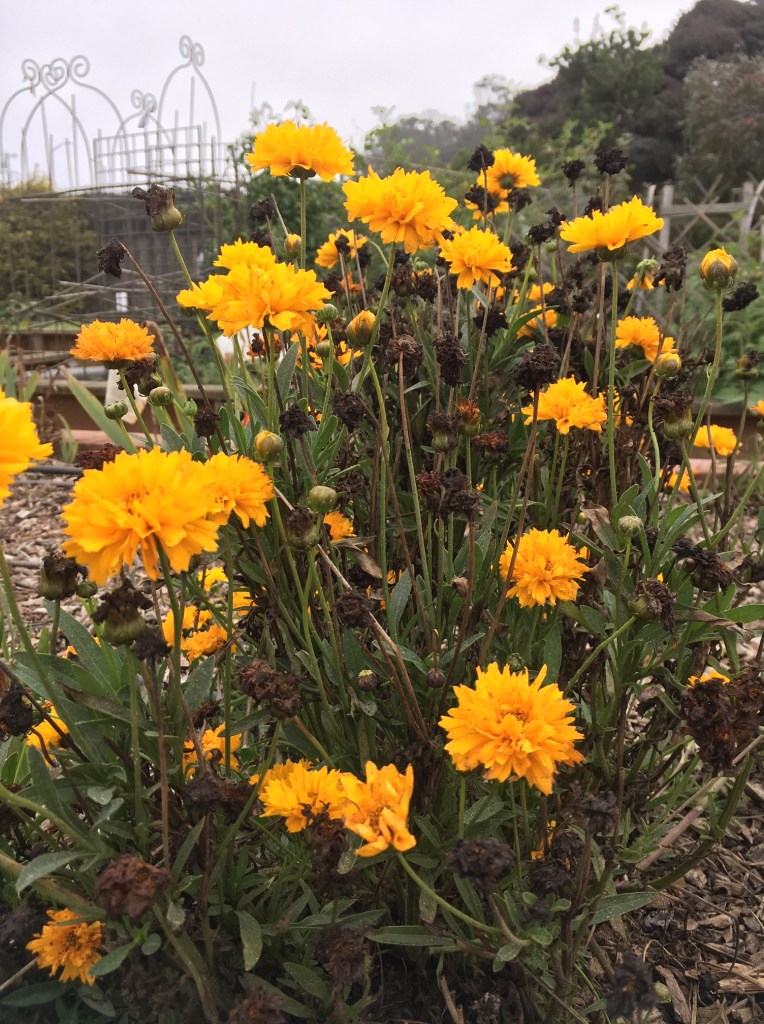
Deadheading is removing the faded spent browning flowers
with the hope that by removing them, the plant will send up more flowers
for us to enjoy
this works because the plant wants to make seeds and reproduce
by taking away the faded flowers with the just-beginning-to-form fruits
you have frustrated the plant in its reproductive endeavor
so it will try again, provided there is sufficient water light and warmth
to keep going

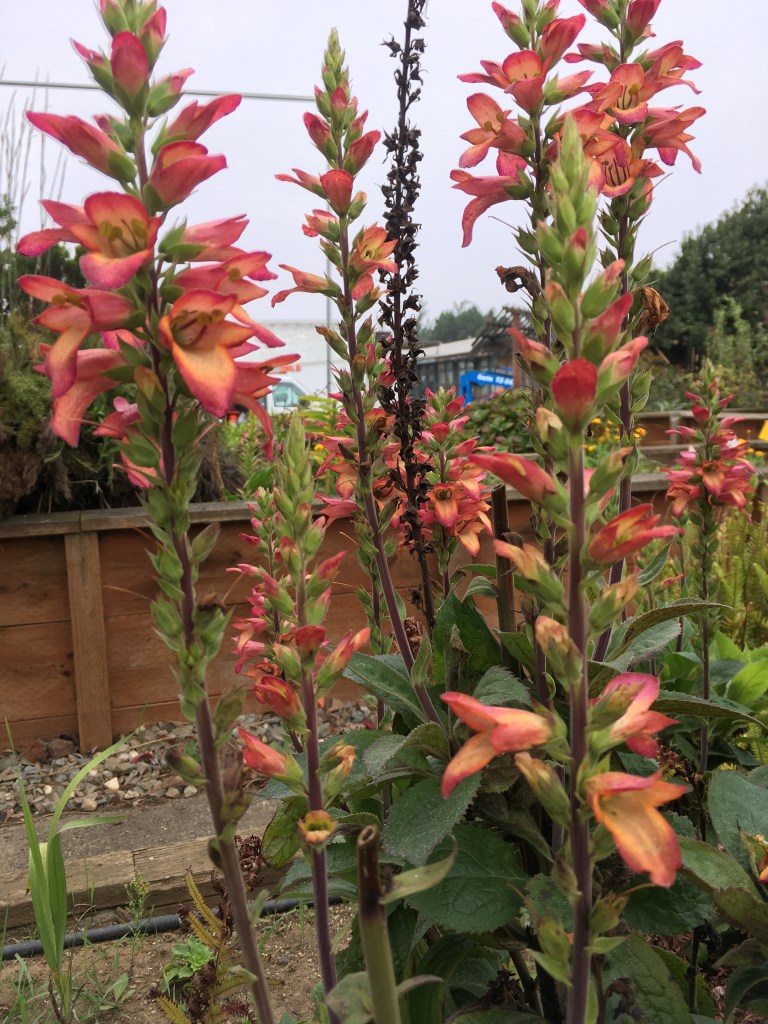
Here is Digiplexis in action
you can see some cut flower stalks of past deadheading
you can also see that the plant sent up more flowers to achieve its end goals
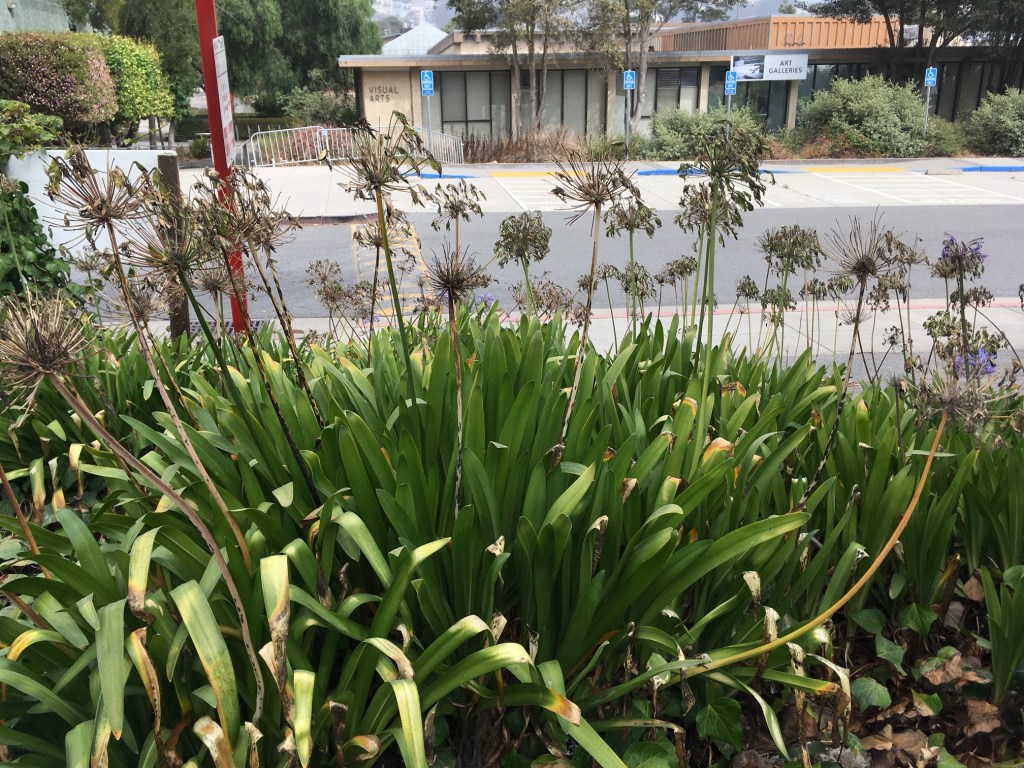
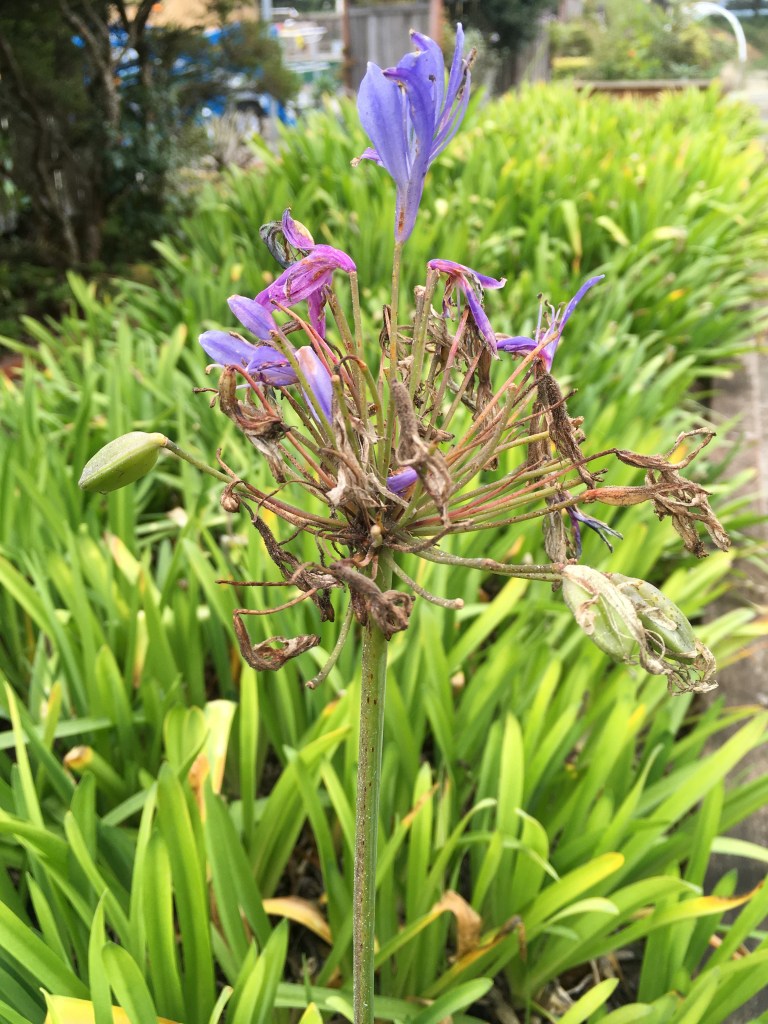
This one is Agapanthus
watch the flowers drop off one by one
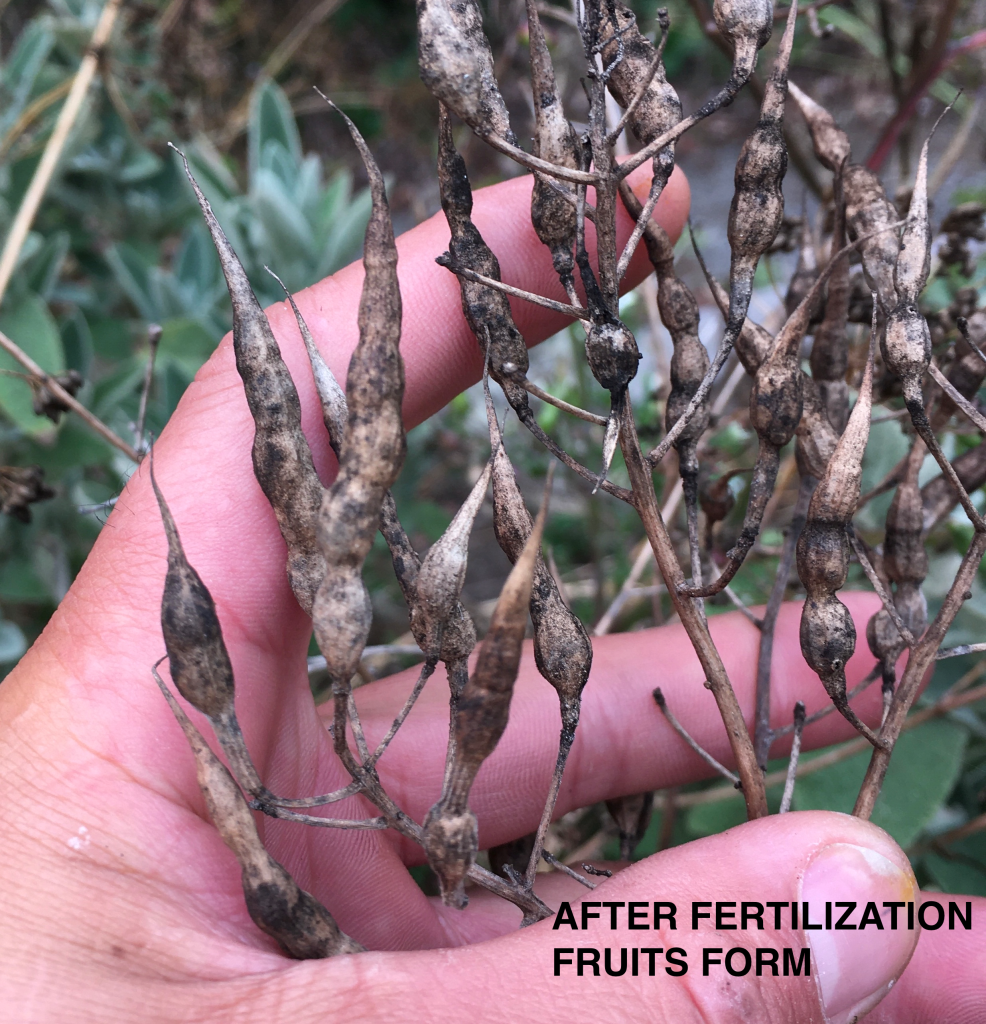
observe the fruits start to swell up with seeds
seeds that start off white, then turn black with age
okay here’s plenty of work
deadhead em anytime!
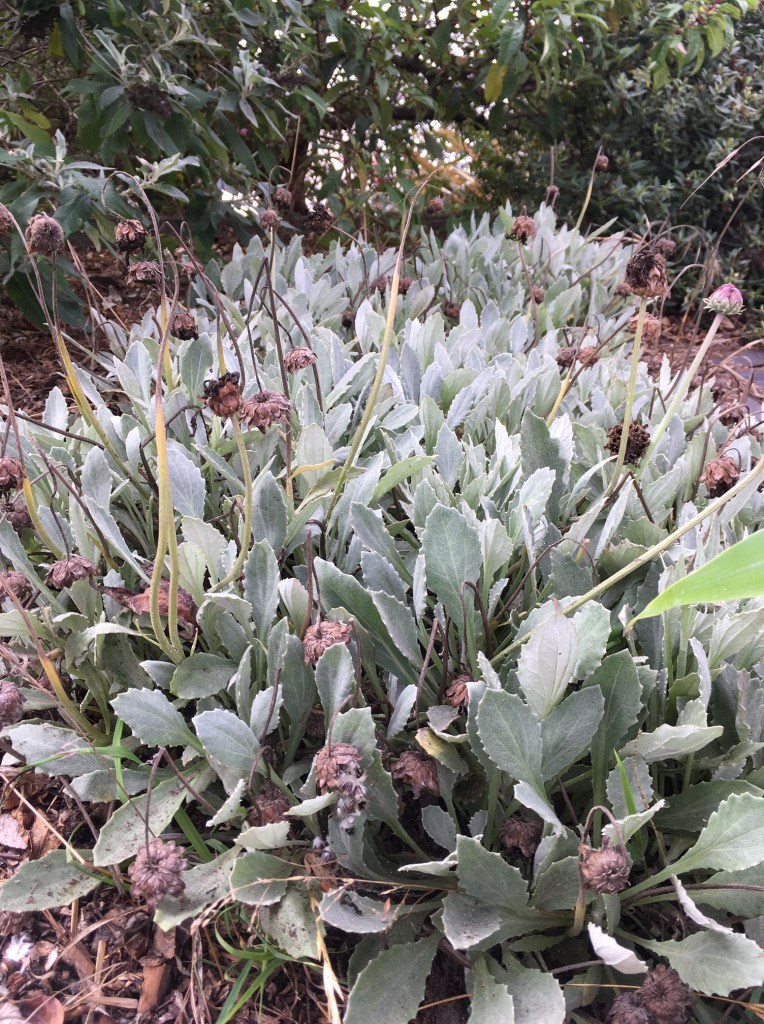
Now when you see a shasta daisy, or a coreopsis
or a california buckwheat, or an osteospermum
you know what to do
to keep the flowers comin’
When you remove the brown and spent foliage
it just looks cleaner and taken care of
like a gardener has been through there
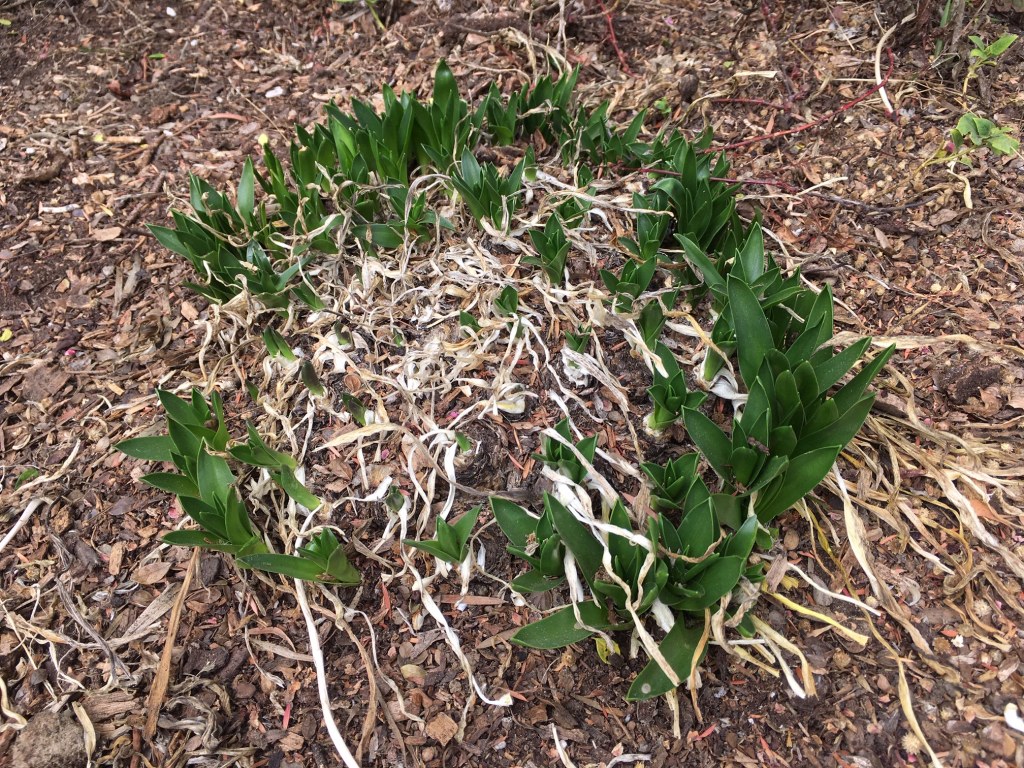
this patch of Chasmanthe is all finished for the year, the corms have retired
these little colonies have been shrouded for most of the summer
would be good to take a pair of pruners to em
or snip them with a pair of really sharp shears at the right angle
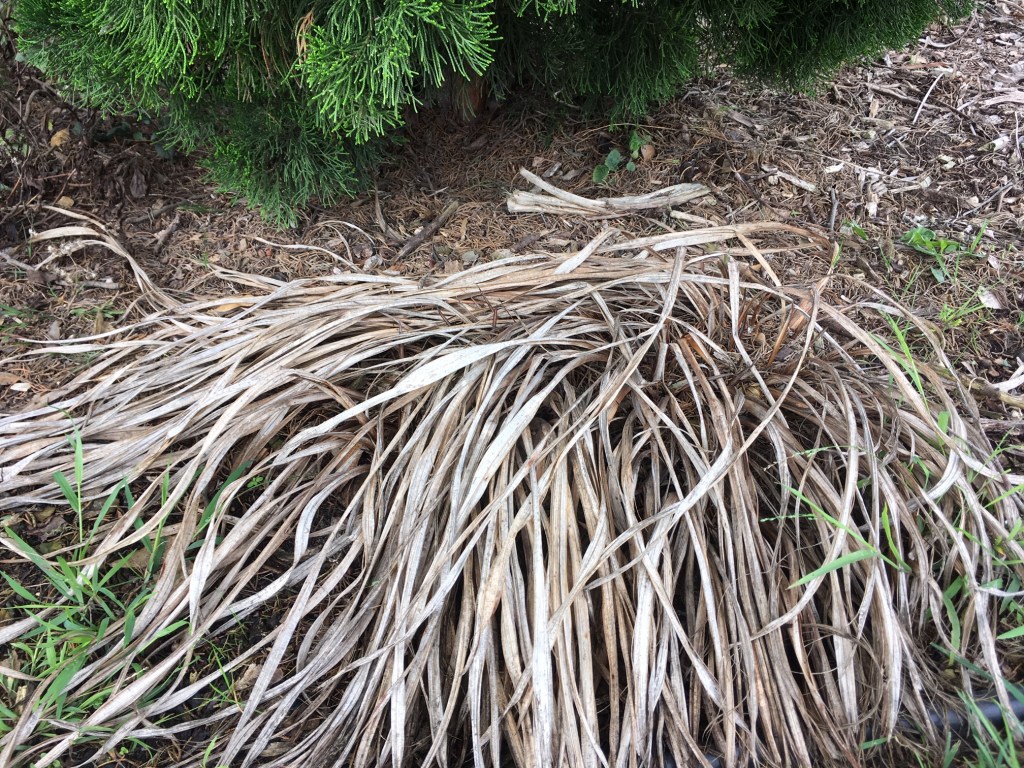
This swathe of grasses is also all done, dropped its seed, just a fiber skeleton left
but these grasses dont actually belong in this lecture
cause they are not perennials, they are annuals – mostly oats Avena

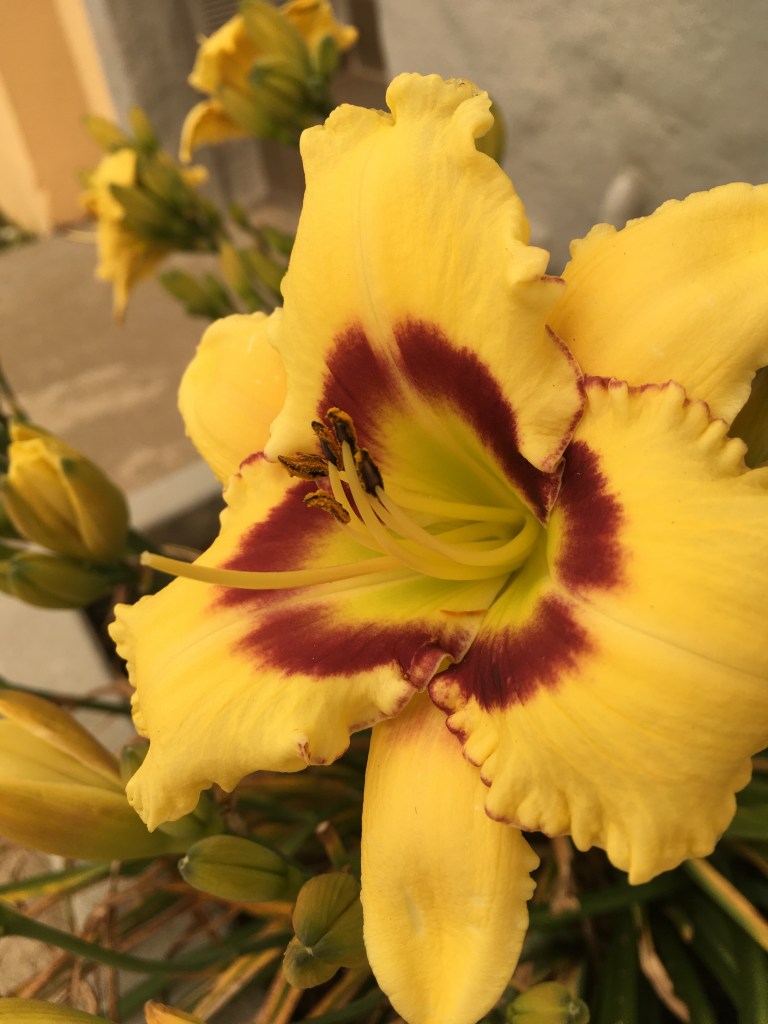
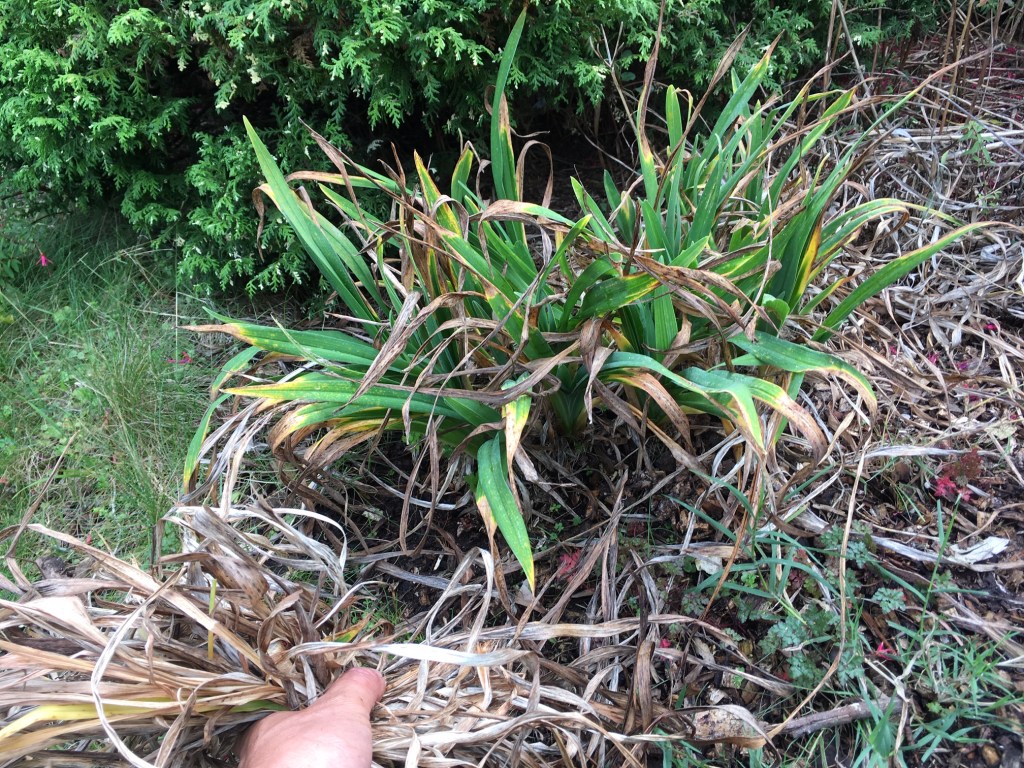
Like with this daylily
you just reach in and pull out all that brown dead stuff
and the plant perks up a bit
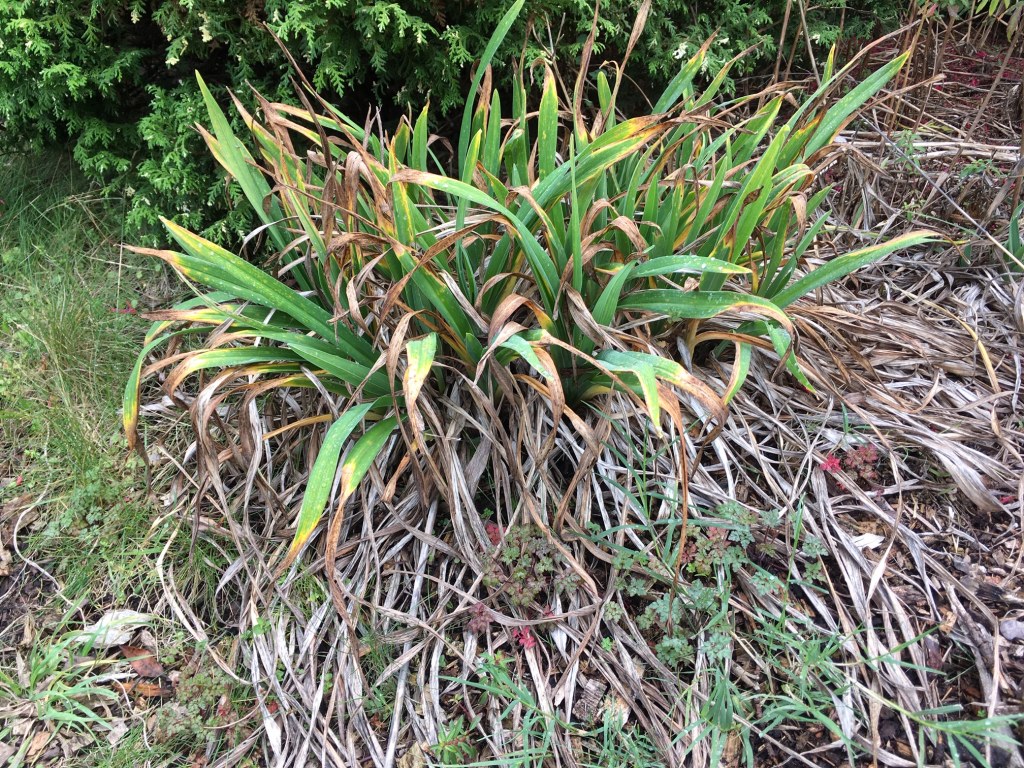
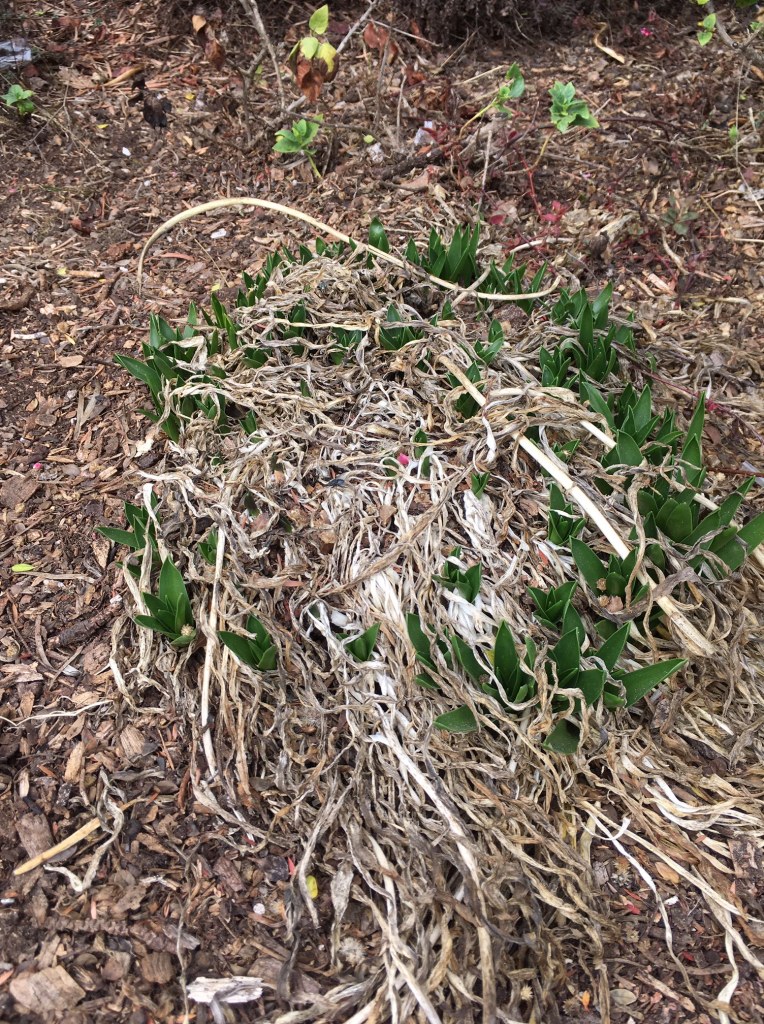
Like with this clump of Scilla bulbs
see the gardener’s touch?
Only thing is, sometimes you gotta wait it out
ideally, if nobody is complaining, you wait until the plants’ leaves go all brown by themselves before you dive in with pruners
that way the plant pulls all the green goodness back down into its underground parts
and stores it for next year
if you cut them prematurely, that is – interrupting its natural cycle
it is kinda like dropping a couple of hundred dollar bills on the ground as you walk away from the bank, having just made a withdrawal
if you are able to, follow nature’s rhythm, don’t force it

That said, in nature, even the dead brown leaves serve a purpose

they act like a blanket of insulation

shielding and protecting the parts below

during hard times

As it dries up, down into the ground go the irises:

When the plant is all done
then you go in
for example, this Alstroemeria, see the difference a few minutes of gardening makes?

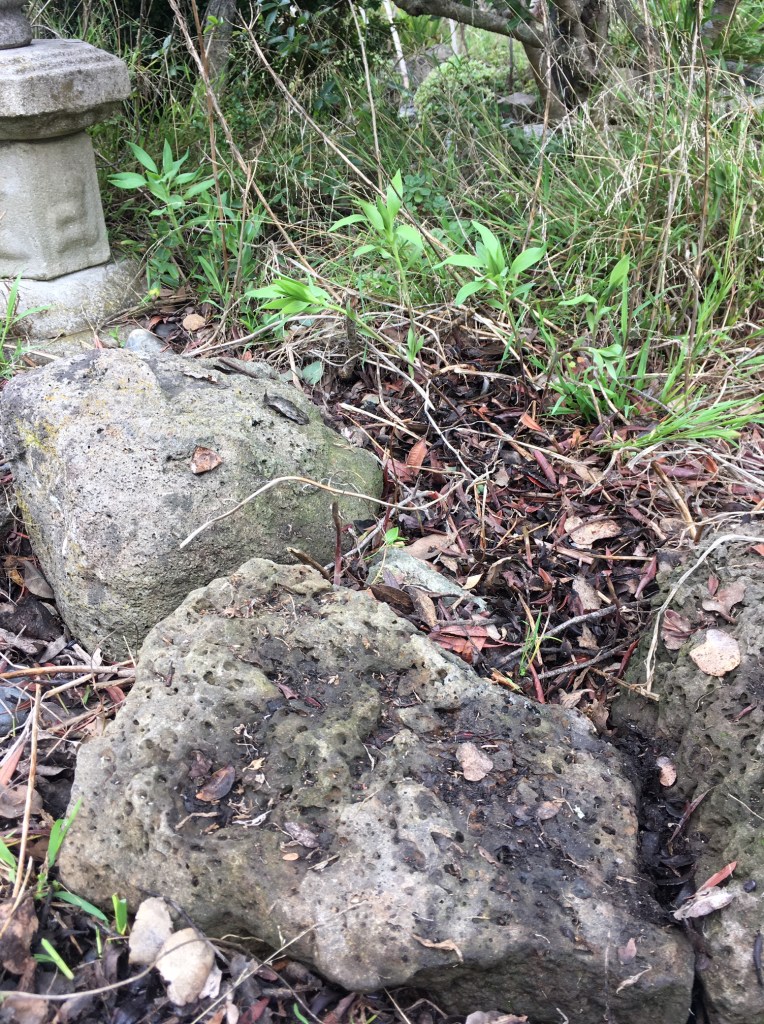
Sometimes though, you came a little too late, and the plant already started its next growth cycle
like this other patch of Alstroemeria around the corner –

you can still work on it, just try not to yank and cut all the fresh growth

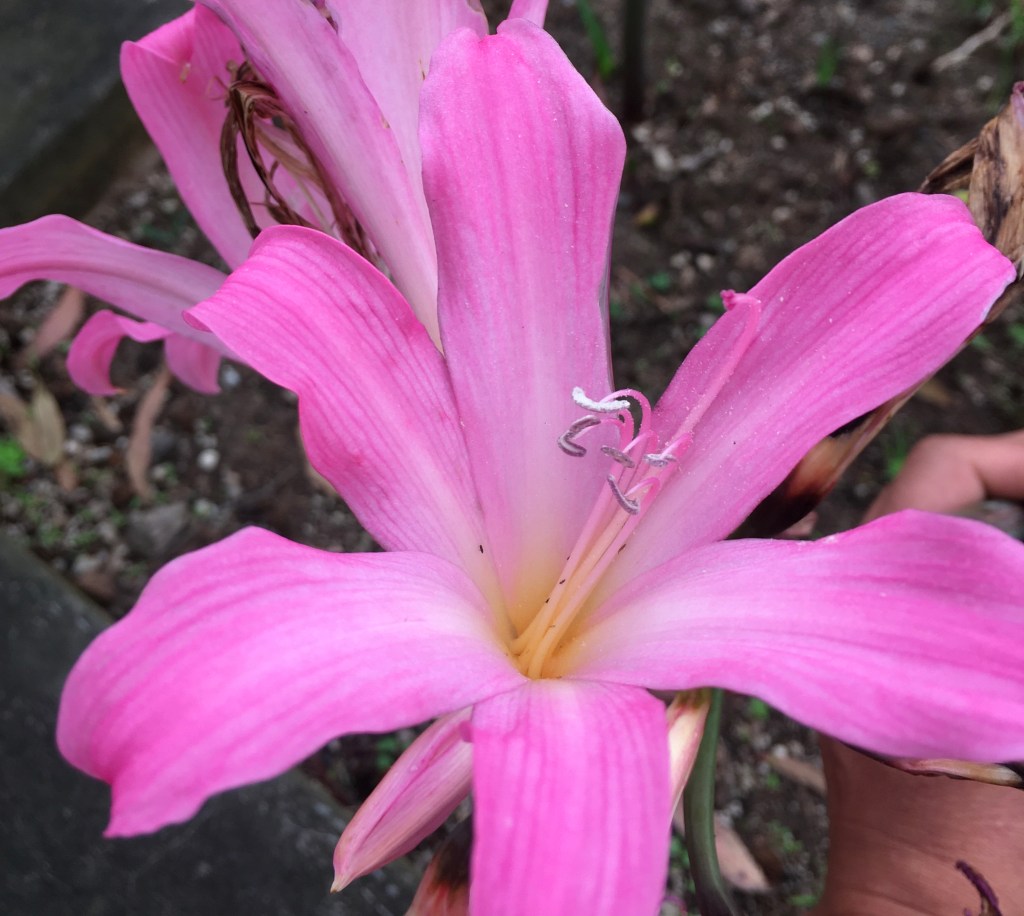
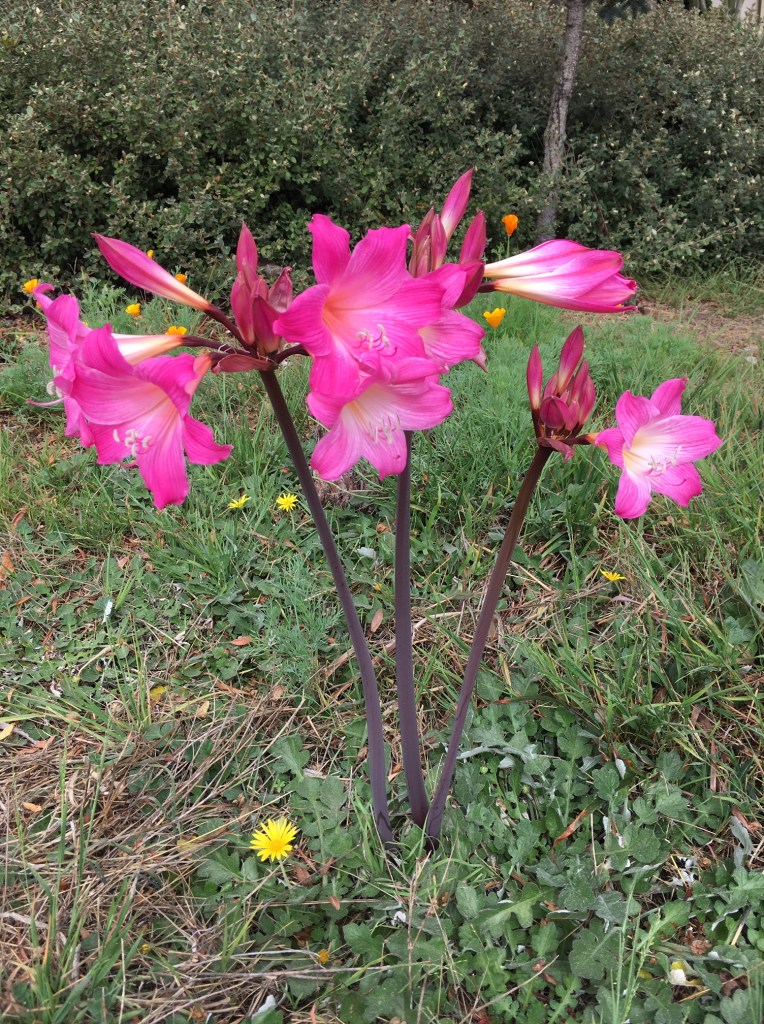
These Amaryllis belladonna are still blooming:

This Amaryllis has that look that says
“That’s it, I’m all done. Lemme rest”
unless you want to save the seed, this is when you can go in and cut it all down
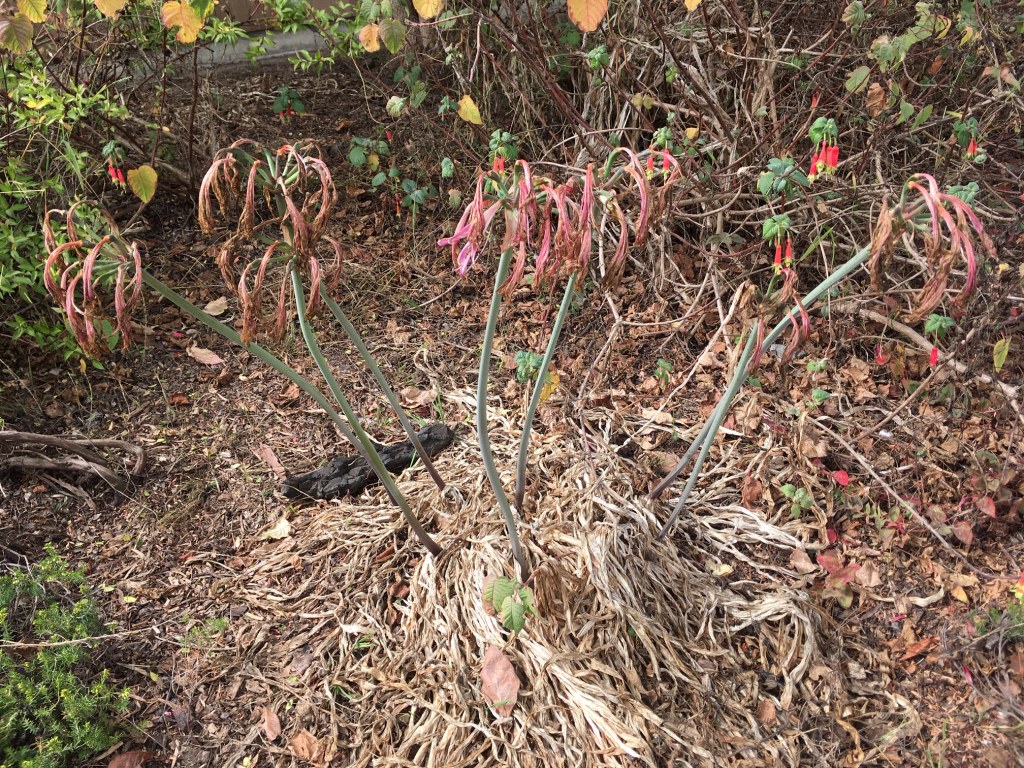

So that next August September it will look like this again
Maybe you are a maintenance gardener
who is secretly harboring wishes
to be a nursery person or a master propagator
well then you want to keep an eye out on the fruits
and start to collect seeds
while you are in the garden

Collecting seeds is almost the total opposite of deadheading
if you want to have germinating plant babies
you have to leave the maturing fruits
the fruits will tell you when they are ready to be harvested
usually when they turn brown
you will have to put up with people saying things like
“Why you leave that? Its so ugly?”
or “Cut it down already, theres no more flowers, are you lazy or what?”
usually, I just shrug, smile, and wait, and wait some more

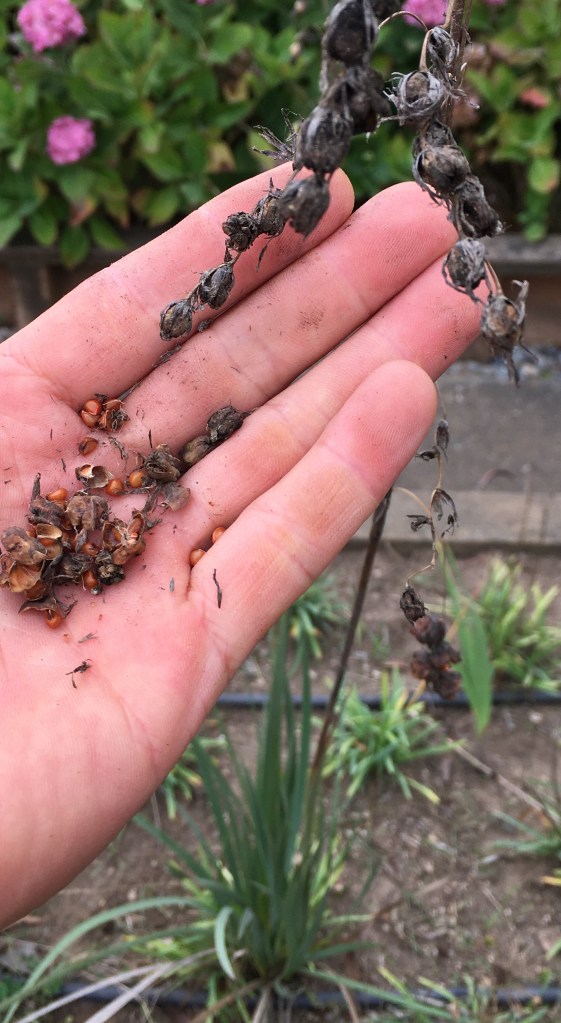
Wait until I can get a handful of the fairy’s fishing wand Dierama seeds:
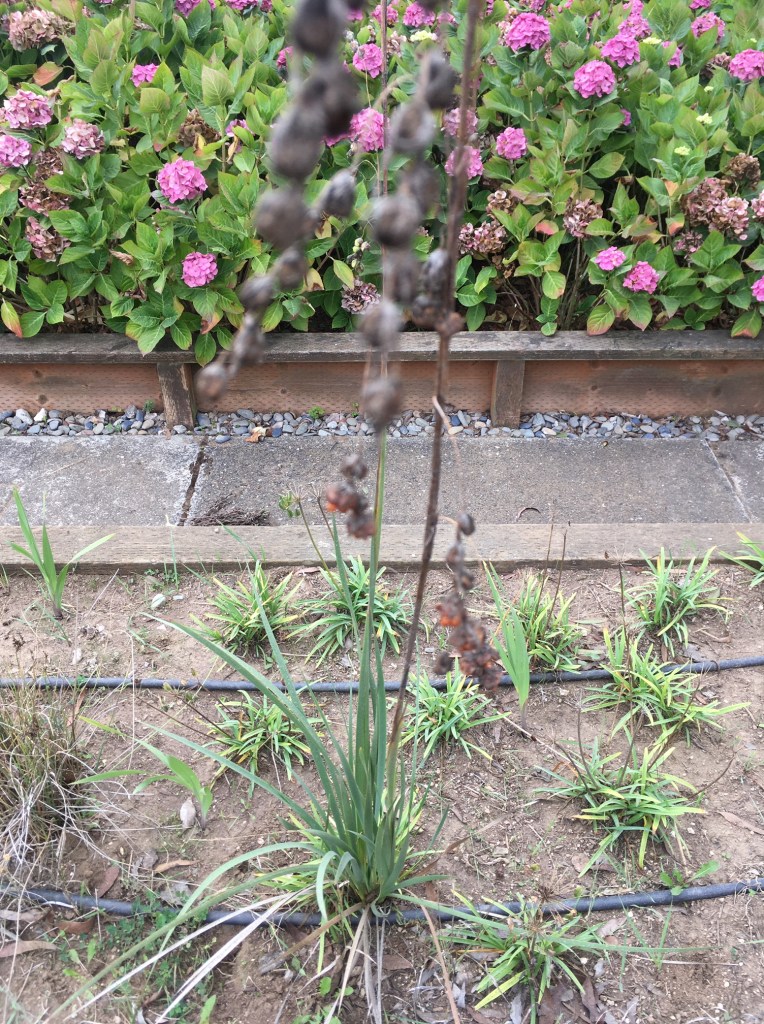
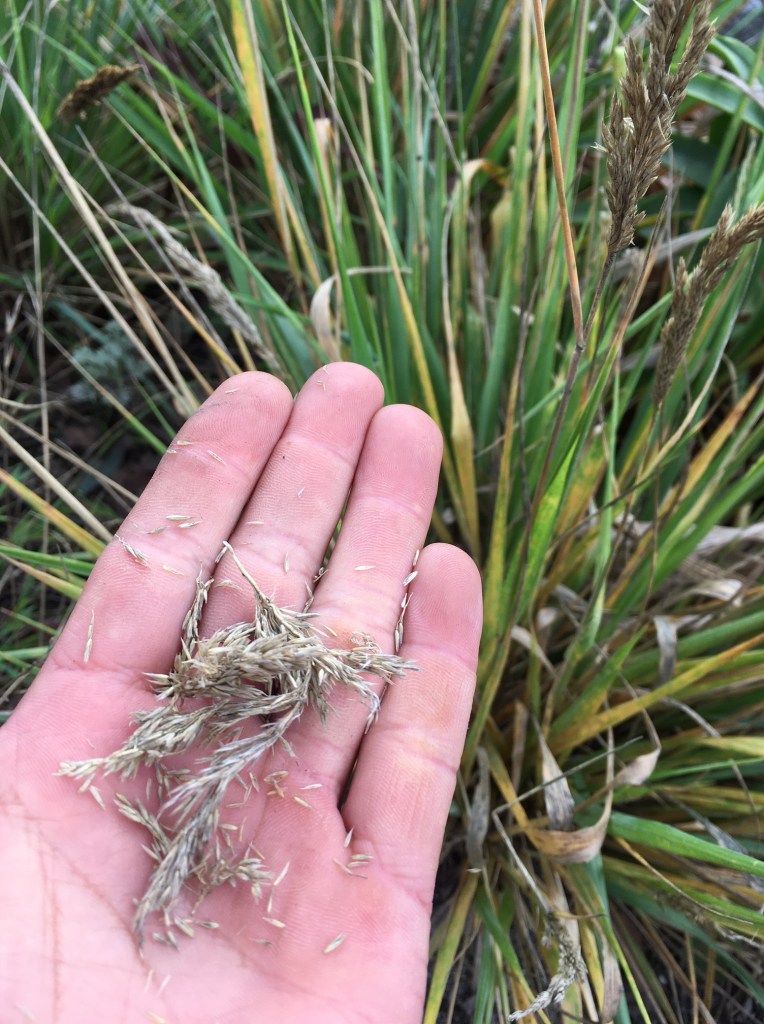
Until I can fill an envelope with nutka reed grass Calamagrostis seed

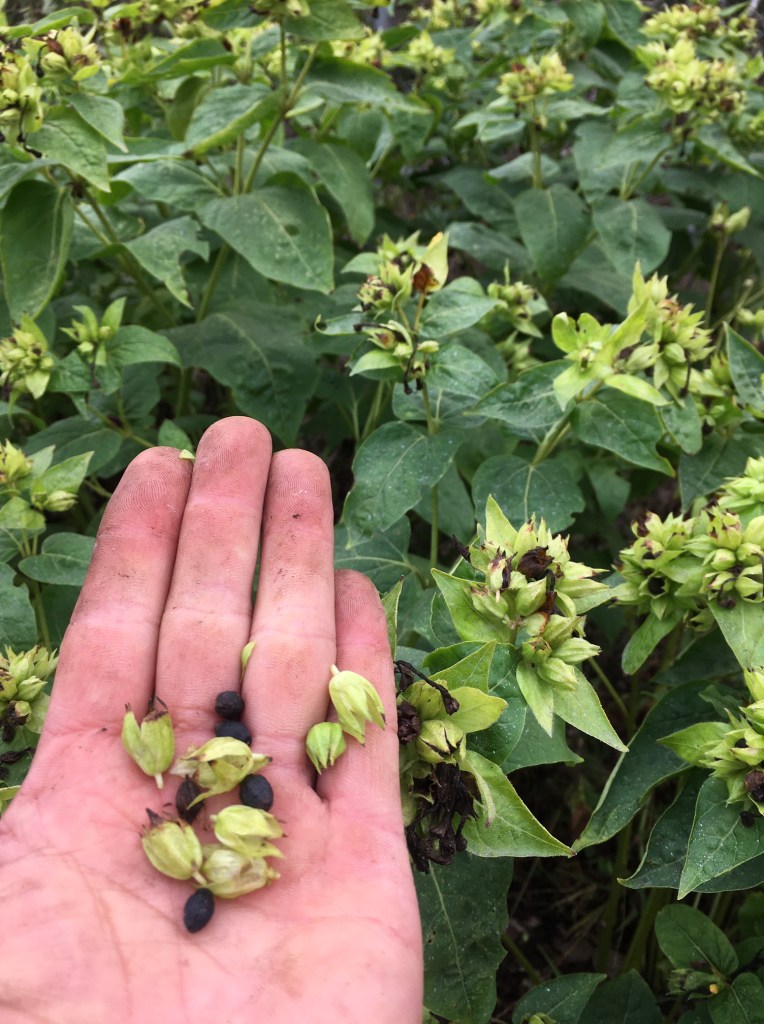
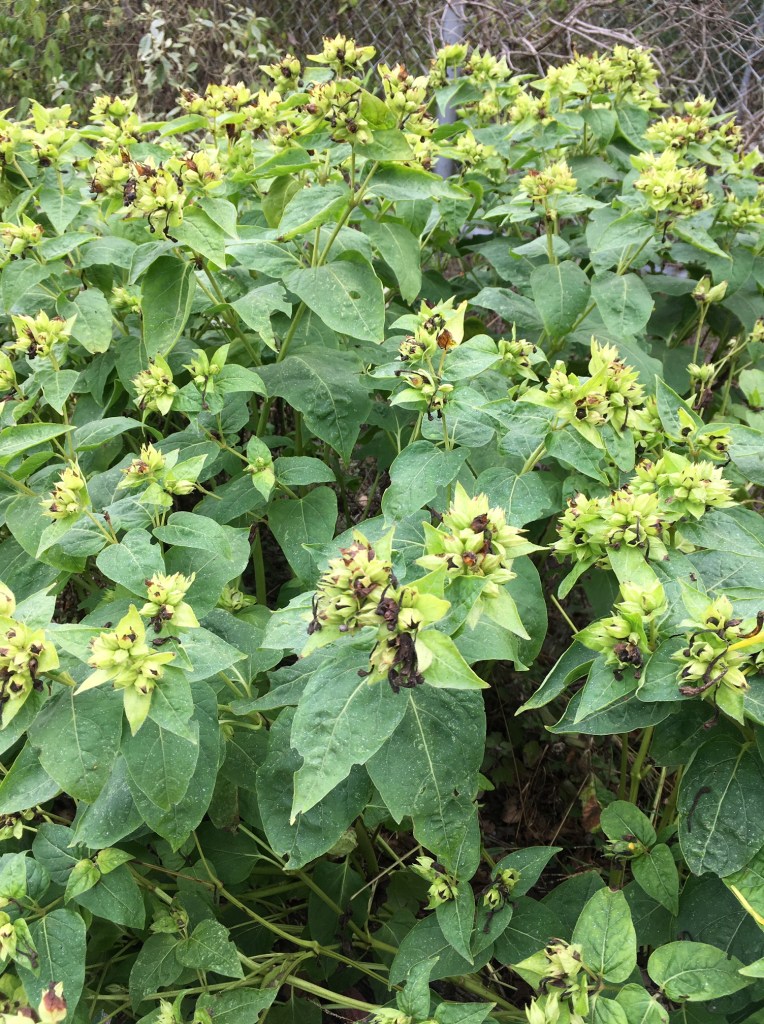
Until my pouch is chock full of four o’clocks MIrabilis
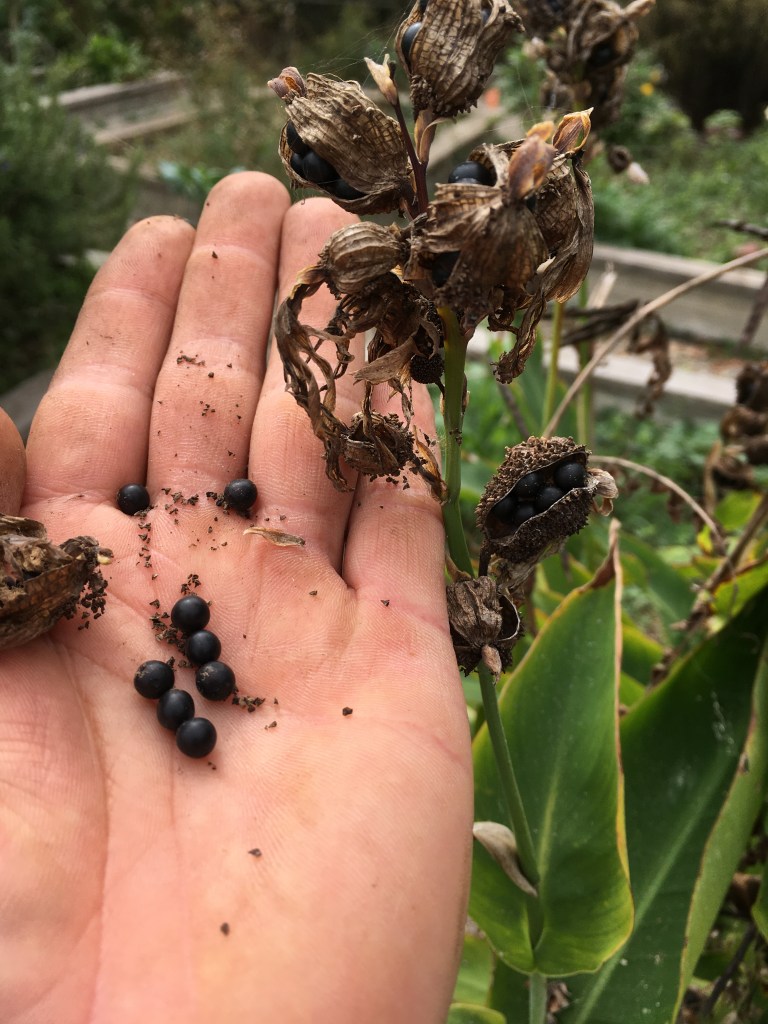
Until Canna edulis’ perfect spherical seeds literally drop from the open capsules
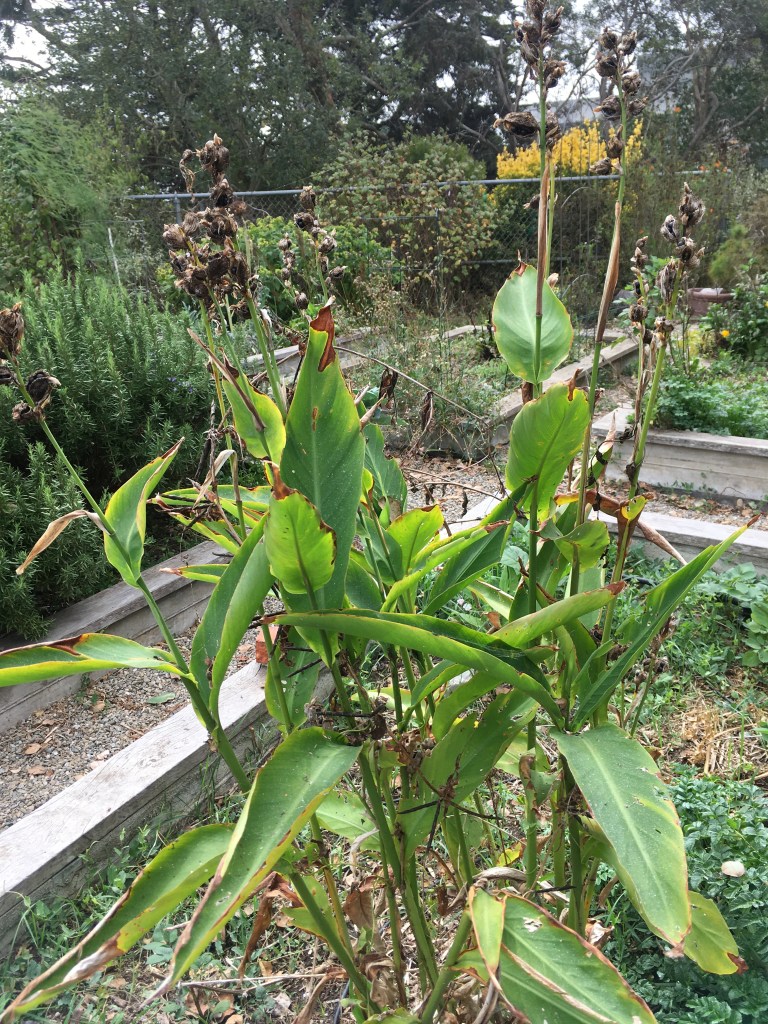
This then completes the life cycle of the plant
and your training as a gardener
if you understand how all this works

Once in a while its challenging to resist
the urge to cut the plant all the way down to the ground
especially when –
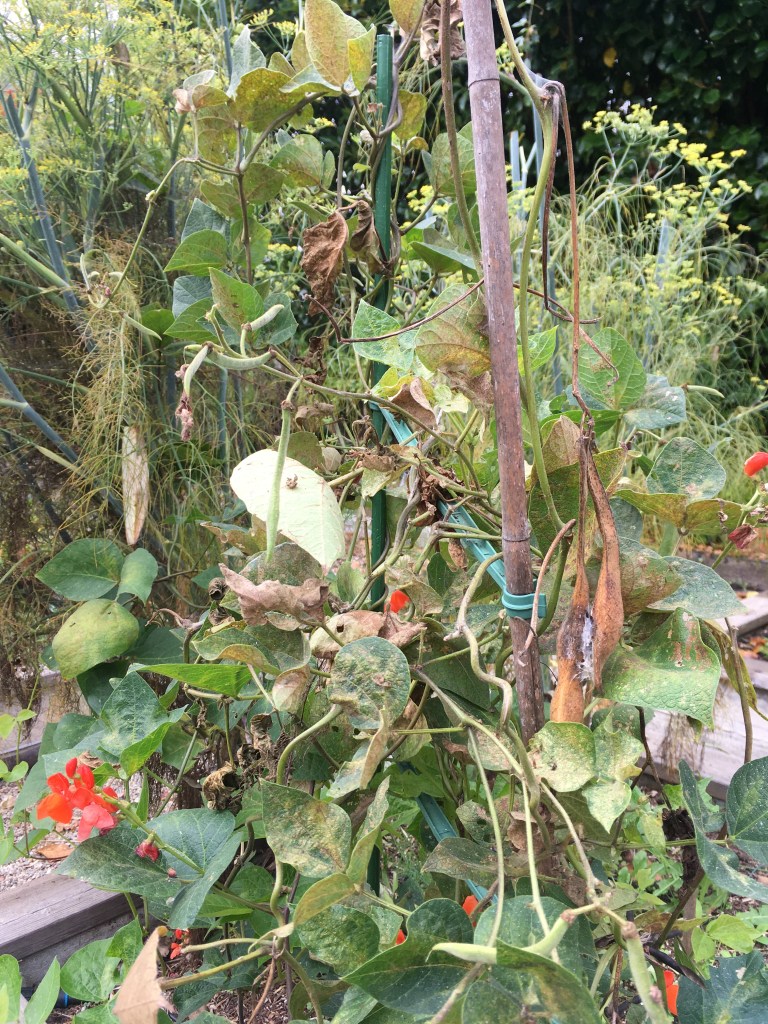
the plant’s leaves are full of mildew
its leaves are tattered and bug eaten
rust is pervasive
and frankly, the plant is making you look like a terrible gardener
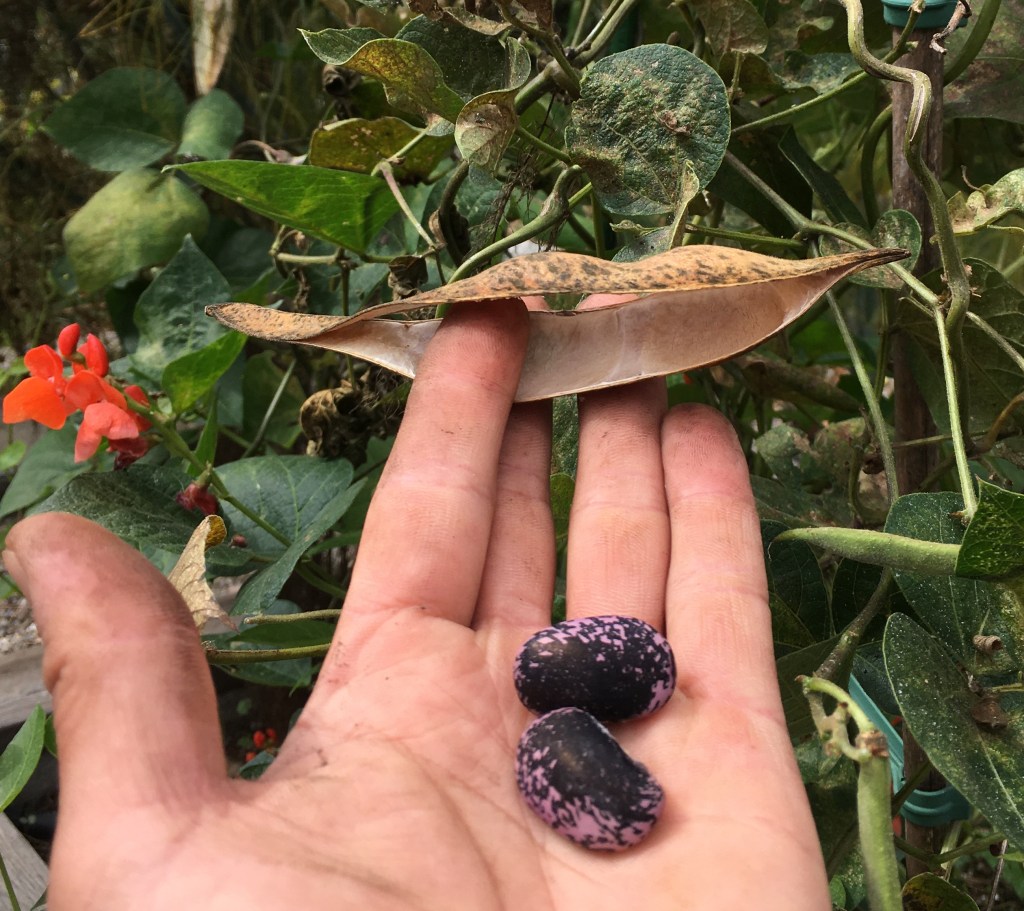
but then you open a seed pod or two
and discover the reward for all that hard work and patience and tolerance
well there it is! Red runner beans in purple and black
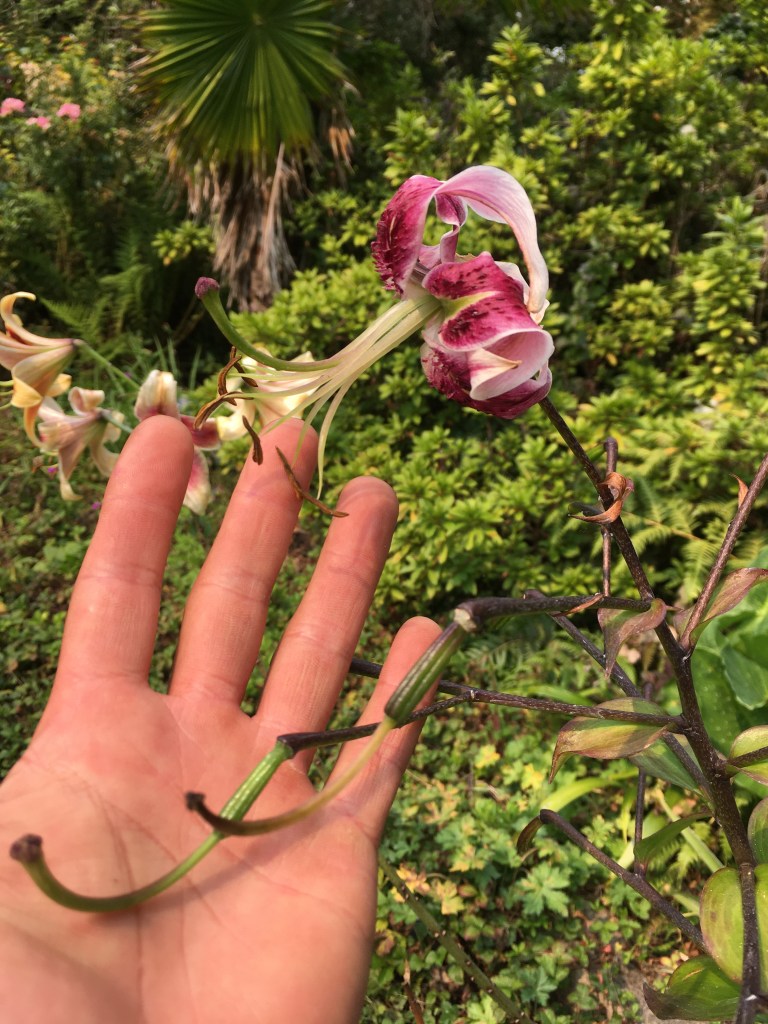
Hold up! I know that it’s not looking so good, but please don’t cut it down yet! what are those things at the axils of the leopard lily?! look like teeny baby bulbs with roots?! do you think I might be able to grow them?!!!!?
A tidbit about potting mixes:

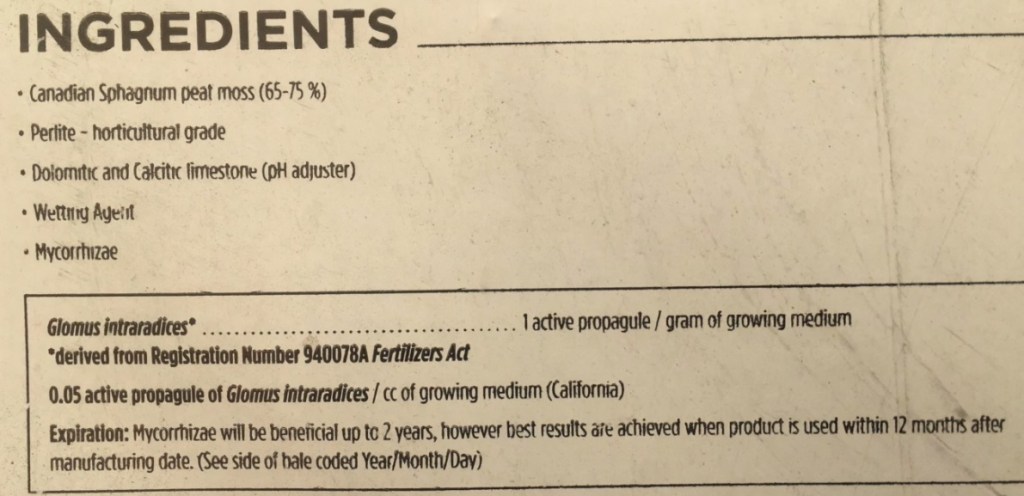
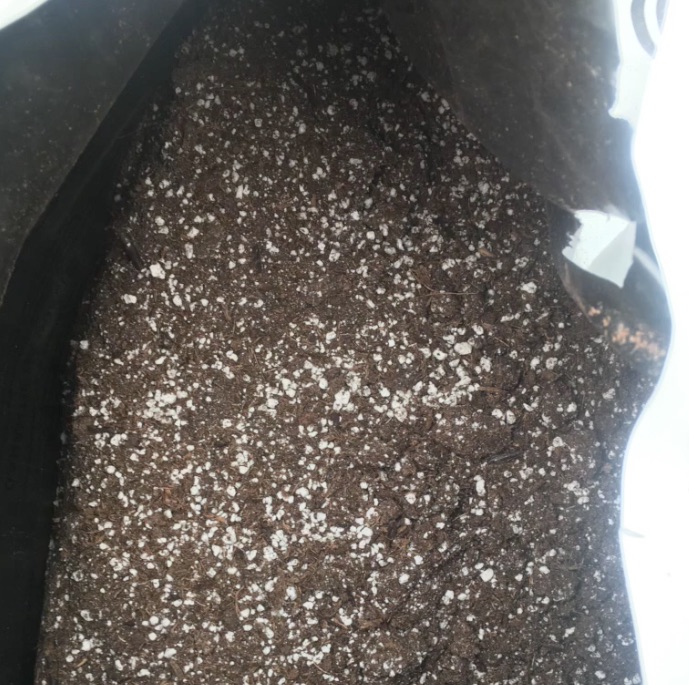
The stuff we are growing the poinsettias in is called Pro Mix. This is from the back of the package. Check out other brands of potting mixes – many have similar ingredients.

Canadian sphagnum peat moss comes to us from bogs, coniferous forests, and wet tundras of the north. Over eons it can build up thick in such places as mosses grow, live, then die. It is able to absorb a lot of water; hence in the olden times it was commonly used for diapers or for wound dressing. It is also useful as tinder, or to burn for fuel. These days it is mined to be used as potting mix. It is acidic in pH, in the 3.0 -4.5 range.

Perlite is the little white exploded expanded volcanic rock used to aid in drainage and aeration and keep the soil mix permeable. This ensures that the plant roots are happy and not sitting in wet goopiness.

Dolomitic and calcitric limestone are added to balance the acidic peat. Limestone is pH 7.5 -8.0 and basic. Most plants like a pH of about 5.5 – 6.0 – 7.0.

Some plants prefer an acidic soil: rhododendrons and ericas (pH 4.5 – 5.5), or the oblong leaf sundews (pH 3.7 – 5.3). There are also other plants that like it more basic and alkaline like the Pinguicula butterworts (pH 7.0-8.0). It is important to keep the pH of your soil within a certain range, otherwise nutrients can become unavailable to plant roots. You can test your soil’s pH with a slurry method, using a pH meter or paper test strips.

Wetting agents are chemicals added to help the water to infiltrate and evenly wet the soil mix. It does this by breaking apart the ‘stickiness’ of water (lowering its surface tension). A common wetting agent when we use when watering street trees is Dawn dish soap. If you do not use a wetting agent, you may see the water just sort of roll off the soil. This is because water is cohesive and prefers being bound to itself rather than breaking apart and going into the pores and cracks of the soil.

Mycorrhizae is fungus root. The species in this package is “Glomus intradices 1 active propagule/gram”, which is about 27,216 spores per 60 pound bag of potting mix. So this is a relatively new additive to potting mixes. What scientists found out is that in nature, plants are working with partners underground – fungi. Plants give the fungi some of the sugars they make from photosynthesis, and in return fungi bring the plants water and nutrients they collect from all around. A mutually beneficial symbiotic relationship. There are fungus that live on and around the plant roots, as well as fungi that live inside the roots. Glomus lives inside and in between the root cells.

The whole idea is that by inoculating the potting soil with these fungus spores, the spores will grow into a network of fungal threads around the roots. it will then help the plant improve its nutrient and water holding ability, and increase the intake of of nutrients like phosphorous. By the way, Glomus intradices was recently renamed to Rhizophagus irregularis. On the package, it says “do not sterilize or pasteurize”, likely because that would probably kill the fungal spores.

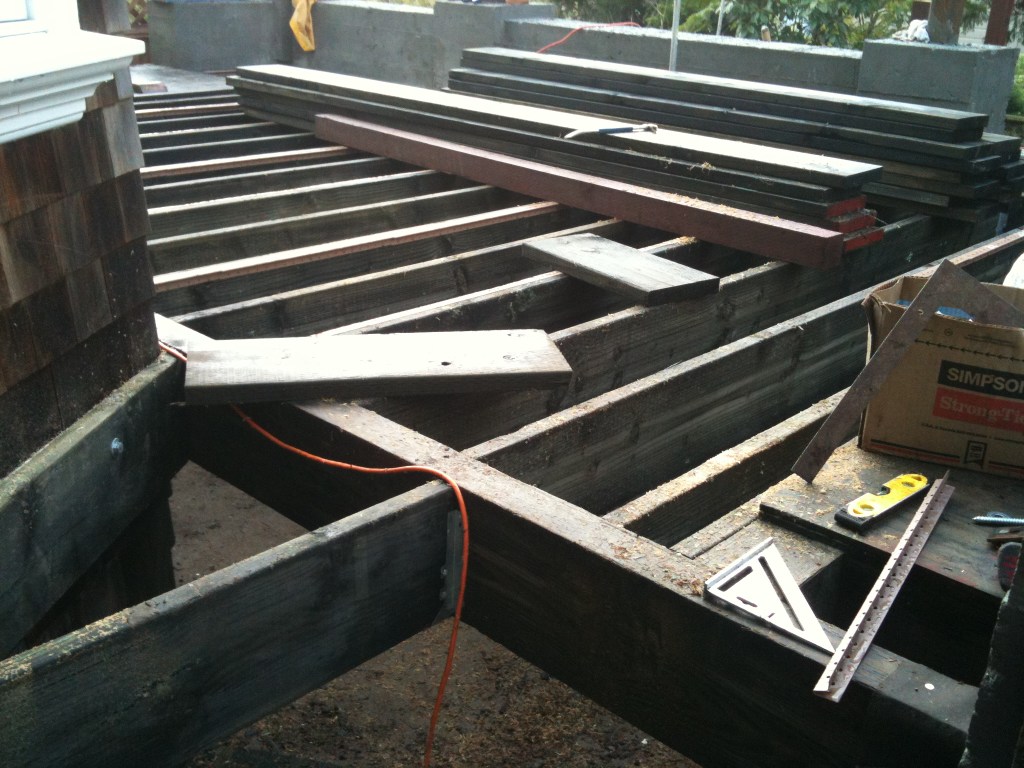
If you want to learn the different names and kinds of hard materials we use in the landscape, best to go to the rock yard or the lumber yard. They showcase all the gravels pebbles decking flagstones bricks boulders and blocks and such you could ever dream of.

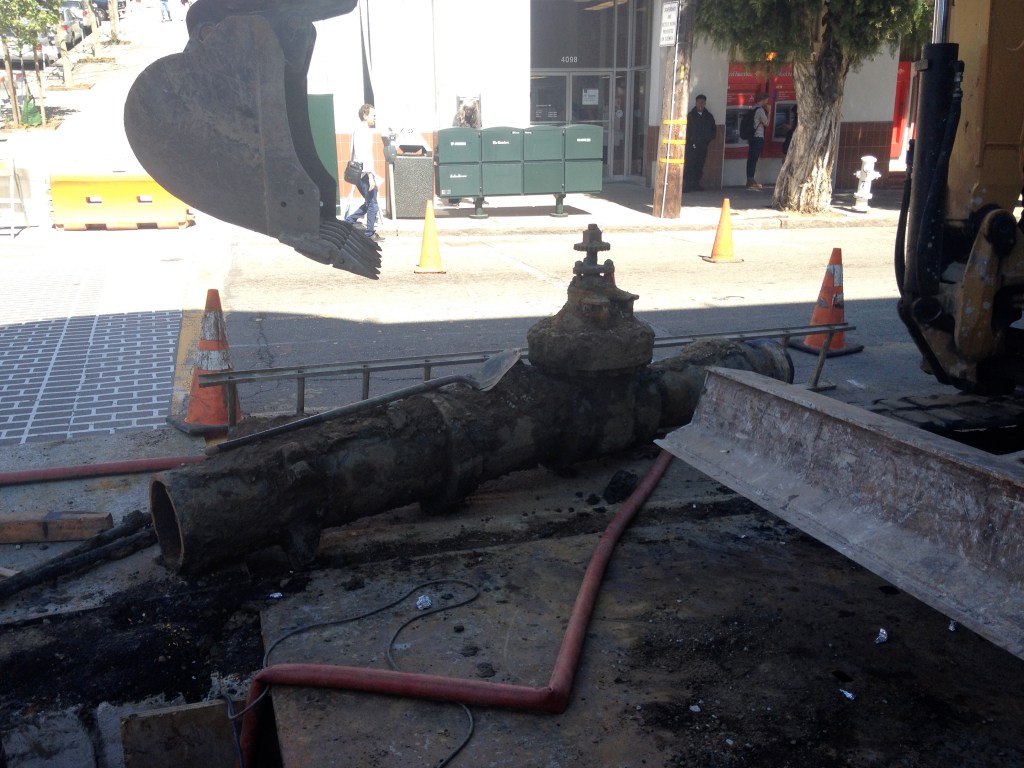
If you want to see how things hold up over time, go walk around the neighborhoods and parks and see the hardscape in action. How they weather, how they perform with use. If you want to see how things are built, then you will have to sneak a peek during the construction phase. Here’s a few pictures to get started. With the caveat that the whole world is your classroom if you keep your eyes open and have your observation skills honed razor sharp.

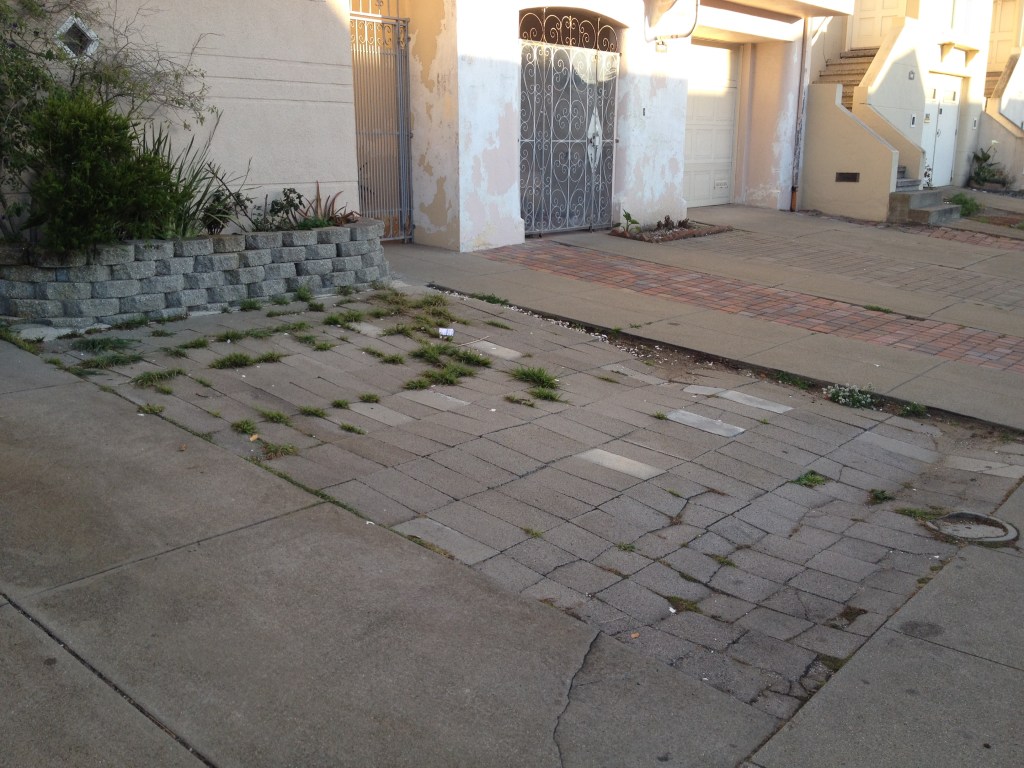
What happens to a concrete paver driveway if the base was not prepped properly, then water and earth move in the layers below?
What happens to a retaining wall over time if the weight of soil and water is too great and there is no way the wall can release that pressure? (The wall is not permeable in any way)

What are two ways to make a raised bed planter? Which one is permeable?

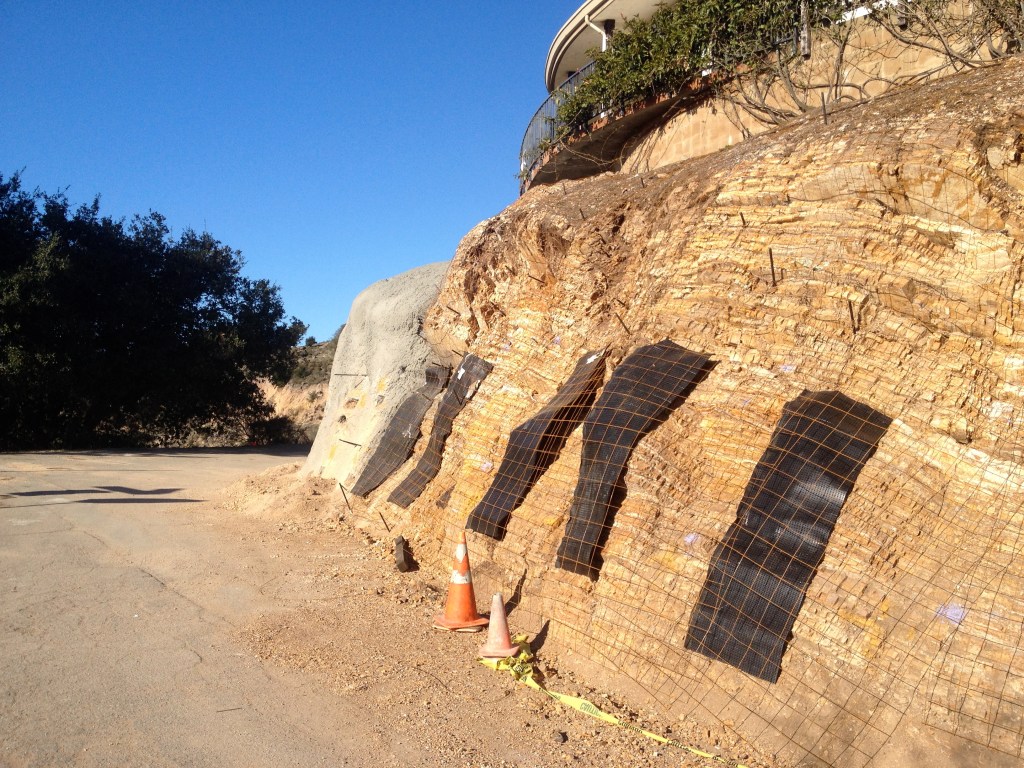
What about a new modular type system for building a retaining wall that is faster and easier than hauling huge blocks of heavy material or making a massive wooden form?

Dry stacked is the retaining wall made with no mortar. This way it is permeable and allows built up pressure to be released.

How do you make a curved concrete structure?

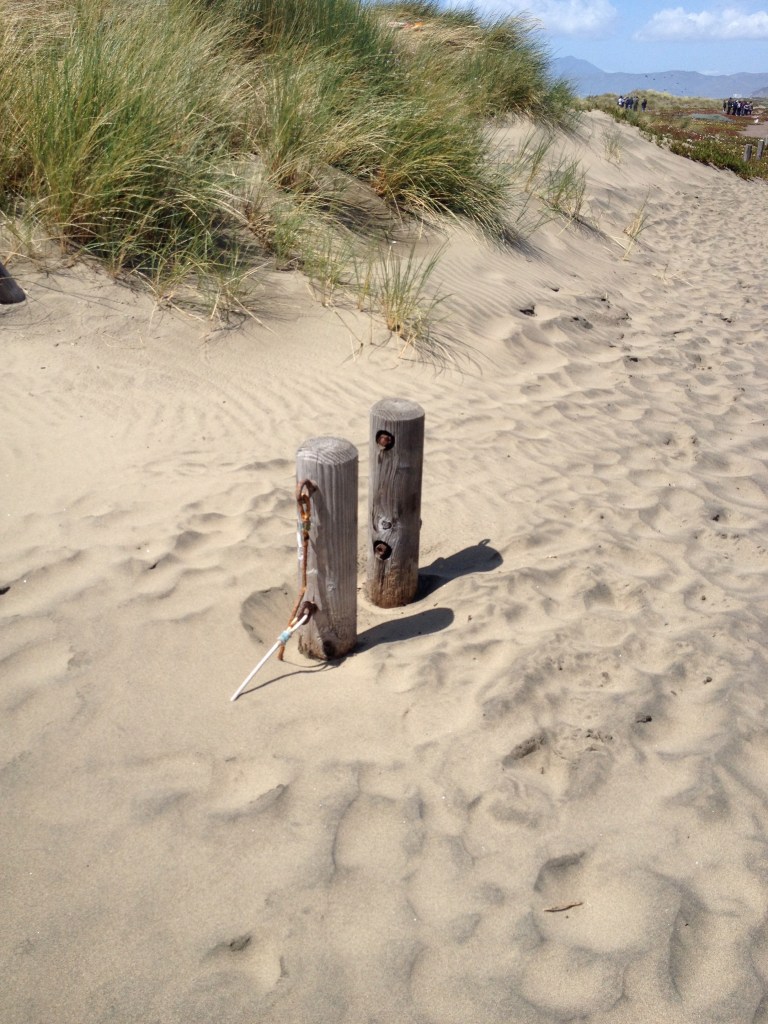
What happens to four foot tall fence posts or trail posts in a windy and sandy area?

What lies underground where tree roots go?

Who invades my beautifully done stepping stones and walkways?

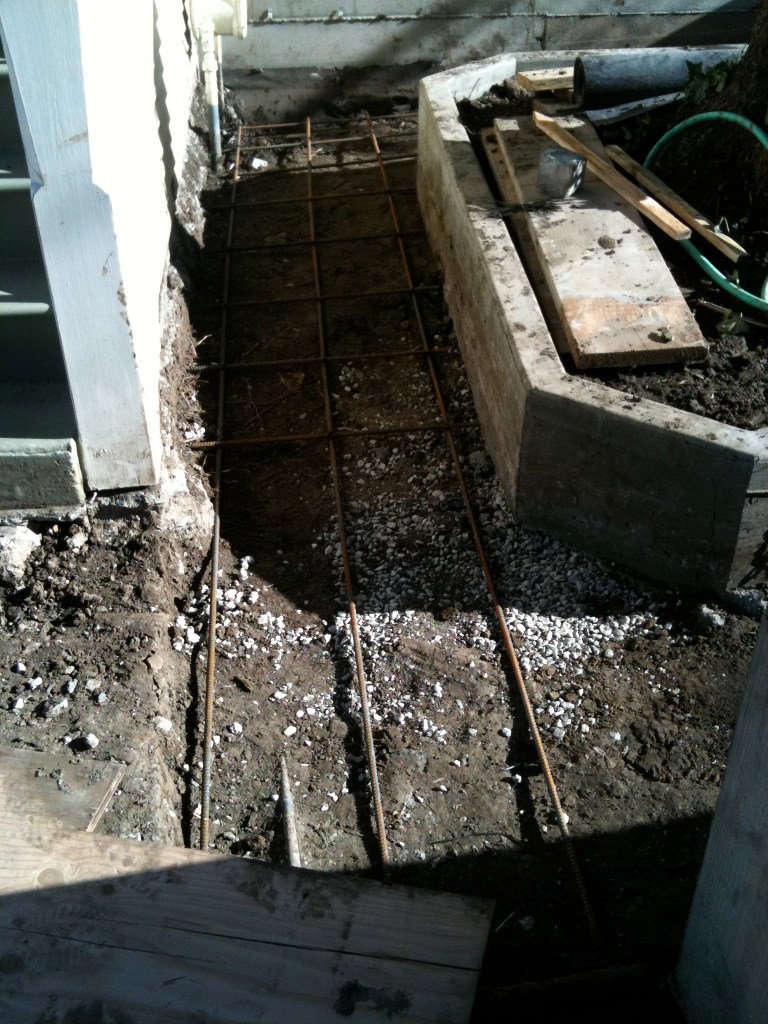
How do you give strength to a concrete structure like a slab or a wall? What kind of a skeleton must it have?

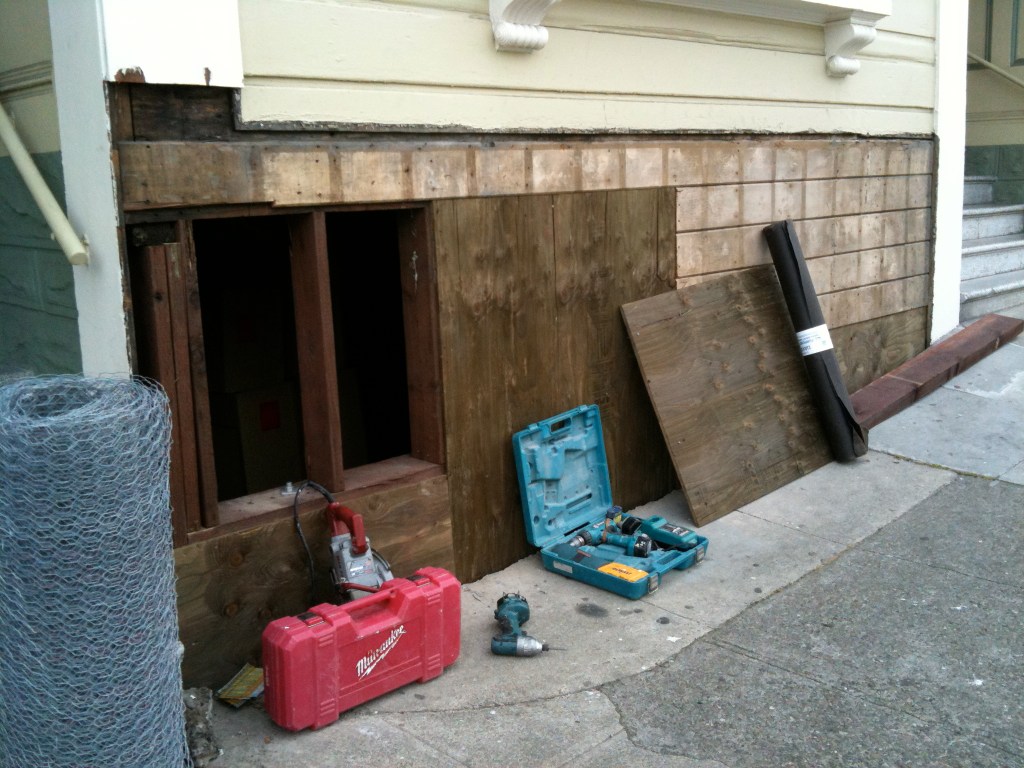
Can you tell the difference between pressure treated lumber and regular lumber?

What kind of edging is used here? How many different kinds of hardscape do you see?

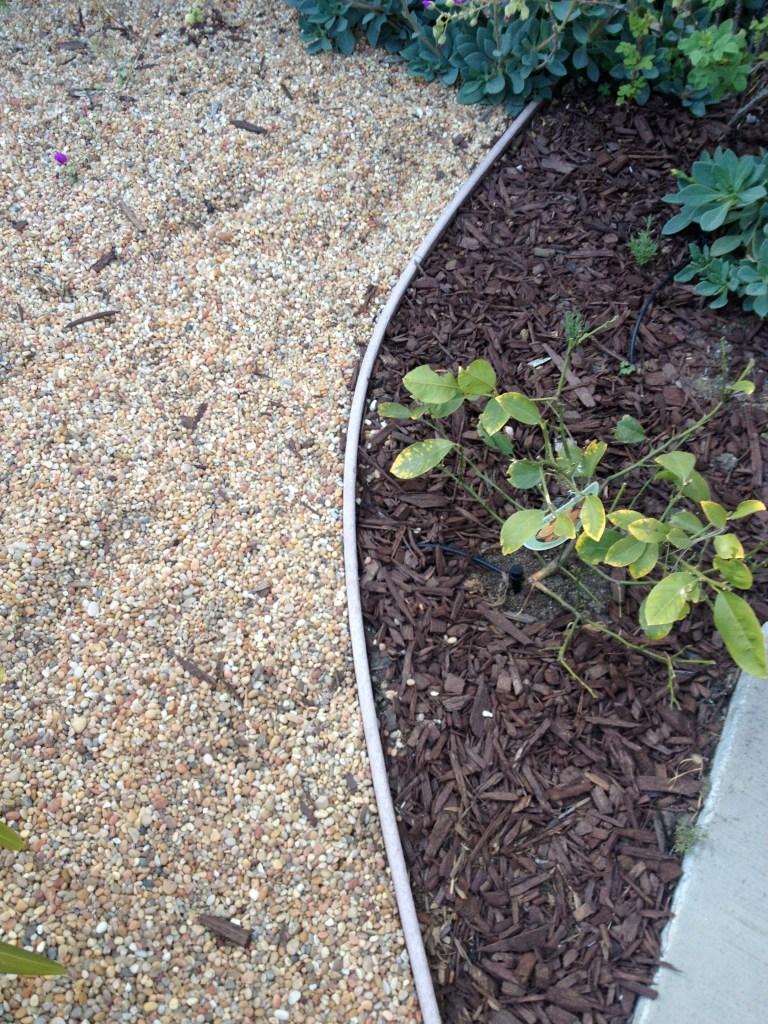
And here? What kind of edging? What might be a potential problem with small round pebbles as a hardscape surface? Do you see the two areas (mulch and pebbles) as staying discrete over time?

Is the decking attached to the house? Is there appropriate flashing? Will it hold the weight of a thousand pound pizza oven imported from Italy? And all the people gathered there to partake of the bounty?

Is the flagstone on a stable base? Will the surface drain well when the first rains hit? Is it thick enough to be durable and not snap? Does it sit flat and even so that theres no tripping hazard, especially after a few glasses of wine and some fresh baked pizza? Are the joints between the flagstone filled with sand or grout? Is the flagstone mortared to a concrete slab? Permeability and drainage!

What grows on the wood walkway that sits under the shade, with overhead irrigation and rainfall?

How do you like the always green, never needs mowing turf?

For some reason student was having difficulty

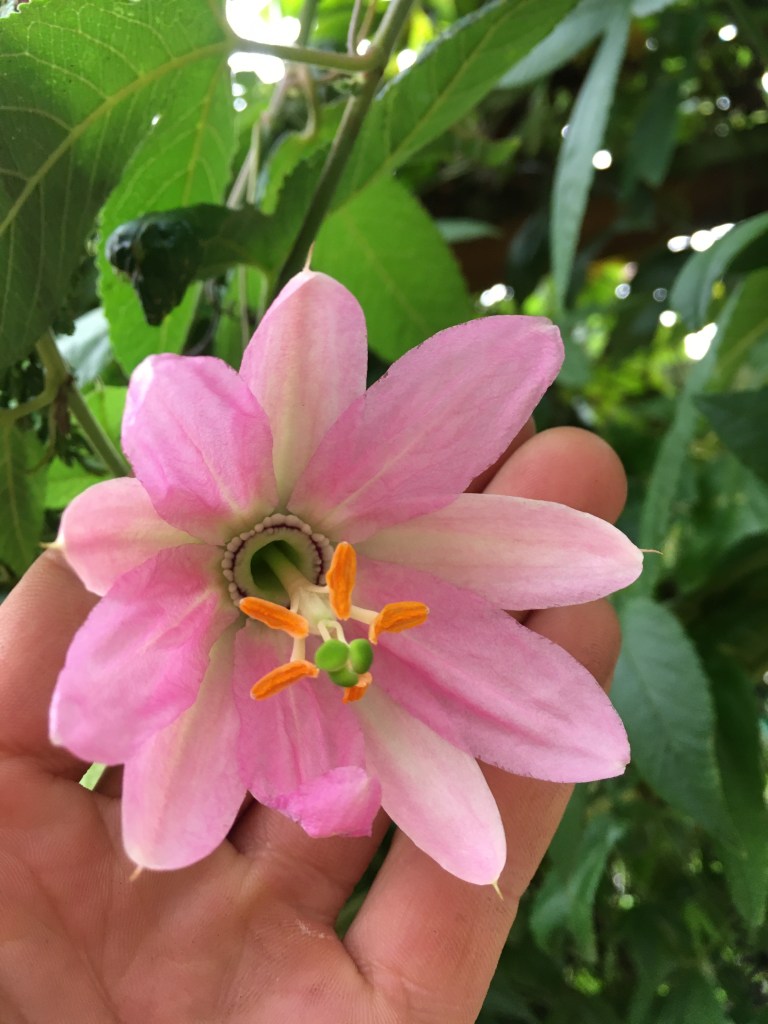
seeing the parts of a flower

mainly the female and male parts

this is part of the challenge of online instruction

whereby something relatively simple

becomes complicated

whereby a lab exercise that is fun and shared

becomes an exercise in isolation, clicking and wondering

anyhow

flowers are still blooming everywhere

so do a walkabout, make some new friends

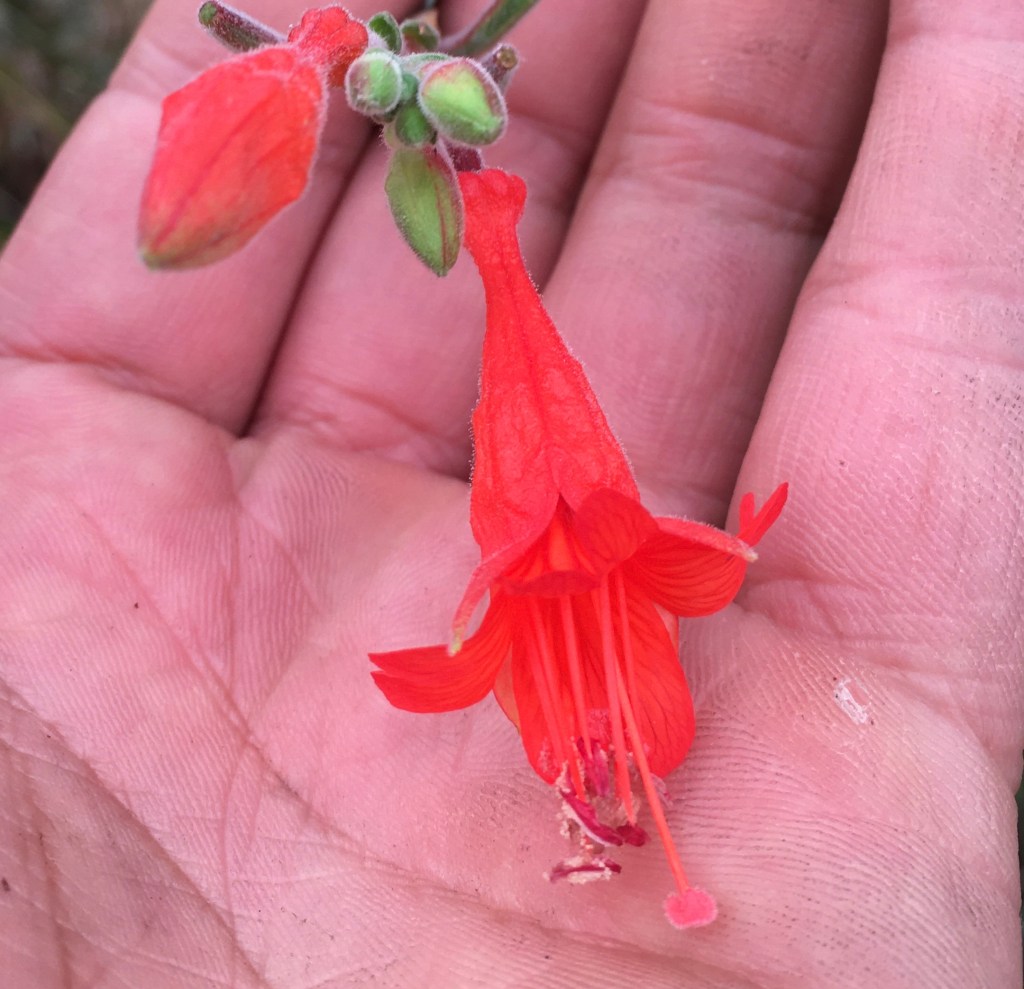
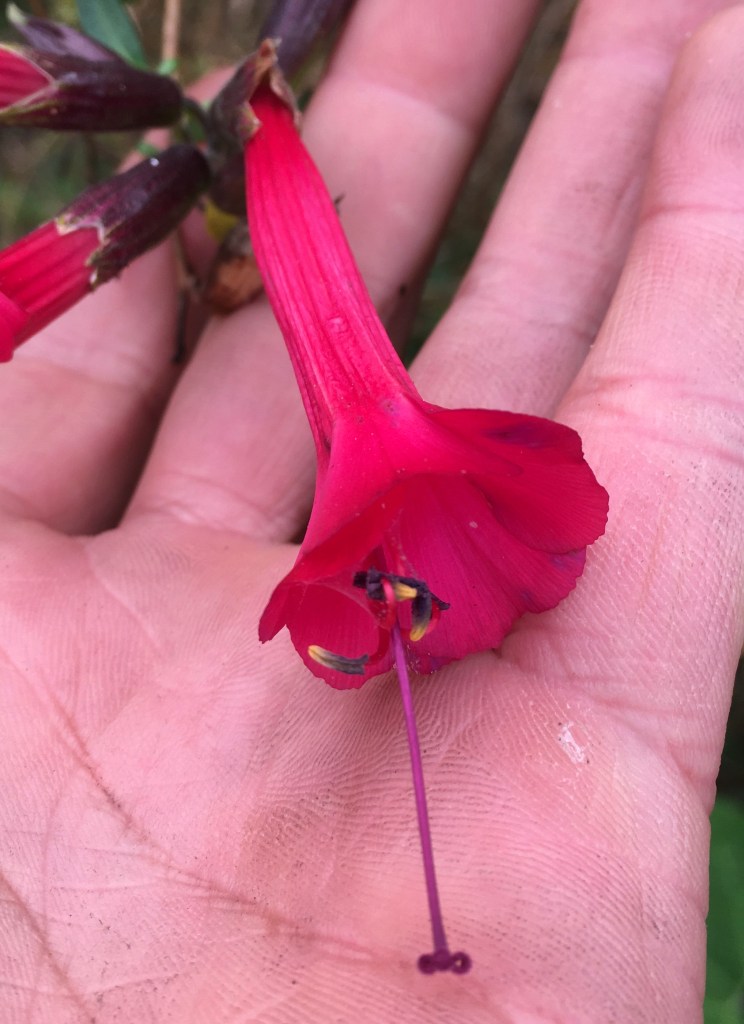
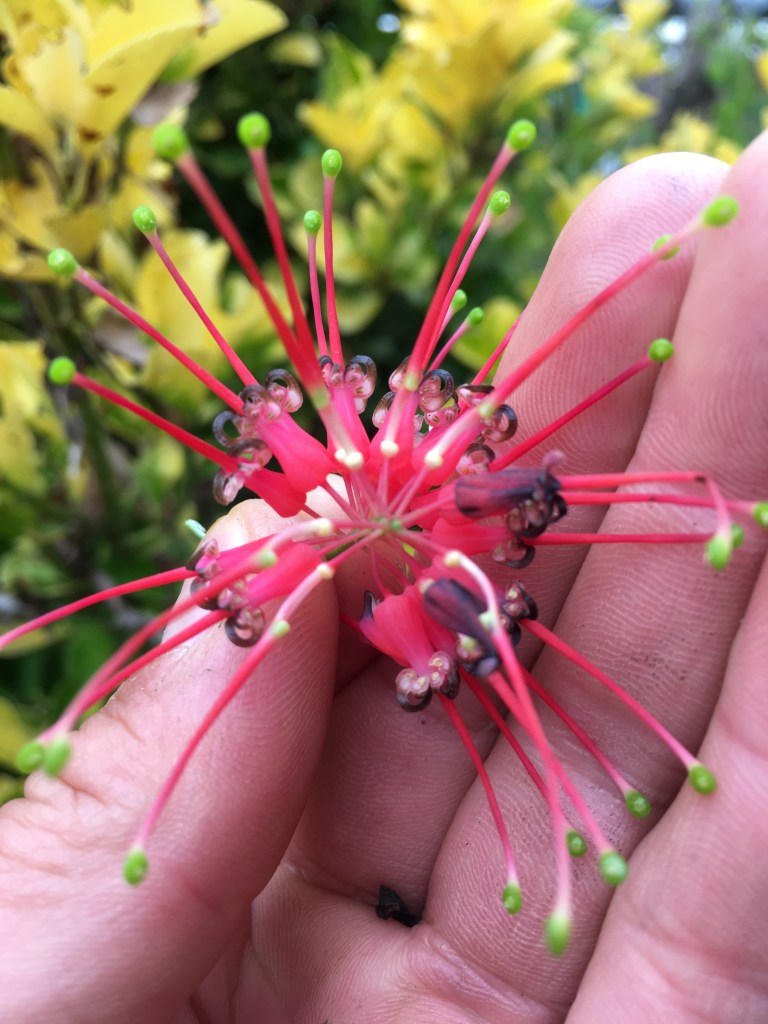
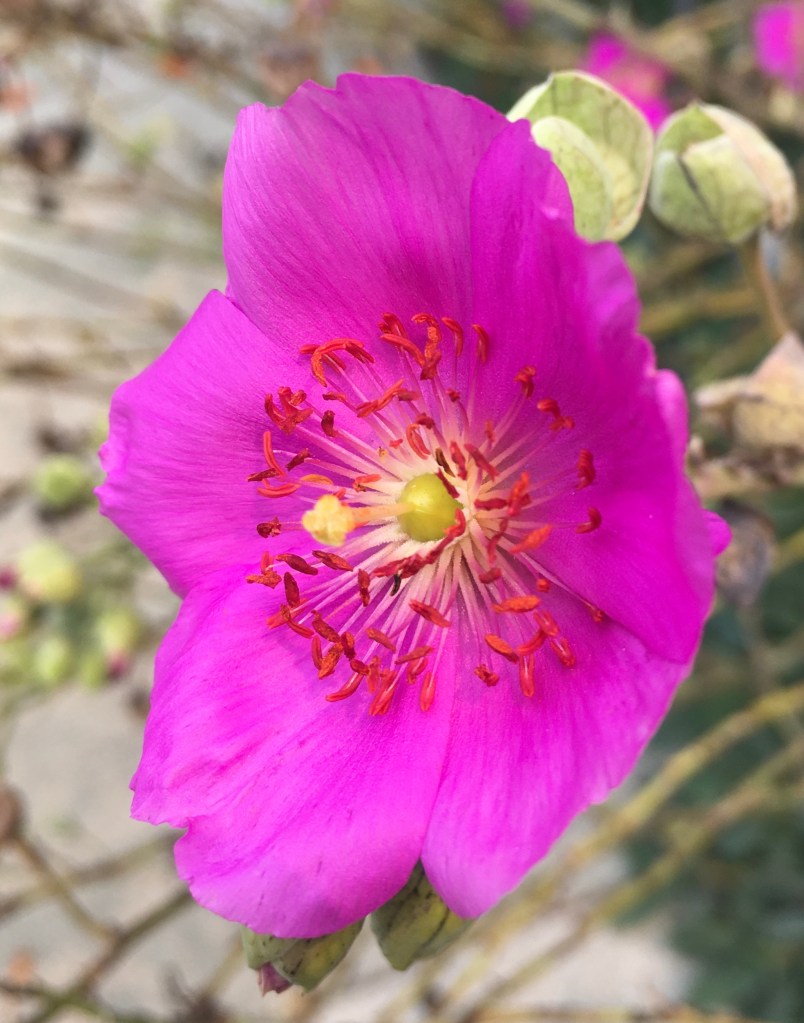
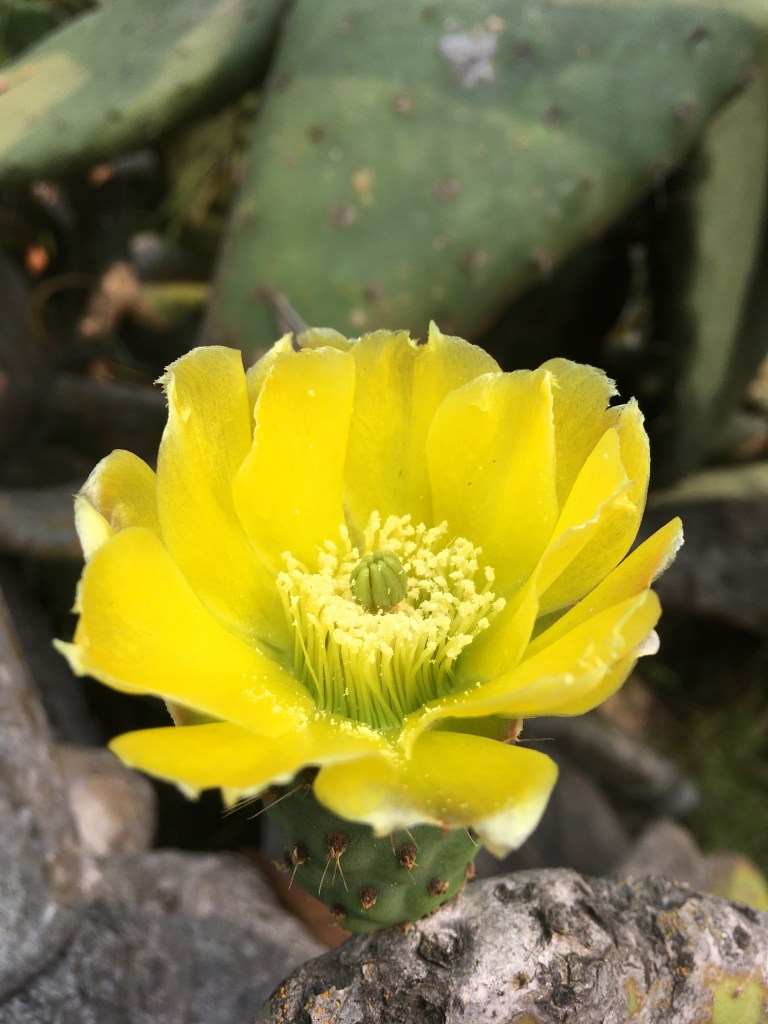
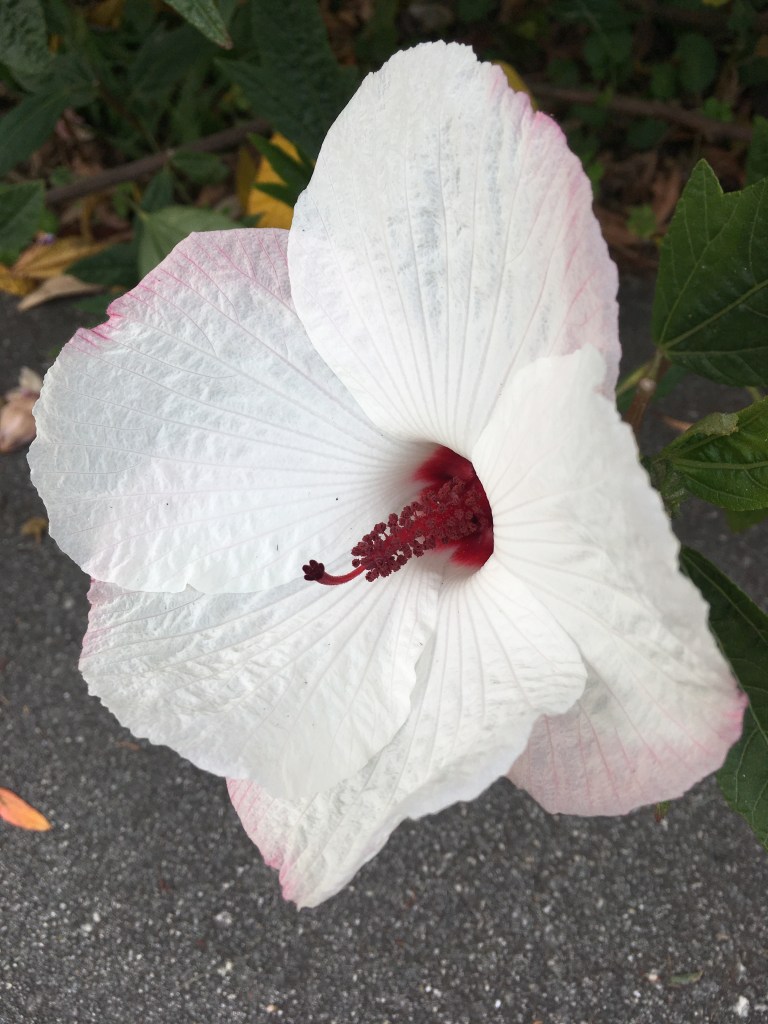
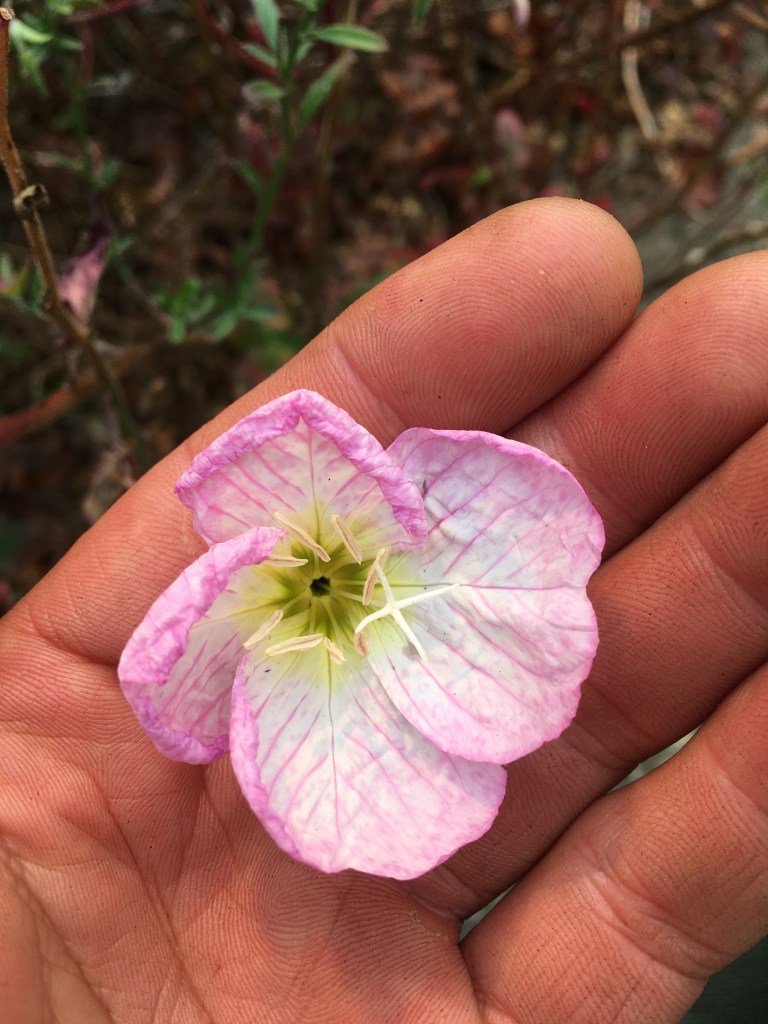
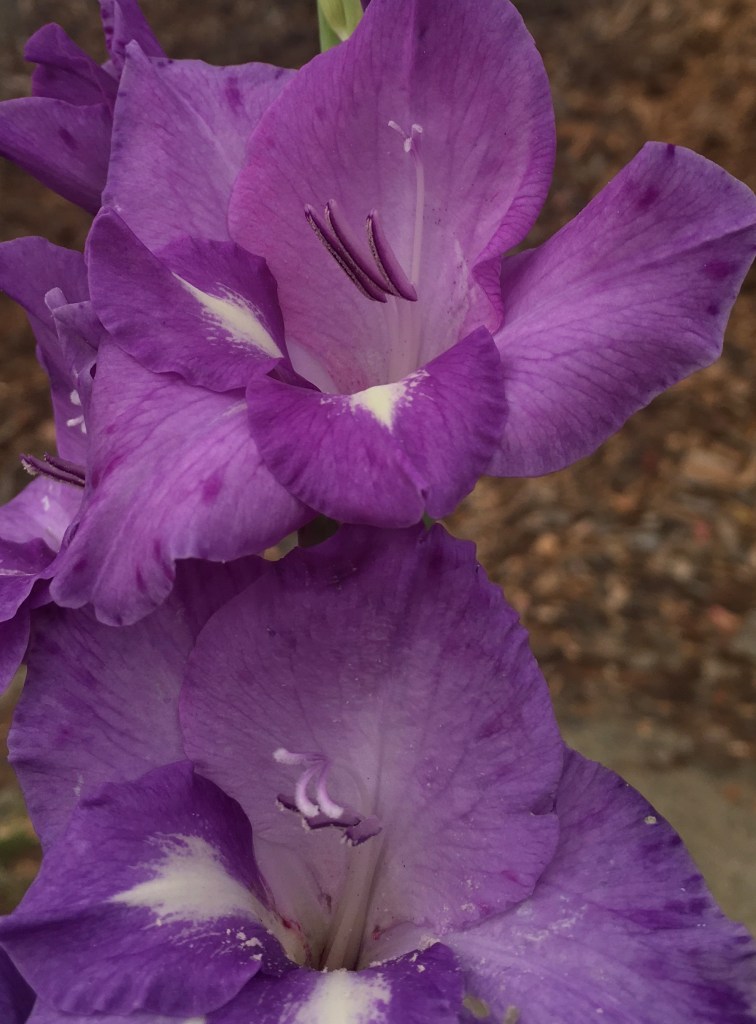
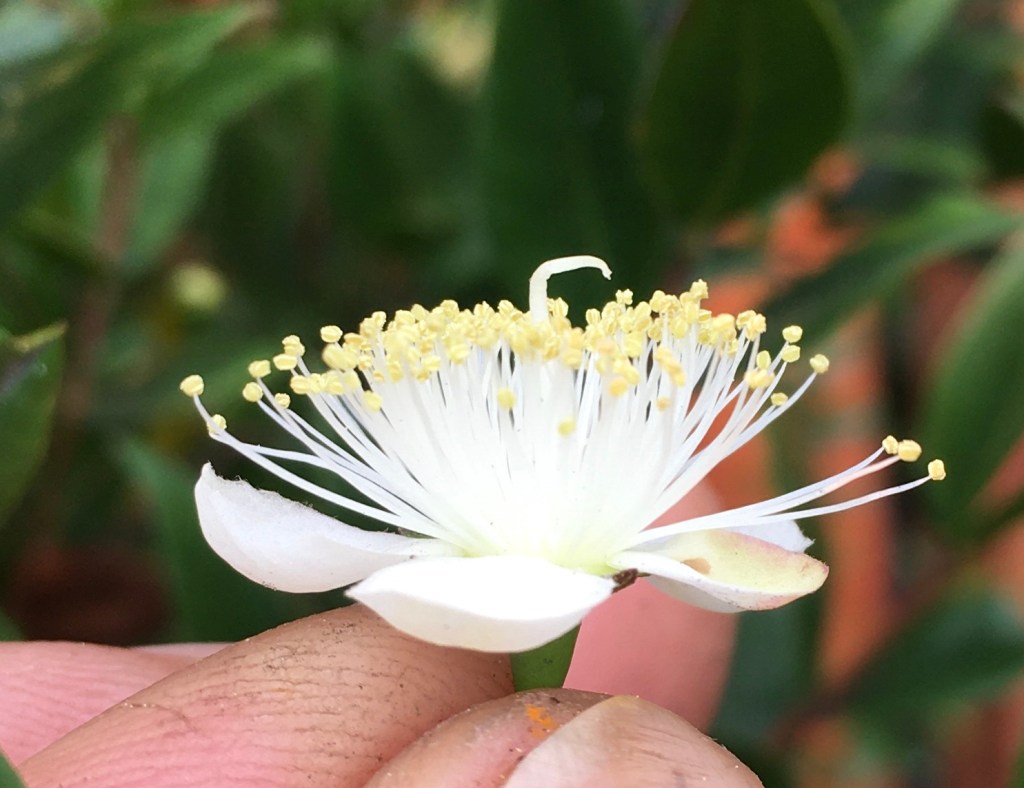
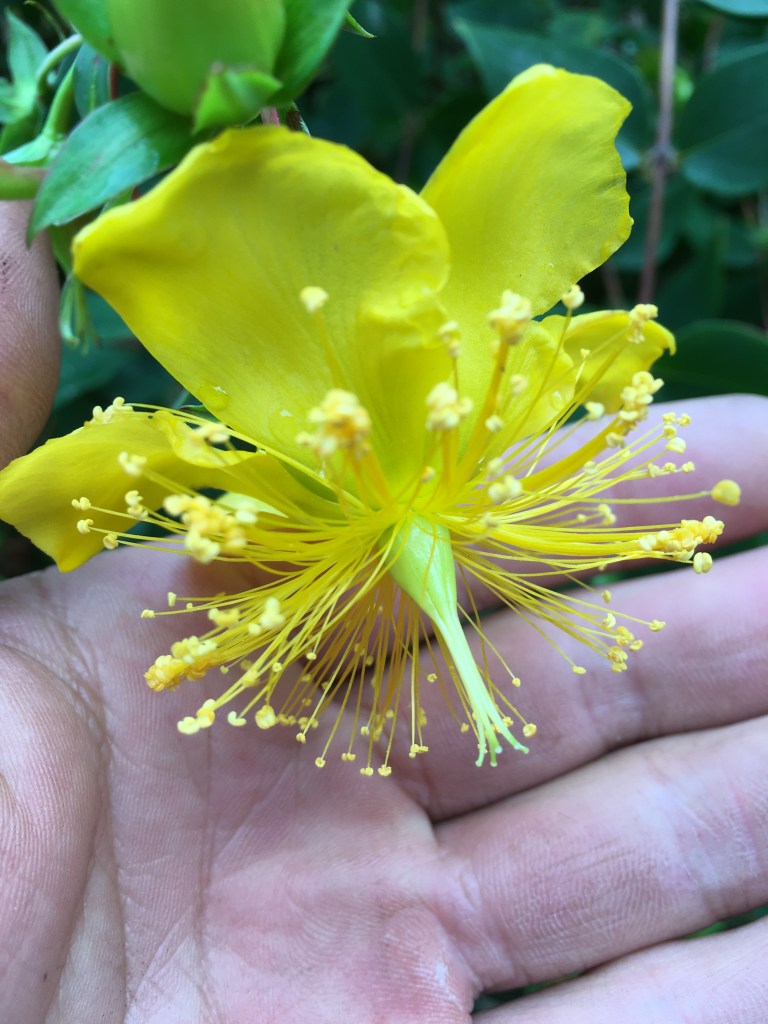
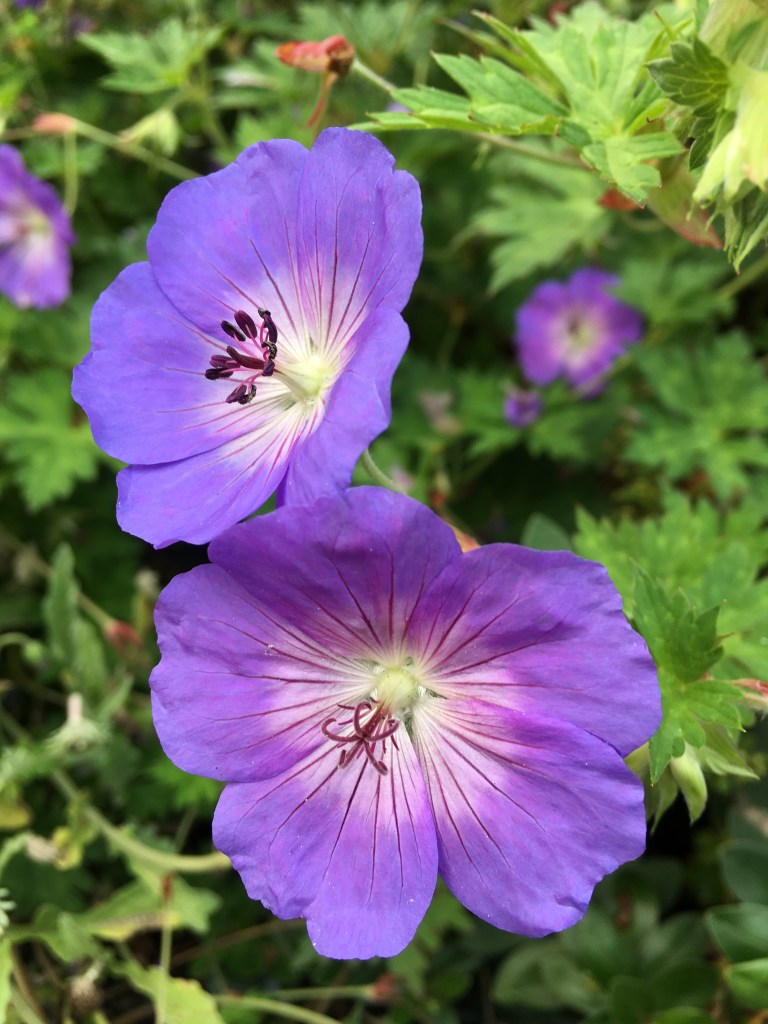
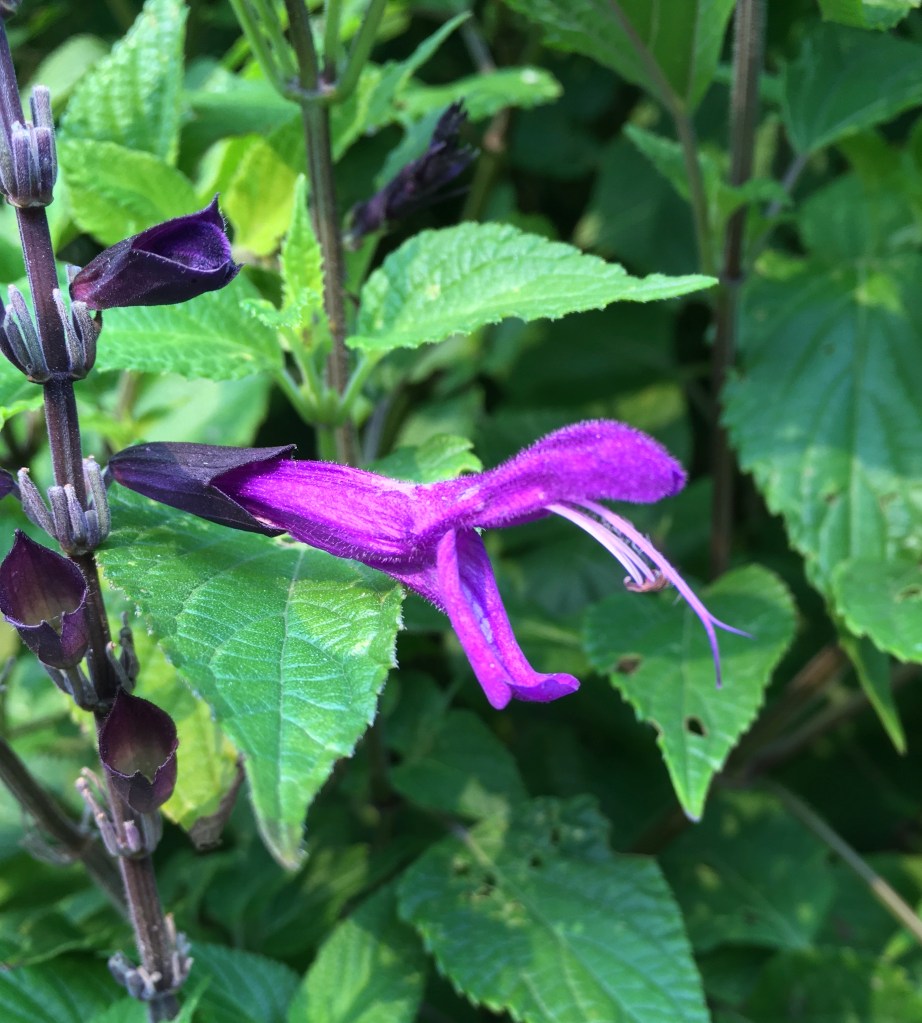
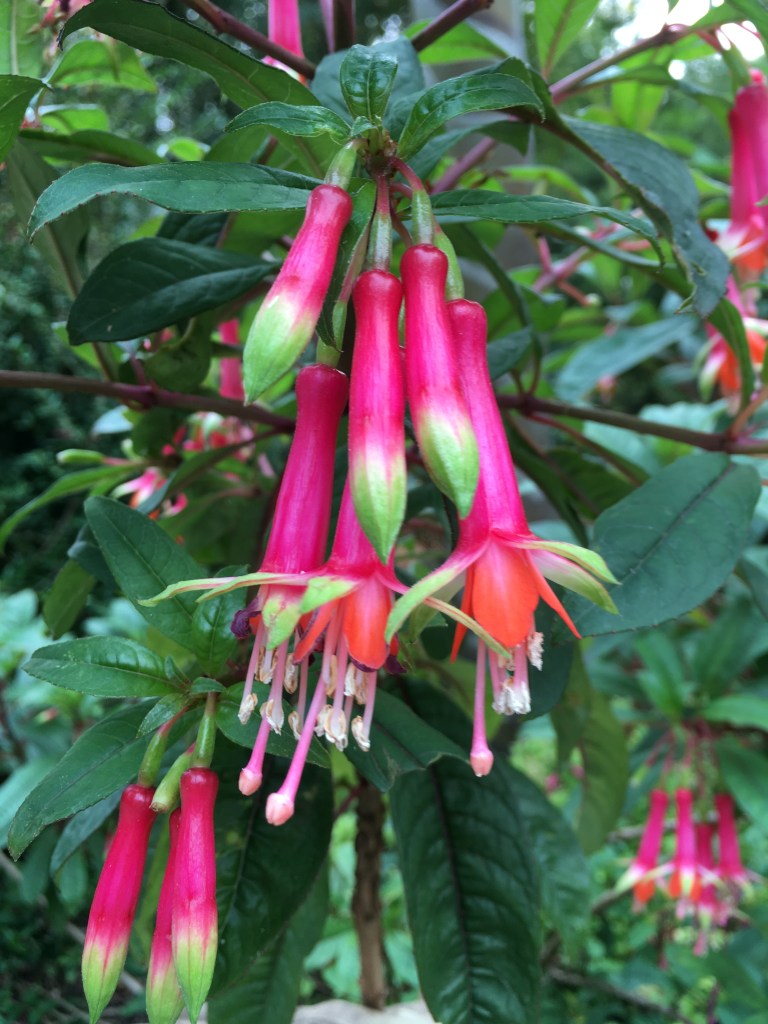
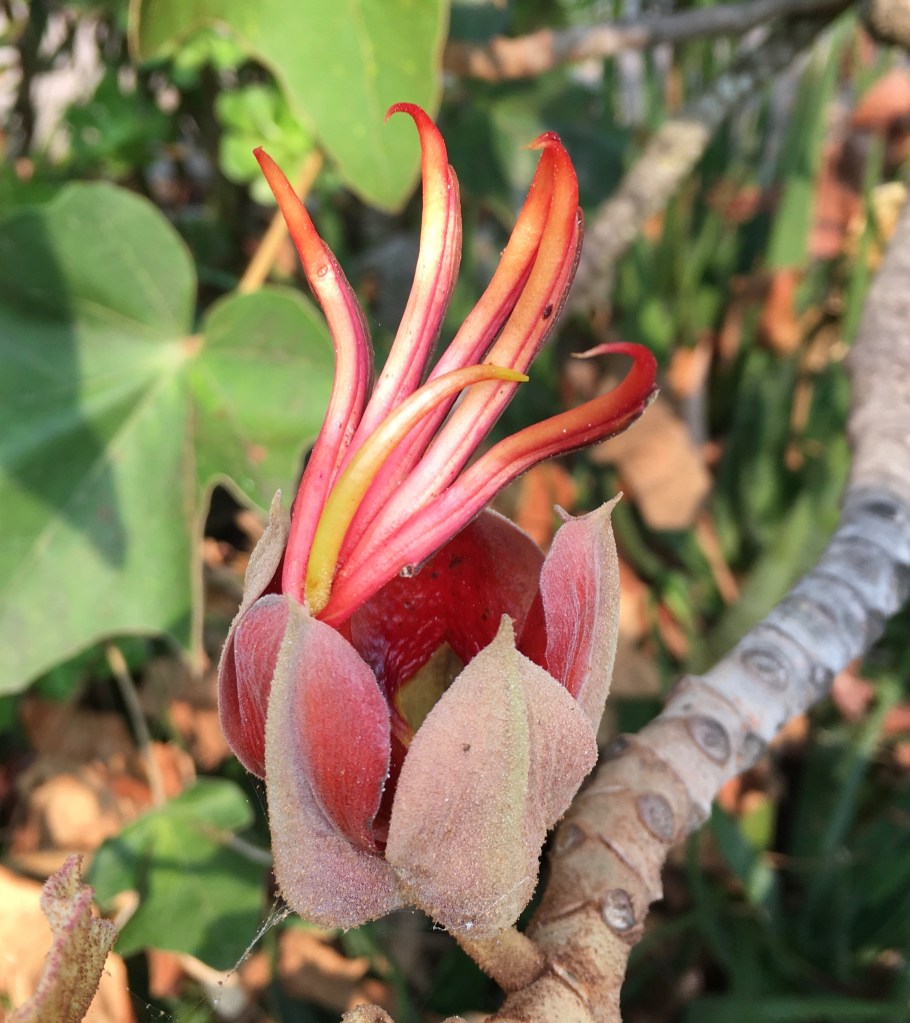
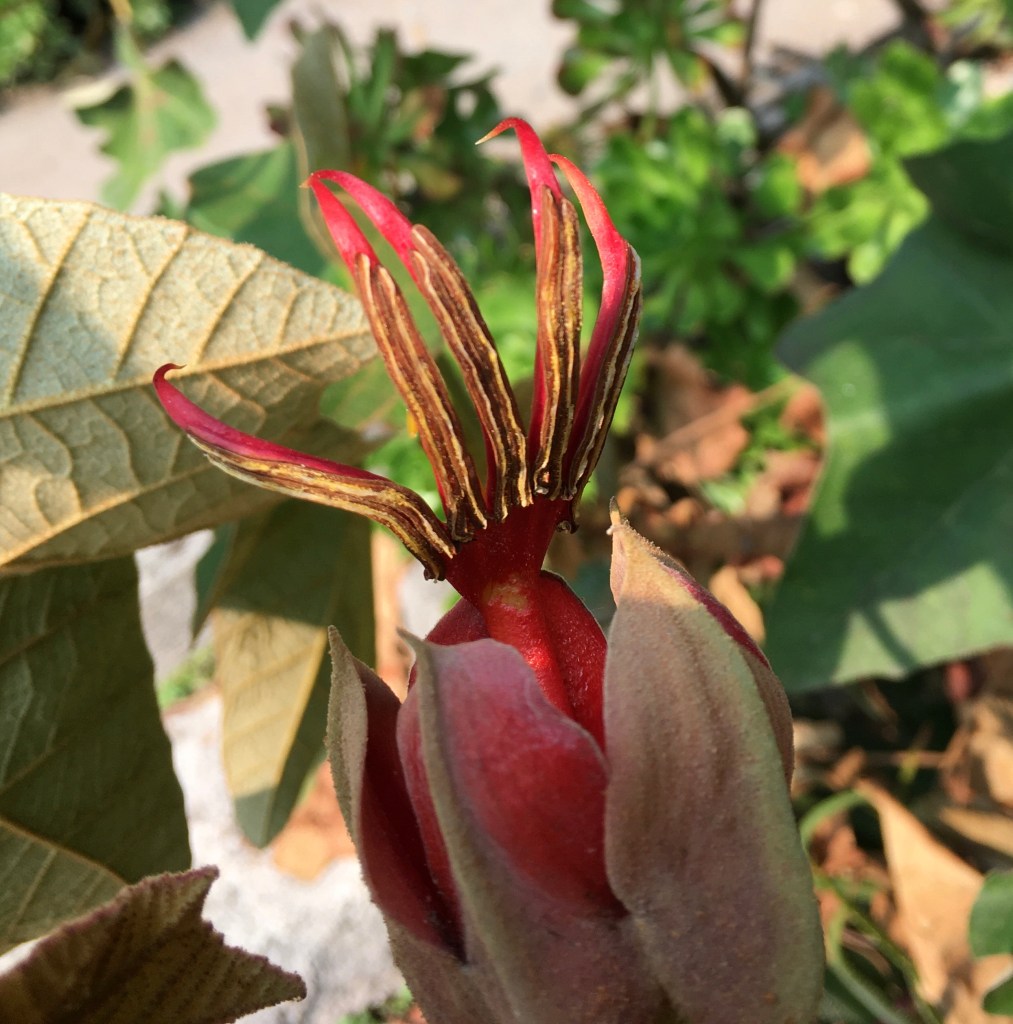
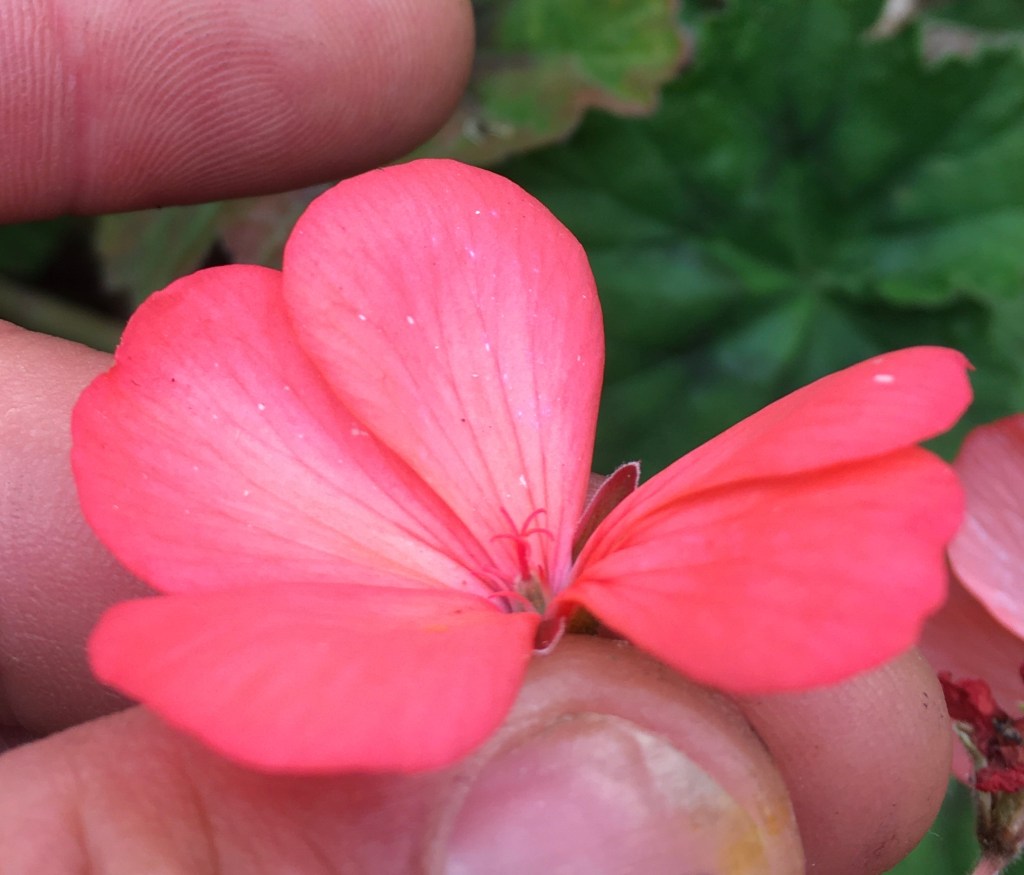
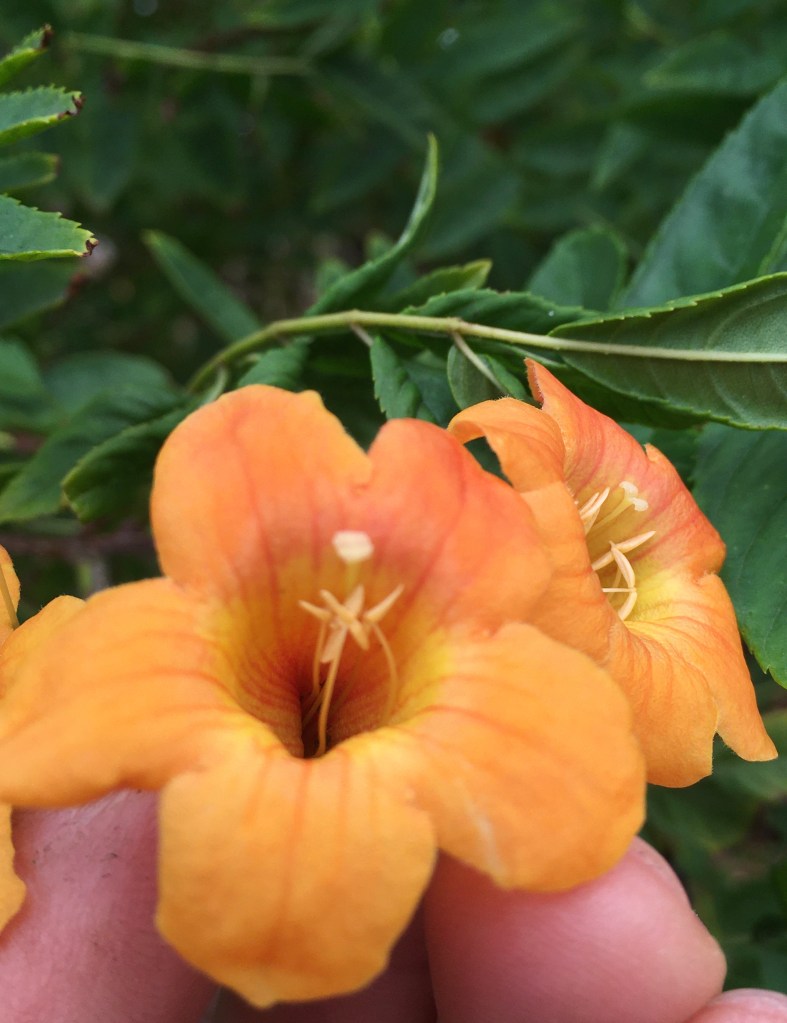
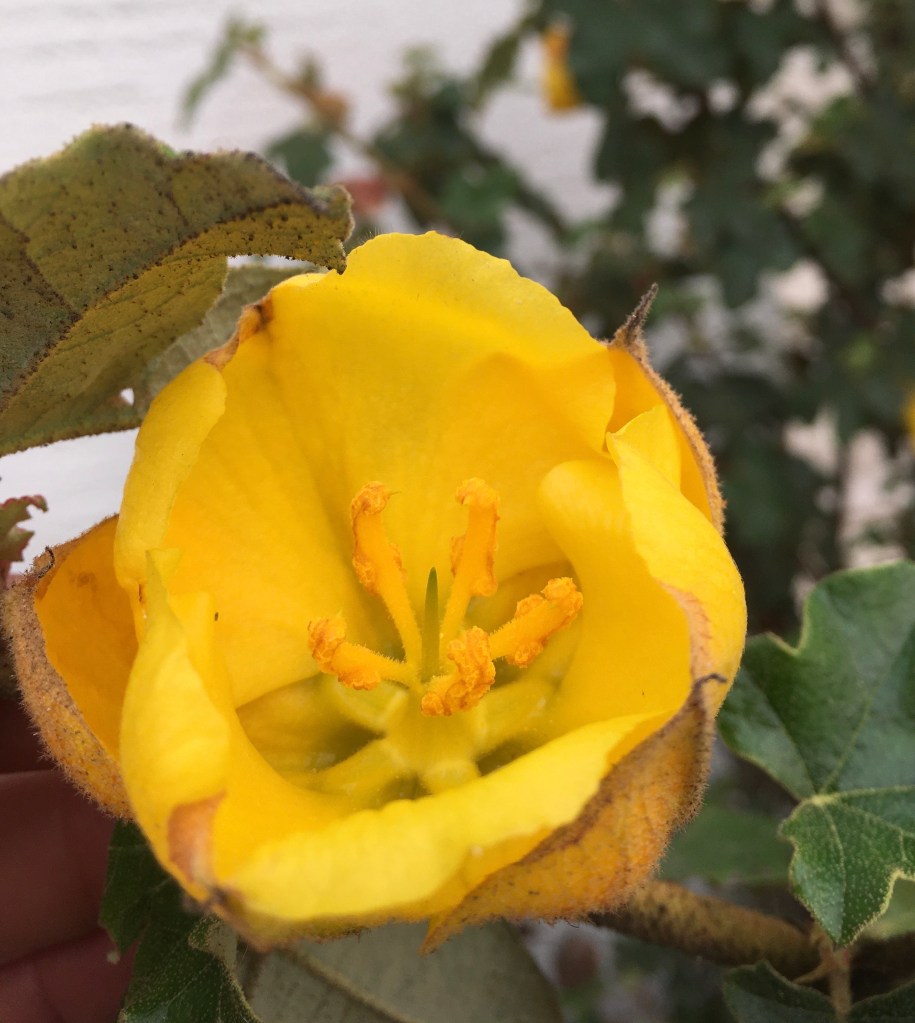
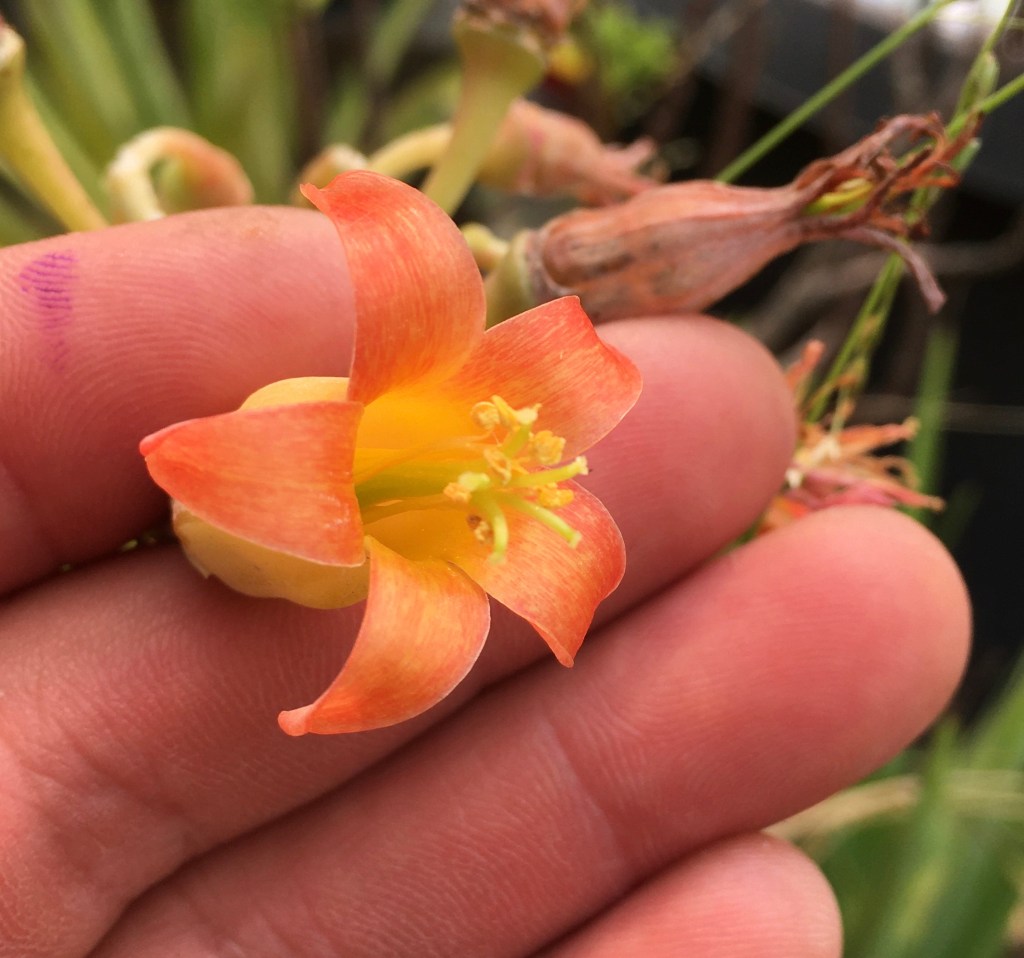
I went around and took pictures of flowers to show you

was going to label them all, but that would take all the fun and challenge away now wouldn’t it?!

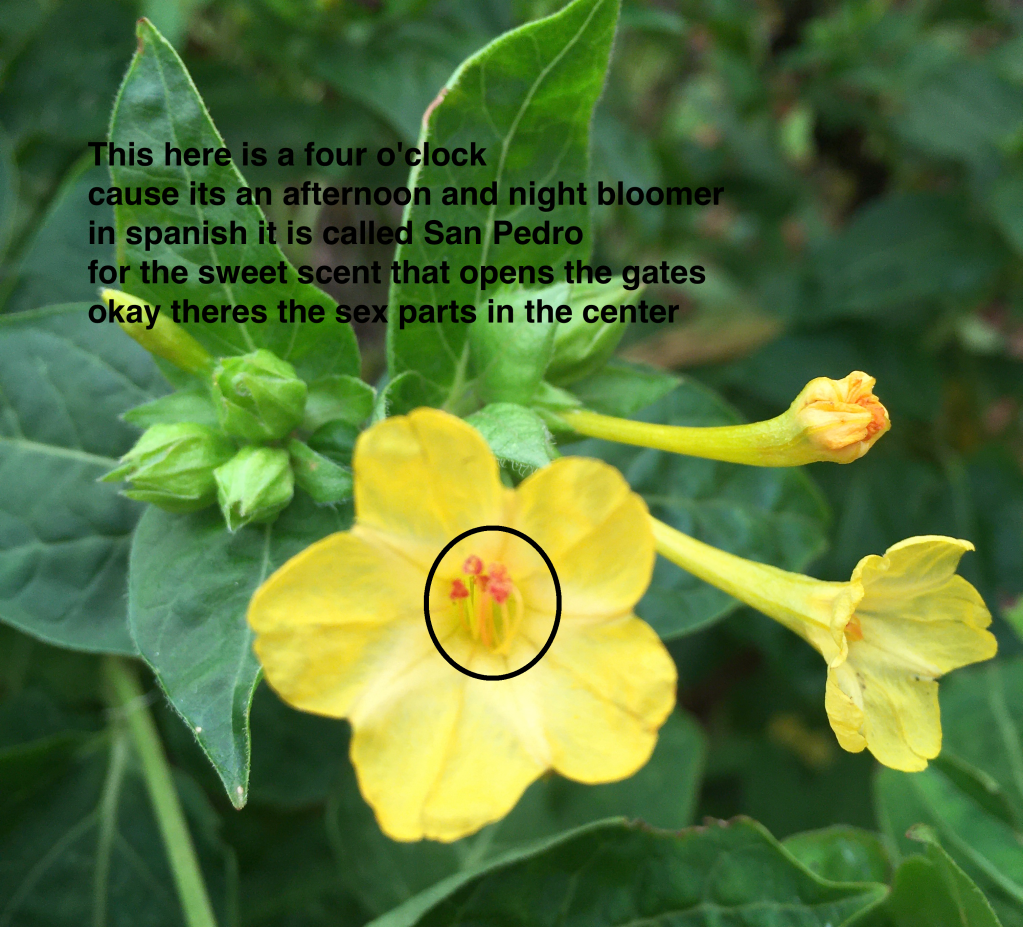
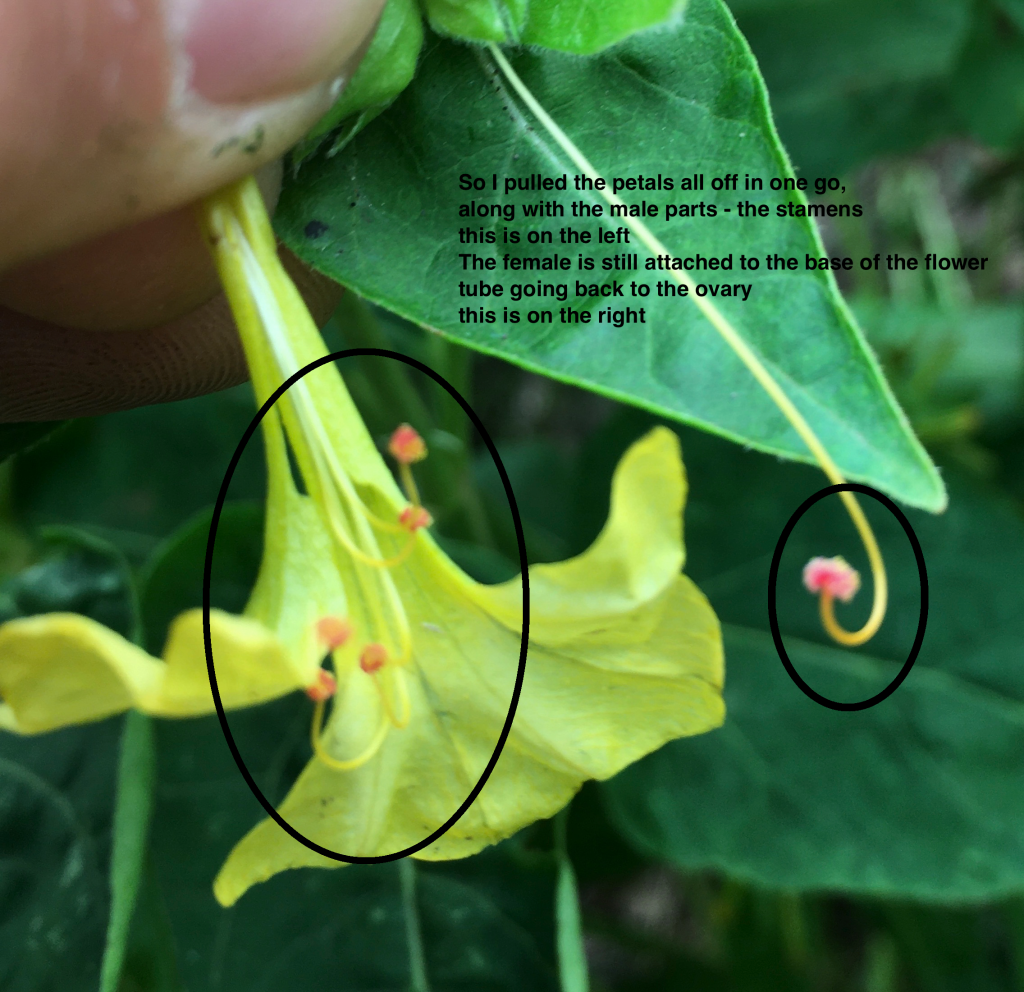
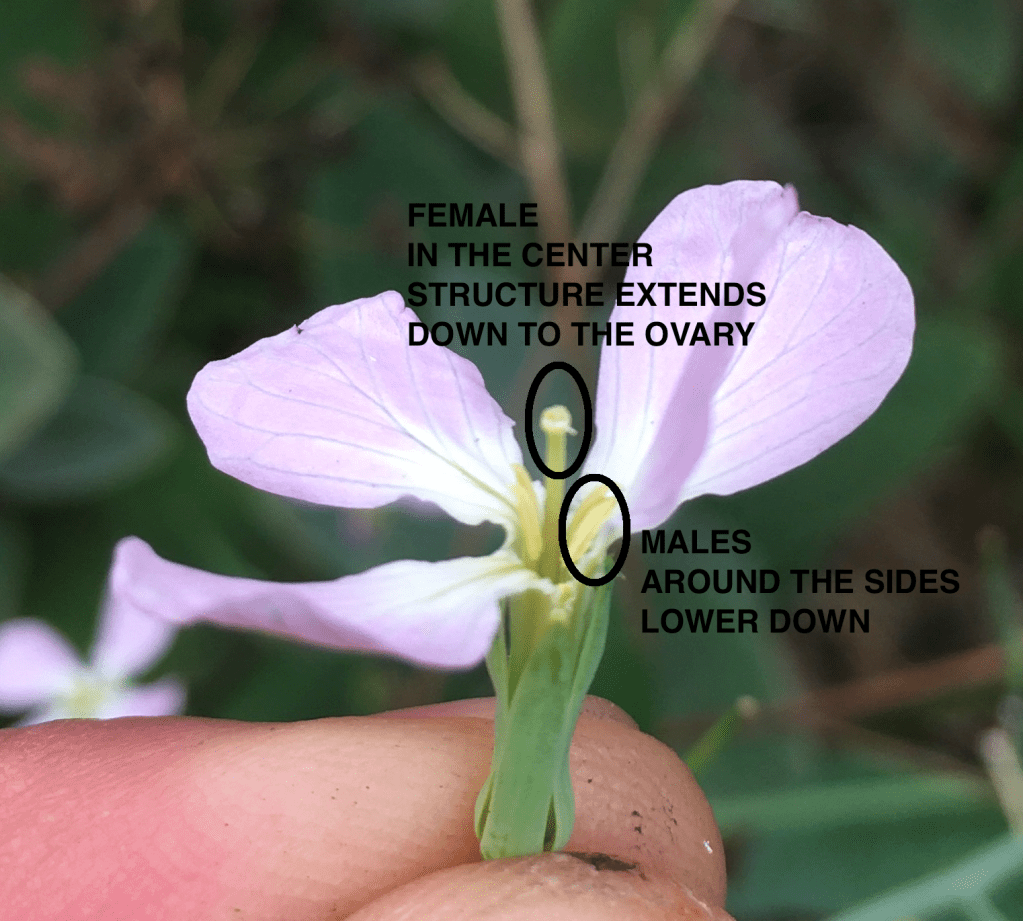
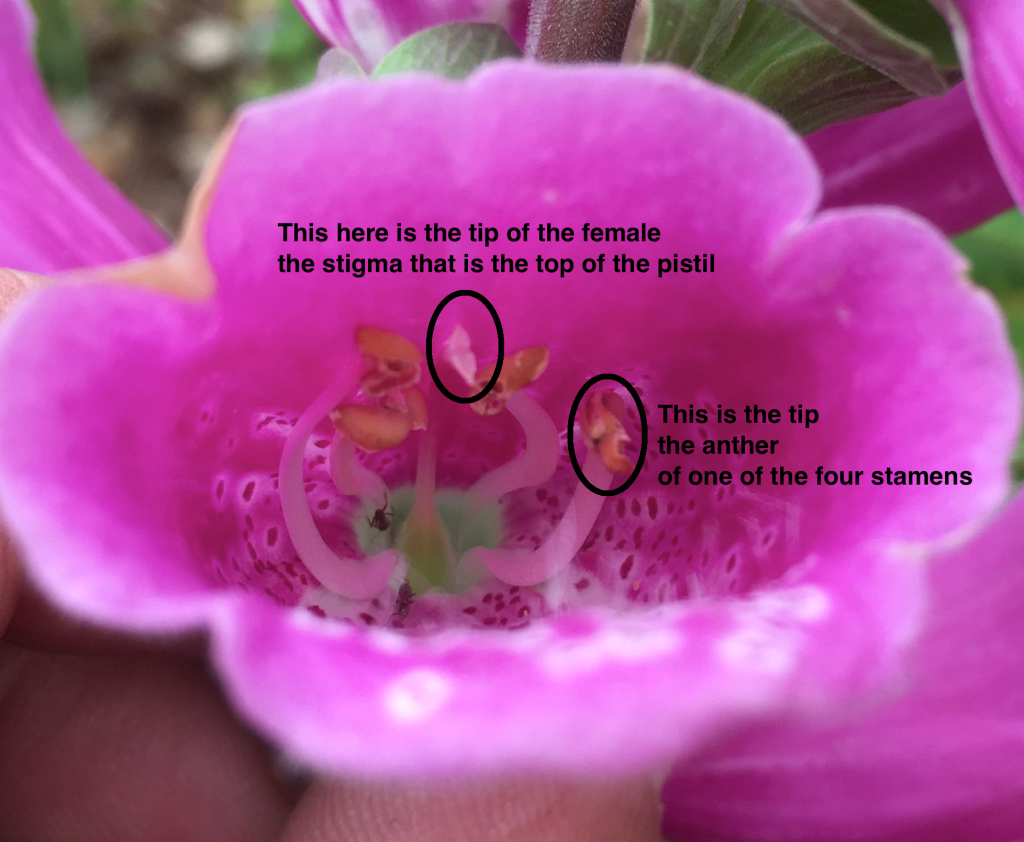
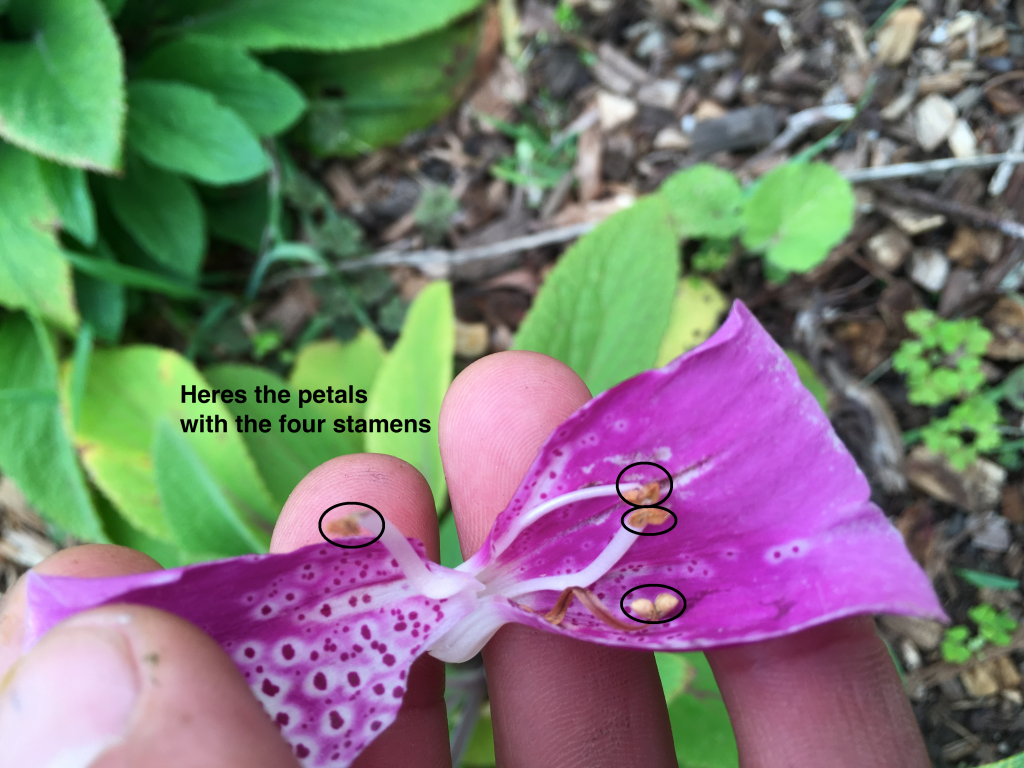
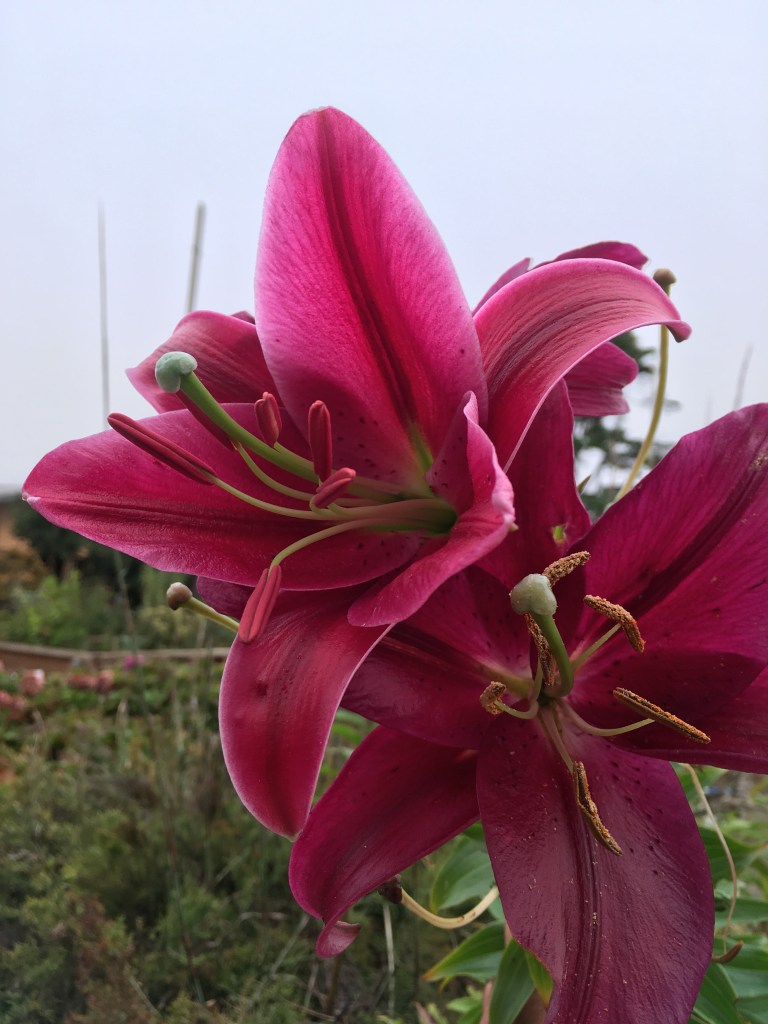
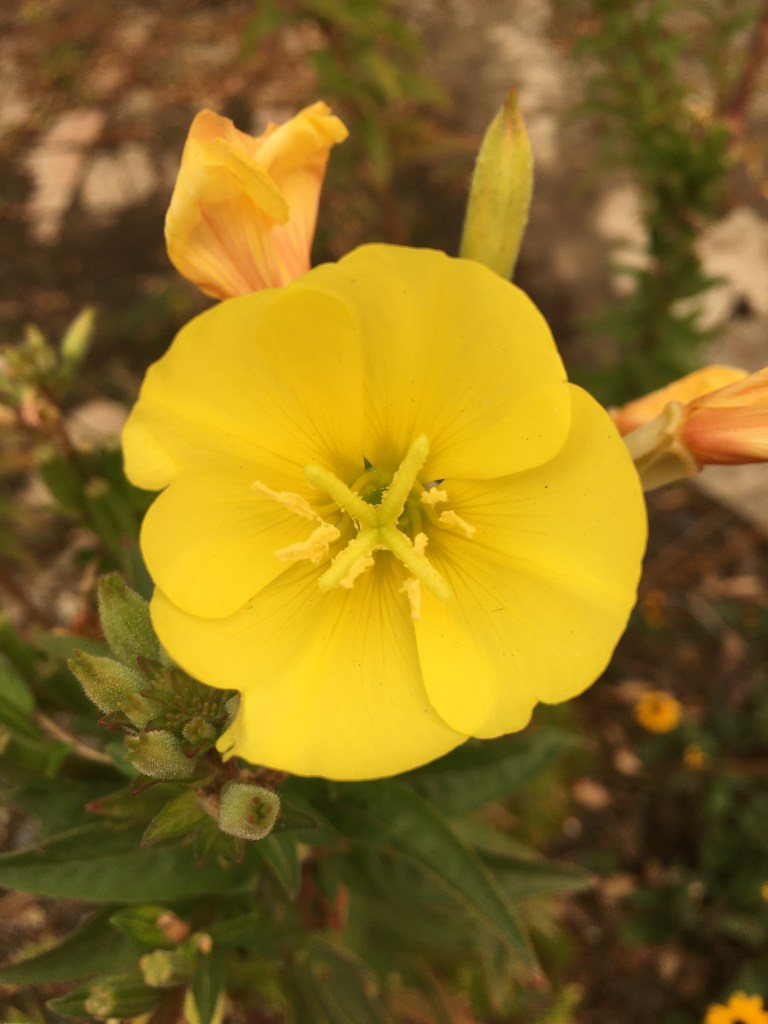
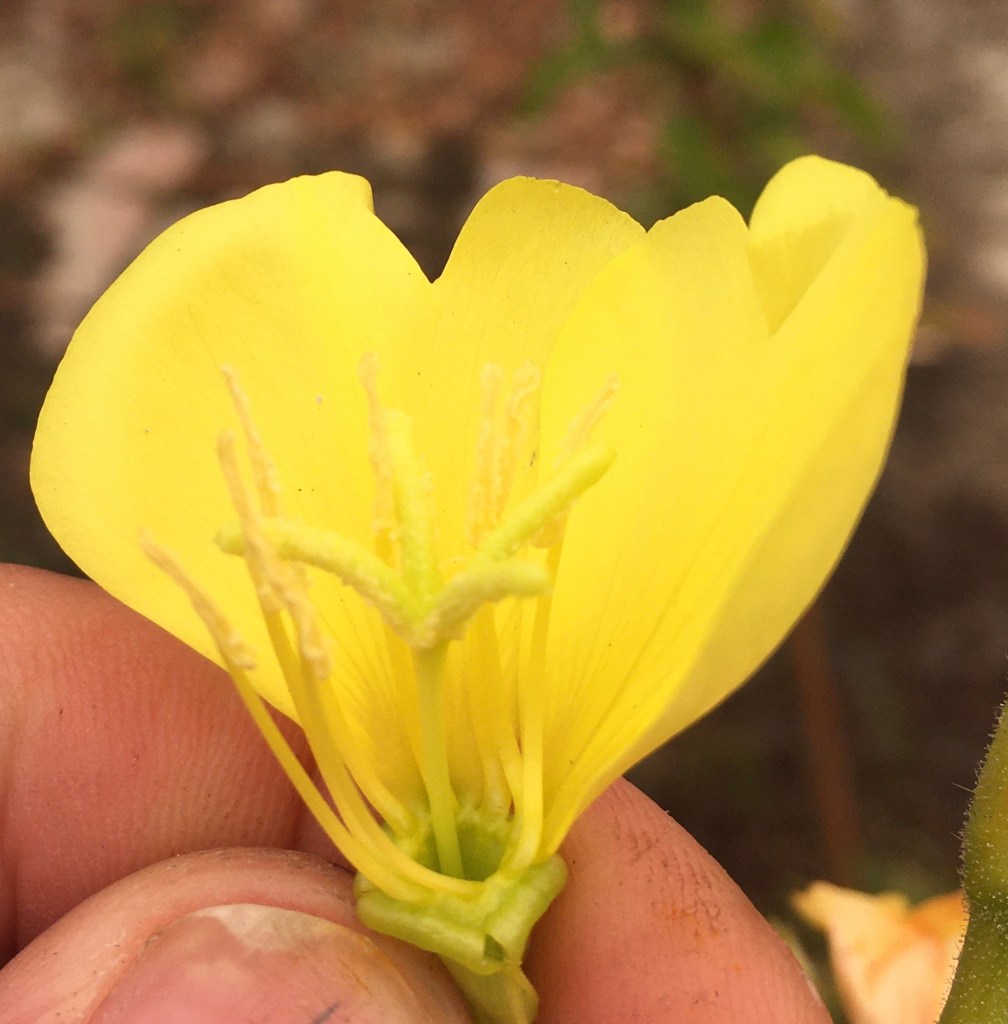
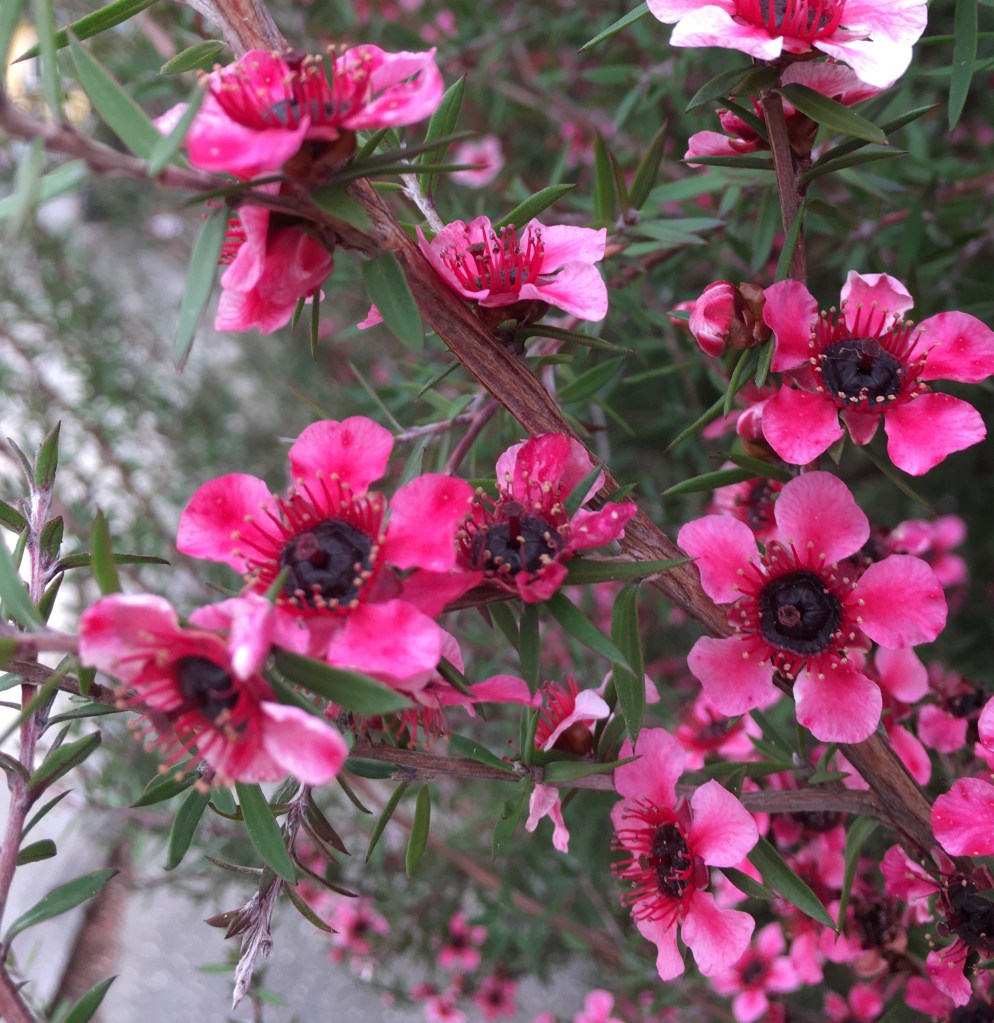
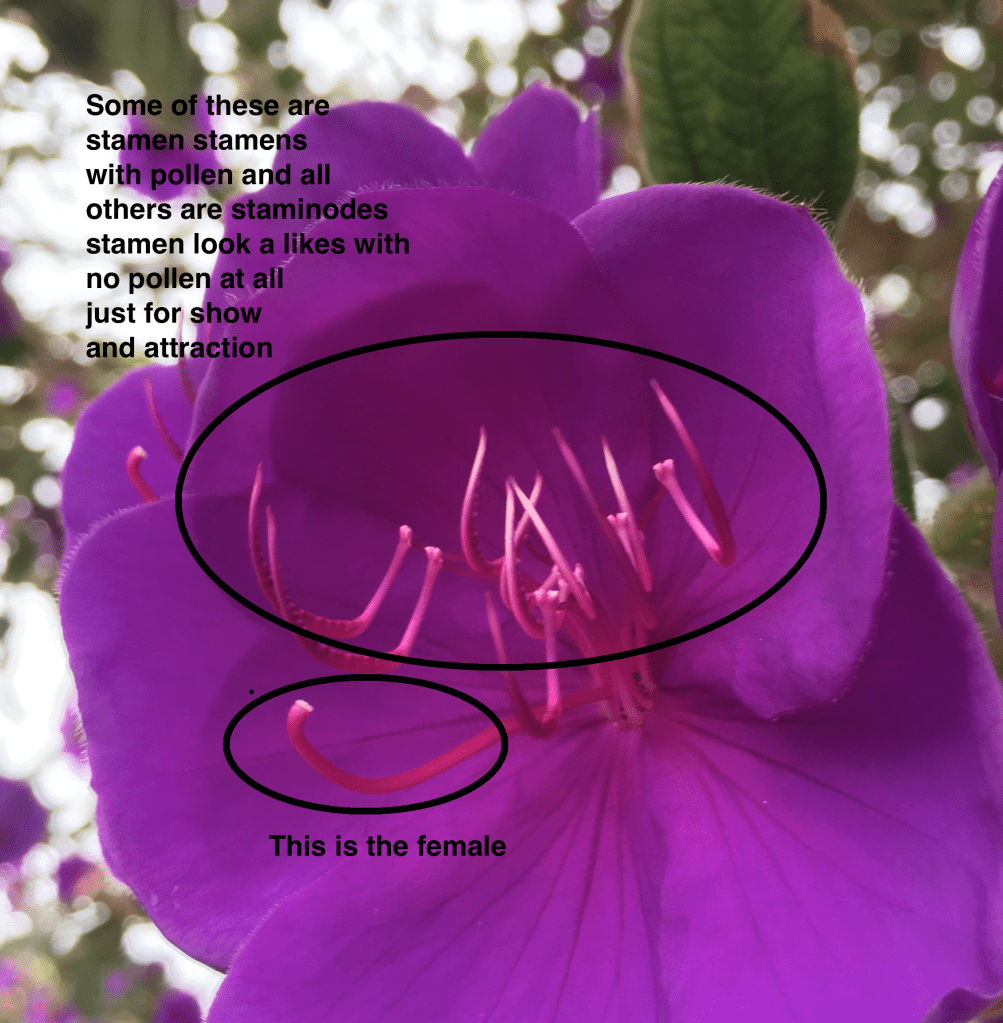
take a good look, keep an eye out for the male stamens

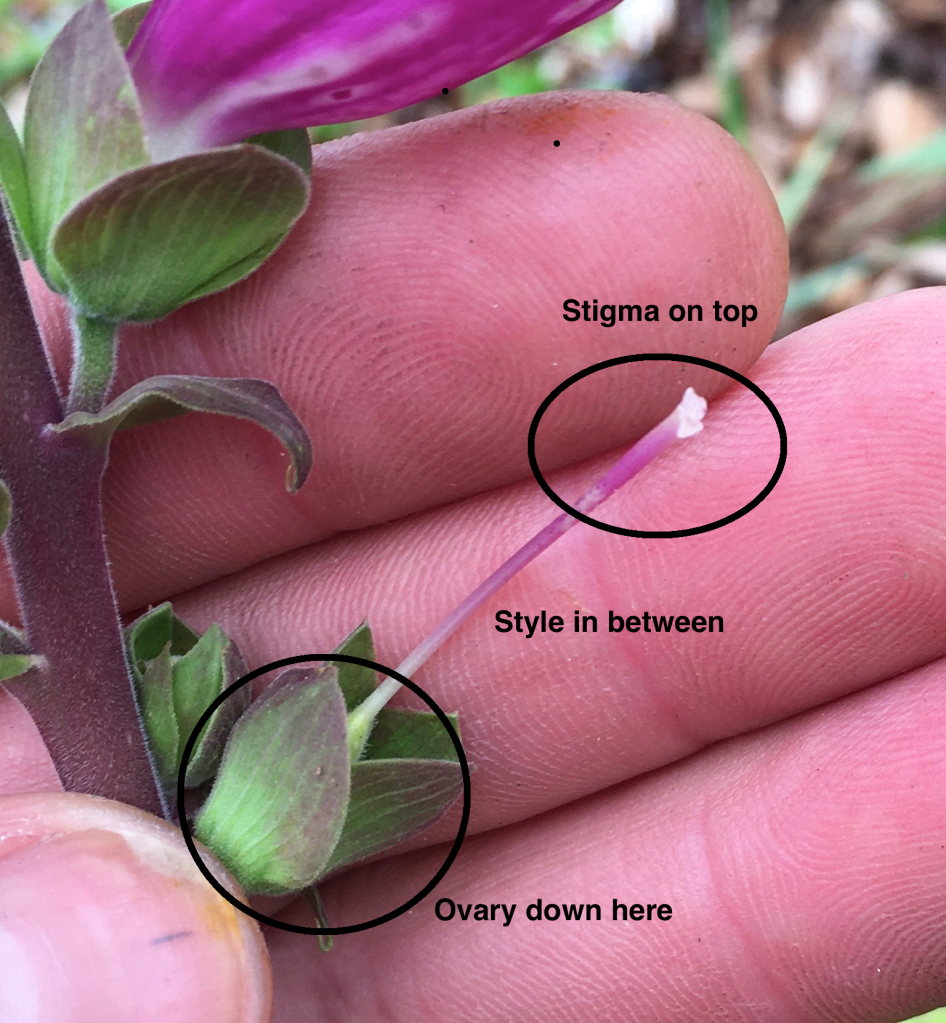
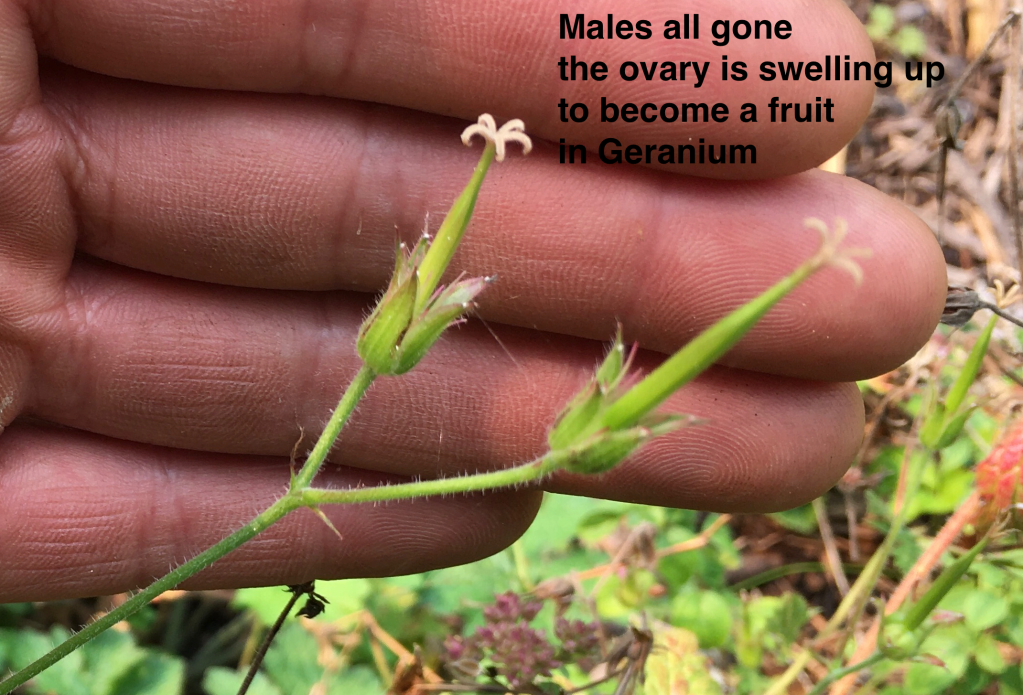
and the female pistil with the ovary at the base

males can be few to numerous, with a bit of fuzz look to them cause of the pollen, you are looking for a long oval with a slit more or less

females are in the center

the tip is sometimes a little club, or divided into a fork, or a cross, or partitioned further

also note that the timing is sometimes staggered

that is to say, the males may be ripe and mature, while the female is hardly developed

in another flower, the males may have already faded and dried, along with the petals, while the females are just starting

we will start with a few pictures labelled

then the rest is up to you. good luck finding the sex parts on flowers:

The following flowers

I skipped em

cause the parts are easy to see in person with a razor blade and a hand lens

not so easy for me to show you online

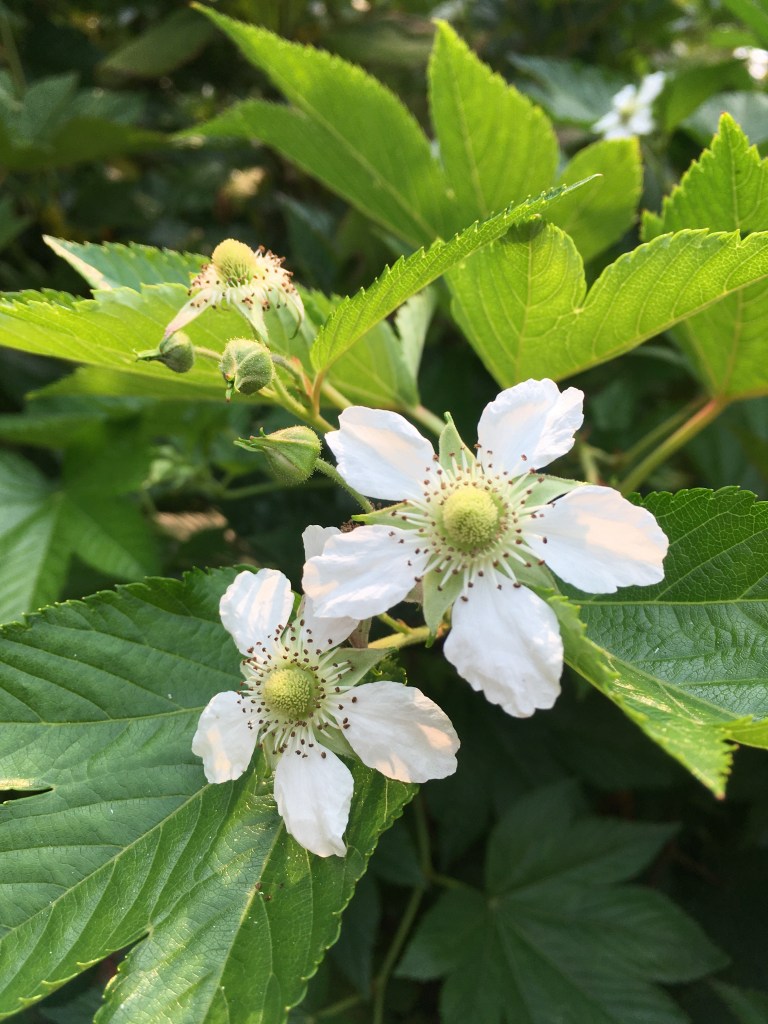
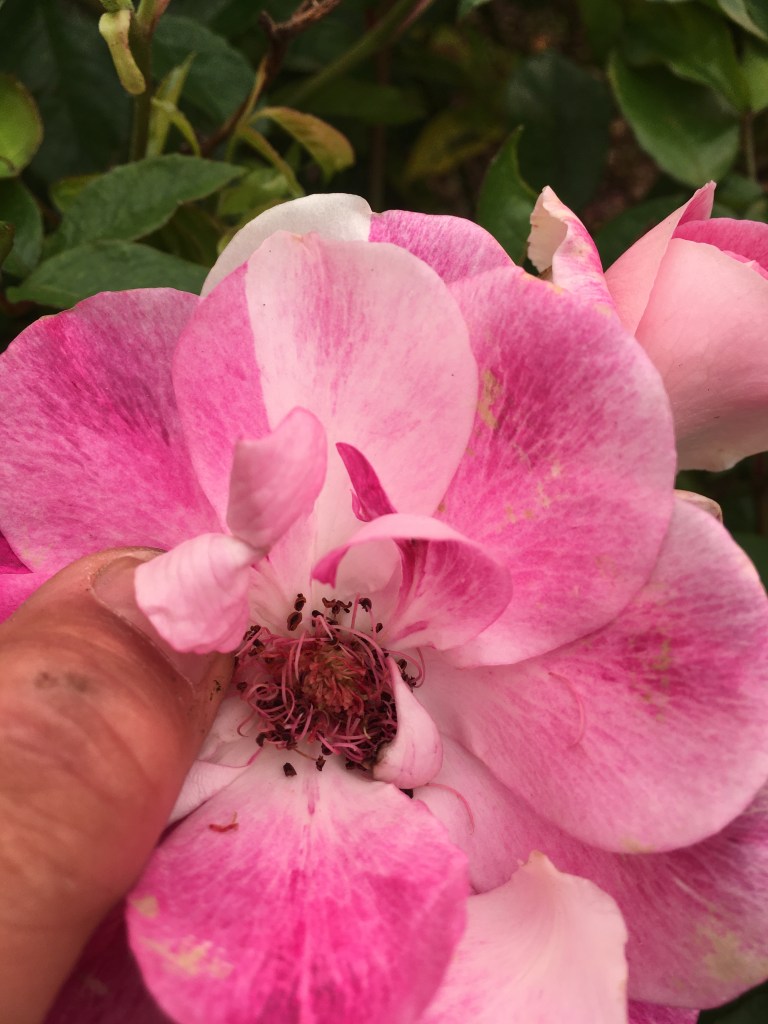
The rose family is tricky

cause theres sometimes a whole lotta pistils all cluttered together

plus the way the breeders hybridize em

the parts can be a mess to discern

heres a couple of rose family flowers:

Once in a while you run into one of these around town

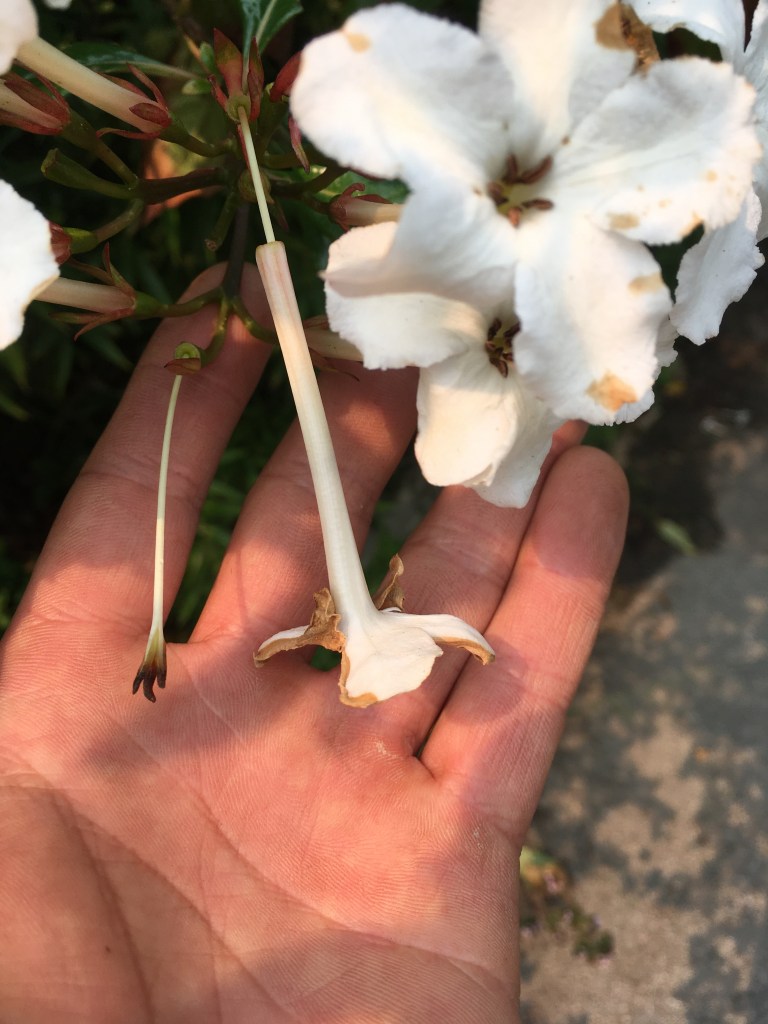
a princess flower

We will end this entry

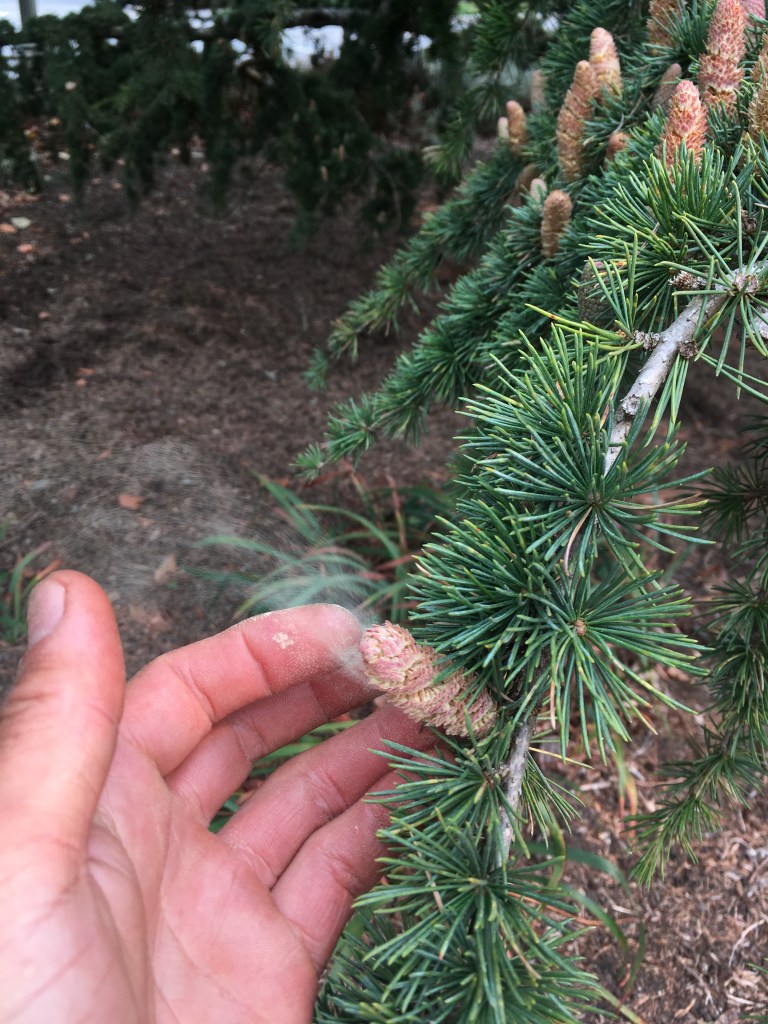
with a puff of plant sperm pollen

aaaahhhhcccchhhhooooooooooooo!

Addendum to Greenhouse Coverings
September 5, 2020

Ultraviolet light basics

About a billion years ago ancient plant ancestors called algae formed or came to this planet and started to multiply. Their energy making activities created oxygen gas as part of the photosynthetic process. This gas became part of the protective layer called the atmosphere that blocked out most of the life destroying ultraviolet rays hitting the earth. It also allowed the proliferation of lifeforms that depended on oxygen to breathe and survive. The dominance of plants continues to this day. Plants and algae create, maintain, and protect the conditions to make life viable on our planet.

Most of us cannot see the light waves that are not in the visible spectrum. What we can see with our eyes is a tiny portion of what is happening. We see red orange yellow green blue and violet. Plus the mixtures of colors like pink magenta and turquoise. Scientists investigating the properties of light found that there was something happening at the extreme ends of the rainbow of light. Above the purple violet was something else – they called this ultra violet. Ultra meaning more than/extremely/excessive, like Ultra man! Beyond the red part of the rainbow they found another kind of wave – they called this infrared. Infra meaning below.

As the scientists made more observations, they discovered a wider range of waves in this electromagnetic spectrum that is the energy reaching the earth from the sun. They identified waves of energy with super short wavelengths like gamma rays and x rays. Waves that were so short and tiny and full of energy that they could easily penetrate bodies of living organisms. Scientists found waves of energy with long wavelengths, like microwaves and radio waves.

Over time, we have harnessed and made use of the physical properties of these waves: x rays at the doctors to see past the muscles but see the dense bones; microwaves in the kitchen to excite the water molecules and heat up your supper; microwaves for radar to detect motion and measure movement and velocity; radio waves for radios, mobile phones, wireless networks; infrared waves for night vision scopes and heat seeking missiles.

Of the ultraviolet rays of light hitting the earth from the sun, much of it is absorbed by the atmosphere composed of nitrogen and oxygen gas. This is good, because otherwise most of life on land would be dead. The UV waves that do make it through can break chemical bonds and damage cells in humans. This is why we ask you gardeners to wear sun protection. Long sleeved shirts and a nice wide brimmed sun hat, not a baseball cap. Otherwise the tips of the ears and back of the neck are uncovered and often susceptible to skin cancer melanomas. Folks with darker skin can produce more natural sunblock which is melanin, they do not burn so easily. Fairer folks ought to wear sun block and reapply accordingly. Otherwise the sunblock wears off with time, and the sun’s UV rays start baking the skin cell/sunblock residue matrix. But UV light is not all bad. Vitamin D is made when your skin is exposed to the sunlight and that little bit of UV; Vitamin D helps you absorb calcium, magnesium, and phosphate. It also helps your immune system and protects you against disease. So some sun is good for you.

In the garden we also harness UV light for its beneficial qualities. In a pond system we will use a UV light alongside the filter to kill the algal spores in the water. This keeps the pond water nice and clear and not green. UV light is also used to disinfect and treat water at the wastewater treatment plant before discharging it or before it is channeled to the recycled water stream. In entomology class we collected scorpions at night by shining a hand held black light while wandering around the desert. Scorpions fluoresce and glow in response to the UV light, and are easy to catch this way.

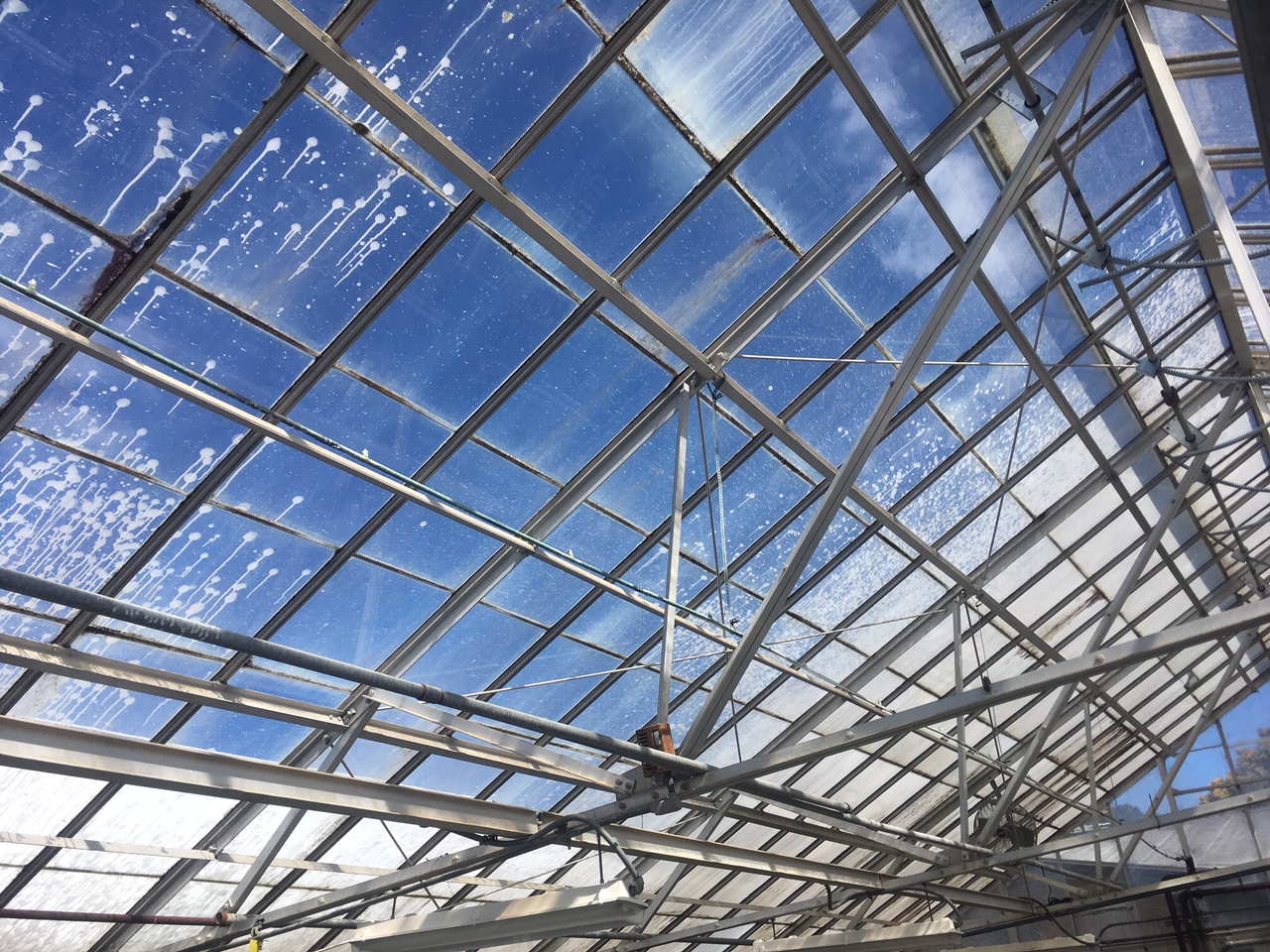
So back to coverings. Glass has the excellent light transmission. It absorbs and blocks all of the shorter wavelength UV rays (UV-B) but lets in most of the longer wavelength UV rays (UV-A). The plants in the glass greenhouse get all the light they need to proceed with photosynthesis. Glass, composed of sand, limestone, and sodium carbonate, is great stuff!

In a poly film covering, however, the plastic covering is composed of long chains of carbon and hydrogen; it degrades and breaks down in the presence of ultraviolet light. Before long the plastic is discolored, cracking and falling apart. Therefore, a chemical compound that absorbs the UV radiation is added to the plastic in the process of manufacture to prolong its life. These are similar compounds as found in sunblock and cosmetics. This way, your plastic greenhouse holds up over time, and you can grow happy plants.