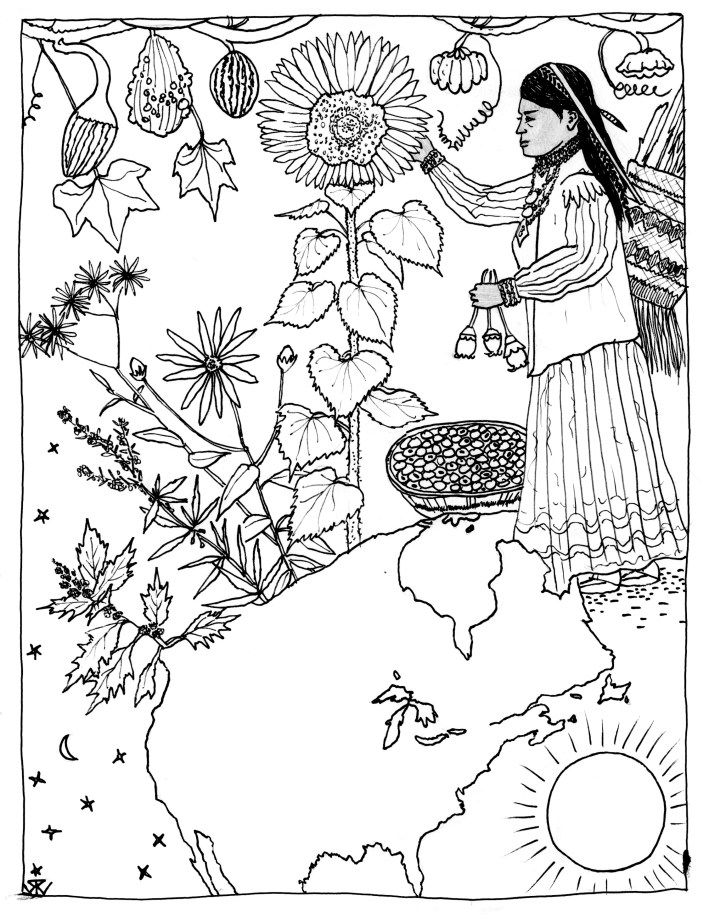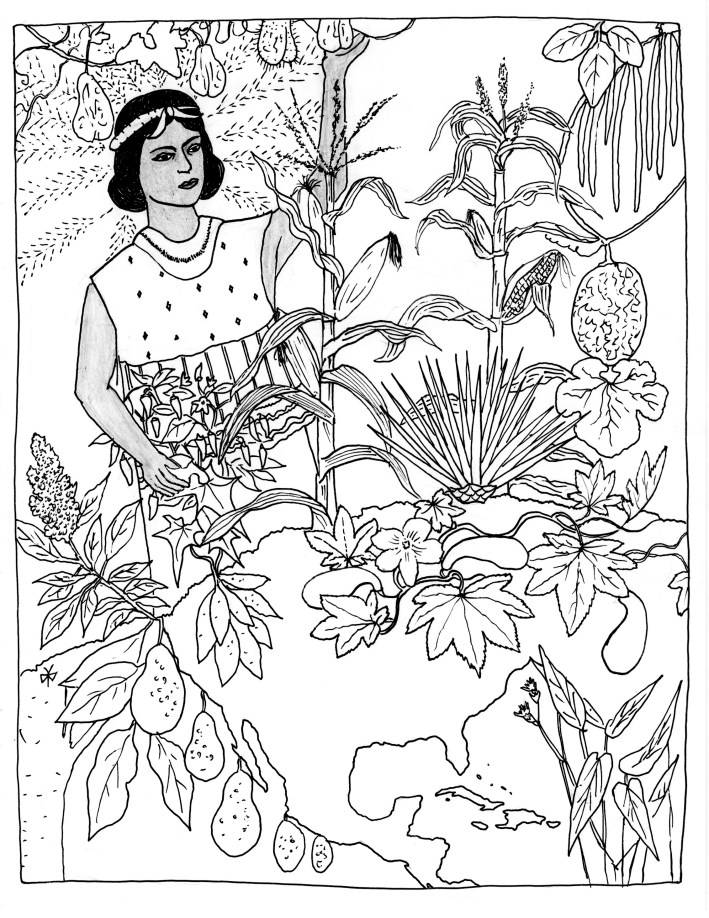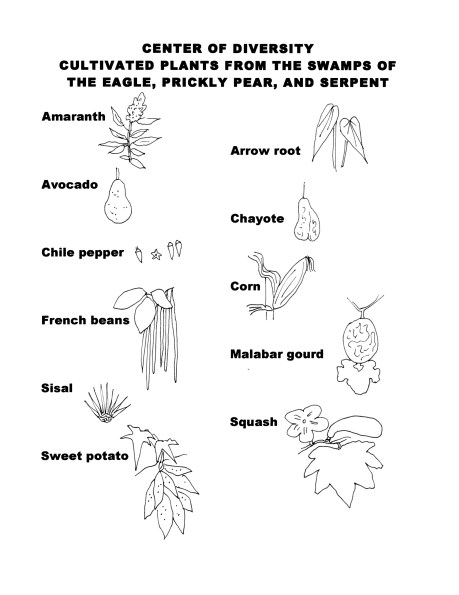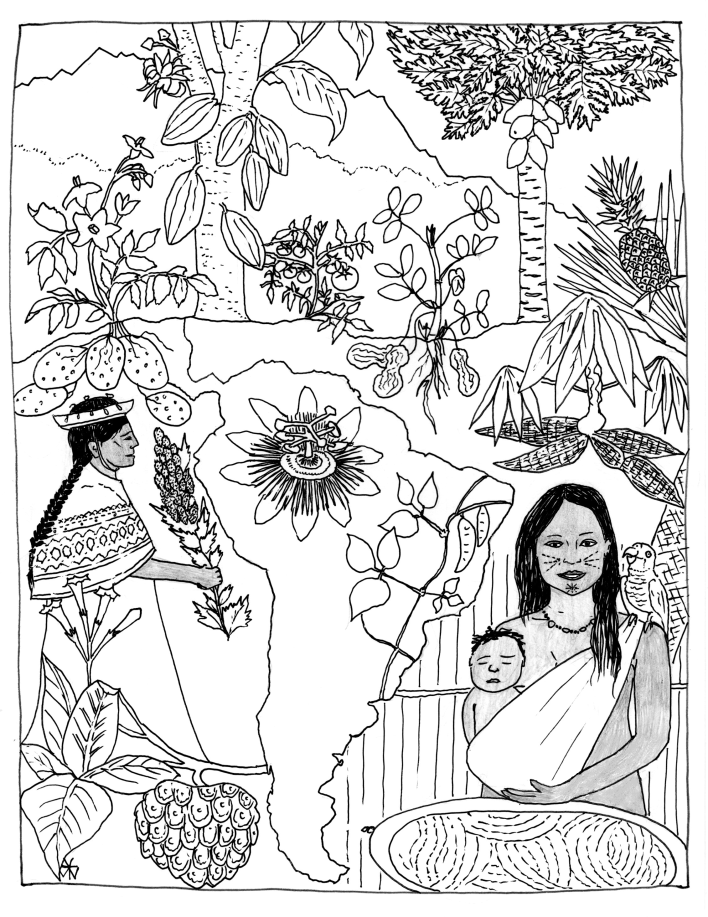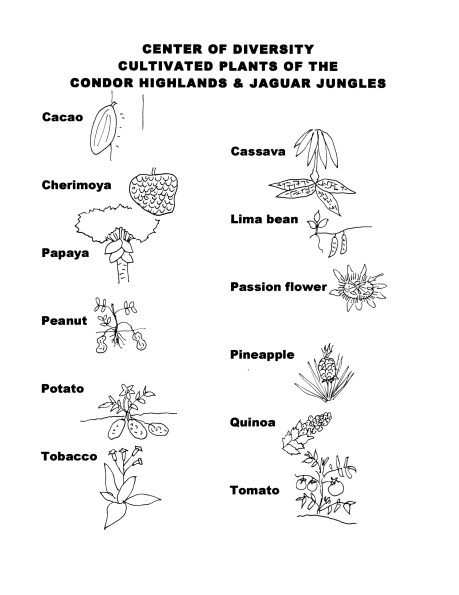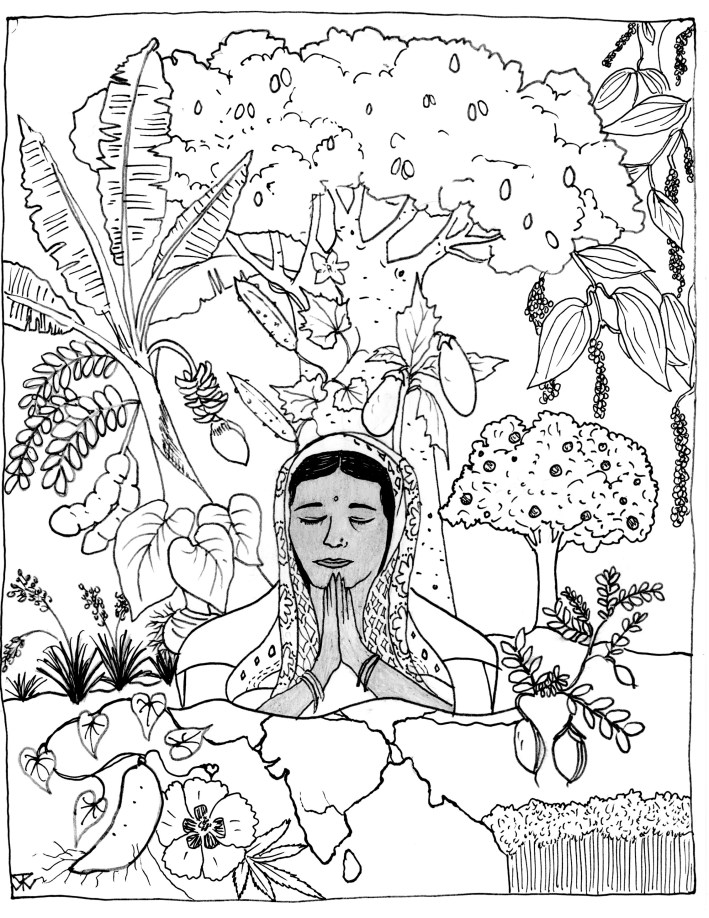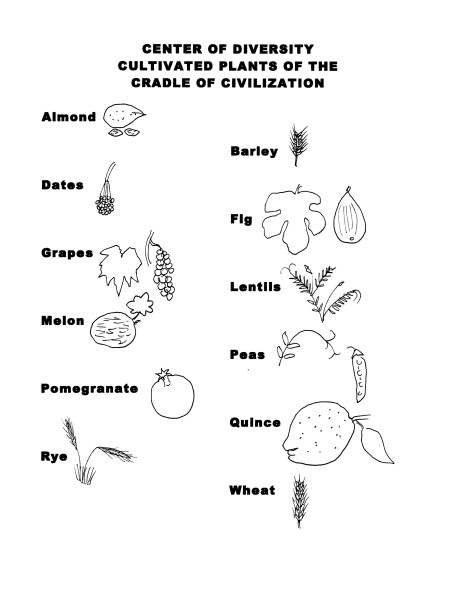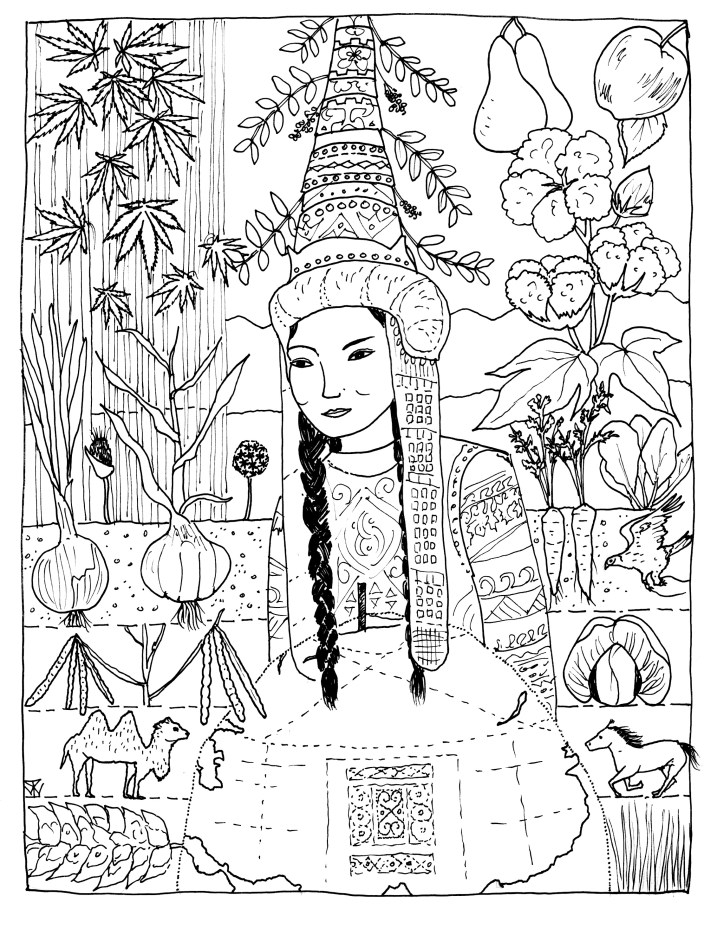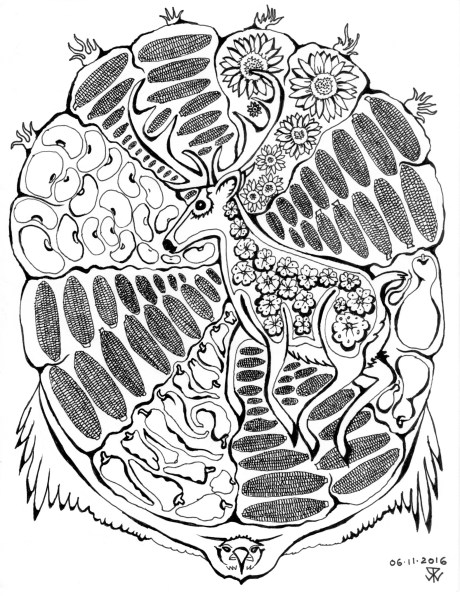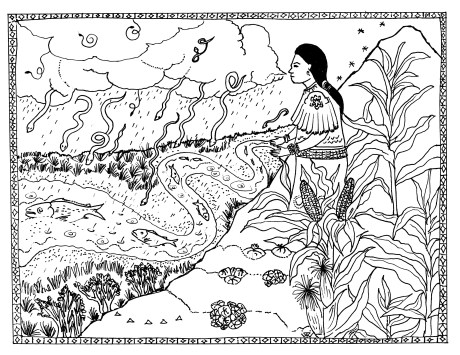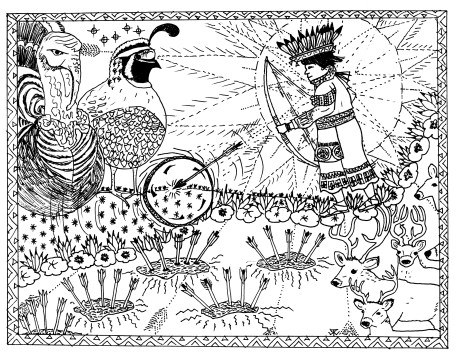
This is building off the work of the great Russian scientist Nikolai Vavilov who documented the centers of origin of cultivated plants, and their wild relatives.   Each drawing of a geographical area is followed by a key to the plants depicted.  The trinity is composed of the land, plants, women and children.  Thank you earth.  Thank you goddesses of fertility.

center.jpeg

cd1.jpg

cd2.jpeg

cd3.jpg

cd4.jpeg

cd5.jpeg

cd6.jpeg

cd7.jpg

cd8.jpeg

cd9.jpeg

cd10.jpeg

cd11.jpeg

cd12.jpeg

cd13.jpeg

cd14.jpeg

cd15.jpeg

cd16.jpeg

cd17.jpeg

cd18.jpeg

cd19.jpegcd20.jpeg

cd21.jpeg


cd22.jpeg


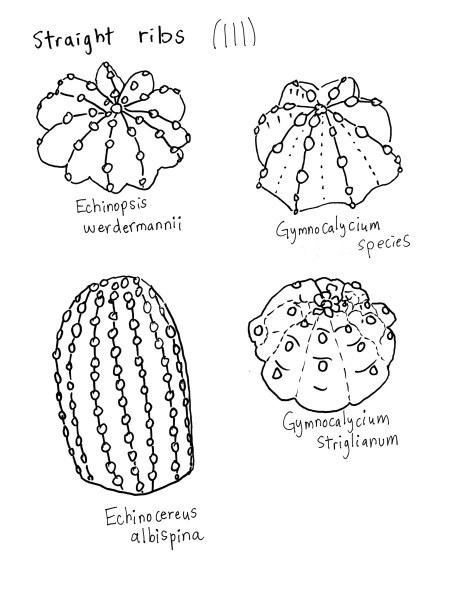
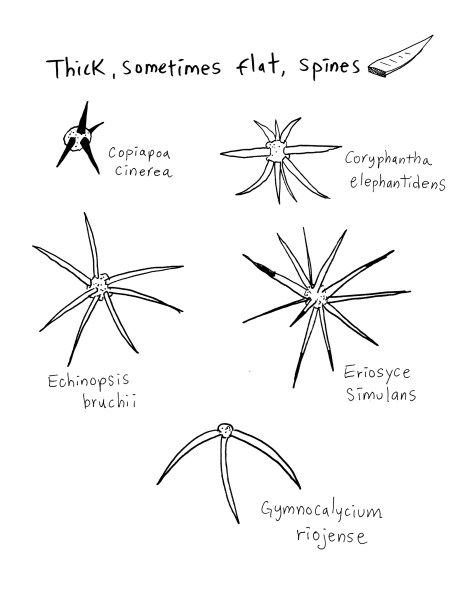
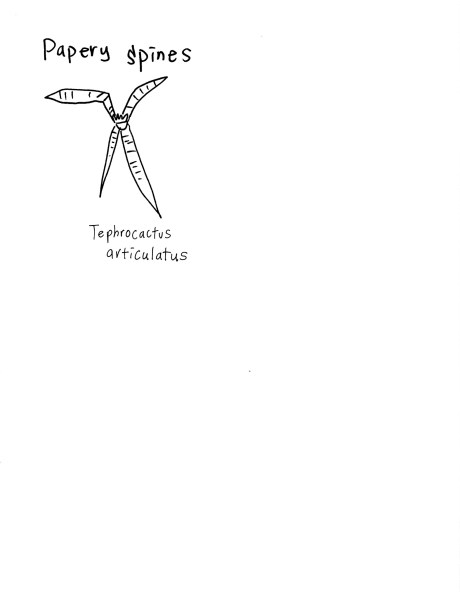
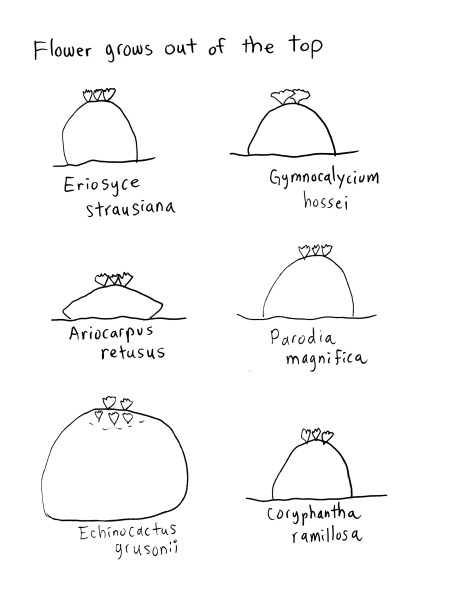
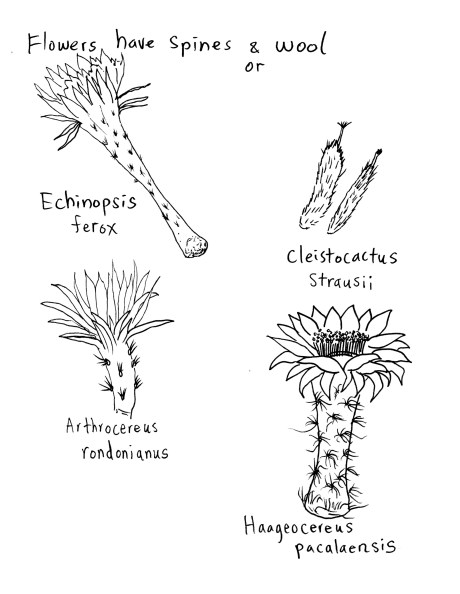
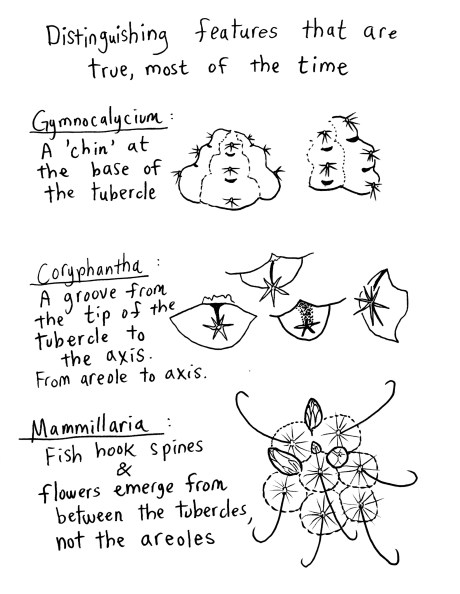
A handful of characteristics to look for in the identification of round ball-like cactus

It’s like this. If you are not paying attention everything is the same, and passes by in a blur. The mind is fru fru doing circles in the sky but the eyes don’t catch the wonder. You think you got the big picture down but you are missing the ants and the Indians and the creases on the palm of the hand and the grains of sand and the roots of the trees.

cactus.jpeg

Then you focus, and are stunned by the bewildering variety of… Globose Cacti! Wo I really fell hard for this group. Can’t take my mind off of them. Something about the desert and her chanting. I hear her heart beating boom boom boom boom and she is singing about the grasshopper sparrow’s adventures with roadrunner next to the tarbush.

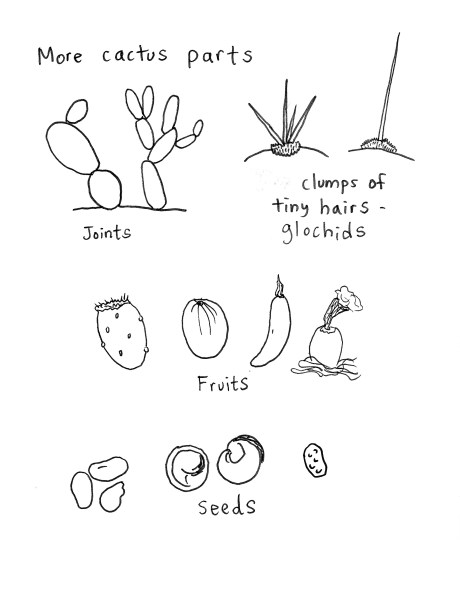
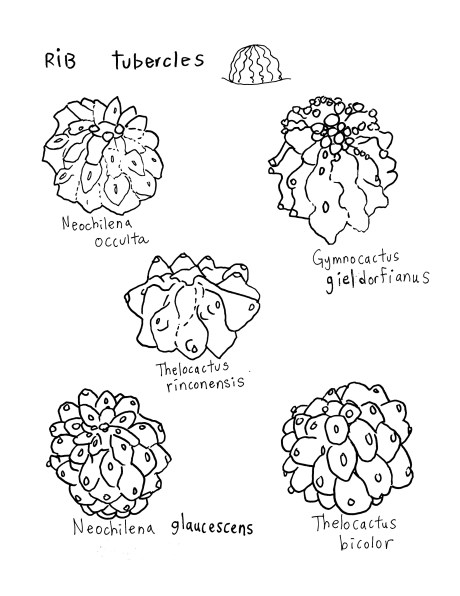
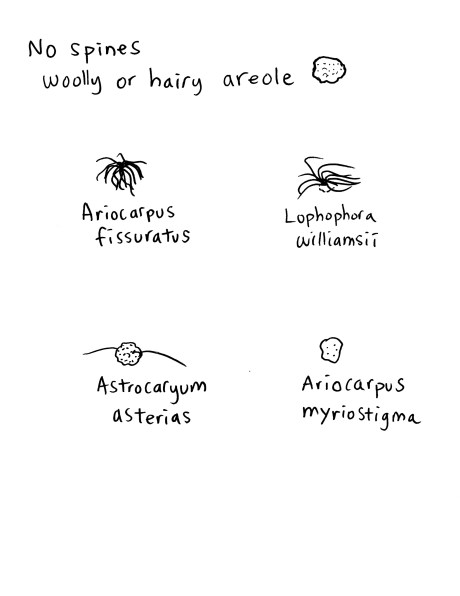
Besides color and size, there are characteristics that deal with form and structure, growth and development. There are ribs and tubercles, areoles and spines, wool and hairs, and the placement of the flowers.

cac1.jpeg

cac2.jpeg

To show the cactus structure I blanked out the spines and just drew a little circle in its place.

cac3.jpeg

cac4.jpeg

cac5.jpeg

cac6.jpeg

cac7.jpeg

cac8.jpeg

cac9.jpeg

cac10.jpeg

cac11.jpeg

cac12.jpeg

cac13.jpeg


cac14.jpeg

cac15

cac16.jpeg

cac17.jpeg

cac18.jpeg

cac19.jpeg

cac20.jpeg

cac21

cac22This is what I’ve learned so far thanks to the experts of this realm. I hope that there are not too many egregious mistakes in terminology or taxonomy. It was inspired by a visit to the San Francisco Cactus and Succulent Society annual show in Golden Gate Park, and reinforced by a book by Graham Charles on their identification and cultivation. Online, I found a site called Cactiguide to be useful as well. Good luck in your collections and pilgrimage to the arid places!

In the olden times there was a nice inuit girl. She was of marrying age but she did not like anybody in the village, nor anybody her folks set her up with.

One day a handsome stranger landed ashore and they fell in love. Boom like that. He was a great fisherman, and brought many fish for the whole family. It was very impressive. Everybody say This is the dude!

sed1.jpeg

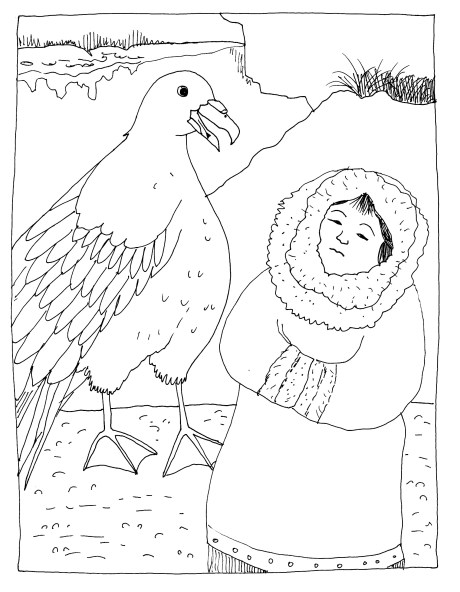
There was something strange about his nose though. There was a growth on top of it. And grandma thought he smelled a little too fishy. But grandma kept quiet and wished her grand daughter the best. Heck why be so prejudiced!? Let them young people have some freedom! Off they went, the happily married couple, to go live on their island home.

Once on the island, it did not take long for the wife to figure out that she had been tricked. This guy was not a real man.

sed2.jpeg

Maybe it was the cold fish and squid day after day after day. Or, it was the patch of wet grass they slept on every night at the top of the rocks. The regurgitated throw up was another clue. When he spat stinky oil one day, she knew she had married a fulmar. What?! You have got to be kidding me! I married a sea bird?!

Well, after getting used to the routine, it was not so bad. Food was plentiful and the colony was real festive. Then the fledglings arrived, winters came and went. She learned the language and made friends. She missed the warm fires and human company, but she was too ashamed to go home.

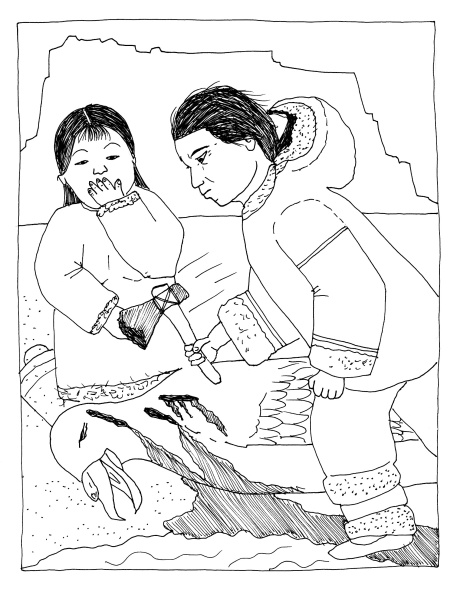
One day her father was out hunting in his skin boat and paddled to the far away island to see his daughter and son-in-law. It had been many years. He missed her and wanted to meet the grandchildren. He was shocked to learn that his daughter was living with a fulmar. He erupted in anger at this deceit. What the heck is going on here!?   You damn liar! So, he hacked the fulmar to death.

sed3.jpeg

He grabbed his daughter and put her in the skin boat. You are comin’ home with me! Right now! And he rowed away into the sea as fast as he could. But the daughter, she was so upset about her husband, and her kids, she began grunting and screaming and cackling. The whole sky filled with fulmars! They came in dive bombing, spitting, stirring up the waves, goin nuts! What are you doing?! You stupid girl! Be quiet! The boat was rockin’ hard back and forth, filling with water and bird guano.

The boat was about to capsize with all the action so pops threw his daughter overboard. She did not know how to swim, and so she clung on to the boat. Father was in a mad panic, grabbed the ax, and cut off all her fingers so that she would let go.

sed4.jpeg

She swirled to the bottom of the sea. Bleeding. Unconscious.   Walrus and sea lion, cod and mackerel – all came by to take a look and say a prayer for her. As she sank deeper and deeper, she transformed herself. Not a human. Not a fulmar. Into the goddess of the sea.

sed5.jpeg

She married a sea scorpion, and befriended an octopus dwarf. She shared gossip with tube worm and clam. She pow wowed with king crab and Ms. eel. The only problem with living at the bottom of the sea, without any fingers, is that it is hard to comb your hair. Luckily, humans send their best and bravest representatives down to sort out the tangles. Pay respects. Apologize for trespasses. And give thanks. This pleases the goddess, and she returns the favor with bountiful schools of sardines, herds of narwhal, and a couple of breeching whales.  sedna.jpeg                                                                                                                                                       The end.


wiri.jpegThe earth is mother.

AB1.jpeg

The sun is the father.

AB2.jpeg

Pup of an agave, eagle’s hatchling, friend of whitetail.  That is what you are.

AB3.jpeg

Greet your cousins wolf and amanita, datura and solandra.  Respect them but do not play with them.

AB4.jpeg

Grandfather fire & grandmother water are cheering you on and rooting for you.  All are family and relatives.

AB5.jpg


p1.jpeg

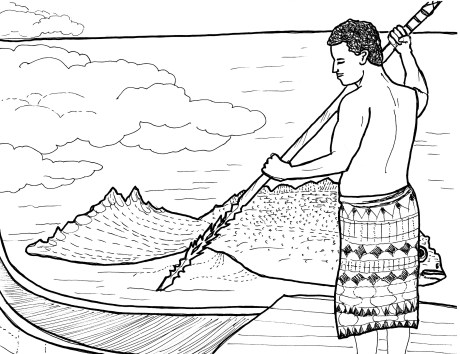
I heard about Tafa’i’s adventures in an old timer’s book about Polynesian navigation.  He was a righteous dude who set Tahiti in place back in the day when Tahiti was a big ol fish.  He cut its sinews with a long hard spear and the fish could swim no more.

p2.jpeg

Then with his buddies in a double hulled canoe they sailed and paddled everywhere in the ocean.  Tafa’i pulled up more lunkers with his fishhook and set them in place as islands.  He plotted maps so that they could return with women and kids, taro, pigs, coconut, breadfruit, and dogs.
p4

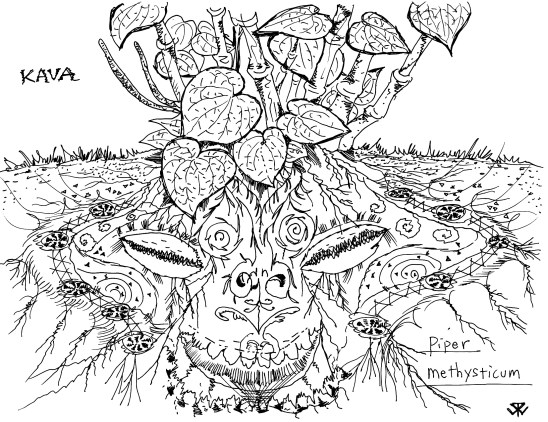
Much later on in the story, he had to battle a man-swallowing kava monster in order to win the favor of a Hawaiian princess and her court of royalty. Of course, he was victorious, and even brought his dead cousins back to life.  But instead of marrying the princess, he goes back to Tahiti and marries a local girl, lives happily ever after.

plants and magic

About a decade ago we set up a day of festivities and speakers celebrating the connection between plants and spirit.  It was sponsored by the San Francisco Botanical Garden and the Conservatory of Flowers.  There was representation from a handful of cultural traditions.  So before the main event (Dr Plotkin), Gamo Da Paz got the crowd dancing to the drums of samba-reggae and Candomble, and Feroz presided over the kava lounge.  Feroz was from Fiji, he brought his bowl and made some nice strong kava.  In every bowl there was smiles and hospitality, kindness and family.  That was my first taste of kava, thanks Feroz!


p3

So kava belongs to a big family named Piperaceae.  There are several thousand members in this family, mostly from the warm and wet regions of the world.  The two primary genera are Peperomia and Piper.  Around these parts, we know Peperomia as our little indoor friend with the roundish or heart shaped leaves.  The Piper we are familiar with in the kitchen is the spice that gives us black pepper and white pepper.  Piper nigrum.  Kava is Piper methysticum, the intoxicating pepper.

Some six or seven years ago a big storm knocked down a bunch of monterey cypress trees at our school.  Somebody craned two whole trees to our yard for some reason, and we ended up chunking them into pieces for chainsaw practice with our tree care class.  Took five or six sessions.  Lucky we had Martin Kutches Jr and his husqy in the class or else we’d still be whittling away.  Anyhow, I salvaged a few big chunks of the material, and hoarded it for some future use.

This spring,  a nice Samoan lady came asking for a kava bowl so that she could do a presentation in her Plant Identification class with Ms. Charmain Giuliani.  The cypress log was now wanted and went to meet Mr Stihl.  Andreas Stihl.
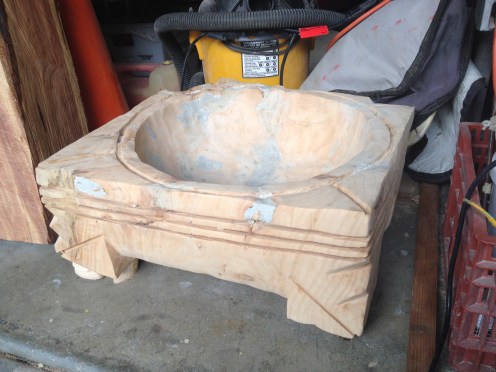
IMG_1445

This was the rough cuts all chainsaw.  There was quite a bit of rot in the piece which required some patching.  Thinking back, I probably should have researched what authentic bowls looked like before I got started.  At this stage, I got design input, some polynesian patterns, a request for turtles and dolphins, and began to dremel away.
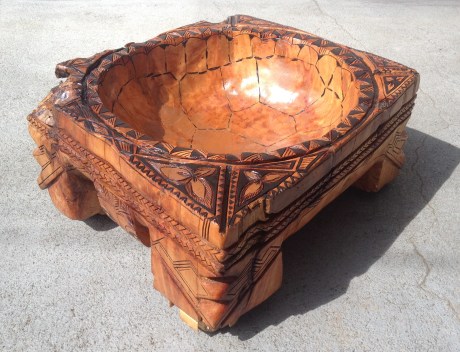
IMG_1786

There is a concave turtle shell inside the bowl, four legs, and a head.  Ok, lets take her to ceremony!
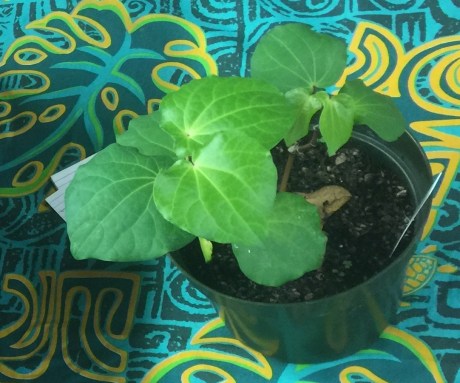
IMG_1693

The plant. Comes to us from Carolyn at the Park nursery and Martin Grantham of San Francisco State University, horticulturists extraordinaire.

IMG_1679

Our lovely host.  Anonymous here but well known in our garden world.  Good little turtle.

IMG_1688

Kneading the root to release its power.  Bowl inside of the bowl because the tung oil had not yet totally dried on the wood,  and best not to mix it with the flavor of kava.  Too bad you cant join us for a coconut bowl of the best stuff.  Drink up!
Tung oil, that comes from a species of Aleurites tree in the Euphorbiaceae family.  Its cousin is the kukui nut tree.  Yup, you probably have one of those shiny black nut necklaces.  Okay, back to the islands, and back to work!  Leave the spurges for another day!