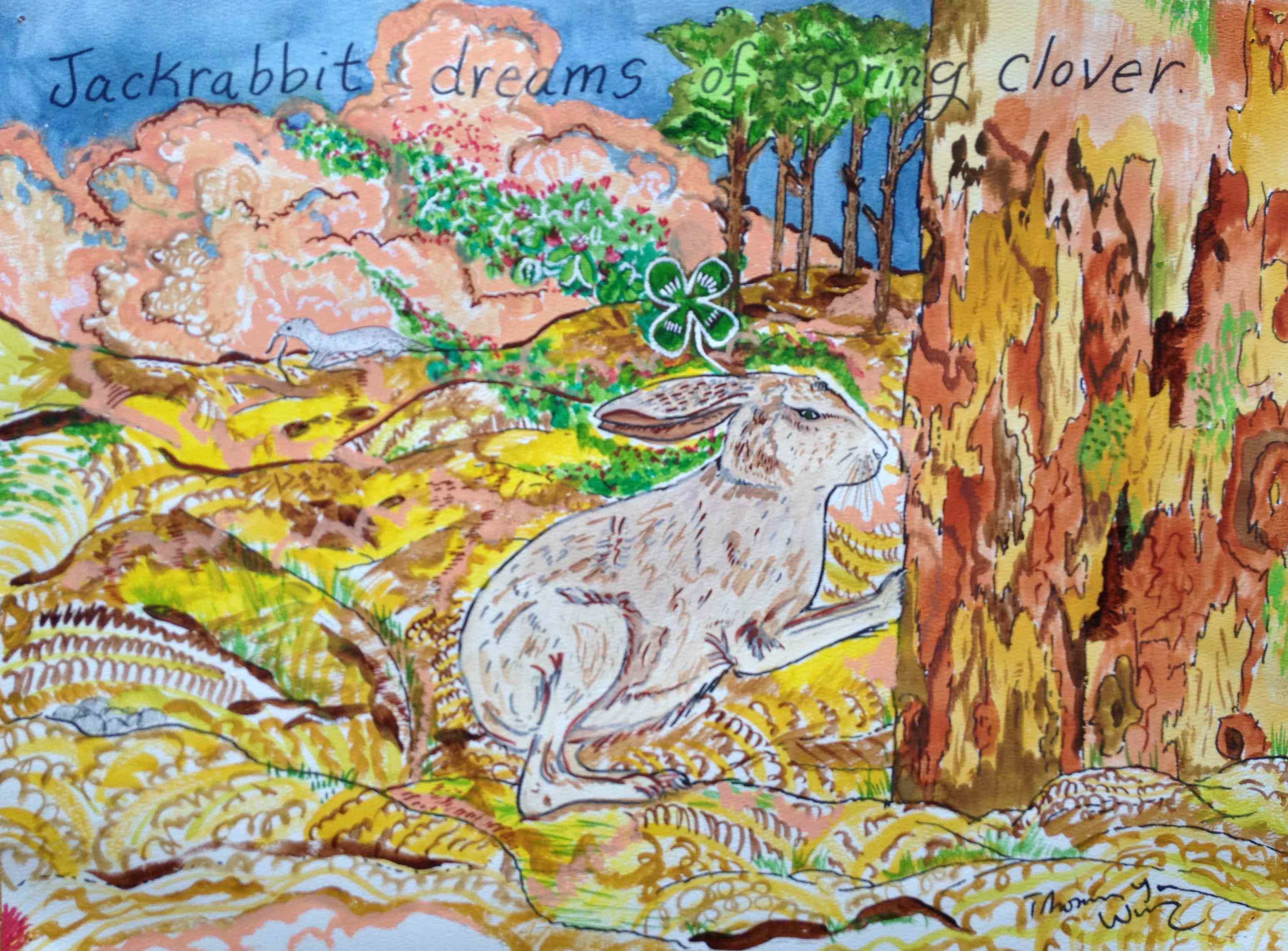
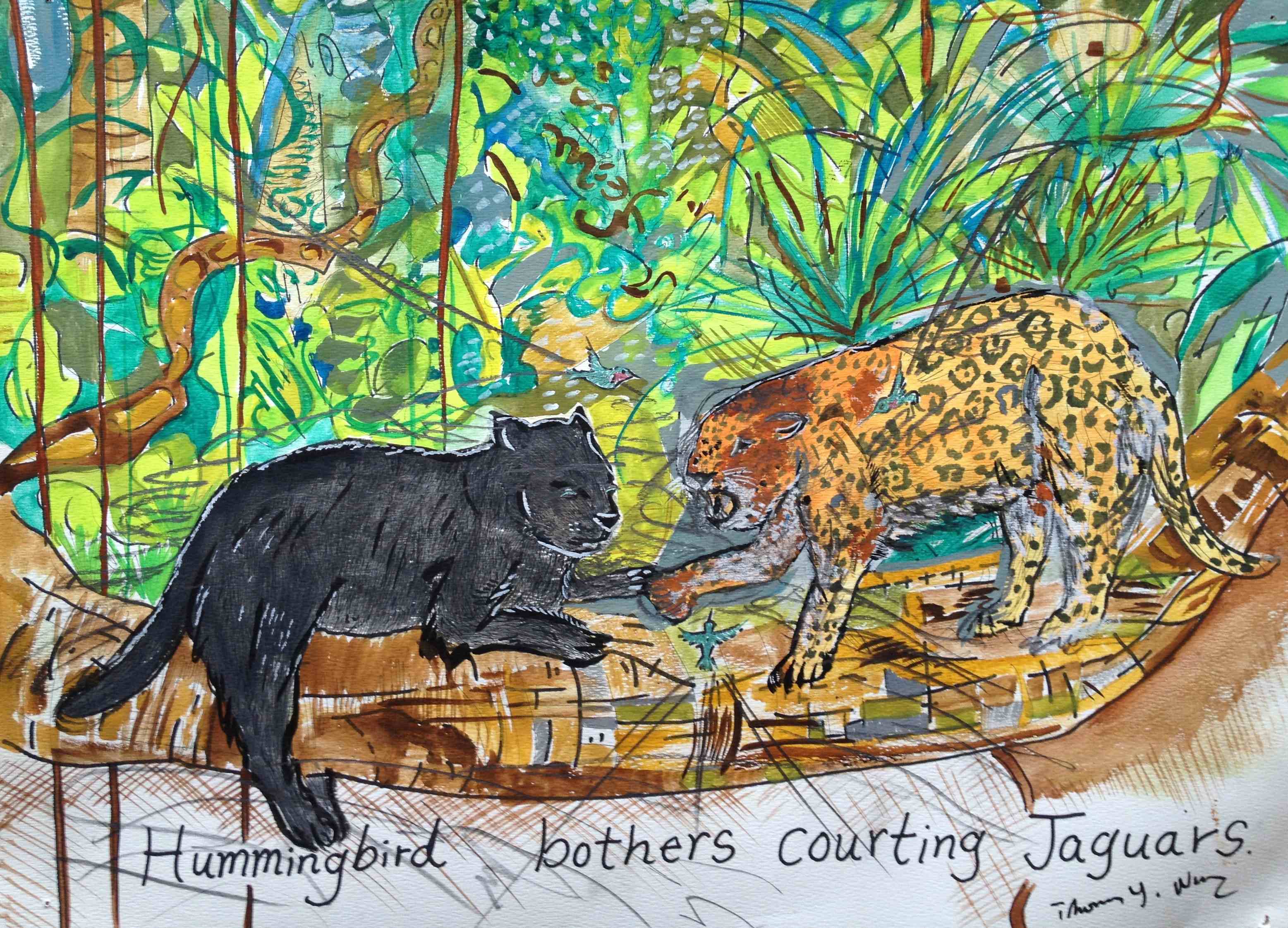
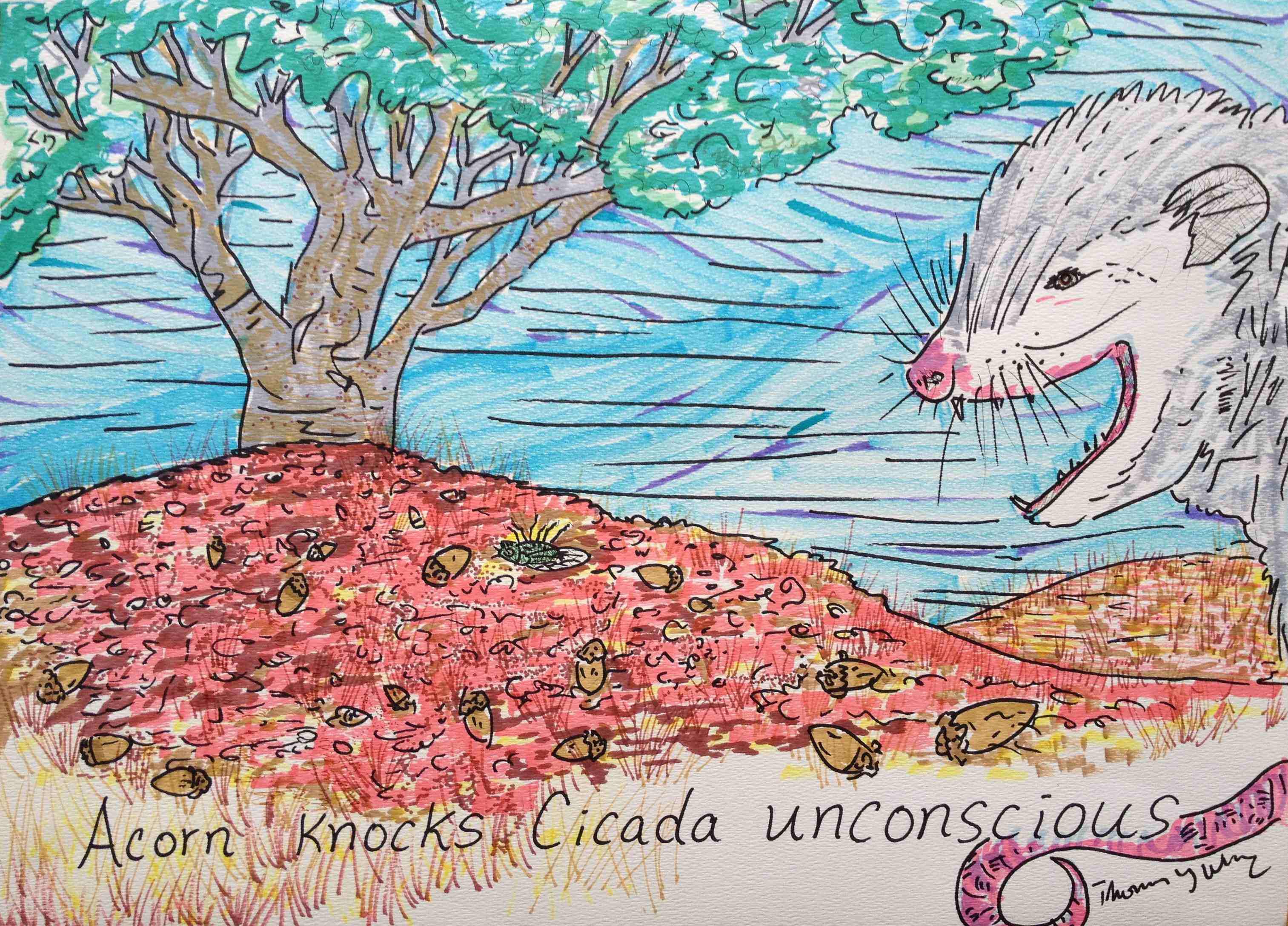
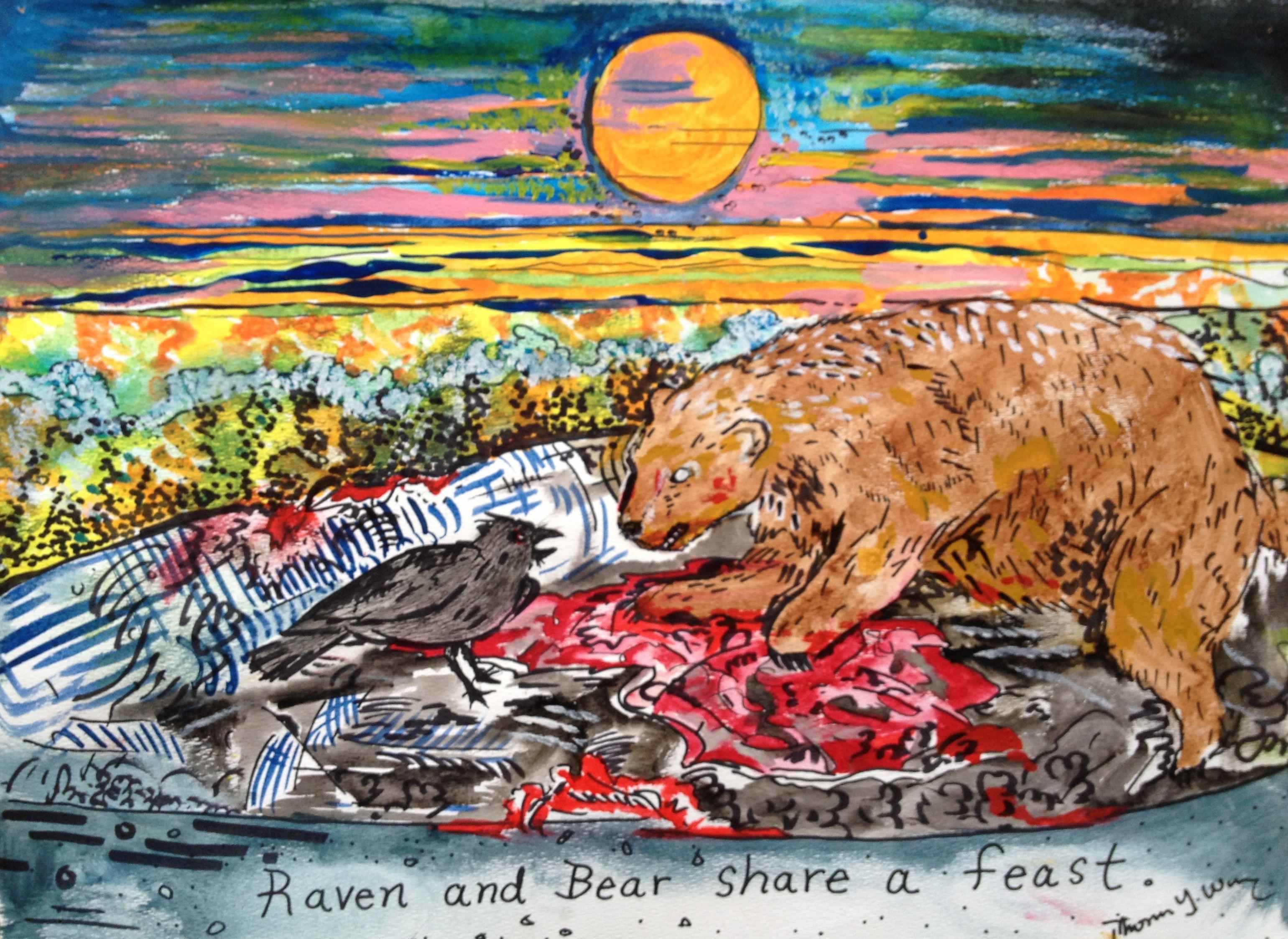
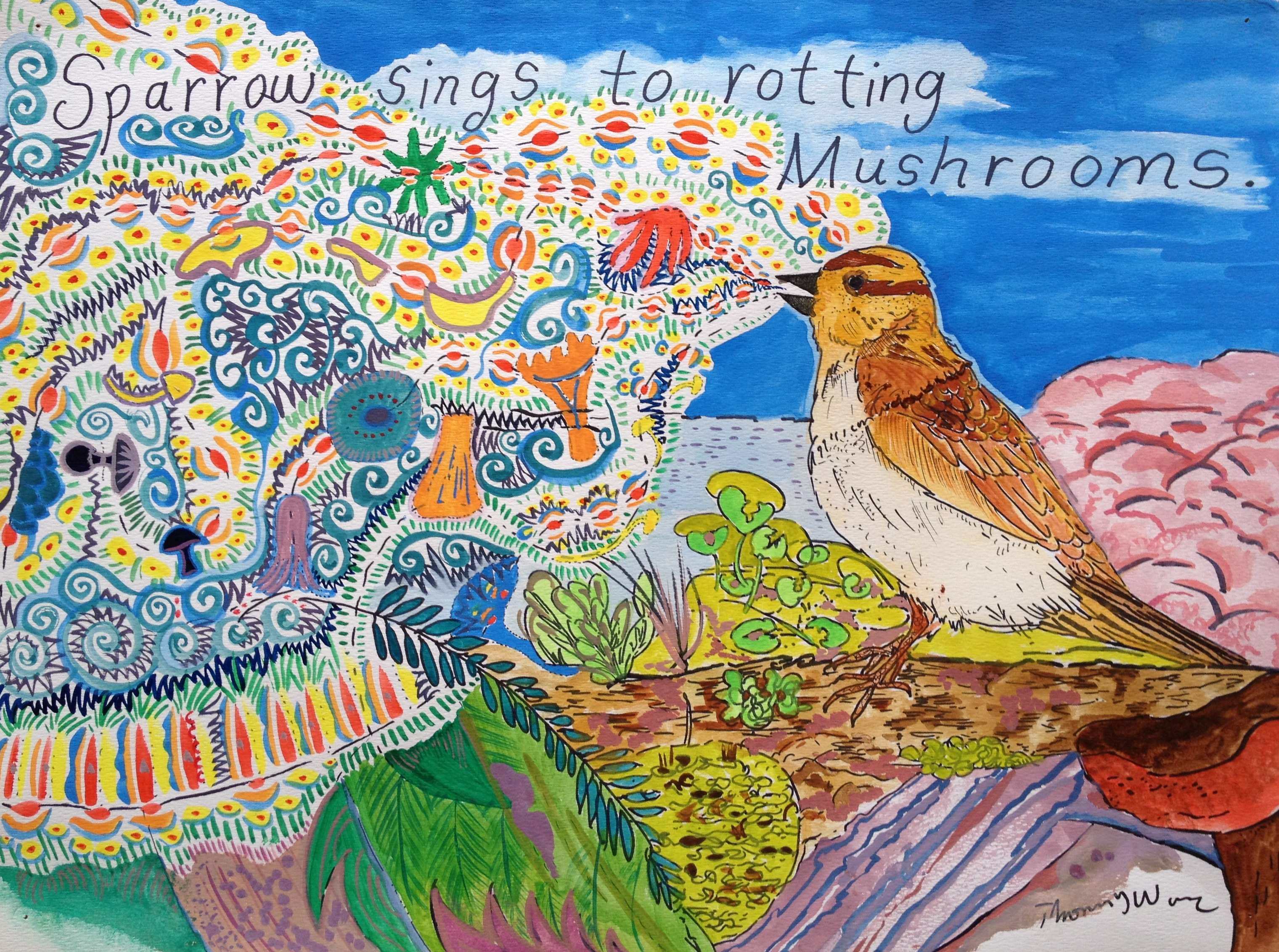
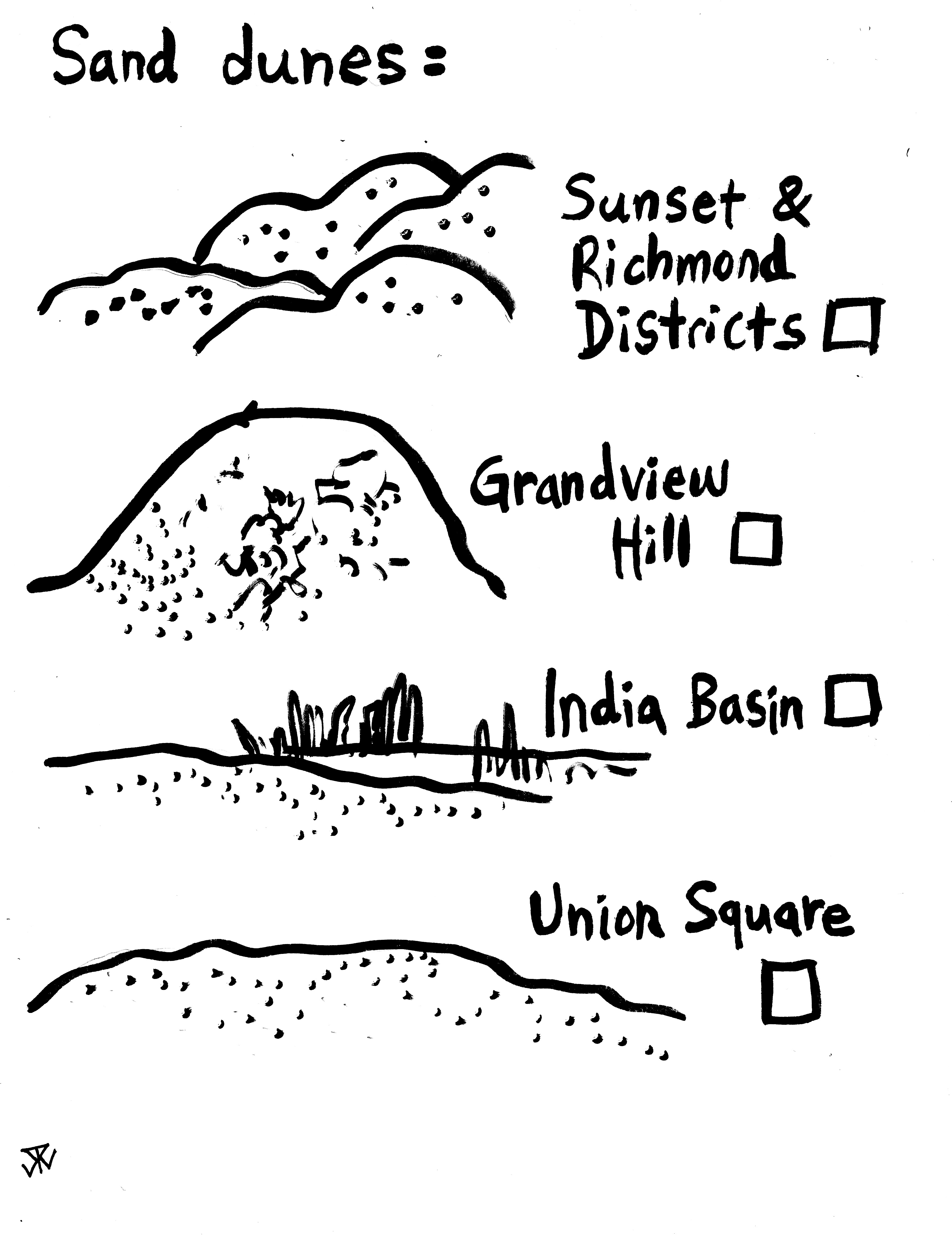
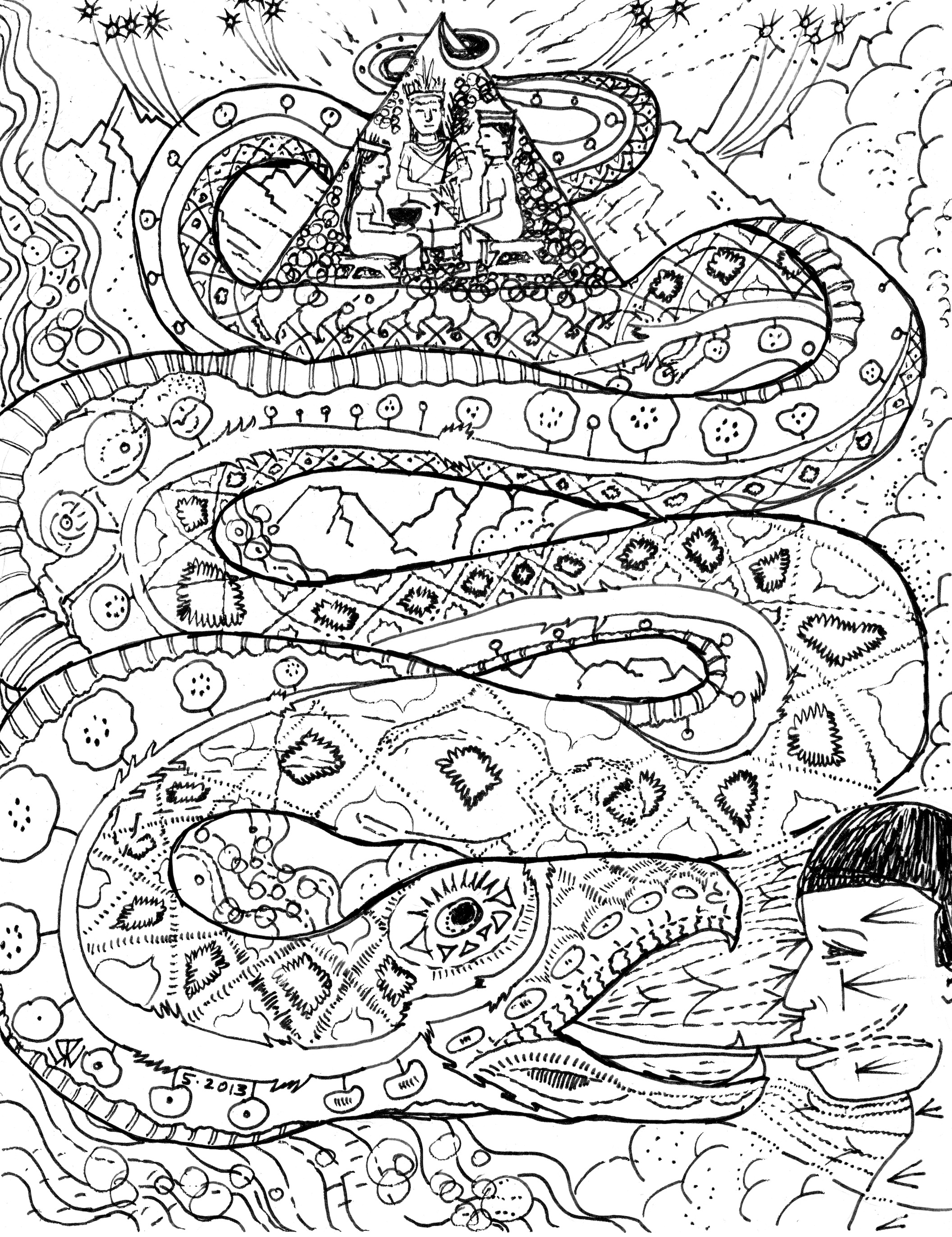
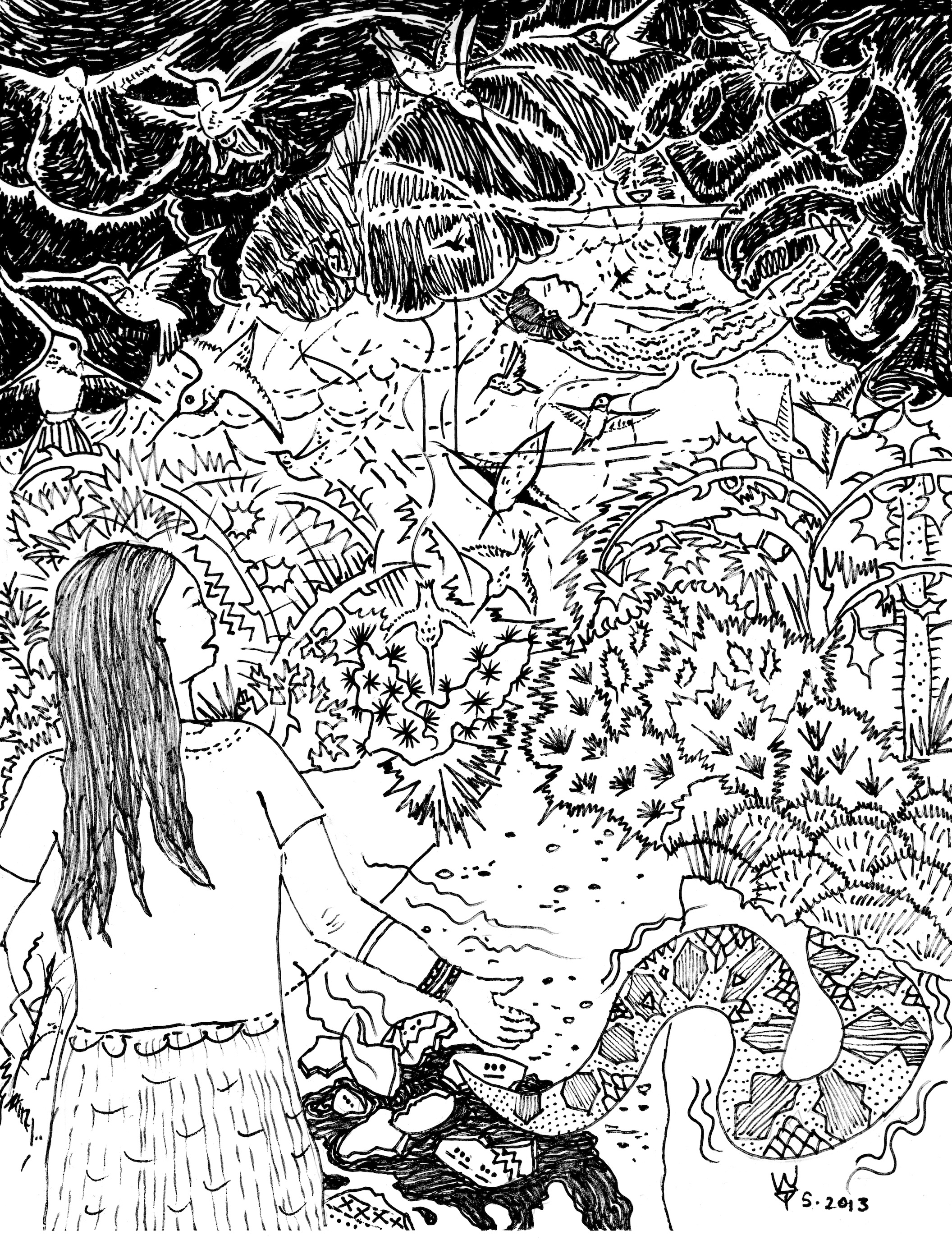
Here are colored versions of some black and white drawings I had originally posted at missionblueproject.com. Thinking about the western sand dunes at the edge of San Bruno Mountain had me dreaming in colors. Lessingia blooms and pipevine swallowtails swirling above the manzanitas.
The San Francisco Unified School district passes out a survey and application to the students each year for meal benefits.

At the bottom of the application is this box:

Many categories are mixed up here, and it is possible that parents and guardians are confused when choosing which box to check. Do we agree on what Race is? Where do we come from? What is your ethnic identity?
The categories presented encompass color, nationality, geography, ancestry, nativity, and culture. These are distinct entities, and create confusion when jumbled together. A survey must be internally consistent in order to understand the changes in our culture.
The worst part is, you can mark only one ethnic identity to belong to.
If I was a Mexican kid, I would check ‘Of Hispanic or Latino Origin’ (for the Spanish side with names like Martinez, Garcia, and Sandoval), ‘White’ (for the fair kings and queens with names like Ferdinand and Isabel), and ‘American Indian or Alaskan Native’ (for the Aztecs, Mixtecs, Zapotecs, Huichols, Tzotzils, Nahuatls, Tarahumara, Maya and so on). That is three boxes – which one to check!?
If I was a Filipino kid, I would check ‘Of Hispanic or Latino Origin’ (for the five hundred years Spaniards were in the islands), ‘Asian’, and ‘White’ (for the Spaniards and Americans). The box for ‘Native Hawaiian or Pacific Islander’ is not far off either. Some Pacific Islanders migrated out of South East Asia and made their way across the Pacific in large canoes two thousand years ago; Filipinos are Pacific Islanders. Add the presence and mixing of North Africans (Moors) in Spain for about five hundred years (~800 AD to 1300 AD) and that is another box (‘African –American’) to check. Does ‘African-American’ refer to being from Africa the continent, or from Africa the color black? Number of boxes? I lost count! One box?!
If I was a Puerto Rican kid, I’d check the box for the ‘American Indian or Alaskan Native’ (the Tainos), ‘Black or African-American’ (to honor the slaves who survived the sugar cane plantations in the Caribbean), ‘White’ (the Spanish side), as well as ‘Of Hispanic or Latino Origin’. Four boxes.
Then there are the Caucasian kids with the Chinese eyes and dark frizzy hair; the Asians with the hazel eyes and hairy chests; the ‘Blacks’ who come in all shades of brown and peach and hail from India to Madagascar to Fiji; there are the Cherokees, Haida, Kiowa, Choctaw, who have mixed with railroad workers, slaves, overseers, fur traders, and adventurers…
If your town is anything like San Francisco, a little romance is in the air and people do what people do. They fall in love. Here, it is out of fashion to stone somebody because they are in love with someone of the wrong . Love and commitment, that’s what’s important! So we got Samoans with blacks, blacks with whites, whites with Japanese, Japanese with Koreans, Koreans with Chinese, Chinese with El Salvadorians, El Salvadorians with Jordanians, and so on and so forth. The young know little of past wars, animosities, and blood grudges. Luckily, we all communicate in English, sort of. Start checking boxes for the children of these unions and forget it – we need a different survey! Find new definitions!
For data to reveal patterns, it is important that categories and questions are simple, clear, unambiguous, and consistent. There are five separate categories in this revised survey. The survey is for fun and for thought; maybe one day they can use it on a meal benefit survey.
(1) Color is color of skin. (2) Geographical movement tracks the movement of mothers through time – emigration and immigration. (3) Ancestry refers to the mixing of human lineages through peaceful or violent means, as well as the genes that evolved in isolation over long periods of time. (4) Nativity is the level at which you are grounded on this earth. (5) Culture is something one identifies with; it is a category that can be entirely distinct from color or ancestry – in the case of adoptions, for example. Or, in the cultural osmosis that occurs through close contact over time (hanging out in the same neighborhood, diffusion of music, nannies and caregivers).
Take pride in yourself! Recognize the contributions of your ancestors!
(1) Color of skin. Average the colors between your belly, face, and top of your feet. Choose one. (me, I am a ‘clay pot’)

(2) Geographical movement. What continent was your mother born on? Circle one.
Australia Europe Asia Africa America Arctic unknown
(3) Ancestry: Going back approximately four generations (count up to your great great grandma and grandpa), what is the makeup of your genetics? In other words, what land do your family and people come from? Keep in mind that national borders are lines humans draw on the earth. Tribal peoples are widespread. Empires and wars have been frequent. Ancestries have been disguised, cloaked, and forgotten. Rivers change courses and mountain ranges rise and fall.
Look for the place names on a map. Below, circle all that apply to you, count them up, and write down the number of ancestral threads you represent here:
Lands surrounded by the Atlantic and Arctic Oceans, the North Sea, and the Baltic Sea
Lands surrounding the Mediterranean Sea
Lands of the Pyrenees and Alps Mountains, Rhine and Danube Rivers
Lands of Volga and Ob Rivers, Lake Baikal
Lands of the Nile River and Sahara Desert
Lands of the Niger and Congo Rivers, Great Rift Valley
Lands surrounding the Arabian Sea and Red Sea, Tigris and Euphrates Rivers
Land of the Sierra Nevada Mountains, Rocky Mountains, Appalachian Mountains, Mississippi River, Rio Grande River, Yukon River
Lands in and around the Caribbean Sea
Lands along the Sierra Madre Mountains, between the Pacific Ocean and the Caribbean Sea
Land of the Andes Mountains and Amazon River, Parana River
Land of the Himalaya Mountains, Indus and Ganges Rivers
Land of the Tibetan plateau, Gobi Desert, Huang and Yangtze Rivers
Lands near the Mekong River
Islands in and around the South China Sea, Java Sea, and Flores Sea
Lands of the Ayers Rock, Great Dividing Range, and Murray-Darling River
Lands surrounded by the Tasman Sea and the Pacific Ocean
Islands of the Pacific Ocean
(4) Nativity:
Where are you native? To where do you owe the greatest allegiance? Where are you grounded to? Circle one.
My garden.
My river valley, forest, or grassland.
My street and neighborhood.
My favorite sports team.
My village, town, or city.
My state or province.
My country.
My continent.
My planet.
My solar system.
Outer space, I am not native to planet earth.
(5) Culture:
Who do you identify with? Circle one broad cultural (food) identity that best embodies your personal experiences and tastes here in America. Ok, this question only looks at food. Culture is HUGE!! No worries, just circle the one that strikes your fancy and makes your mouth water.
Potato and meat culture
Bread and cheese culture
Corn and beans culture
Rice and vegetables culture
Wheat garbanzos culture
Chili pepper culture
Taro and pig culture
Fish and crab culture
Okay, enough goofing around. Back to work!
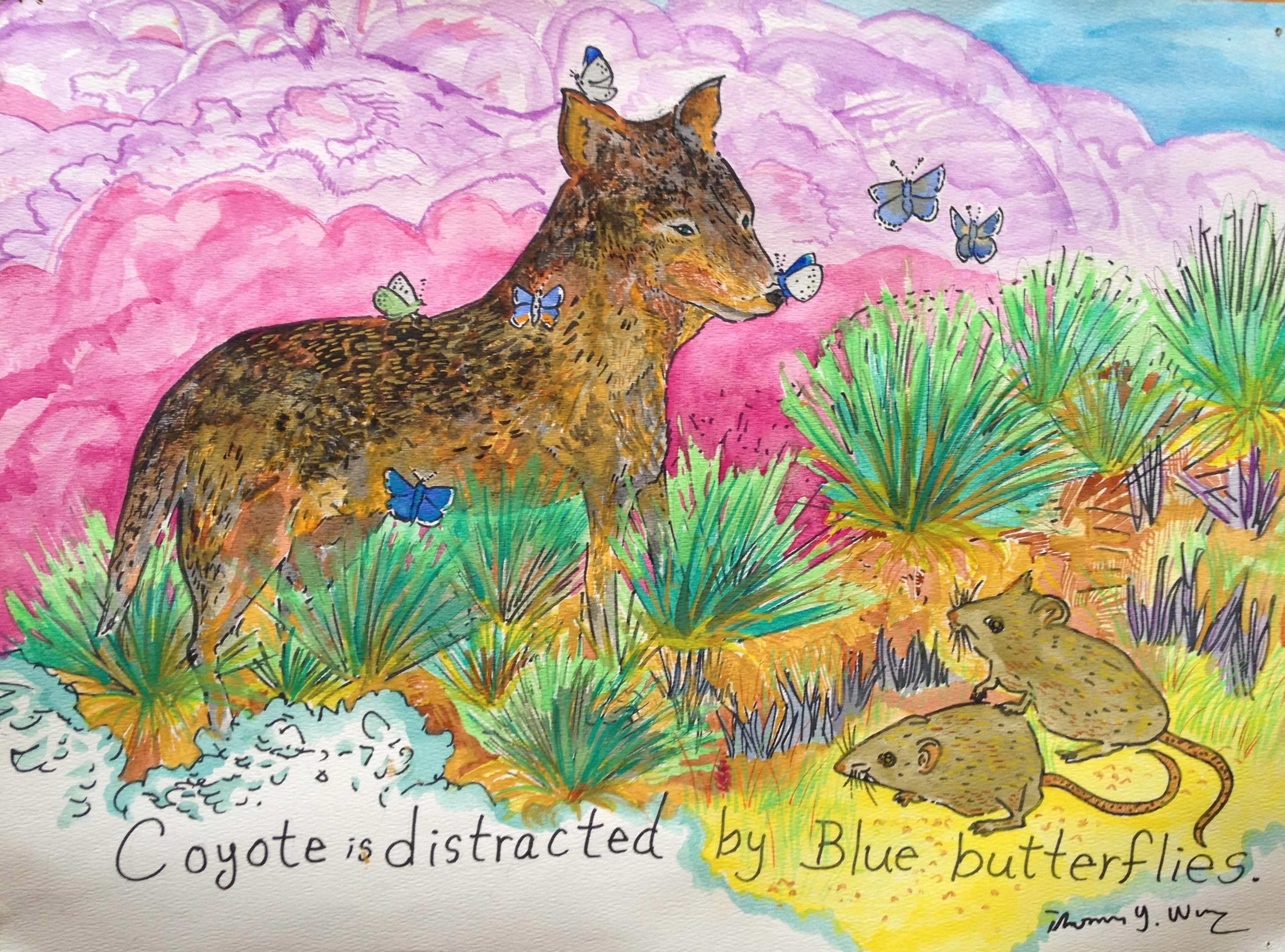
This is a synopsis of a talk given on December 10th at the San Francisco Botanical Garden as part of an ongoing series about plants, medicine, and spirituality.
Around town, you see the products of the rainforest everywhere you look.
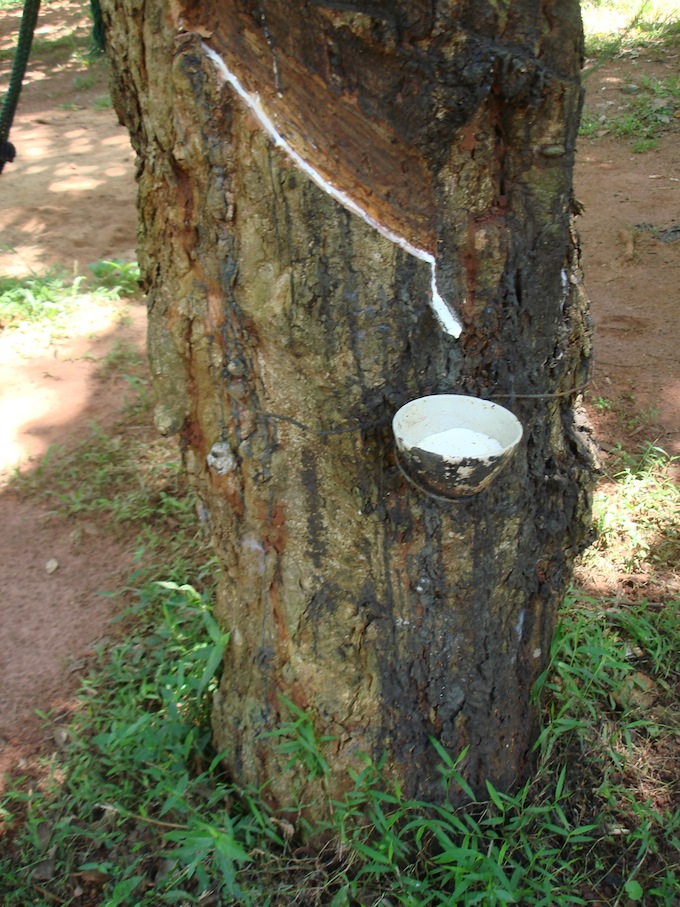
Rubber tree latex in tires.
Ipe wood, also known as ironwood, in fences and decks:
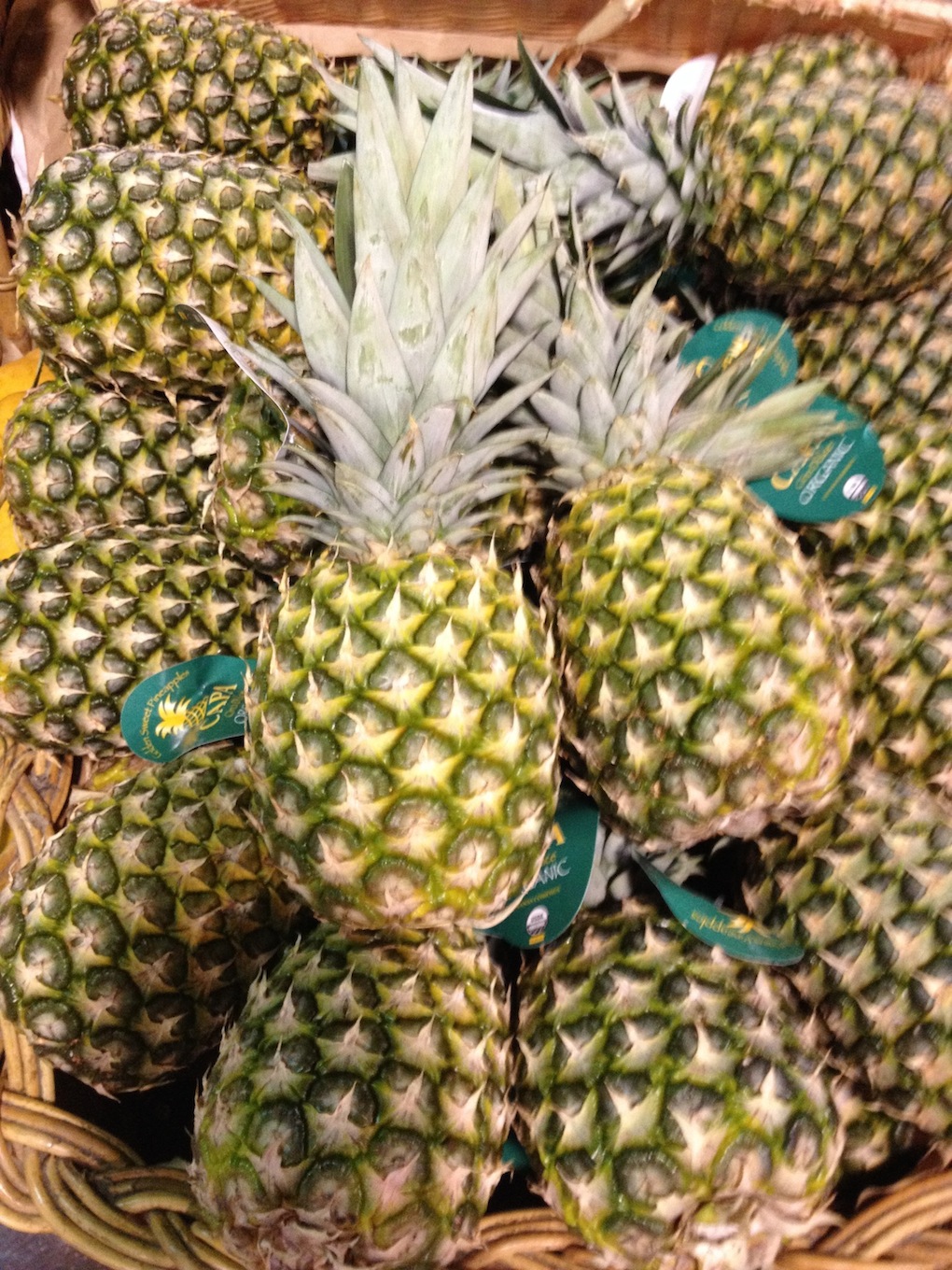
Pineapples at the grocery store:
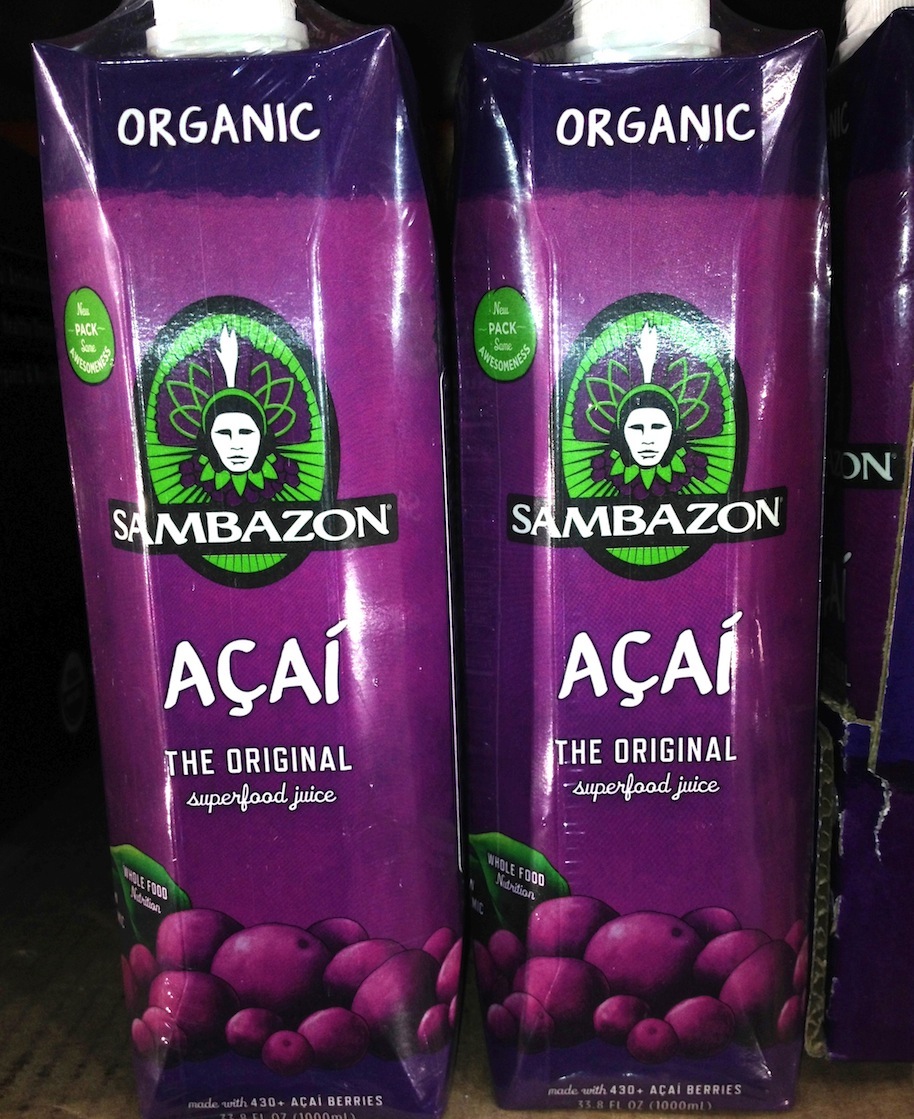
New must have health foods:
Products of the petroleum industry – gas, plastics, and jet fuel:
Some of these plants are native to the Amazon rainforest, and have been planted in tropical plantations worldwide from Southeast Asia, Africa, to Hawaii. Other items like logs and fuel come straight out of the Amazon.
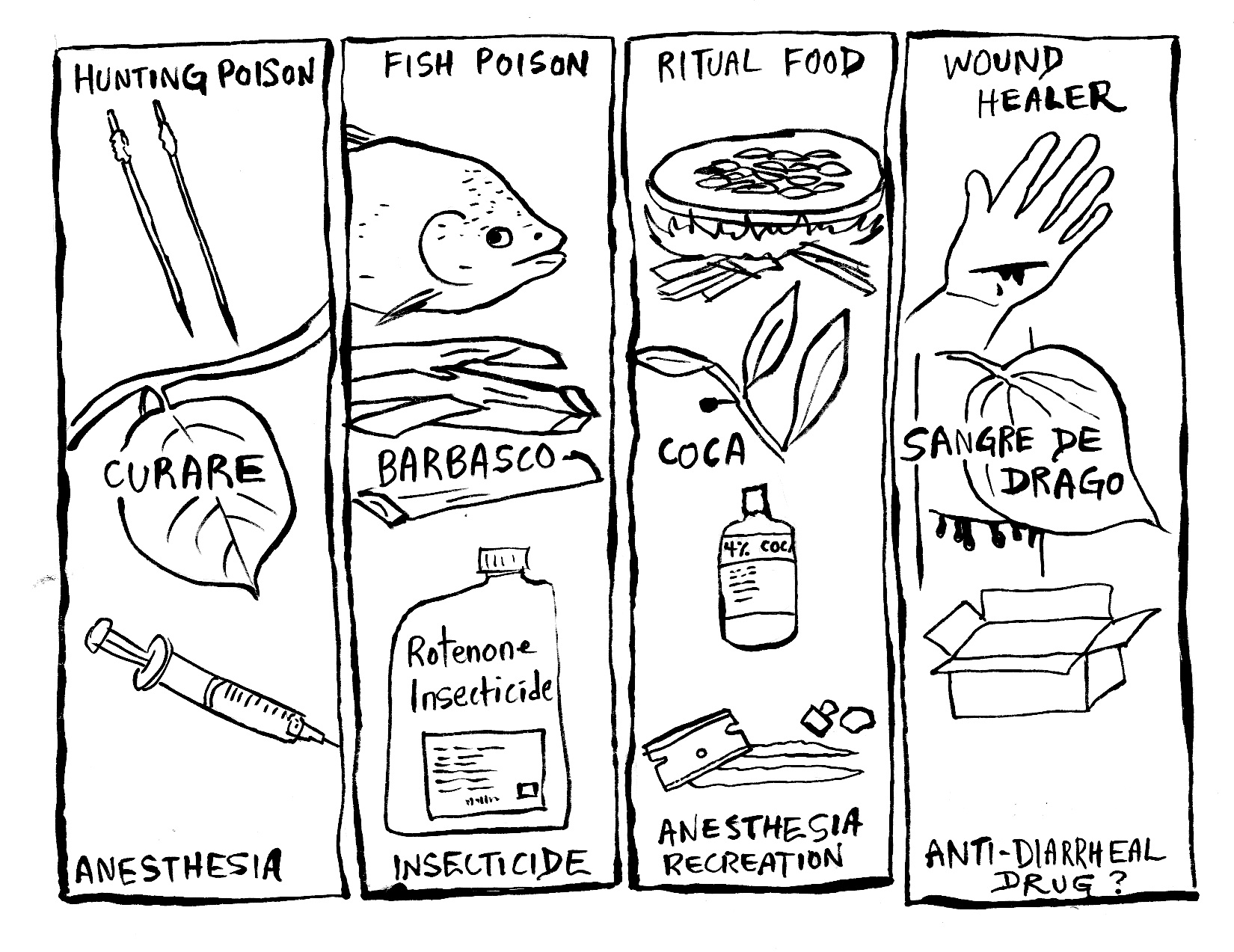
The rainforest is a treasure box of chemicals, many not yet examined or deciphered. Many plant chemicals have made their way into our culture. What the Indians use as whole plant extracts, we like to isolate into small and specific compounds. What the Indians use in ritual and respect, we tend to use in a secular context, or in an abusive manner.
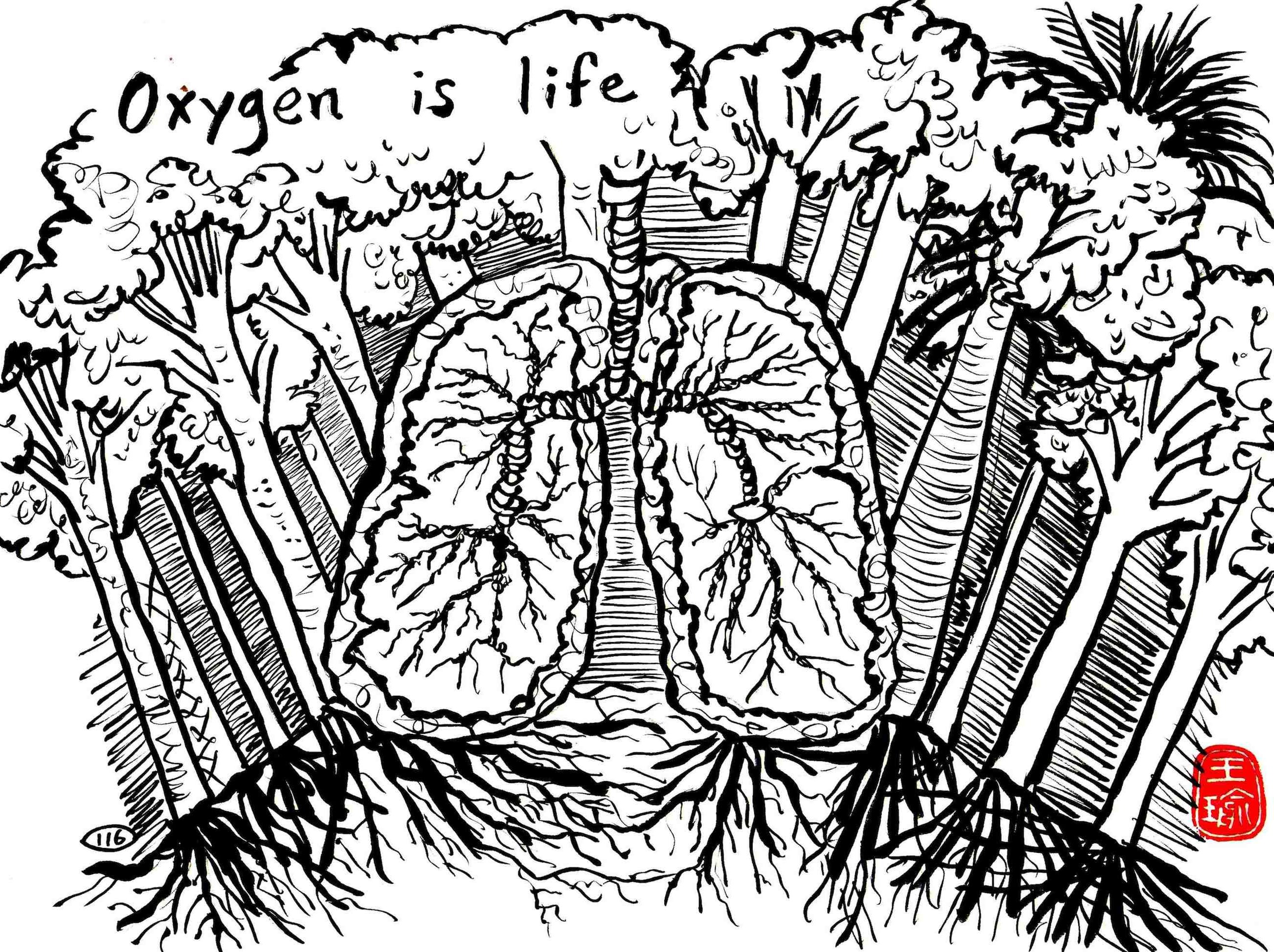
The rain forests are the lungs of our world, why would a culture want to chop out its own breath?
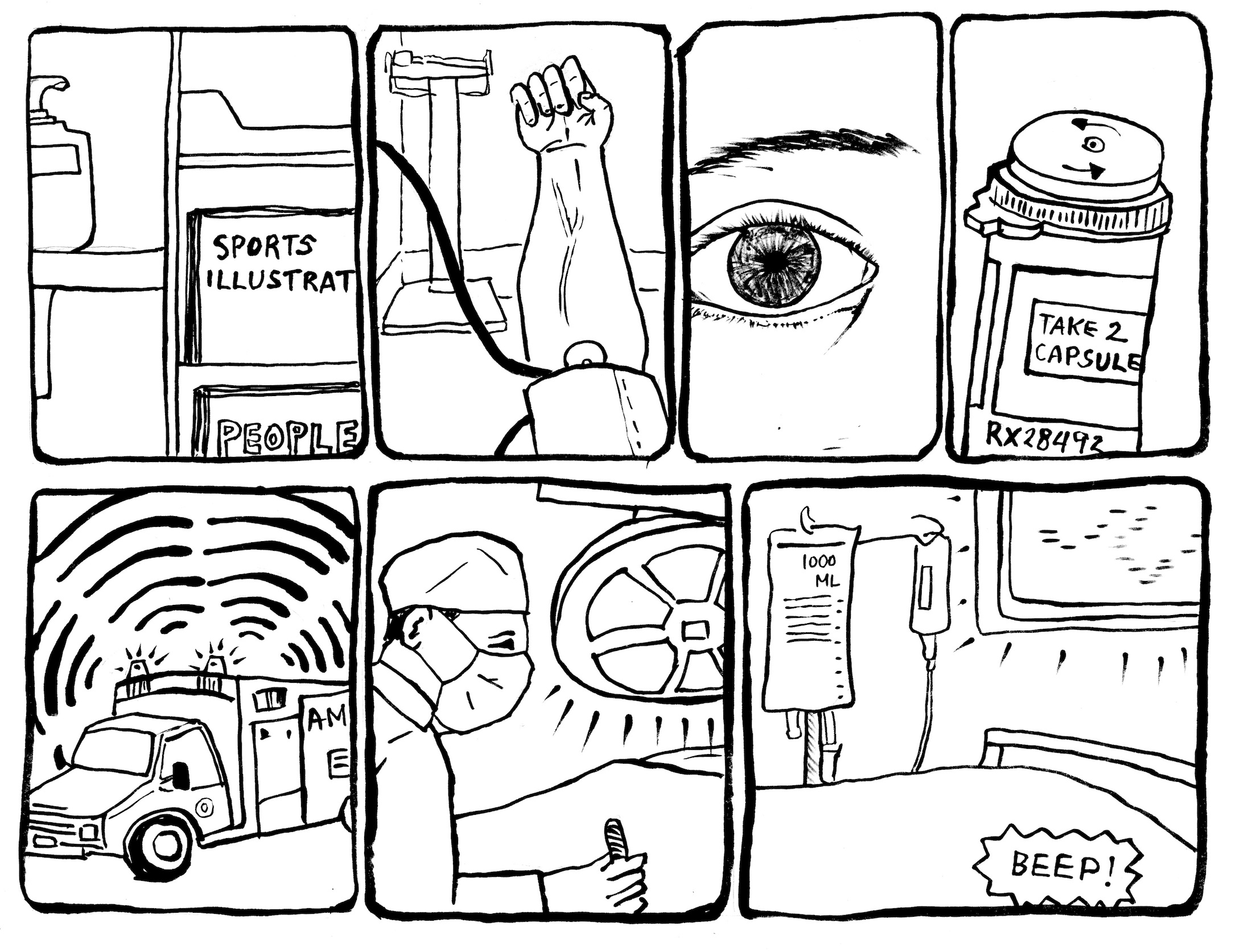
This is my experience with the doctors and hospitals of our culture: the waiting room with excellent magazines and hand sanitizer; the cuff of the blood pressure monitor and a kind nurse; the reassuring gaze of a doctor who comes in and out; and a stop at the local pharmacy. Alternatively, the health care experience as a patient begins with an ambulance ride; then the operating room with the healer doctor shaman of our tribe in scrubs and bright lights; ending in a hospital bed recovering with the help of a big screen TV, IV drip, and a constant beep beep beep.
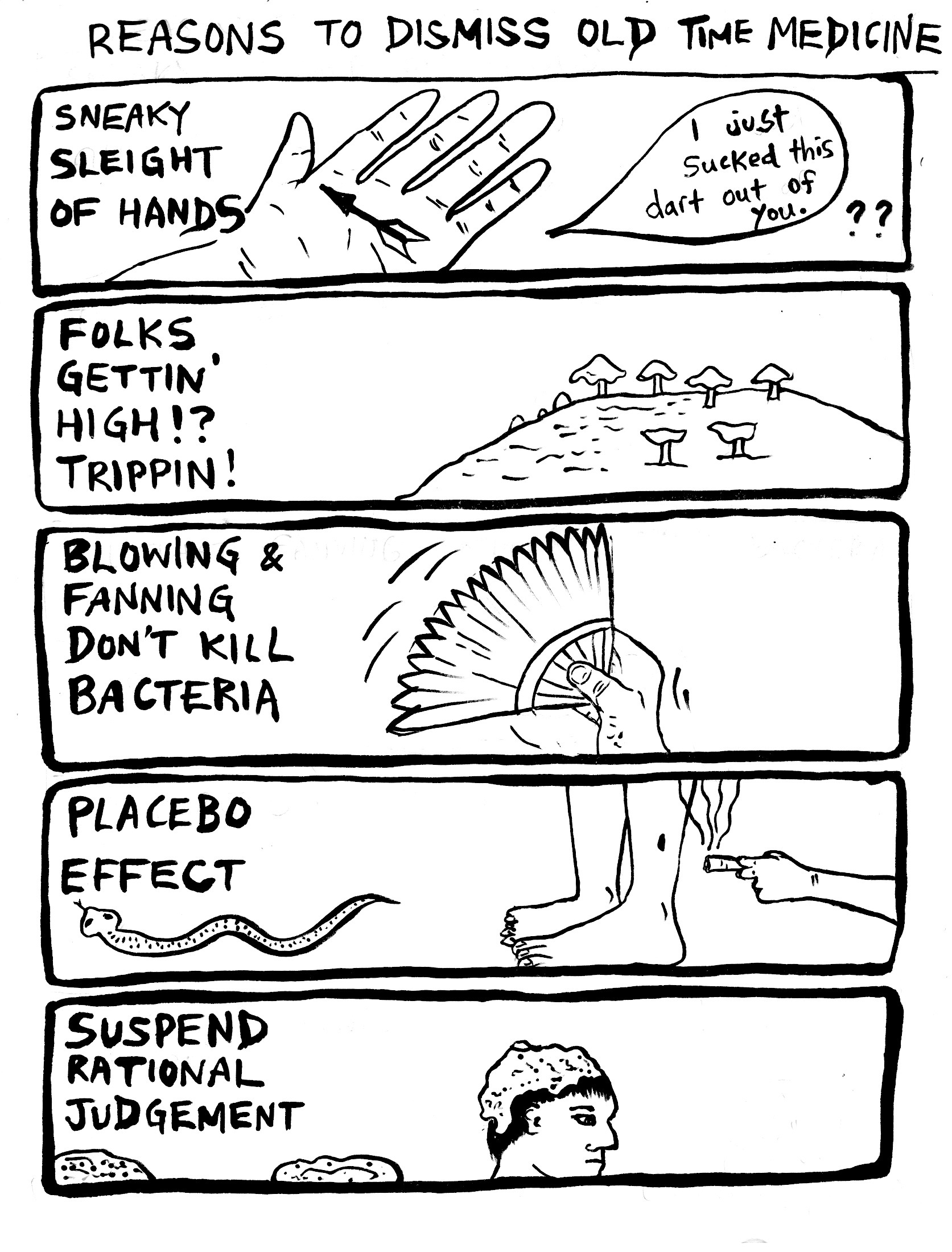
With the amazing things we can do (growing stem cells, grafting skins, shrink tumors, laser surgeries, and the like), it is easy to put down other medical traditions. It would be tempting to lump Amazonian traditions with any number of hocus pocus hunter gatherer new age type traditions. Plus, we are uncomfortable with medicines that address good and evil, or medicines that make the earth and universe dance and sing as if they possess consciousness:
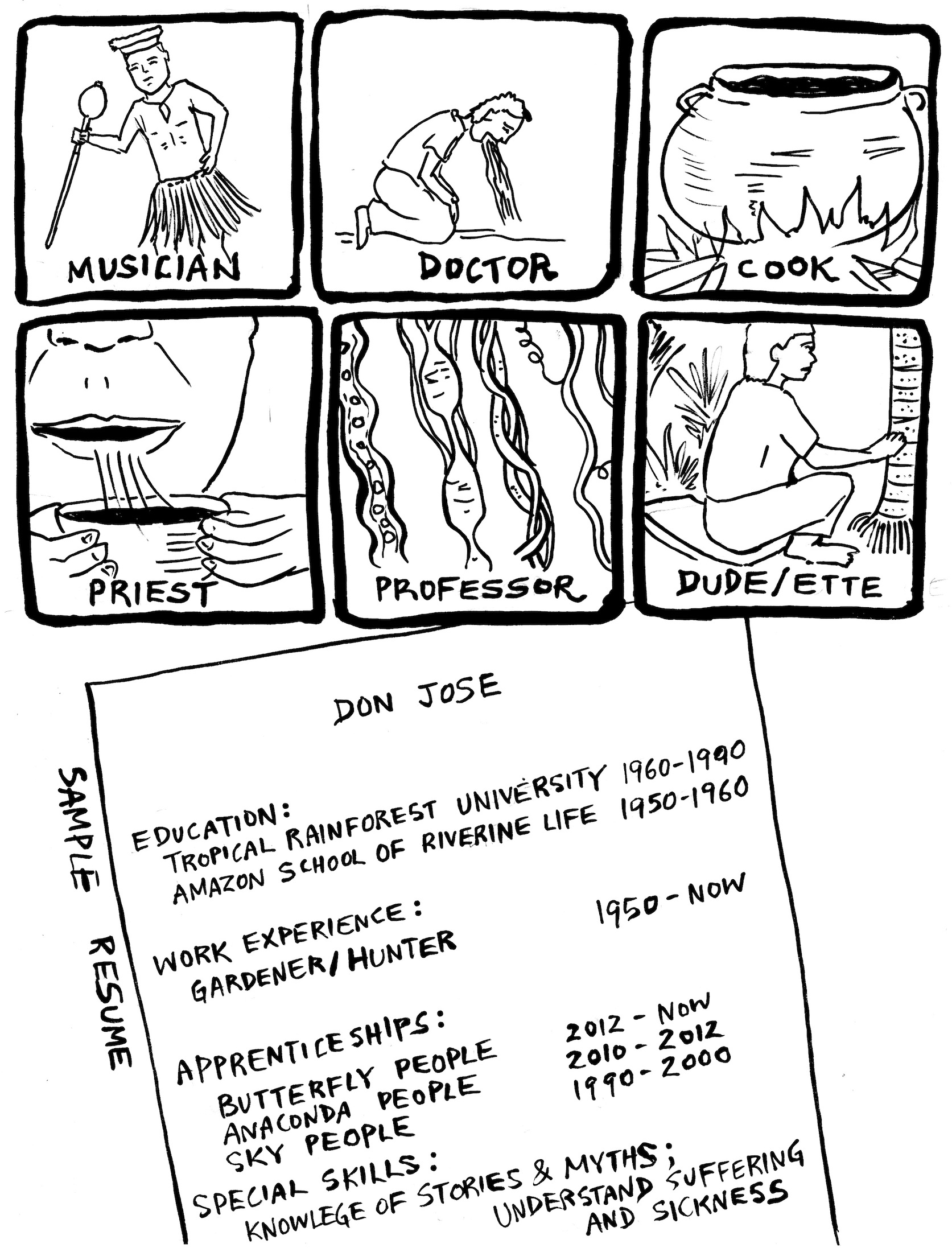
On the other hand, the Amazonian traditions are ancient and practical, having been used over thousands of years to survive in the rainforest environment. Their medicine men and women are true researchers and healers; the forest is their university. How would you like it if people came to your university and chopped up all your professors and tore down the school?
I wrote down the various roles of an Amazonian medicine man, and imagined what their resume might look like:
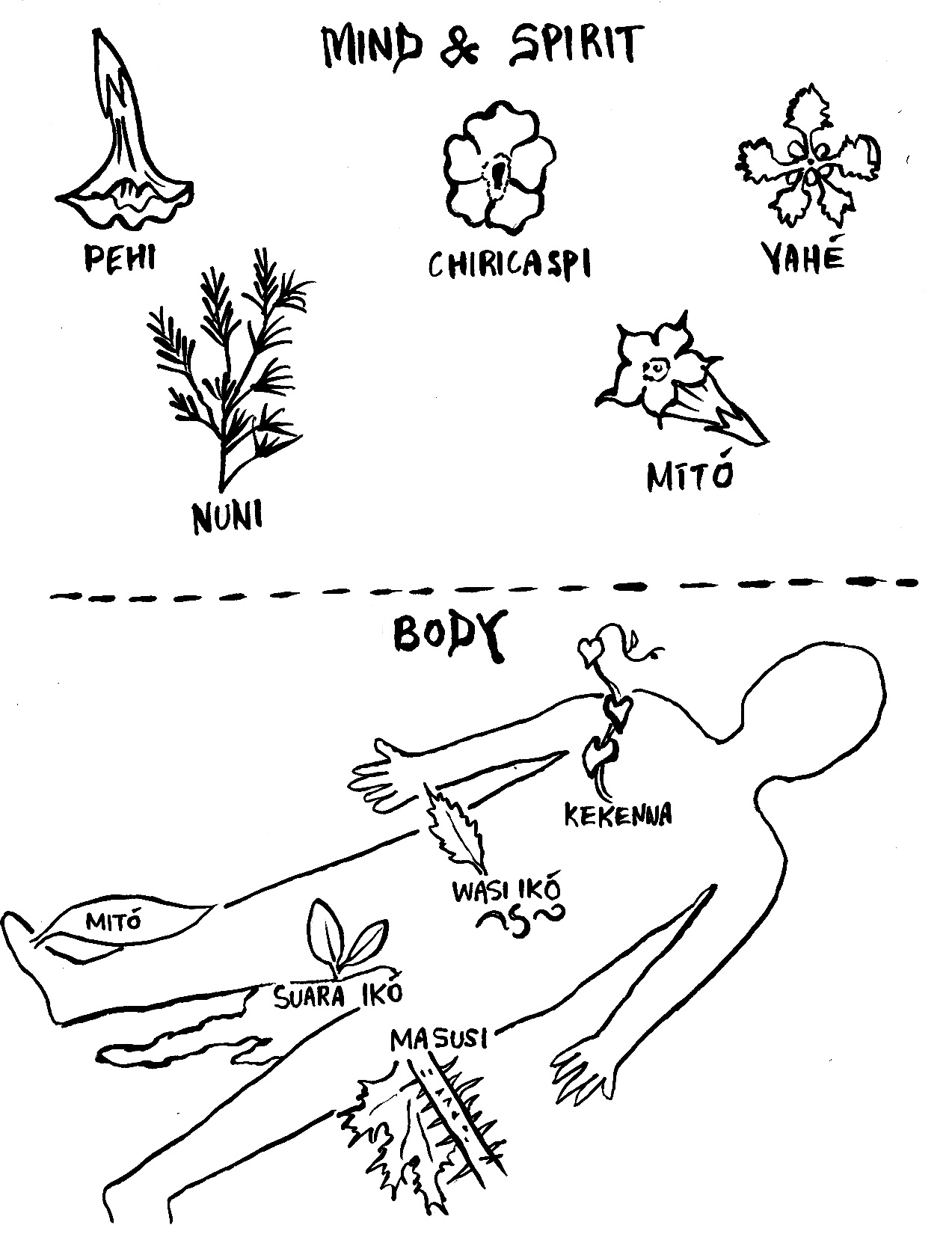
Among the shaman’s medicinal plants, they are roughly divided into plants that are used for the body, and those that act on the mind and spirit. For the Secoya (Siecopi) people of the Ecuadorian Amazon, plant potions like Pehi, Chiricaspi, and Yahe are gateways to the spirit and ancestors. Kekenna is an Aristolochia pipe vine used for stomach ailments; wasi iko is a Chenopodium pigweed used for intestinal worms; suara iko is a coca relative, an Erthroxylum, used to treat diarrhea; ma susi is a big stinging nettle named Urera useful for muscle aches and pains; mito is used externally for skin parasites, it is tobacco Nicotiana.
The following are some scenes of my limited experience as a patient of the Amazonian Tradition.
To drink plant medicines it is necessary to fast. Simple foods unadorned by spices and sugars. Fasting is not just about the guts, it is also fasting for the heart. To be aware and conscious of one’s breath; to not be quick to anger and frustration; to let it come in and let it go out. Fasting is also about the movement of energy – cultivating the inner mind scape, making it as vast as the sky and as deep as the sea.
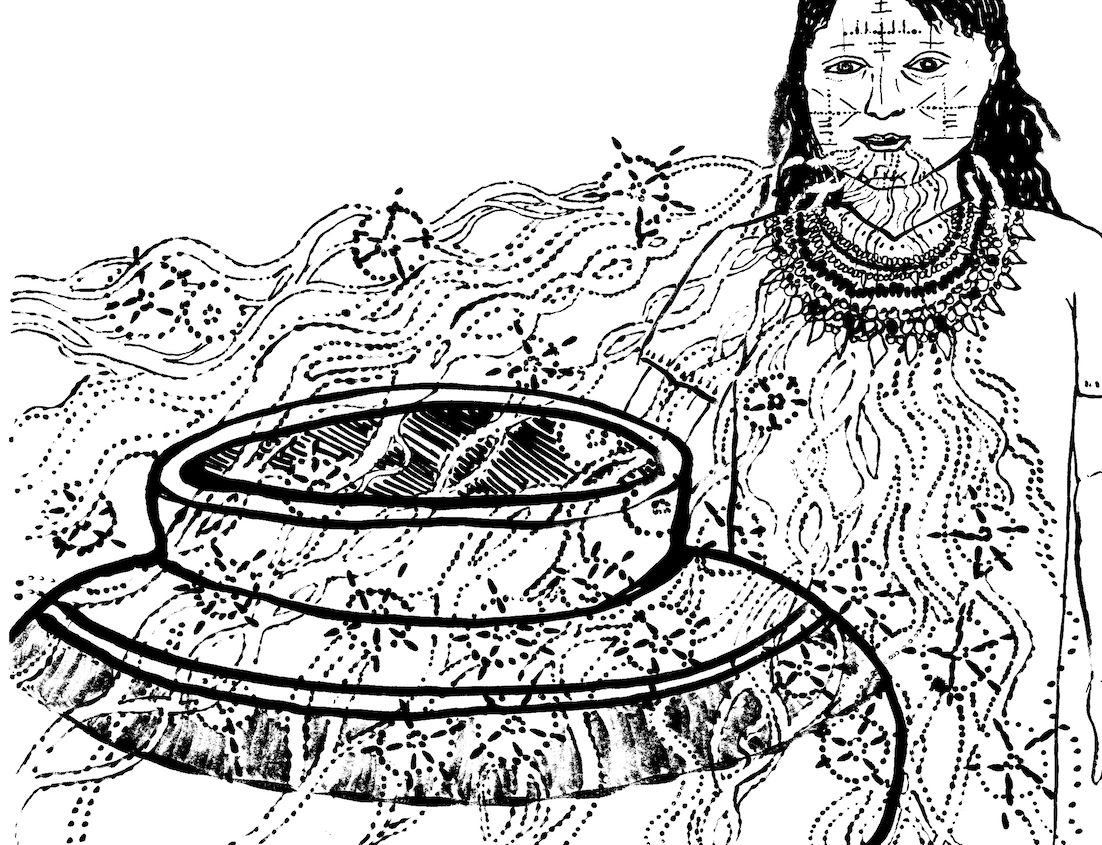
The shaman must bless the medicine by blowing his spirit into the potion. This part reminds me of the kosher gefilte fish I loved to eat in the all you can eat cafeteria, and the holy water at the entrance to the church. Dip your fingers, make a cross.
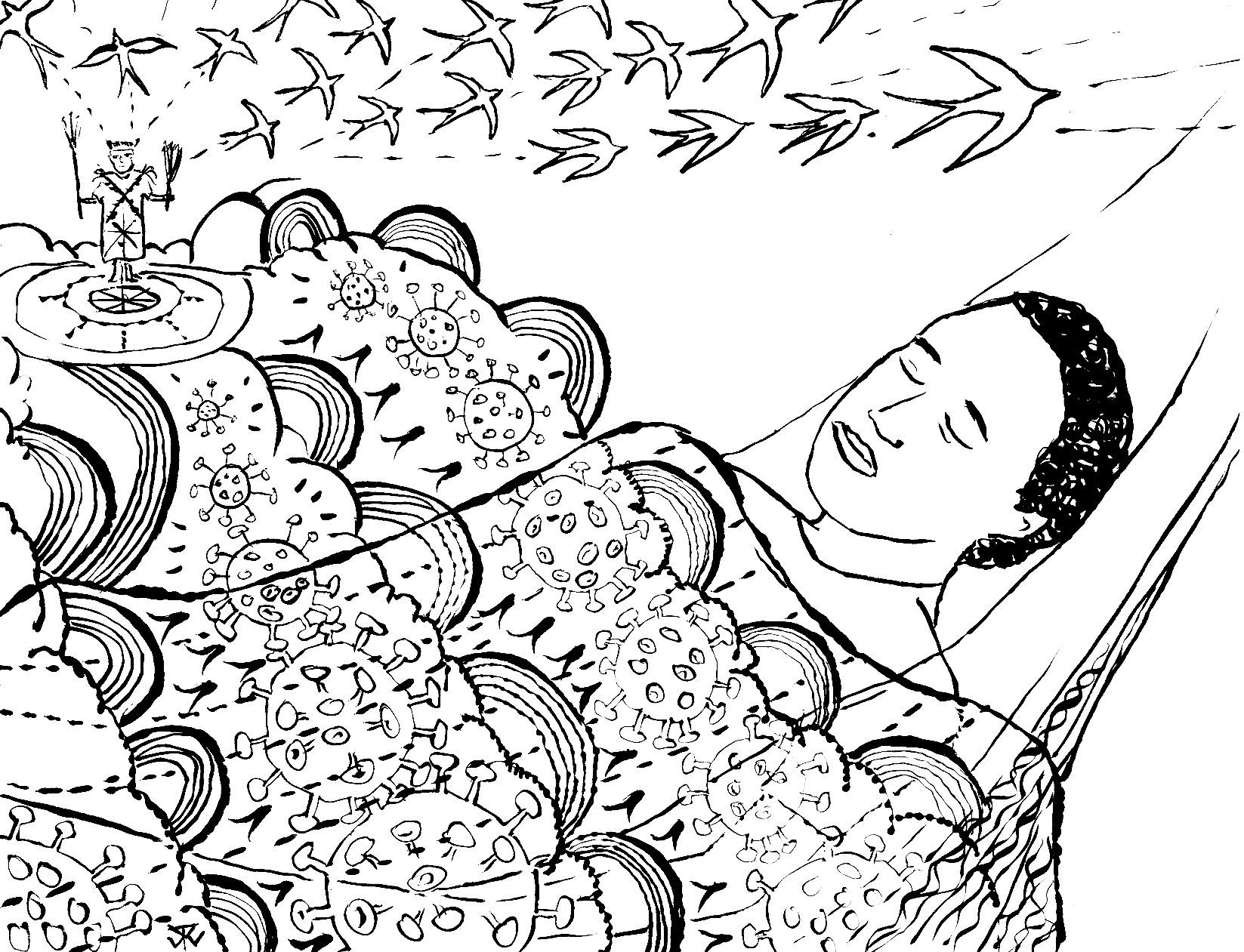
When the shaman sings, the song covers me in clouds of rainbows. All the antigens find receptors and nest comfortably in the hammock as birds fly overhead.
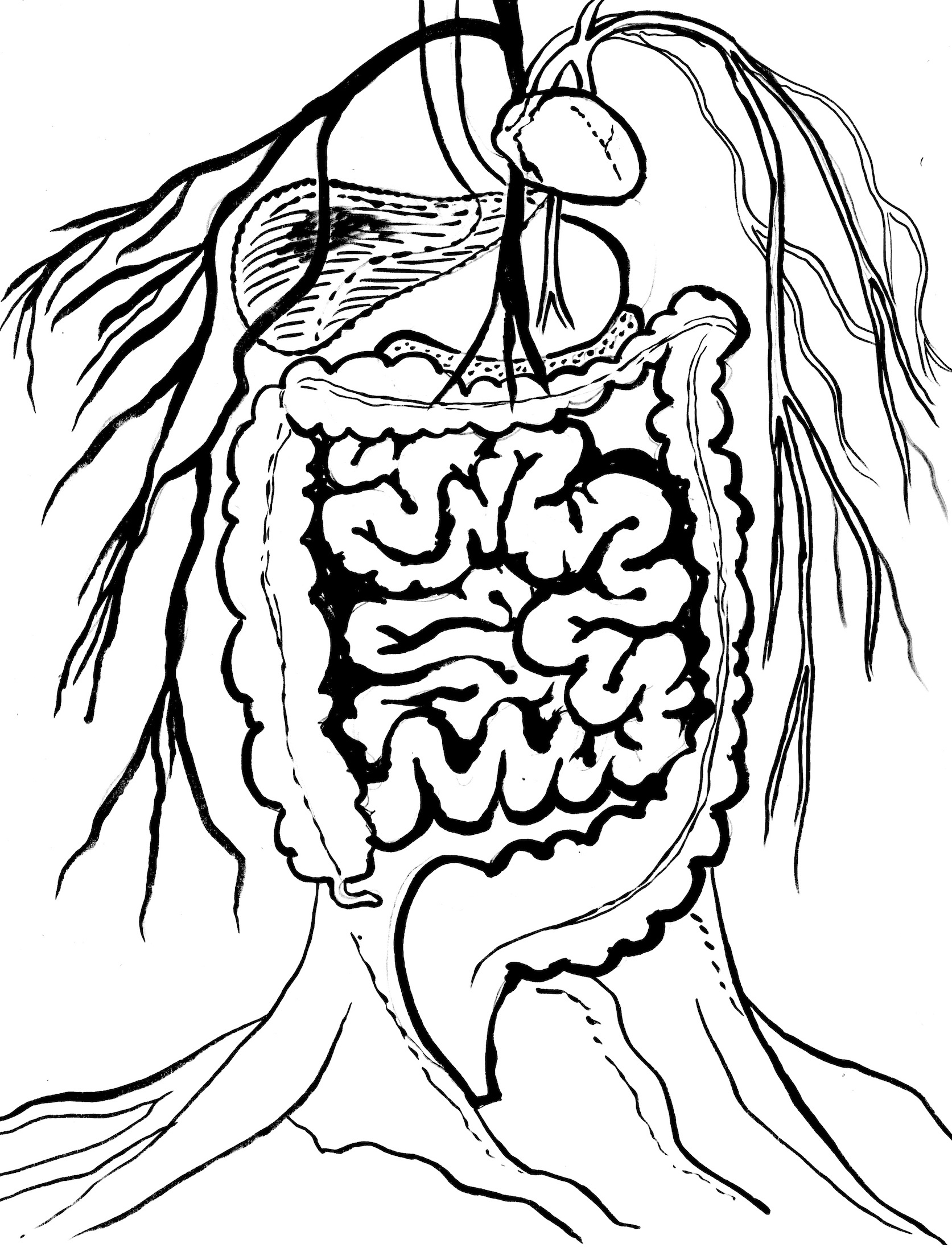
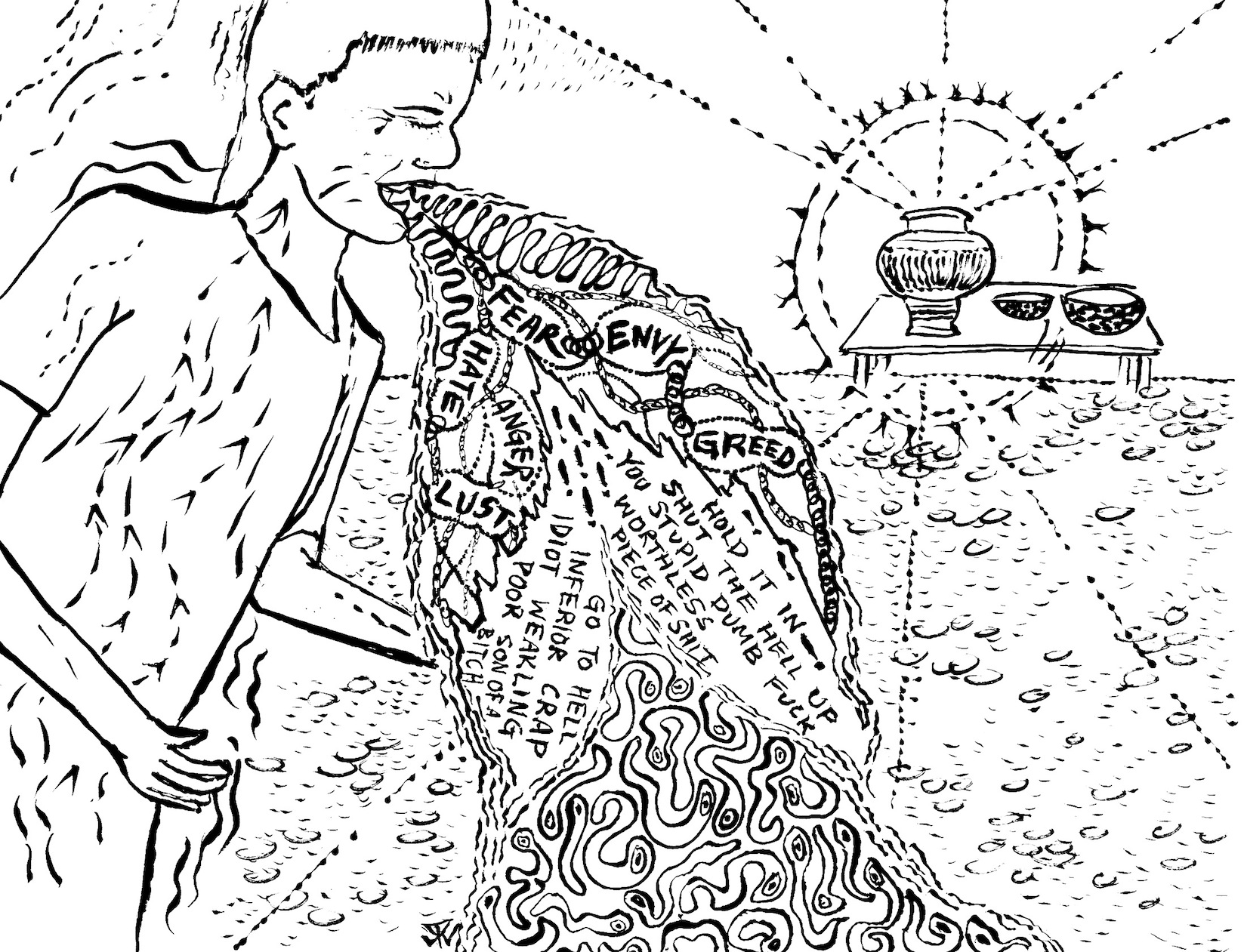
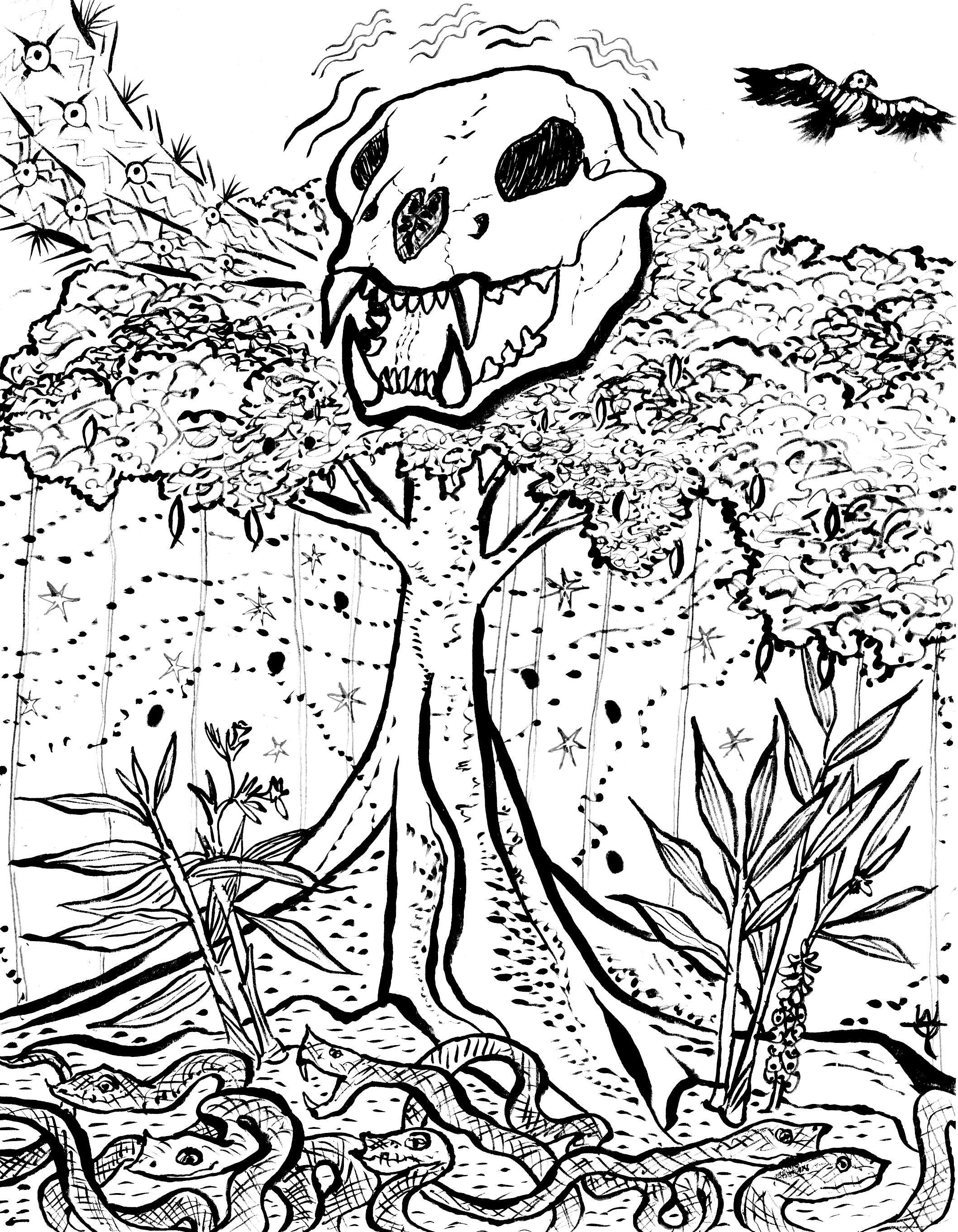
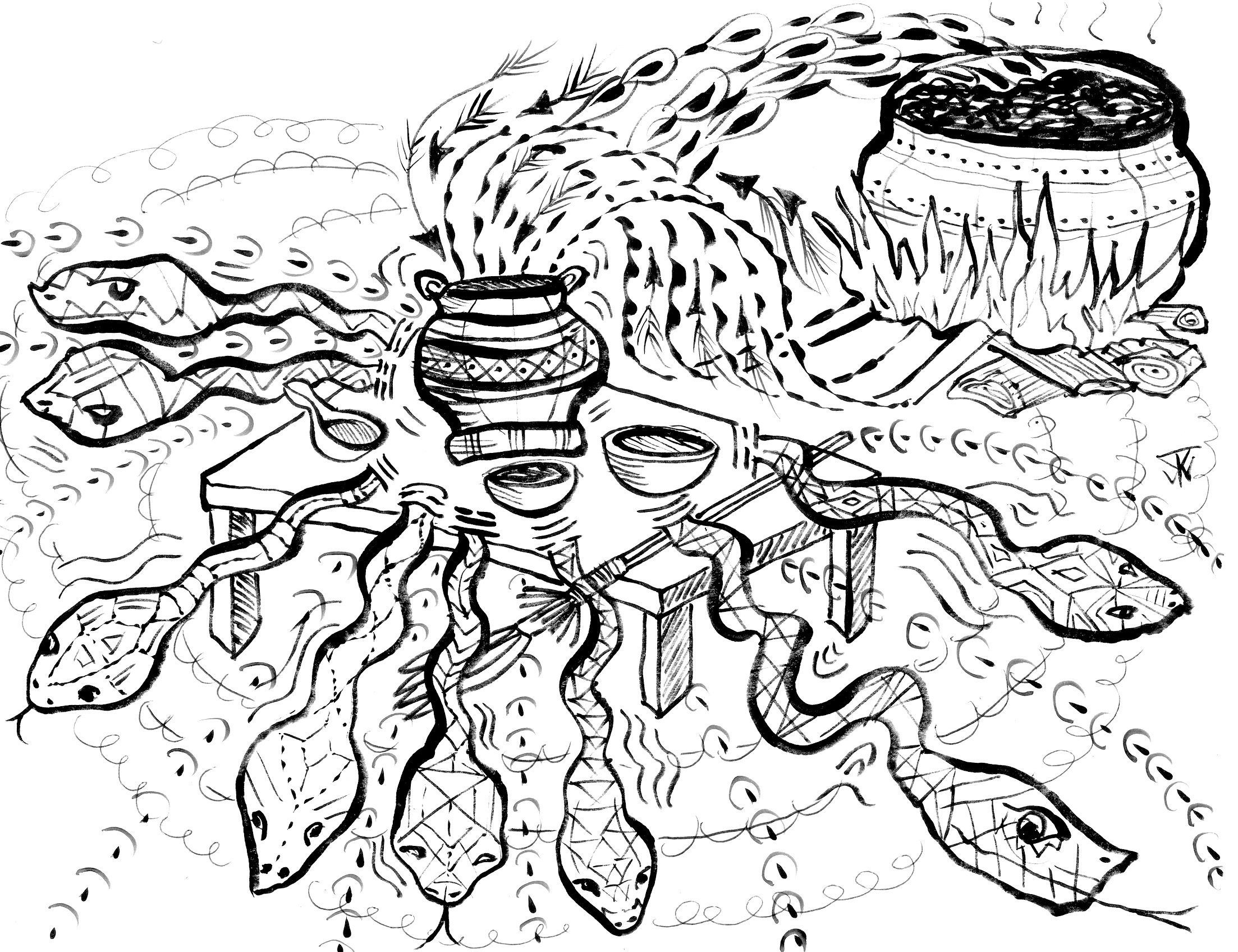
This next part is painful. It is the purge as the small rainbow snakes of the plant potion find their way to the guts and start to jerk the nastiness free of ones body. It expels the parasites and locked up emotions in the cores of cells. For many people, these are useful parasites in day to day modern life; they help to maintain the order and structure of civilization. They help to define success and accomplishment. For dwellers of the rainforest, , engaged in constant battle, evil must be purged if the tribe is to survive. It hurts just thinking about this part. Not fun, not fun. The worms stare back at you with gaping mouths.
There are some excellent visuals that come with the drinking of these plant medicines. I get the same visuals by going to the supermarket and standing in front of the cereal aisle. Abundance, colors, and excellence!! Another way I’d describe it is this, combine fish:
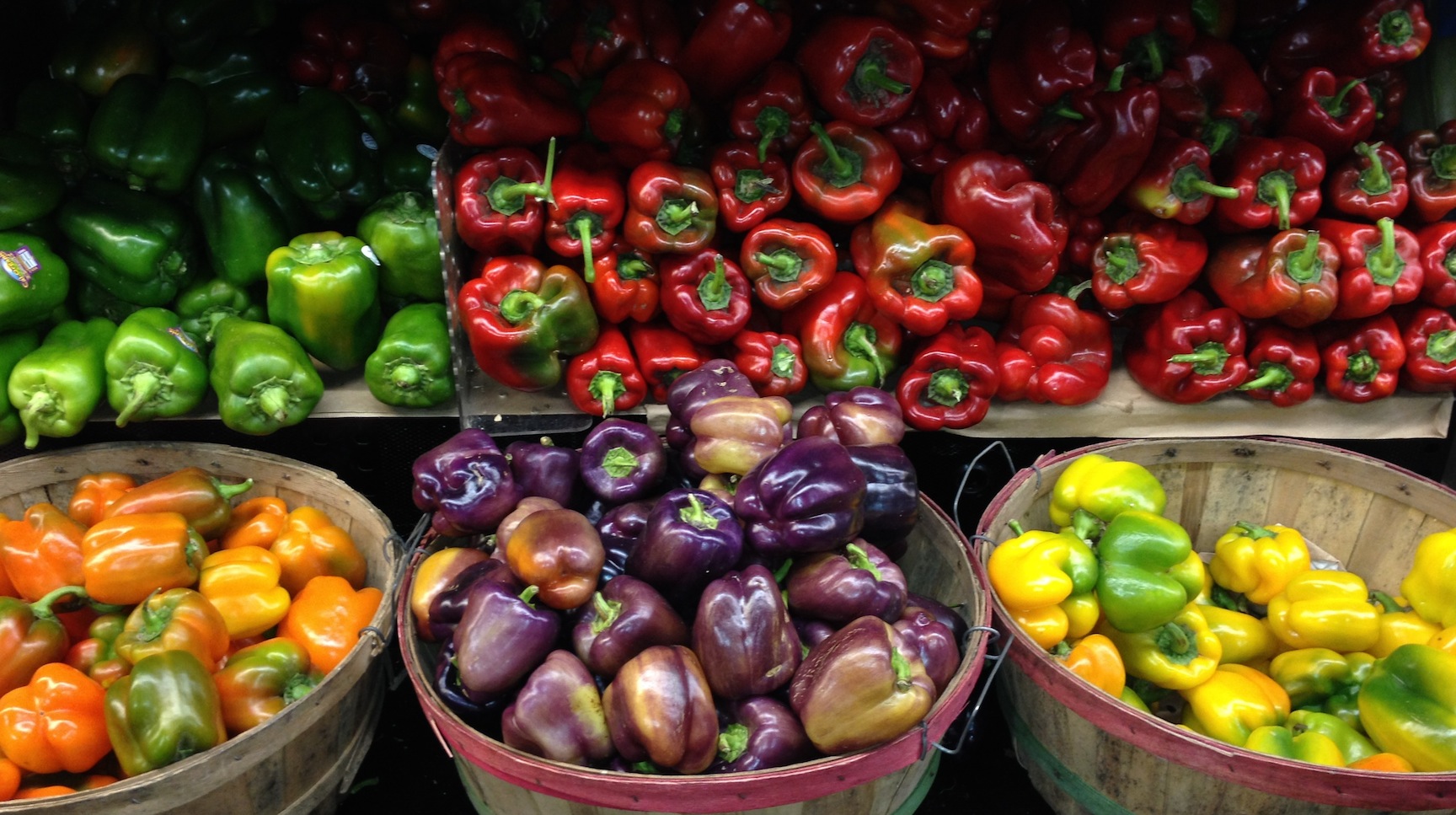
with colorful produce:
Add a football game with its flowing colors and running patterns:
Multiply those images by 2000, then feel that energy running through your whole being. That’s about right.
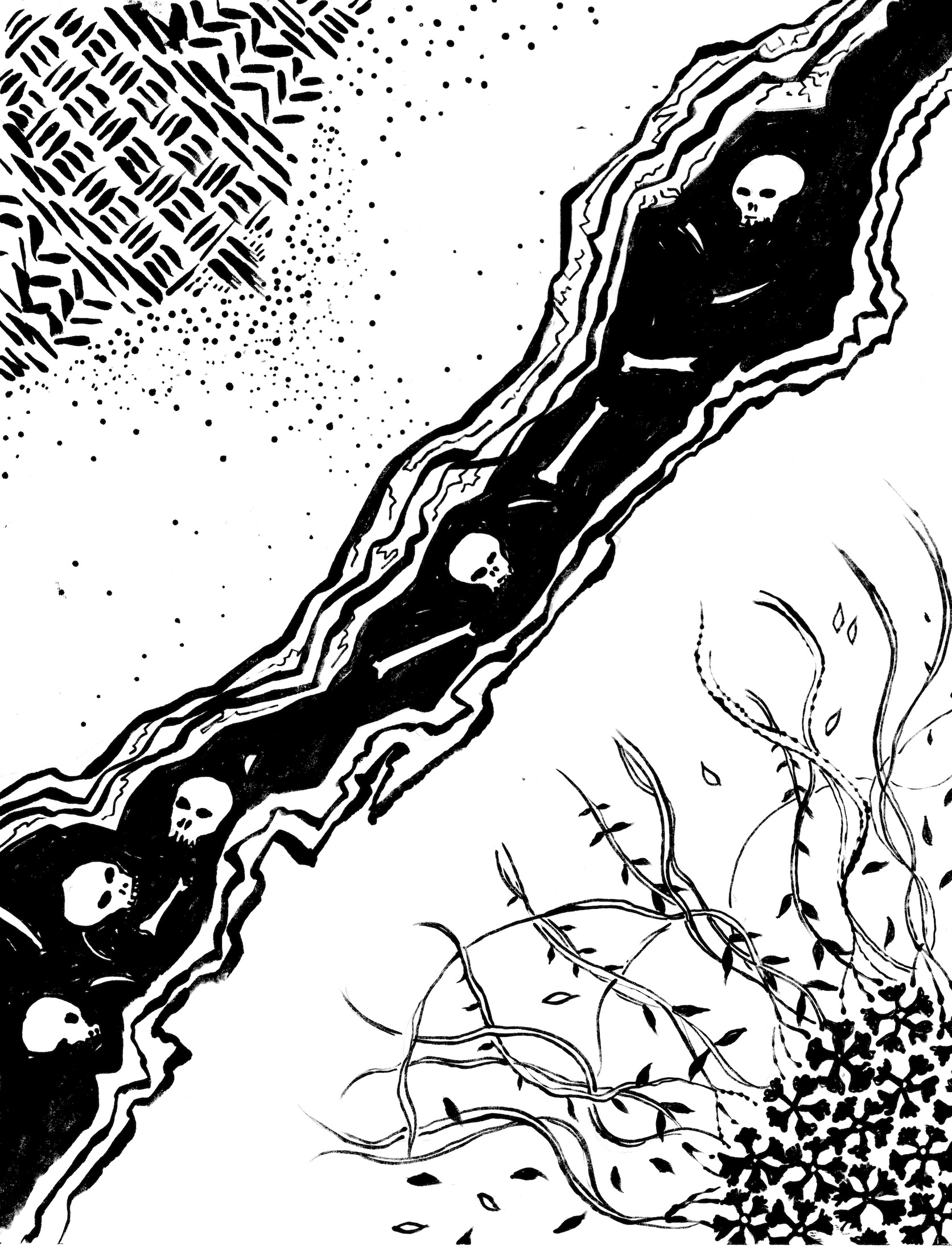
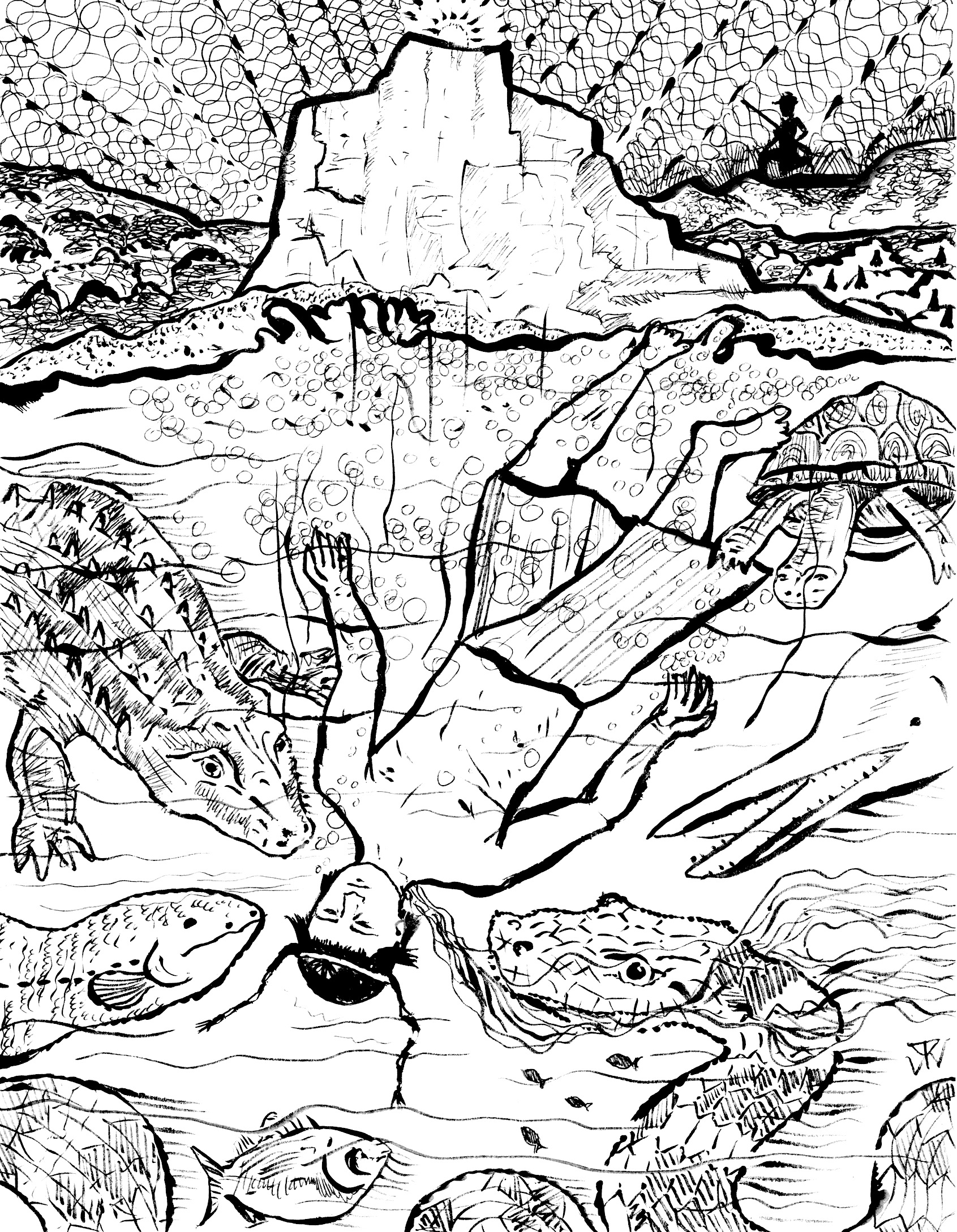
At some point during the medical appointment, you may come to the end of the road and see either a small crack in the earth, or perhaps a loud rushing river. My best guess is that it is death you encounter. Not physical death like I can’t breathe! or I got no heart beat! but the place where we all end up. Across the river is another place full of blooming fragrant flowers. I get cold and scared here at this point and turn around, but you may be tempted to just walk across. When you come back to regular life, perspective is changed, priorities are aligned, and fear is not gone, but it is lessened.
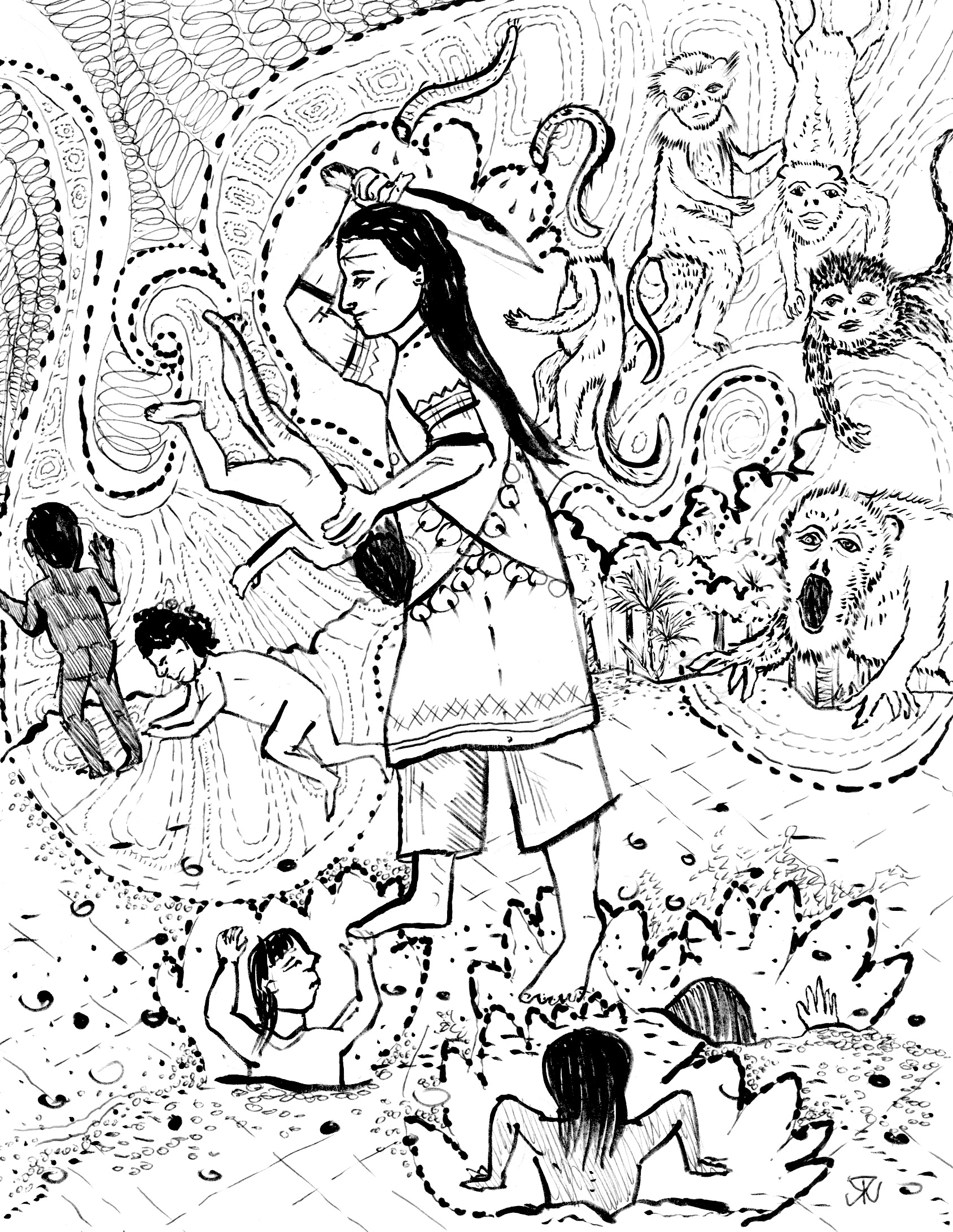
The Amazonians believe in a universe filled with spirits, and lived with in balance with the heart and mind. Heart and spirit. There is a story about an Indian who was tempted by power, and was granted the ability to change into a jaguar. He became ruthless and cunning, and knew only killing and destruction. Too much power, not enough light. Power must be balanced by the forces of the light – goodness, and respect for people and nature.
Followers of the Amazonian tradition see that there is a small jaguar within ones heart that is to be awakened. With the roar of the sun it comes to life. With that, transformation takes place. Everything will look the same, but lines of gentle waves will rock our tribe of humanity.
Well, that was my experience as a patient of Amazonian medicines. May you find the time to reflect upon our world, and appreciate all it has to offer.
What is the origin of the snake bite medicine?
Which way to the medicine trail? How does one create an energy field of communion and perception?
Who will help you when you are hurt? Who are your allies?
What is the process of evolution, according to Indians?
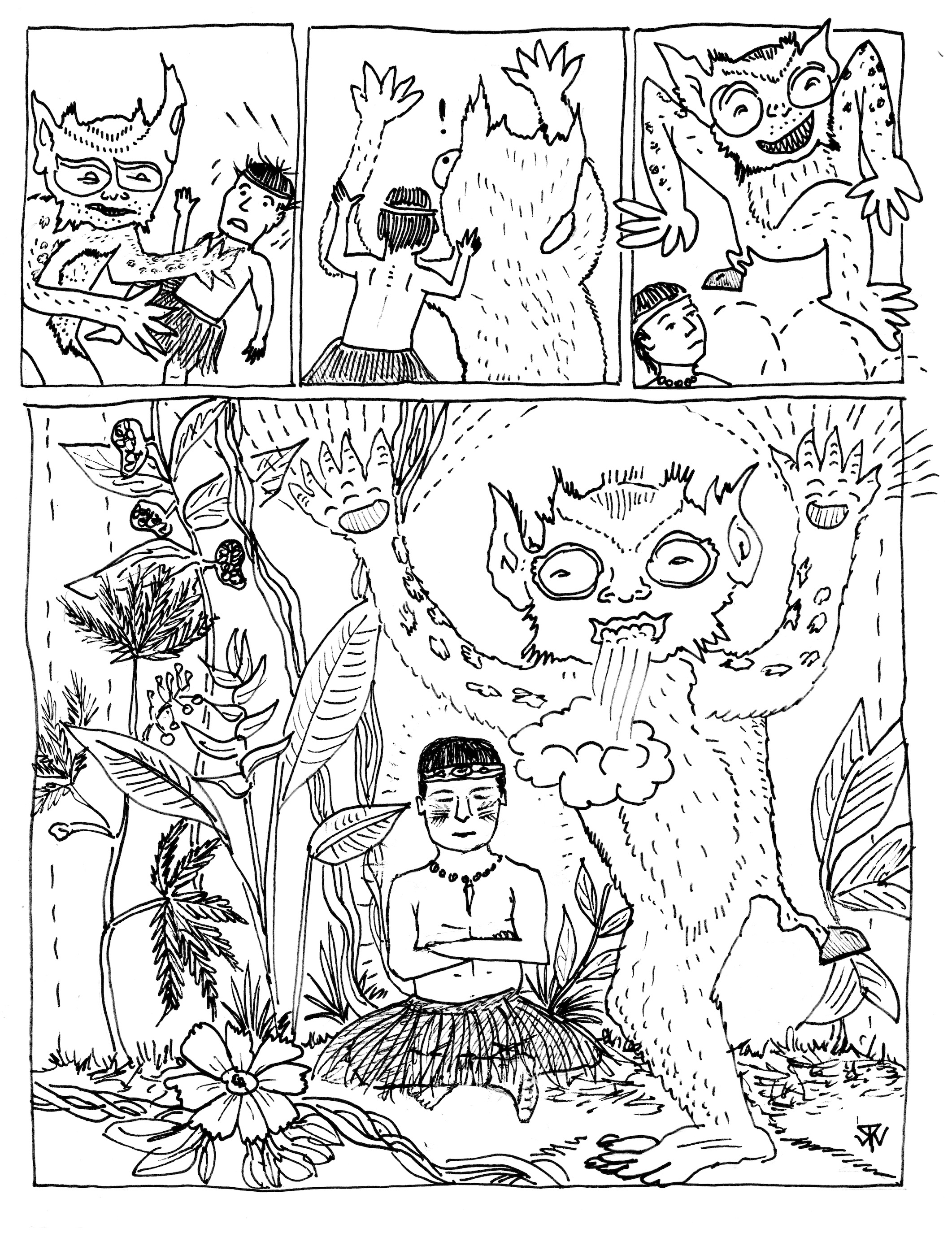
Why would you wrestle with a one legged forest spirit?
When the boa swallows you what happens?
What do hummingbirds know about soul?
For these answers and more stories, look for Rainforest Medicines 2013.