As stated in a previous post –
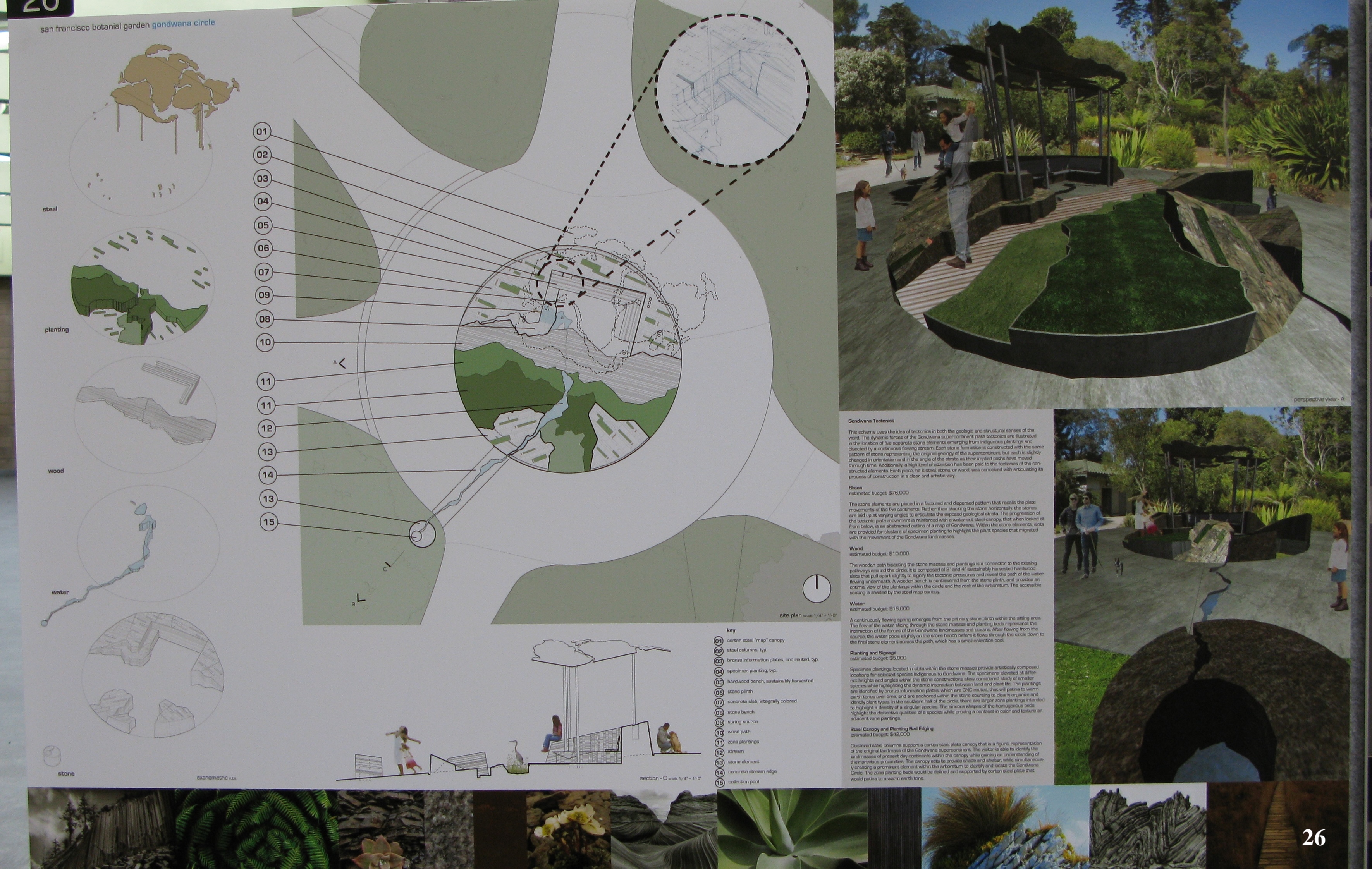
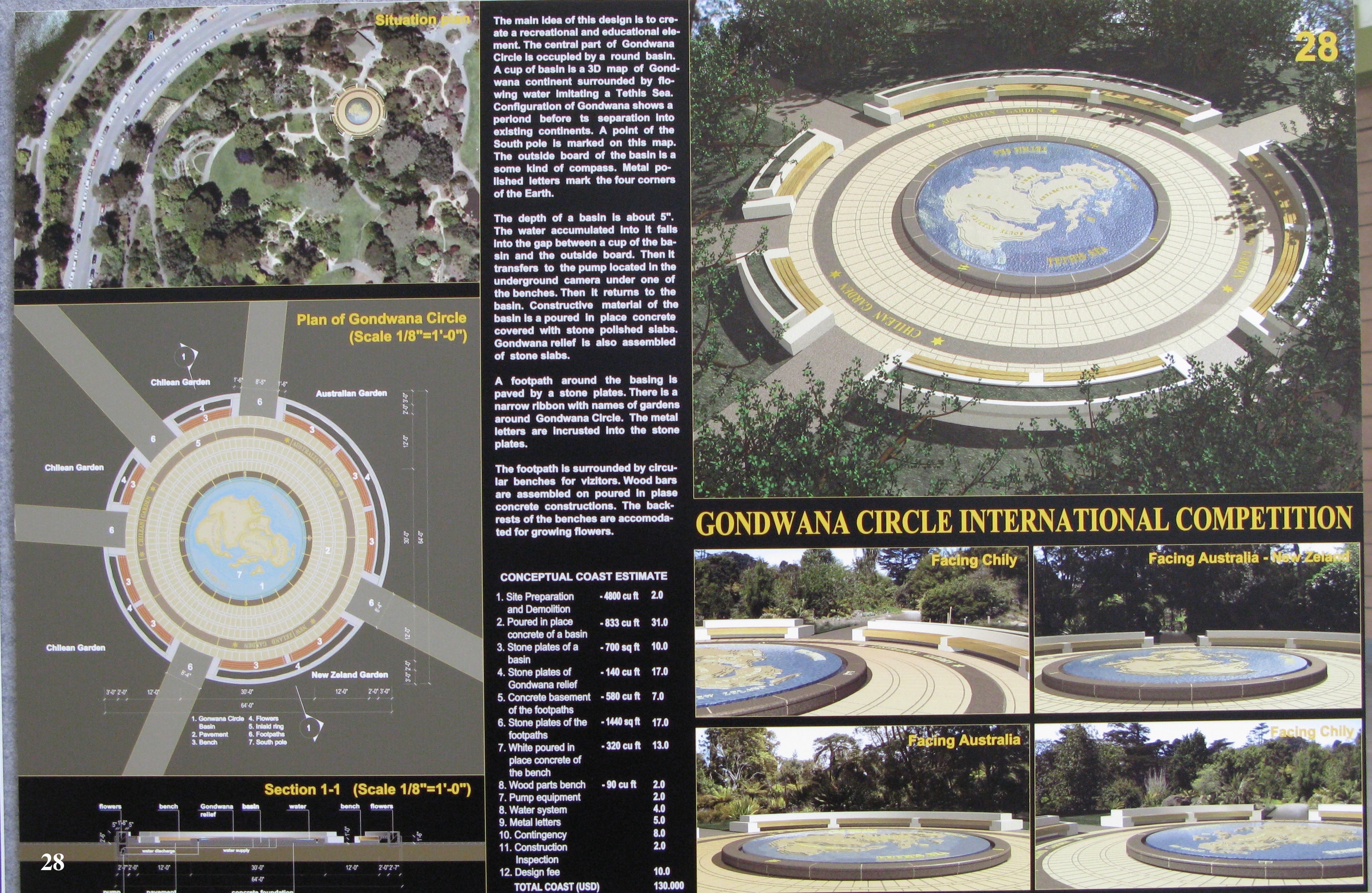
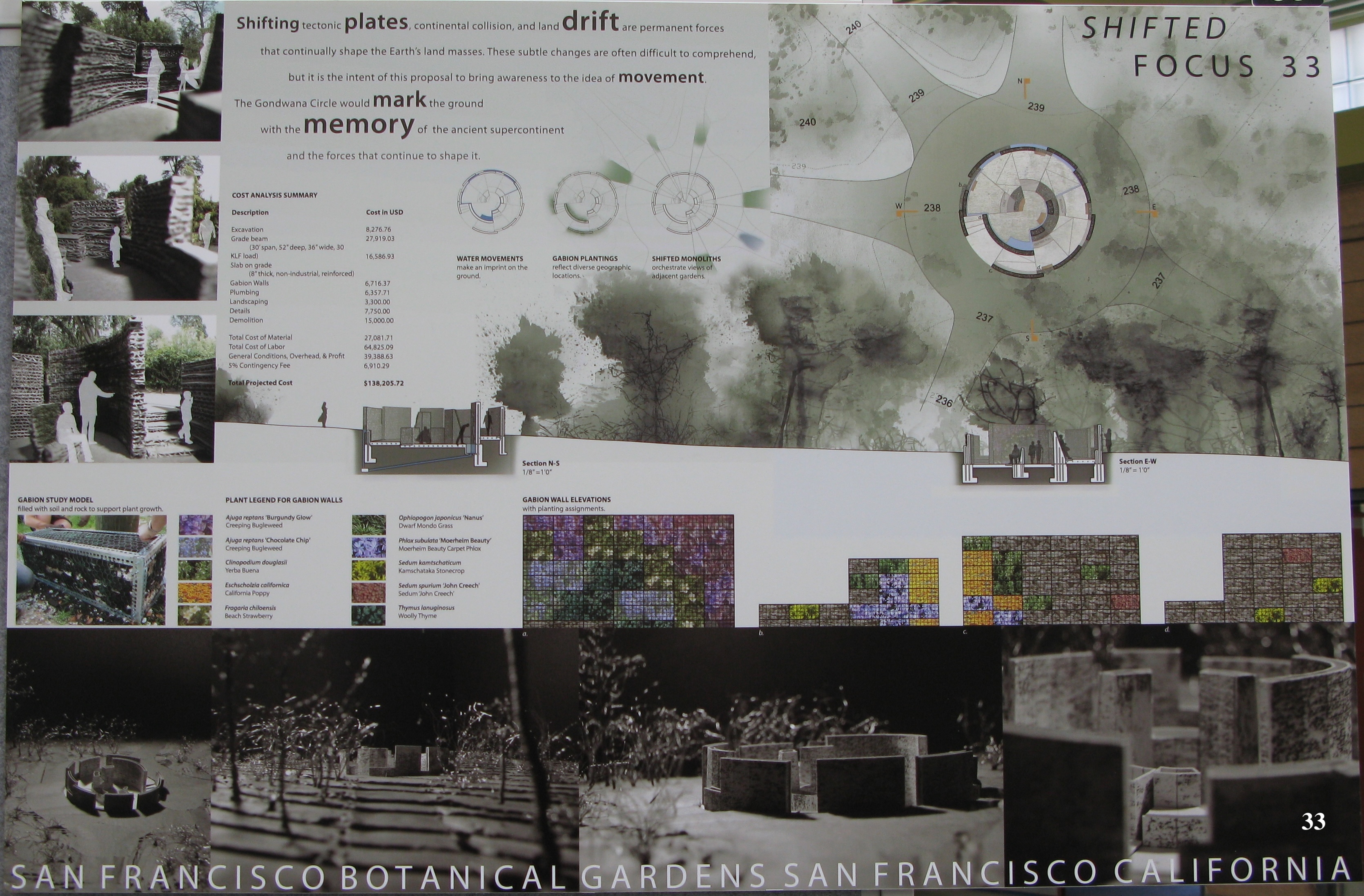
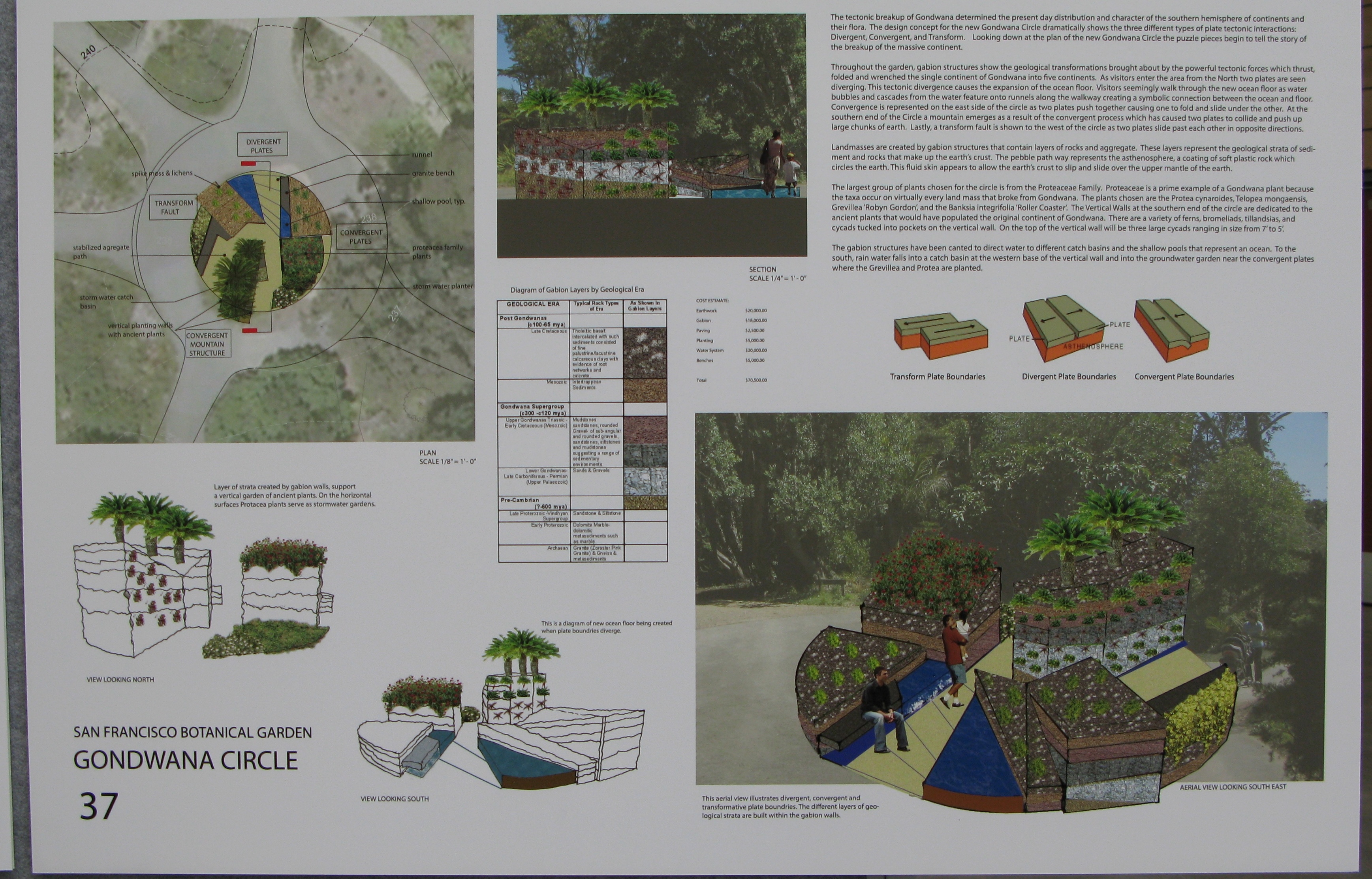
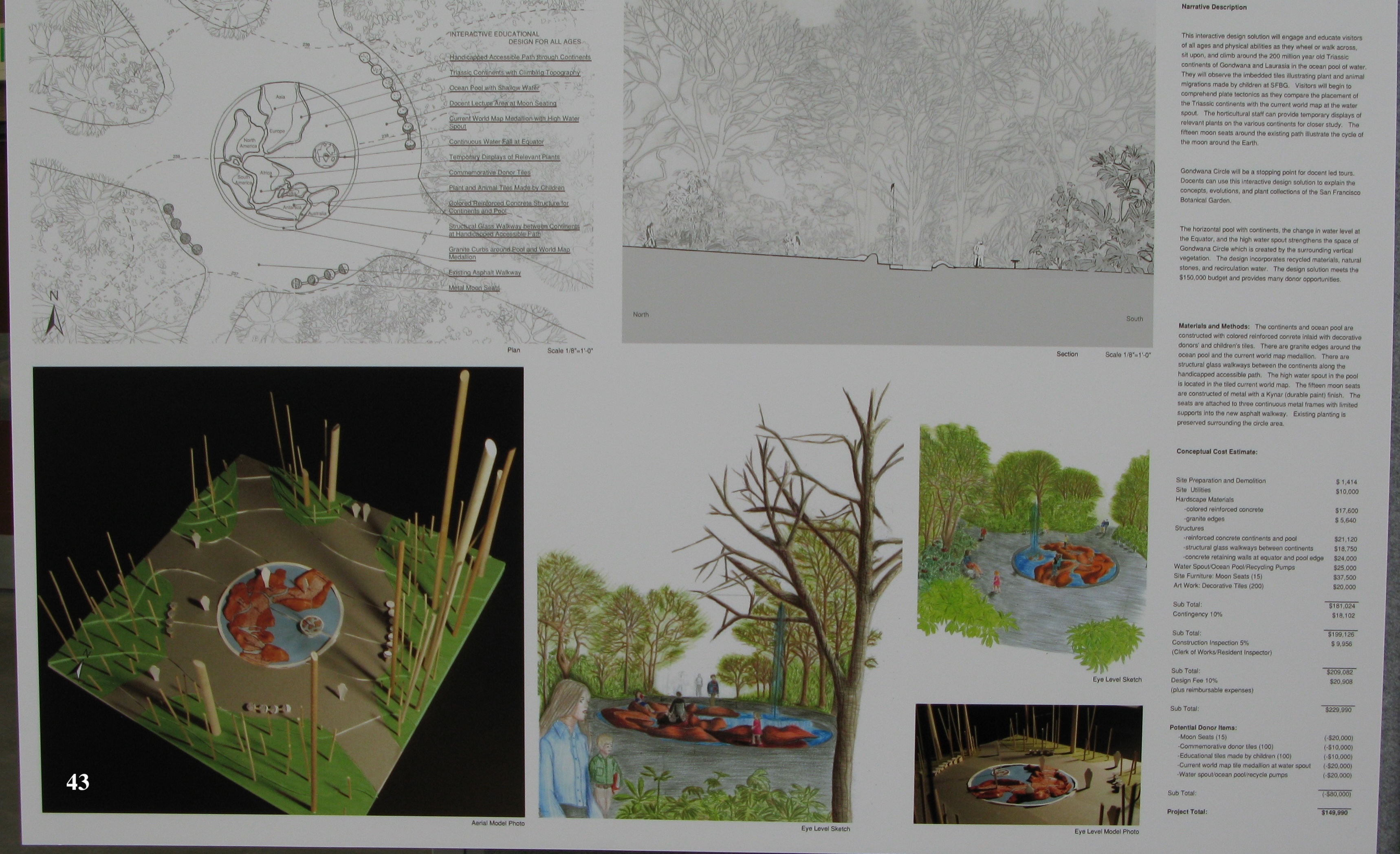
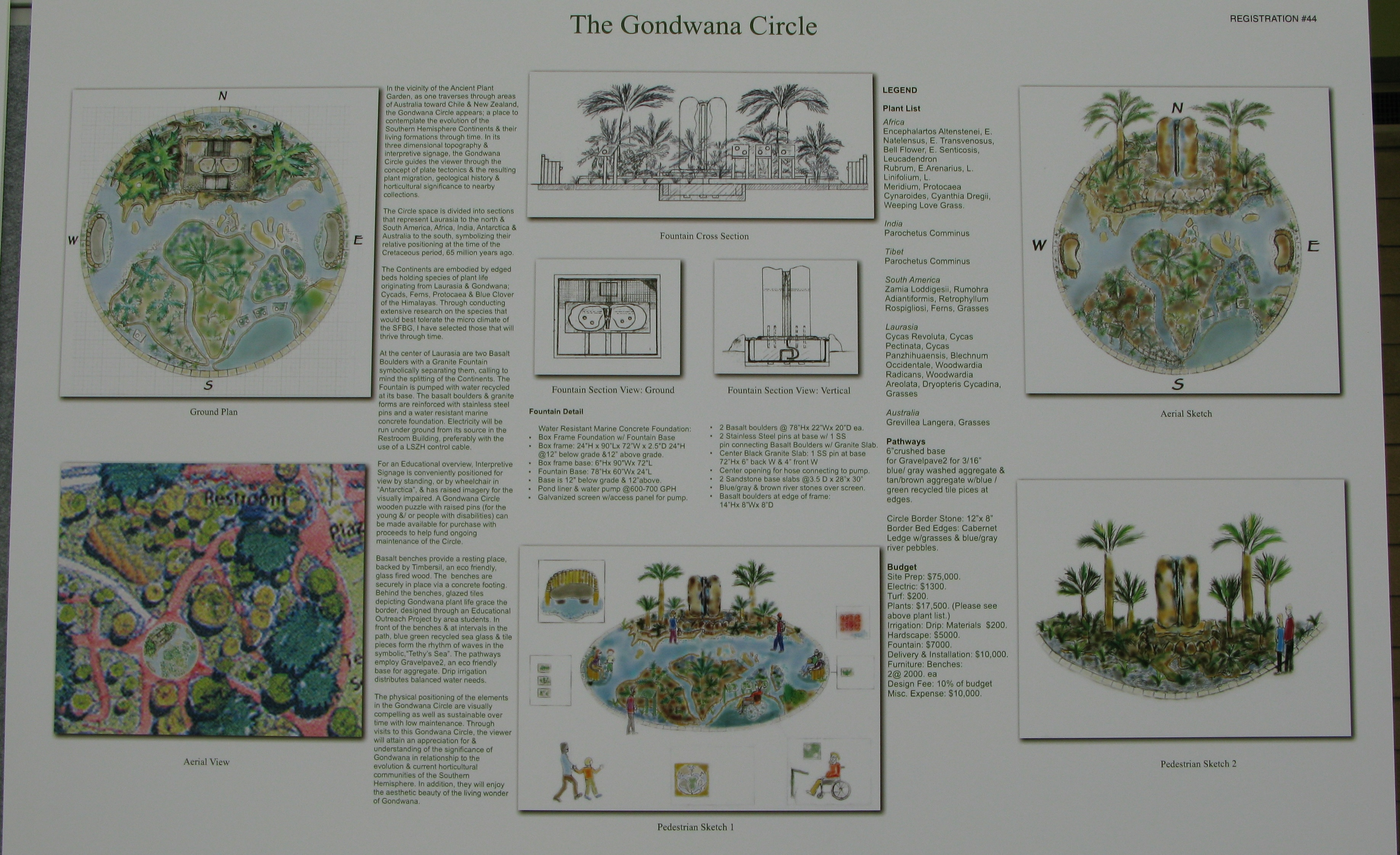
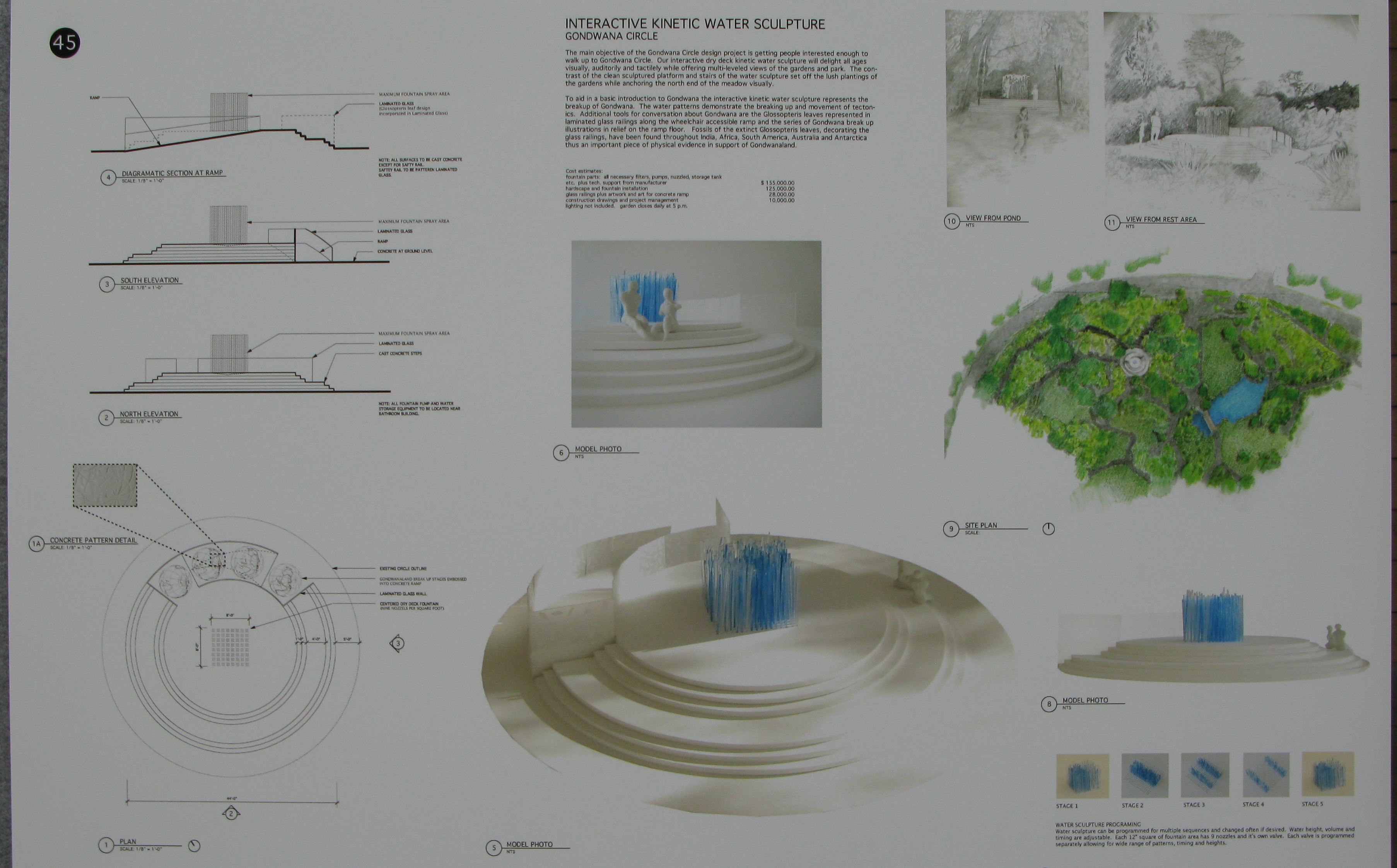
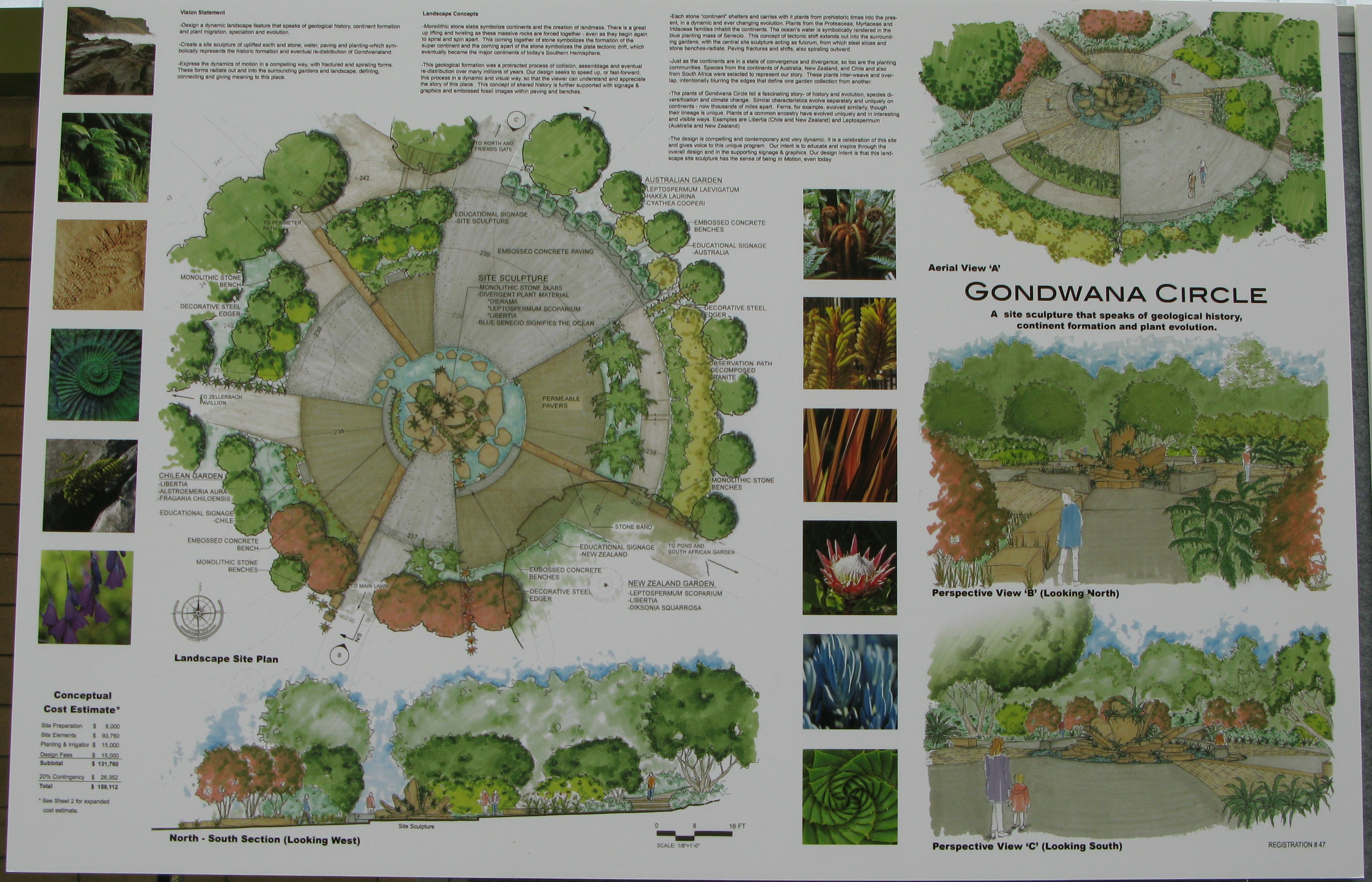
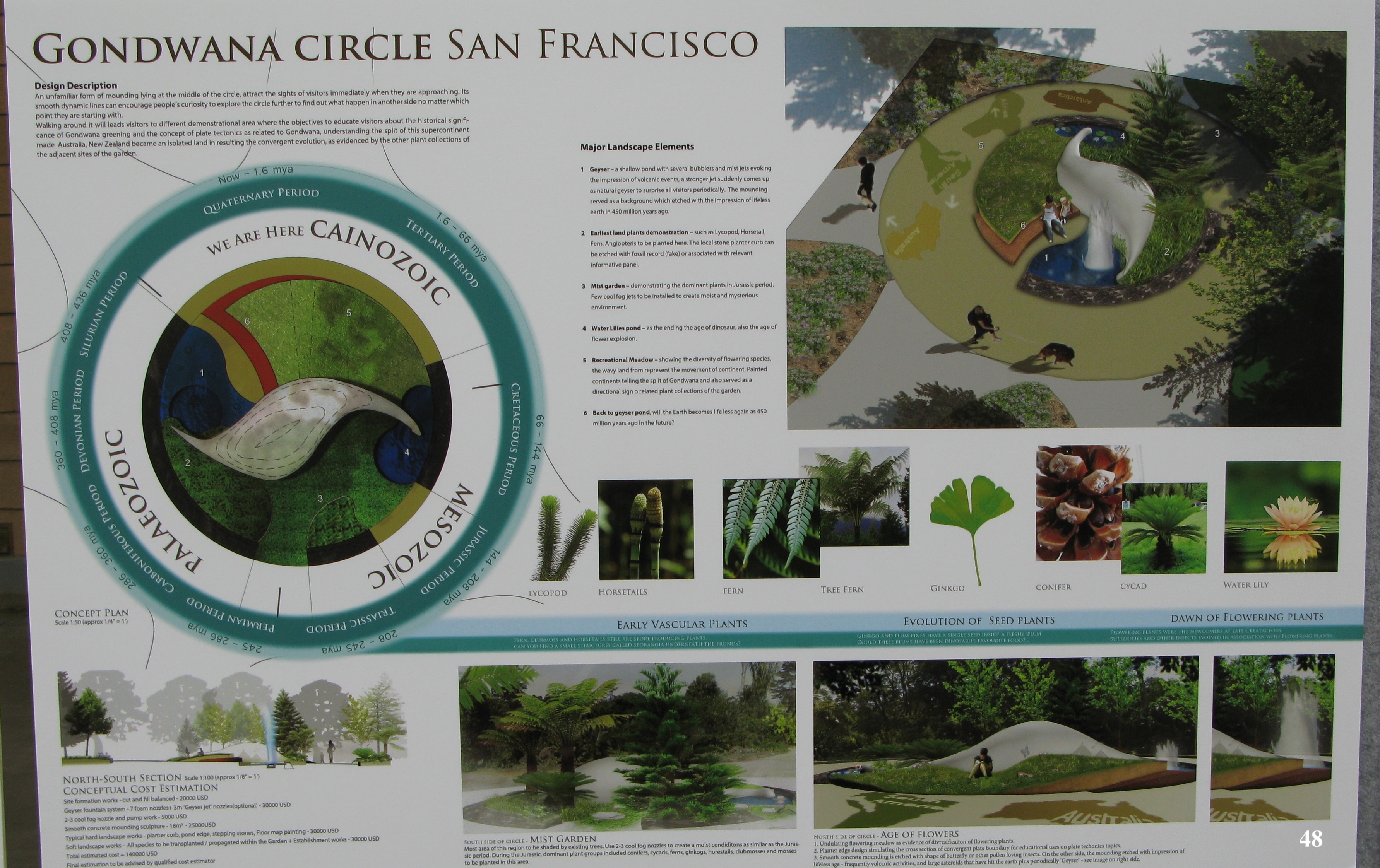
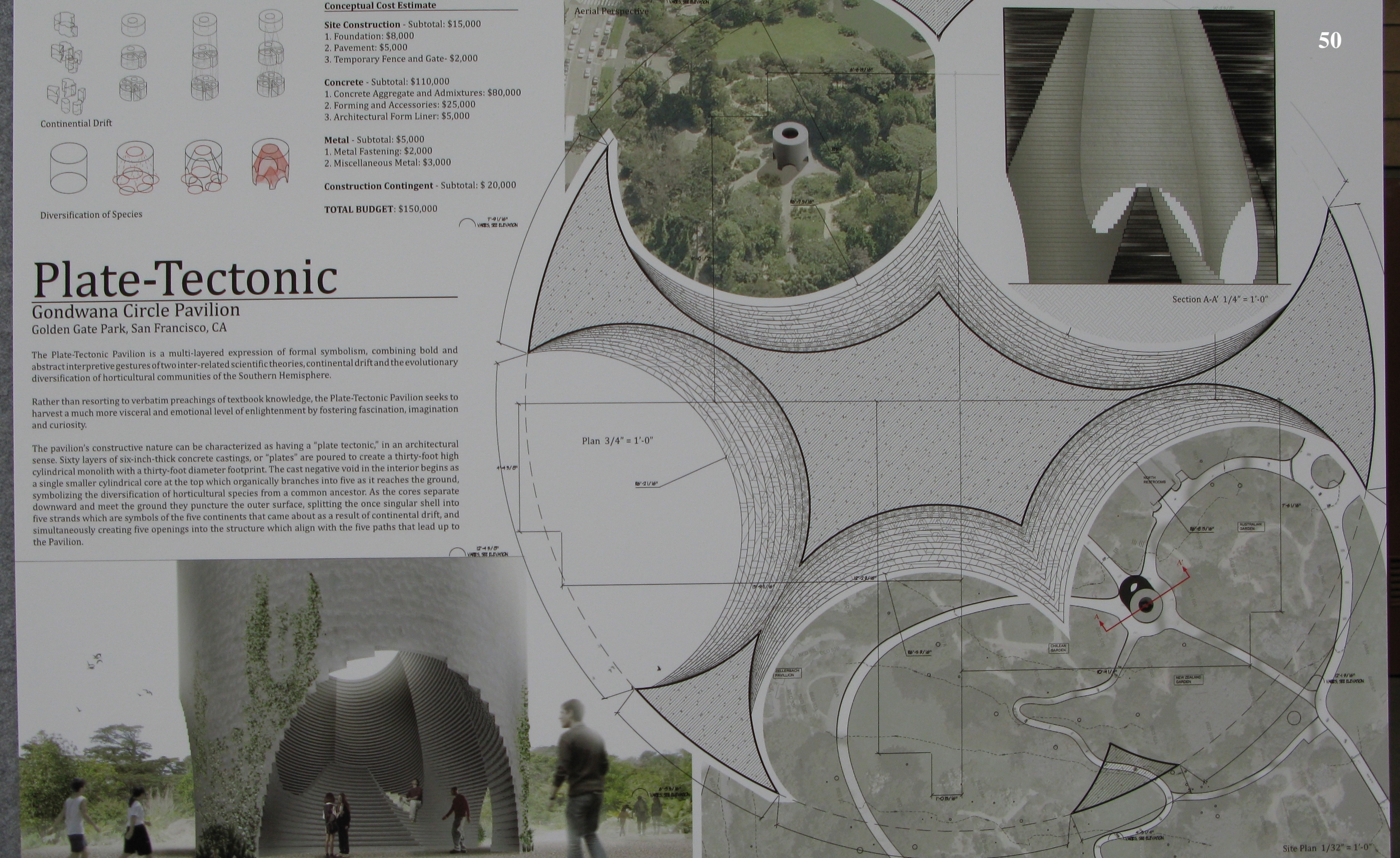
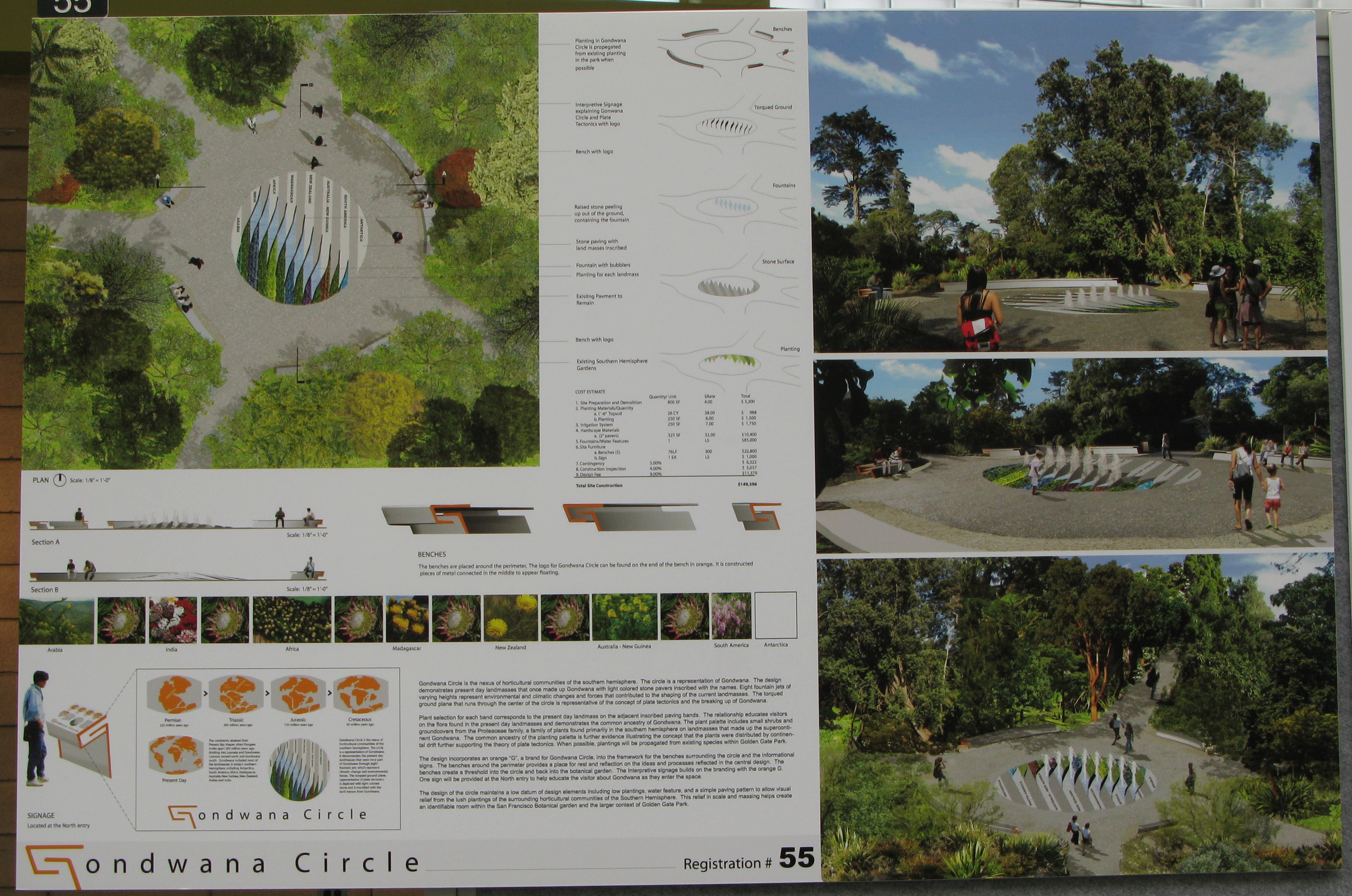
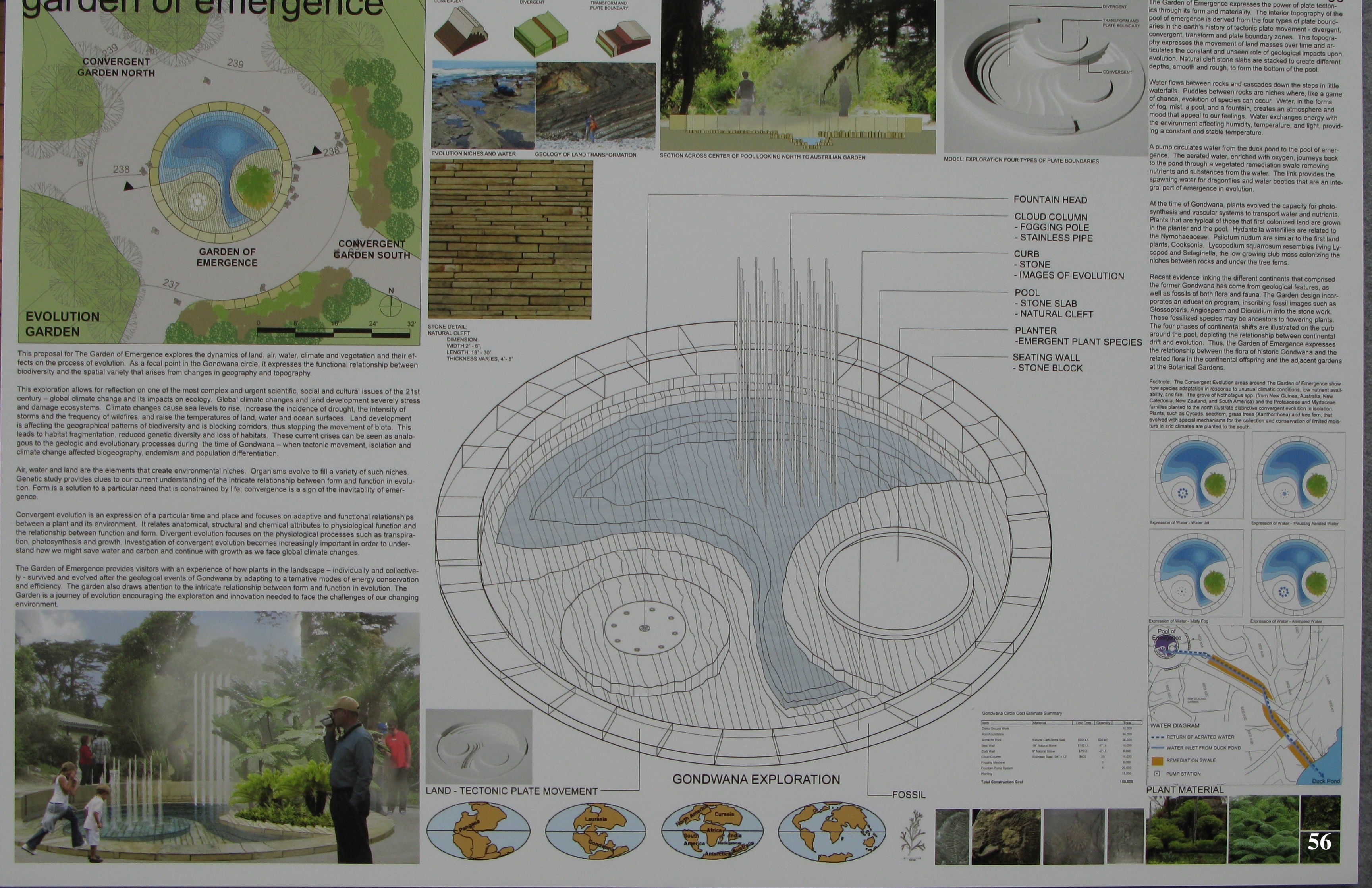
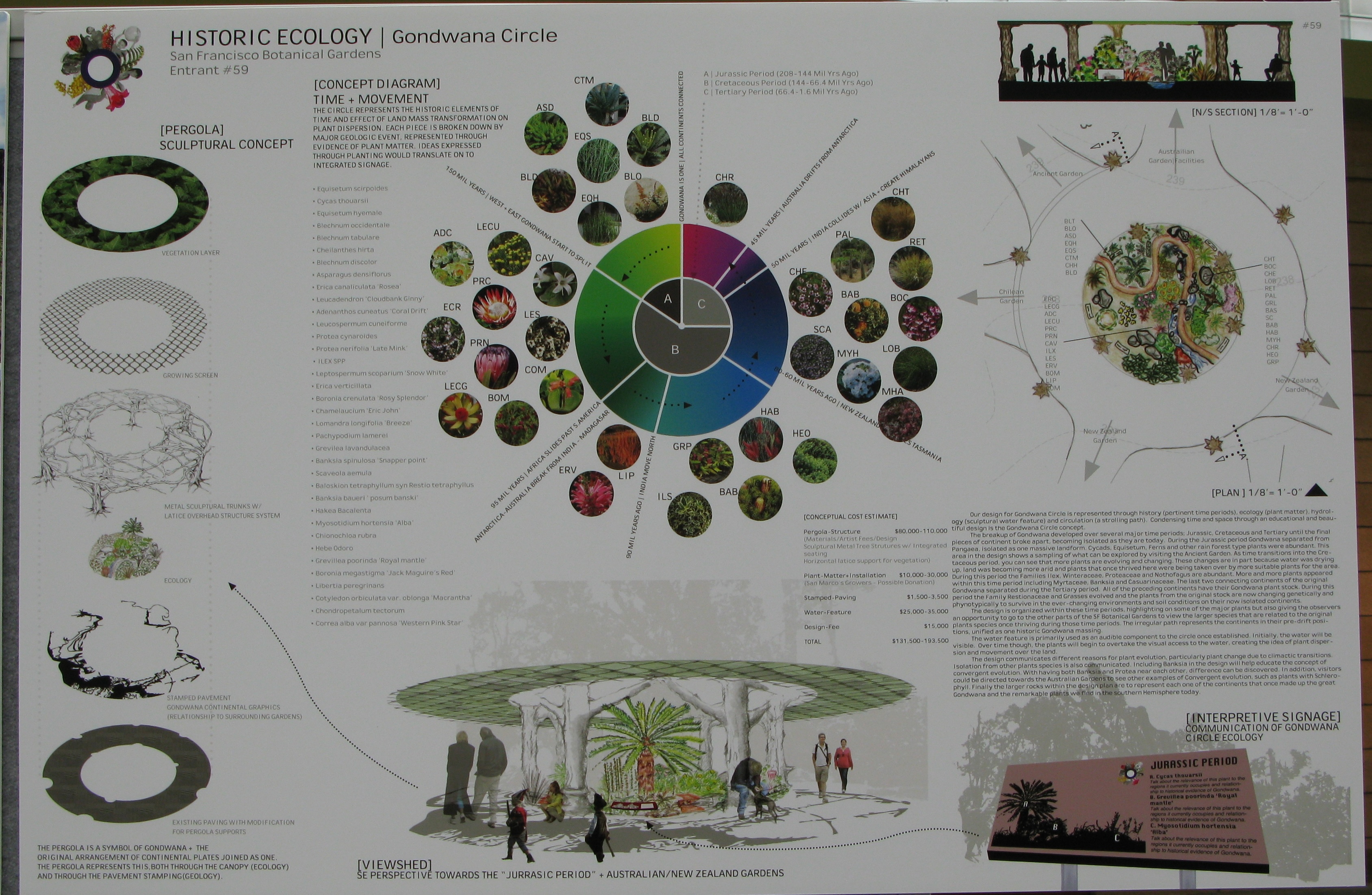
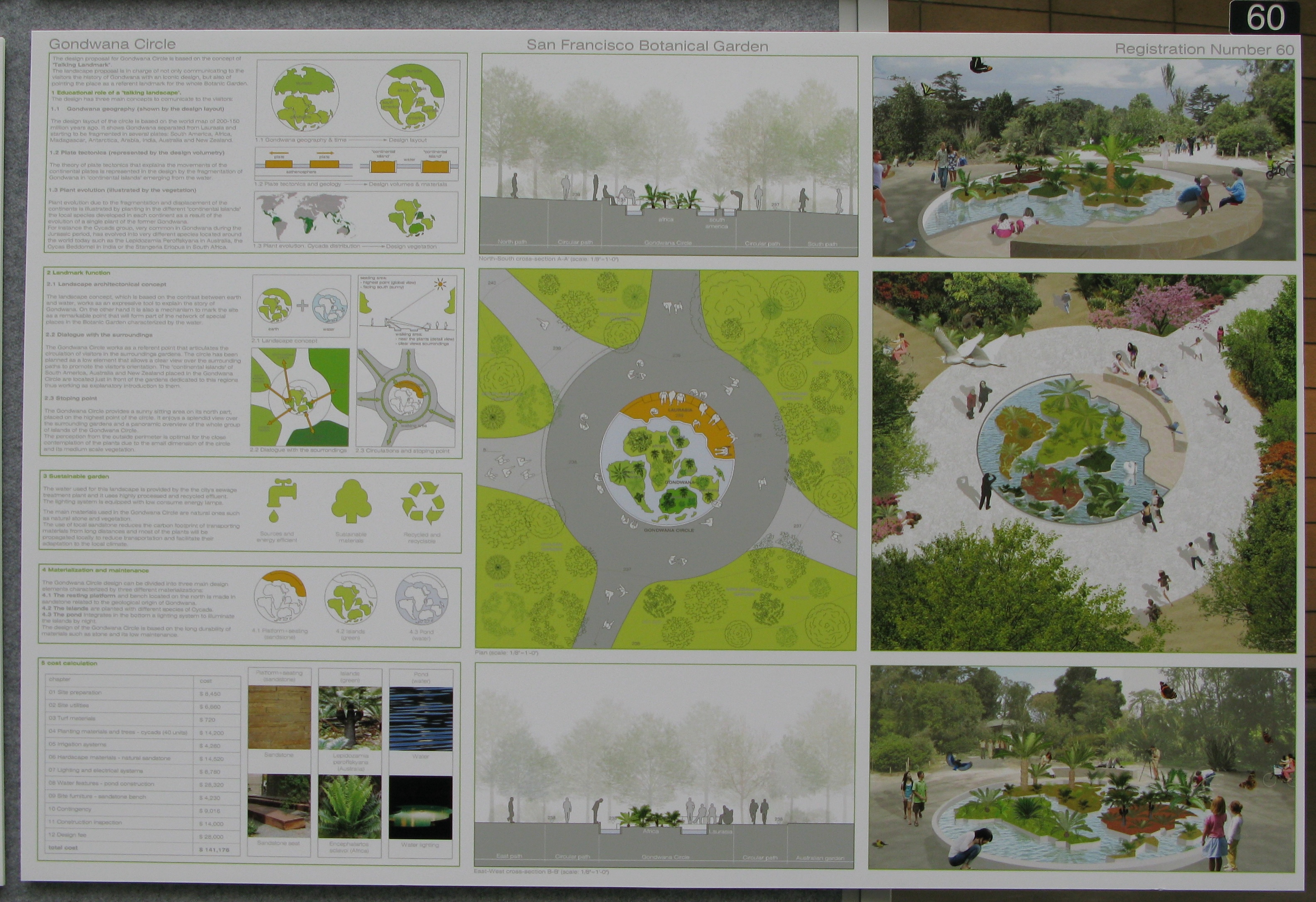
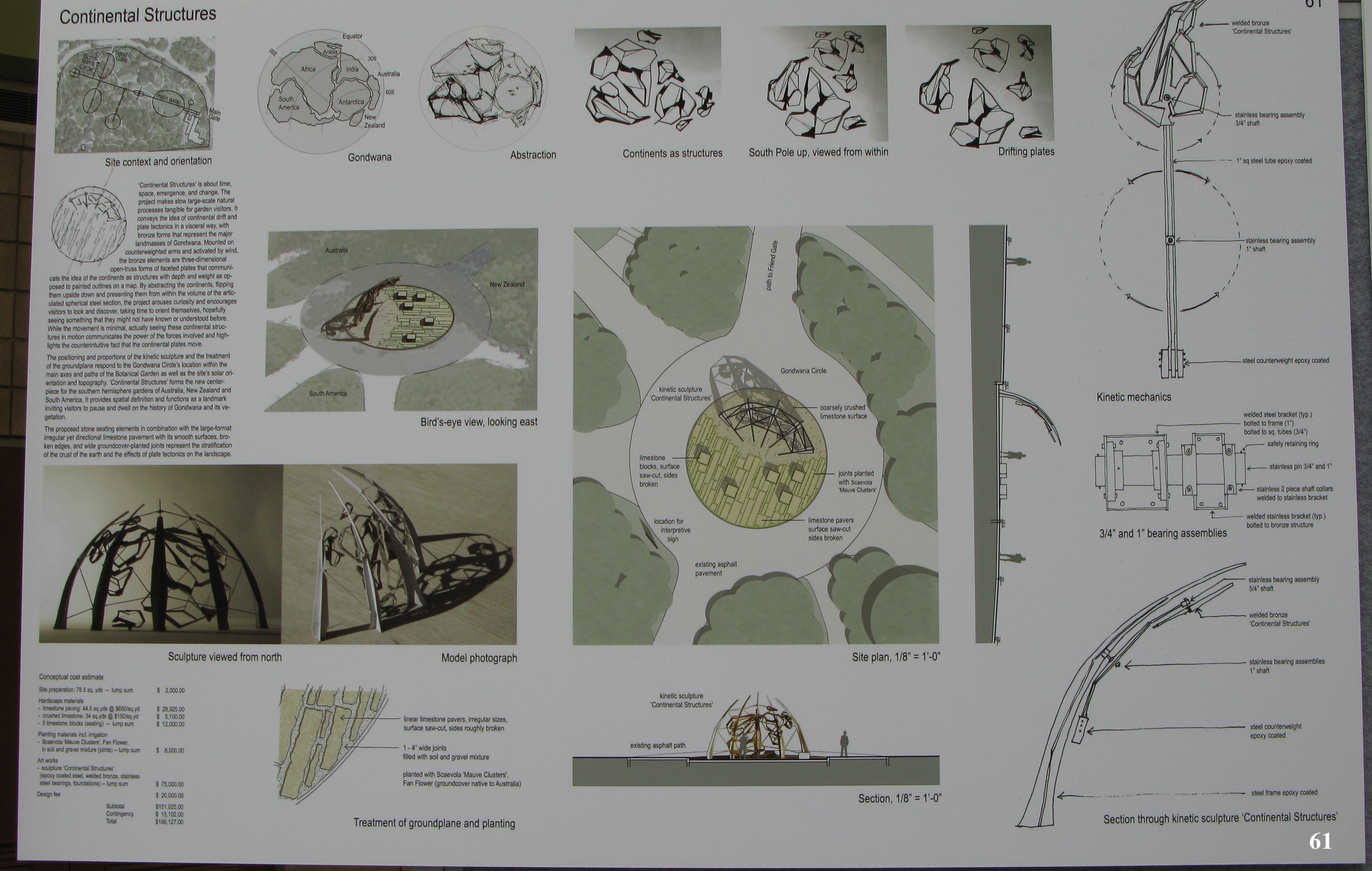
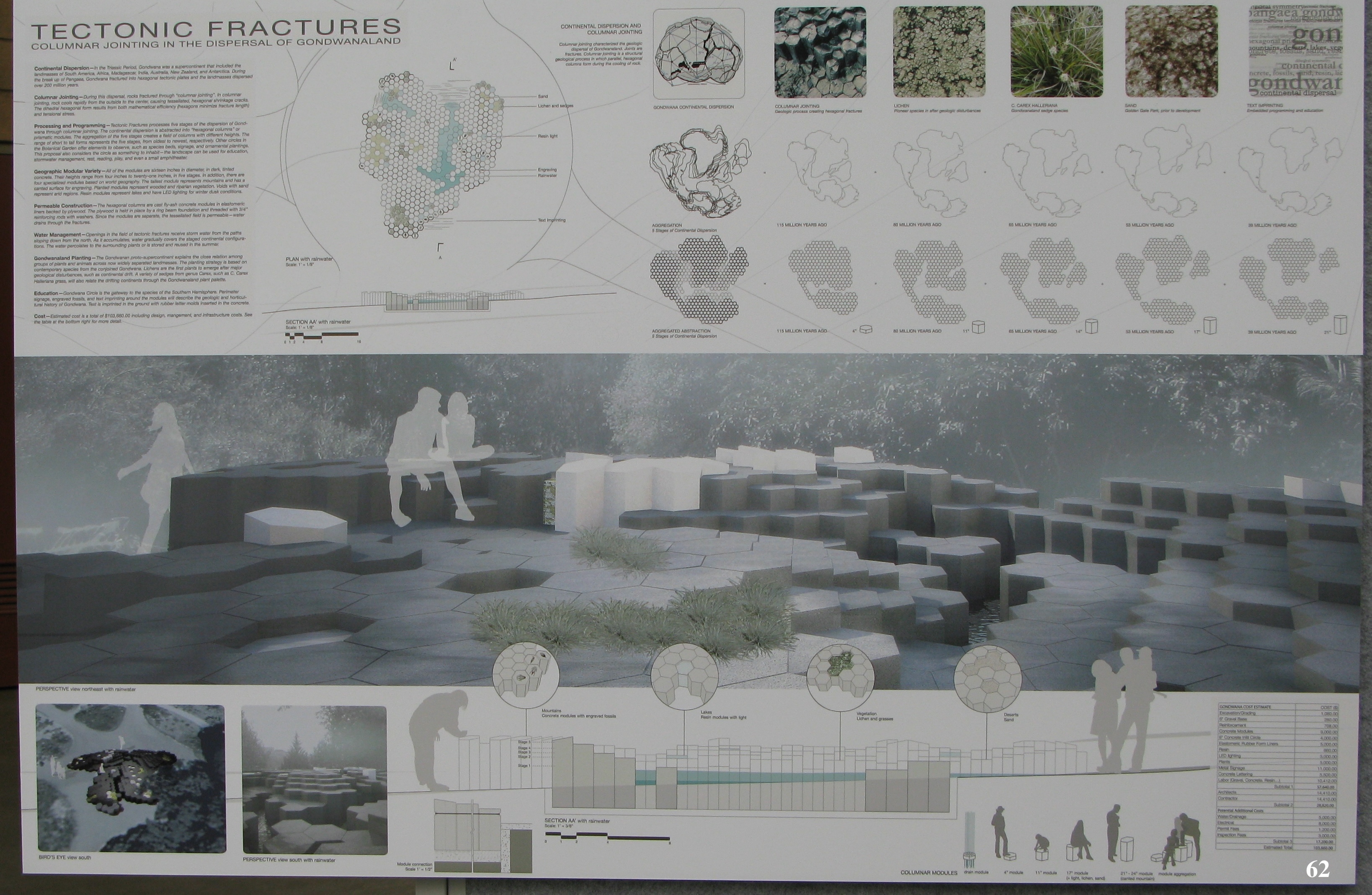
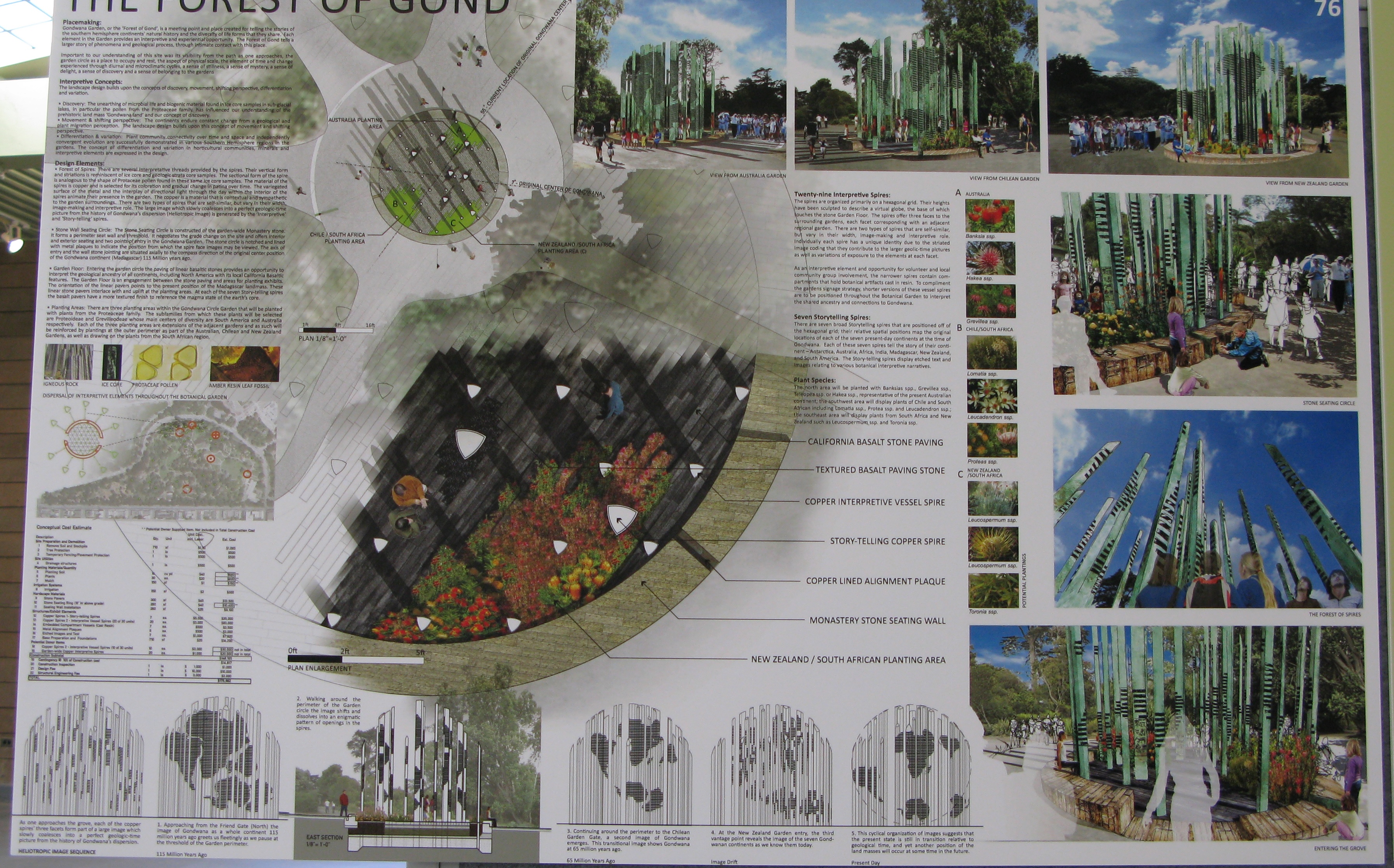
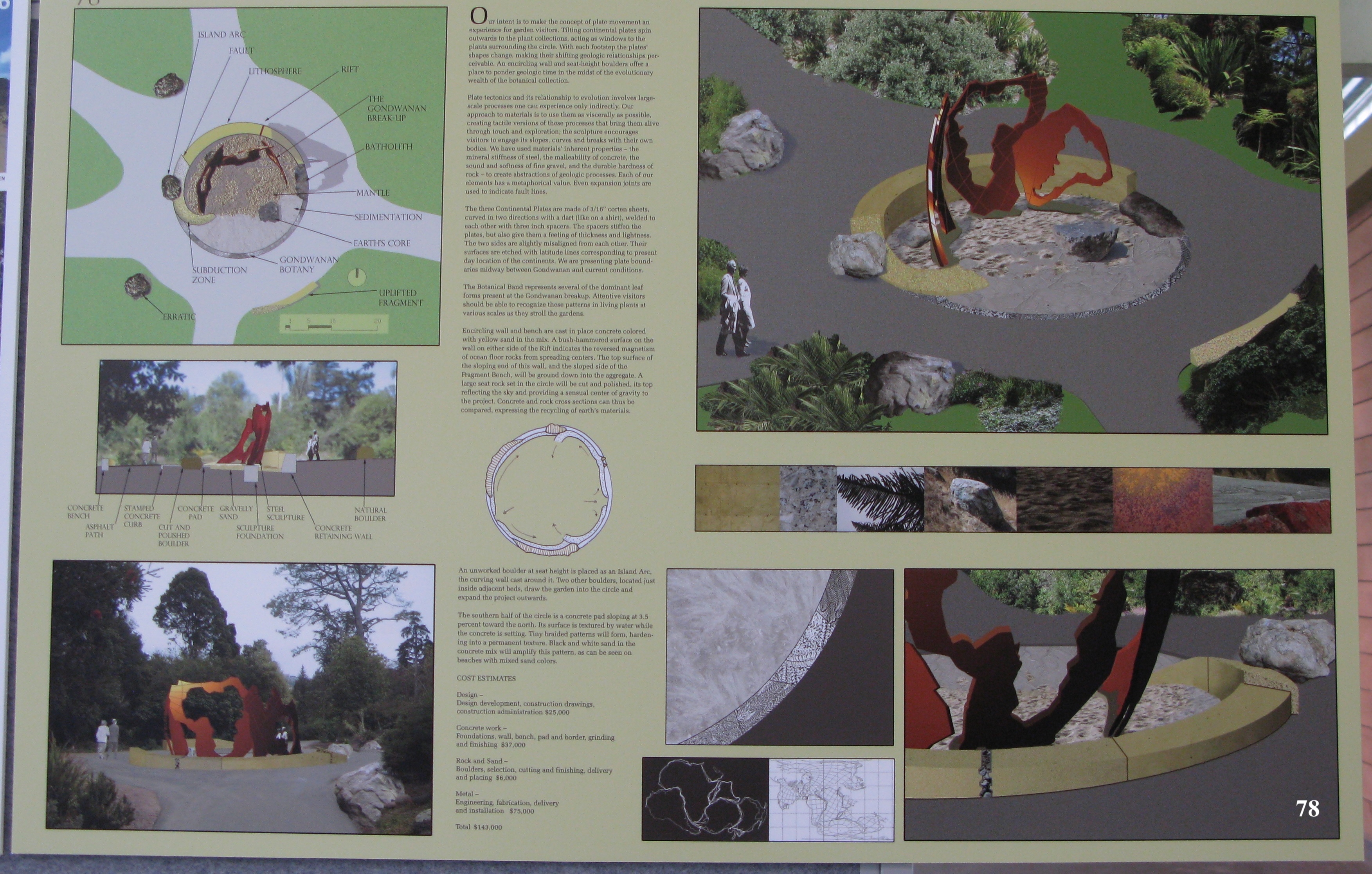
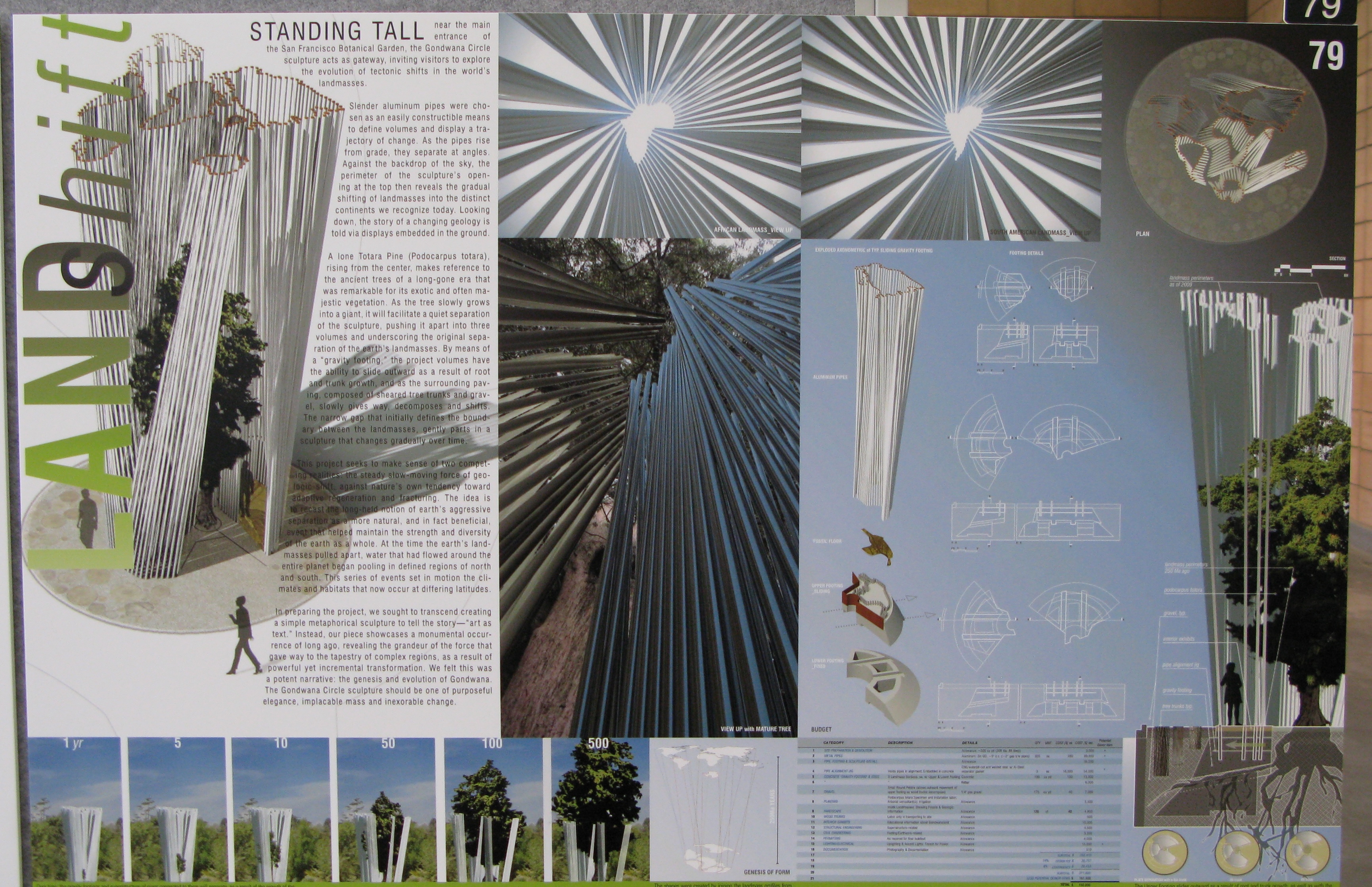
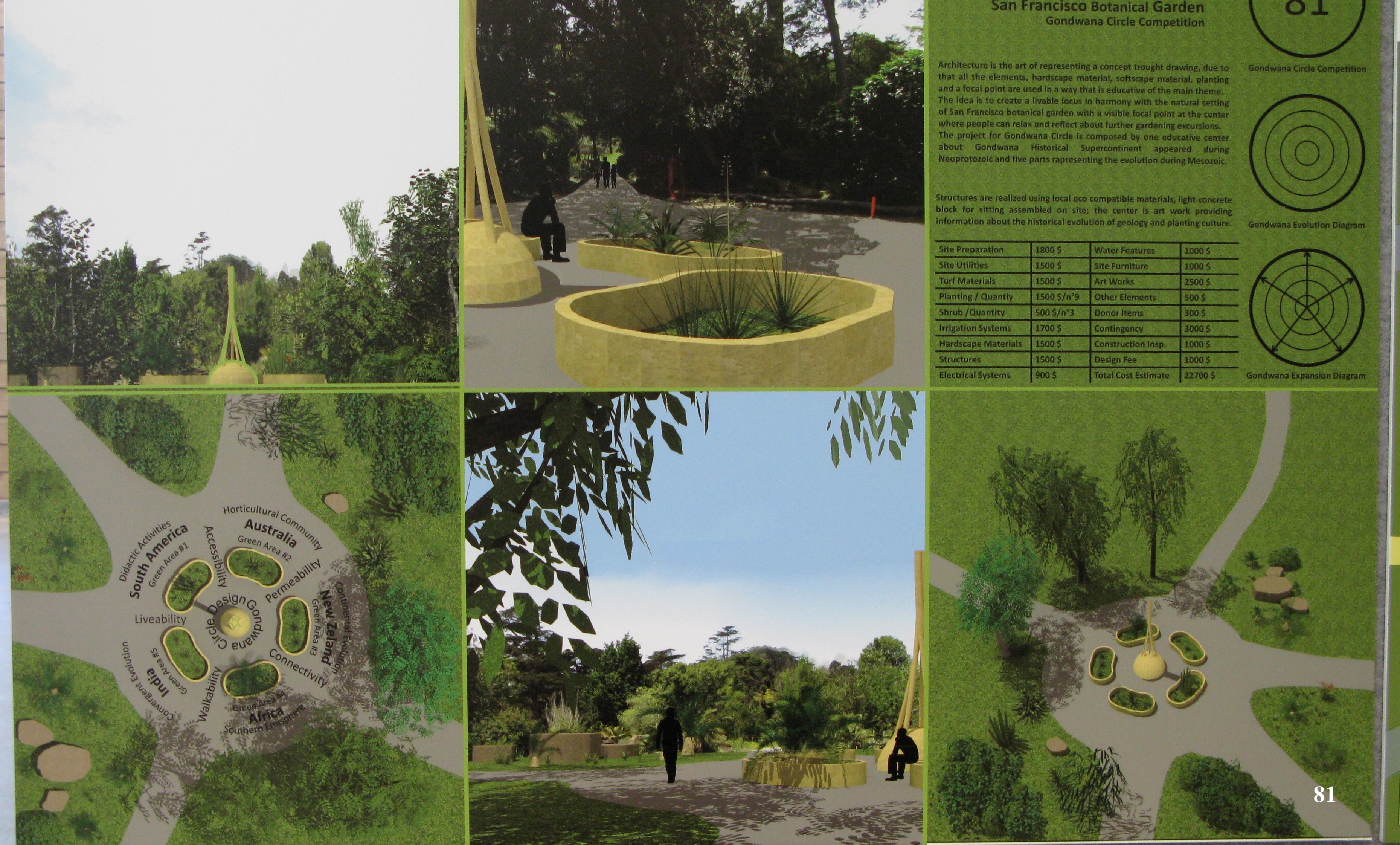
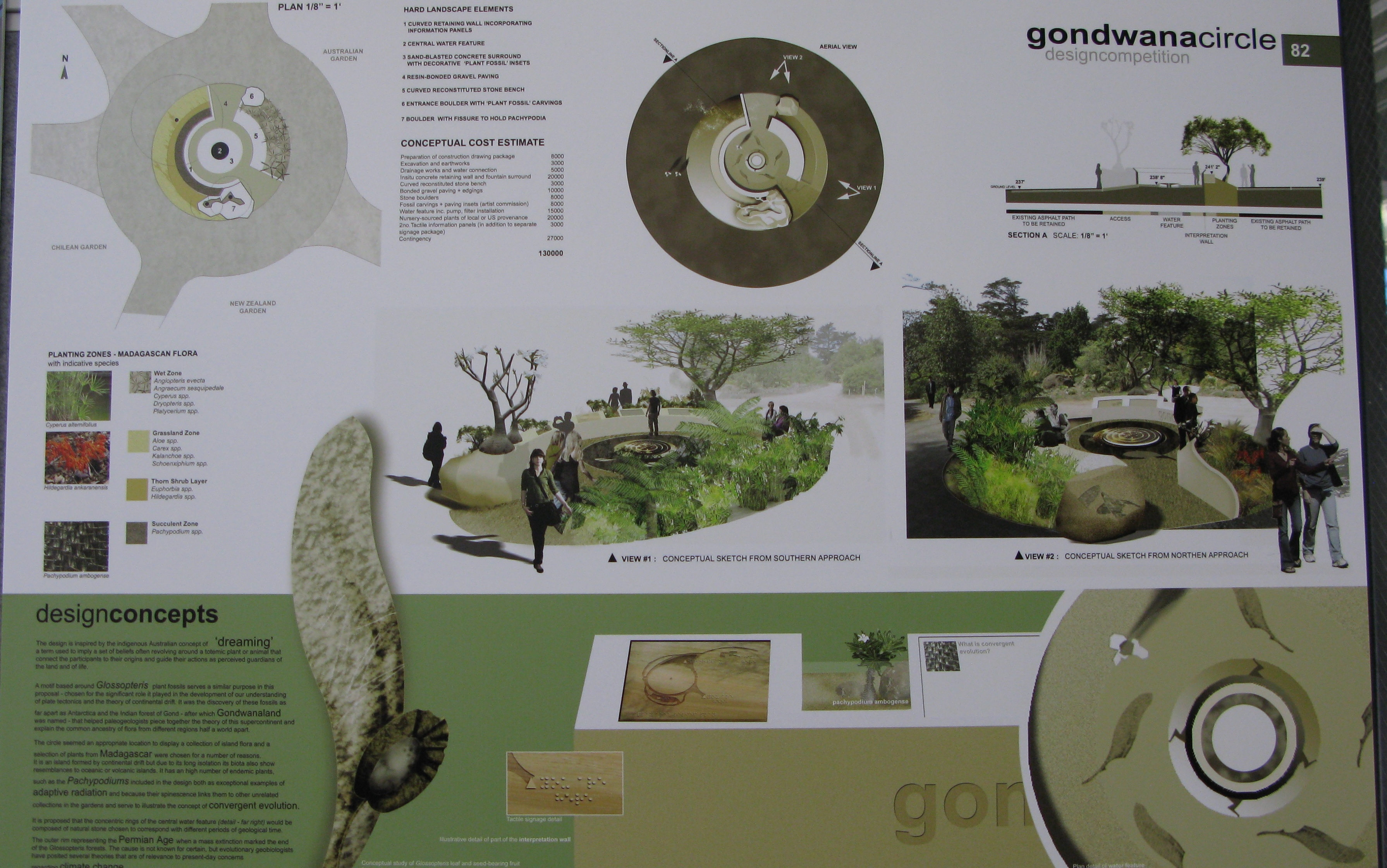
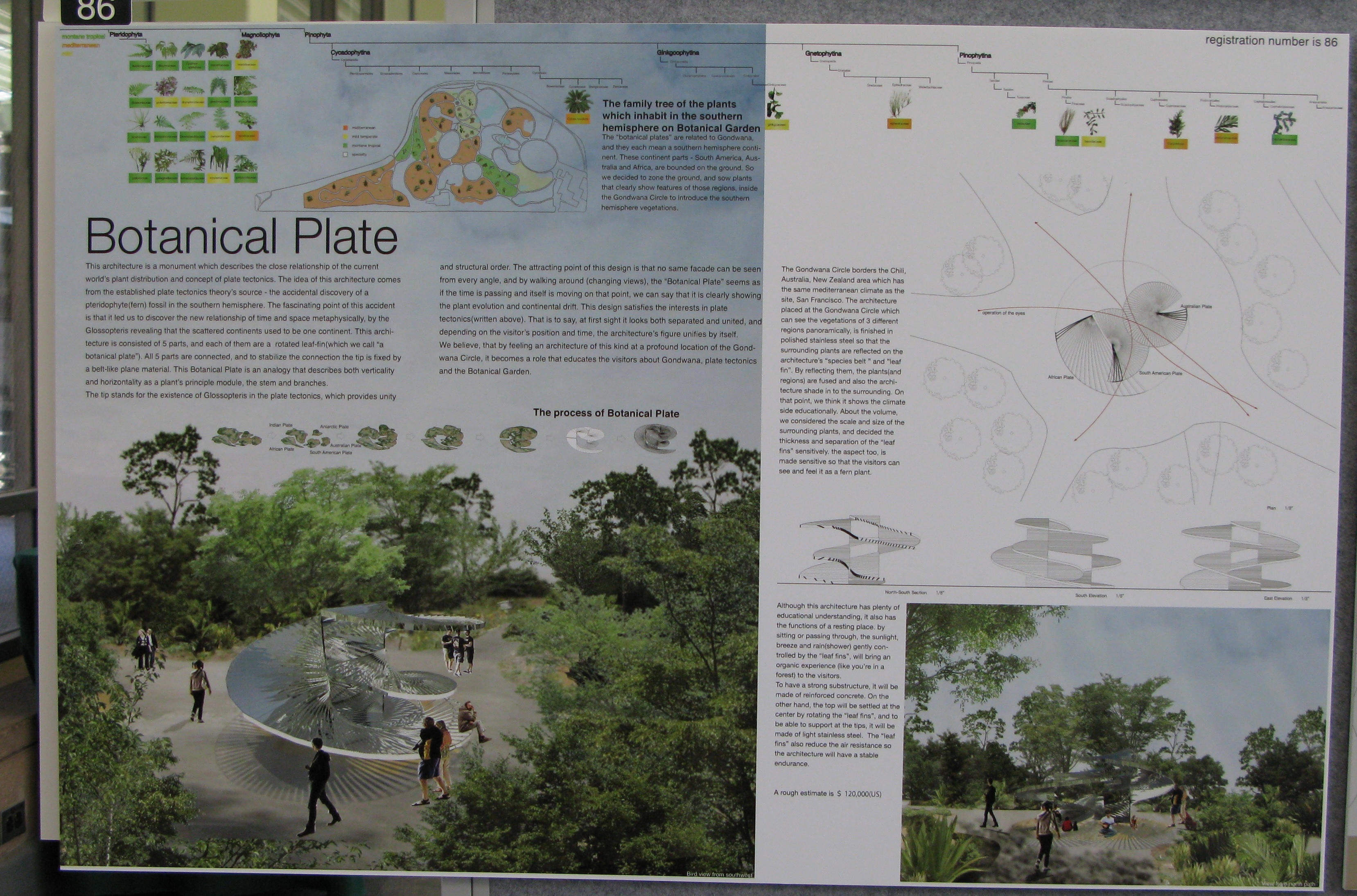
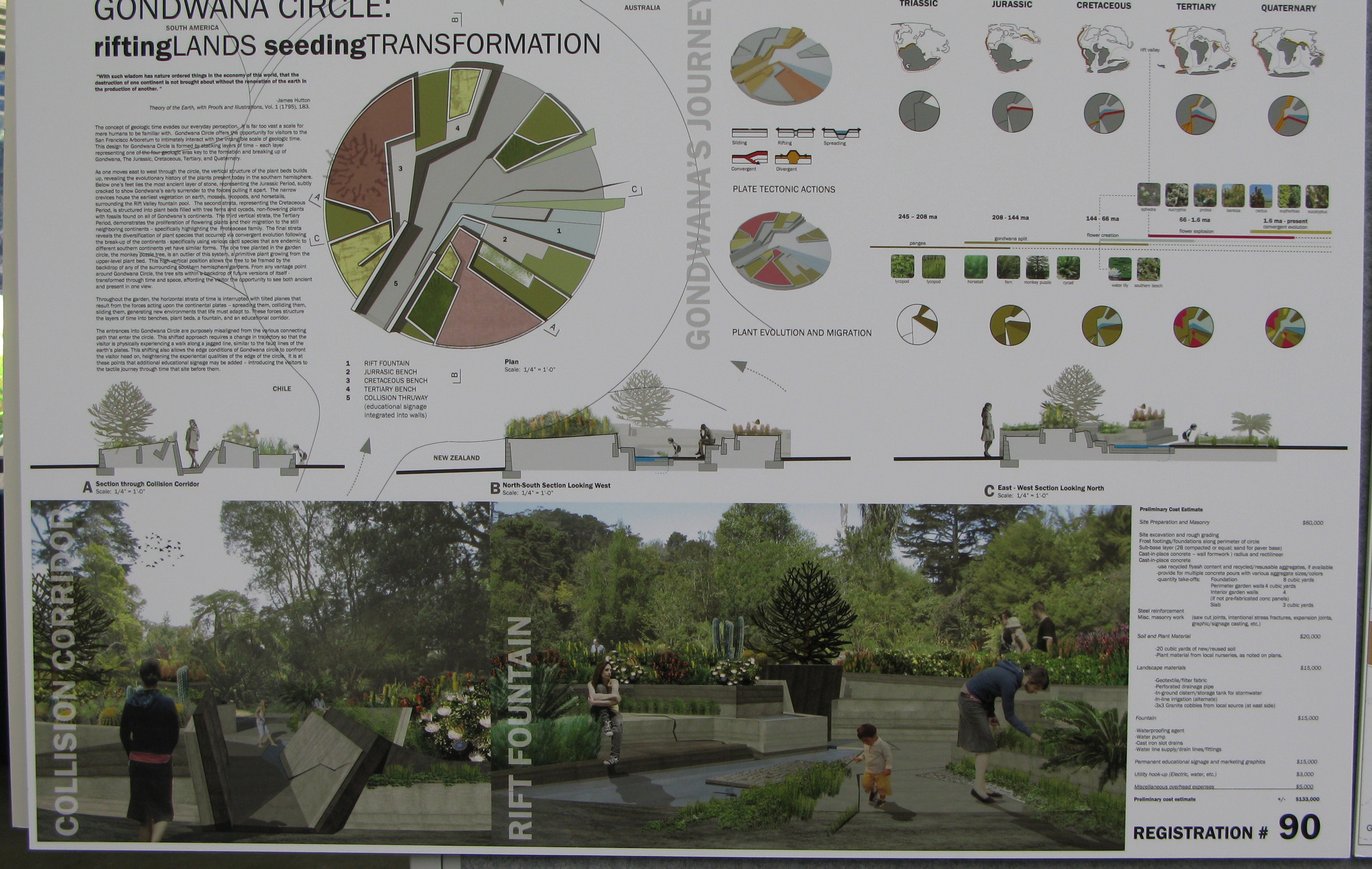
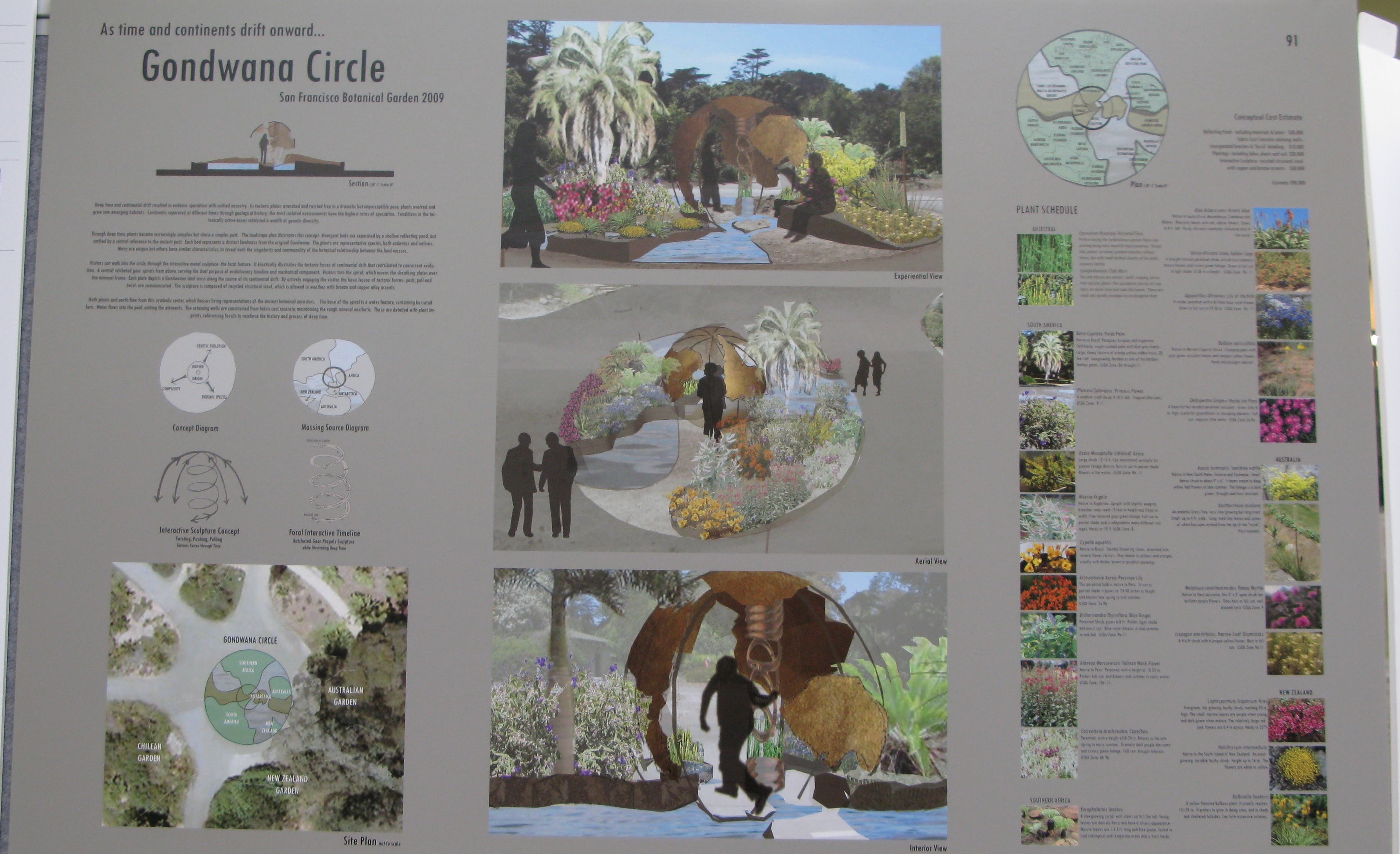
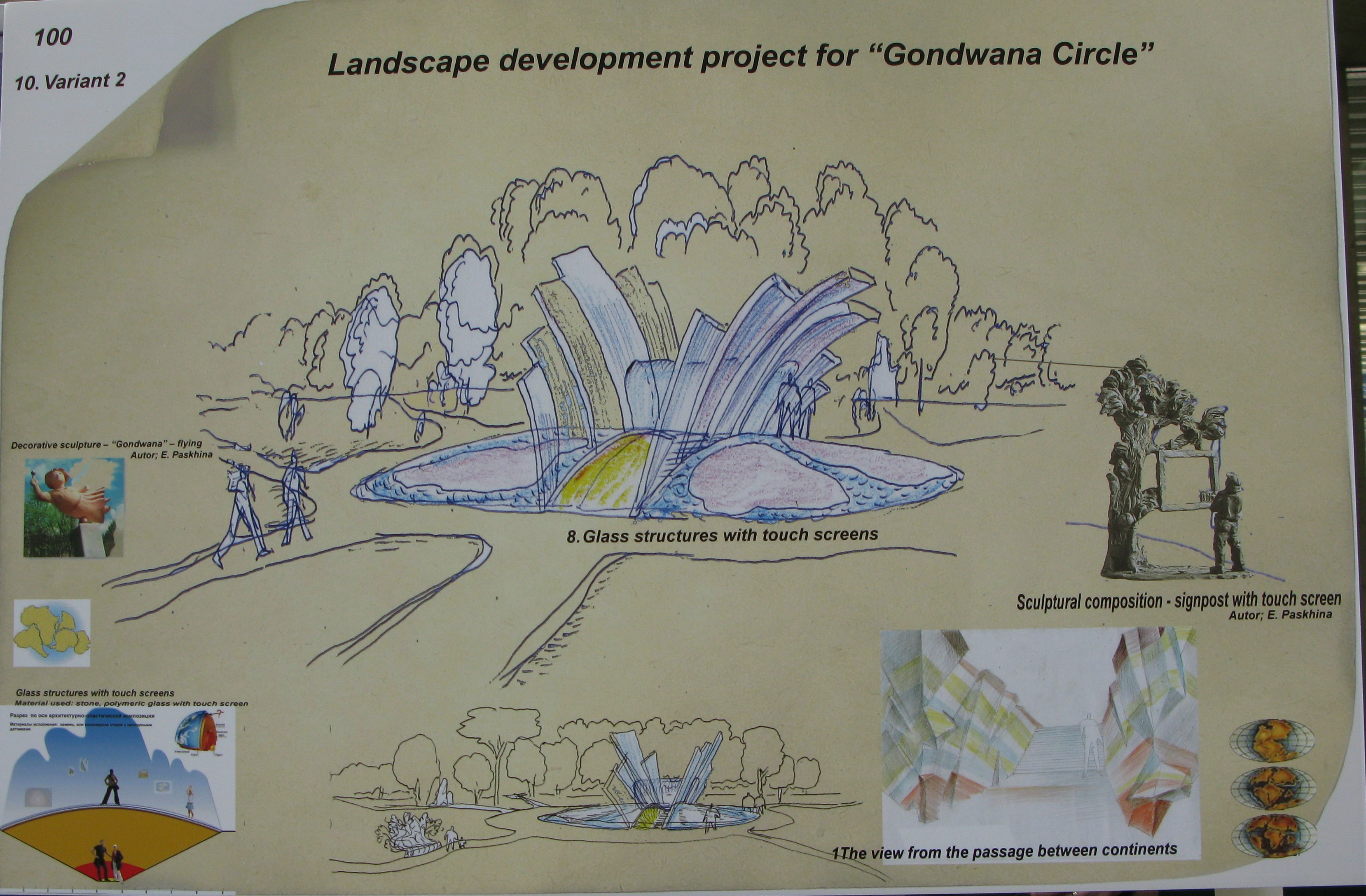
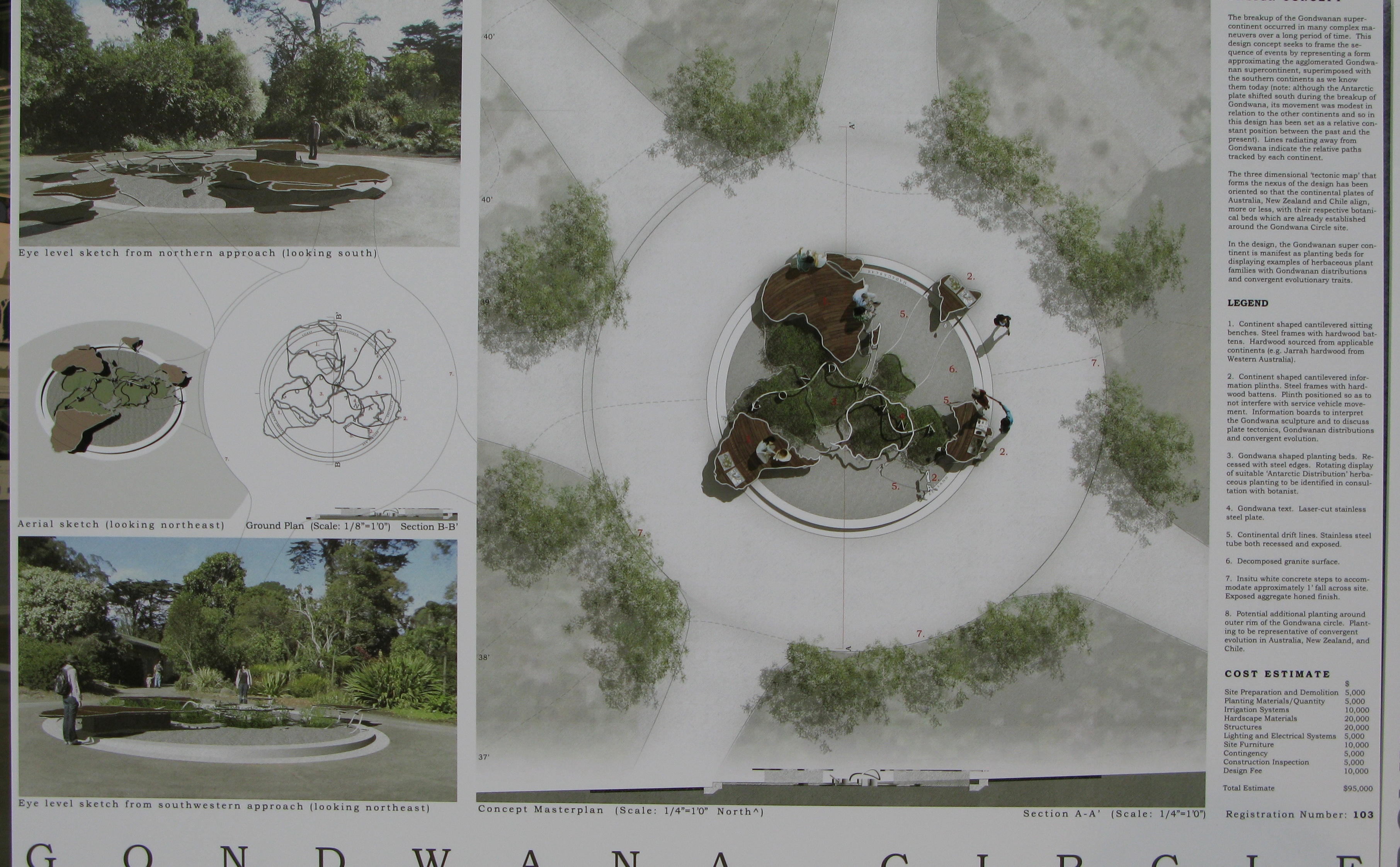
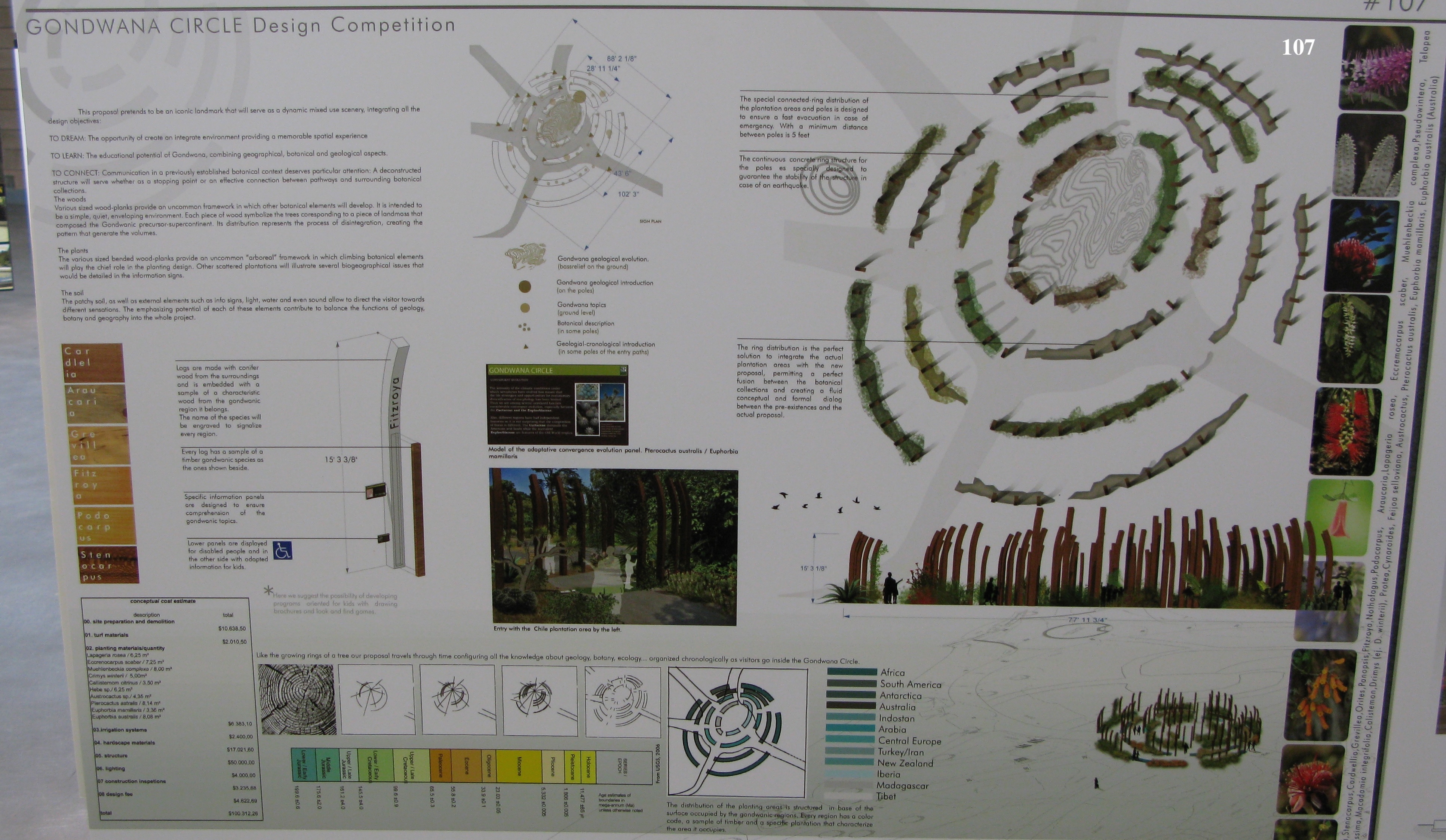
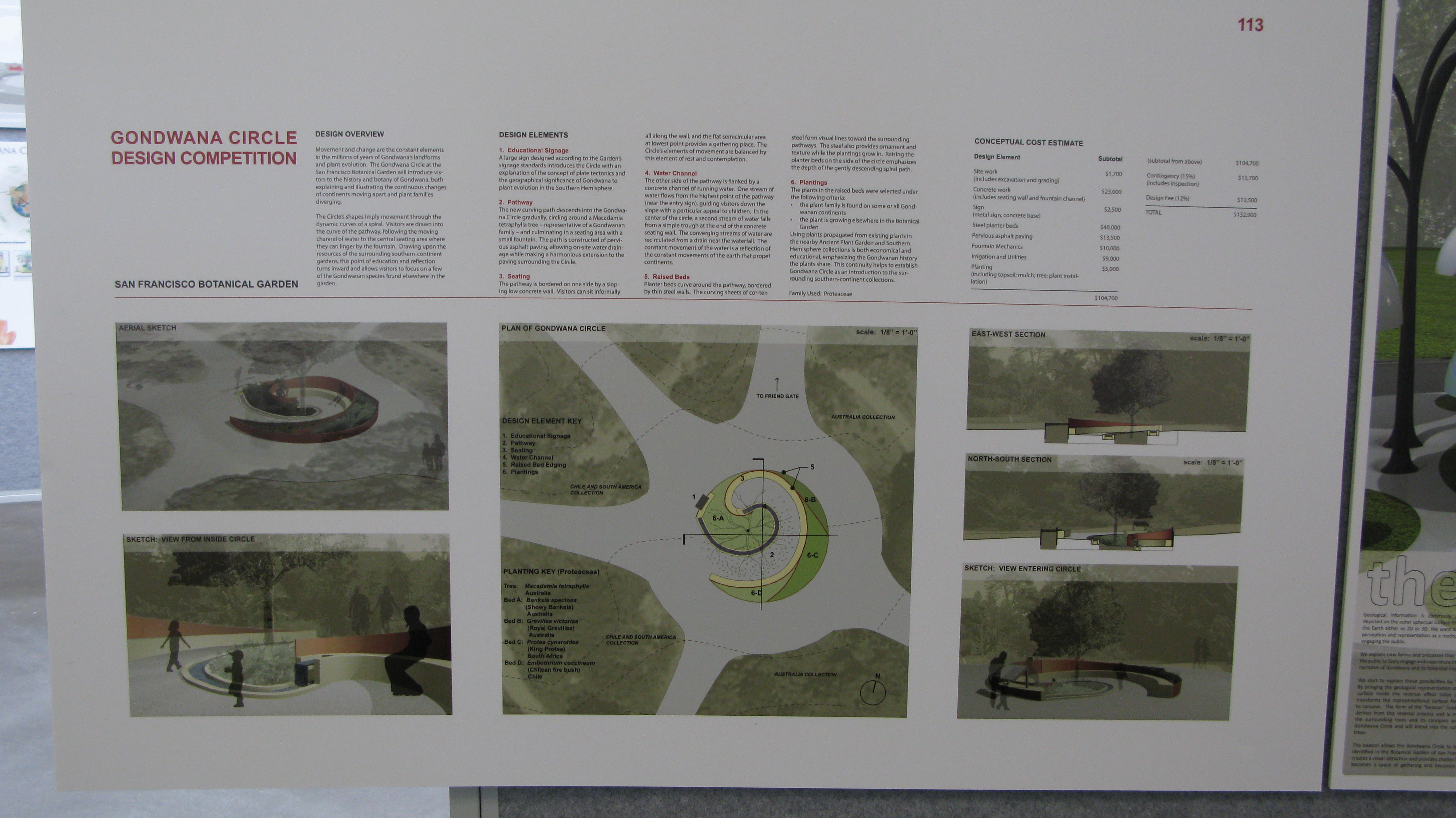
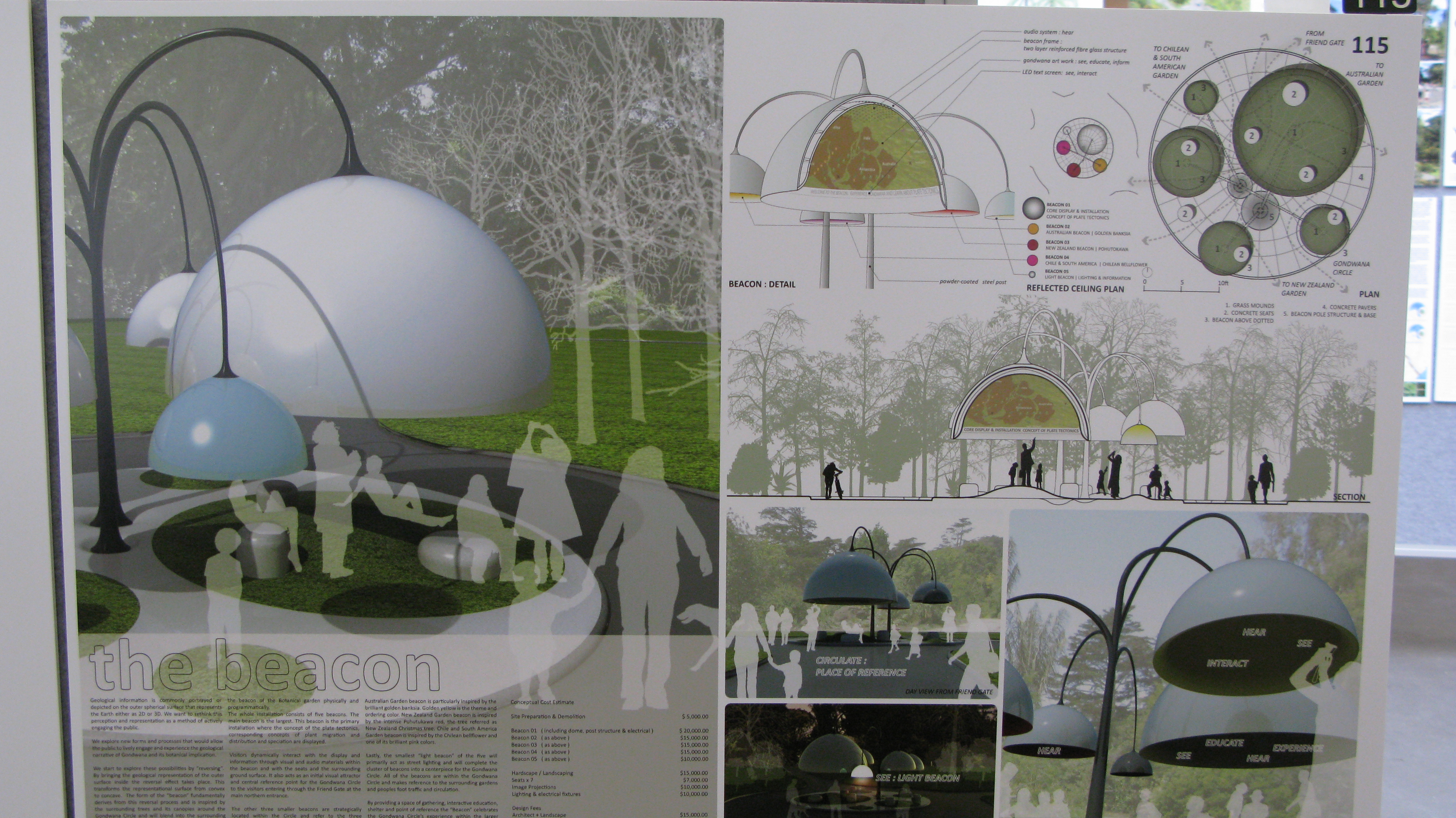
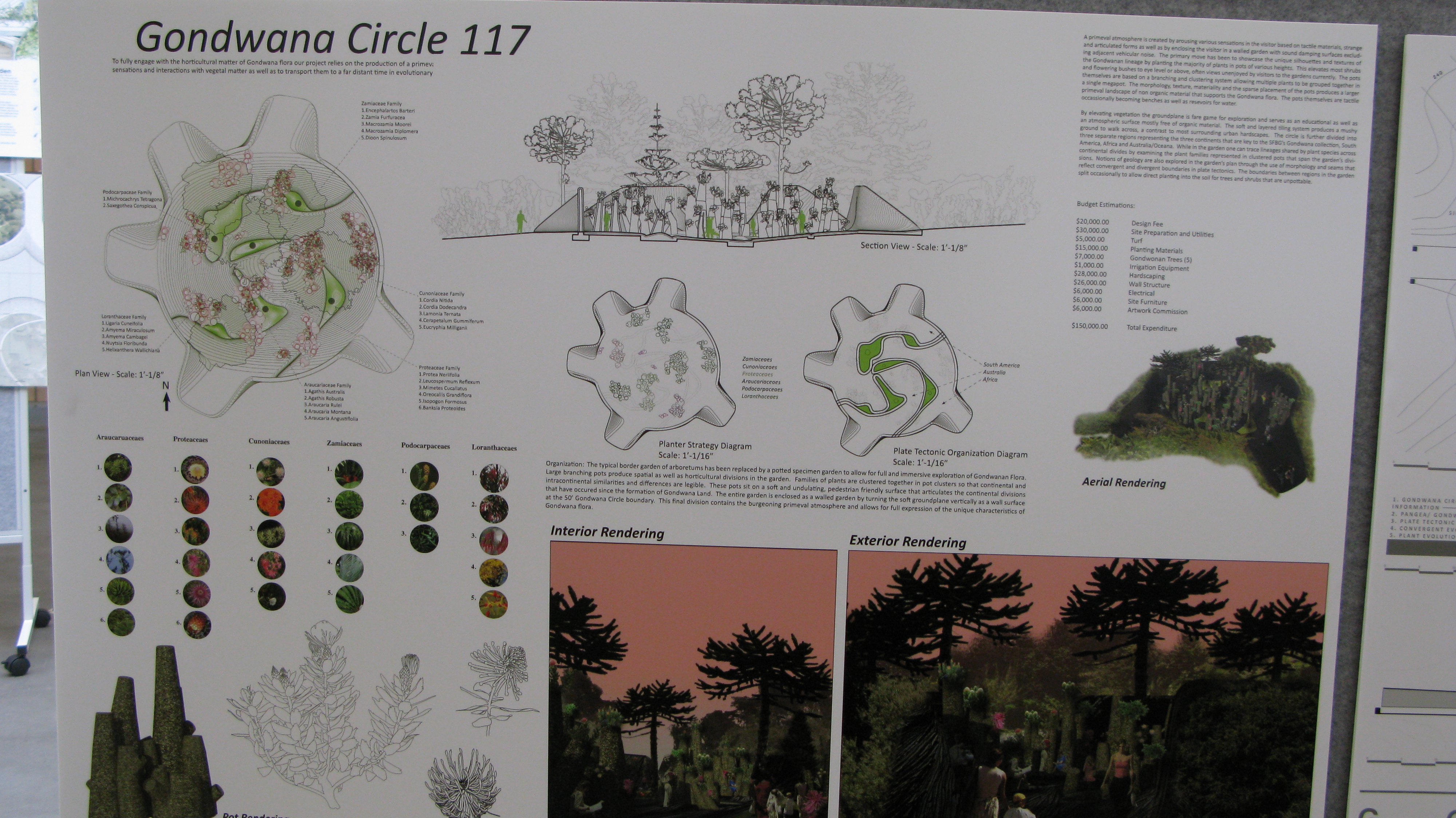
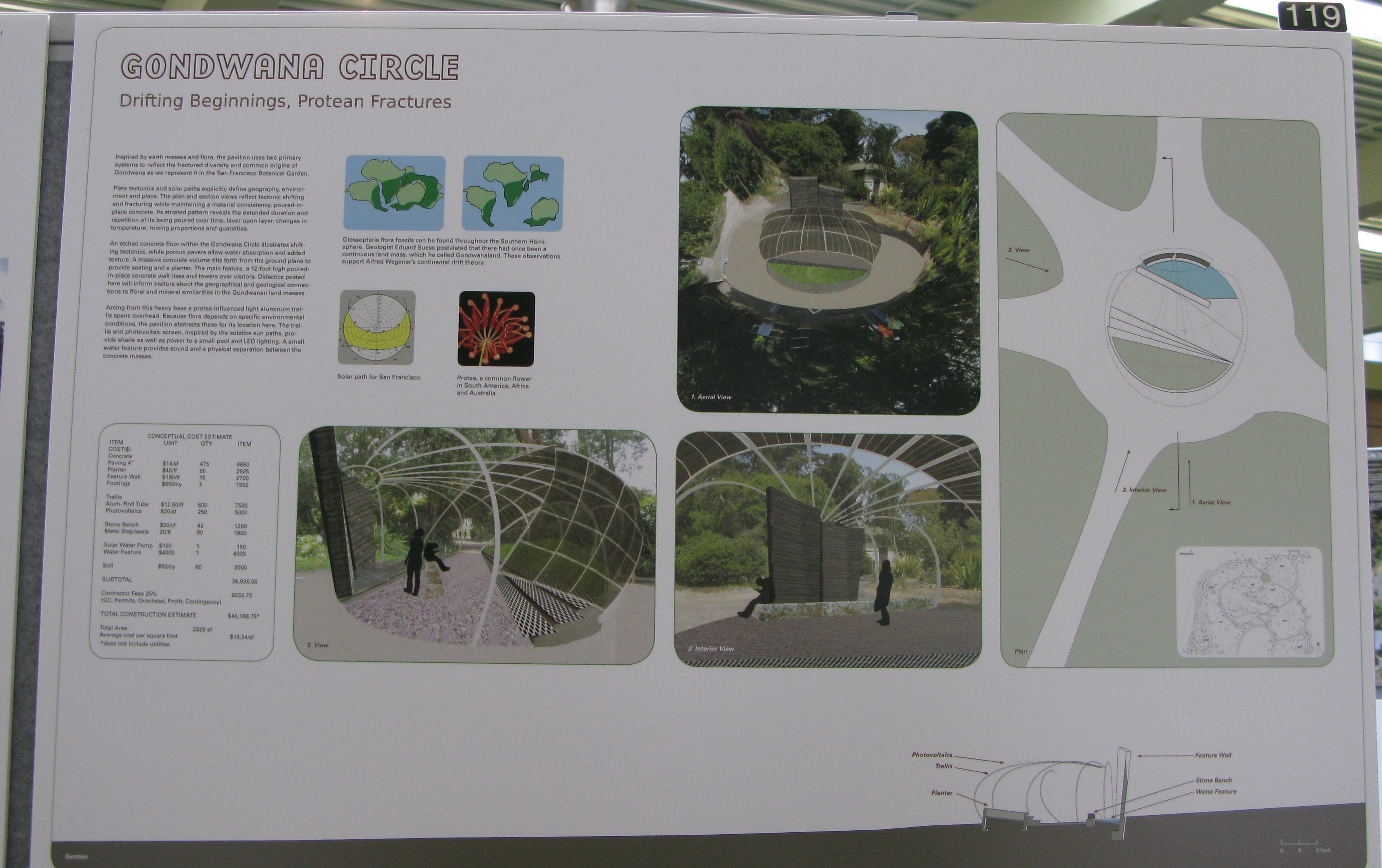
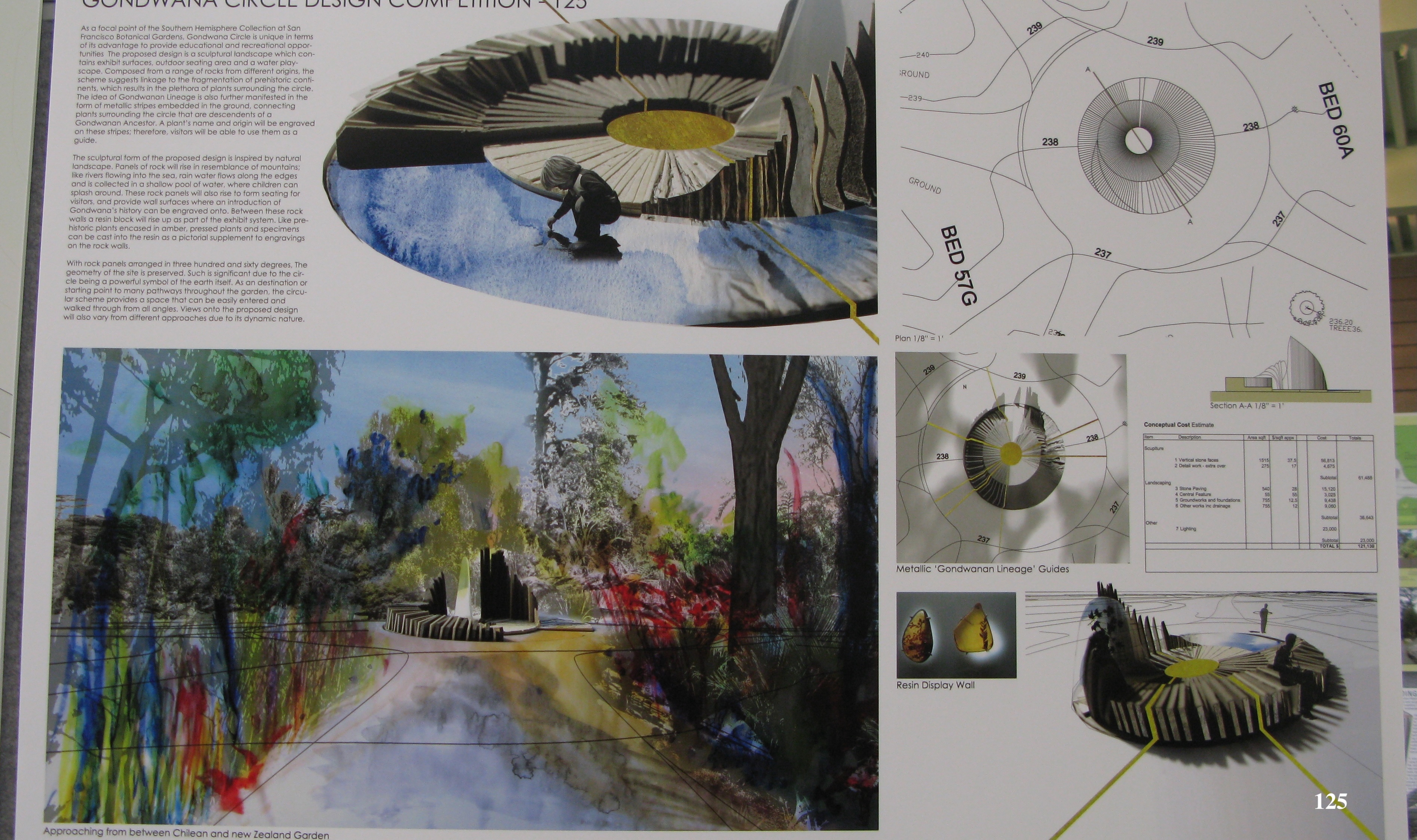
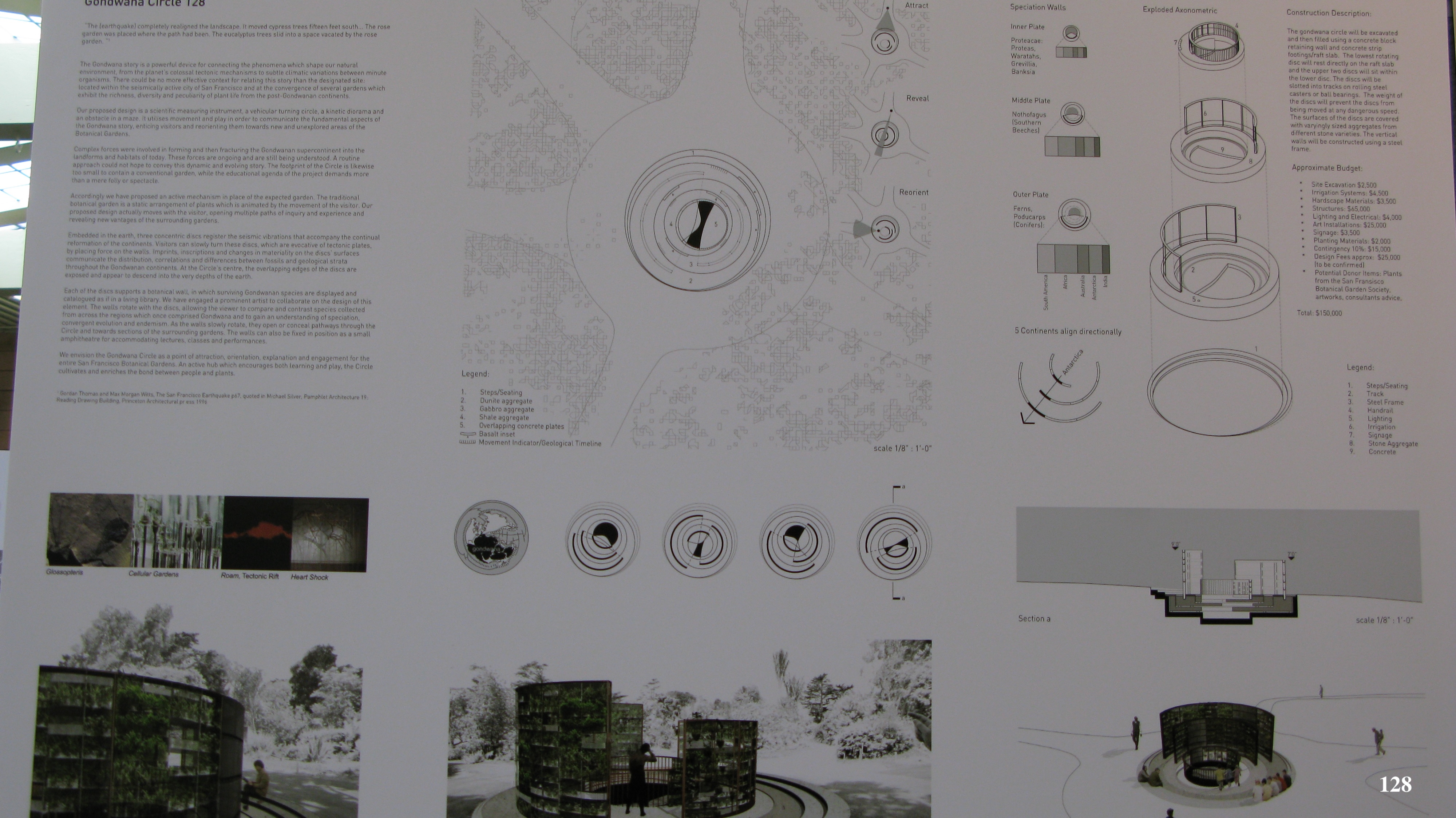
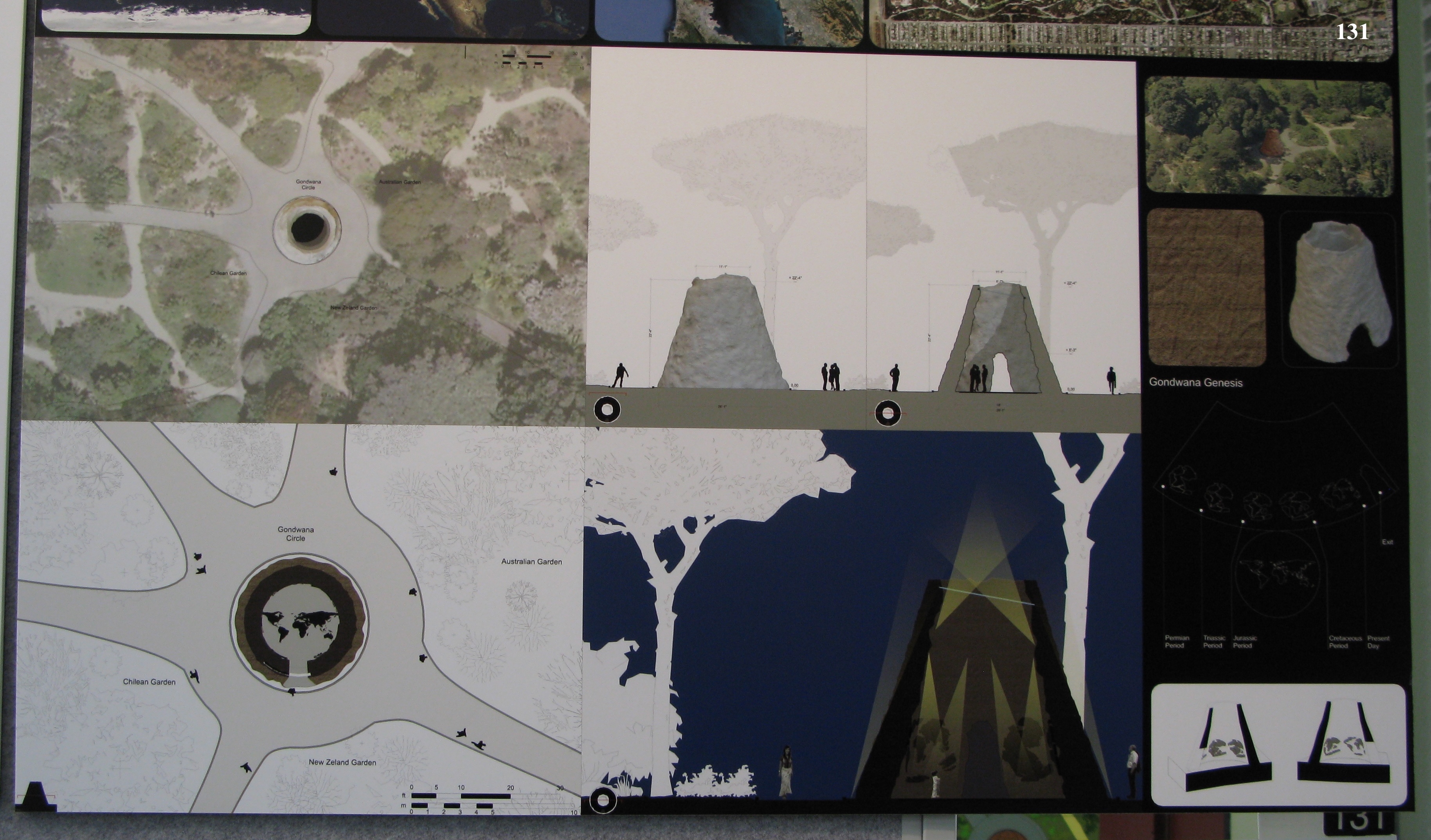
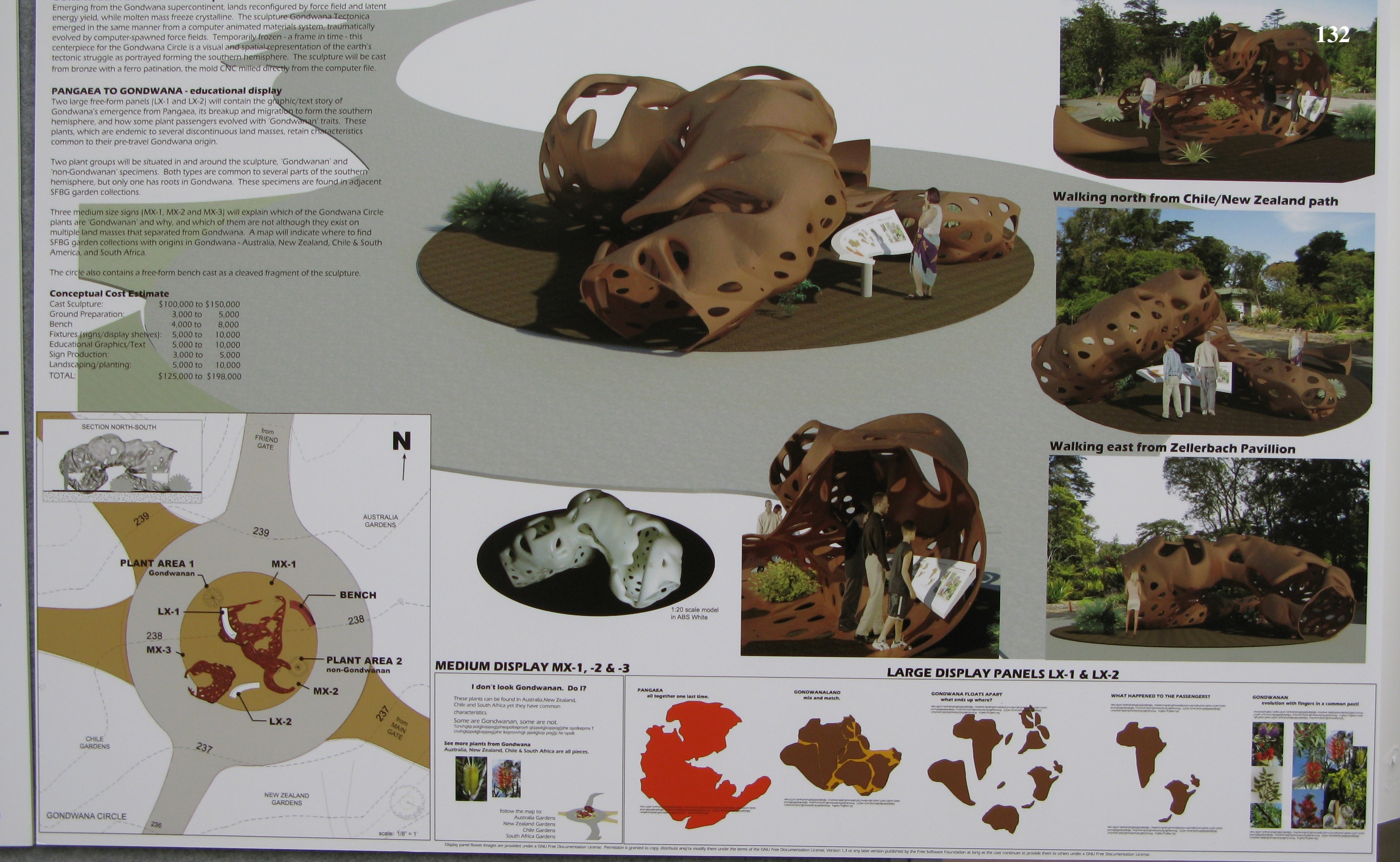
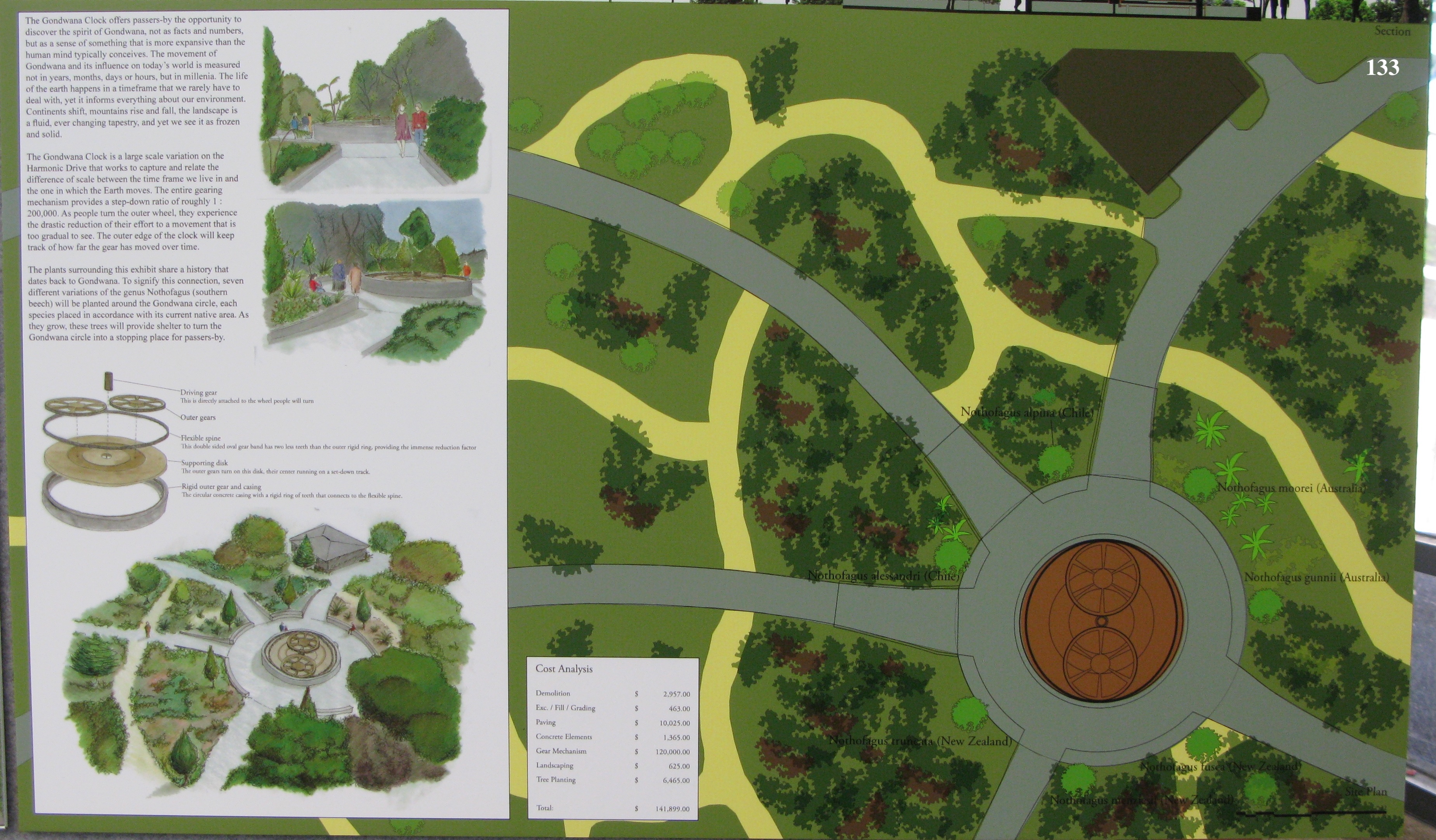
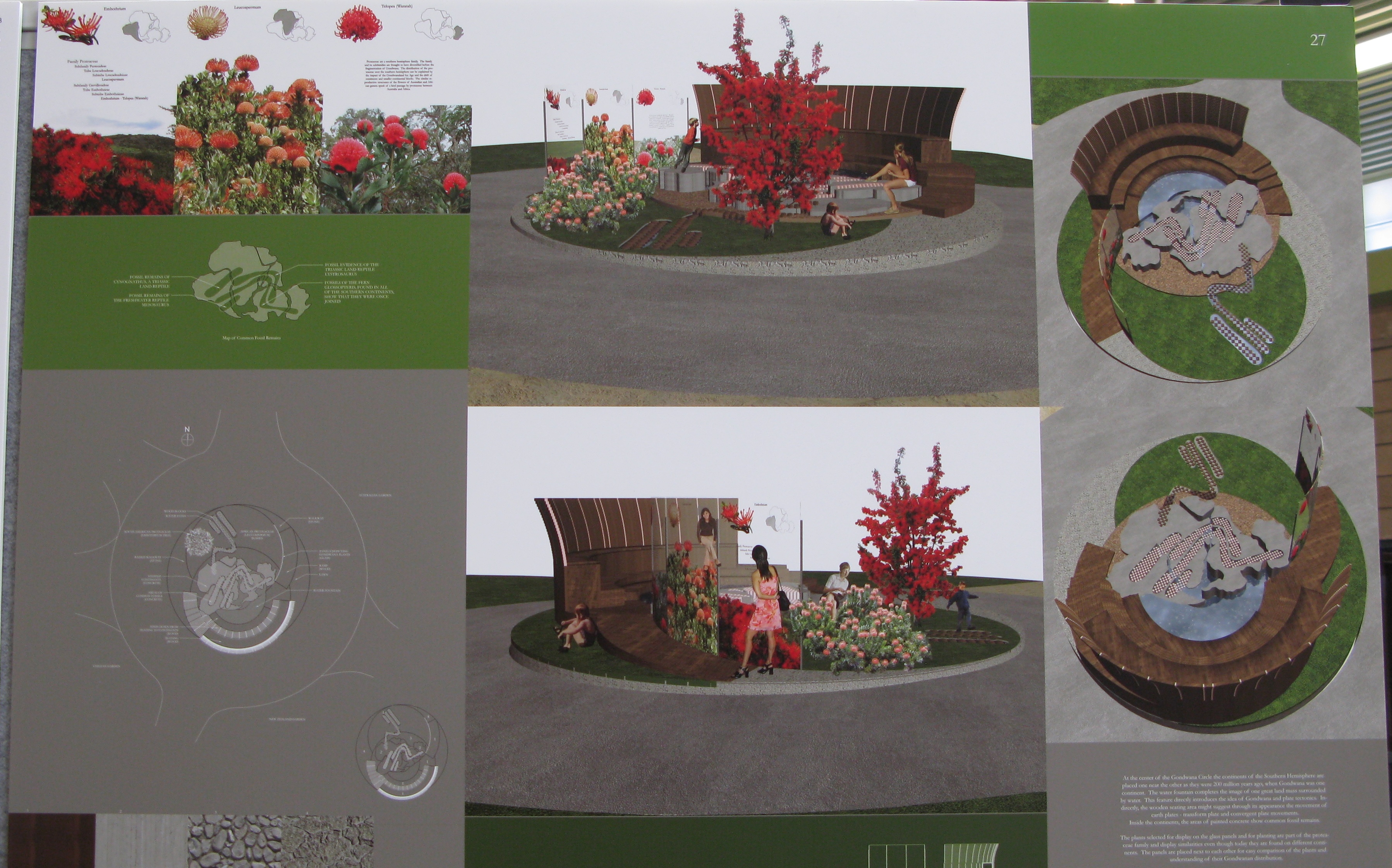
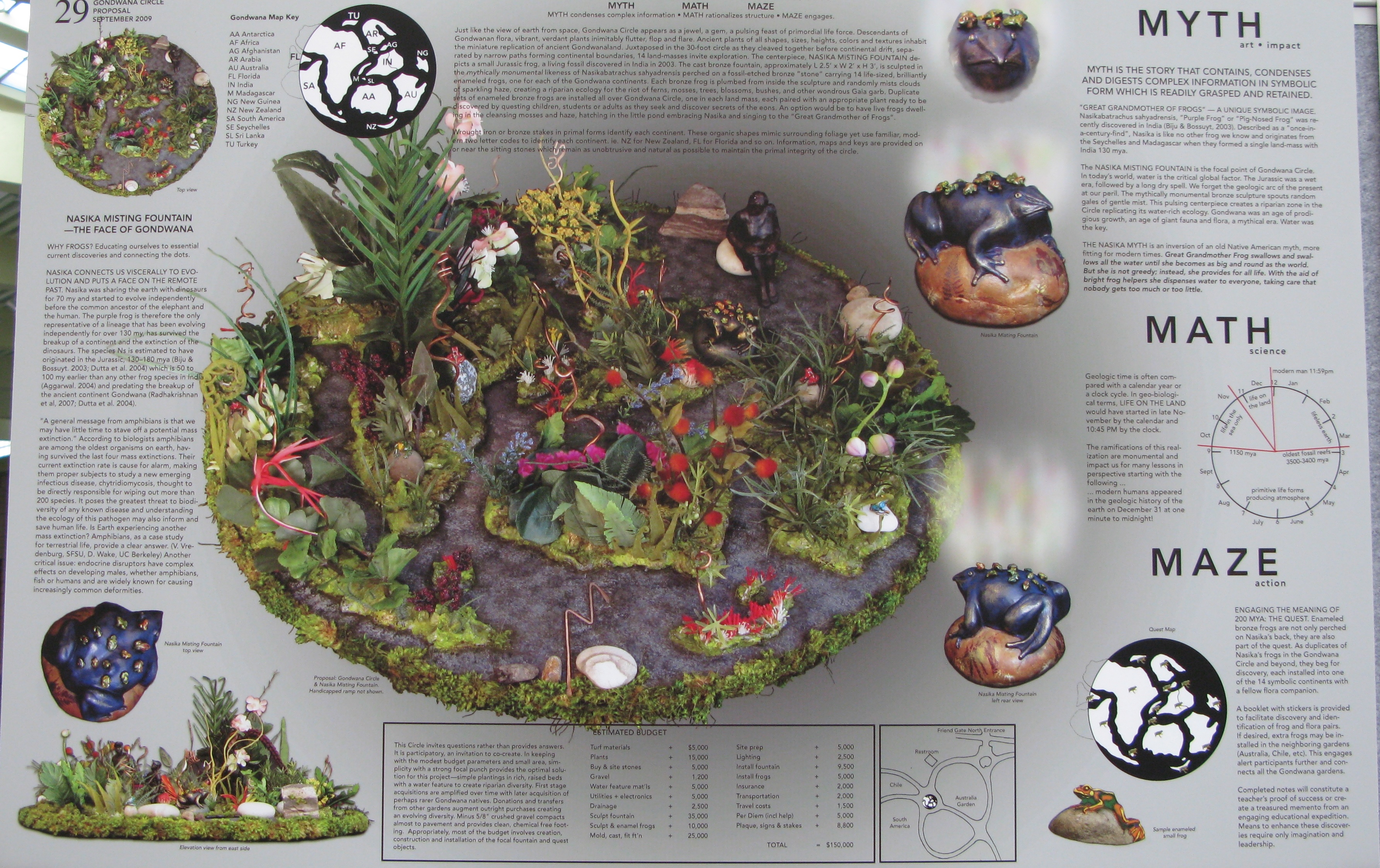
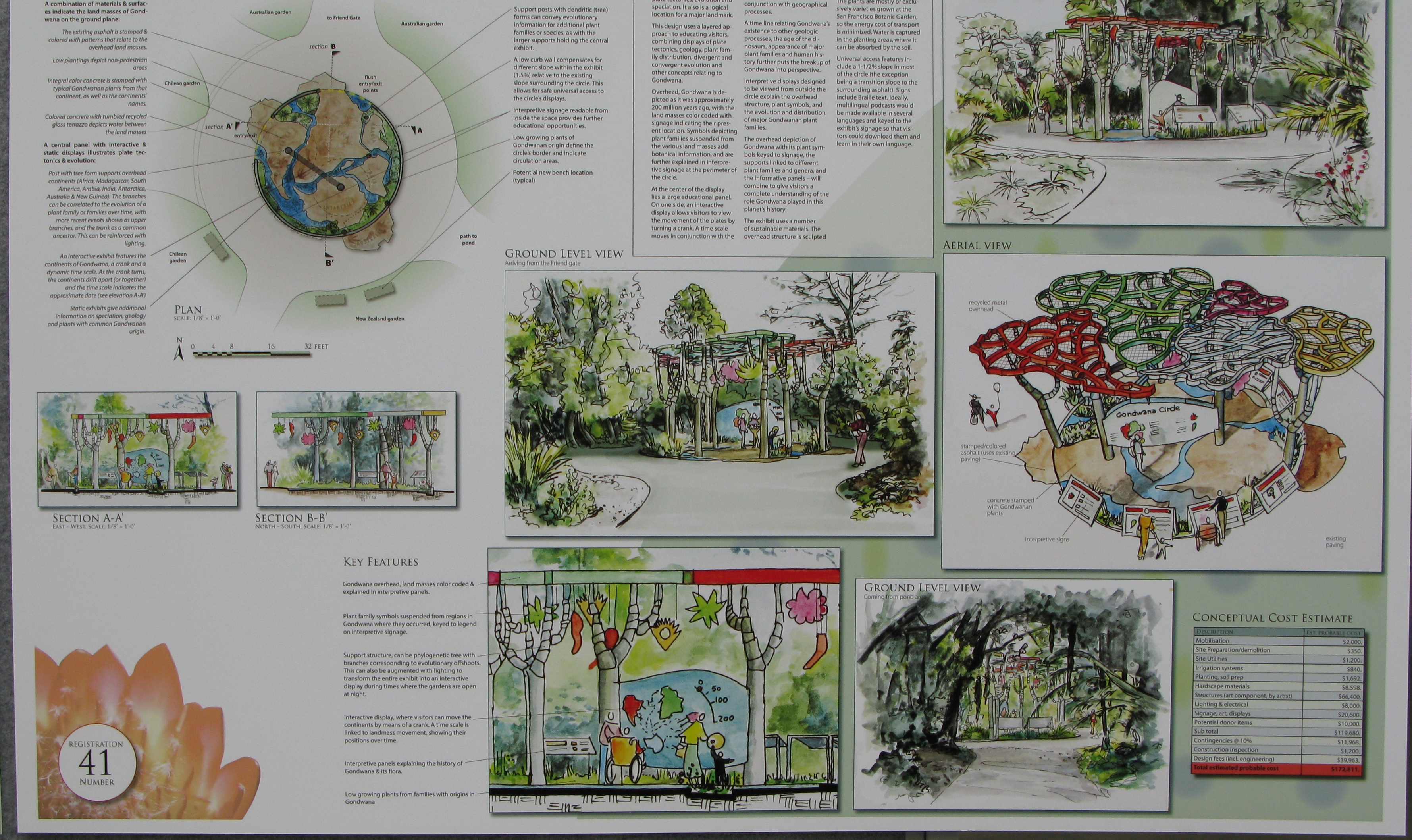
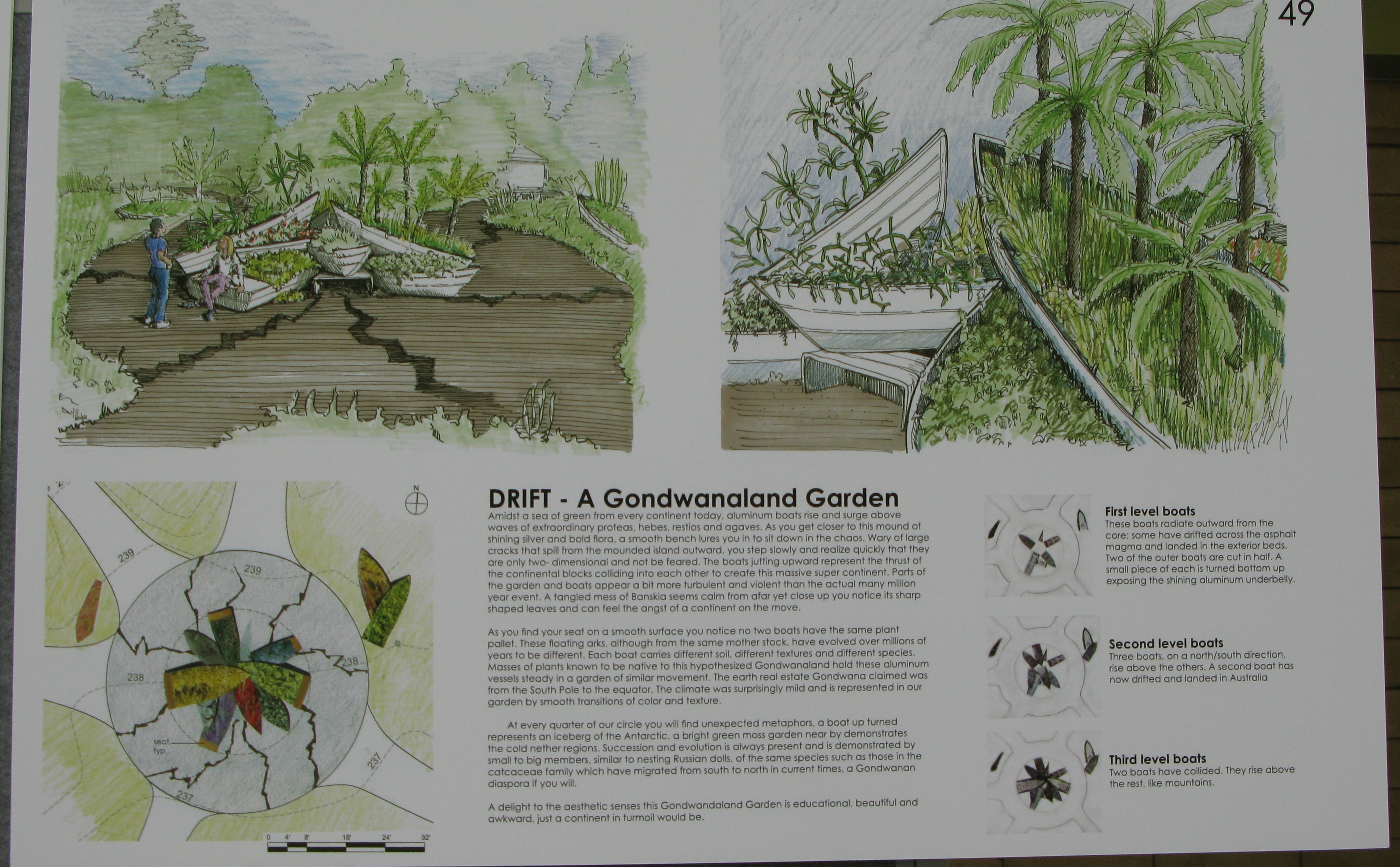
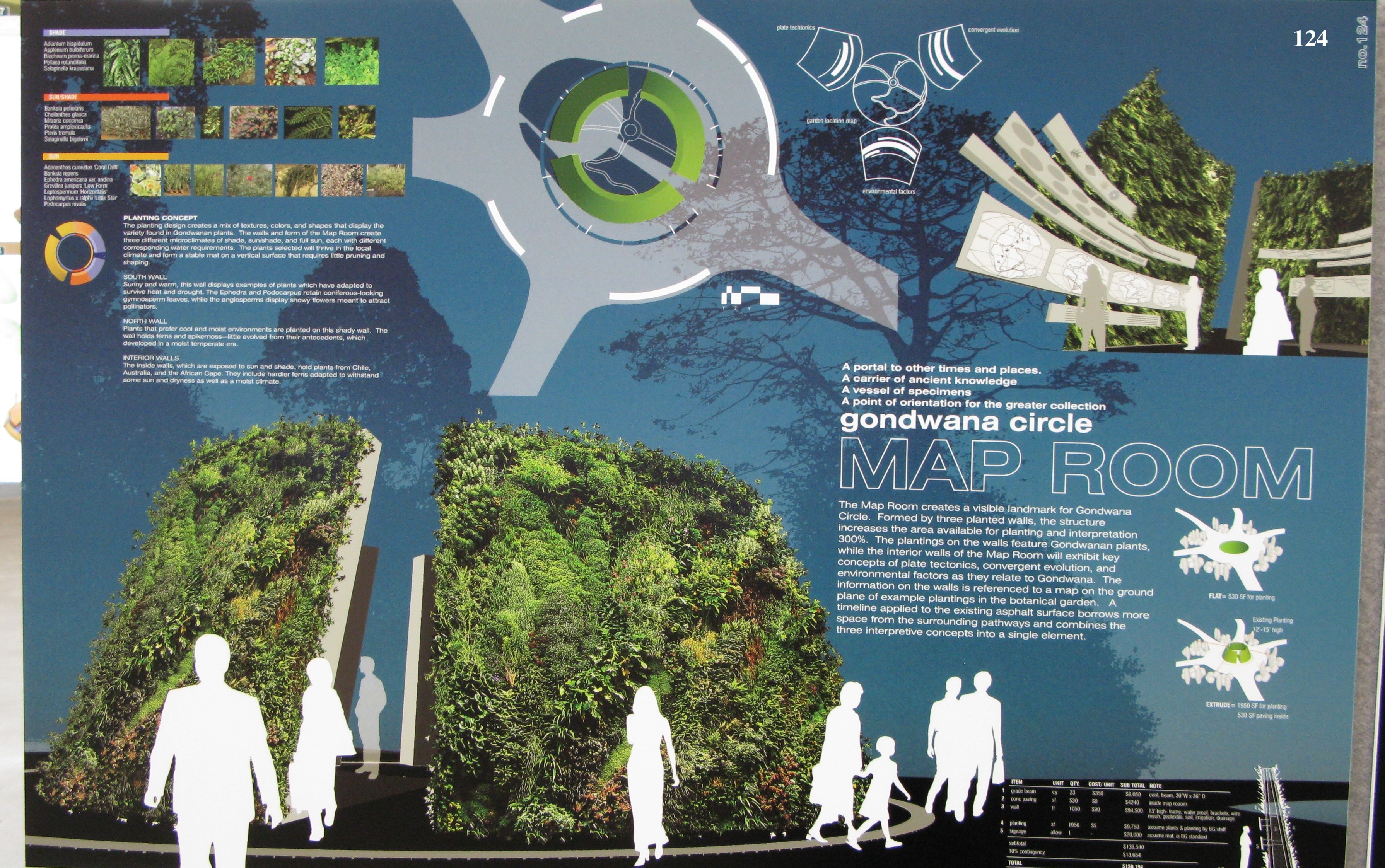
“We use these plans as a teaching tool in our landscape design class. We use them for discussion, critique, and to learn from the work of others. We apply the basic design principles of unity, scale, rhythm, and balance to understand the design process, what works and what doesn’t work over time in an outdoor space. And glimpse how the initial design is just one facet of an undertaking that includes further fine tuning, grading and drainage, irrigation, right plant right place, care and maintenance, and labor labor labor.”
To add to this, I would tack on the following, for those of you engaged in the creation and dreaming of outdoor spaces and gardens. The goal is to bring together the disjunct worlds of design, construction, and maintenance. Enjoy and appreciate what makes a garden so special. And honor the earth and all her creatures. In order to do so…
You have to spend time in a place, sink into the ground, be close, get to know her, if you want the design to hum like home. Yes you can use stats and data and sensors and monitors and surveys and spreadsheets, they are okay. But you also want to cultivate feel. Where the light dappling over the leaf tips is reflected in the light of your own being.
There’s more to architecture than hard structures that stick out and last for centuries. There is the architecture of the plants themselves in community, and the architecture and vibrancy of the people that inhabit the space. And if you believe in or can sense spirits or energy frequencies or shared synchronicity that would comprise another facet of ‘architecture’. That is the unseen that radiates and synthesizes and skeletonizes that which is visible to the eye. The architecture of light and particles, reflection and immersion.
If you have never gardened yourself, except in resumes and weekend workshops and sustainability regenerative bioregional holistic genuine certificates, it is very hard to know what to plant, how to plant it, or how the plants might even work together. You will relegate ‘plants’ to the low rung of the design process, a minor detail if important at all, a make-little-money aspect of a much larger grander bolder vision. If you have never heard birds sing or had a salamander in your hand and a slug on your lips, you will not be able to incorporate any of these aspects into your garden and it will be as if you went to school and all you did was work and no play no recess no friends no laughter.
When you communicate, it is fine to use words nobody quite understands, paragraphs which twist and turn and stretch on to no end, blocks of text that stack heavily one atop another. This is part of being professional or academic or intelligent or clever or cunning or something rather that you learn in the highest echelons of any institution. Each realm and sphere has their ‘language’. The more layers between you and whoever, that is insulation and protection and camouflage and subterfuge and obfuscation and obstruction and specificity and technical and more. It kinda has to be that way. Well nature has that too, an endless web of intricate interdependent symbiotic parasitic scatalogic relationships. But sometimes, in your design plan, it helps to be simple and direct. Then you can start to have an honest conversation with the contractor, or the client, or the site. Engage in a little back and forth on the same level, speaking plain understandable English. A chat over tea or coffee and pastries to discern where each is coming from and going, and then growing the whole thing together in an organic way. Opes, I did say organic. The is a fuzzy word which means different things to different people, it is loaded and unloaded and offloaded and loses its meaning. Ugh.
Oh well, let’s get on with it!
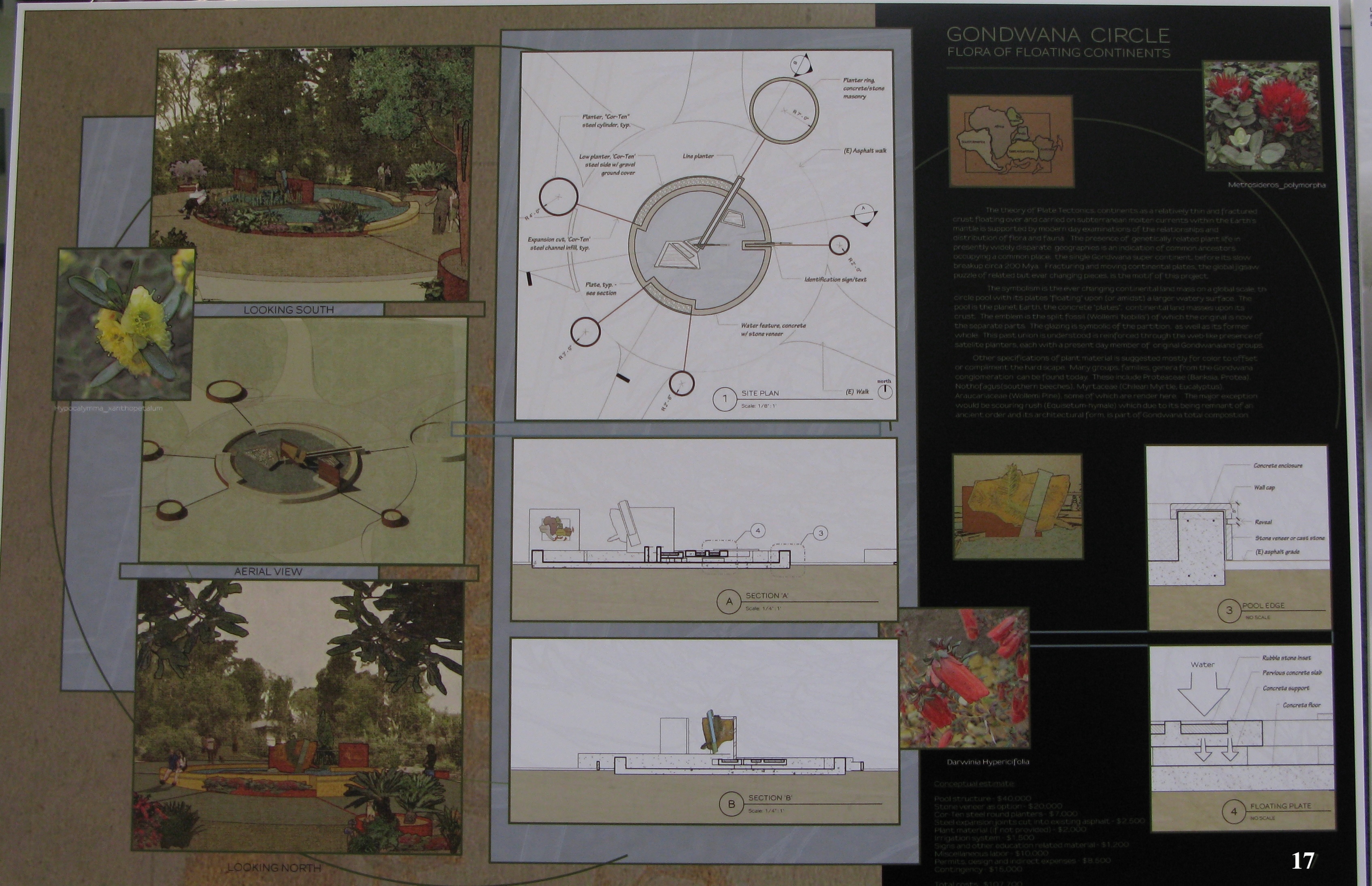
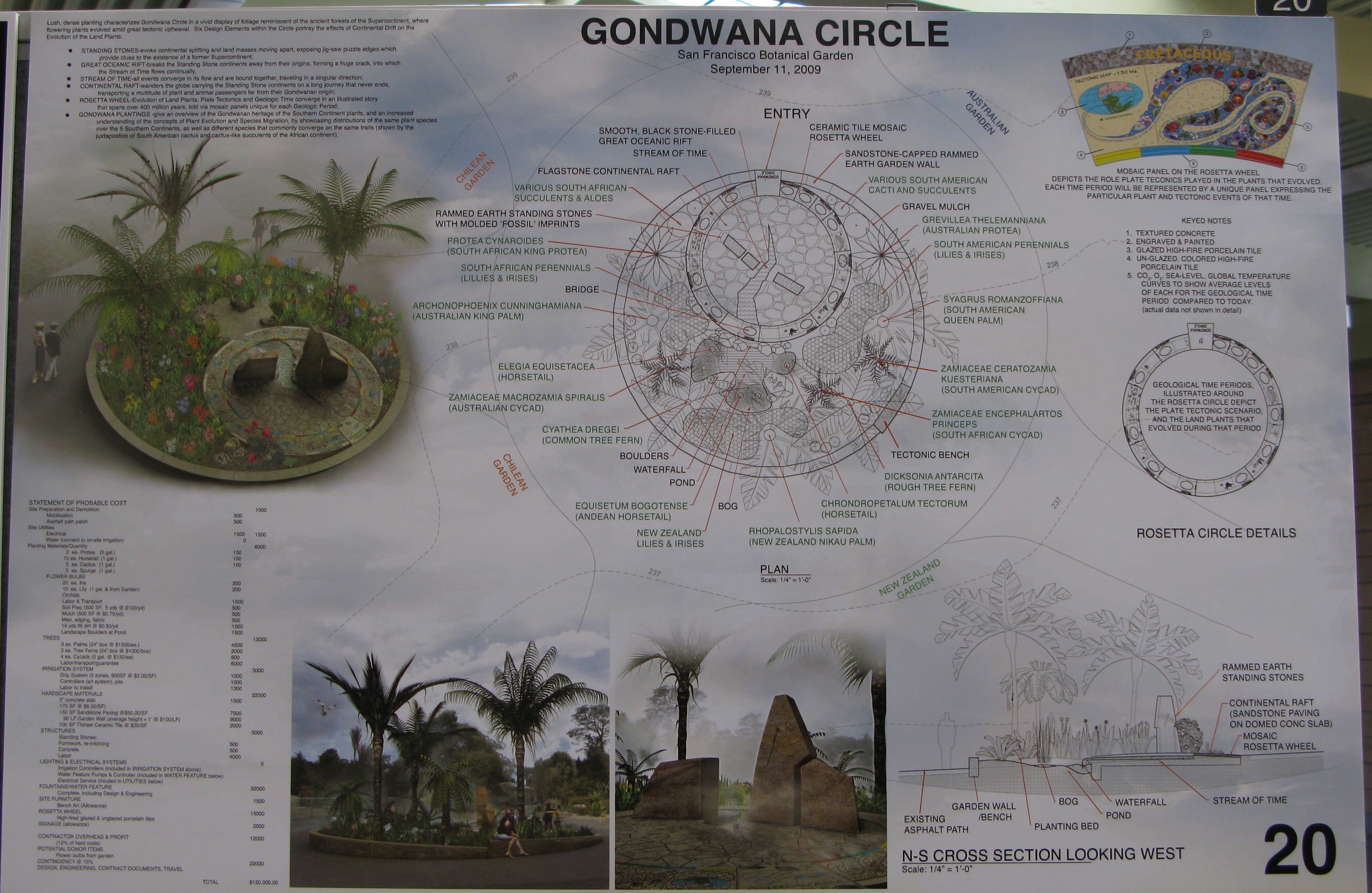
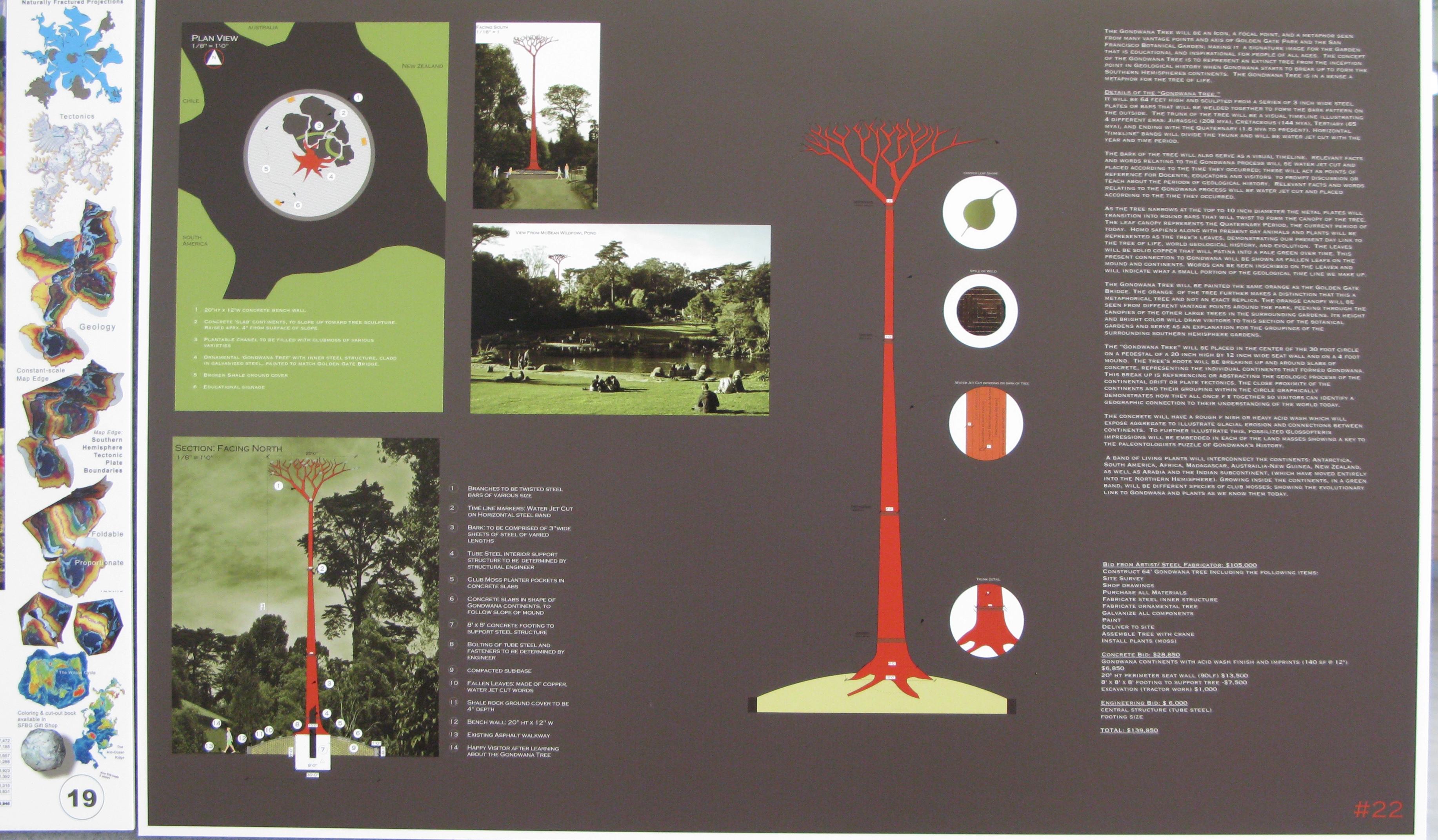
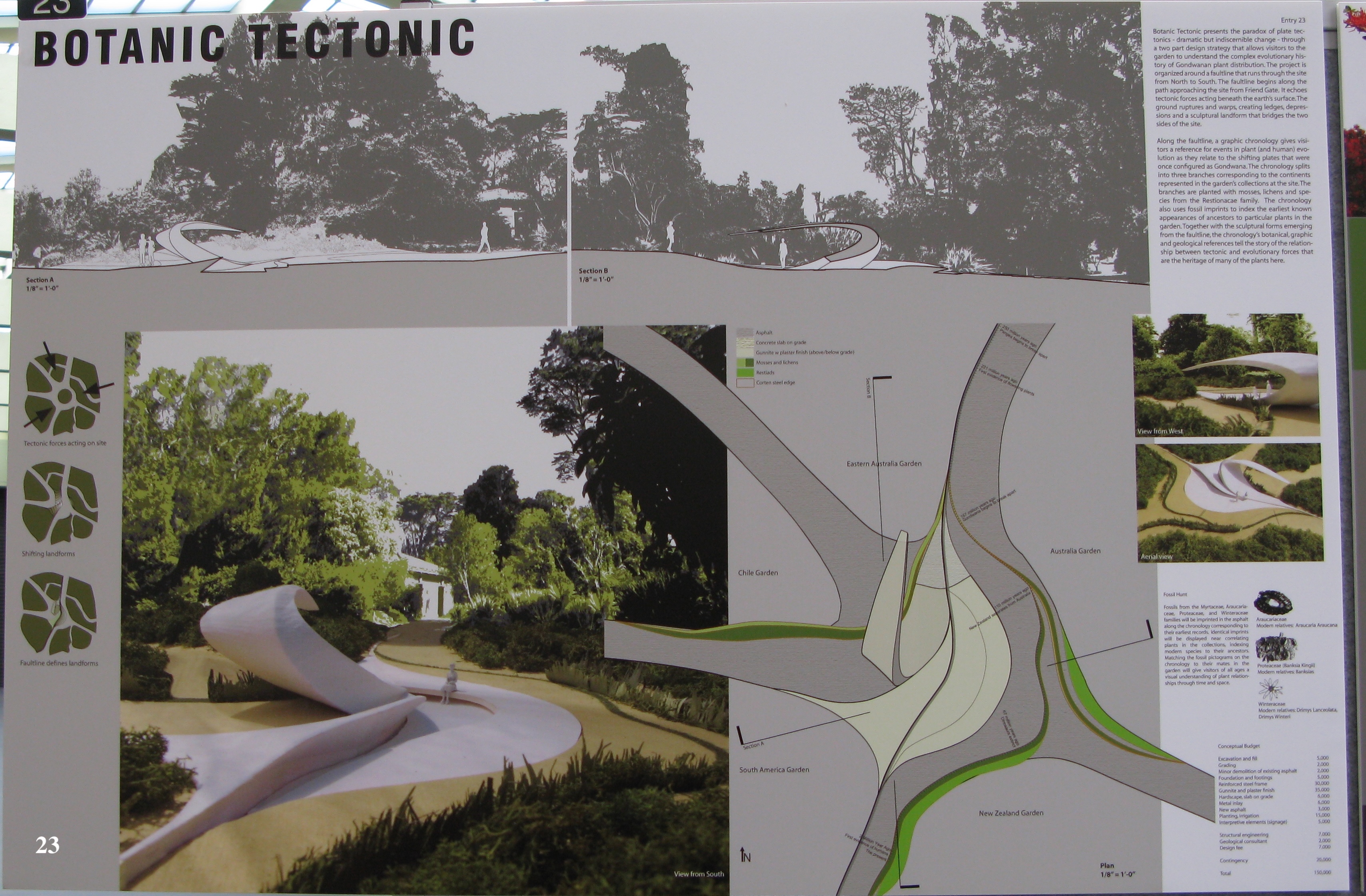
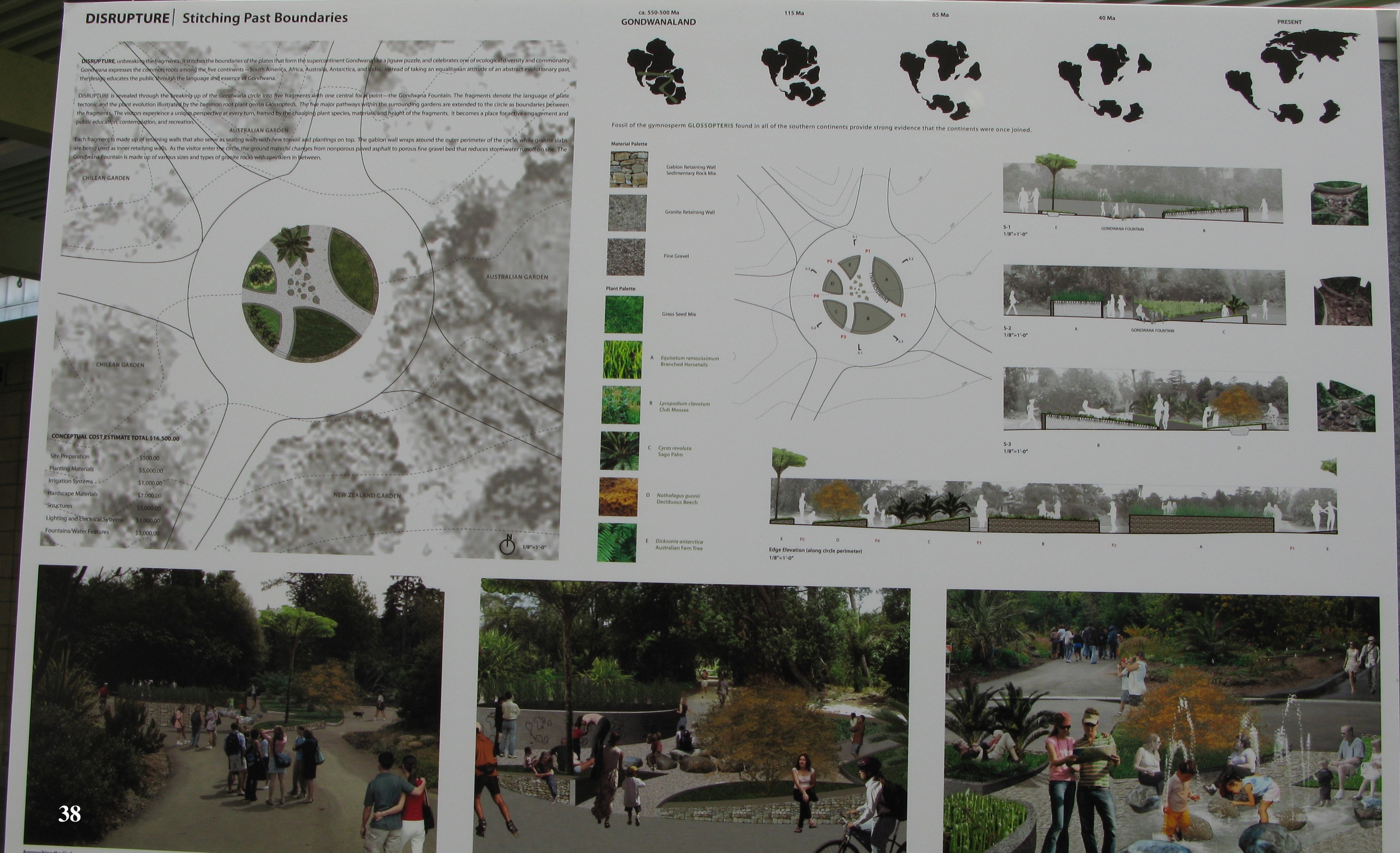
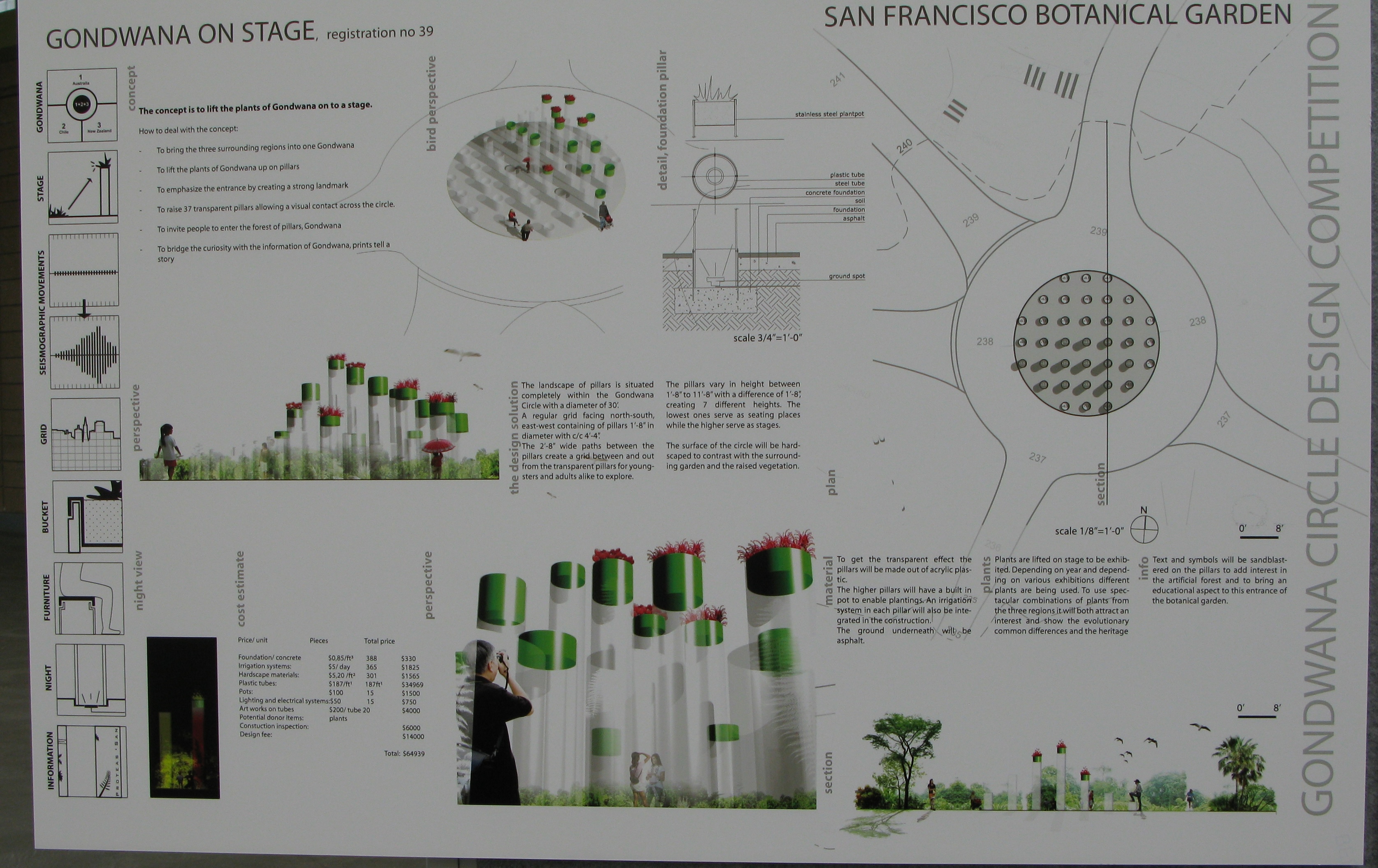
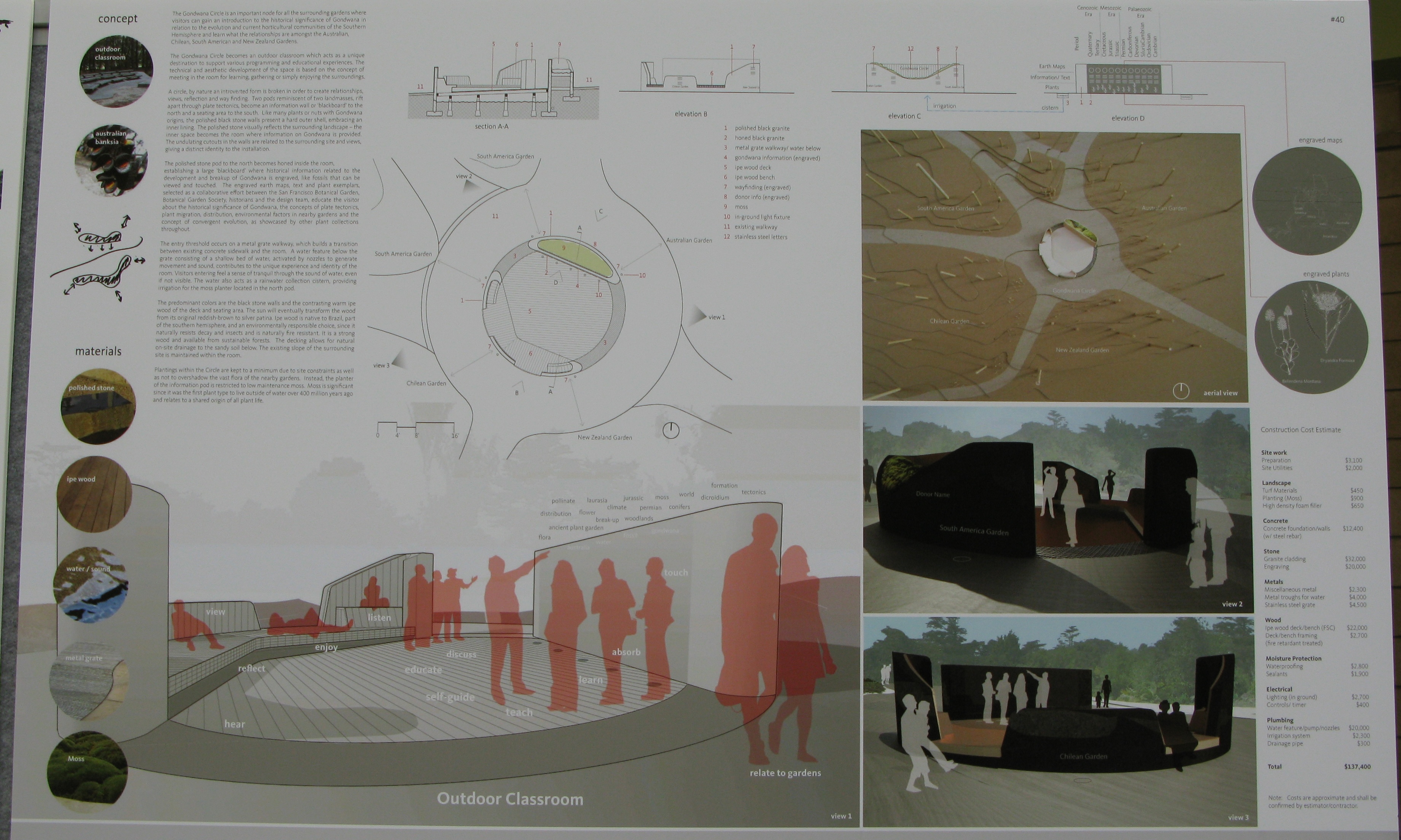
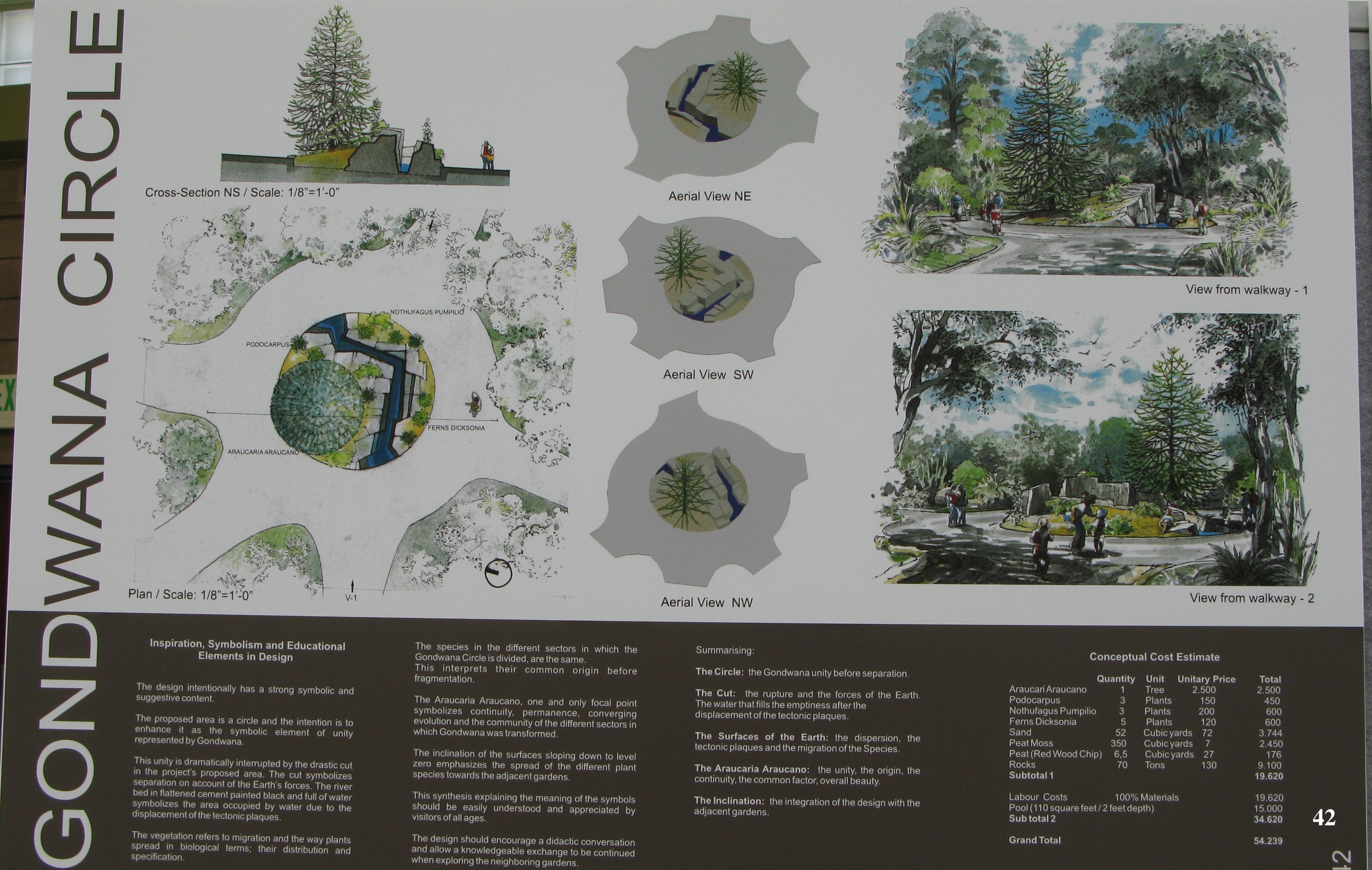
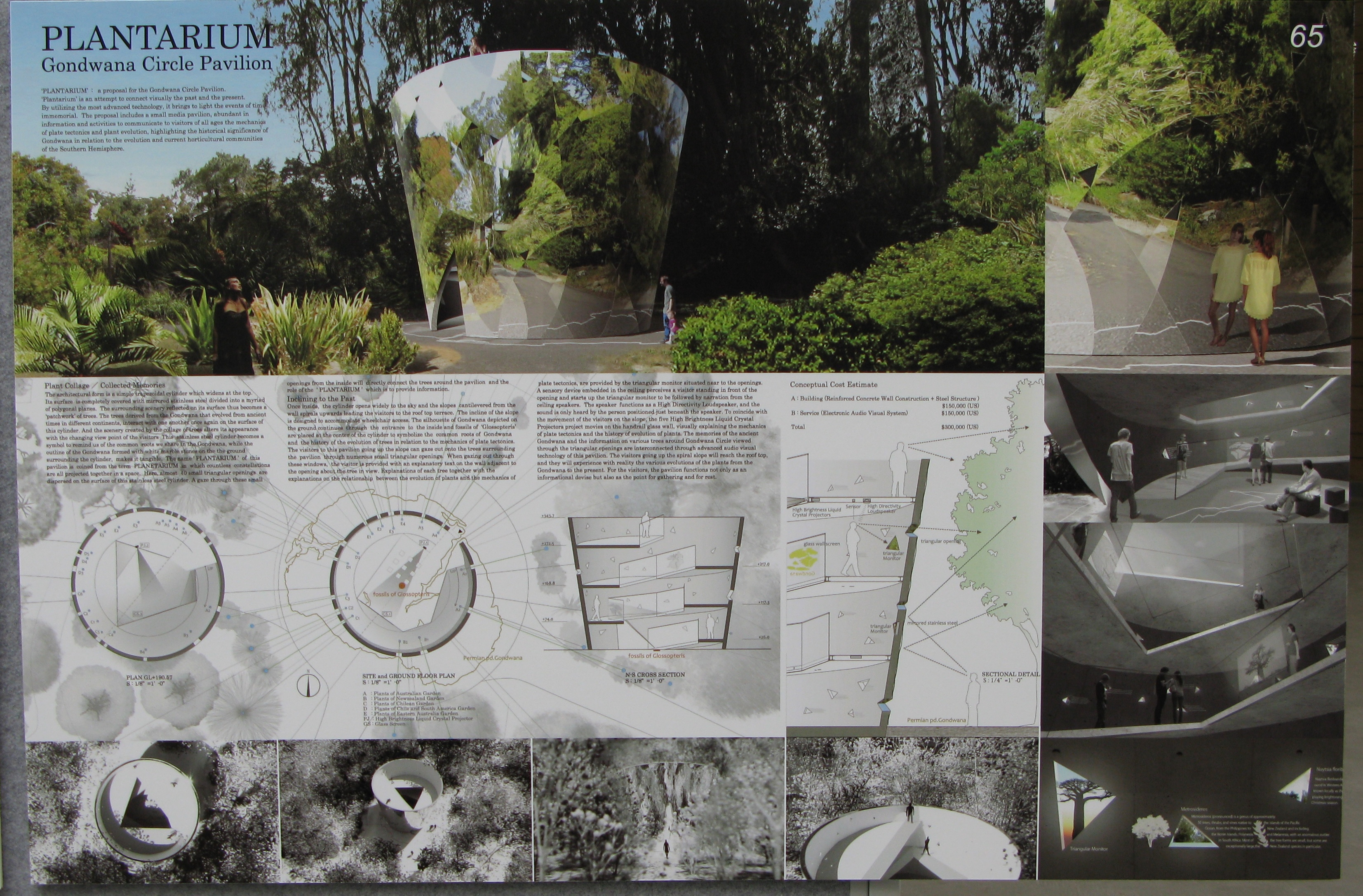
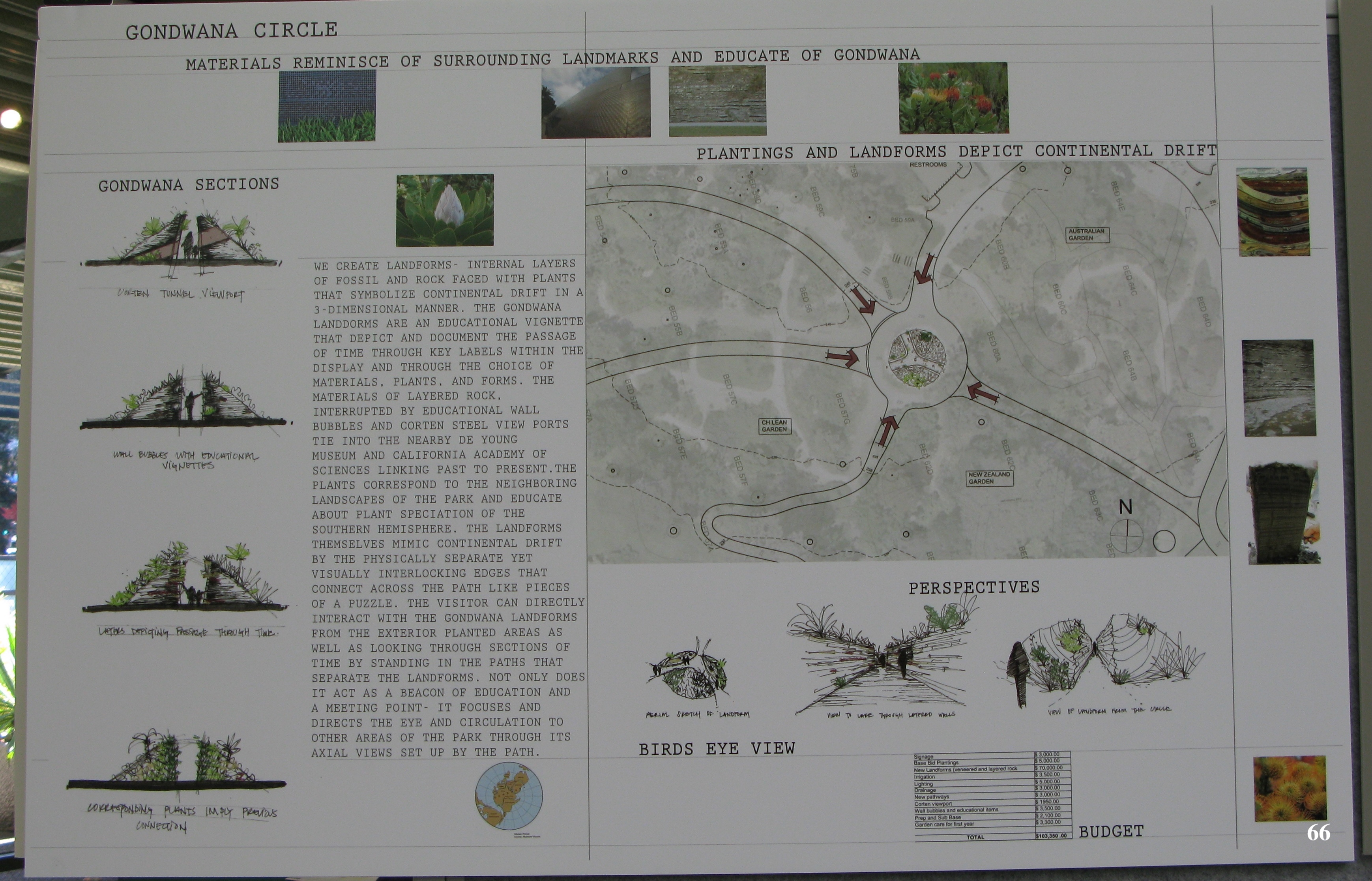
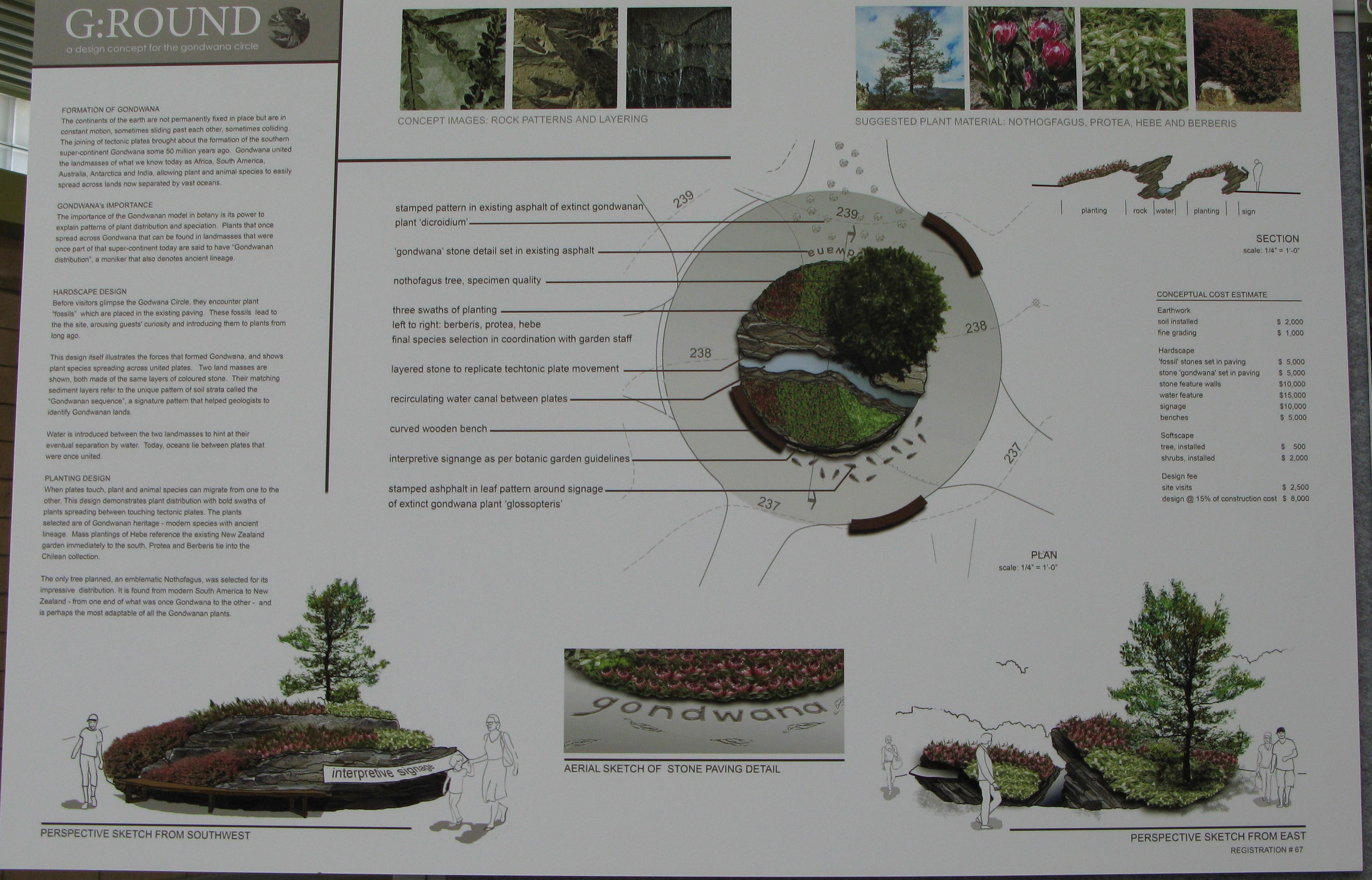
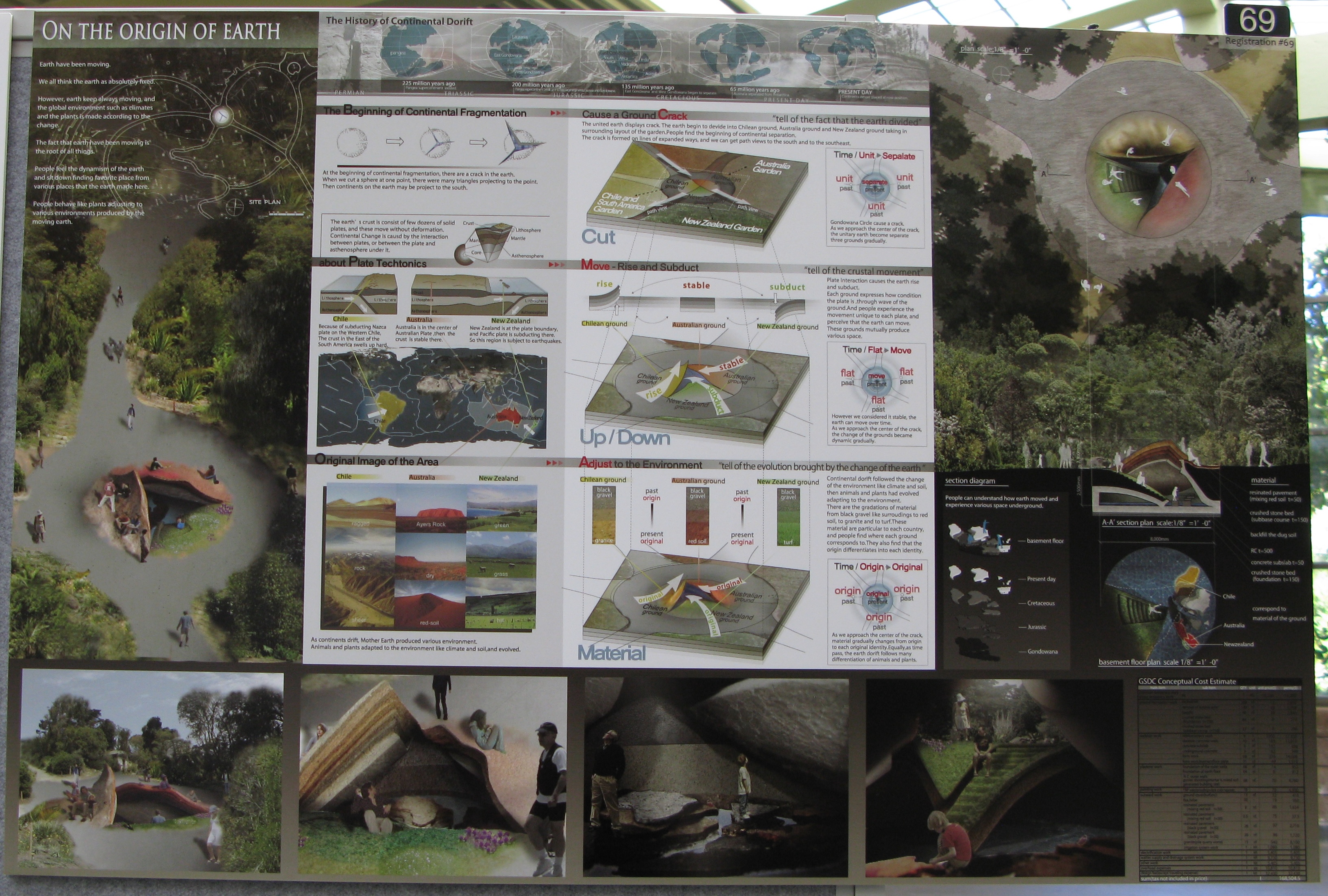
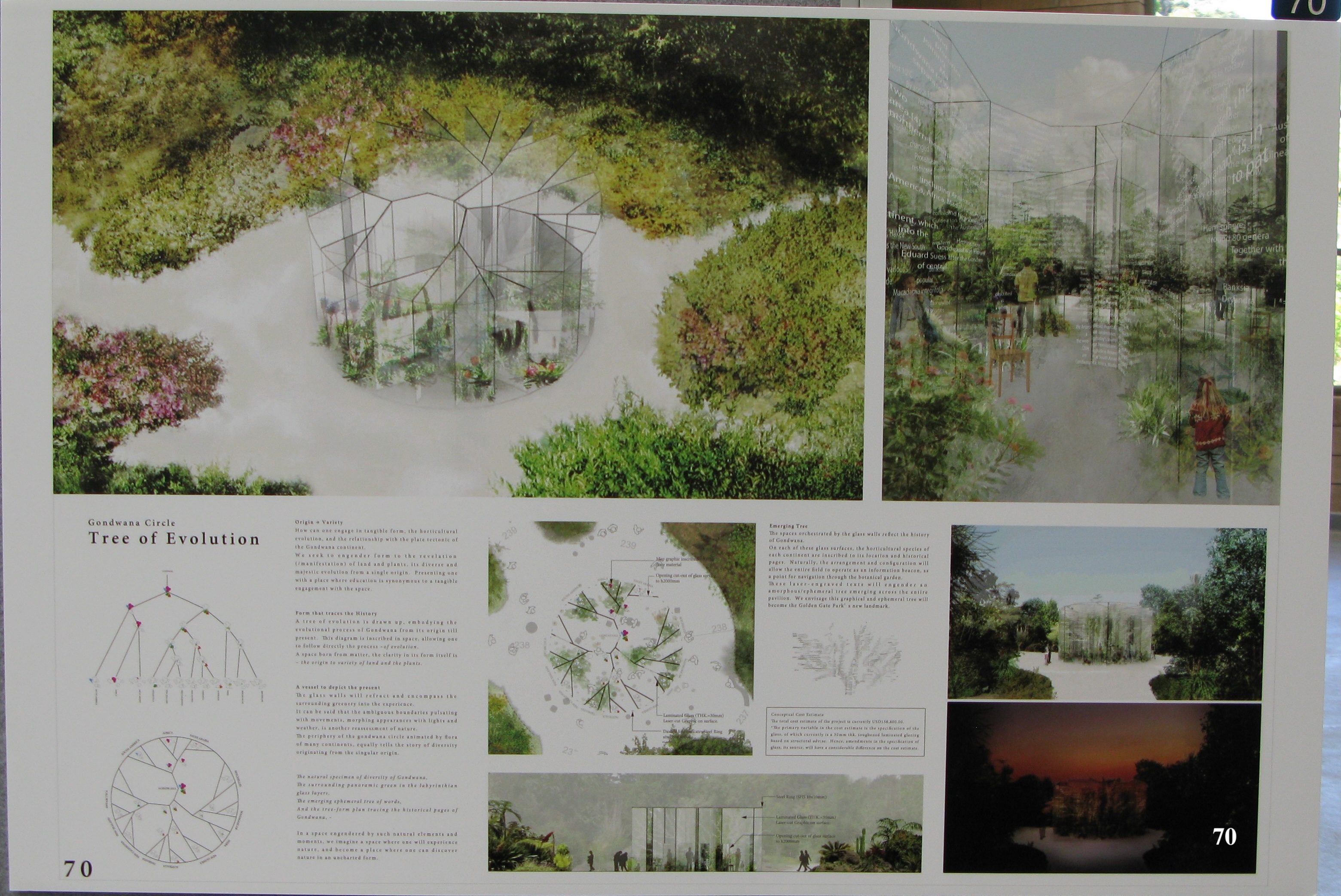
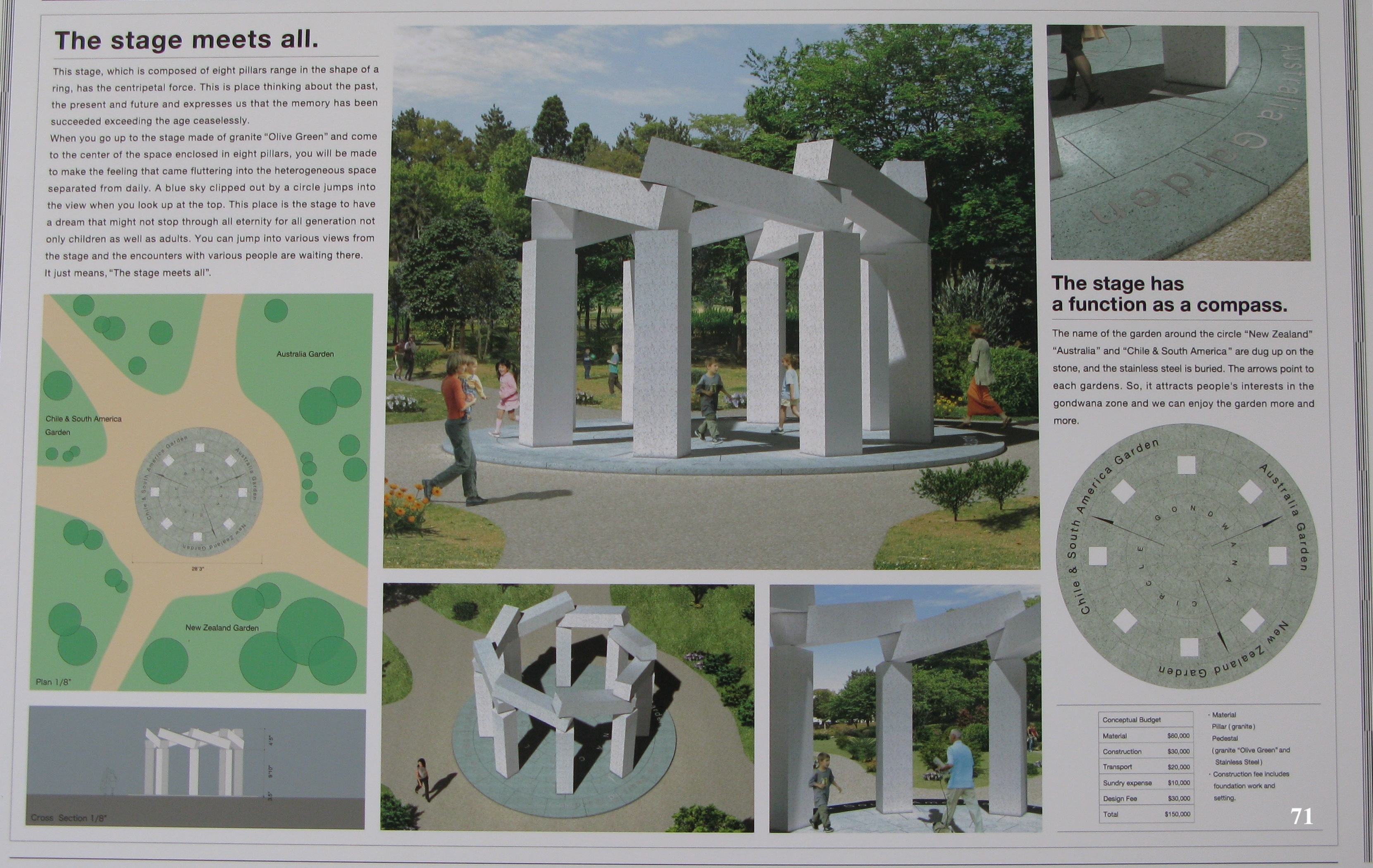
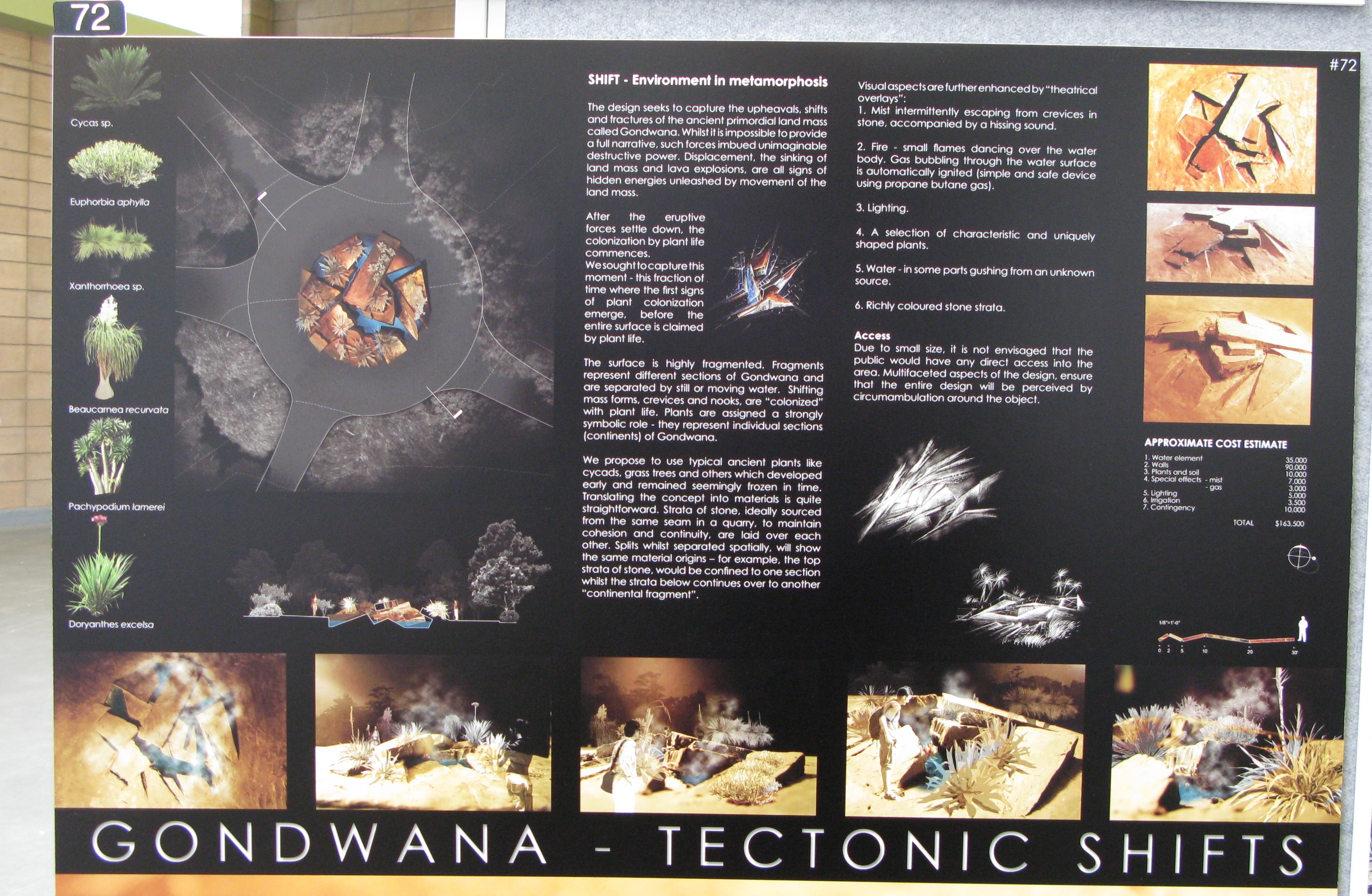
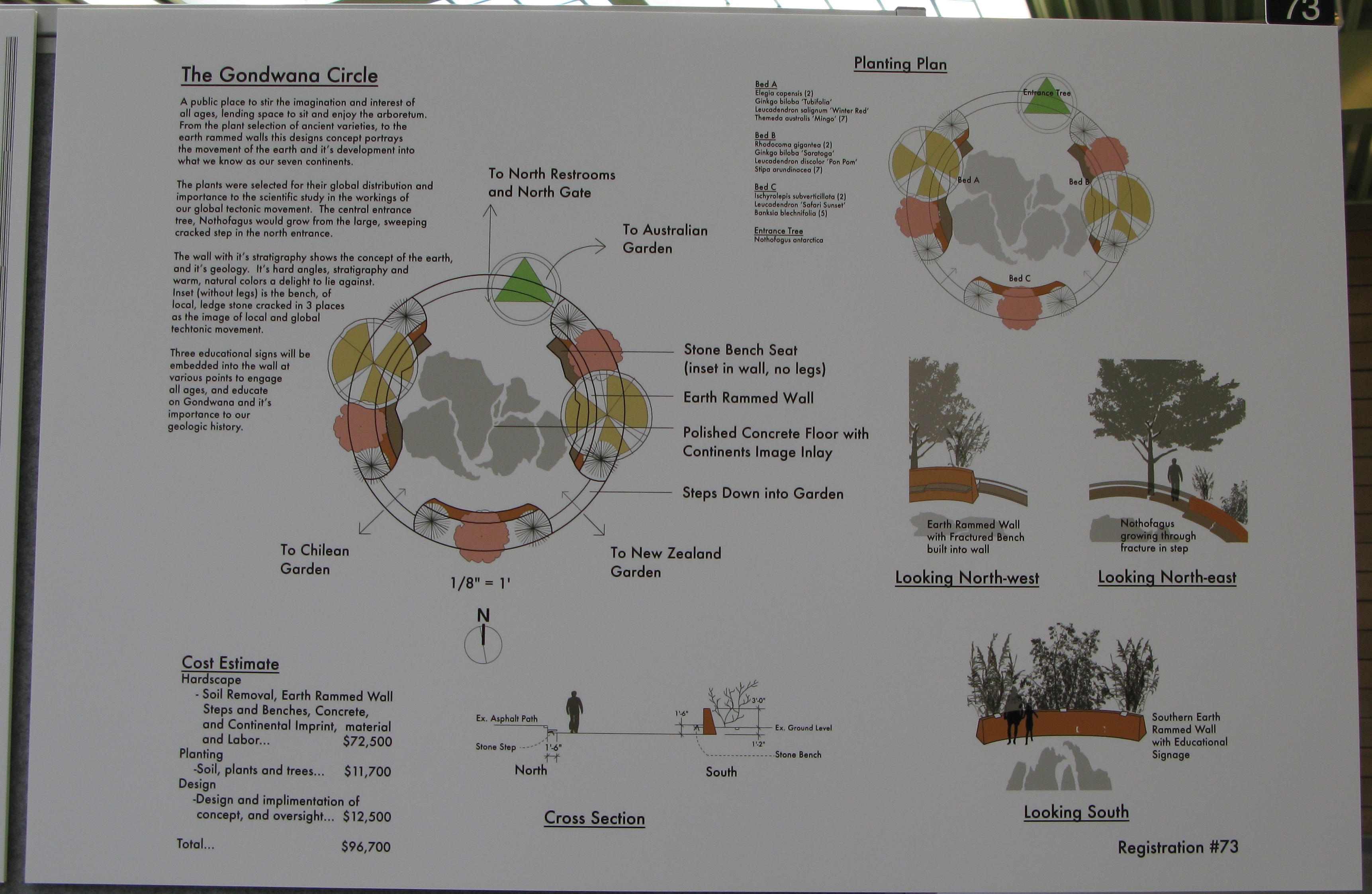
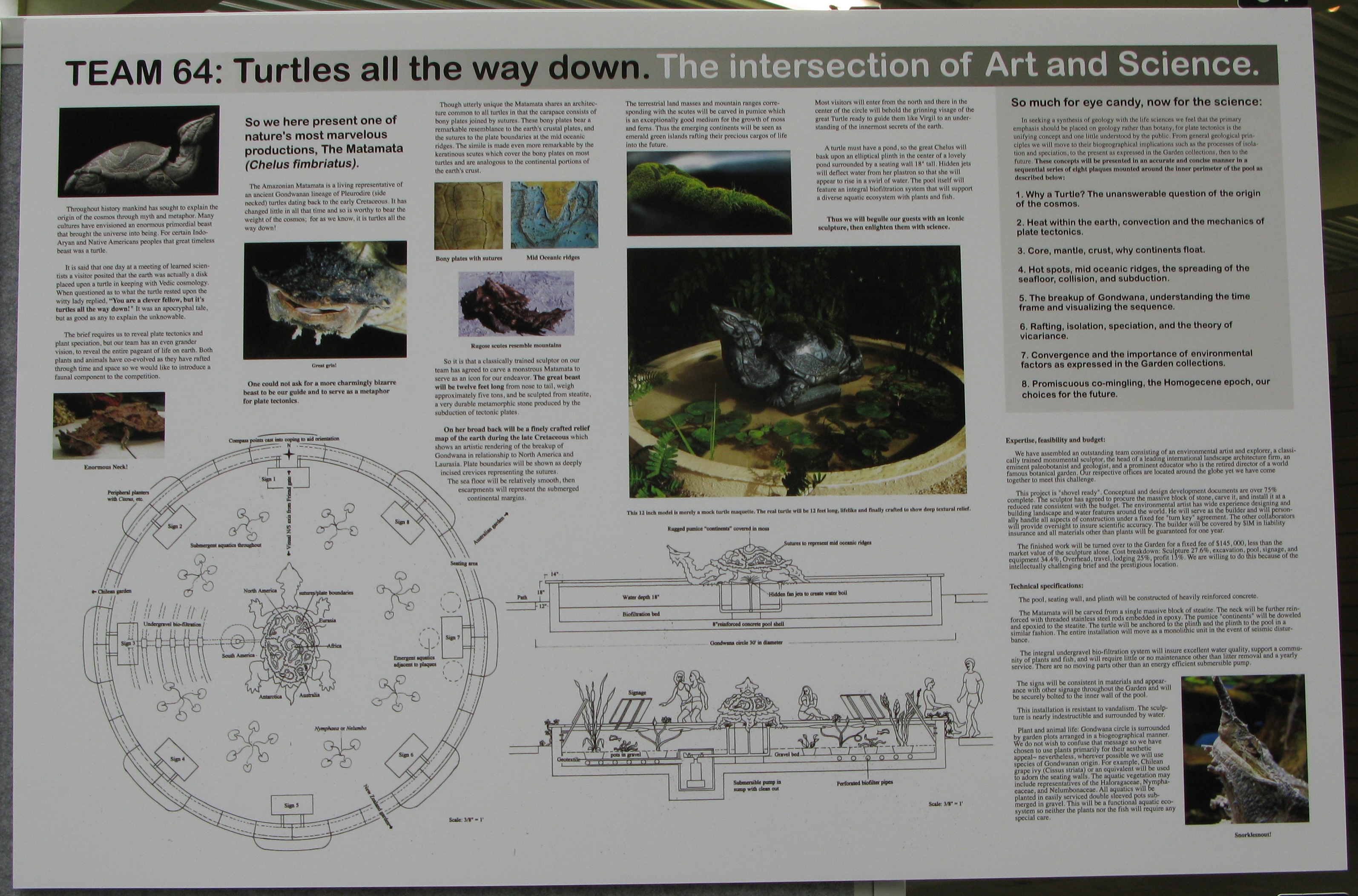
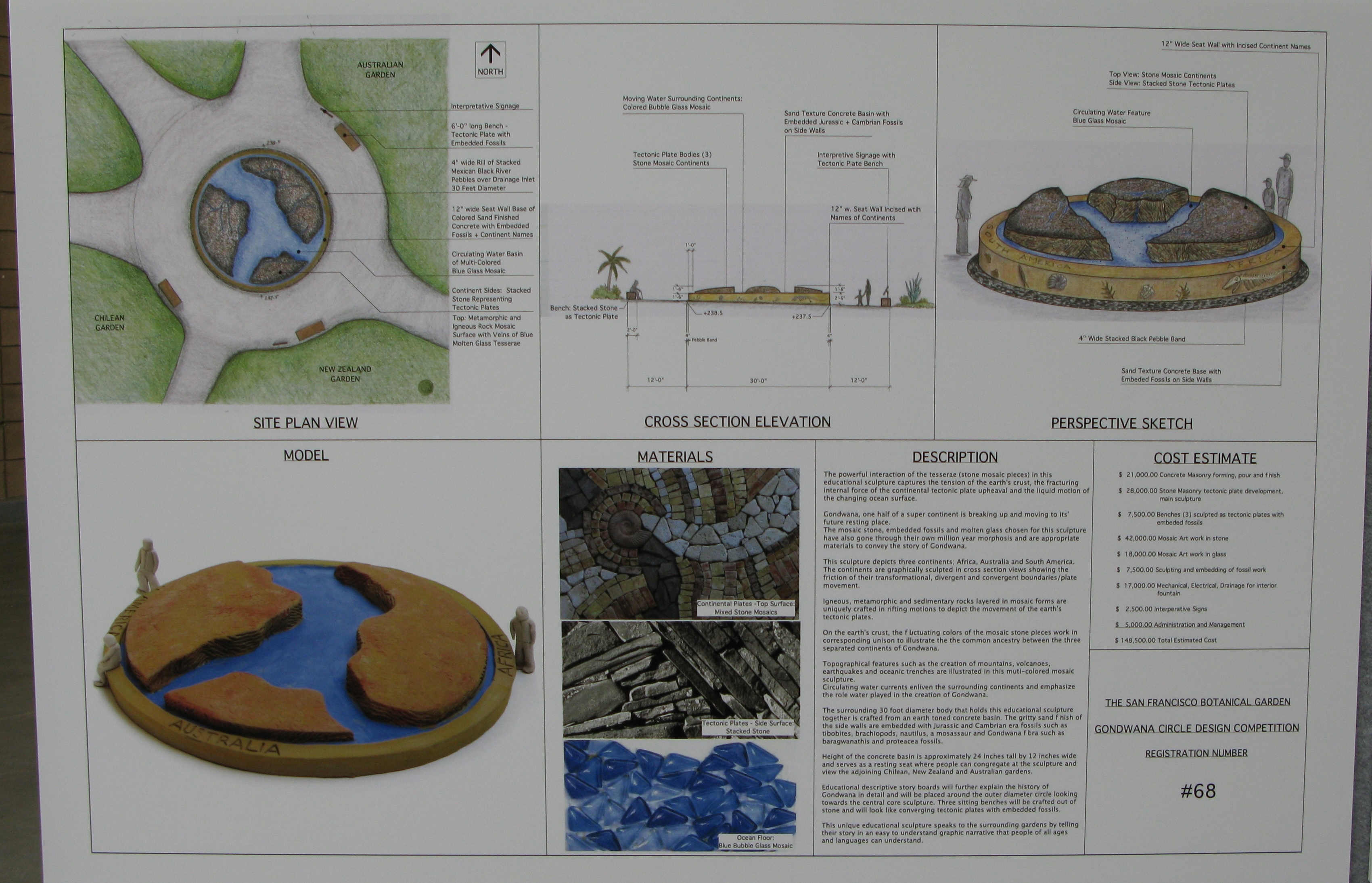
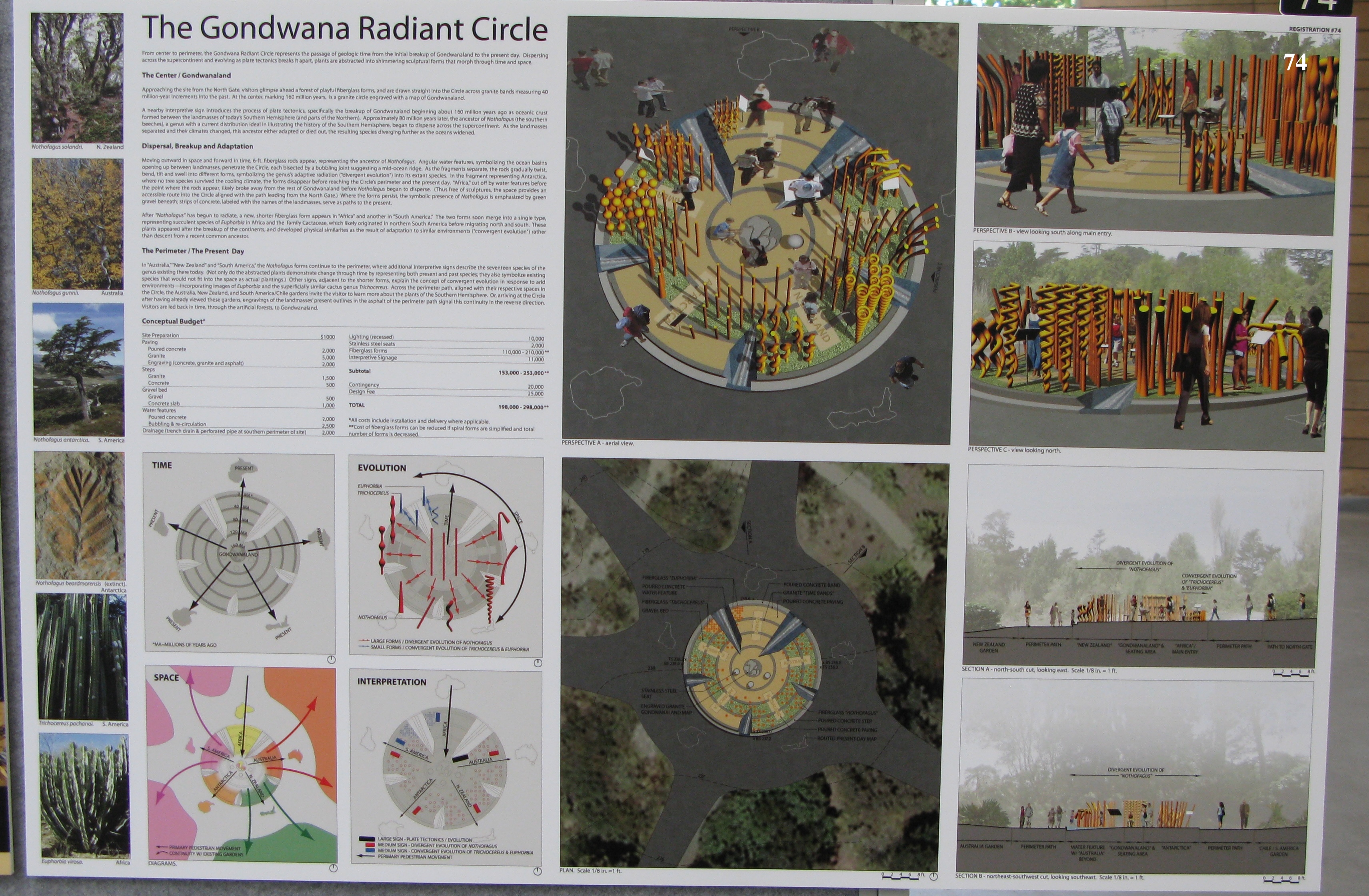
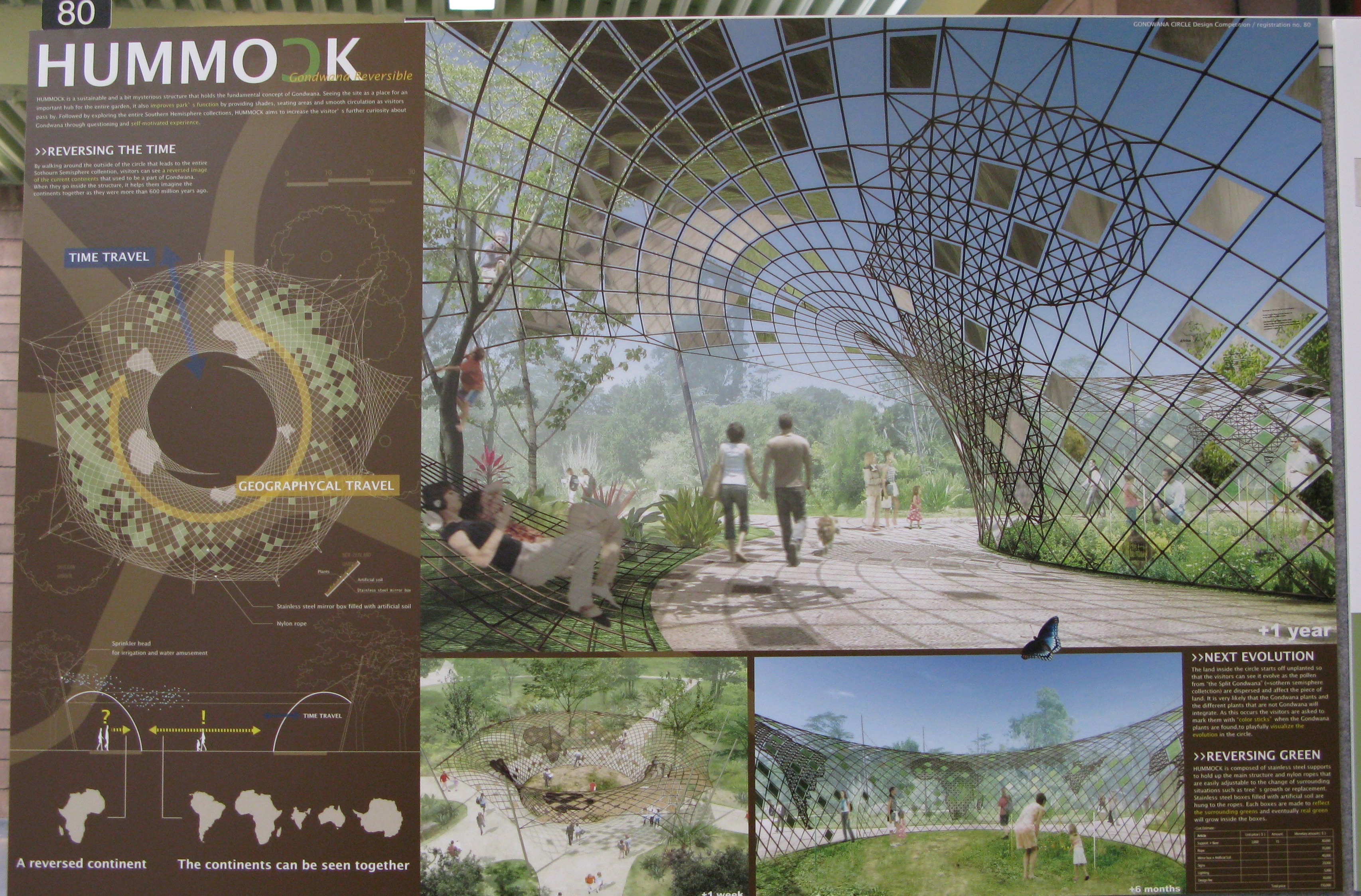
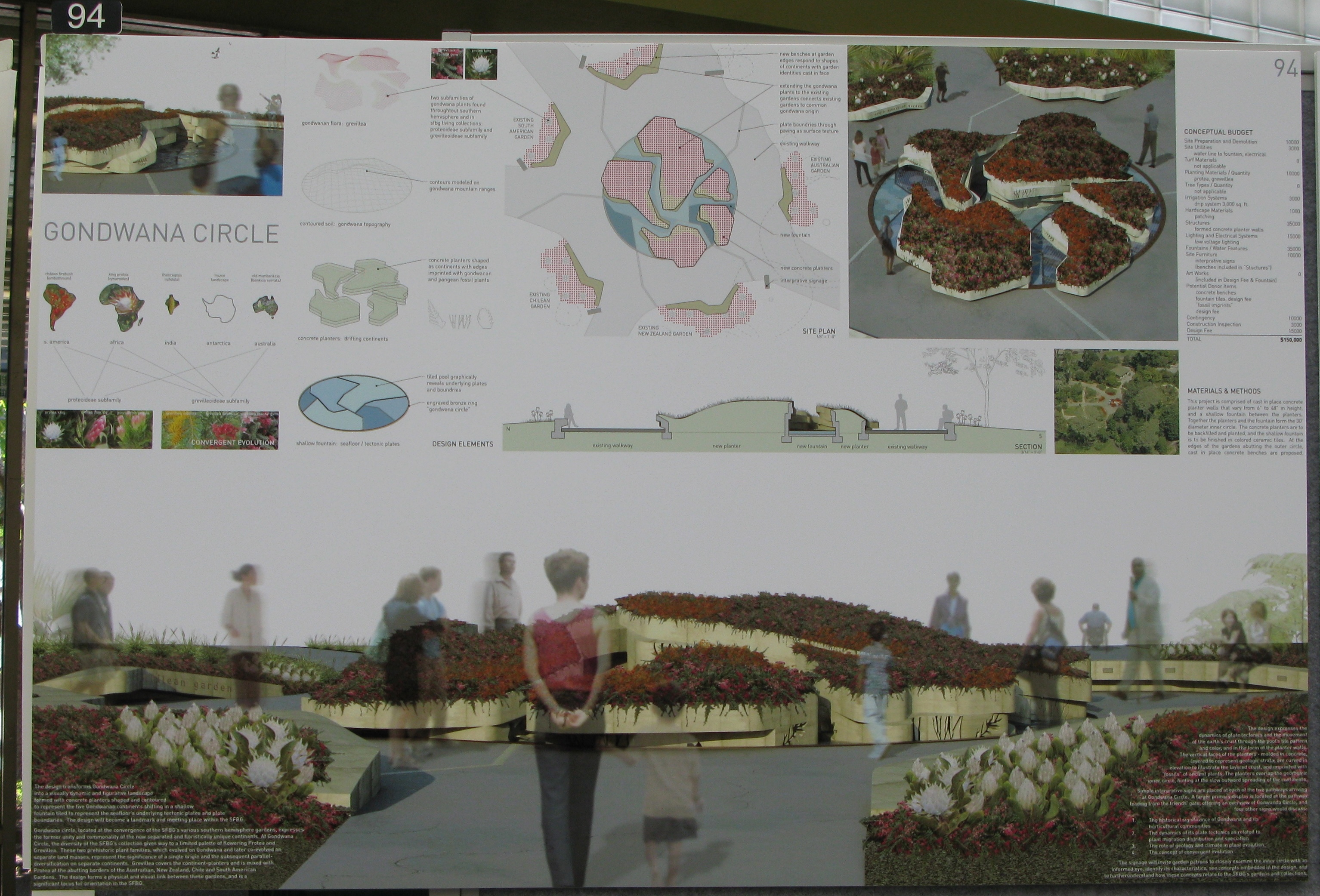
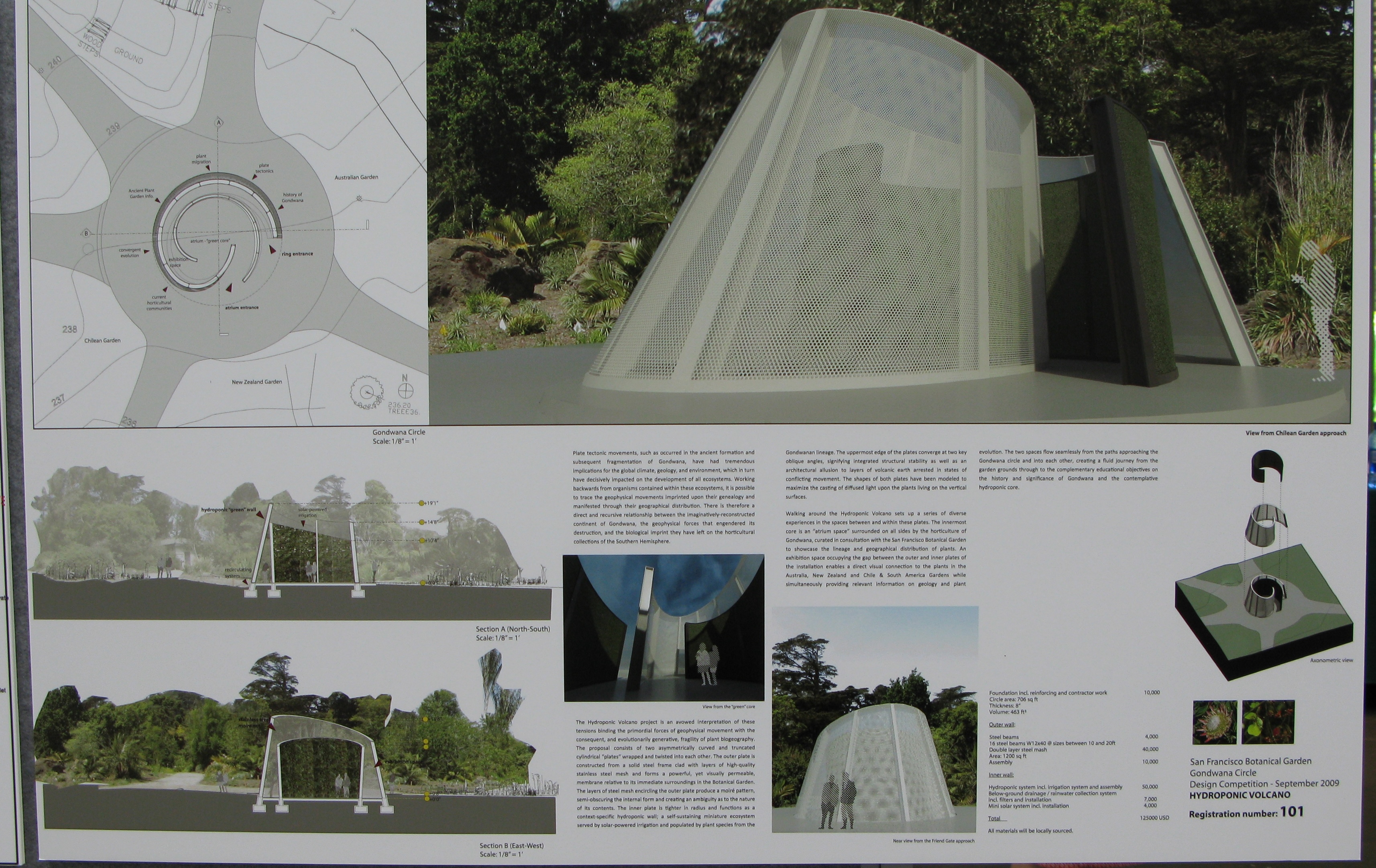
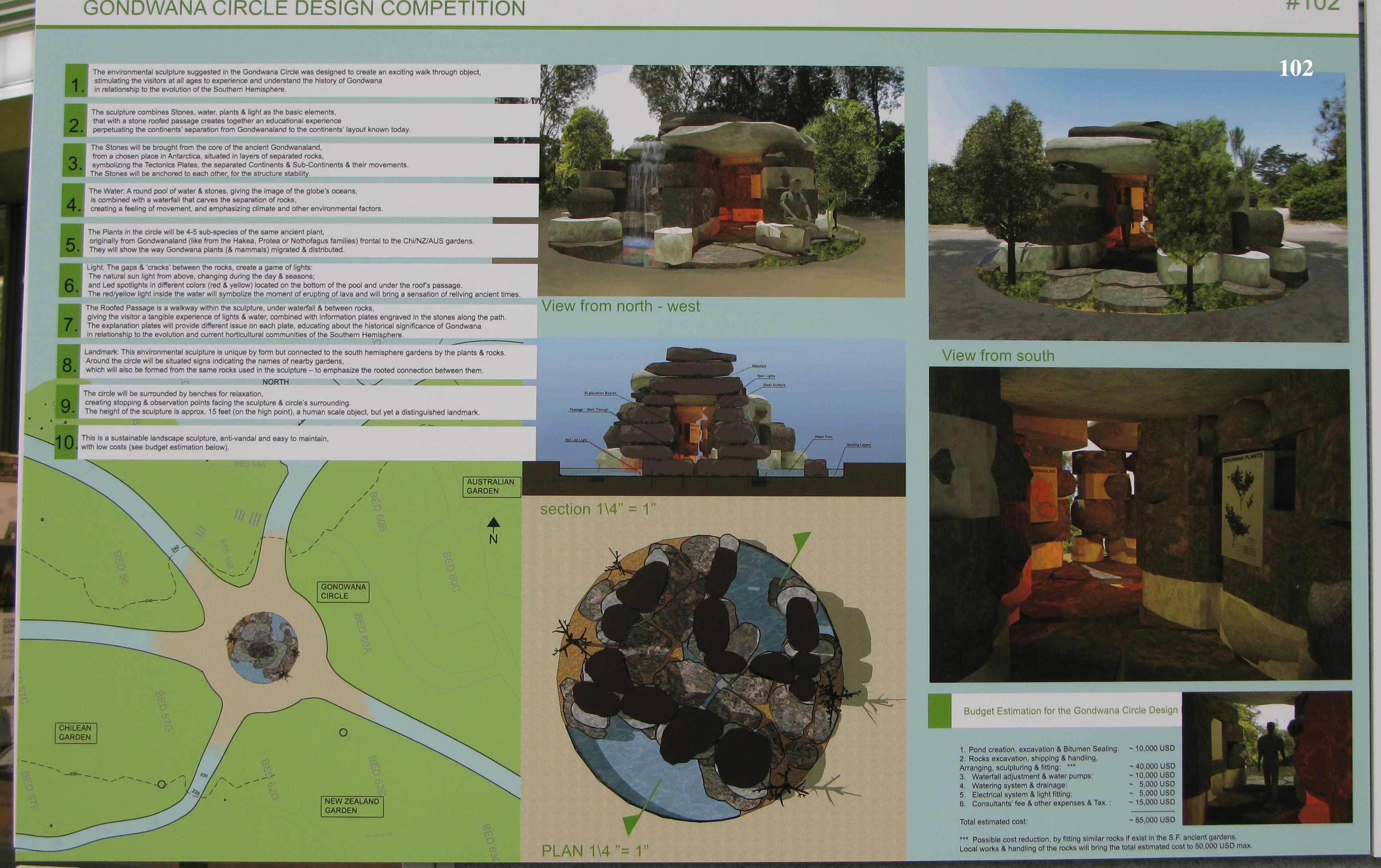
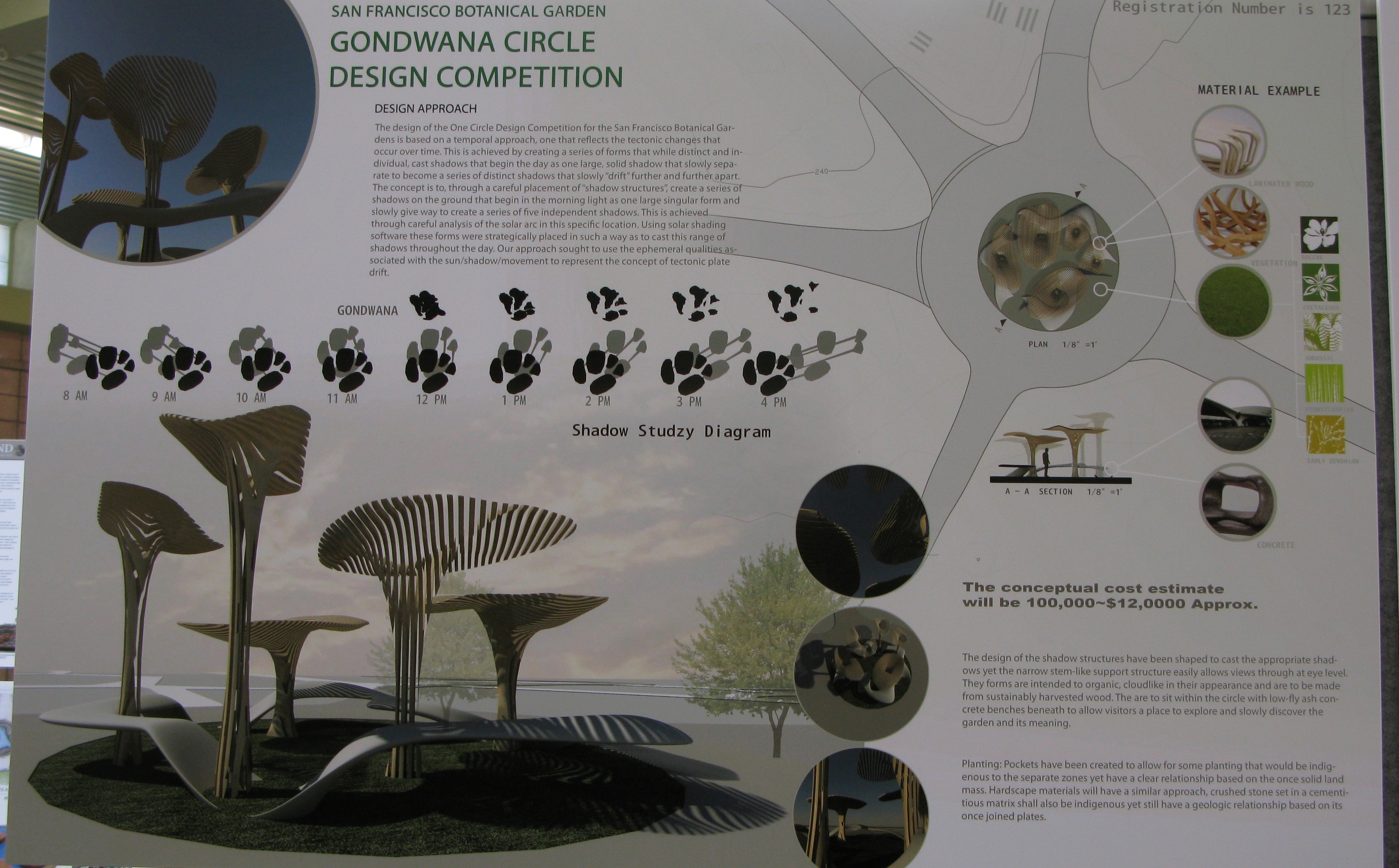



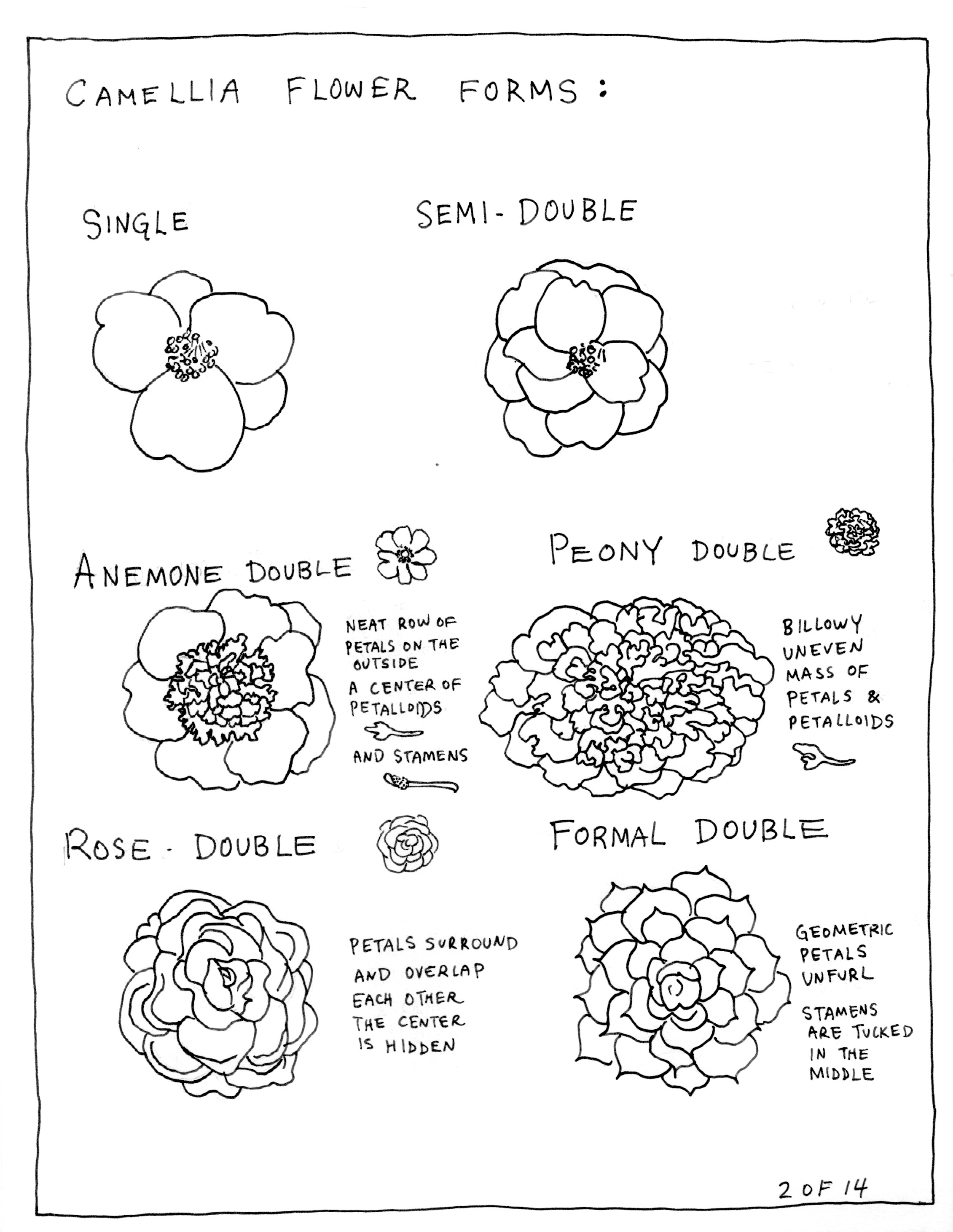
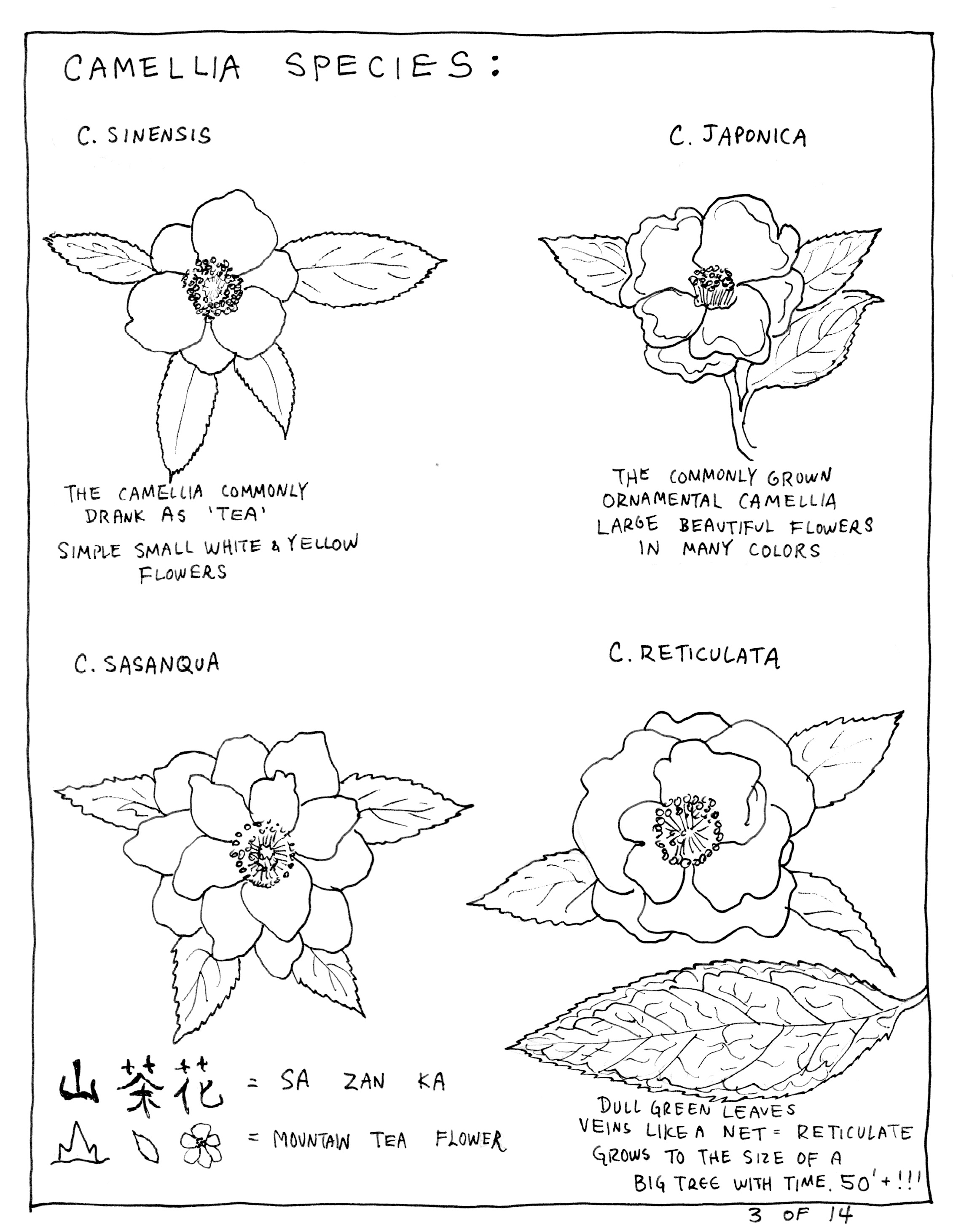
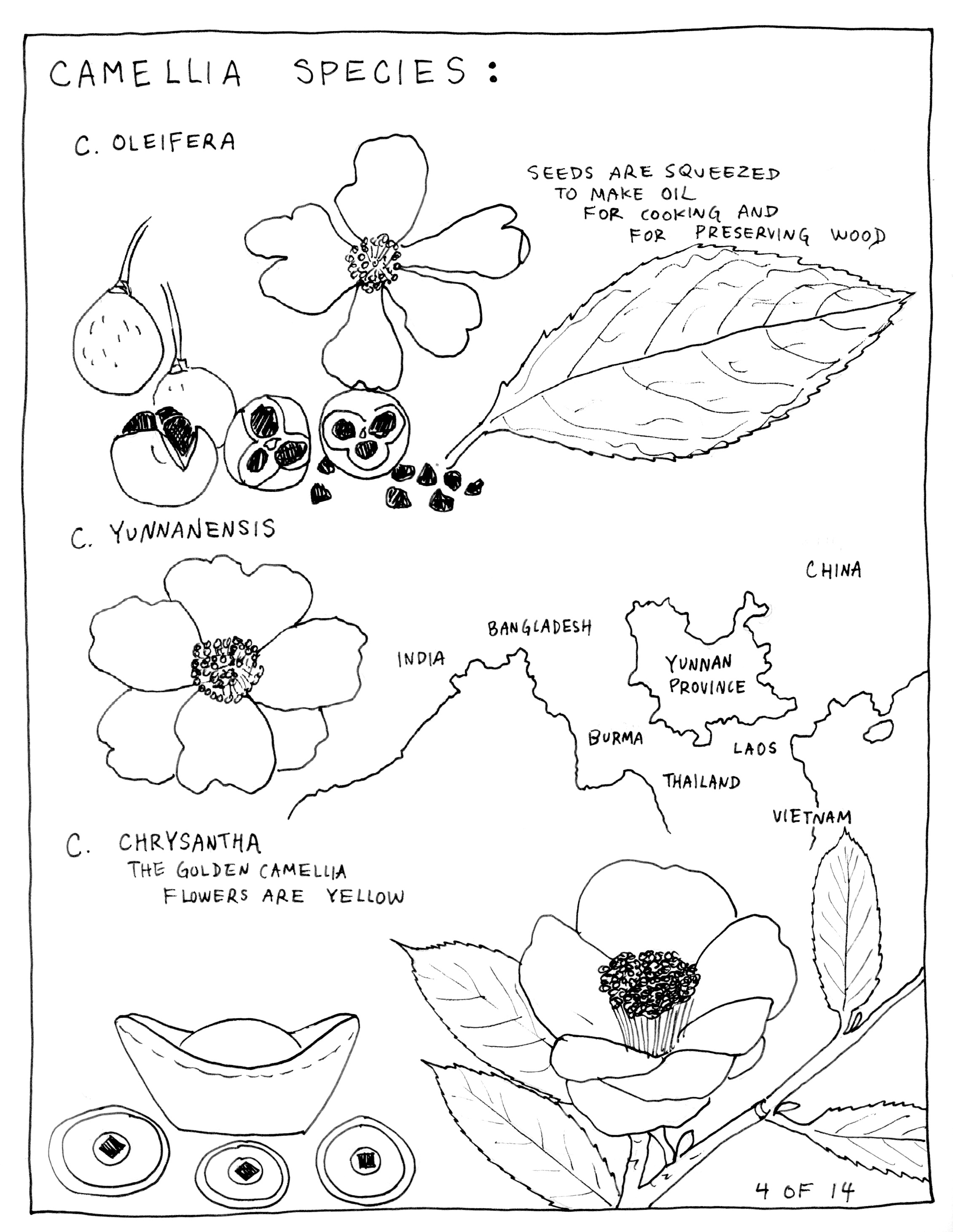
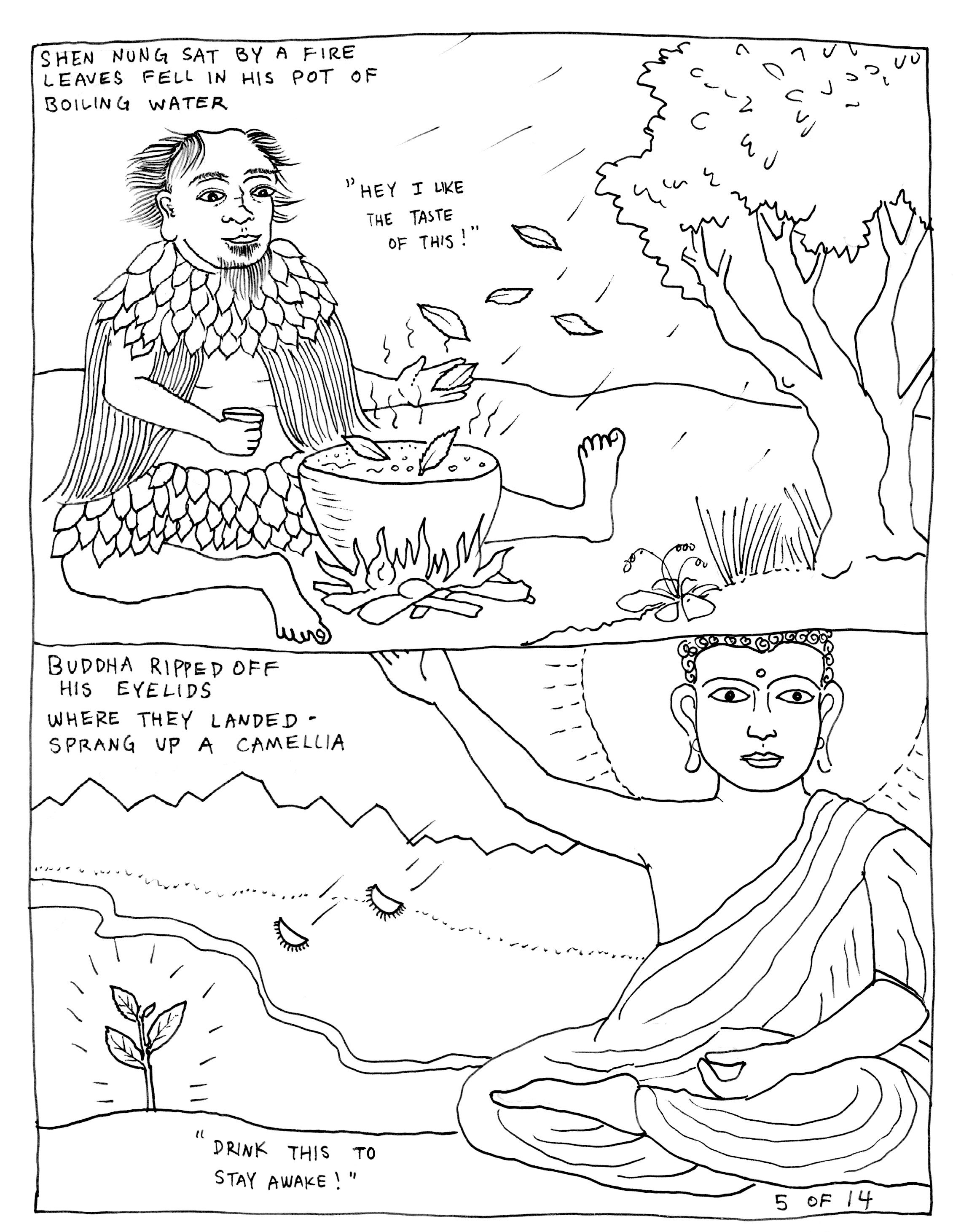
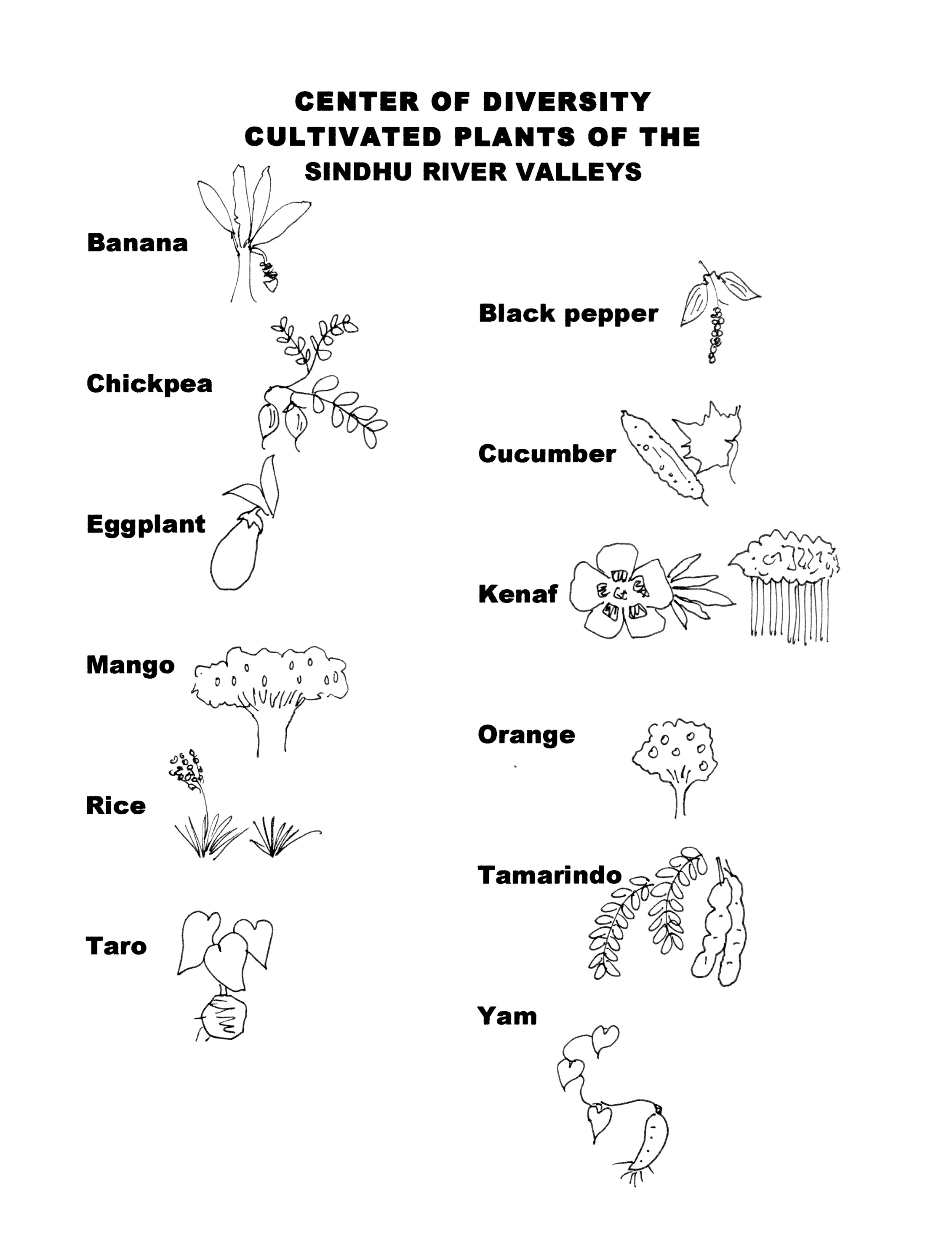

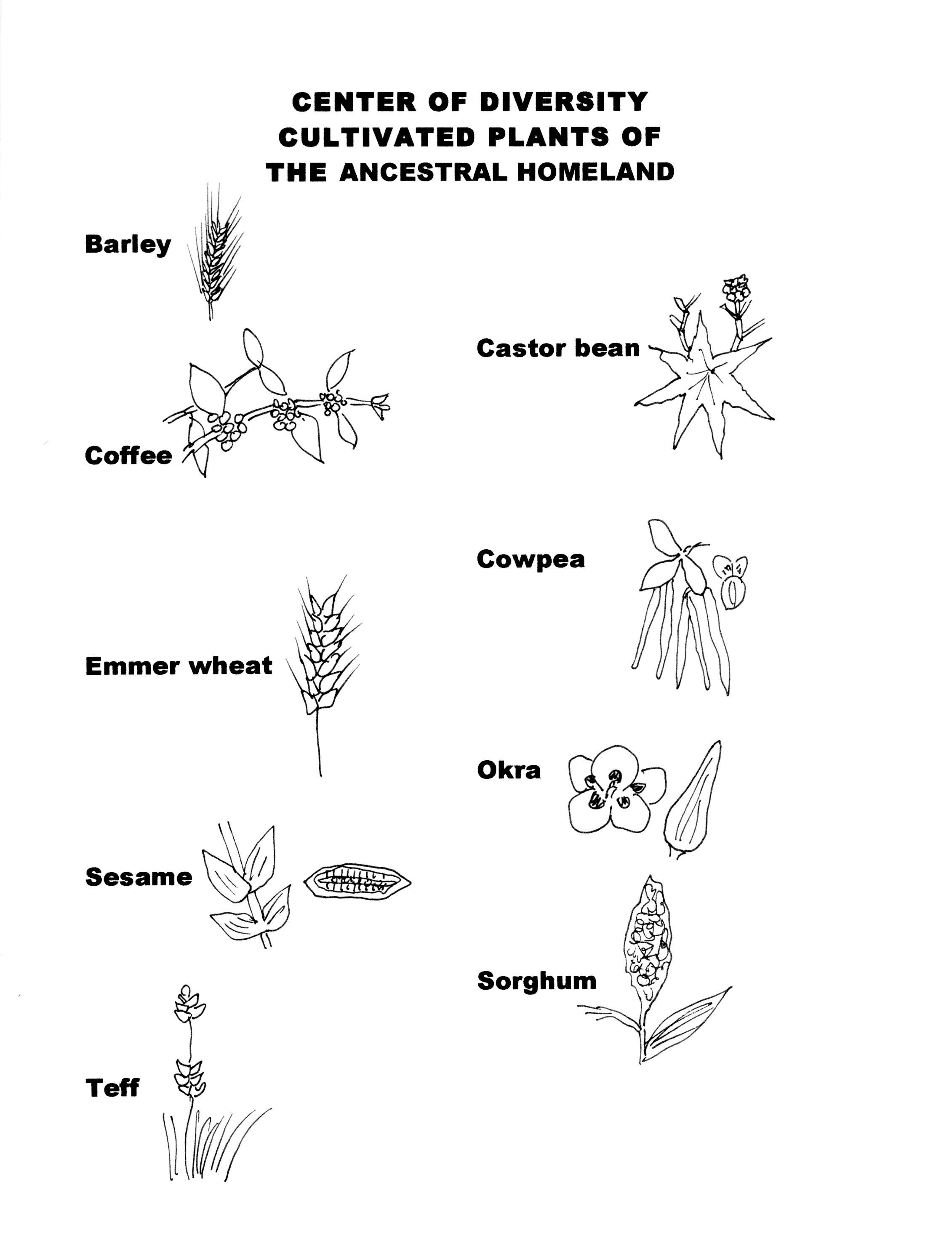

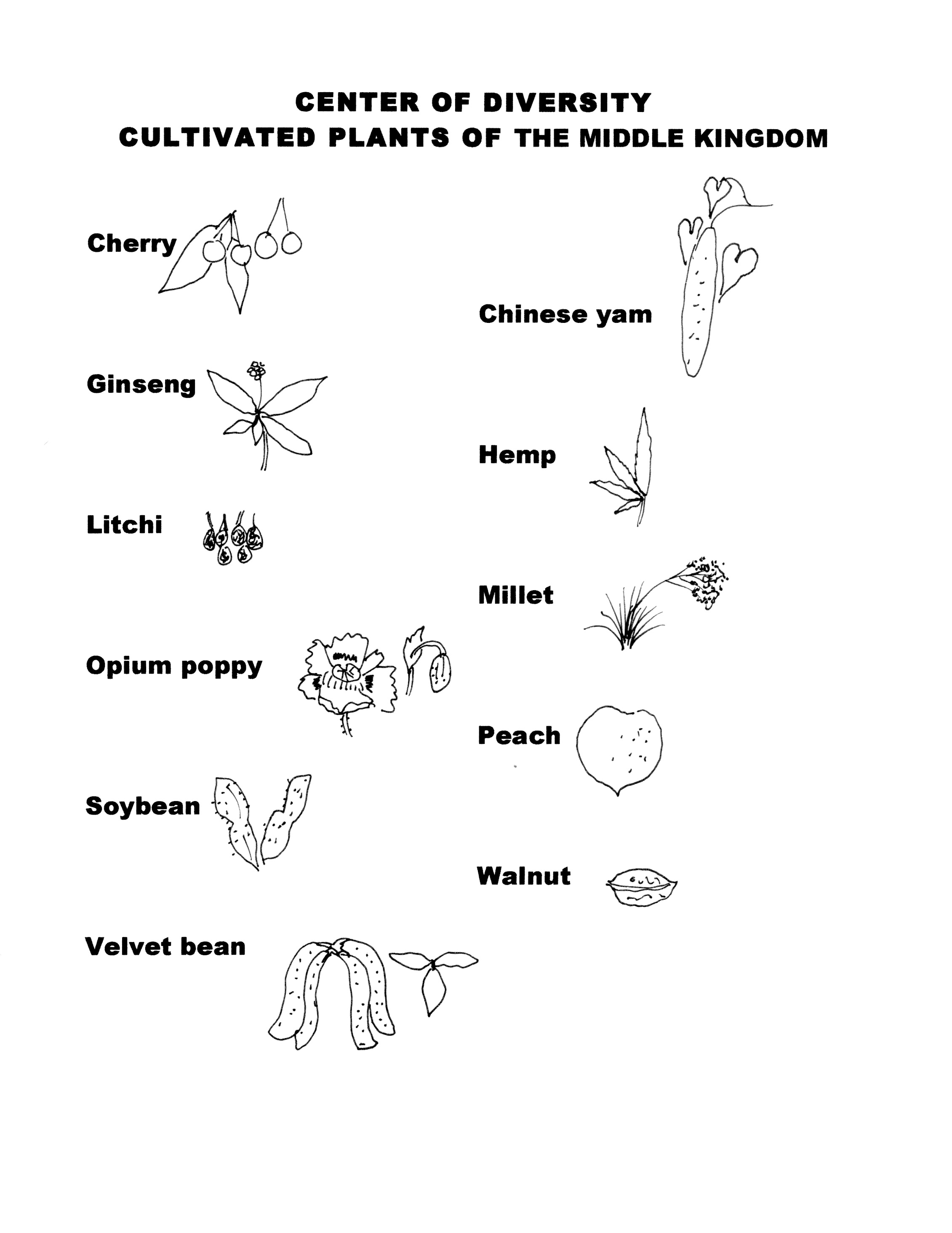

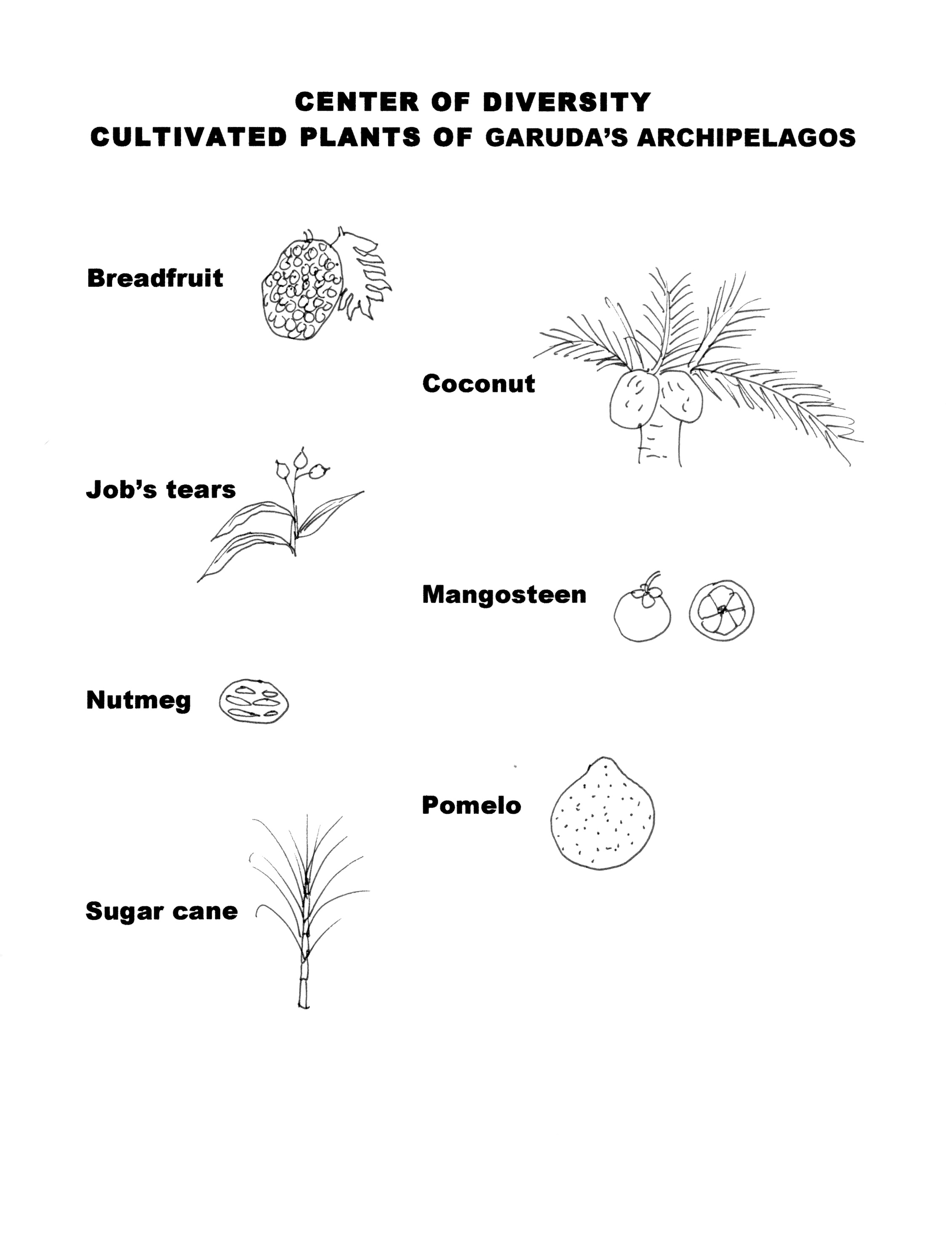



 Mission Azul