Archives for posts with tag: gardening

Chinese gardens

The gardens are a distillation
Of the values, aesthetics, and world view embodied by its people
For an old country like China
Its a conglomeration of elements and beliefs
Added and embedded, welded and melded together over time

If you are touring or categorizing
You may want to see the imperial gardens and hunting parks
That belonged to the emperor, his concubines and eunuchs
An idyllic sanctuary far from court intrigue and political corruption
Feed the ducks, meander the paths with a bottle of rice wine in hand
Fall in love, host a celebration with a ten course banquet of bear and phoenix claws

There are private gardens of the scholarly bureaucrats and nobles
Oases of peace to contemplate the harvest moon
Play the zither and improvise another sonnet
Watch the star Polaris as the rest of the constellations rotate around the celestial hub
Dilly dally with fellow ladies and gentlemen dressed in silk on a spring day
Sip a cup of tea brewed in a porcelain pot
Not yet ripe peaches clustered on the branches

And there are temple gardens of monks, priests, nuns and magicians
Whether that ‘religion’ be taoist or buddhist, folk pagan or secular Confucian
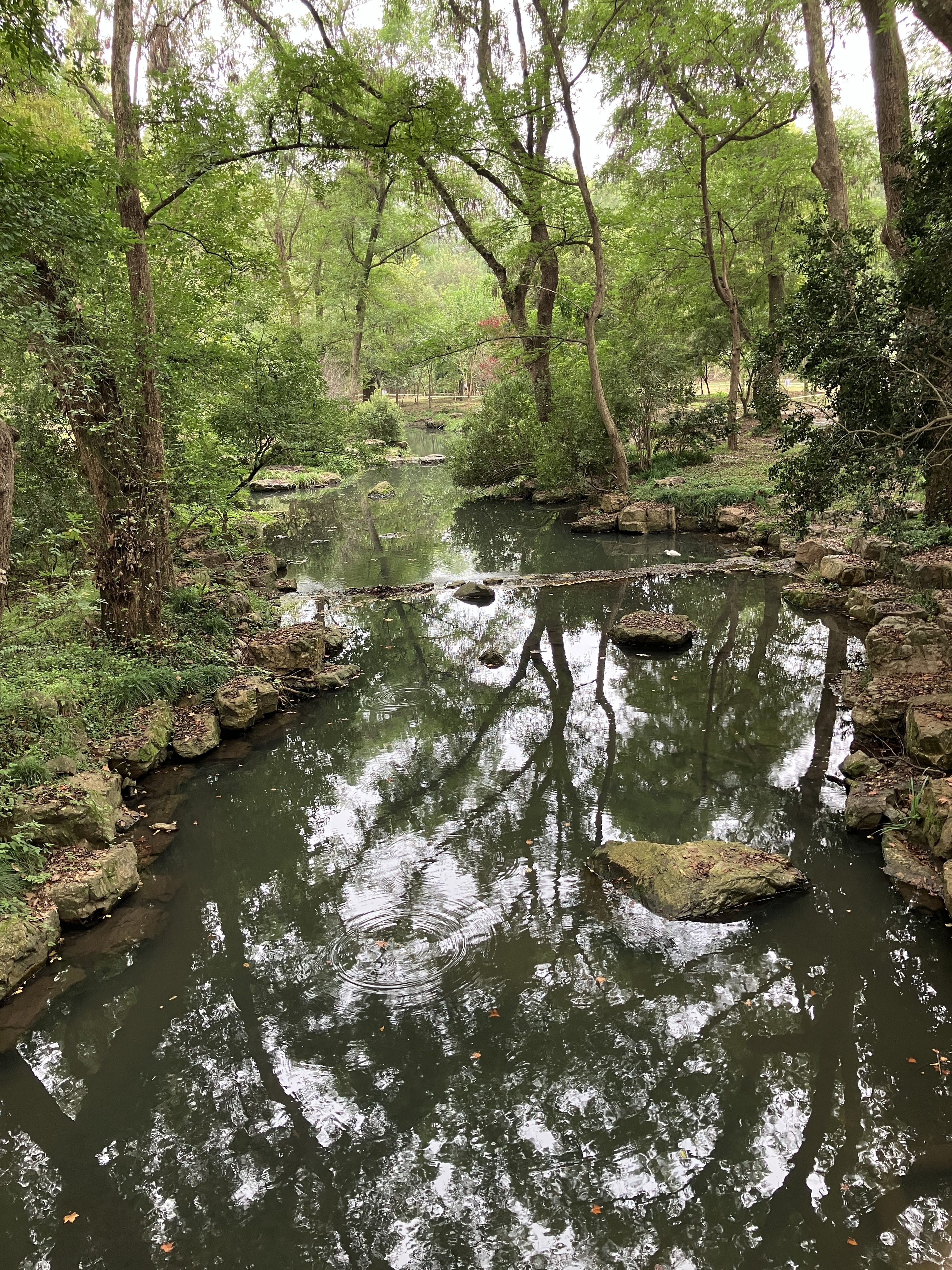
They are mediating on the stillness of a mirrored lake
Quieting the mind where the the raging river falls from the misty mountains
In ‘wind water’ theory, qi energy rides the wind and scatters in the four directions
But upon encountering water, it is retained and settles
That sorta motif

Most farmers and small business commoners don’t have designed gardens
They do not possess the means to construct and maintain them
Rather, they are busy working – planting and hoeing, harvesting and drying
But they may have a courtyard, potted plants, and similar features and tastes
As exemplified in the grander estates
There is a shared philosophy
Of an ordered universe and its structures
Of conduct that is proper or moral or right
As it relates to the layout and plantings in the garden
An overall feeling of the heart opening in a moon lit night sky

Chinese really like rocks
The land is filed with hills plateaus and mountains
Very little of the country is actually arable
Meaning that few parts are able to grow food
The mountains are just outside town and flood plain limits
Grand, steady, immovable
Stable, enduring, virtuous
If you are an old timer
It is the source of rare medicinal herbs
The abode of the snow
The dwelling of mountain gods and immortals
There is a mystery and oldness associated with them
Town and country – they are country

To reach them
The journey requires fortitude and patience
When you reach the level of the clouds then the heavens are close
You might ask favors of the spirit beings
Or you may yourself grab hold of dragon whiskers
And disappear into the billowing masses
Hence, for these reasons
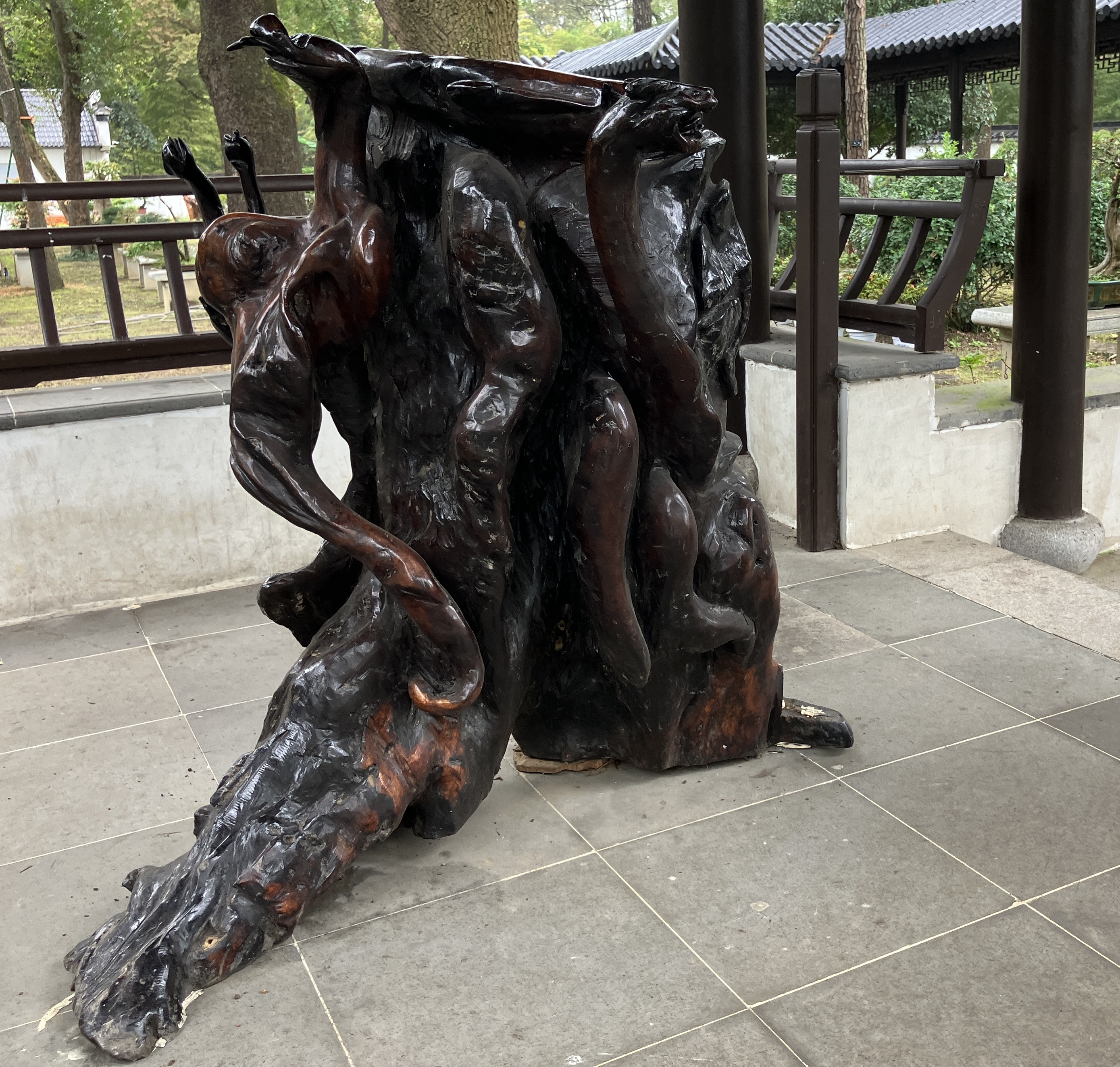
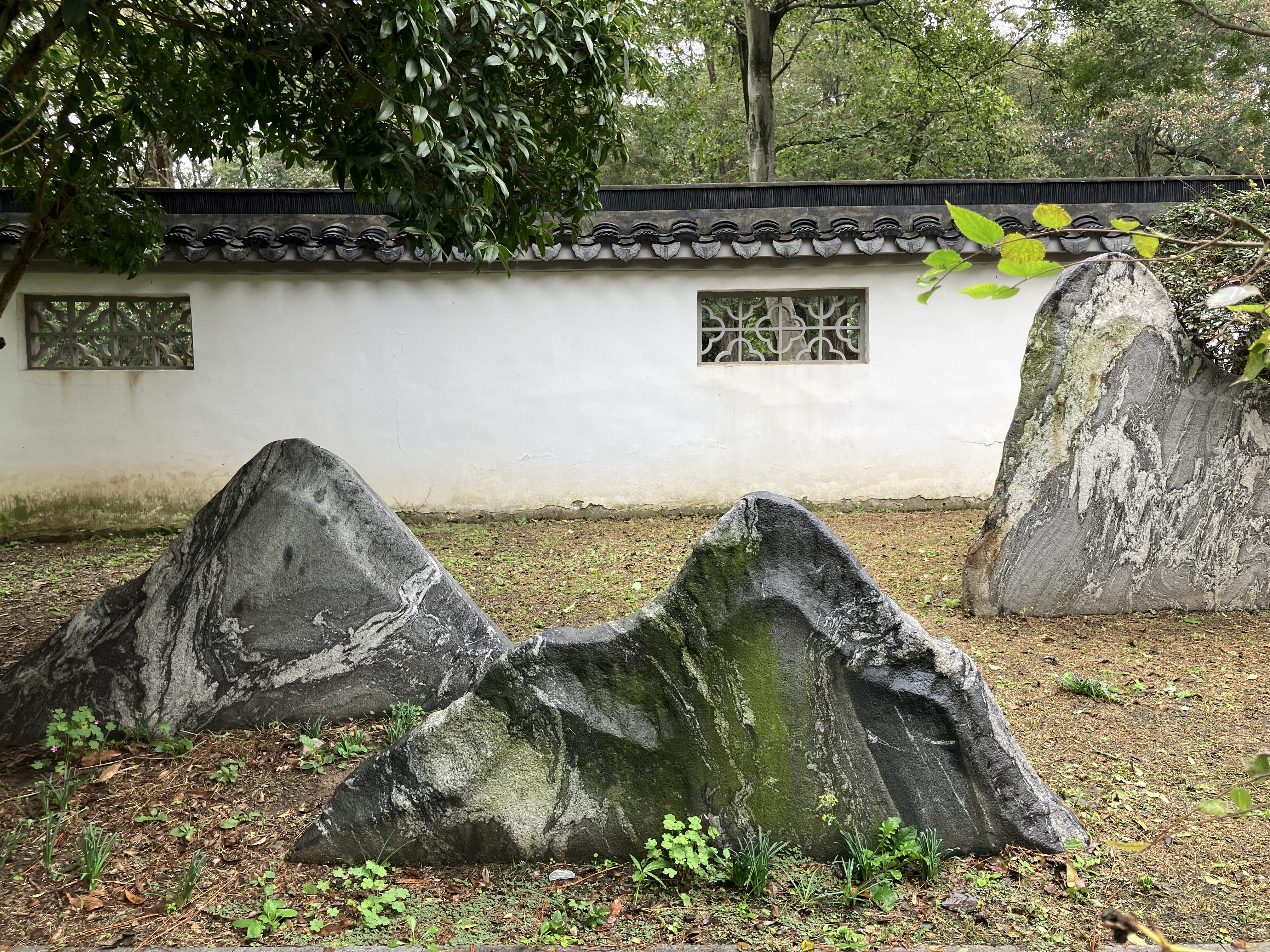
You must have rocks in the Chinese garden
Not just a lump here and there, or as part of a stone wall, or small pebbles on the ground
But ideally a massive imposing monument to the earth mother herself
A huge piece of super hard, ancient, veined, eroded, pitted, metamorphic or igneous chunk
Or better yet, a whole mountain range of a walkway
A cascading steps of a razor backed ridge
Garden spine is composed of such stones
An homage to the rocks

Water is sacred, water is life, every culture knows this
And likewise Chinese pay tribute to water as part of the garden design
As symbol and reality, remembrance and monument
Water can be enclosed as ponds
Channeled as canals
Or fall from height as waterfalls
They don’t seem to mind green water or muddy water, like yuck yuck water
Yes, life is a little bit dirty
They shrug that off as relatively unimportant
As long as theres colorful carp, dragonflies alighting on cattails
And frogs croaking from atop sacred lotus leaves
They like to recreate the whole living system
That is the poetry of organisms
The movement of water being analogous to
The meridian channels in the human body
Blood in the arteries and veins
Heavens, earth, people
The inspiration for songs and calligraphy

Plants are valued for their seasonal beauty
Functional use, edibility, or medicinal quality
As well as for their inherent spiritual quality
That we as people wish to emulate
The plum blossom blooming in the cold of winter
Whilst still snow on the ground
Is esteemed for its hardiness and vigor
A symbol of resilience and hope in the midst of inclement conditions
Bamboo bending in the wind
Yields, but does not break
Strength coupled with flexibility
Pine being a long lived evergreen tree
Is equated with loyalty and presence
The rooted firmness of integrity
Theres a whole bunch of paintings about these three friends of winter
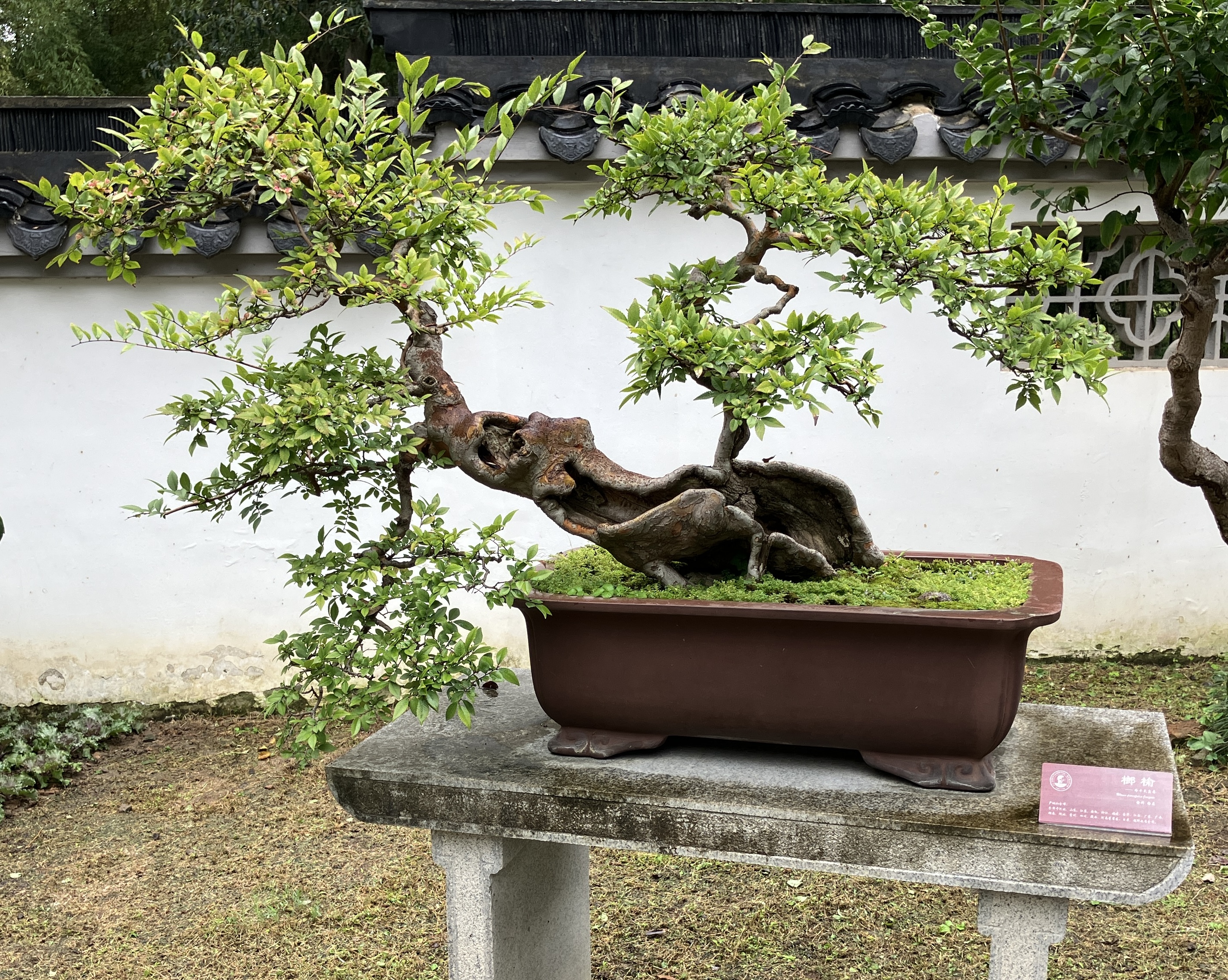
Pine, bamboo, and plum
Its not the individual specimen that is prized
The emphasis is on the group and family unit
And so on with camellias, peonies and lilies
Peaches, pears, loquats, orchids
Every plant is special or representative in some way
Purity, sweetness, justice, wisdom
Reflecting a certain dimension of the human condition
Plants as teachers and mentors, leading the way
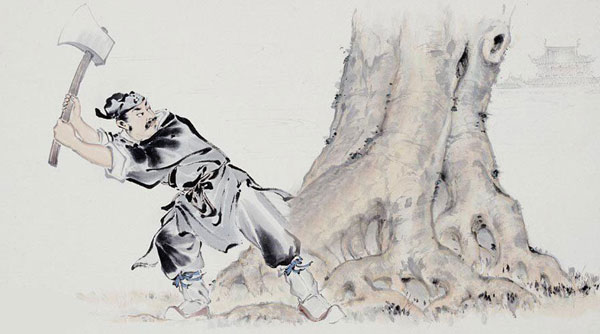
They say that there is an Osmanthus tree and a wood cutter in the moon
With a Sisyphus like story that goes with it
Lets just say that in the course of evolving as an agricultural society
The moon and its phases were something that were looked up to every night
As one sat in the courtyard gazing up at the sky, taking a puff on a pipe
Pots of flowering chrysanthemums alongside the brick wall

The fundamental Chinese philosophy key stone concept is that
Humans are a small but vital component of a larger whole
We dwell in nature, and owe our lives to nature
Nature is perfection
Nature is the dynamic opposing forces in a perpetual dance
Nature is that yin yang symbol
Hence the idealized relationship portrayed in the garden
Between humans and nature
Is harmony and balance
Within the changing spheres

This is witnessed in the turning of the seasons
The tension and letting go of the autumn leaves
The wonky trail of uneven rocks, raised but smooth
The damselfly larval skin shed and fixed to the willow tree trunk

Unlike the western Abrahamic traditions
The Chinese never ate the apple of good and evil
Were not thrown out of the garden of eden
Did not have their minds split into high low polarities of heaven and hell
Are not torn between judgment and salvation
In the mythological world, they are still there in paradise
Or, its is only a breath away
Therefore, the place of humans
Relative to the universe
Is to be tiny humble and subservient
To be part of it, to know your place within it, bow your head down

In the garden this means a small set of stools and a table for tea
Or a well made pavilion to play games and eat snacks
Structures are present and useful, but not overwhelming
They are subtly tucked within the scenes
Of the mountains, rivers, forests and flowers
Not overtaking them
Resembling a qi lin’s in colors, the back of a dragon in form
Or crumpled smeared sheets of multi hued petals on the ground after a summer rain
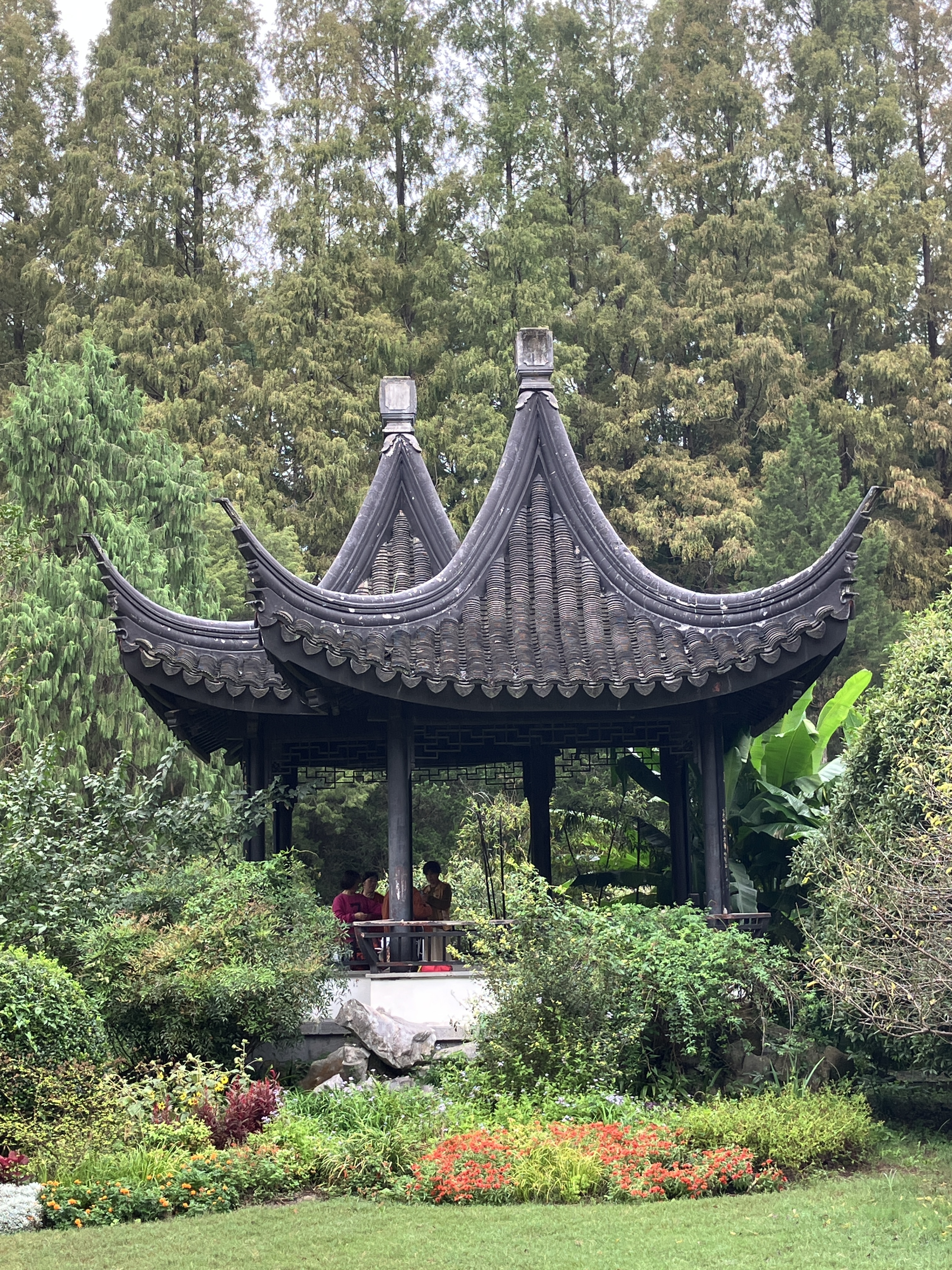
There are six or eight sided structures
And winding zig zag narrow covered corridors
That connect them
Why of course
When the clouds burst
Rain is coming down
And the flowers are bathing
You want to stroll through the garden
Be inspired, but stay dry
Delight in the pitter patter on the banana leaf
And gaze at the reflection of droplets gathering weight on the roof edge
Very classy old timey thing to do
How boring to stay cooped up inside the boxy palace on a rainy day
Structure wise, don’t forget the addition of
Bird perches, lanterns, incense burners and potted scenery punjing containers

Early Jesuit visitors called the Chinese garden aesthetic ‘beautiful disorder’
Another apt description might be a garden of joyful vertigo
Nothing quite matches but somehow it all goes together
Theres a bit of chaos woven into the grand design
This is in contrast to the European traditions and aesthetics of the time
Which might be described as something closer to ‘divine symmetry’
In modern times, this western lineage of landscape aesthetic has evolved into ‘clean and crisp’
Like a mall, a starched shirt, or a hospital room
Its an odd idealized vision of shiny white heaven
Transposed onto earth
Very unlike a Chinese garden

There is that old adage, be like water
Paths are likened to rivers with meandering courses
They rise and fall, have depth and undulations
This creates valleys and hidden alcoves in a garden
Turn the corner surprises, multiple dimensions colliding in unity
Or imagine that you are inside of a calligraphic or painted scroll unfurling
You are the contours of a distant hillside, or the pebbles strewn along the shore
The flit of a warbler from branch tip to branch top
The arc of crane wings about to take flight
That is the general feeling
Maybe for the royal palace architecture, you would want it open and grid like
Straight lines criss crossing in unison, rising high in columns and towers
Demonstrating power and might
Shock and awe for the populace 
gathered to pay respects to the monarch
But not in the garden
The garden mimics nature
There is a distinction

How about seeing the world
Through the lens of the garden and its vistas?
These days, every portal you look through
Every story that enters your mind
Is basically rectangular
Rectangular window
Rectangular book
Rectangular newspaper
Rectangular screen
Rectangular phone
All boxy with no curves
Is that a strange filter or gateway or perspective
To have everything framed and limited as such?
Now imagine if everyday you woke up
And that phone you stared at was a different shape
One day it was a cloud, a cumulus puffy thing
Another day it was a different kinda cloud, a stretchy stratus
Day three it was a lotus fruit
Day four a turtle shell
And so on
Would your world then appear differently?
Would you think about the world in another manner?

That is how gardens of old were built and dreamt of
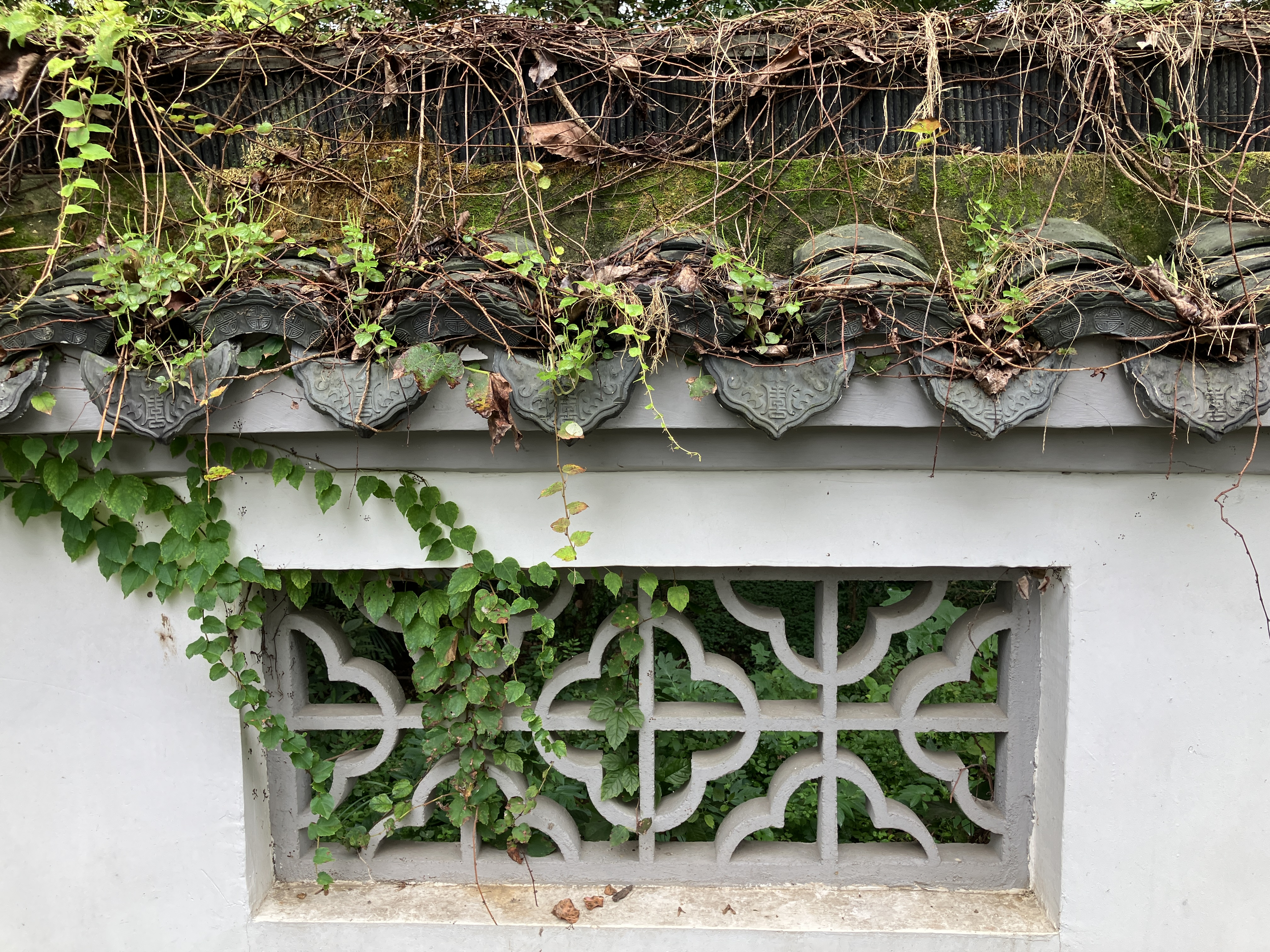
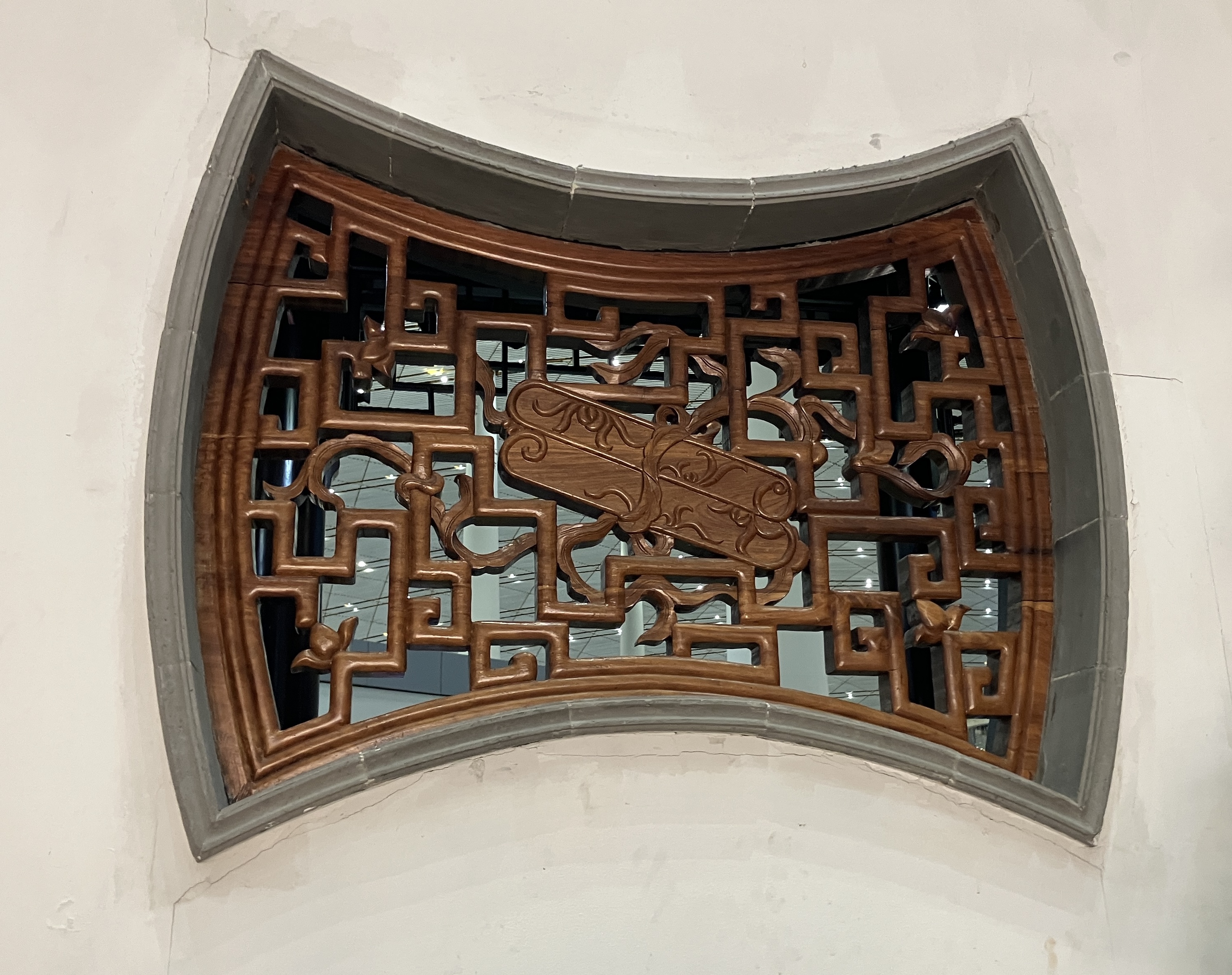
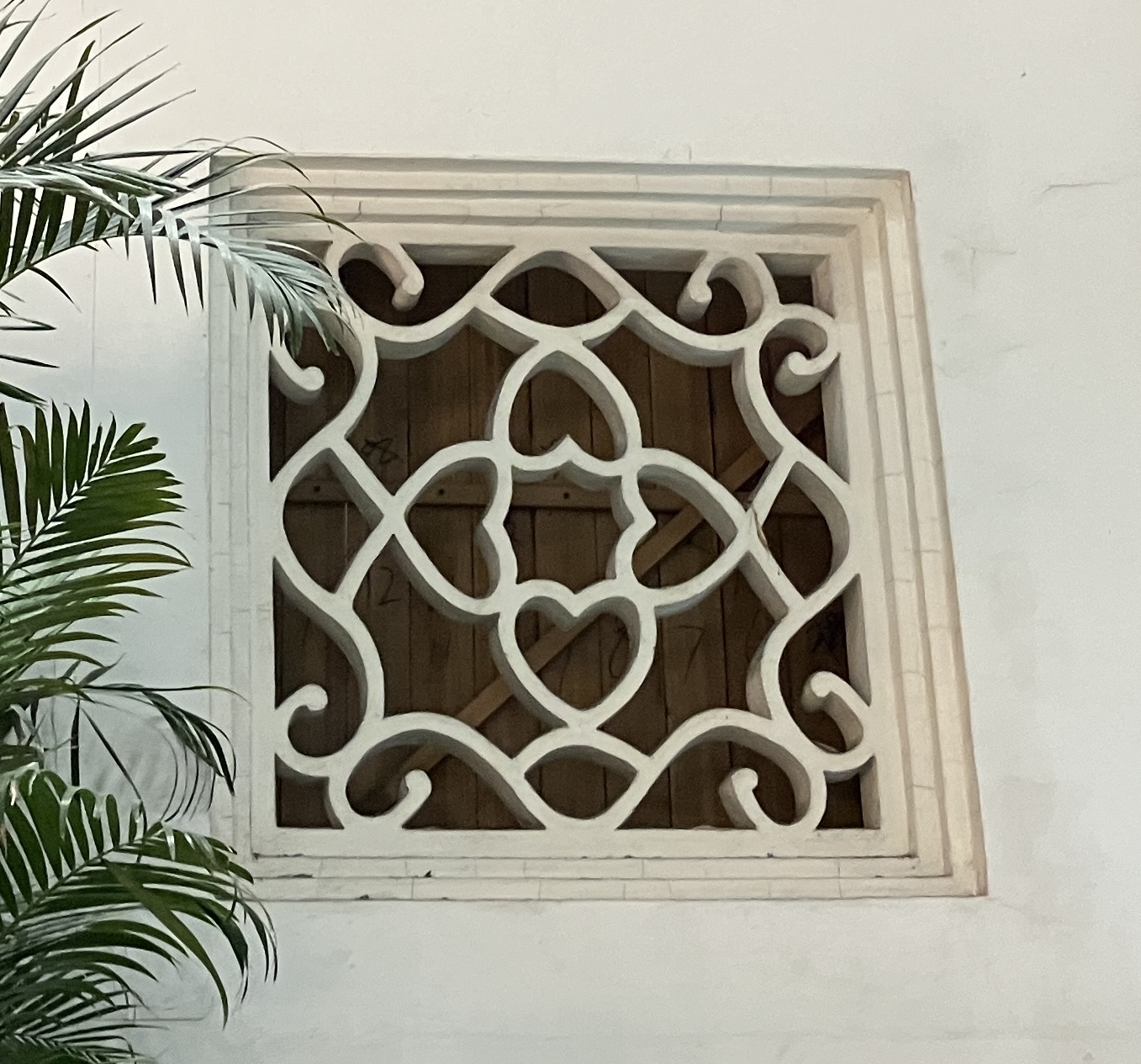
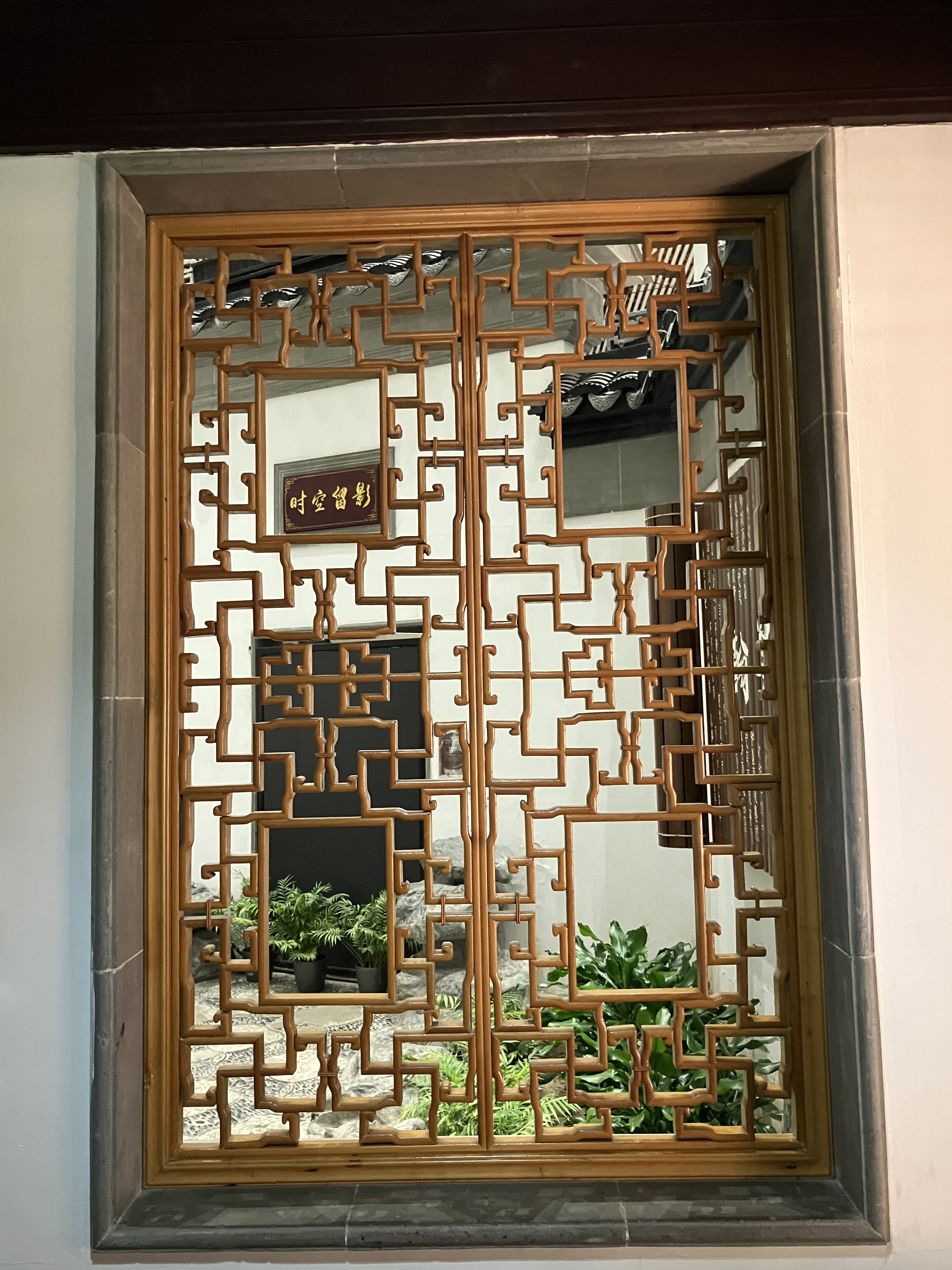
Every window and doorway is unique
Unusal shapes is the norm, not uniformity
The constant is the precision and craftsmanship that runs throughout
As you open your eyes
Wow another day!
Eyes close and open again
Wow another day!
Basically it is a mind game puzzle of a place
Meant to project your minds eye
Into the spinning fractals of geometry
Inherent in the unfurling of a magnolia blossom
The goal being to transfix your nose
And inundate it with a spillway of rose scents
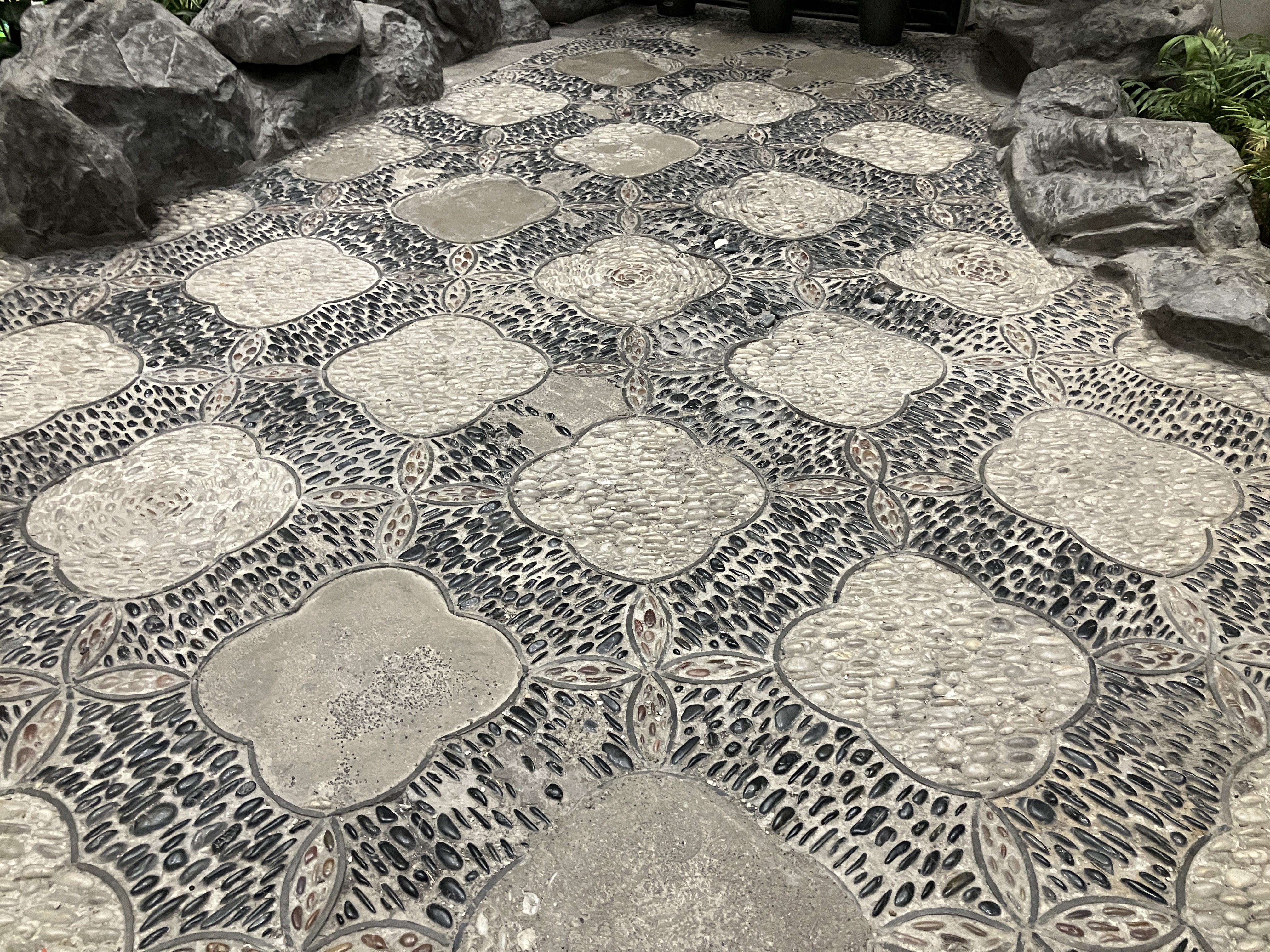
Tickle your nerves with bumpity bump curves of tiles and pavers
In floral complexity and spirals
An inaccessible place beyond the imagination

Once you are looking through such an aperture
What would you see?
Purposeful viewpoints
Places to sit and watch
Openings to pause and take it all in
An impasse threshold that forces you to stop and look around
There might be several, there might be hundreds such spots in a garden
All deliberate, engineered, purposeful
Once you are still
Then you can watch the movie
Its a really slow, painfully slow art film
And tiny bits of action happens in sequential waves
Sunset is an obvious one
Hummingbird coming in to investigate
Chirping of crickets as night falls
Swooping in of bats at dusk
Oak tree going to sleep as the heat subsides
Immersion, bewilderment, awe
Theme is:
You are not outside of nature, not separate from her
She is not something to be subdued, conquered
Days of dominion are still here
But take a rest from that mindset for a bit
In the garden
You are nature, nature is you
In tune and in harmony
Paired opposites holding hands
Couplets of asymmetrical irregular symmetry

As for balance and rhythm and all those design principles
How to apply them?
With regards to the placement of patios and floral beds?
Well behold a landscape painting
It is thoroughly instructive
Or better yet, paint one yourself
And the basic elements will reveal themselves
For one, there is a whole lotta nothingness
That is called negative space
Is your life filed to the brim, calendar all booked, every hour accounted for?
No, theres time to sleep, time to do nothing, time when it is all blank
Is okay, nature is like that too
That gives the third eye time to open
As they say, sometimes nothing need be said
The quietness speaks in volumes, etcetera

Use masses of a similar form or color
Details can be a little blurry
Lines are not precise
Weeds are even okay not a big deal
Lawn? What the heck is that?
And eternally green plot of close shaved vegetation?
Ai no, let it go through its cycle as a grass –
Flower, seed, brown, dormant, then green again
Thats the show, the up down seasonal drama of life
It is never the same in time
Every moment happens as a revelation

The neighbors tree can become your tree
The rooflines of houses start to resemble a crest or a wave or ladder to the sky
If you see the contiguousness flow of nature
Strive for the quality and visual impact called ‘infinite’
That is called ‘borrowing a vista’
You see the garden scene as something that stretches far and beyond
All encompassing
Neighborhood homes, distant hills, sky, light and shade
All are part of it, let them come in
You can bend or block them
Conceal, modify and edit their impact
The garden is more than the four corners defined by the property lines and fences
Again, you and the garden are part of a larger whole

And the lines of the mountain peaks, in the painting –
Are they realistic or ‘fake’
Photograph like or a phoo phoo representation?
Well you know those moments when you wake up from a half remembered dream
Still in and out of consciousness
Lucid but out of it, ready to start another day but tempted by the sheets and comforter?
Thats the screenshot capture, the aha moment of a garden scene
Where you find yourself totally aware, in the dream, but grounded beneath the maple tree
This is what is evoked or prodded, encouraged and meant to instill
Its not totally ‘real’, not altogether ‘false’
It is ‘Magic’ once you realize where you are
How special it all is
The garden design starts primarily in the mind
And the creation of its physical form is then shared with others
Mind meld telepathy stuff

And alongside the painting of the garden
There is often an inscription, a poem or a letter
To further accentuate and describe
The sensations and presence experienced
How does one capture it as symbols?
What words convey the emotions
Rapture or ecstasy
Peace and tranquility
What did grasshopper said to the hare?
Earthworms singing
And others such oochy trippy Chinese oddities

Okey dokey thats it!
If you grasp most of this flip floppity flop cryptic subterfuge text
Then you are ready to design a Chinese garden, haha
Have fun!
As stated in a previous post –

“We use these plans as a teaching tool in our landscape design class. We use them for discussion, critique, and to learn from the work of others. We apply the basic design principles of unity, scale, rhythm, and balance to understand the design process, what works and what doesn’t work over time in an outdoor space. And glimpse how the initial design is just one facet of an undertaking that includes further fine tuning, grading and drainage, irrigation, right plant right place, care and maintenance, and labor labor labor.”

To add to this, I would tack on the following, for those of you engaged in the creation and dreaming of outdoor spaces and gardens. The goal is to bring together the disjunct worlds of design, construction, and maintenance. Enjoy and appreciate what makes a garden so special. And honor the earth and all her creatures. In order to do so…

You have to spend time in a place, sink into the ground, be close, get to know her, if you want the design to hum like home. Yes you can use stats and data and sensors and monitors and surveys and spreadsheets, they are okay. But you also want to cultivate feel. Where the light dappling over the leaf tips is reflected in the light of your own being.

There’s more to architecture than hard structures that stick out and last for centuries. There is the architecture of the plants themselves in community, and the architecture and vibrancy of the people that inhabit the space. And if you believe in or can sense spirits or energy frequencies or shared synchronicity that would comprise another facet of ‘architecture’. That is the unseen that radiates and synthesizes and skeletonizes that which is visible to the eye. The architecture of light and particles, reflection and immersion.

If you have never gardened yourself, except in resumes and weekend workshops and sustainability regenerative bioregional holistic genuine certificates, it is very hard to know what to plant, how to plant it, or how the plants might even work together. You will relegate ‘plants’ to the low rung of the design process, a minor detail if important at all, a make-little-money aspect of a much larger grander bolder vision. If you have never heard birds sing or had a salamander in your hand and a slug on your lips, you will not be able to incorporate any of these aspects into your garden and it will be as if you went to school and all you did was work and no play no recess no friends no laughter.

When you communicate, it is fine to use words nobody quite understands, paragraphs which twist and turn and stretch on to no end, blocks of text that stack heavily one atop another. This is part of being professional or academic or intelligent or clever or cunning or something rather that you learn in the highest echelons of any institution. Each realm and sphere has their ‘language’. The more layers between you and whoever, that is insulation and protection and camouflage and subterfuge and obfuscation and obstruction and specificity and technical and more. It kinda has to be that way. Well nature has that too, an endless web of intricate interdependent symbiotic parasitic scatalogic relationships. But sometimes, in your design plan, it helps to be simple and direct. Then you can start to have an honest conversation with the contractor, or the client, or the site. Engage in a little back and forth on the same level, speaking plain understandable English. A chat over tea or coffee and pastries to discern where each is coming from and going, and then growing the whole thing together in an organic way. Opes, I did say organic. The is a fuzzy word which means different things to different people, it is loaded and unloaded and offloaded and loses its meaning. Ugh.

Oh well, let’s get on with it!
Patios and pathways, driveways, outdoor ‘living rooms’ , retaining walls, stairs steps and landings –

its all HARD scape

the flat part underneath your shoes,

the vertical thing holding back the hillside,

the big stylish boulder

all HARD, not SOFT (like most plants…)

for this essay, we will focus on gravels n rocks and pebbles,

save wood and chips for another day

Lets go

First you gotta be able to identify concrete, stone, and brick

and tell em apart

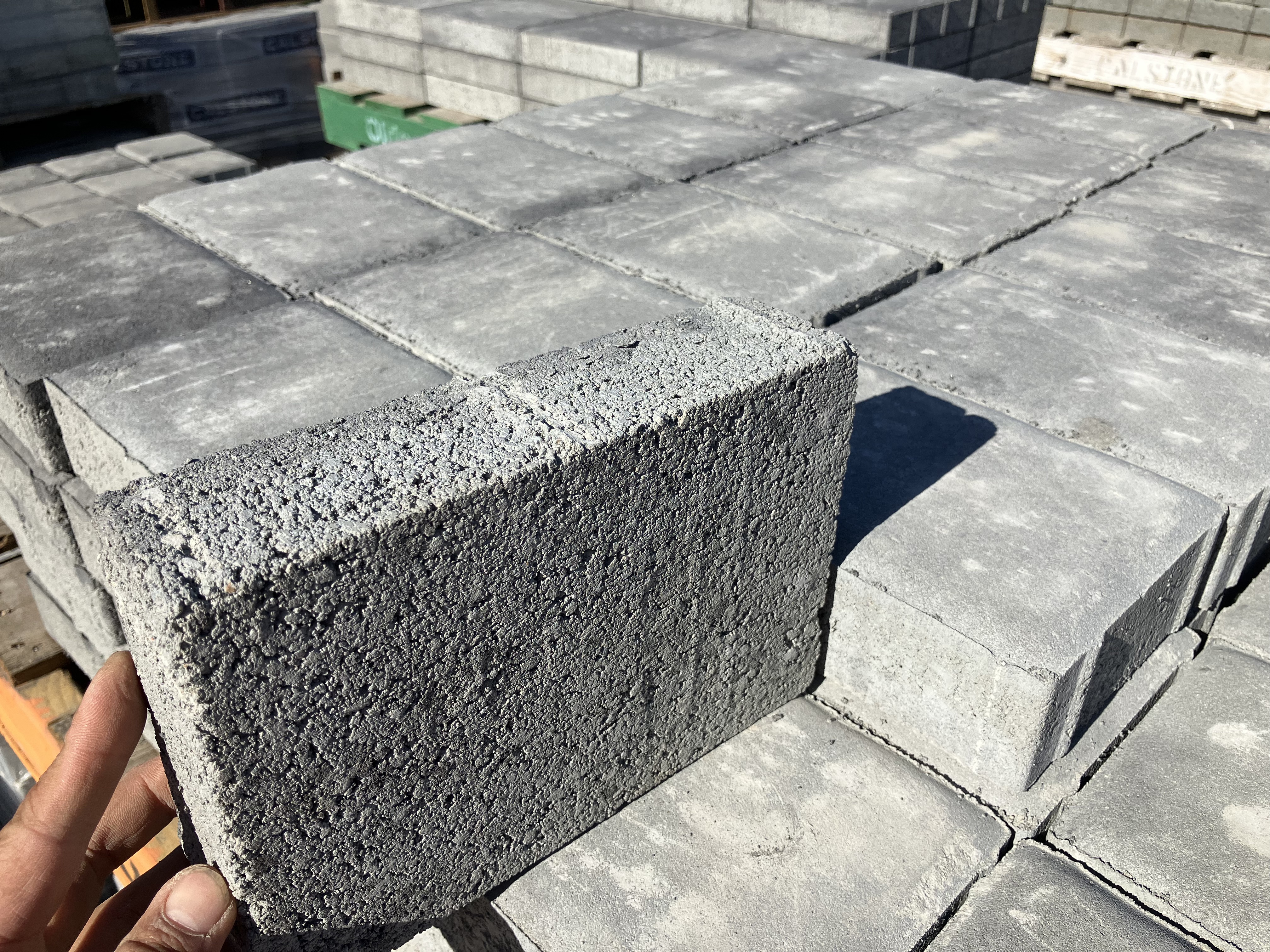
well concrete is a more or less uniform industrial product

made of cement, gravel & sand ( together called aggregate), air and water

looks like this, kinda crumbly gritty evenly holey

sometimes though they do a real nice job finishing the concrete

troweling and floating the cement to the surface, buffing it sanding it down what have ya

work it good and long with a vibrator to get all the air out

and it ends up like this, super smooth and polished stone like, almost

its still concrete, just a bit pricier cause it got special treatment

you like wowwwwww

yeah me too

it gets trickier

in the old times concrete was just gray, boring gray

easy to identify

I mean, theres literally sidewalks and buildings and bridges full of the stuff

nowadays they color it, or stamp it to look like stone, texture it, make it in different shapes

and make em into pavers that look like bricks

sometimes they even call em brick pavers even though they are concrete but in the shape and size of a brick

heres some of those examples of concrete that can confuse you if you dont pay attention to the details

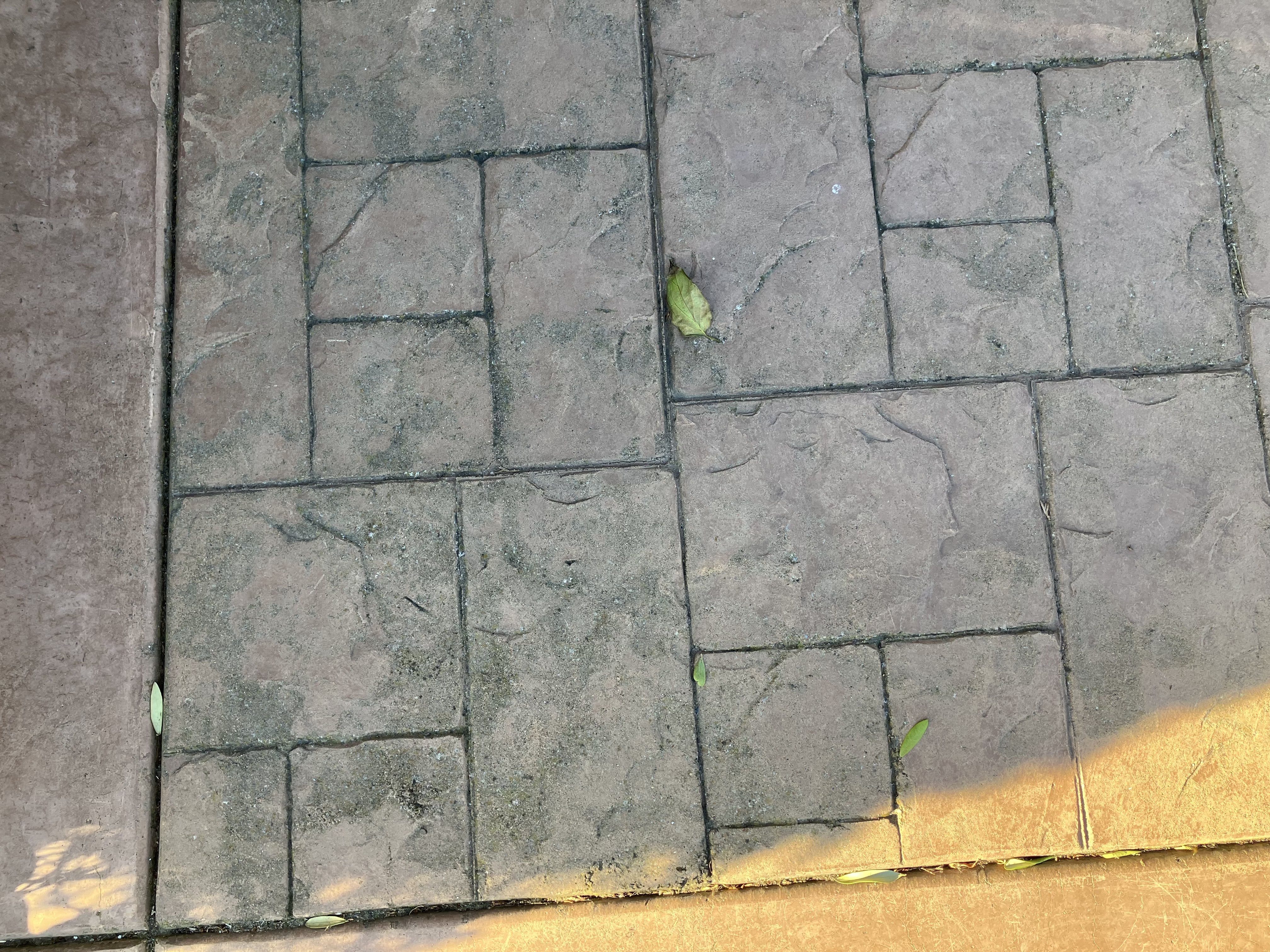
here is stamped and colored concrete, yes concrete!
Tell tale is to check the joints and their depth…

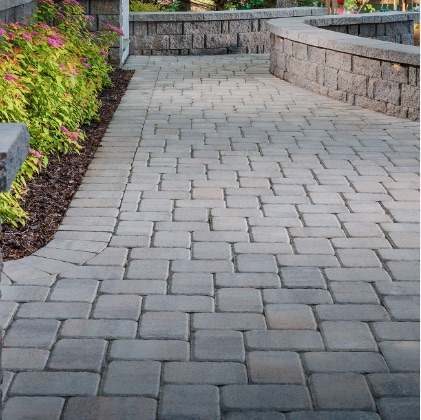
heres pavers – not brick or stone, concrete!!!

Good lookin eh

Alright enough of concrete for now

move on to stones and rocks

rocks in general are more expensive

its usually dynamited out of a mountain quarry then cut and transported for use

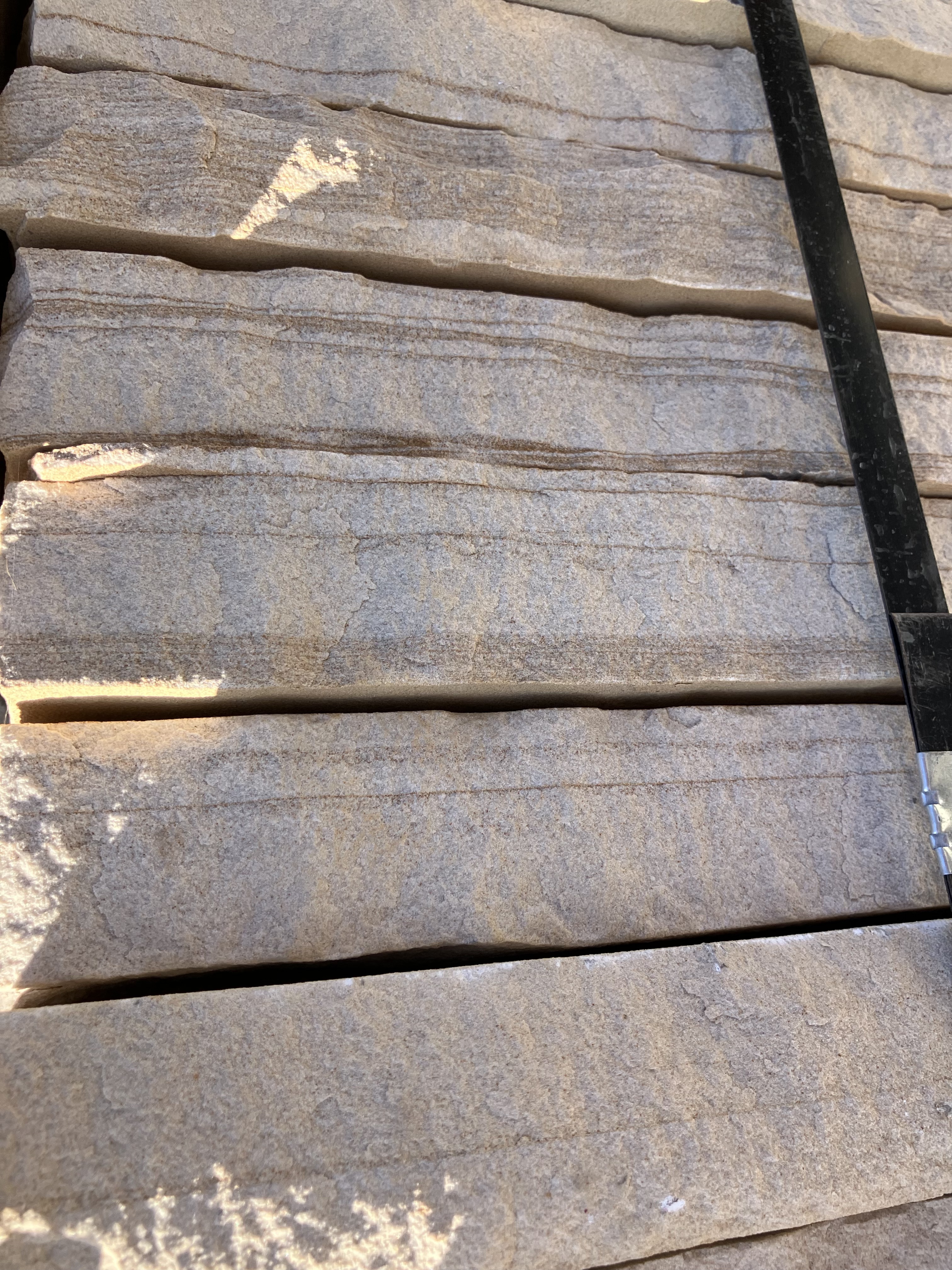
sedimentary rock is usually softer and got layers, real distinctive

sandstone, limestone like that fancy italian travertine, bluestone, brownstone, all sedimentary

got lines like eons of dead shells, dust and clay all settled out

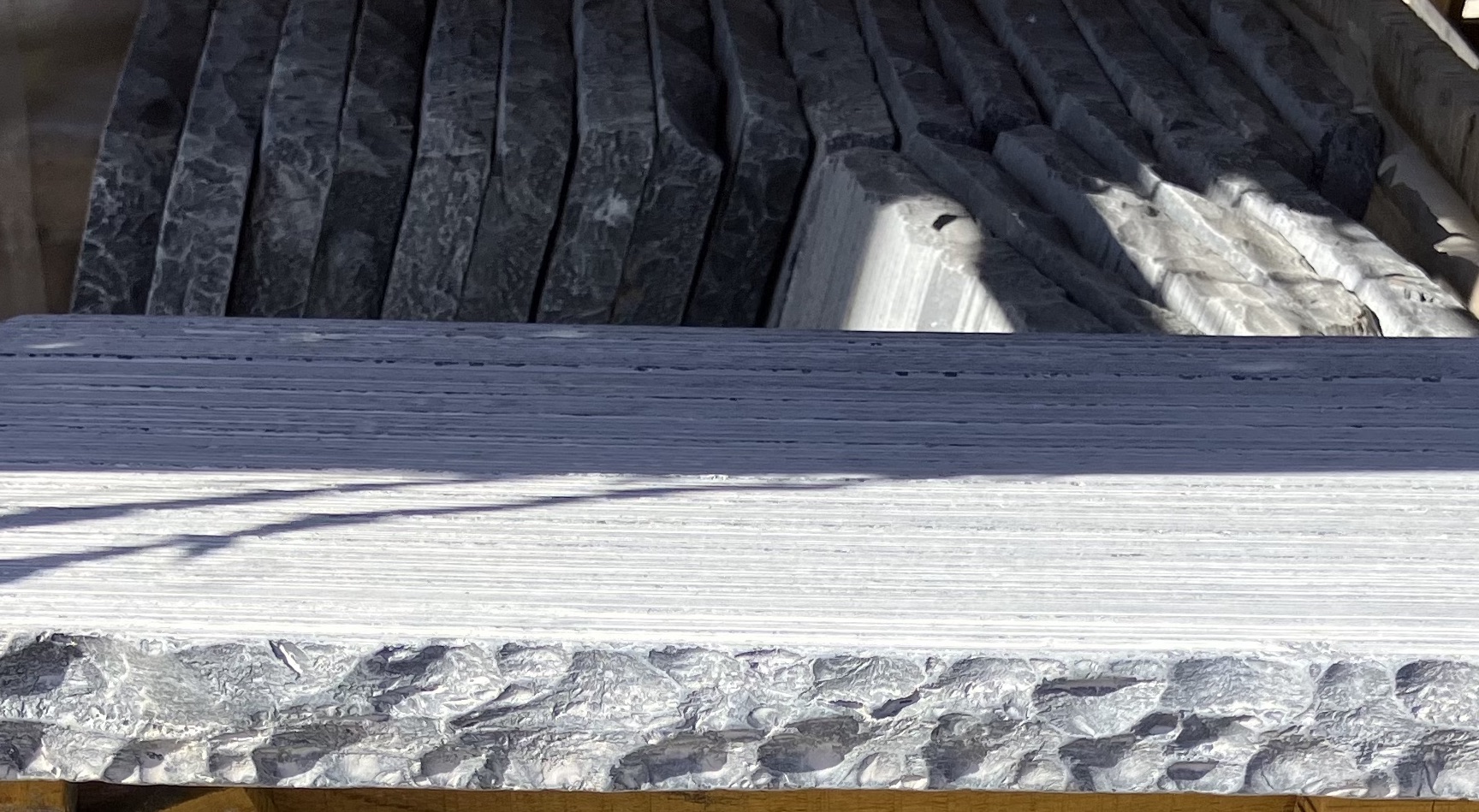
This one here’s trade name is antique black, it is also a sedimentary rock

thats the bottom you are looking at, grooved for easy mortaring or gluing and sticking:

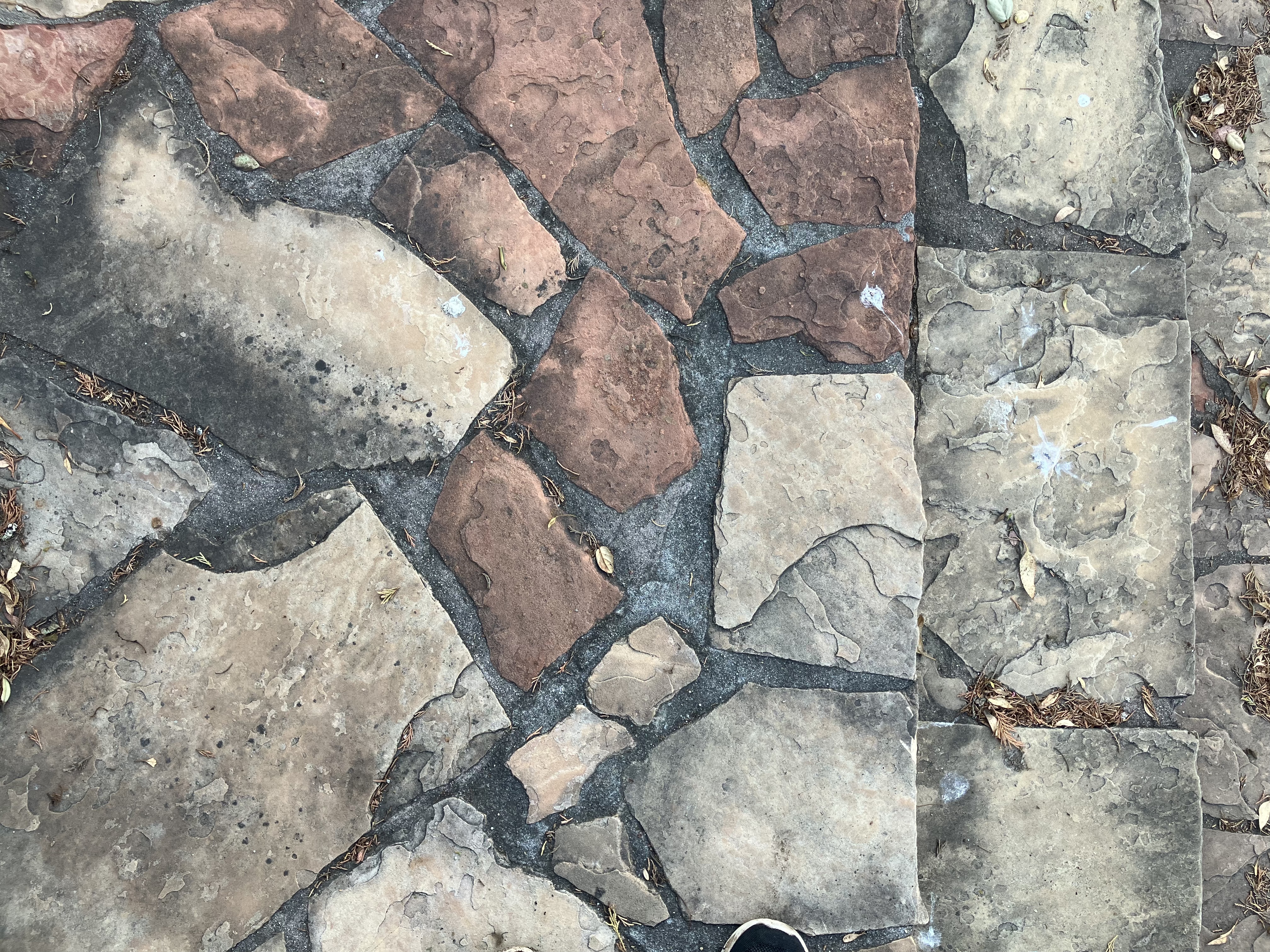
One more really red really pretty sedimentary rock:

Theres a few metamorphic rocks to get to know too

maybe you are not a rock hound or interested in any of this geology earth minerals stuff

and it dont make no difference to you if its sedimentary or metamorphic or igneous

but when you are cutting or installing that stone, hardness matters to the saw and the operator

as does how the stone might crumble or break or flake apart and such

slate is one such metamorphic rock also used in mostly old times for roofing tiles

nice color:

Dont worry too much bout the term flagstone

its one of those generic catch all words for a bunch of different kinds of layery rock used for landscaping

Last but not least you got igneous rocks, cool rocks from lava and magma and volcanoes

in landscaping we see mostly granite, basalt, and lava rock

granite we see sometimes as like cobbles or boulders,

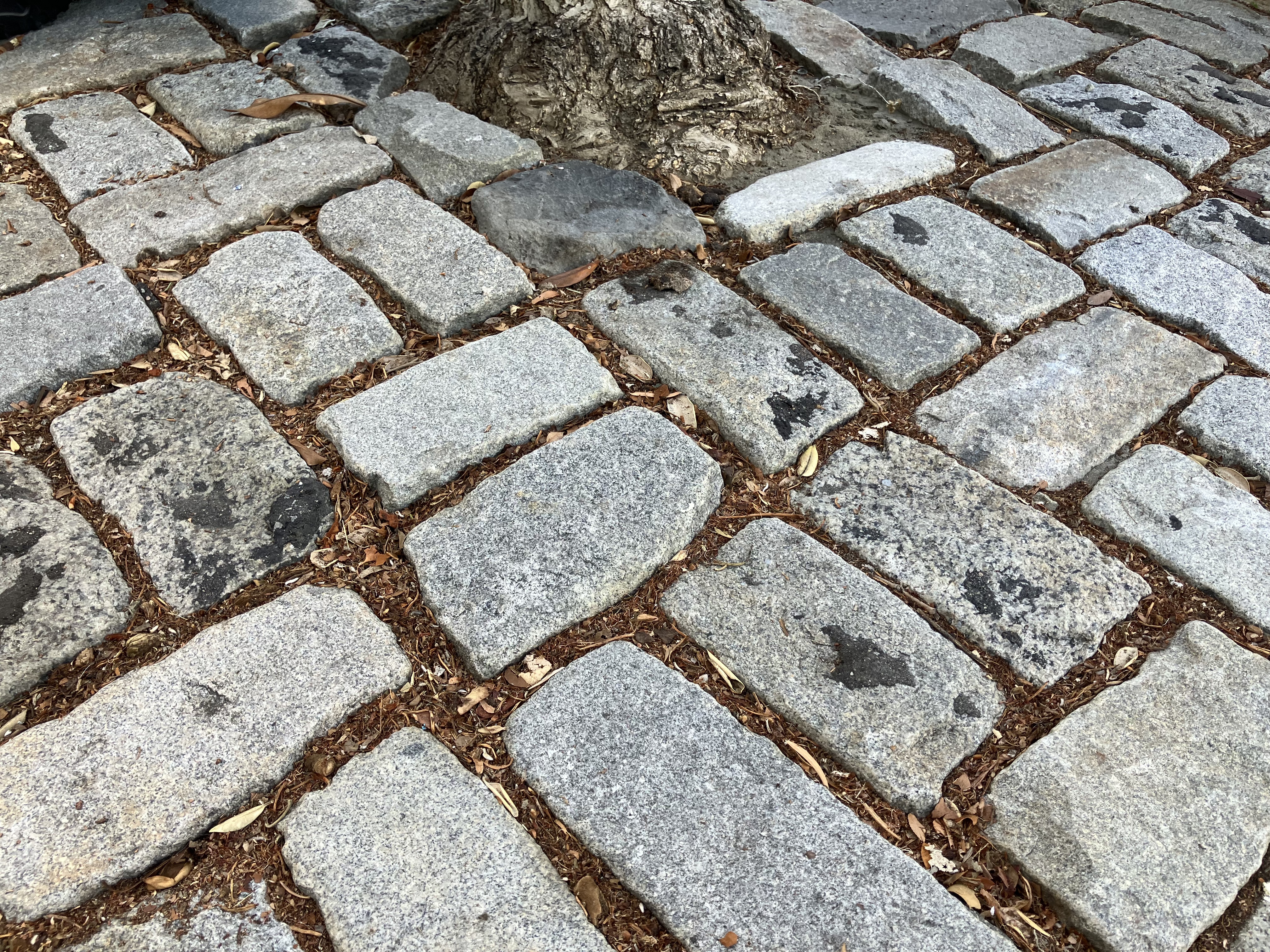
its super easy to know cause of the white and black speckles, plus its super hard

meaning if your metal blade is dull and you dont have your file or sharpening stone

you can get a decent edge on that bevel just running it back and forth on the rough granite

you probably care about this one too if you are one of those sticky shoe wearing

rope hauling belaying rock climbers

here it is:

and where you park the cars on the curb there it is again:

we will get back to basalt and lava rock later when we discuss smaller sized rocks and pebbly things

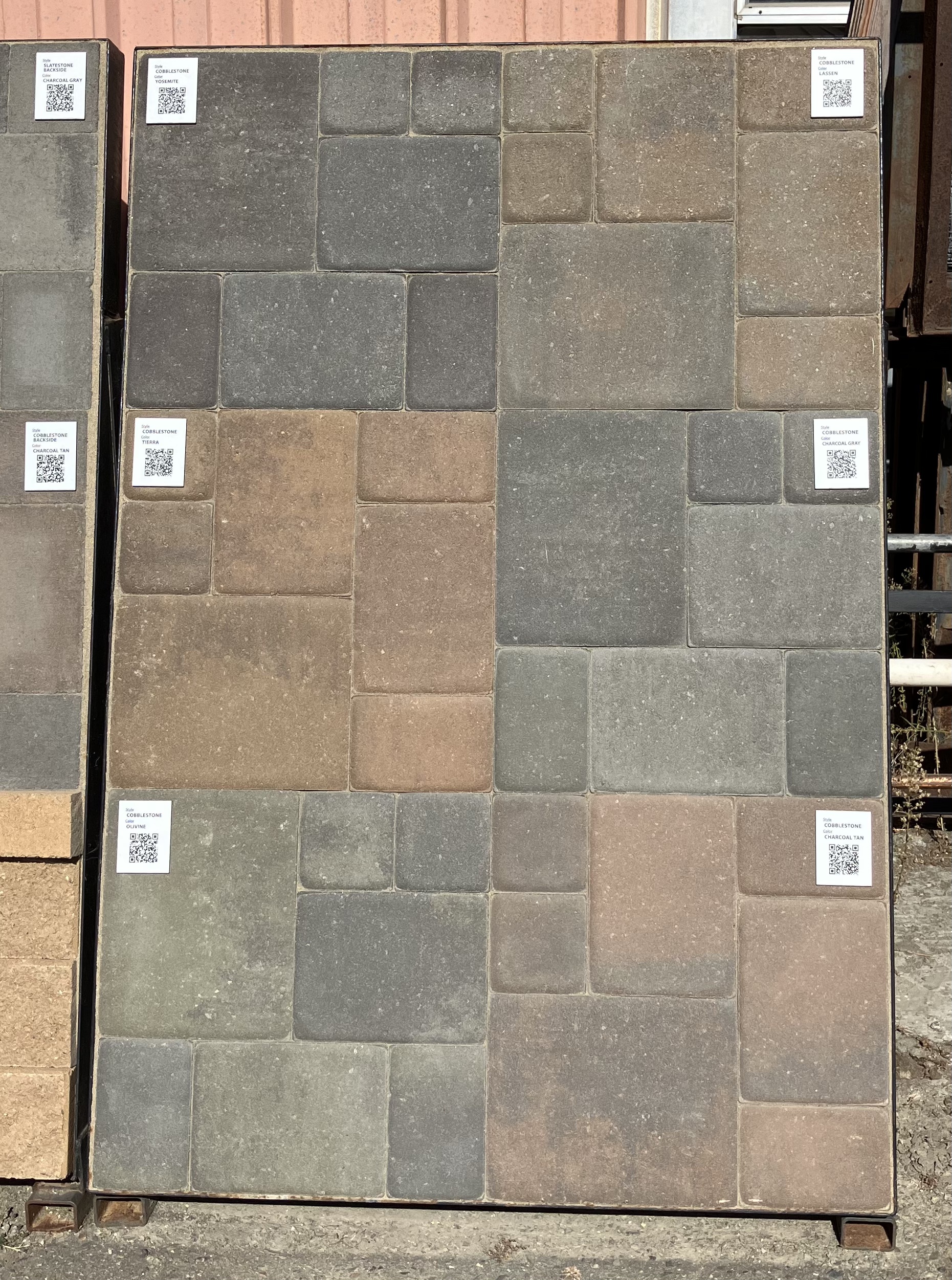
With stones and selection, you can go geometric squares and rectangles almost like tiles, or go au naturel with uneven asymmetrical shapes in the garden

the clean boxy look:

Or the more messy natural look: (thats the one I prefer)

Heres a lil detail that’ll make you seem like a seasoned pro

take a look at how the stones are cut

makes a difference in price and ‘clean edgieness’

not sure it really makes a difference once its sitting on the ground covered on the edges with gravel and plants but

some people with really sharp eyes notice and care about these things

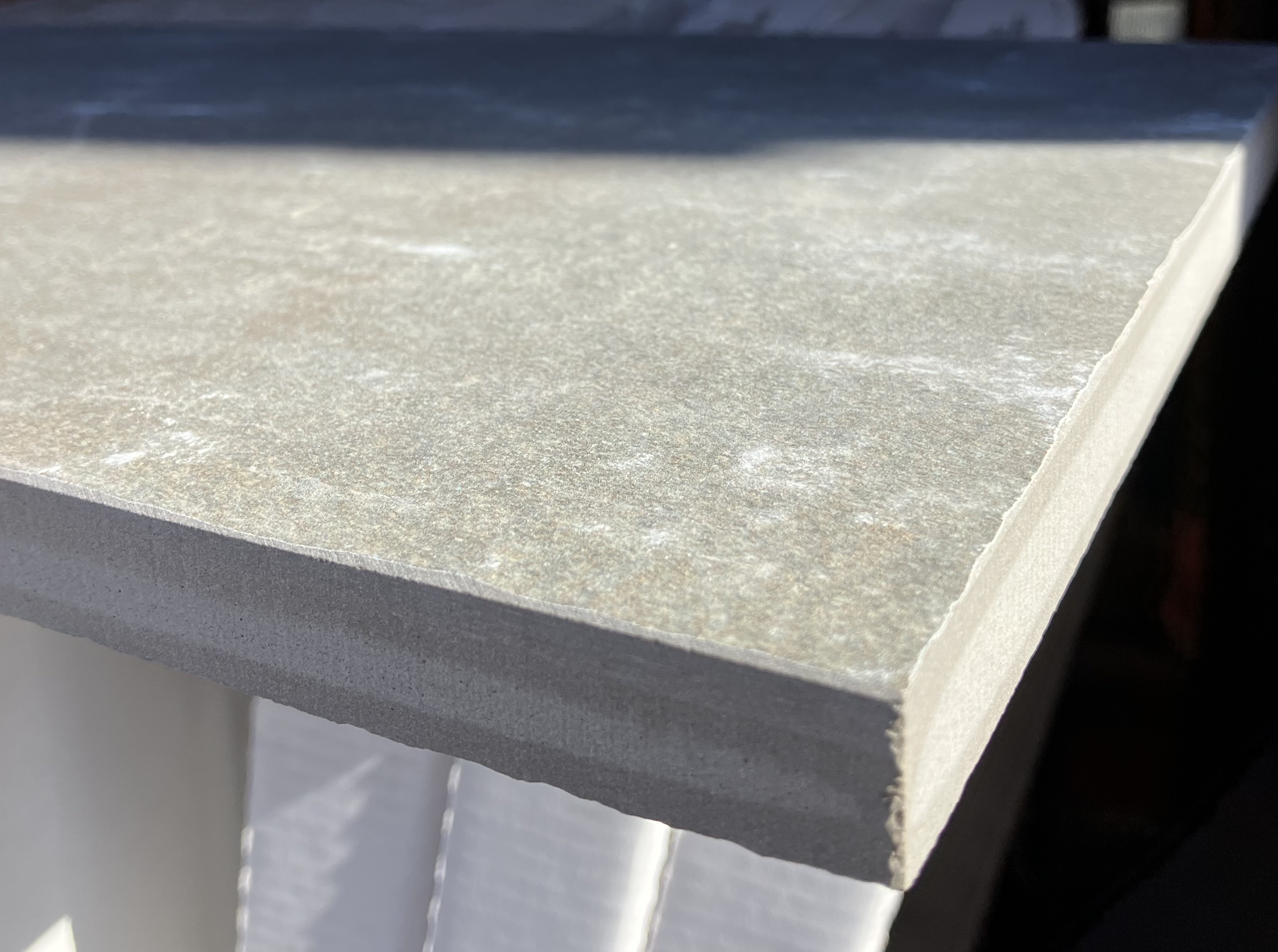
the roughest cut, kinda hand chiselly, is this one called ‘rockface’ cut:

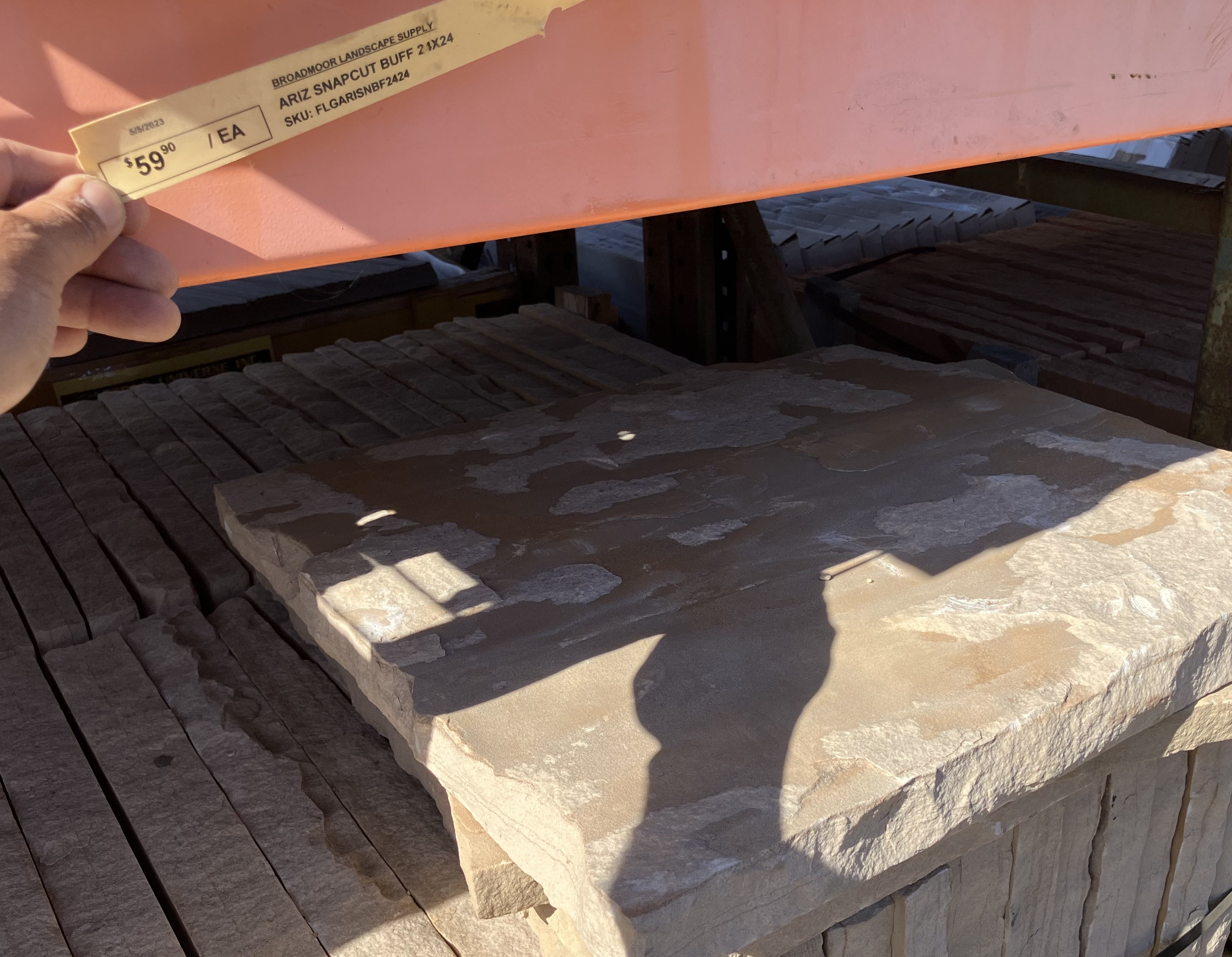
next up is ‘snap cut’, kinda like how you’d cut foam board for a school project, or cut tile with of those manual cutters

not quite as rough, but not super fine either:

Then its the ‘saw cut’, well, cut with you know what:

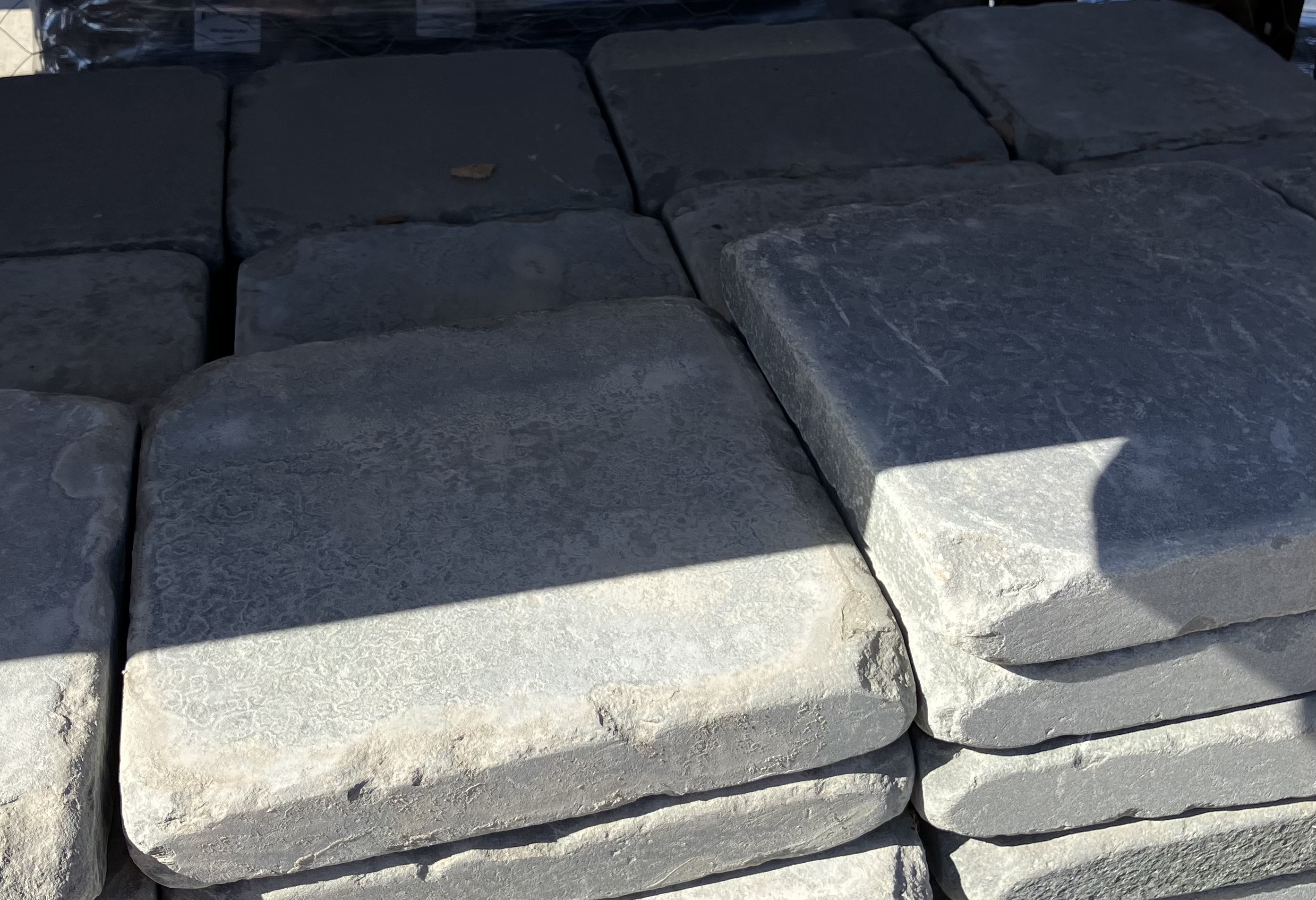
After the cutting, some stone is ‘tumbled’ to get that nice soft rounded edge:

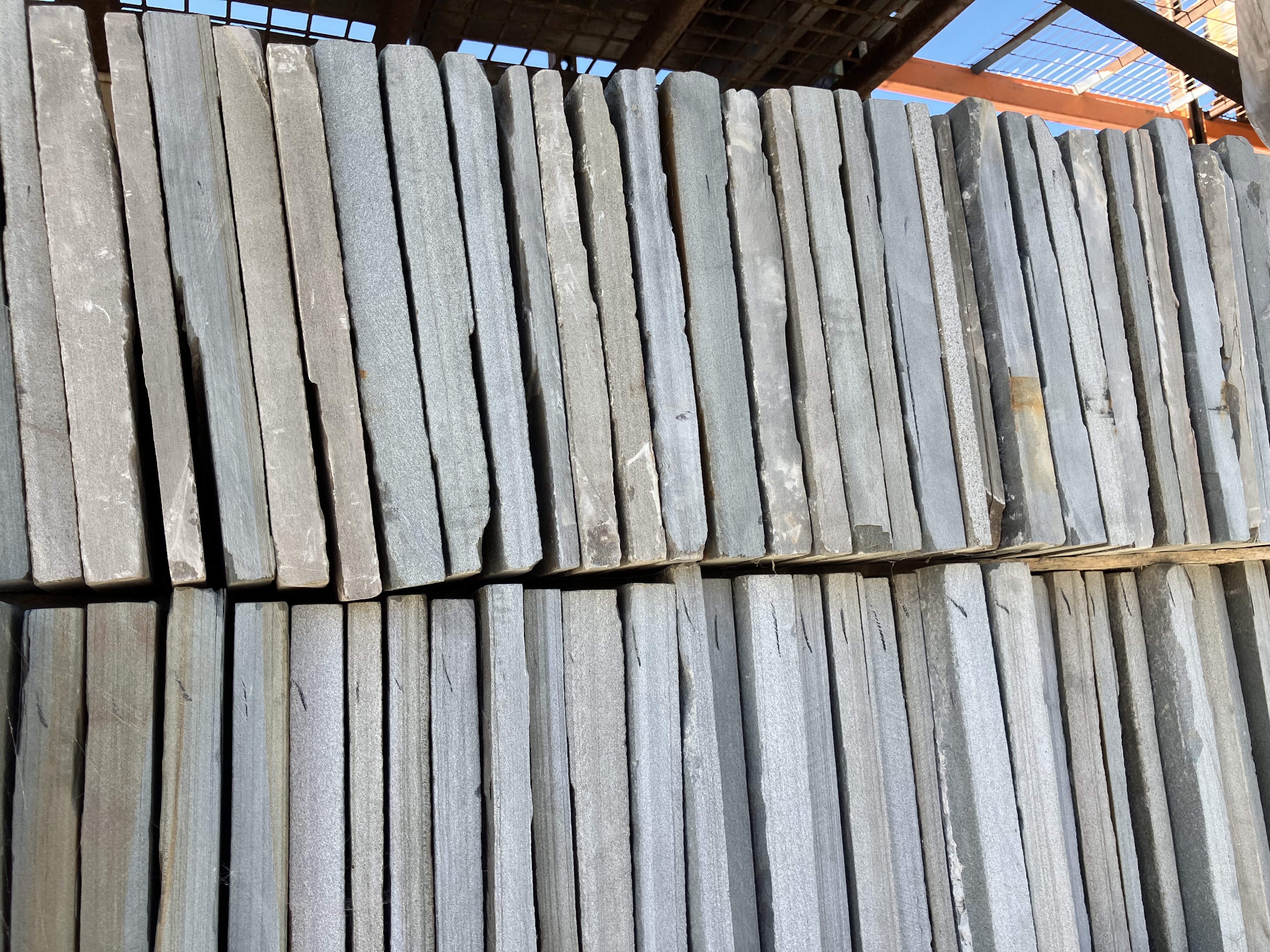
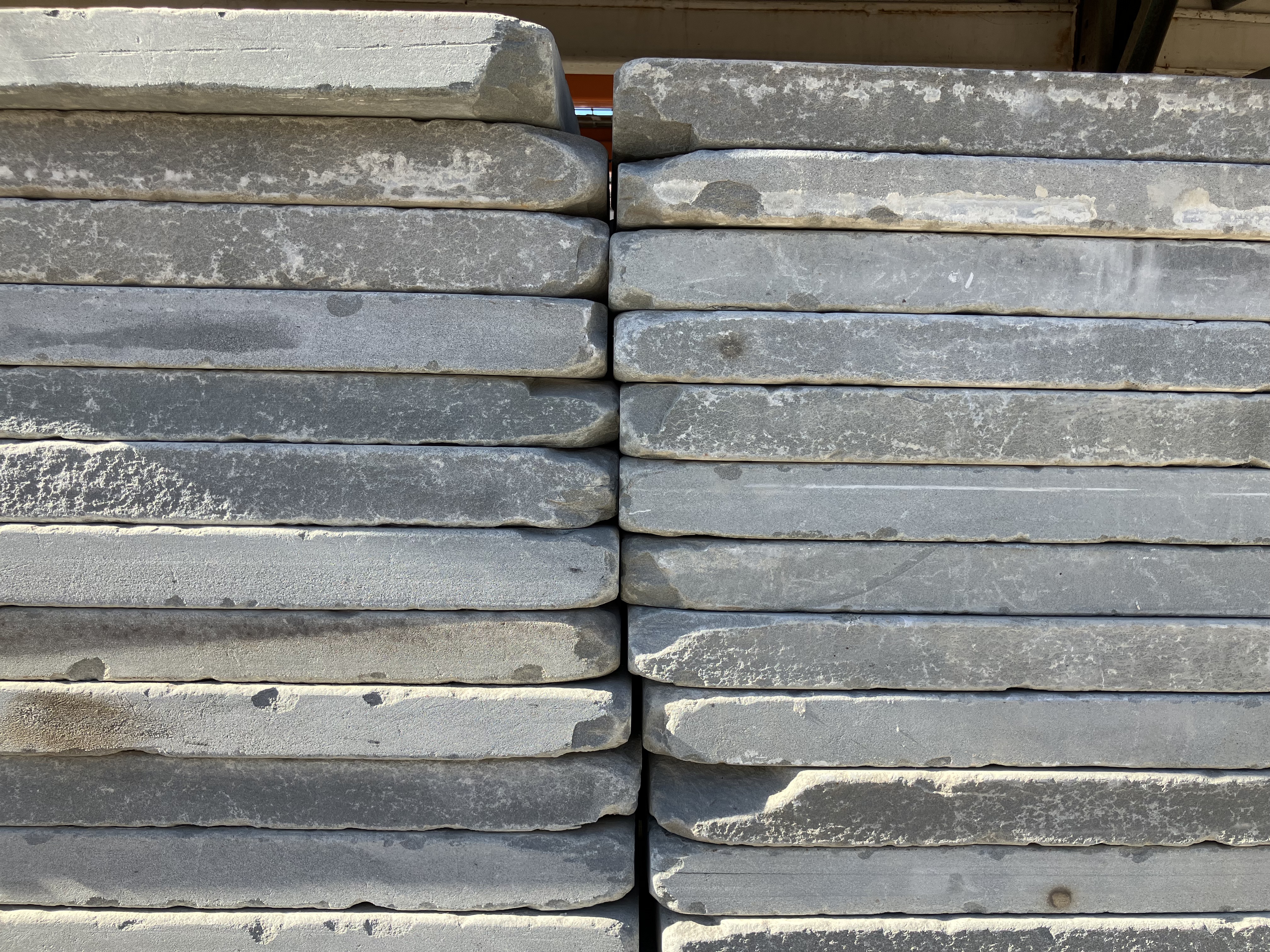
Another thing that matters quite a bit in stone selection is the thickness of the stone

it comes thin, medium, and thick

from about 1/2″ – 3/4″ or so to 2-3 inches

thin:

medium:

thick:

from a clients angle

you thinking

whats cheaper?

whats more durable? whats not gonna snap and break?

will it be even and level enough to set a table atop it,

and have a dinner party outdoors with lights and dancing

from a contractor angle

you thinking

what base am I gonna lay this stone on top of?

compacted rock and sand, or a concrete slab?

am I gonna be able to lift the really heavy pieces through the house without breaking em

(cause some san francisco houses have no side gate or easy backyard access)

do we need to rent a crane?

can I make more money on the thicker or thinner stone?

and so on

Other stone considerations might be:

is algae and moss gonna grow on the stone?

is it going to be slippery when wet?

is it easy to clean and scrub?

Thats all for now for stone, onto bricks

bricks are made of clay that has been fired in a kiln

its one of those very ancient materials with a classic lineage that is warm and comforting on the eyes

i love bricks, they remind me of hearths and pug mills and gas kilns and happy country places:

it is not so good in our earthquake prone area for tall buildings

but its fine for short walls, fences, patios and all that good stuff

theres a lot of different kinds of bricks

baked and fired from different kinds of clays with varying amounts of iron, silica, and so on

I remember falling in love with a clay called black mountain, real dark bodied clay

bricks got a lotta variety from a kinda rustic old timey feel to very crisp sharp edges and solid colors

typical standard brick size is 8″ x 4″ length by width, 2.25″ high

actual dimensions closer to 7.625″ x 3.625″ length by width, 2.25″ high

in the landscape, well installed, they look like this,

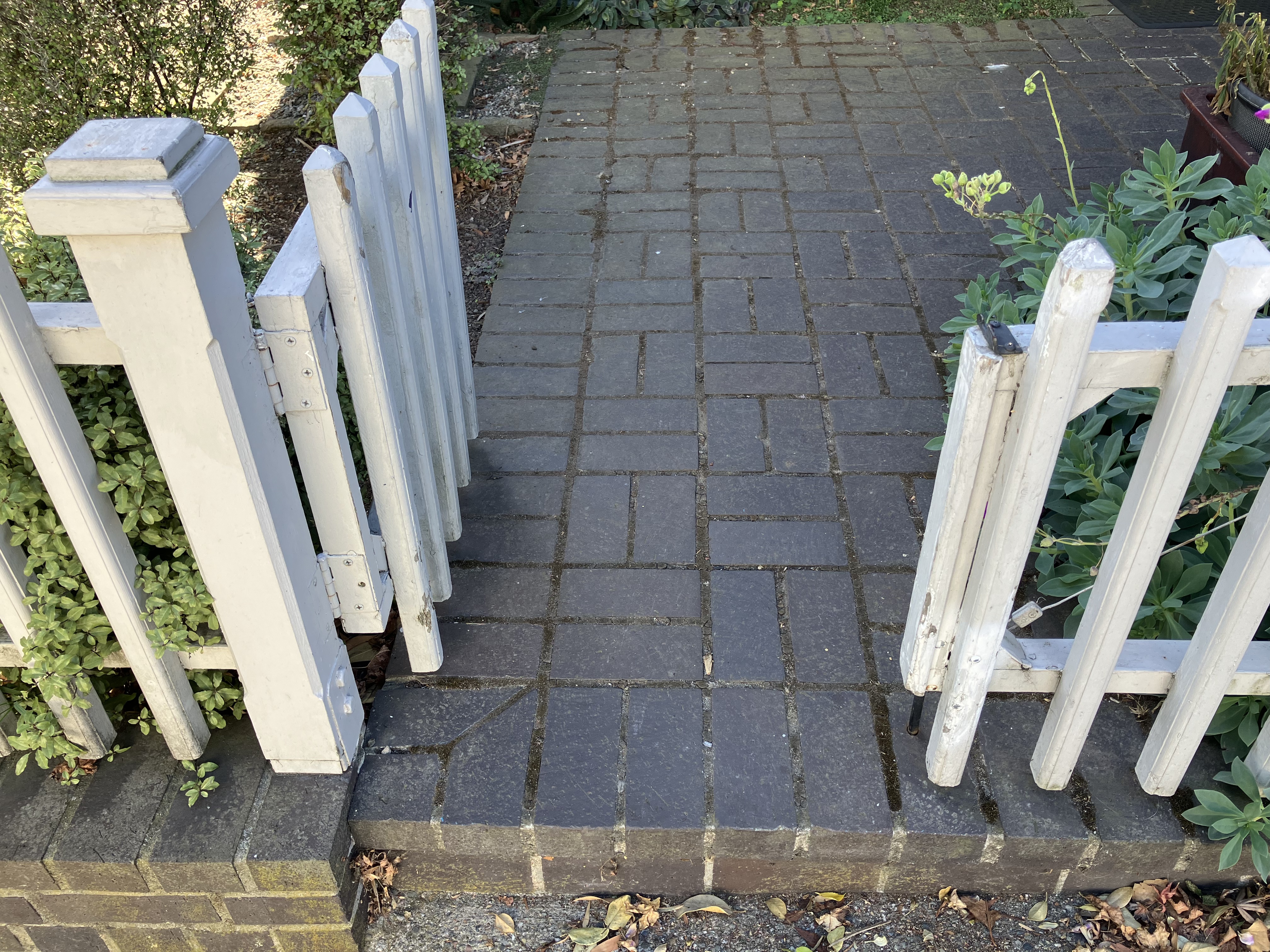
this example is a “basket weave” pattern, two up down, two sideways on down across the patio:

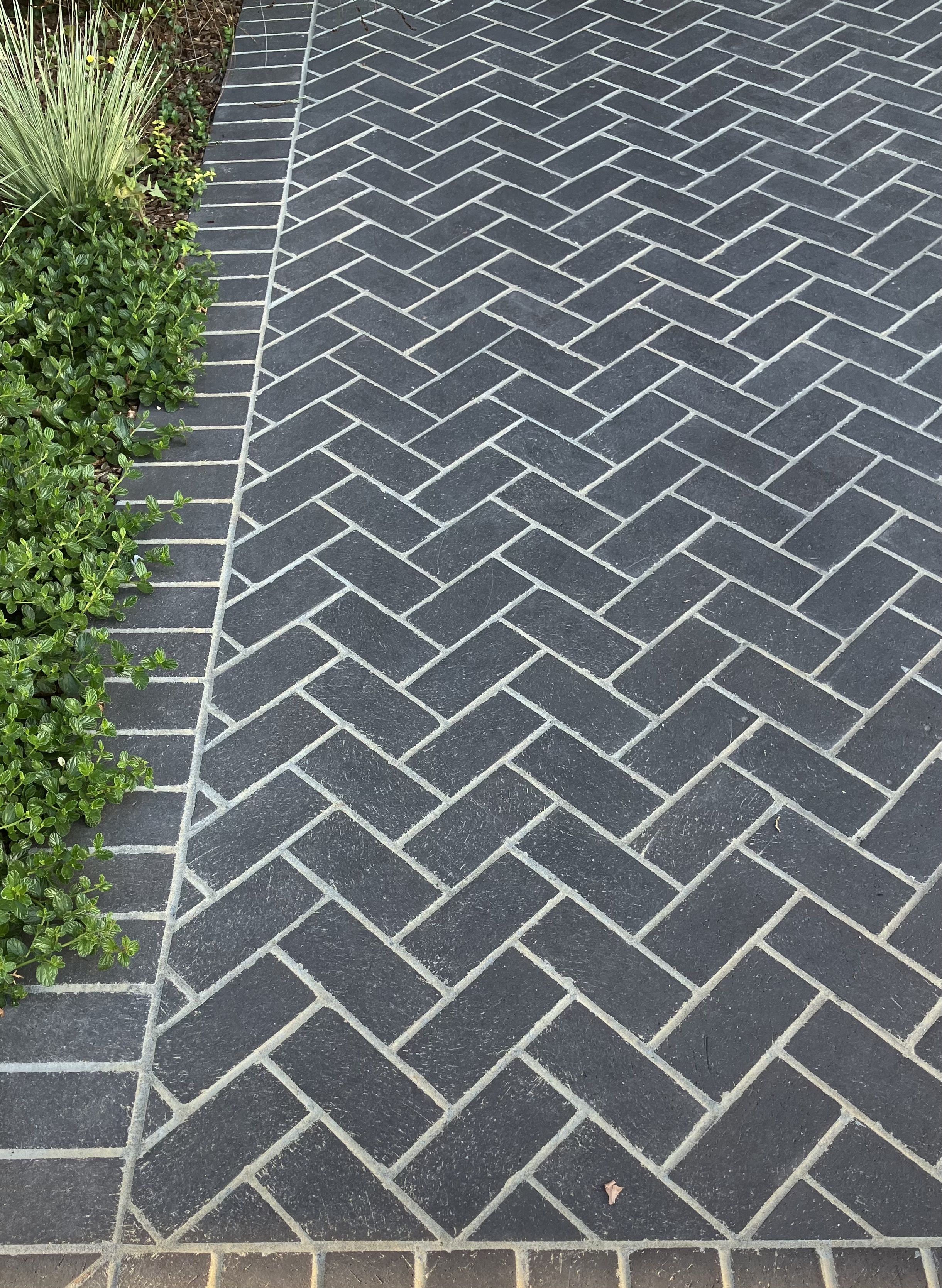
This pattern is called “herringbone”:

Stylish eh

so far we’ve mentioned concrete, stone, and brick,

they are the kinda larger building blocks for a garden hardscape project

how about the little pebbles and gravels and sands?

they are important too

for a few reasons

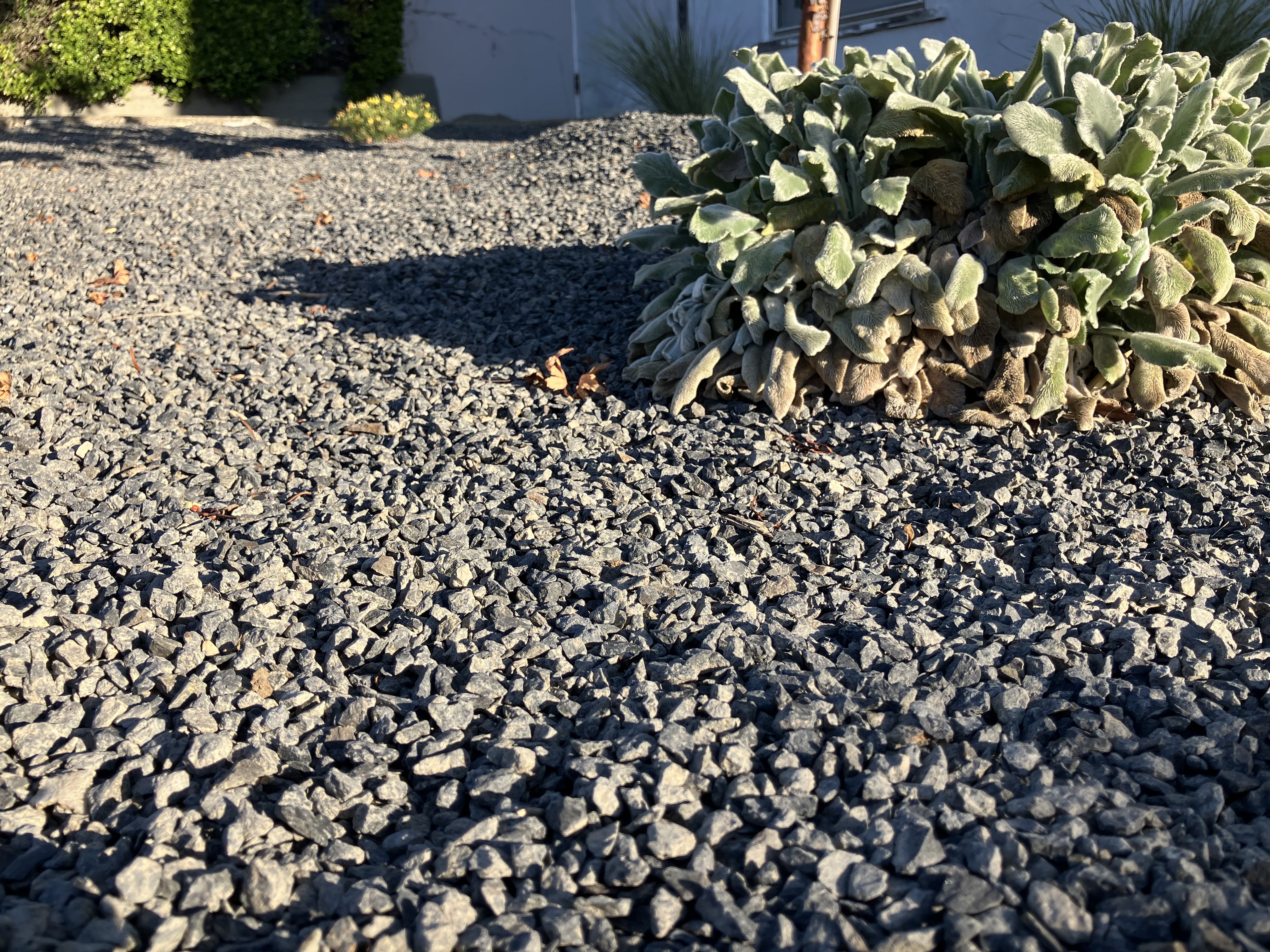
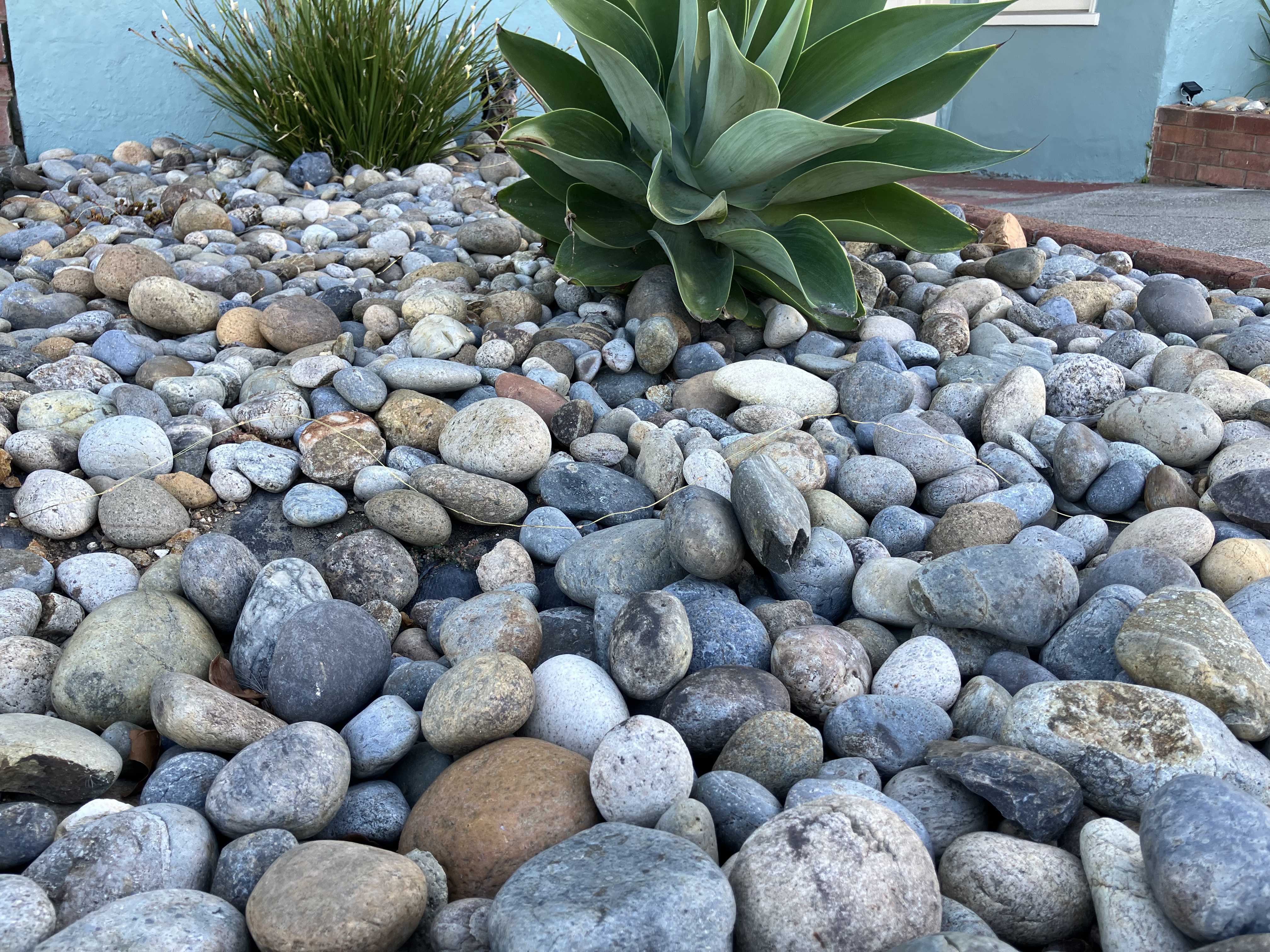
one is as a mulch or top dressing, to cover up the earth

so no or fewer weeds grow, or cause you like the desert dry ‘look’

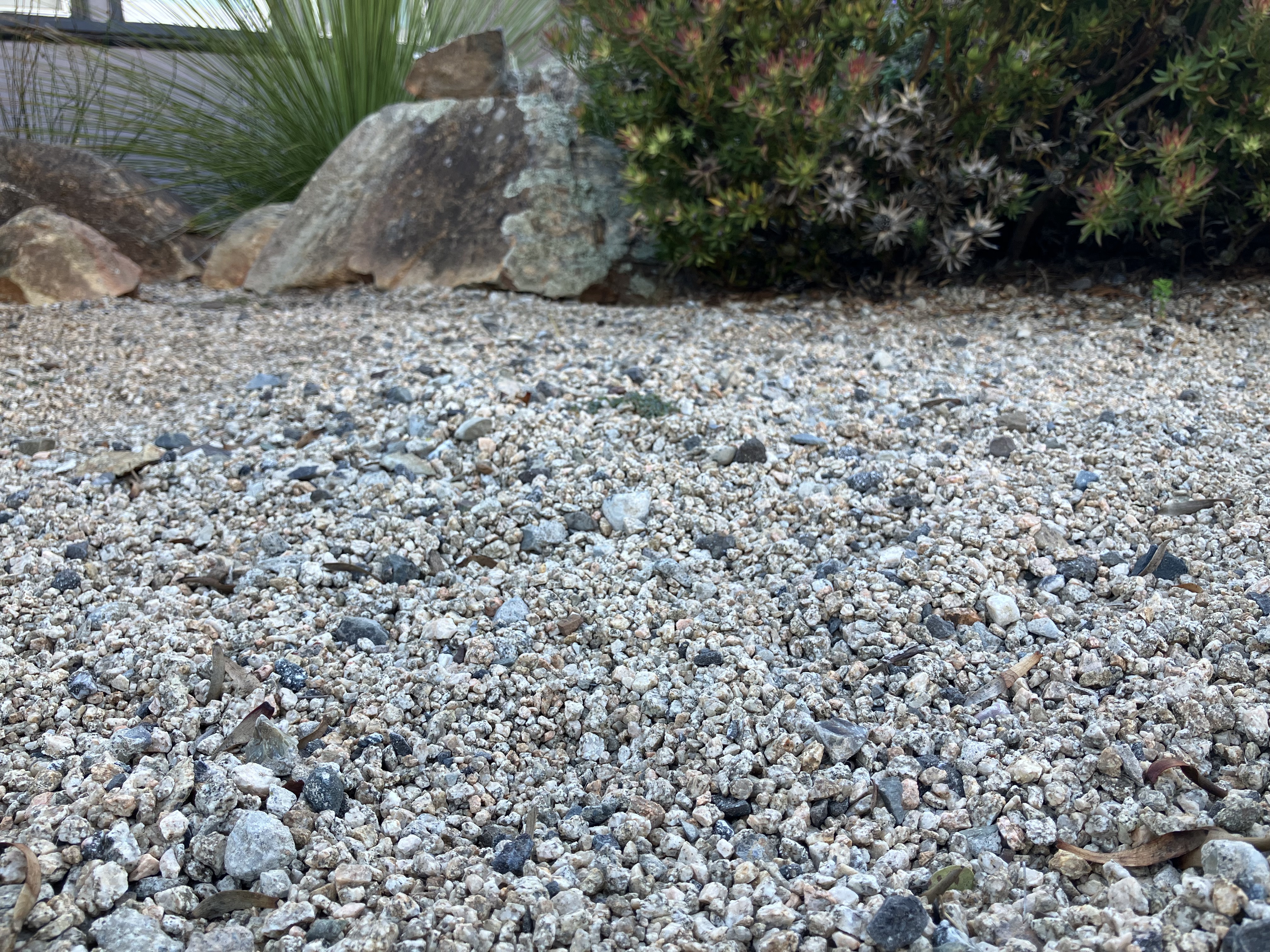
something like this:

or this one:

Or maybe something a lil bigger, a lil rounder, a lil more ‘riverbeddy’:

The second use for the lil hardscape type pebbles and gravels is as a pad or as a fill underneath a brick or stone or concrete paver patio or driveway or path

they help the drainage somewhat

and form part of this massive hardscape foundation that is more stable over time

moves as one cohesive unit

keeping the bumps and uneven contours and movement at bay

so you dont get dips and warps and sinking and things like that in your 40,000 dollar patio

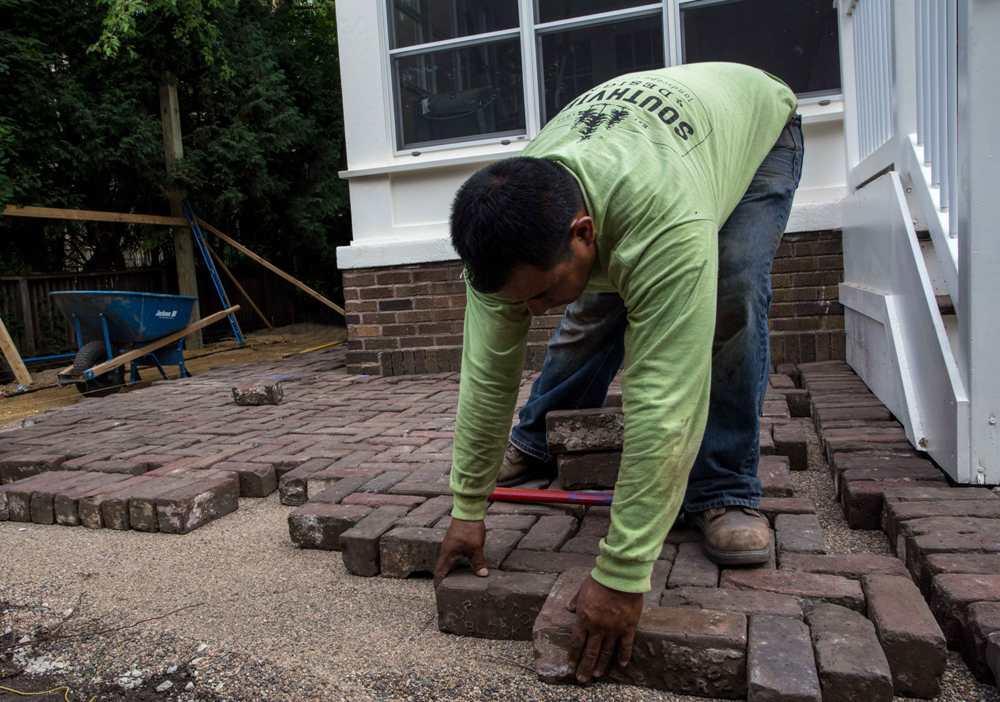
well theres all sorts of ways to install a patio, from the DIY to the professional

from Southview Design

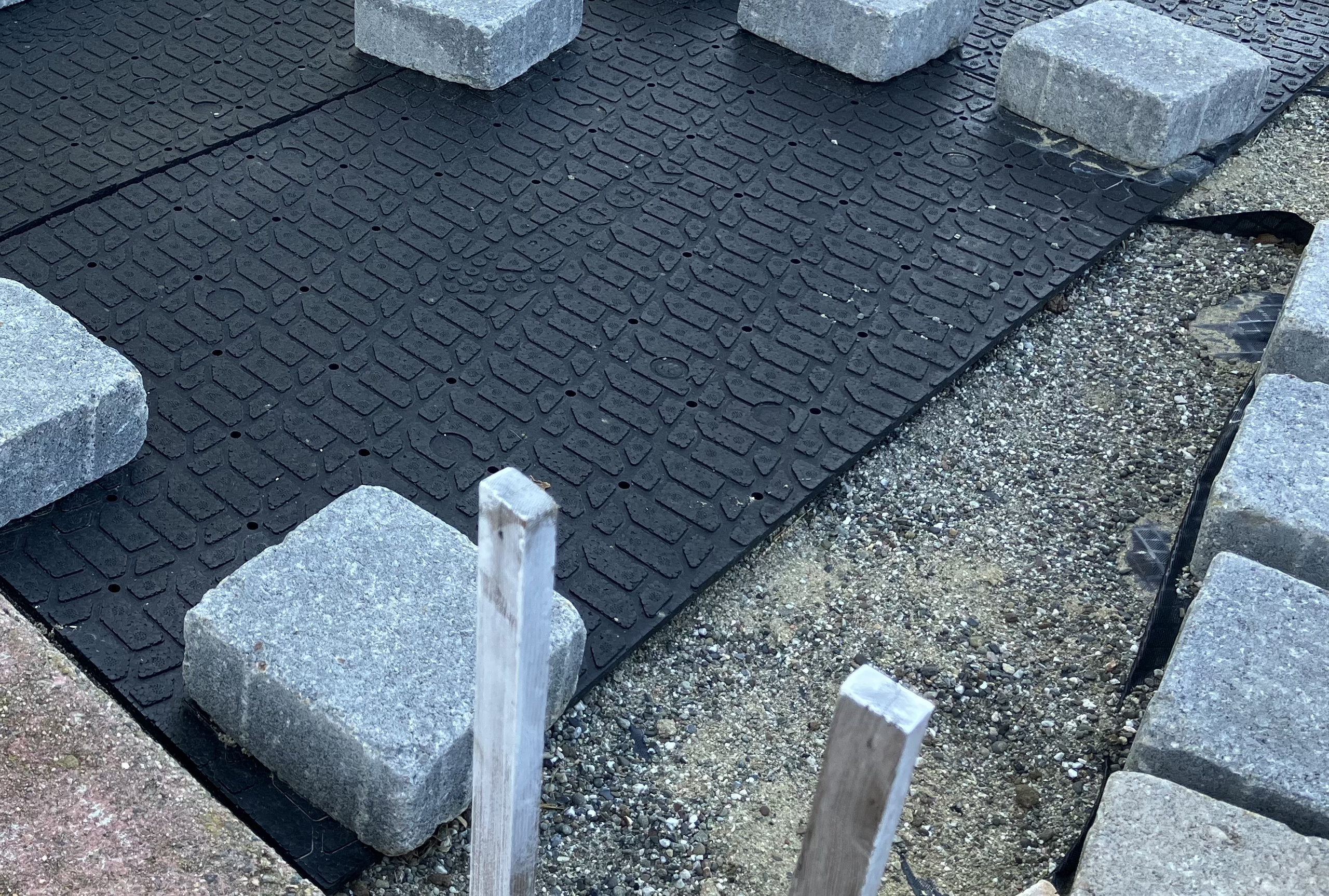
from Paver Patio Site Prep – Seattle Outdoor Spaces

Do you use 1″ of sand or 1″ of 3/8″ gravel beneath the pavers as pad/base?

Use concrete sand or decomposed granite or olympic sand or polymeric sand or silica sand or beach sand or?

Do you use the foam paver panels or not?

Are you in a cold frost and freeze prone area or not?

Do you use weed cloth or not?

Will you be actually planting the spaces and joints where the stones meet up? with thyme or tradescantia or babys tears or?

and the questions go on and on

then ask ten different contractors, see what they say, what are their experiences?

who is telling the ‘truth’, who is scamming and making it up, who is knowledgeable and speaking from a lifetime of observations?

lets just stick to the materials and discuss their intrinsic properties instead

to better understand their characteristics and differences,

and plan a common sense practical way forward

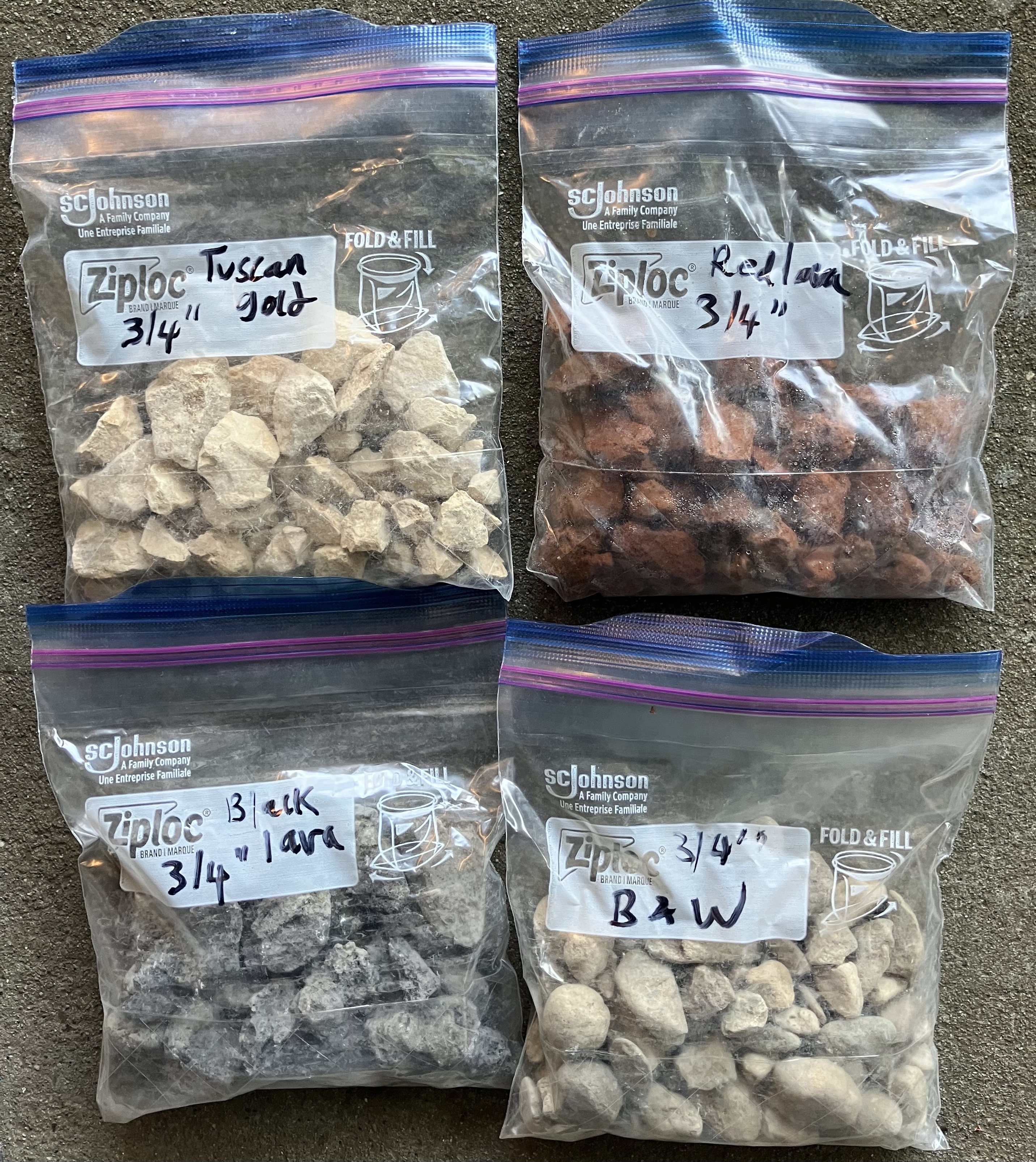
We will start with rocks with a relatively jagged angled shape, in the 3/4″ size

These all 3/4″ sized rocks, mostly used for decorative top dressing:

Two of the bags are lava rock – that is

igneous rocks from magma, but unlike granite which is born deep in the earth and cools slowly

lava rocks are made above ground when lava reaches the surface

basalt is similar but a specific type of ‘lava rock’

yeah basalt like the Giants Causeway in Ireland

Organ Pipes in Namibia, or the Devil’s Post Pile in California

or those fashionable hollowed out basalt fountains:

from the Pond Guy

The Tuscan Gold and Black and White (B & W) are a lil heavier

lava rock has a light porous feel from its quick cool volcanic origins

you also find it sometimes in a smaller size as pumice in potting soils

or we might use it to mound and give drainage to cactus or cycads we are growing in the ground

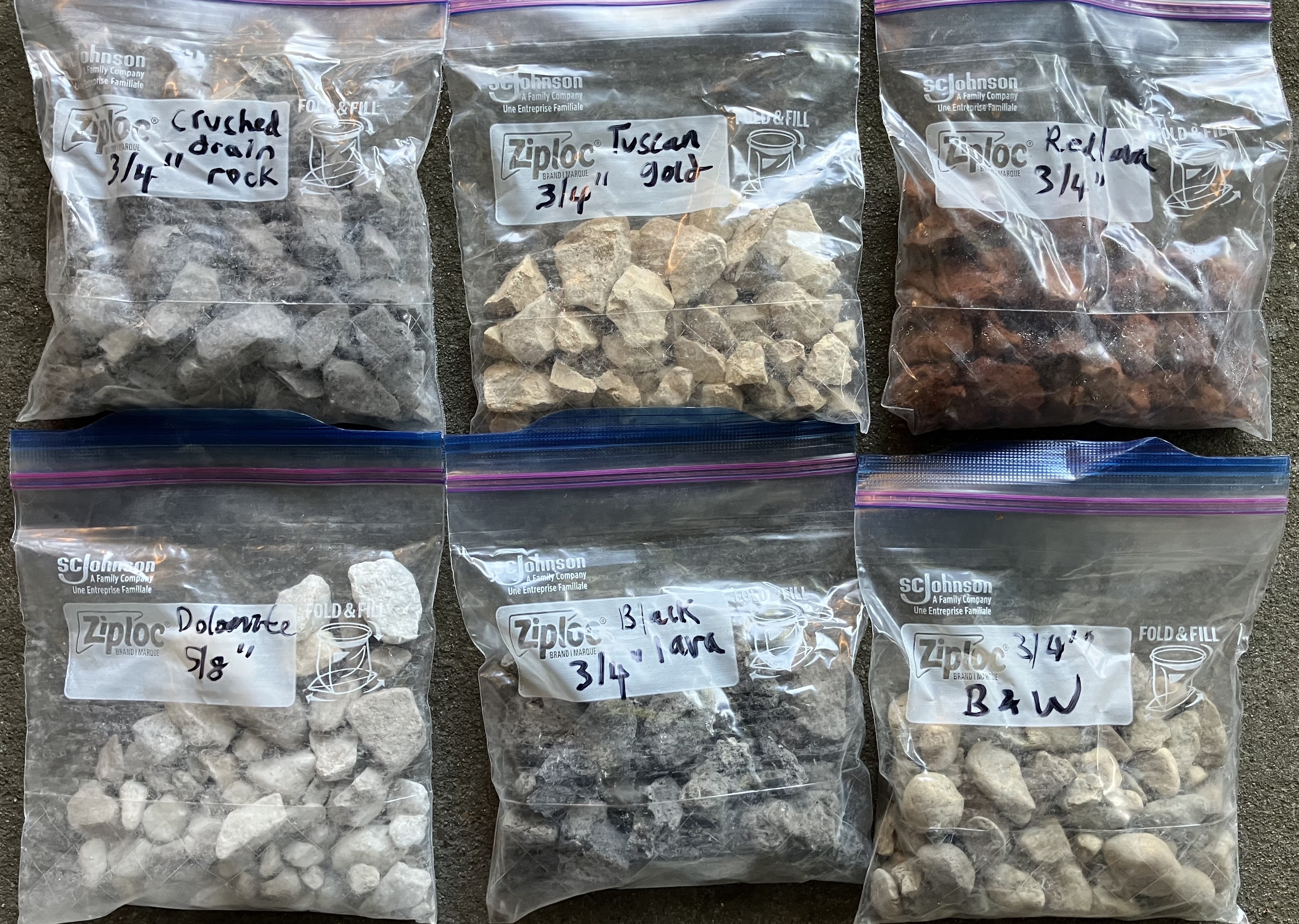
This next picture, on the left is 3/4″ crushed drain rock, on the right is base rock:

aside from a slight difference in size

what is the main difference that you see?

if you say one is clean and open and full of pores for drainage

and the other is filled with all sorts of sized aggregate and sand for dense packing and compaction

you would be correct

for a trench or a french drain, which would you use?

for under a concrete paver patio, which would you use?

and from mother natures angle,

what happens over time,

to all the open pores in the earth, as rain falls and ground waters flow?

Heres the same set of rocks, with the addition of 5/8″ dolomite

dolomite? isnt that a mineral supplement some folks take for magnesium and calcium?

Questions

are these rocks all more or less interchangeable, in terms of basic function in the landscape?

what is likely the cheapest rock here?

what is it about angular rocks that makes them especially good for a base that is compacted? (hint: Schlage, Master, Yale, Kryptonite)

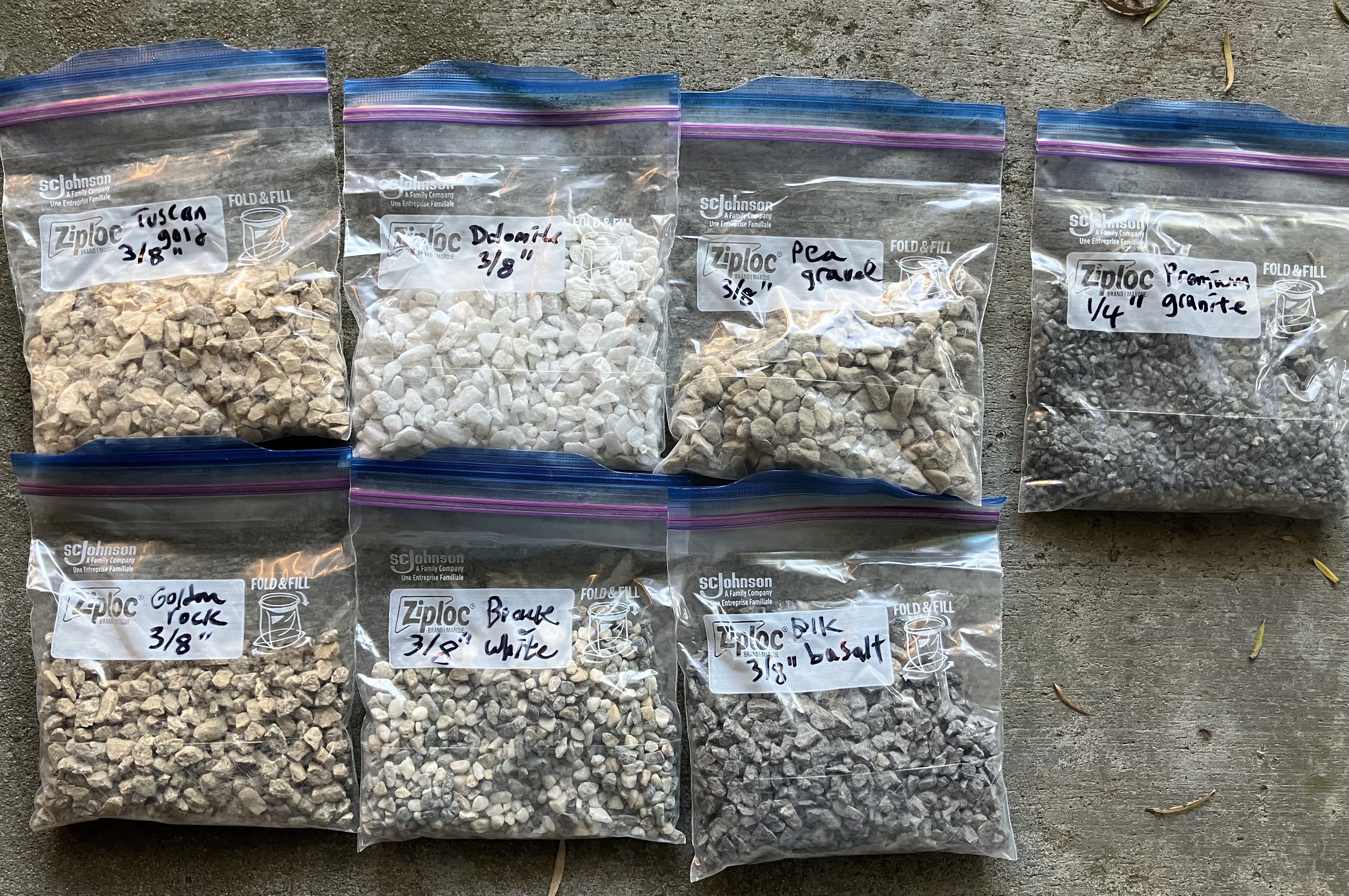
The next size down are similar angular rocks in 3/8″ sizes, and one sample in 1/4″:

Questions:

Besides color and cost, functionally, do these materials all perform similarly?

which would you like to have as a mulch in a garden bed?

which would be somewhat okay to walk on as a path material?

would any of them feel okay with bare feet walking atop it and a cup of coffee and bagel in hand?

which is likely the hardest rock(s) in this set?

could you use any of em as a sand substitute for the layer right beneath the paver or brick?

hmmmmm

Switching gears to rounder rocks that are more pebble than rock

rocks that likely come from a dredged river somewheres

worn down by the creek or river waters

take a look, most of these are used just for top dressing mulches

too round to walk on or tamp down

nice to use a variety of sizes if you are trying to mimic natures variety and diversity

whether for a water feature or dry river bed or what have ya

those salmon bay pebbles from Alabama have a translucent glow to em that light up when wet

and pami from Montana with the red purple hues is quite charming too

hard to beat a rock with a sweet name like ‘button’

Lastly we go to the fine grains small specked hardscapes

useful for paths and tree wells

good for the pad/base layer between the paver or flagstone on top and the angular foundation rock below

as an addition to some soil mixes that like drainage and dont mind the weight

for stucco masonry mortar

playground sand, and more:

‘Fines’ is another way to say decomposed granite, or DG

comes in a variety of colors

think its just the small screened bits, not sure why its called ‘decomposed’

guess its easier and better sounding than ‘eroded’ or ‘weathered’ granite pieces

‘stabilized’ means its got some kinda binder stick-stick-particles-together in it

it can be a more natural type glue or a more plastic resiny type glue

Questions

which one of these samples is the cleanest, with minimal dust and fill and tiny matters?

which ones if wetted down and compacted, will likely stick together the best, over time?

which ones have probably a more angular shape, and which ones are more rounded?

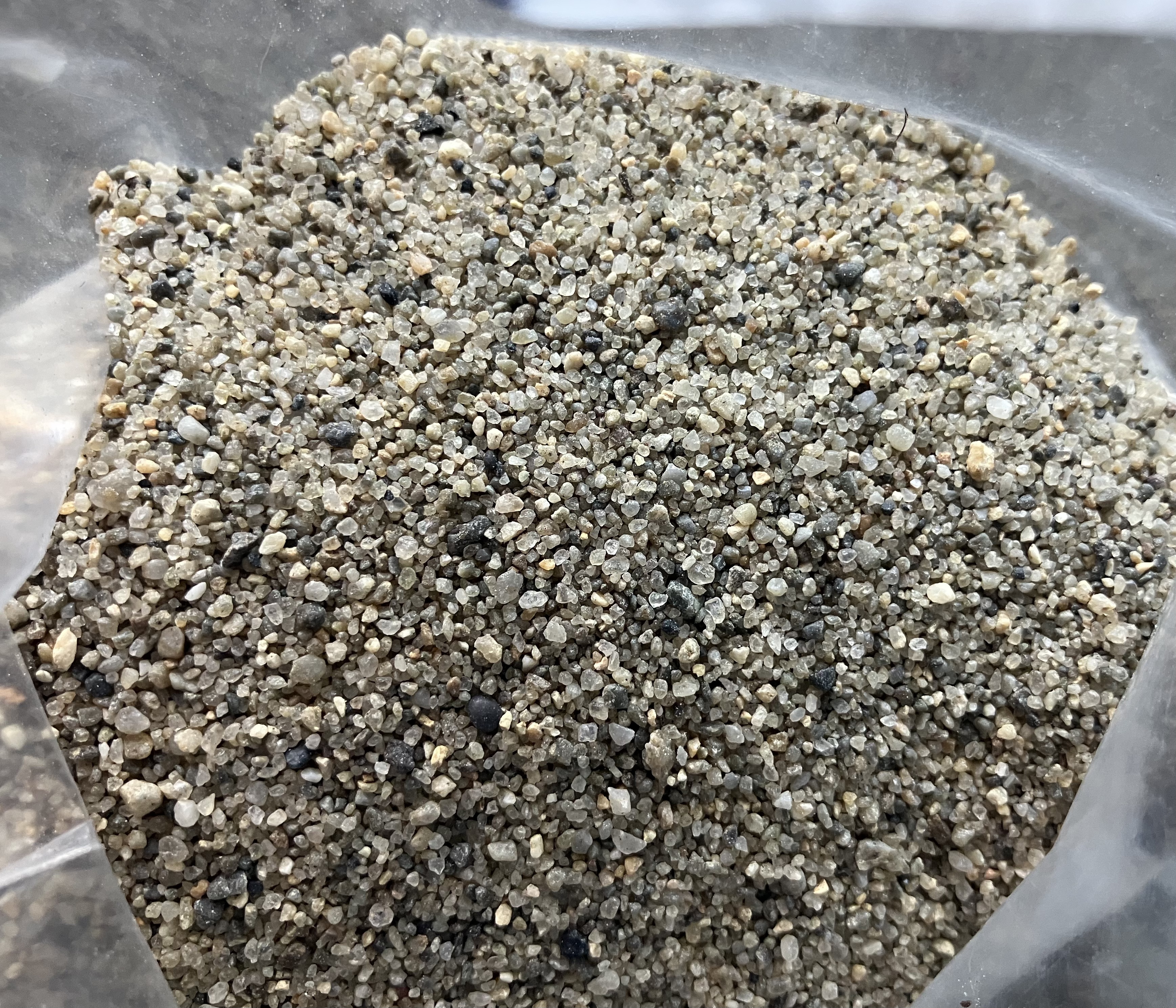
Well, if a particle of sand was bigger, they would call it gravel

sand is small, and has a range of sizes from about .05 mm to 2 mm

if you look close, it is many colors, very beautiful stuff

the whole universe is there

Okay

next up is recognizing patterns in hardscapes

we already presented the ‘basket weave’ and ‘herringbone’

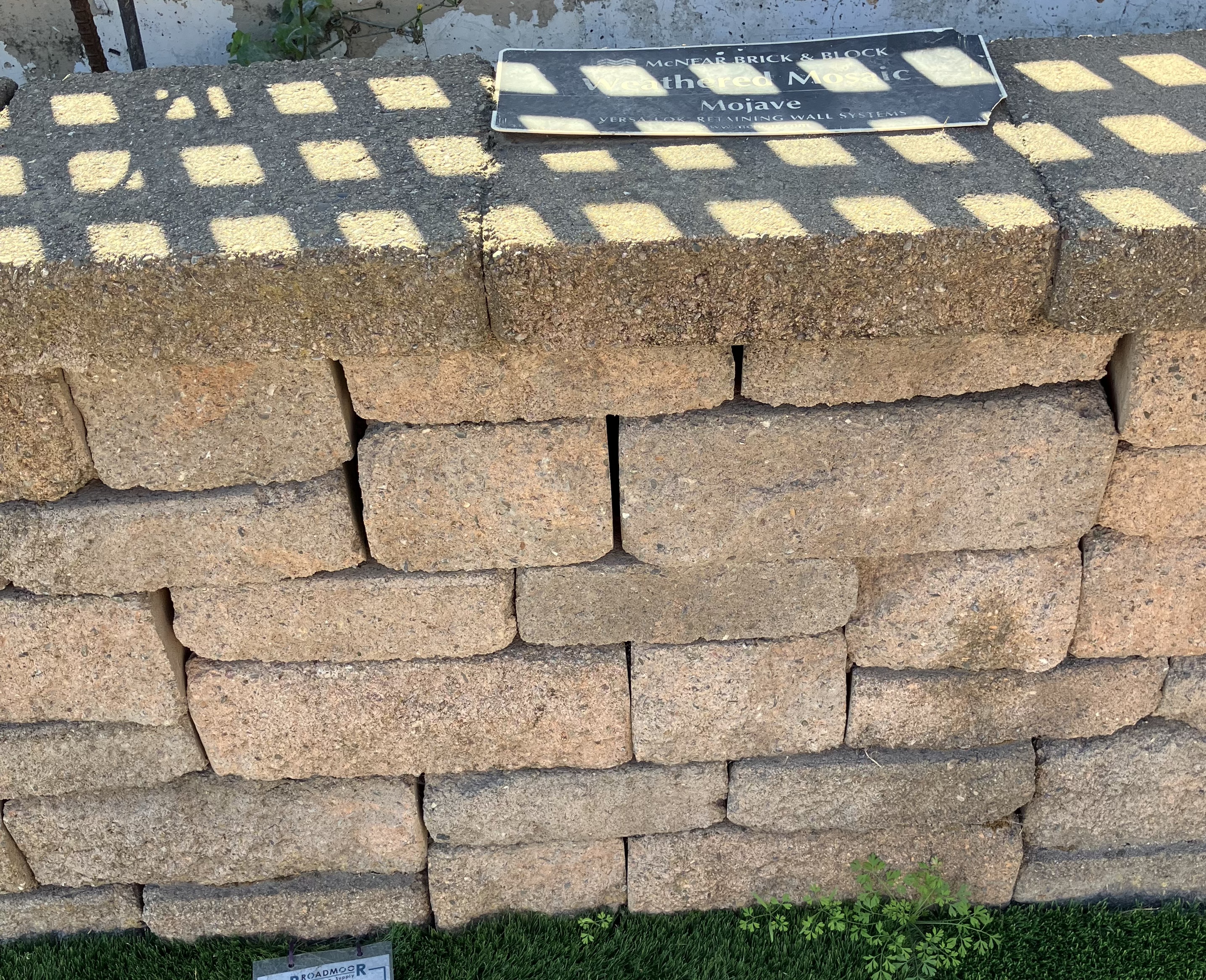
In this next picture, check out the concrete retaining wall

the name is ‘weather mosaic mojave’

Never mind the top row of blocks which are the capstones

Questions:

Do you see the rectangular pattern made of four blocks that repeats over and over again in a staggered pattern?

How many different sized blocks are used to create this pattern?

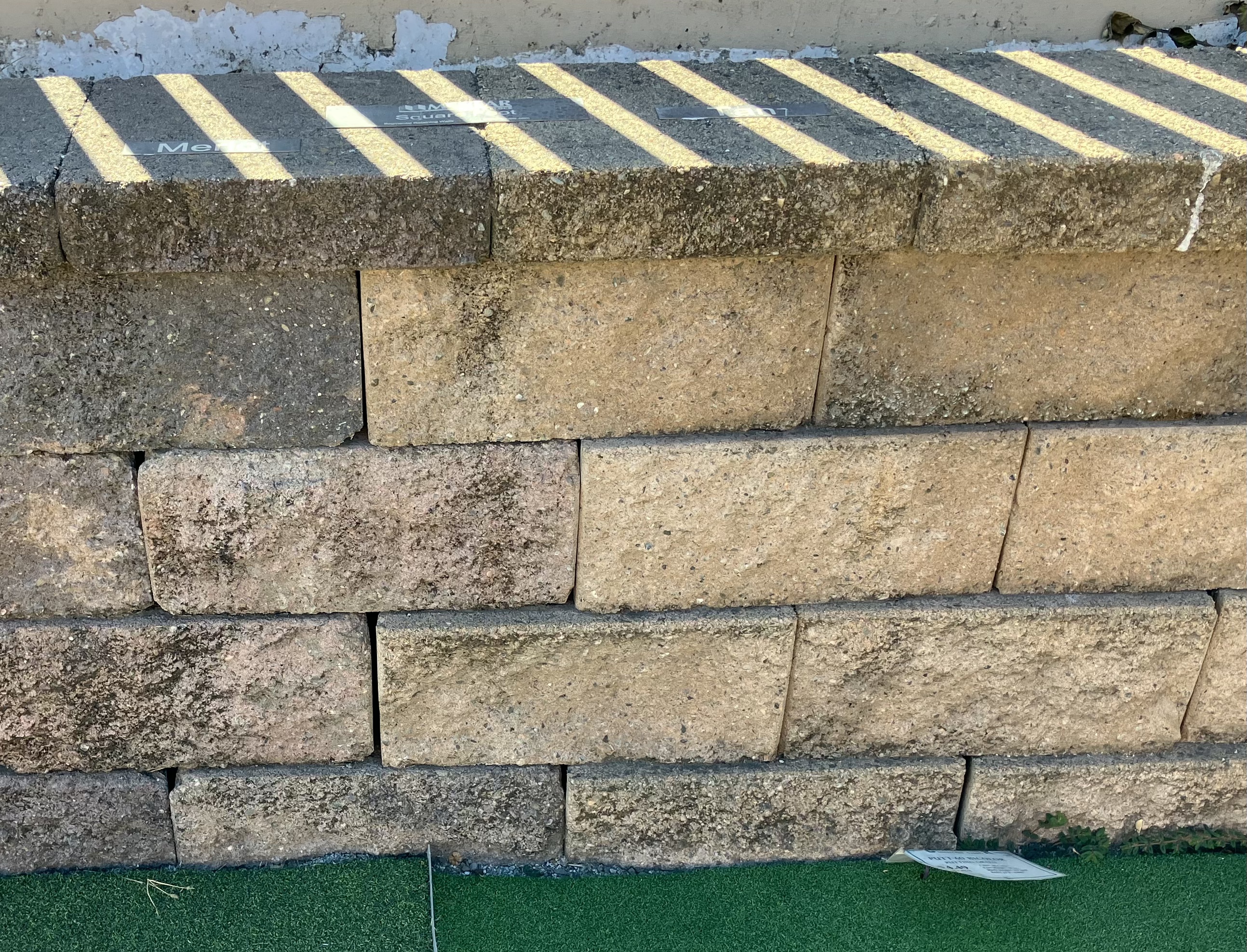
Now try this one:

How many different sized blocks are used to create this pattern?

The following picture is one of the most basic patterns, it is called ‘running bond’

sod is laid in the same way, staggered for strength

Once you order your hardscape materials

you may choose to bring it to the clients house in your truck

or you may have it delivered

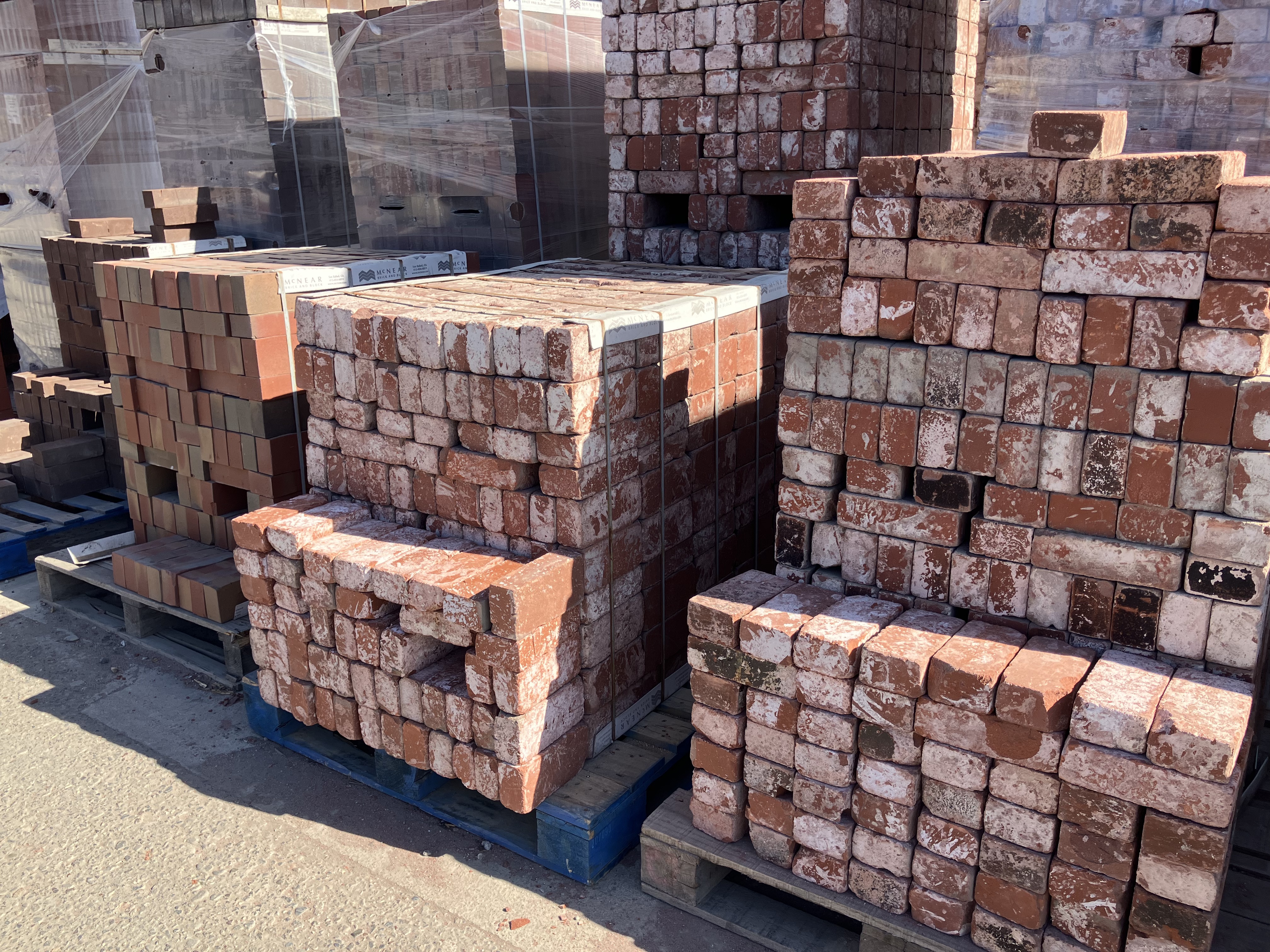
around here that usually means getting a palette of rock and blocks or a pile of granite in a parking space or driveway in front of the job site:

Questions:

what day of the week is street cleaning day? Do they ticket for stuff like this?

do you have the people power to move it all inside to the back yard right quick?

before the rains or thieves come and the wind picks up?

can you do it in small loads to prevent injury? in buckets? does a wheel barrow fit through the house? ramps?

do you gotta lay down plywood or plastic over the carpets and flooring inside the house?

how is your stamina and endurance and joints?

Something clients, contractors, designers and architects forget time to time

is that they are dealing with Mother Nature

and it is she who calls the shot

by Mother Nature I am not only talking about the wind and rain and rivers and streams underground and scorching UV rayed sun and material expanding heat and sweating humidity and bone chilling contracting cold

but also her frequent helpers allies creations like algae mold gophers ground squirrels rats mice dandelion cats tongue bermuda grass and all the rest who are all constantly rummaging around even whilst we are sleeping or eating

they can all wreak havoc on our hardscapes and our ideas about control and management

so….

What happens if you lay down gravel mulch, but forget about maintenance?

If you dont plant something in the open dirt, who will?

Cute design and all, but who is going to move in asap?

How do you clean up the leaves and dust that falls atop the pebble gravel mulch? Do you use a blower or a broom or a rake or?

maybe you want to just resin/polyurethane/clear coat the whole darn yard? just plastic coat everything

‘nothing moves, nothing changes, nothing lives without my permission’

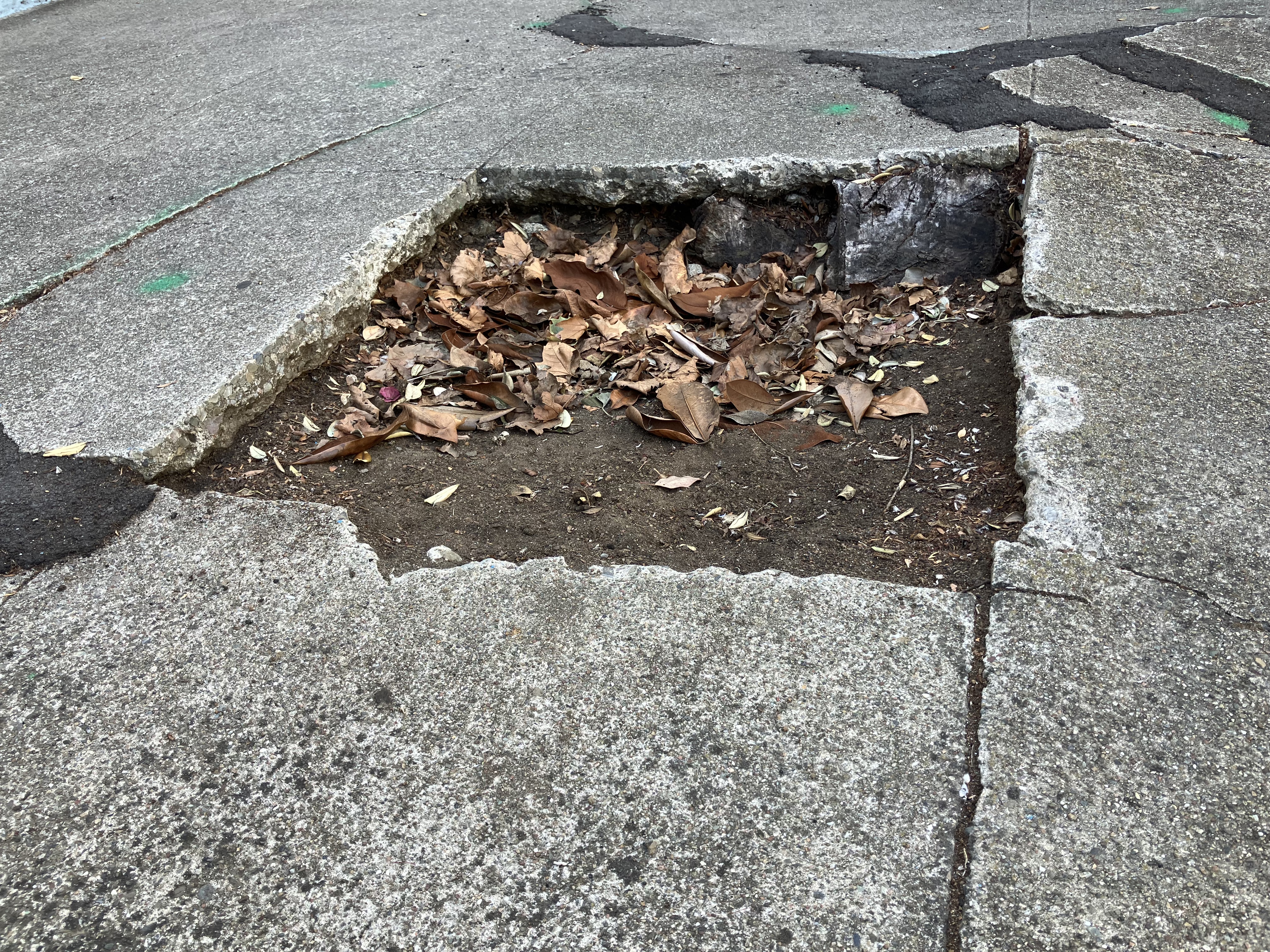
Who can crack and break up a nice thick and strong layer of concrete and uplift that hardscape?

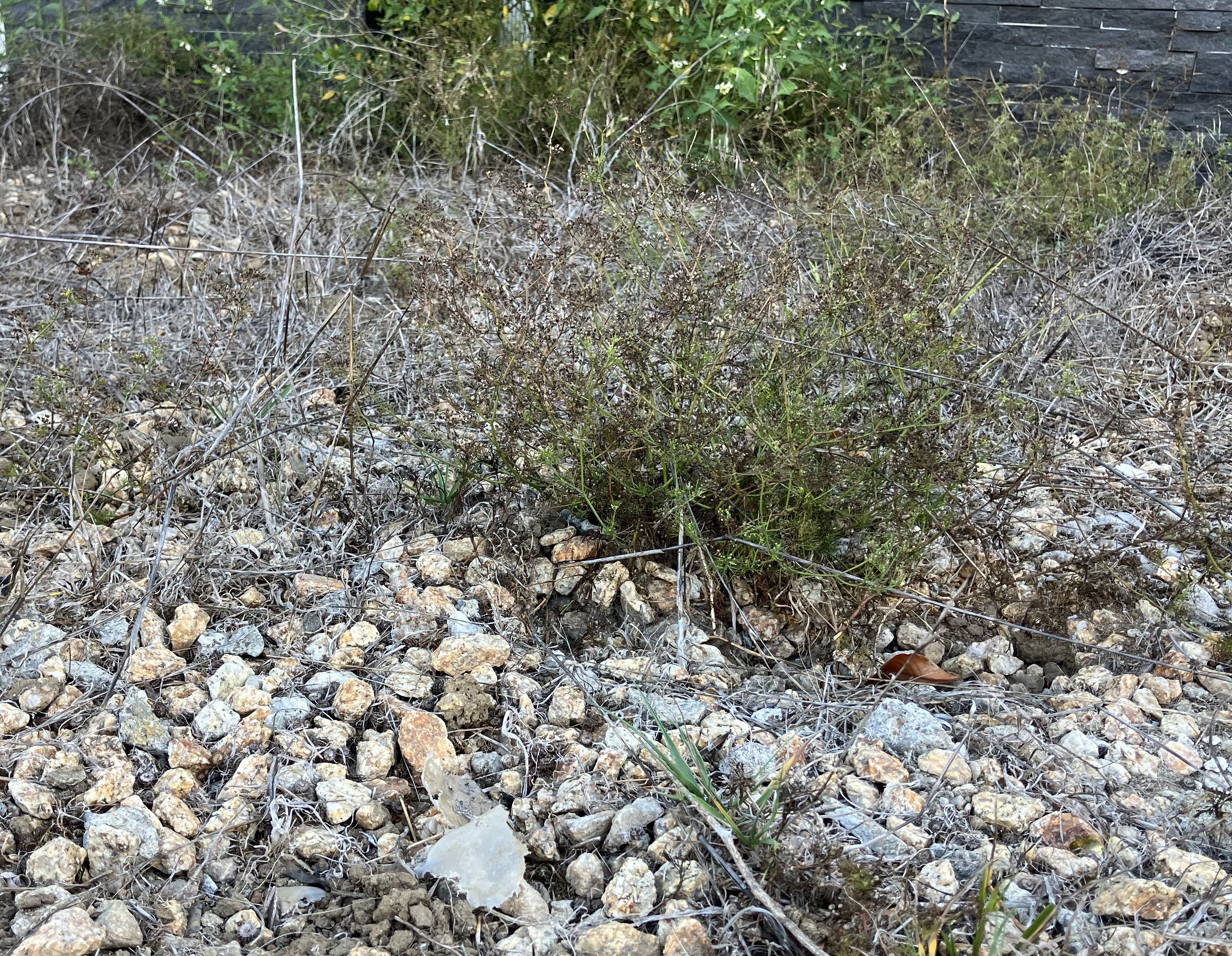
Who grows in the tiniest cracks in hardly any space at all?

besides reaching for that bottle of herbicide, can you figure out any other solutions to this problem?

thats about all for now

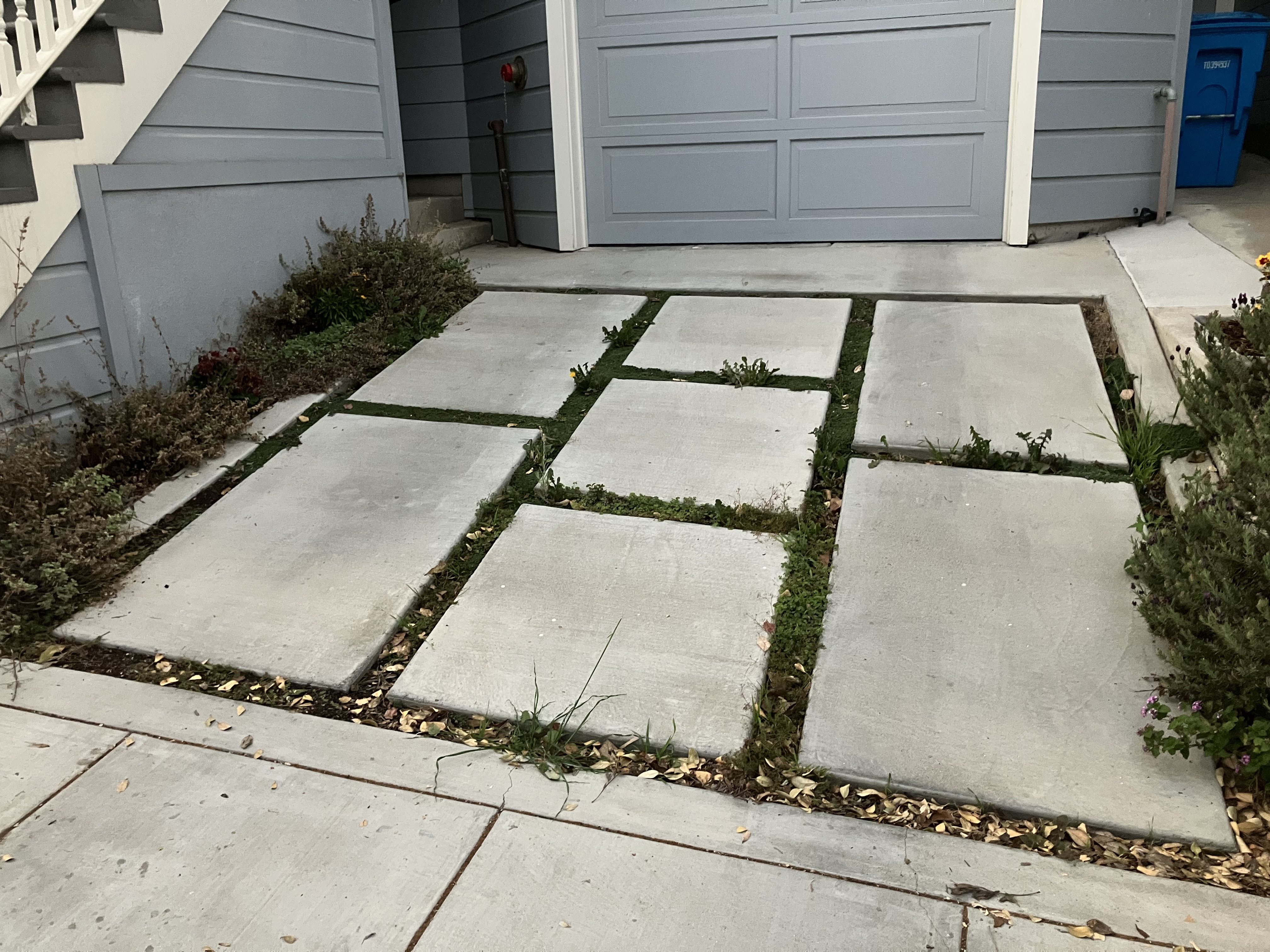
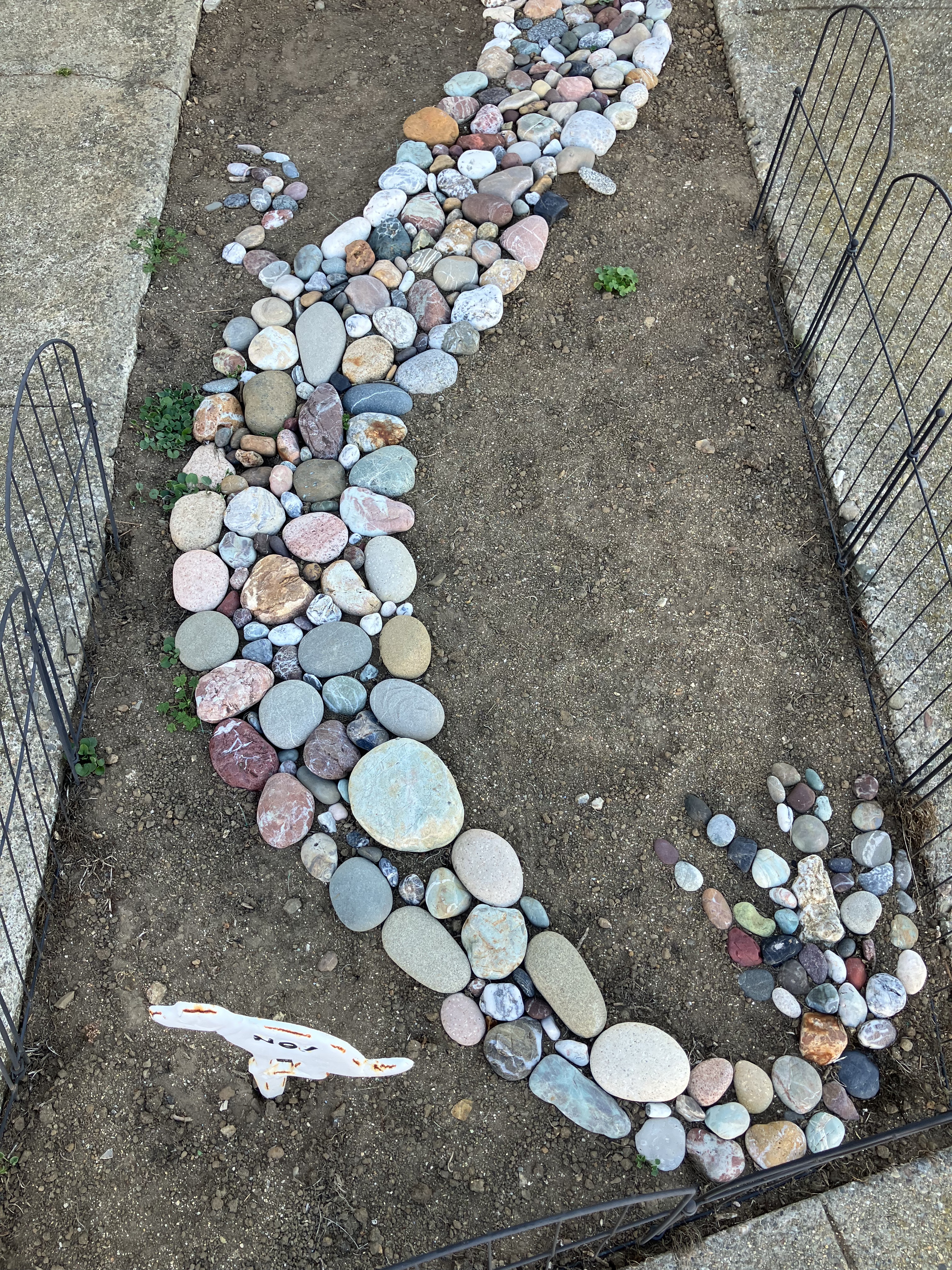
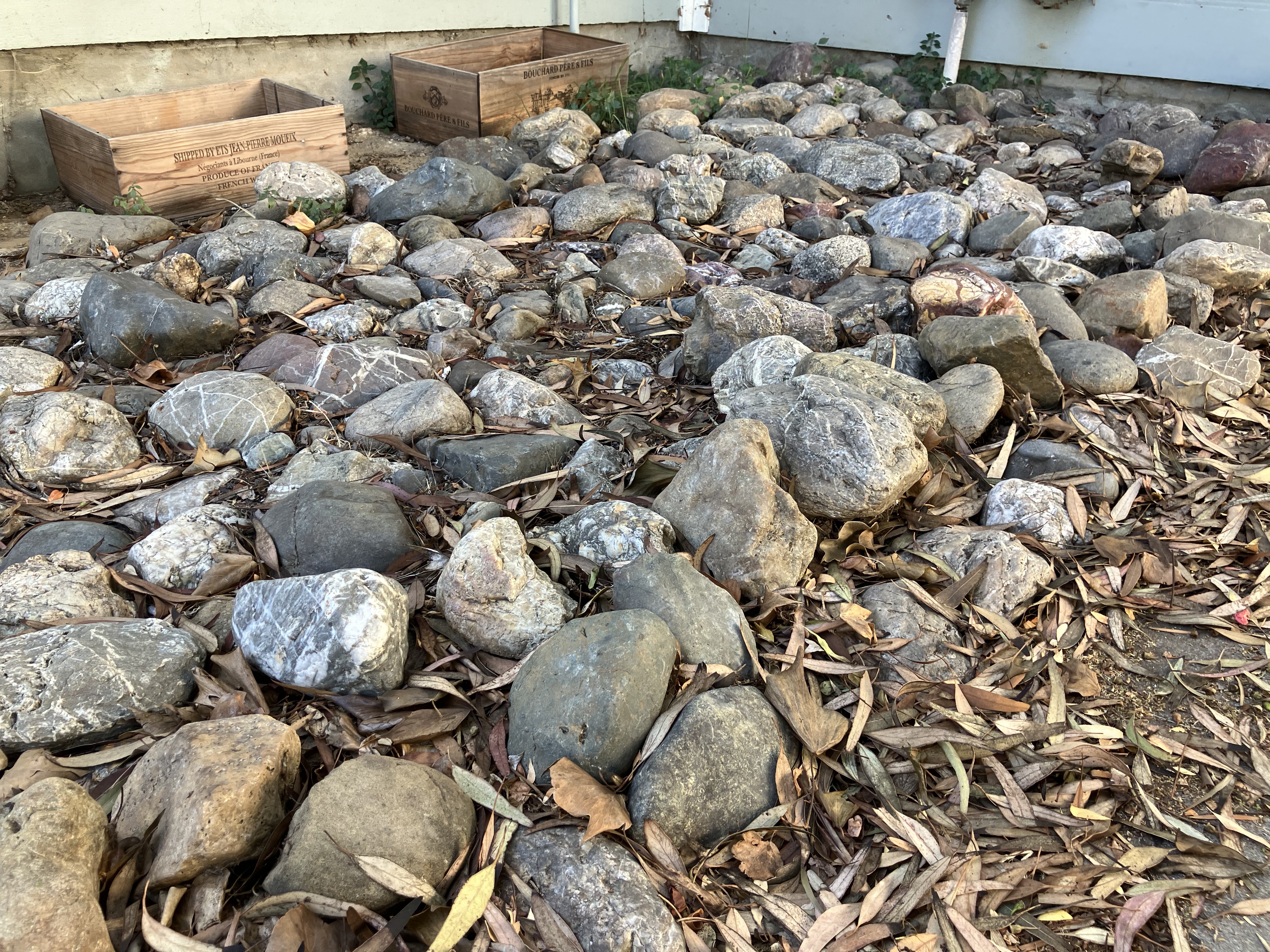
heres a couple of pictures to close it out then

thank you for reading all the way to the end

and thanks to Broadmoor Landscapes for the samples and supplying our local landscapers

whew