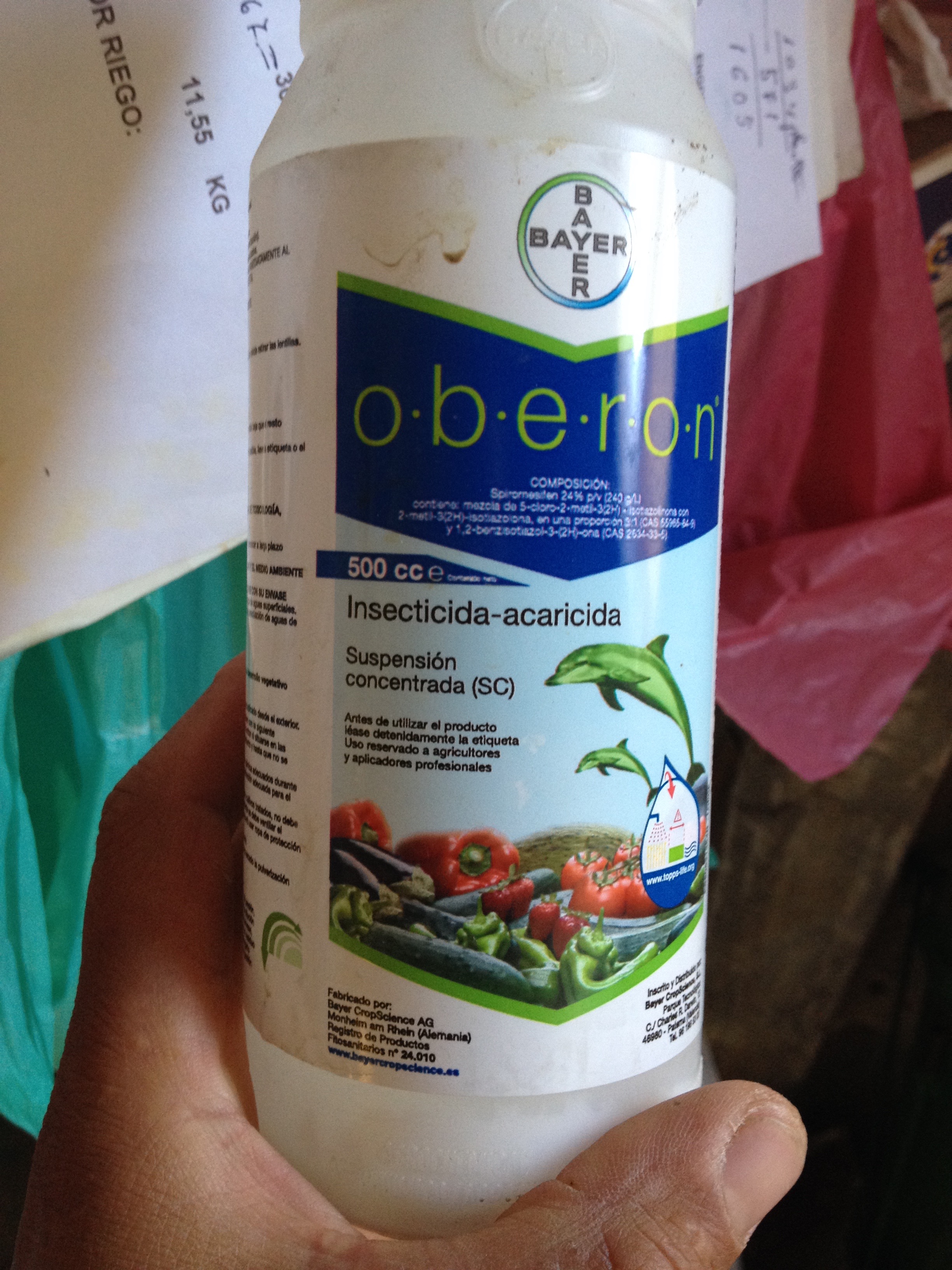
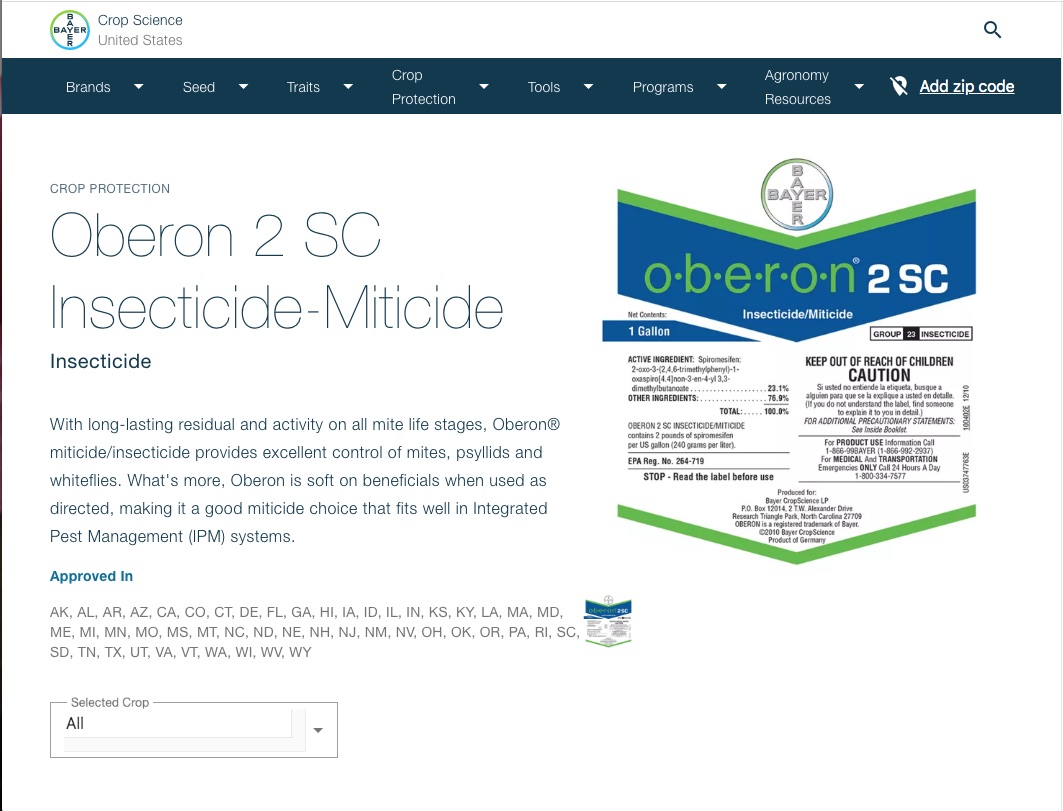
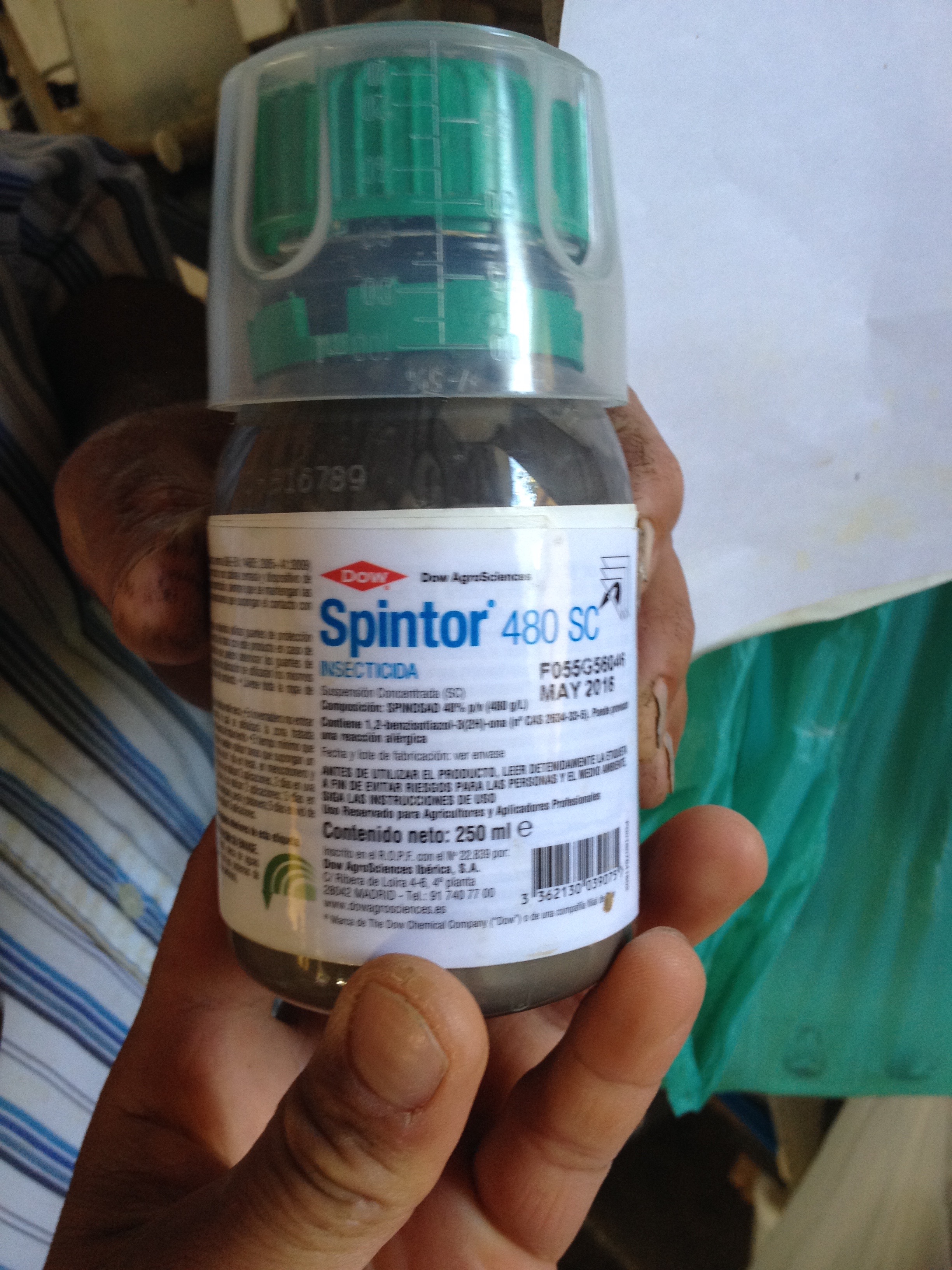
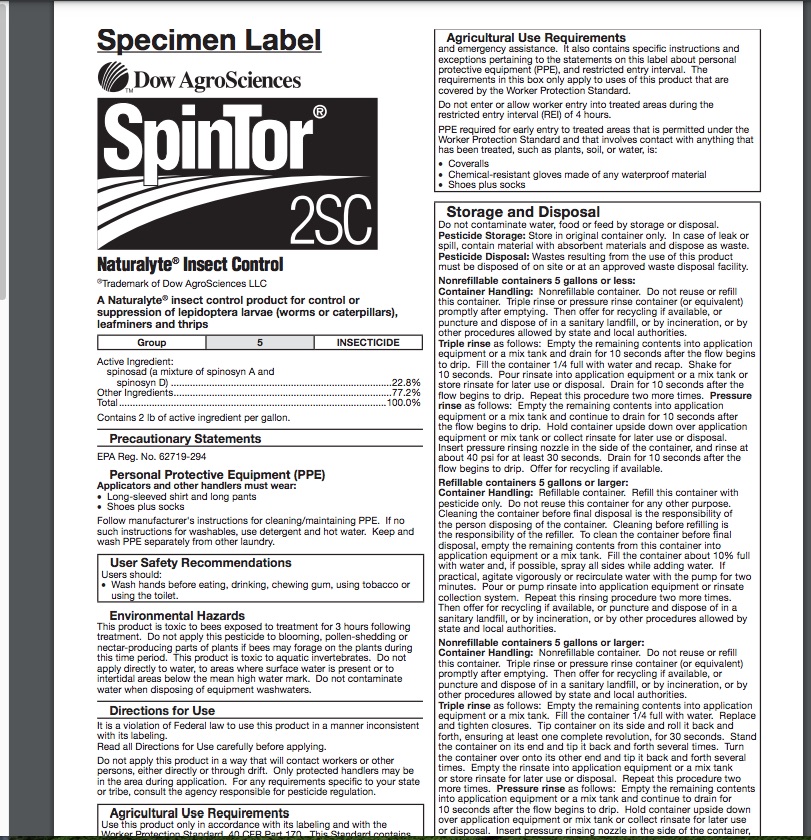
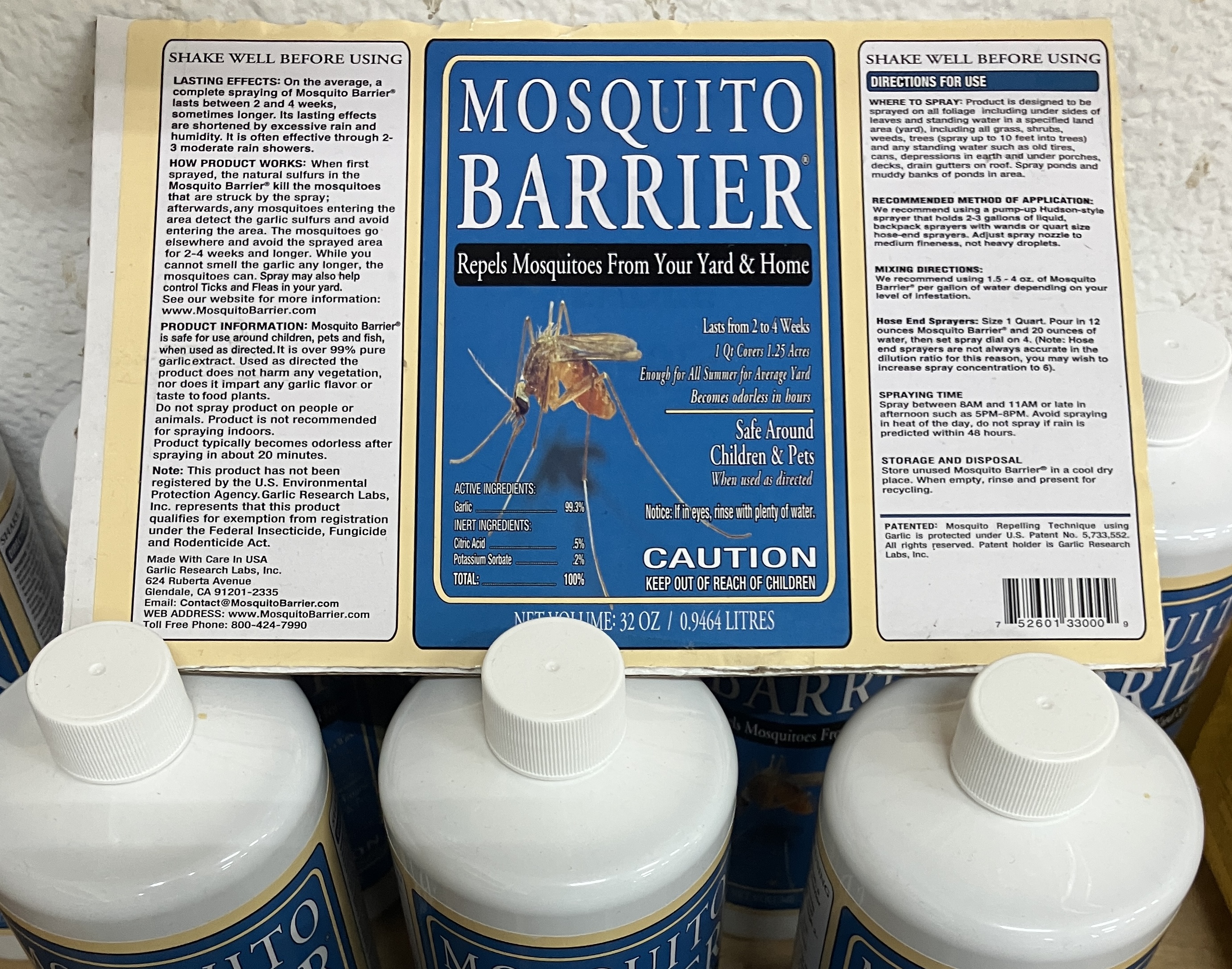
This week we are talking about invertebrate pests and the pesticides we use to kill or deter them
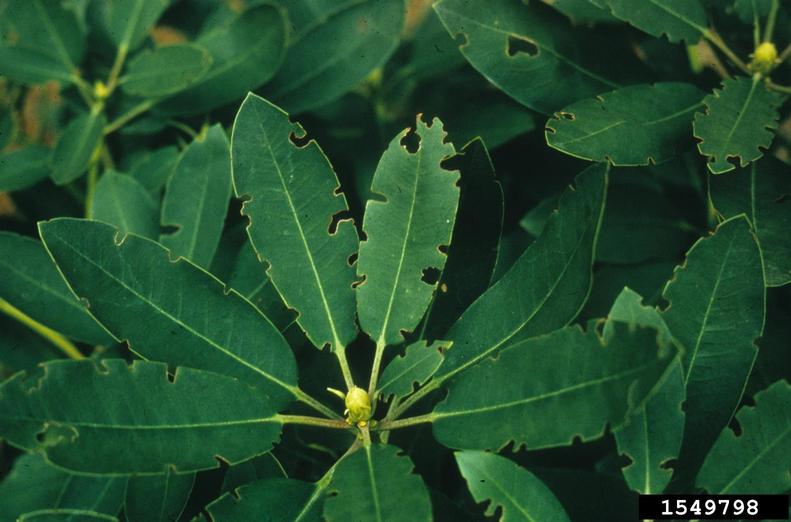
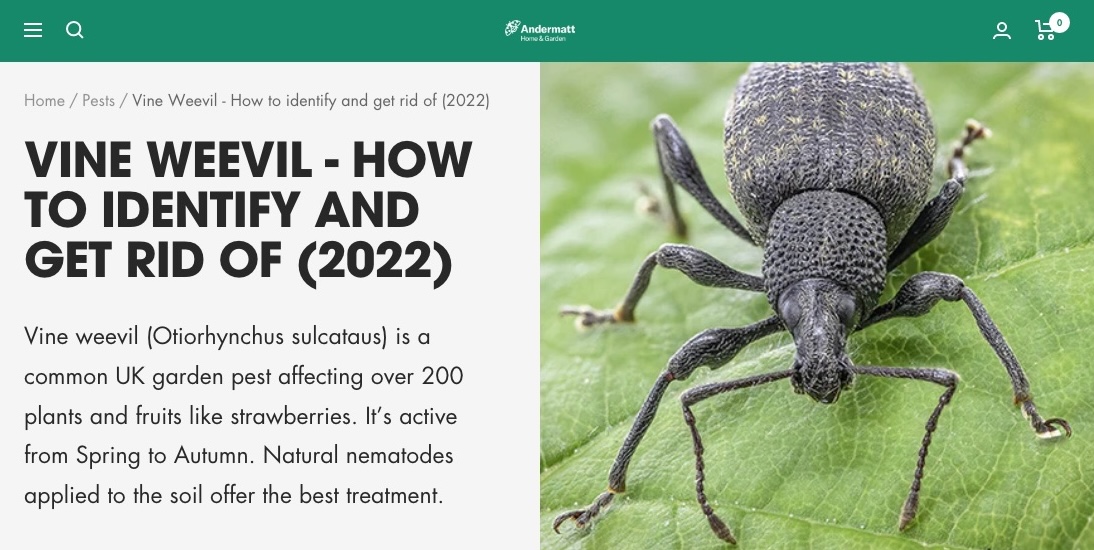
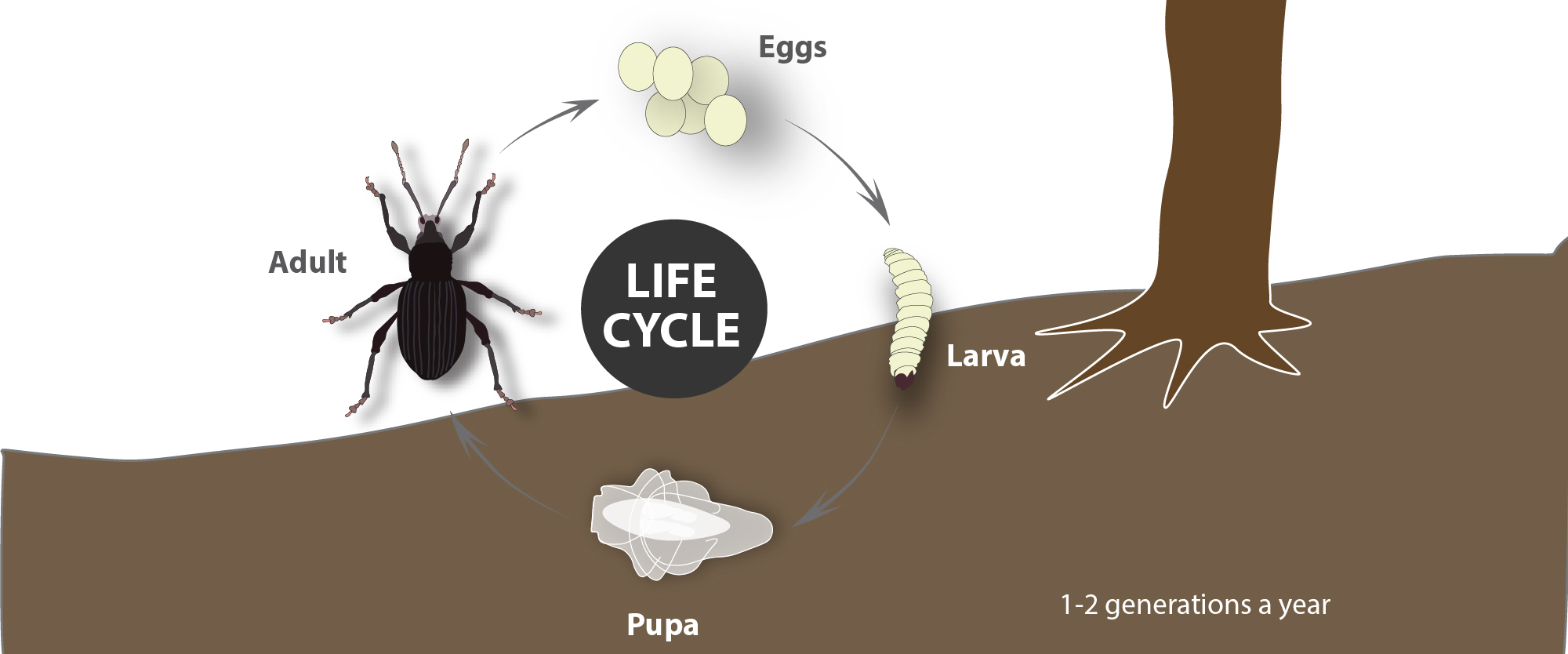
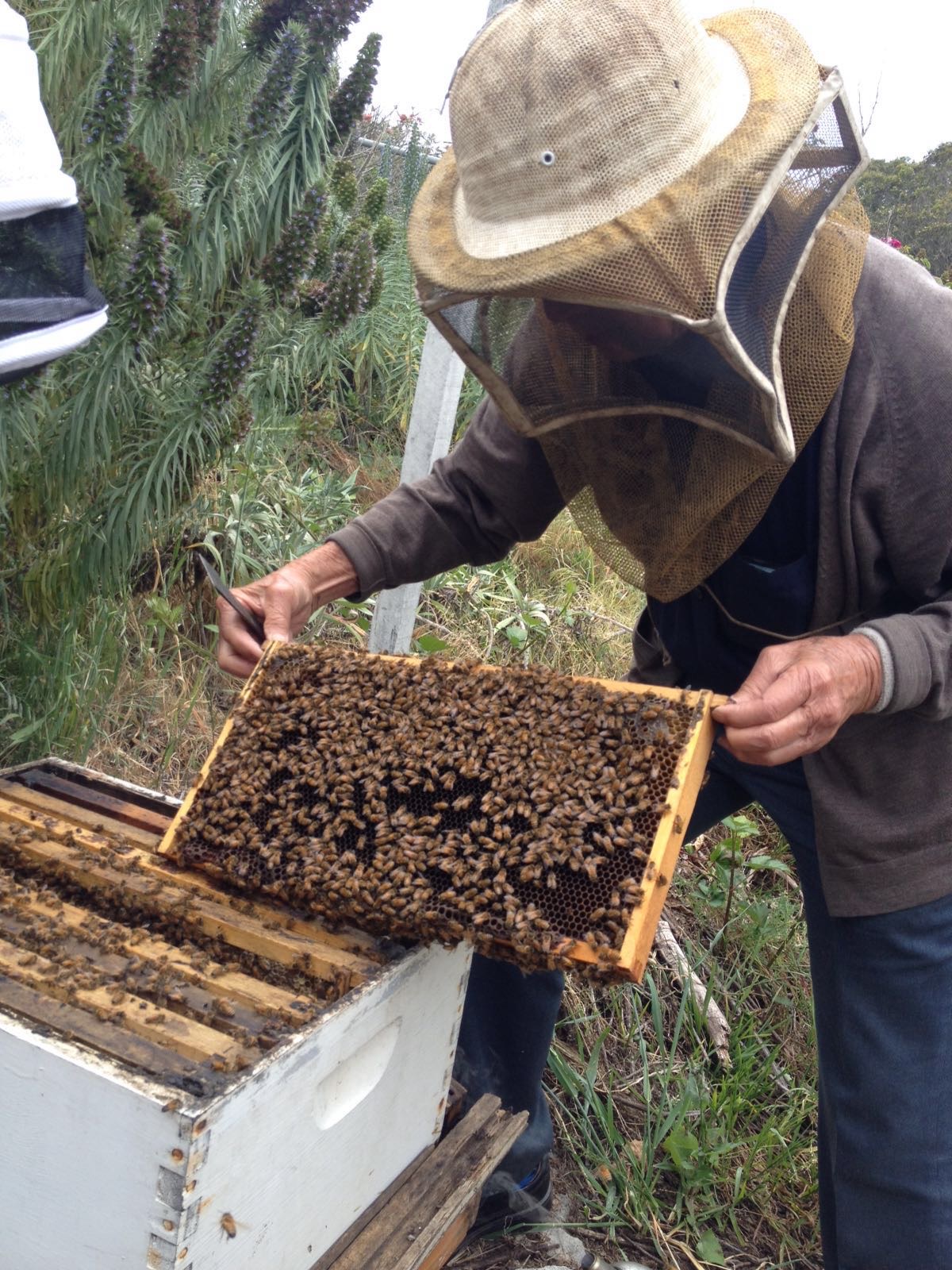
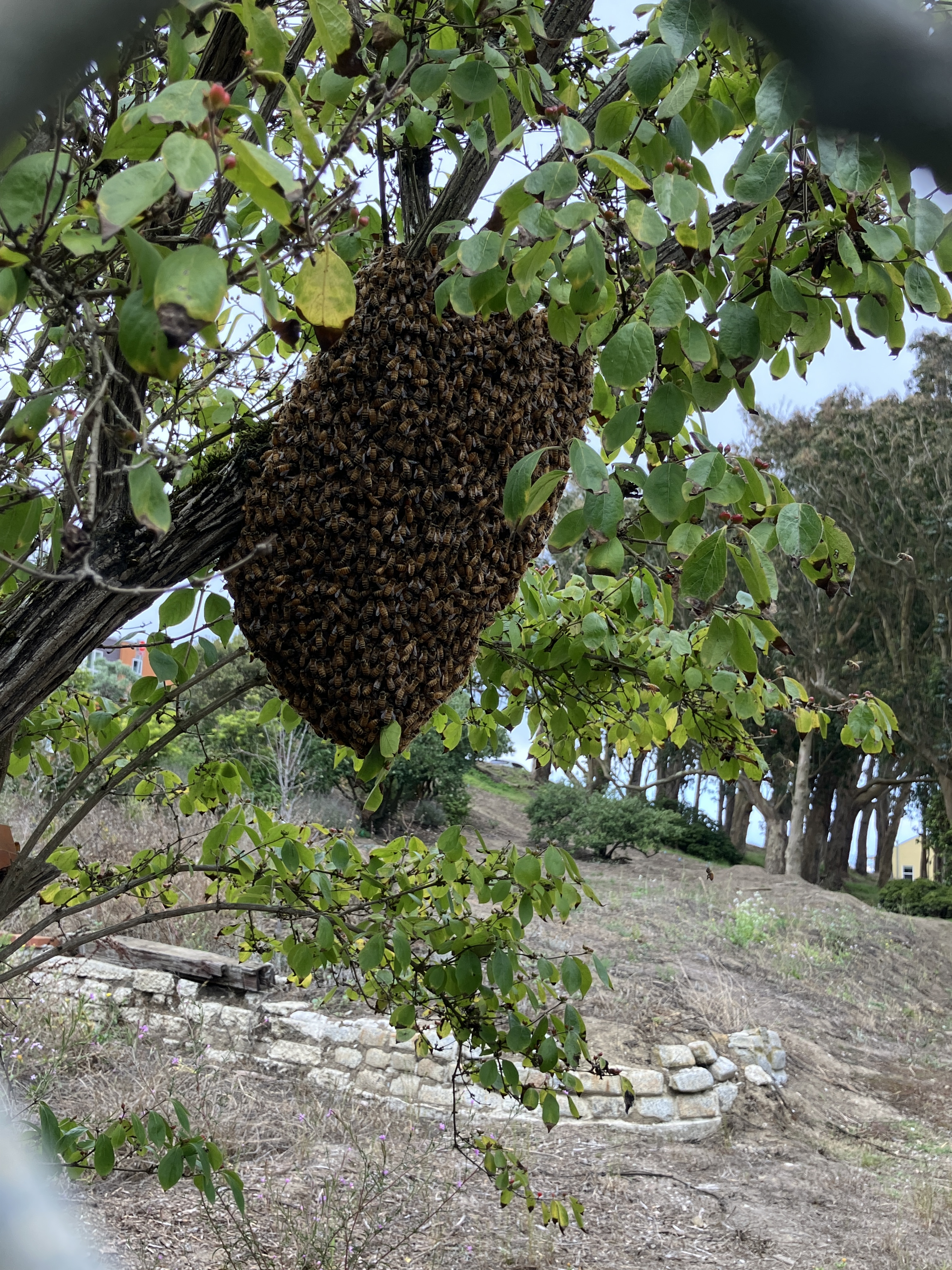
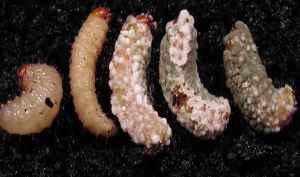
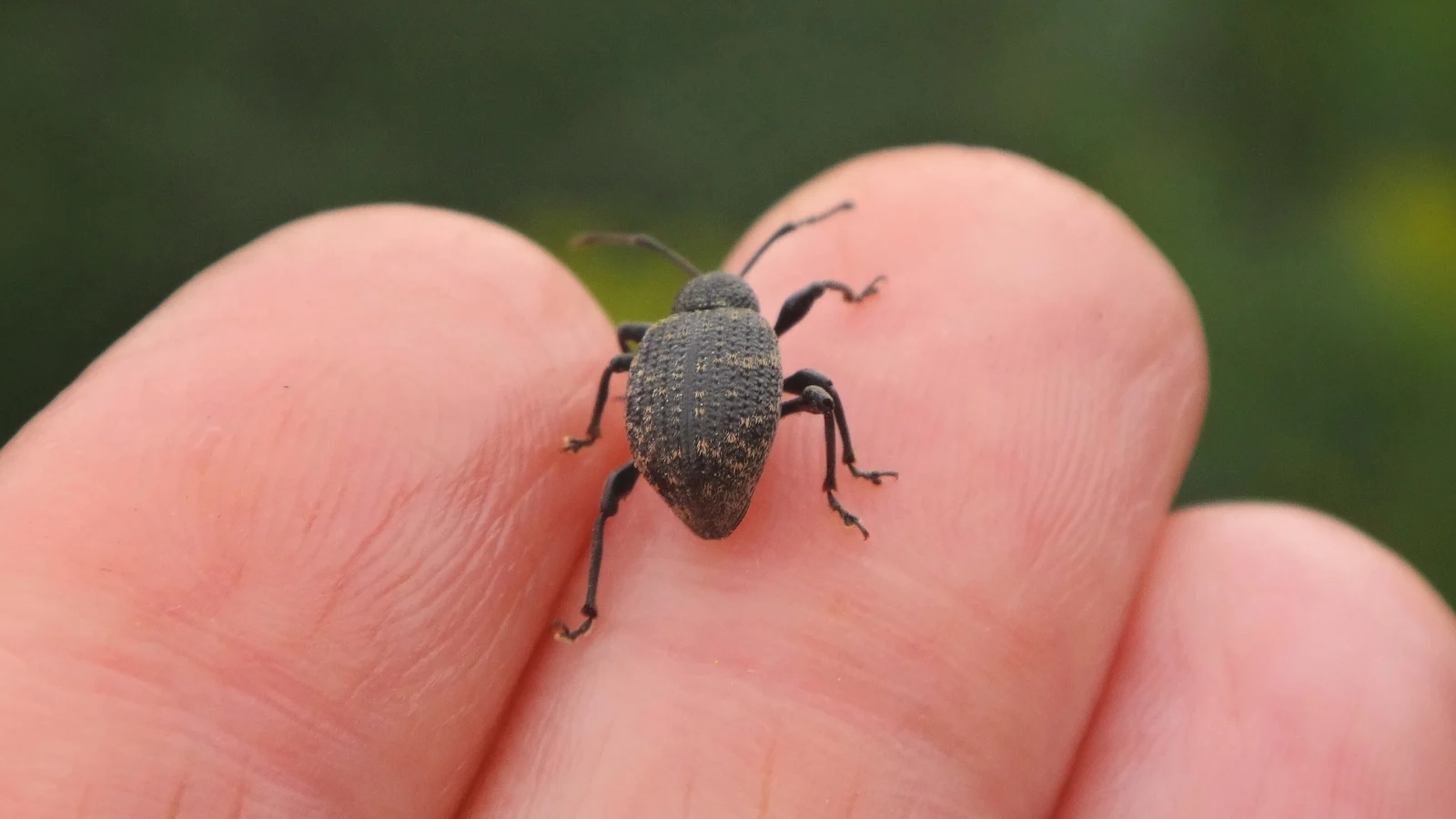
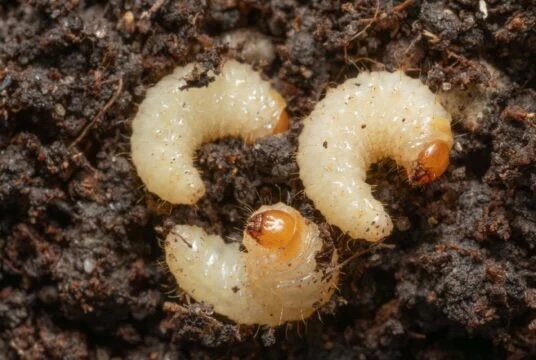
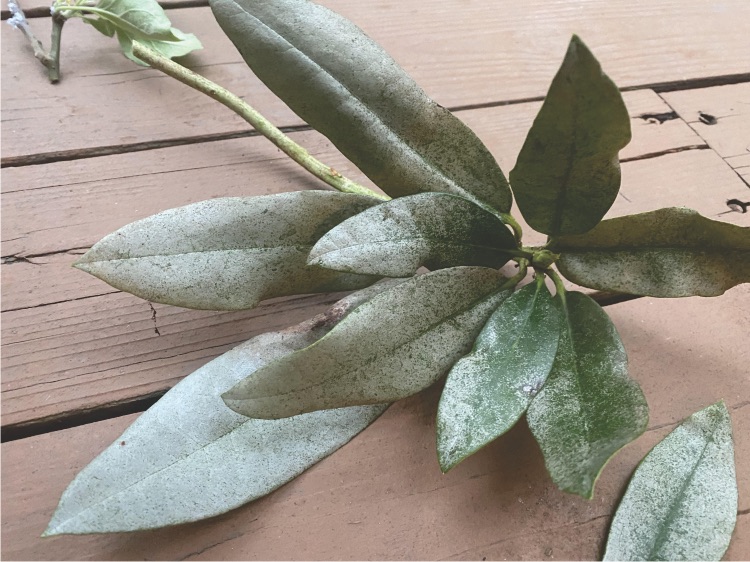
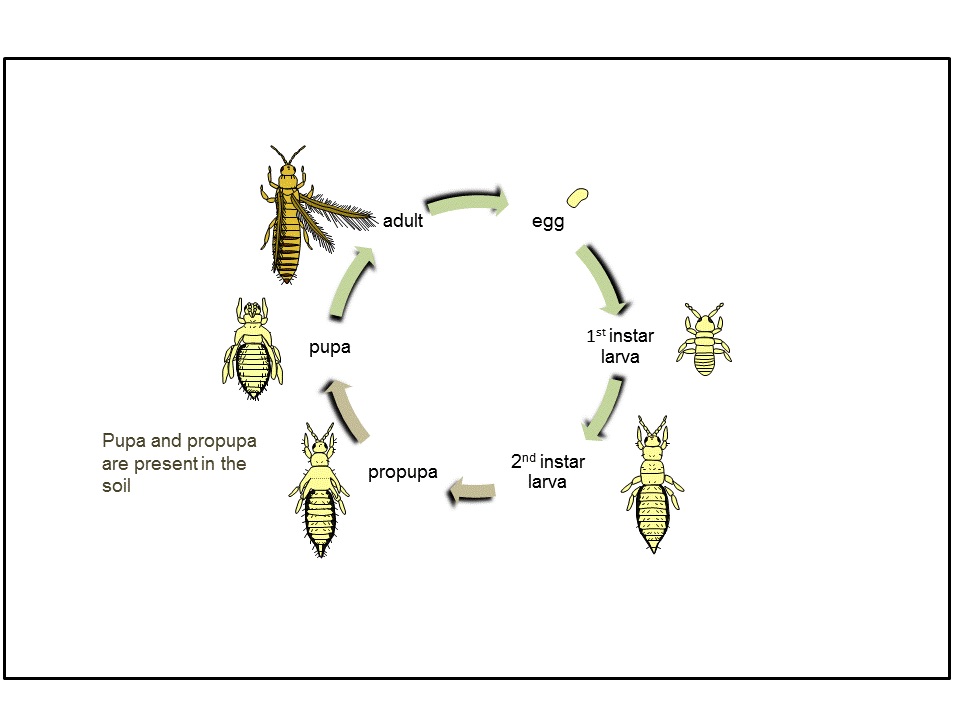
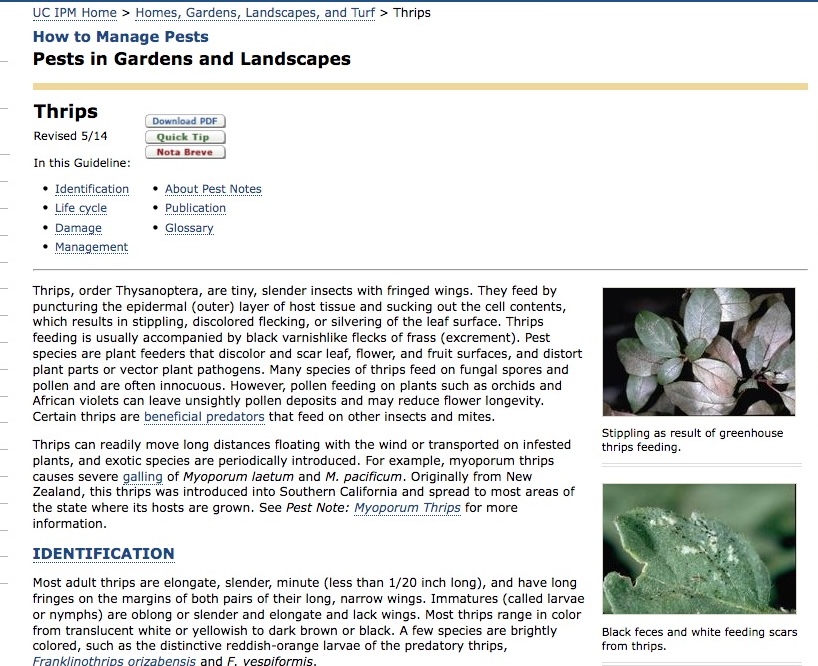
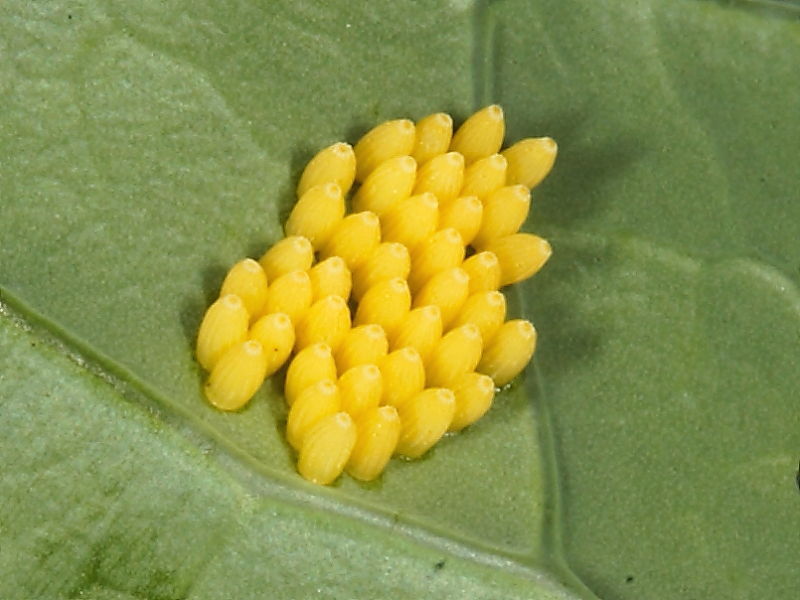
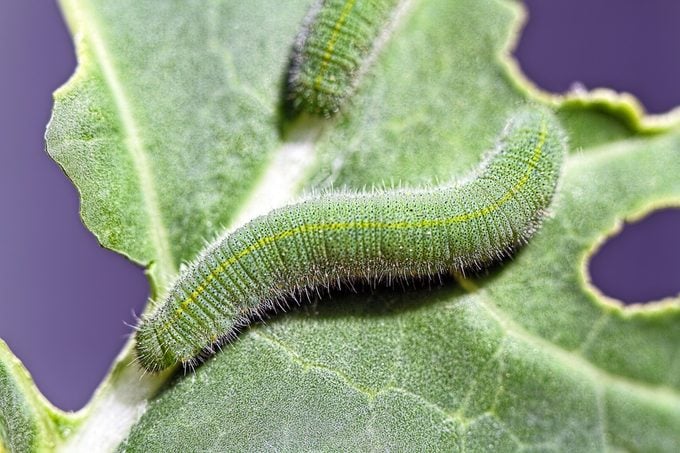
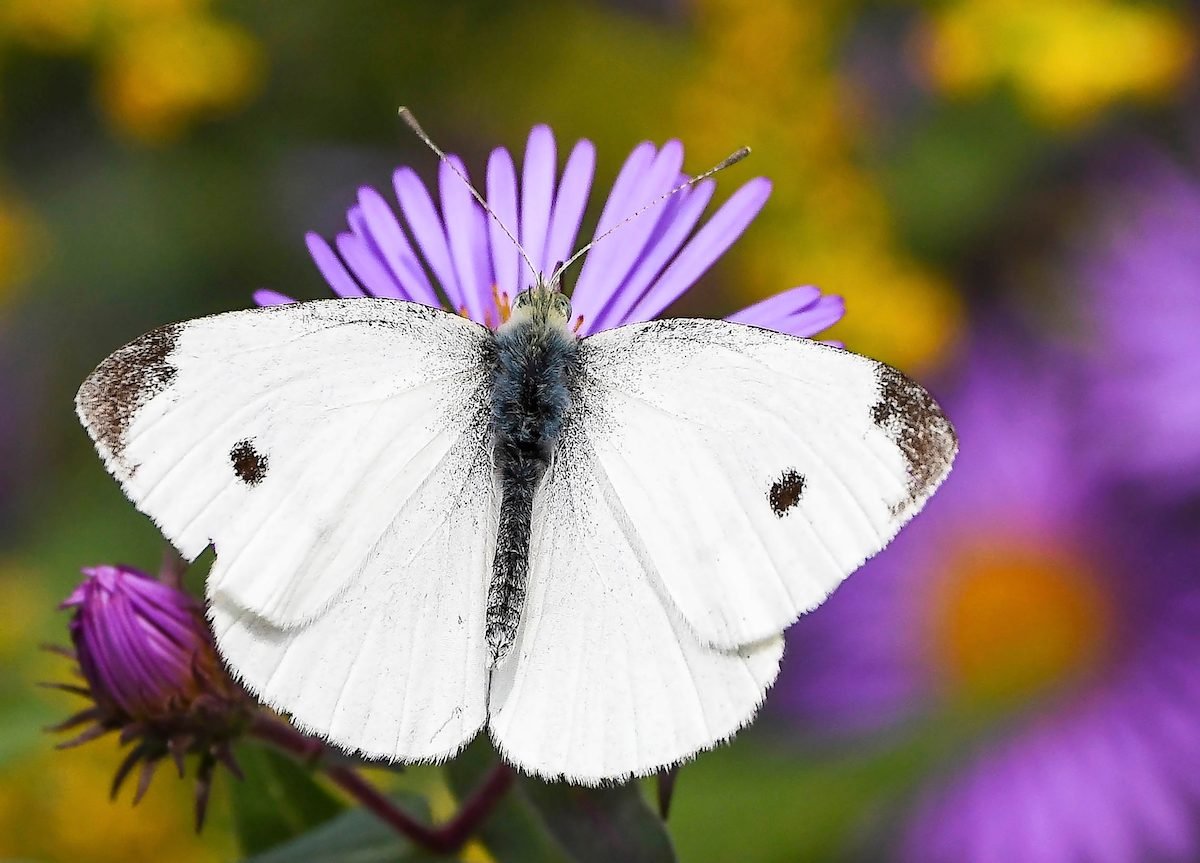
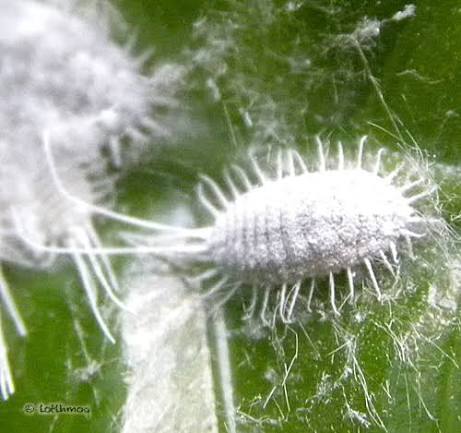
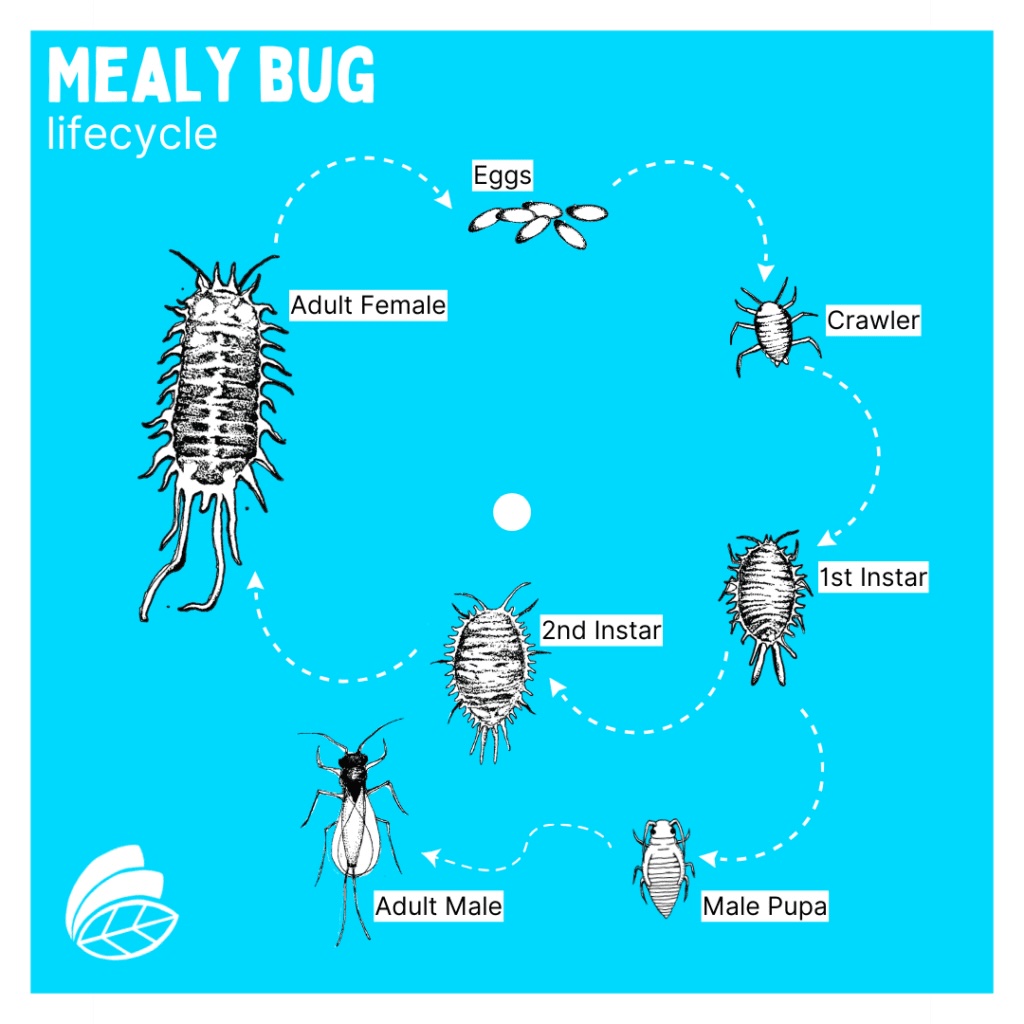
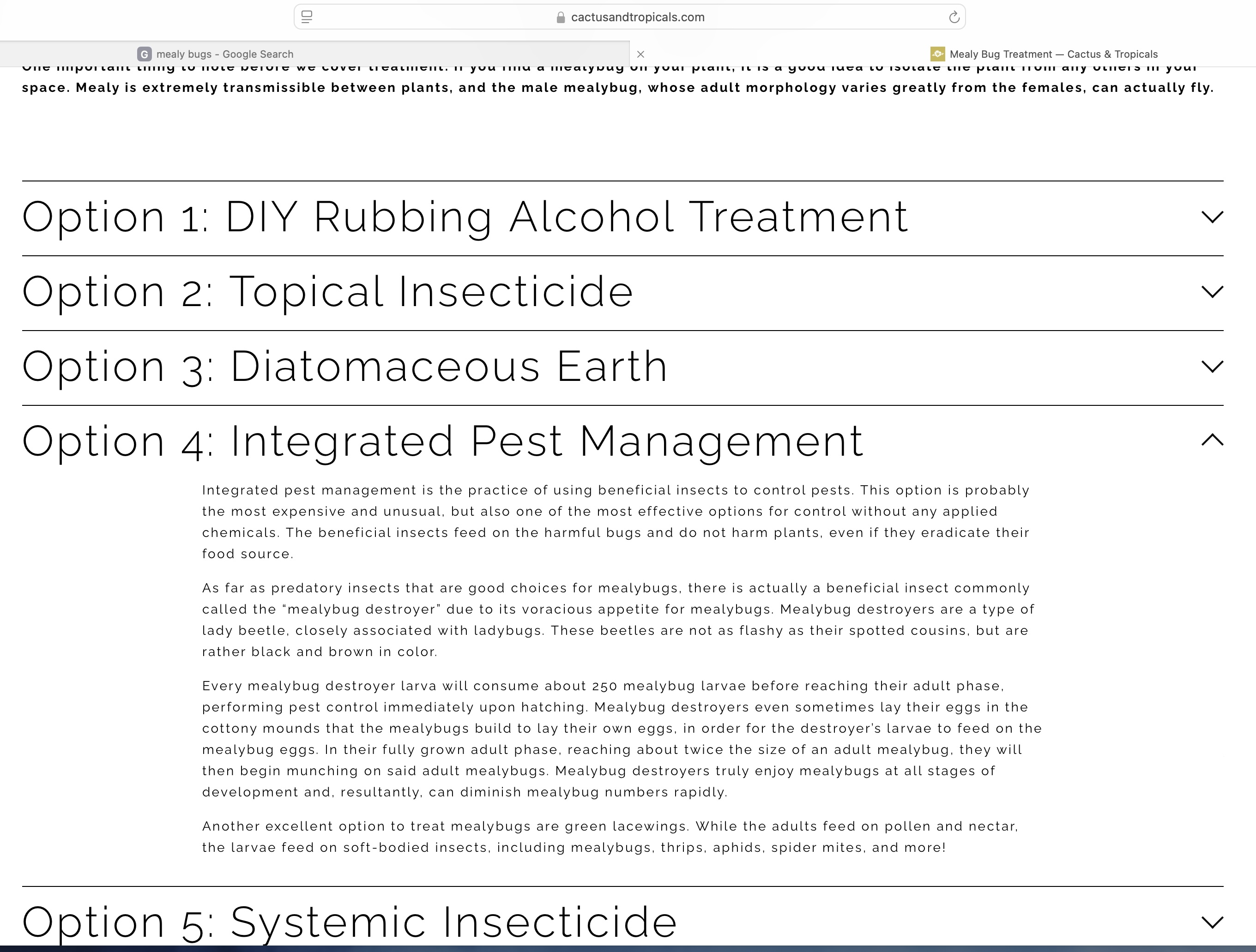
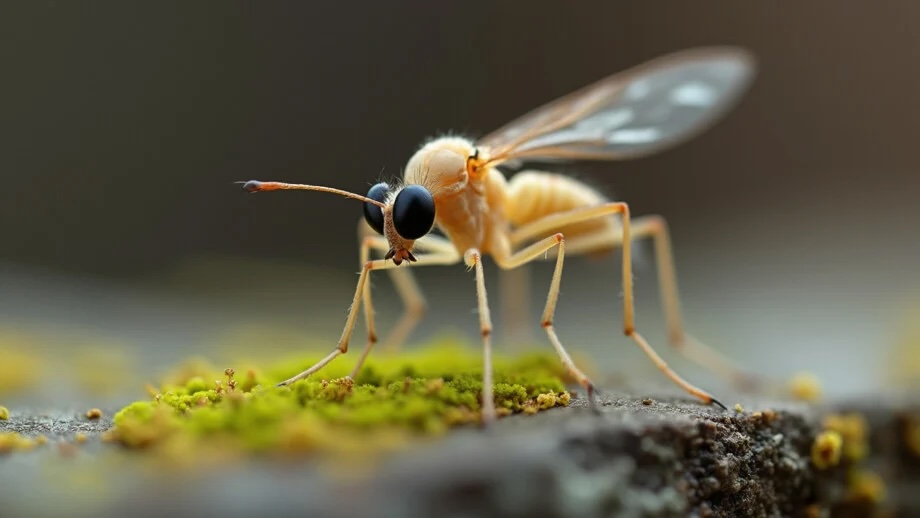
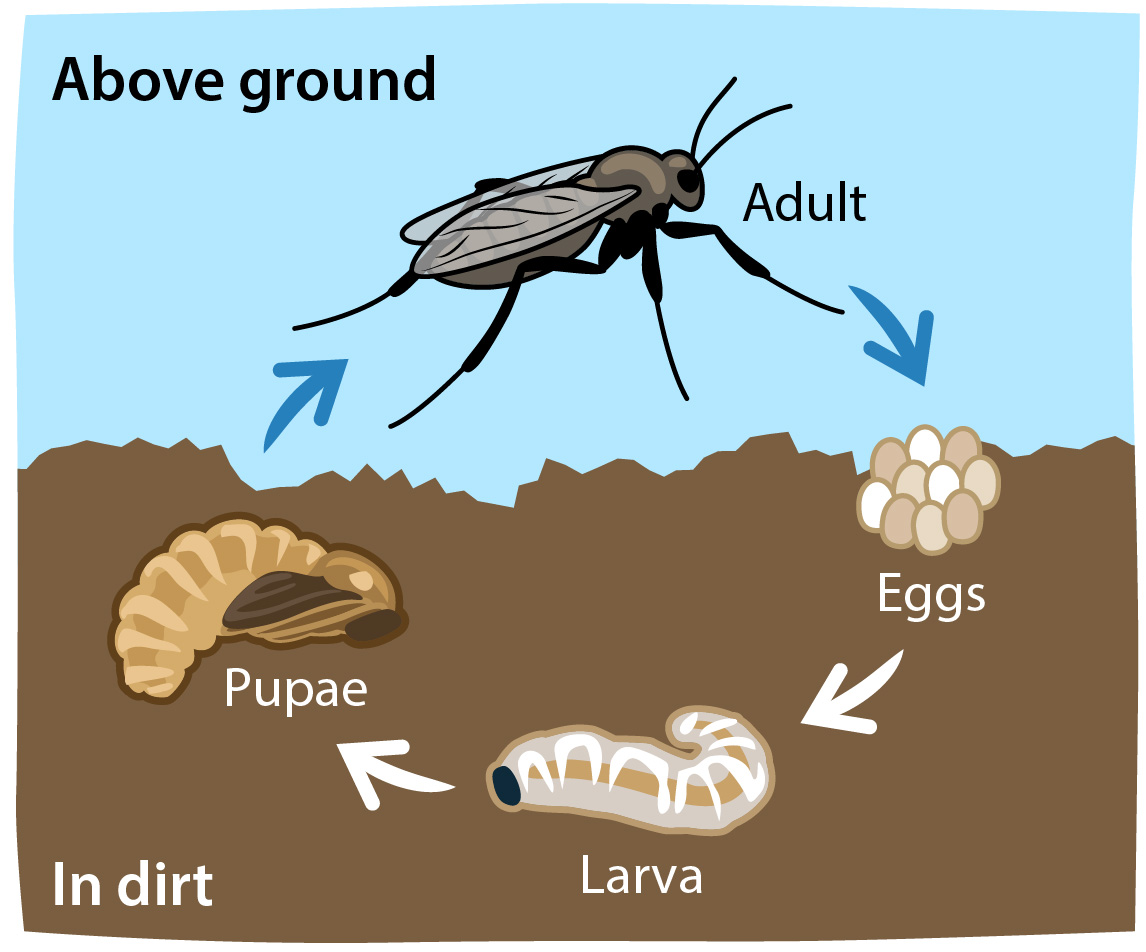
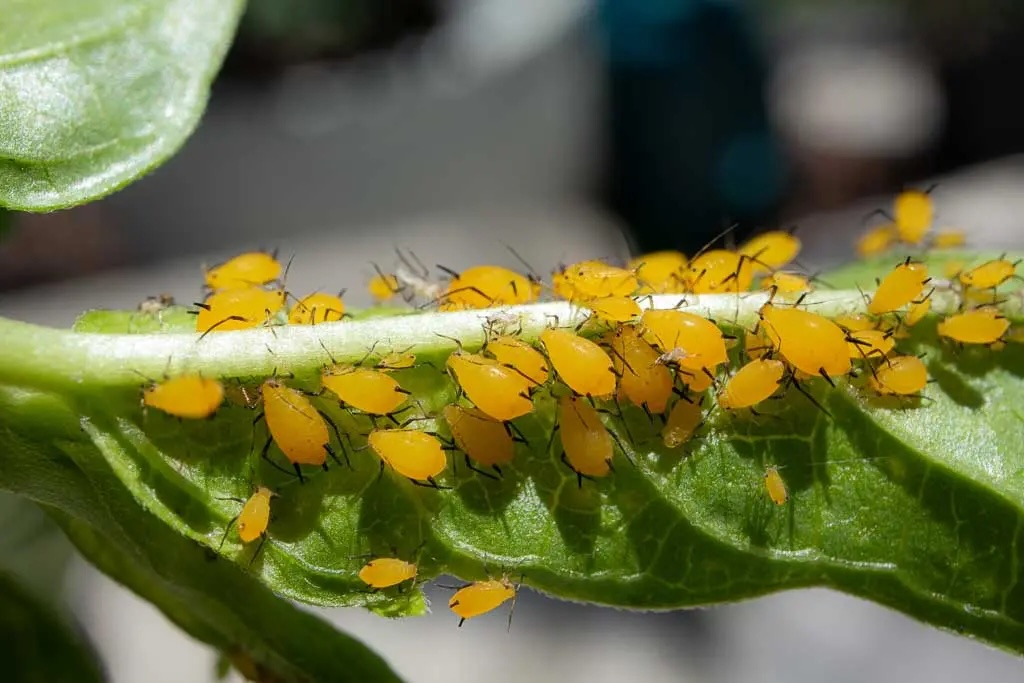
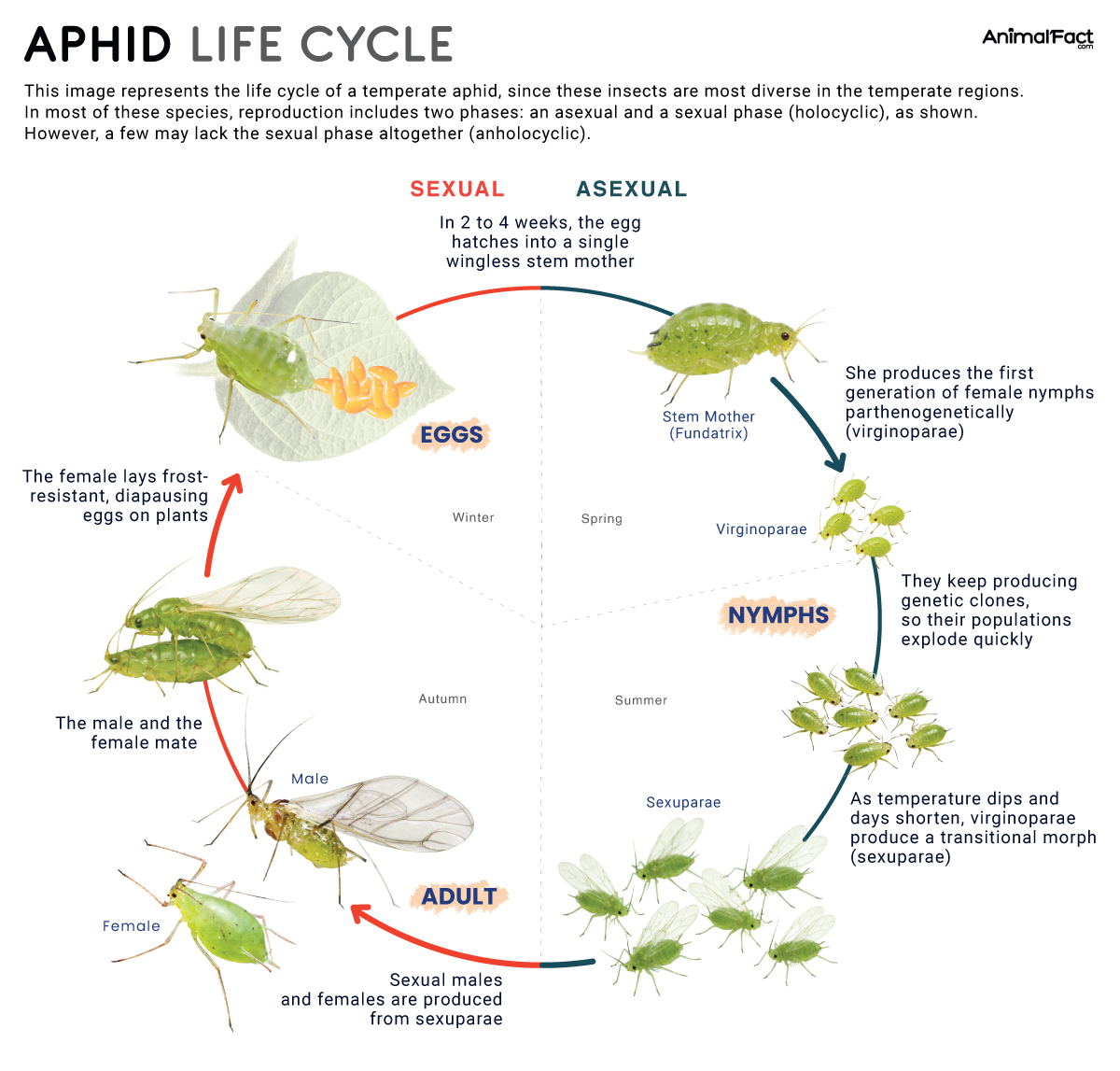
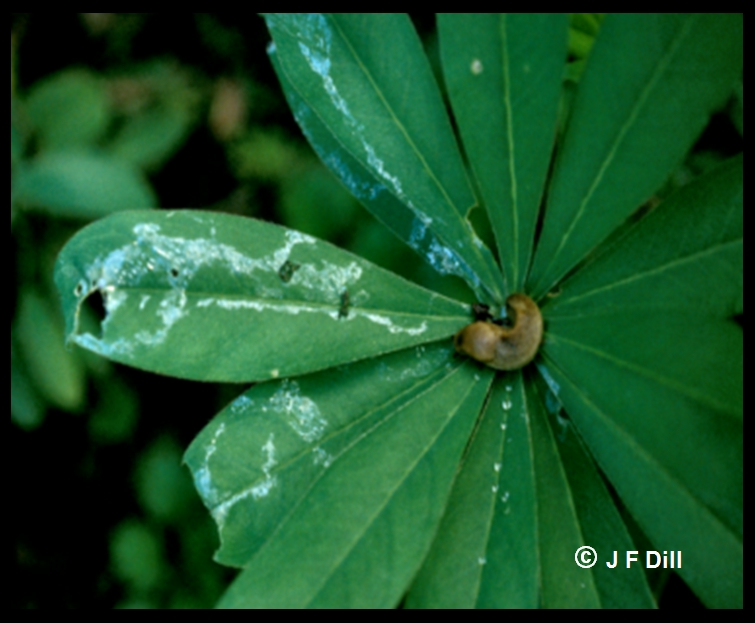
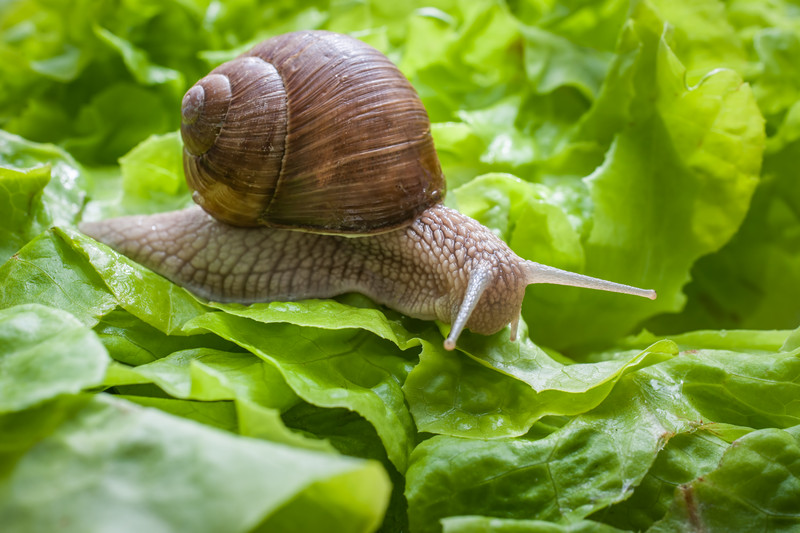
Examples of invertebrate pests include beetles, thrips, moths and butterflies, mealy bugs, flies, aphids, snails and slugs, and more
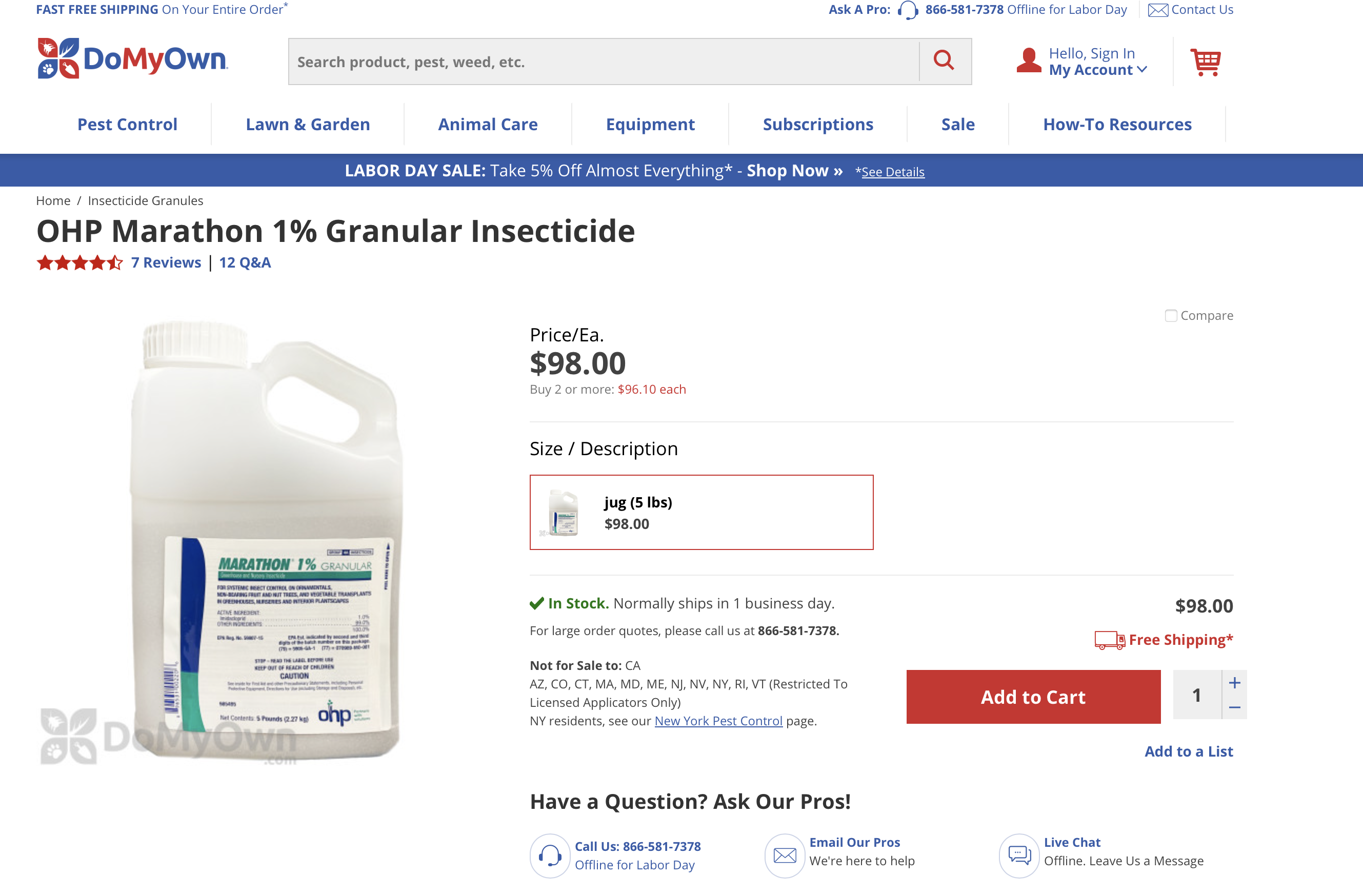
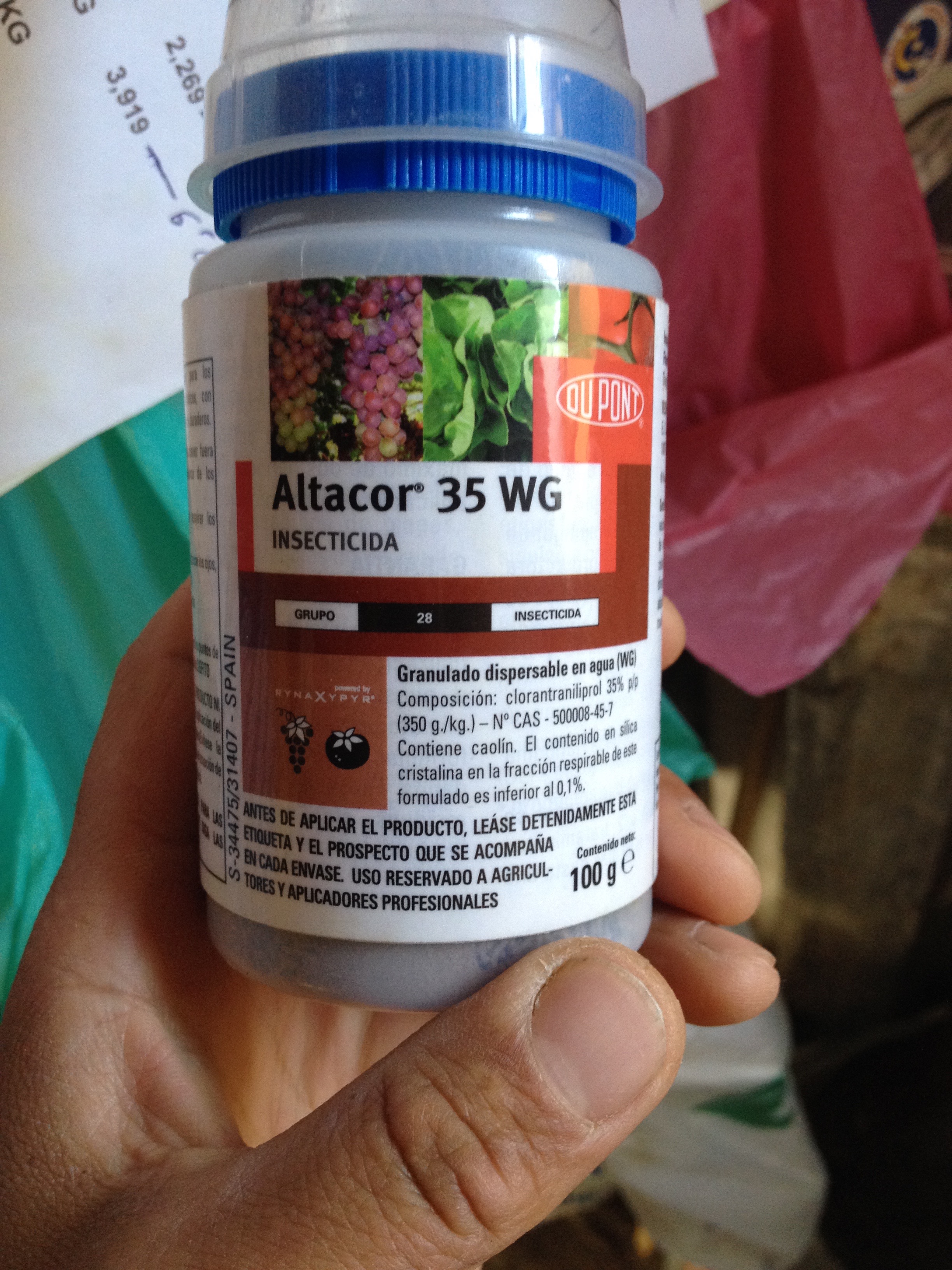
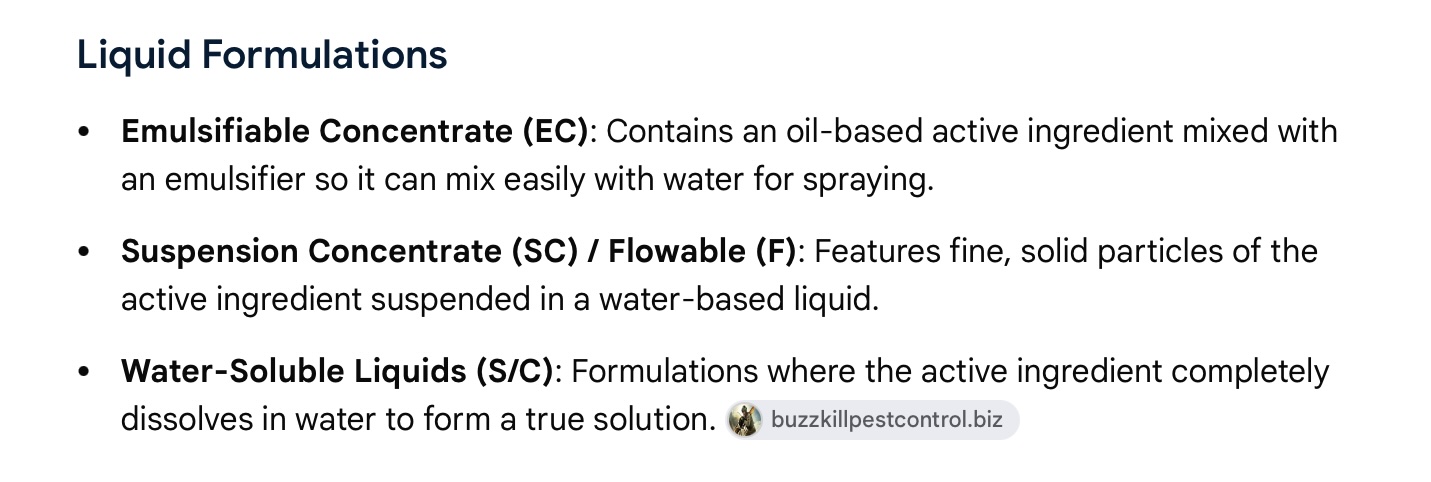
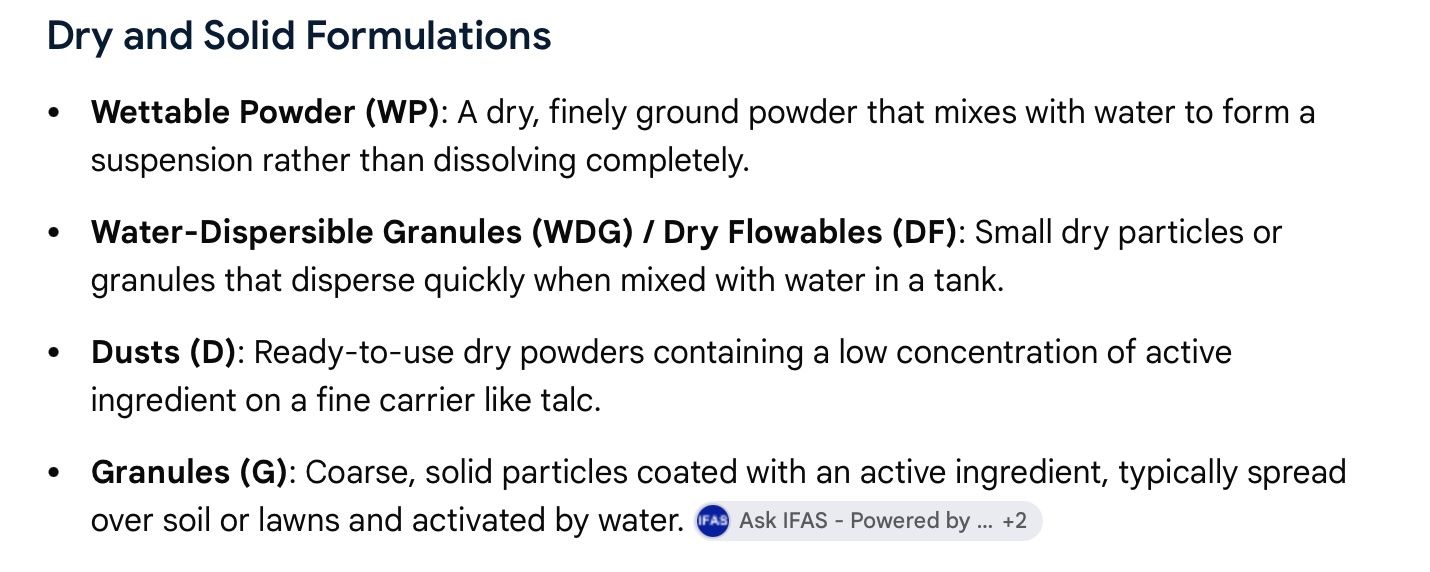
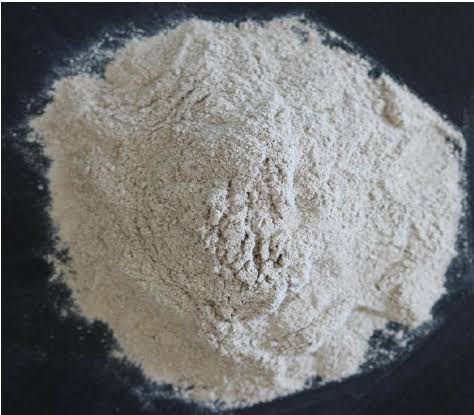
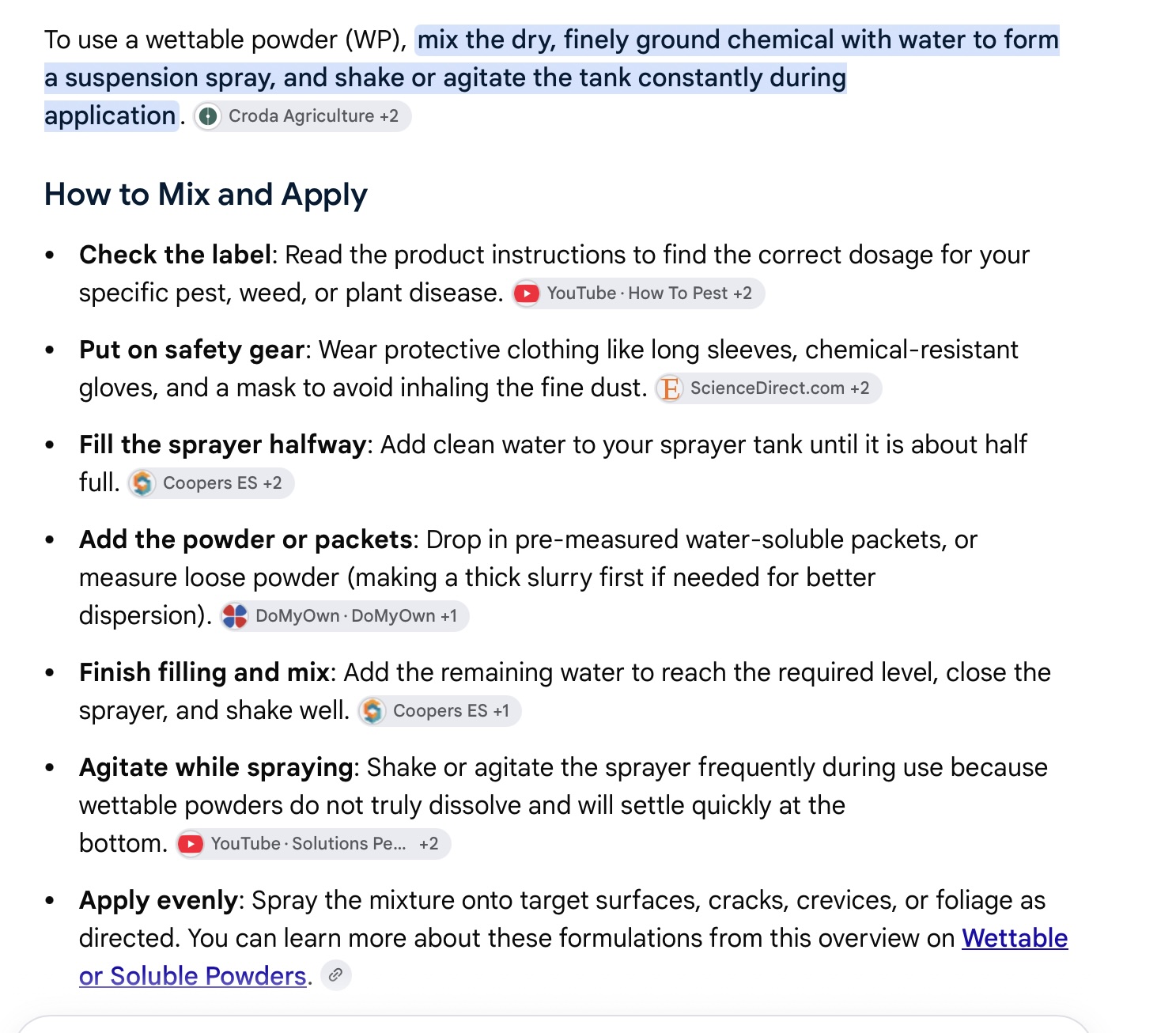
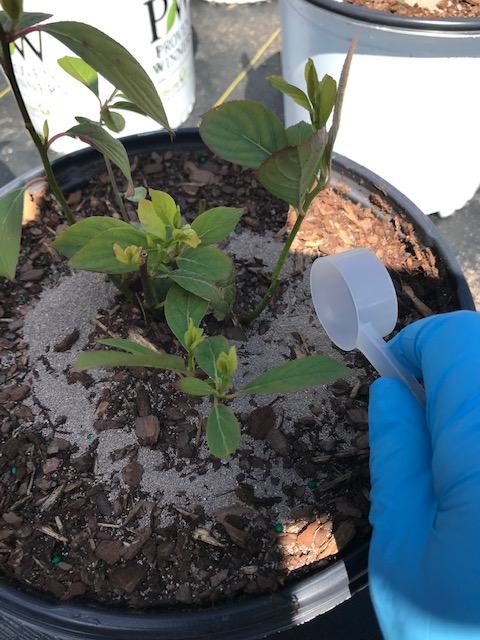
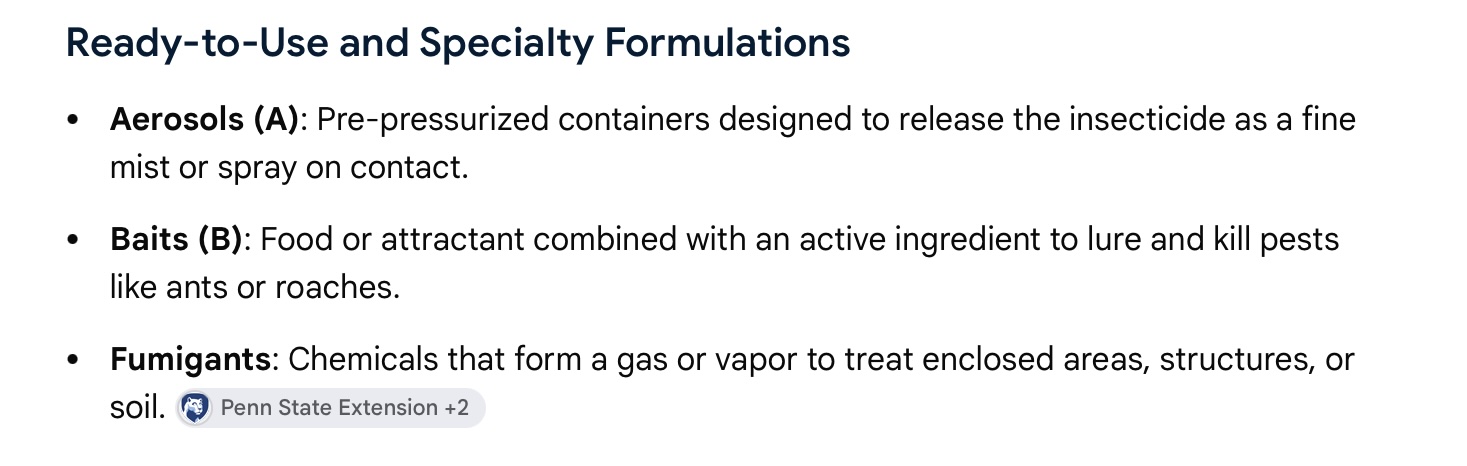
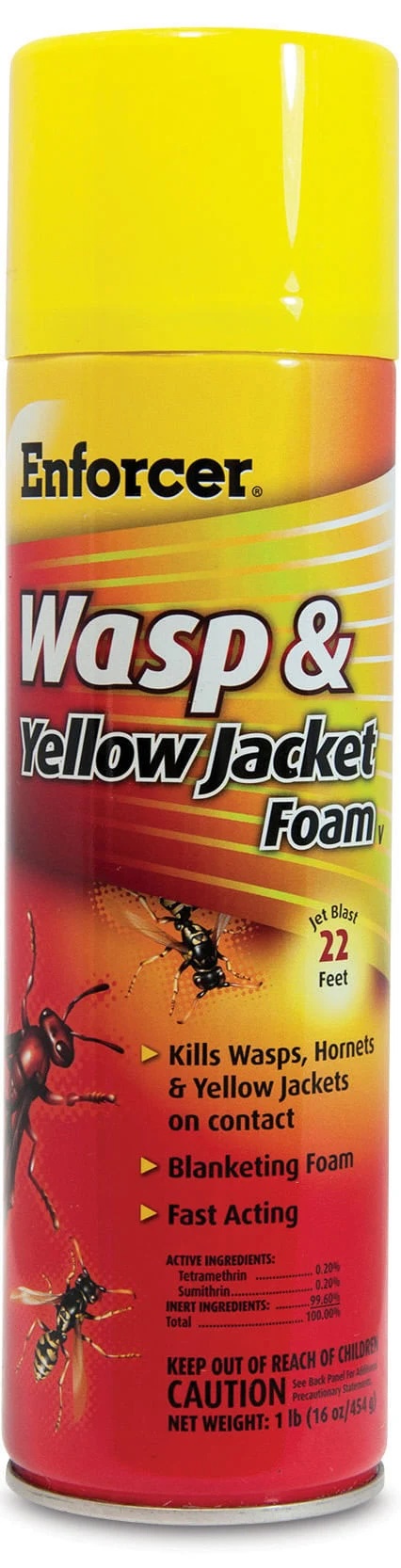
We discuss the formulations of insecticides, miticides, and molluscicides –
they come as liquid, solid, or gas
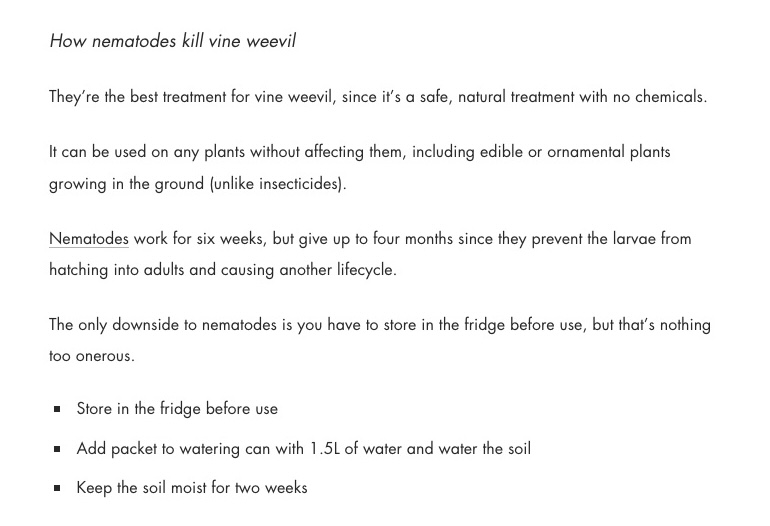
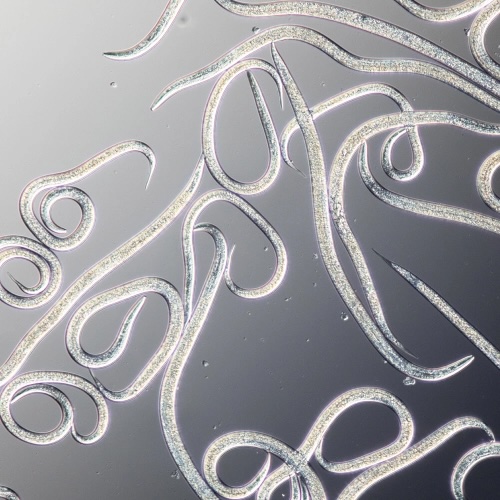
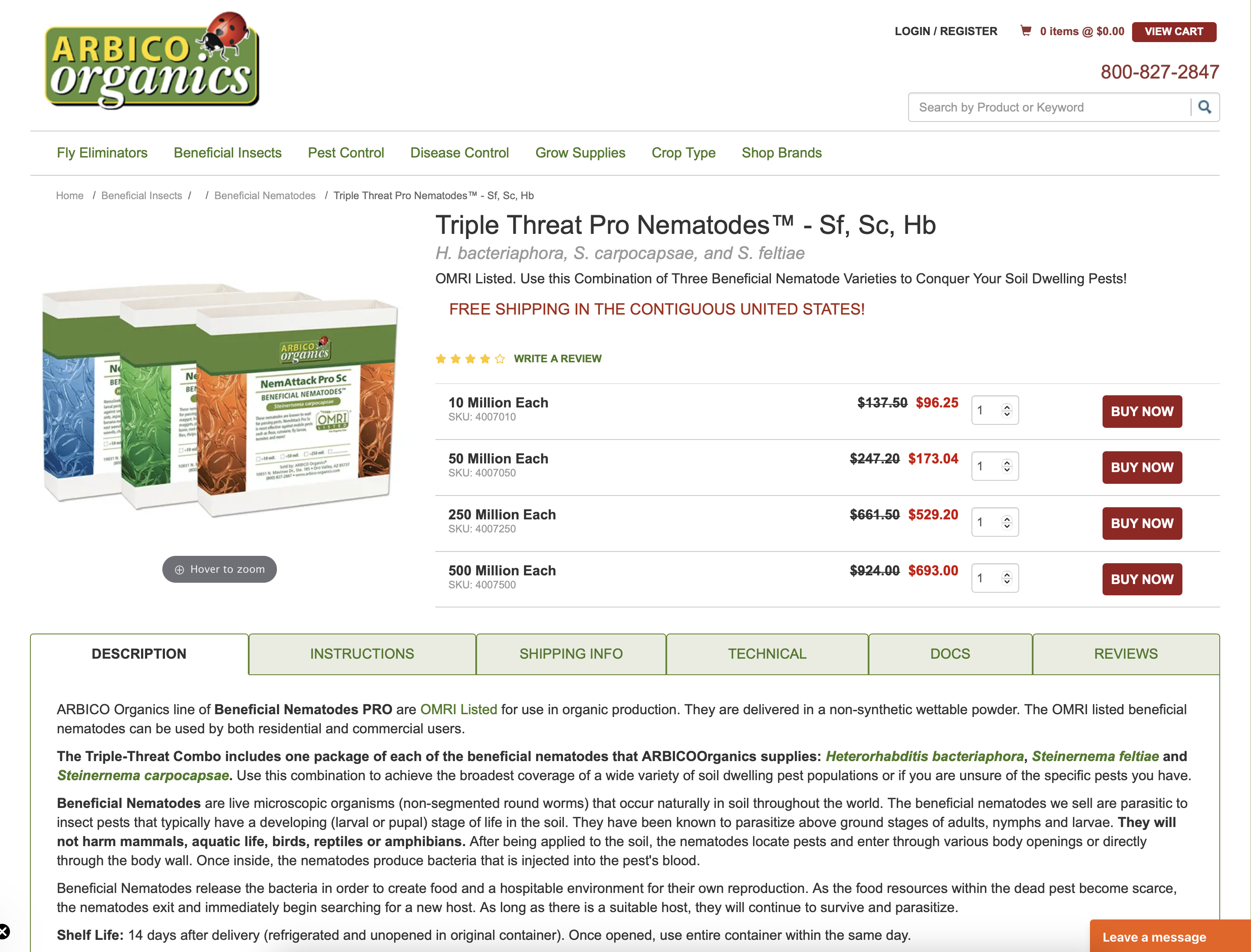
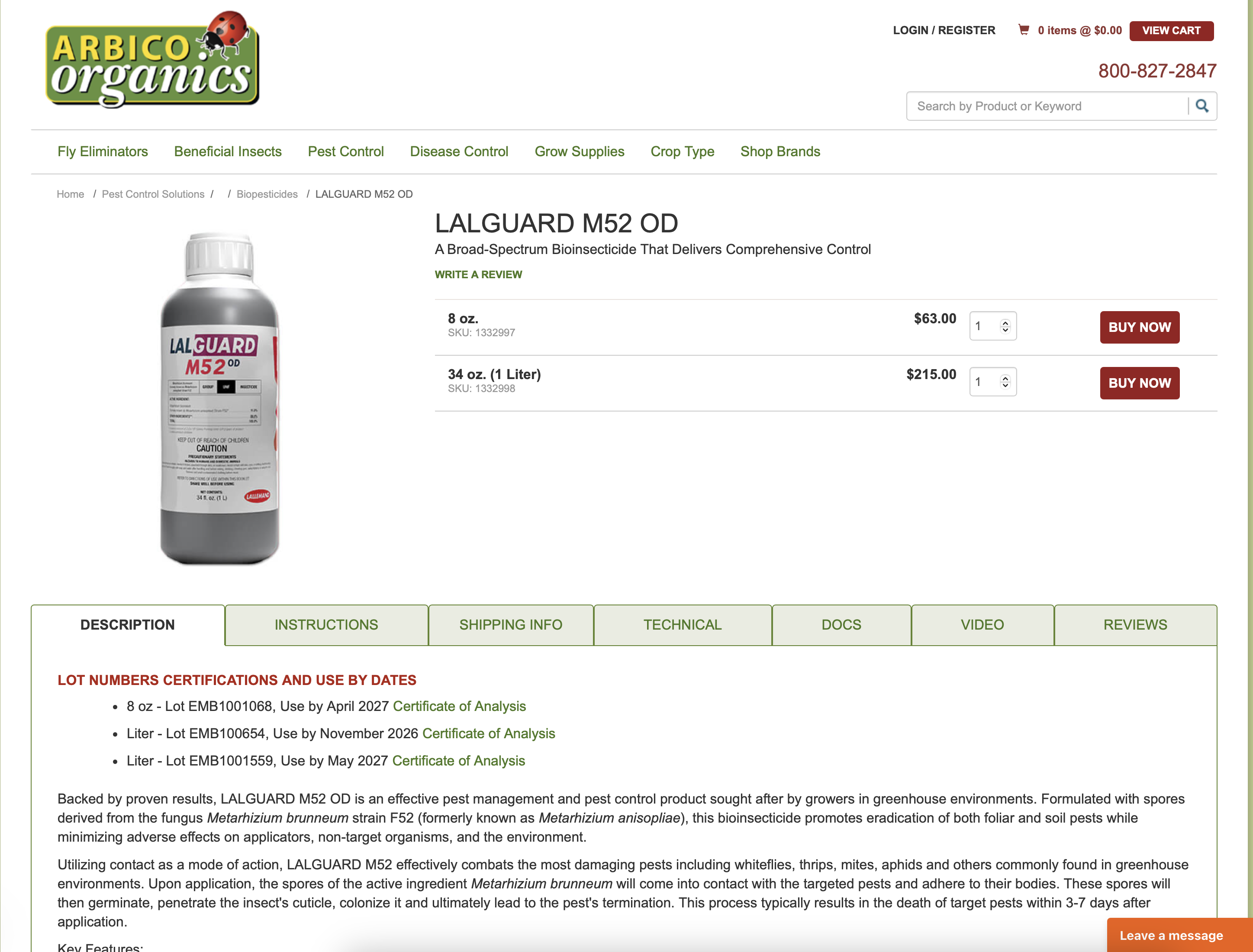
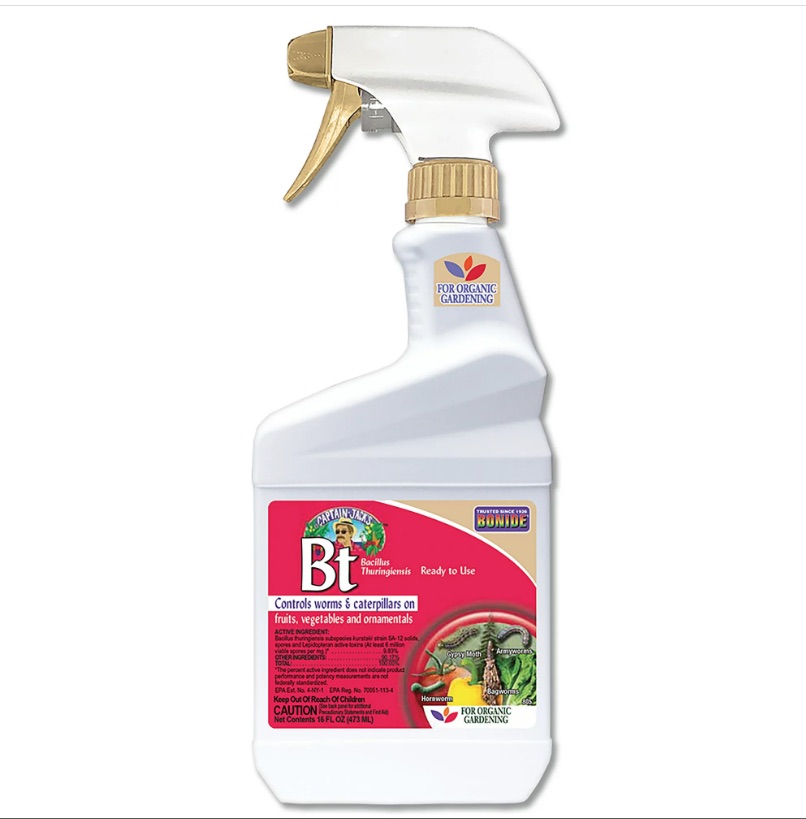
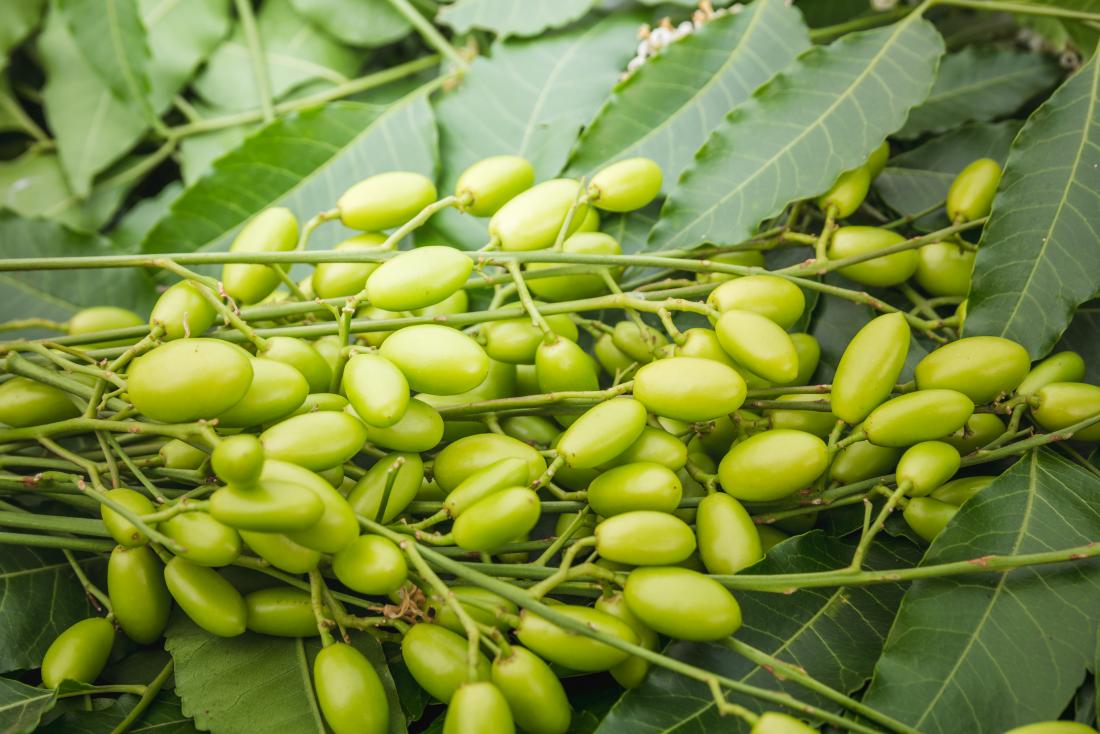
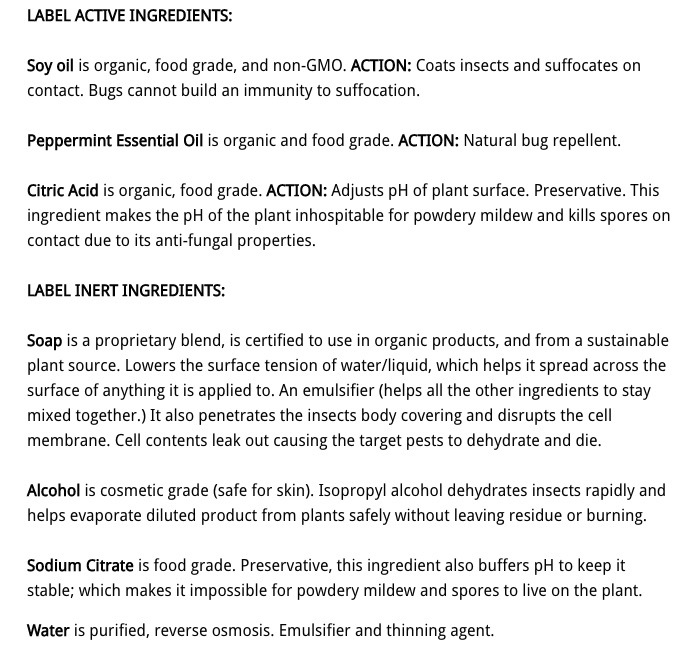
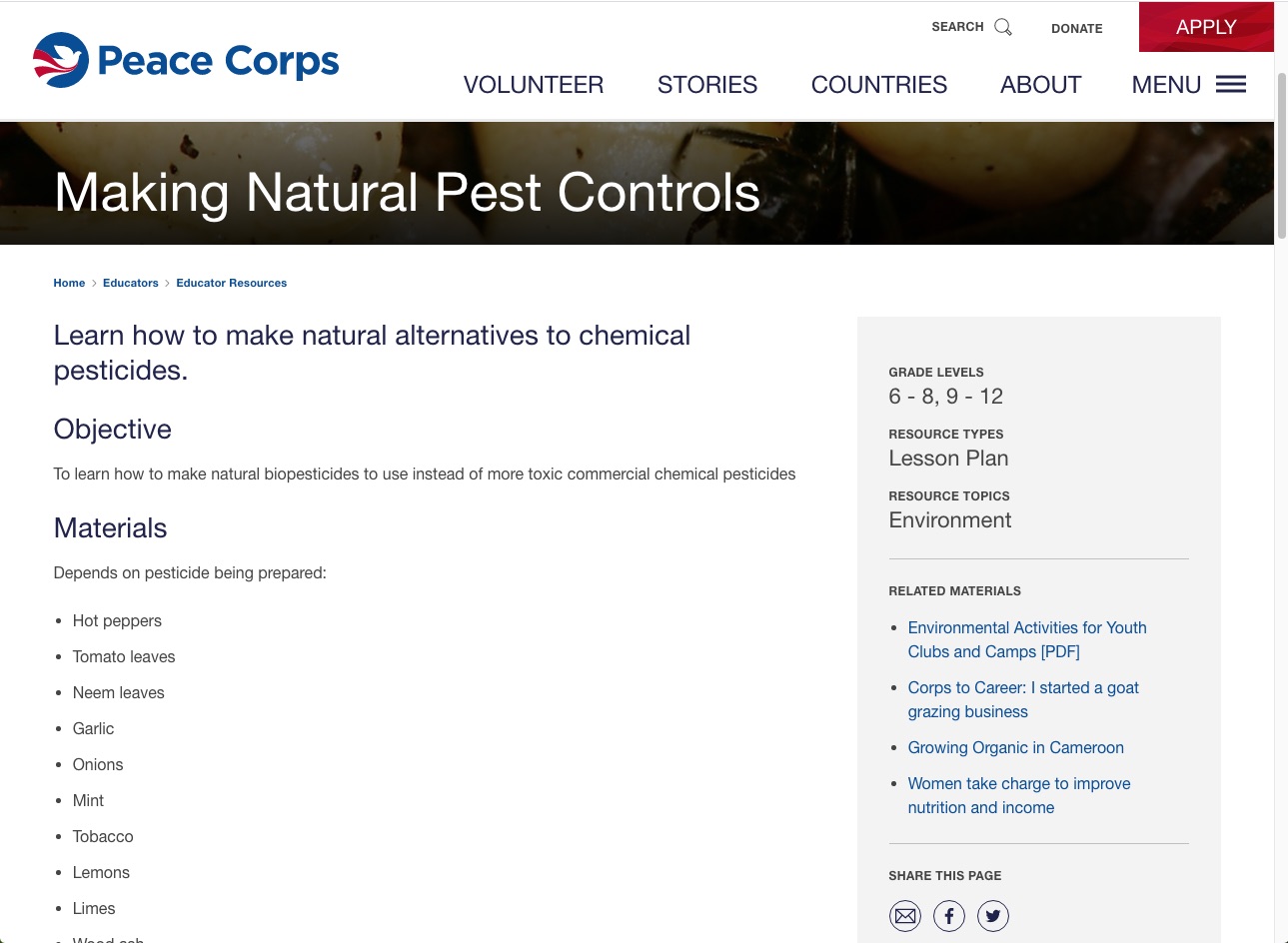
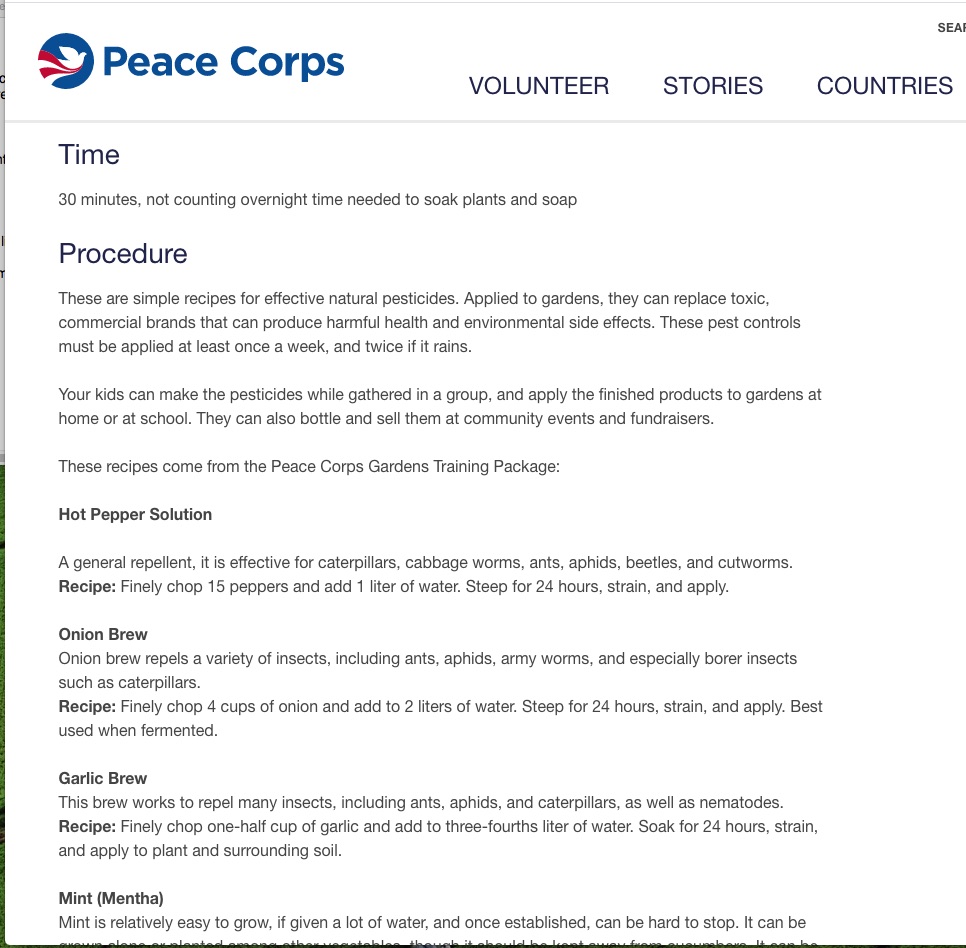
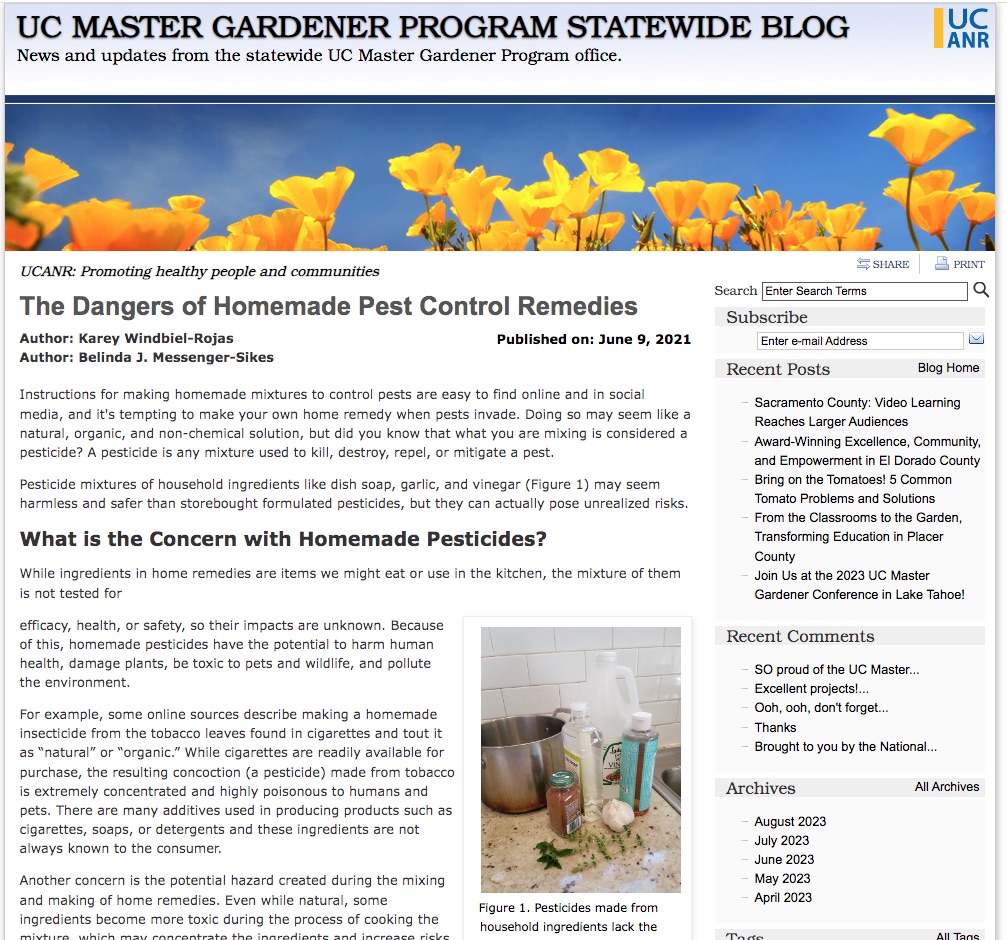
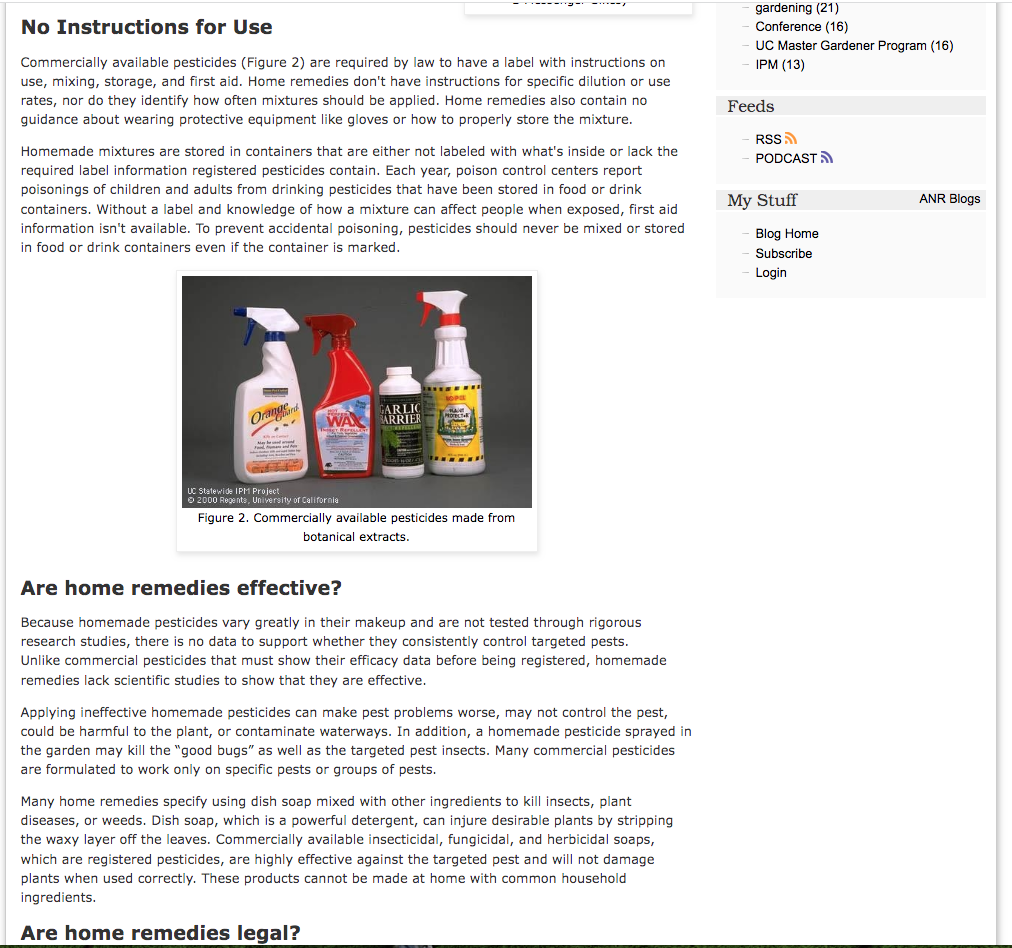
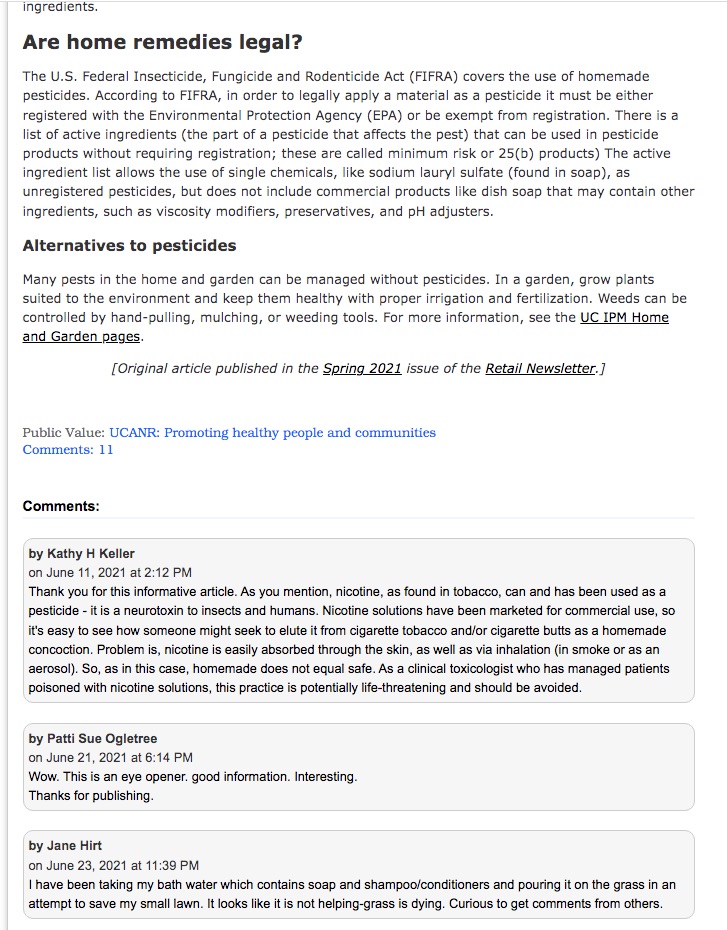
And we discuss the difference between synthetic pesticides, biological/microbial pesticides, and botanical pesticides
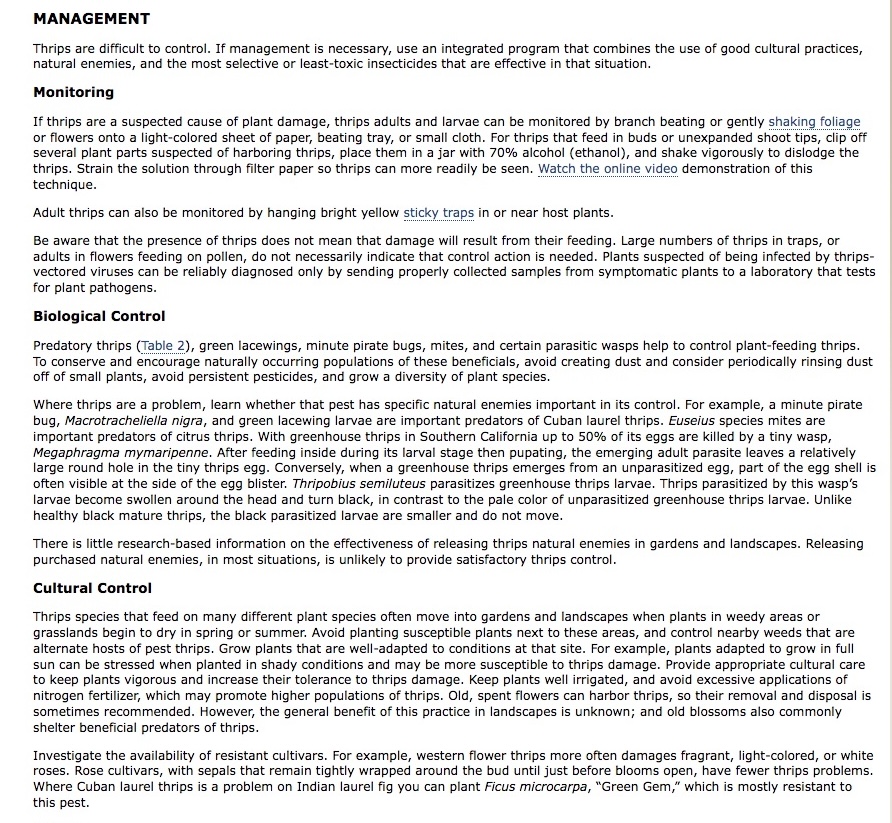
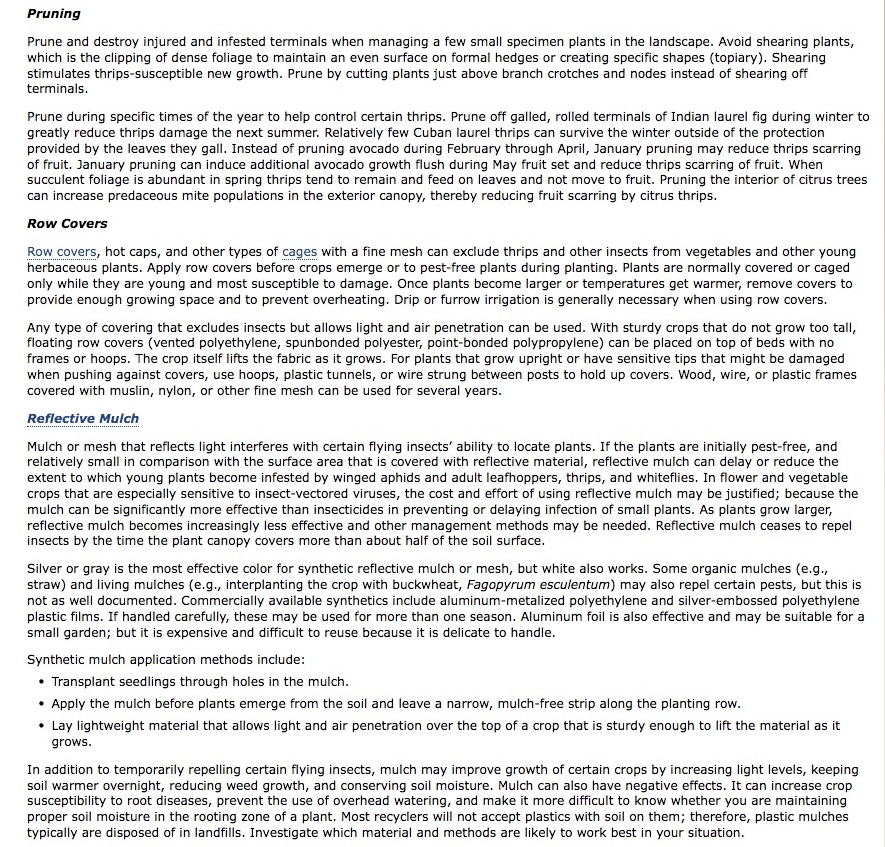
Factors to consider include timing, application rate, toxicity, resistance, cost, and more
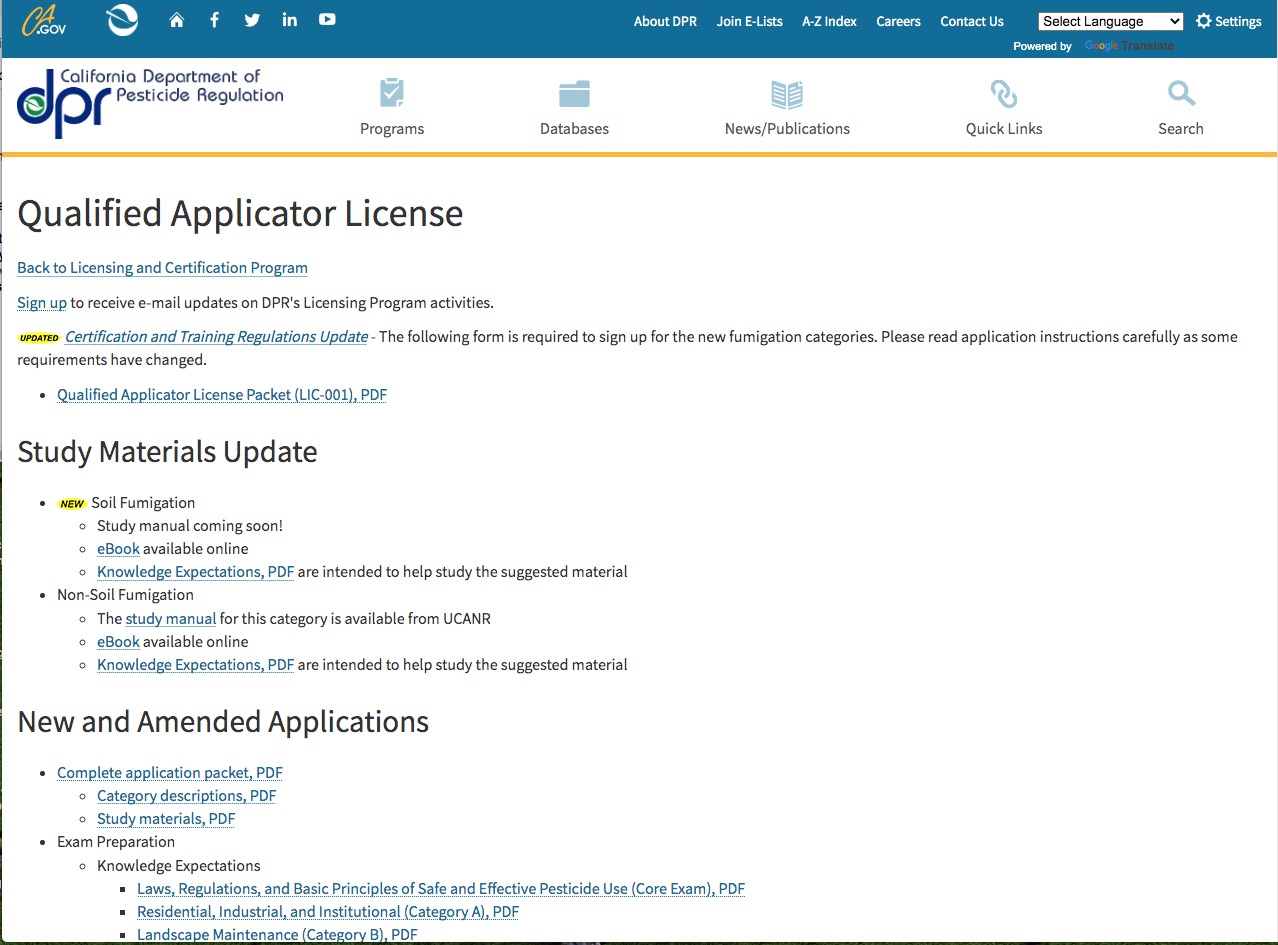
The talk ends with the licensing agency for pesticides in California,
And encouragement for students to get their applicator license or certificate
Here we go